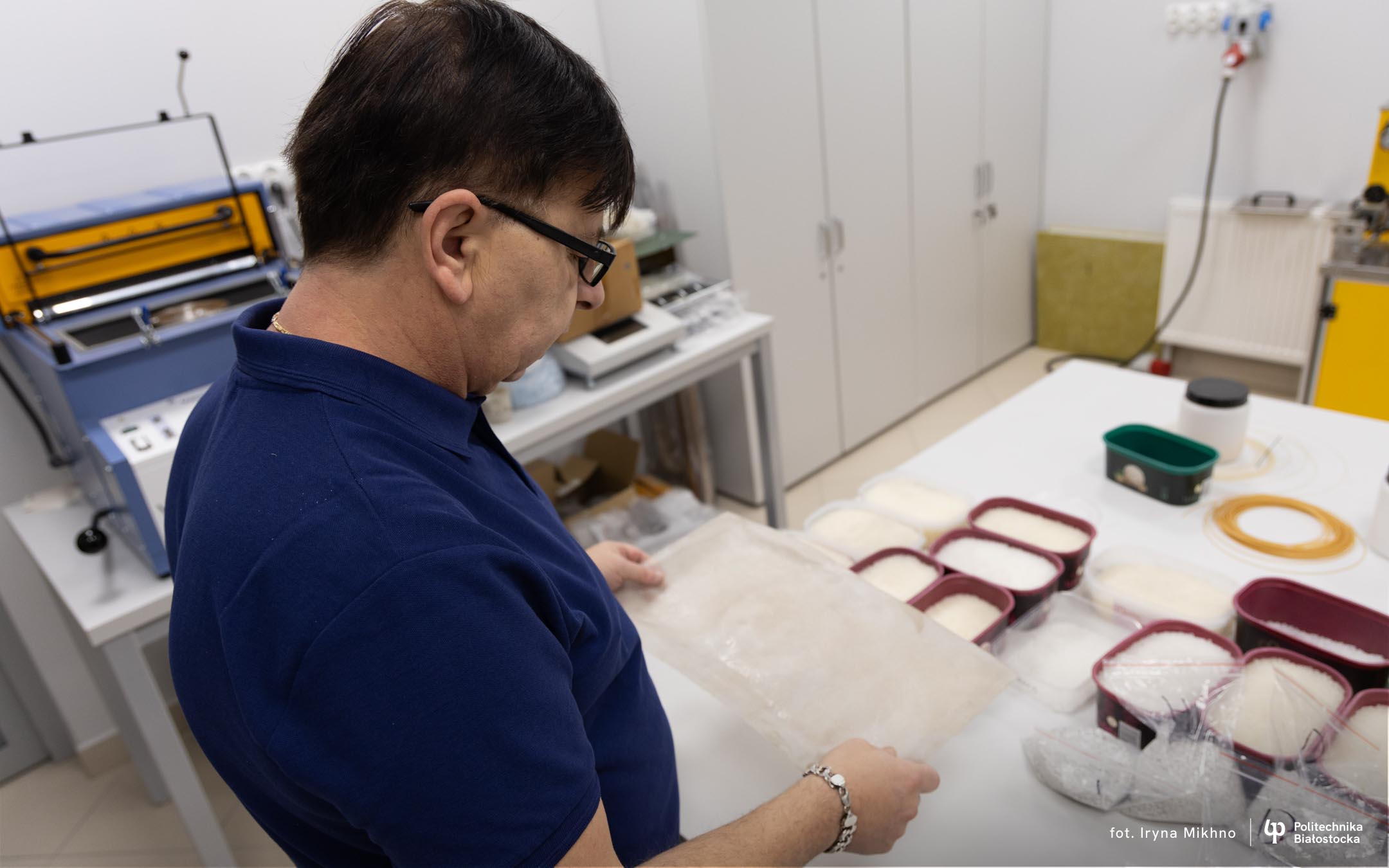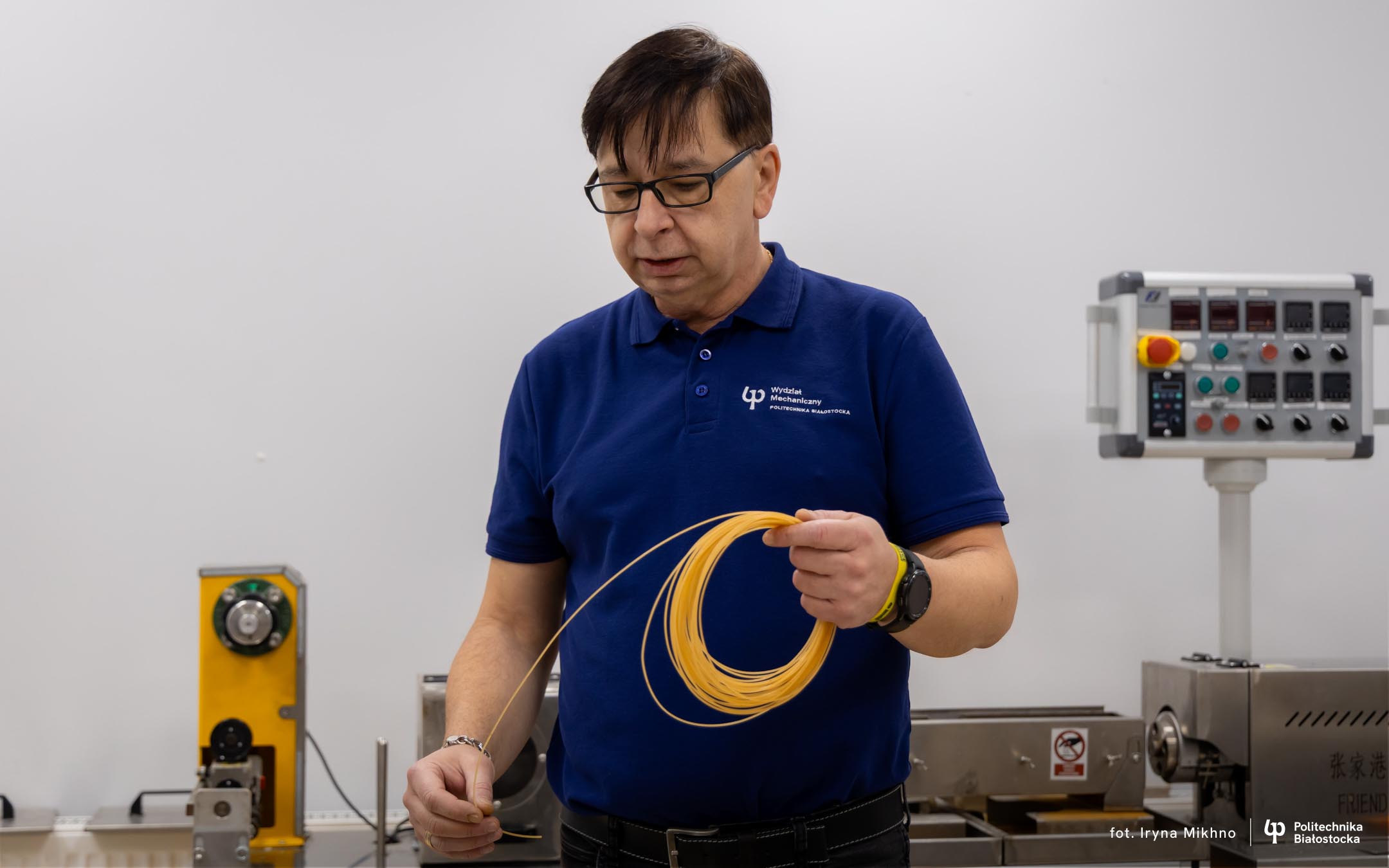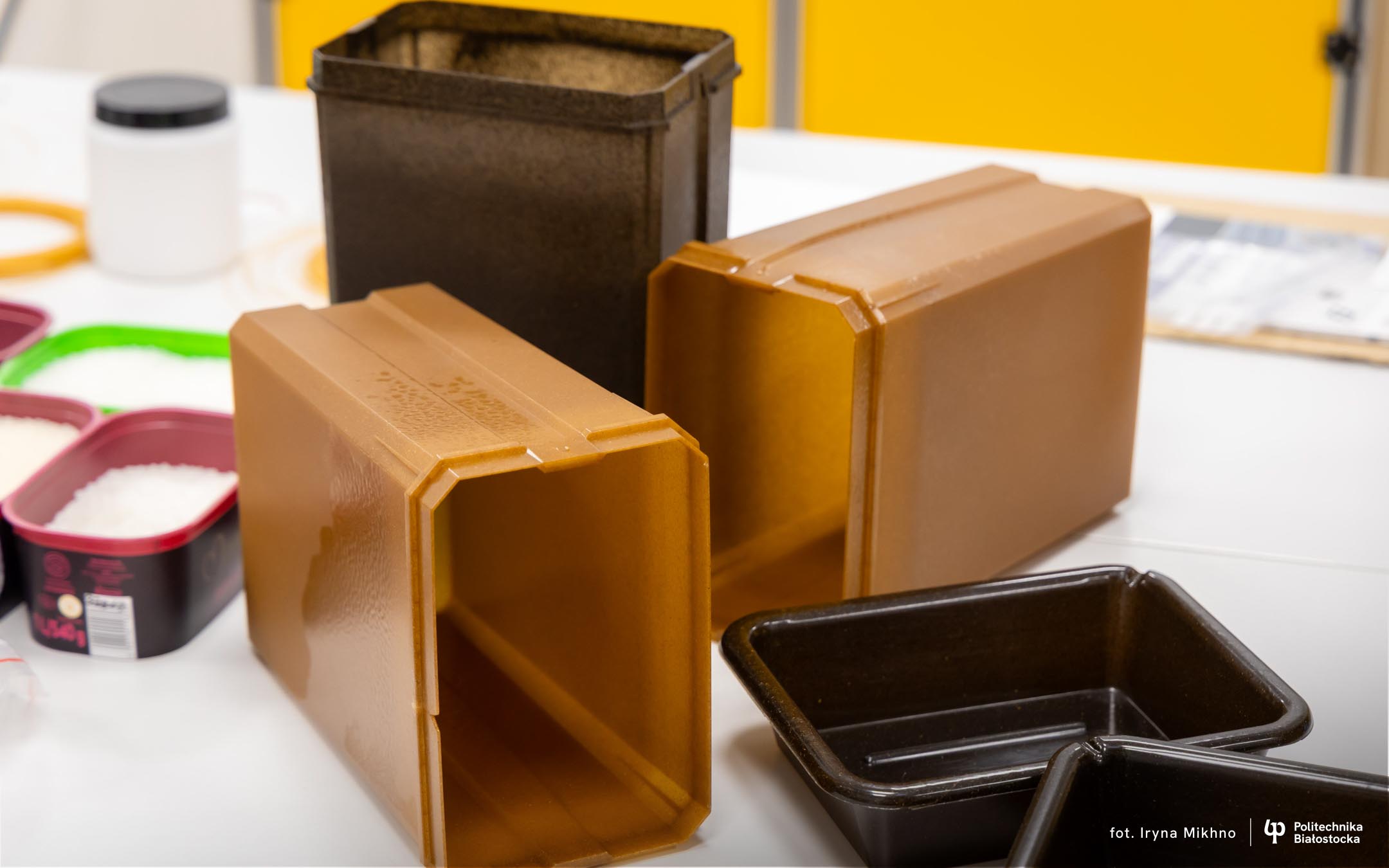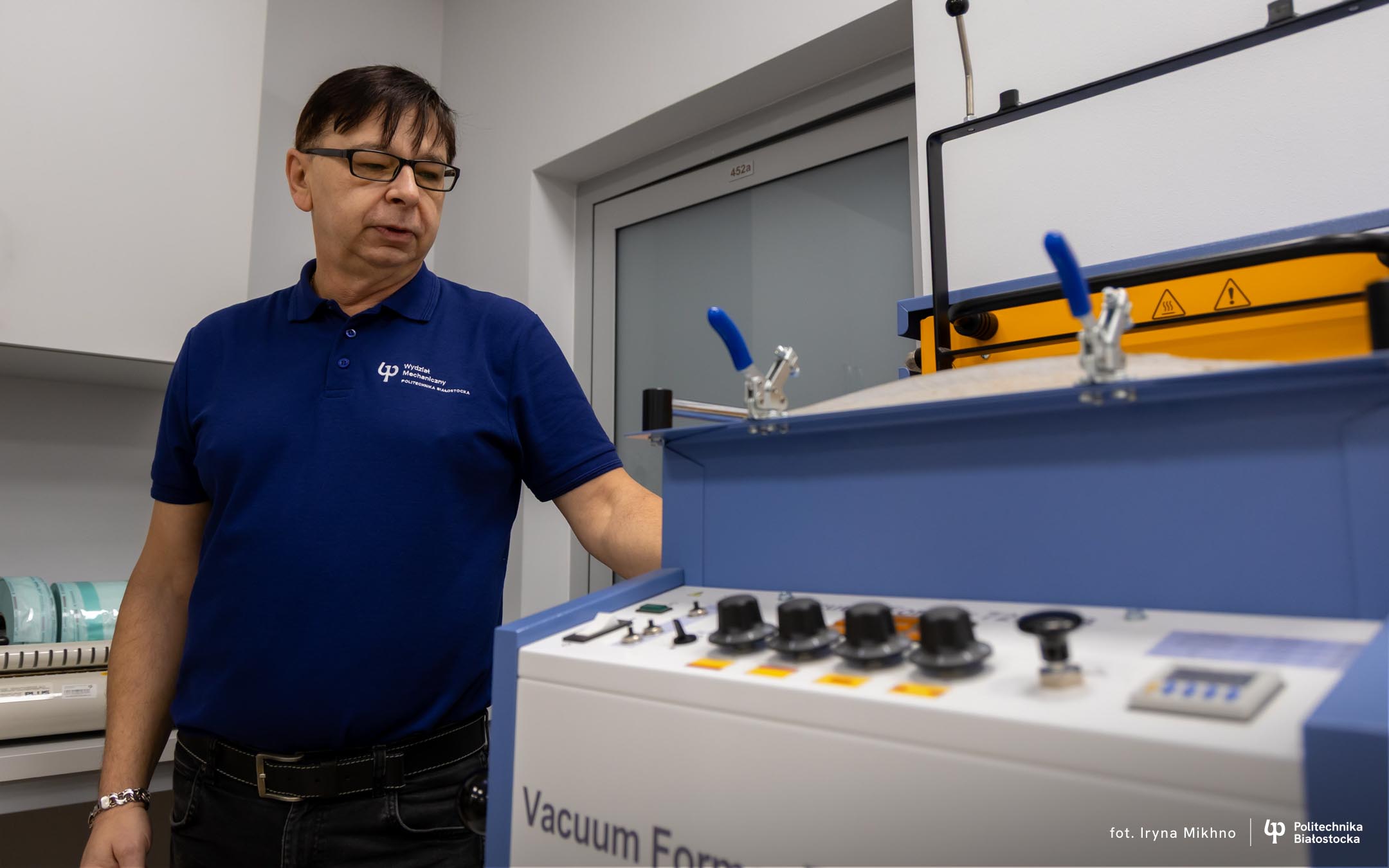
The circular economy presents a challenge for scientists worldwide. Bialystok University of Technology is leading a consortium researching next-generation biodegradable materials. Biodegradable buckets made from sunflower seed husks or sweet flag are the first tangible results of the international consortium’s work.
Not only will they decompose into carbon dioxide and water at the landfill, but they can also be reused as a raw material before they end up in the waste. How is that possible?
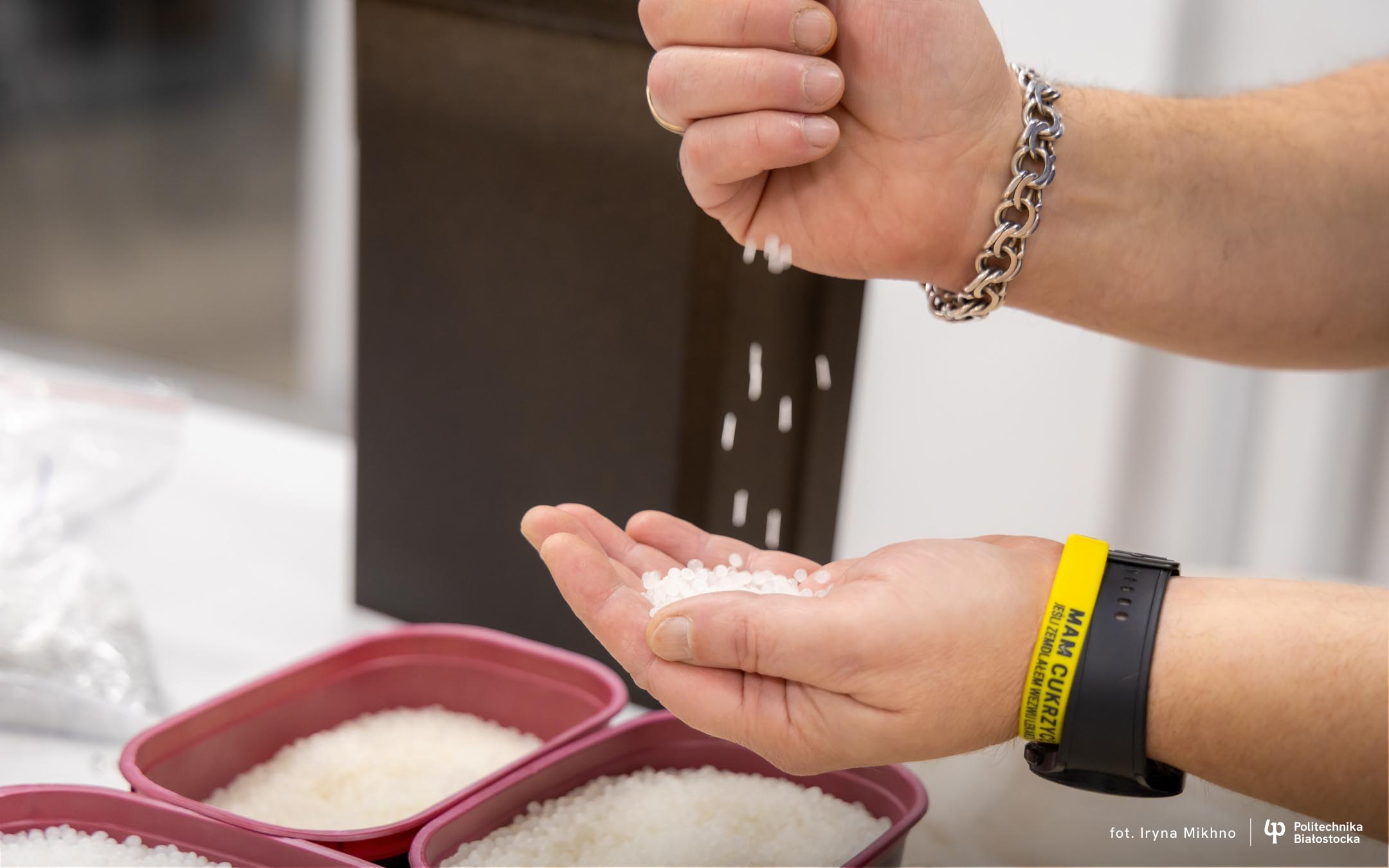
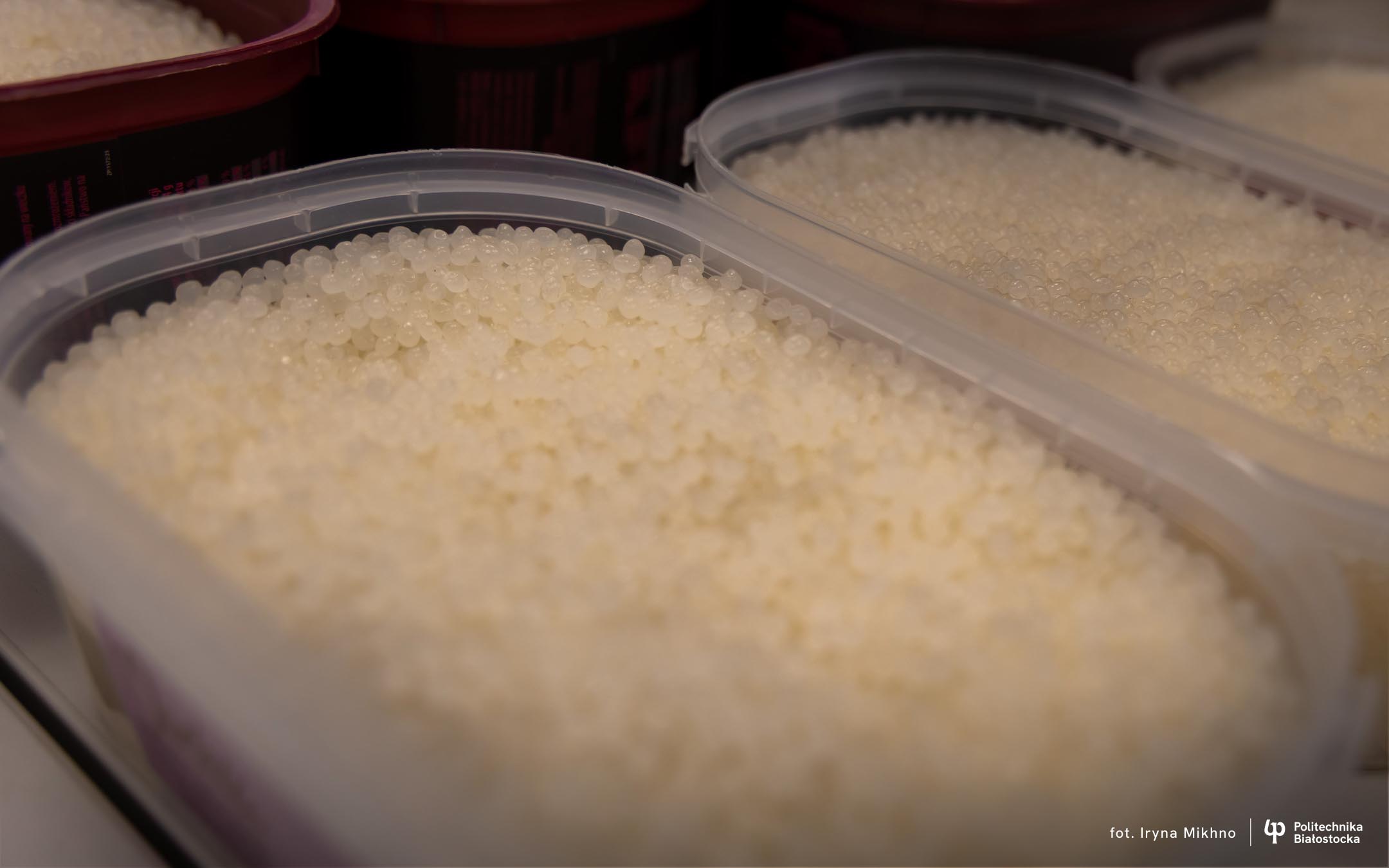
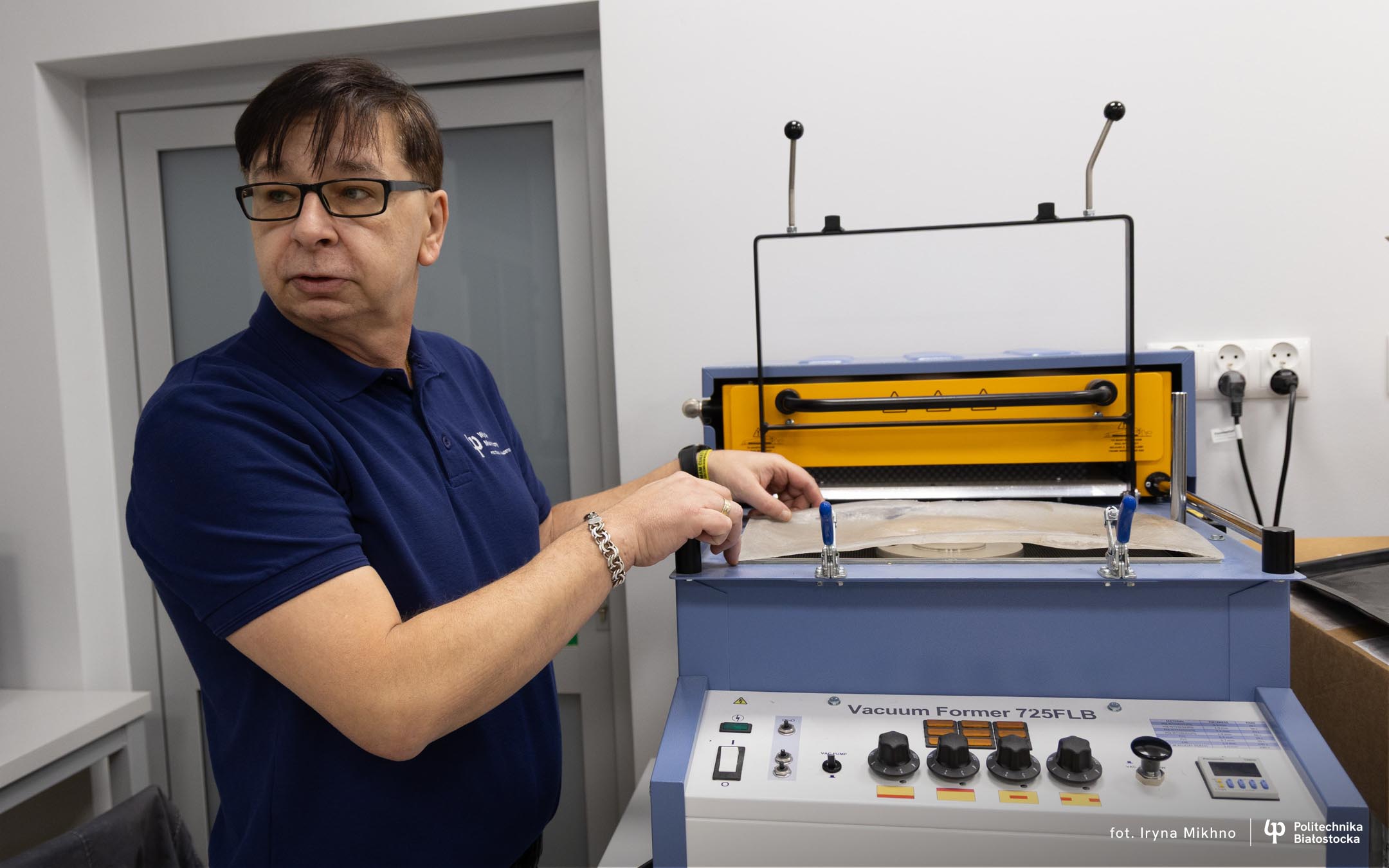
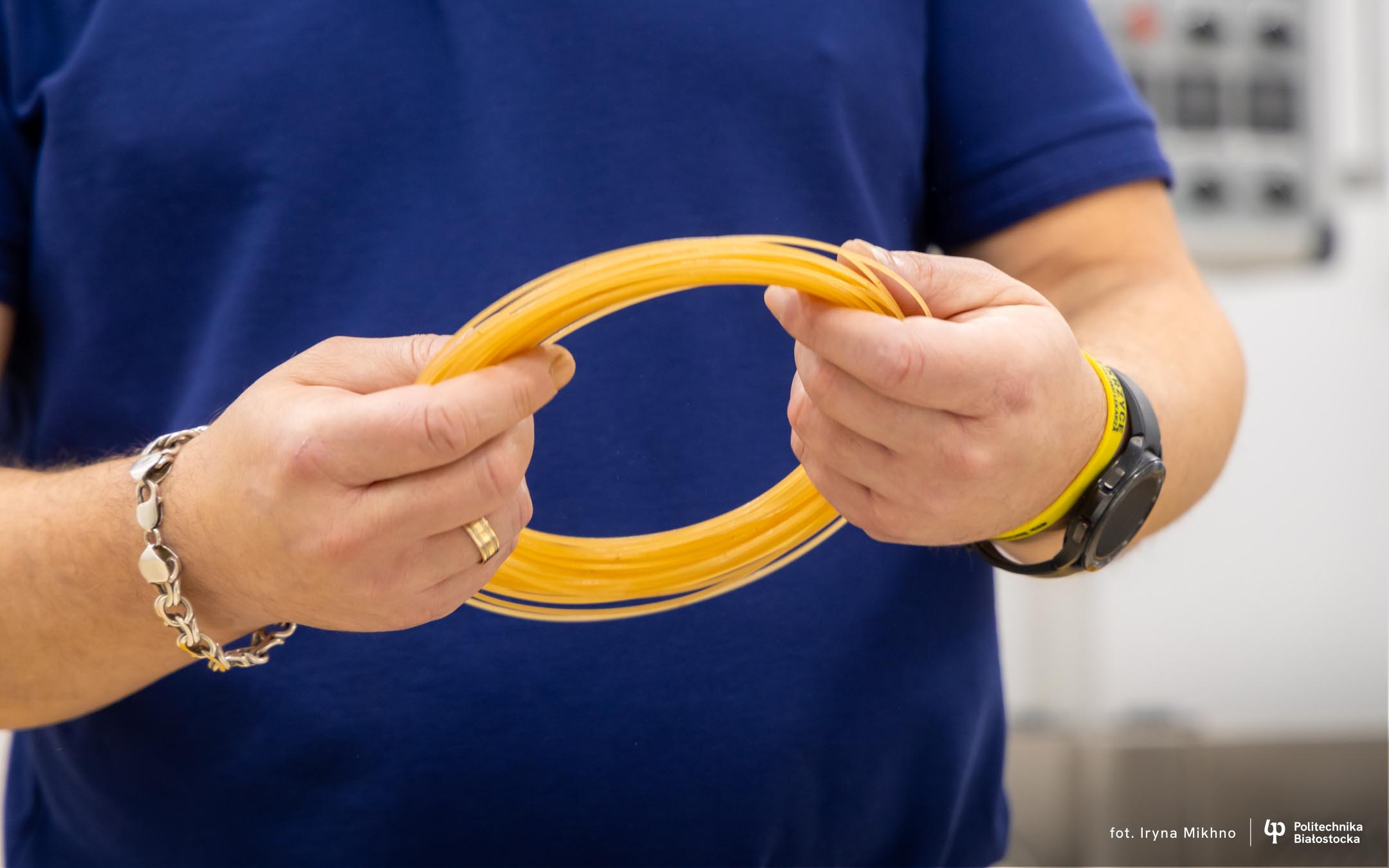
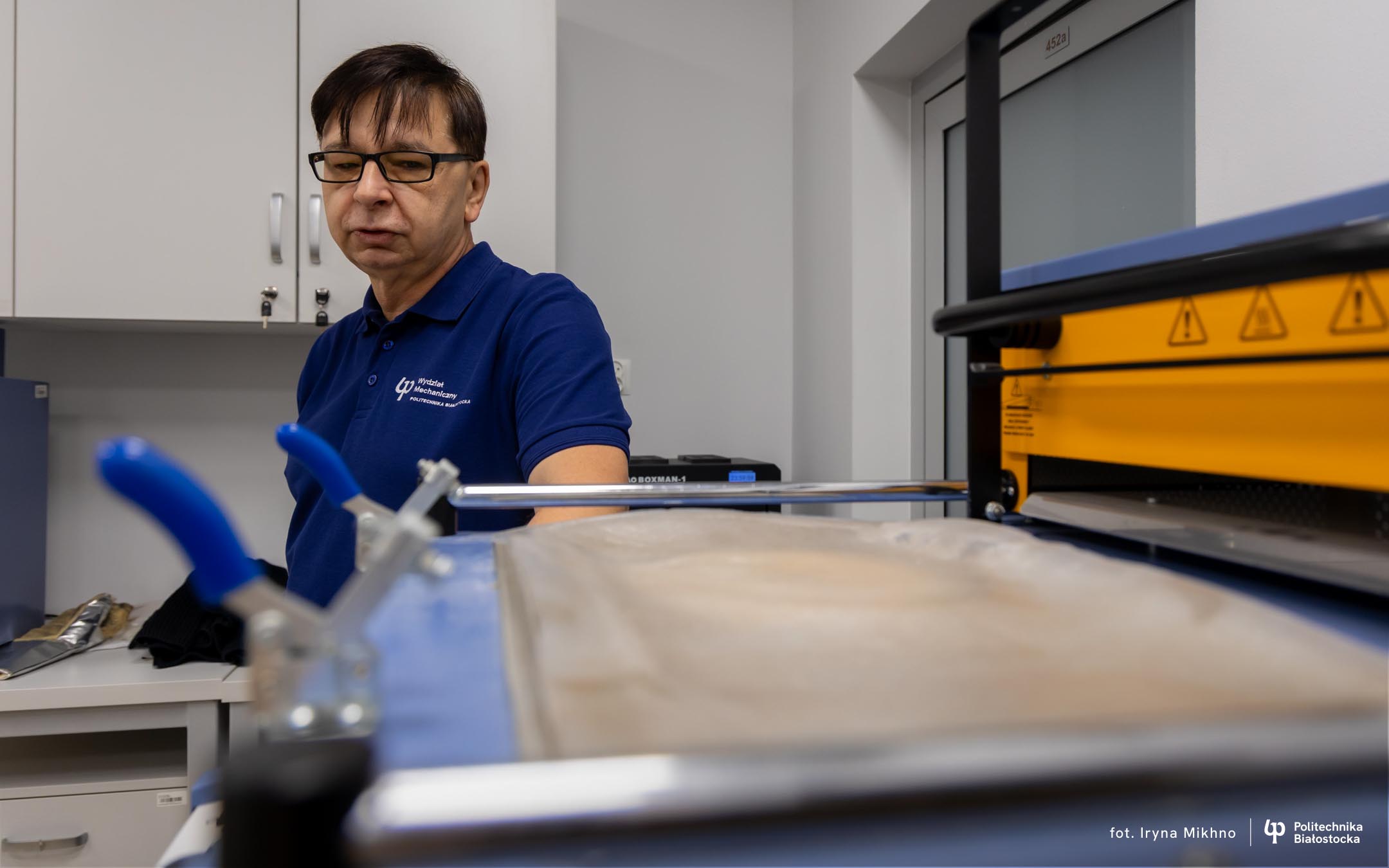
Scientists have long used polylactide – a biodegradable polymer derived from renewable resources, often produced from materials like corn or sugar cane. It is widely used as an environmentally friendly alternative to traditional plastics, with applications in industries such as agriculture, forestry, packaging, horticulture, bioengineering, and biomedical engineering. It is processed using traditional pressure methods, such as injection moulding, extrusion, and thermoforming. It is also widely used in 3D printing.
– Polylactide is considered by the industry to have insufficient mechanical properties – explains Marek Jałbrzykowski, DSC, PhD, Eng., a professor at Bialystok University of Technology’s Faculty of Mechanical Engineering, Department of Materials Engineering and Production. – In fact, it has very good mechanical properties, comparable to traditional engineering plastics like polycarbonate, polyamide, and ABS. However, its main drawback is its brittleness.
Researchers at Bialystok University of Technology have decided to address this issue while adhering to the principle of zero waste.
– Due to its polarity, polylactide does not want to bond with anything – admits Prof. Jałbrzykowski. – This means that adding any additive to it leads us to expect an improvement in its mechanical properties, but it turns out they are only worse.
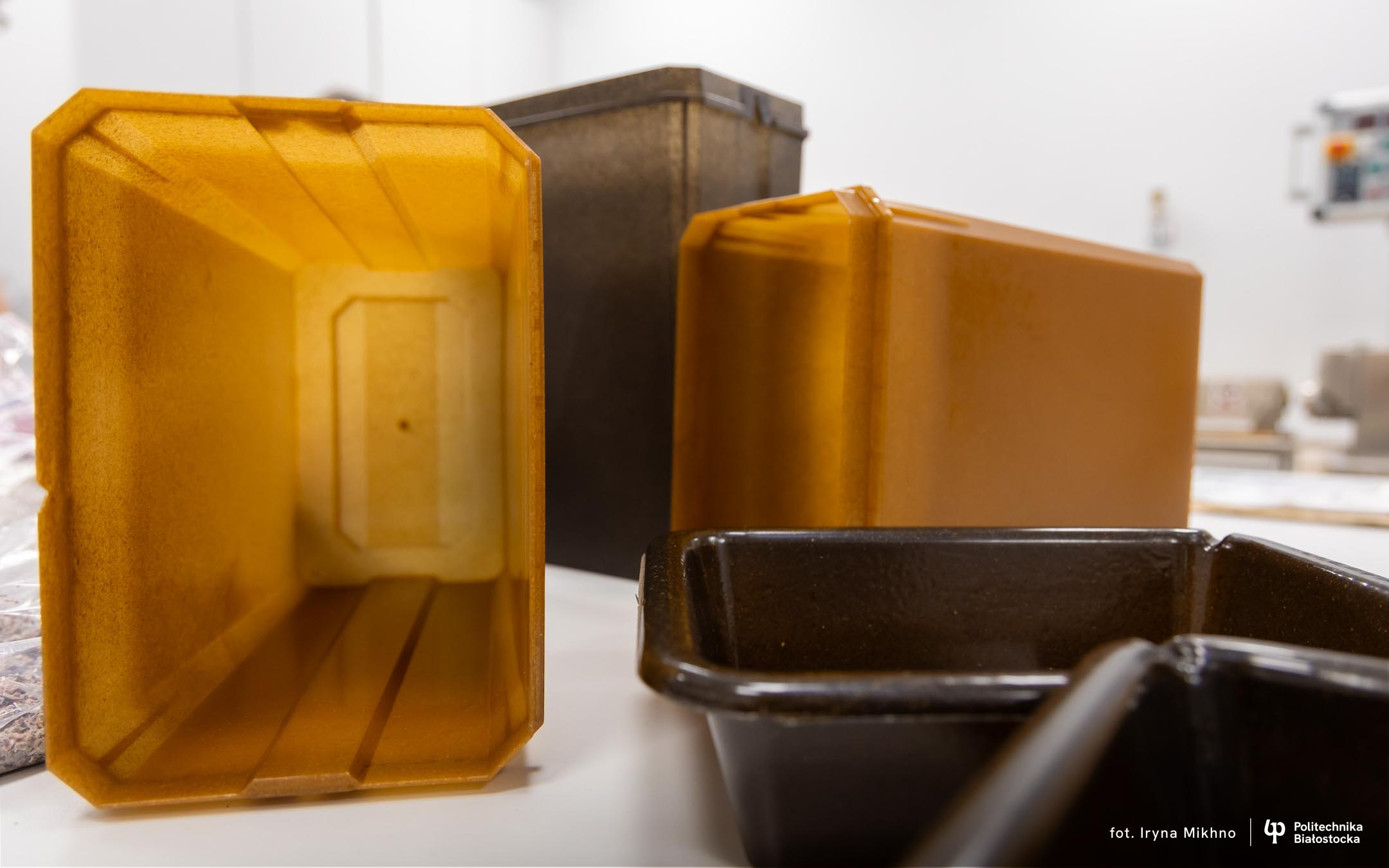
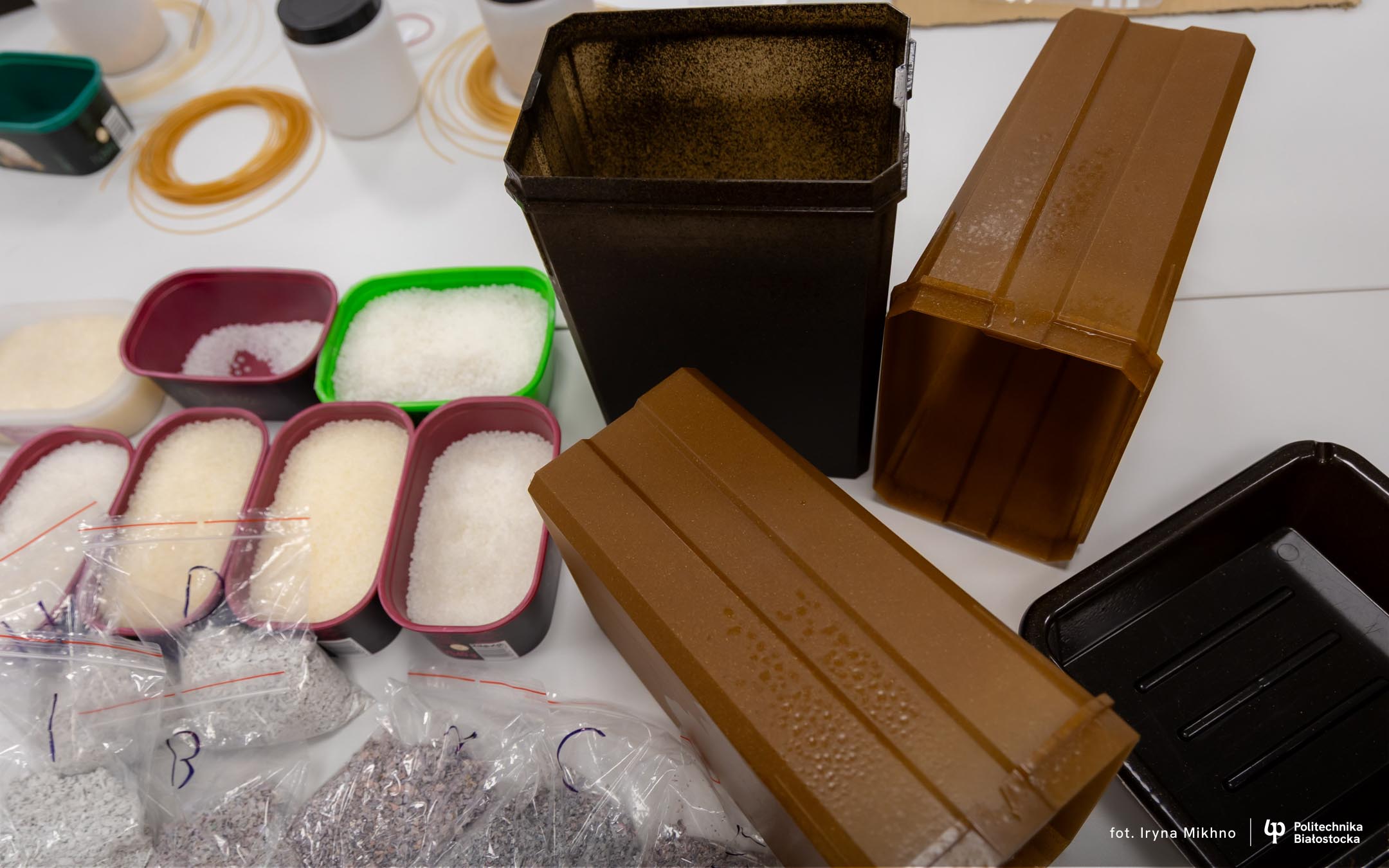
Proving that polylactide with additives would be an ideal material for industry was a challenge taken on by an entire international consortium. And so, buckets with a rather complex shape were created.
– It didn’t really matter whether it was a bucket, a litter tray, a bowl, a plate, a spoon, or a fork, – laughs Professor Jałbrzykowski. – Our point was that the larger the product, and the longer or more difficult it is to inject or press, the harder it will be to design a universal or functional material. At the same time, if it meets these difficult criteria, it will certainly meet the simpler ones, such as simple injections or extrusion operations. That’s why we chose a more challenging object.
The researchers, led by Bialystok University of Technology, were tasked with verifying scientific considerations and laboratory tests in a real-world production or industrial setting.
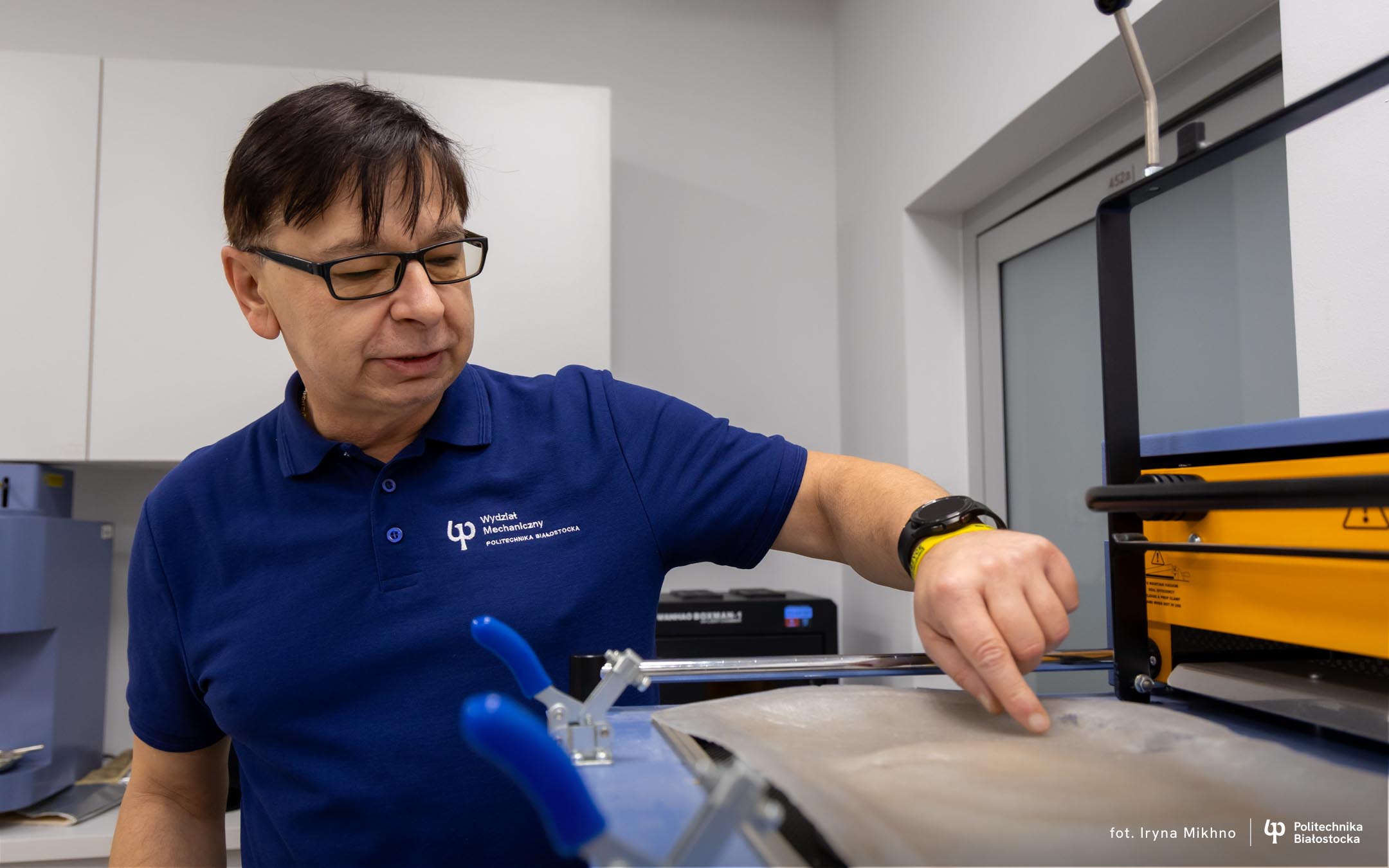
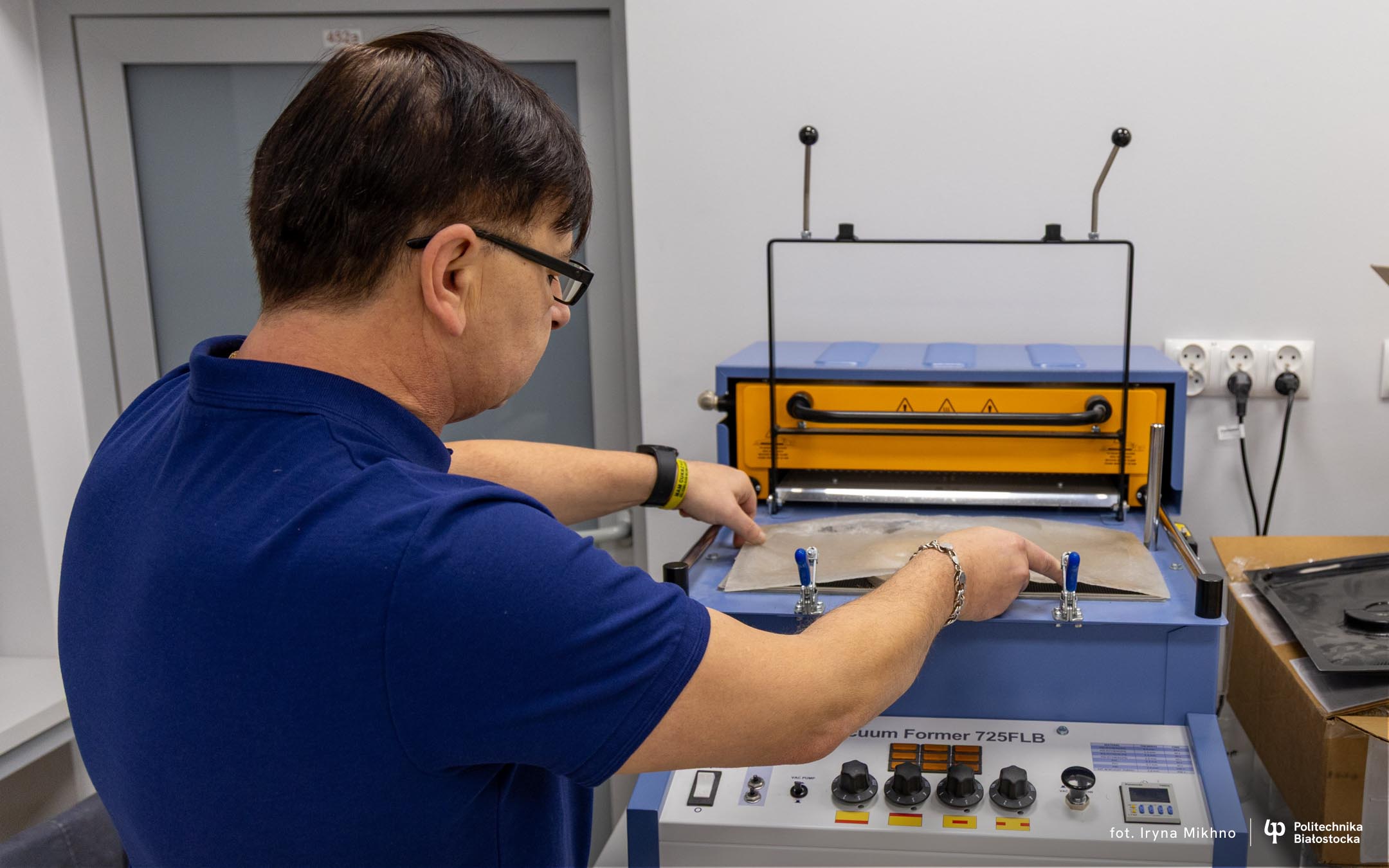
– We asked Pimar-Plastics for support, and they agreed to help us with industrial trials – says Prof. Jałbrzykowski. – It’s within a company, under industrial conditions, that we can verify and prove that a new material is suitable for injection moulding, extrusion, and thermoforming, and that the products manufactured using these techniques meet quality requirements.
And so, a simple bucket, for example, has itself become a product that may never become waste!
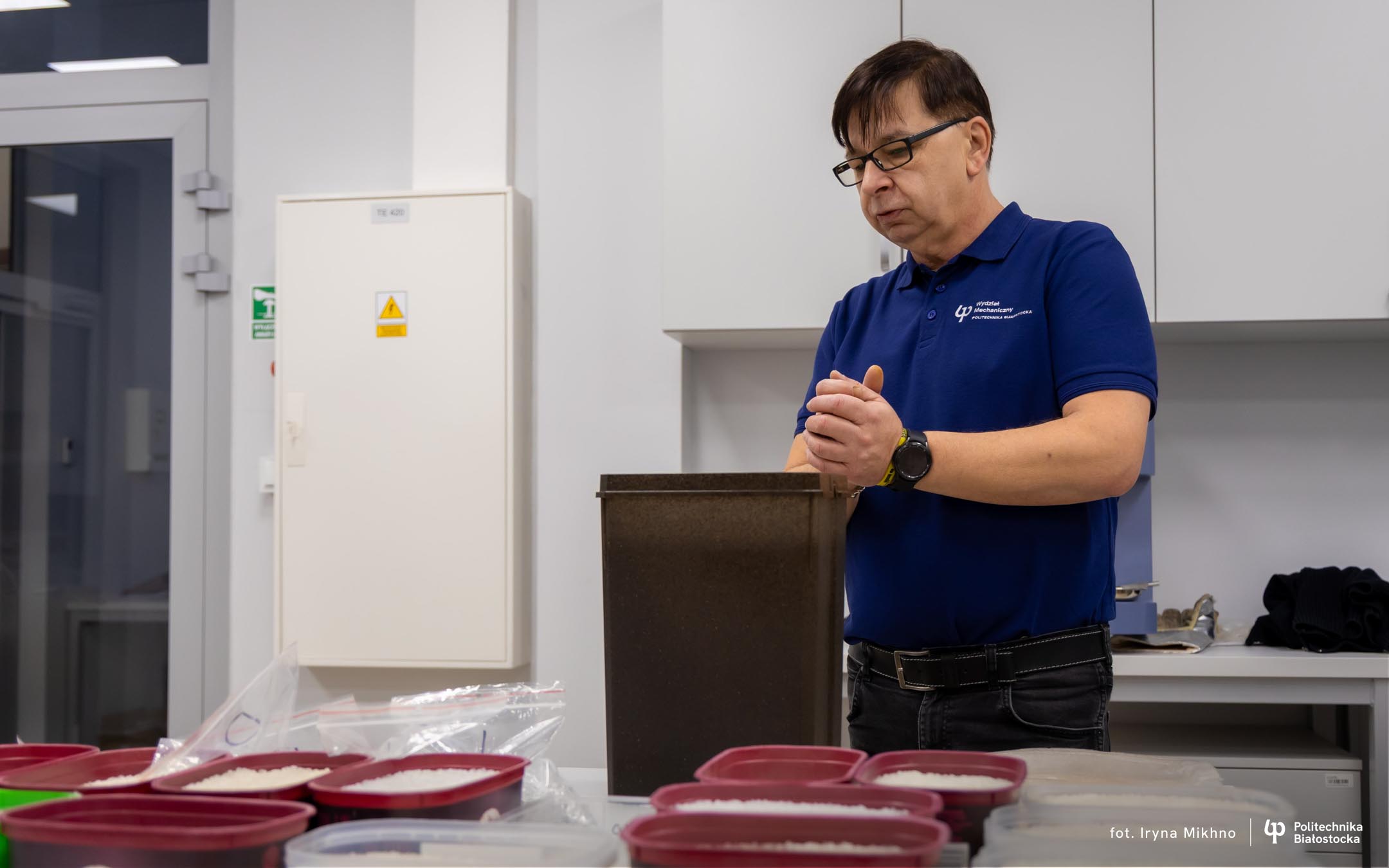
– We are now investigating whether this material can be repeatedly ground and then re-injected, and if so, what impact this would have on its performance, brittleness, mechanical strength, biodegradability, and reusability, explains Prof. Jałbrzykowski. – Instead of waiting for it to decompose, we can use it as a raw material, as a product for reuse.
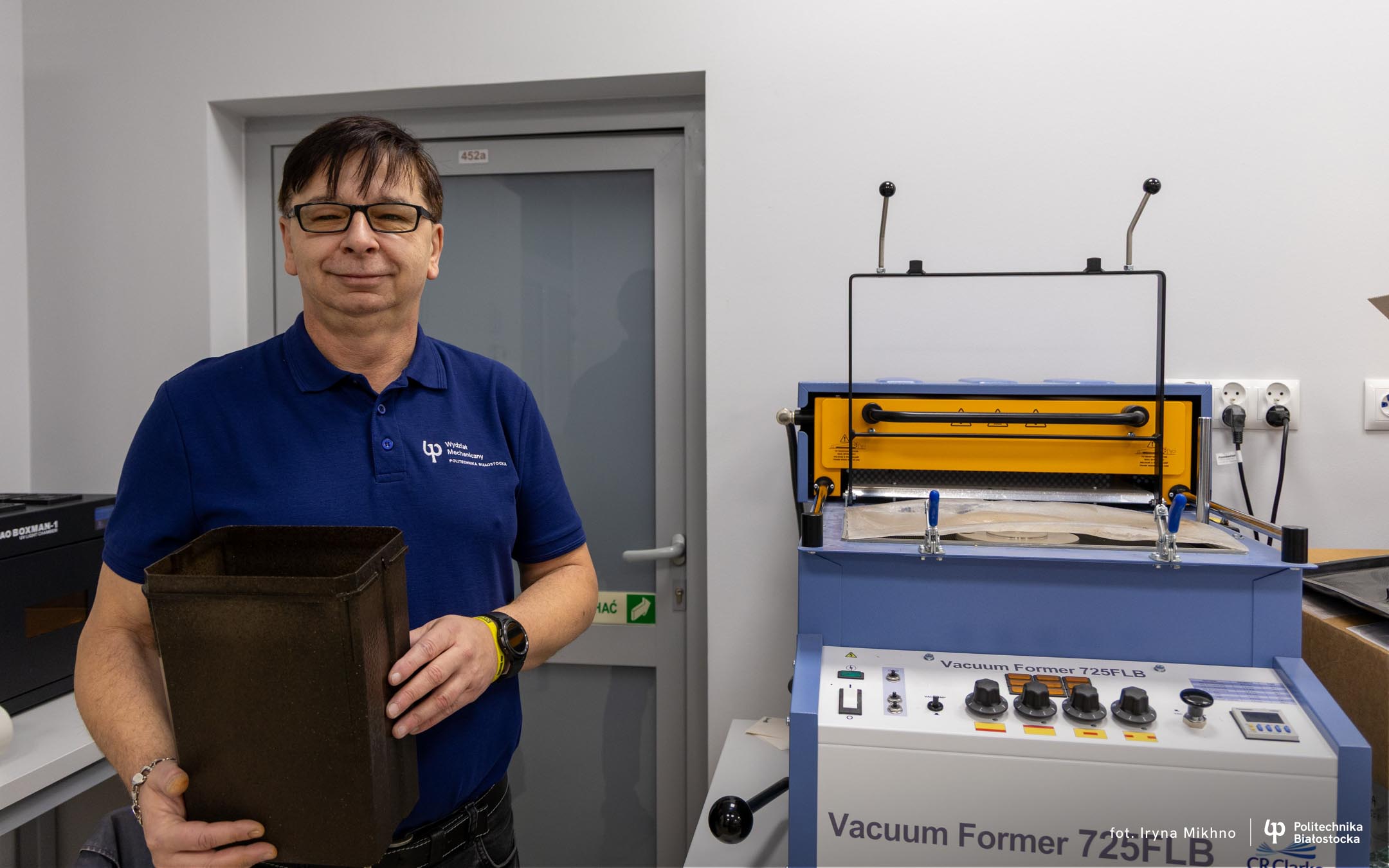
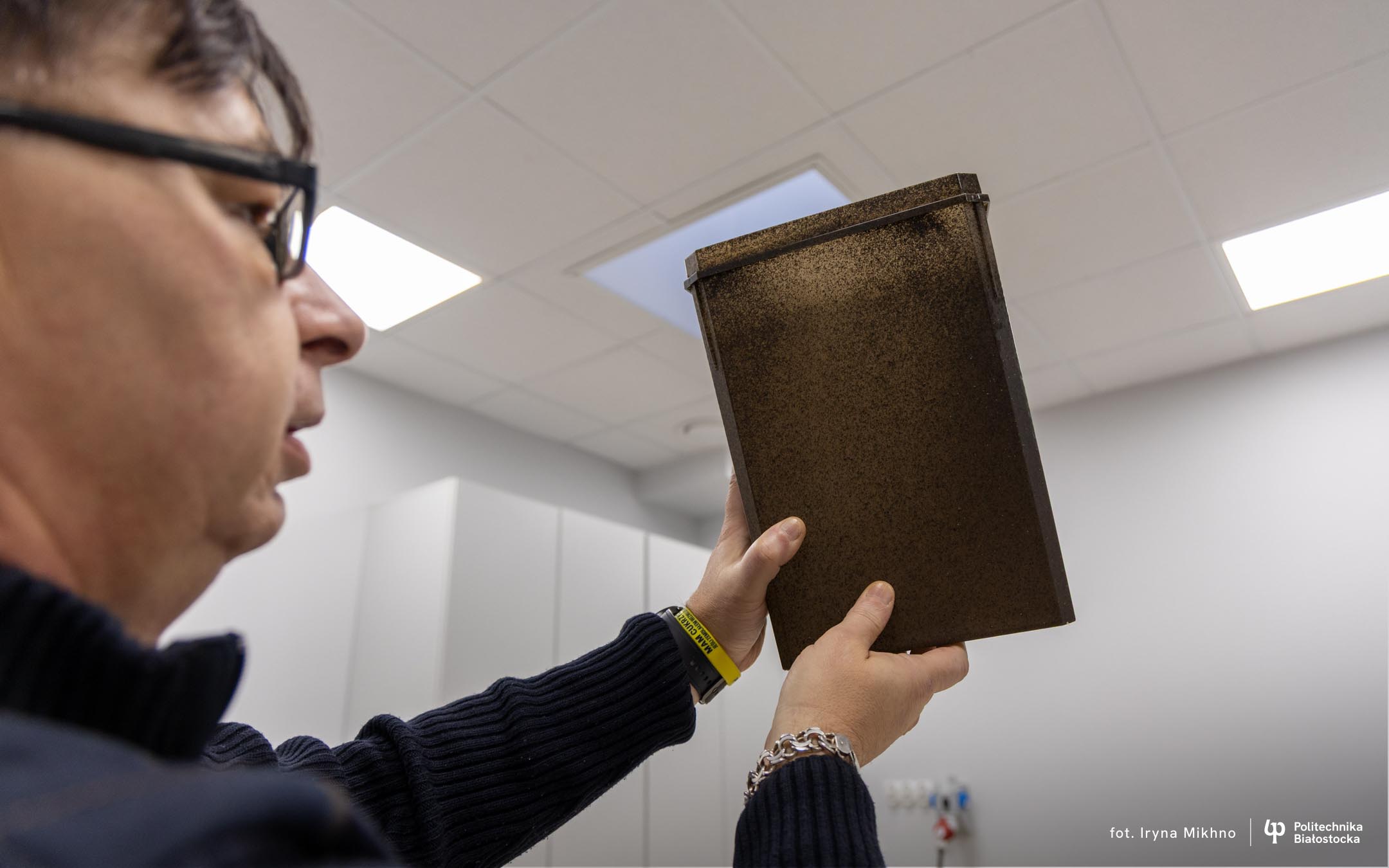
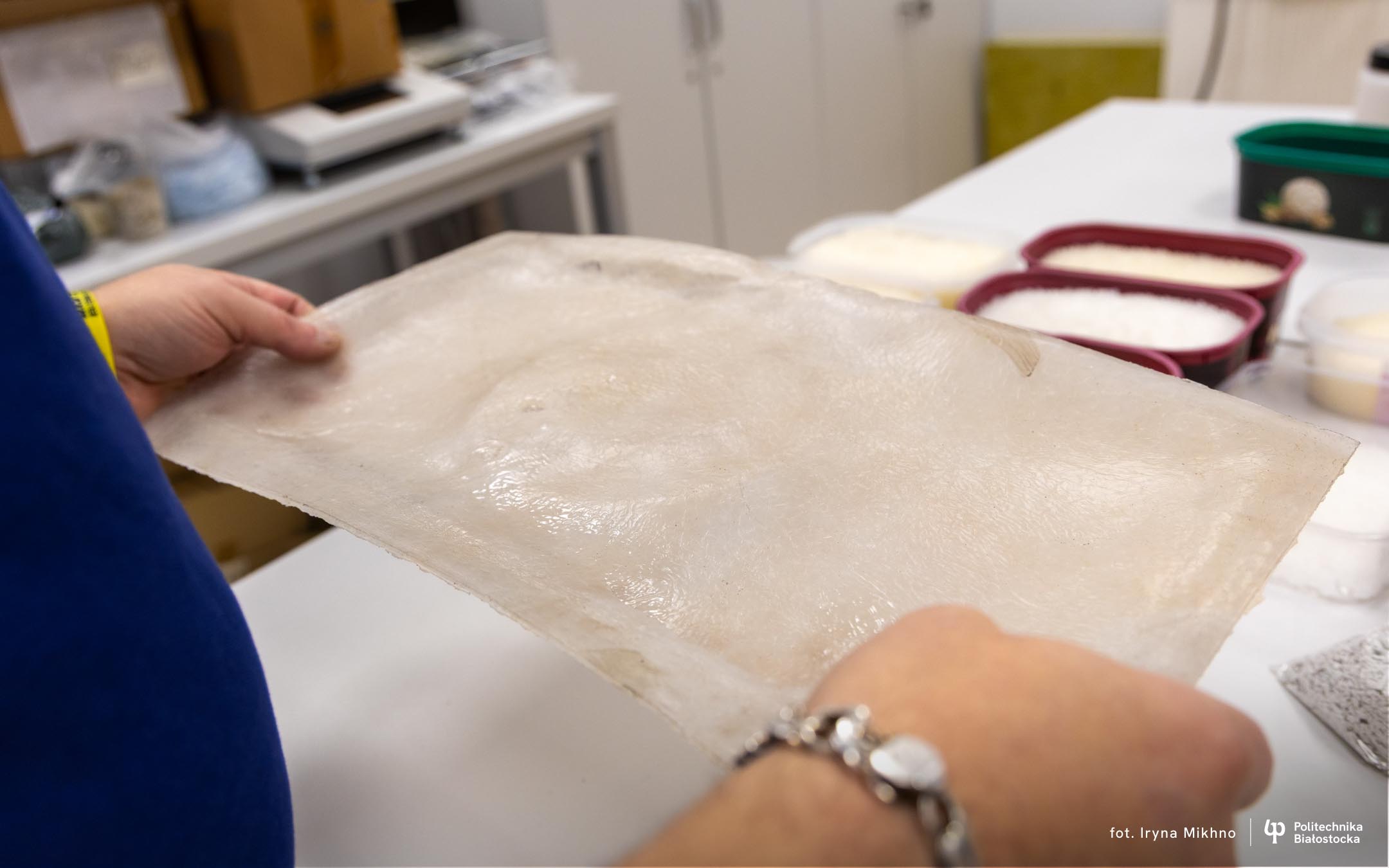
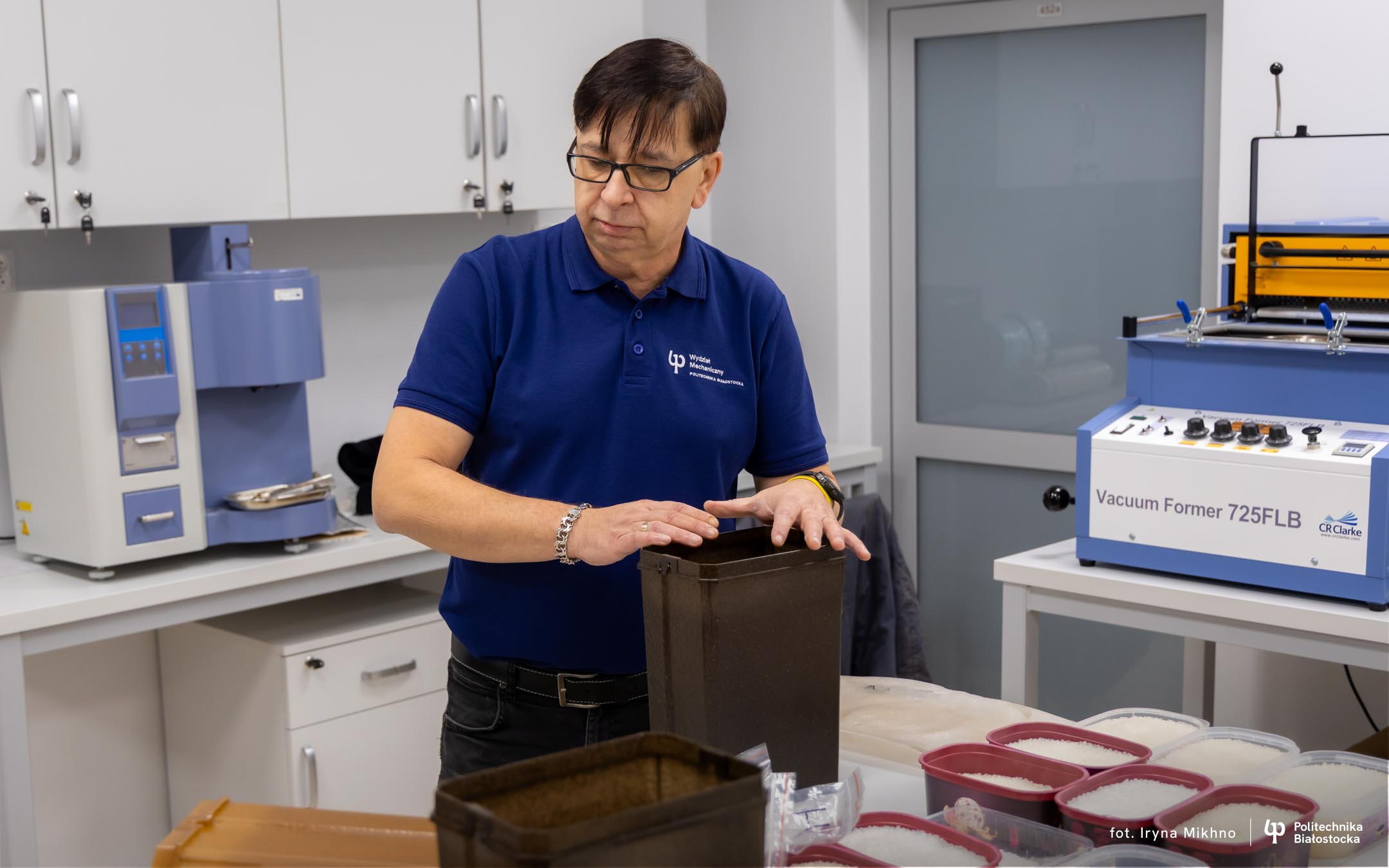
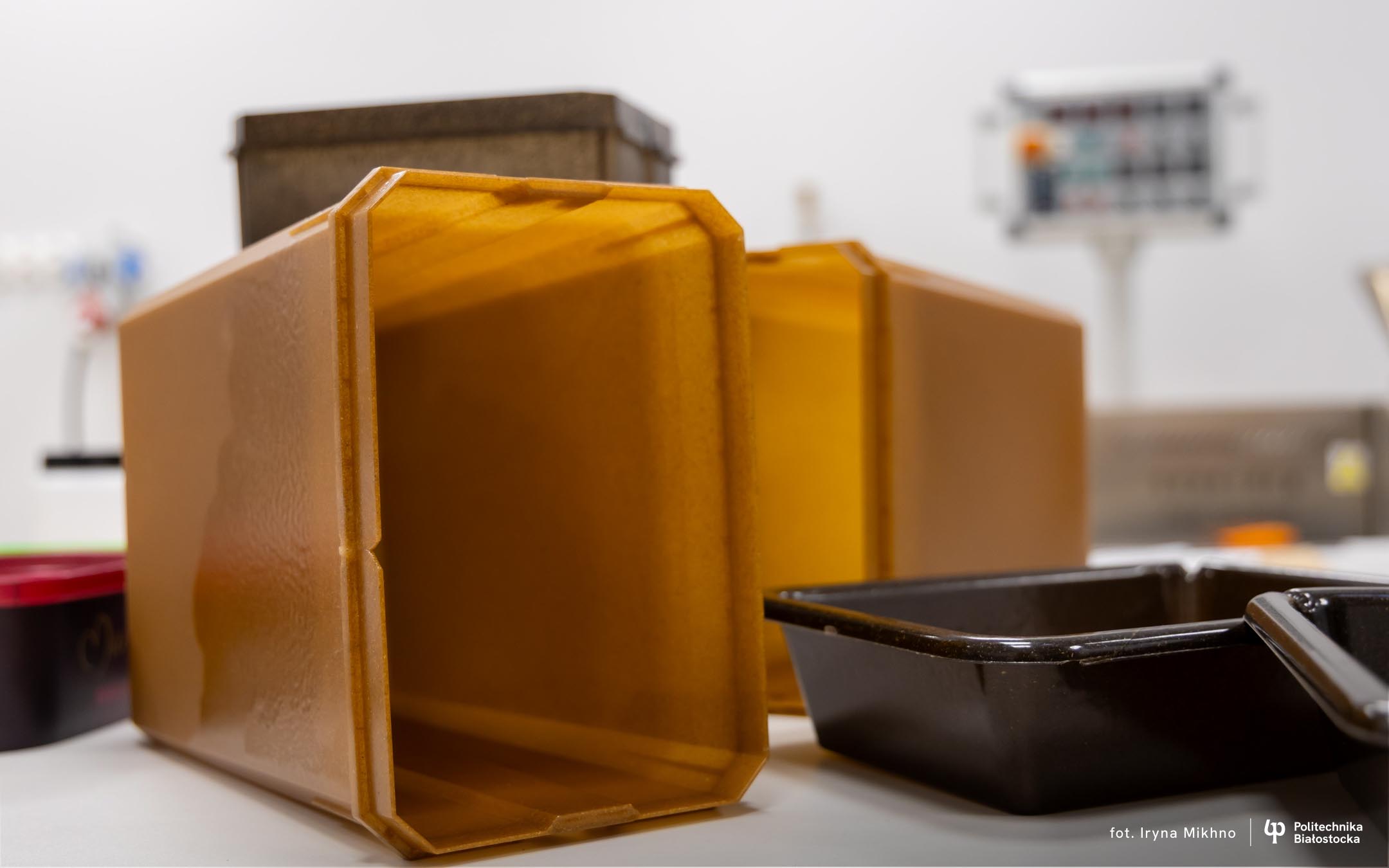
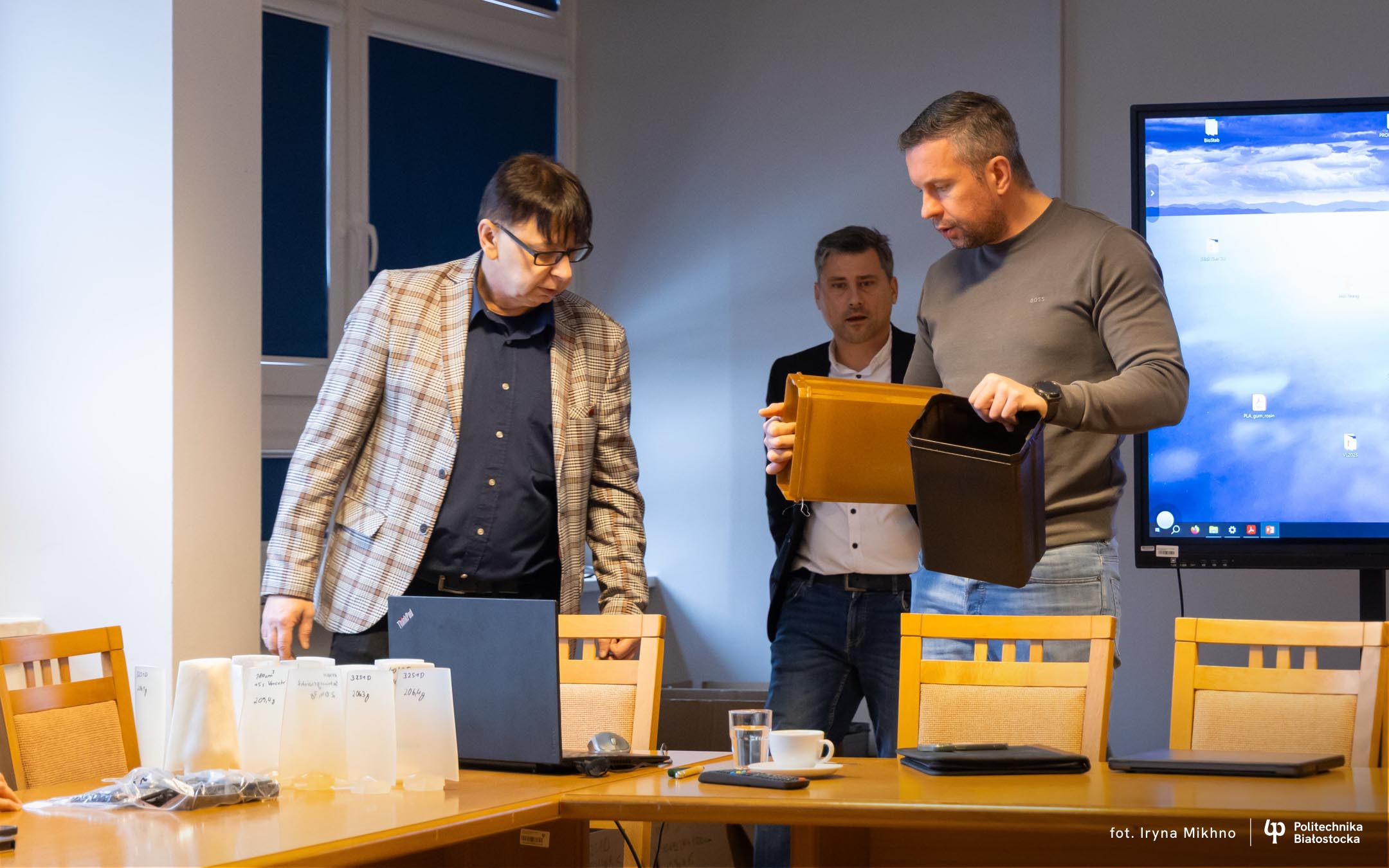
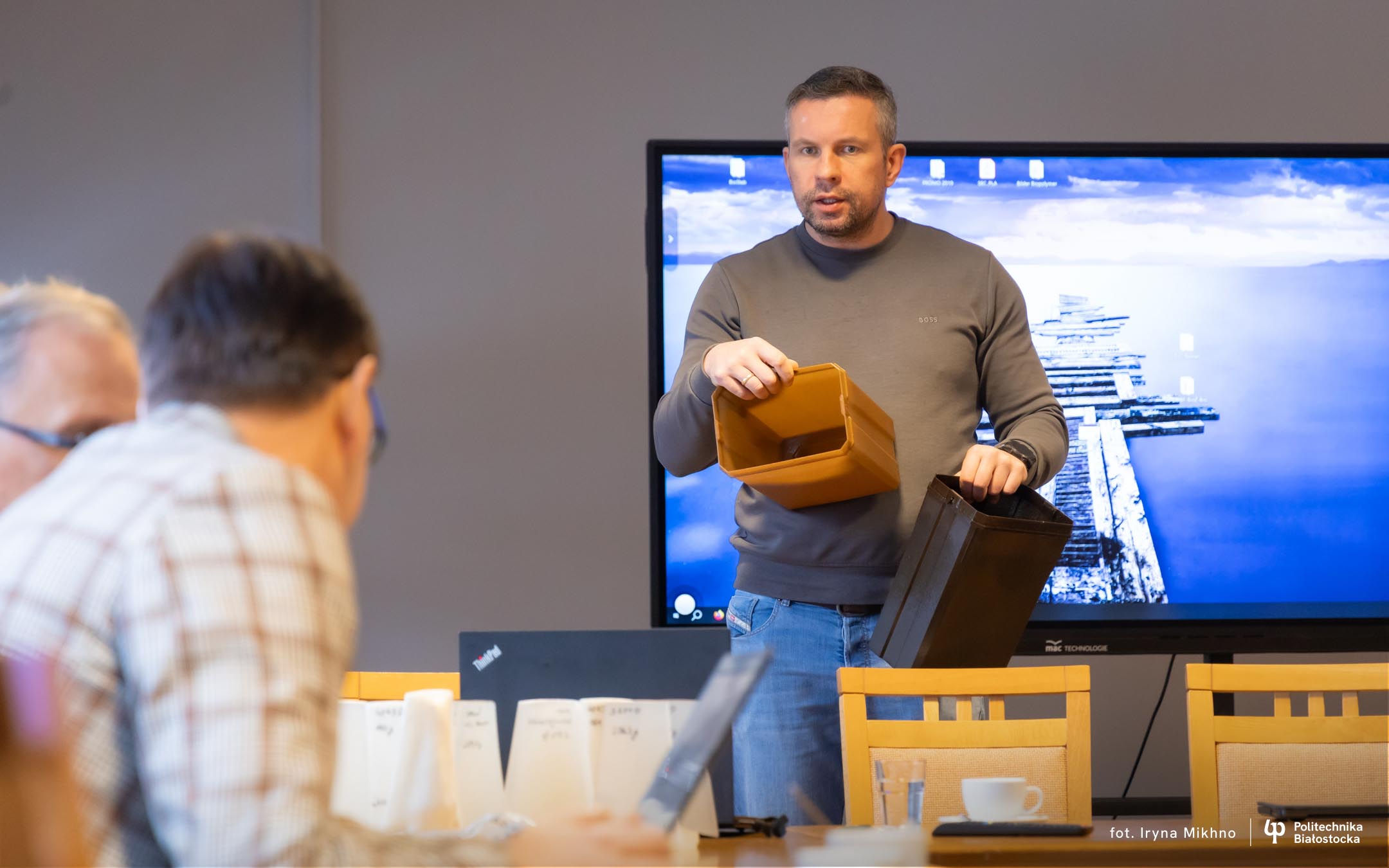
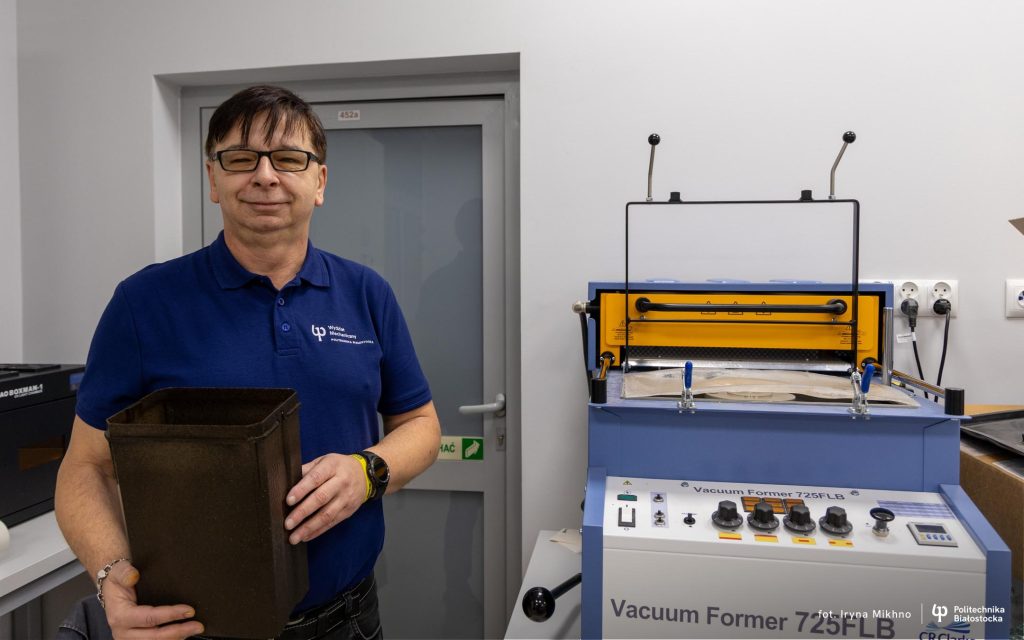
Bialystok University of Technology prepared two batches of buckets, one of which used sunflower seed husks. The distinctive natural colour of the husk gives the products a dark brown hue. The lighter ones are the result of combining polylactide with ground calamus.
– Once we succeeded with sunflower seed husks, we started looking for something more interesting, something completely new, – reveals Professor Jałbrzykowski. – It turns out that this sweet flag reed is rarely described in scientific literature, so it was a perfect example to study how it would perform in its intended applications. And because it’s a material that farmers mow from areas around lakes, where it can cause problems by reducing access to water, it’s also a good waste material and an excellent natural resource for research and potential applications.
How did scientists harness natural ingredients to strengthen polylactide? Improve future raw materials for the circular economy industry?
– Our international project focused on designing a suitable compatibilizer that would allow polylactide to bond with a filler, in this case an organic one, to create a raw material with beneficial functional properties – explains Prof. Jałbrzykowski. – The main goal was to reduce brittleness.
A thorough understanding of chemistry was required here. The researchers were supported by a team from the Centre for Advanced Technologies at Adam Mickiewicz University in Poznań, who are developing a compatibiliser.
– At first, the results were mixed, – admits Prof. Jałbrzykowski. – Some things worked, some didn’t, or they worked, but it just wasn’t quite right. Today, we know we have a good compatibilizer, but we continue to work on it, seeking its optimal properties within the polymer base – organic additive system.
The new biodegradable materials are the result of collaboration and the implementation of a grant project carried out by an international consortium.
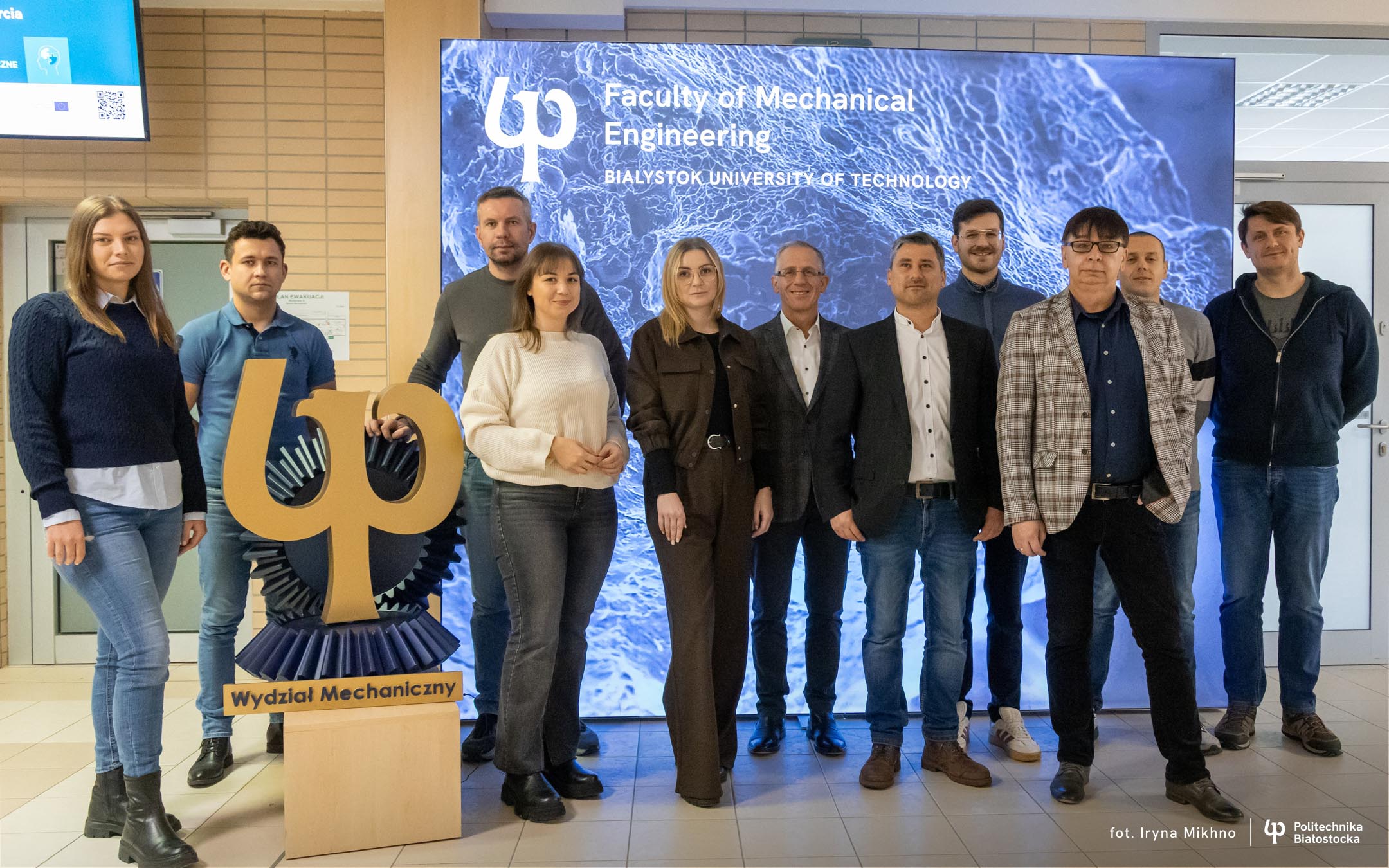
– On the Polish side, the project is led and coordinated by Białystok University of Technology, with the Centre for Advanced Technologies at Adam Mickiewicz University in Poznań and Pimar-Plastics also forming part of the team – says Prof. Jałbrzykowski. – Additionally, the consortium includes the University of Chemnitz in Germany, led by Professor Krol, and a team of scientists from the Polymer Institute of the Slovak Academy of Sciences.
Research at Bialystok University of Technology is closely aligned with the activities of the European Union.
– The circular economy, particularly in the context of plastics, is driving a range of actions, compelling both academics and students to consider designing innovative engineering materials based on plastics, for example, – emphasises Prof. Jałbrzykowski. – Students can learn a lot, as we are all up-to-date with the issues of the circular economy and are actively creating the milestones to meet these requirements. And this translates into the lecture, laboratory, and design materials we later present to our students in the photos.
Summary
Bialystok University of Technology is leading an international consortium researching a new generation of biodegradable materials, with the aim of supporting the principles of a circular economy.
Researchers are focusing on polylactic acid (PLA), a naturally brittle material, and are attempting to improve its mechanical properties by incorporating organic fillers.
A key achievement is the use of organic waste fillers, such as sunflower husks or calamus, combined with a specially designed compatibilizer to enable a permanent bond with the polymer.
The first tangible results, fully biodegradable buckets with complex shapes, demonstrated the potential for using the new raw material in industrial settings.
Research led by Professor Marek Jałbrzykowski is now focused on verifying the potential for multiple recycling and reusing these materials as raw materials, thereby minimising their environmental impact.
Author: Jerzy Doroszkiewicz
Assoc. Prof. Marek Jałbrzykowski, PhD, DSc, Eng.
– Department of Materials Engineering and Production, Faculty of Mechanical Engineering, Białystok University of Technology
– author and co-author of numerous implementation projects in the plastics processing industry.
– contractor and manager in R&D projects using innovative polymer materials
– author and co-author of approximately 80 scientific publications and 15 patented solutions
– author of over 100 technical expert reports and numerous opinions on innovation in materials and technologies
– a specialist in plastics processing technology, particularly injection and extrusion techniques
– designer and originator of innovative structural and functional materials based on thermoplastic plastics