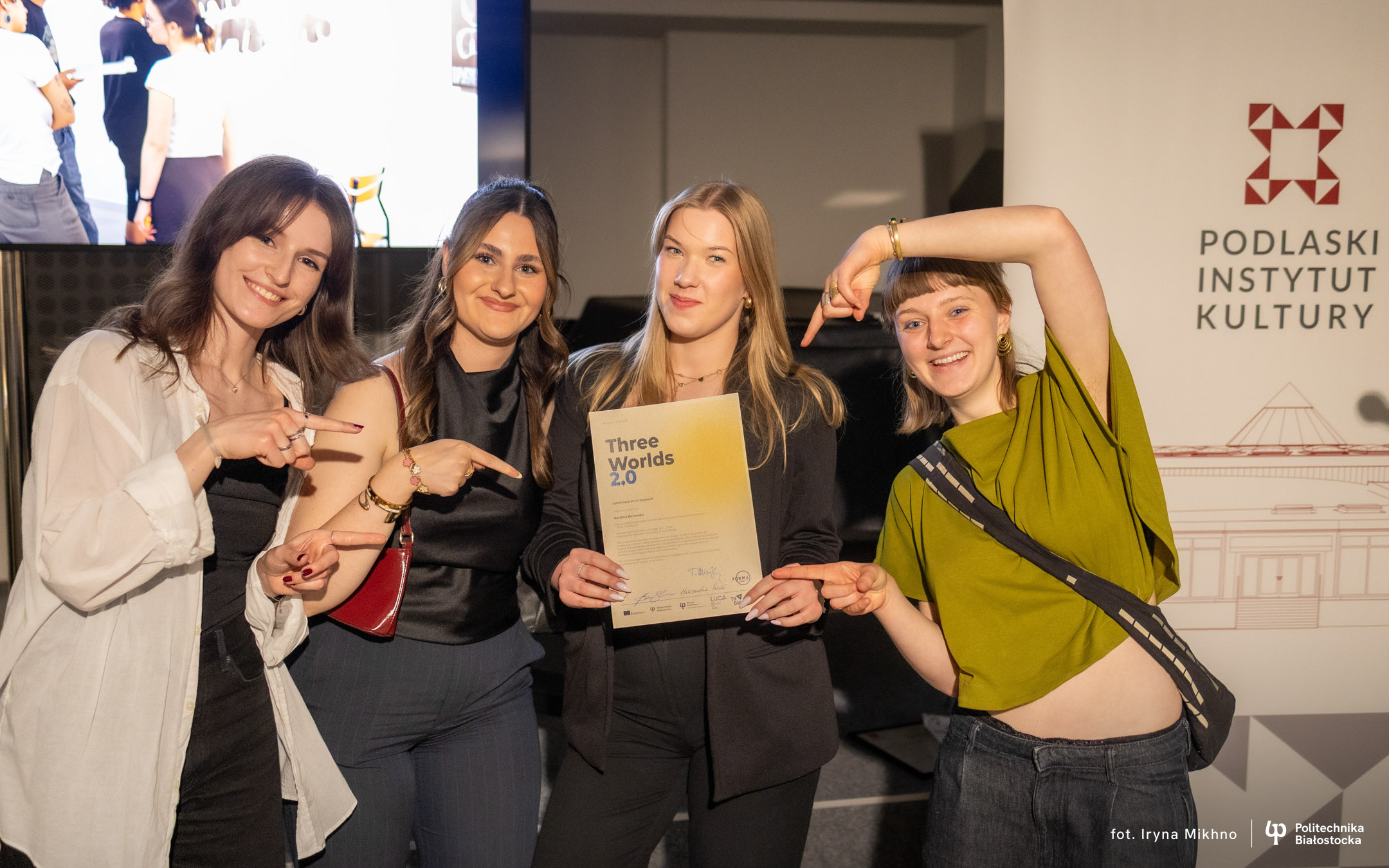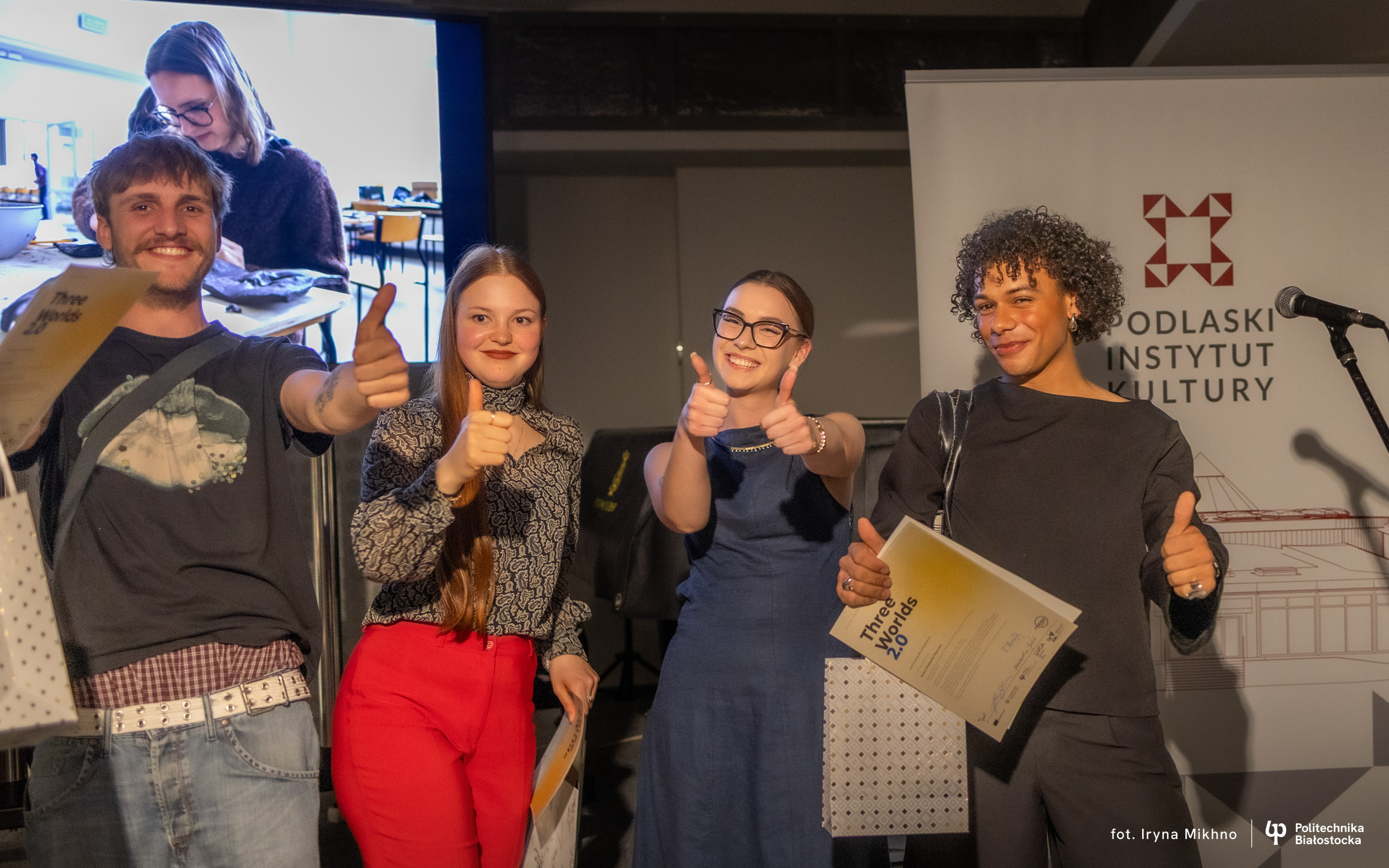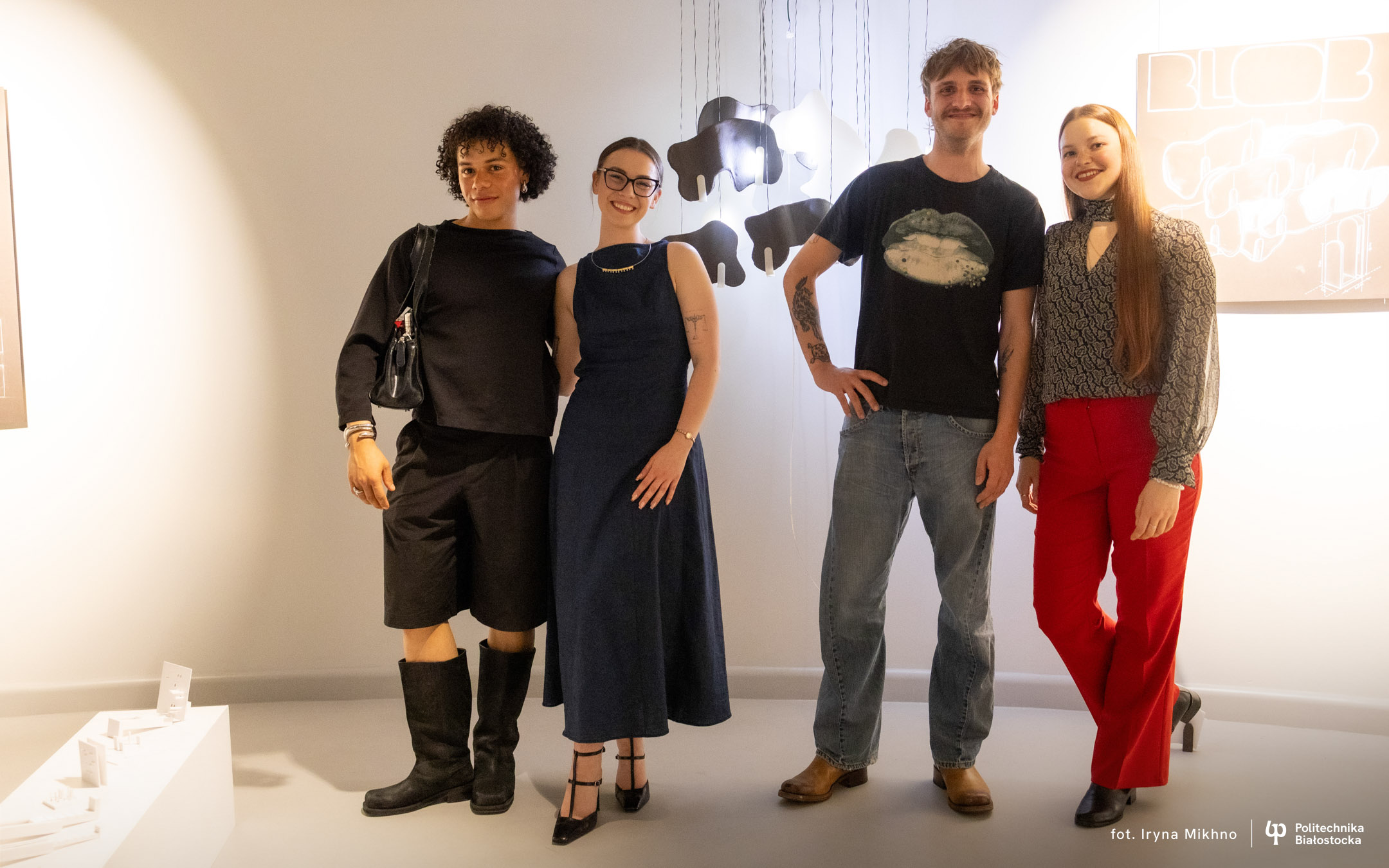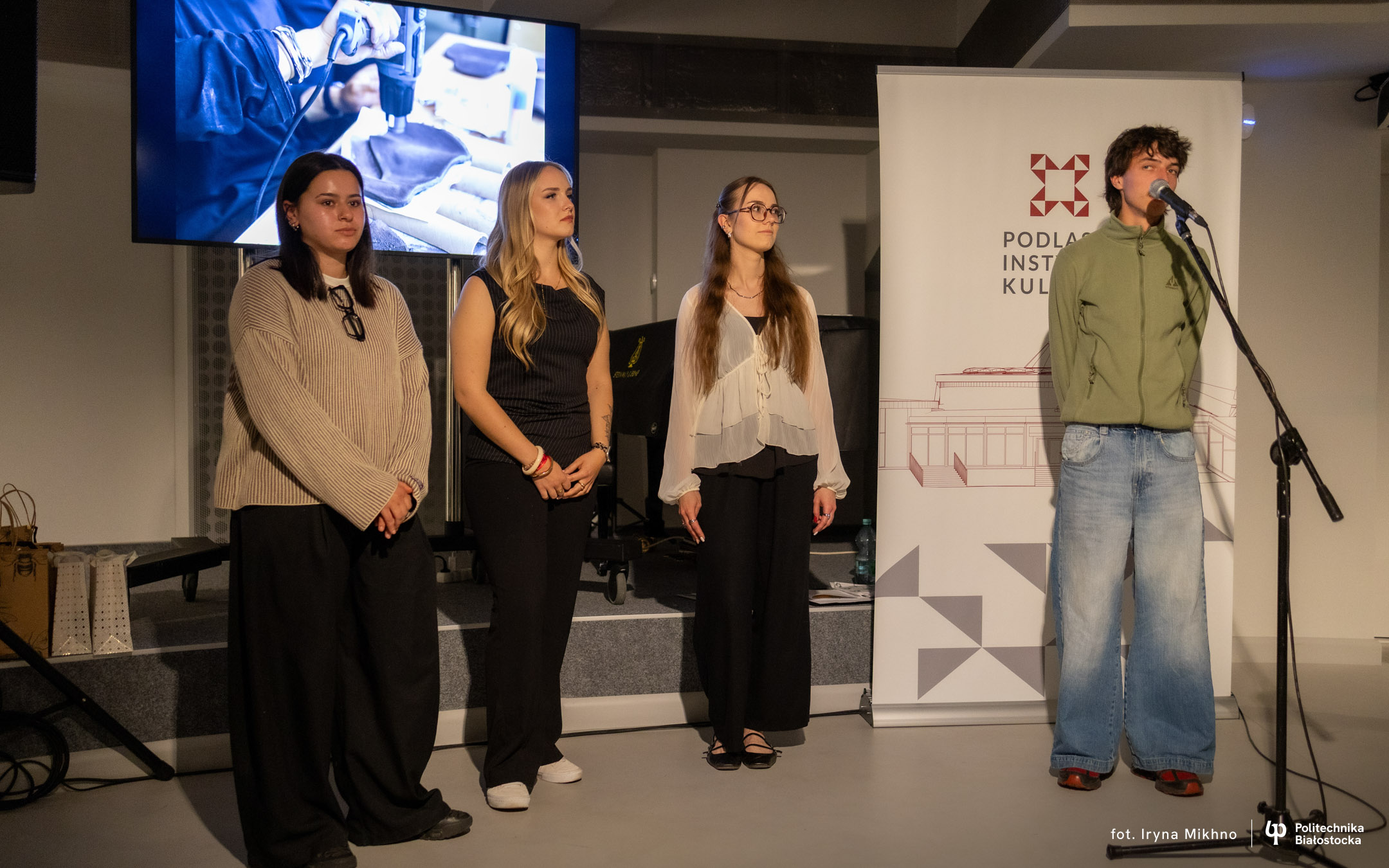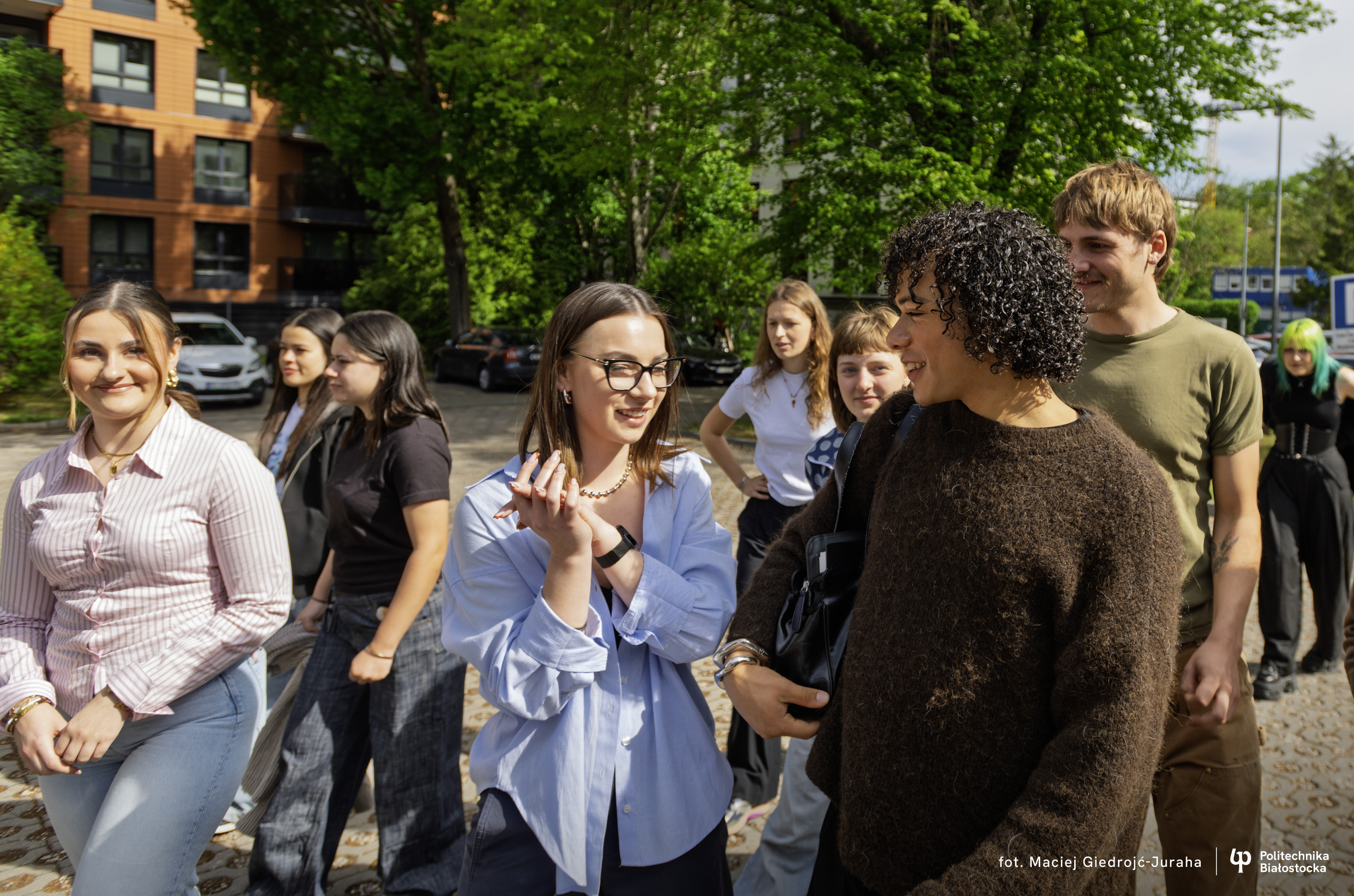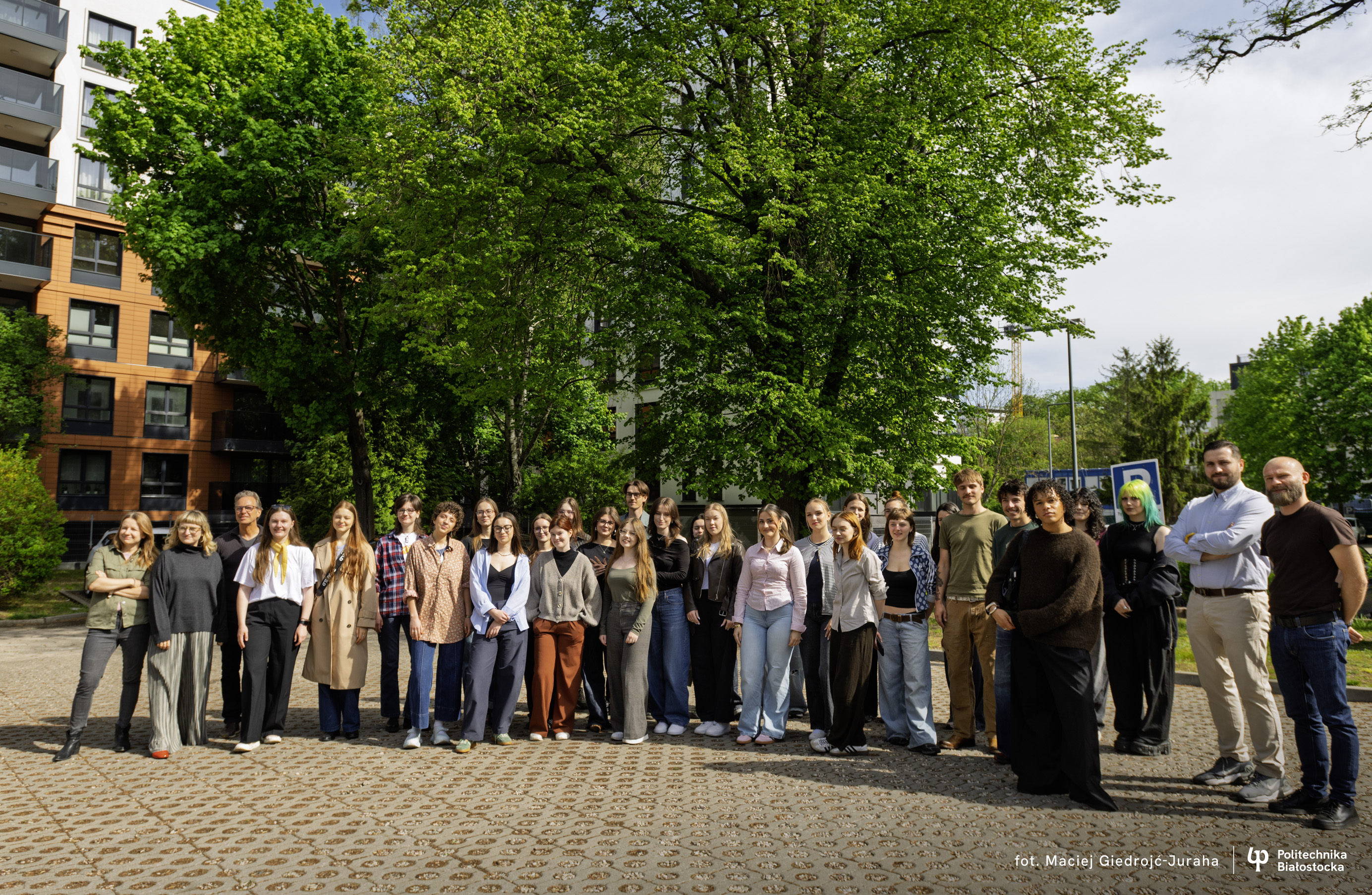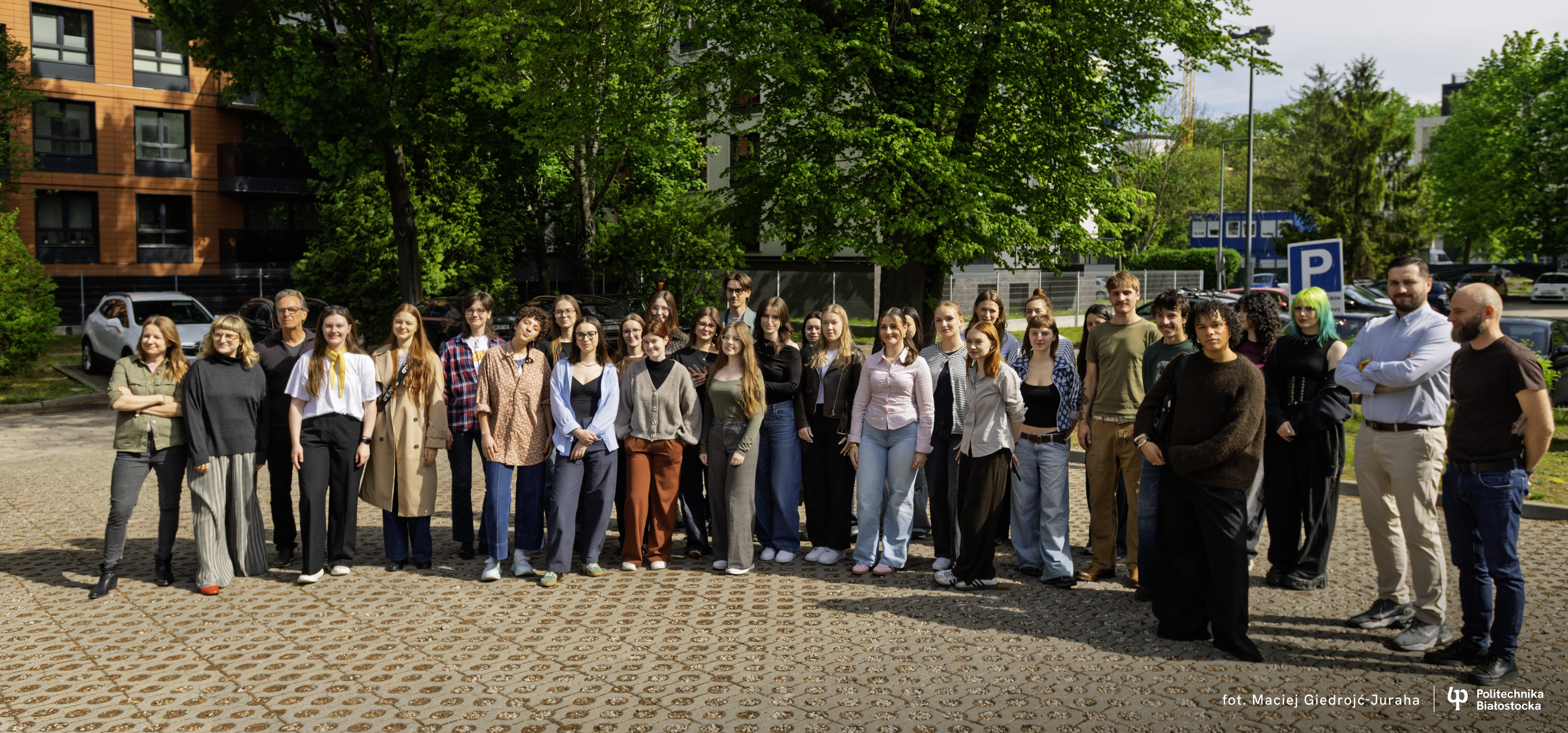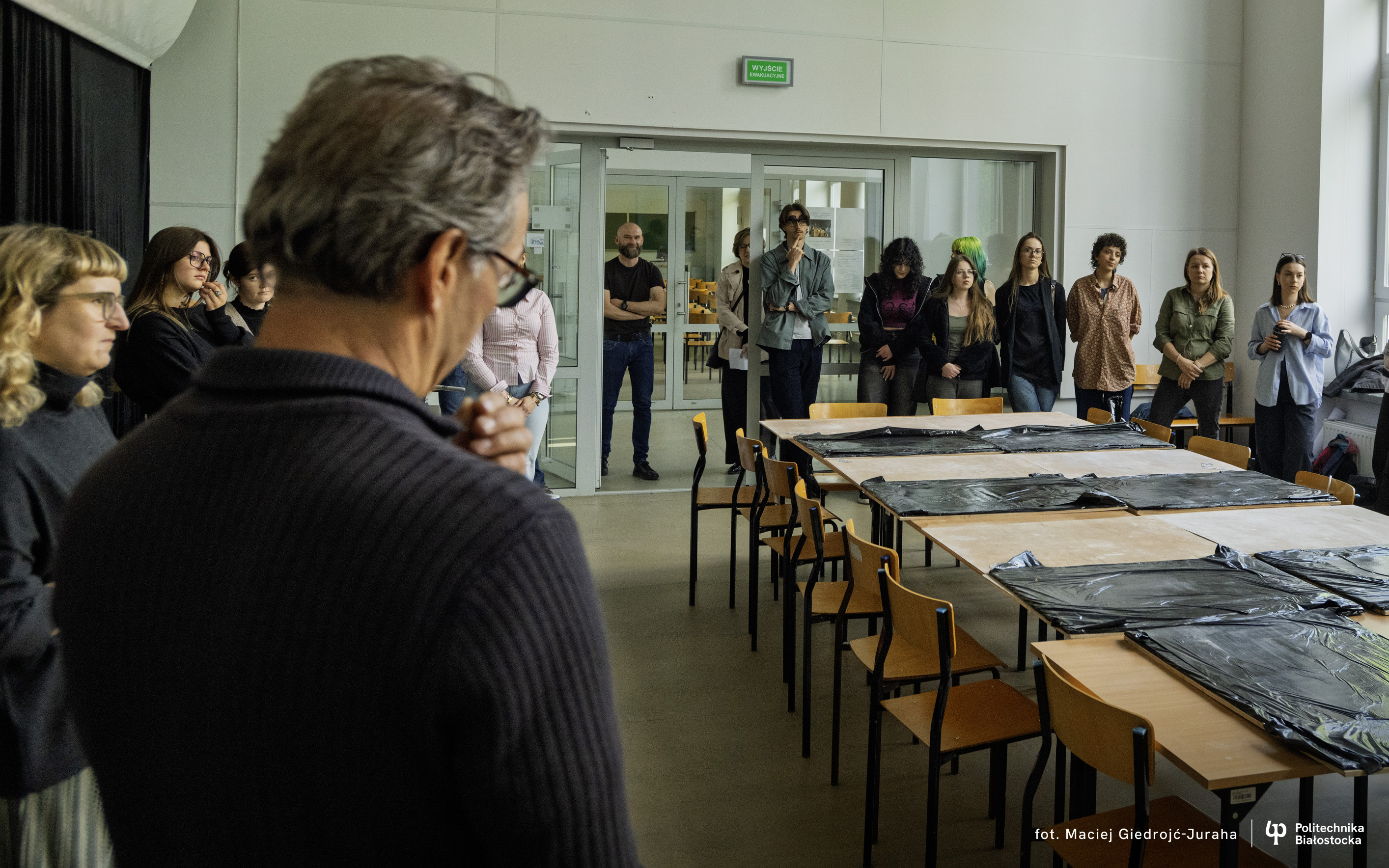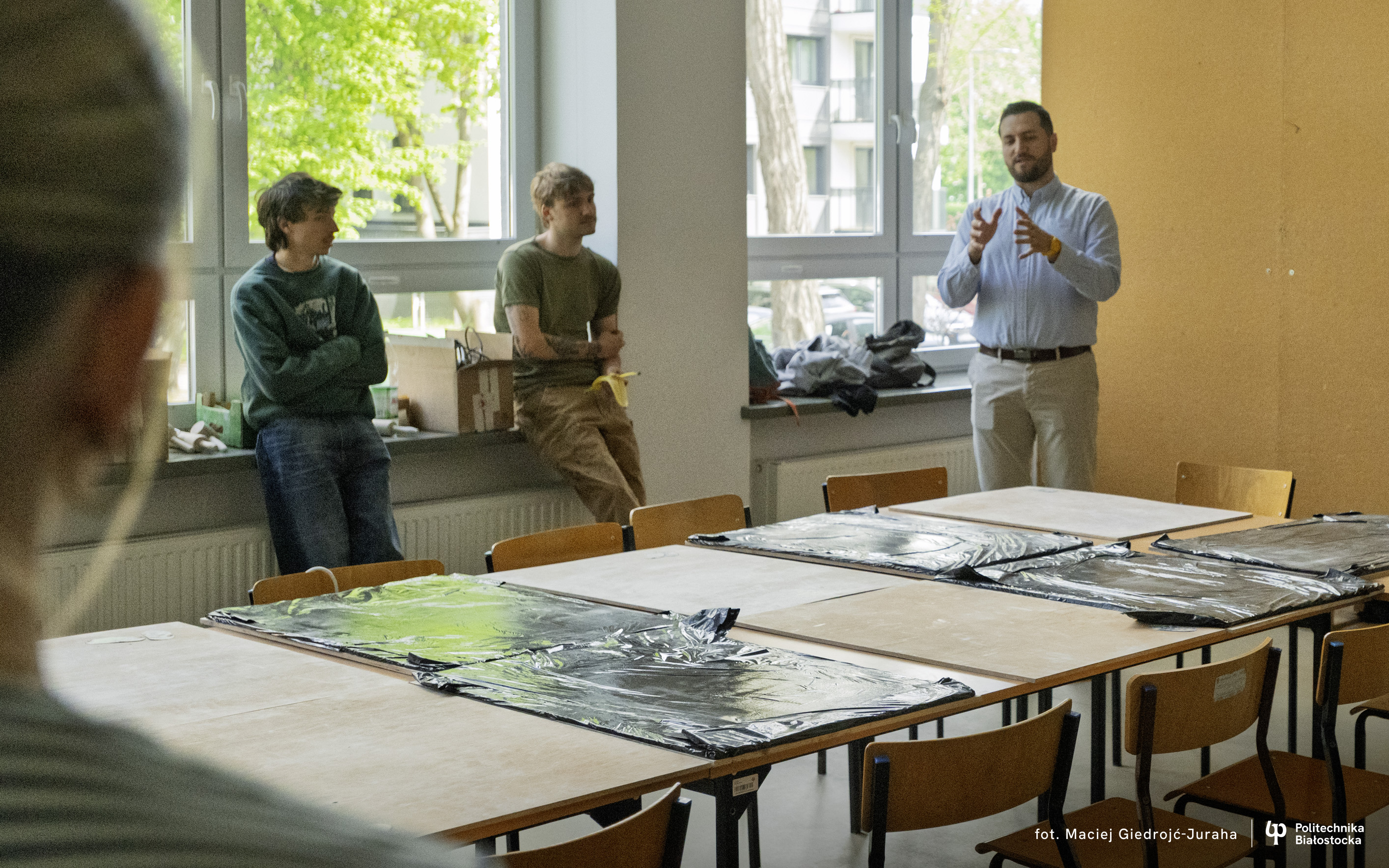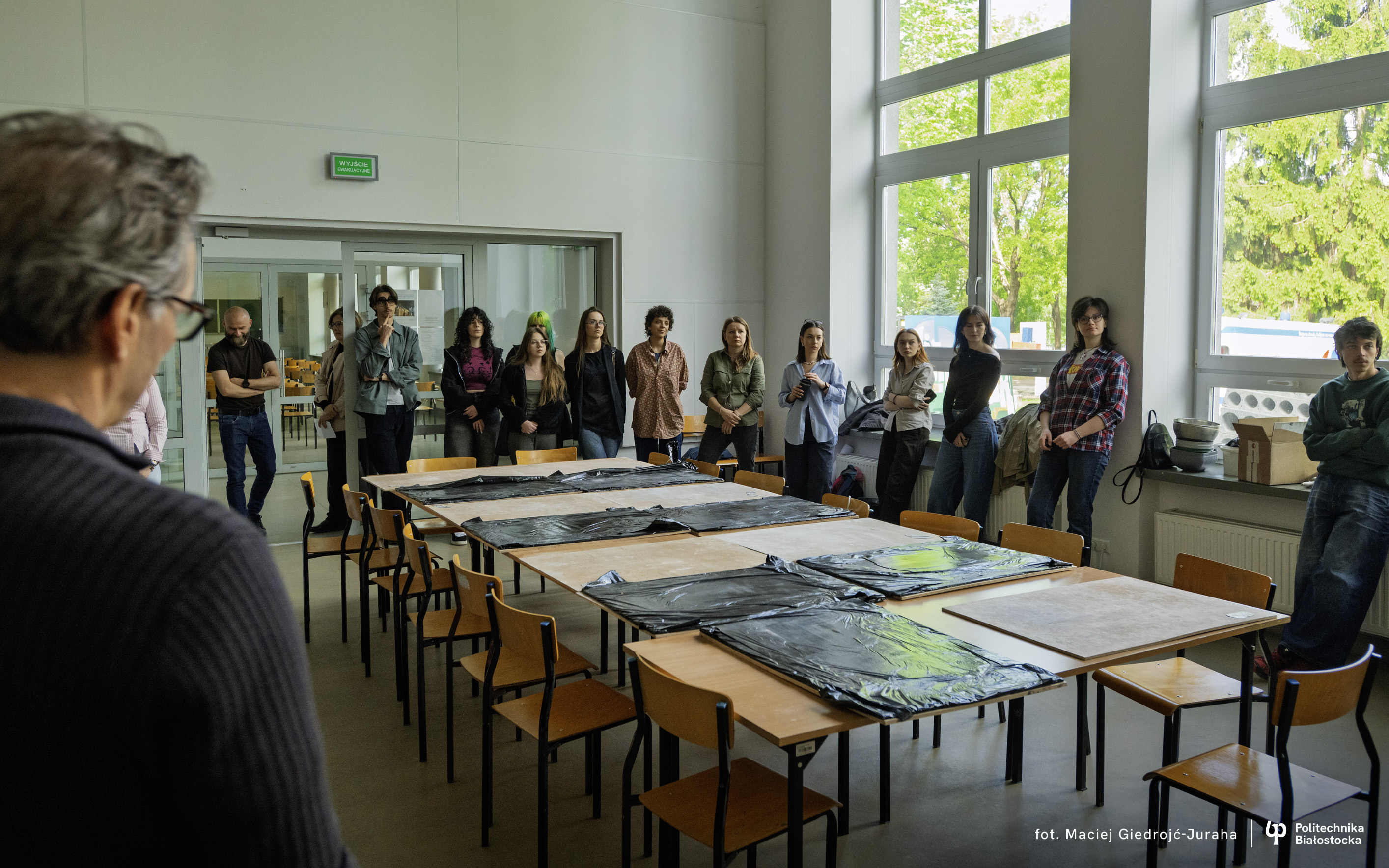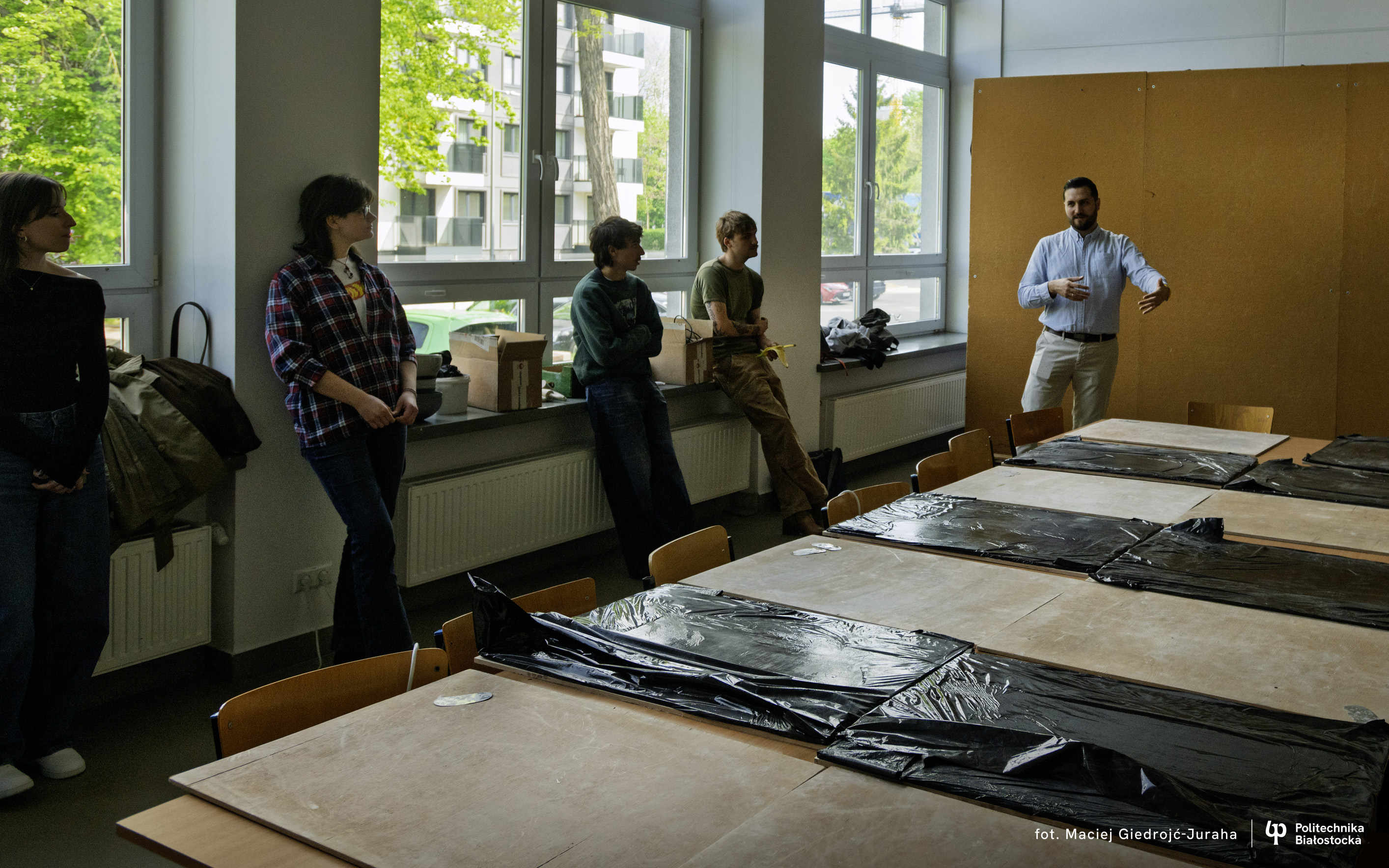
The “Three Worlds 2.0” project, implemented under the Erasmus+ Blended Intensive Programme, brought together three European universities. In addition to students and researchers from the Faculty of Architecture at the Białystok University of Technology, it involved young designers from LUCA School of Arts in Belgium (11 participants) and TH OWL University of Applied Sciences and Arts in Germany (6 participants). The work was coordinated jointly by: Aleksandra Jakuć, MSc Eng; Bartosz Śliwiecki, PhD, Eng. Arch.; and Radosław Górski, PhD, Eng. Arch., with support from the International Relations Offices of BUT. On behalf of the partner universities, the project was co-led by Mary-Anne Kyriakou, Valerie Meyer (Germany) and Peter Vanoetghem (Belgium).
Clay craftsmanship in the digital world
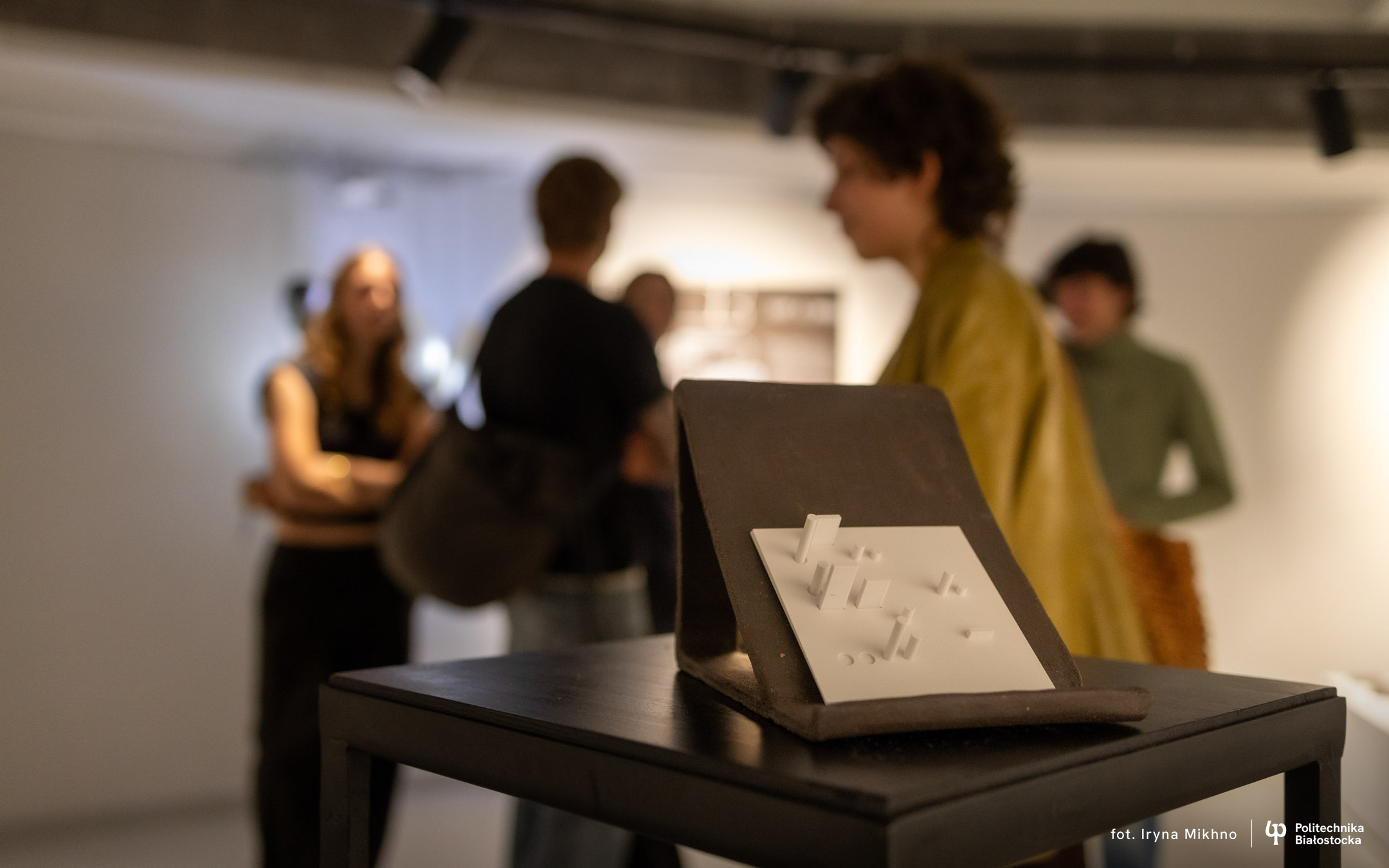
The main objective of this year’s, already second edition of the workshops was the confrontation of two extremely different materials: malleable, traditional clay and precise, technologically driven 3D printing.
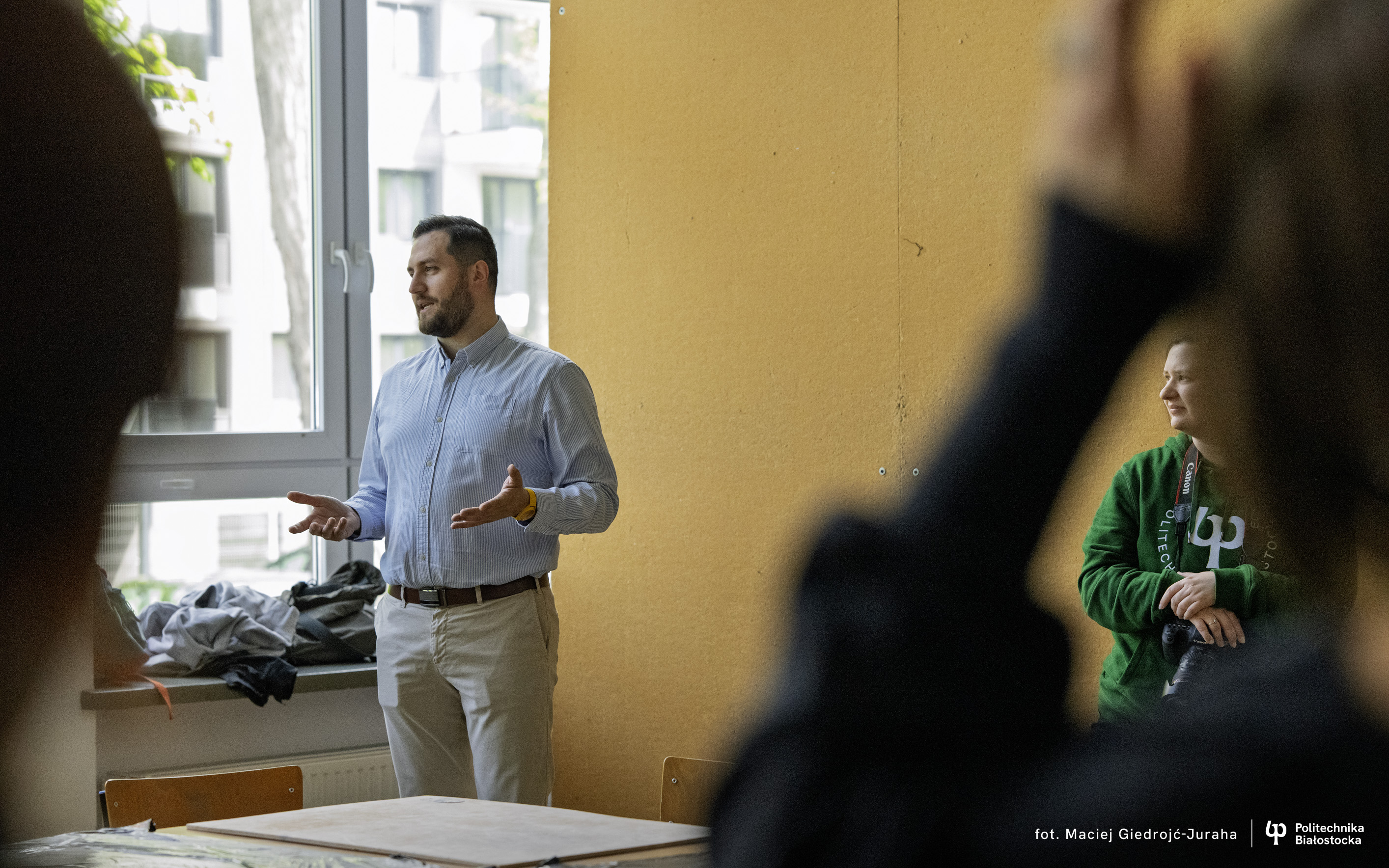
– It is a meeting of three worlds, three universities, academic staff and students working in international groups – explains Aleksandra Jakuć, MSc Eng, from the Department of Design at the Faculty of Architecture, BUT. – We want to cultivate craft traditions that are still alive in Podlasie, but are unfortunately slowly disappearing due to mass production. We aim to preserve these techniques by transforming them into contemporary design. To achieve this, we combine traditional craftsmanship with modern technology. In last year’s edition we worked with wicker and chipboard, and this year it was time for ceramics and 3D printing to meet.
Work on the projects began several weeks before the participants arrived in Białystok. During online sessions, students discussed the design assumptions, analysed regional ceramic traditions and developed digital models.
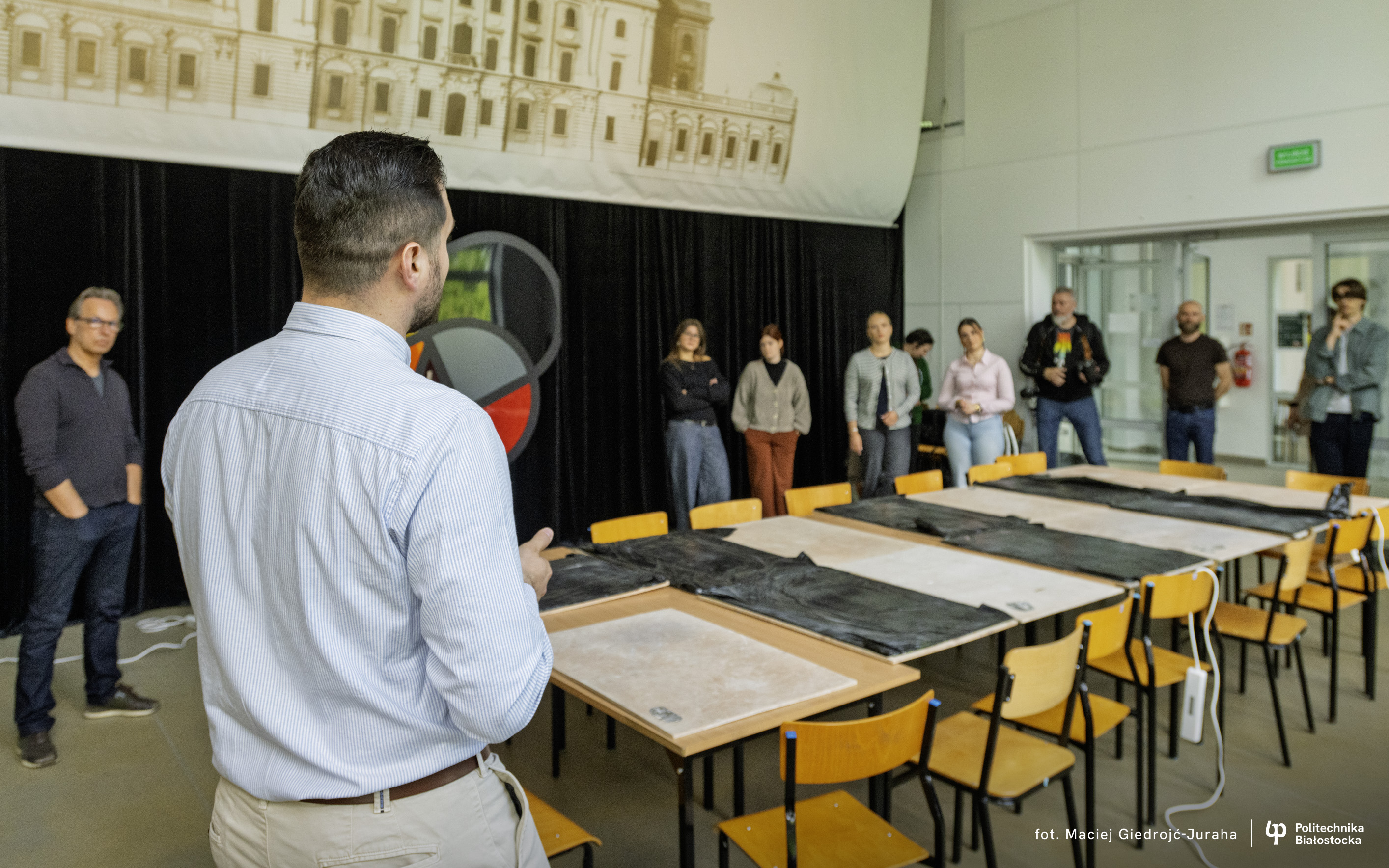
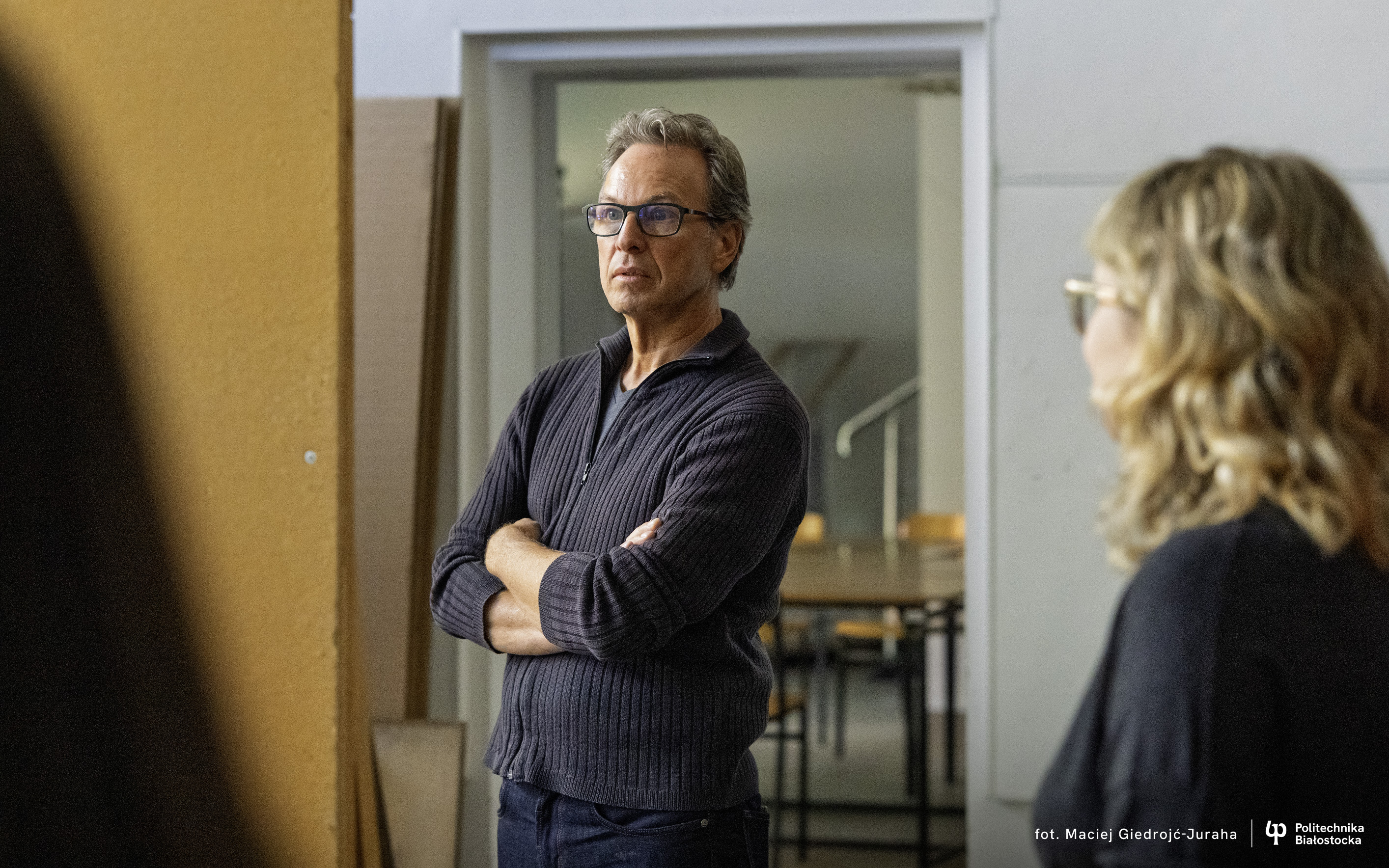
The real breakthrough came in the laboratories of the Faculty of Architecture, where concepts began to take physical form. The ceramic component of the workshops was led by artist Paulina Horba, while the technological elements were developed in the university’s 3D printing laboratory.
Light as a mediating element
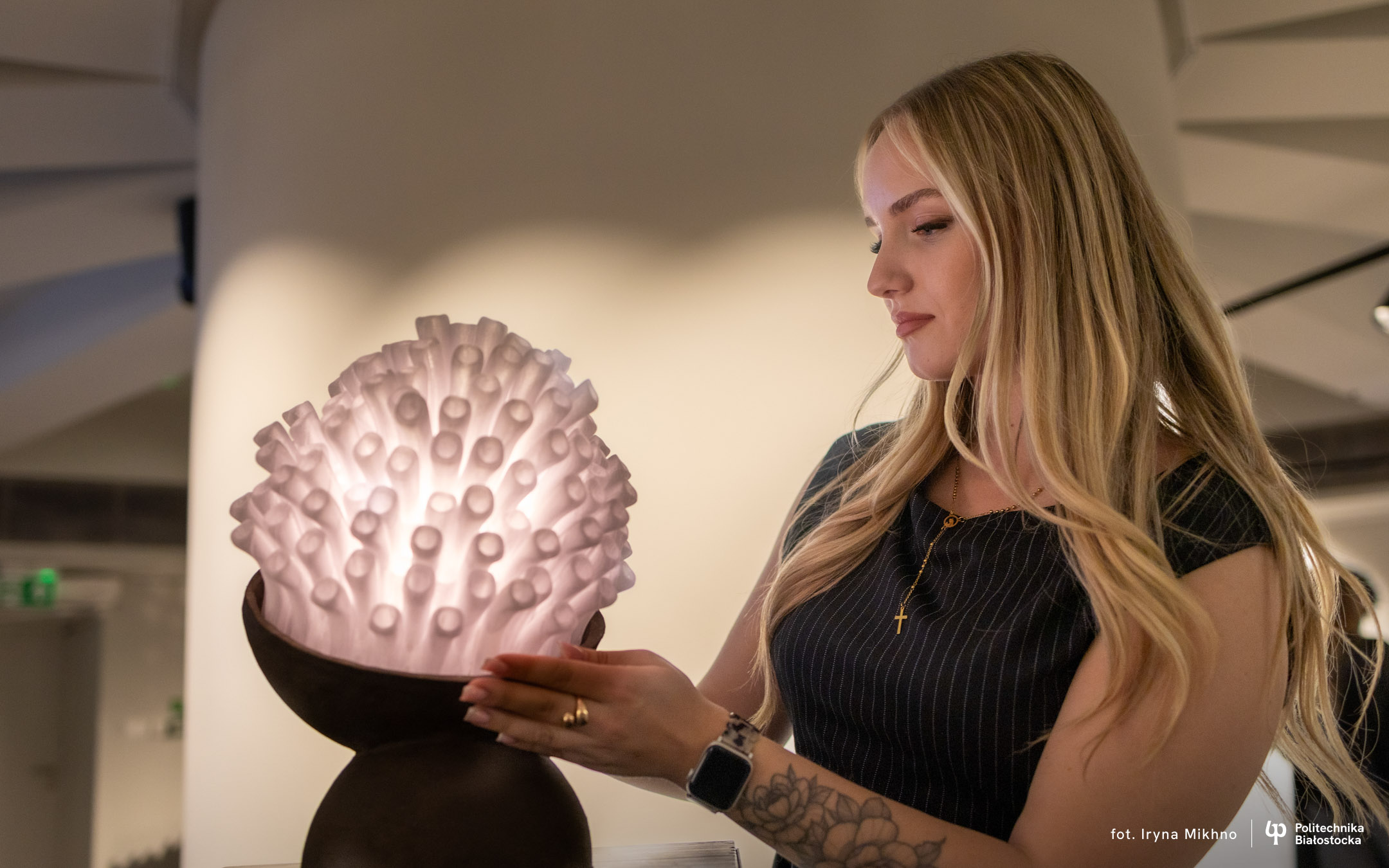
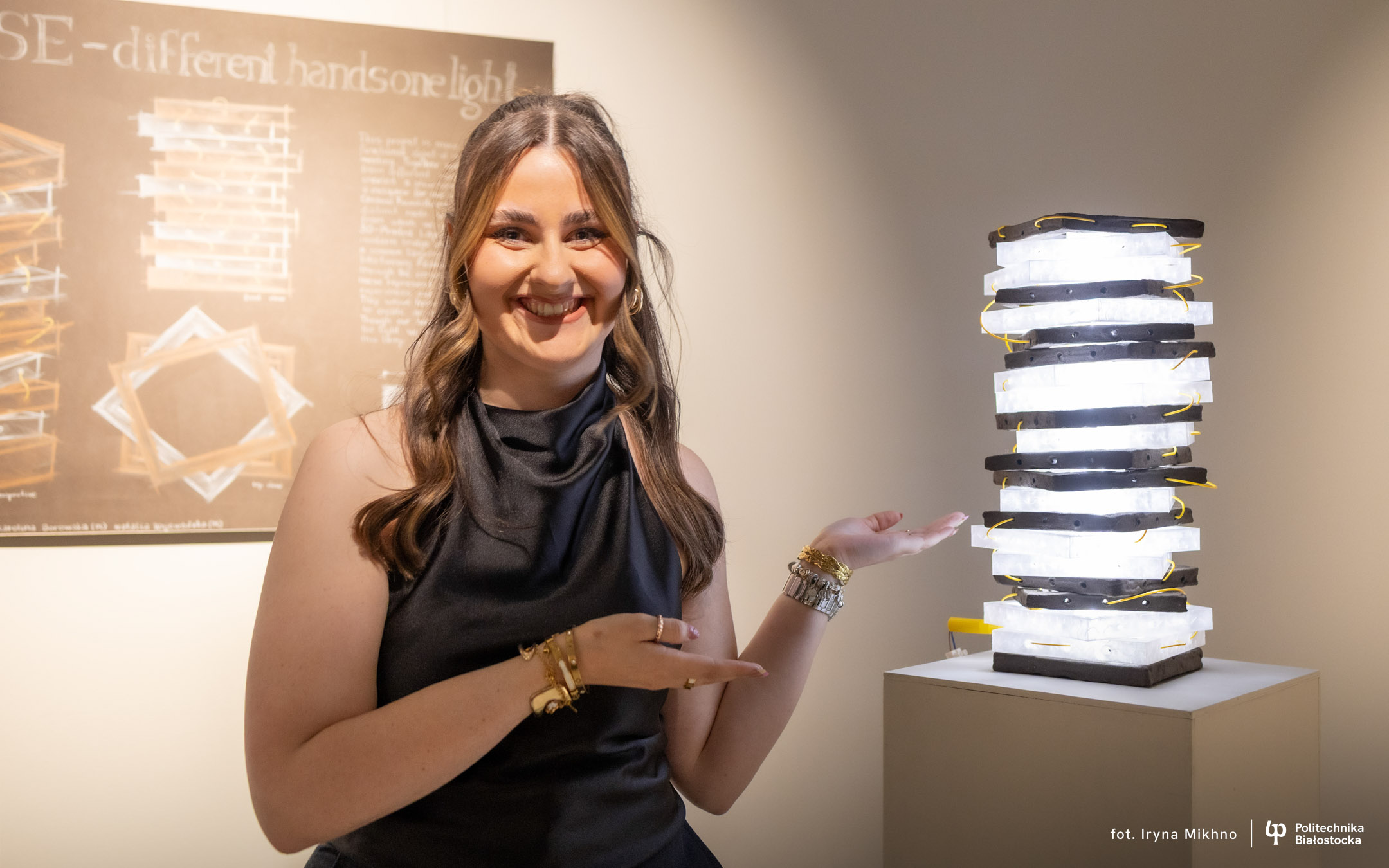
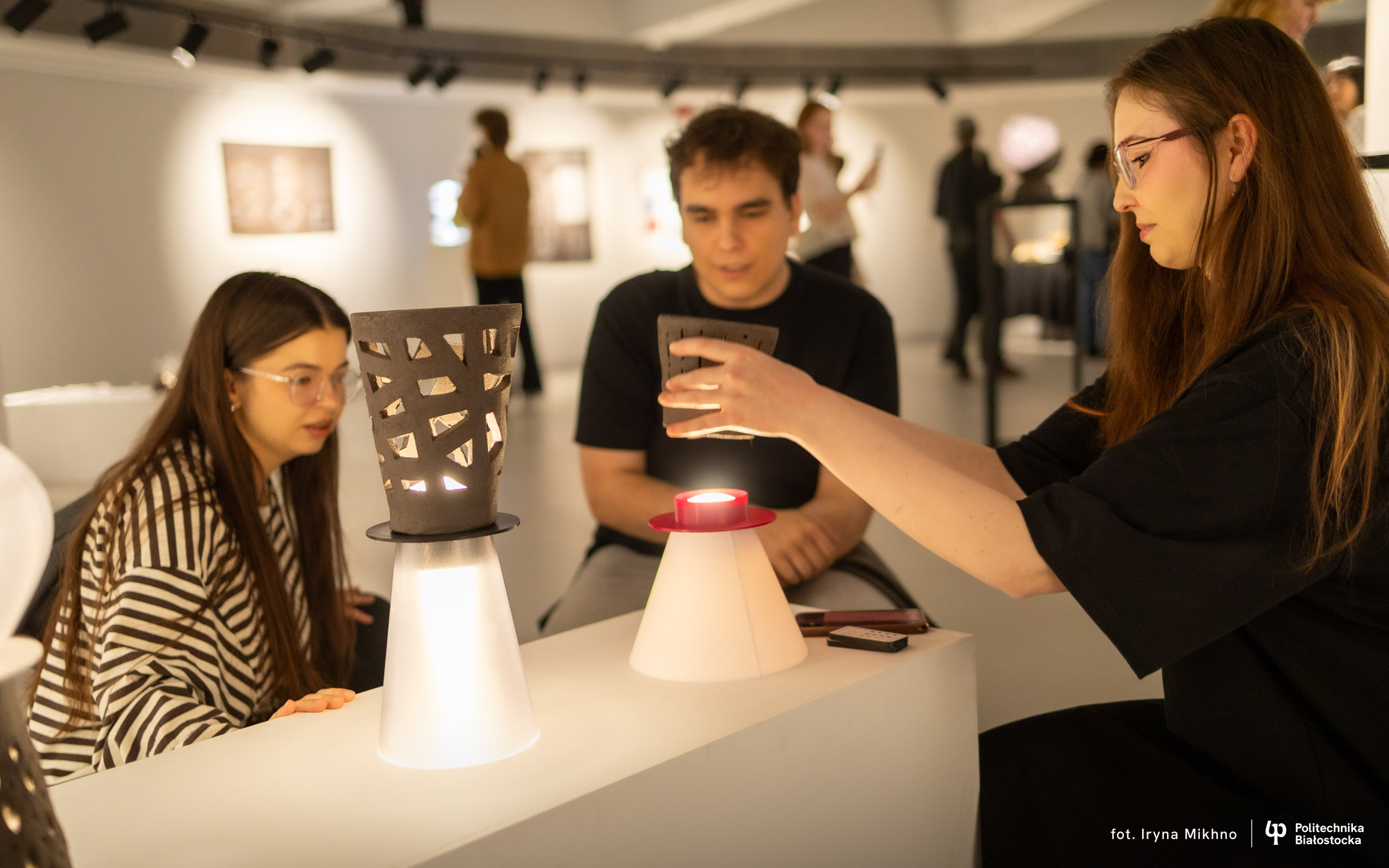
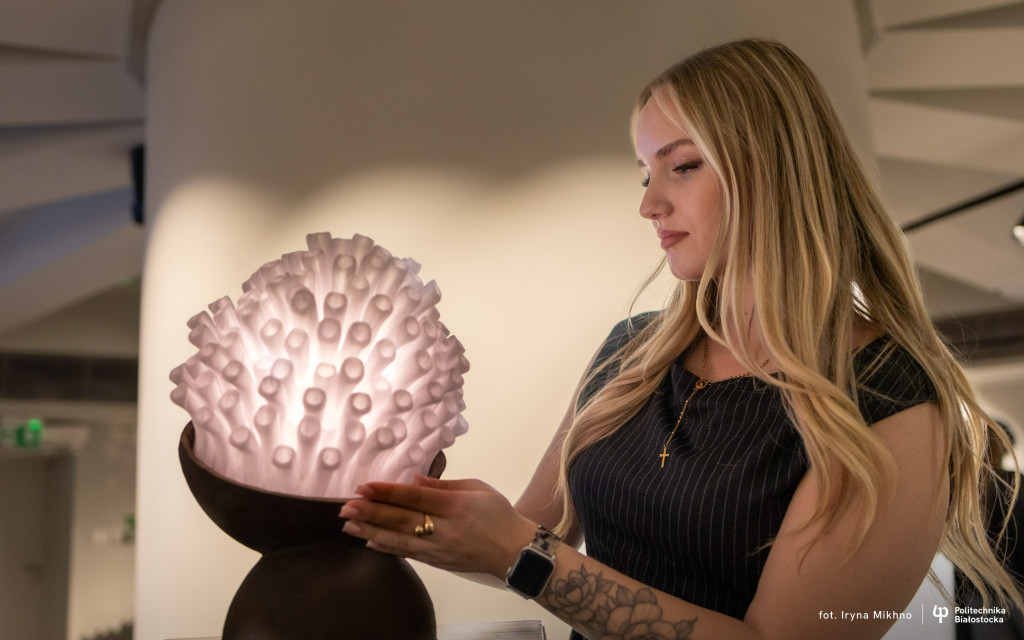
The main artistic goal was to design and produce unique lighting forms. For students, it was not only an intensive exercise in structural design, but also a valuable social and cultural experience.
– This edition allows us to work with ceramics, which is a craft deeply rooted in our culture, and combine it with 3D printing, which represents the highly technical dimension of the project – says Zuzanna Godlewska, president of the student scientific association FORMA, which was the driving force behind the entire initiative. – We aim to bring these two extremes together and present our own vision of synthesising tradition with modernity. Light plays a key role here. It has become the mediating element between clay and the structure produced by the 3D printer. For us students, it is also a highly engaging experience. We work in international teams, which gives us an excellent opportunity to learn languages, exchange experiences and explore different perspectives on design and education.
Thanks to intensive on-site workshops, participants developed not only manual skills but also the ability to smoothly transition from craft-based experimentation to rapid spatial prototyping.
Joint exhibition in the “Spodki”
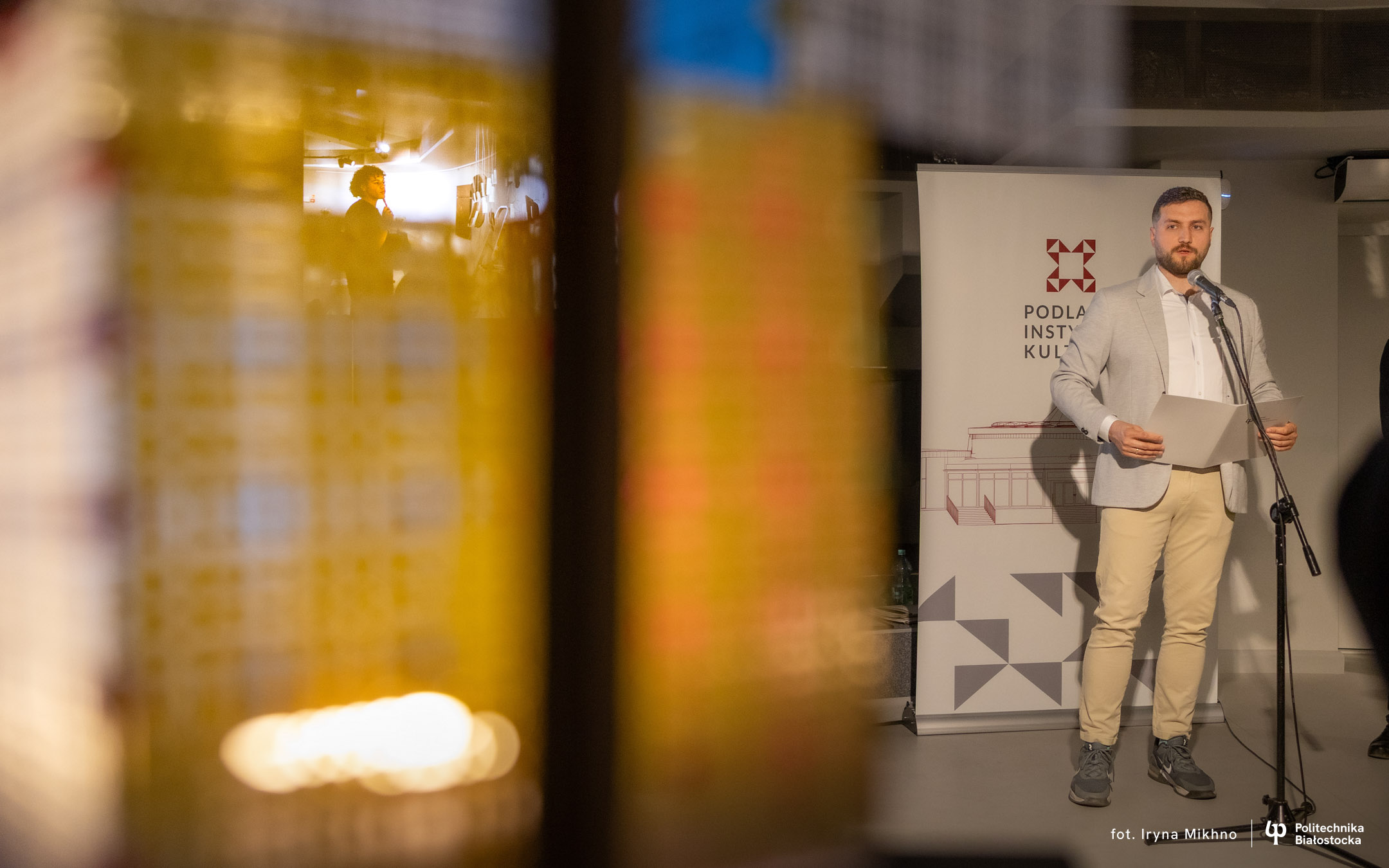
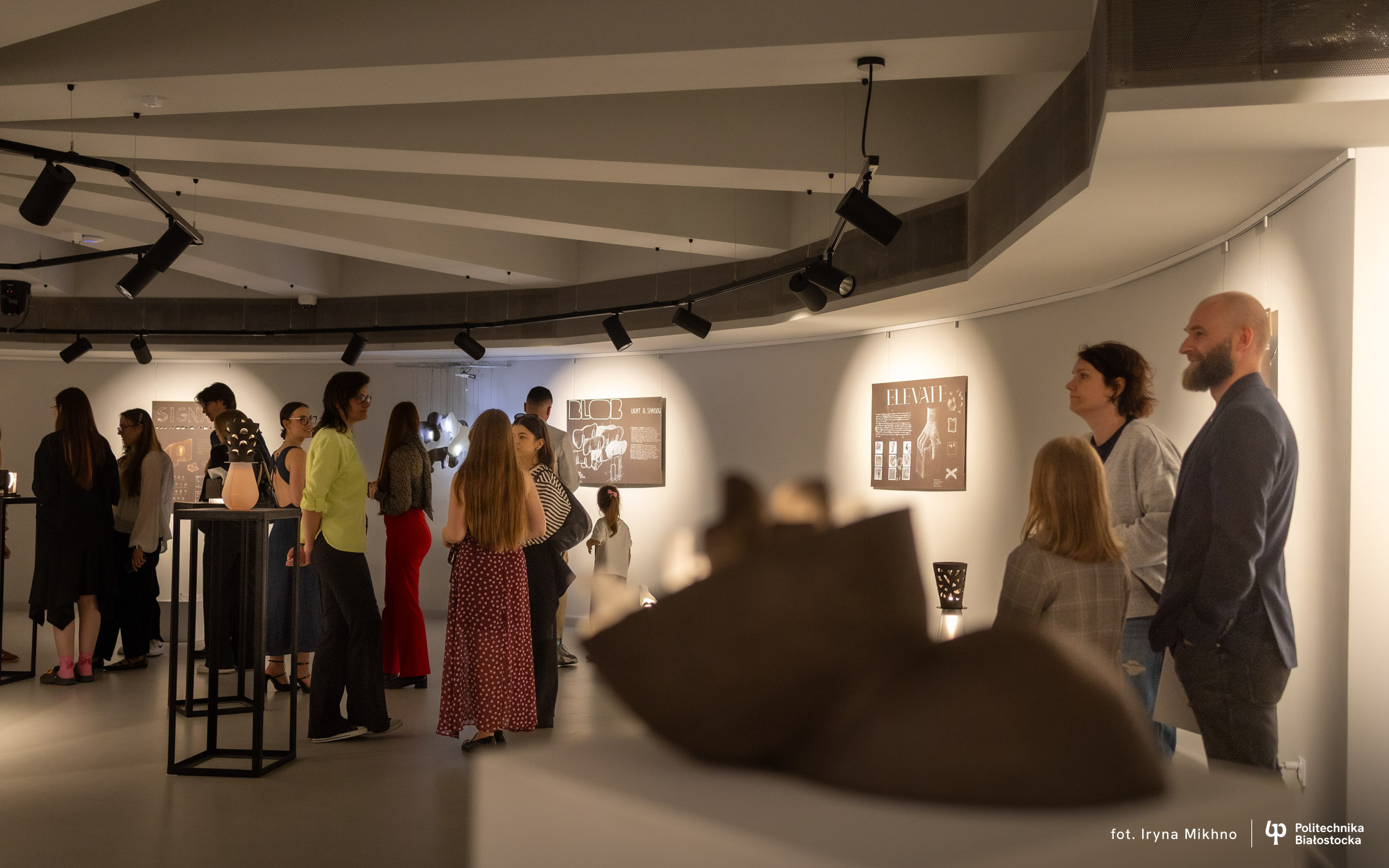
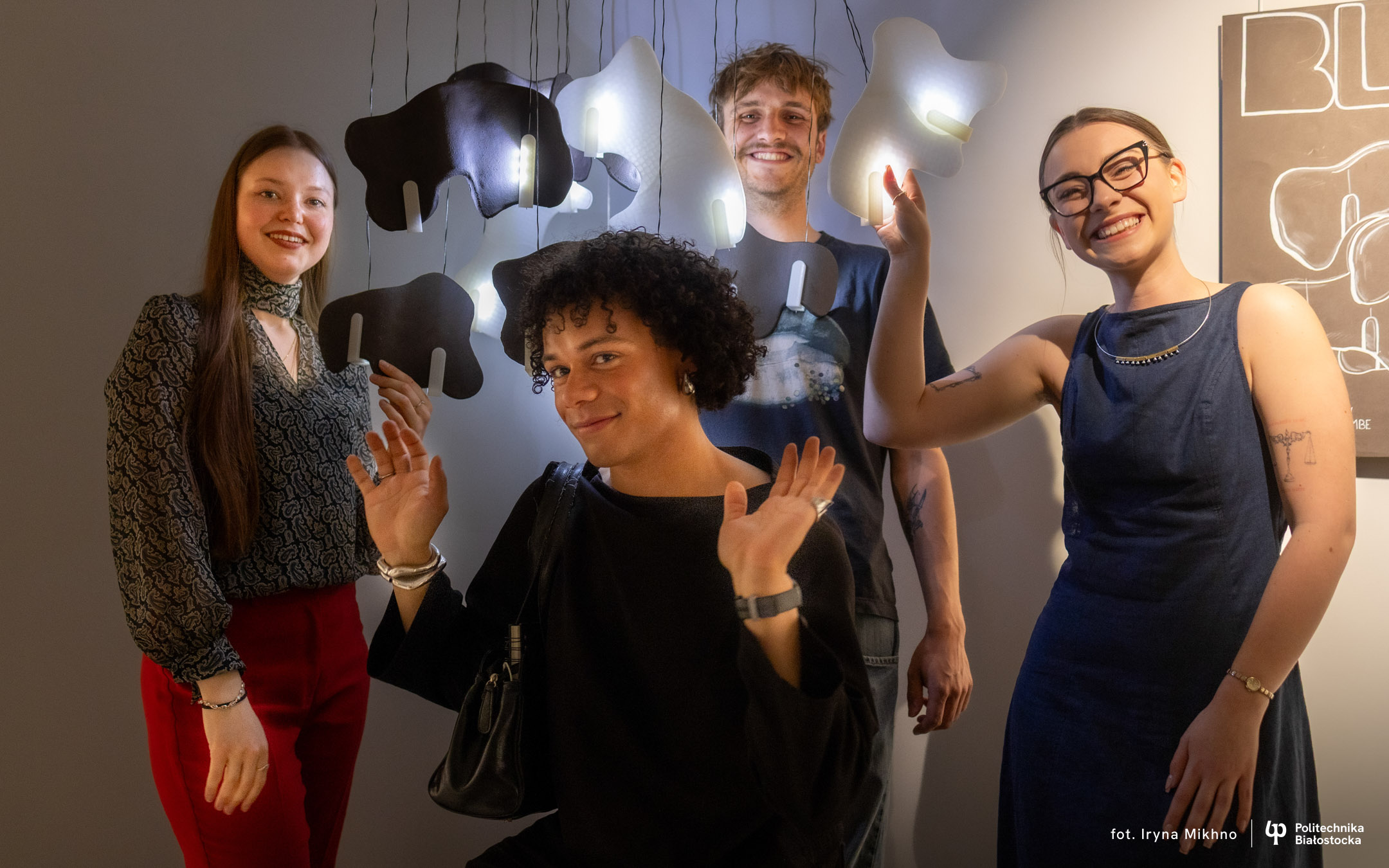
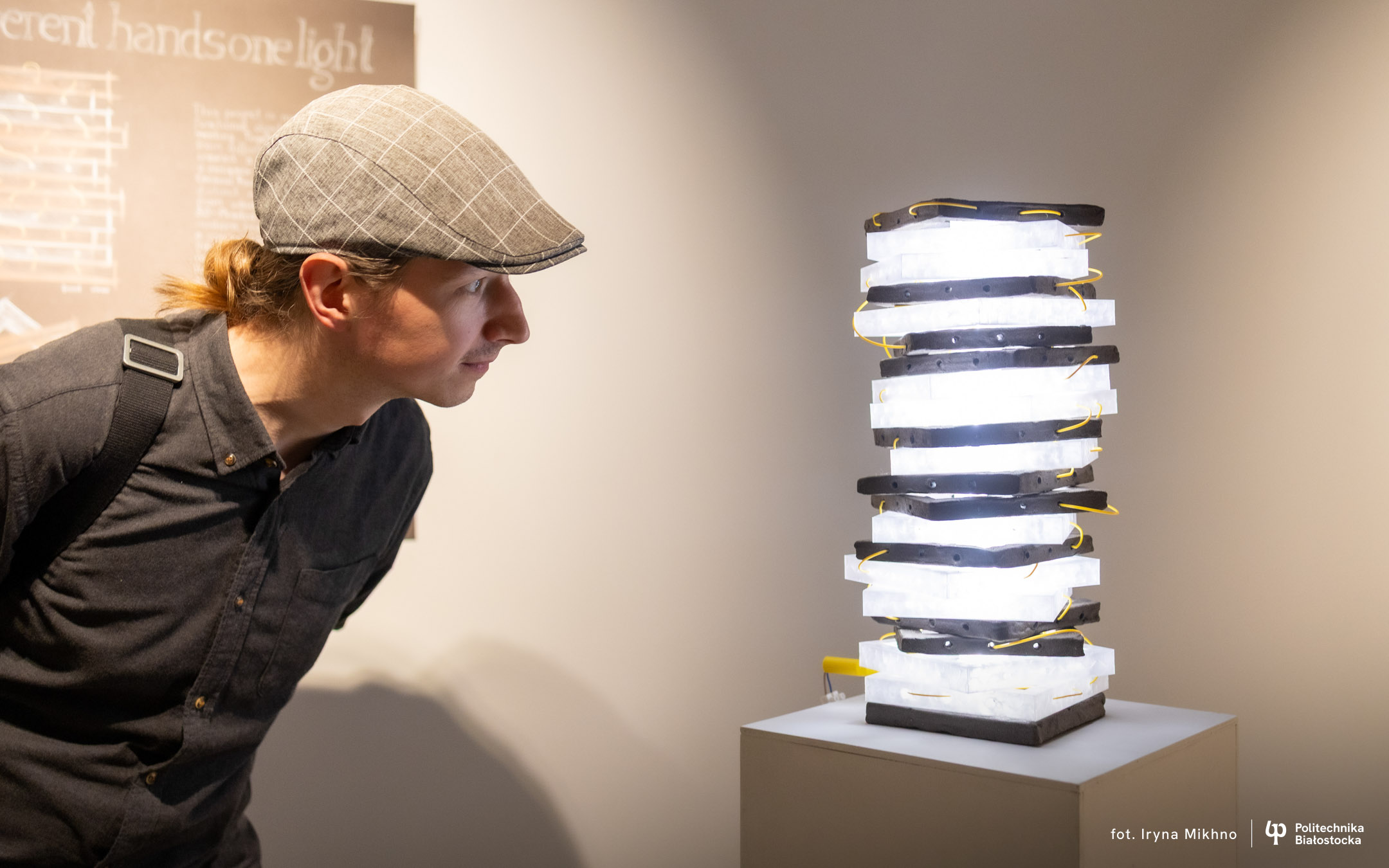
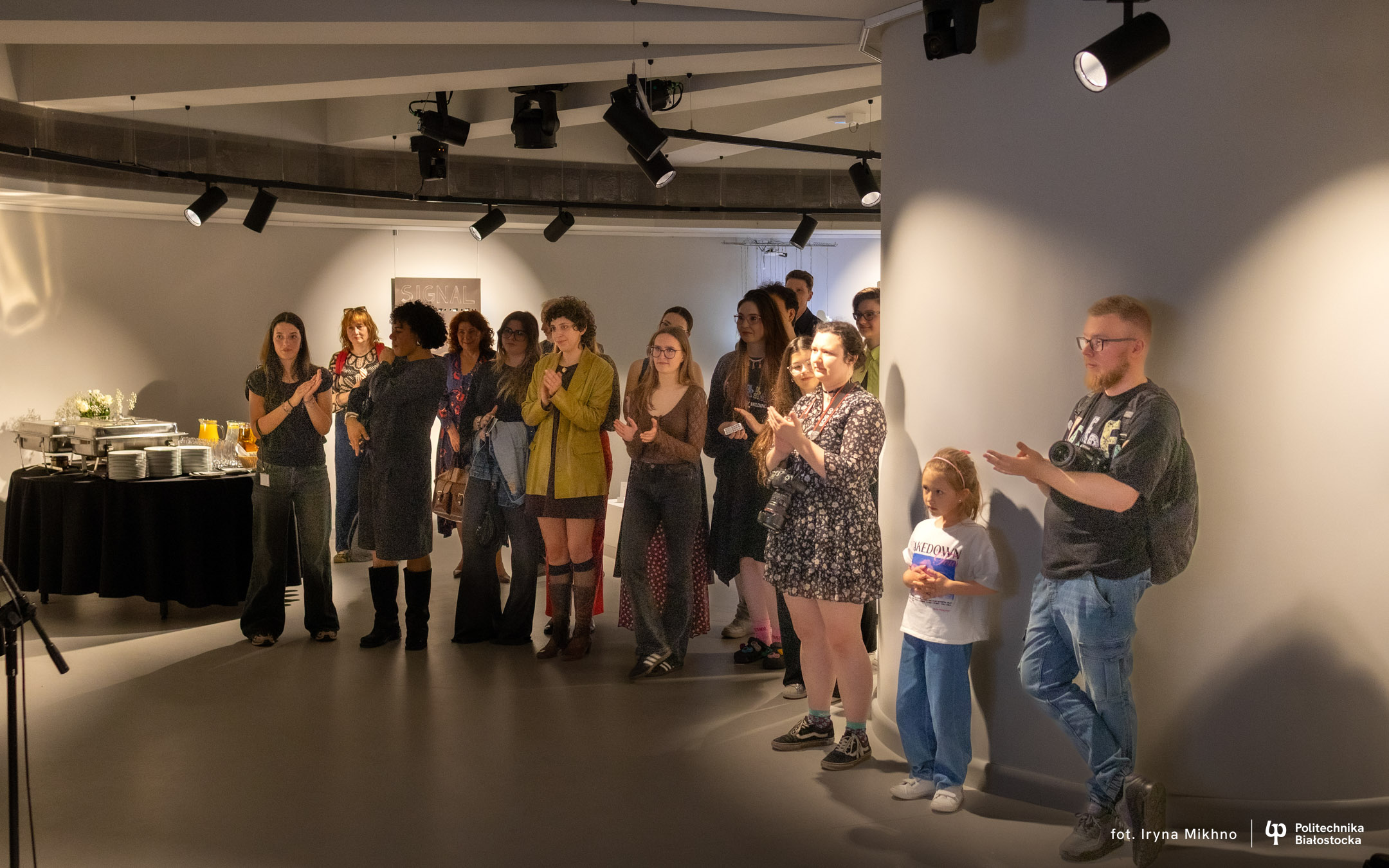
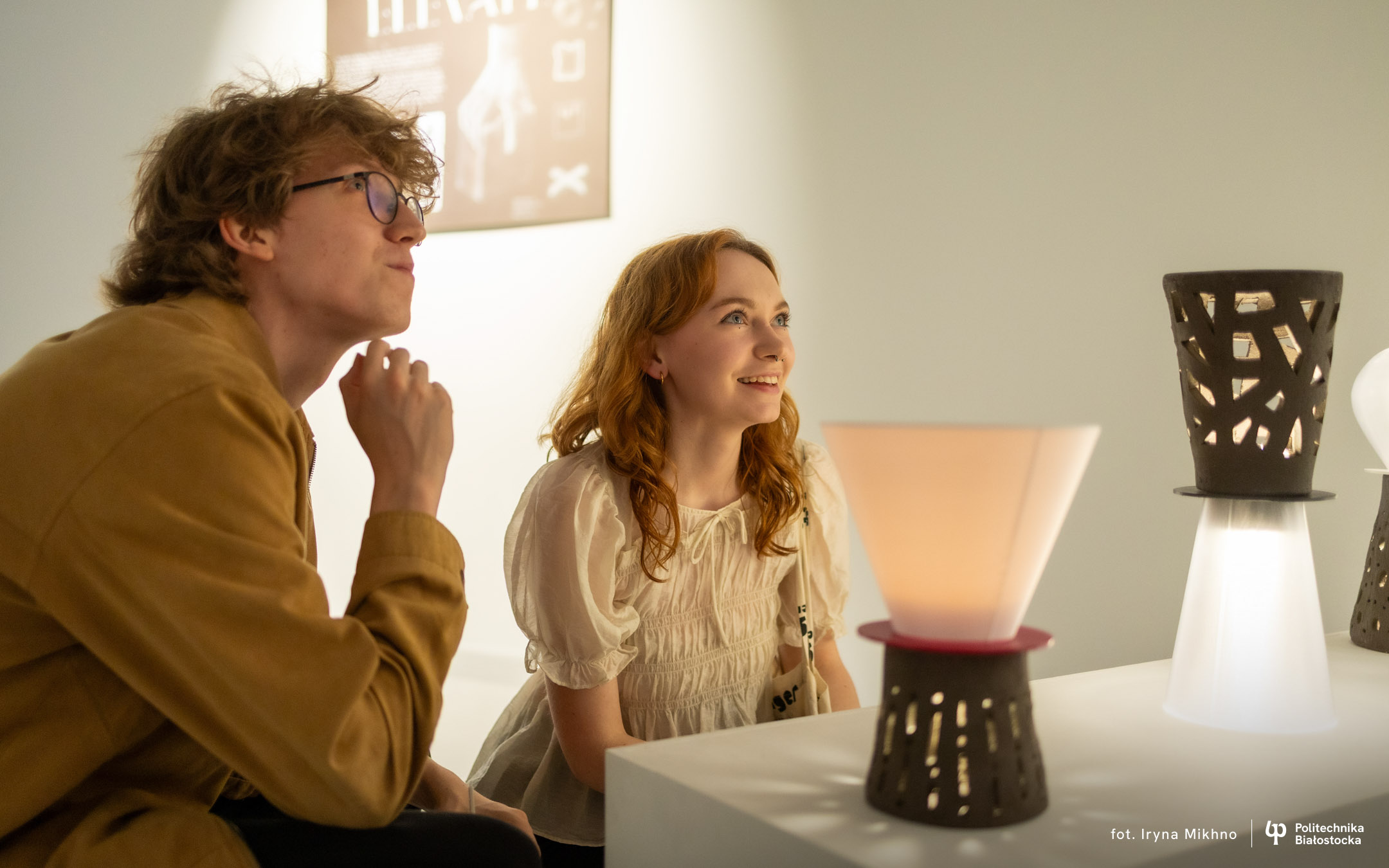
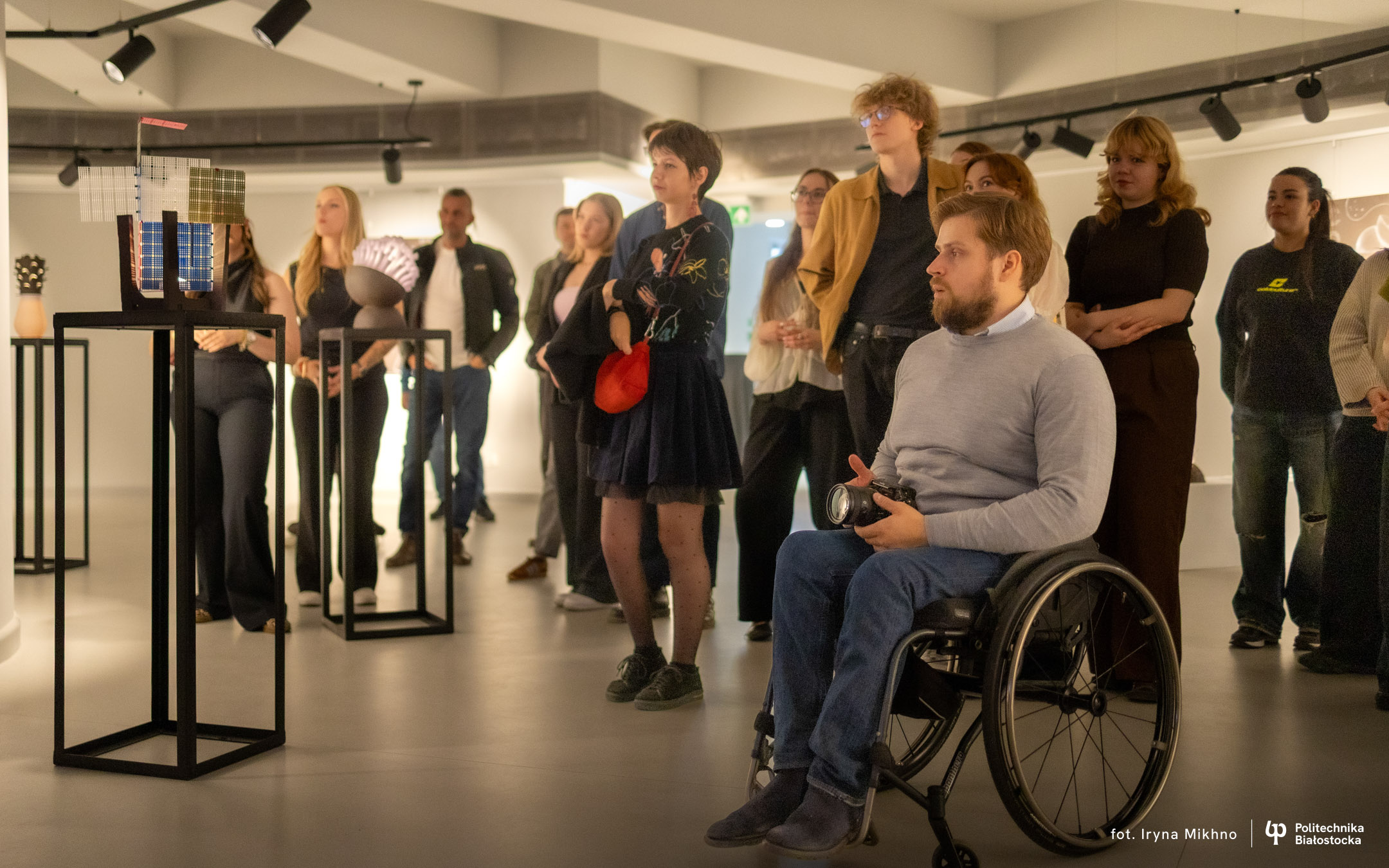
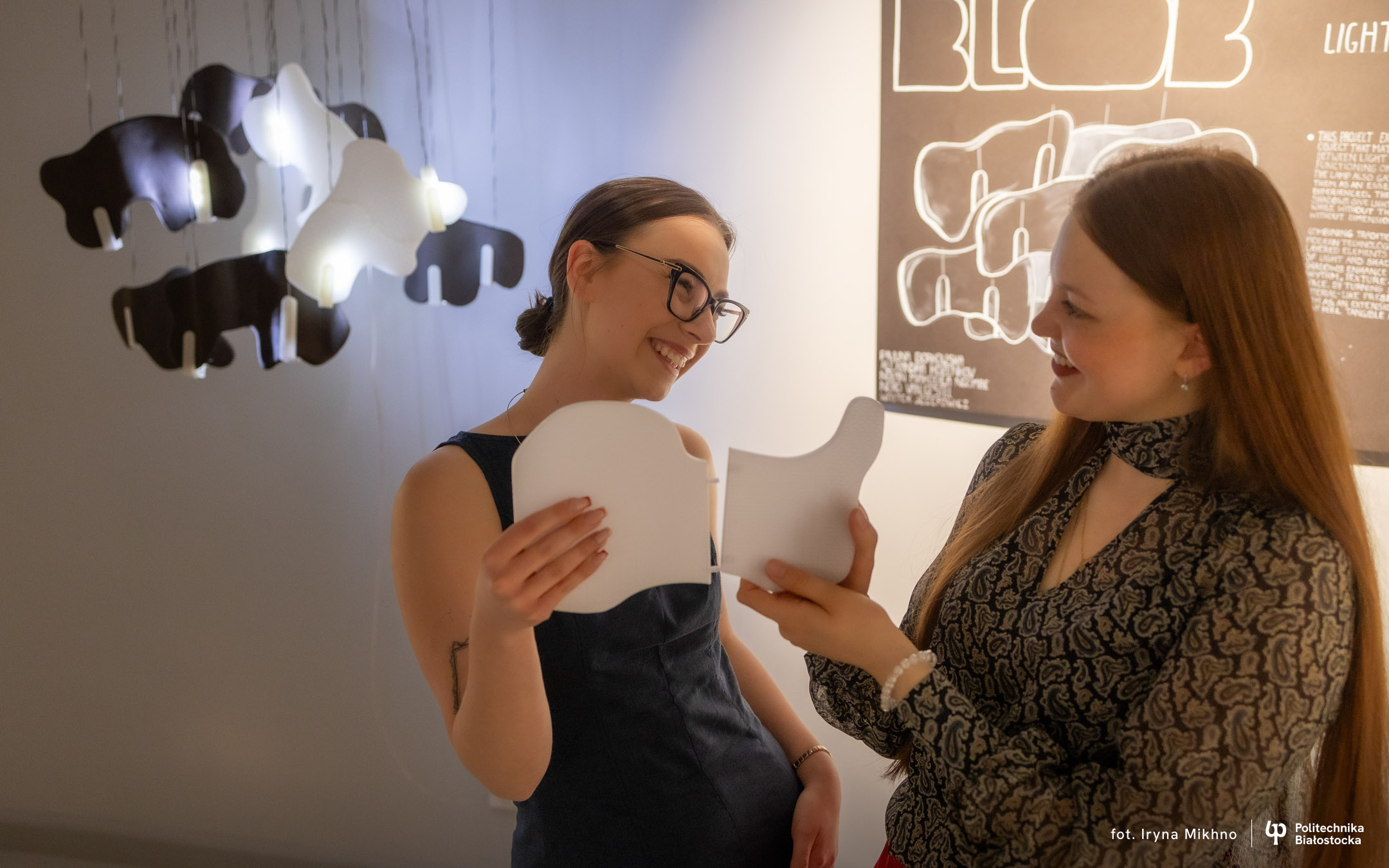
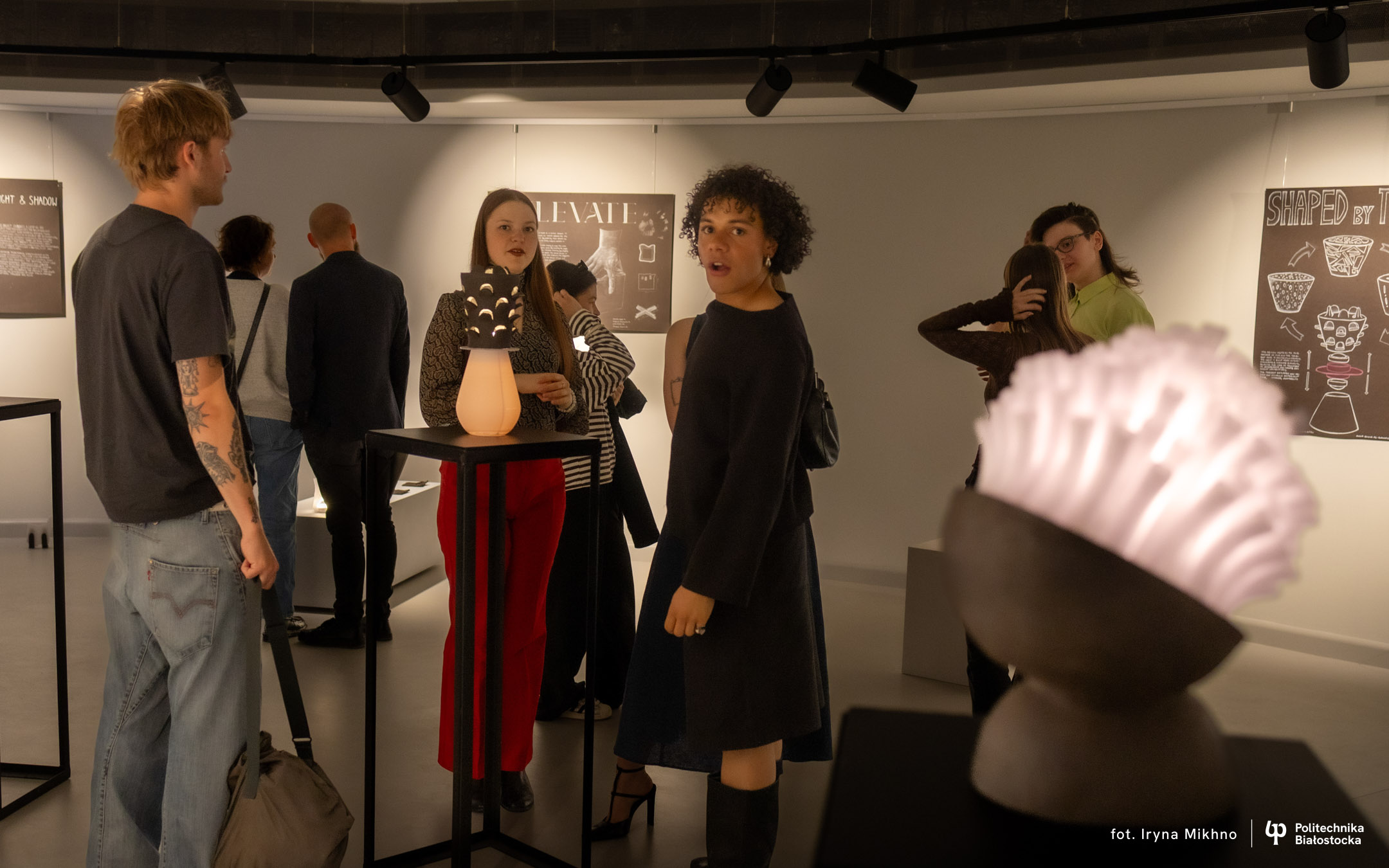
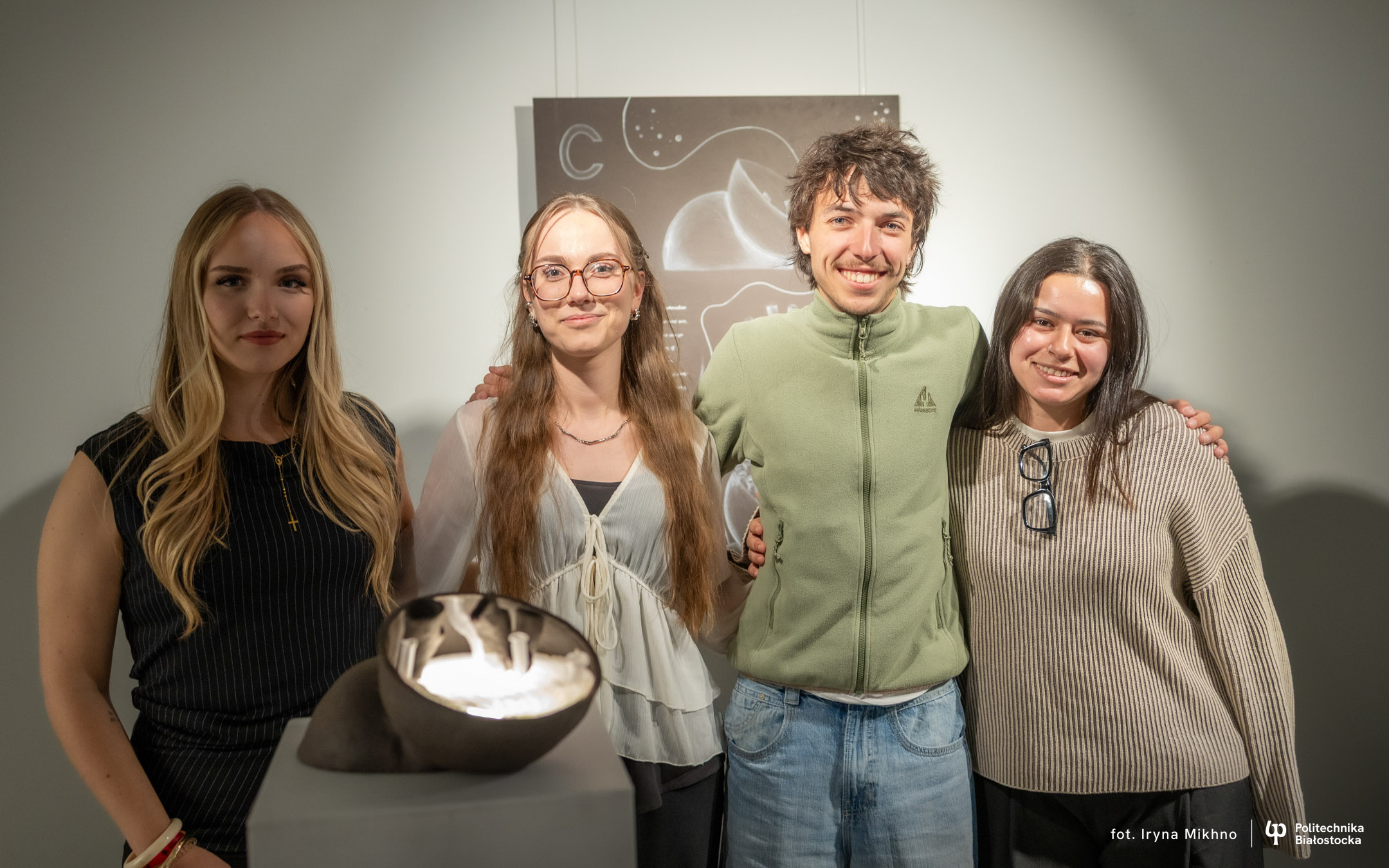
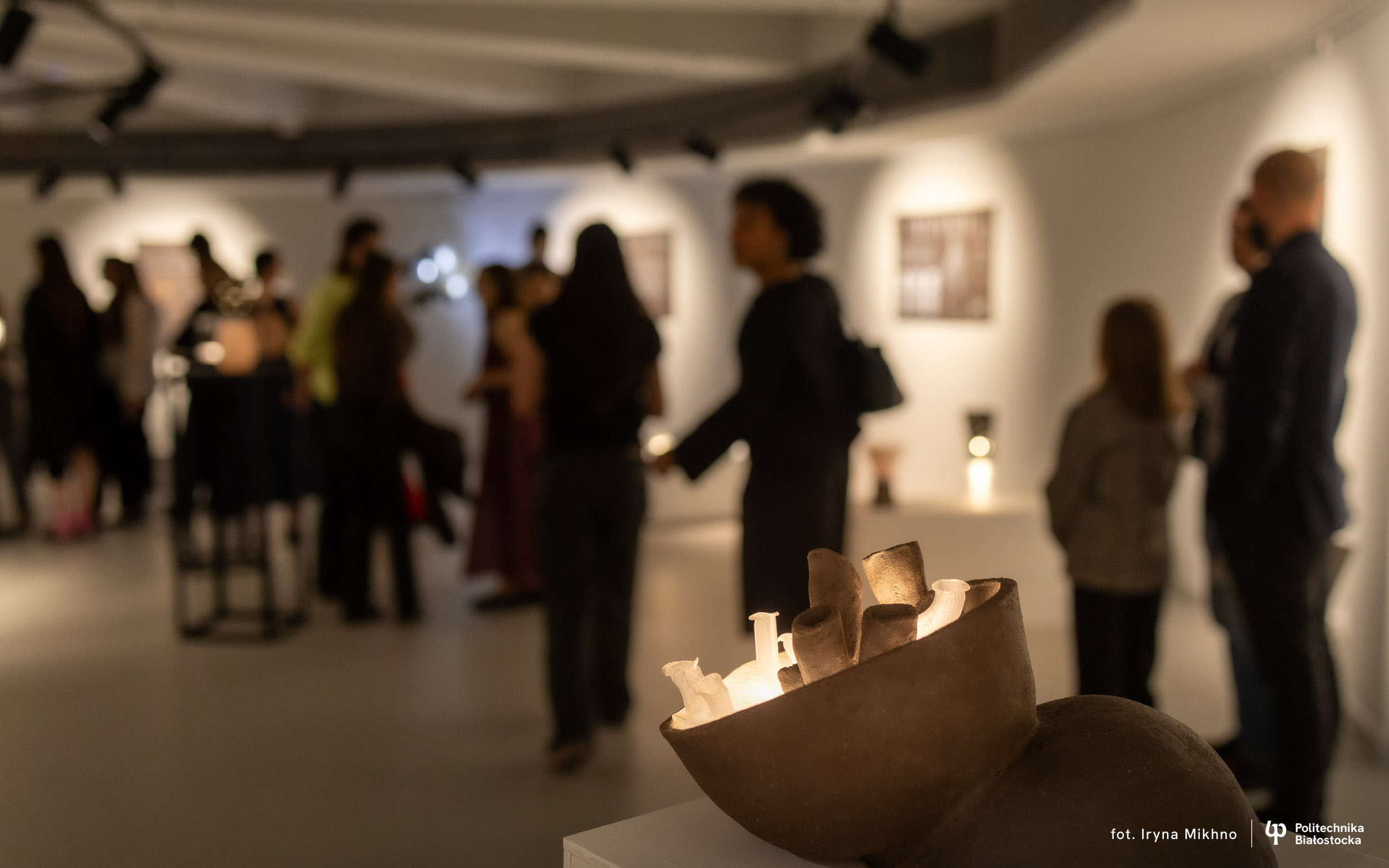
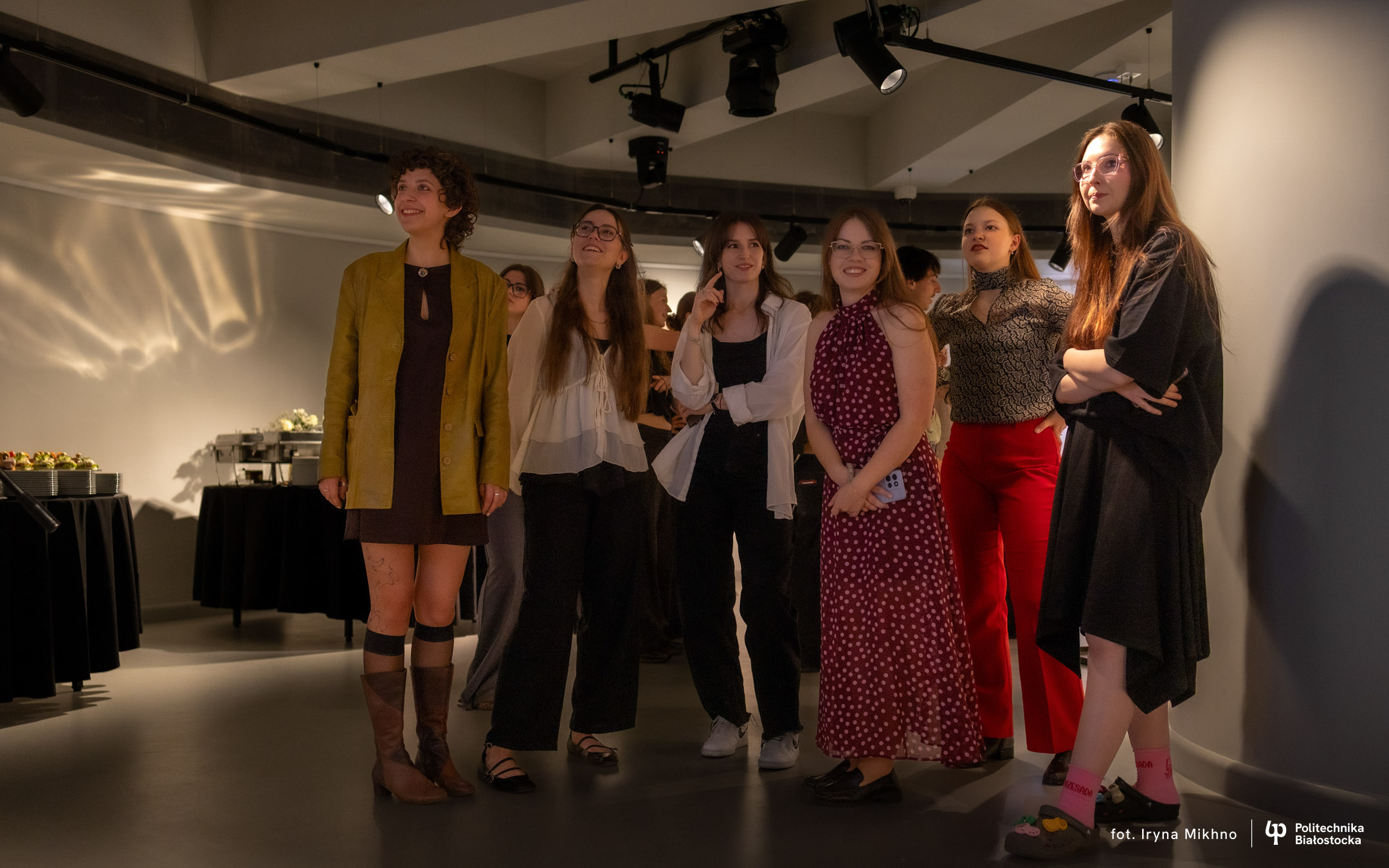
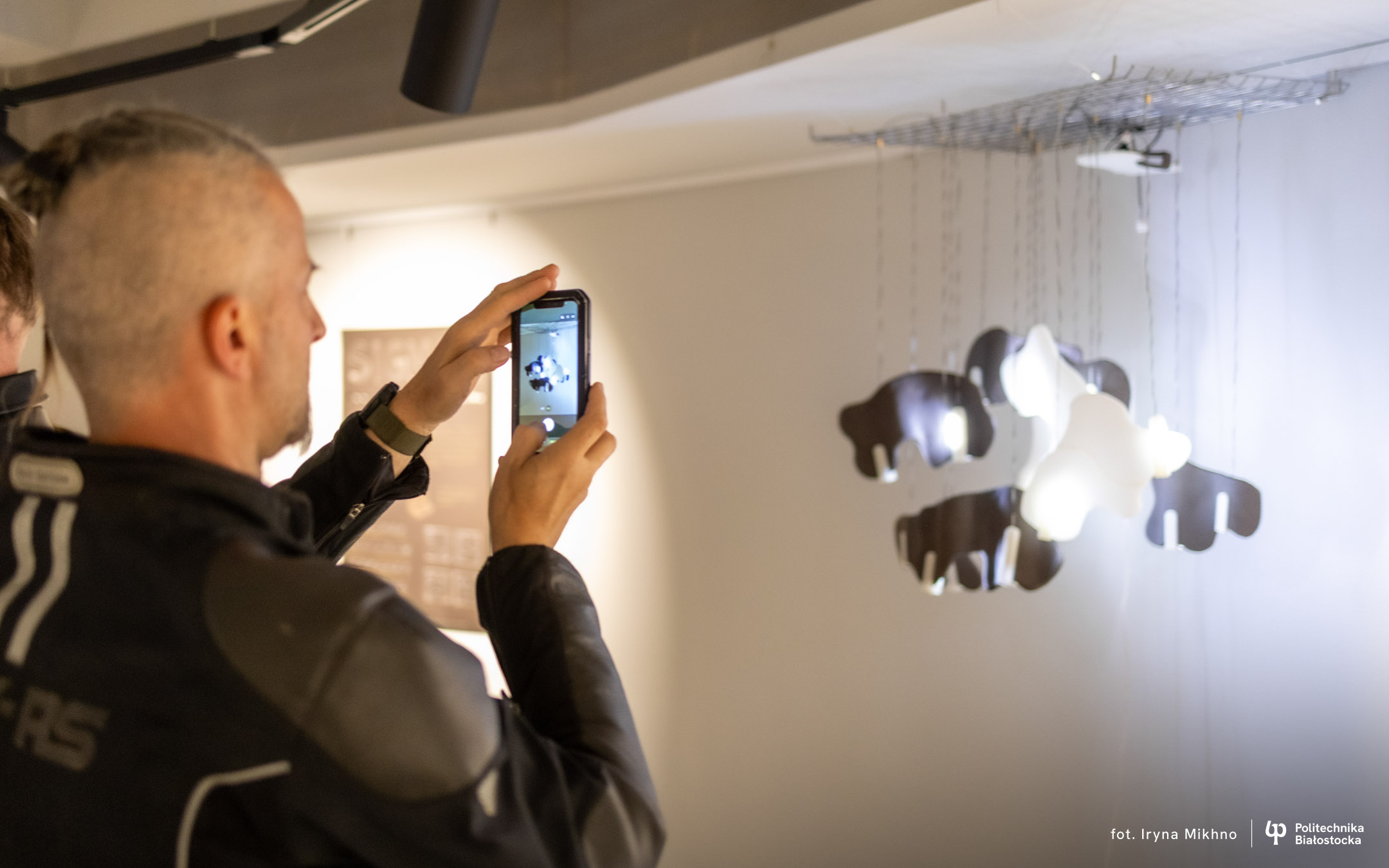
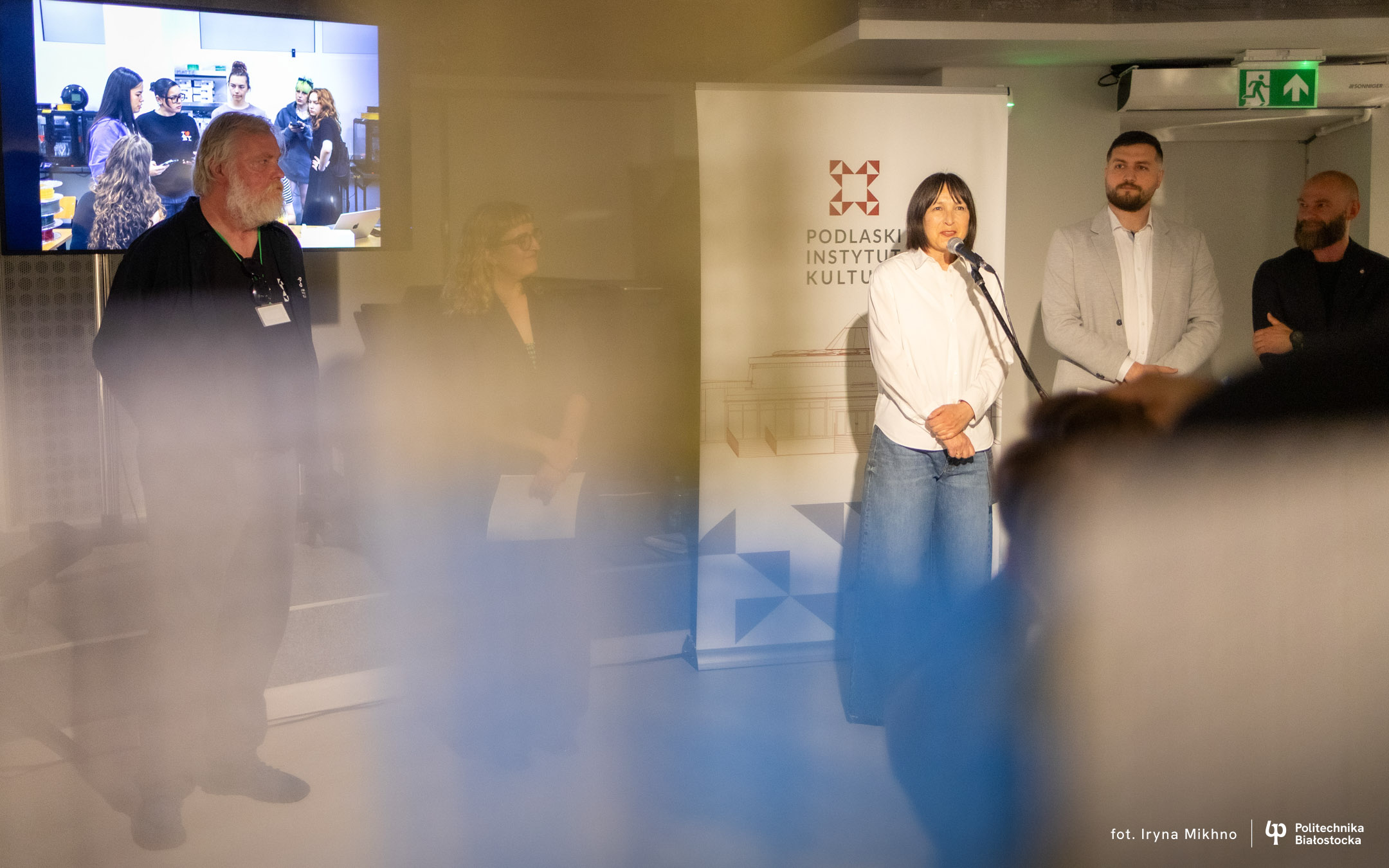
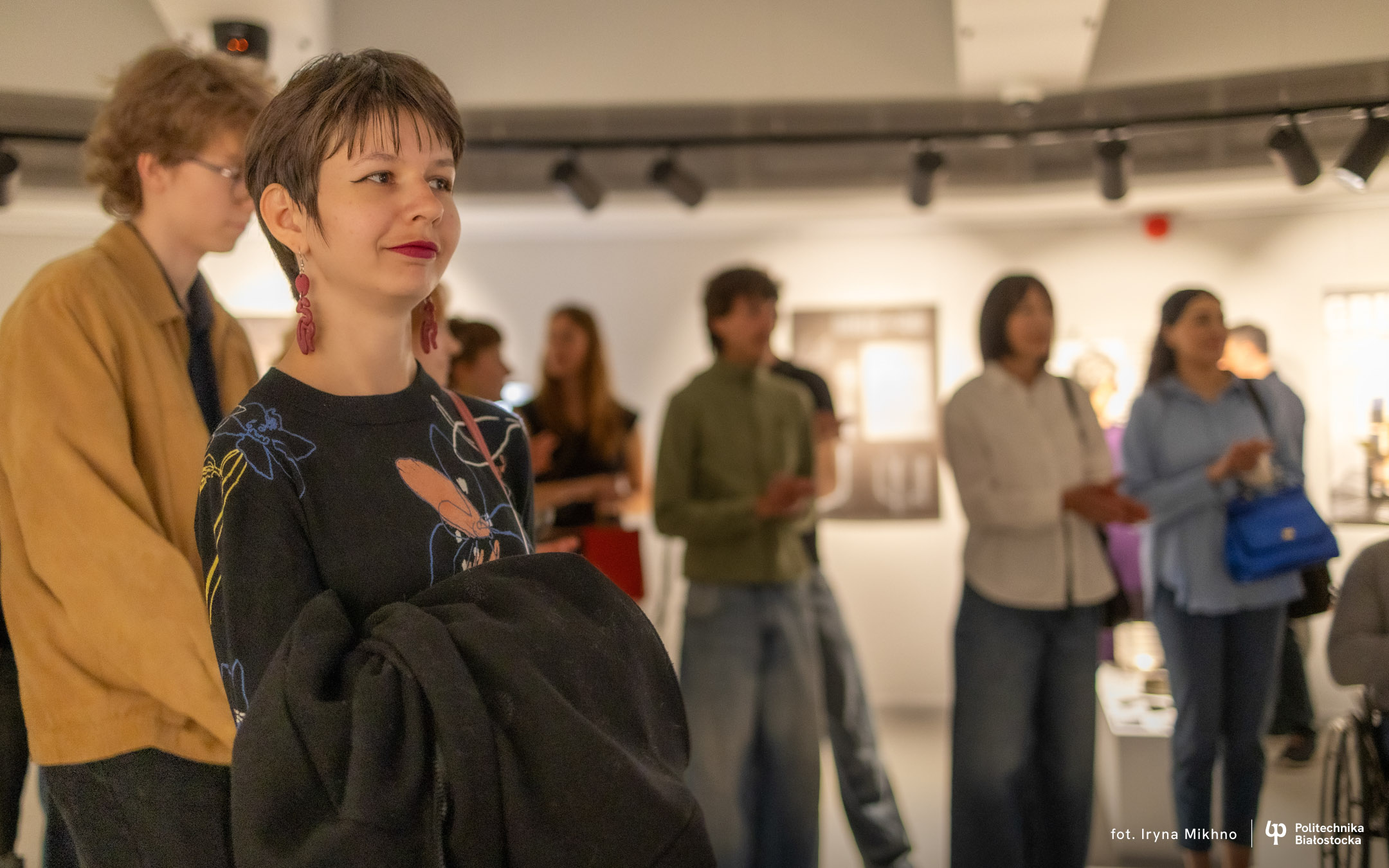
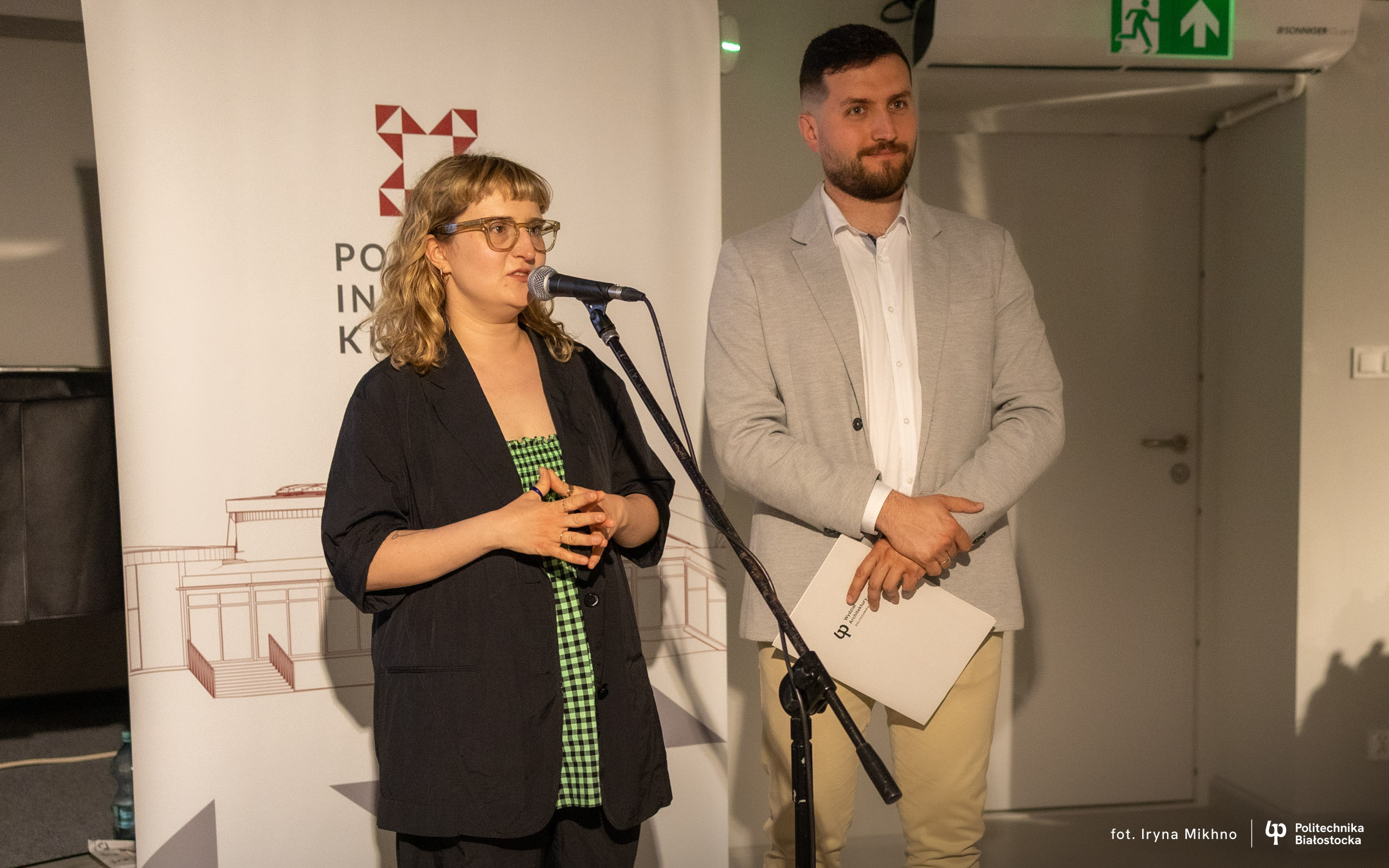
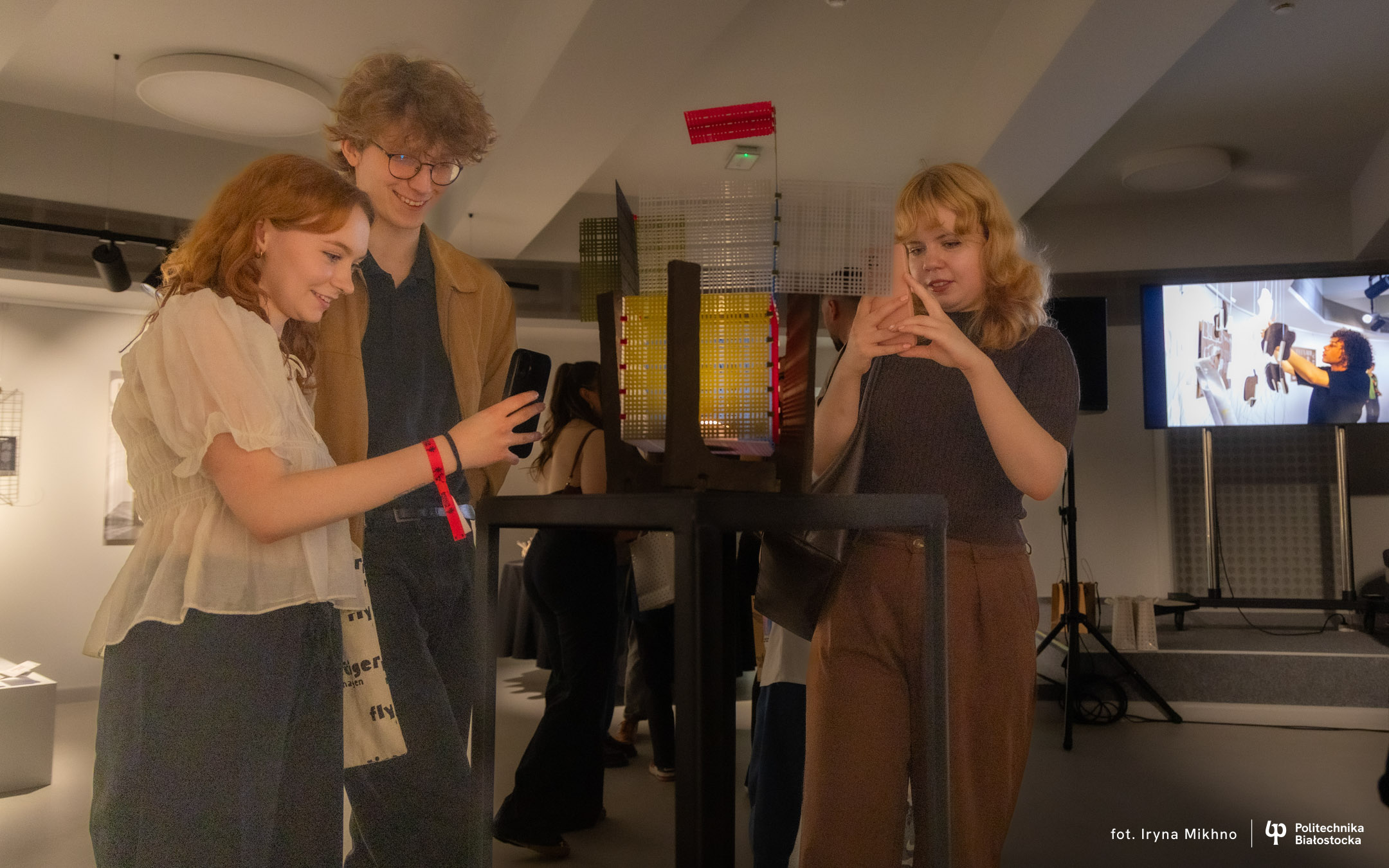
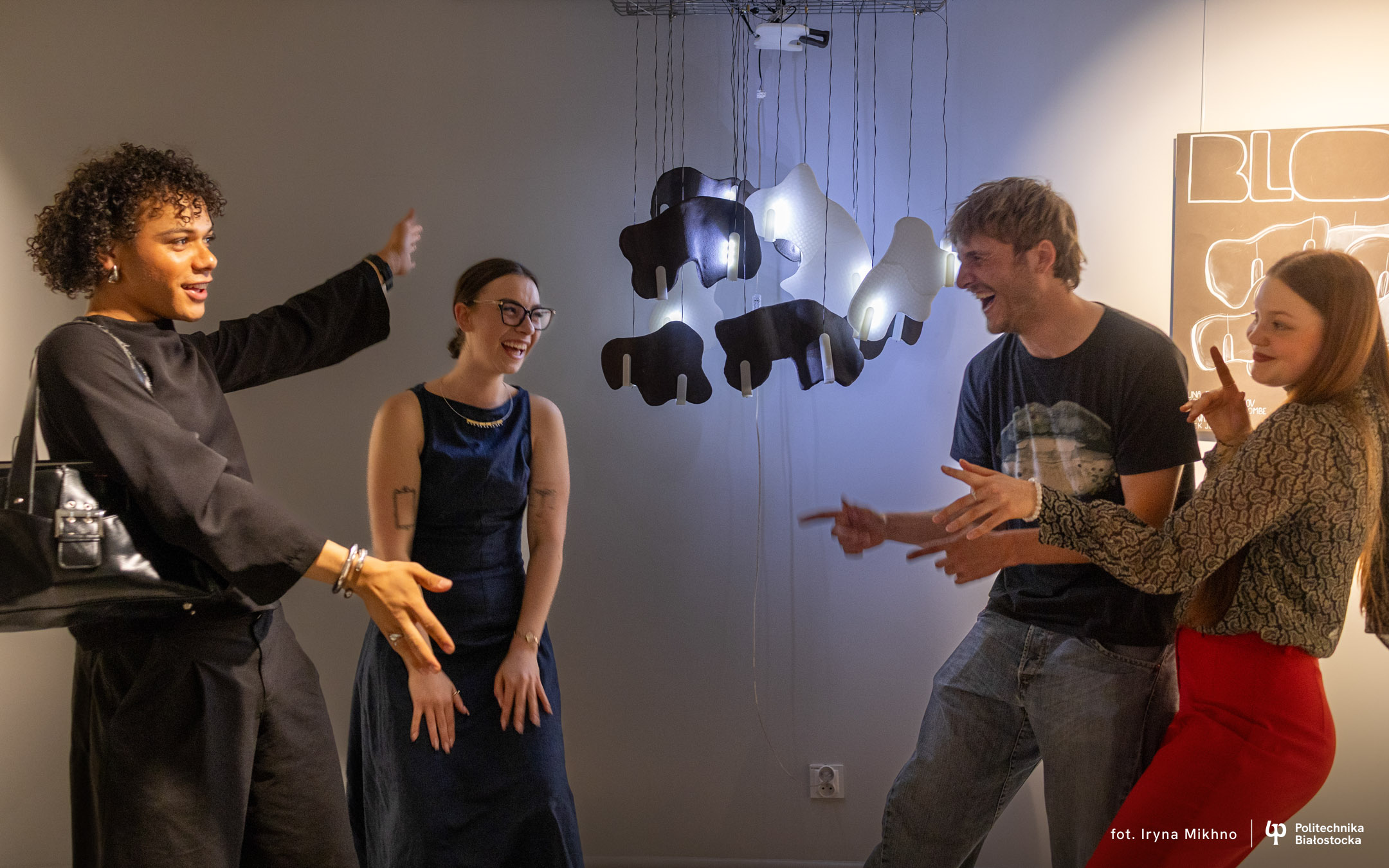
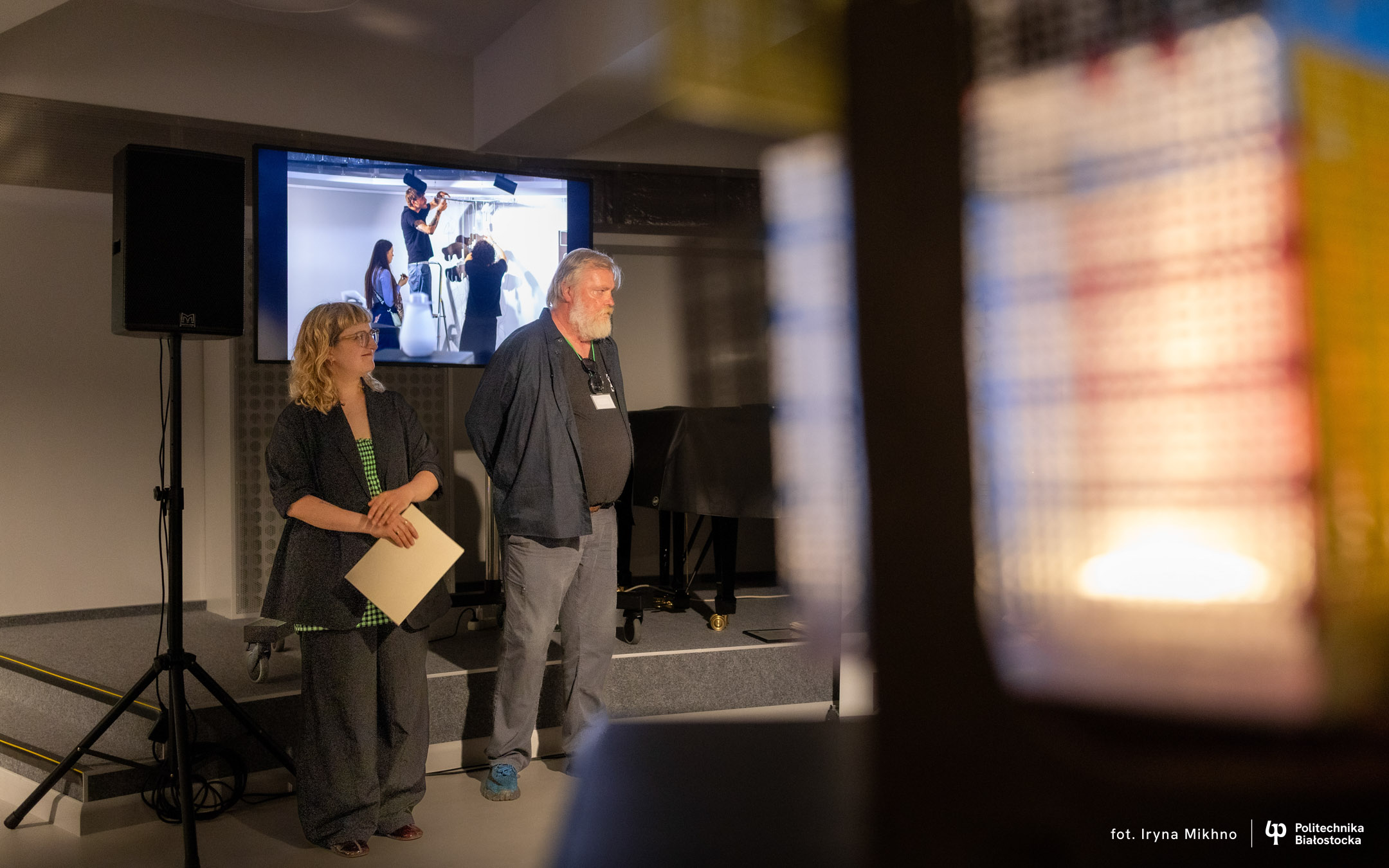
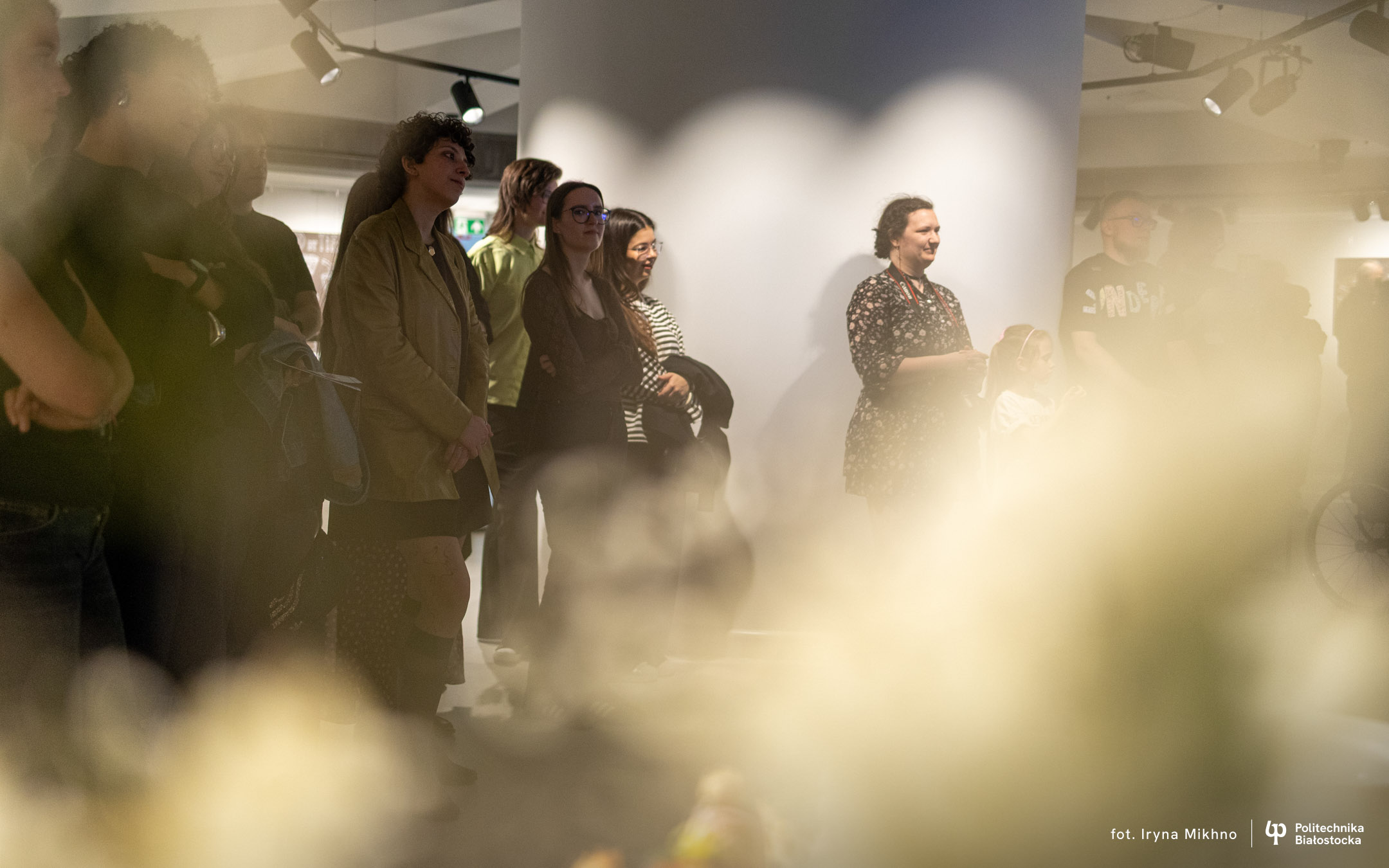
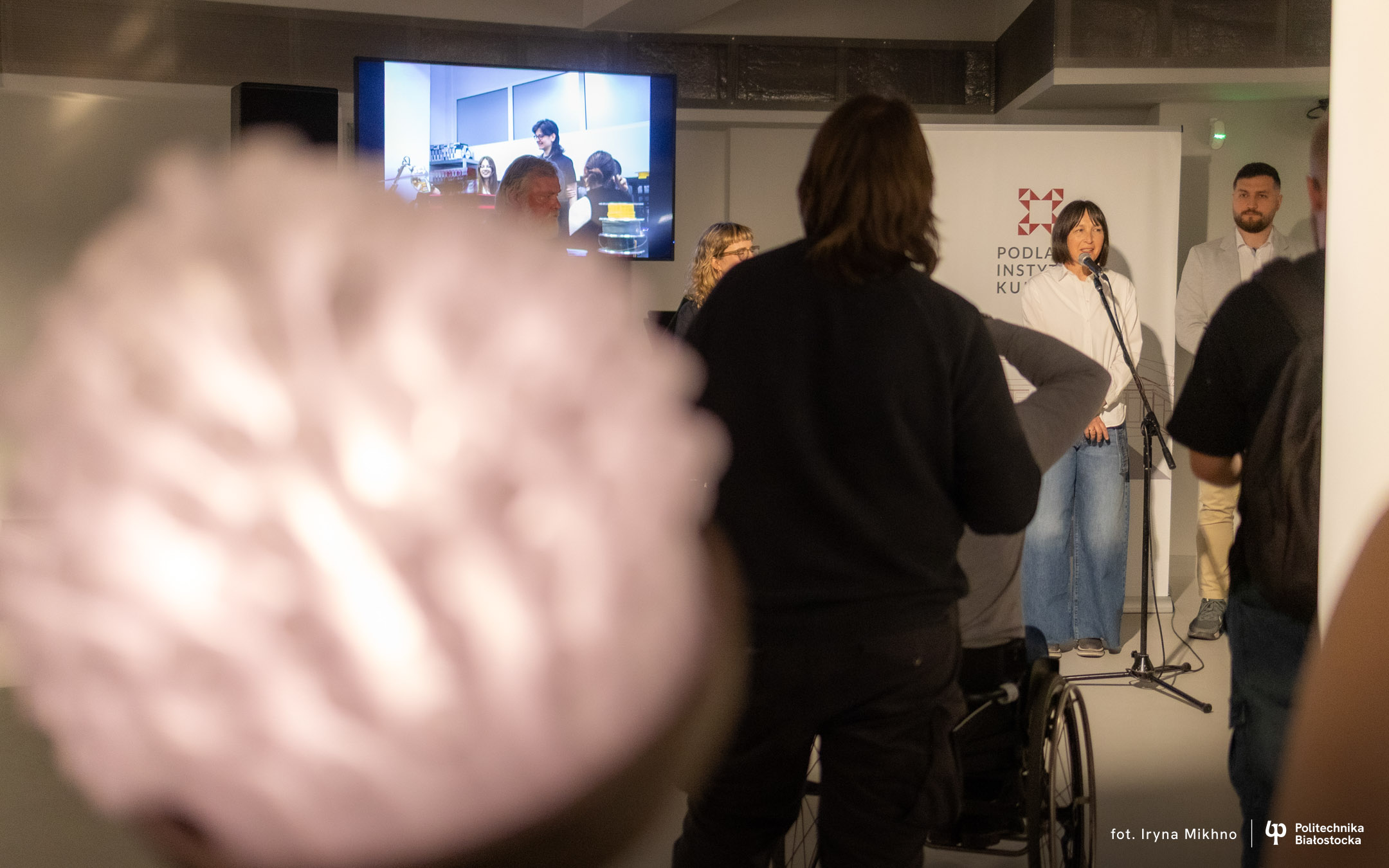
The culmination of several weeks of student work was the opening of the collective exhibition “Three Worlds 2.0”, held on 15 May in the exhibition spaces of the Podlaskie Institute of Culture. The ACK Gallery (14 św. Rocha Street) was filled with unique prototypes of hybrid lamps, in which the rough, organic character of fired clay intertwines with the geometric precision of 3D-printed polymers. Proper presentation of the exhibition and technical support were provided by Wojciech Józefowicz.
The exhibition will be open to visitors until 28 May 2026.
All lovers of design, modern technologies and traditional applied arts are warmly invited to visit the exhibition and see the results of this remarkable European collaboration.
Monika Rokicka
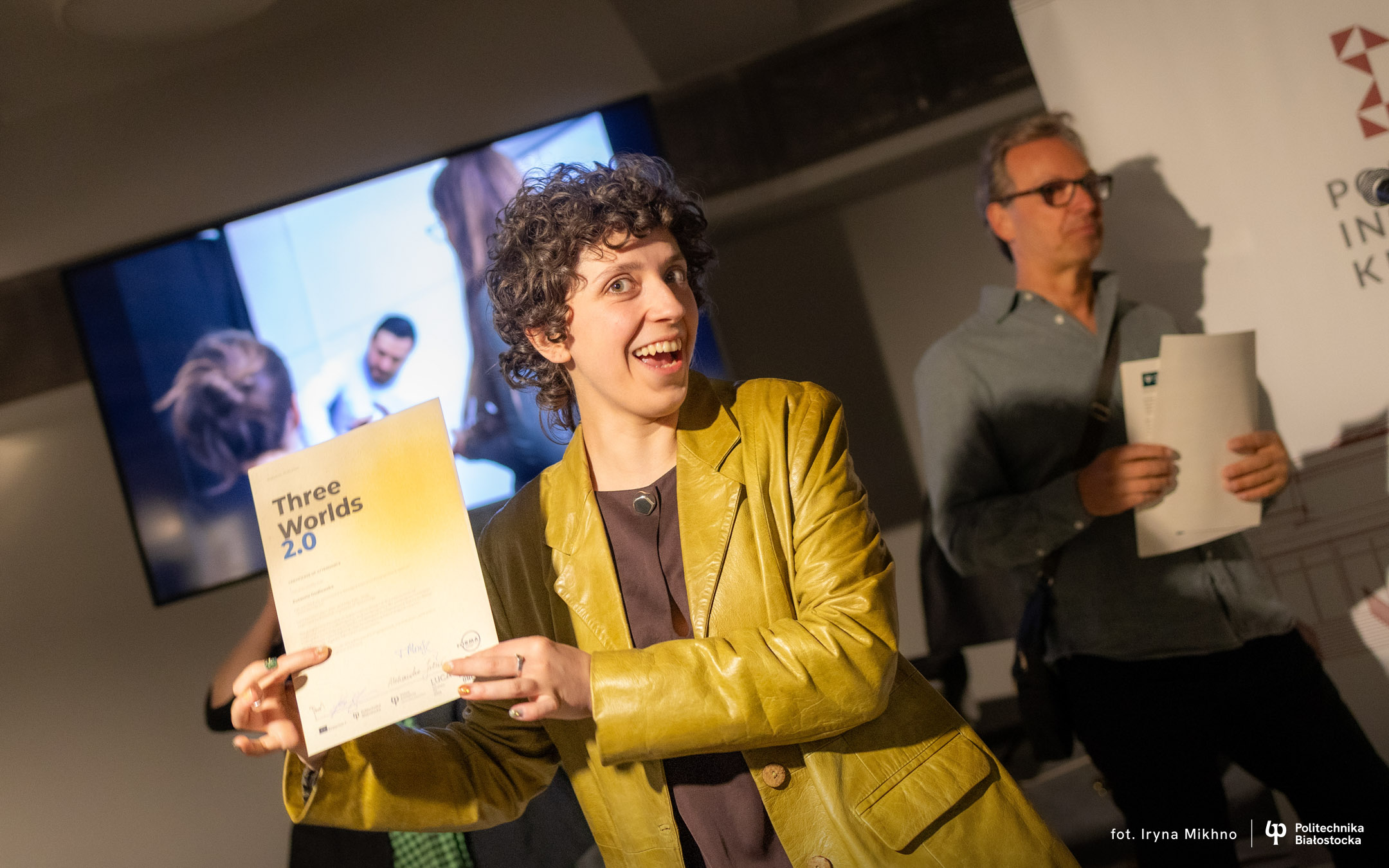
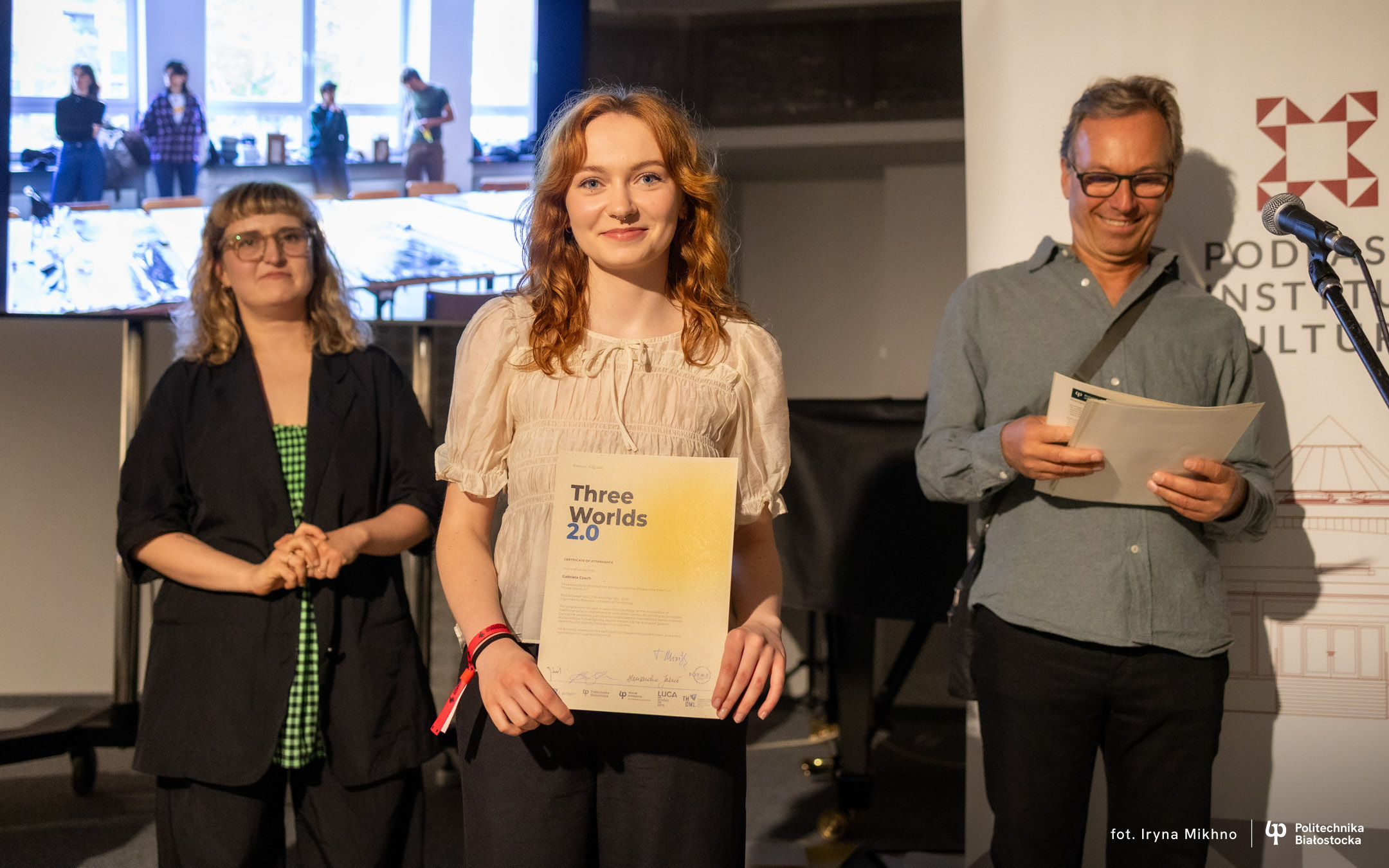
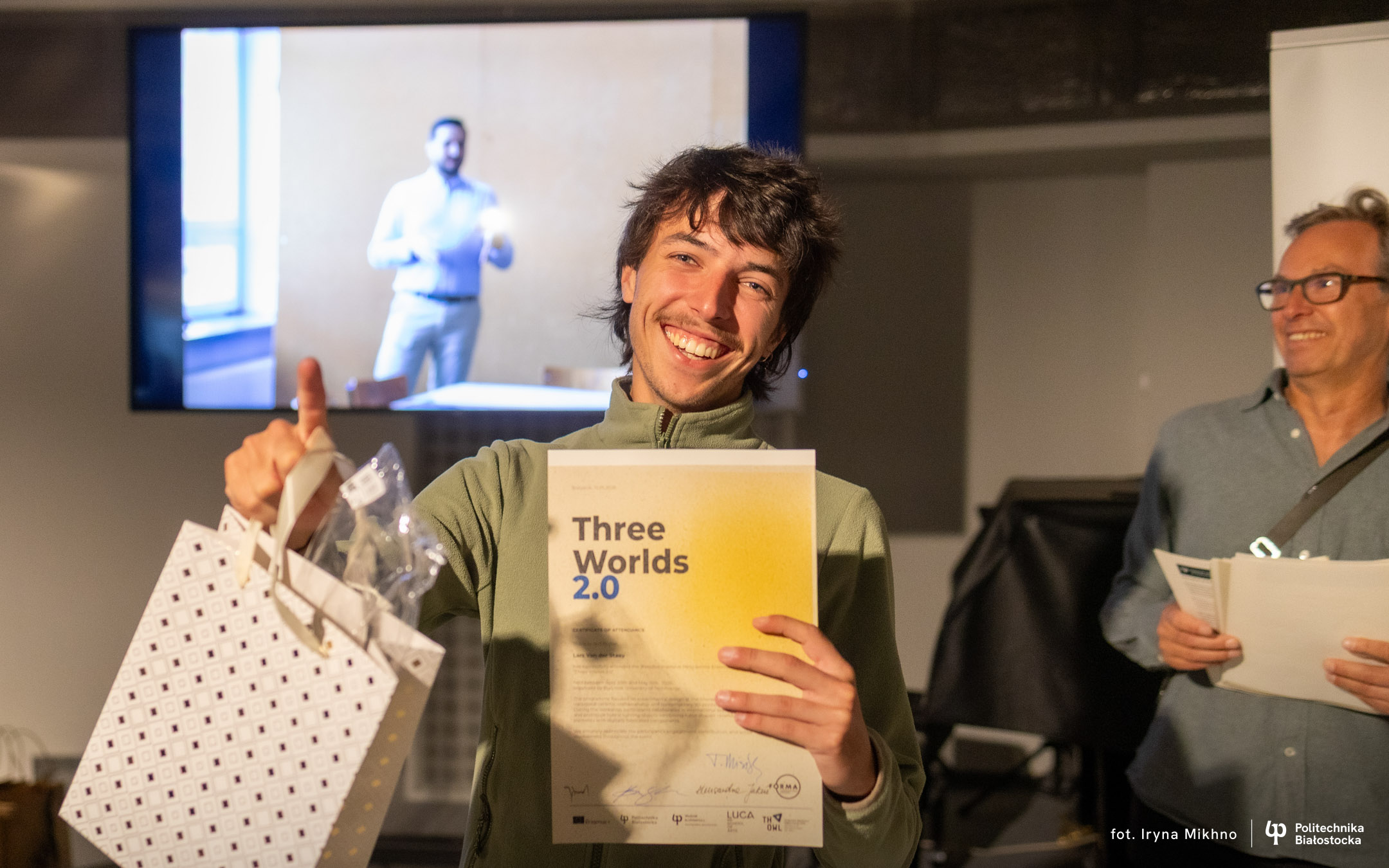
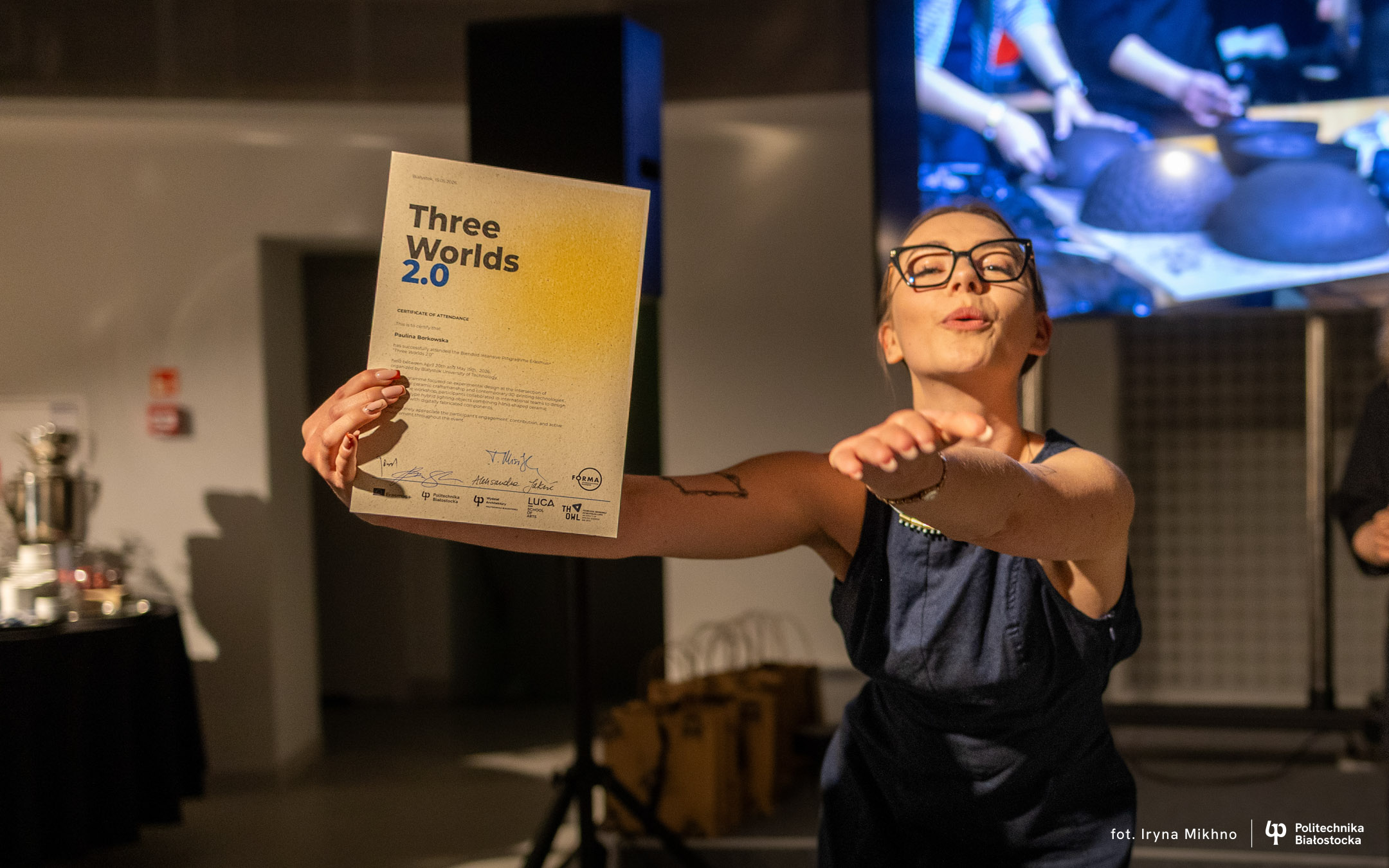
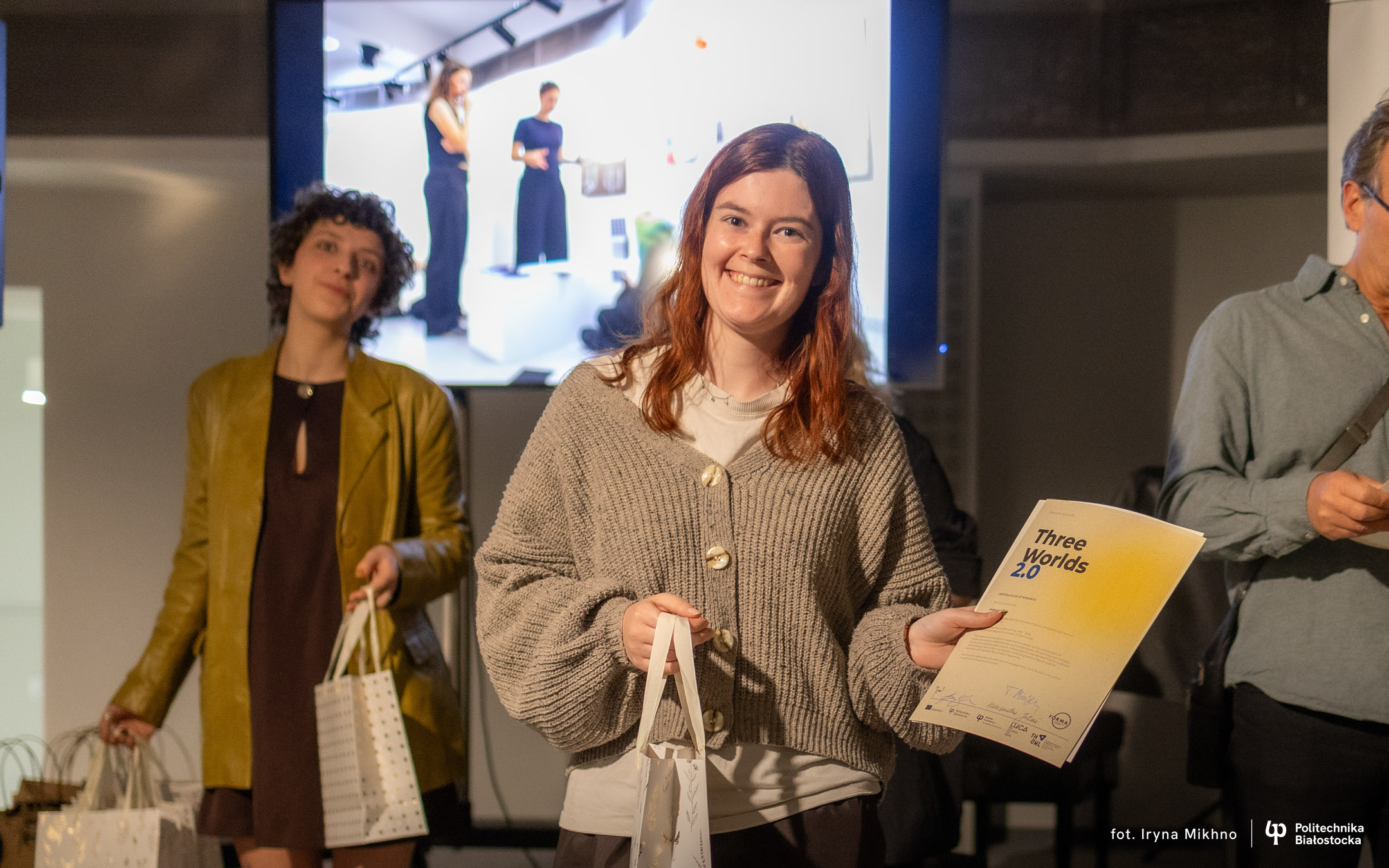
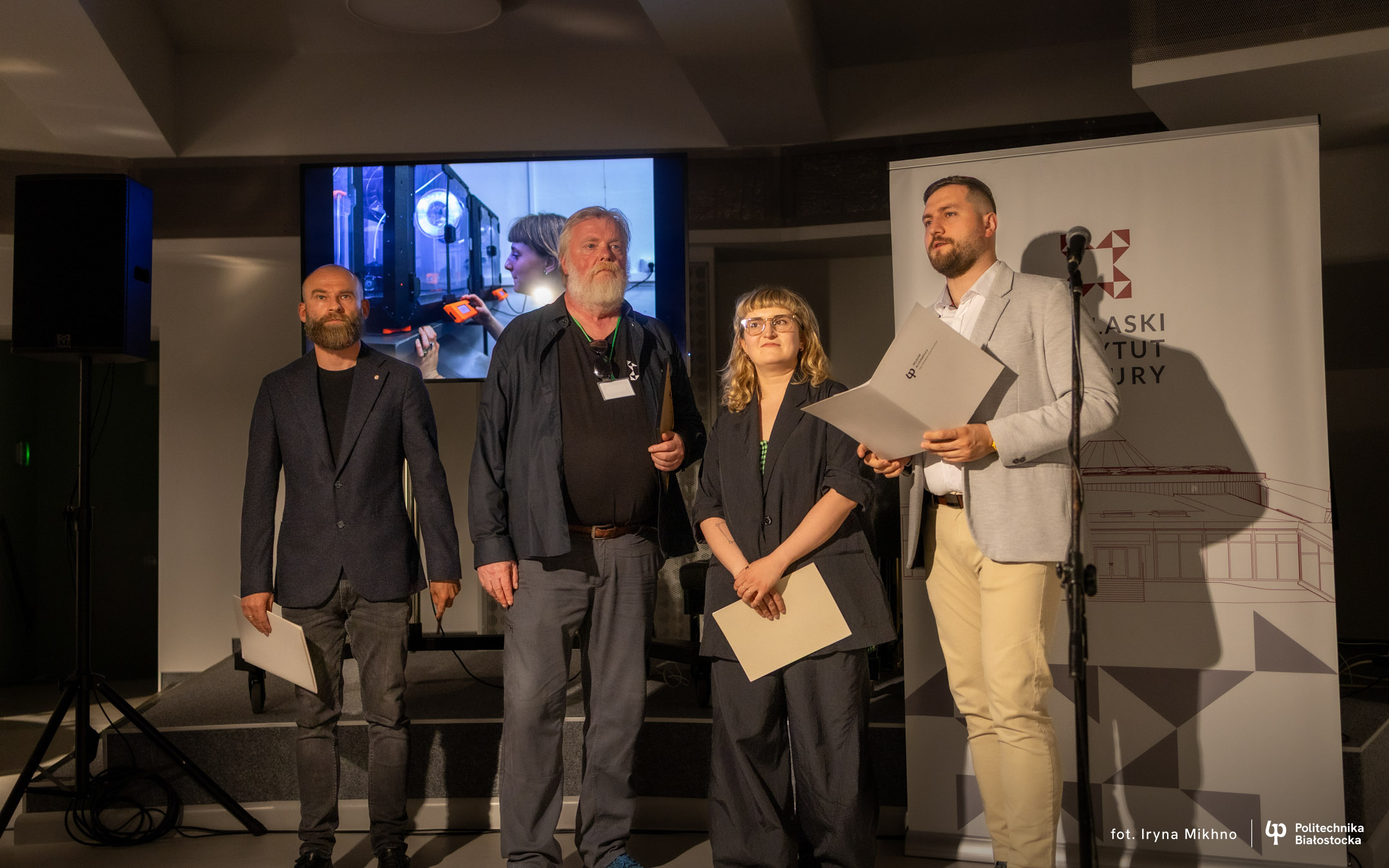
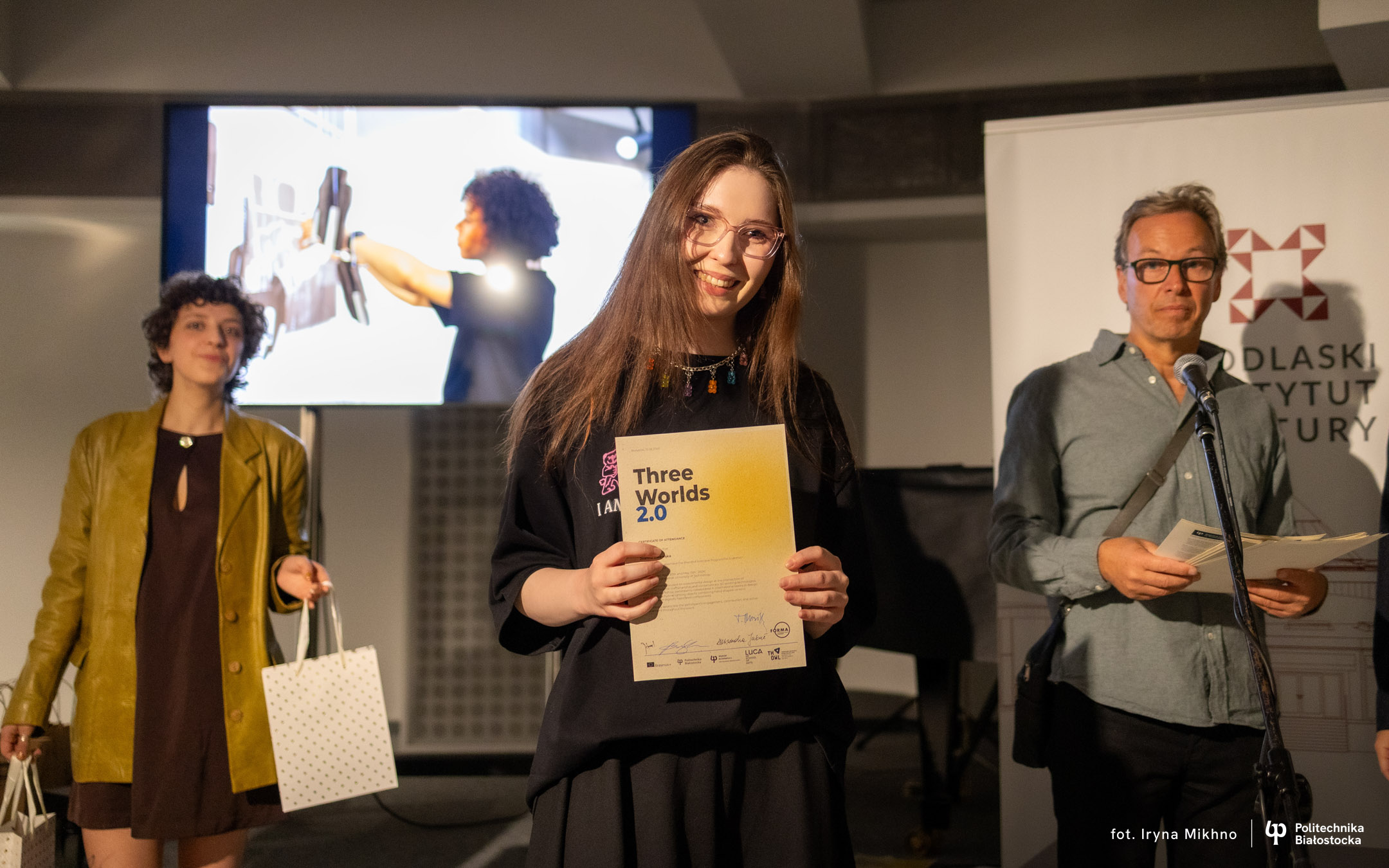
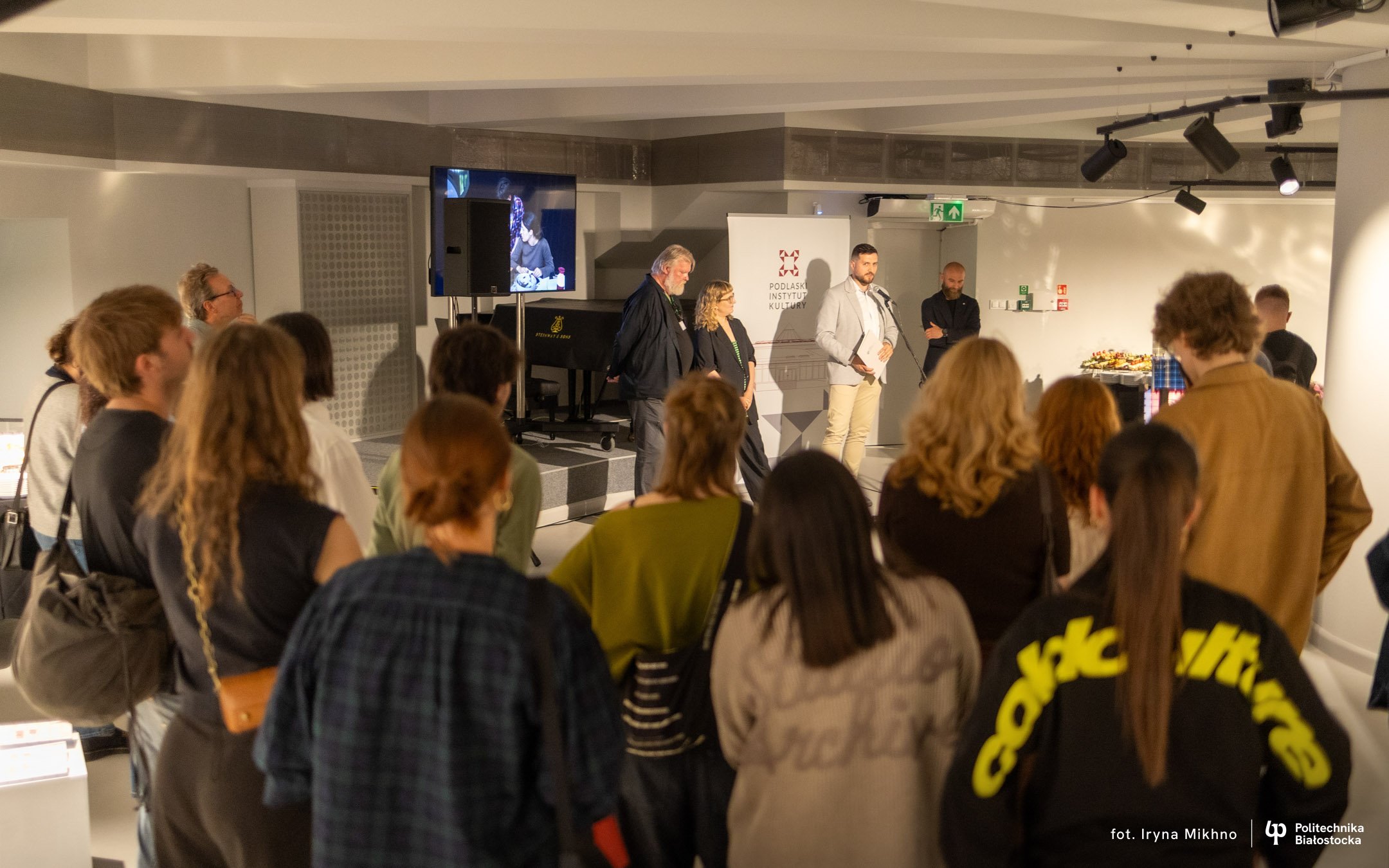
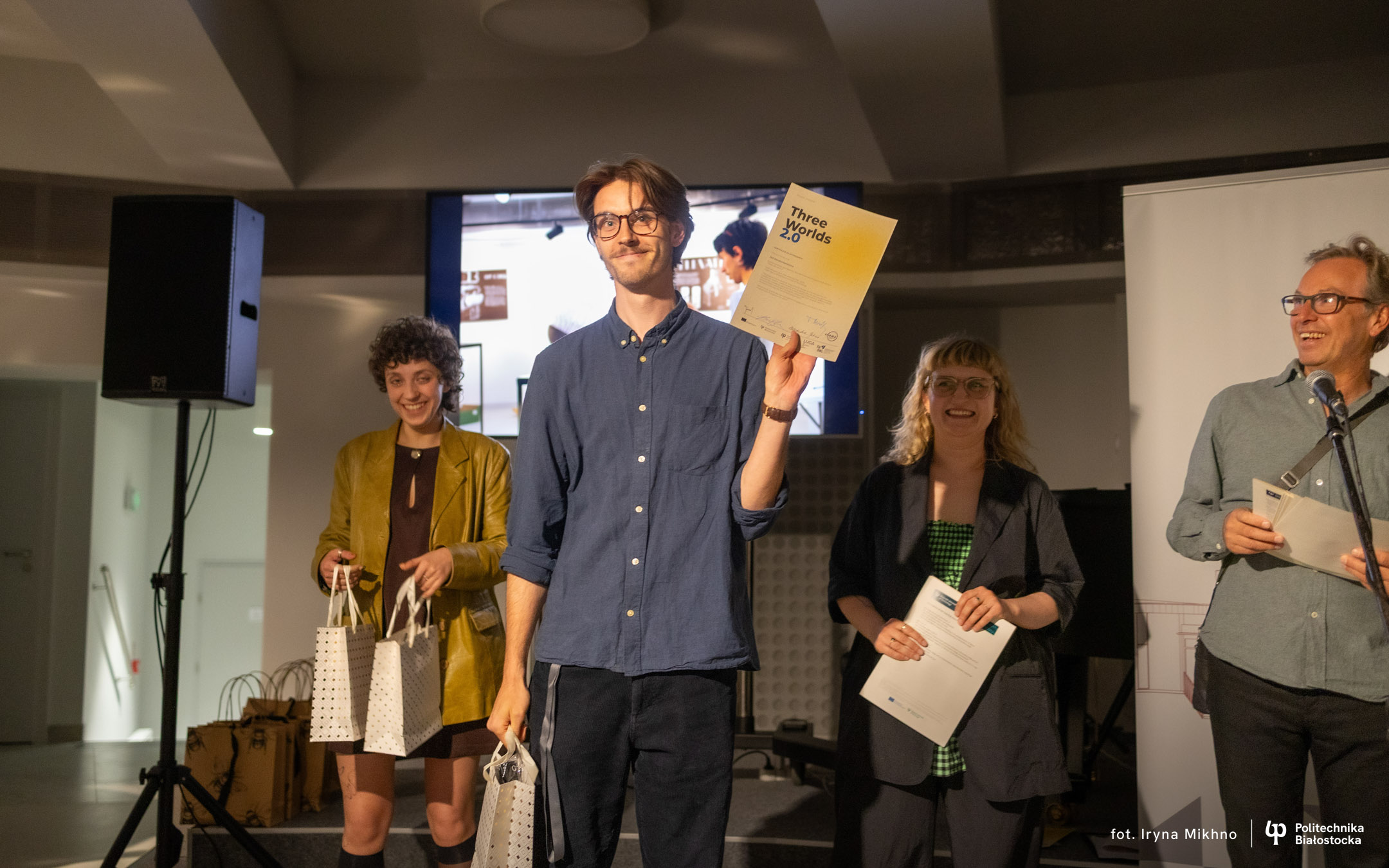
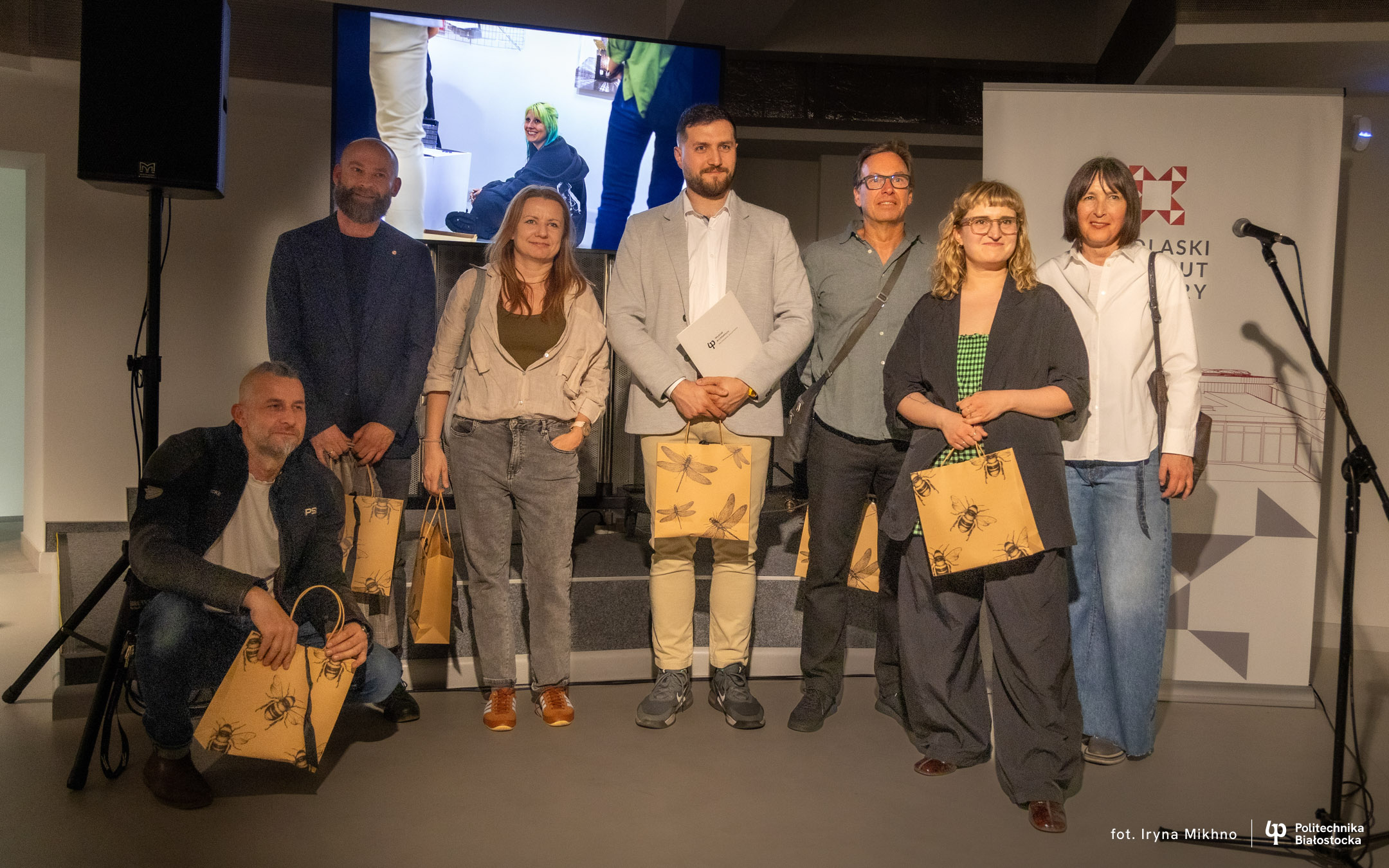
See photos from the first day of workshops at the Faculty of Architecture, as well as from the opening and certificate award ceremony for participants of “BIP Three Worlds 2.0”