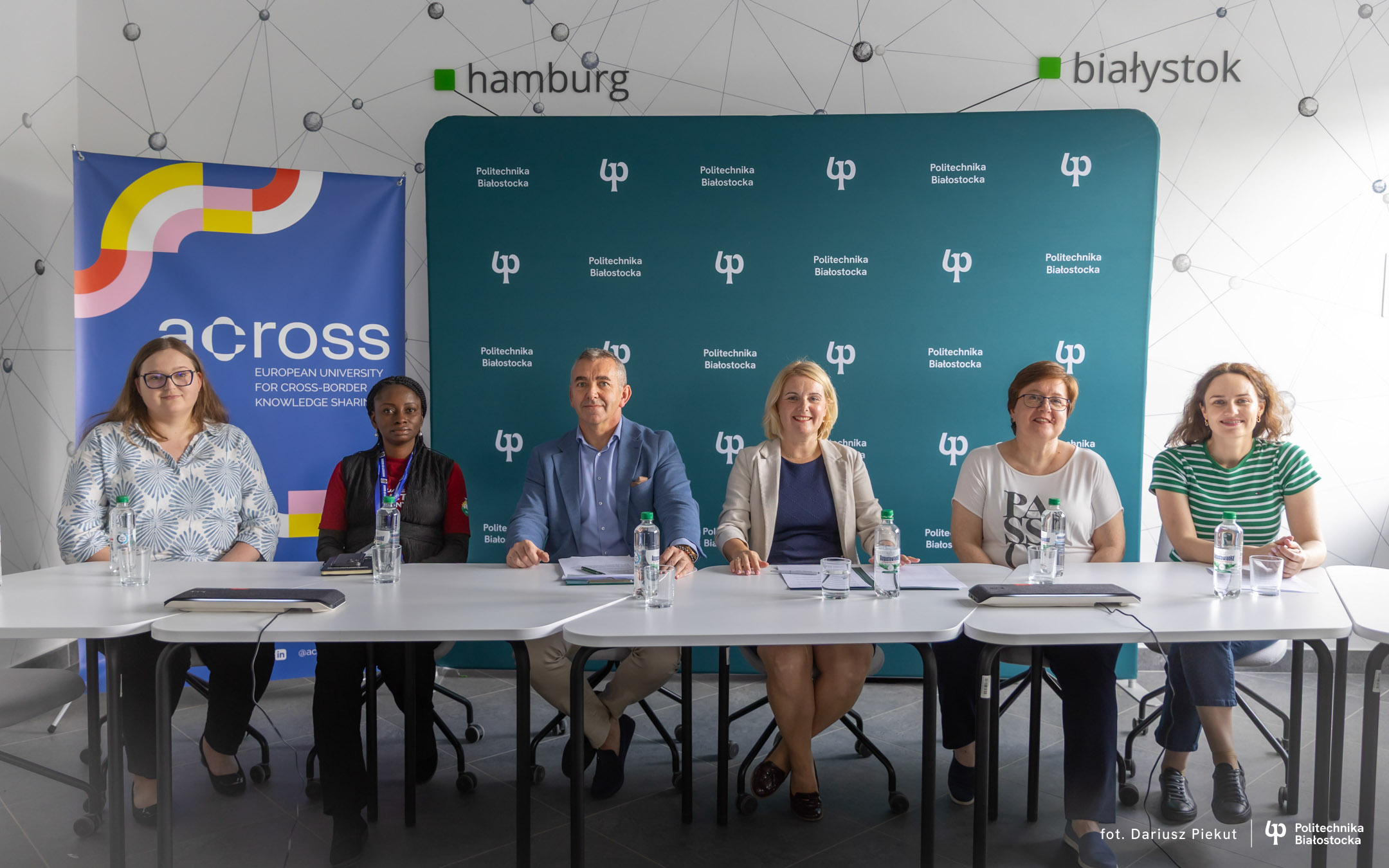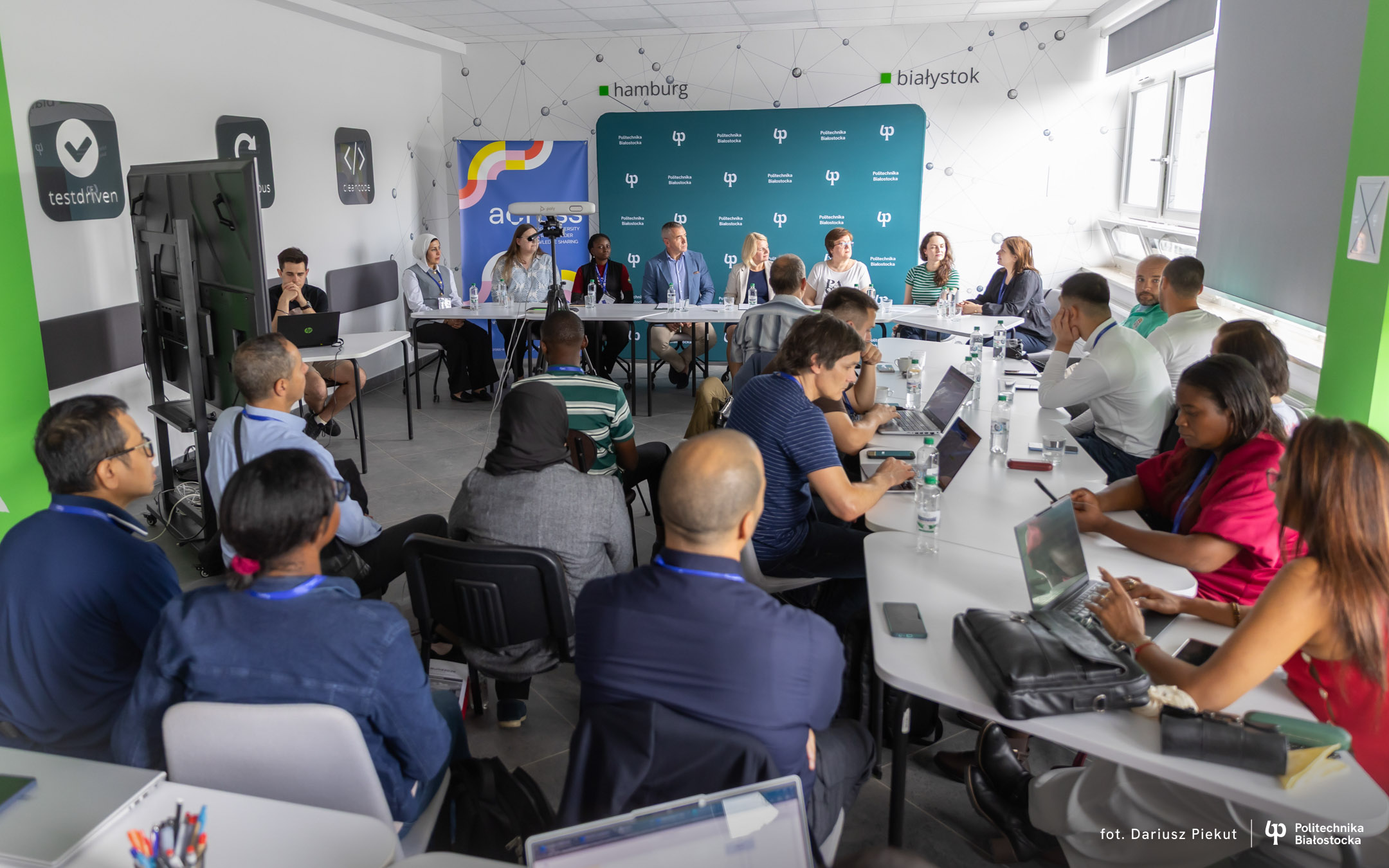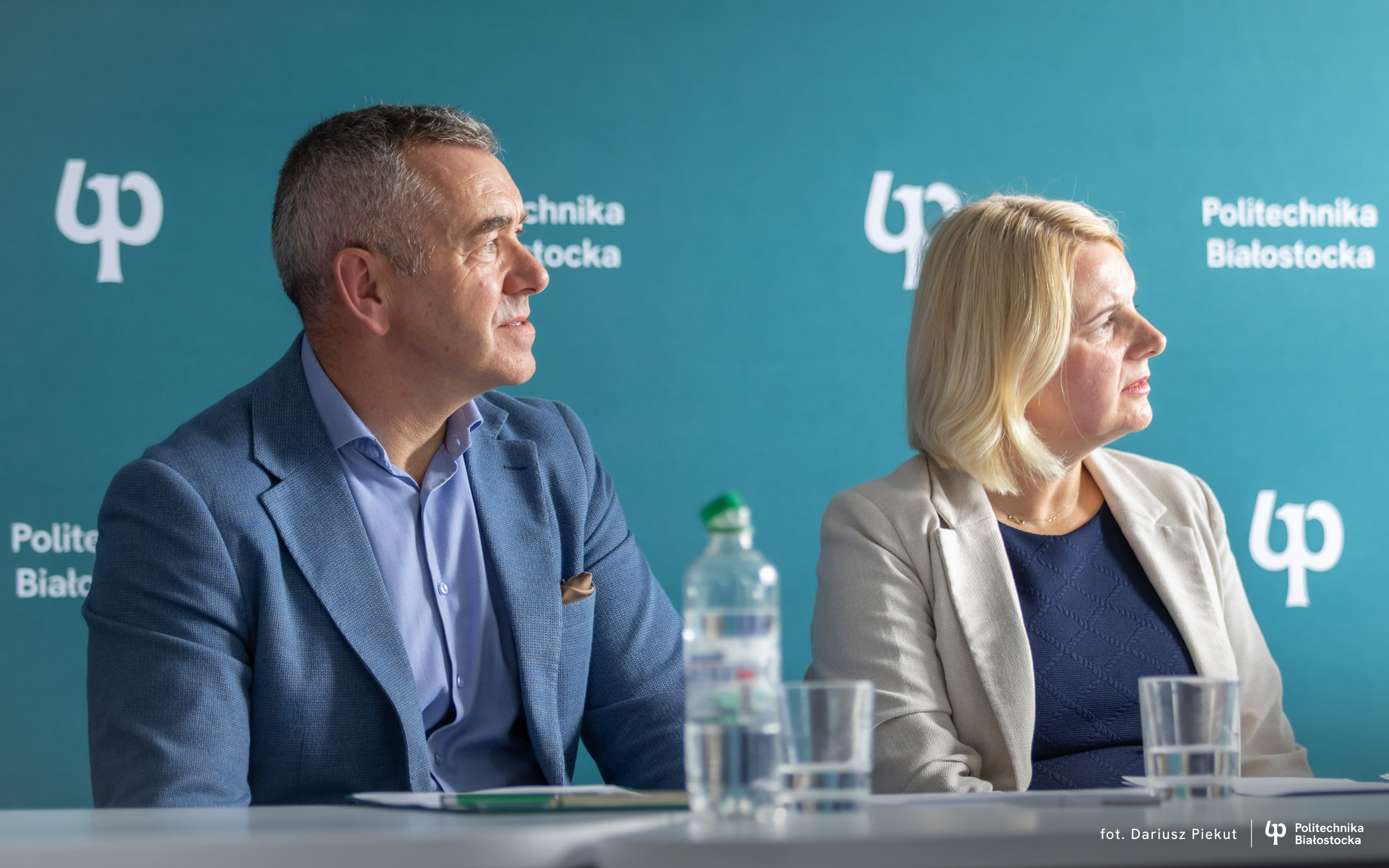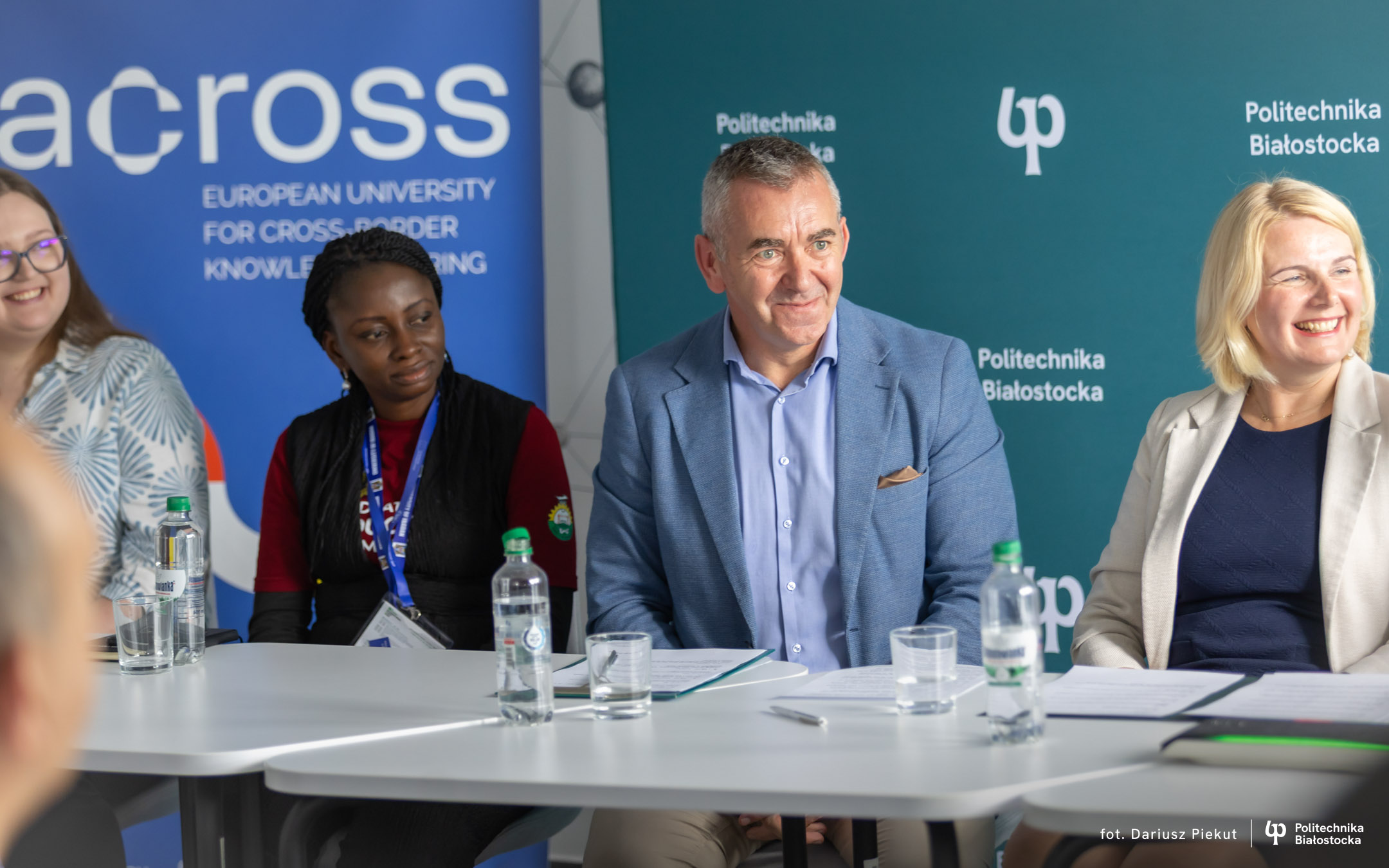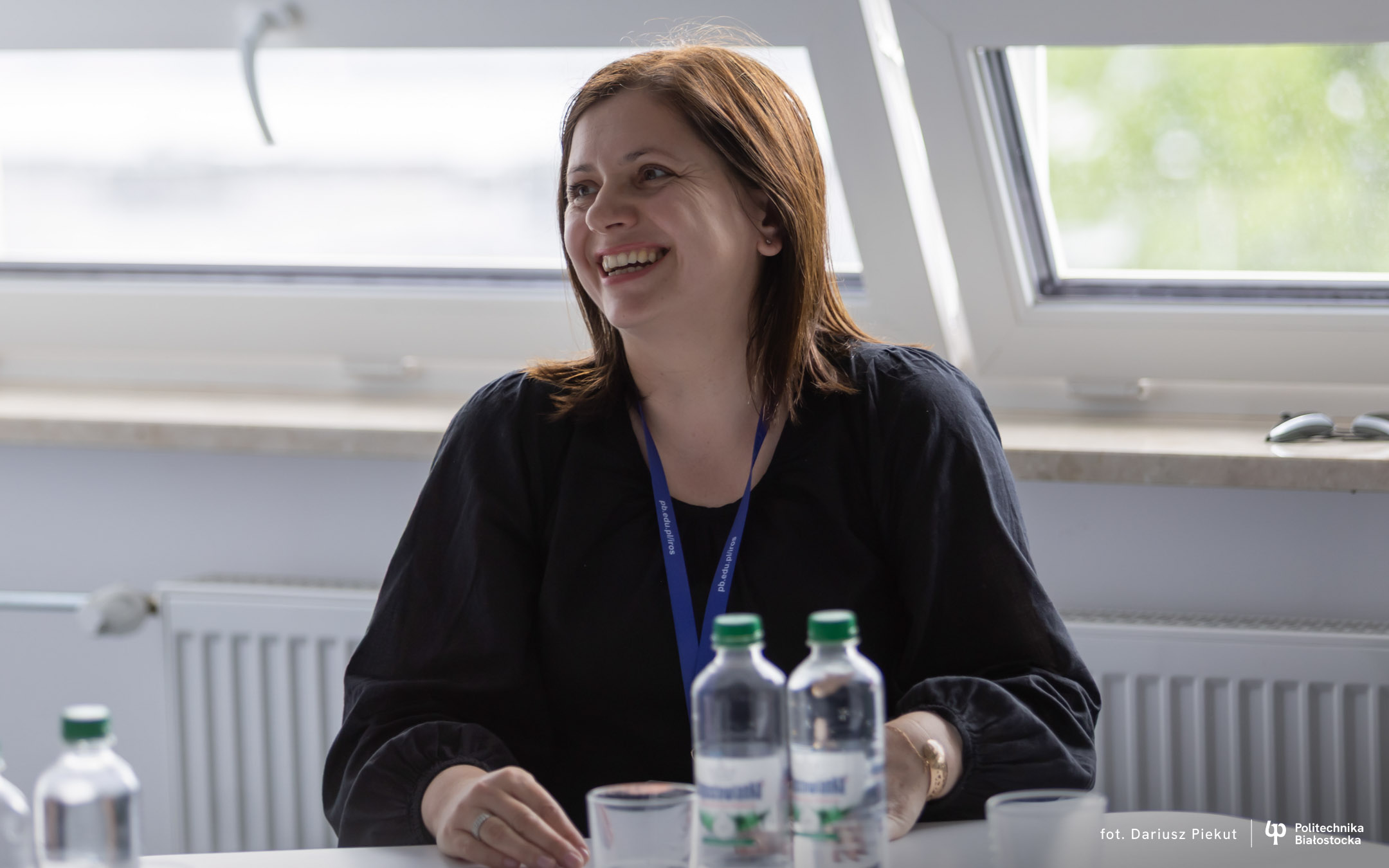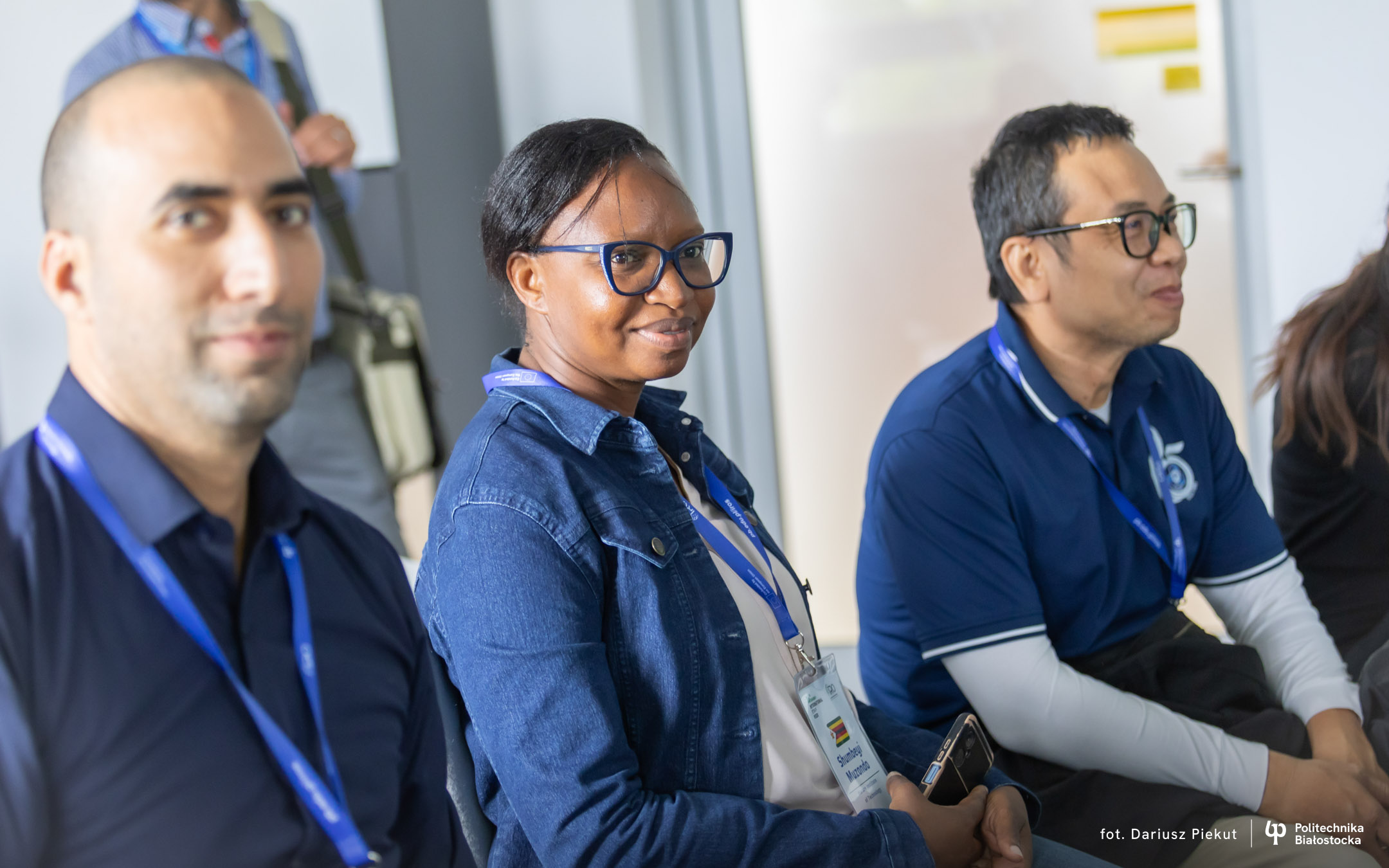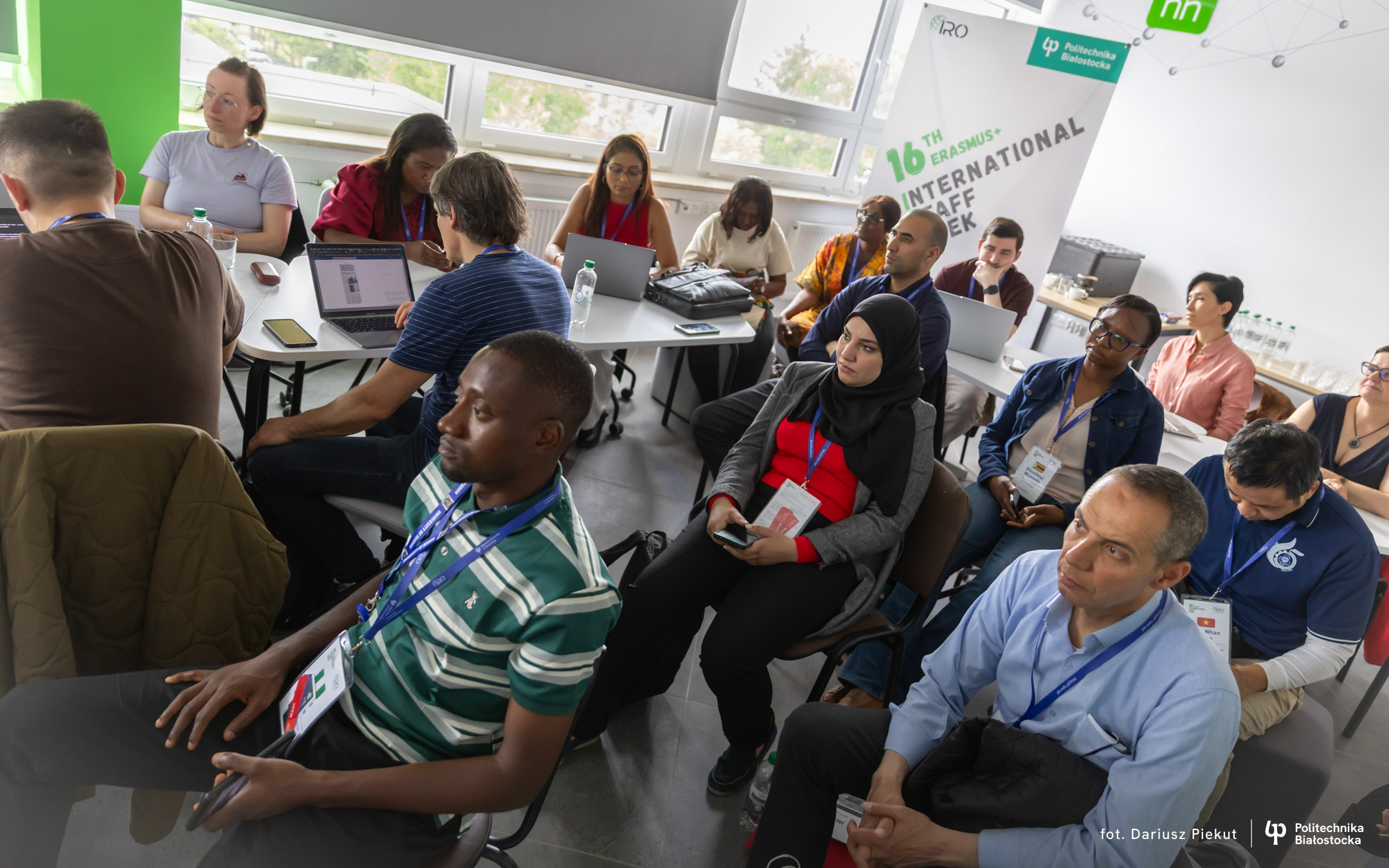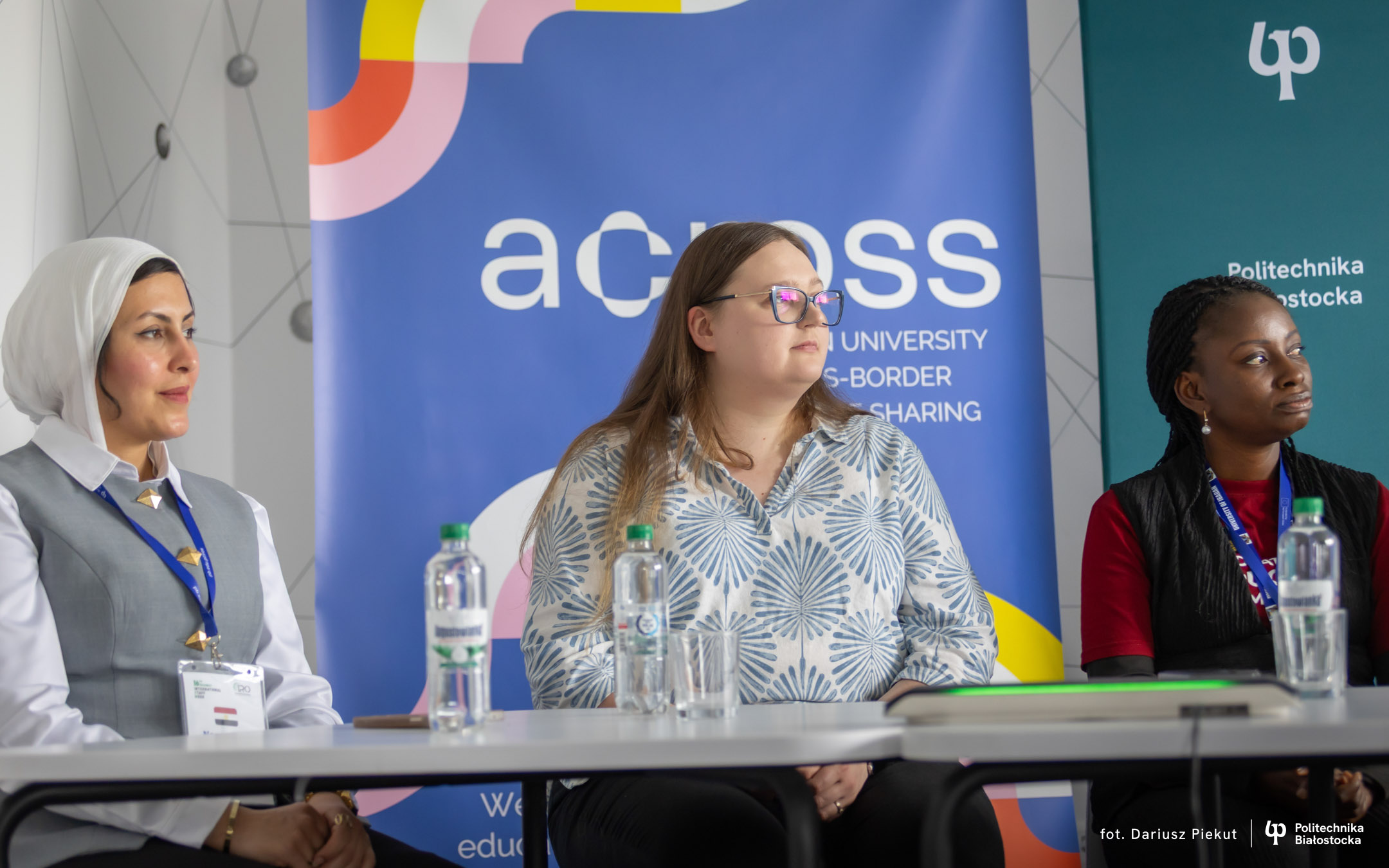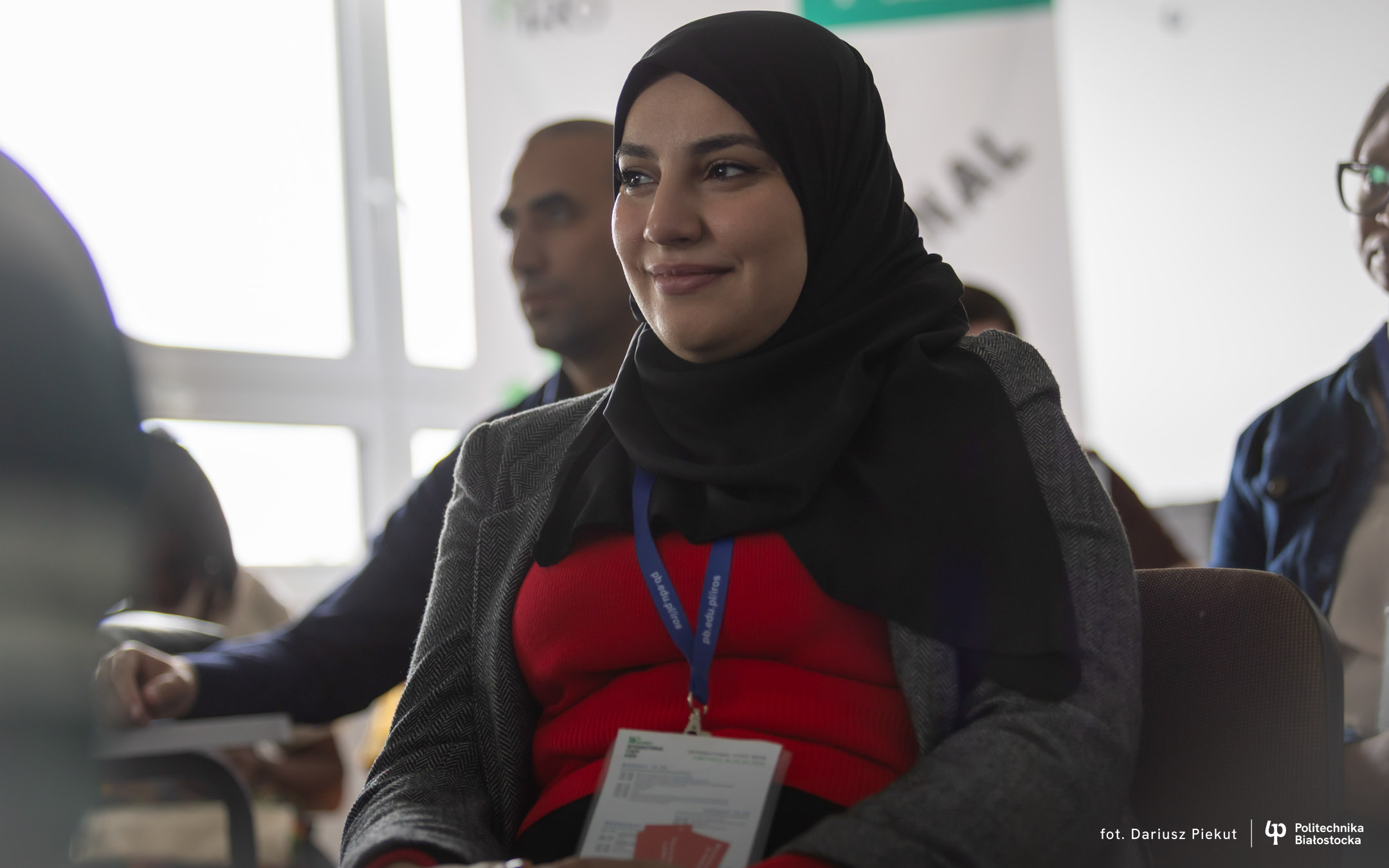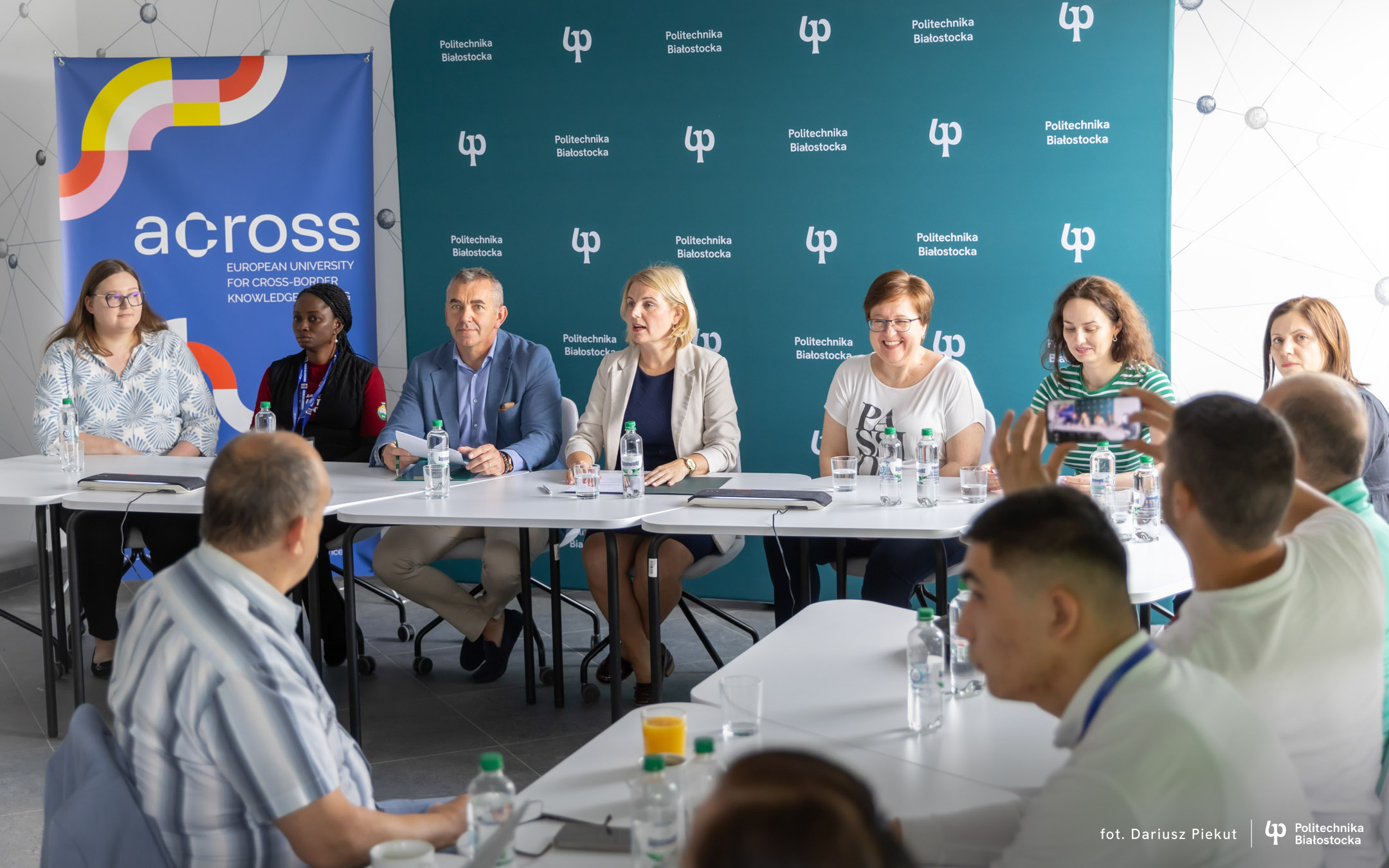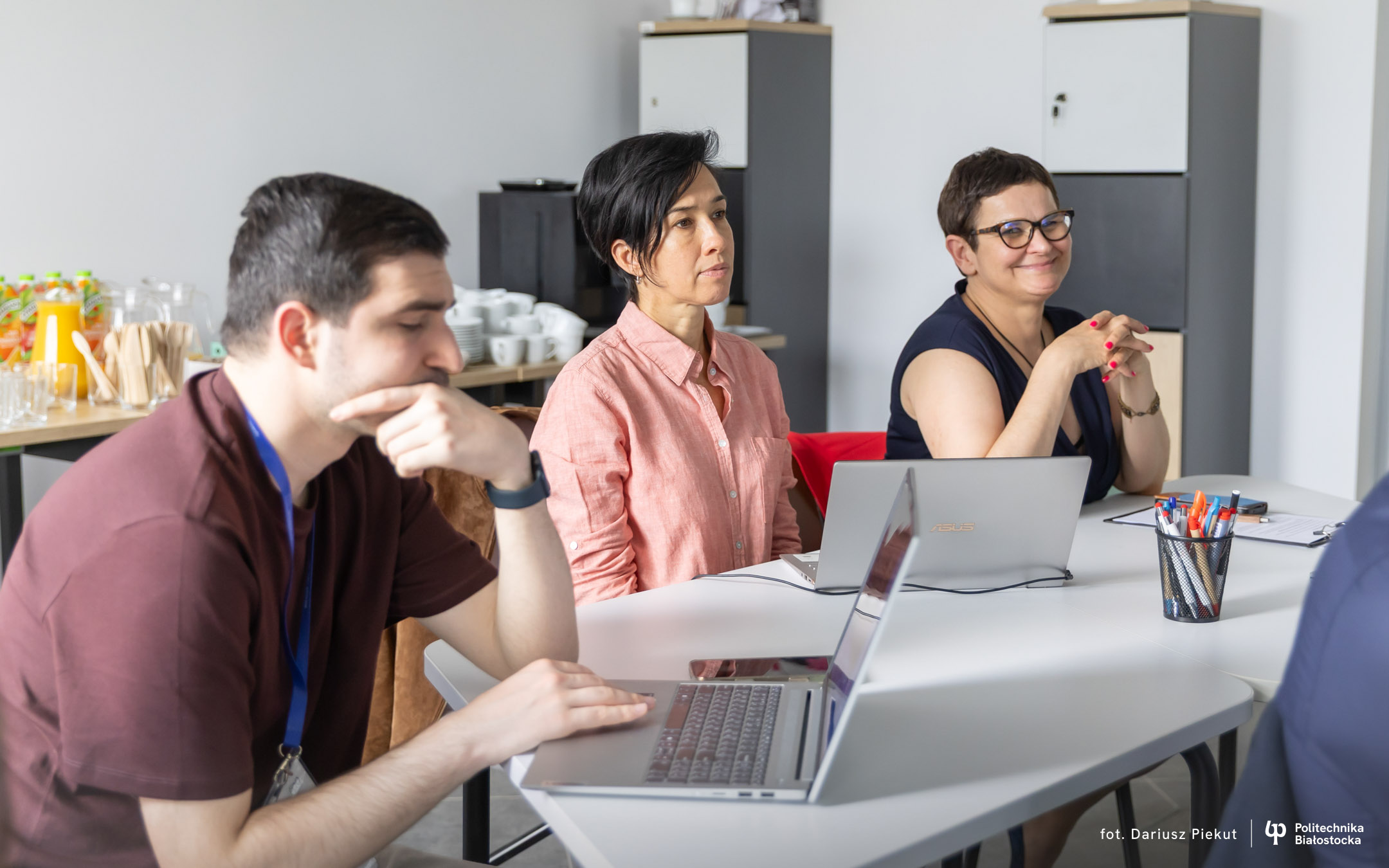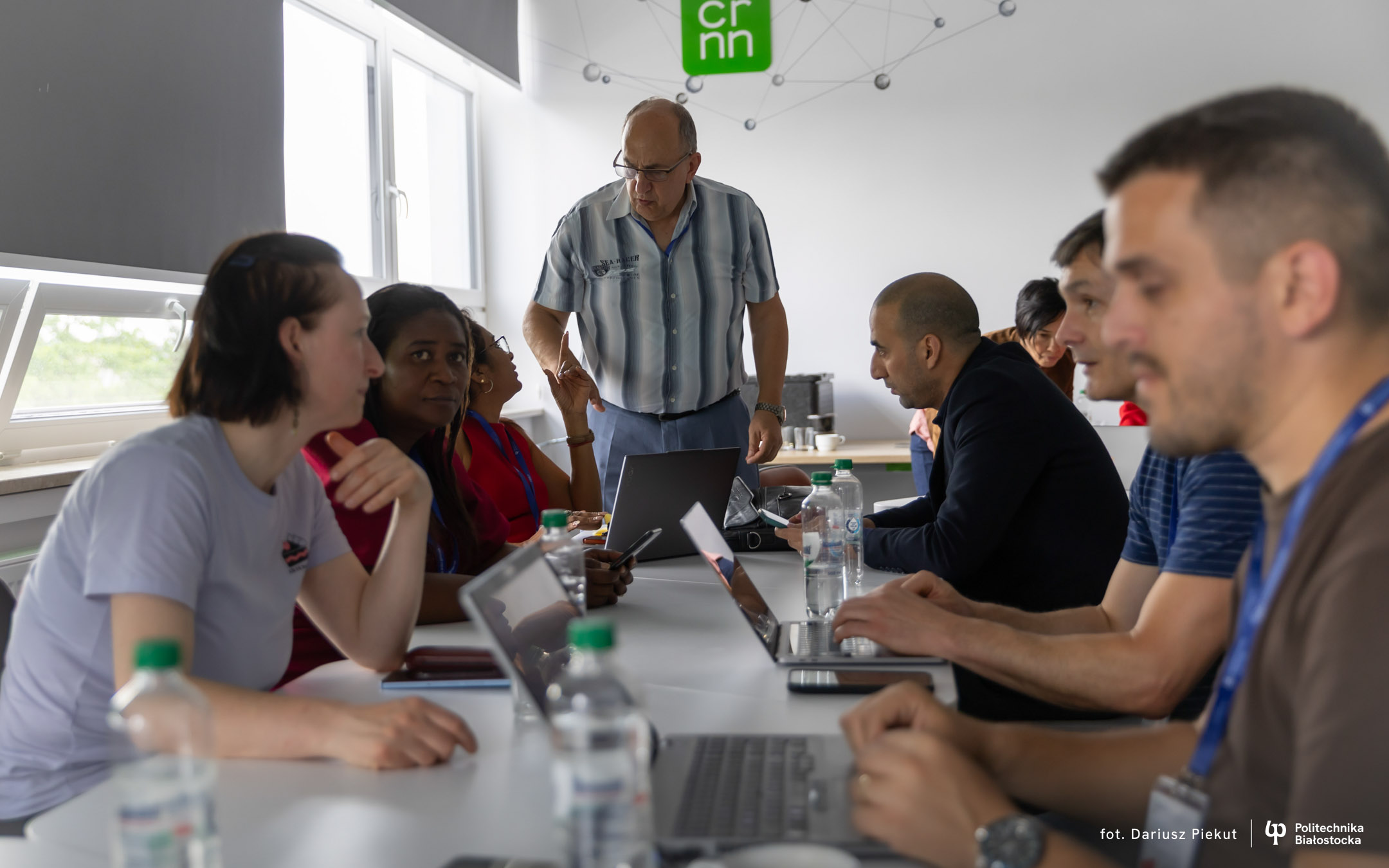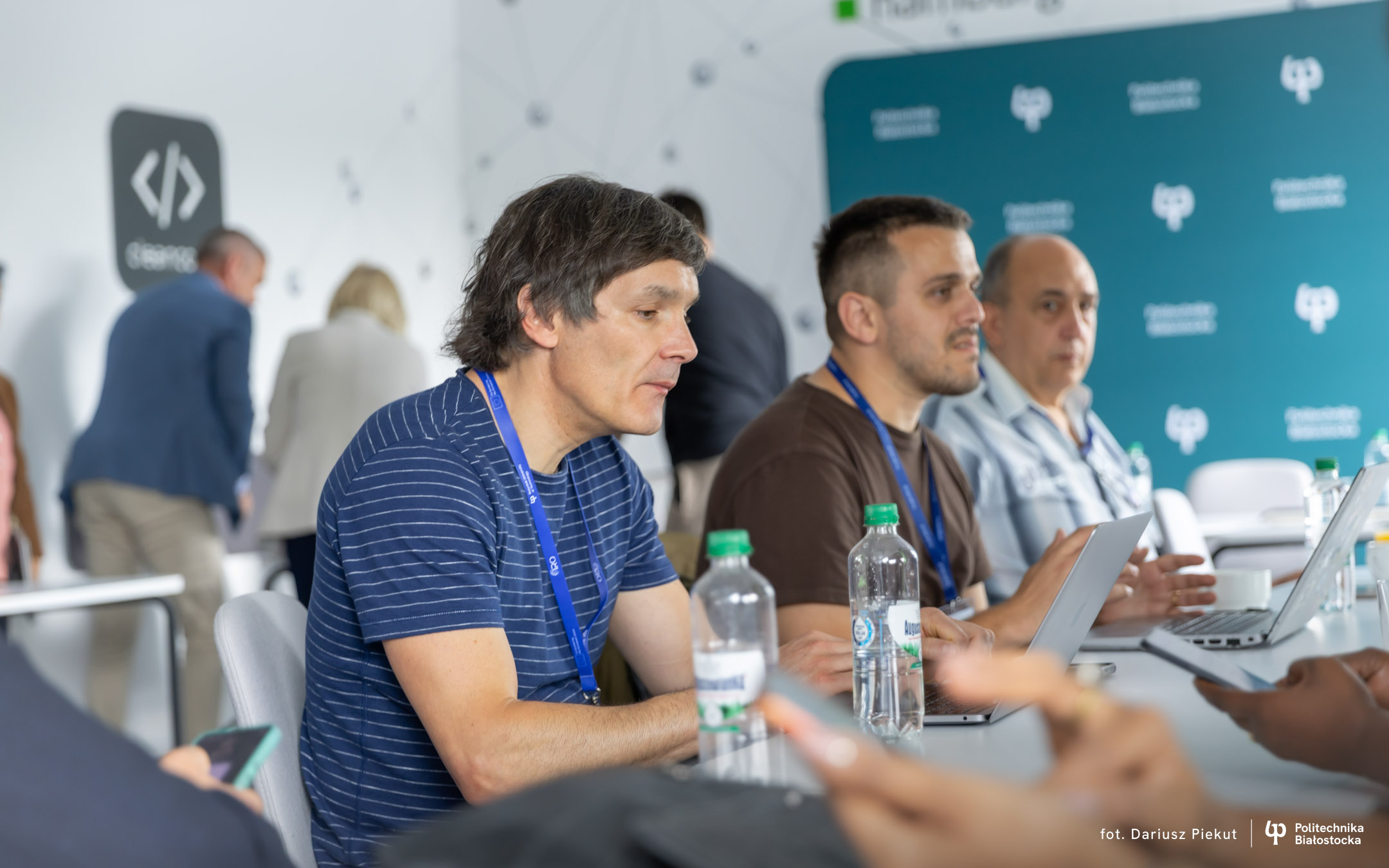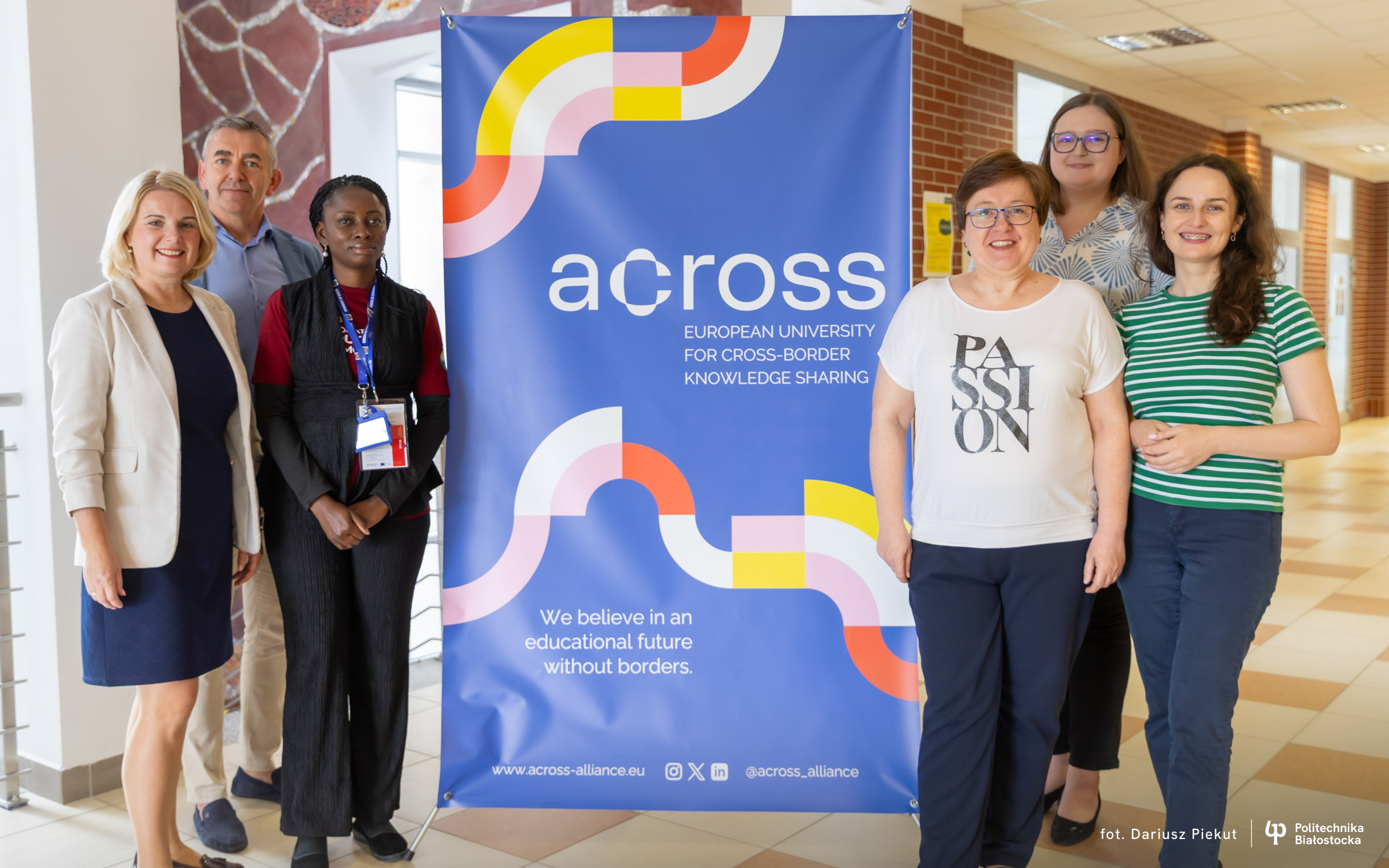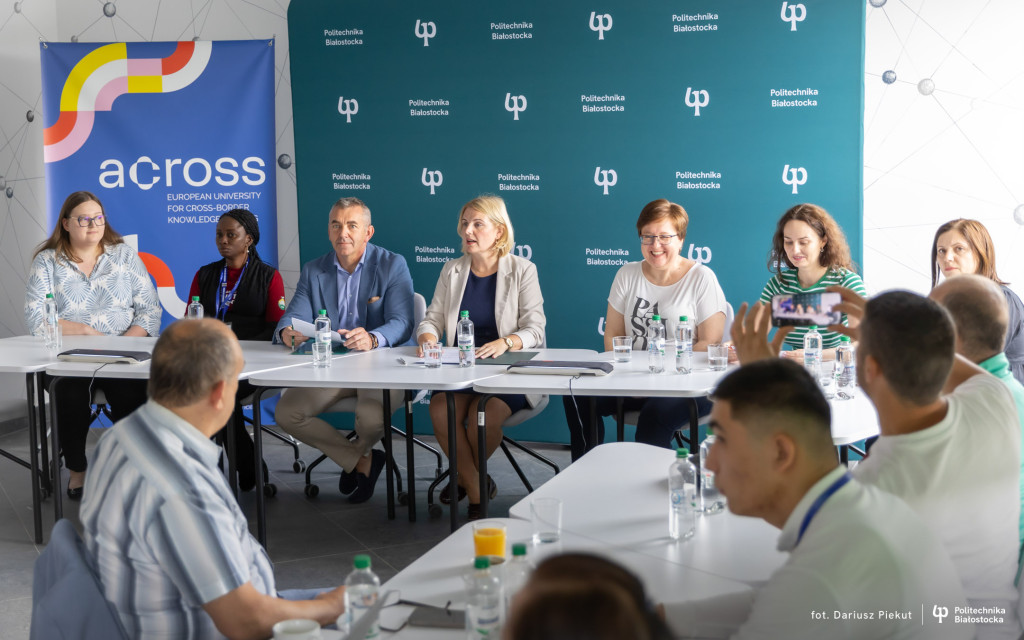
This unique event – organised as part of the 16th International Staff Week and the Across European University alliance – demonstrated that diversity and equal access to knowledge are not merely slogans, but a living and inspiring practice.
Three generations of women researchers at Bialystok University of Technology
The debate, conducted entirely in English, focused on STEM disciplines (Science, Technology, Engineering, Mathematics). It offered a multifaceted perspective on women’s academic careers.
Bialystok University of Technology was represented by three researchers at different stages of their careers:
- Katarzyna Kalinowska-Wichrowska, PhD, Eng. – Vice-Dean for Development and Cooperation at the Faculty of Civil Engineering and Environmental Sciences, an expert in concrete recycling and a recipient of the prestigious Fulbright STEM Impact Award in the United States
- Justyna Tołstoj-Sienkiewicz, PhD, Eng. – affiliated with the Department of Dynamic Systems at the Faculty of Mechanical Engineering, with 25 years of academic experience, specialist in industrial robot programming and supervisor of the Robotics Student Research Group
- Magdalena Rodziewicz-Weremczuk, MSc Eng. – doctoral candidate at the Doctoral School of Bialystok University of Technology, combining research on composite materials with daily laboratory practice
– We wanted to ask our speakers how they became scientists, what challenges or doubts they faced at the beginning of their careers, how their professional paths developed, and how they combined them with their private lives – emphasises Assoc. Prof. Joanna Mystkowska, DSc, PhD, Eng.
The experiences of researchers from Bialystok University of Technology were contrasted with fascinating biographies of representatives from international universities. Contributions were made by: Dr Nermin Ali (Professor of Physics and specialist in materials engineering from Mansoura University in Egypt), Dr Galina Lisa (lecturer in management and leader of sustainable development projects from Moldova State University), and Dr Tolulope Eunice Kolajo from the University of Ibadan – the first registered female engineer in Nigeria in the field of Wood Products Engineering.
From teenage dreams to patents
The participants discussed what motivates them every day to enter laboratories and what initially sparked their passion for science. Difficult topics were also addressed, including cultural barriers, work–life balance, and the ongoing struggle with stereotypes that still portray mechanical engineering, robotics or advanced construction as a “male-dominated field”.
An important part of the debate was dedicated to advice the speakers would give to teenage girls standing at the threshold of their future educational choices. The conclusion was clear: passion, determination and the courage to resist external narratives are key.
Watch and be inspired
Before the “Women in Science/STEM” debate, short video interviews (reels format) with researchers from Bialystok University of Technology were recorded. In them, they share insights into their daily work and passion for innovation. They are available on the university’s YouTube channel.
Inclusion and diversity: the Across vision in practice
The “Women in Science/STEM” debate was not just another academic discussion, but a practical implementation of a task within the Across European University alliance, in which each of the nine partner universities committed to raising awareness among staff and students regarding inclusion and diversity in academia.
The coordinators of this task at Bialystok University of Technology – Assoc. Prof. Joanna Mystkowska, DSc, PhD, Eng. (Faculty of Mechanical Engineering) and Romuald Ziółkowski, PhD, Eng. (Faculty of Engineering Management) – decided, however, to go beyond the formal scope of the Across project.
– In fulfilling Task 1.4, in 2026 we focused on discussing the role of women in science and the development of research – explains P Romuald Ziółkowski, PhD, Eng. – At the same time, taking advantage of the presence of International Staff Week participants at Bialystok University of Technology, we thought it would be valuable to share this knowledge not only within our university community, but also with partner institutions. Hence the participation of representatives from Moldova, Nigeria and Egypt in our debate. Together we discussed whether the European and non-European conditions for women’s career development are similar or completely different.
The reach of the debate was impressive. The link to the meeting was shared with all nine universities within the Across alliance, and members of international project teams actively joined the discussion by asking questions in the chat.
The hybrid “Women in Science/STEM” debate at Bialystok University of Technology was organised within the Across European University framework, Task 1.4 – Inclusion, gender, equality and diversity.
Monika Rokicka
See photos from the “Women in Science/STEM” debate at Bialystok University of Technology on 20 May 2026.