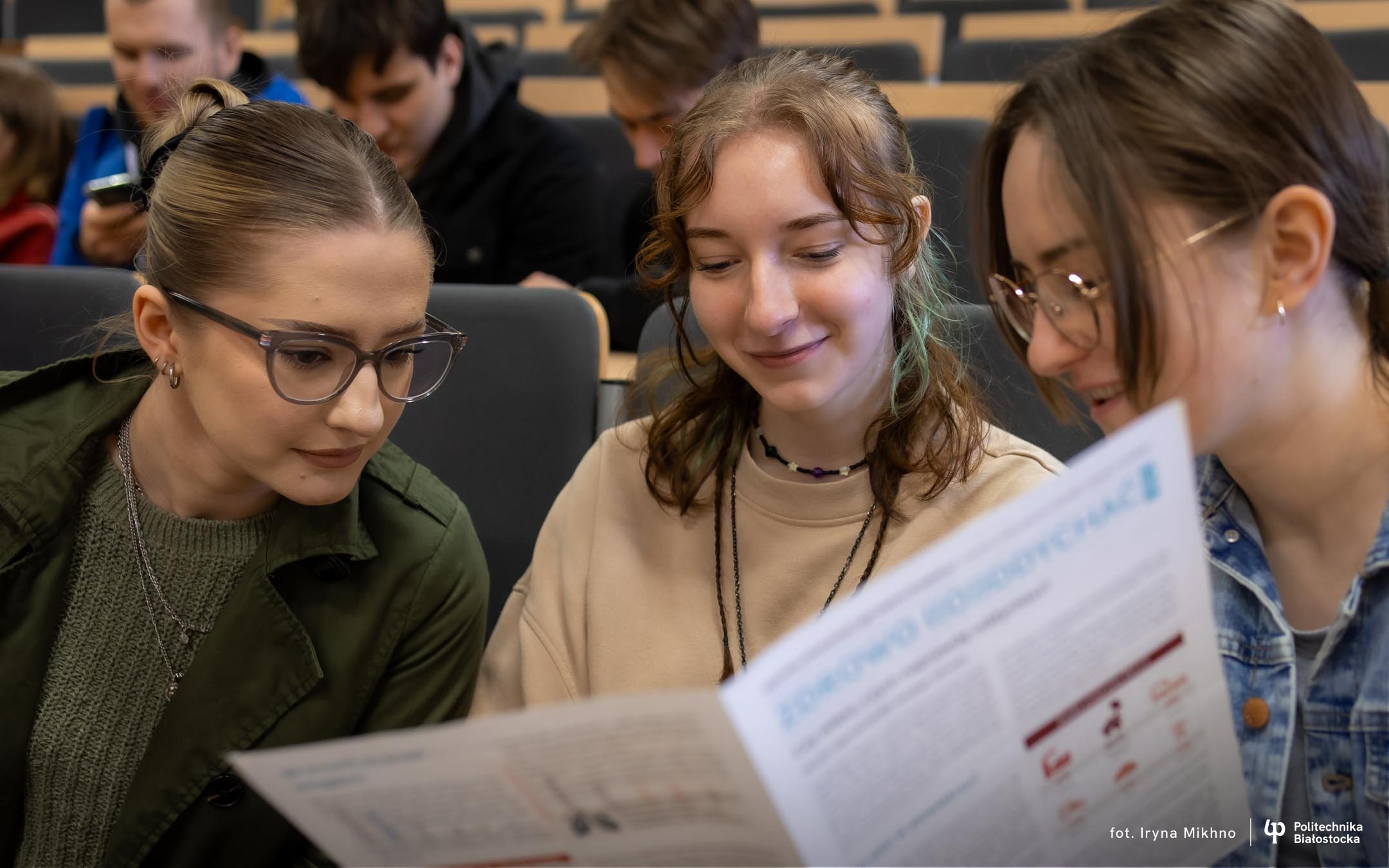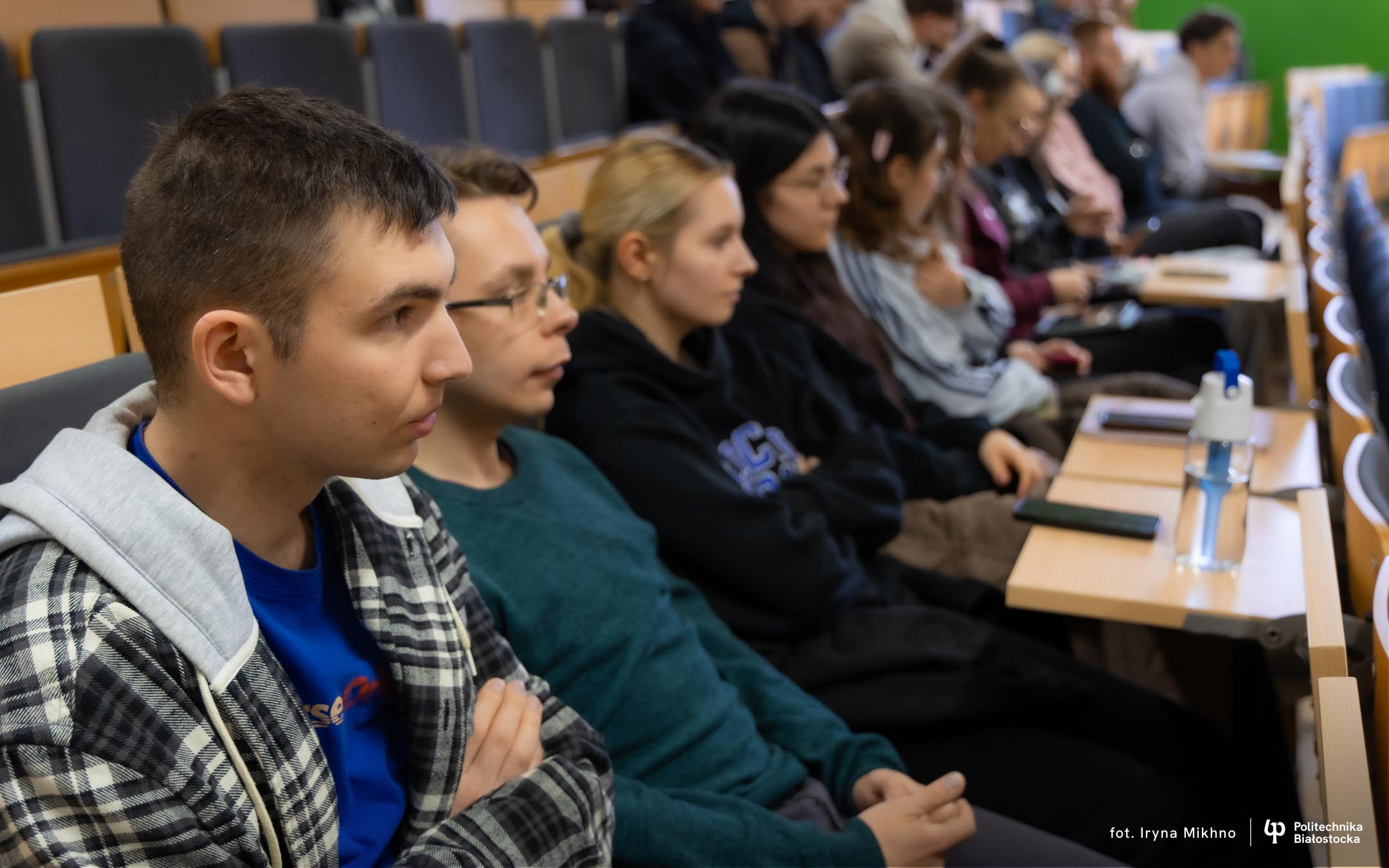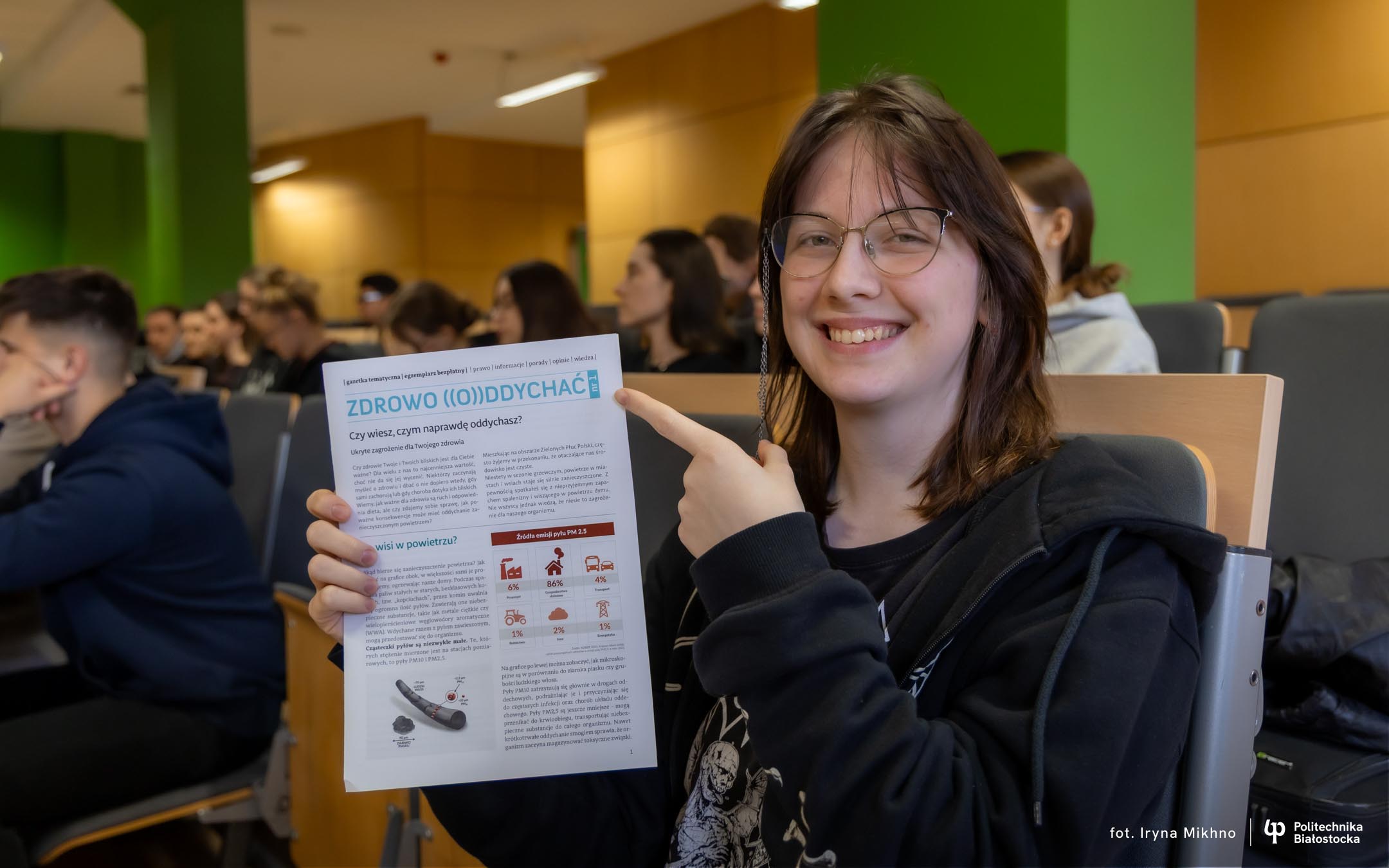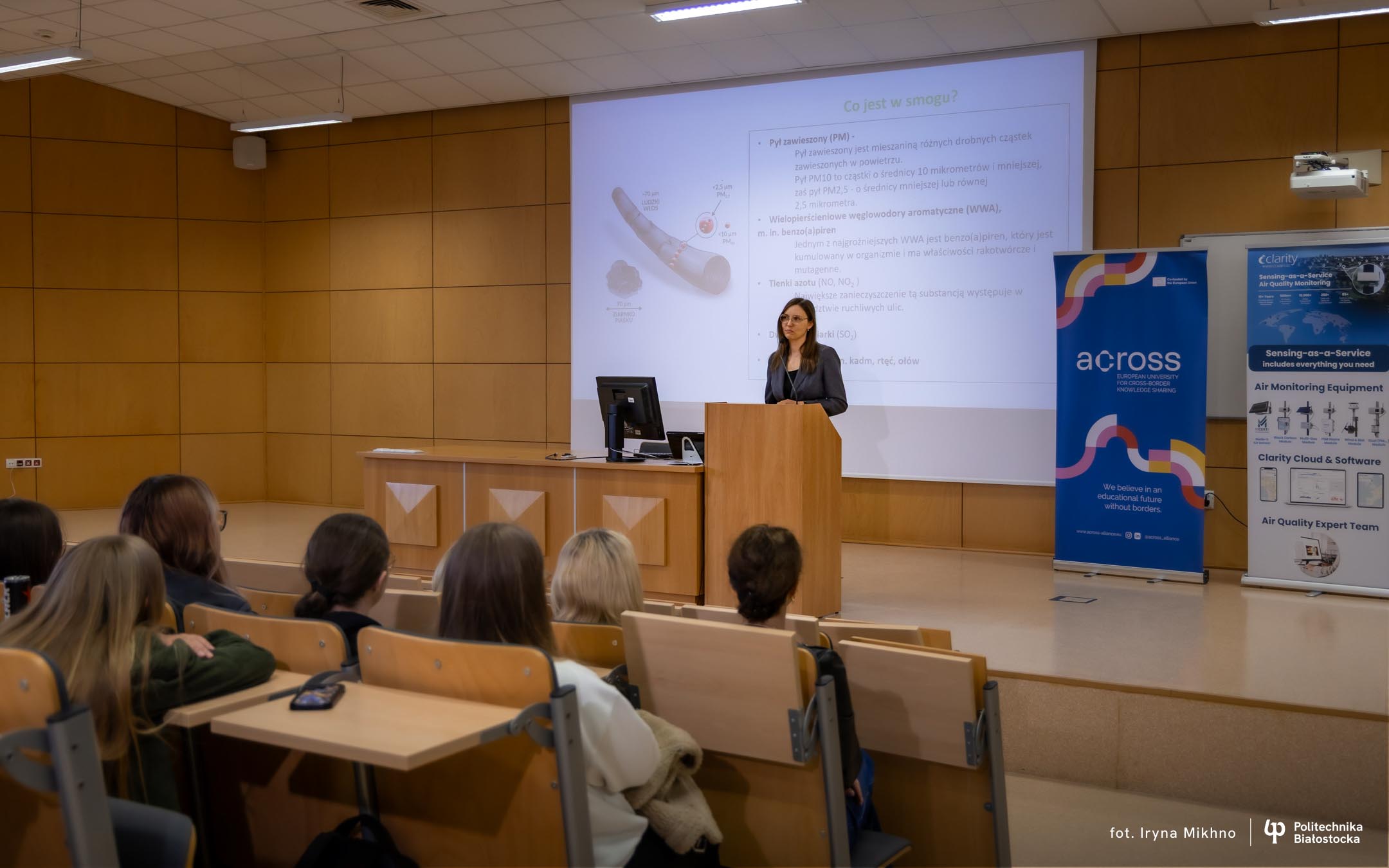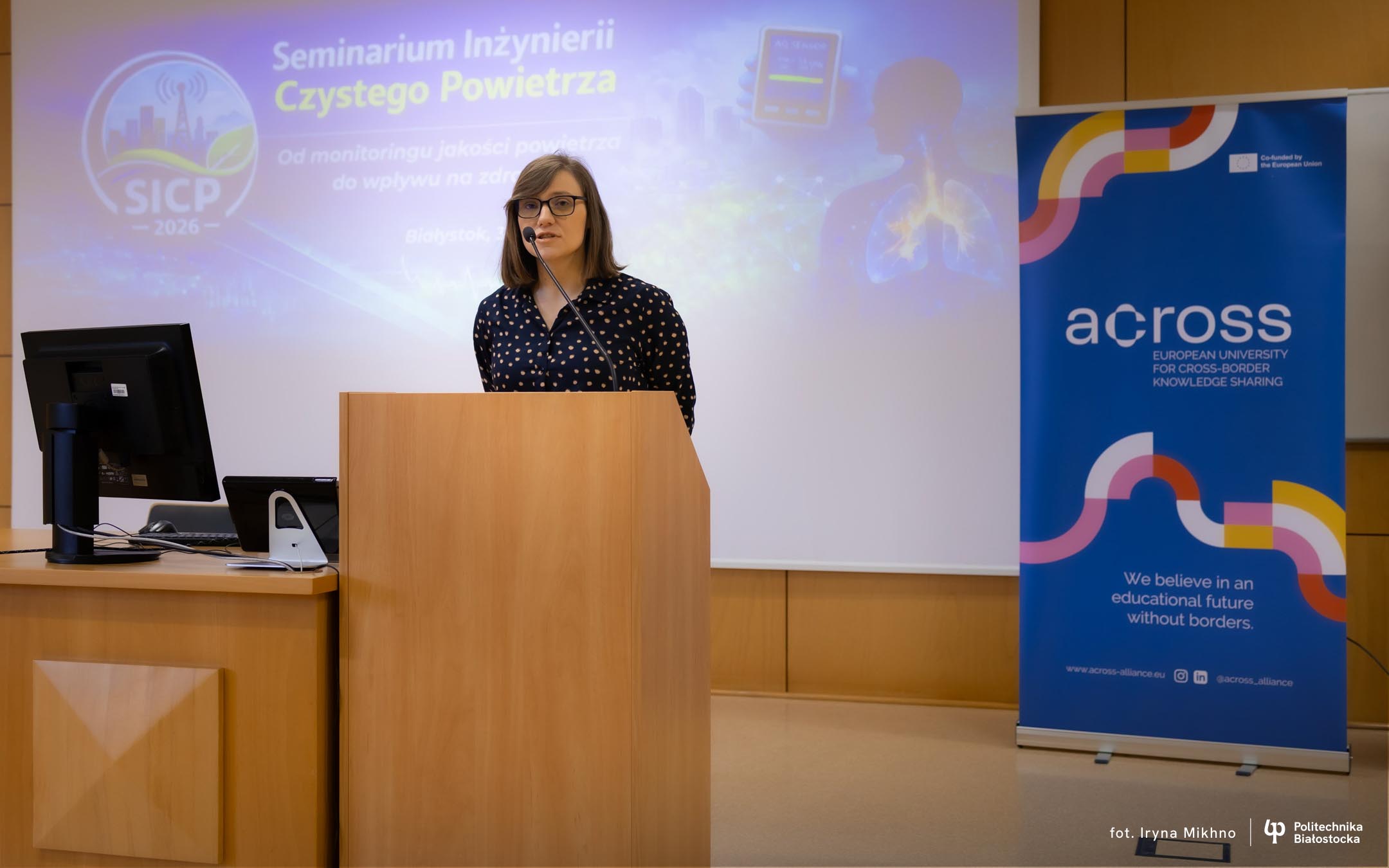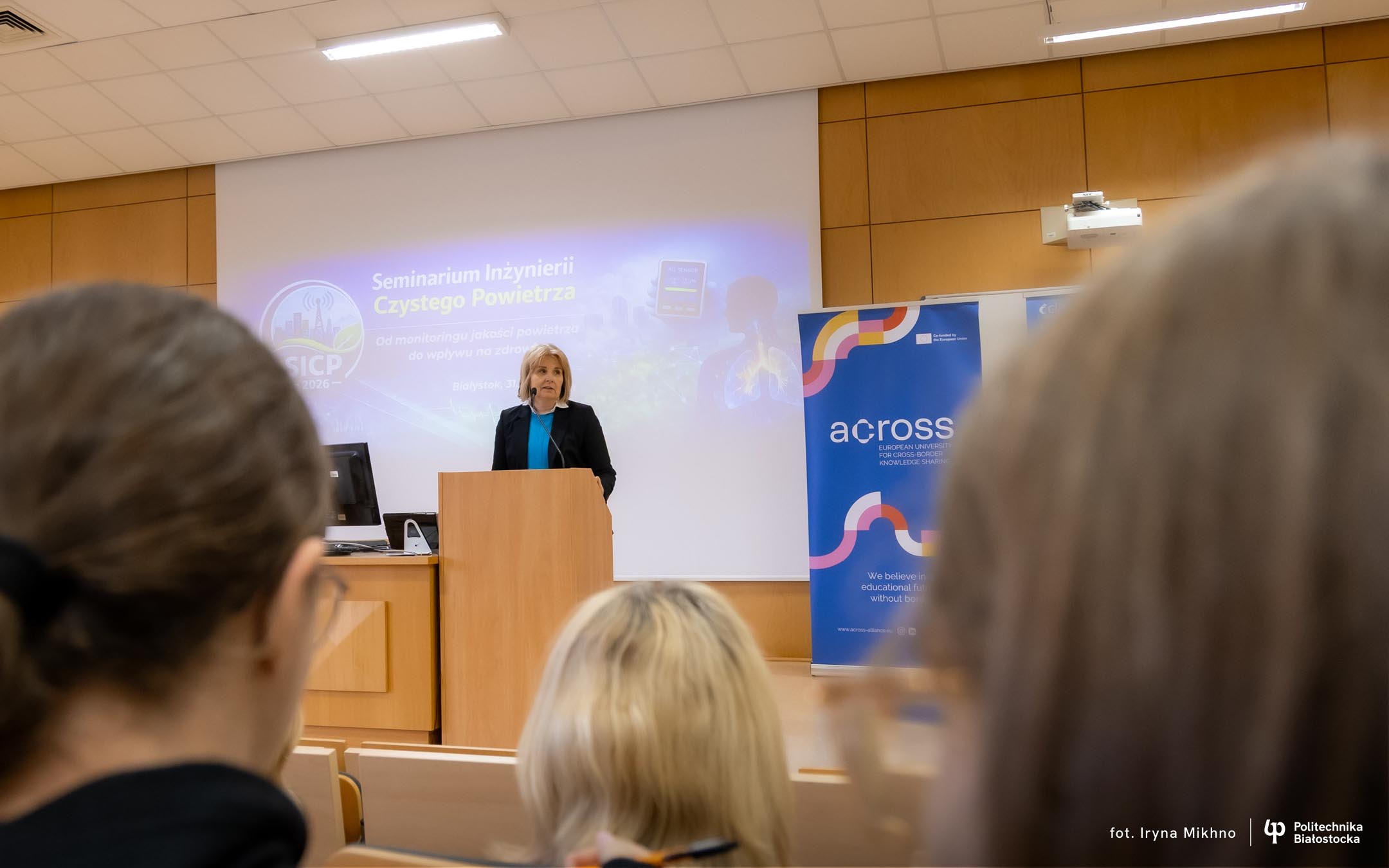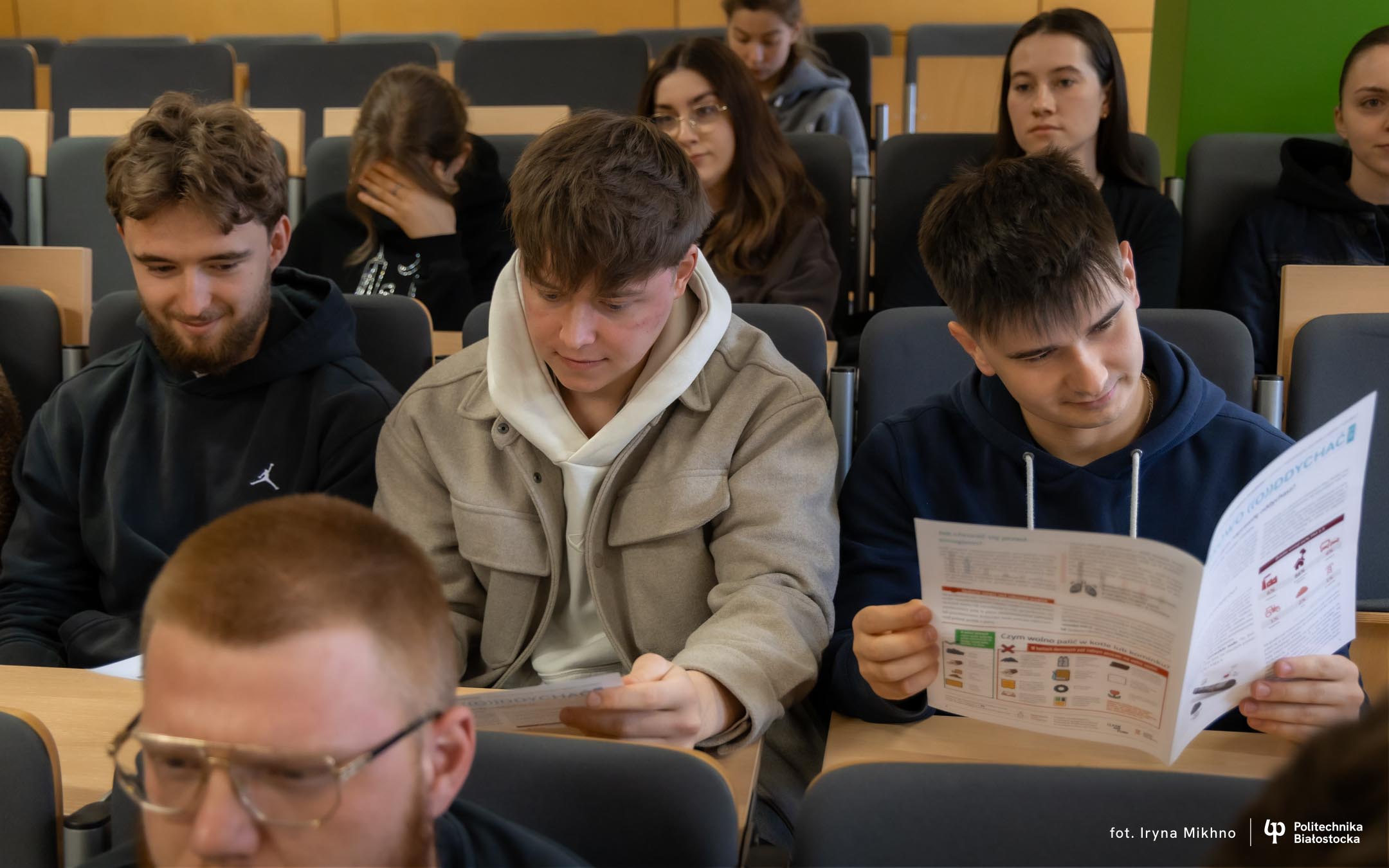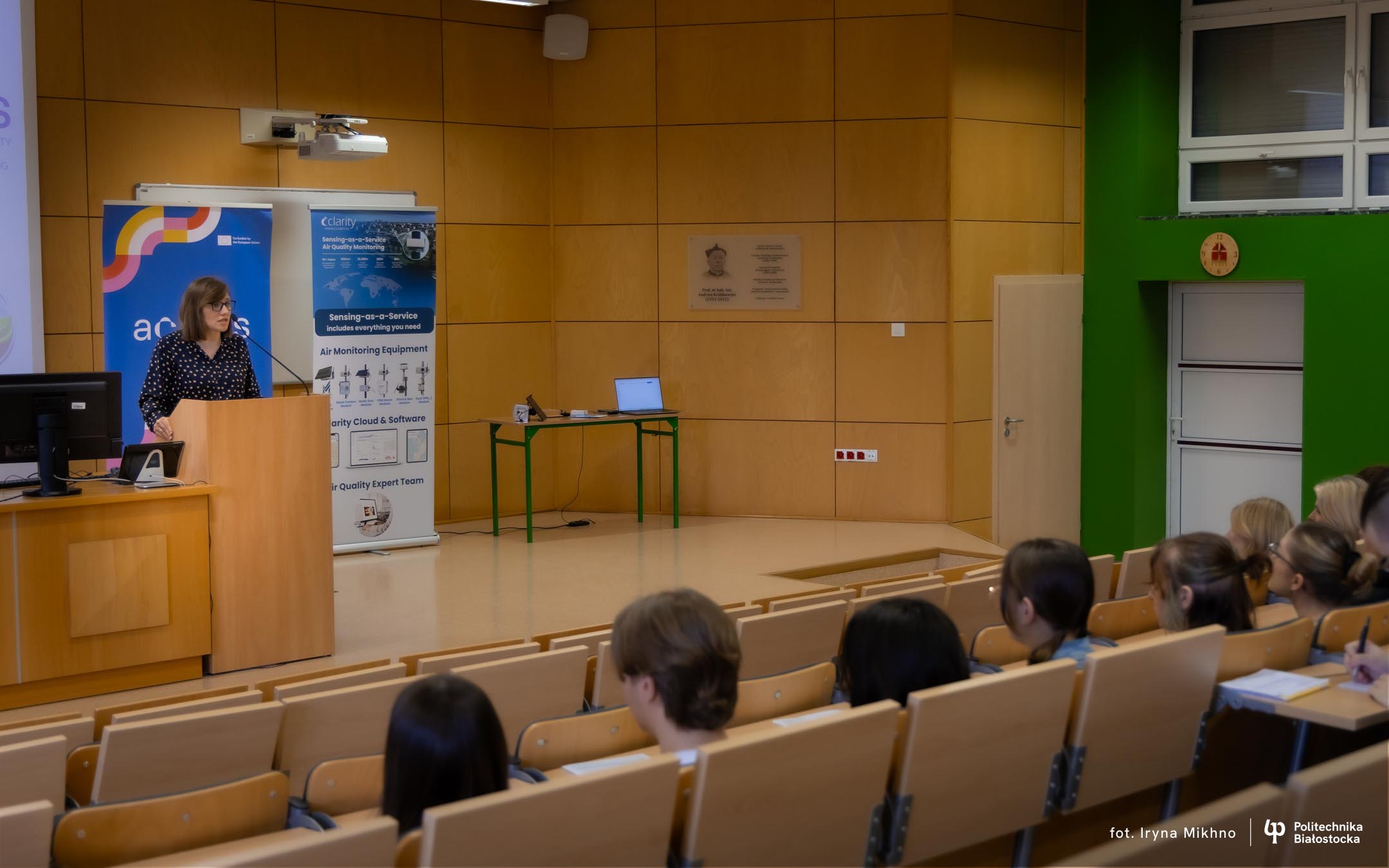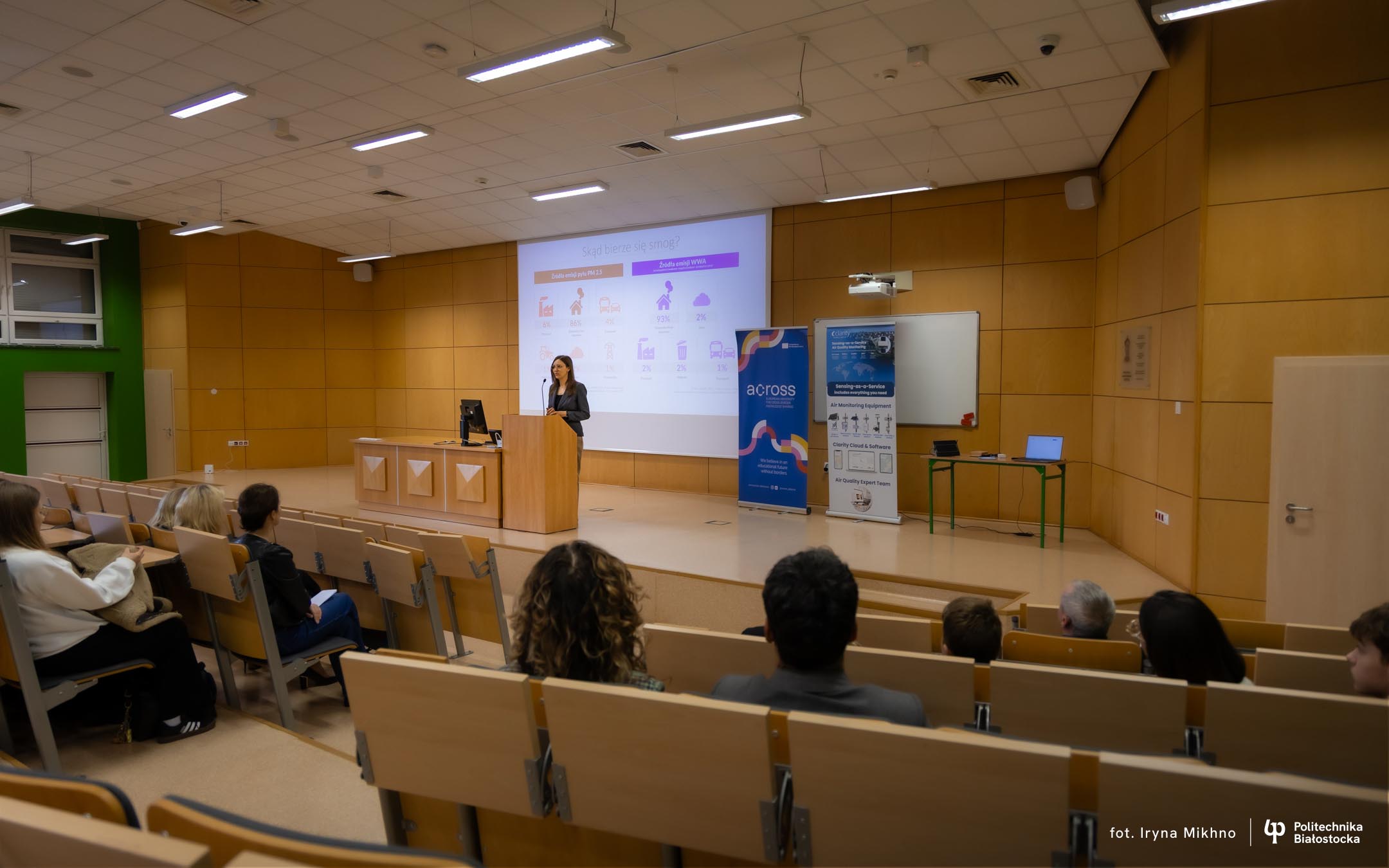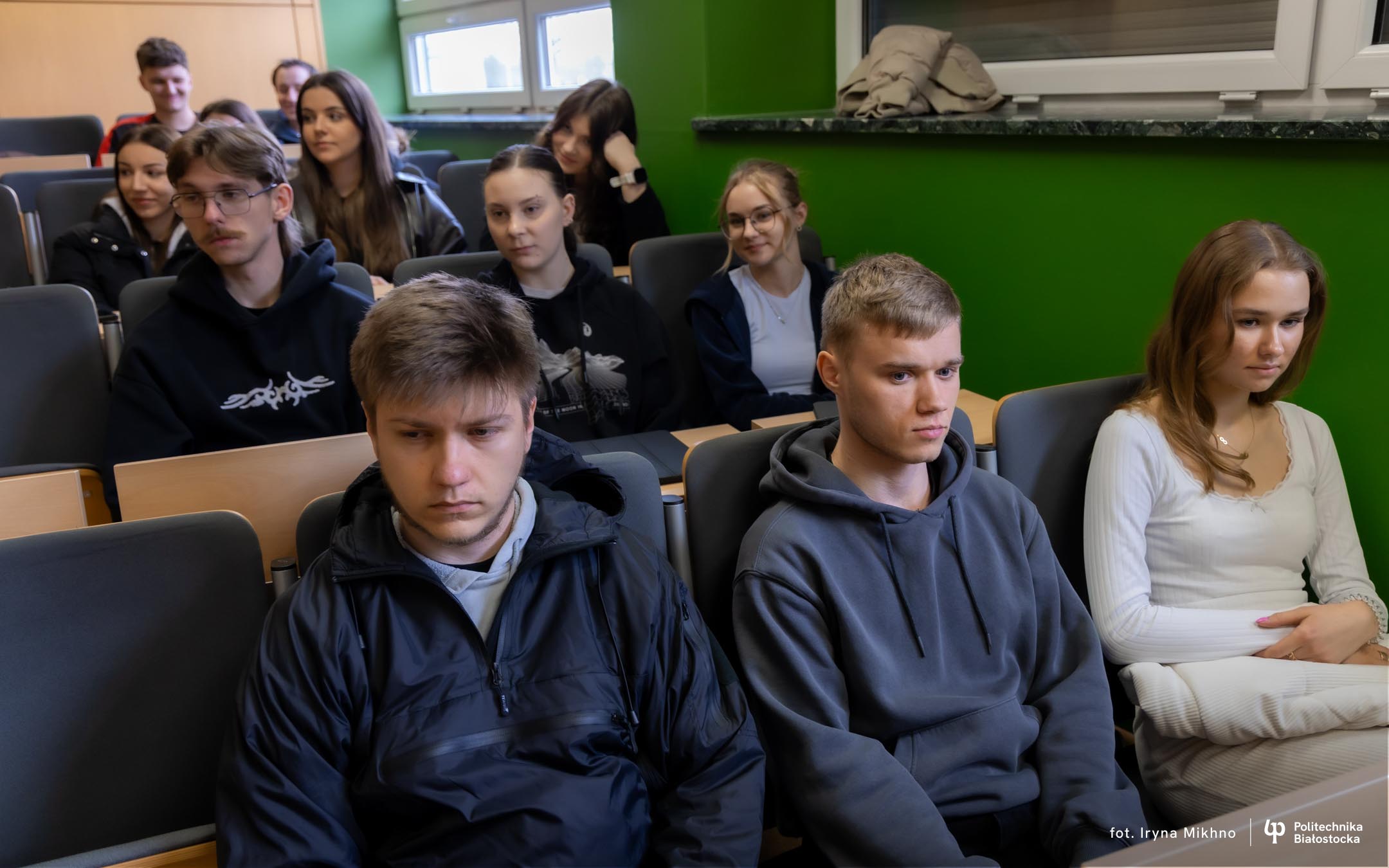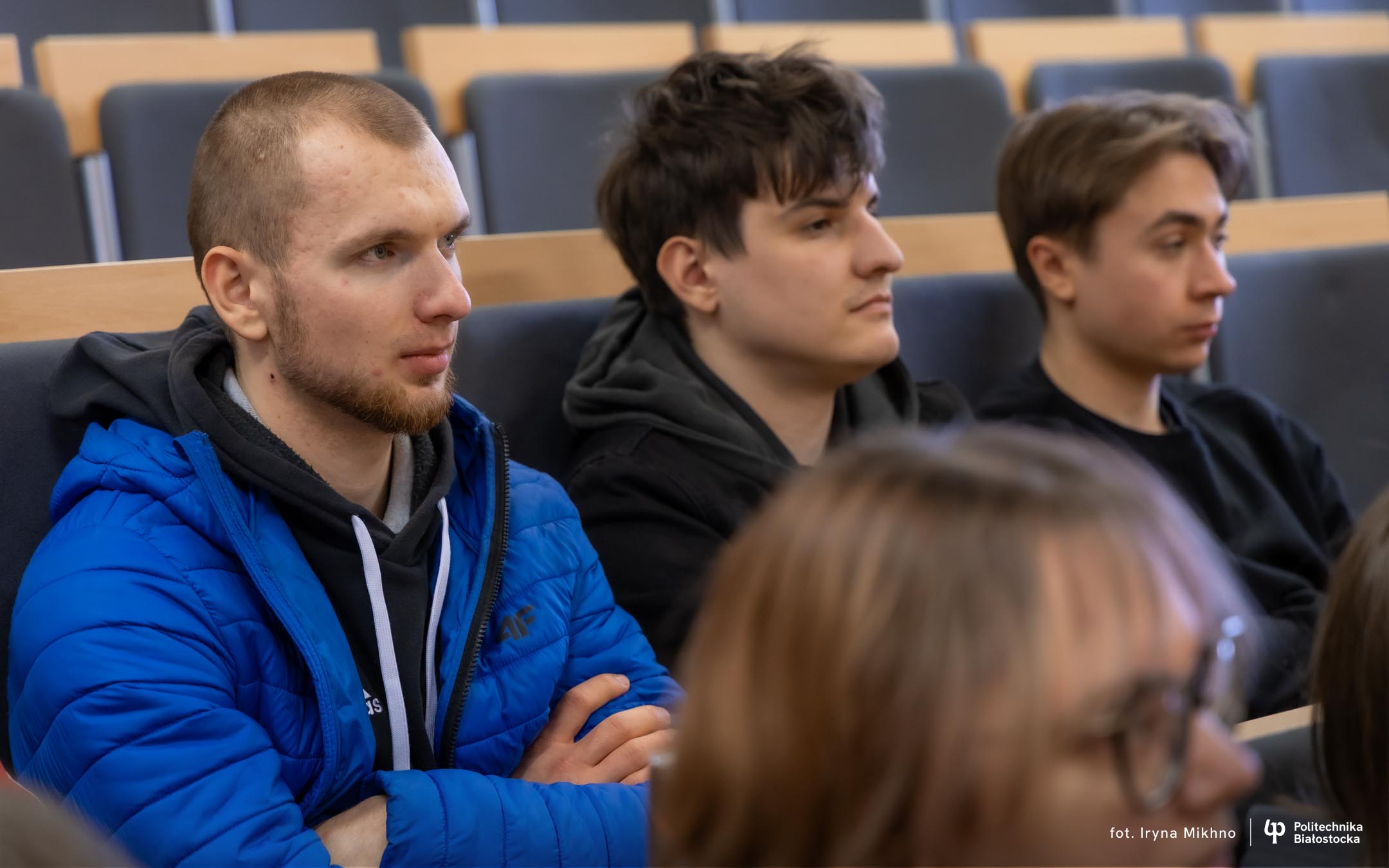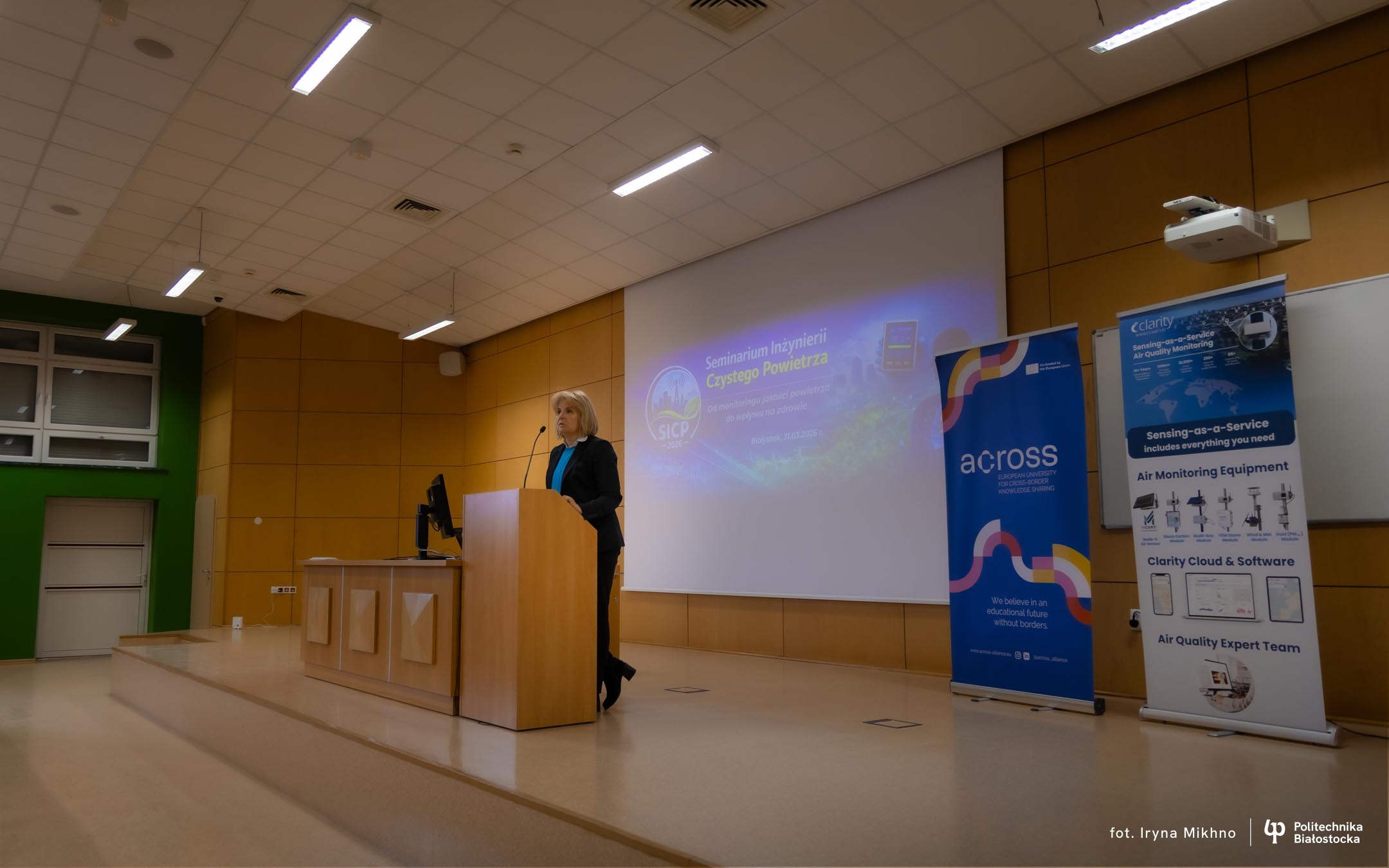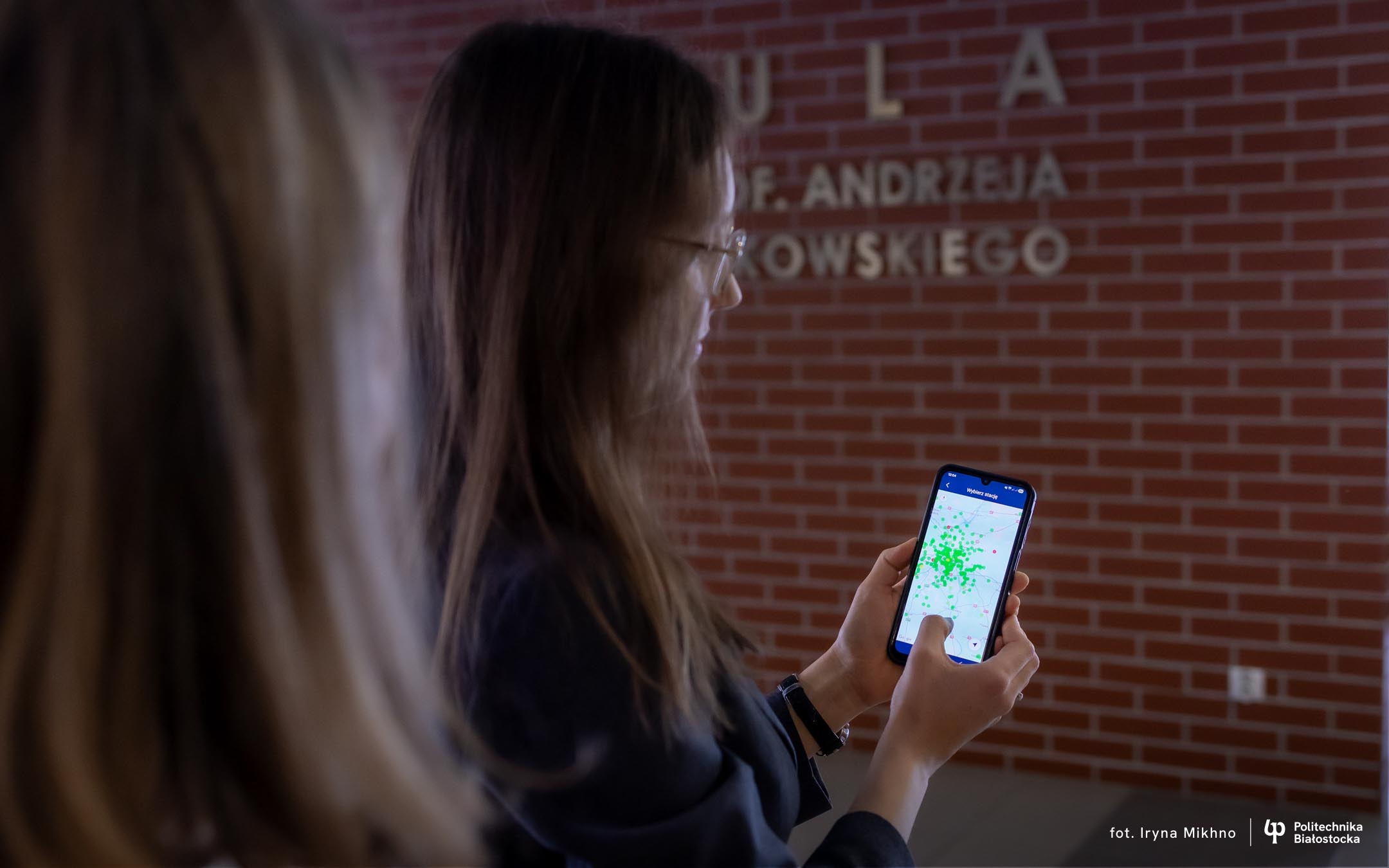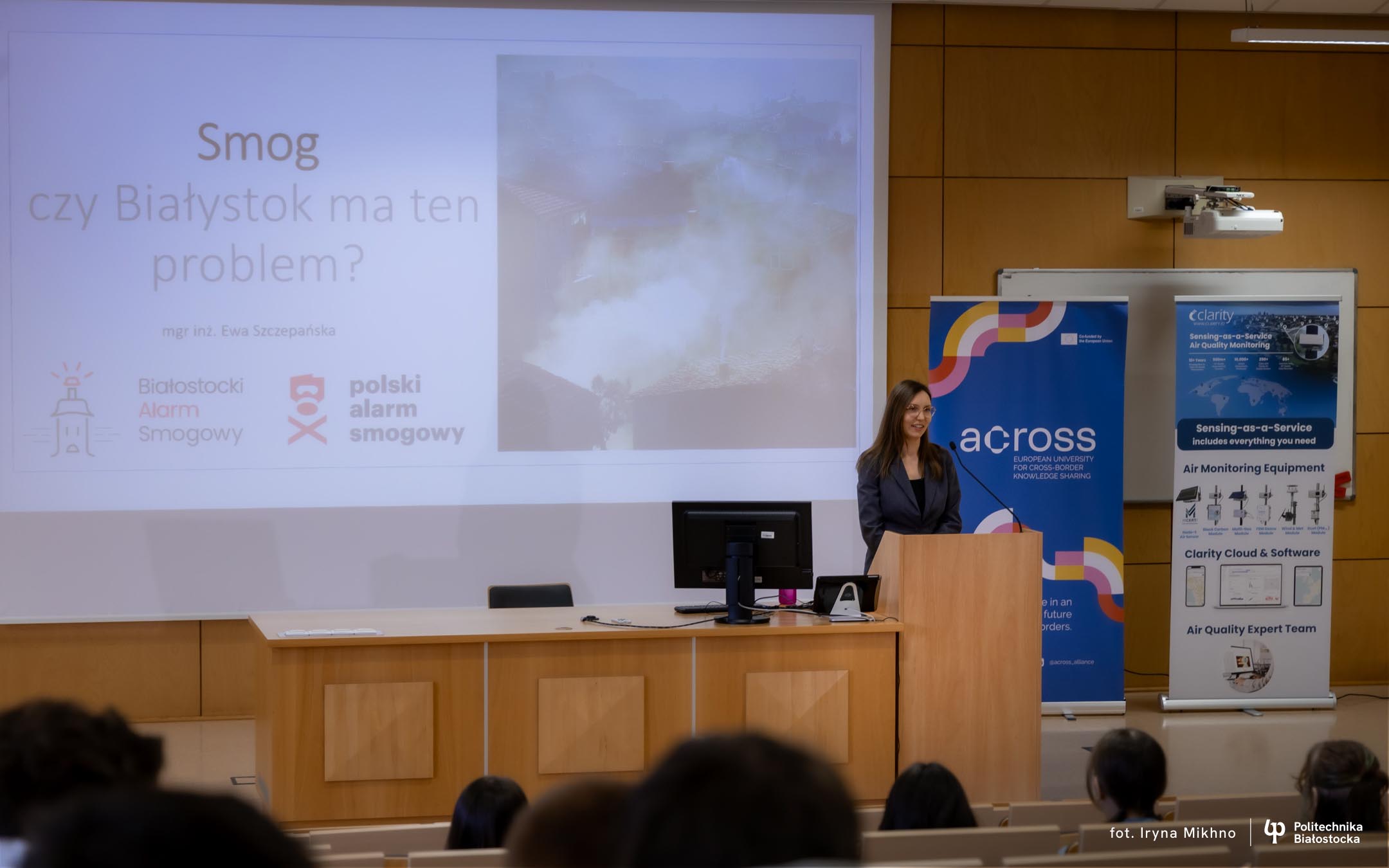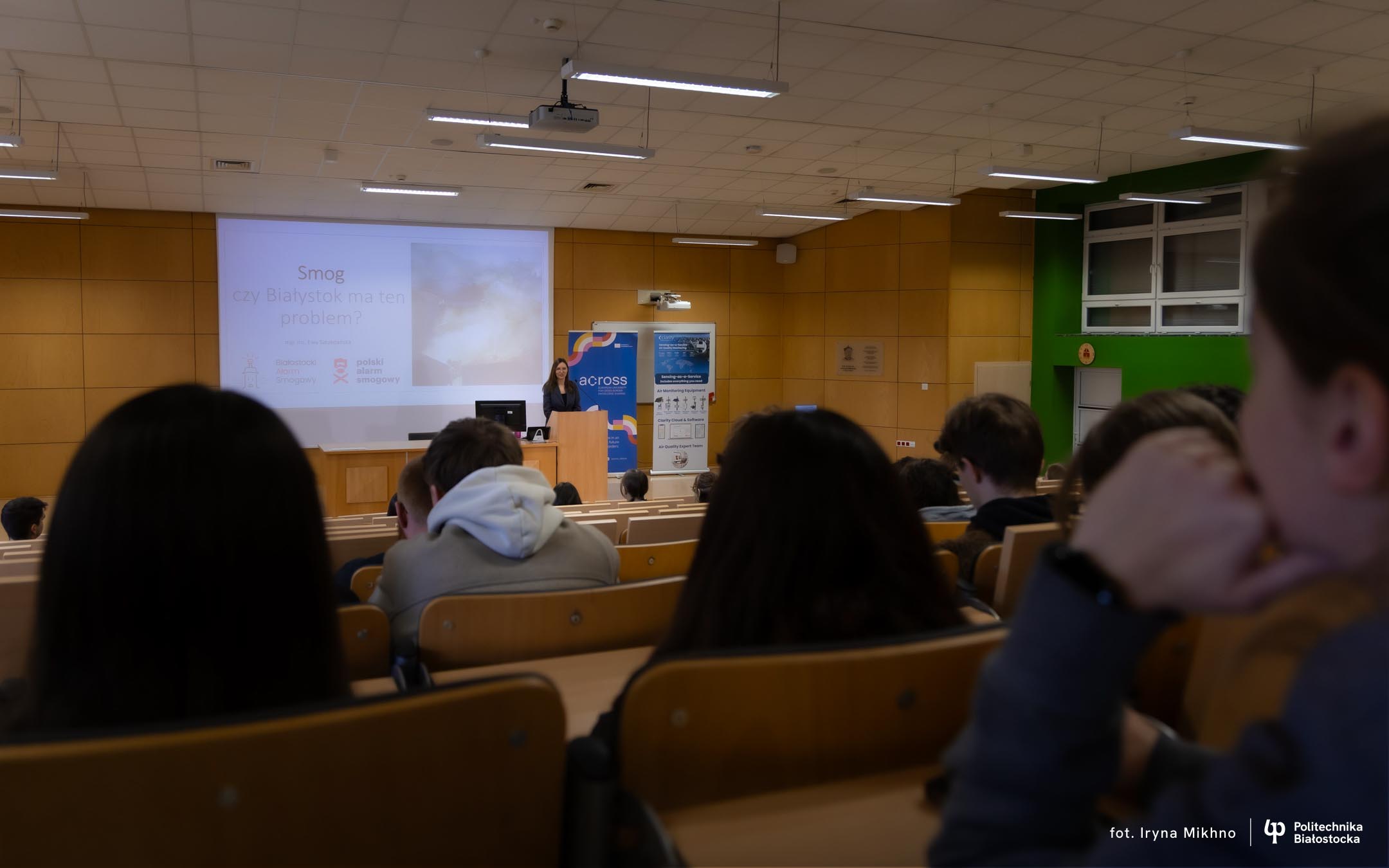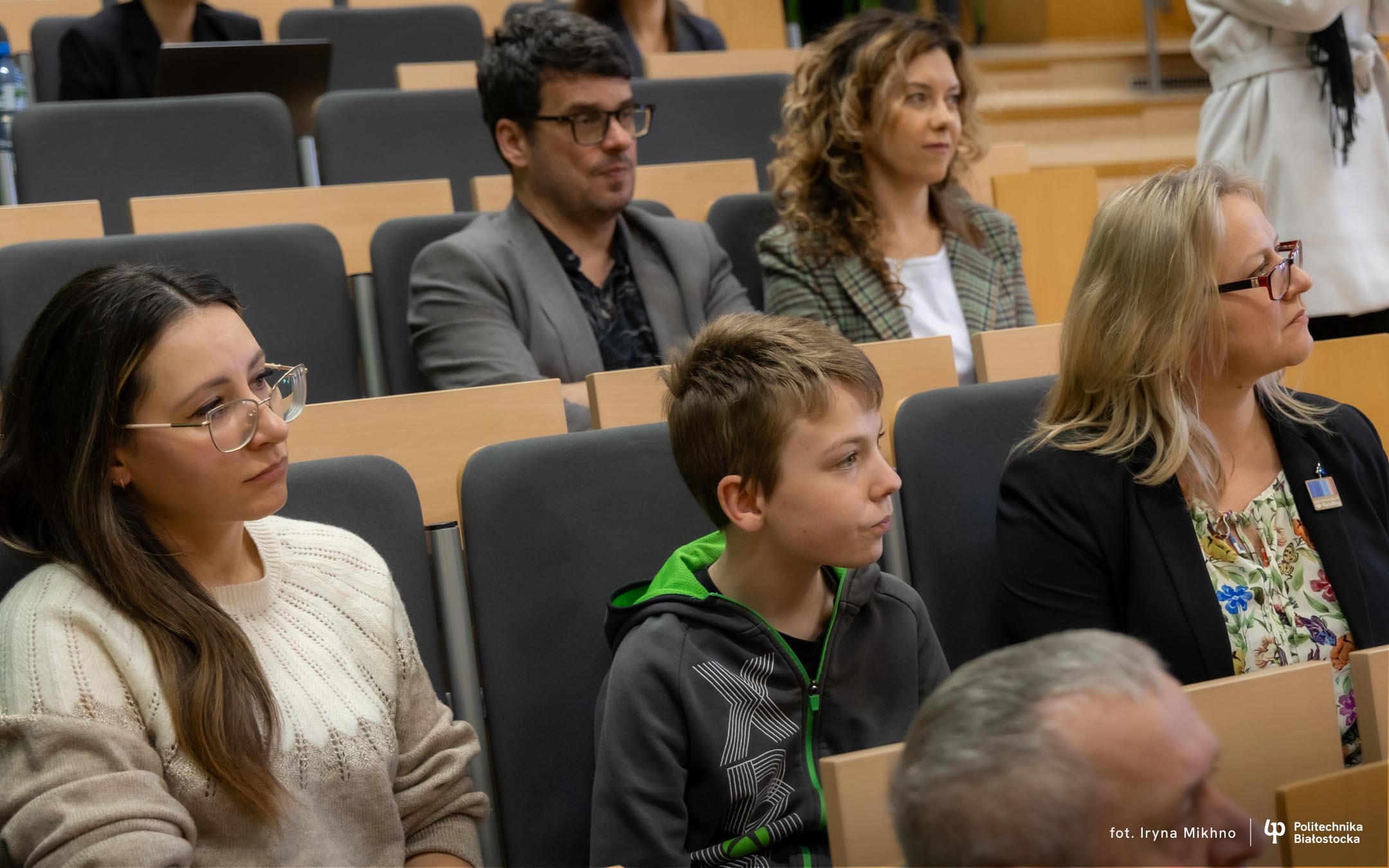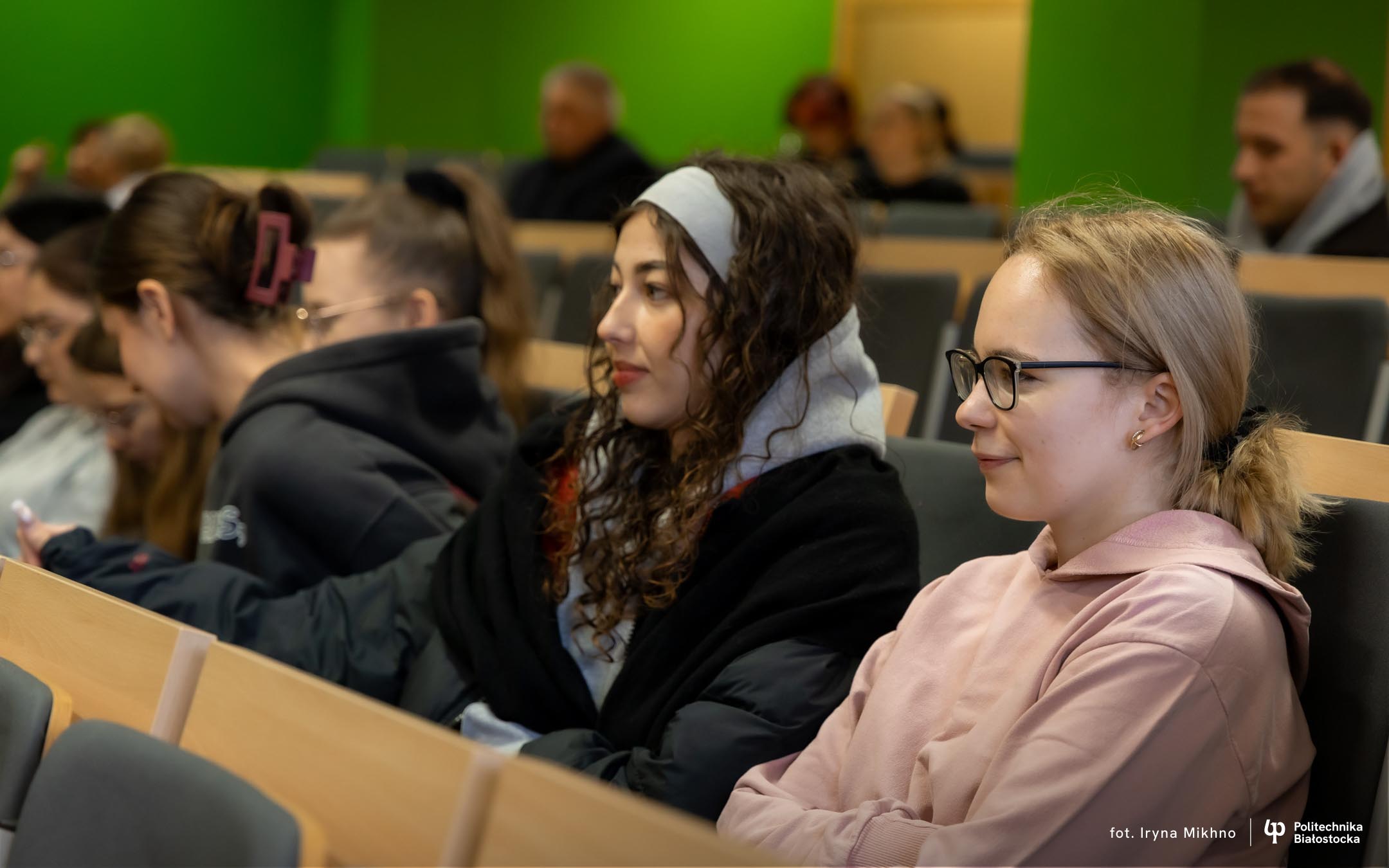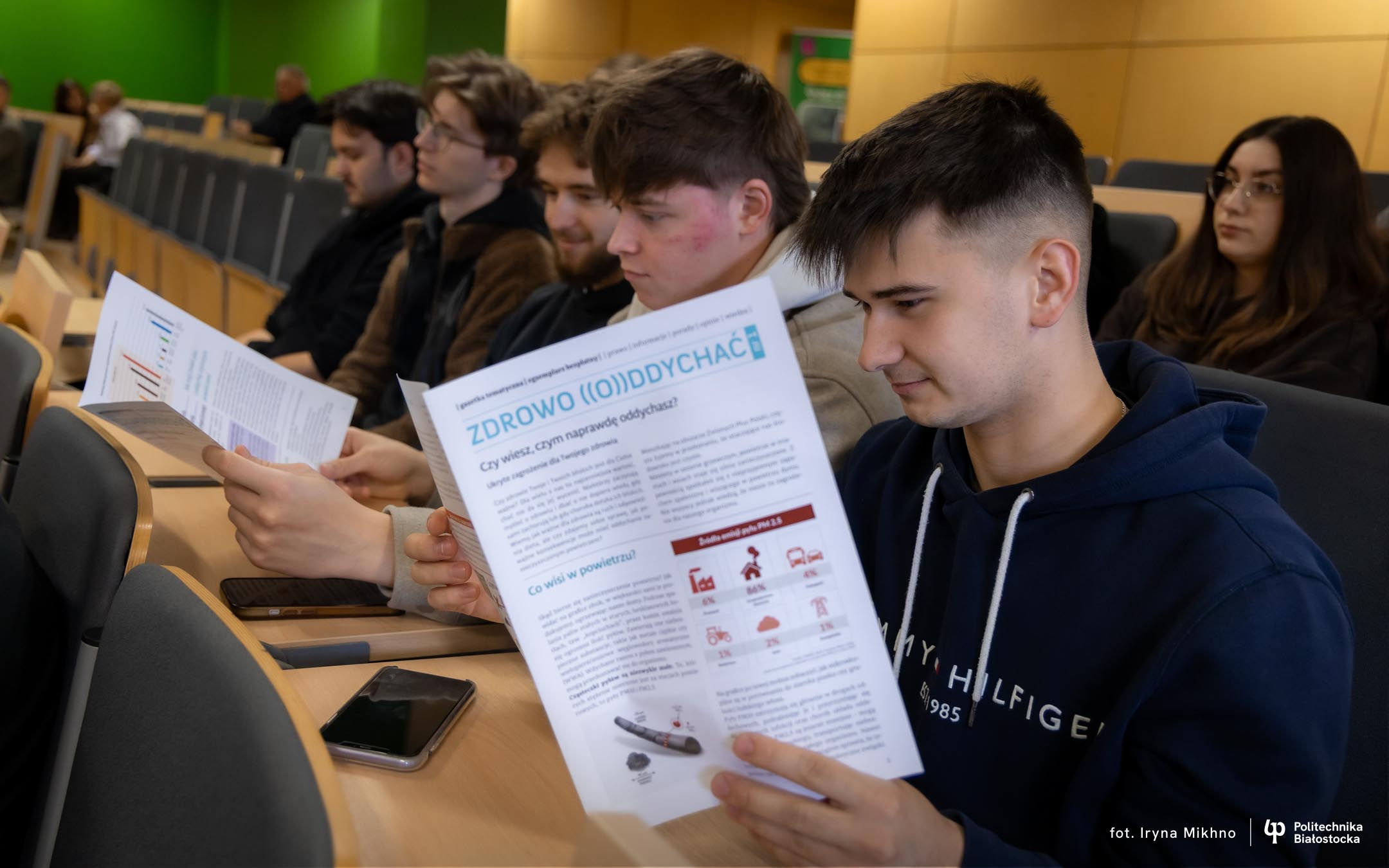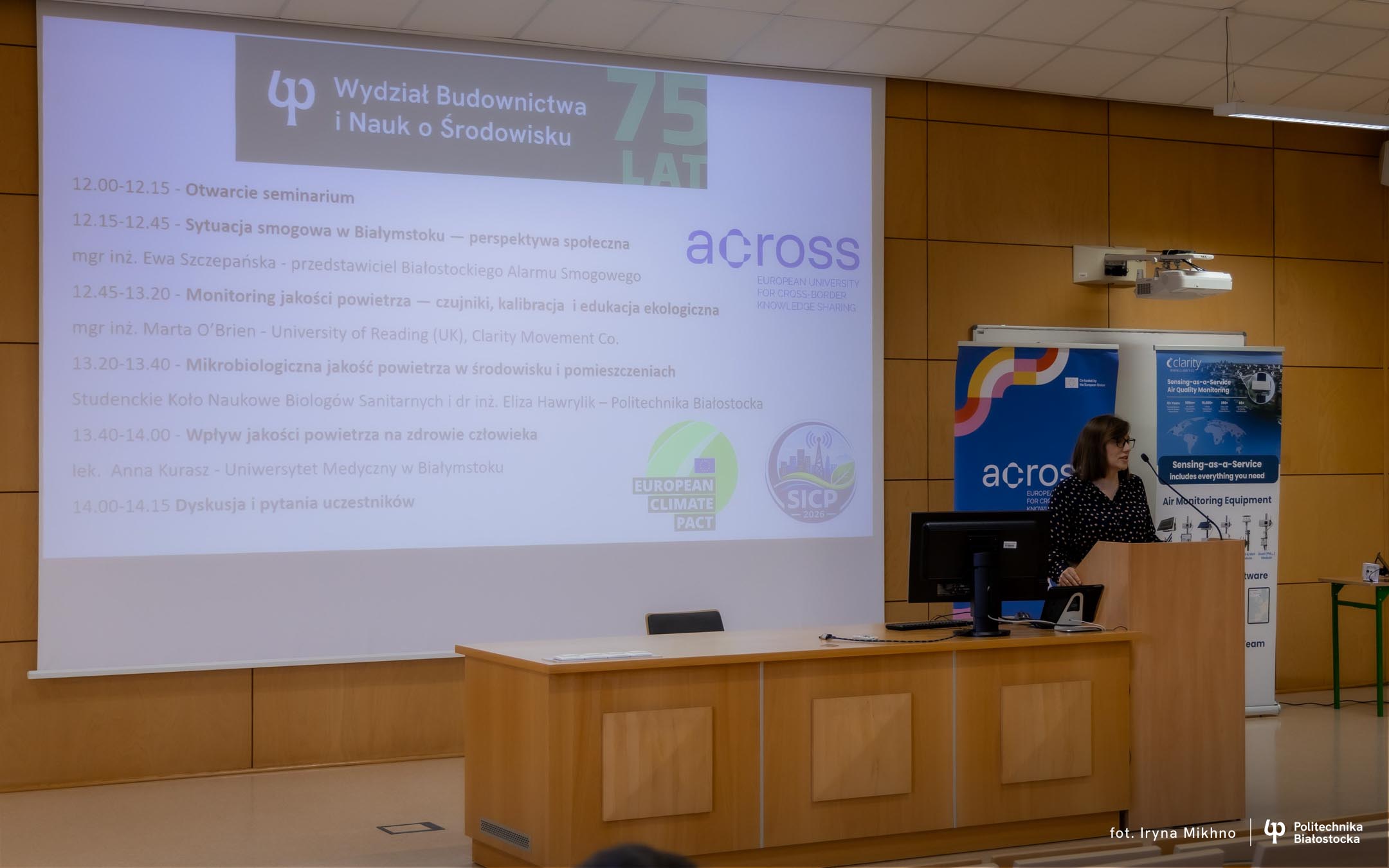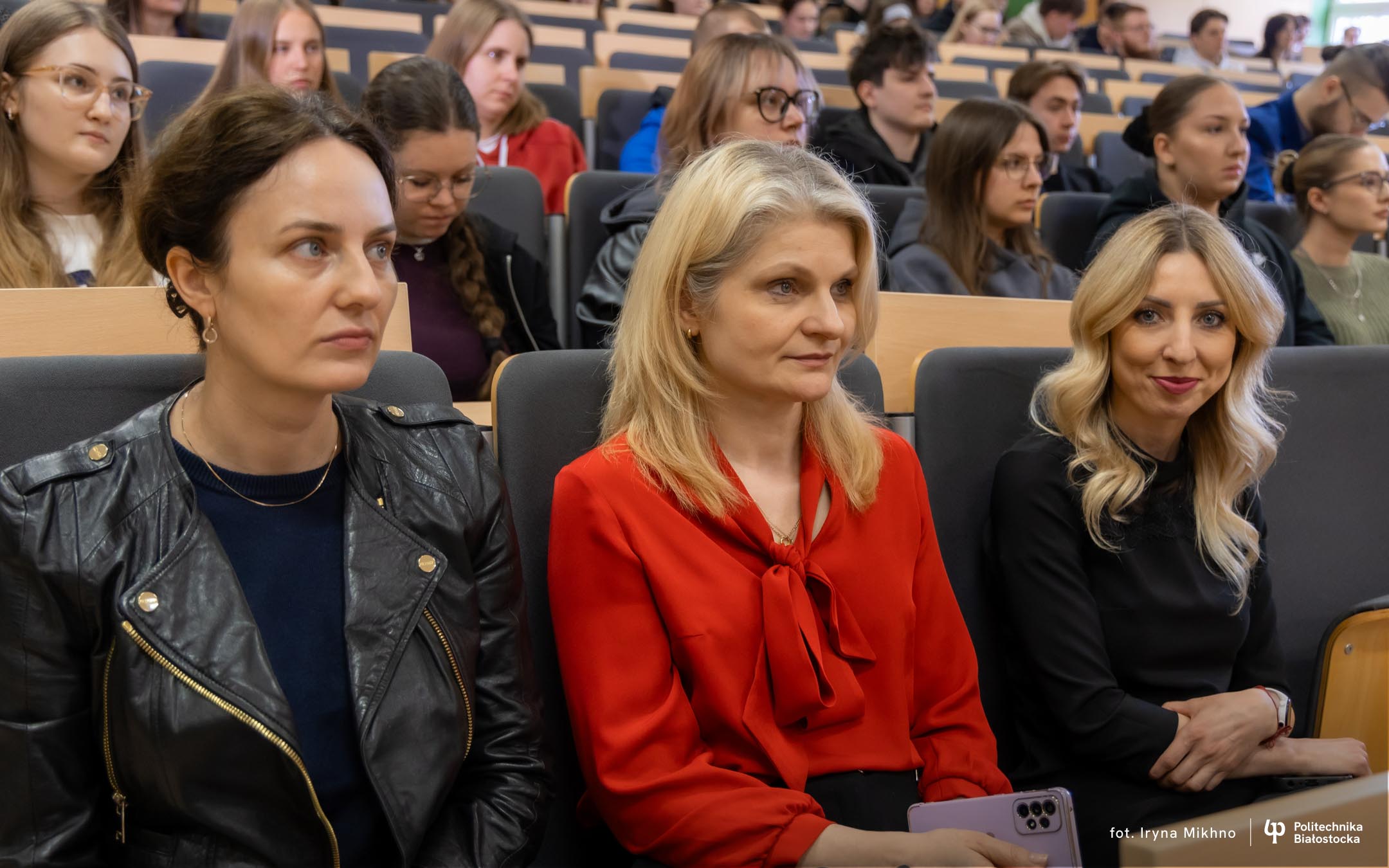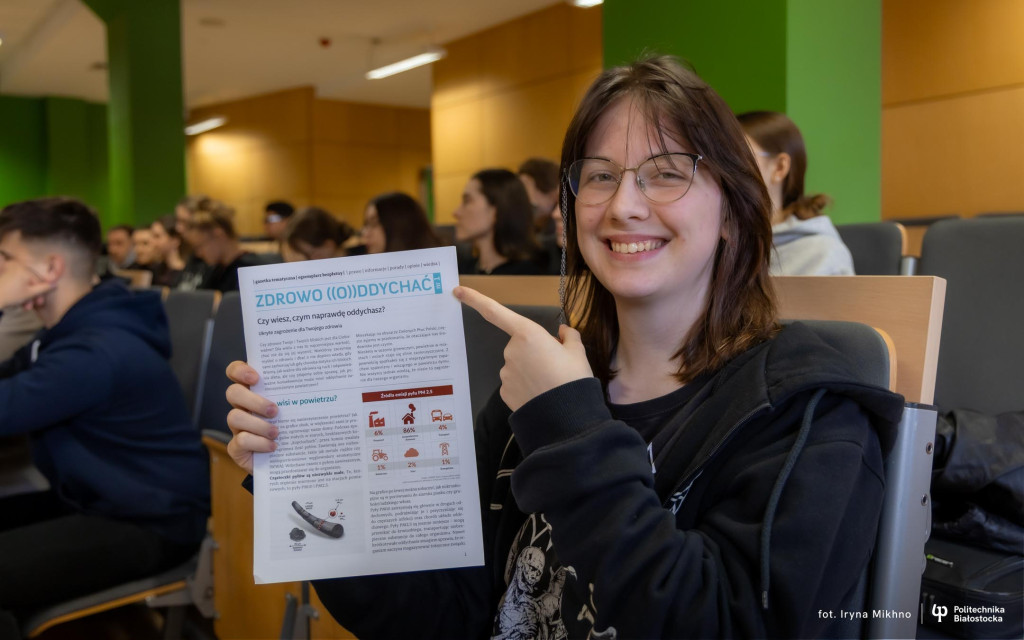
The seminar was devoted to quality of life and modern engineering solutions that have a real impact on our health.
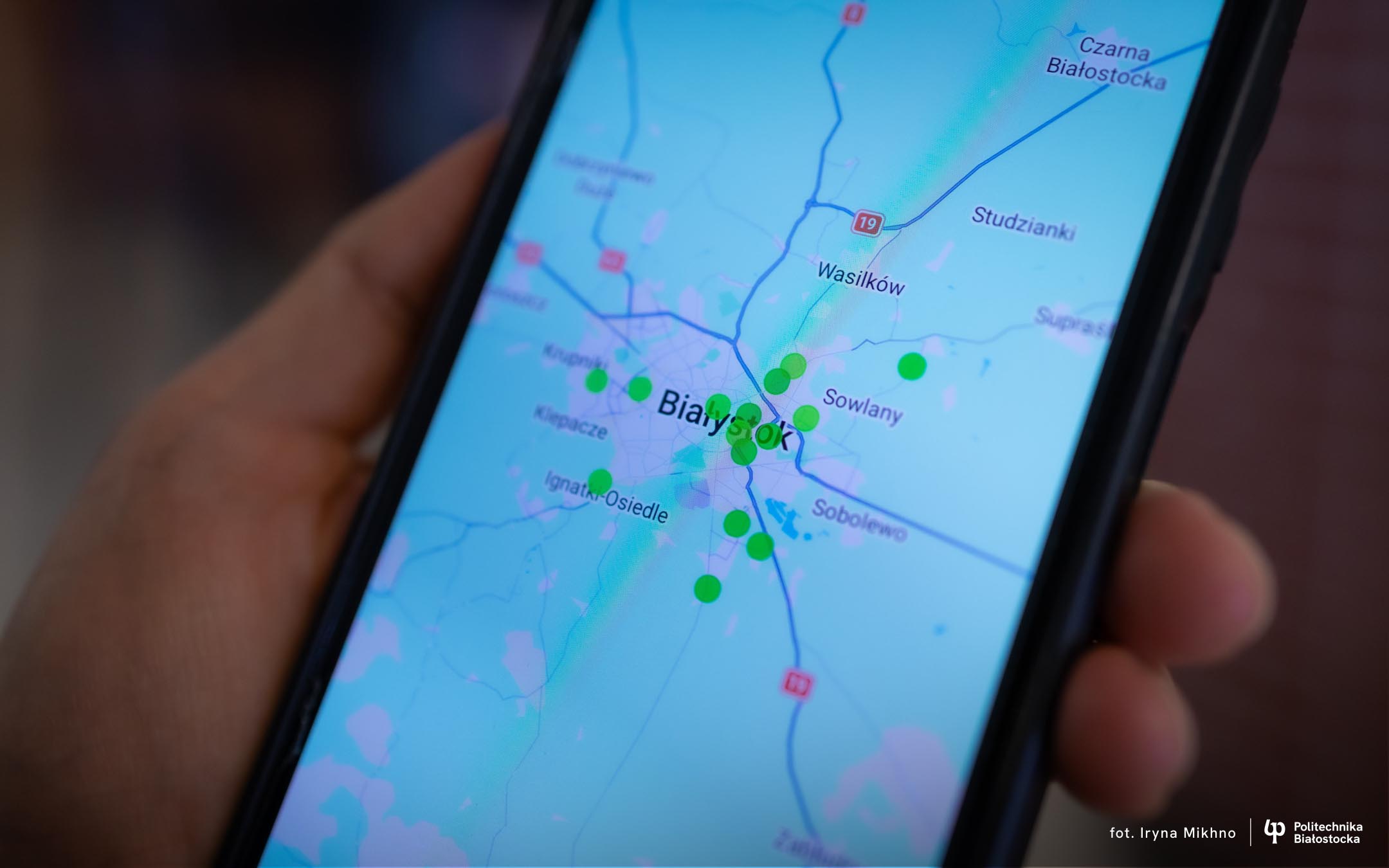
– We want to raise environmental awareness regarding air quality and its impact on the environment and human health – says Ewa Szatyłowicz, PhD, Eng., from the Department of Technology in Environmental Engineering at the Faculty of Civil Engineering and Environmental Sciences of Bialystok University of Technology, organiser of the seminar.
Bialystok University of Technology has been conducting research on air quality for years. In her scientific work, Ewa Szatyłowicz, PhD, Eng., focuses primarily on air pollution, with particular emphasis on analysing particulate matter concentrations in Bialystok and across the Podlaskie Voivodeship. Her work also includes environmental monitoring and advanced data analysis concerning air pollution.
The seminar also addressed air quality from a sanitary perspective.
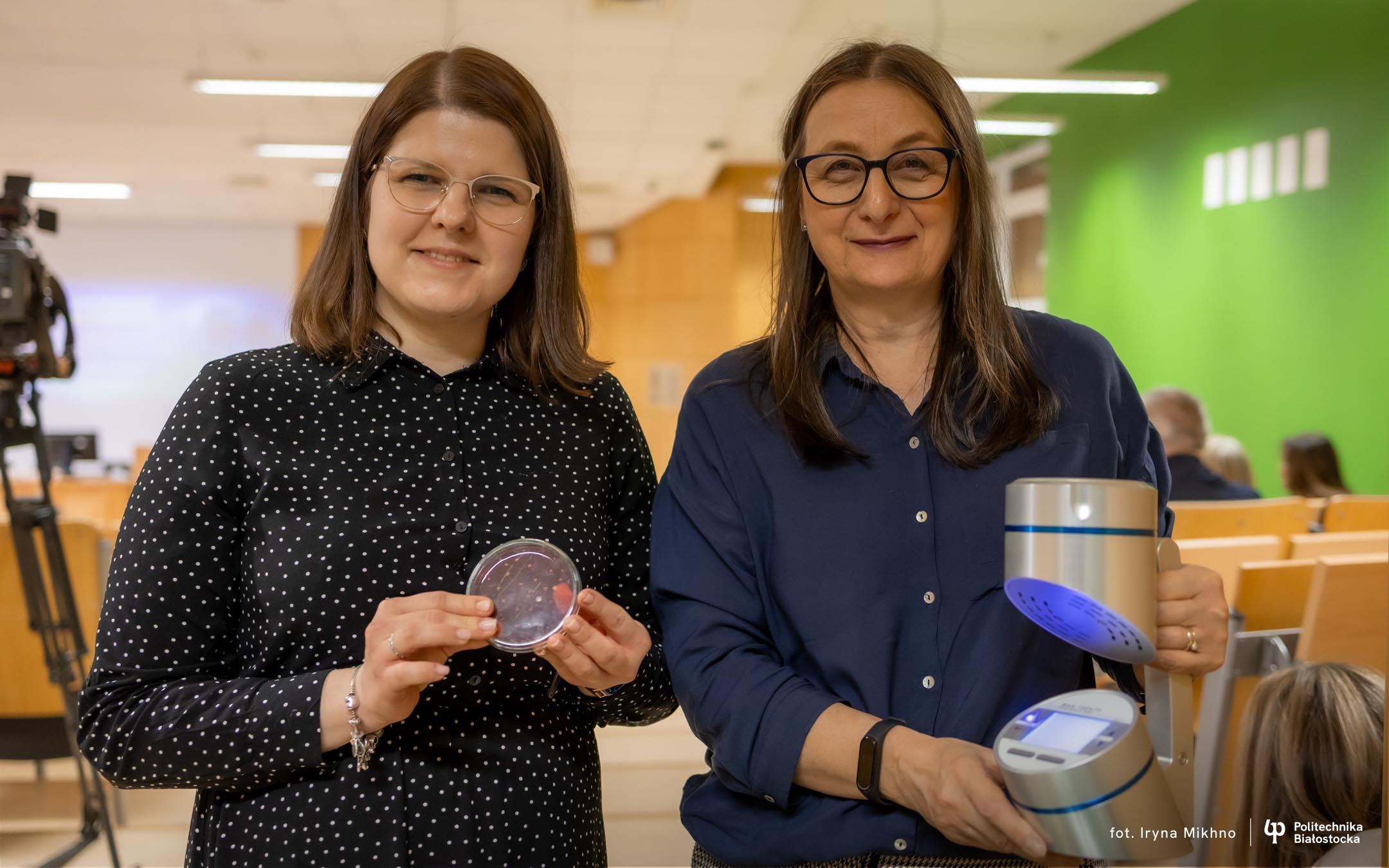
– The microbiological quality of the air can be assessed primarily using two methods – says Eliza Hawrylik, PhD, Eng., from the Department of Chemistry, Biology and Biotechnology. – The first is a microscopic method, used less frequently because it does not allow for species identification of microorganisms present in the air. In practice, we use culture-based methods — we wait for air particles to settle on plates with an appropriate microbiological medium, and then determine the number of bacteria and fungi. We also use specialised equipment for air sampling, which allows us to assess the number of microorganisms in the so-called respirable fraction, the most important for health, as it enters the lungs directly during breathing. Microorganisms attach to smog particles and travel with them in the air. These are mainly fungi and moulds (around 90%), but also bacteria — including staphylococci and actinomycetes — as well as viruses.
Groups particularly vulnerable to the negative effects of air pollution include children, older people and those with chronic diseases.
– It is difficult to indicate a system or organ that is not affected by air pollution – emphasises Anna Kurasz, MD, from the Medical University of Bialystok. – We most often associate it with the respiratory system: the development of asthma or chronic obstructive pulmonary disease, and even cancer. However, air quality also affects the cardiovascular system — causing heart attacks, hypertension or strokes. It is impossible to list all diseases related to air pollution — there are many, which is why we should work together to improve it for ourselves and future generations.
That is why the seminar was also attended by Ewa Szczepańska, MSc Eng., a graduate of Bialystok University of Technology and a representative of the Białystok Smog Alert.
– It is a completely spontaneous, grassroots initiative – says Szczepańska. – We educate residents about the harmfulness of waste burning and promote the thermal modernisation of buildings. We make the local community aware that smog is not only a problem of southern Poland, but also a real local threat requiring shared responsibility.
Such responsibility and awareness are also fostered by Bialystok University of Technology.
– It is difficult to compare the microbiological air quality in Bialystok with other cities, as Poland lacks standards clearly defining the levels of this type of pollution – explains Hawrylik, PhD, Eng. – As a department, and together with the Student Scientific Association of Sanitary Biology, we conduct research in many locations. Recently, we carried out a project assessing the microbiological air quality in private cars. It turned out that it was not satisfactory.
Students also took part in the research.
– The conclusion is simple — it is worth replacing the air filter frequently – says Natalia Myć, a sixth-semester biotechnology student. – We tested air on different media before and after replacing filters in cars.
Study programmes at Bialystok University of Technology place strong emphasis on practical skills that can be used in professional work.
– From year to year, I observe growing interest in involvement in the student scientific association – admits Hawrylik, PhD, Eng. – We are involved in a broad range of environmental analysis. We work in teams, and each student develops in the area that interests them most.
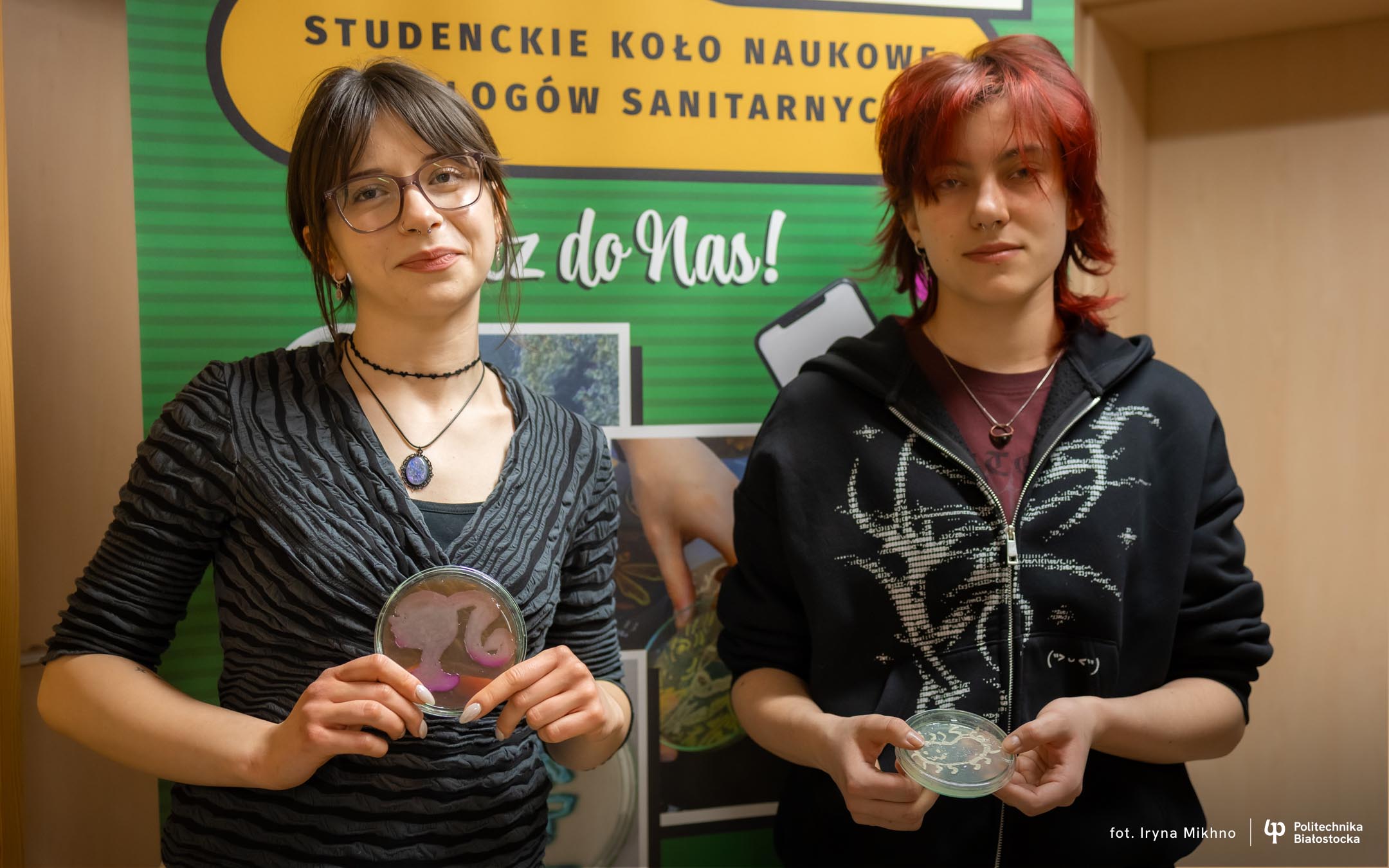
As it turns out, the Student Scientific Association of Sanitary Biology also fosters creativity.
– In the association, we also create so-called agar art – says Gabriela Porzezińska, a sixth-semester biotechnology student. – We create various drawings using bacterial colonies.
Read also: Biotechnology at Bialystok University of Technology. Students Join the Research Team of an NCN Project
Air quality monitoring and environmental education were also discussed by Marta O’Brien, MSc Eng., from the University of Reading. Although we do not always have control over the actions of others, we can take care of our own health.
– Older people and those with multiple chronic conditions can use face masks as the simplest form of personal protection – emphasises Kurasz, MD. – It is also worth using home air purifiers, which help protect against smog.
The 1st Clean Air Engineering Seminar “From air quality monitoring to its impact on health” was held as part of the celebrations of the 75th anniversary of the Faculty of Civil Engineering and Environmental Sciences of Bialystok University of Technology. It also forms part of the activities of the ACROSS European University. The event was held under the honorary patronage of Assoc. Prof. Dorota Anna Krawczyk, DSc, PhD, Eng. — Ambassador of the European Climate Pact in Poland.
Author: Jerzy Doroszkiewicz