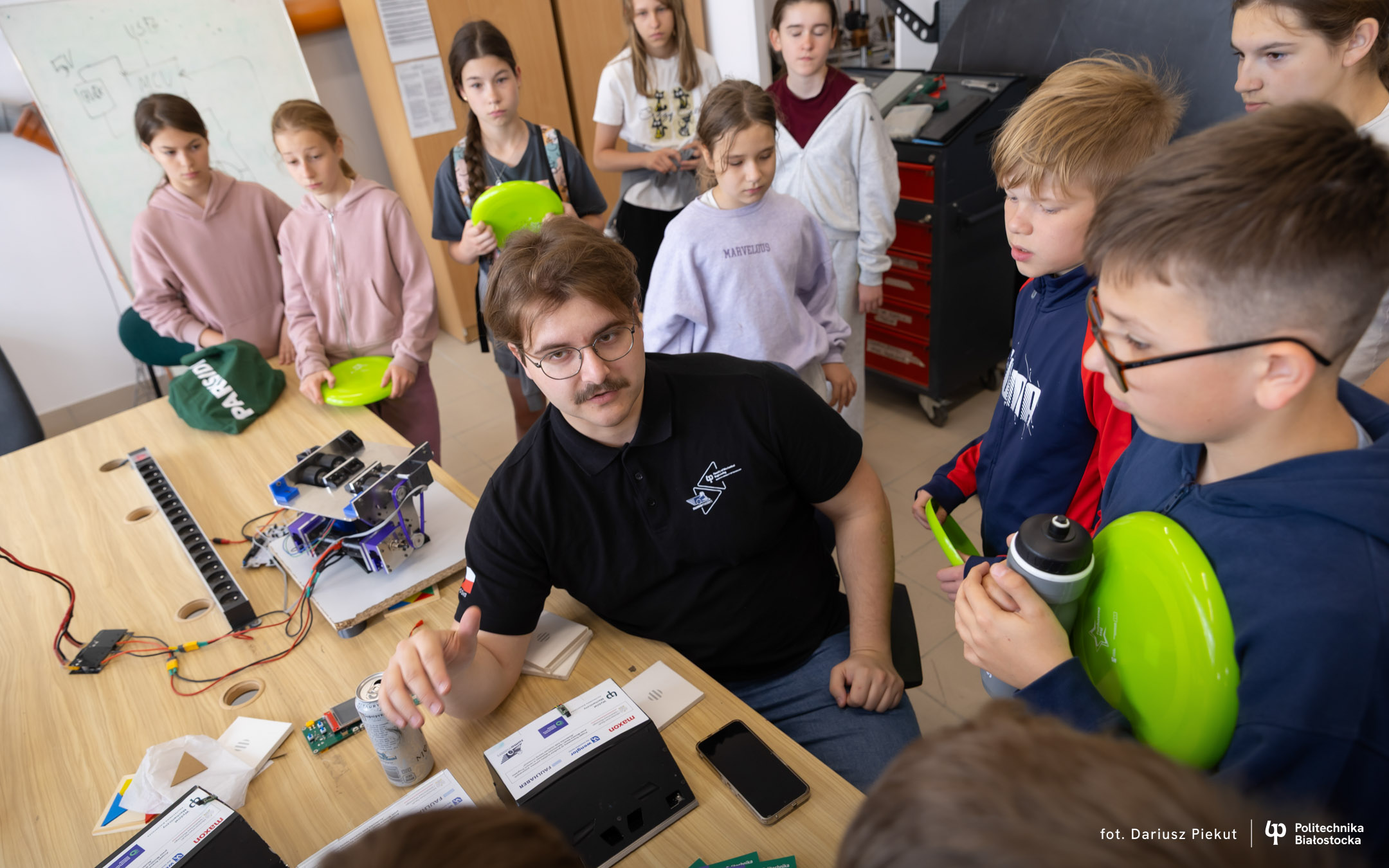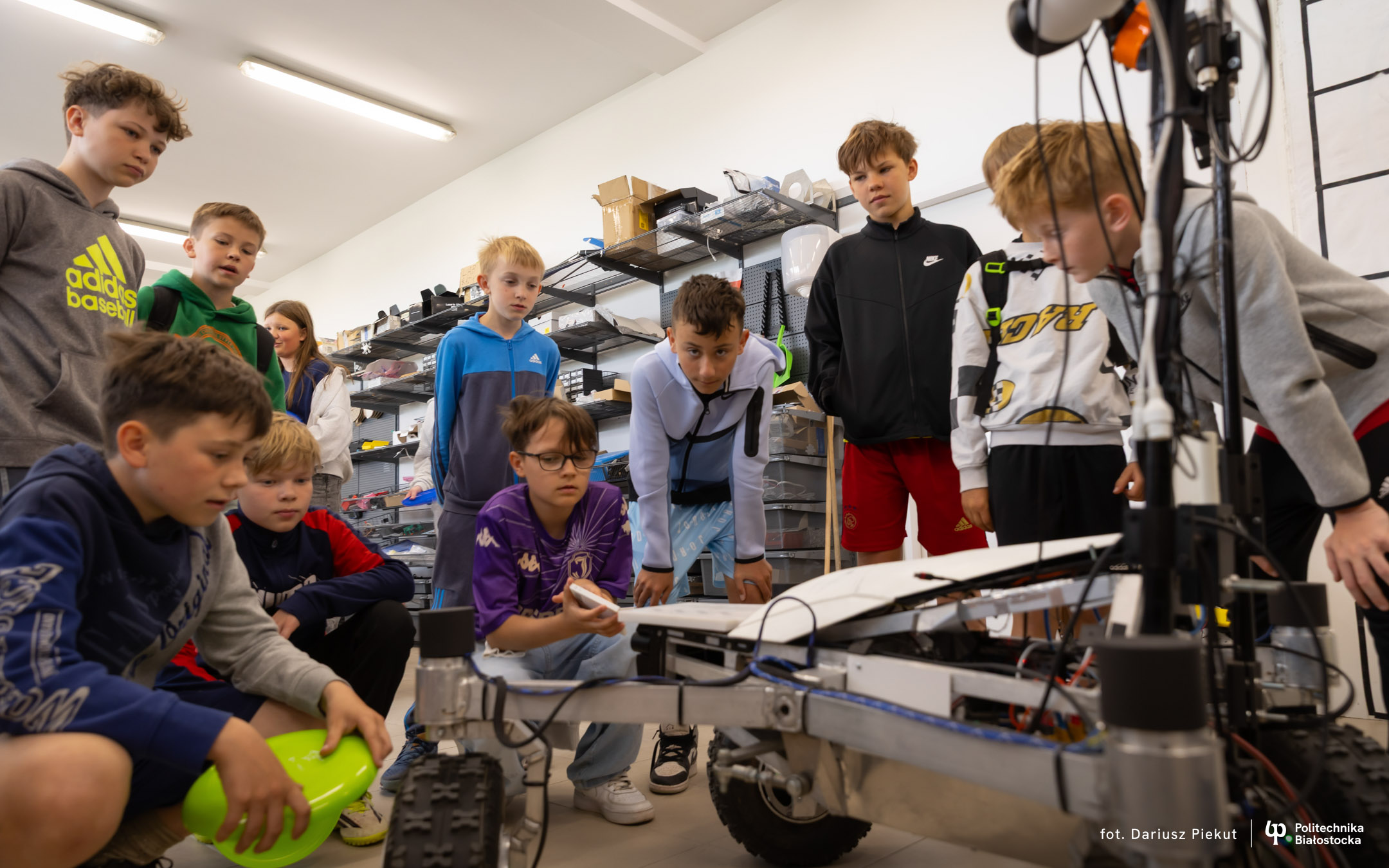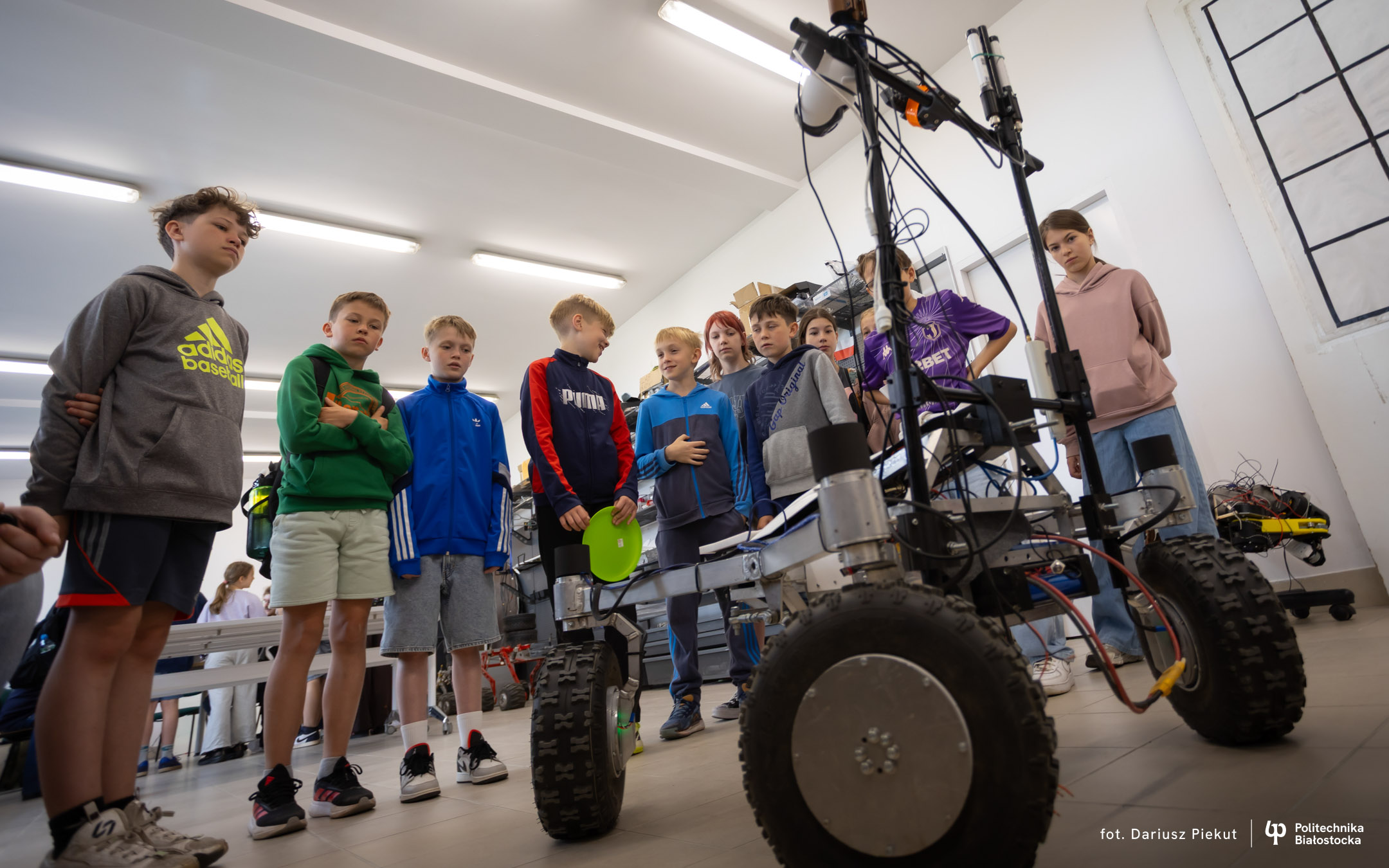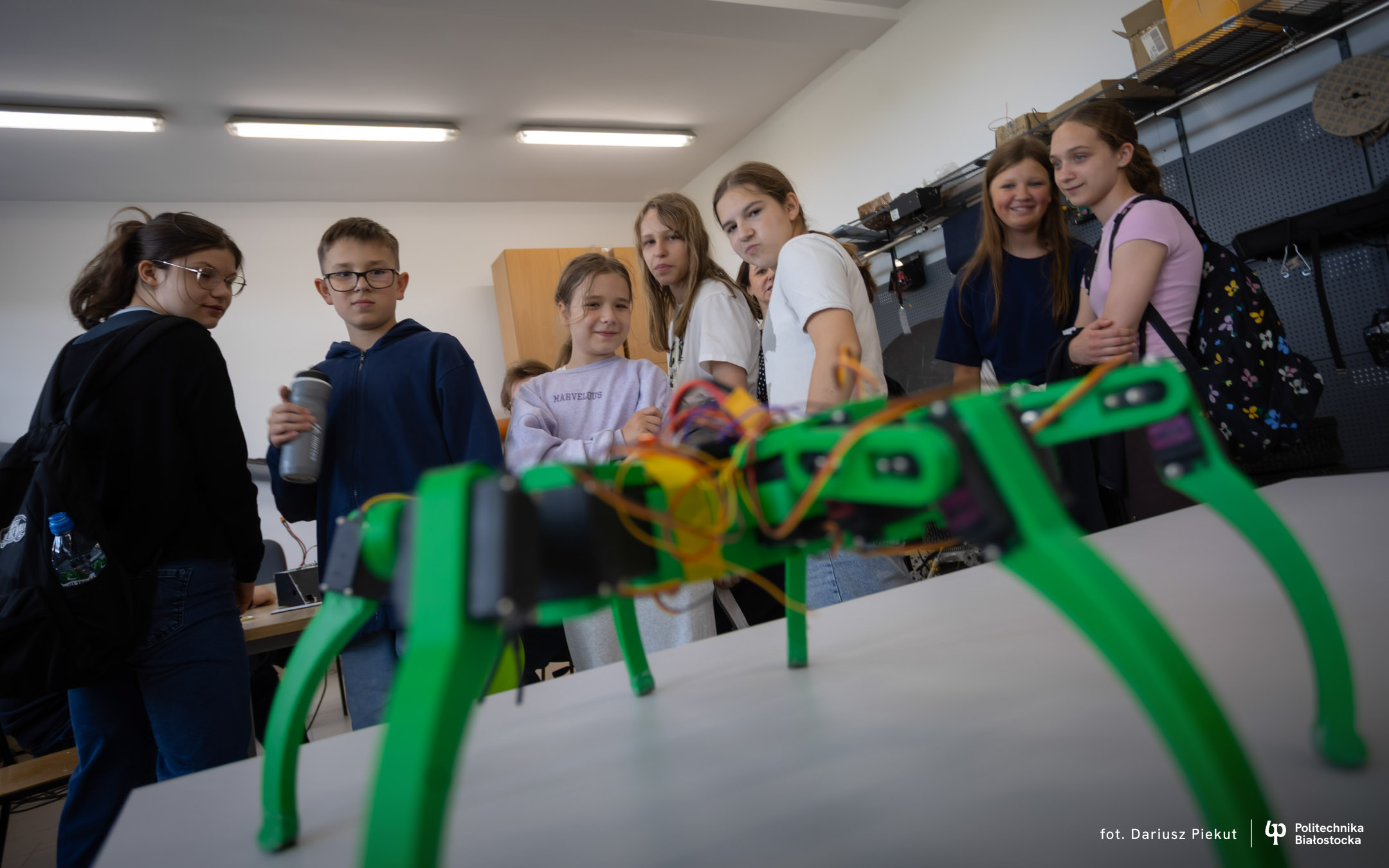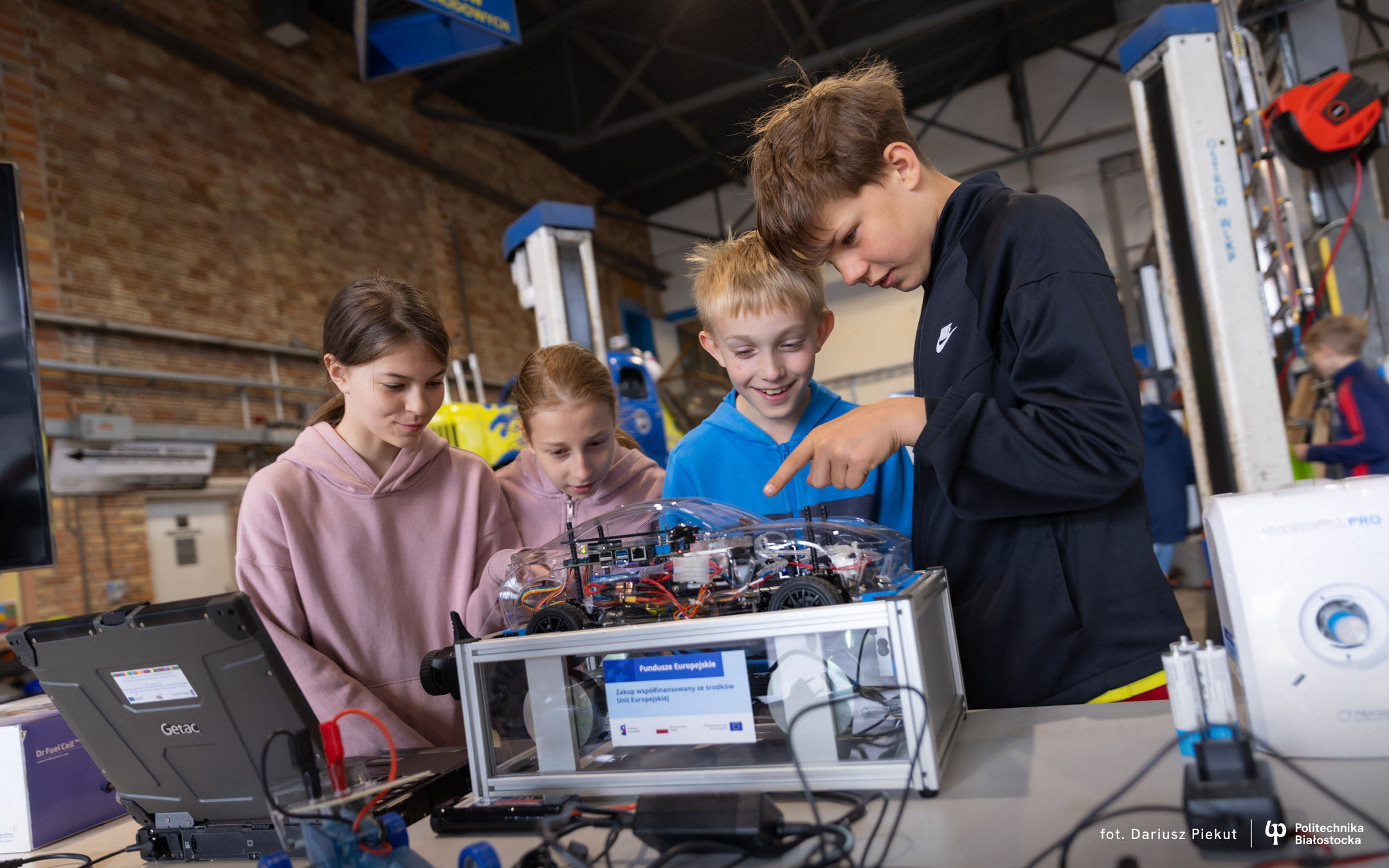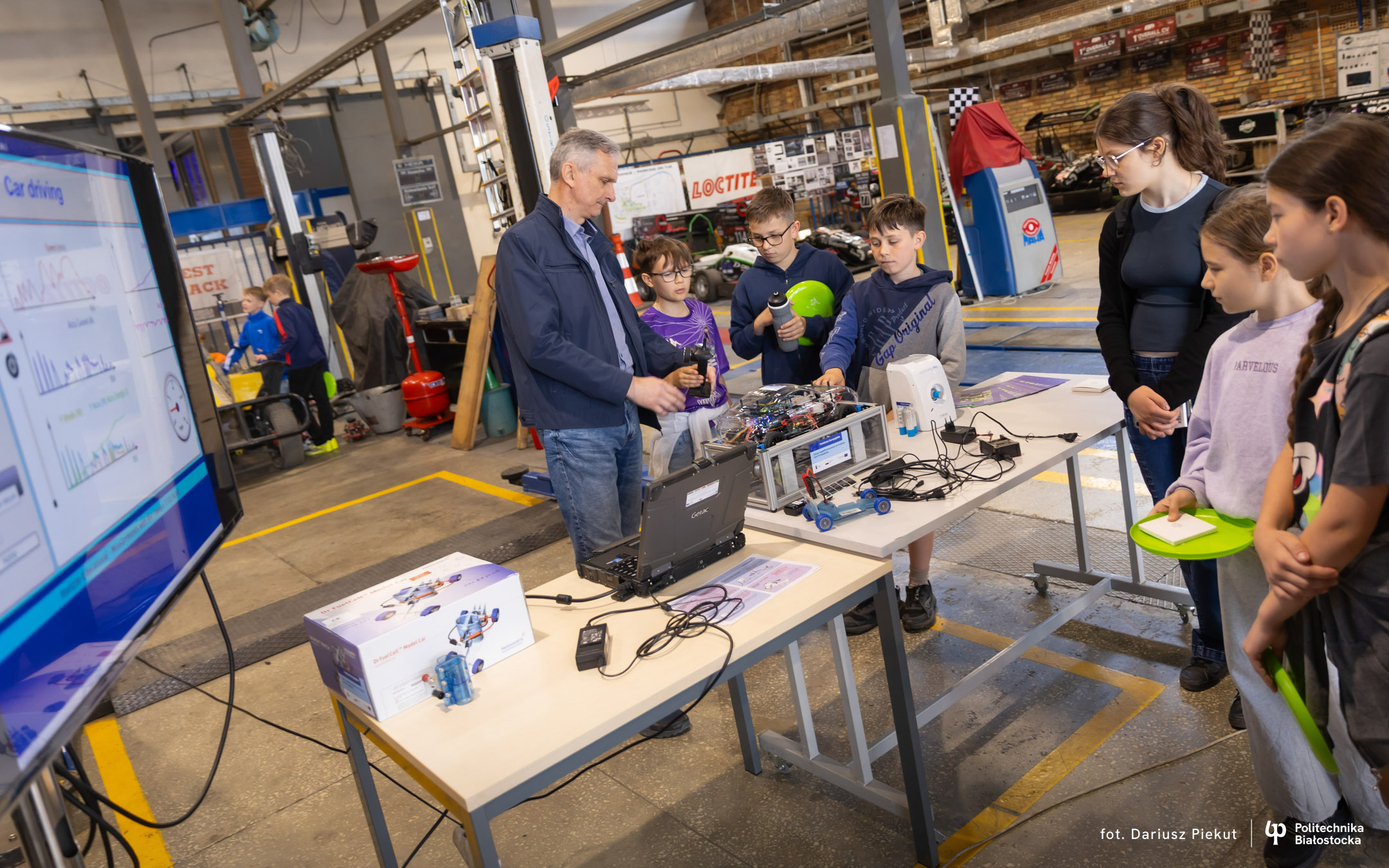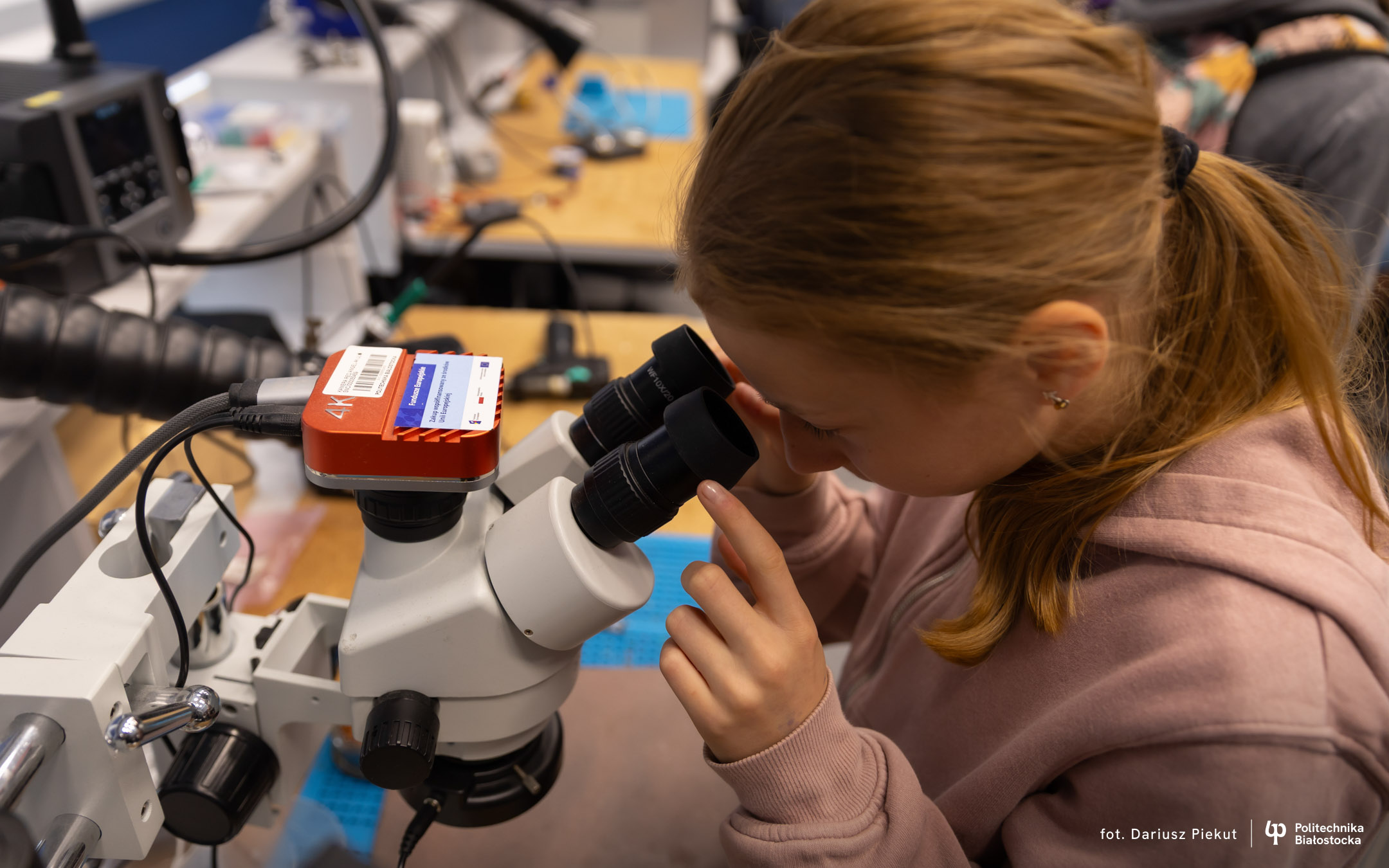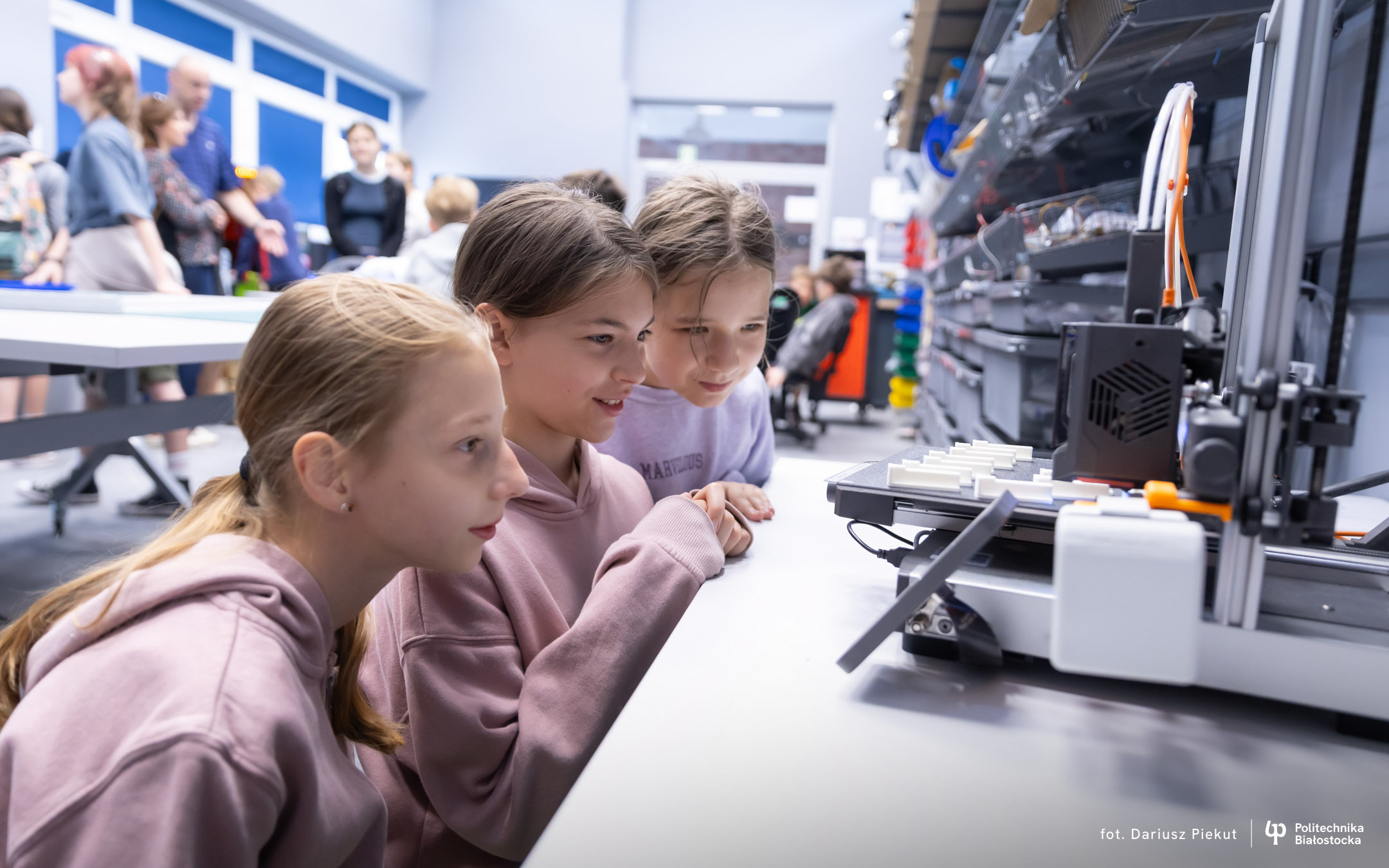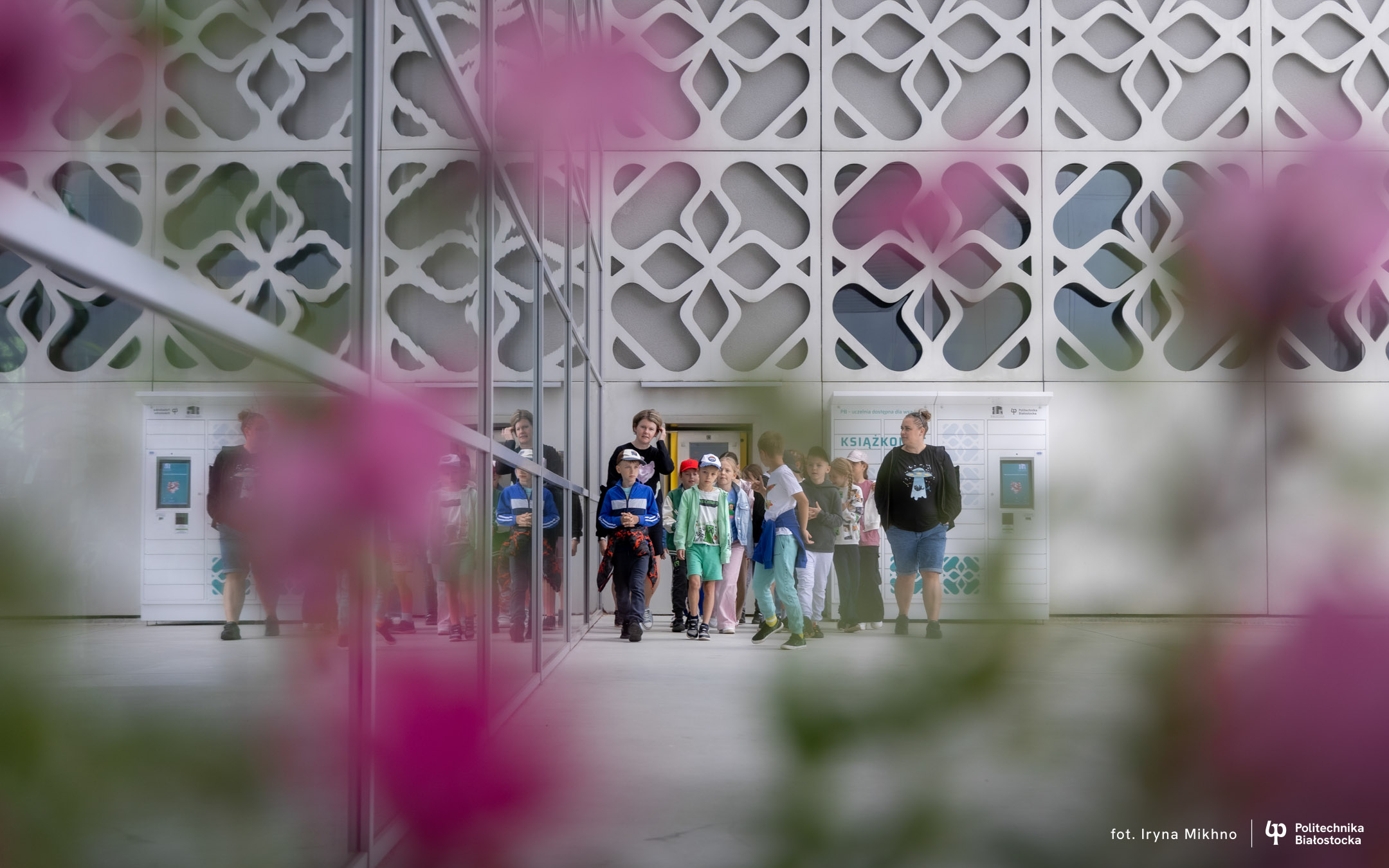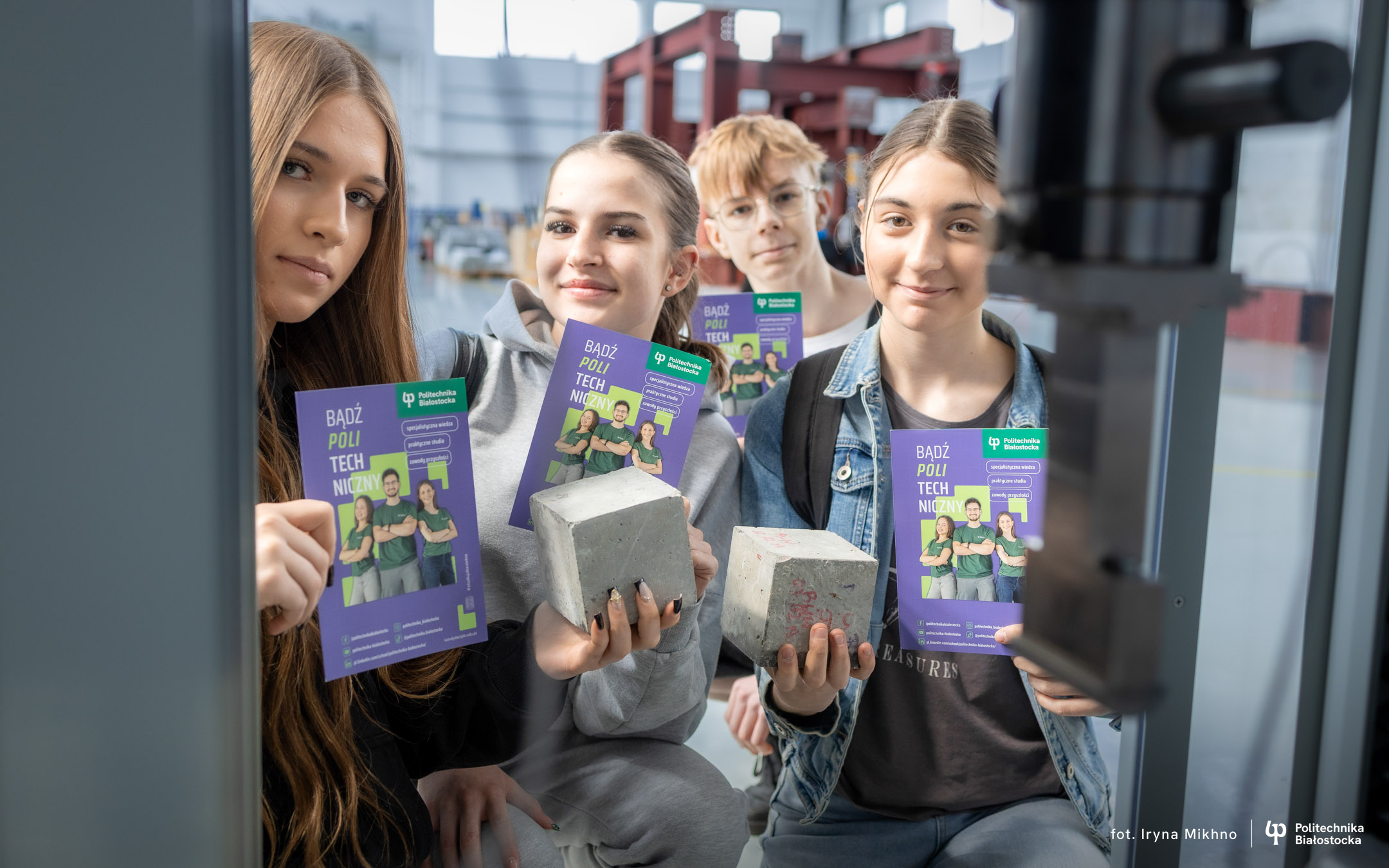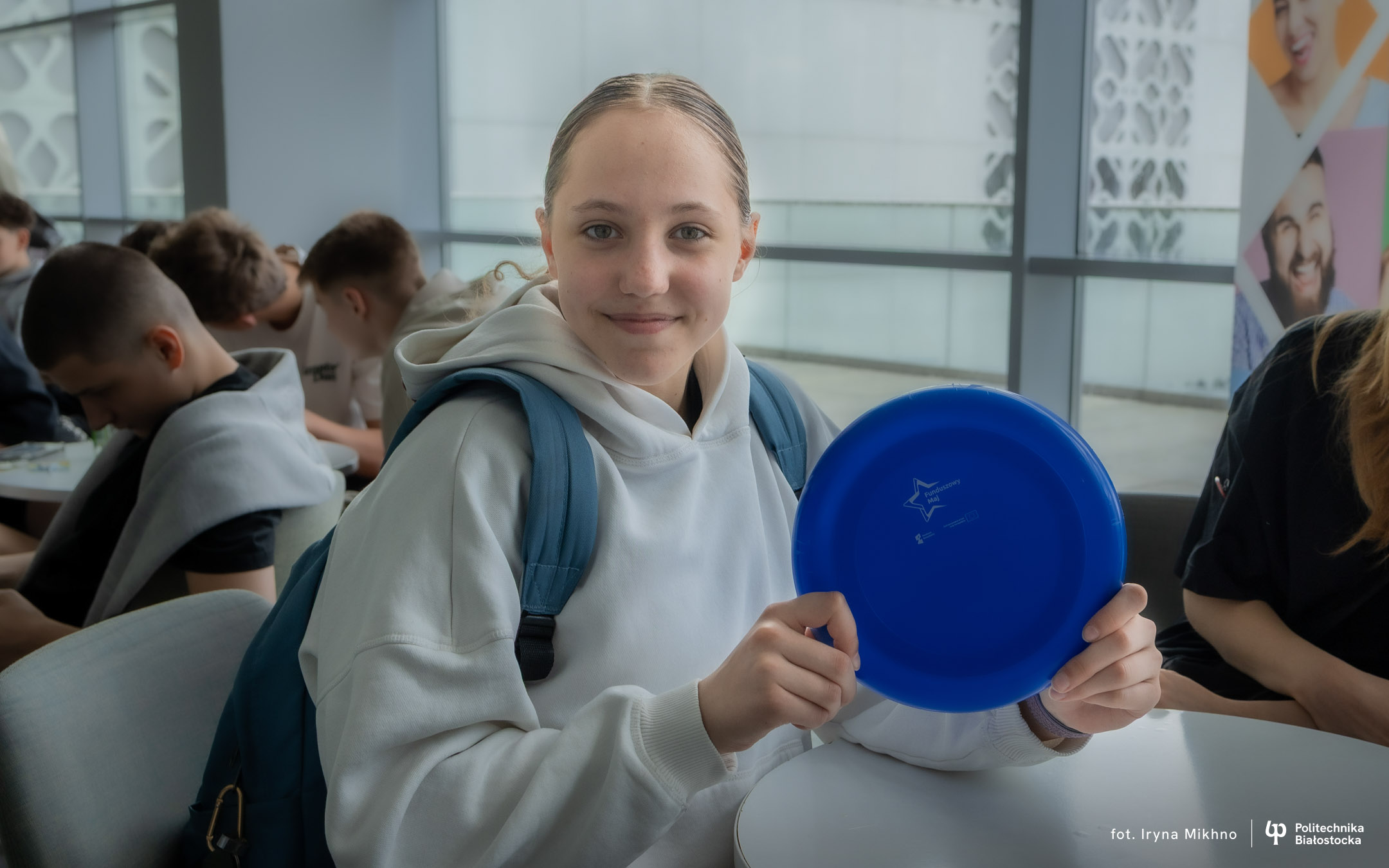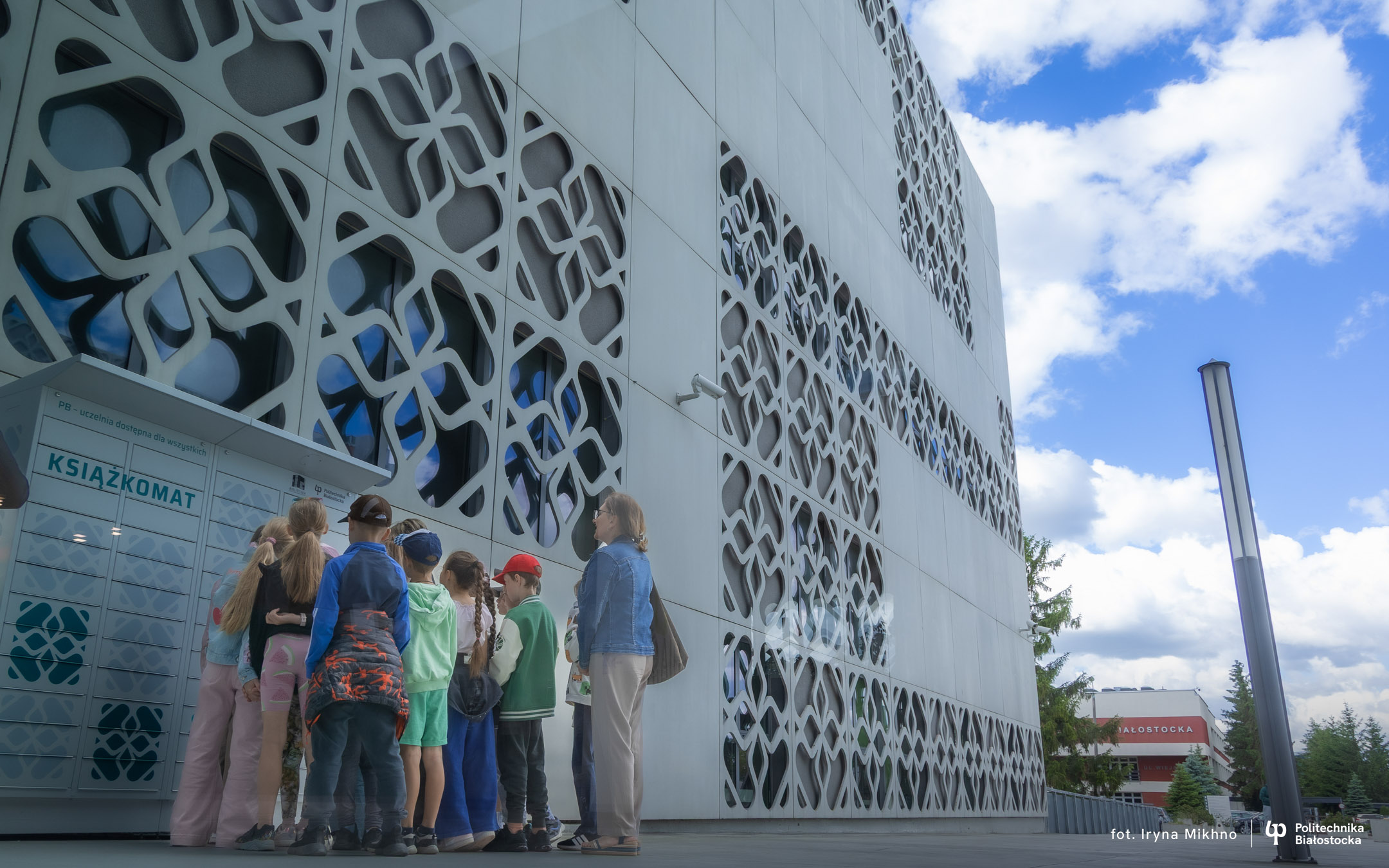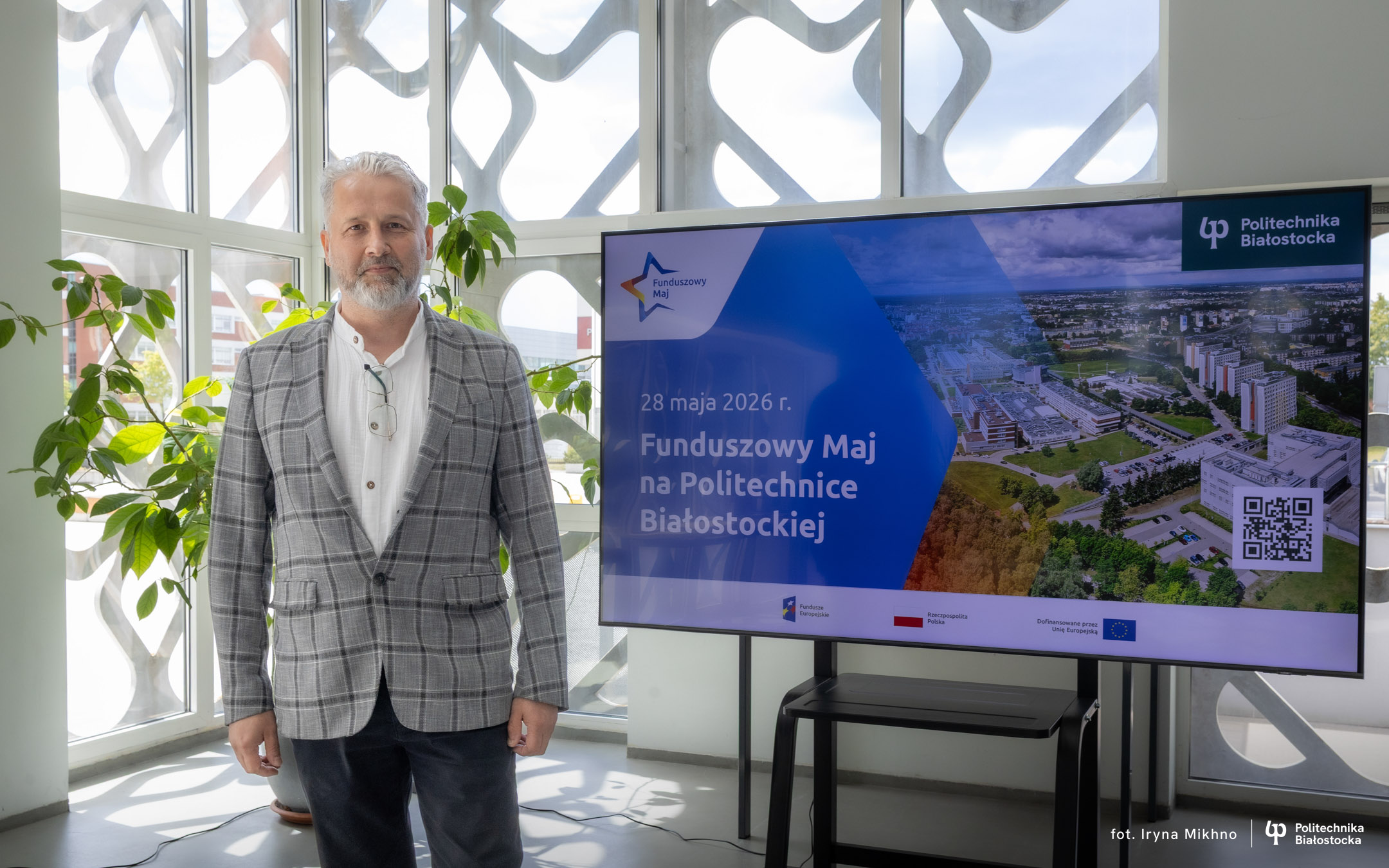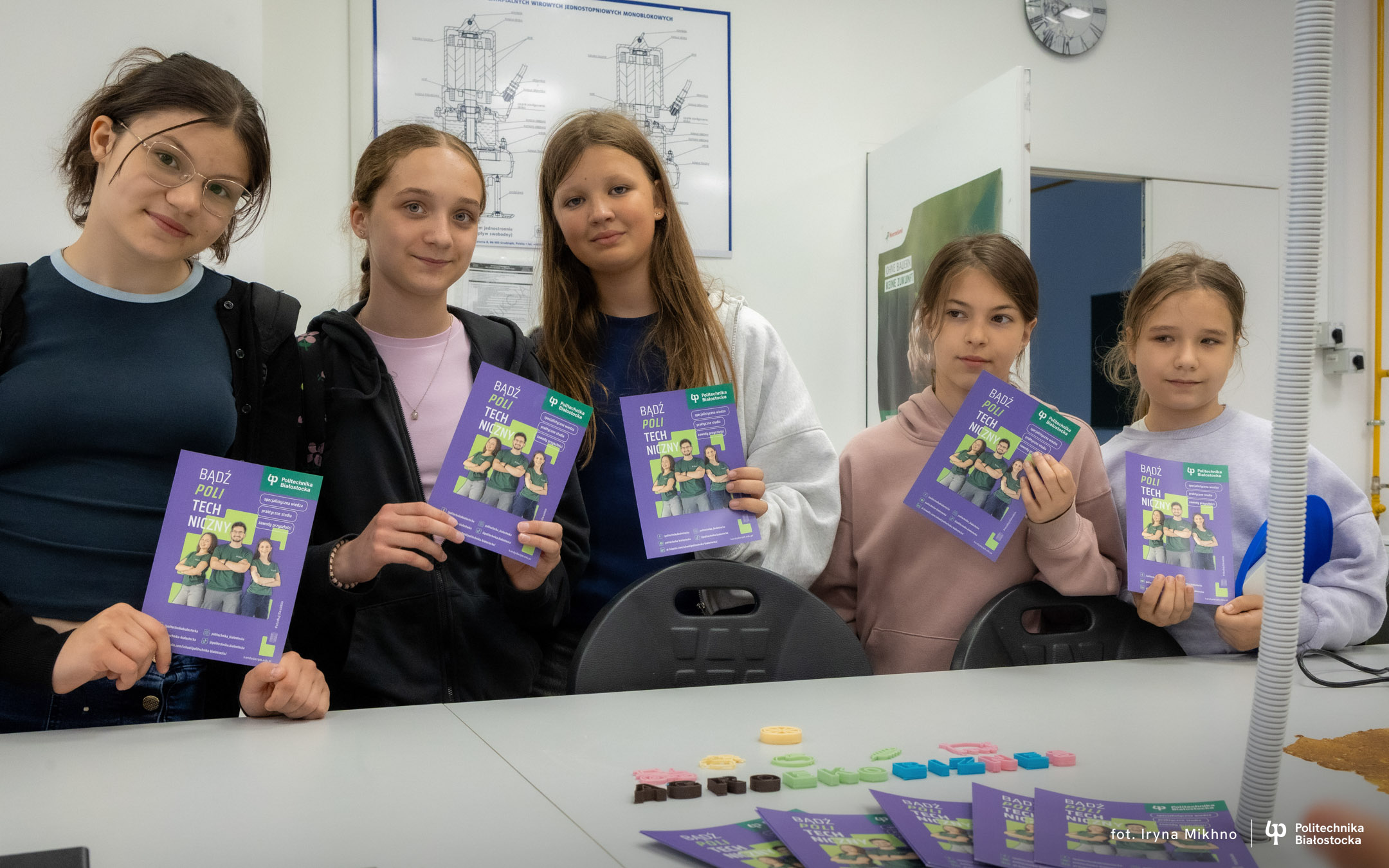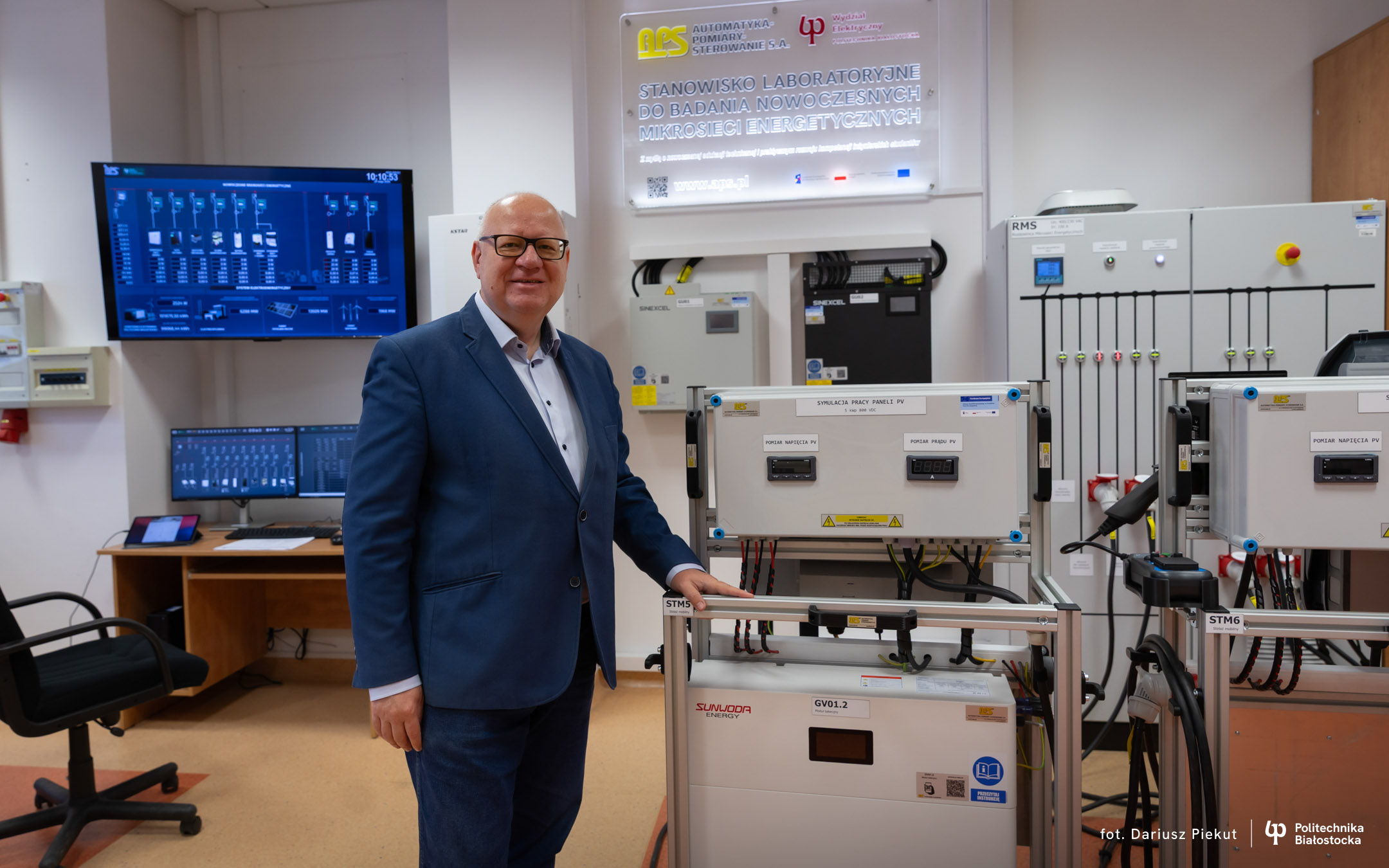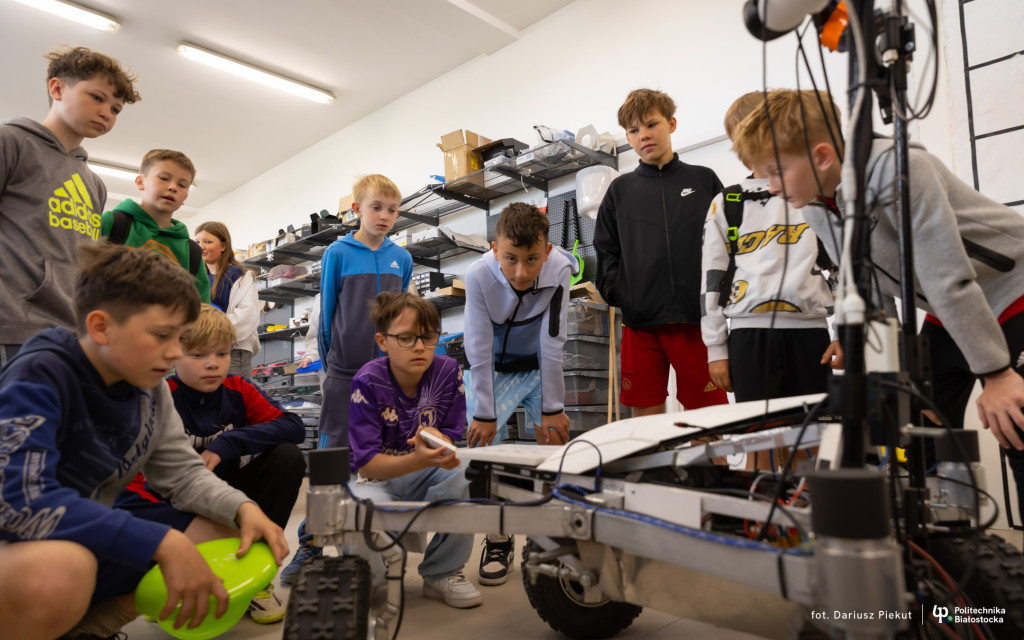
Białystok University of Technology prepared a unique combination of an open day, science festival, and business forum, whose aim is to present the real effects of projects co-financed by European Union funds, in particular NCBR.
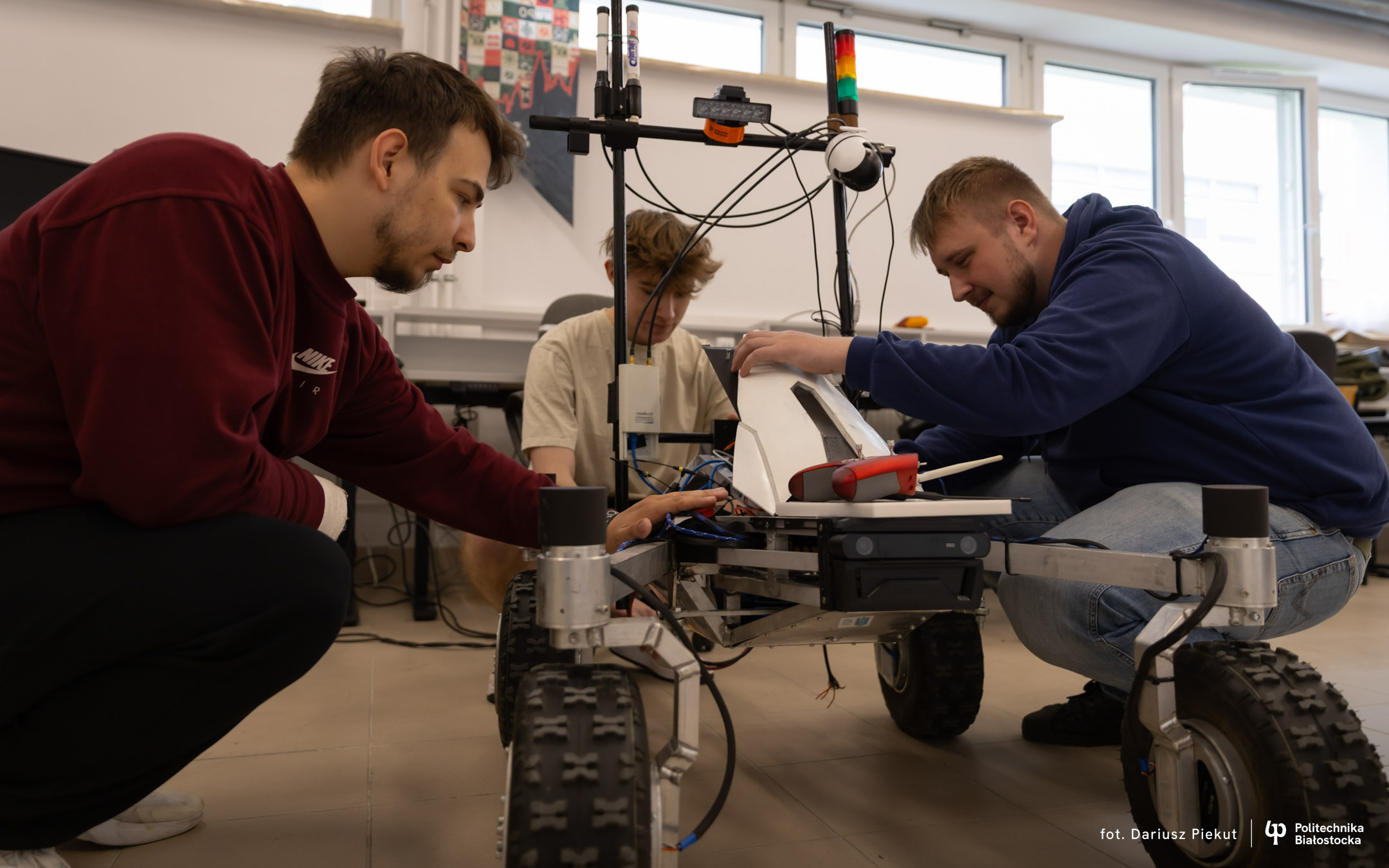
Students of Białystok University of Technology have just returned from MRC & RobotChallenge Thailand 2026. Two robots from the BUT Rover Team of the Robotics Student Scientific Association at the Faculty of Mechanical Engineering took first and third place in the Combat Robotics category in this competition.
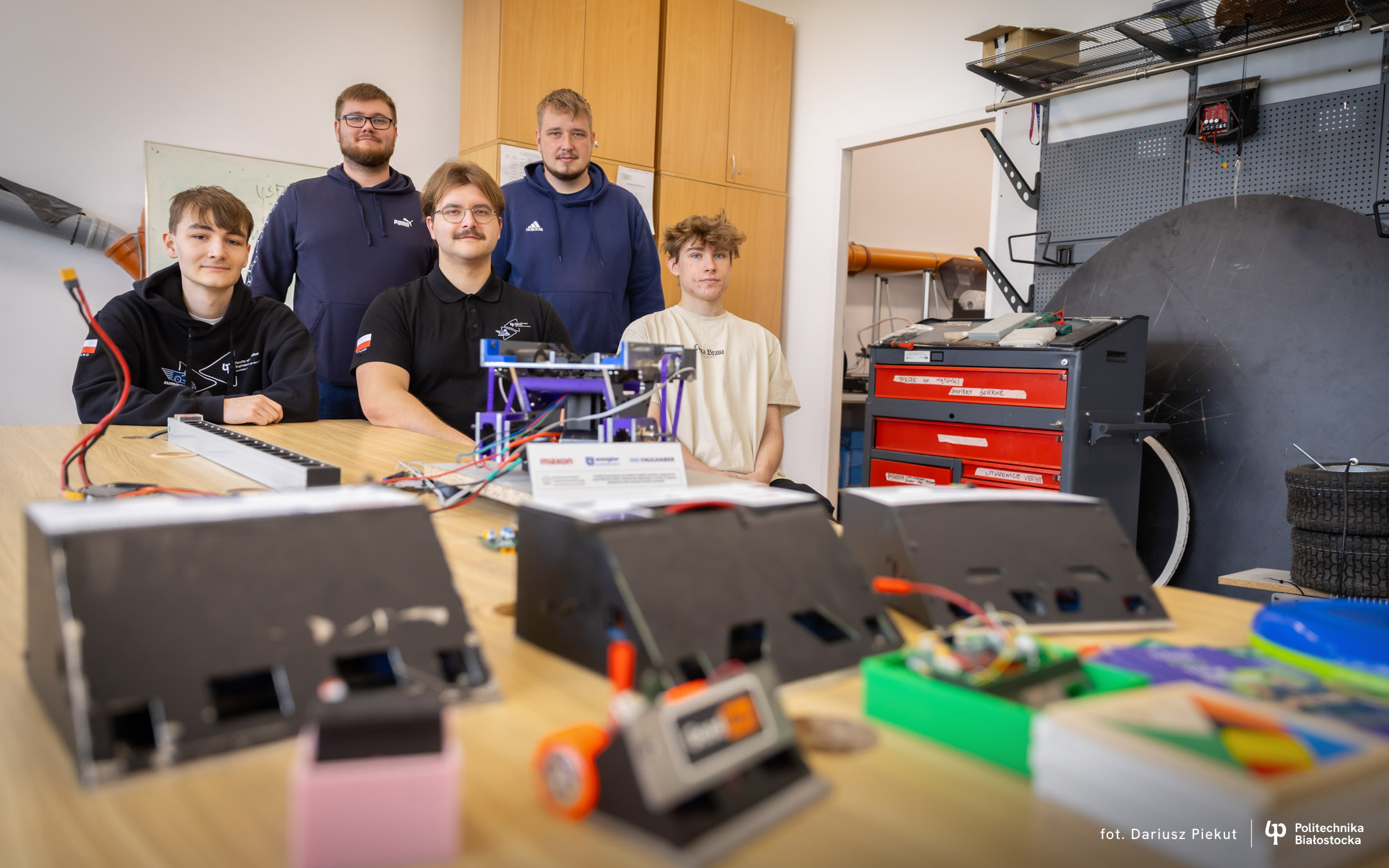
– Our robots are currently being constructed with the support of EU funds – says Dawid Oleksiej, 6th-semester Mechatronics student at the Faculty of Mechanical Engineering of Białystok University of Technology, member of the Robotics Student Scientific Association.
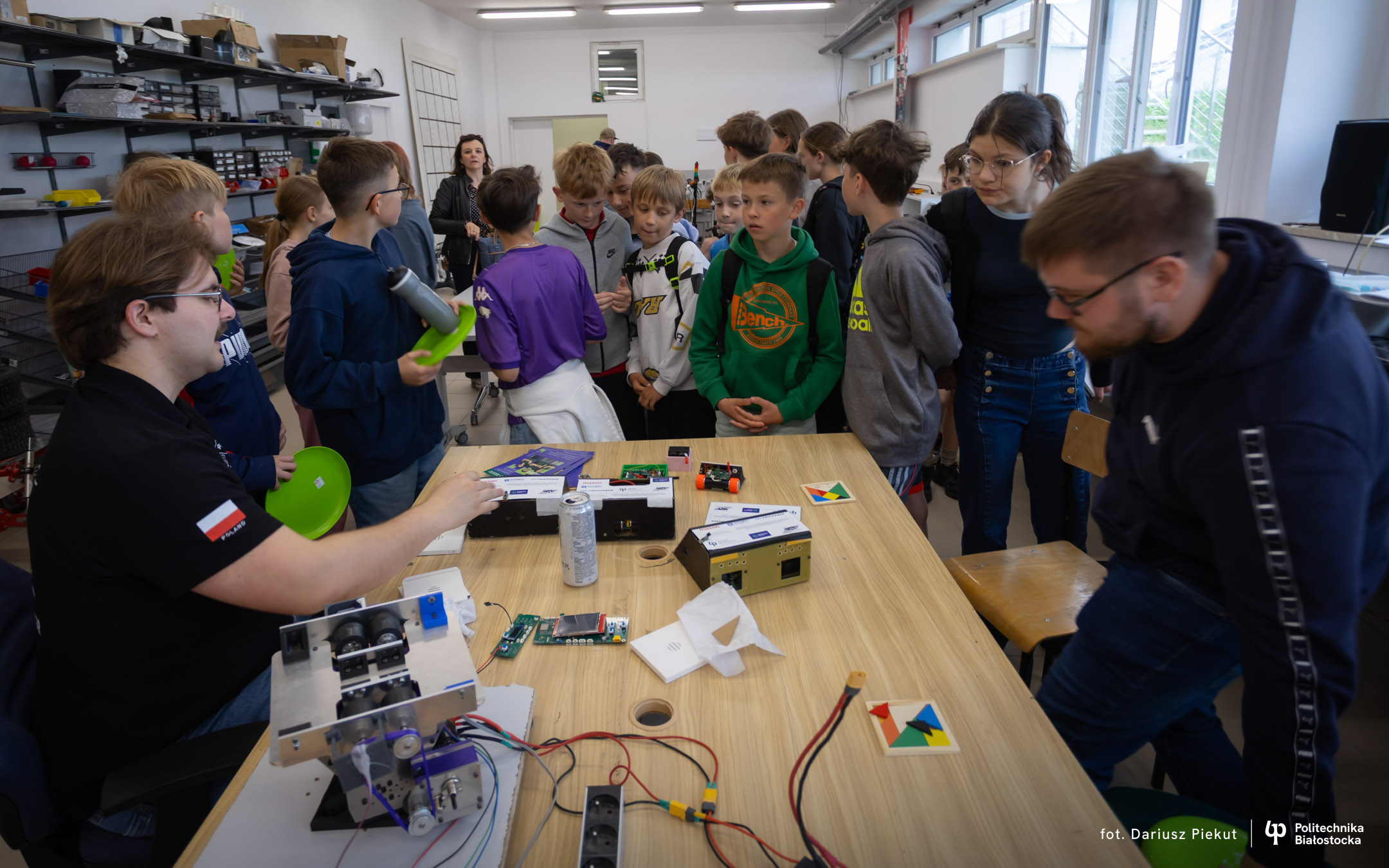
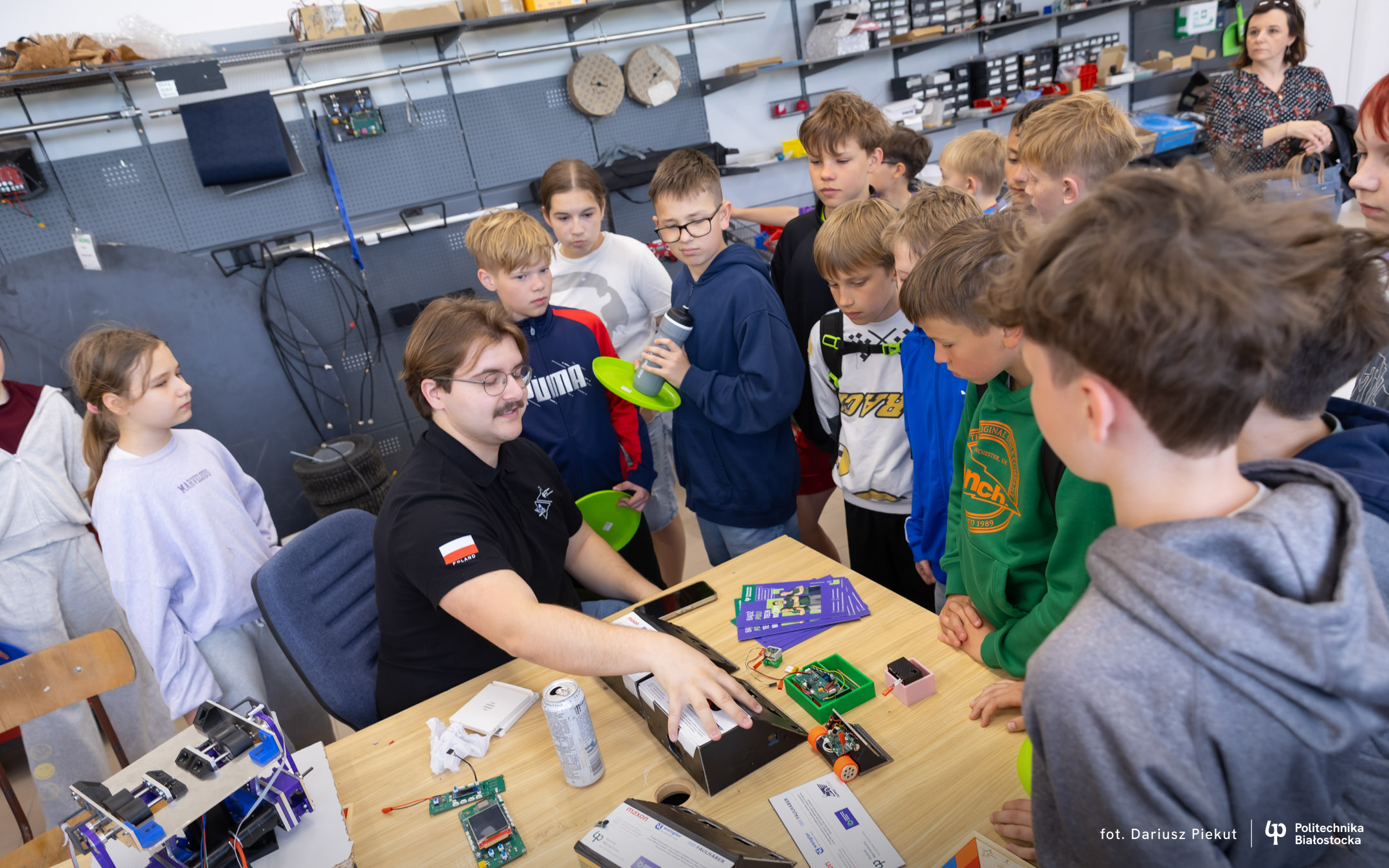
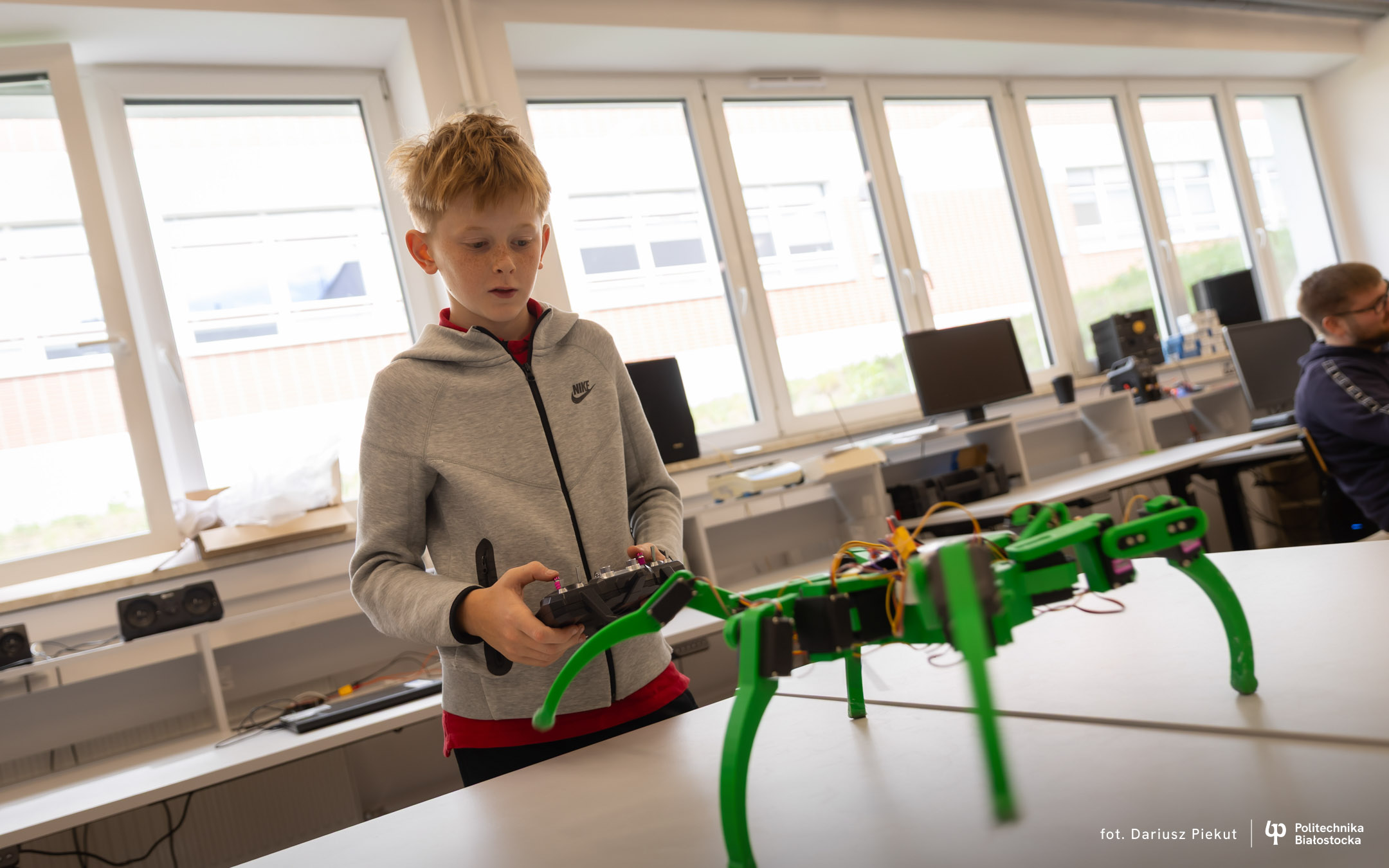
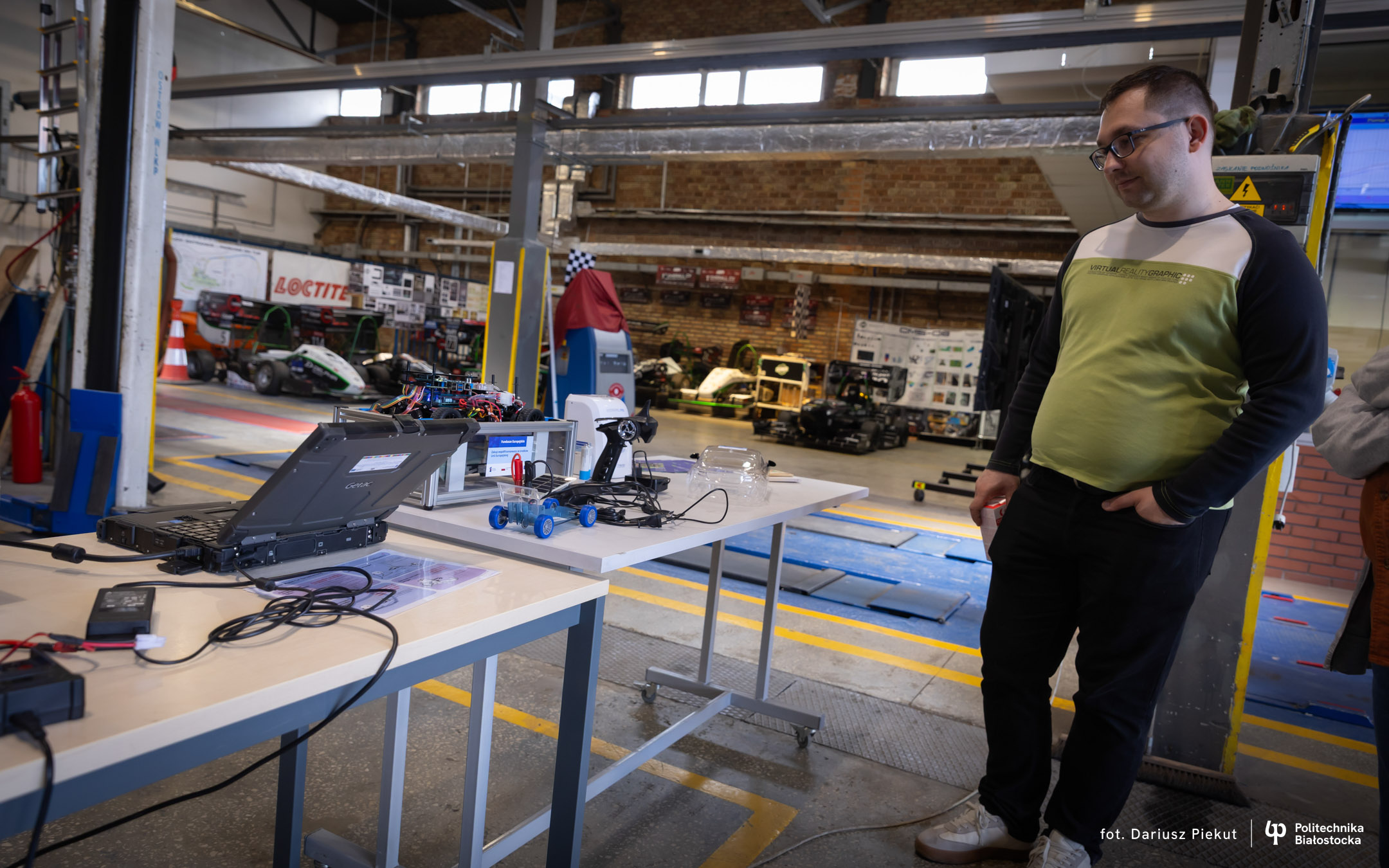
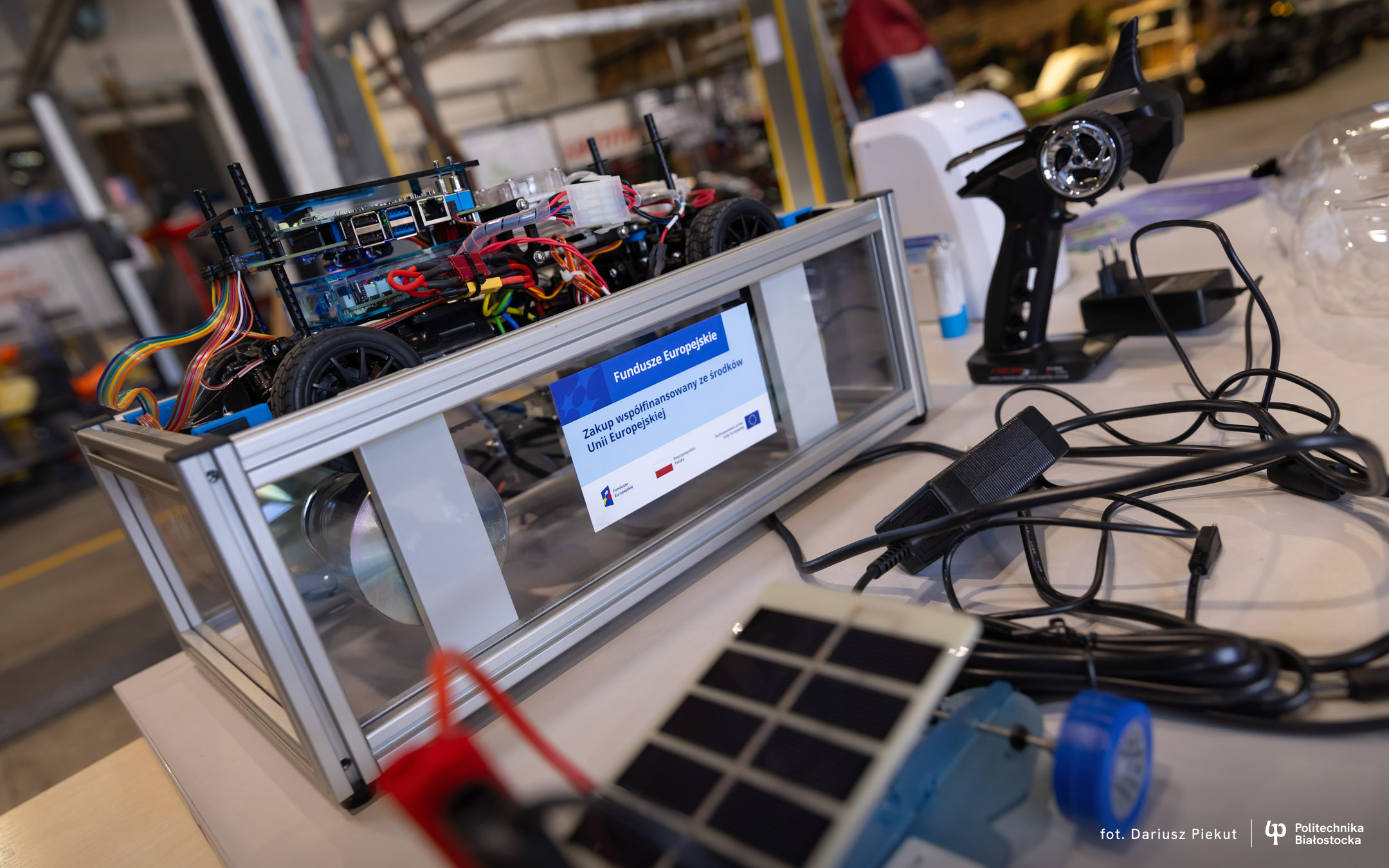
EU funds supported, among others, the development and construction of an innovative control system in an autonomous mobile MegaSumo robot and a test stand reflecting the operation of the robot.
– It allows us to test the control of the sumo robot, the guidance of the sumo robot and check its power without the need to use a steel ring weighing approx. 90 kg – adds Oleksiej.
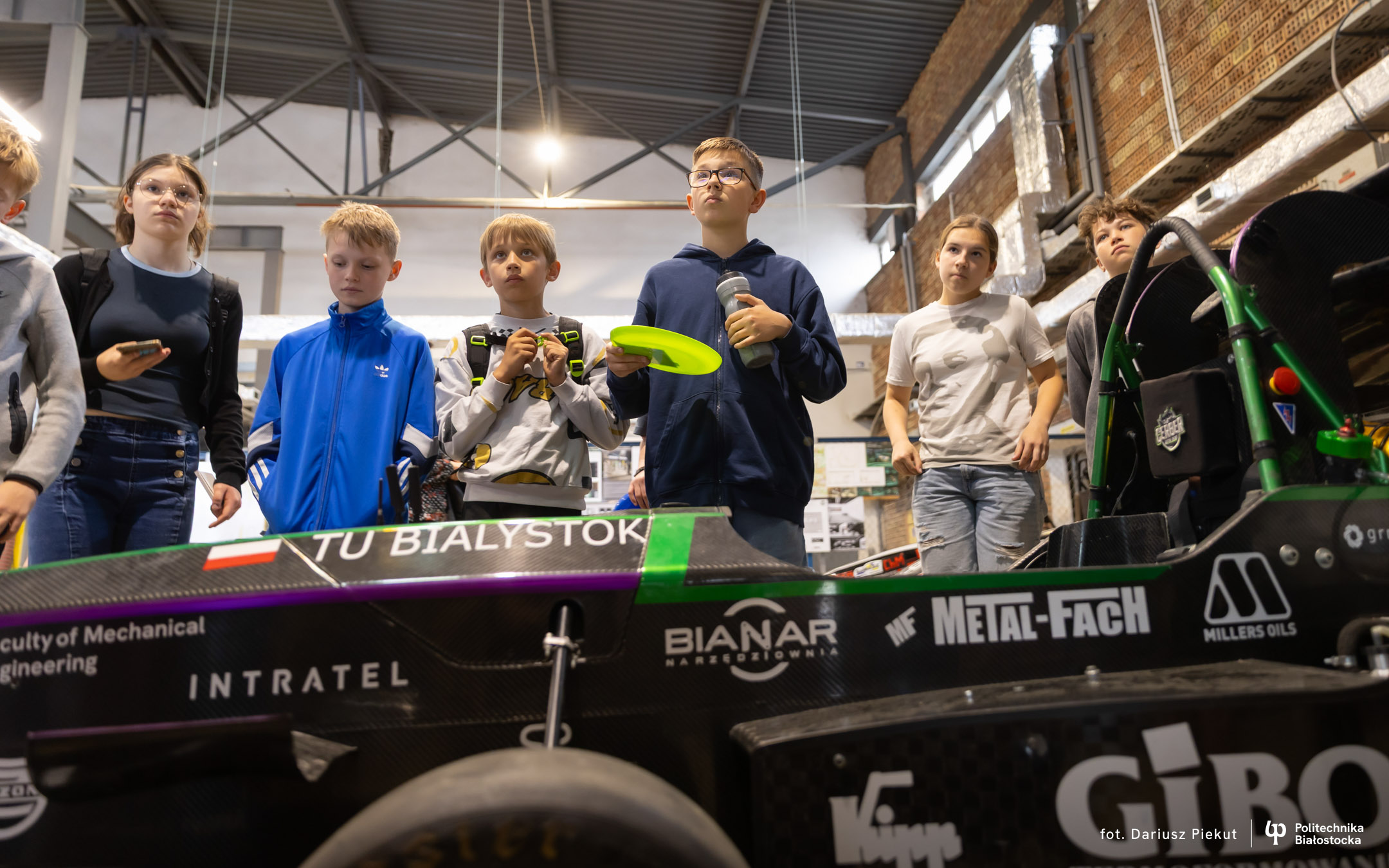
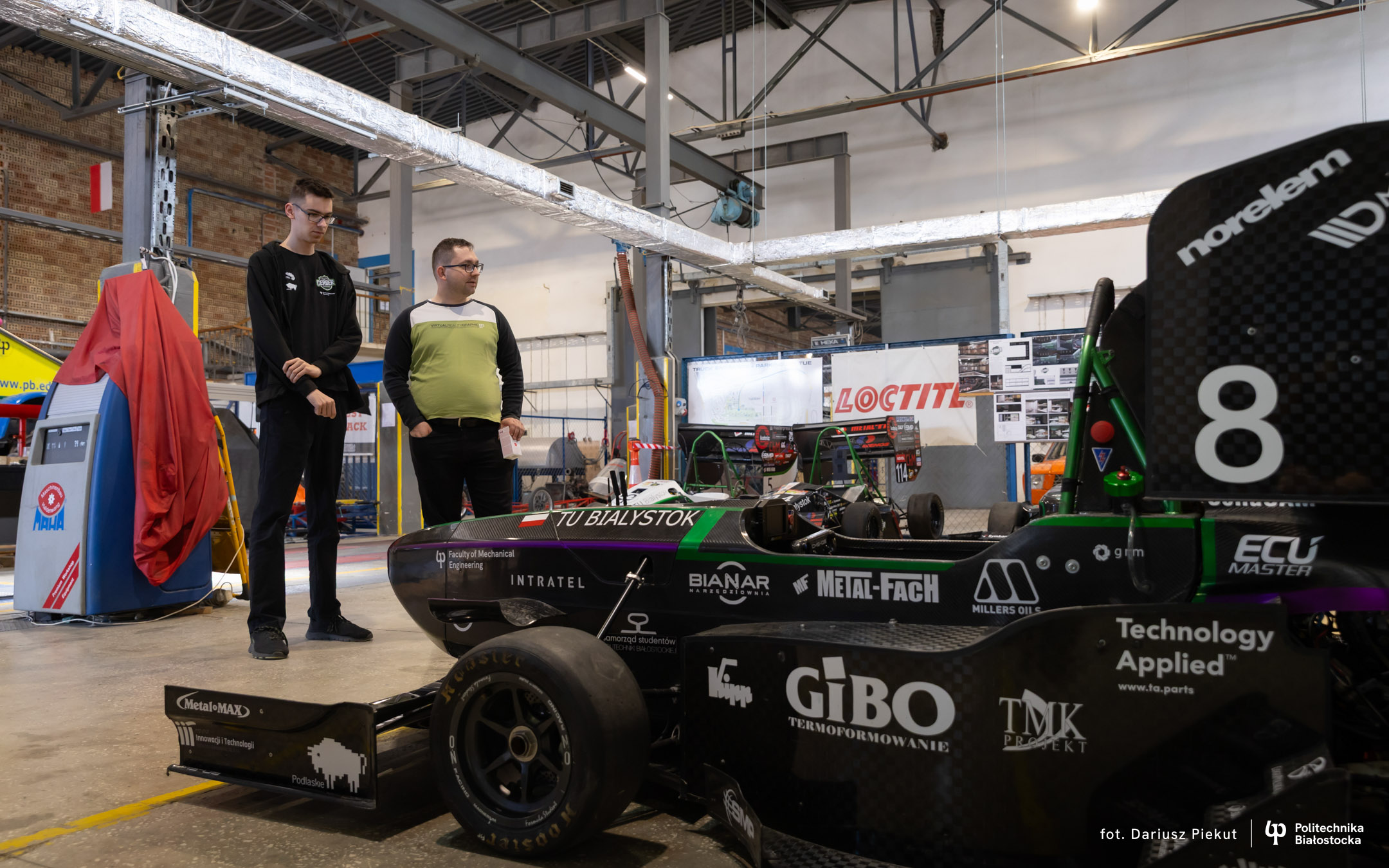
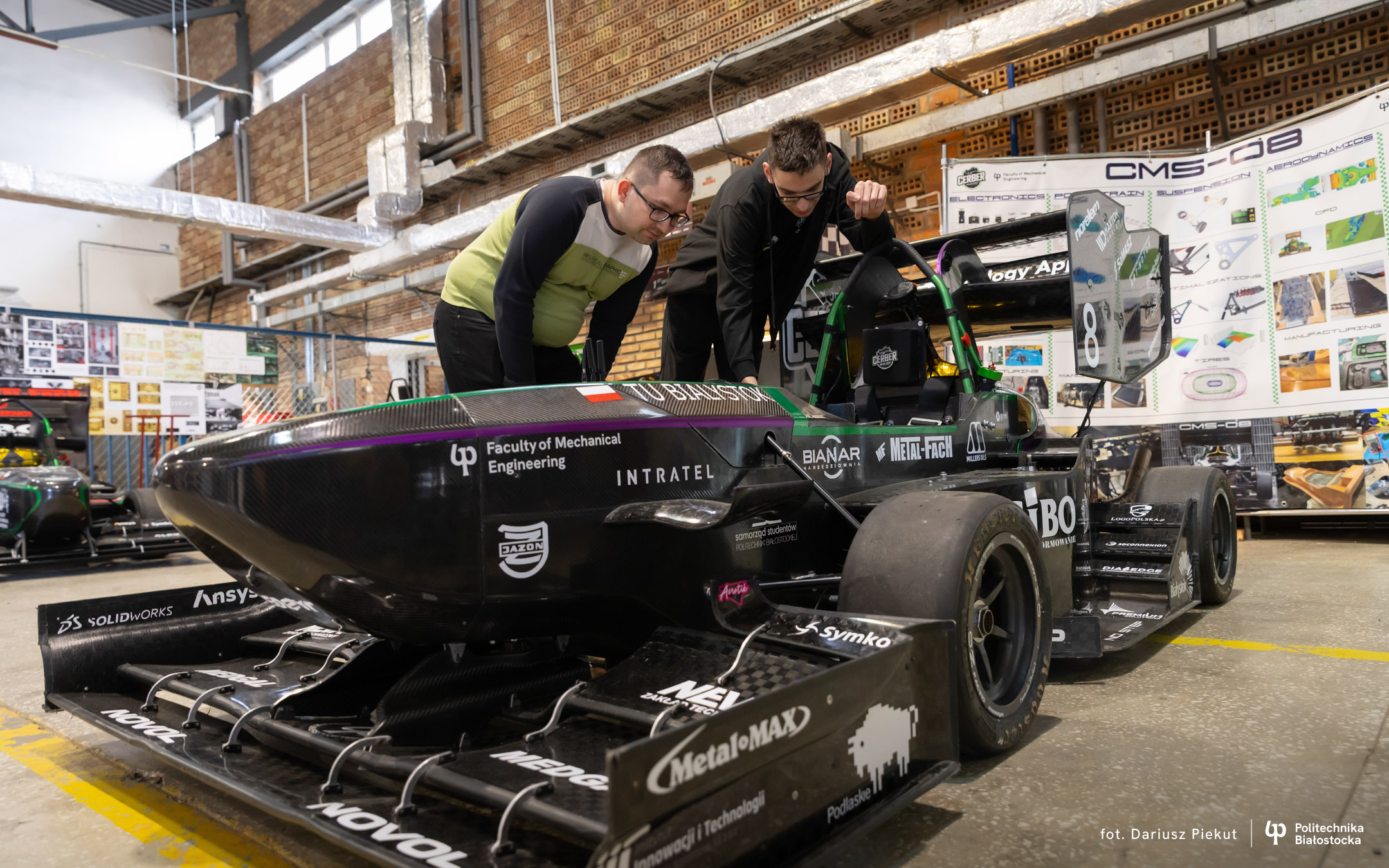
For years, student constructors of Formula Student racing cars have been successfully returning from competitions. Thanks to EU funding, they can take part in competitions held in Austria, Germany, the Czech Republic, and Hungary and win awards. The Cerber Motorsport section of the Auto-Moto-Club student scientific association at the Faculty of Mechanical Engineering of Białystok University of Technology brings together students from various study programmes.
– I am very passionate about motorsport – admits Adam Rudziński, 2nd-semester student of Civil Engineering at the Faculty of Civil Engineering and Environmental Sciences of Białystok University of Technology. – I deal with aerodynamics, I helped build the load-bearing structure or design the monocoque using composite materials.
Within the BIOG-NET project at the Faculty of Mechanical Engineering of Białystok University of Technology, original know-how was developed in the field of production of composite 3D printing filaments at laboratory and semi-laboratory scale (i.e. from approx. 200 g of material) with unique, designed physical, chemical, and mechanical properties.
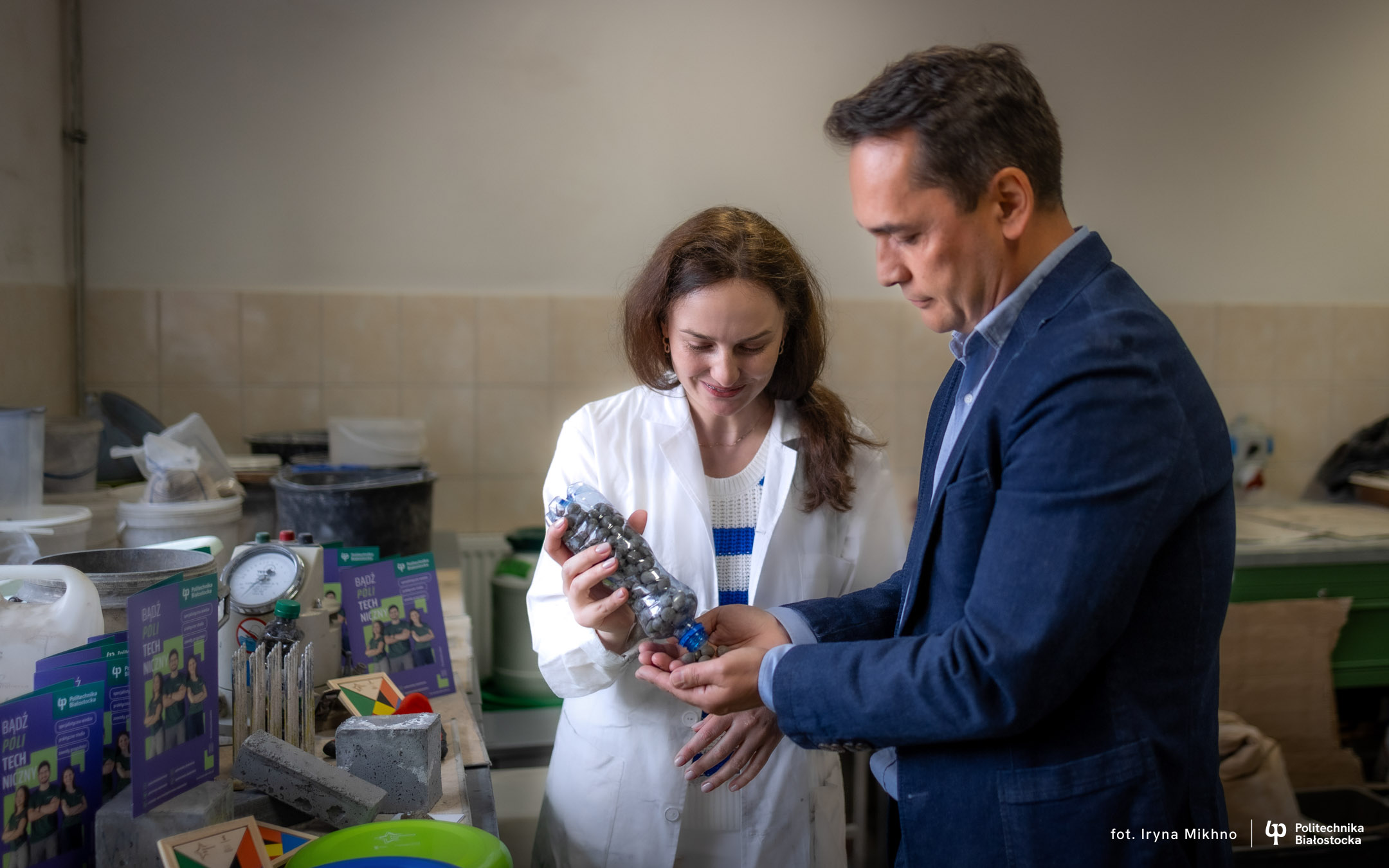
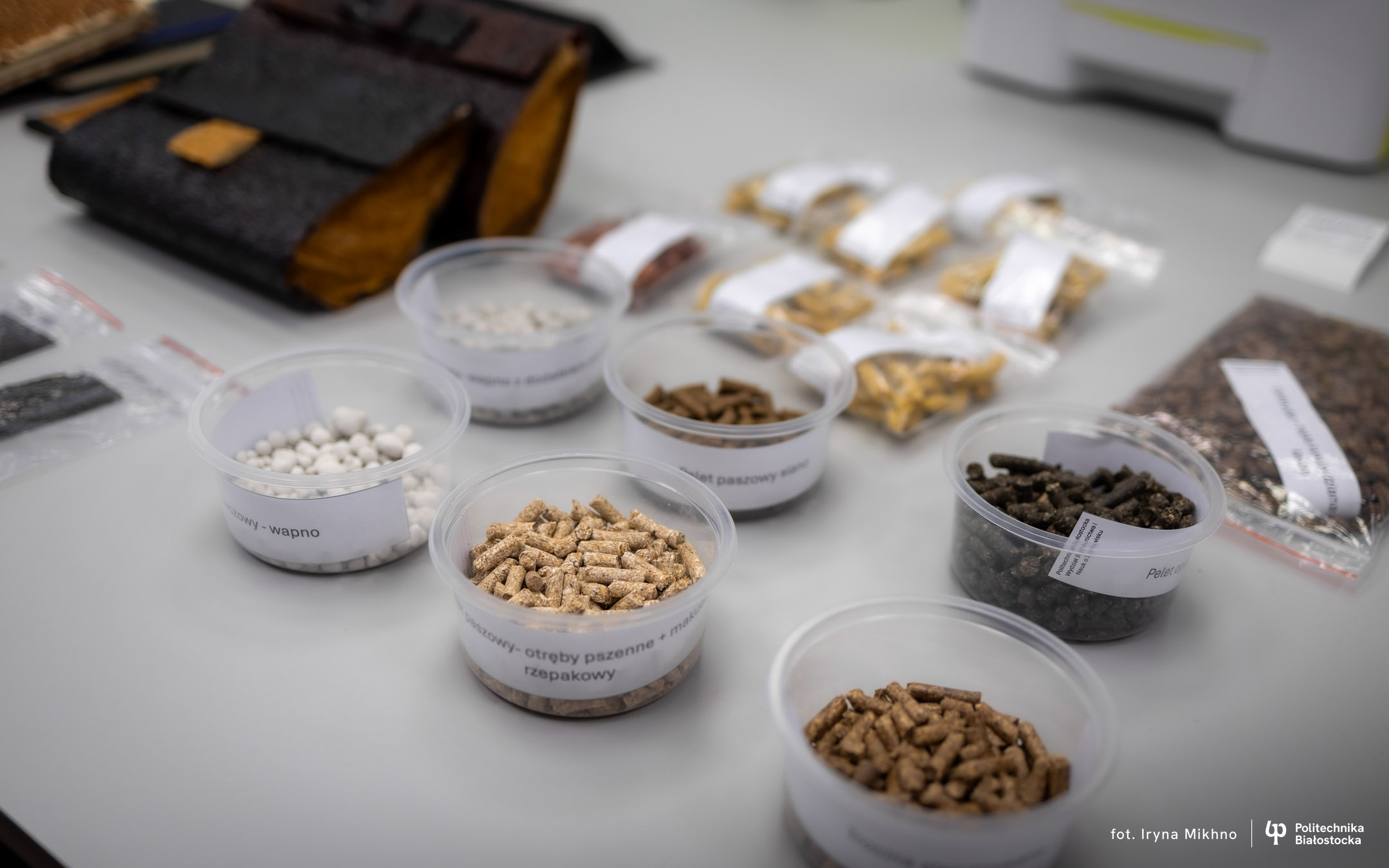
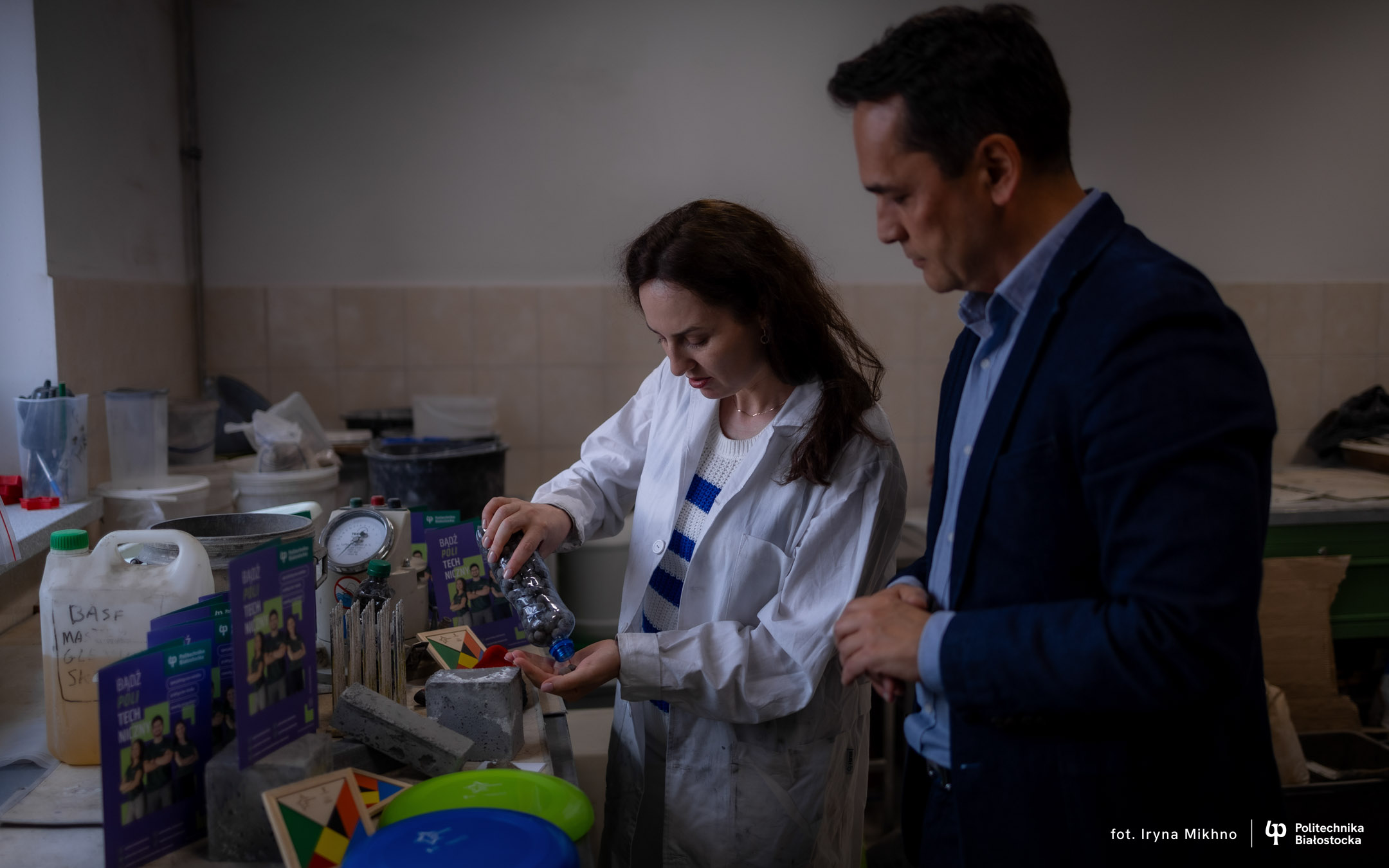
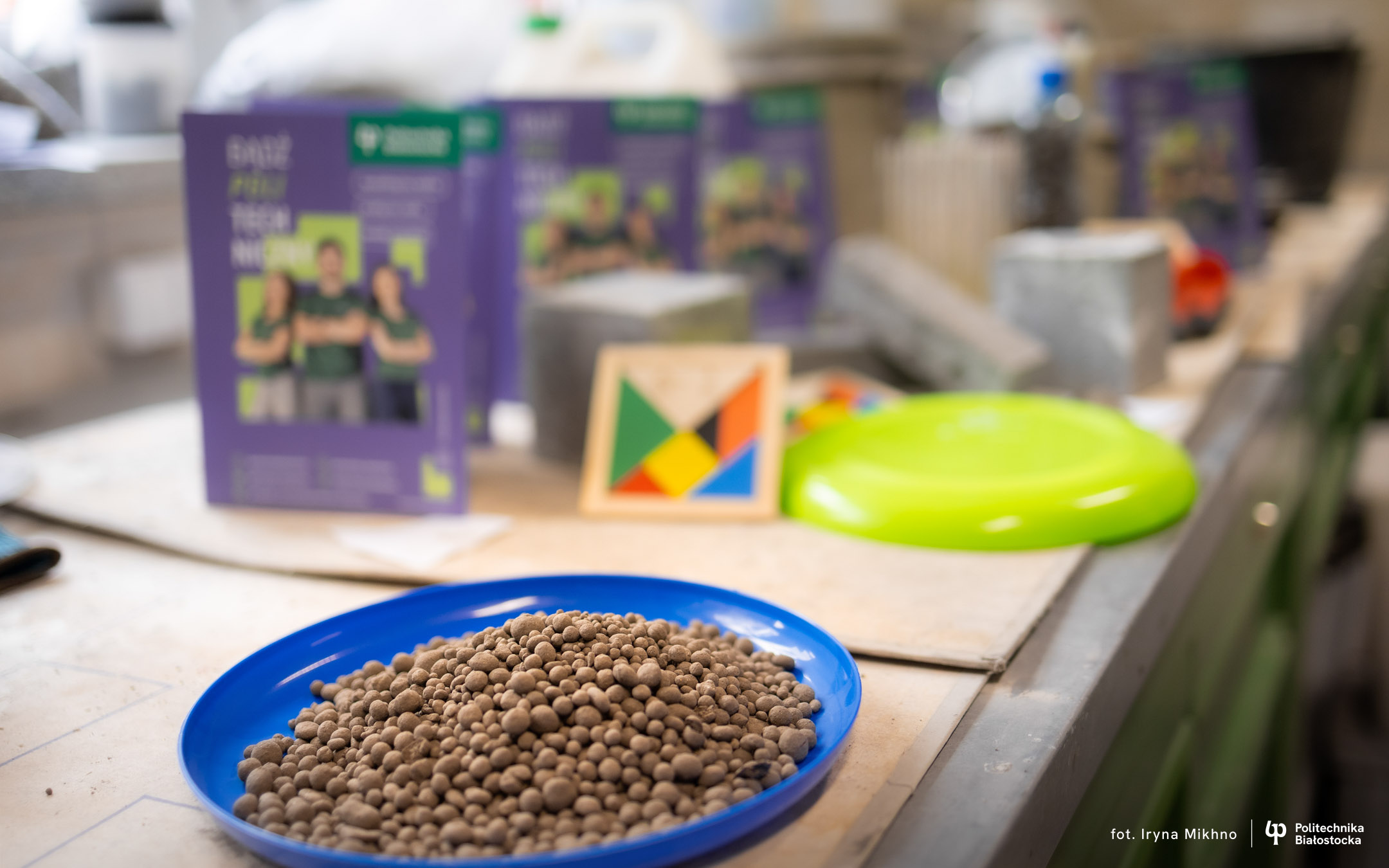
Researchers and students supported by EU funds within the “Innovation Ecosystem Agricultural Valley 4.0” project are developing, for example, natural calf feed. Thanks to grants, innovative lightweight masonry elements based on waste raw materials with CO₂ absorption capacity will be created.
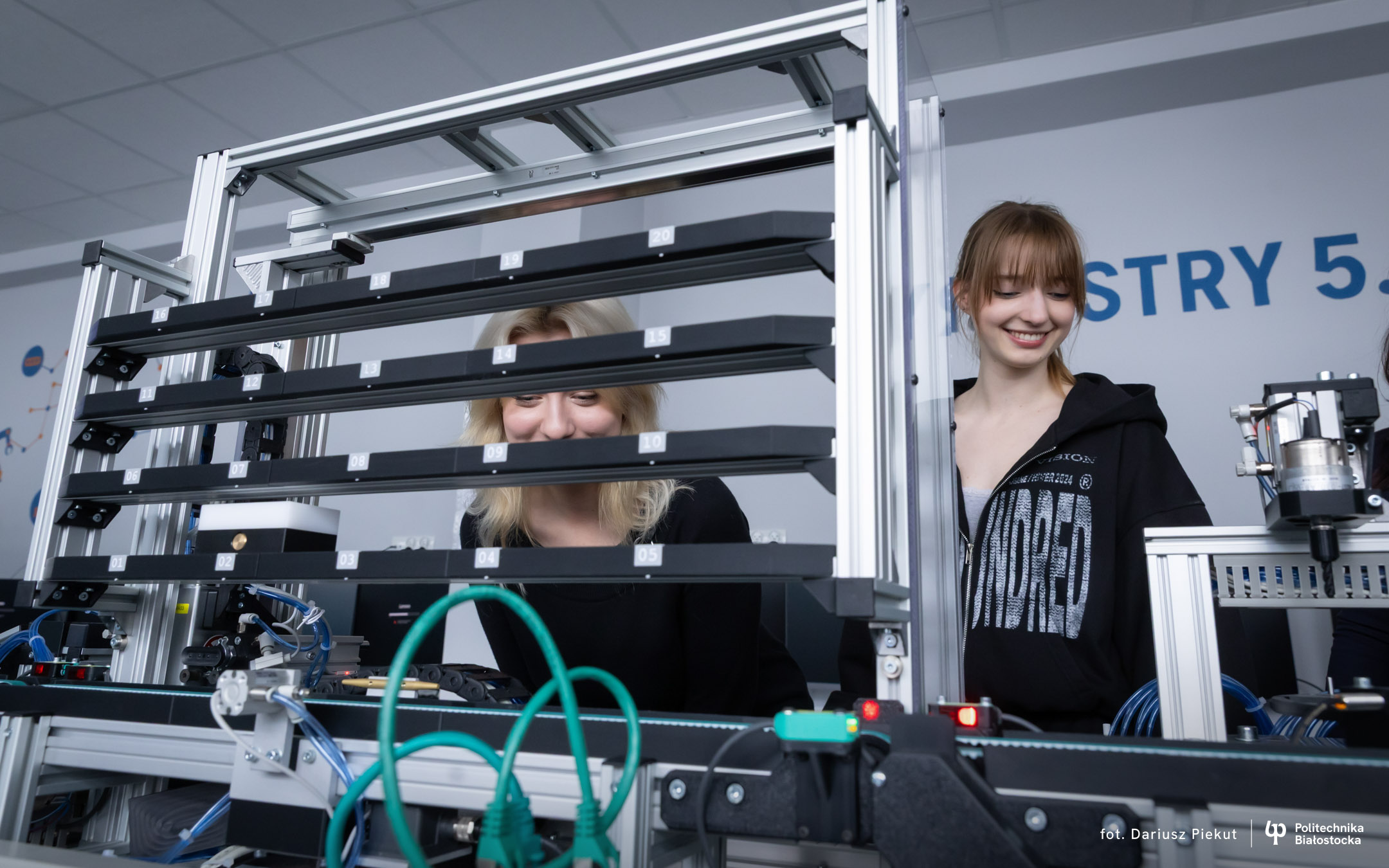
Thanks to EU support within the “BUT 5.0 – adaptation of the educational offer of Białystok University of Technology to the needs of the modern economy and green and digital transformation” project, the university has modernised or created the following study programmes:
- Informatics – modernised study programme (artificial intelligence, graphics, networks).
- Mechatronics – modernised study programme (digital twins, robotics, AI).
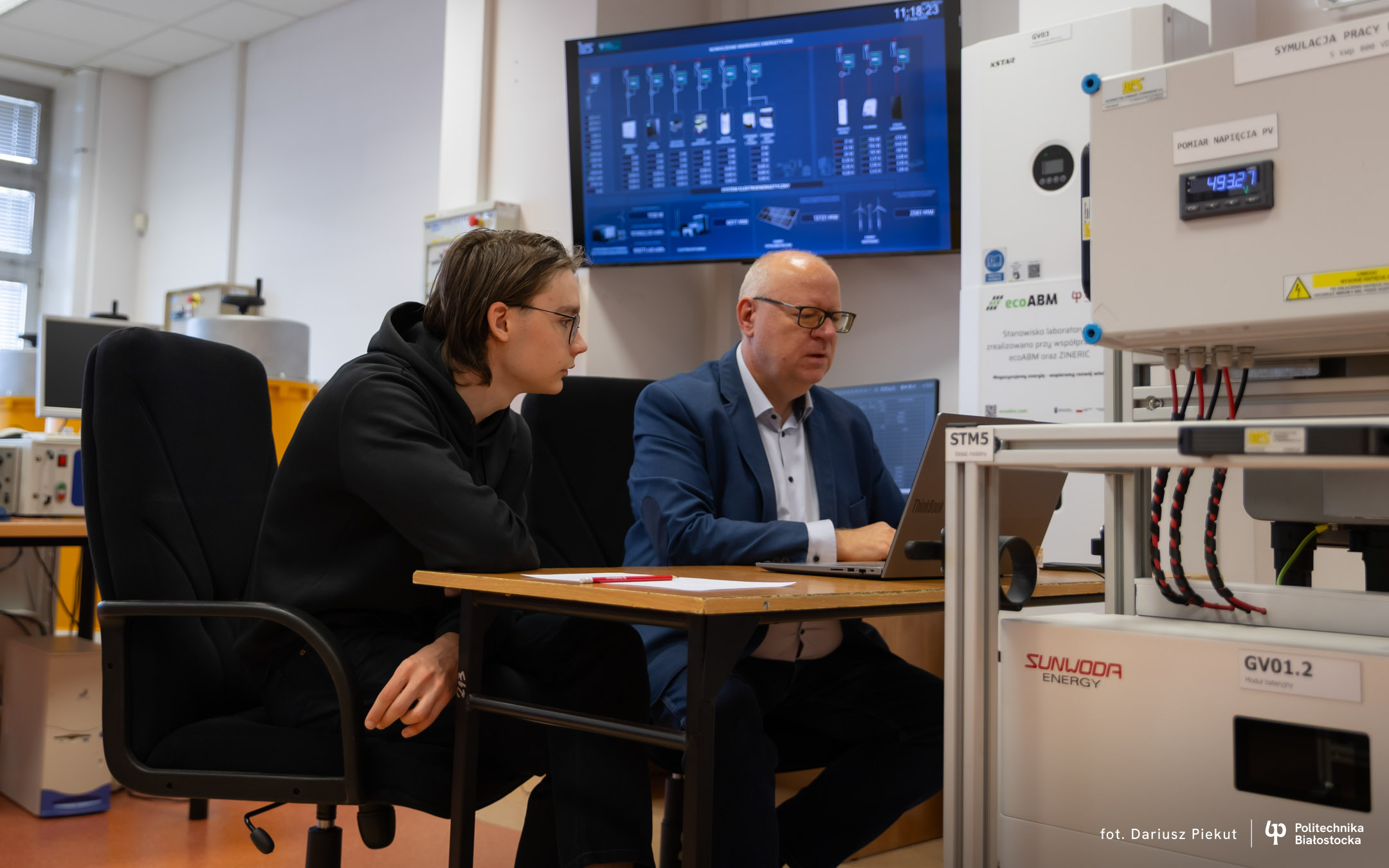
- Ecoenergetics – modernised study programme (renewable energy, circular economy).
- Electromobility – interdisciplinary study programme (charging systems, electric drives).
- Agroecobusiness – new interdisciplinary study programme (agri-food sector).
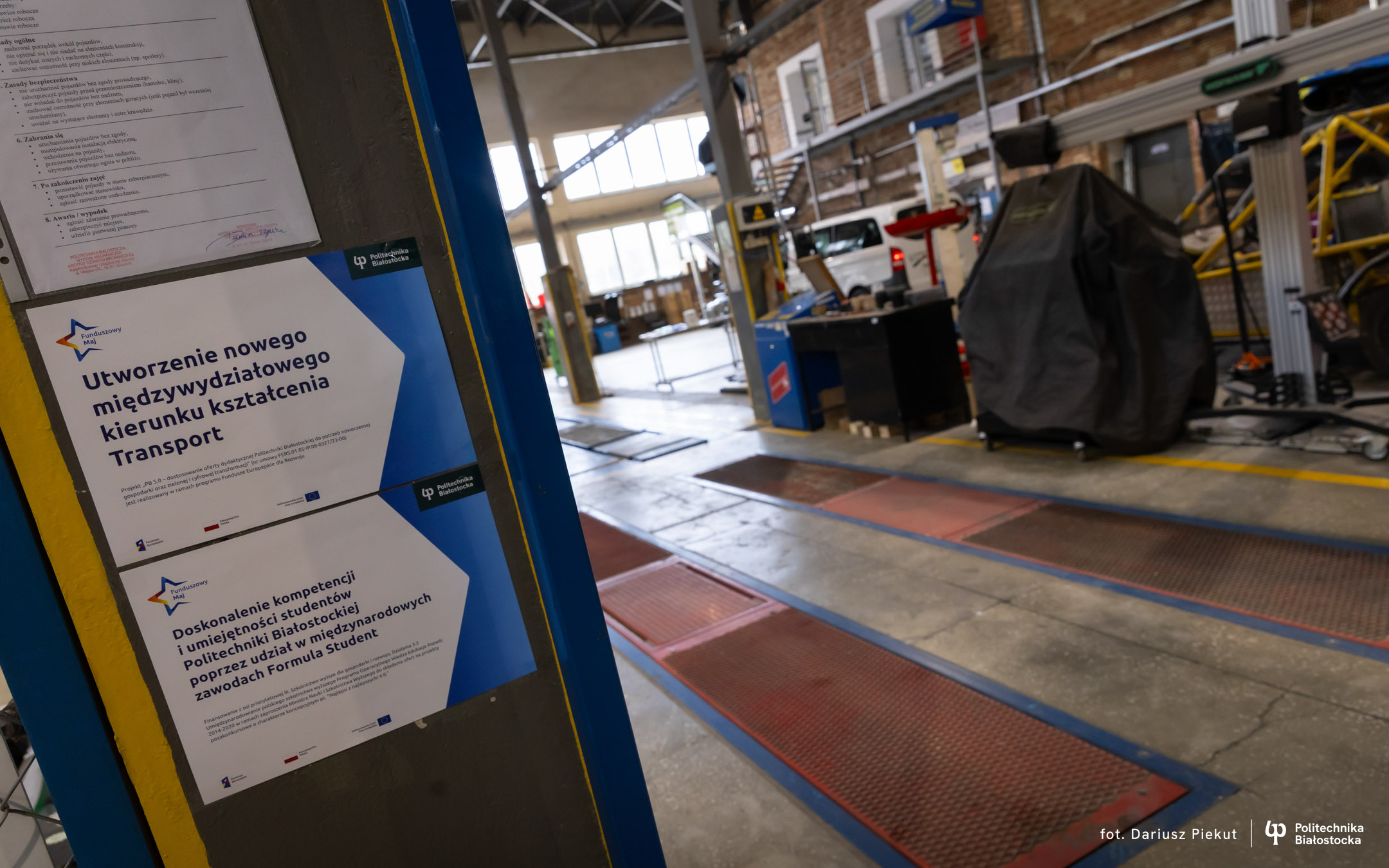
- Transport – new interdisciplinary study programme (intelligent traffic management systems, autonomous vehicles).
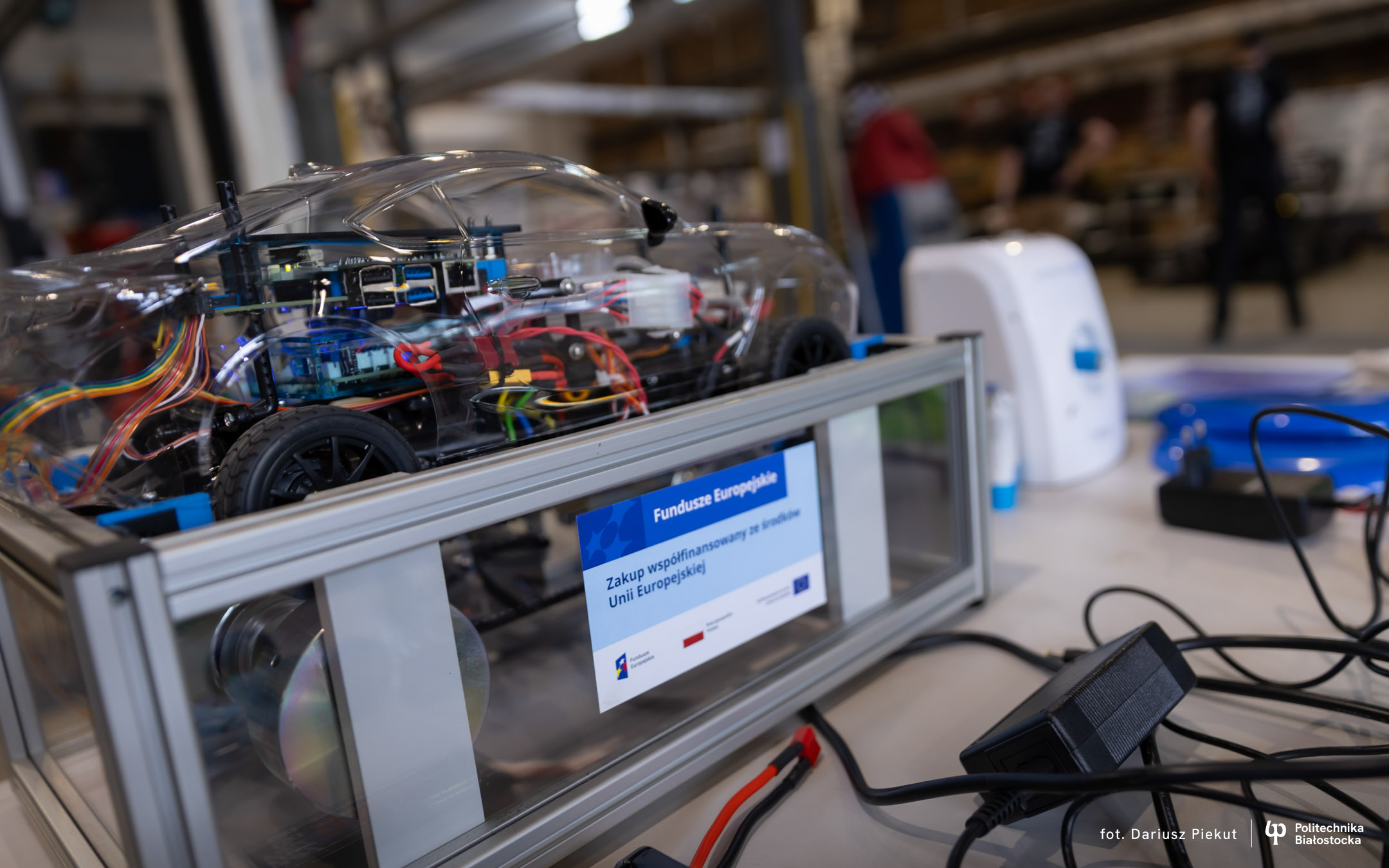
Transport students, thanks to EU support, can for example study vehicle behaviour on a mini dynamometer.
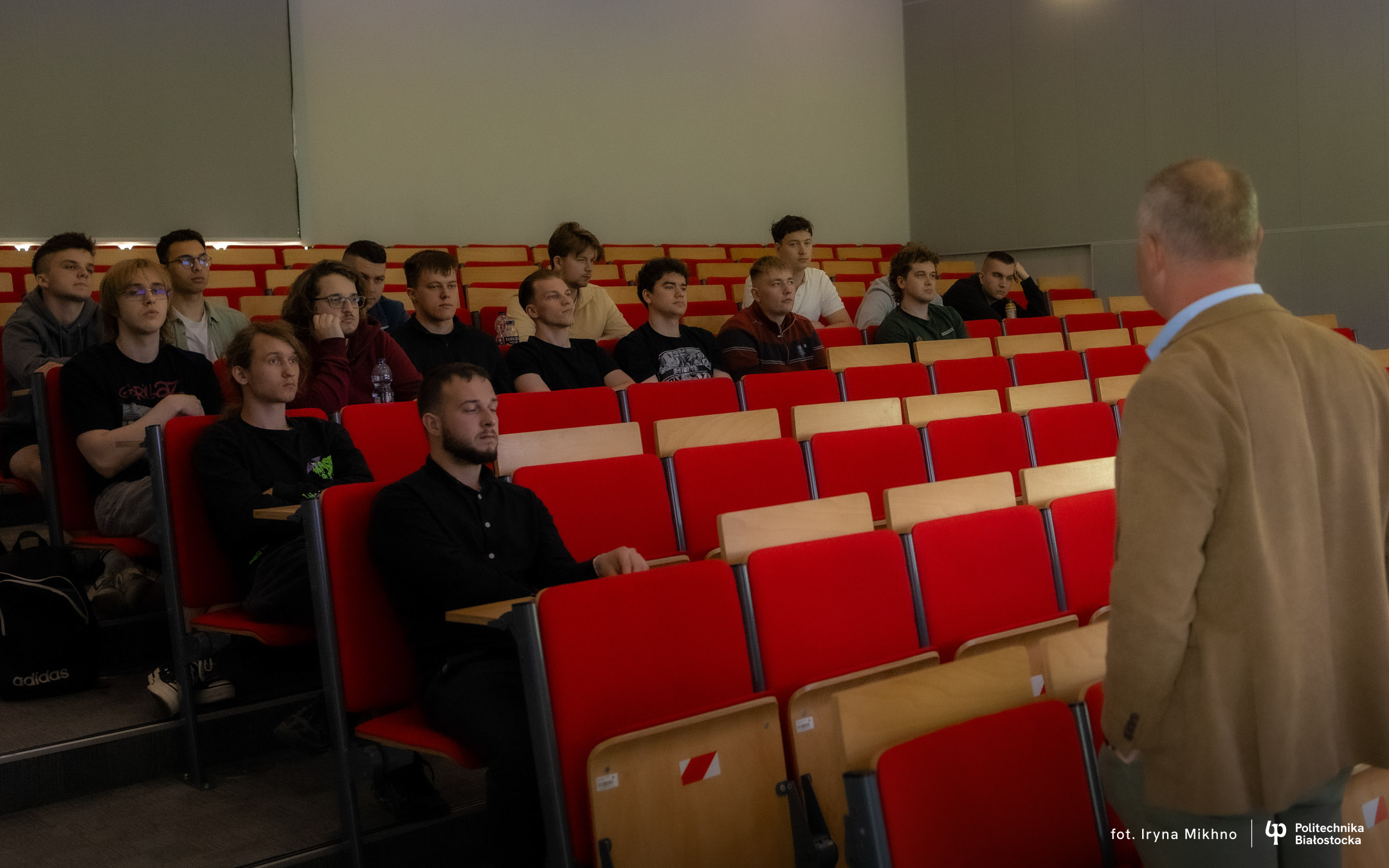
– This stand allows demonstration of the operation of a dynamometer, the operation of the drive system and the vehicle in classroom conditions – explains dr hab. inż. Dariusz Szpica, prof. BUT, Head of the Department of Machine Construction and Operation at the Faculty of Mechanical Engineering of Białystok University of Technology. – The transport study programme is based on current labour market needs, with emphasis on future technologies: autonomous vehicles, intelligent systems, artificial intelligence, and cybersecurity in transport.
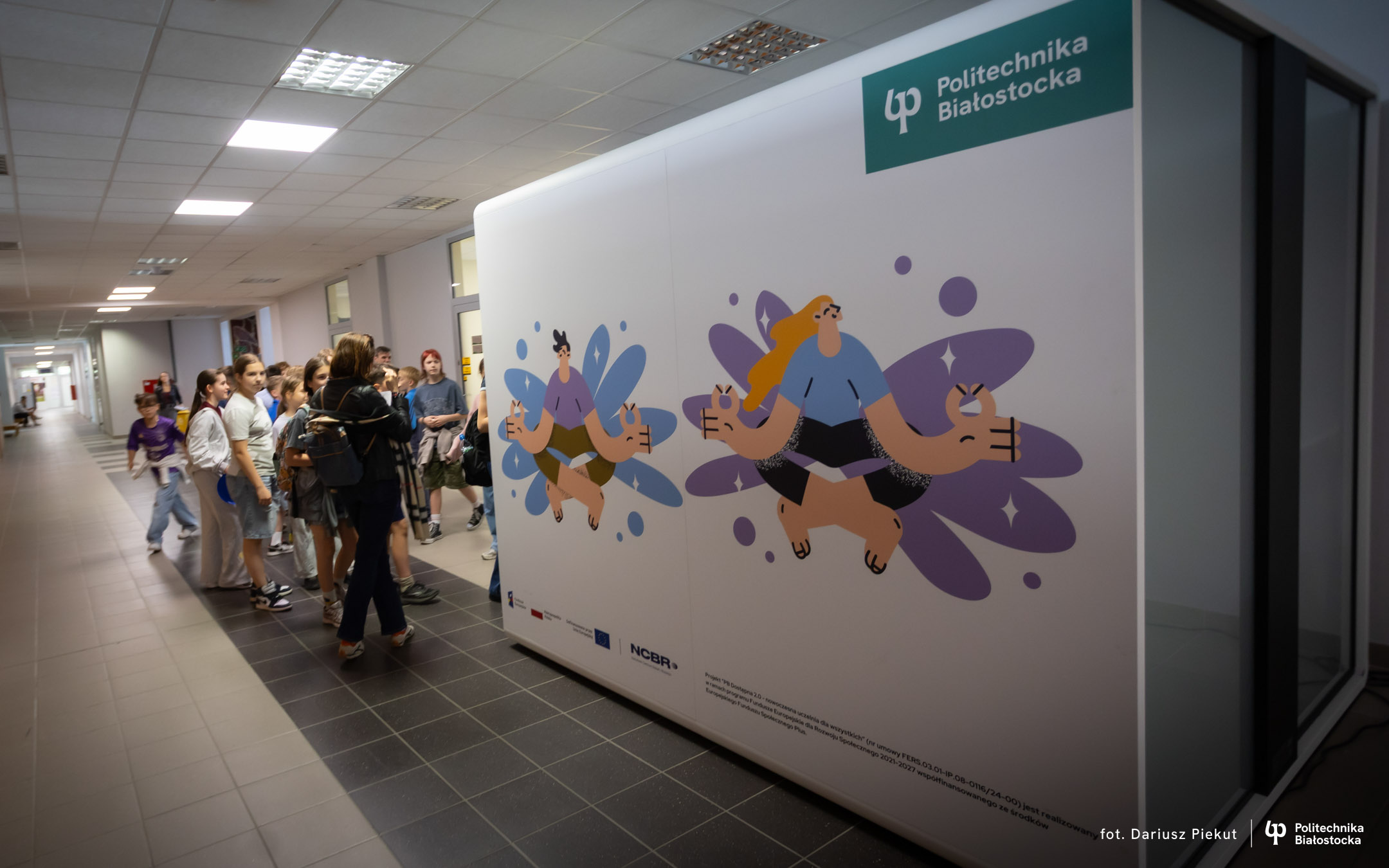
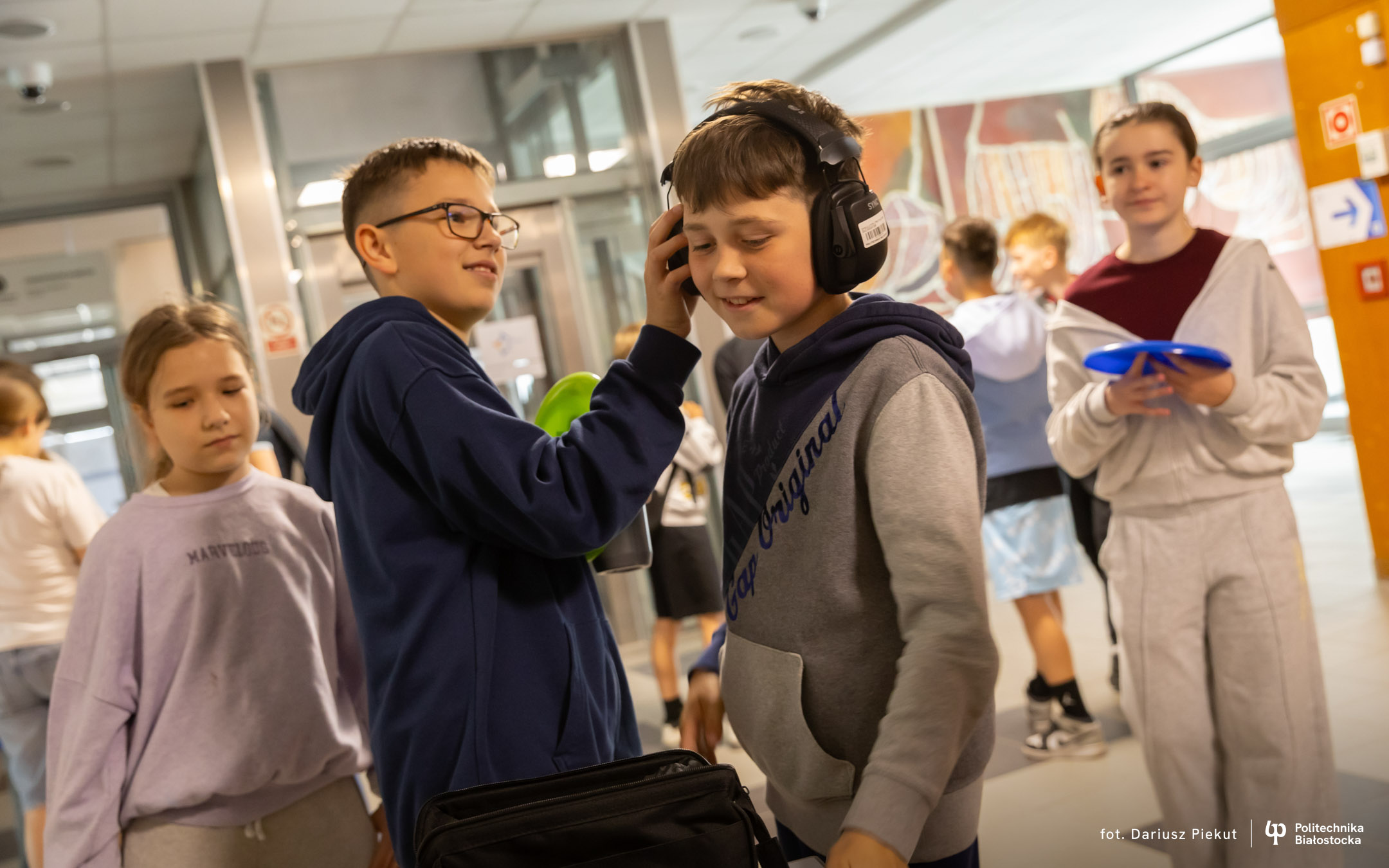
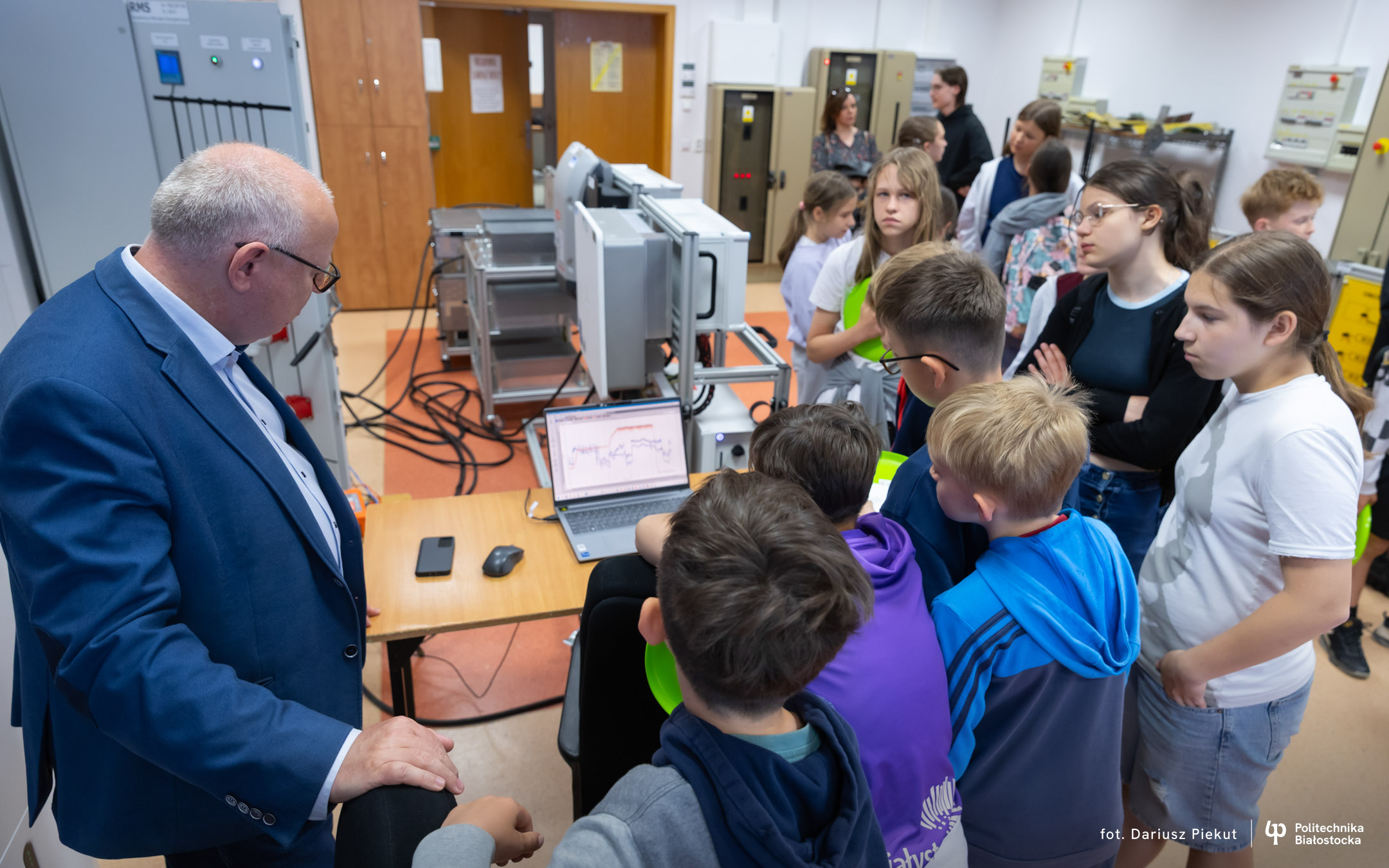
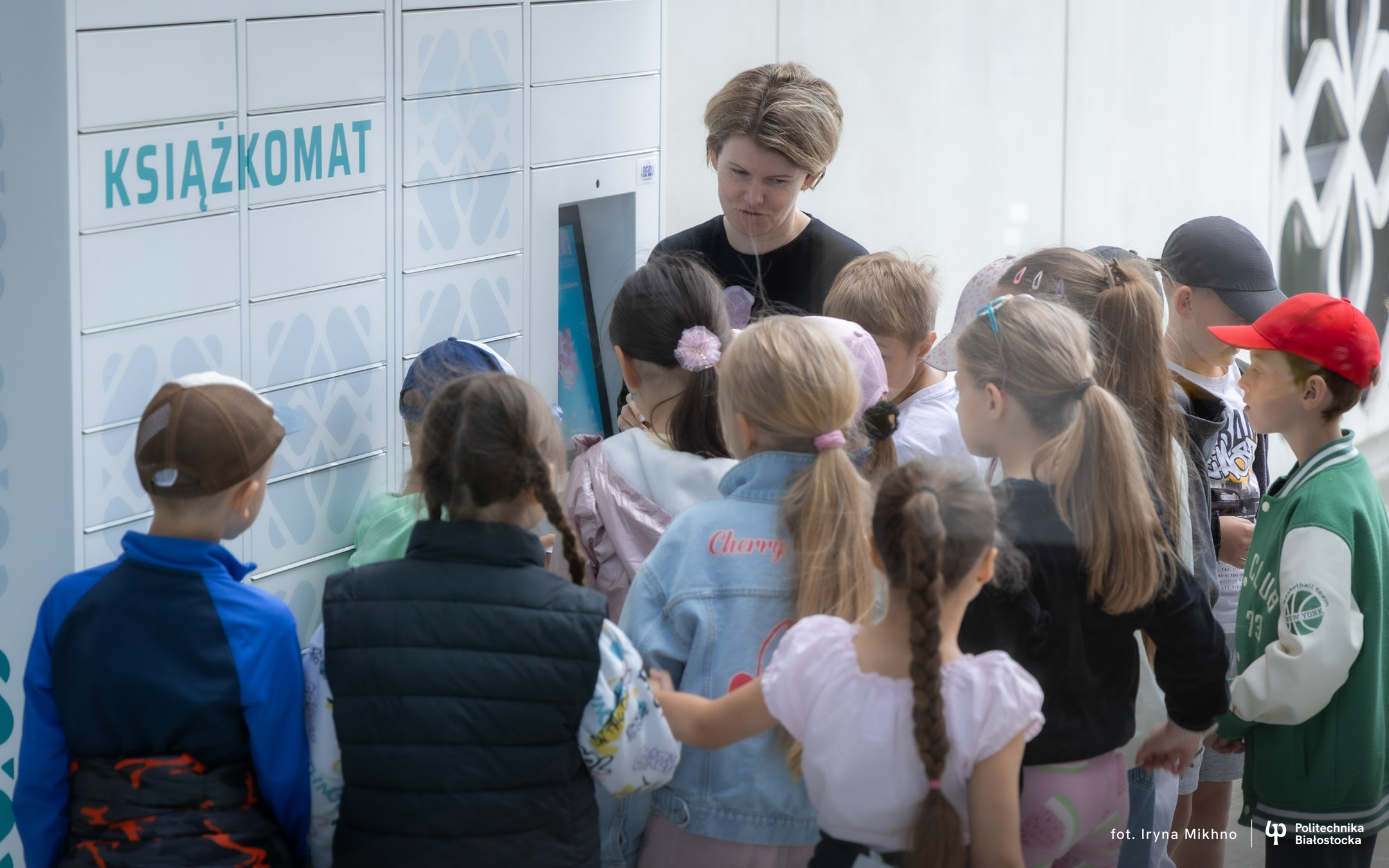
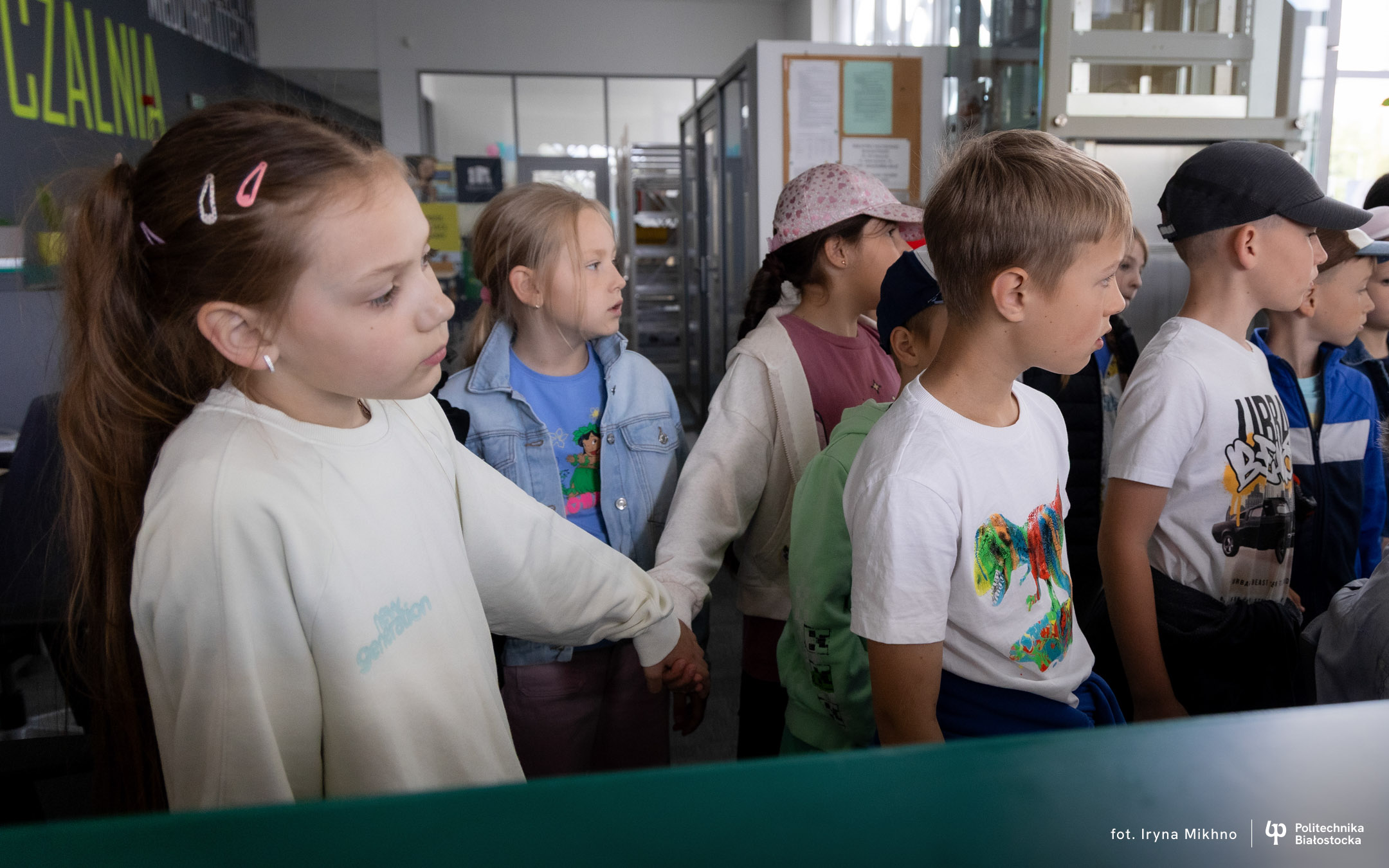
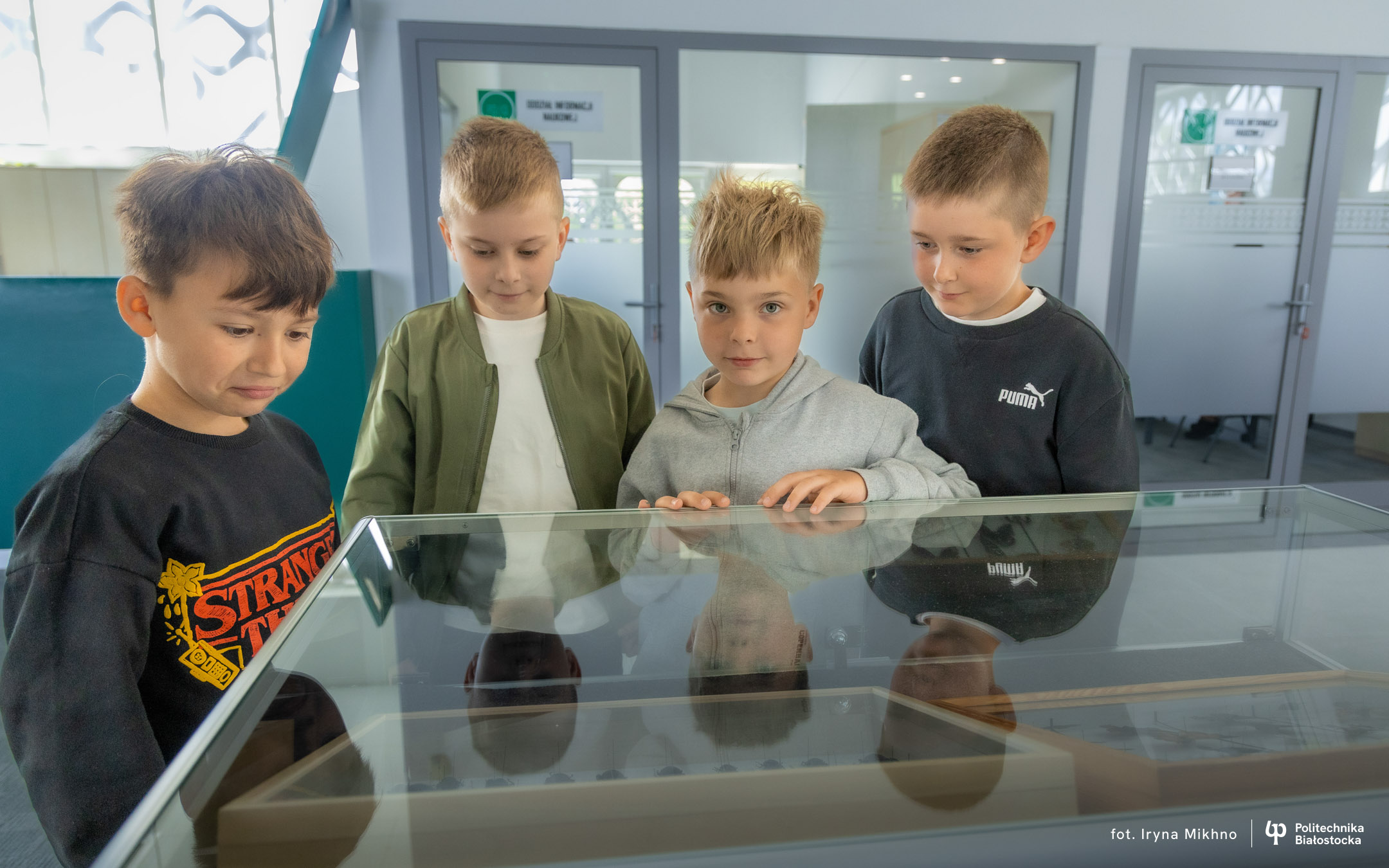
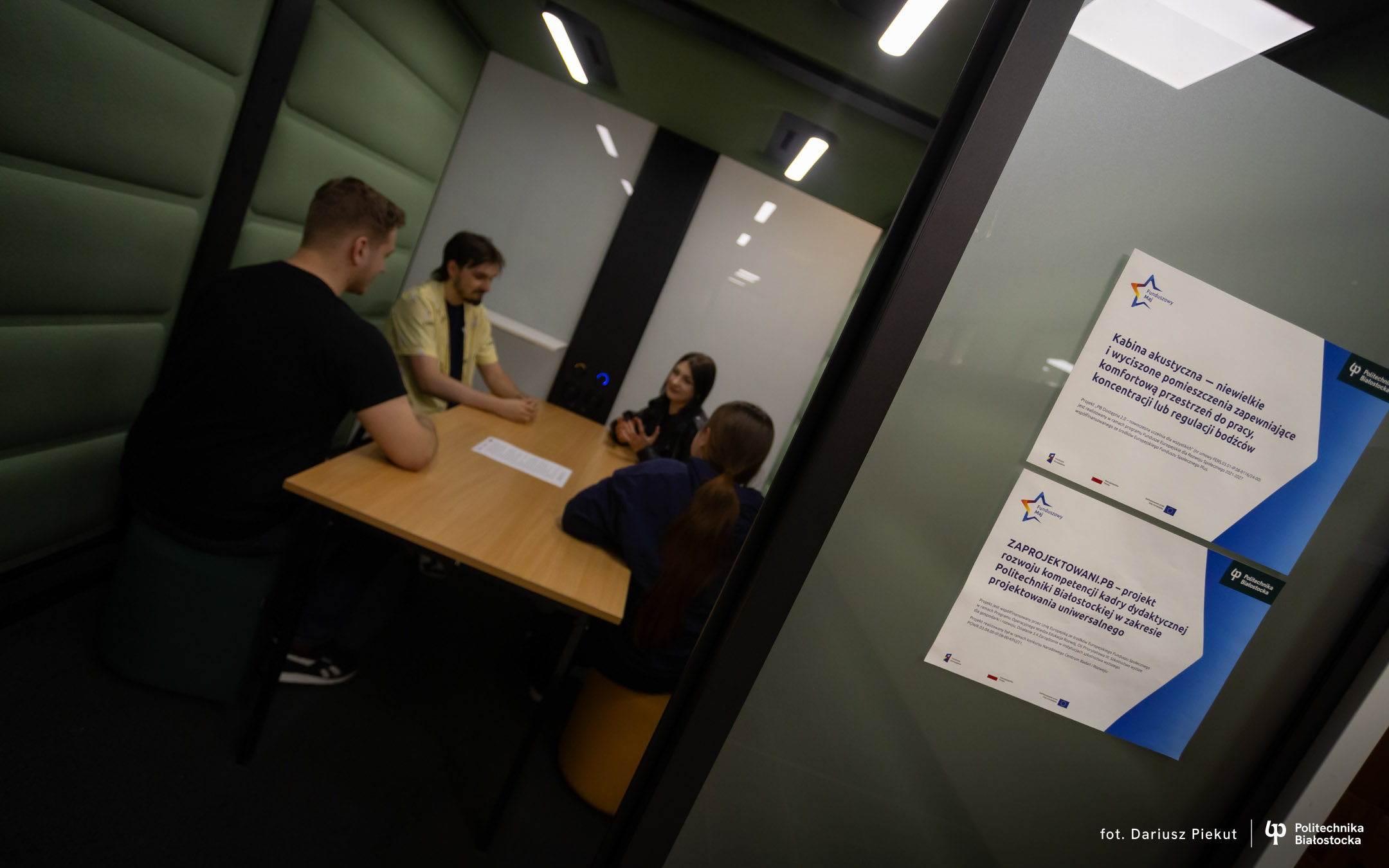
Curious fifth-grade students from Primary School No. 1 in Białystok tested the effectiveness of an acoustic booth, which within the project “BUT Accessible 2.0 – a modern university for everyone”, implemented under the European Funds for Social Development 2021–2027 programme co-financed by the European Social Fund Plus, is intended to provide students and staff with a comfortable space for work, concentration, or sensory regulation.
– I believe that from an early age children should be taught to think about their future, and I hope that thanks to such actions they will want to study here in the future and stay in Białystok – says Ewa Trochimczyk, teacher at Primary School No. 1 in Białystok.
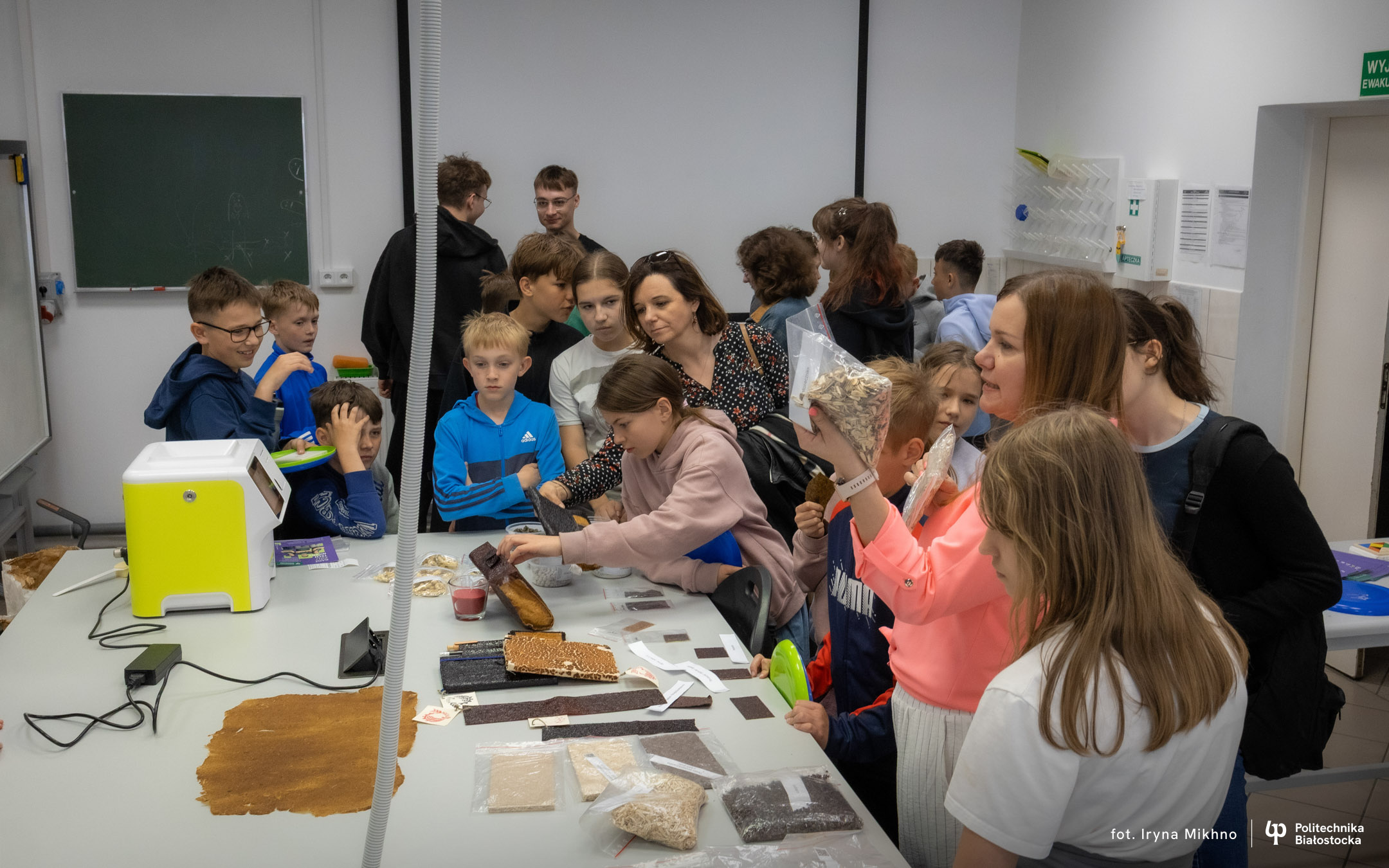
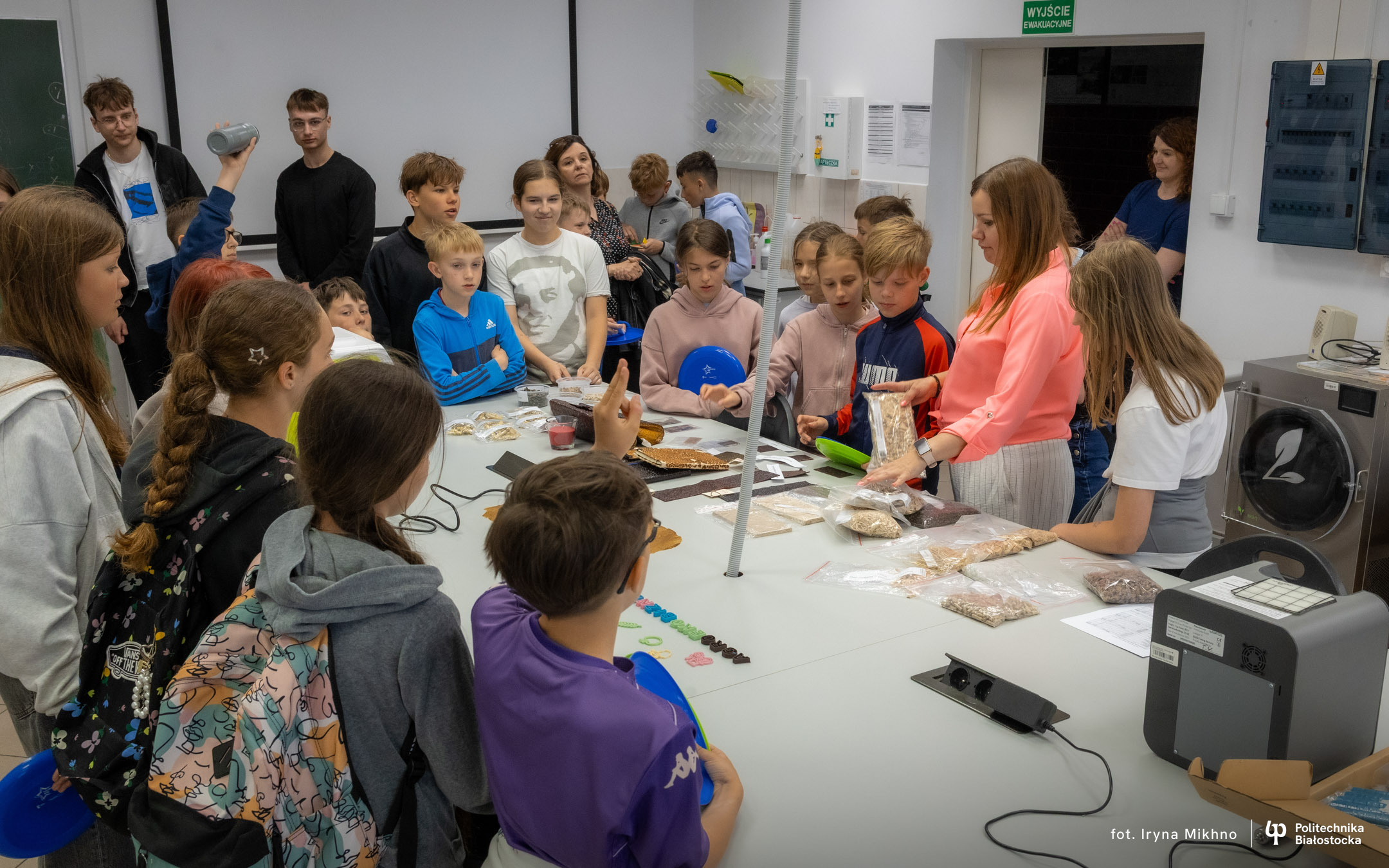
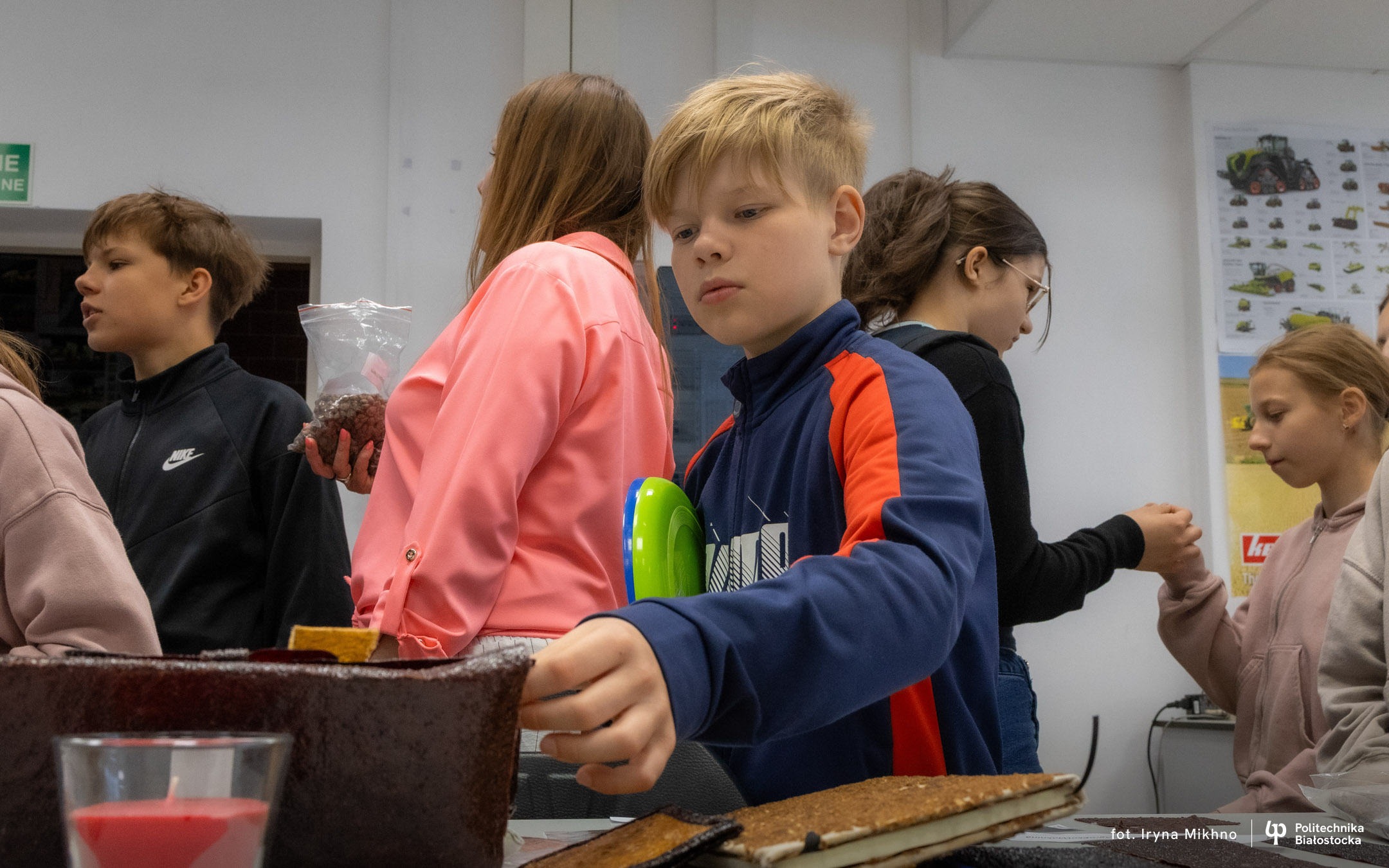
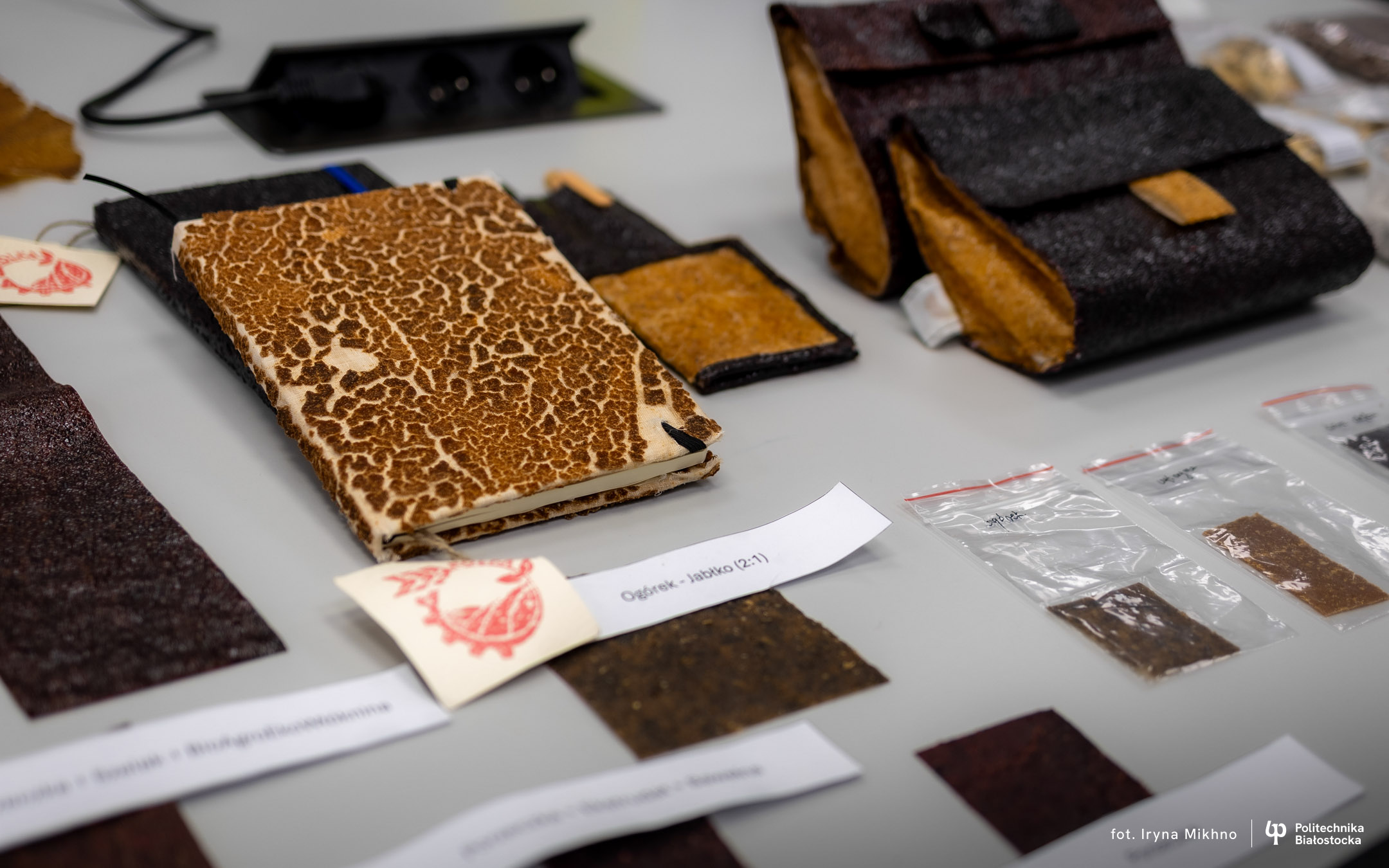
The awarded Podlaska Brand eco-leather – a successful project by students of the “Rolka” Student Scientific Association at the Faculty of Civil Engineering and Environmental Sciences of Białystok University of Technology – attracted the interest of students from Primary School No. 42 in Białystok.
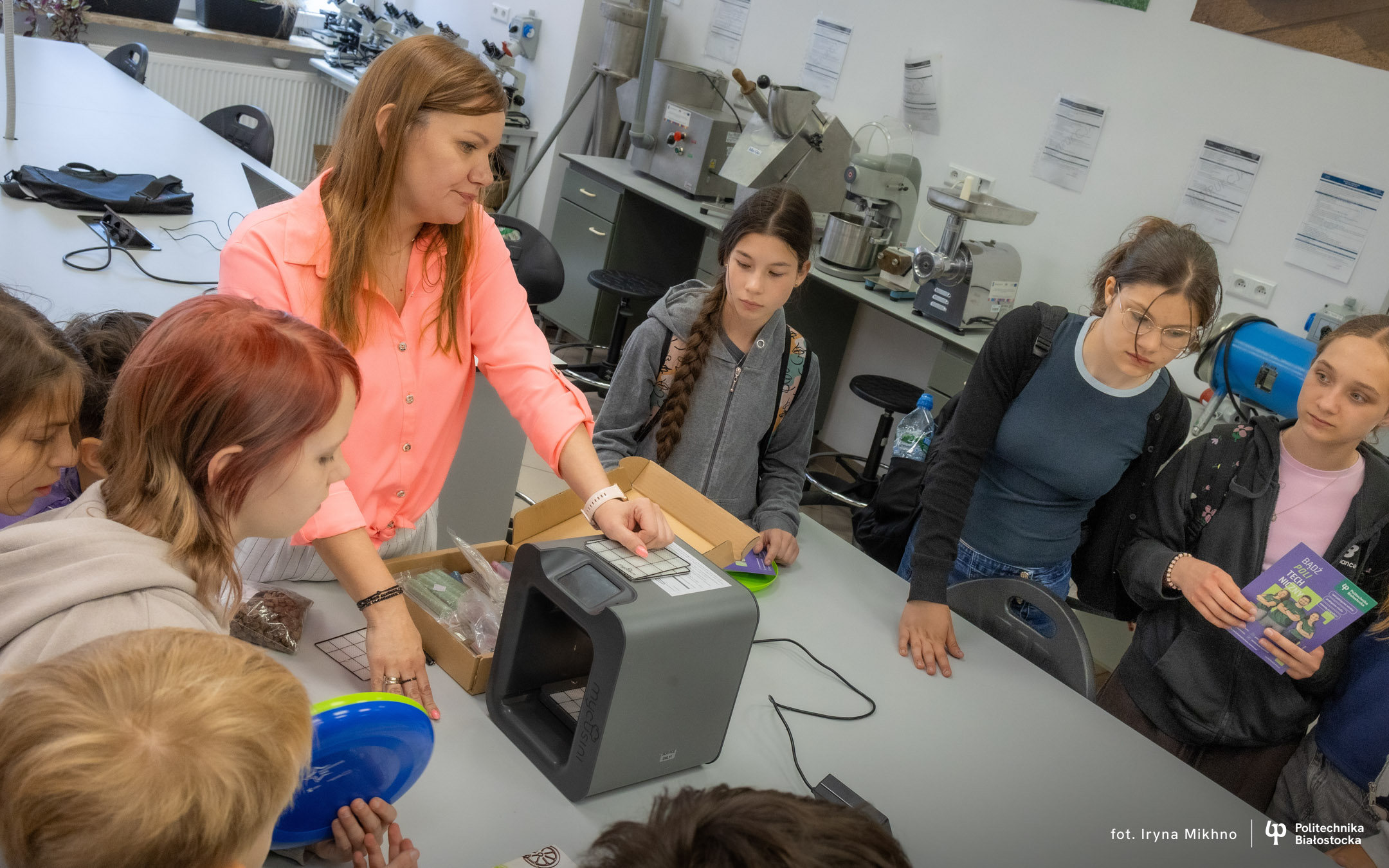
– I want to introduce my students to the educational offer of Białystok University of Technology – says Beata Bogdan, one of the teachers using Funding May (Funduszowy Maj) at BUT to stimulate curiosity among her students. – Already now, when choosing secondary schools, they should think about their future.
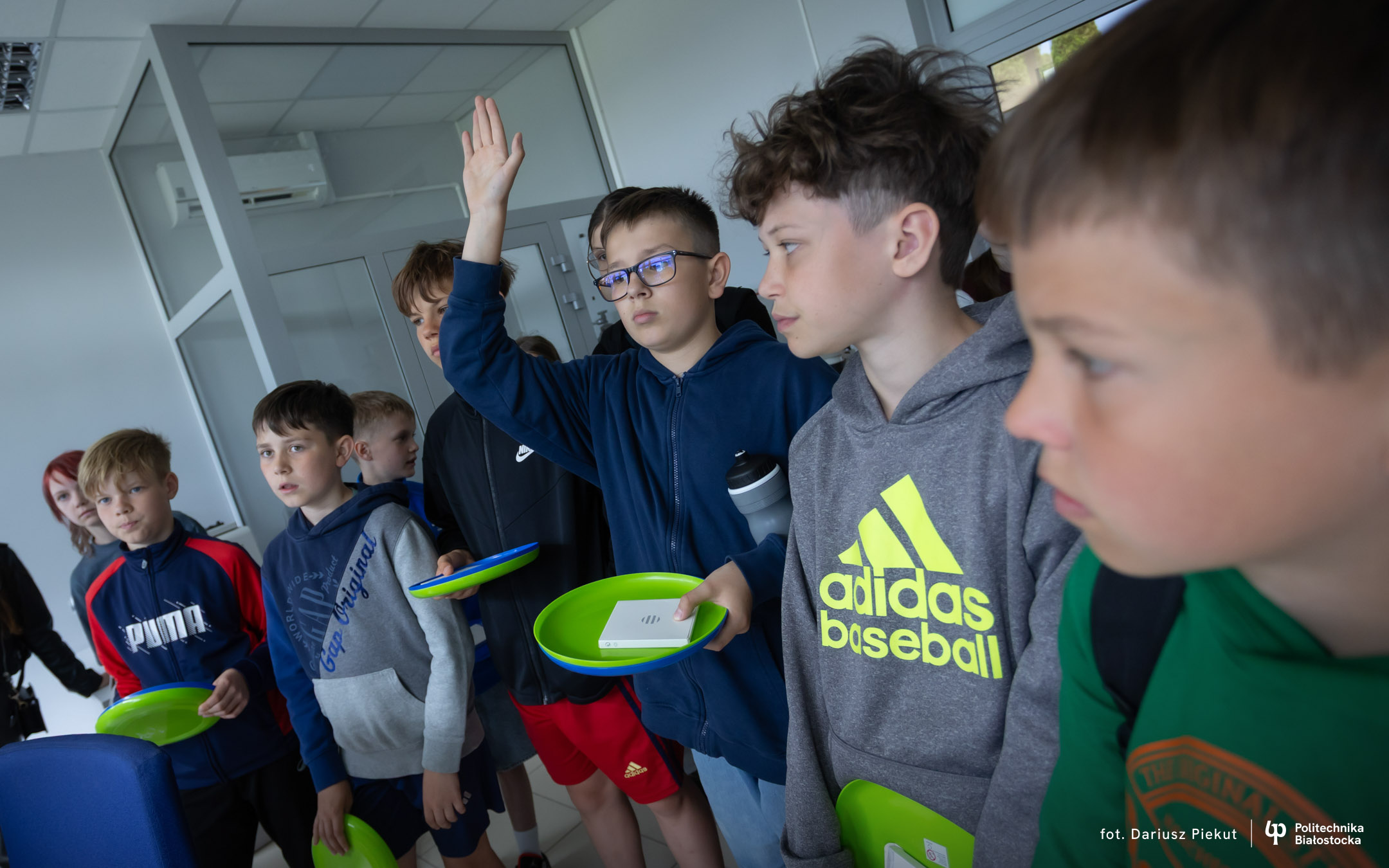
As part of Funding May (Funduszowy Maj) – Feel Science! participants could take part in activities divided into zones:
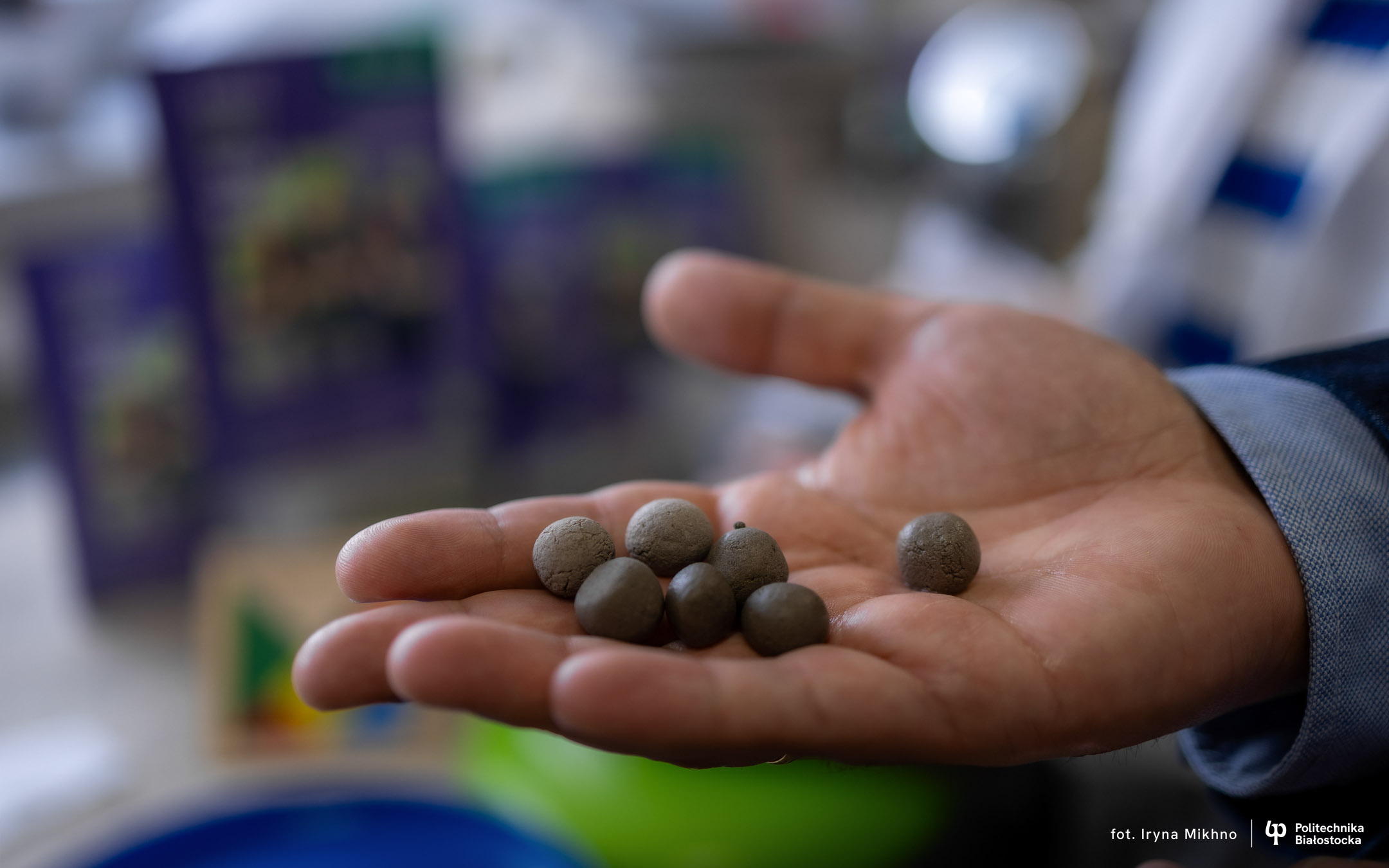
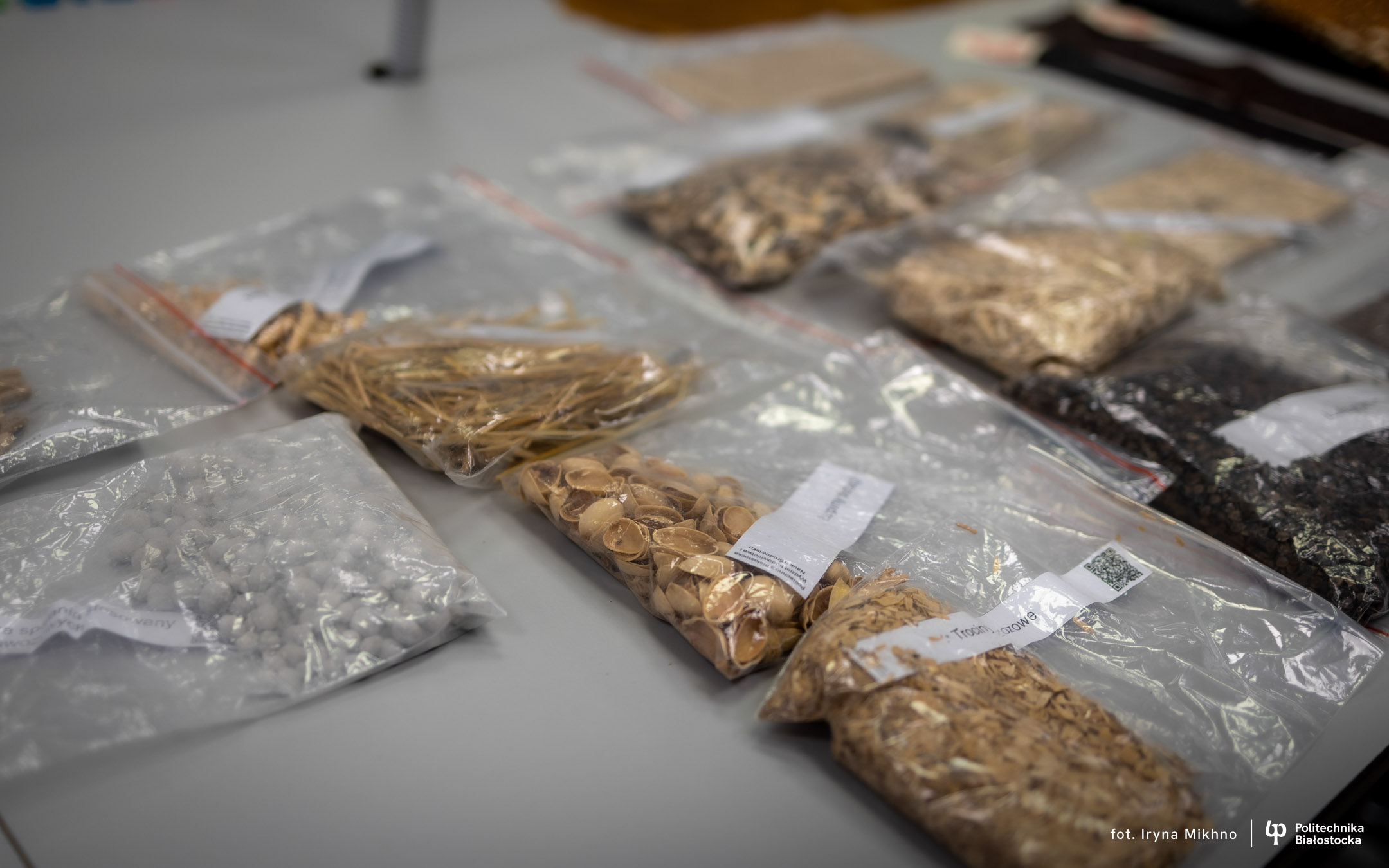
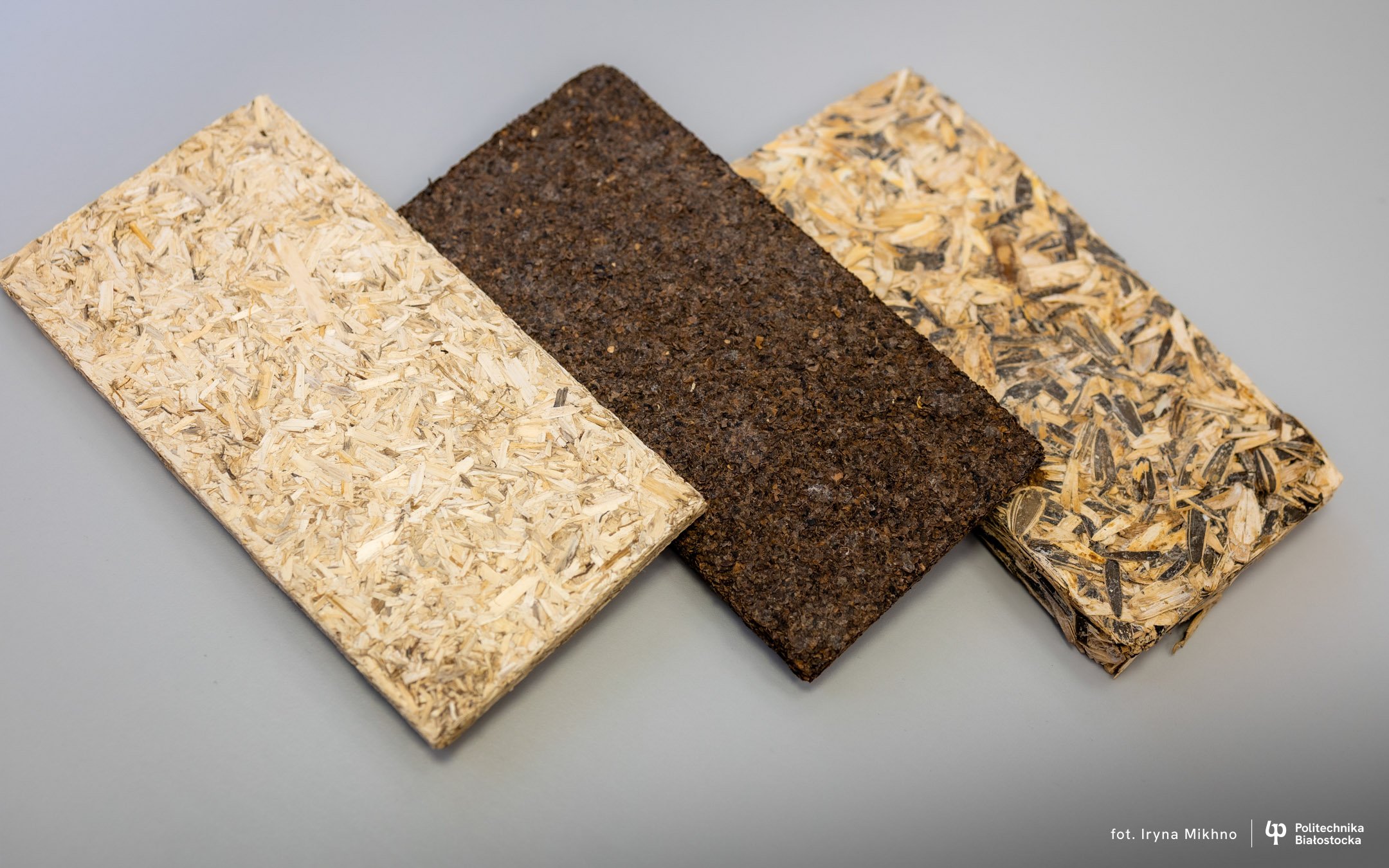
- Science in Motion Zone: presentations of technologies “from behind the scenes” in laboratories usually inaccessible to outsiders. It included demonstrations of heat pumps, functional food design (calf feed), production of biodegradable waste containers from sunflower husks and sweet flag, reuse of wind turbine blades, and production of eco-bricks absorbing CO₂.
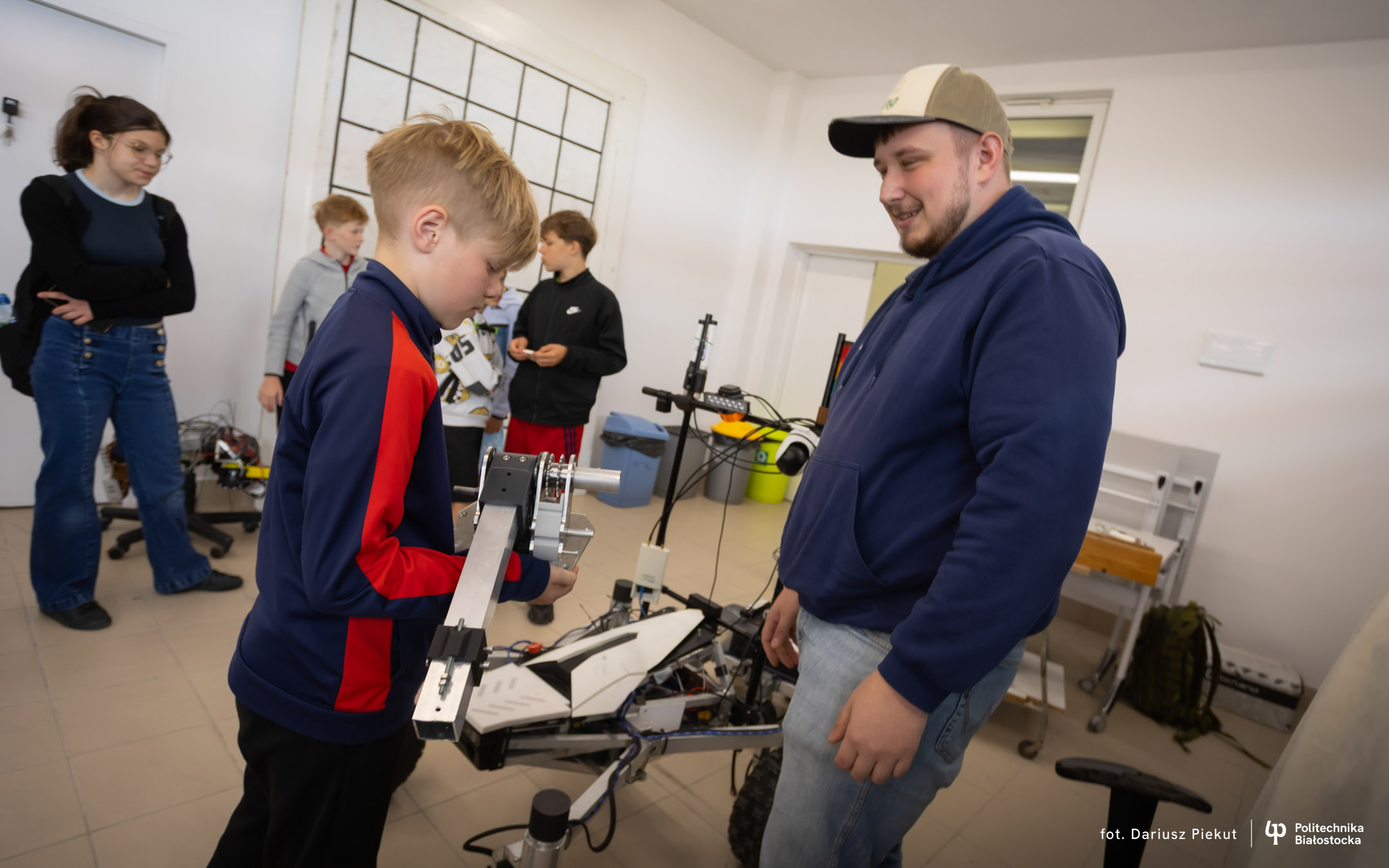
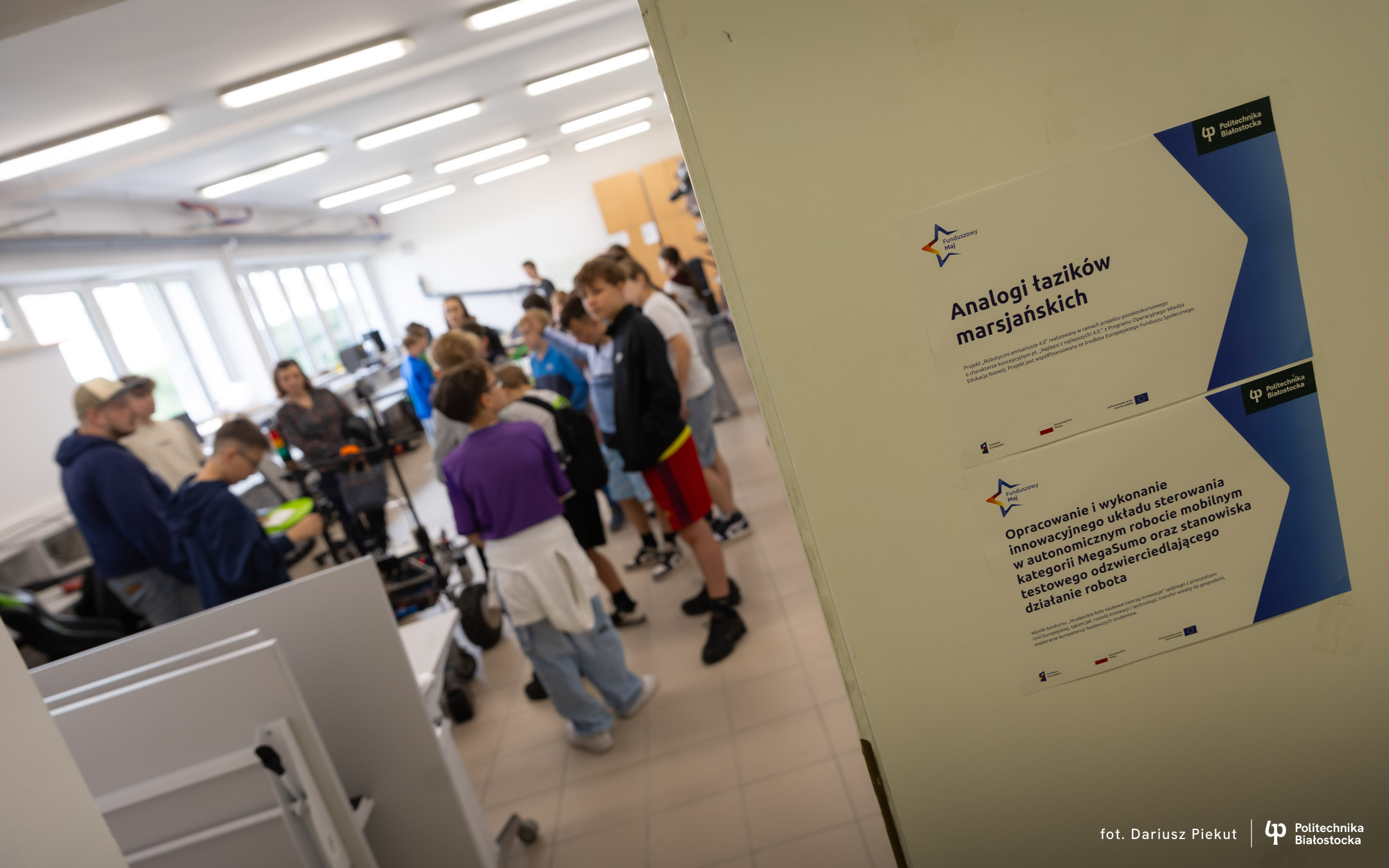
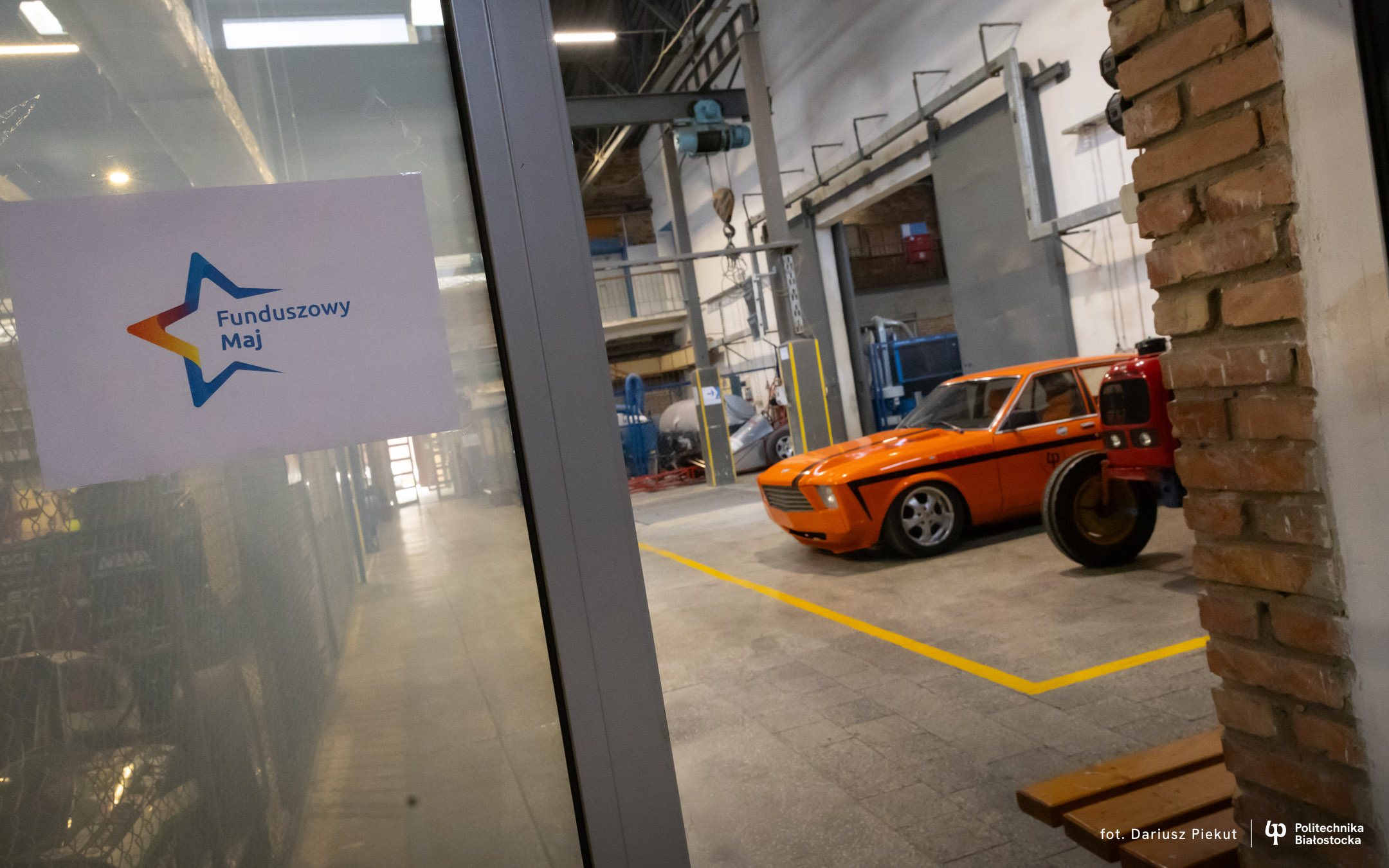
- Student and Career Zone: presentation of achievements of student scientific associations, including winning Formula Student cars (Cerber Motorsport), Mars rover analogues, and MegaSumo robots.
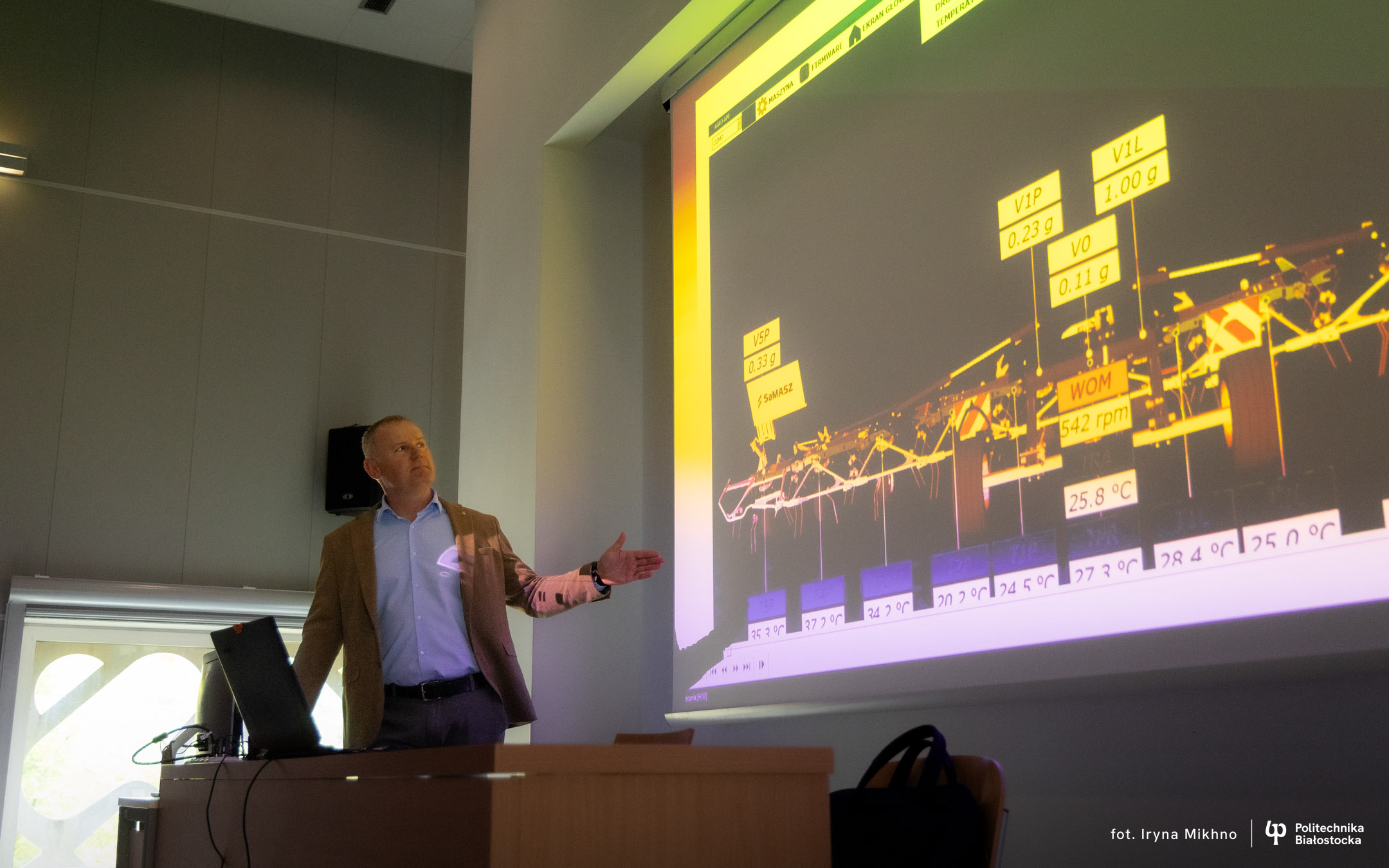
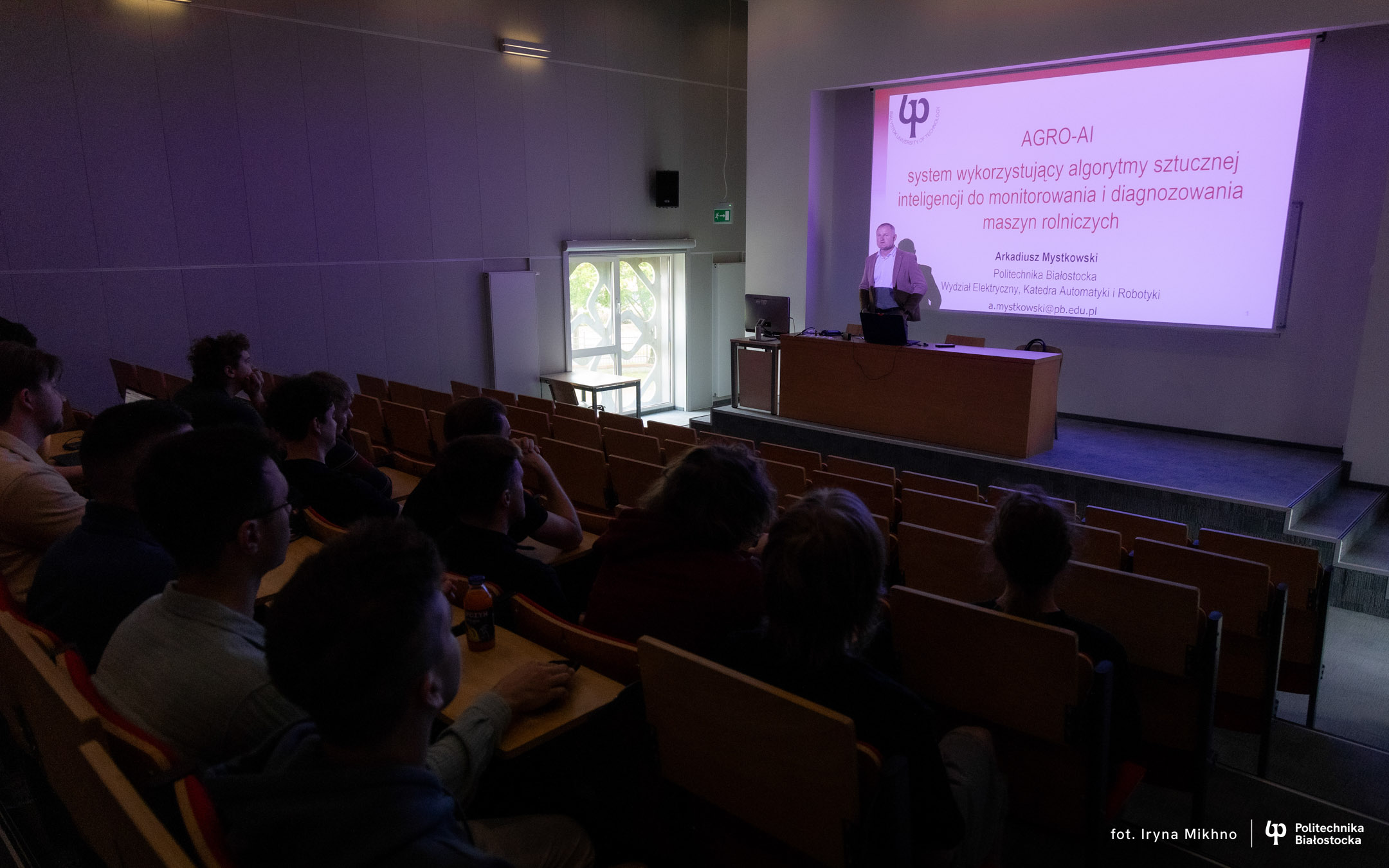
- Agro Zone: focused on AGRO-AI technologies (monitoring agricultural machinery using artificial intelligence) and precision green forage yield measurement systems developed with SaMASZ using laser sensors and GPS.
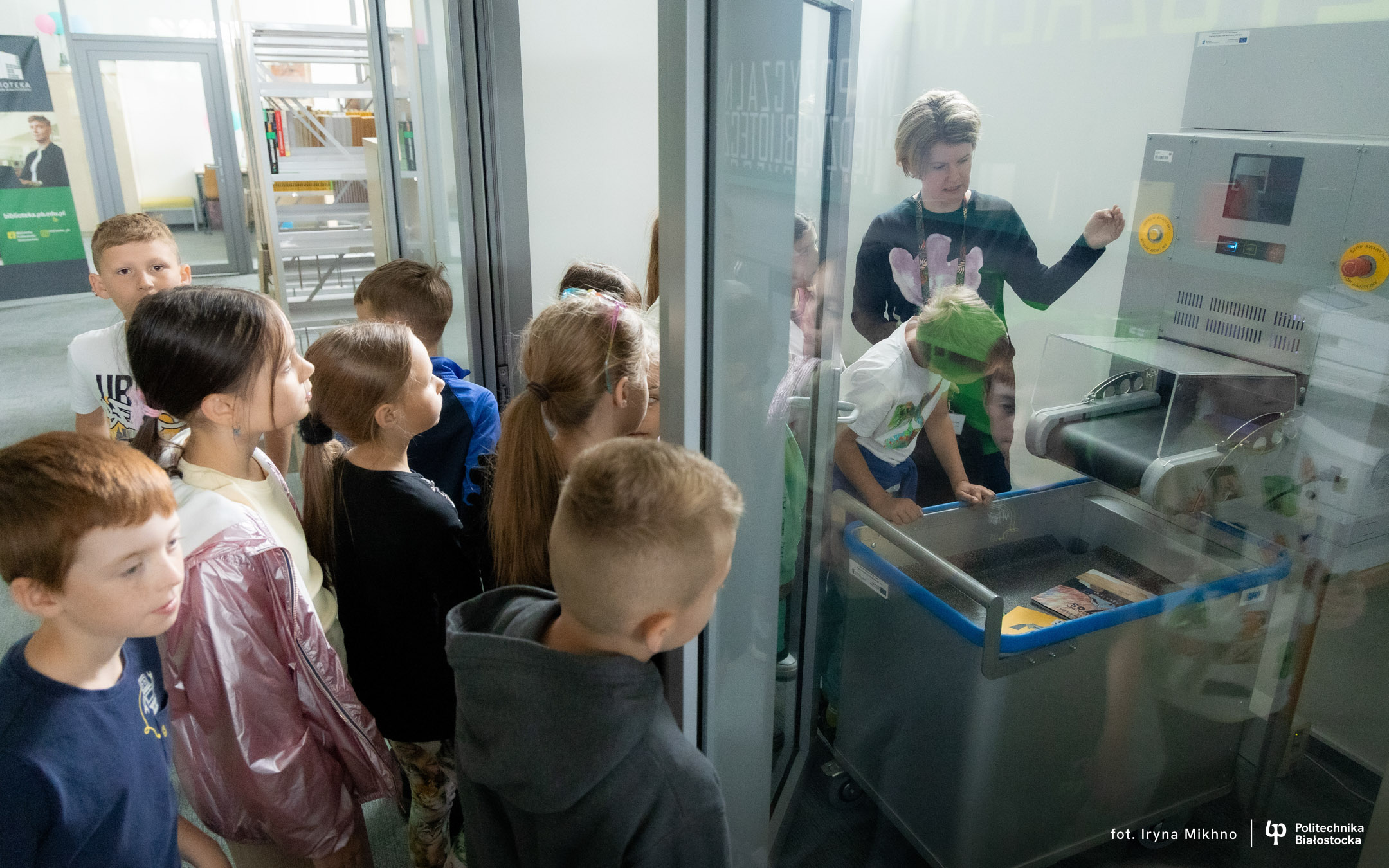
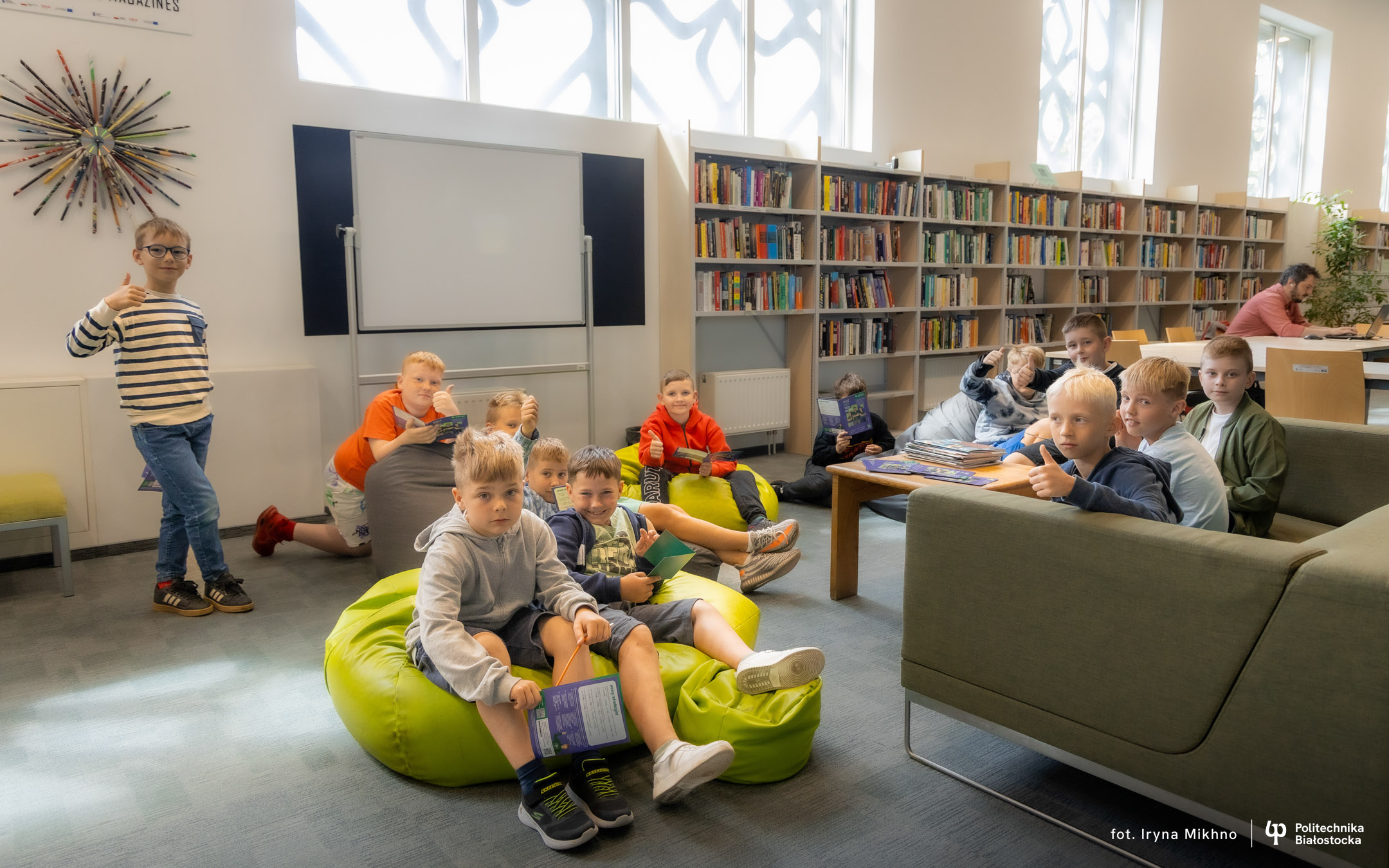
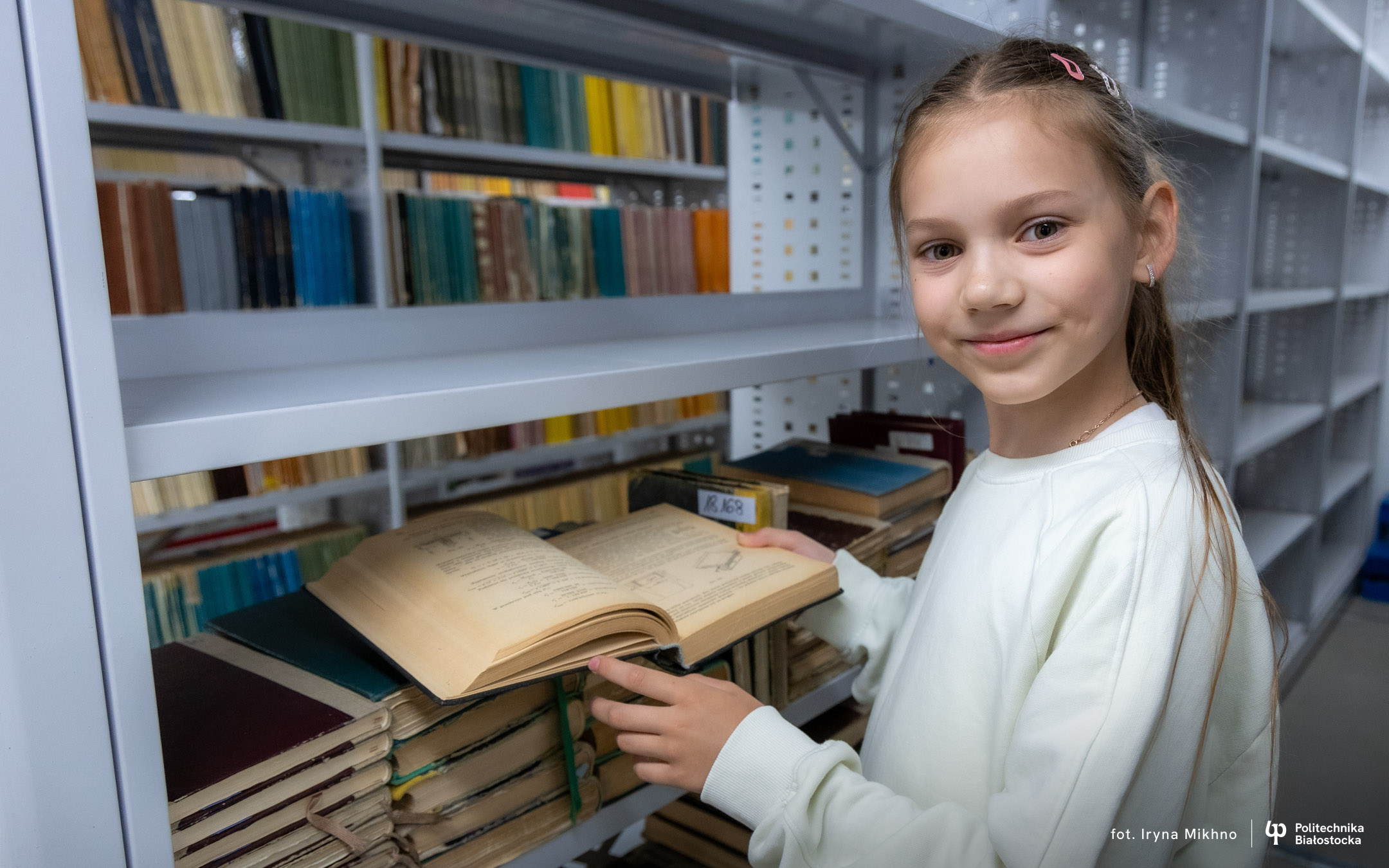
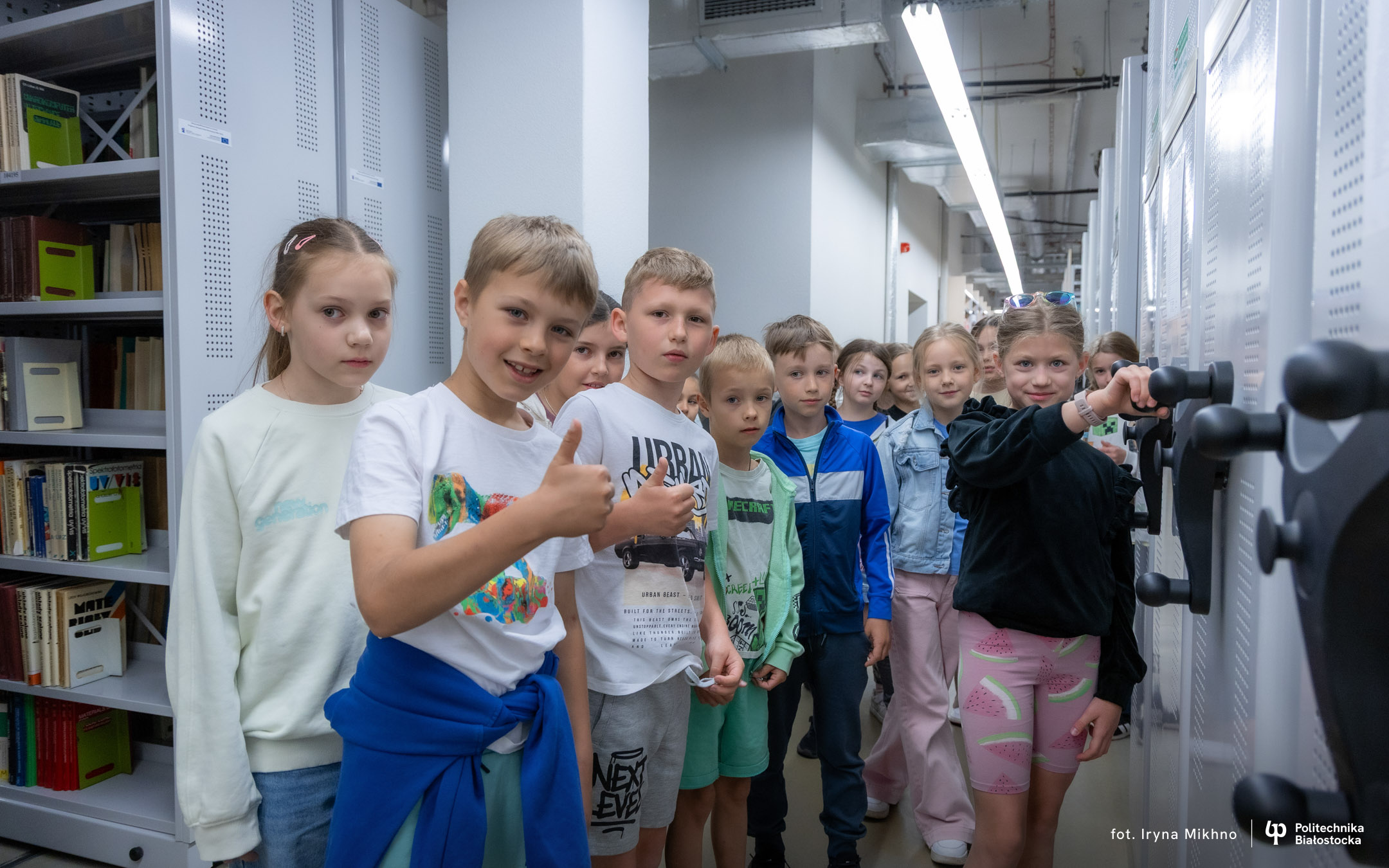
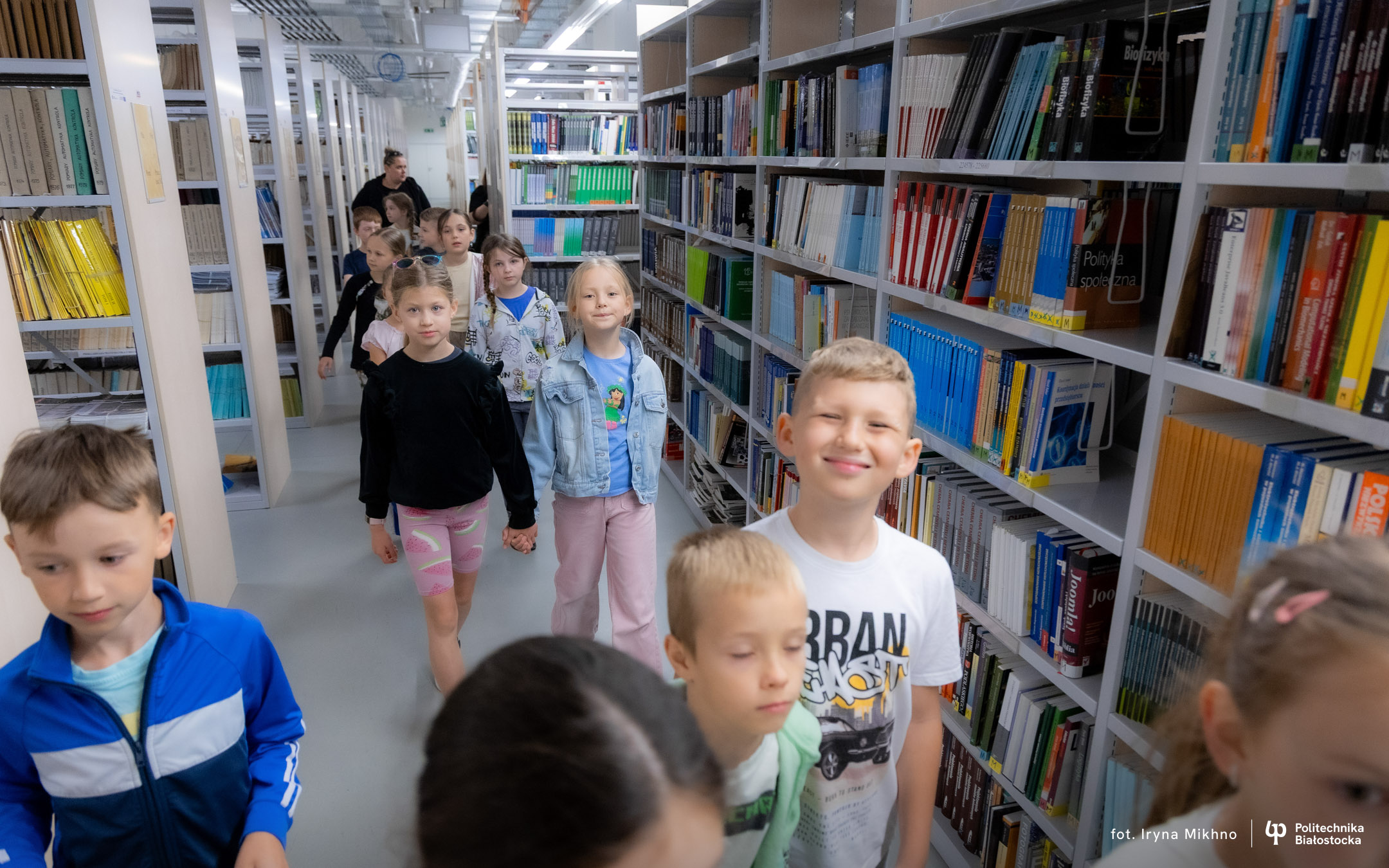
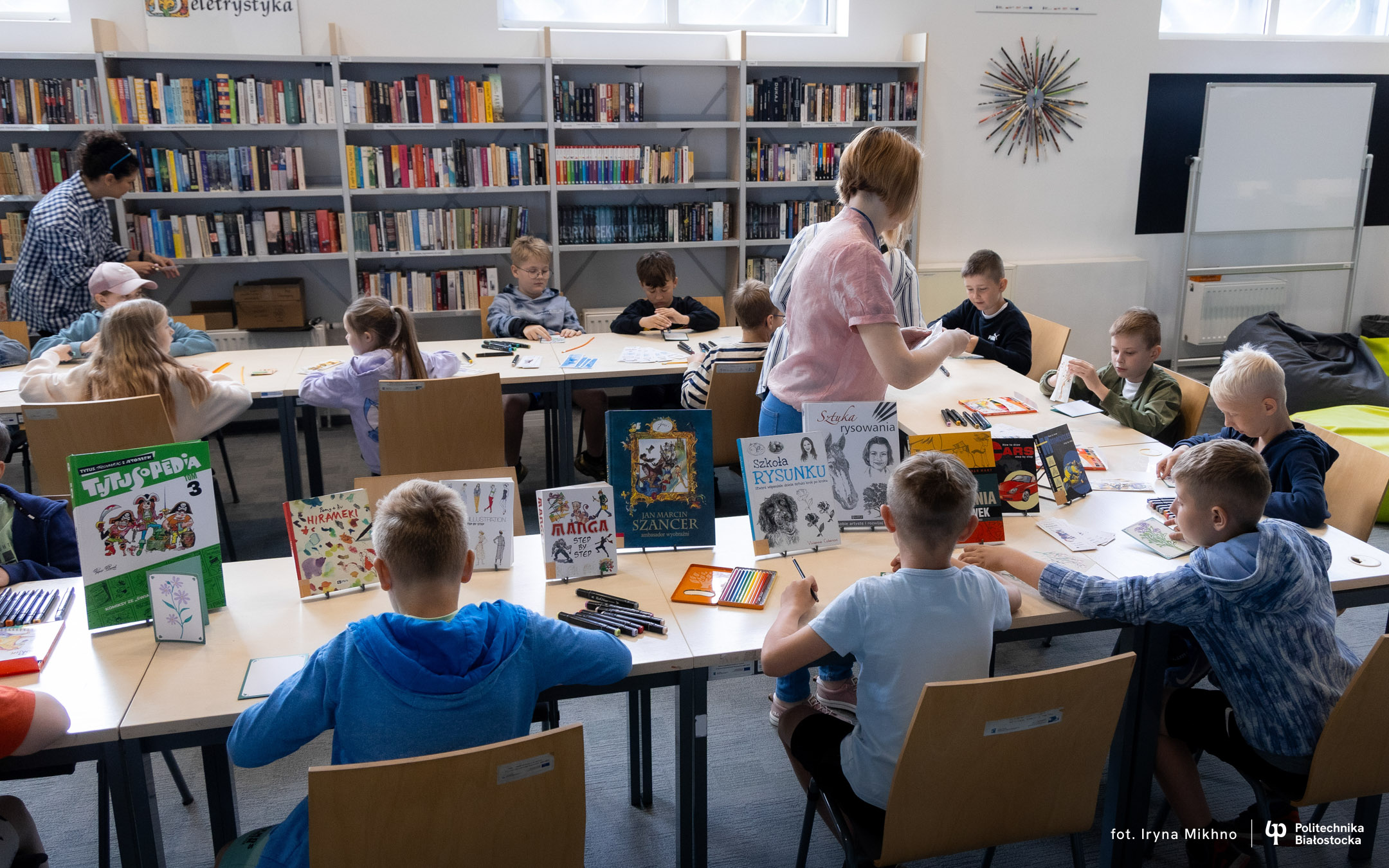
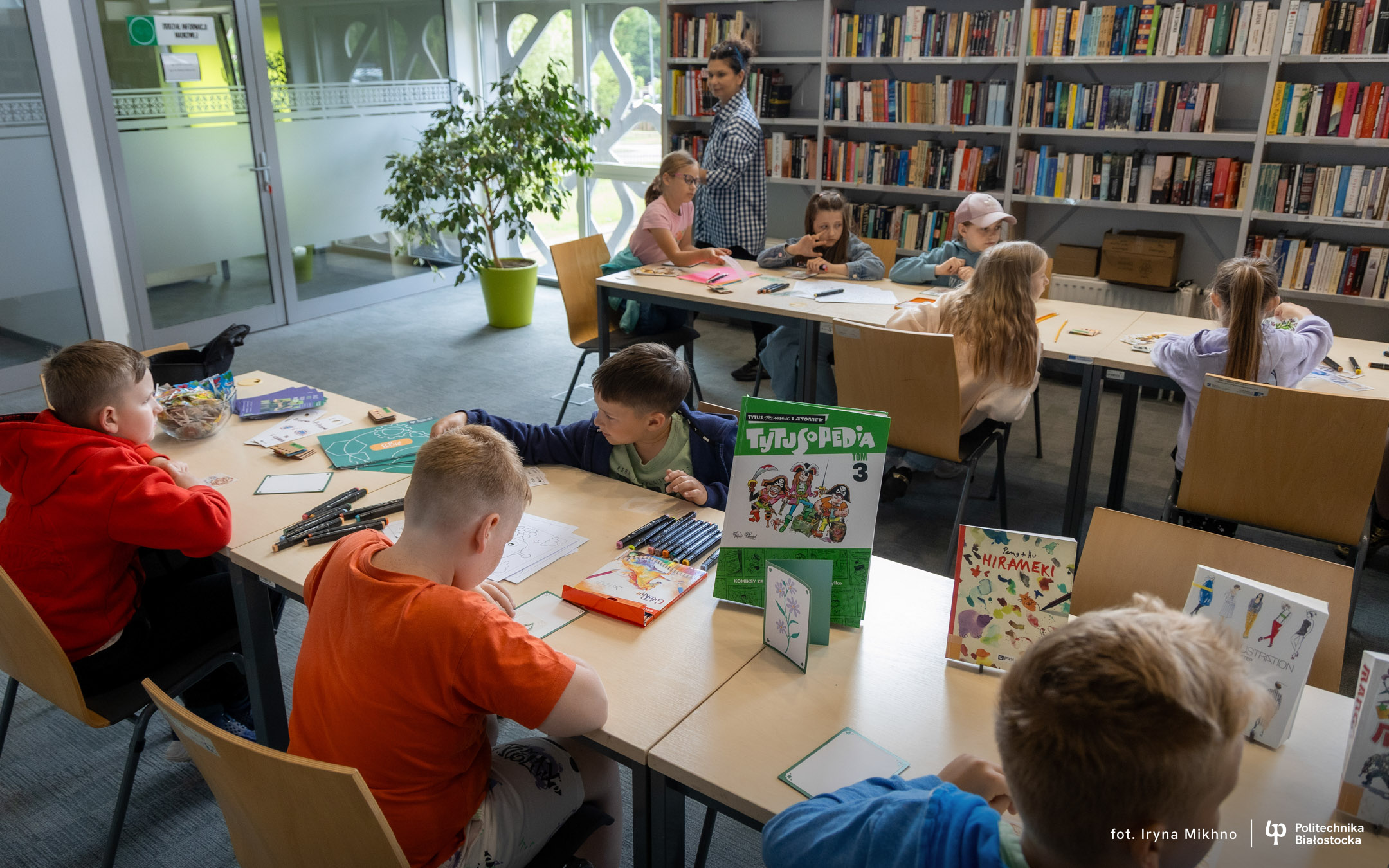
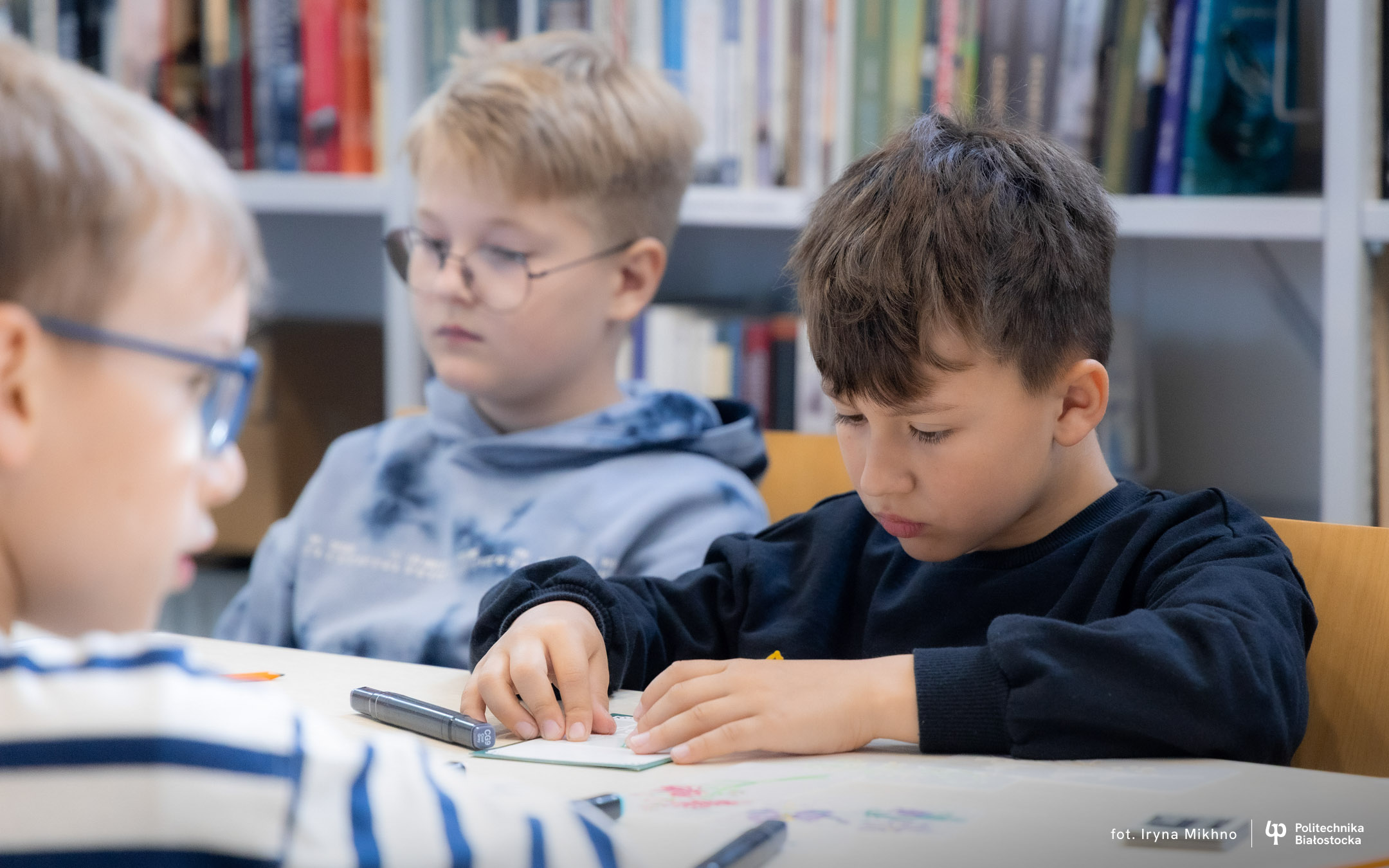
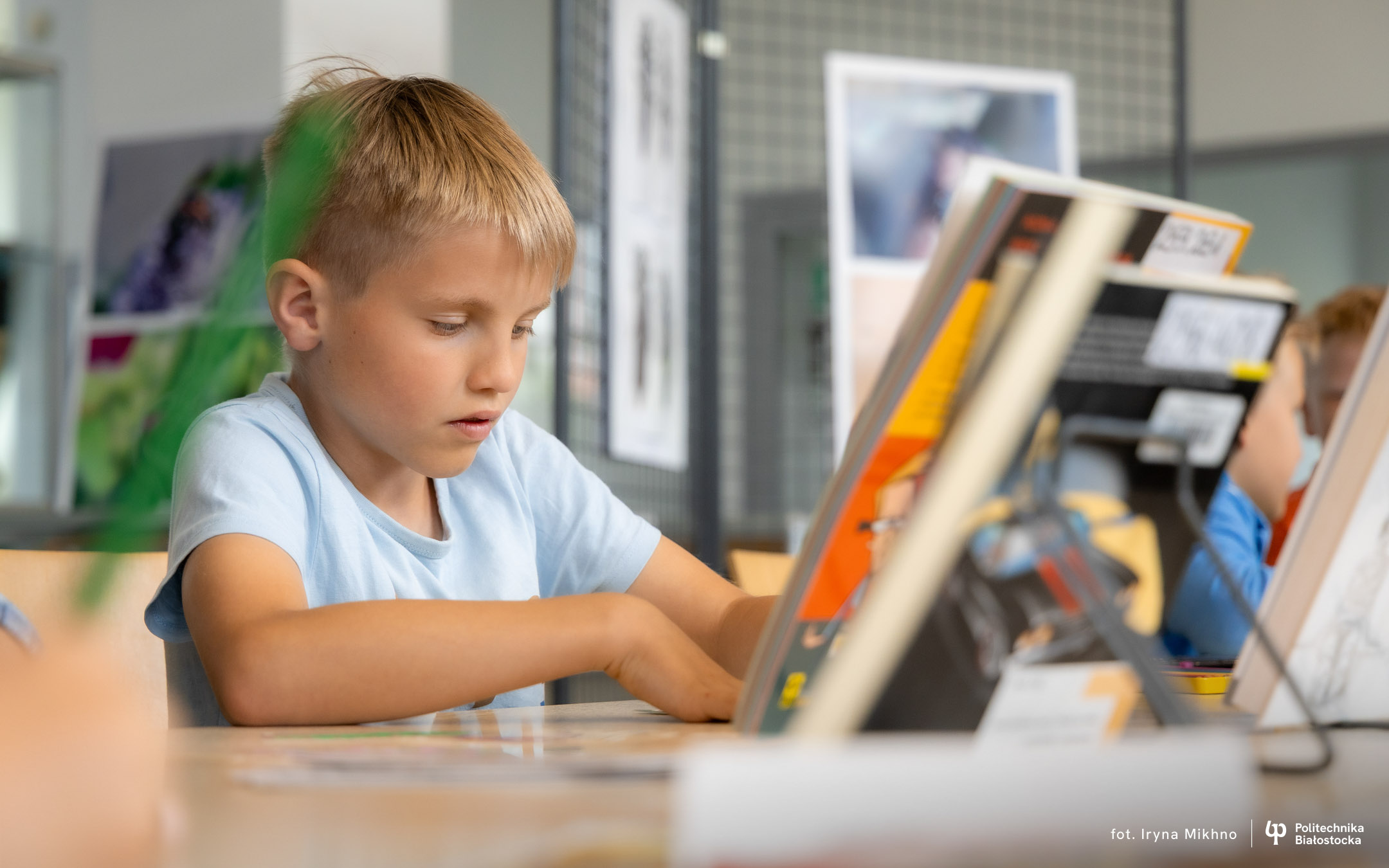
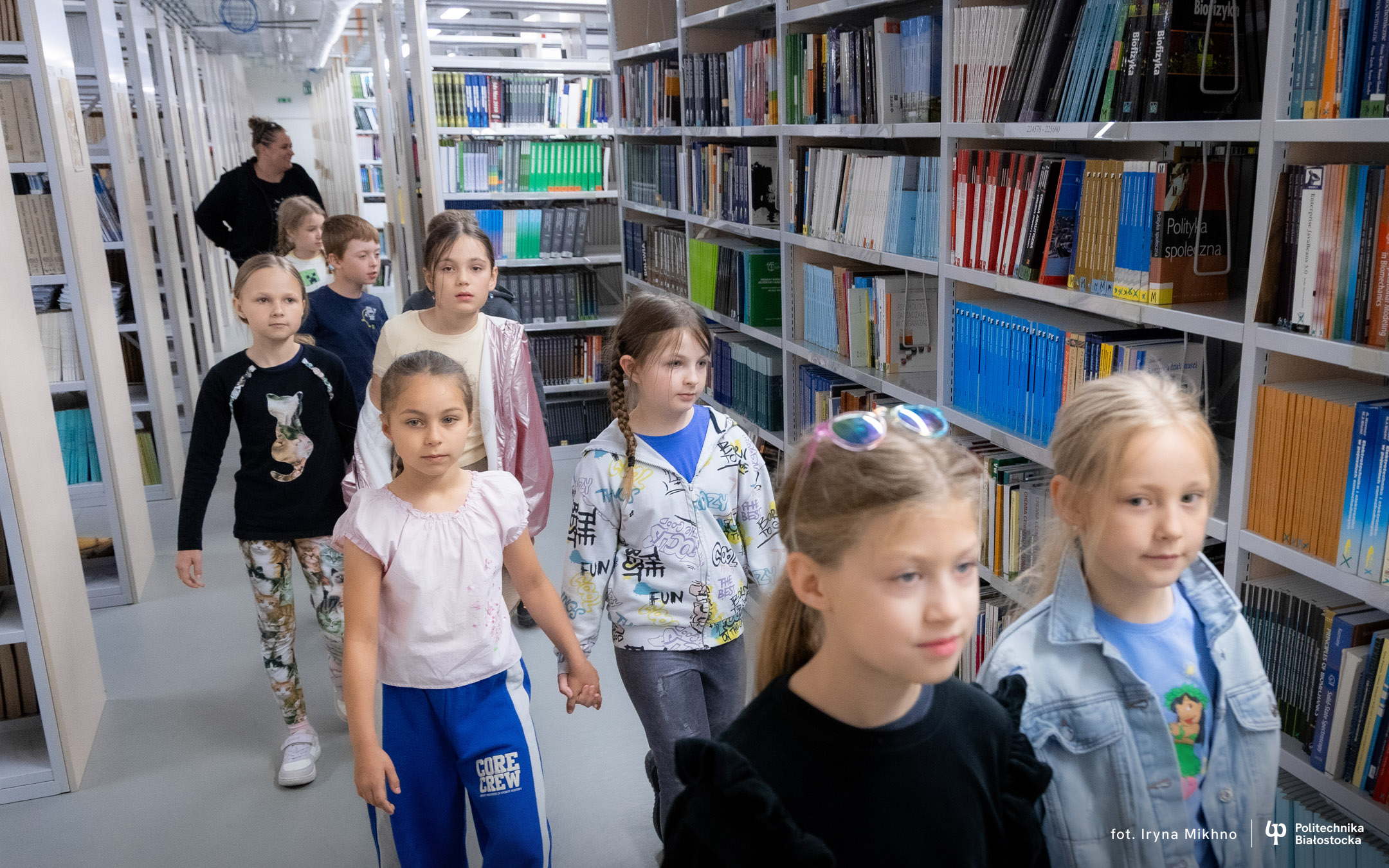
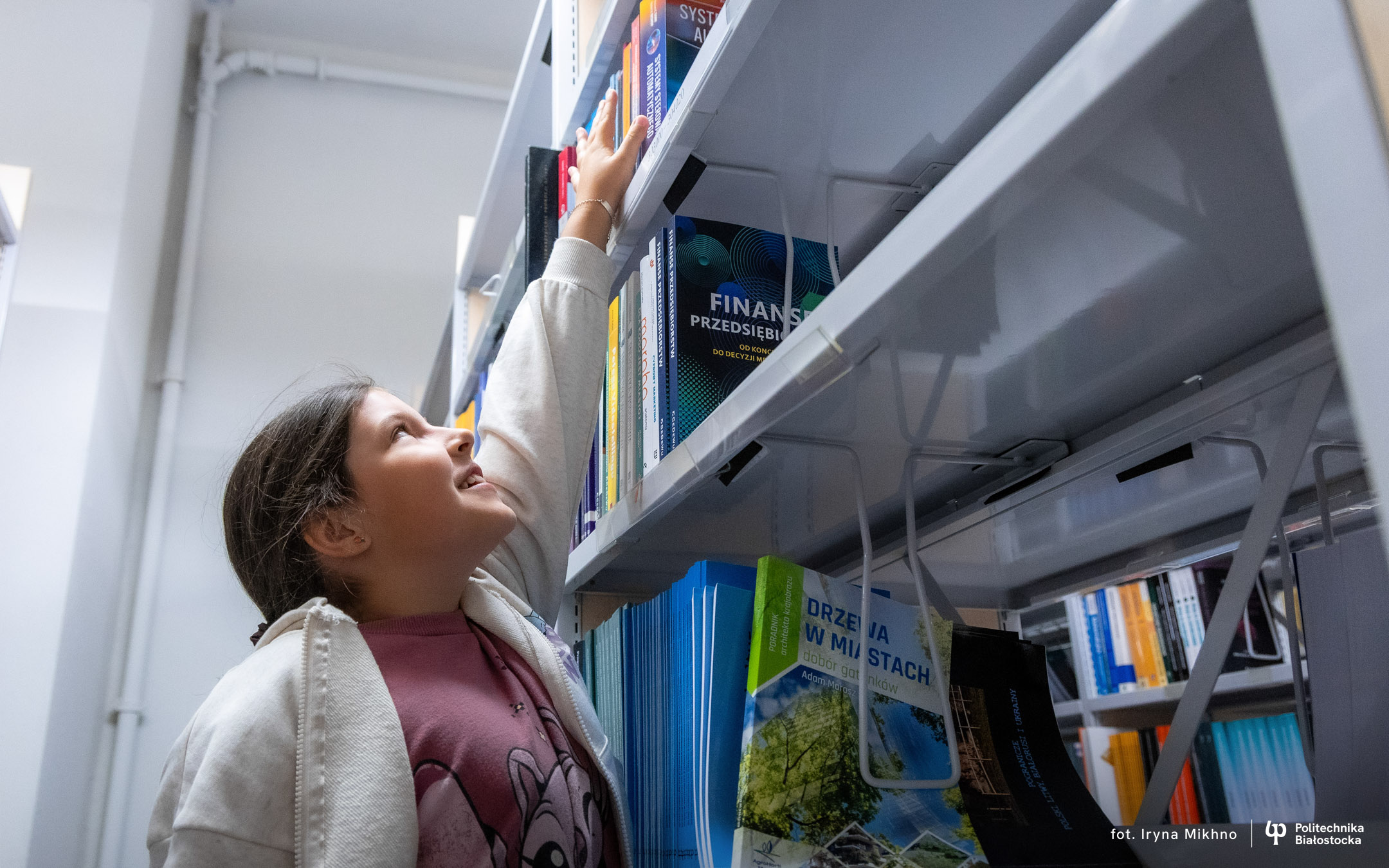
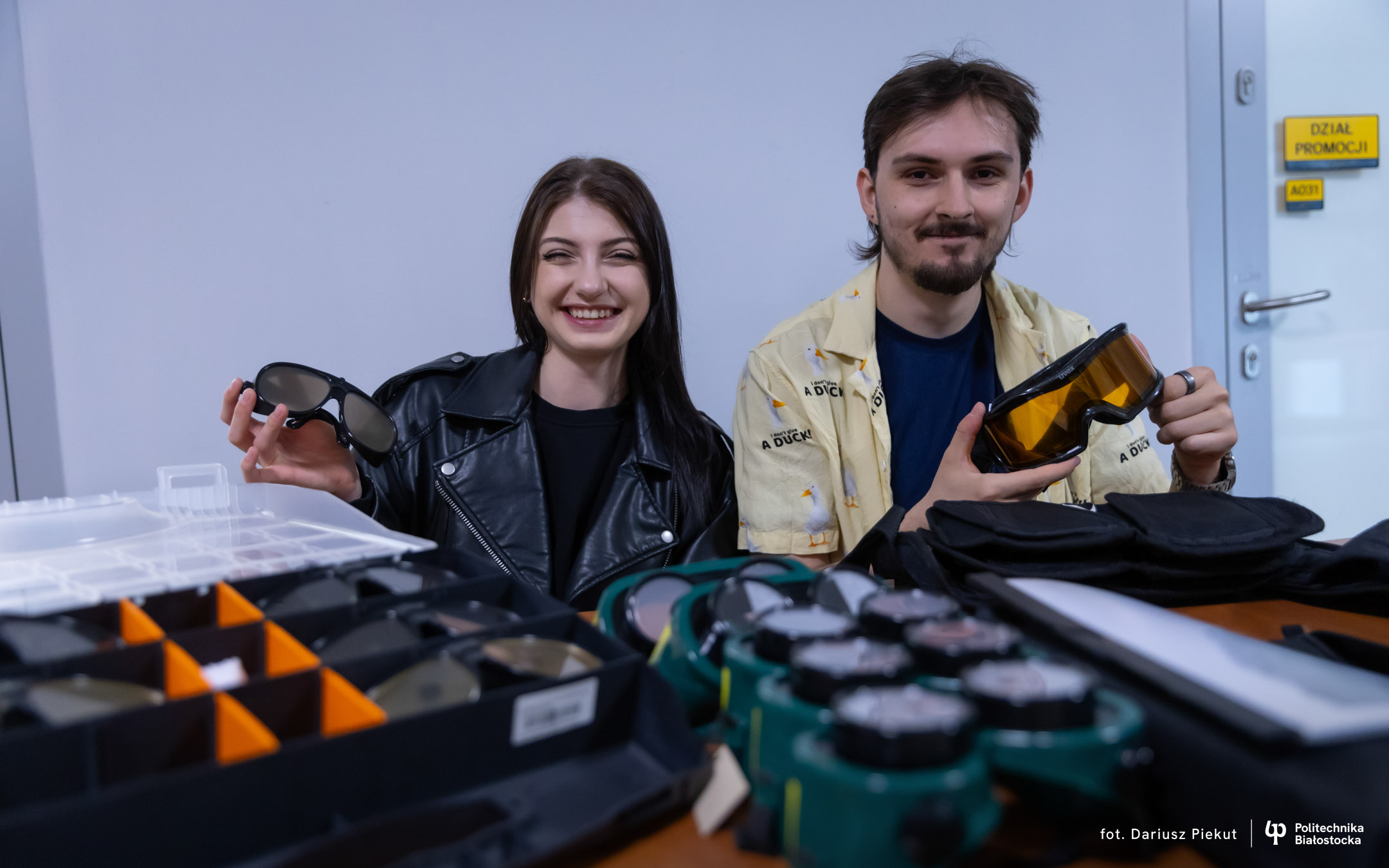
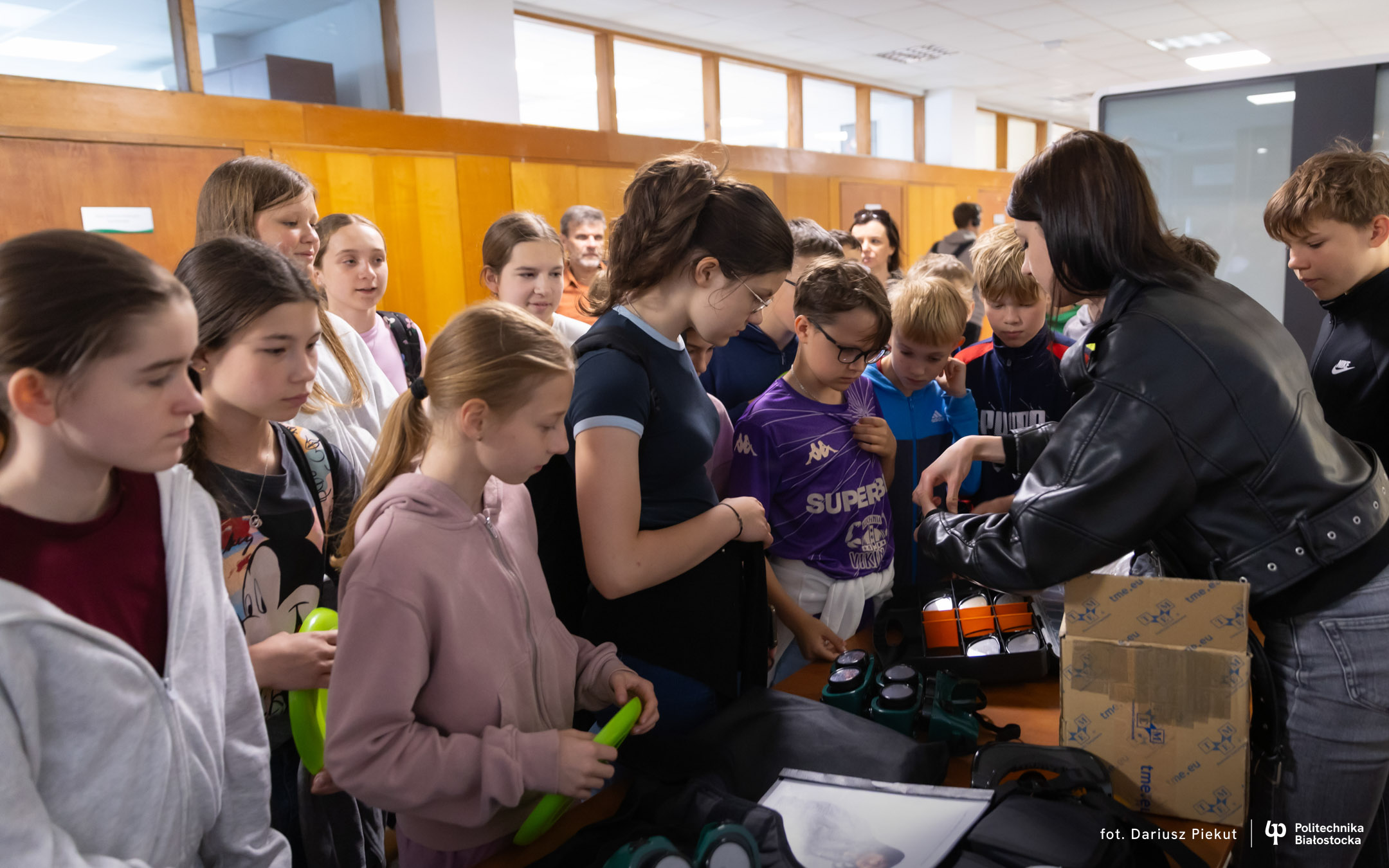
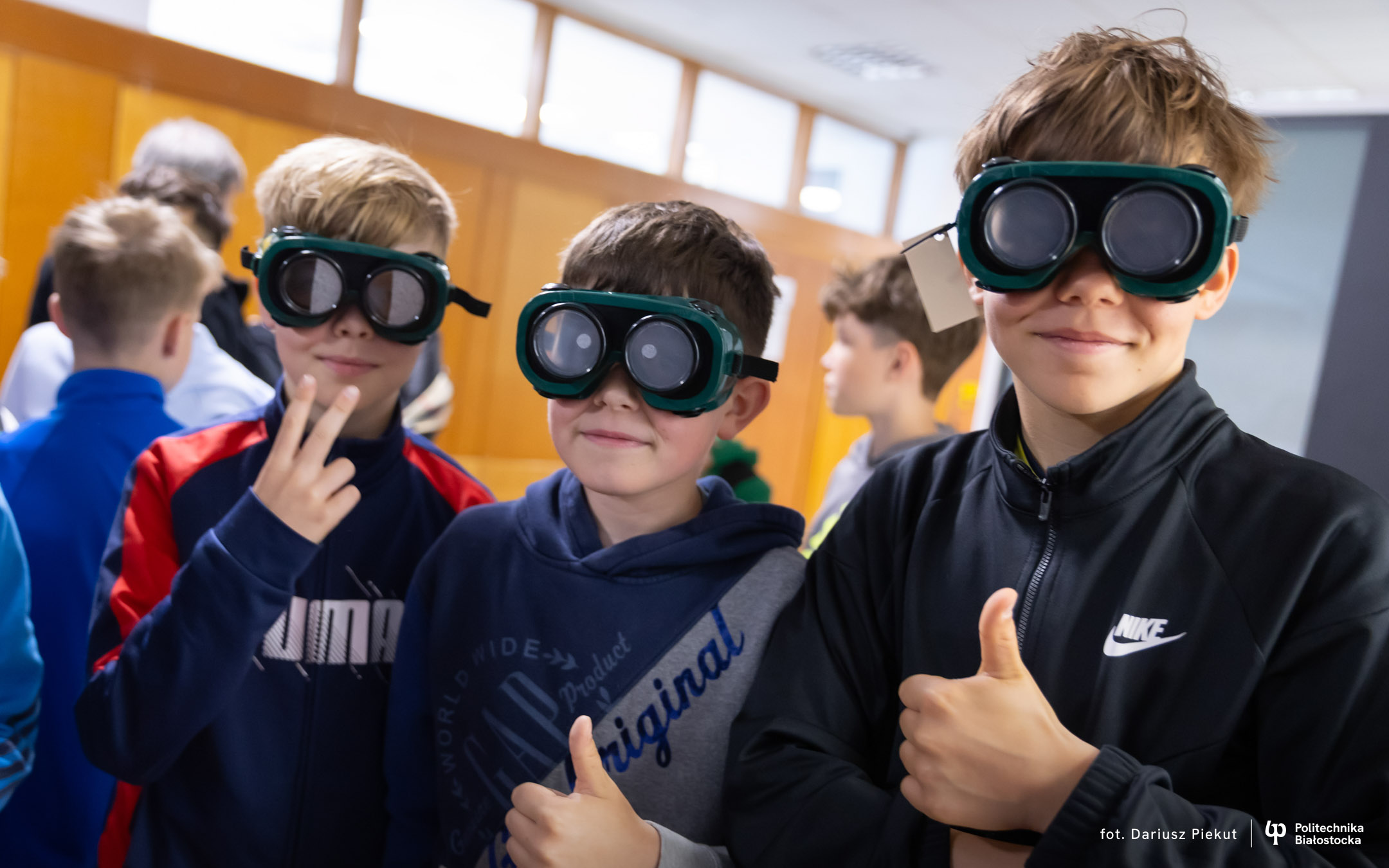
- Family and Accessibility Zone: workshops at the BUT Library and presentation of BUT Accessible and BUT Accessible 2.0 projects, where visitors could test professional acoustic booths, wheelchairs, and disability simulators.
- MOOC@BUT e-learning courses: presentation of 19 free courses developing digital, analytical, and language competences.
During the event, participants could visit the following locations:
- Heat Engineering Laboratory – jet refrigeration systems workshop
- Chemical Laboratory of the Department of Chemistry, Biology and Biotechnology
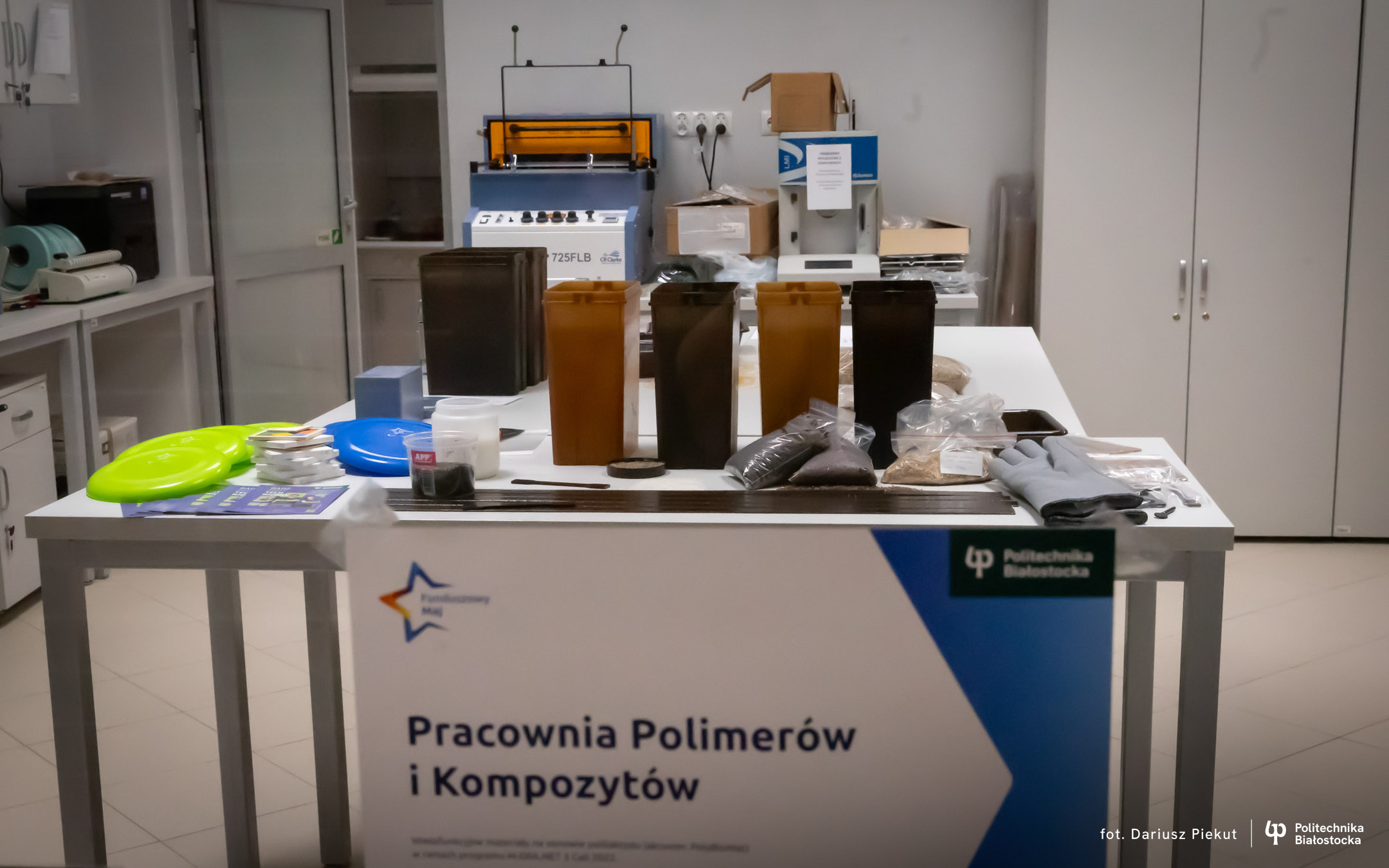
- Polymer and Composite Workshop
- Inno-Eco-Tech Hall
- Building Materials Laboratory
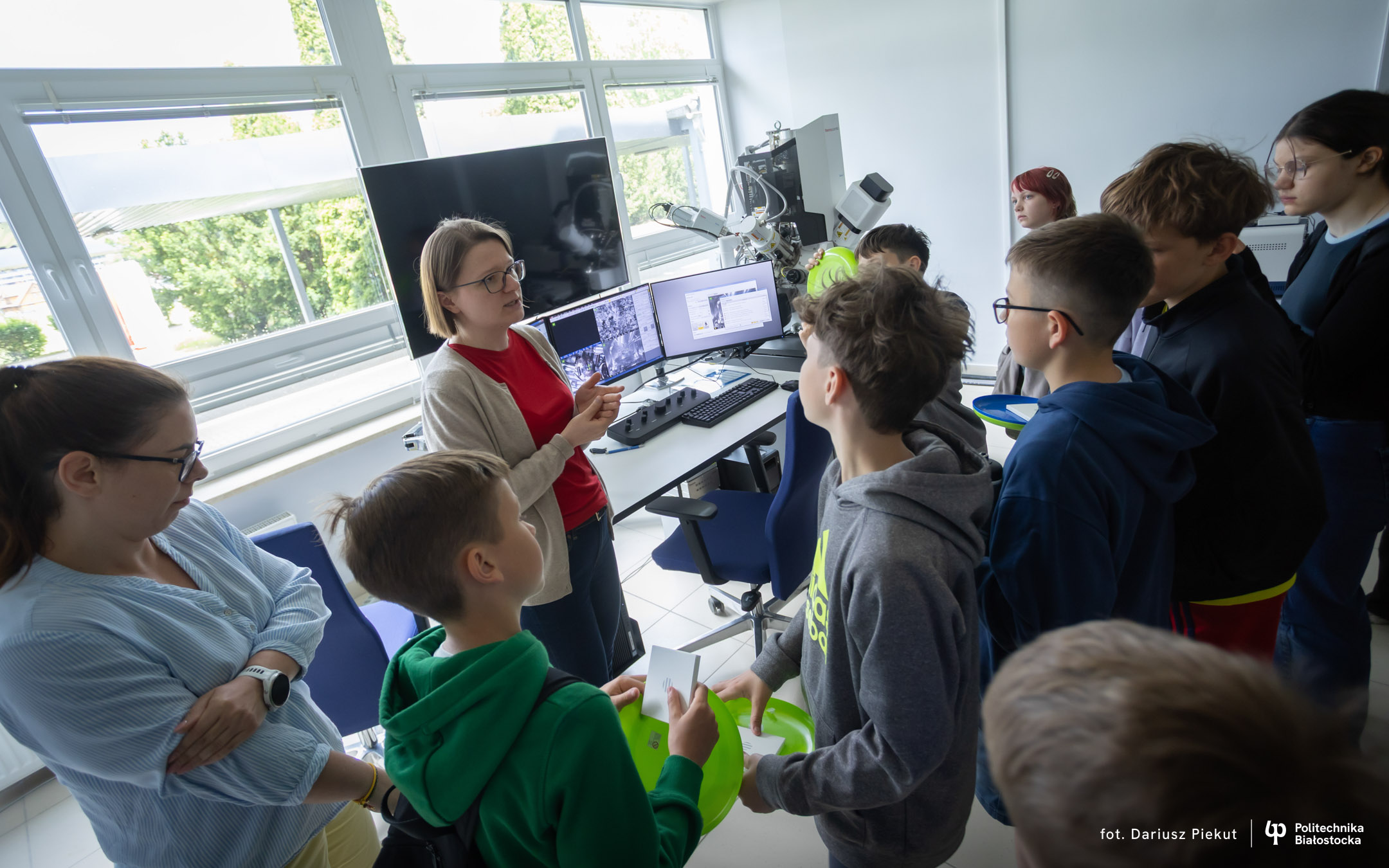
- Electron Microscopy Laboratory
- Vehicle Hall
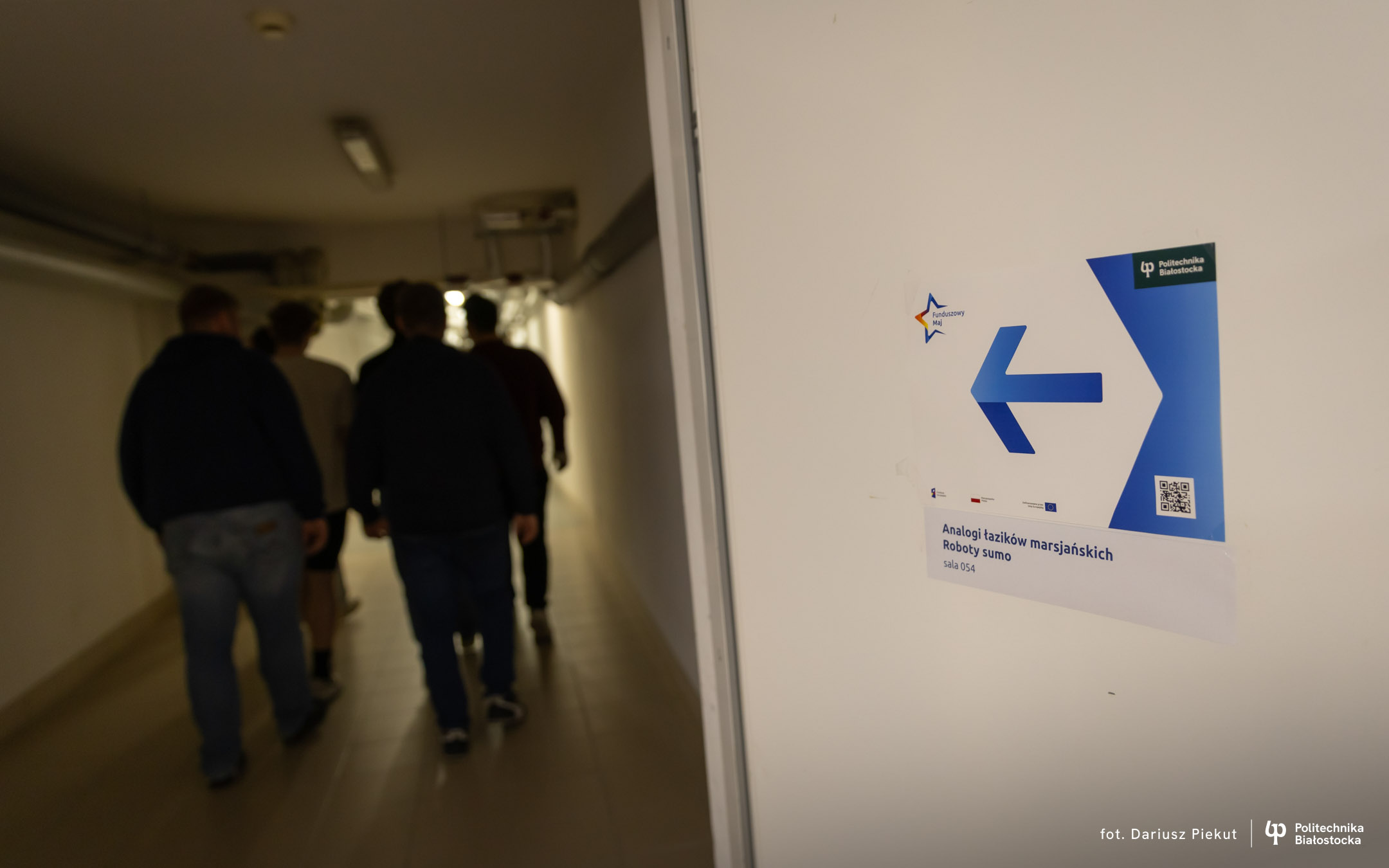
- Room 054
- Process Engineering Laboratory
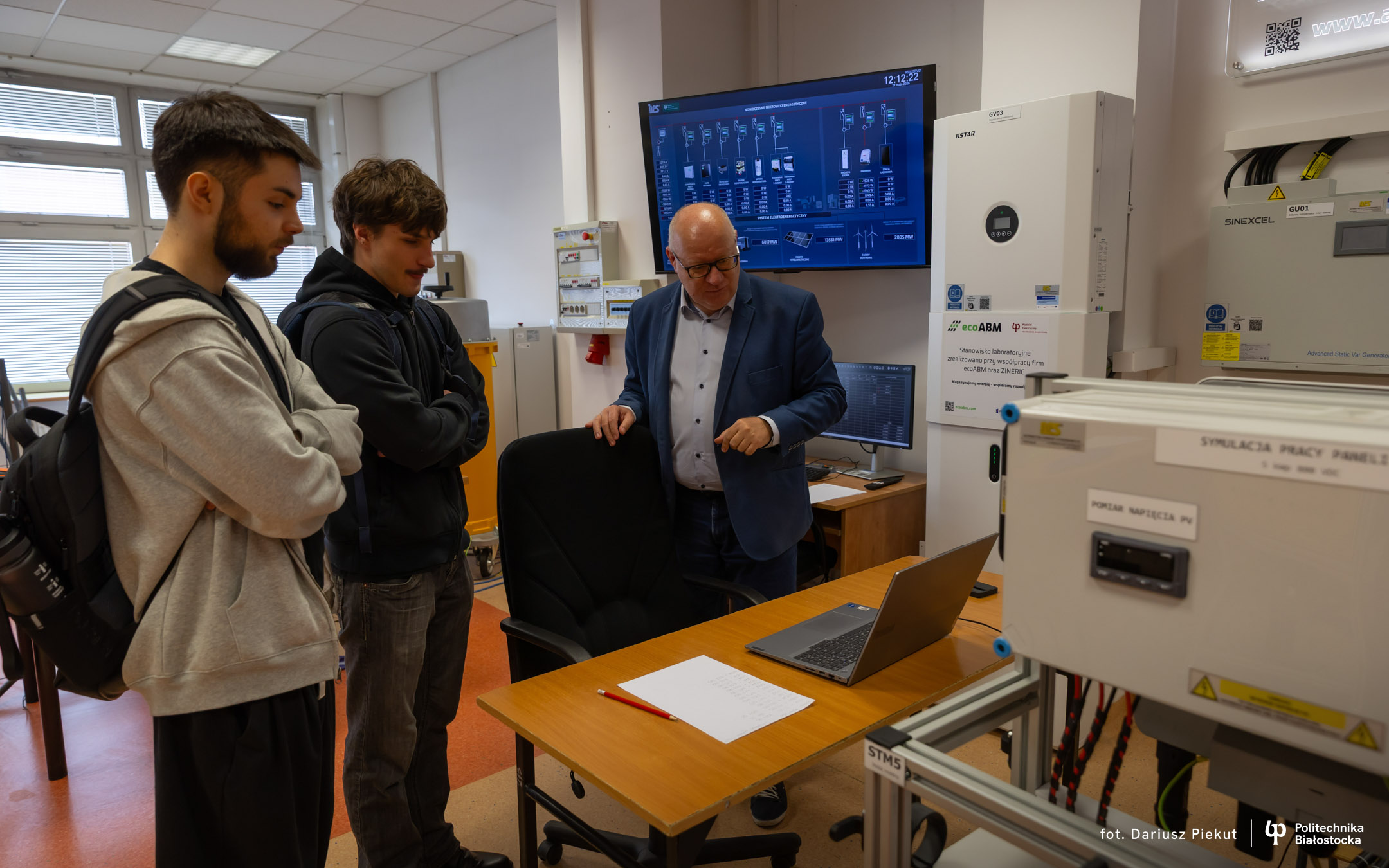
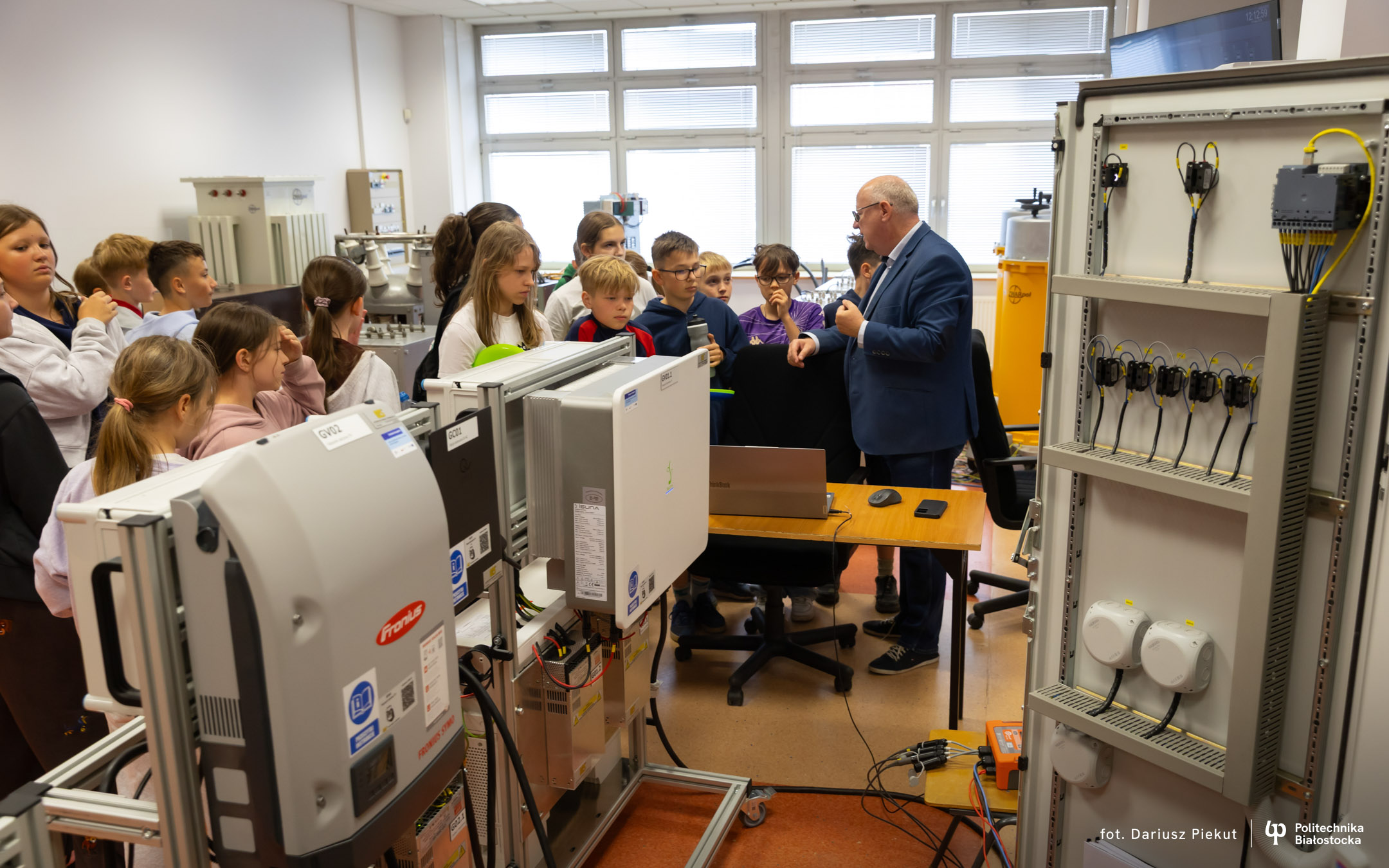
- High-Current Equipment Laboratory
- Computer Networks Laboratory
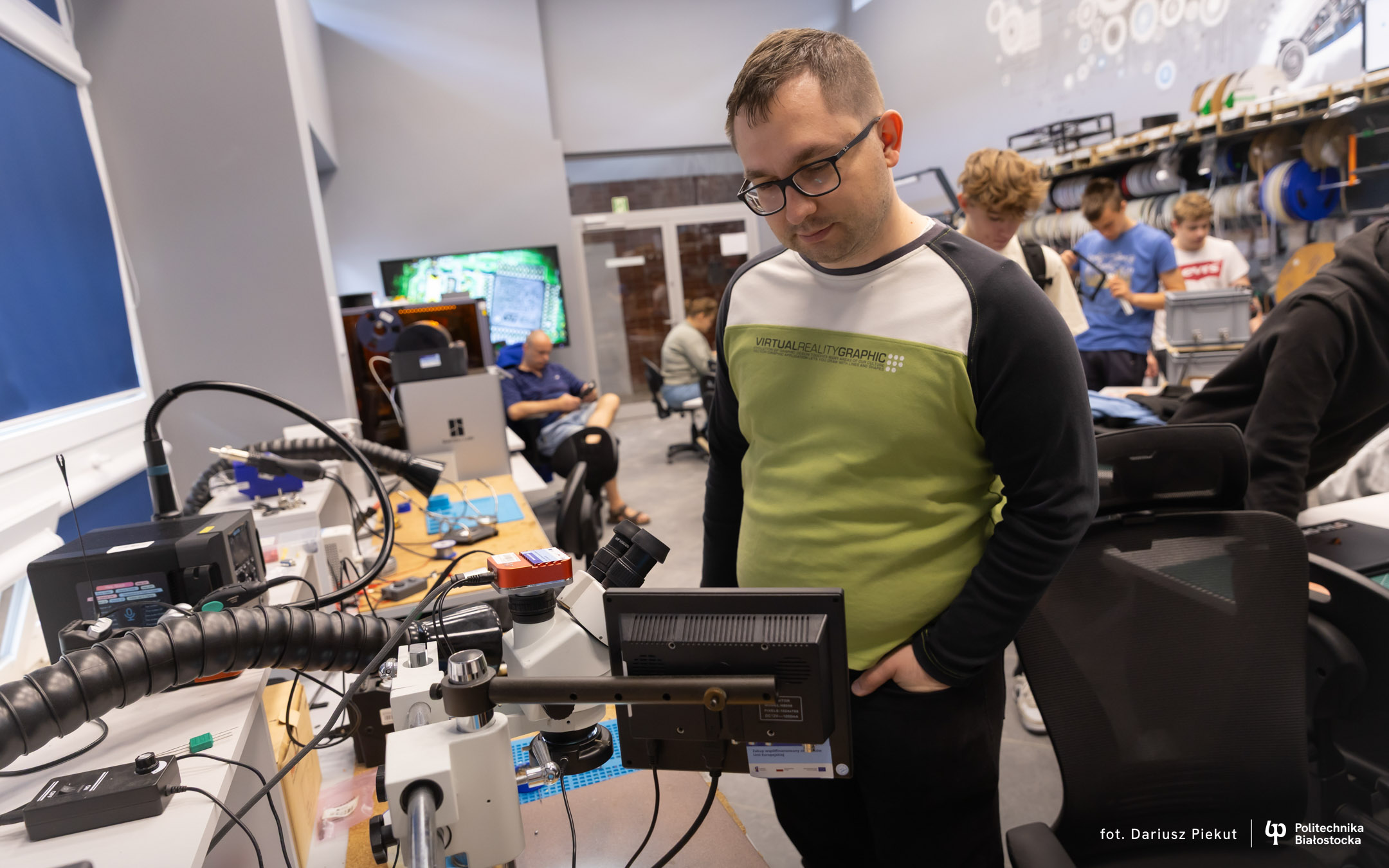
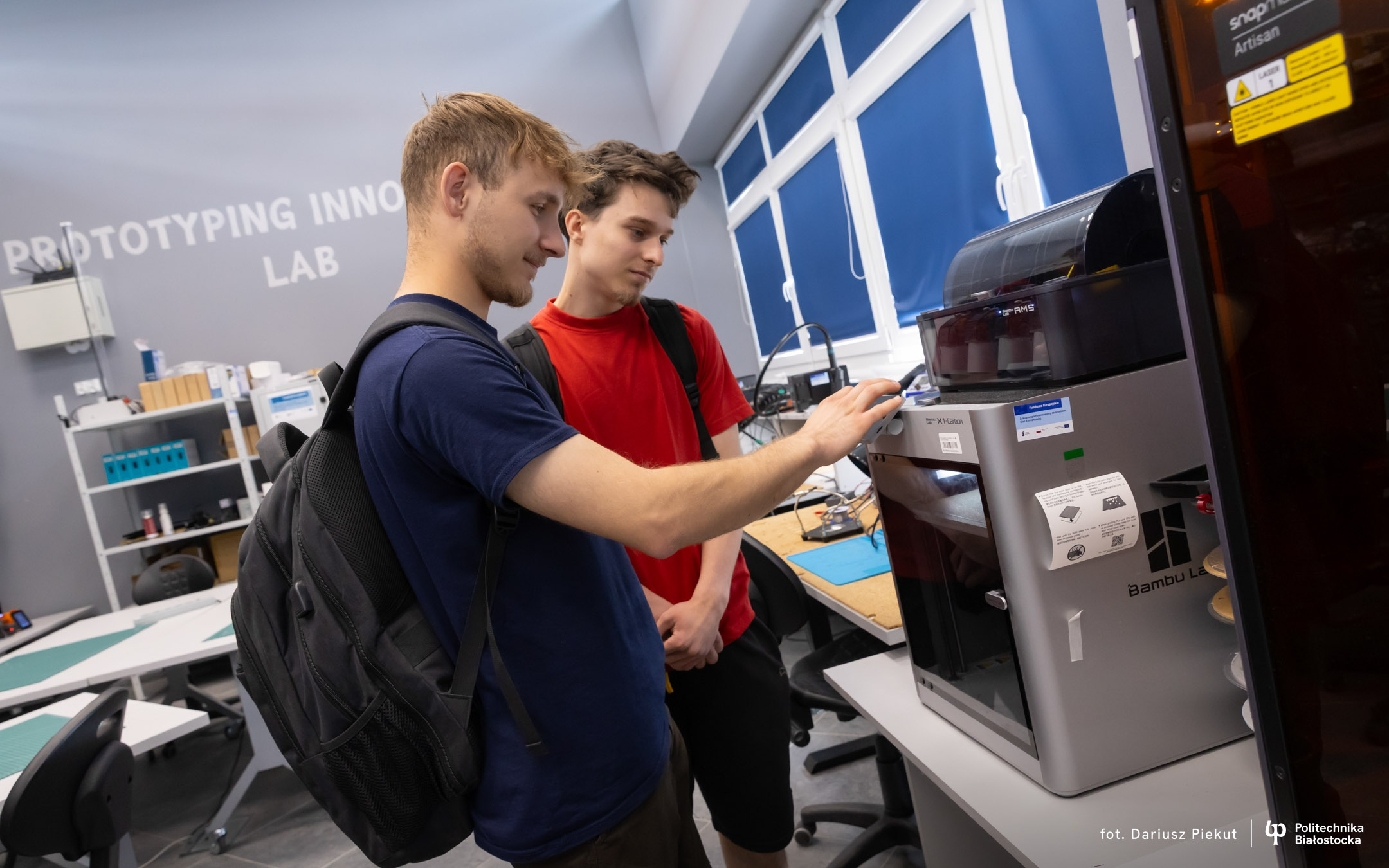
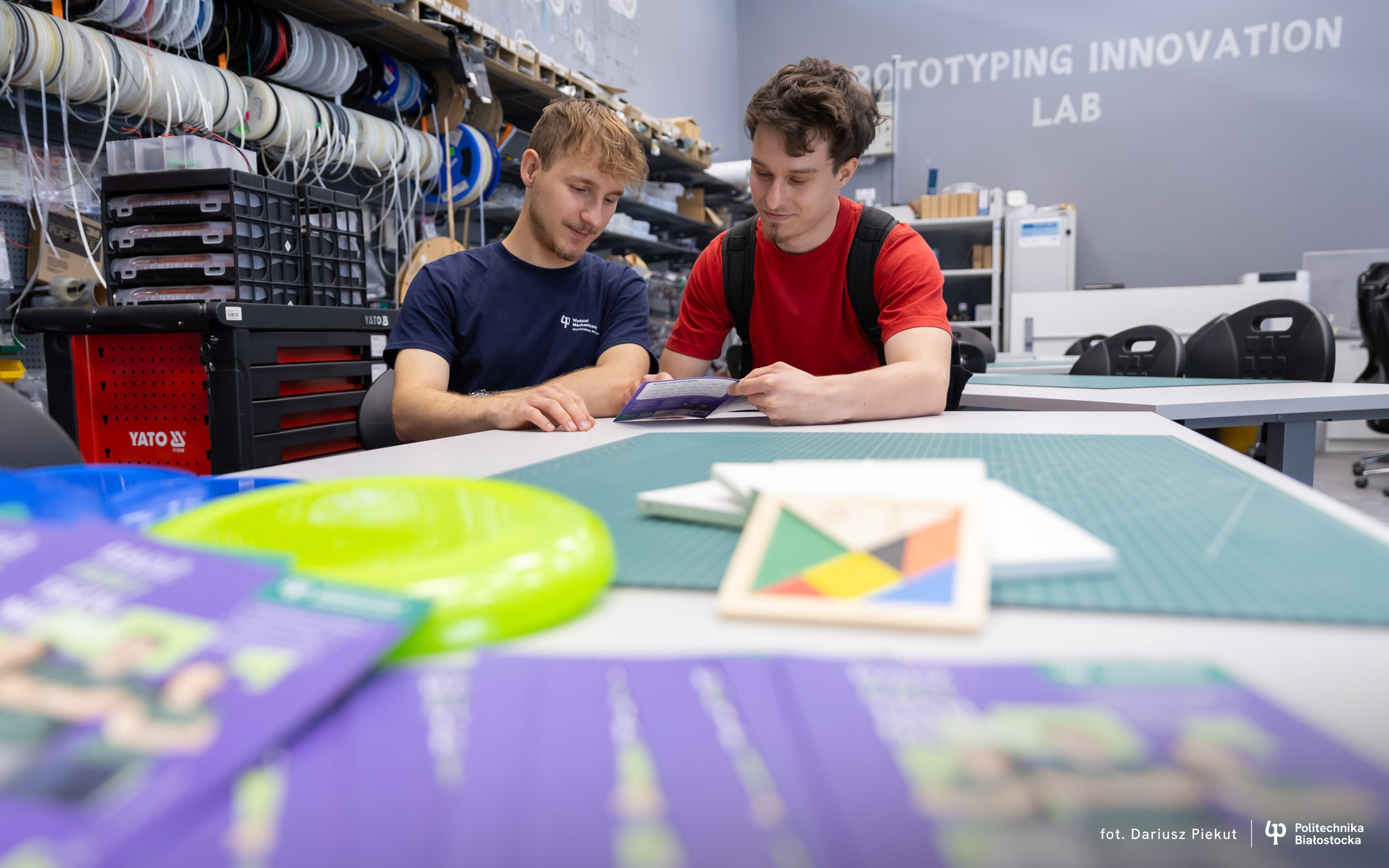
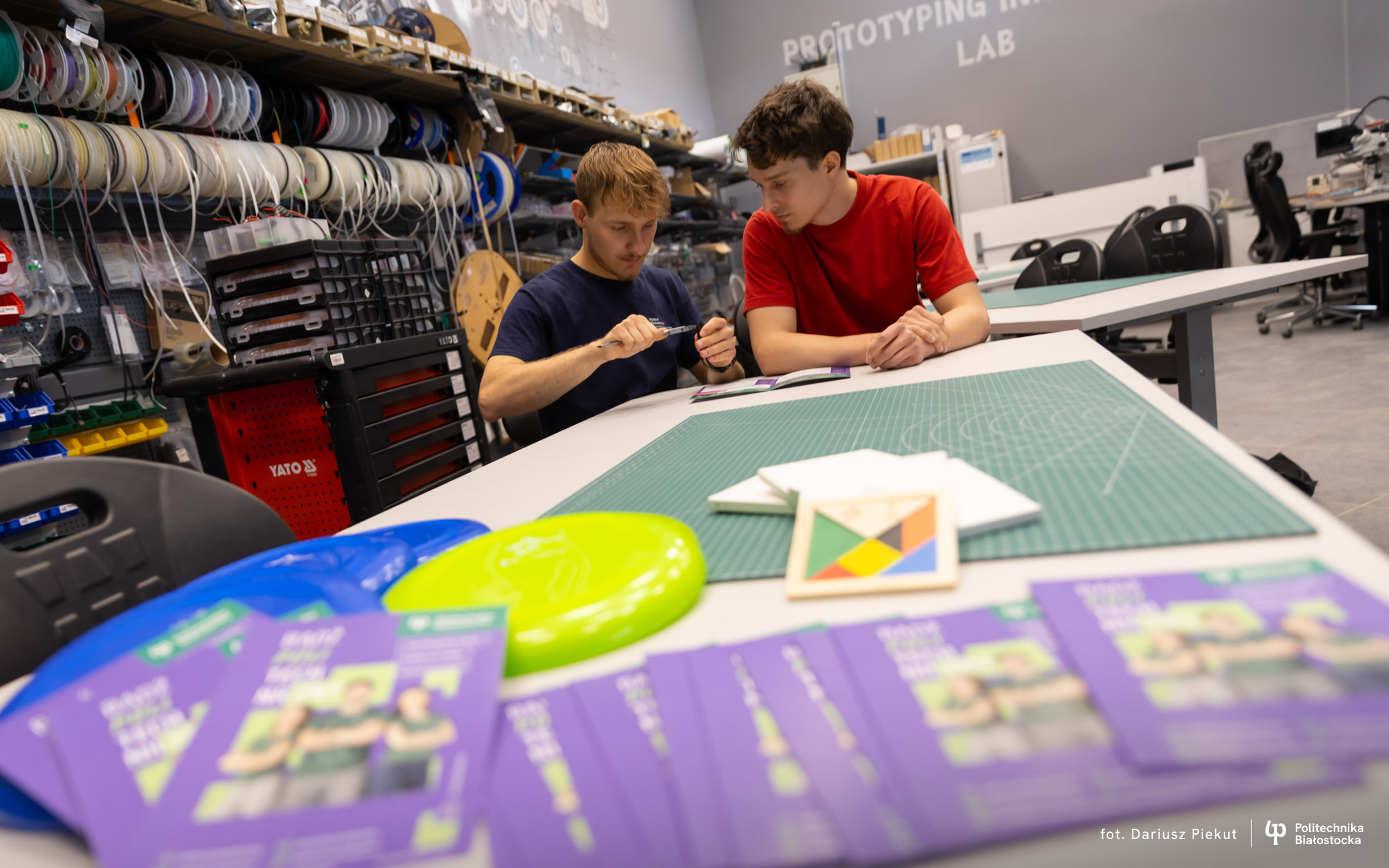
- Prototyping Lab
- Smart Factory Lab
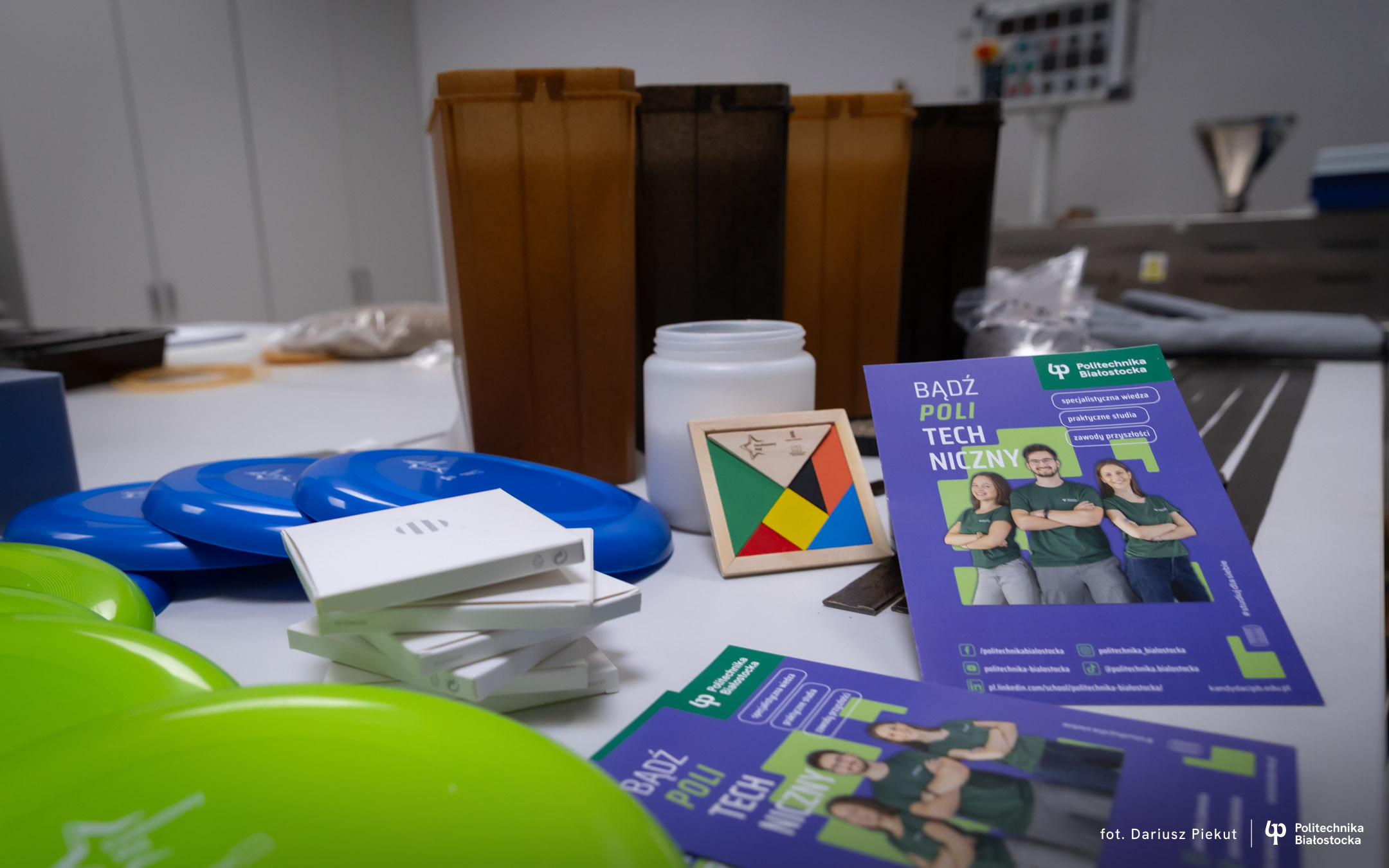
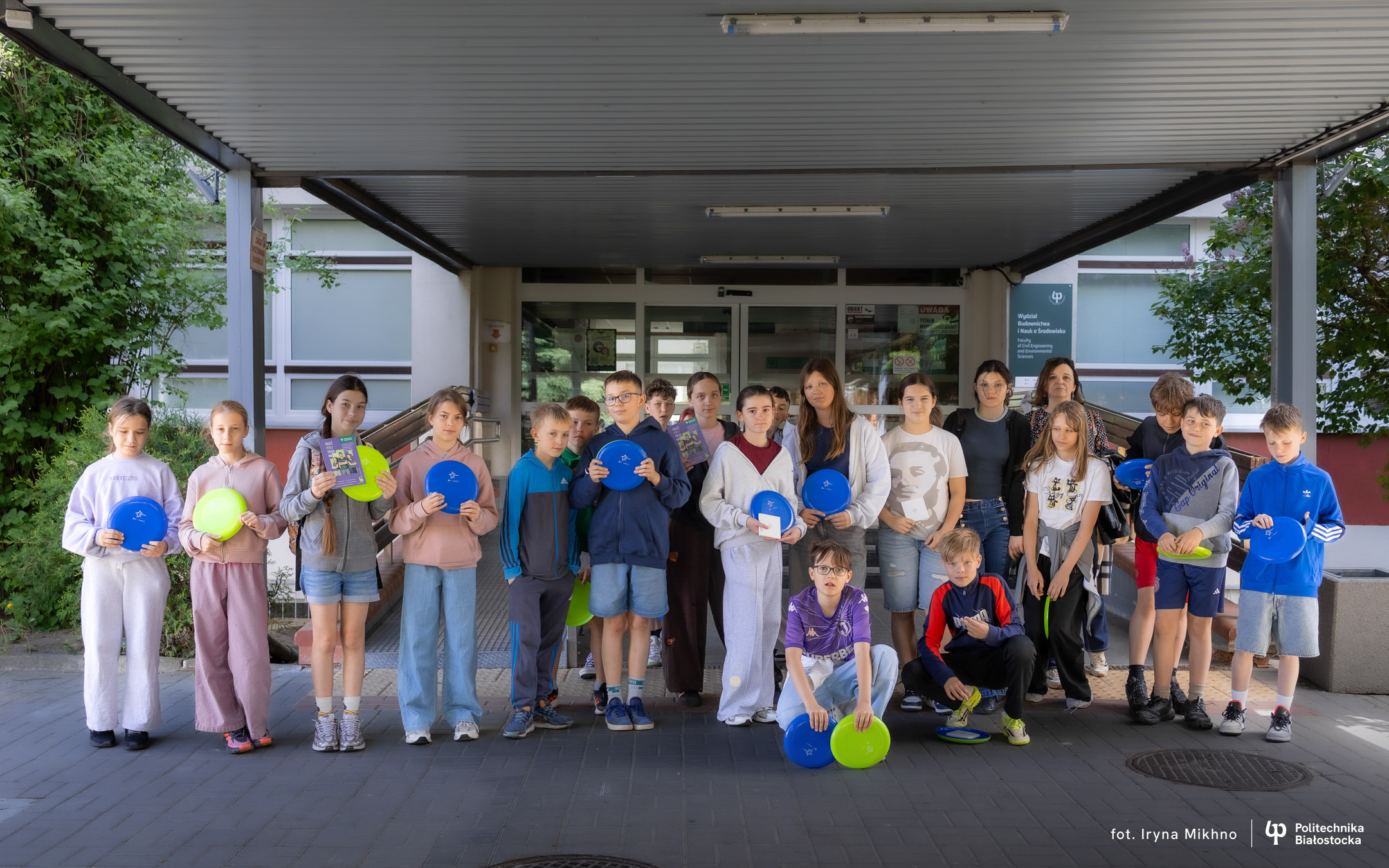
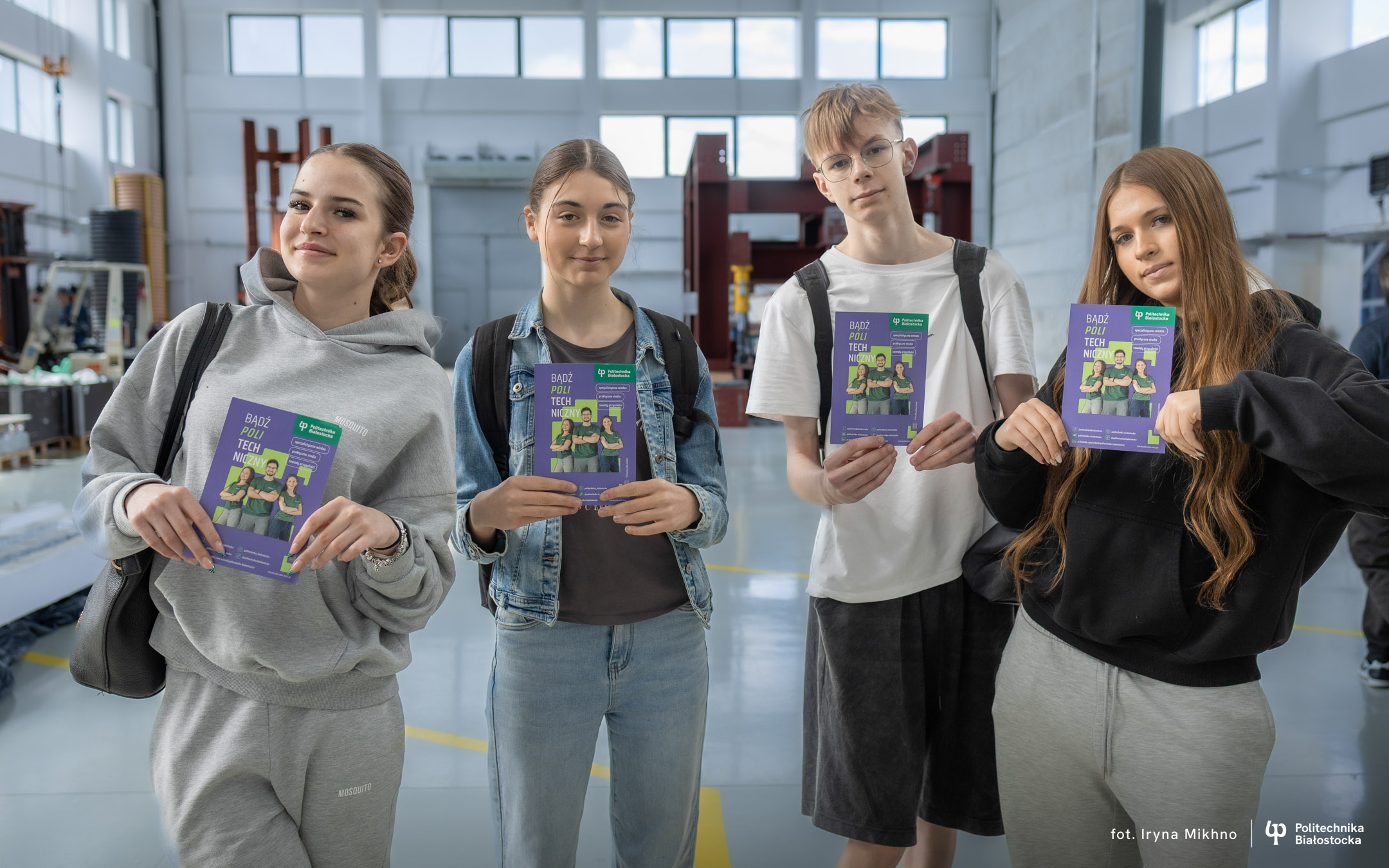
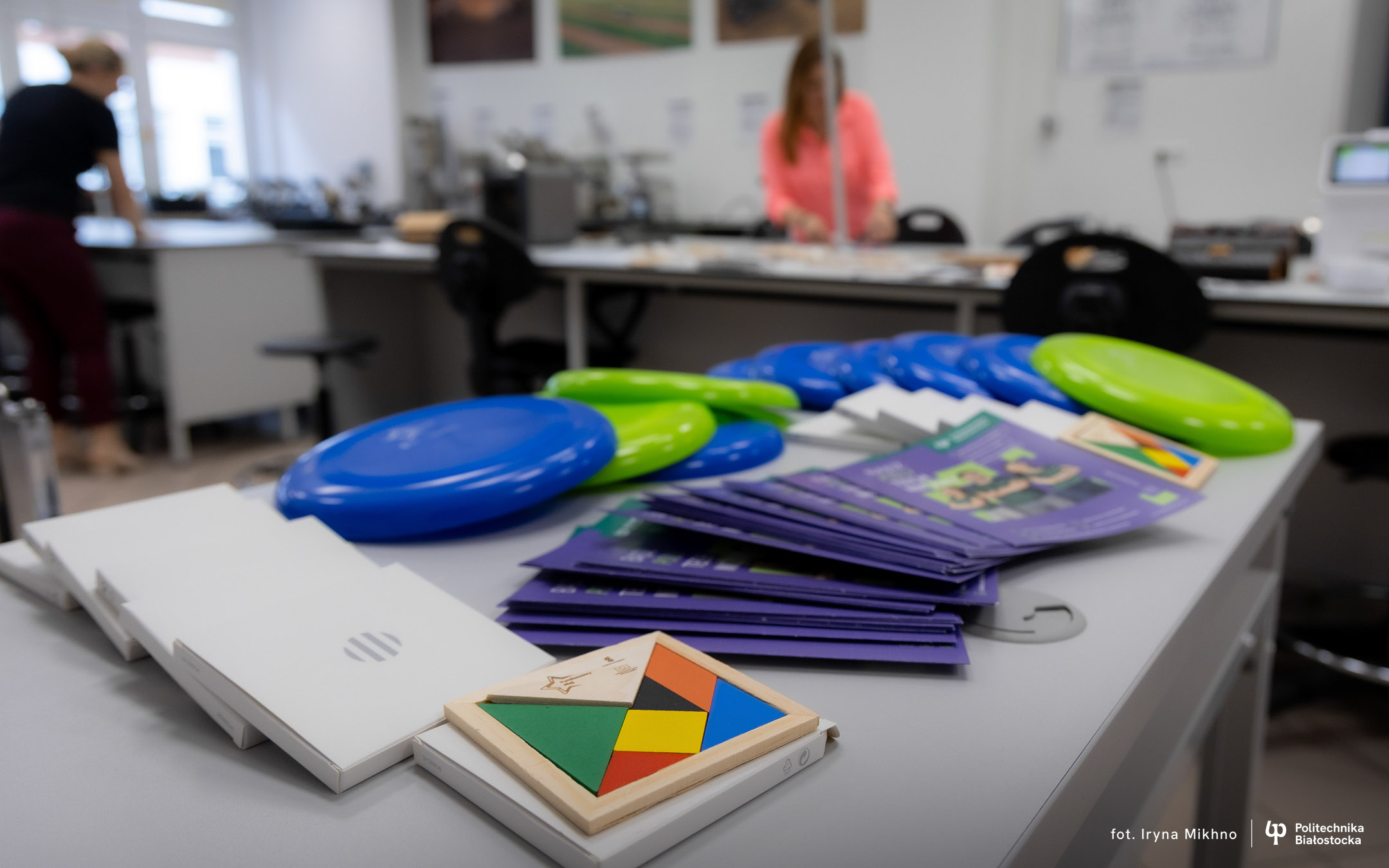
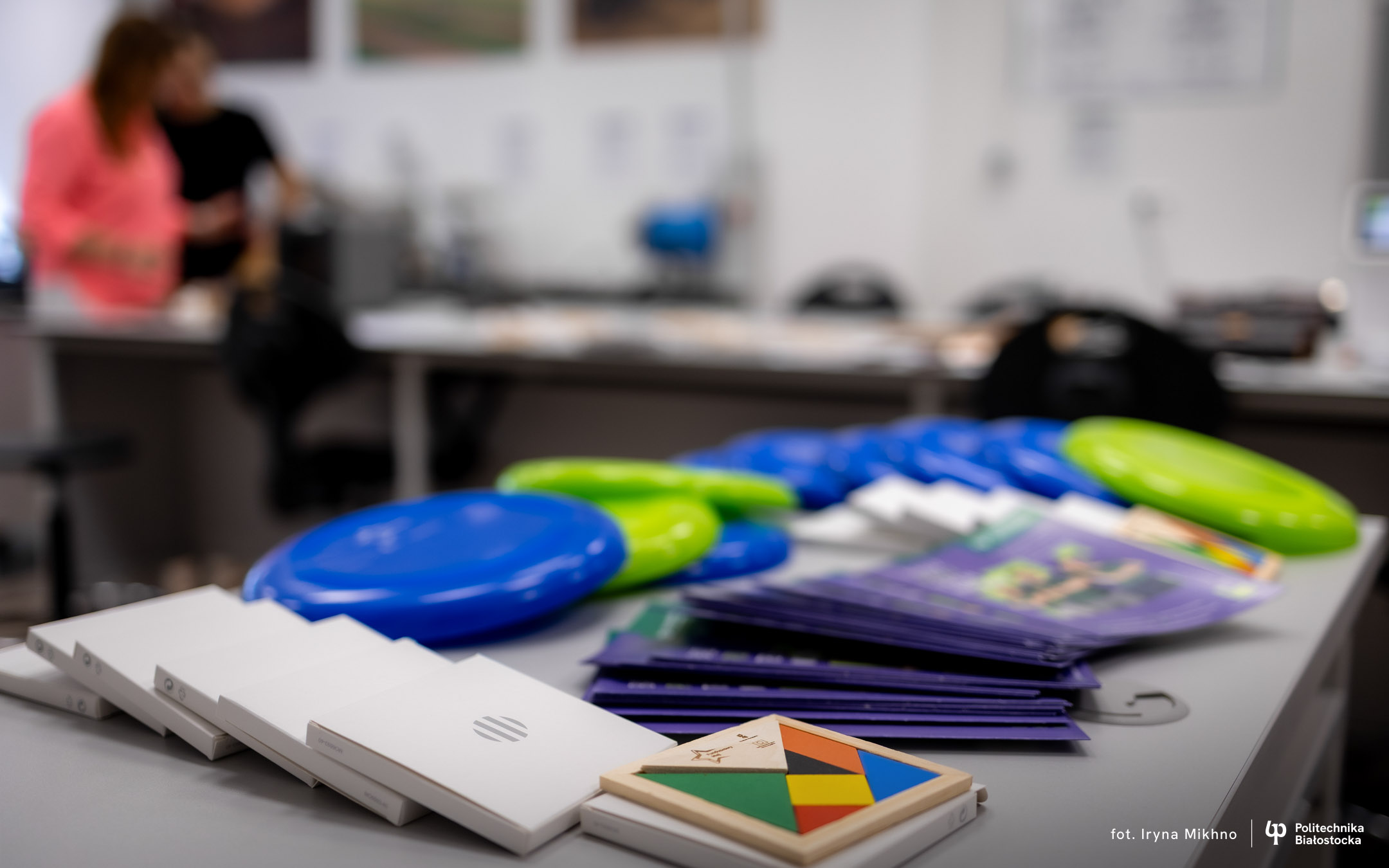
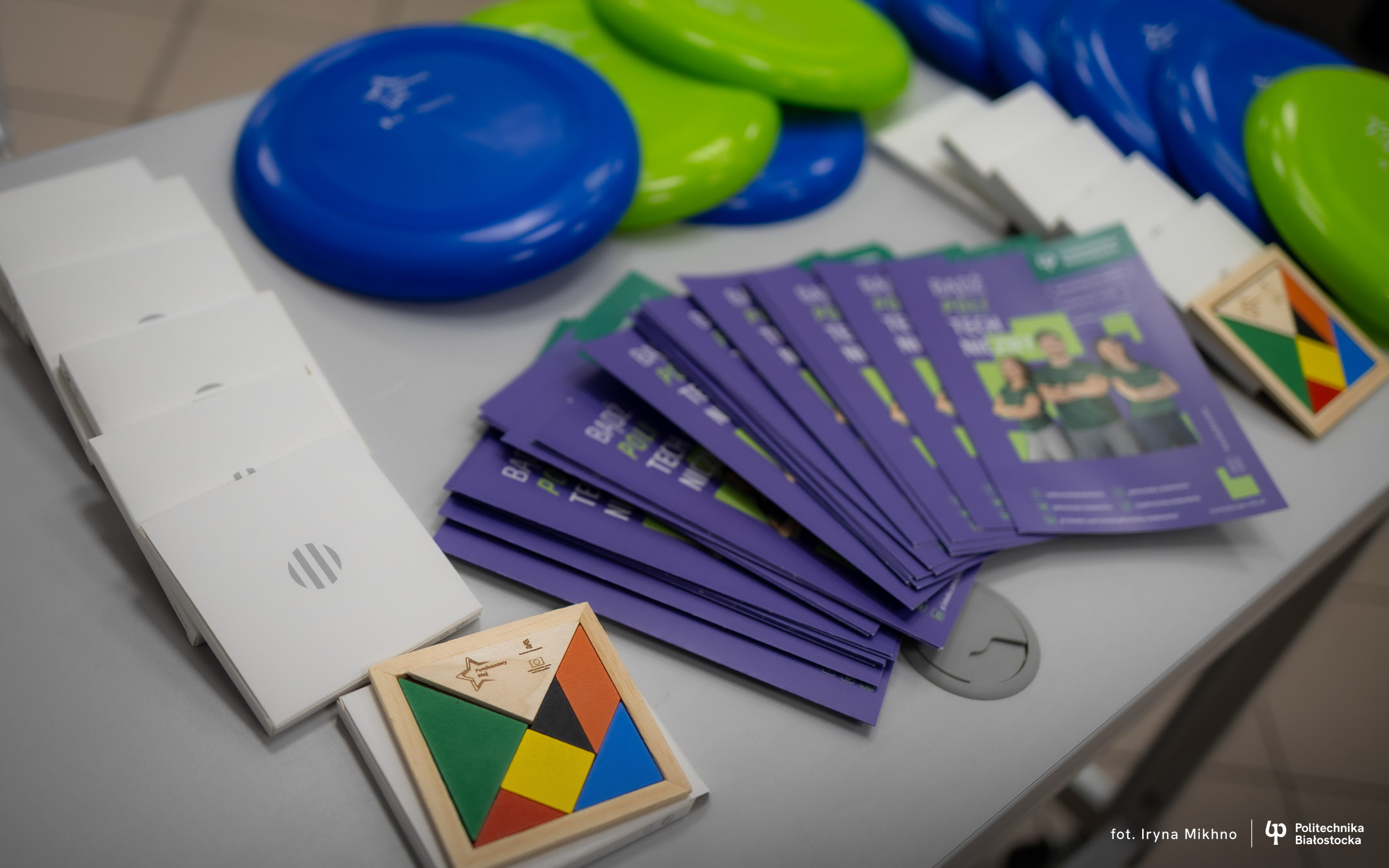
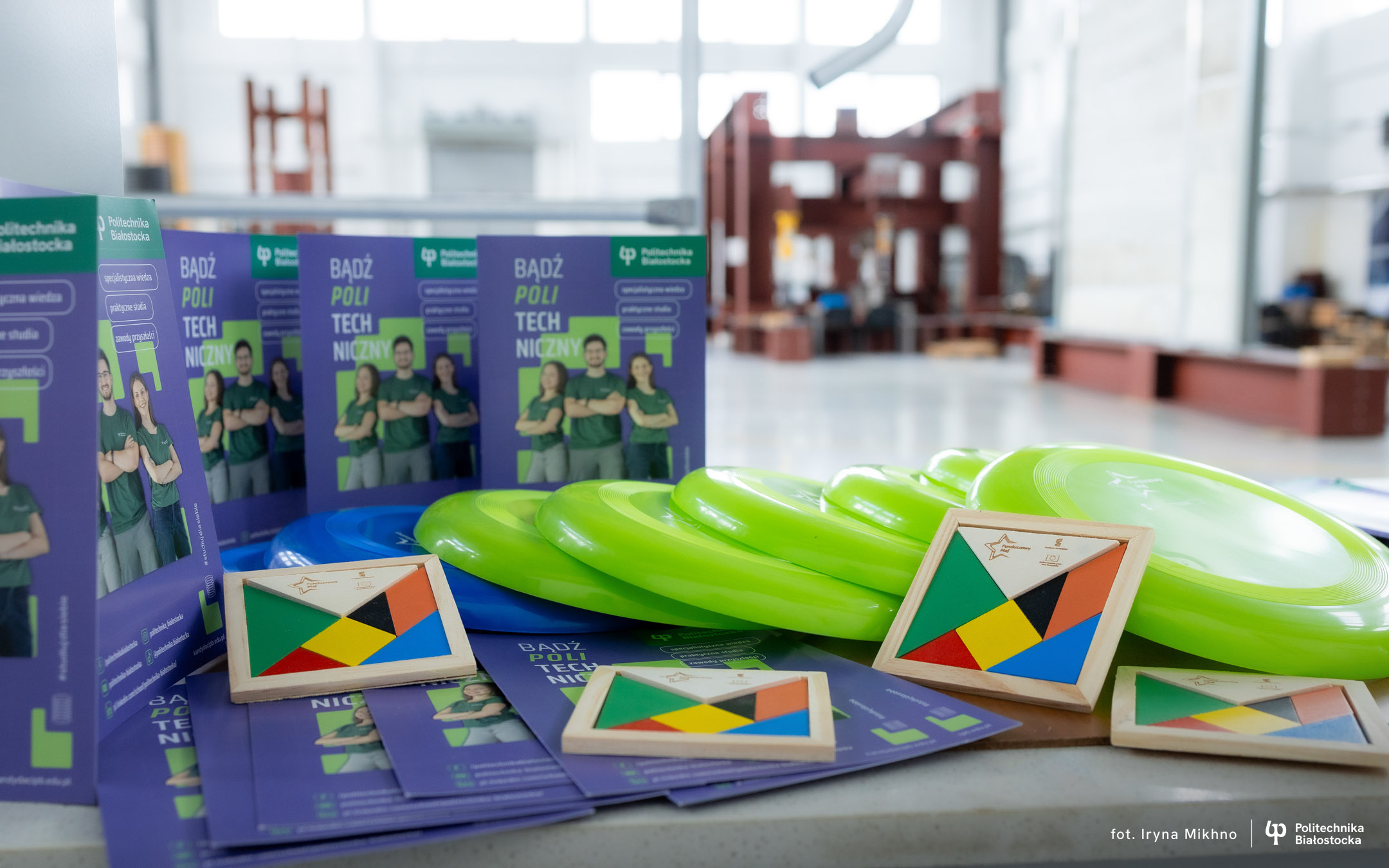
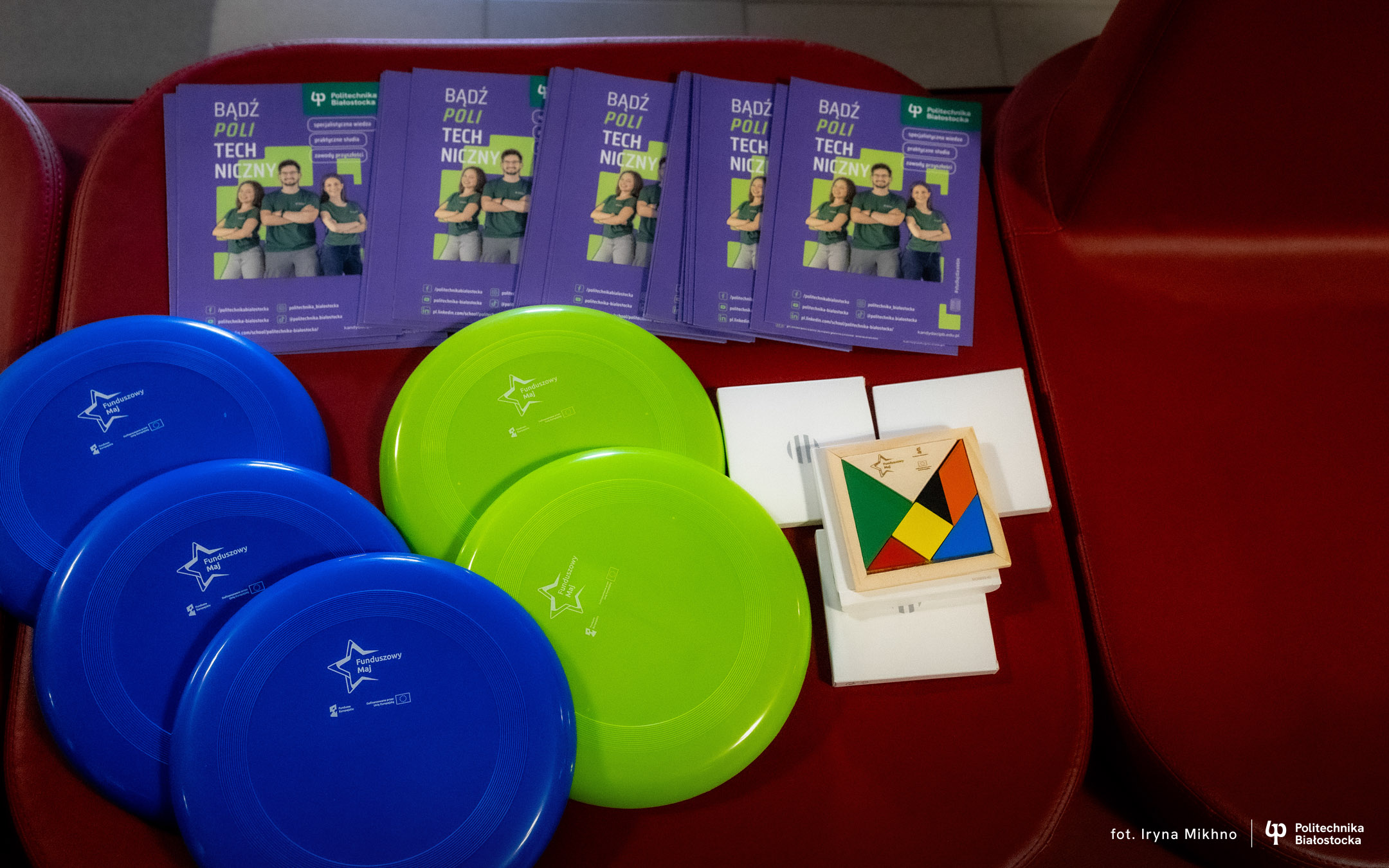
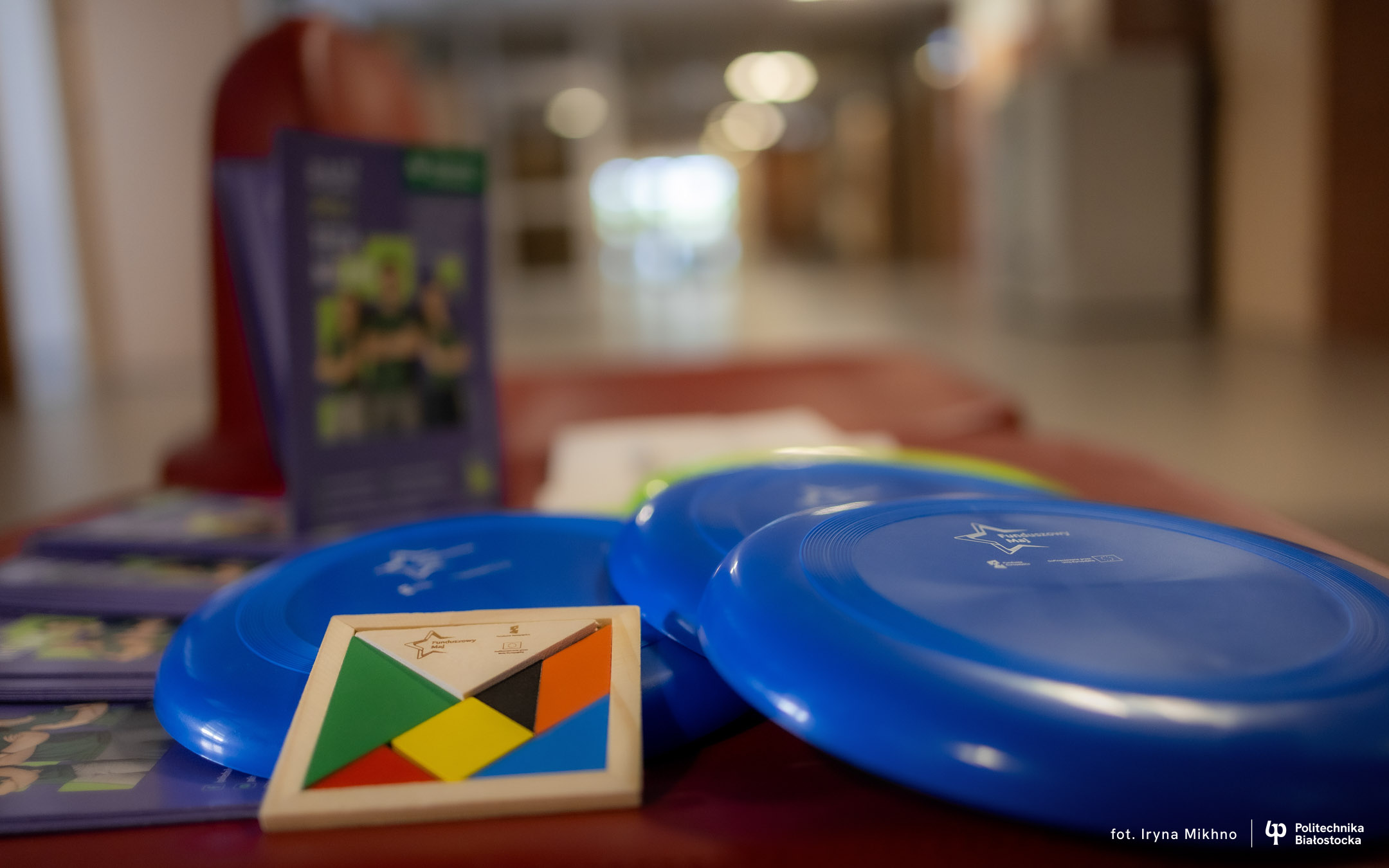
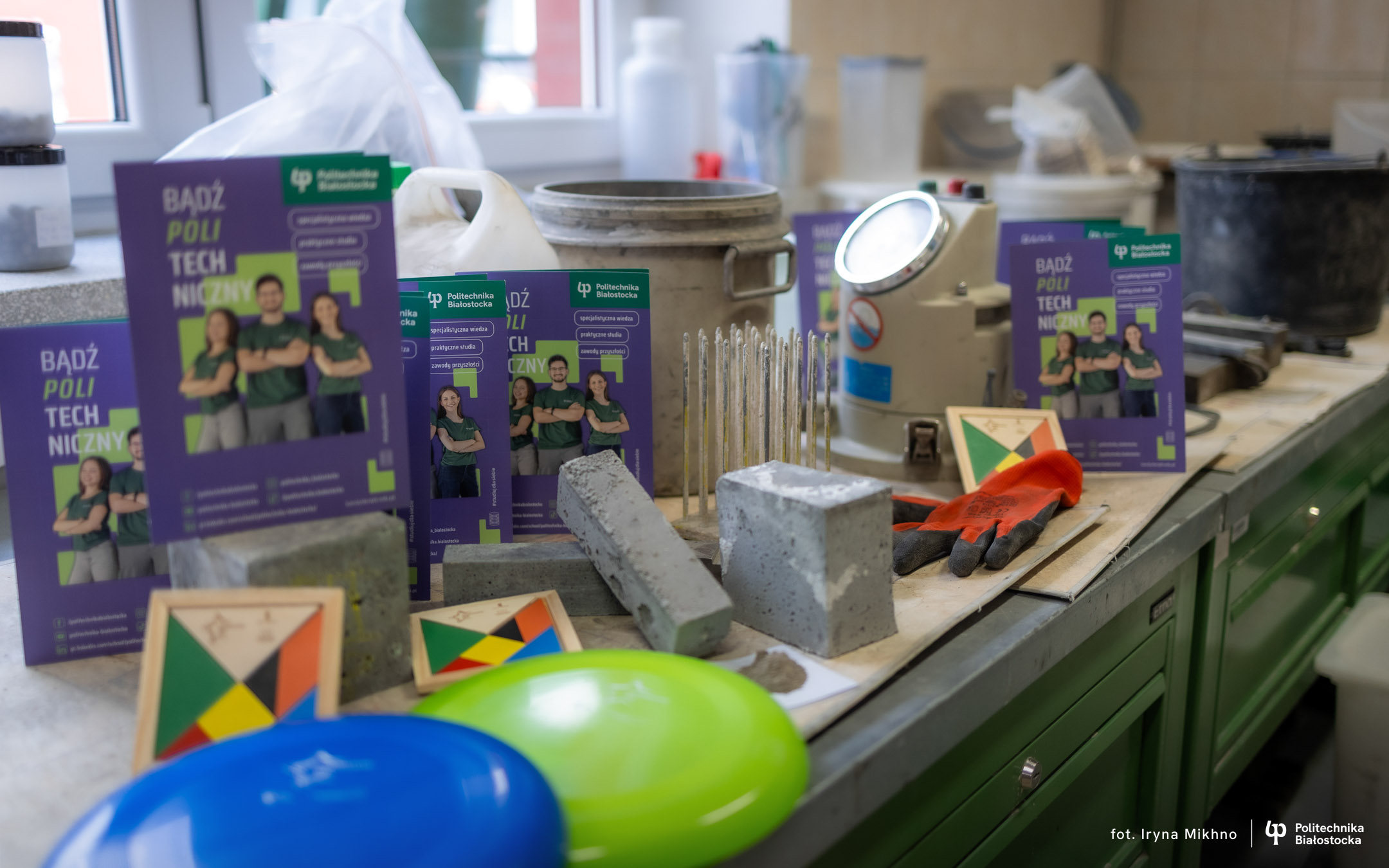
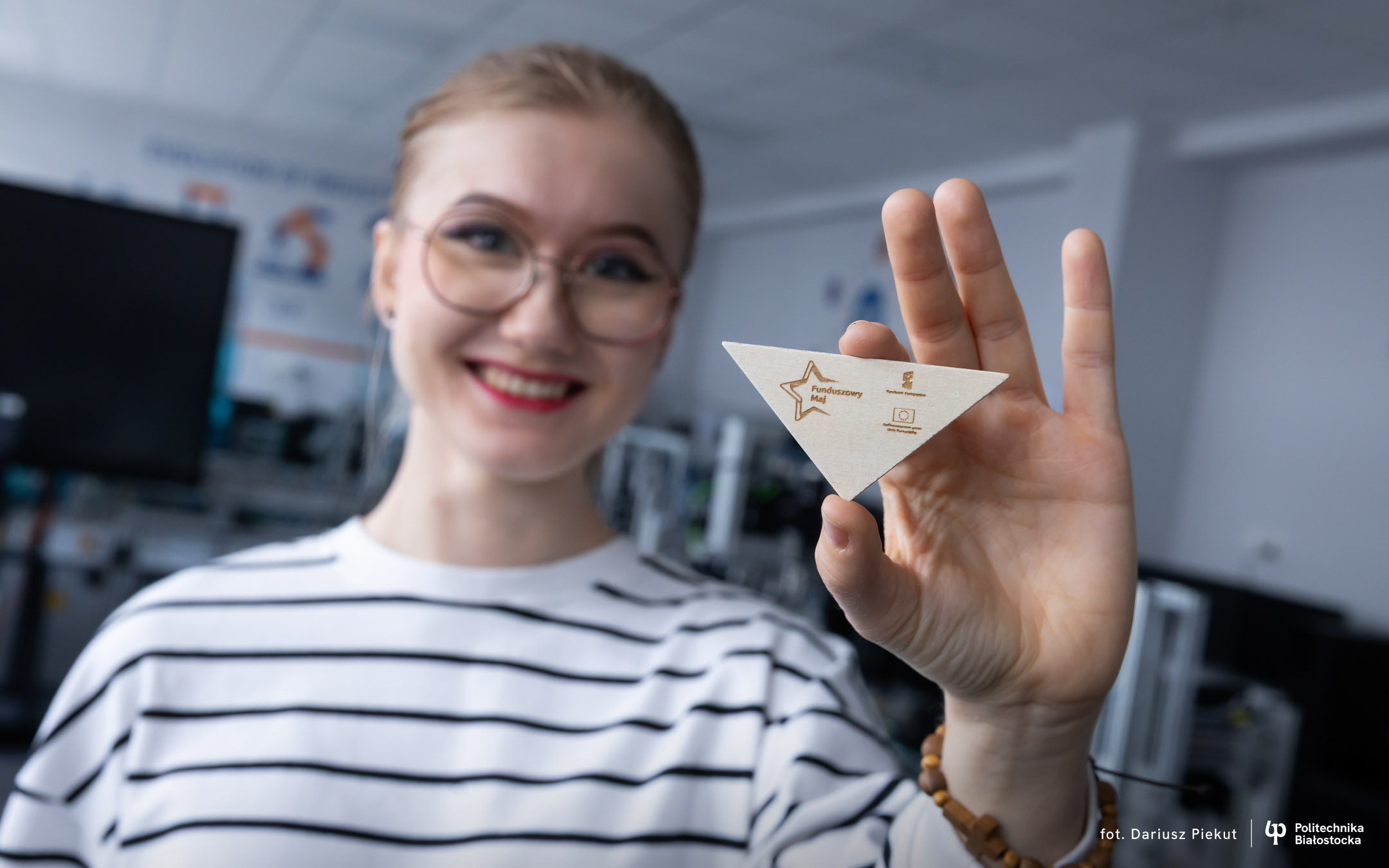
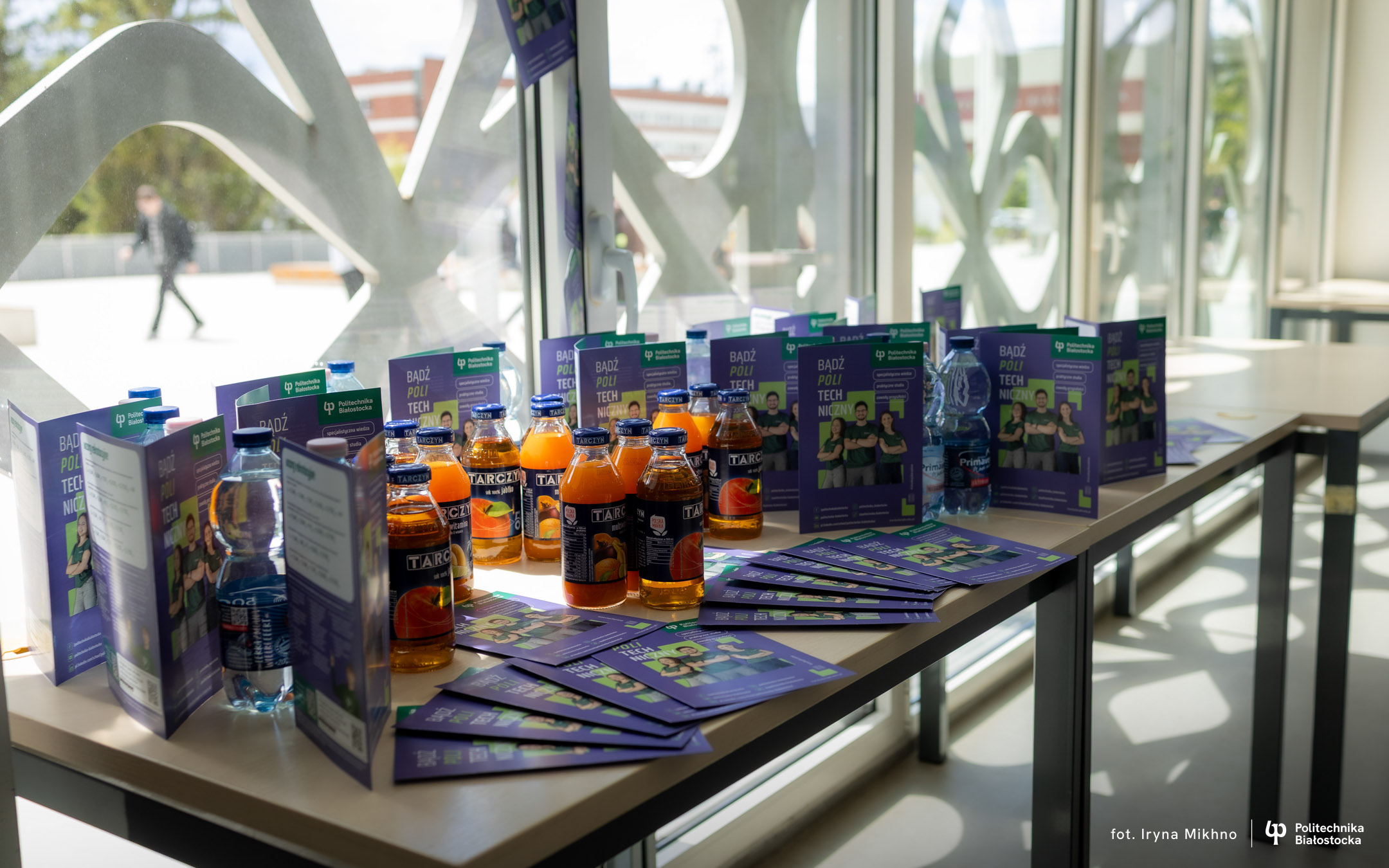
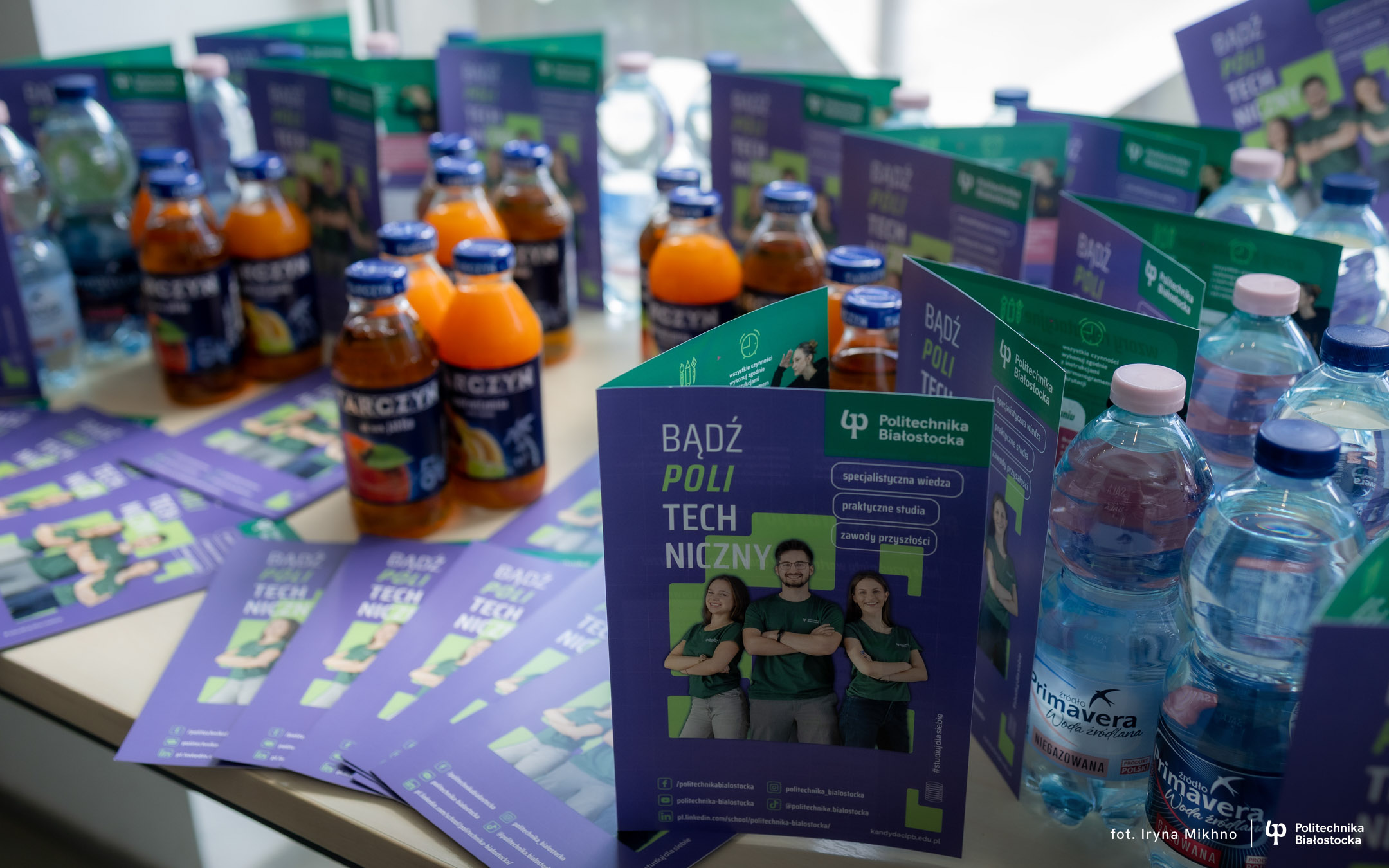
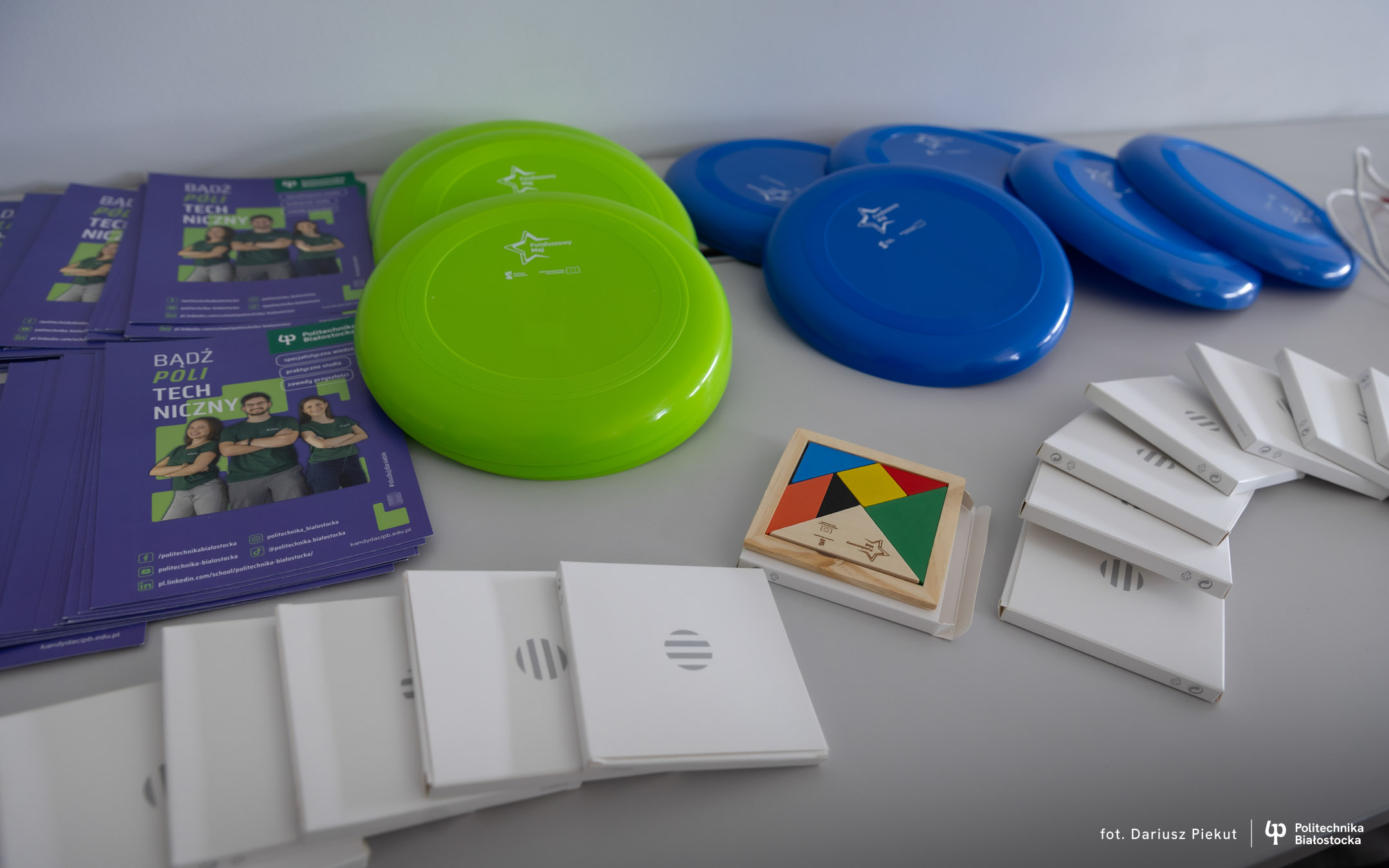
All participants received gadgets and gifts from Białystok University of Technology and the National Centre for Research and Development.
Author: Jerzy Doroszkiewicz