
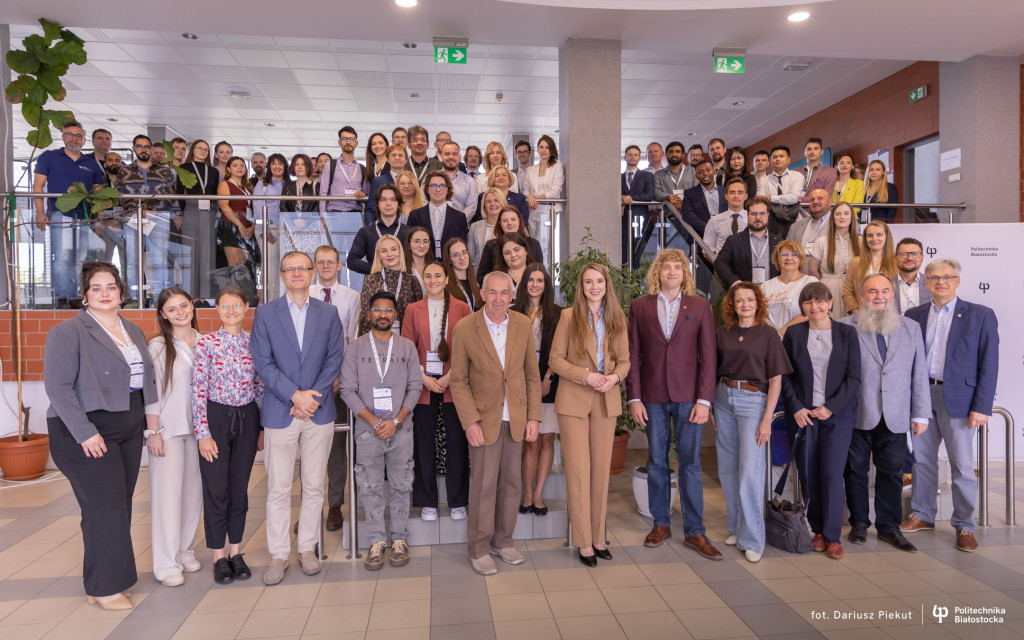
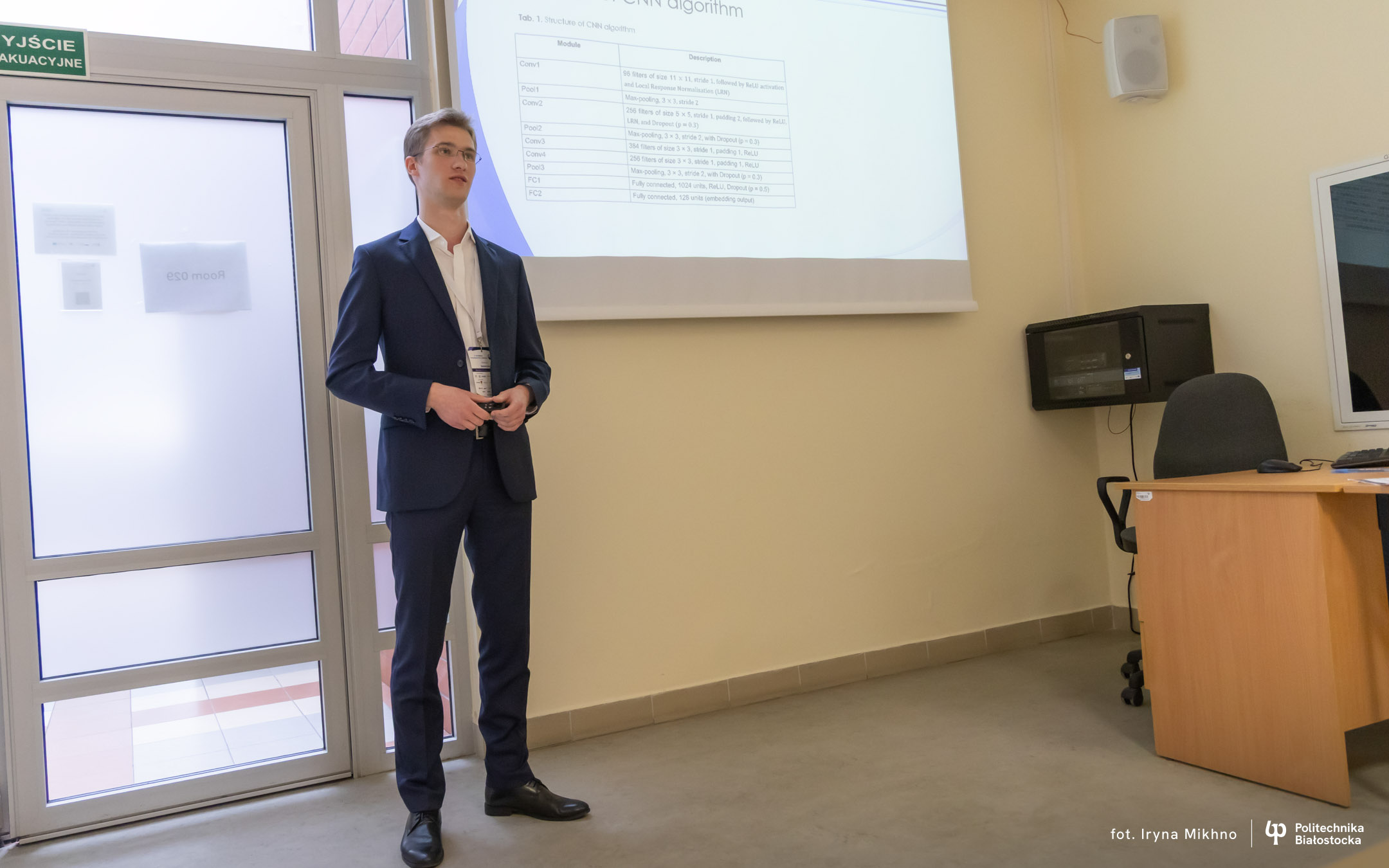
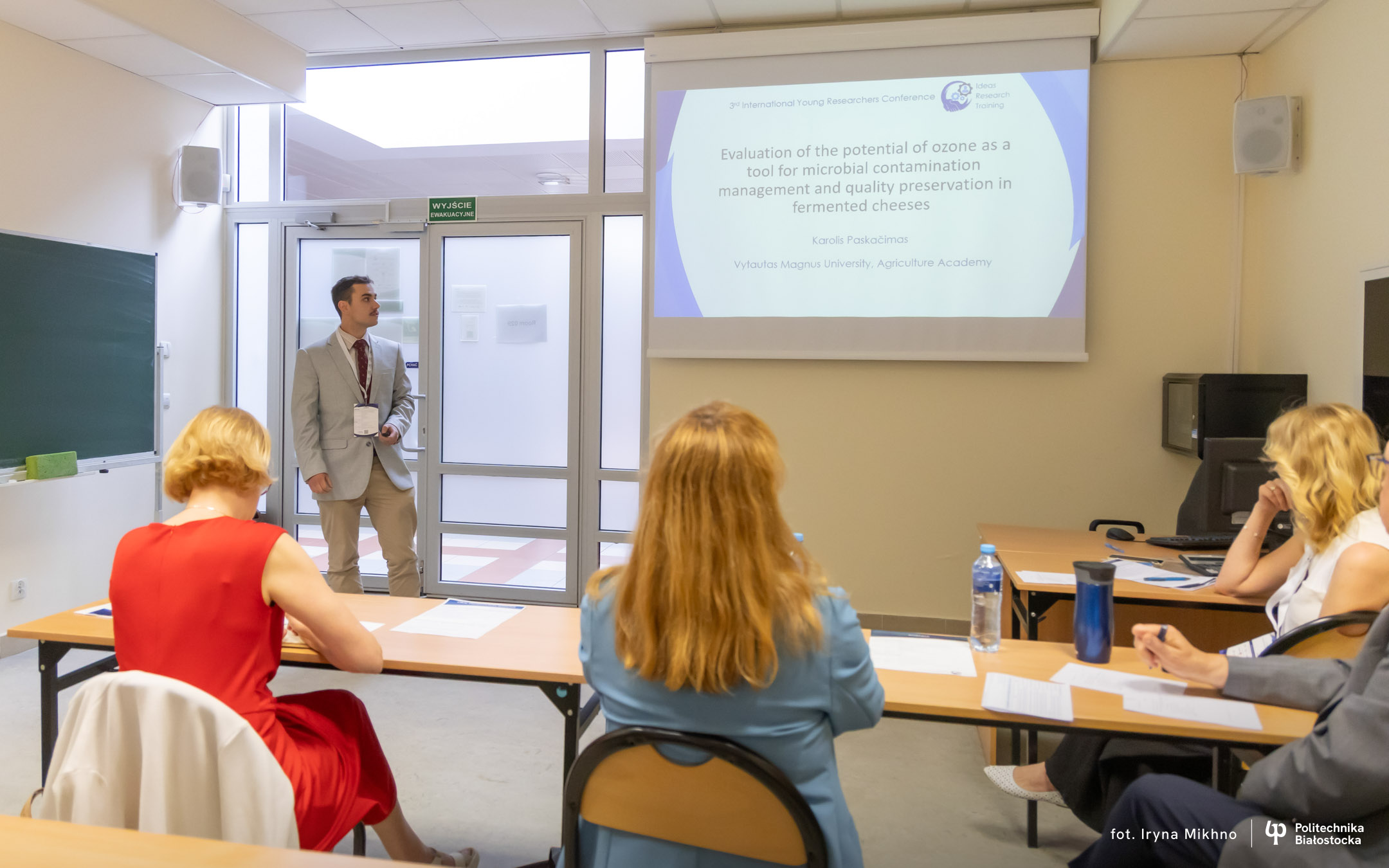
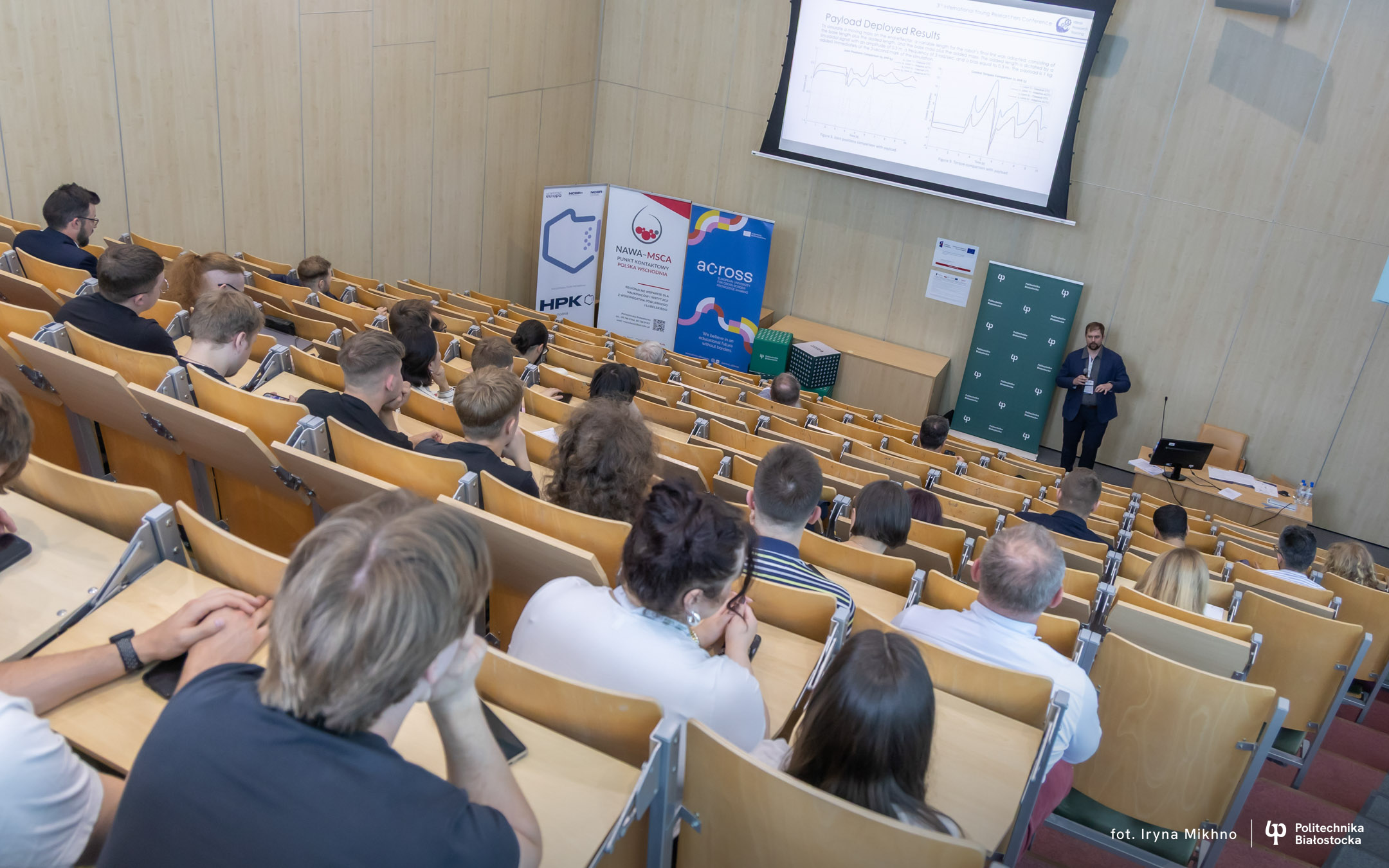
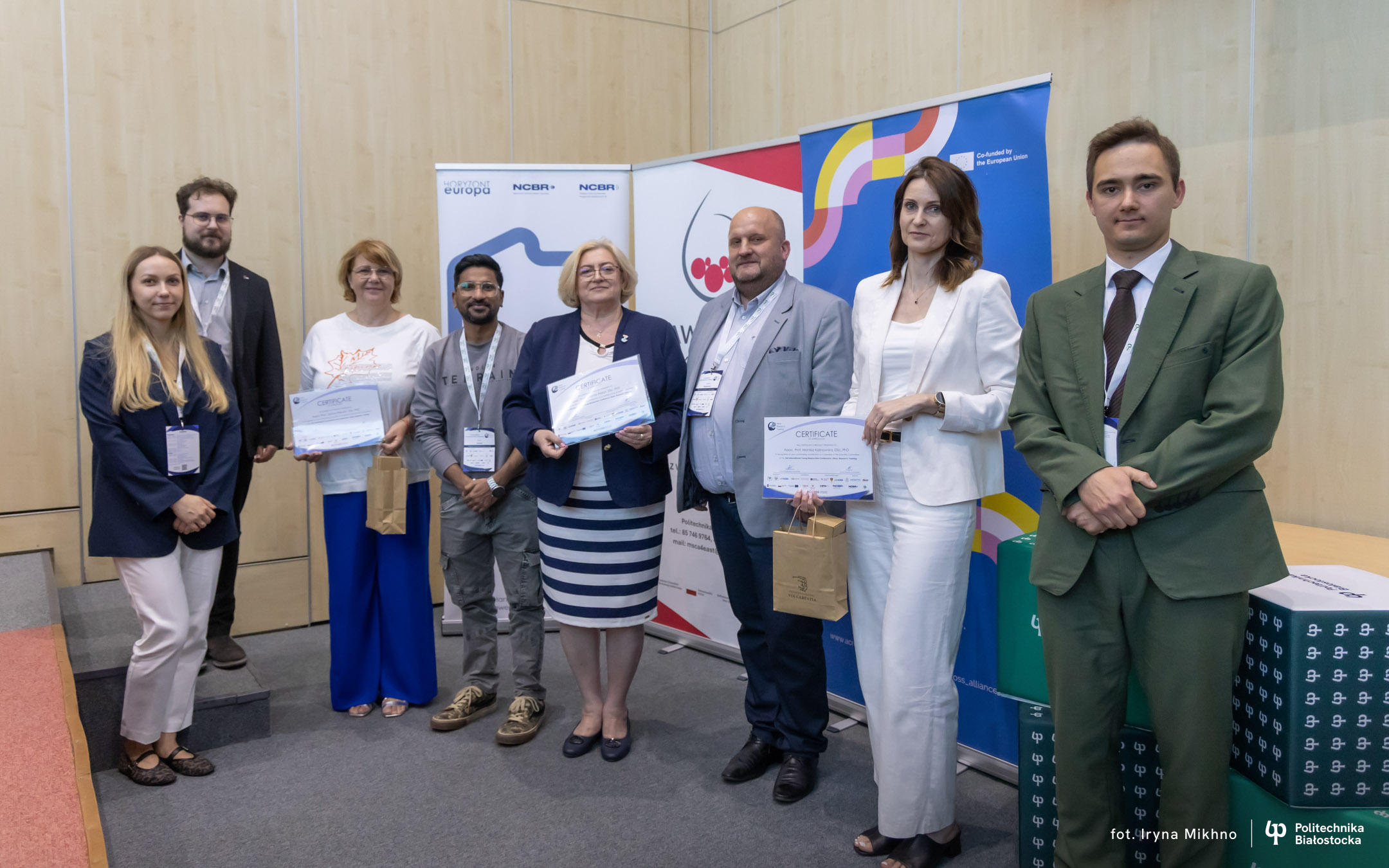
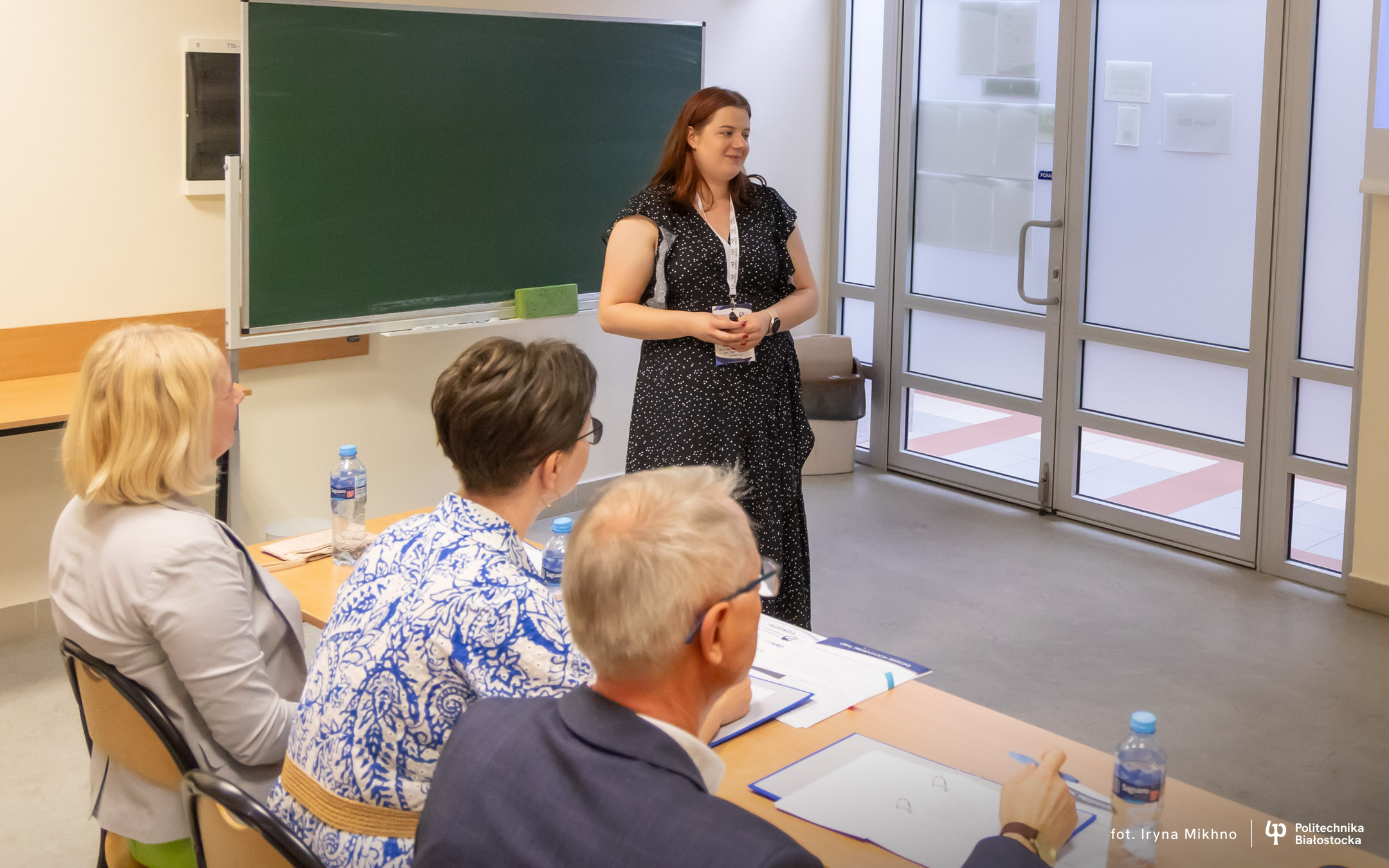
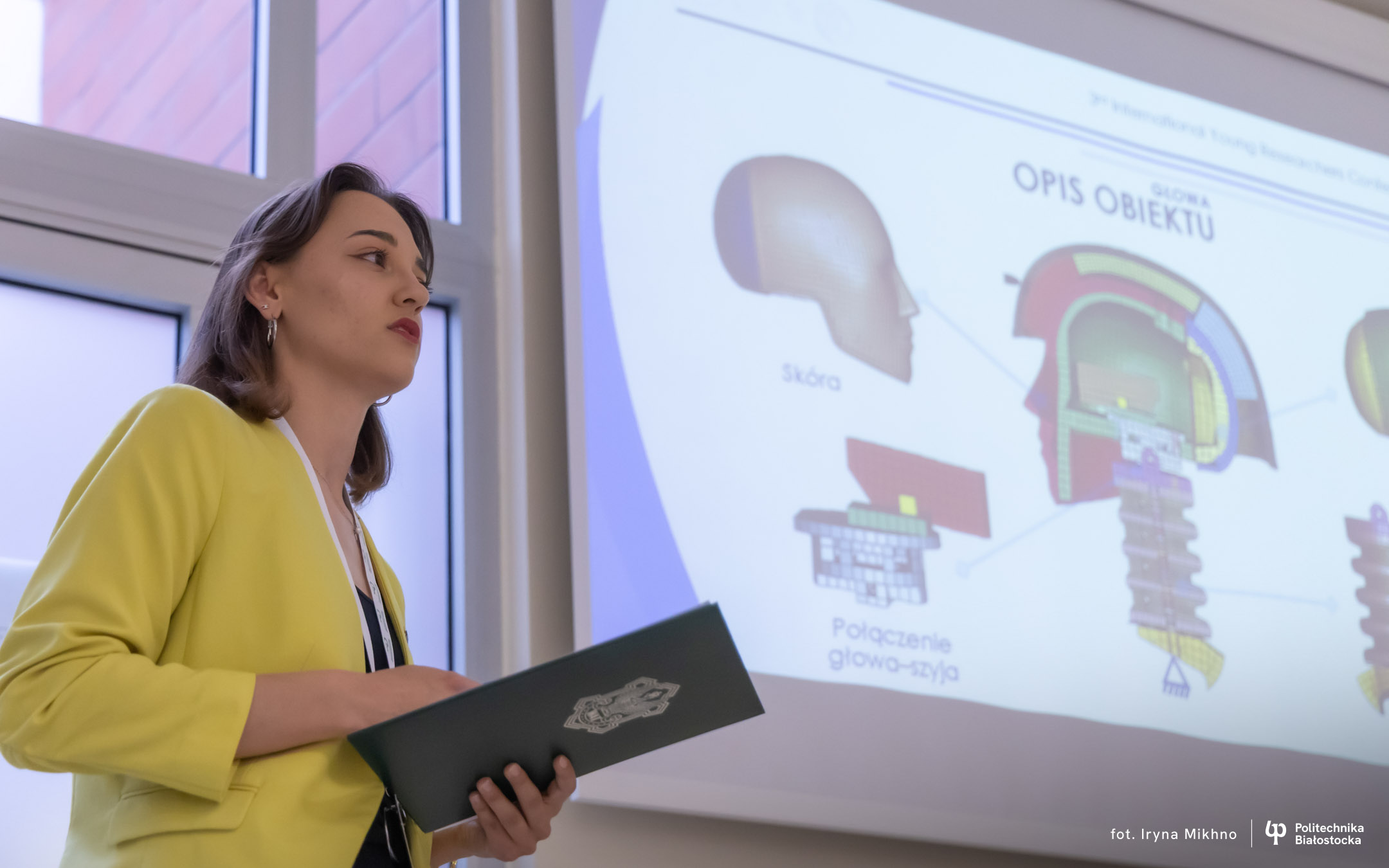
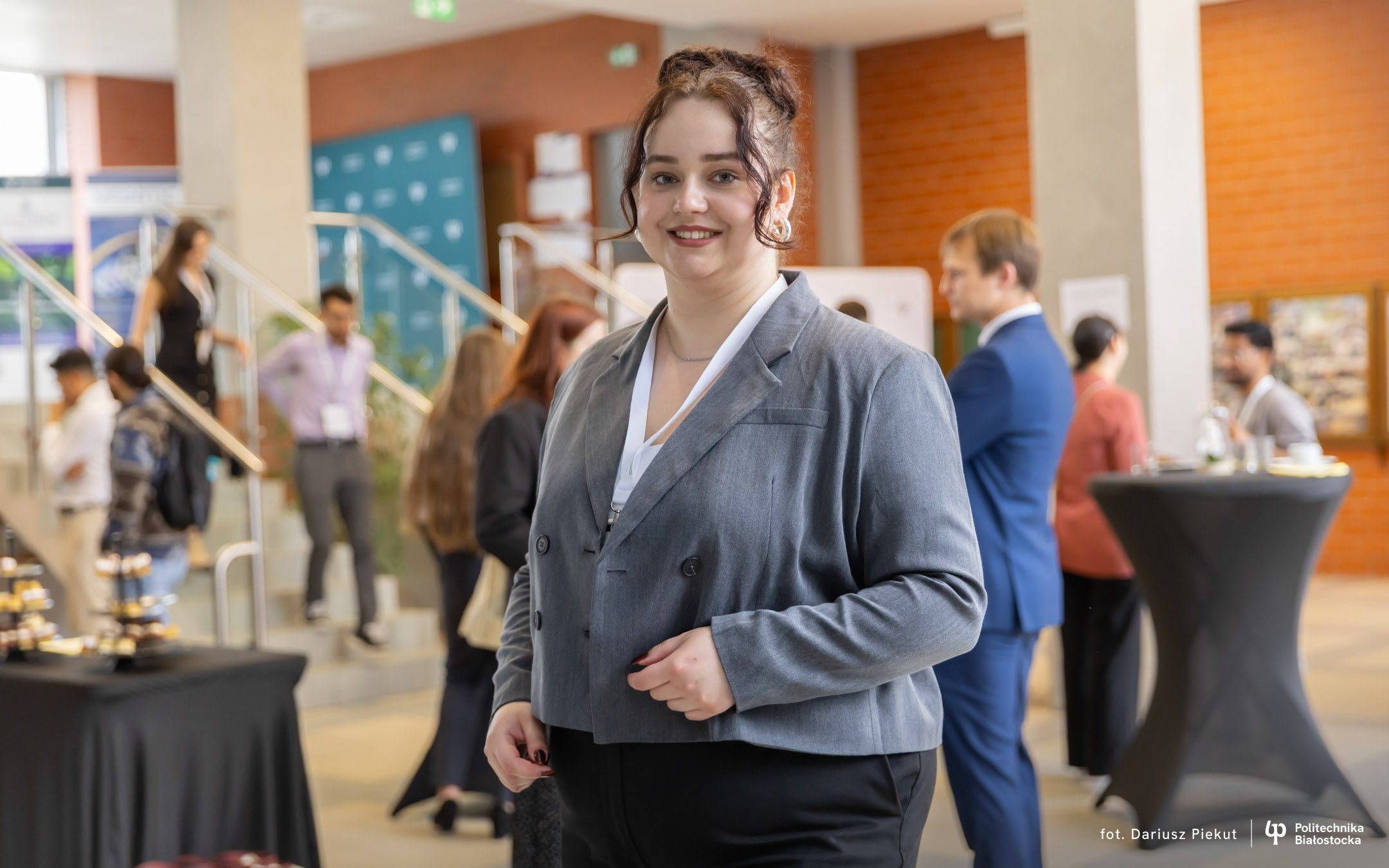
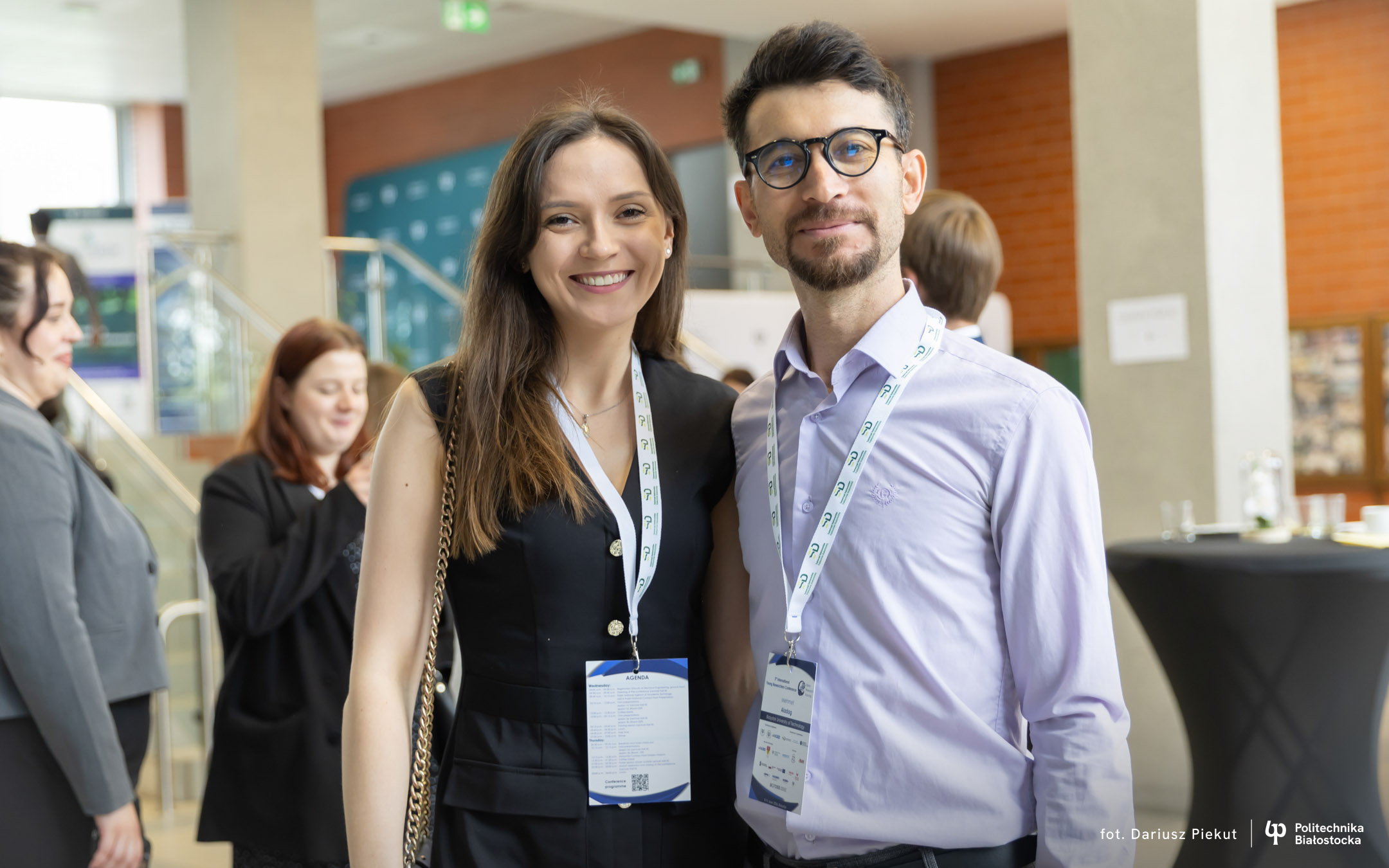
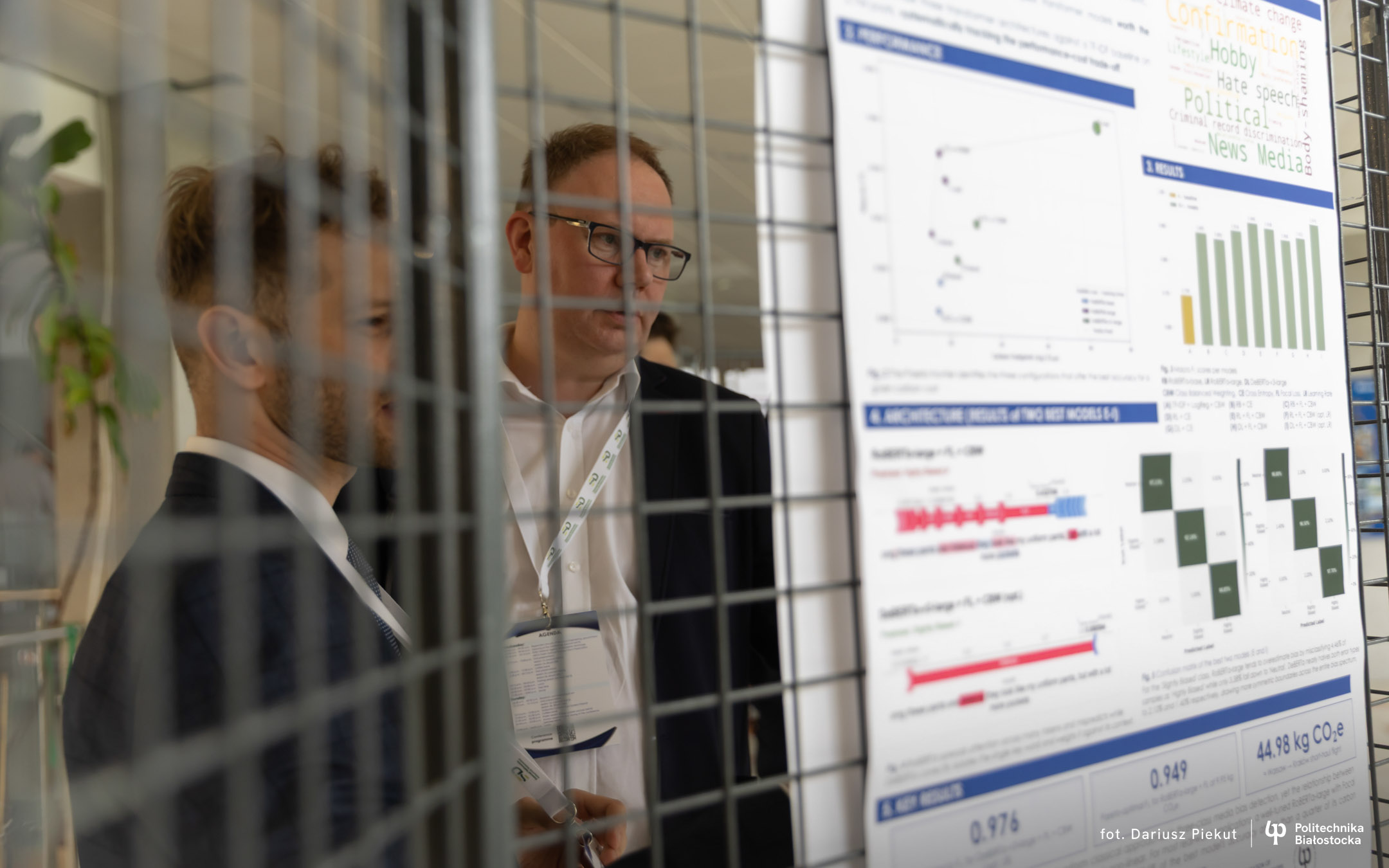
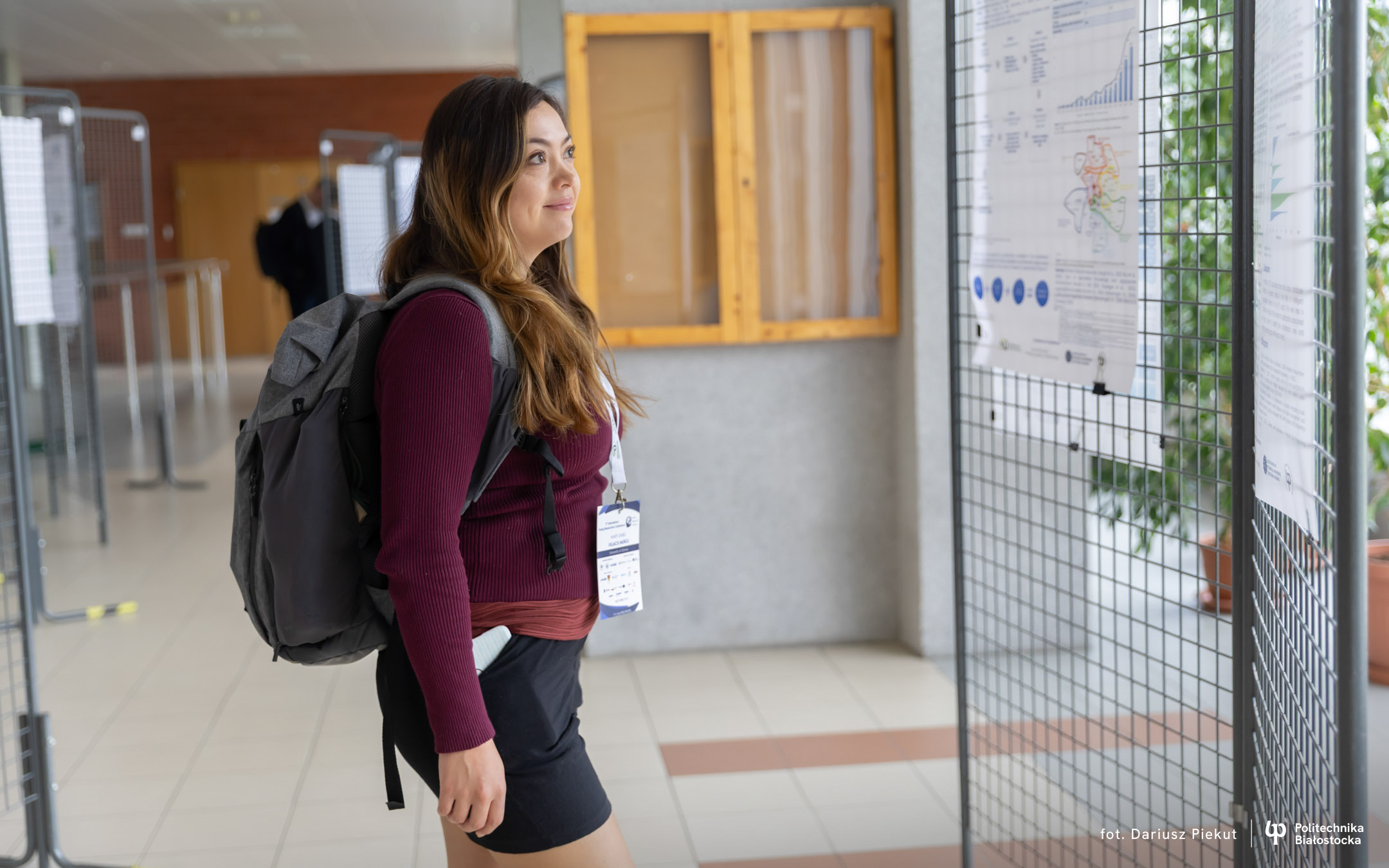
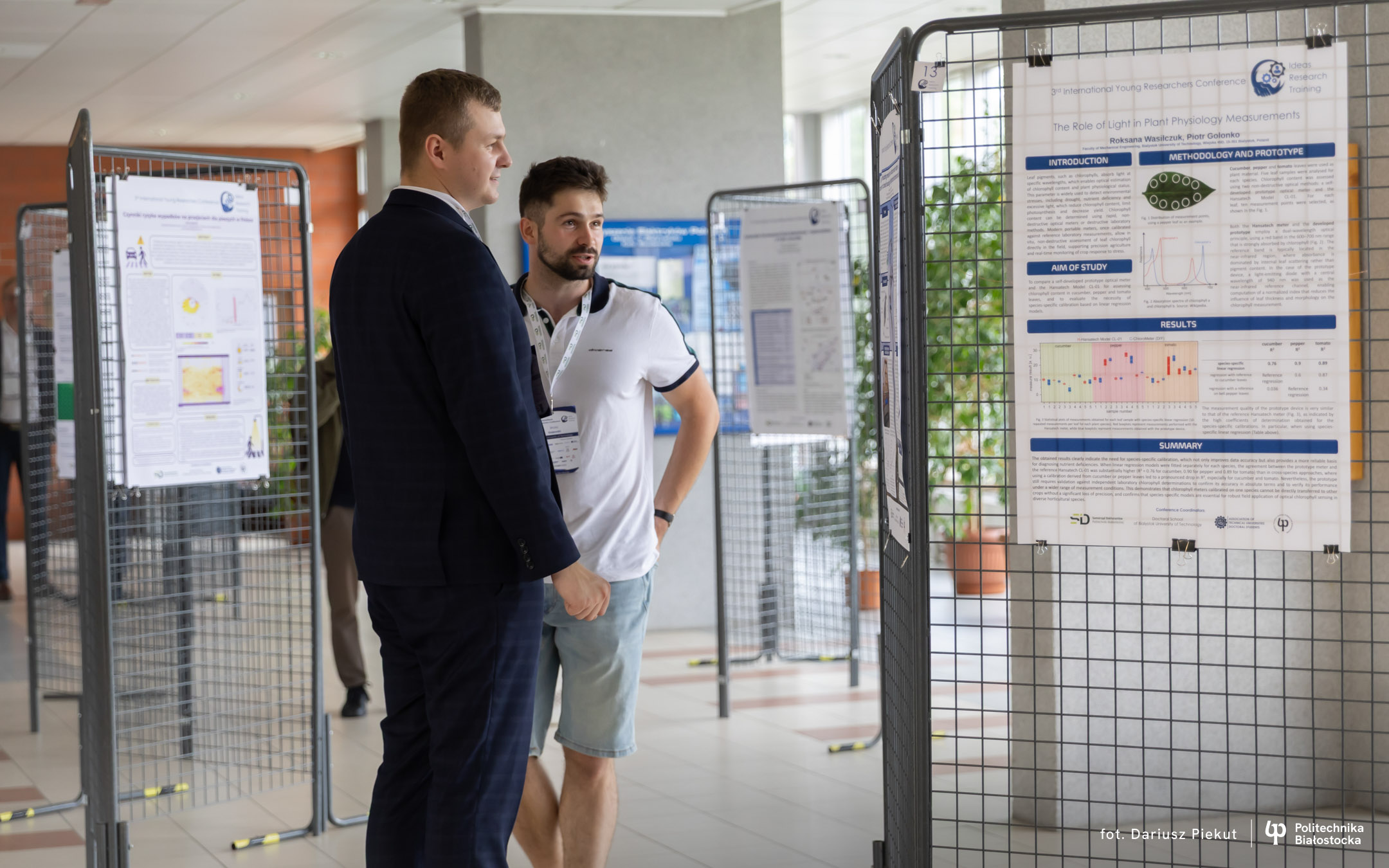
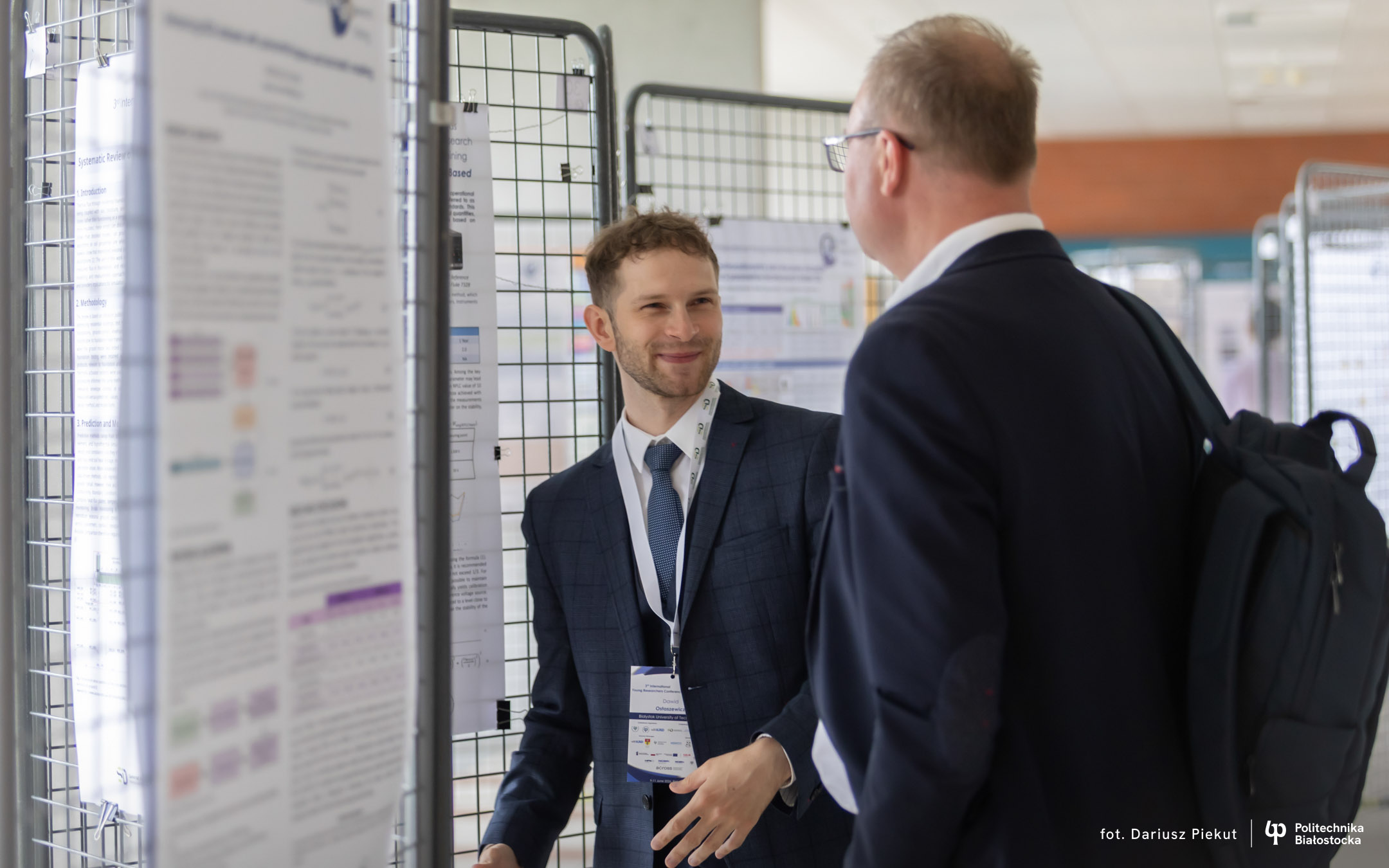
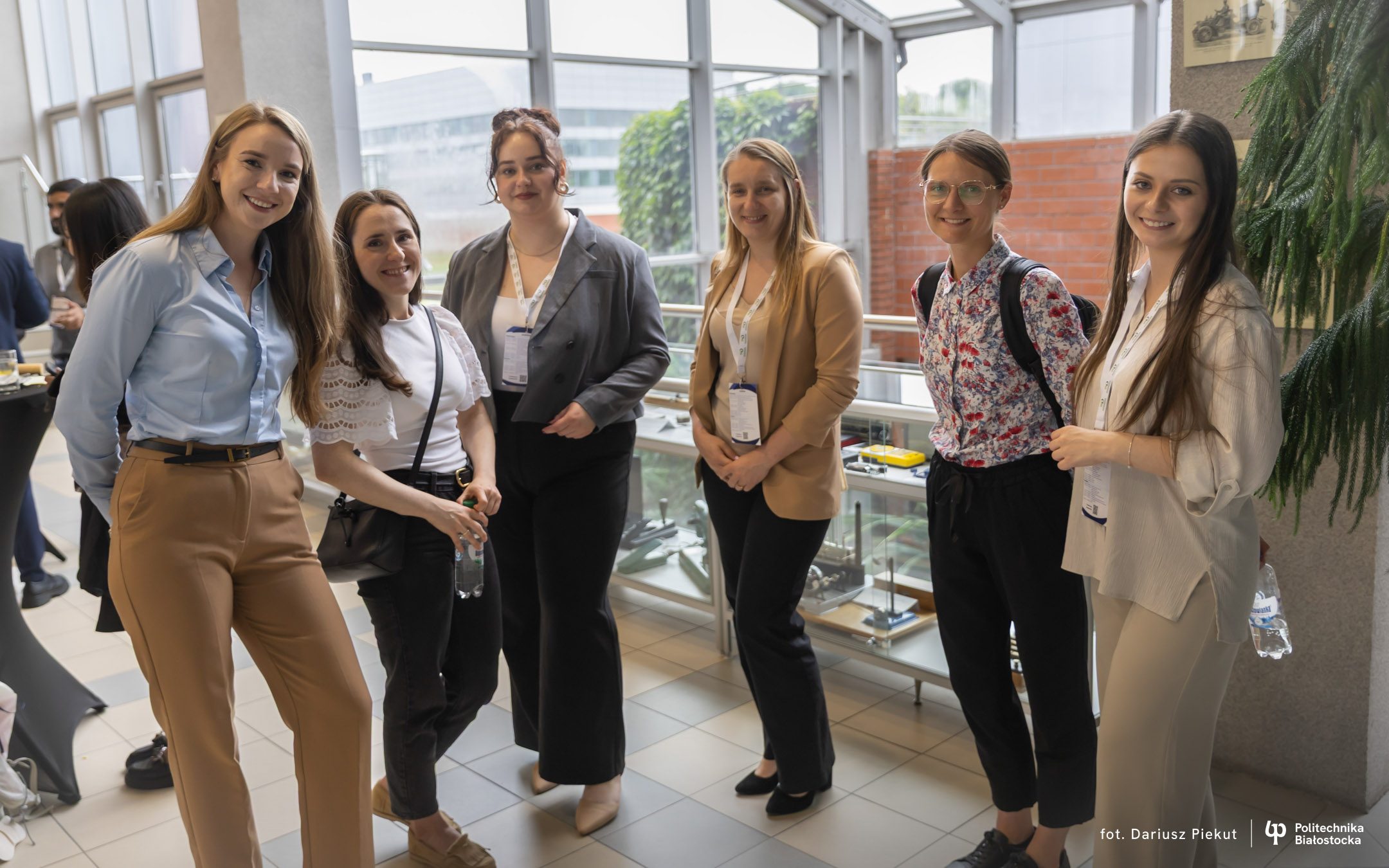
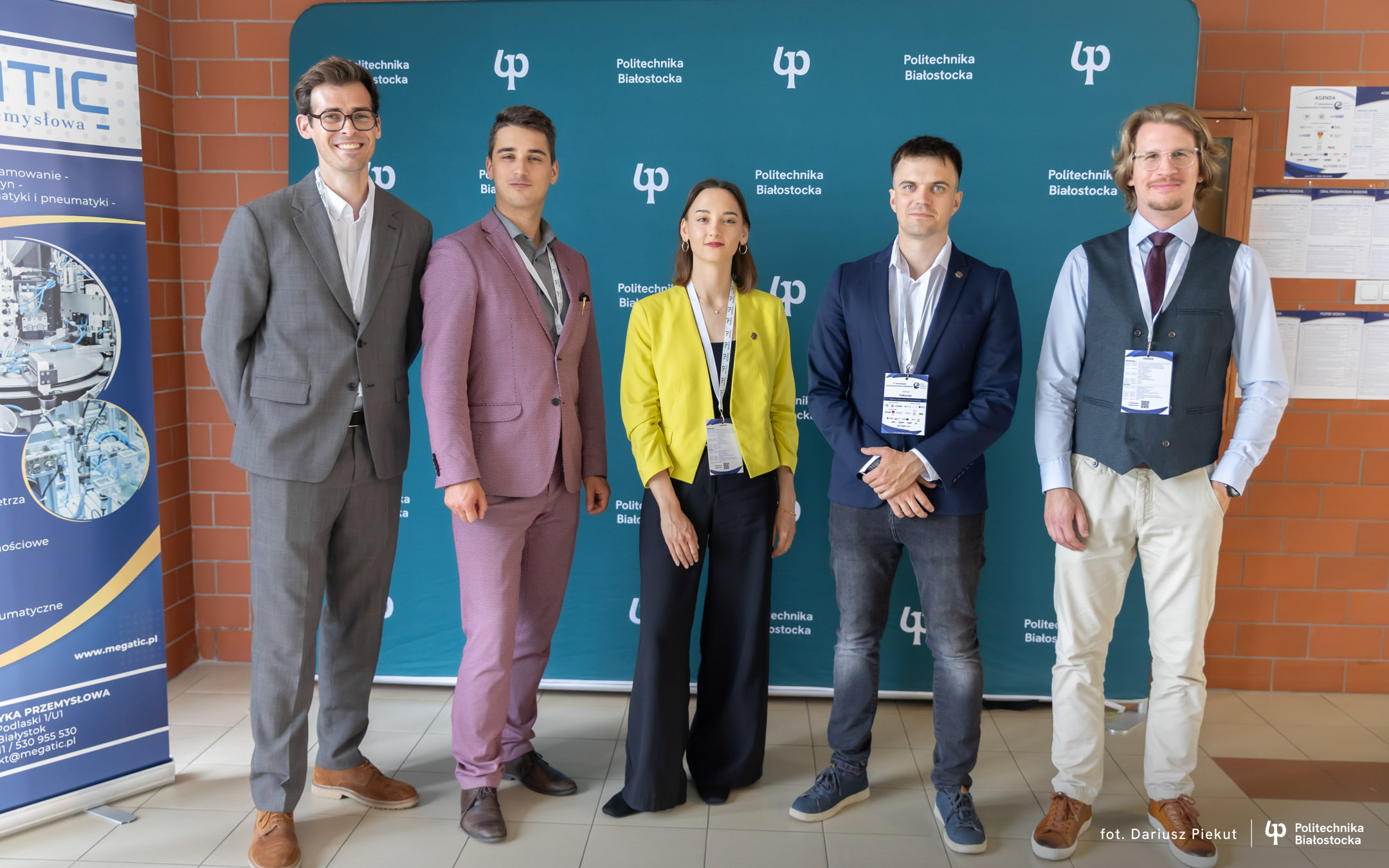
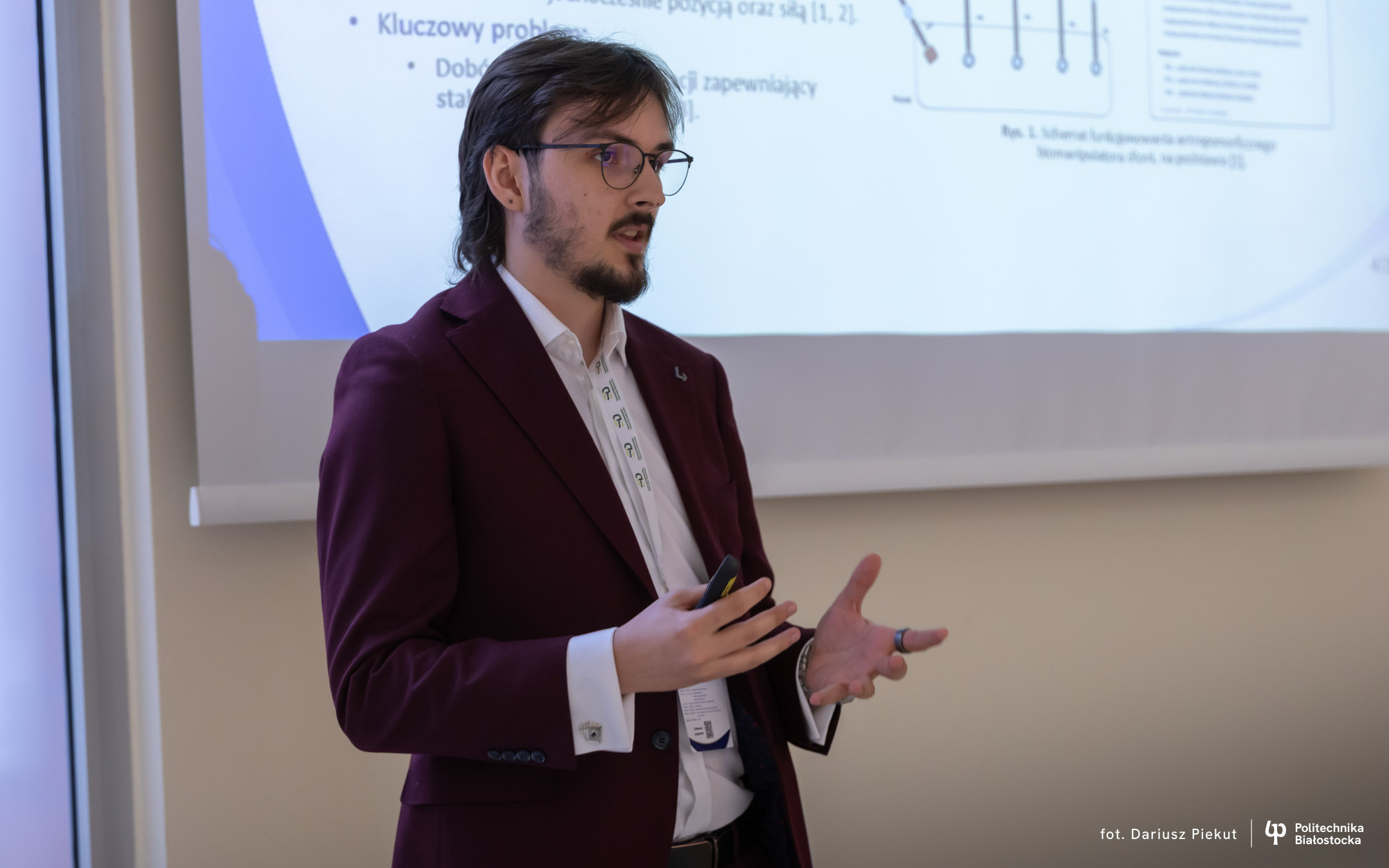
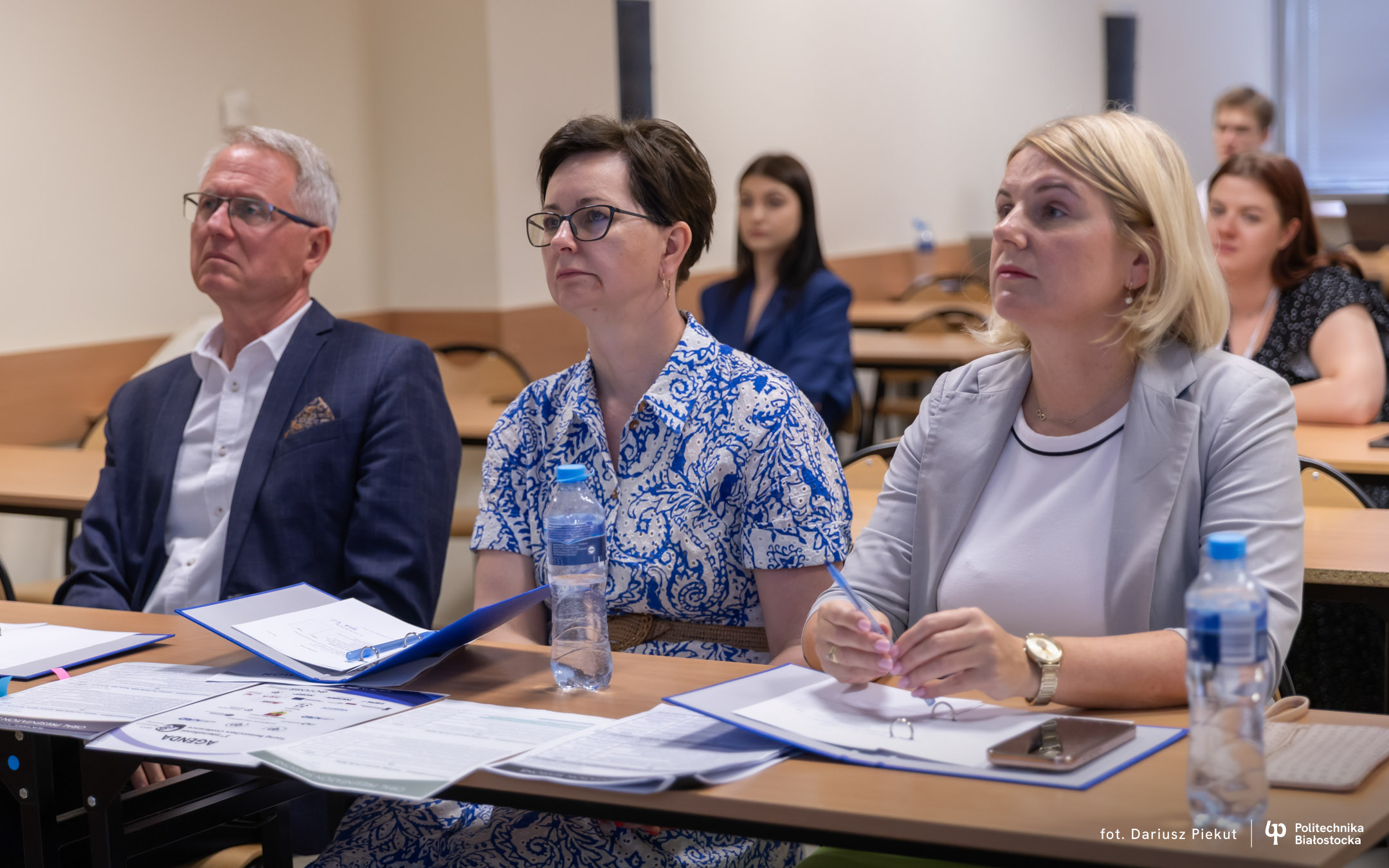
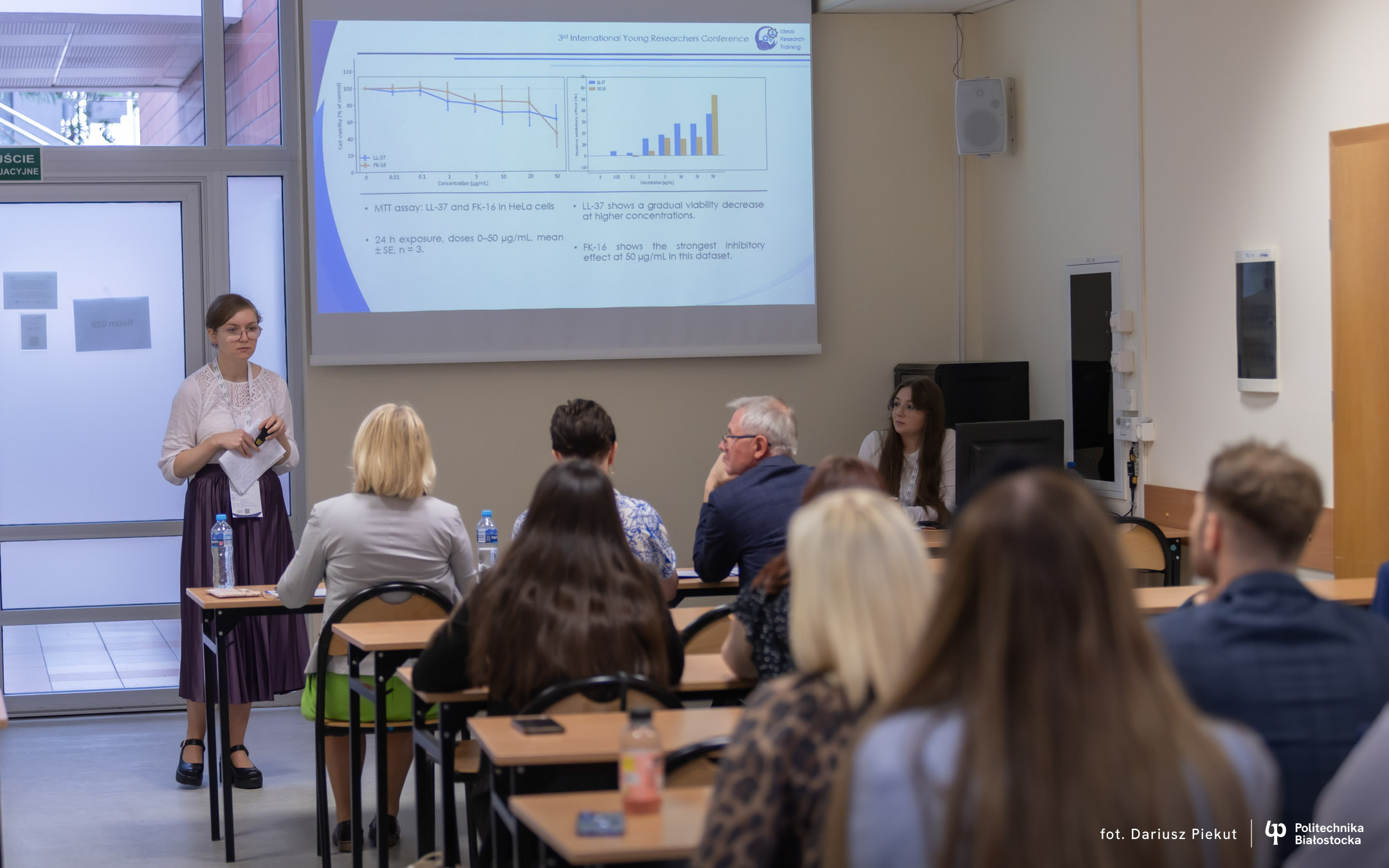
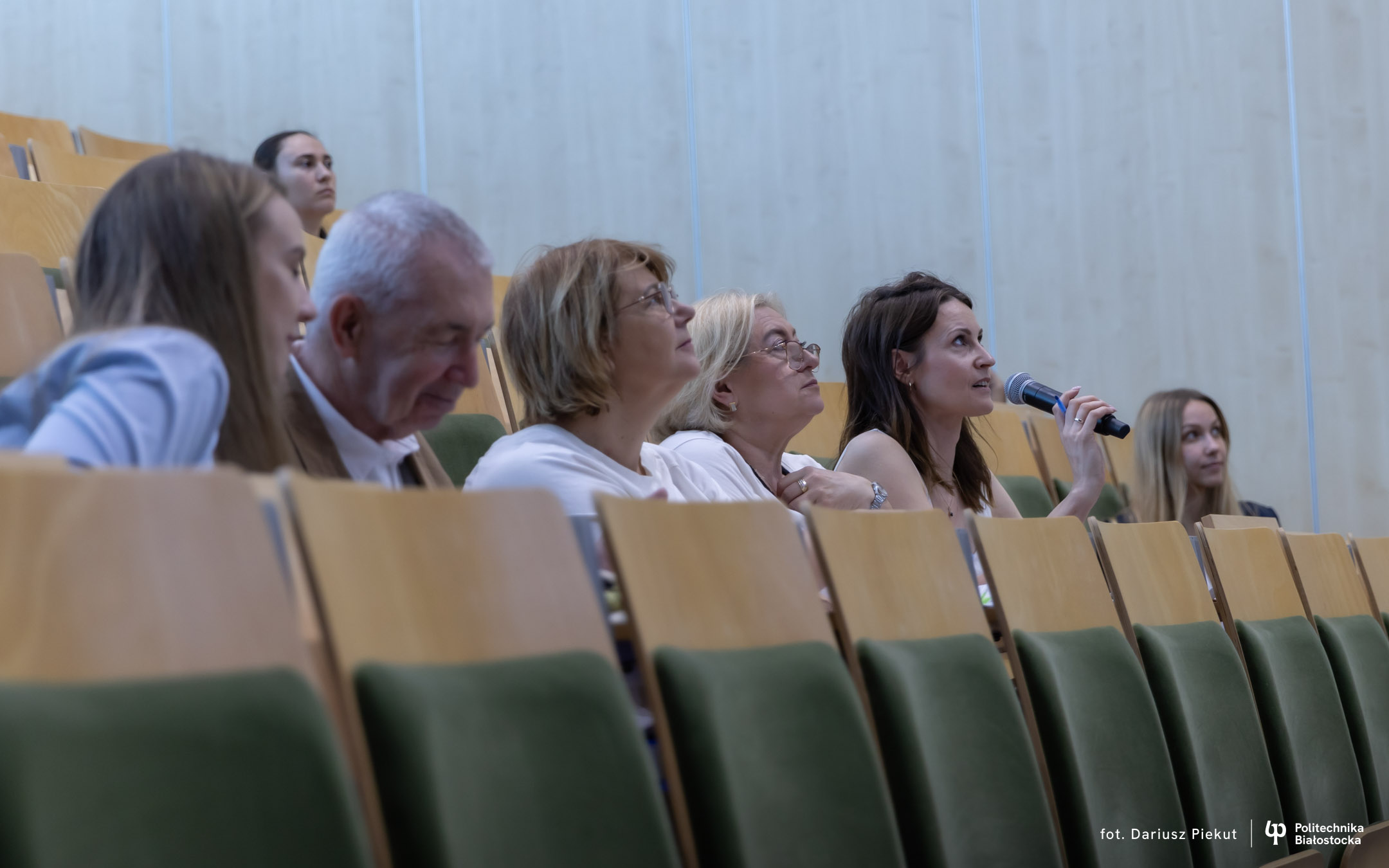
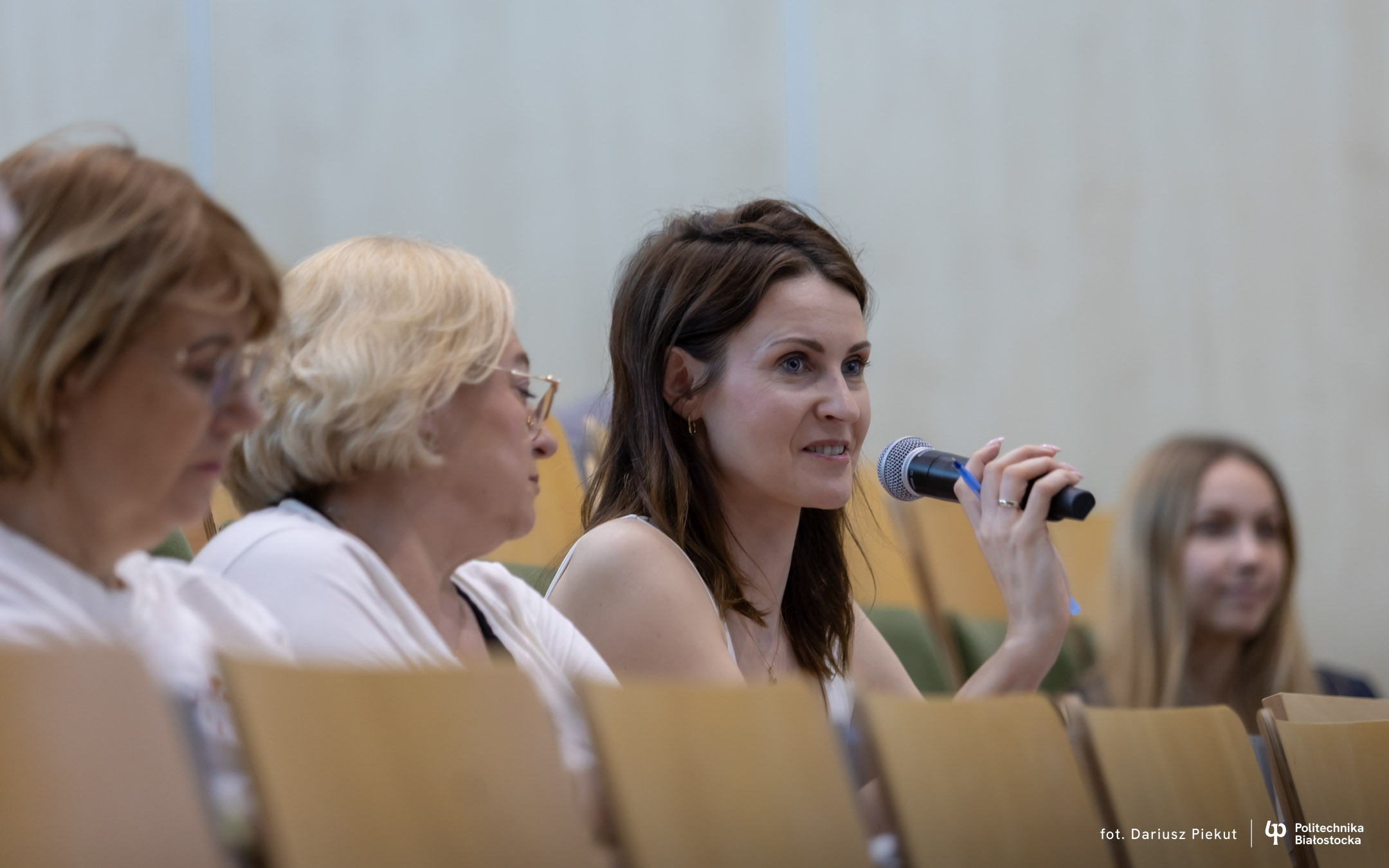
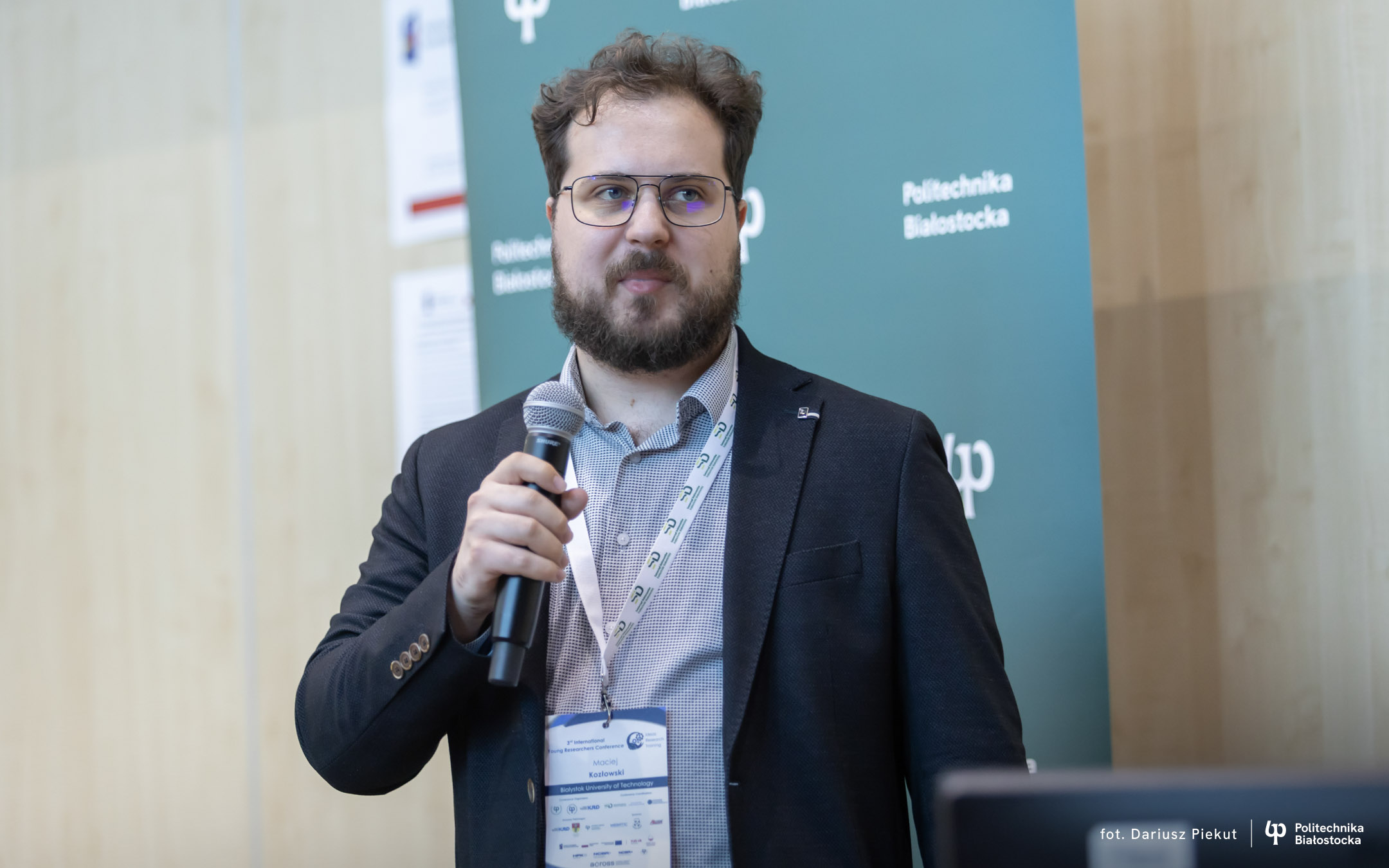
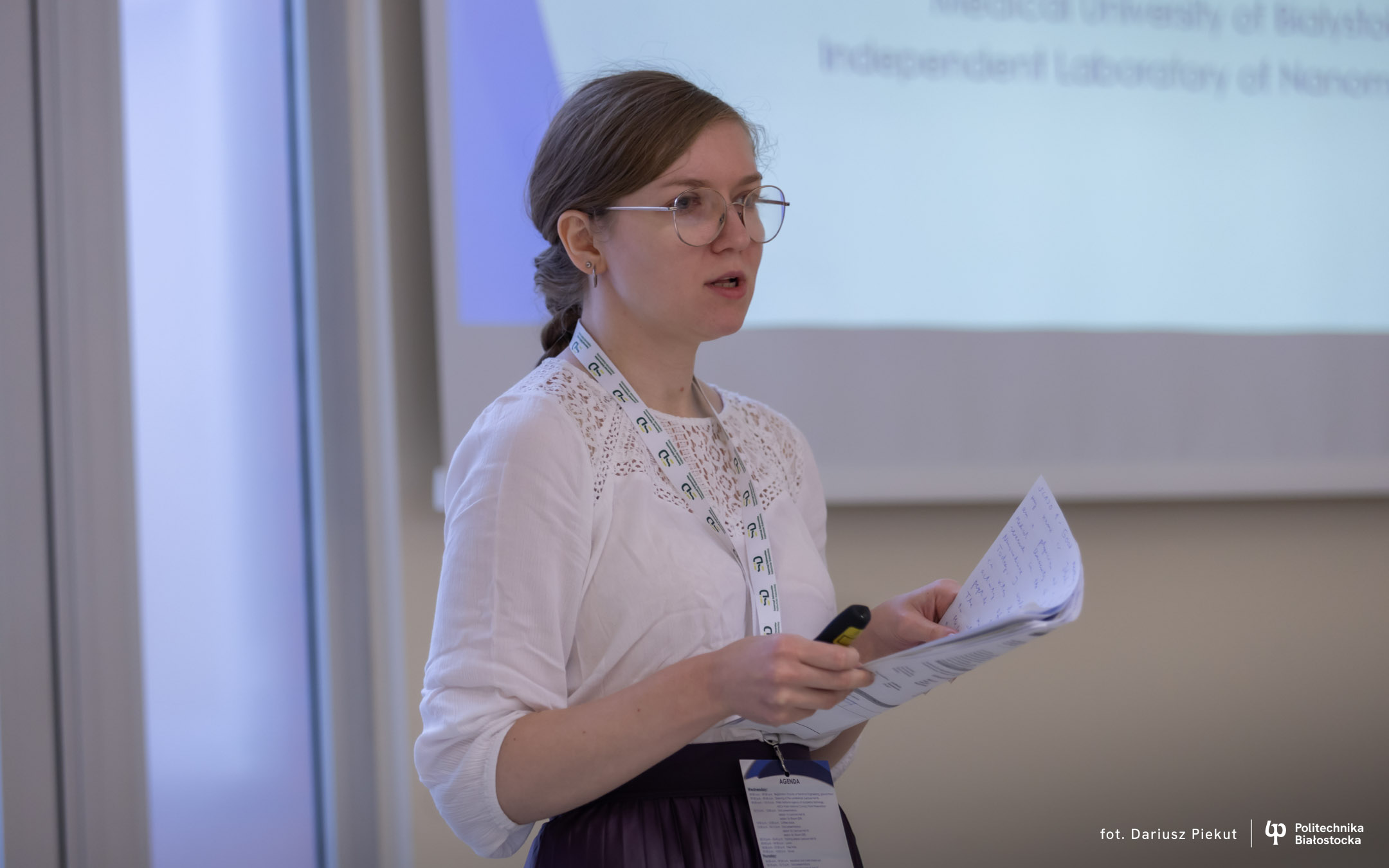
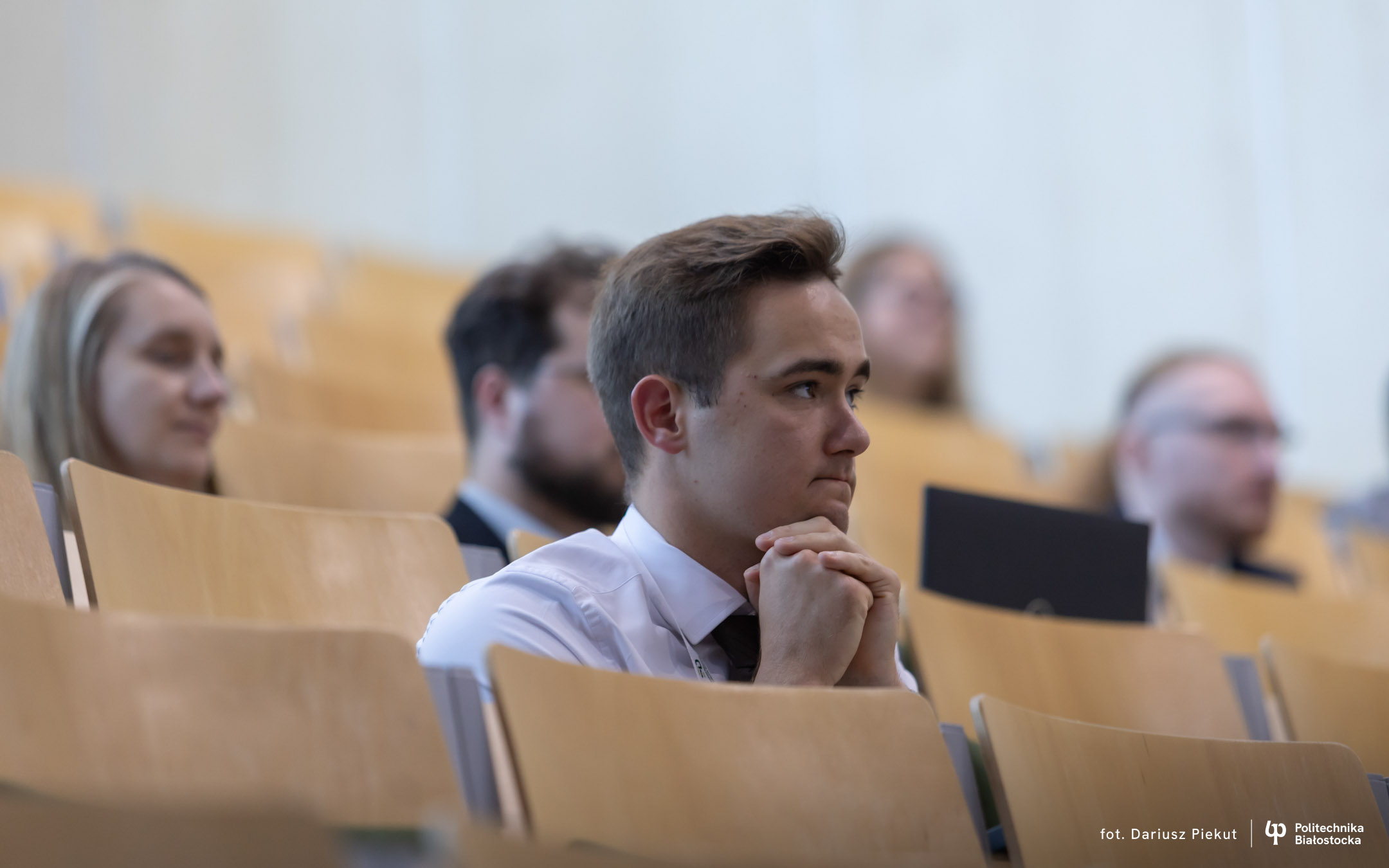
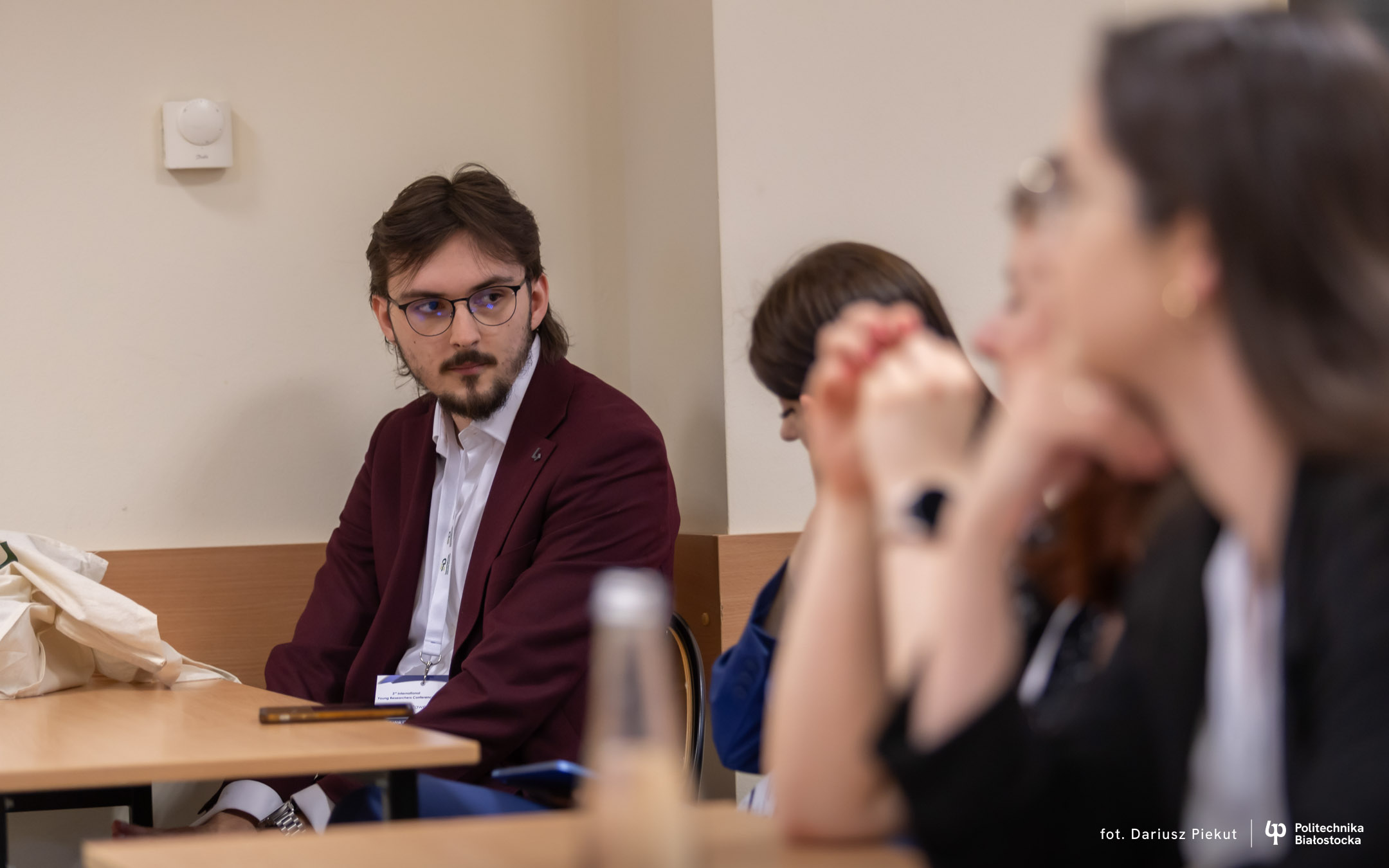
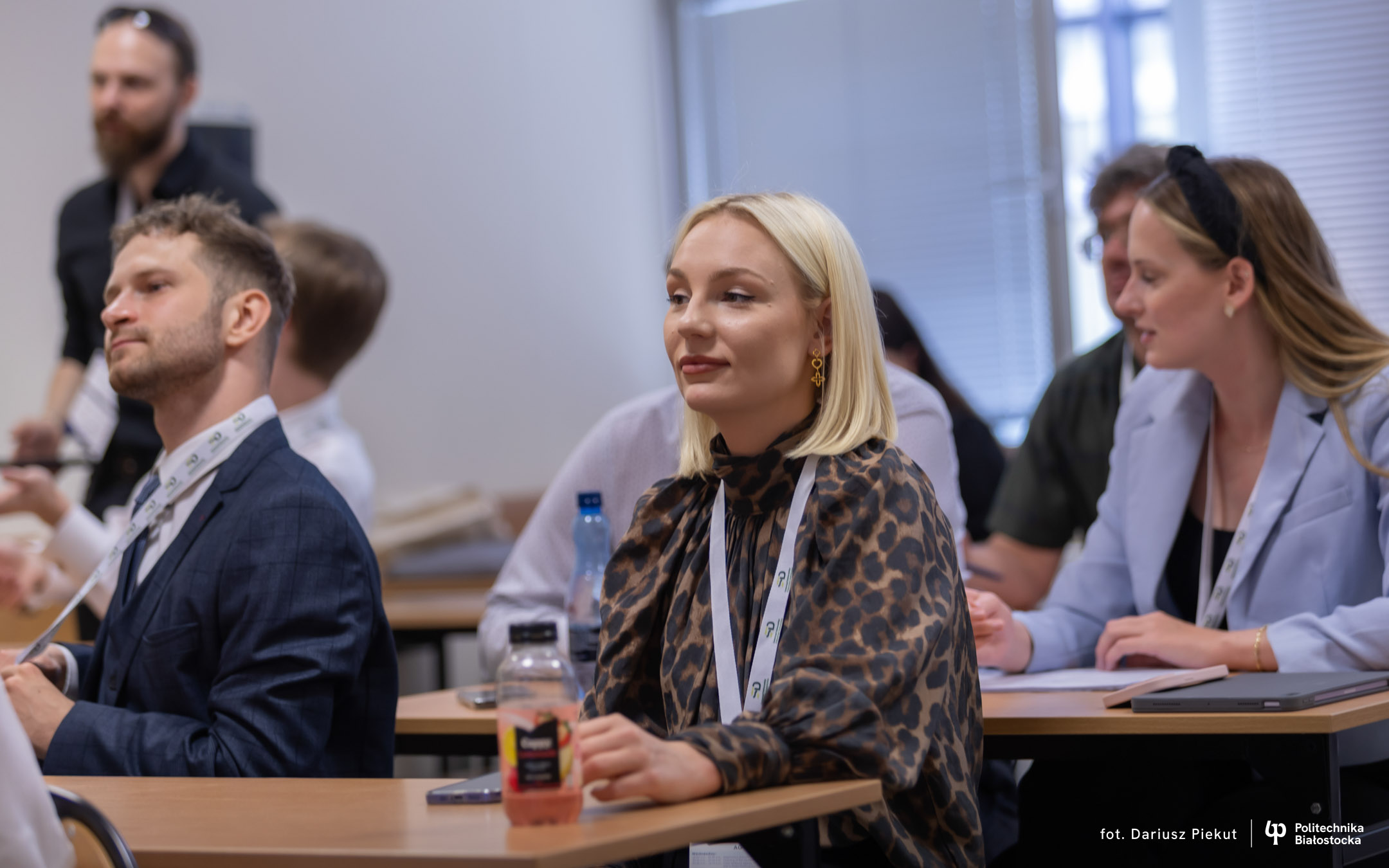
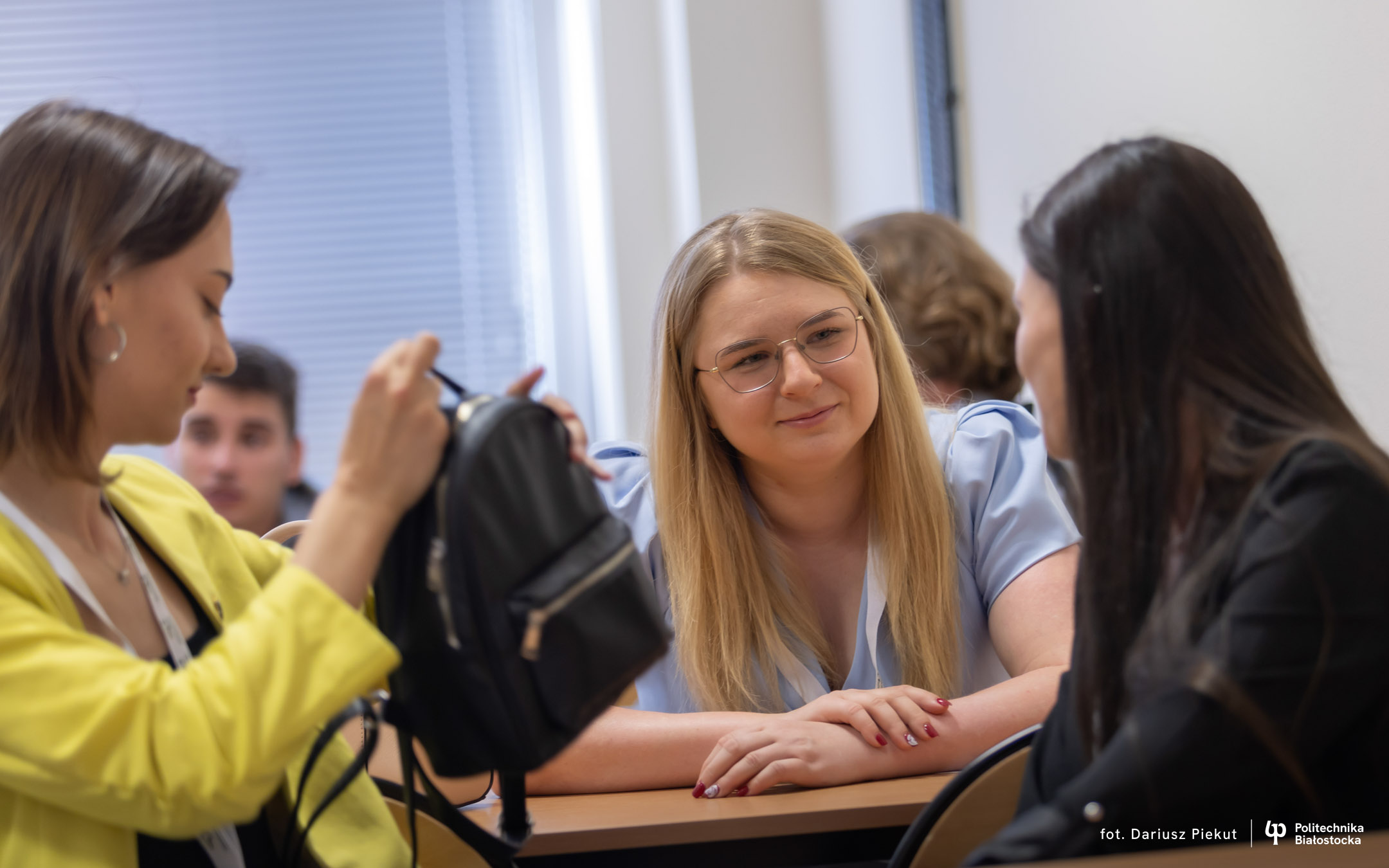
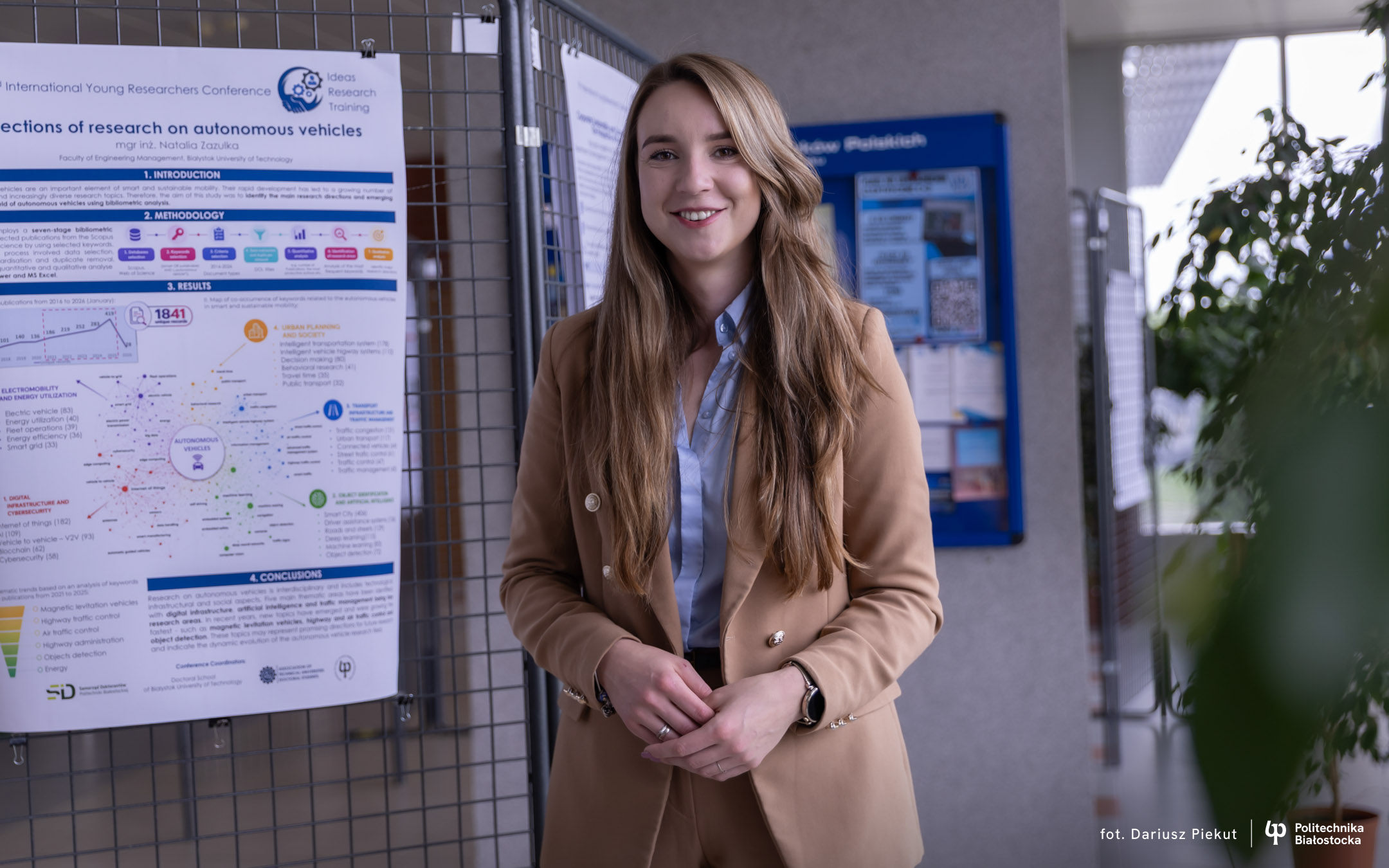
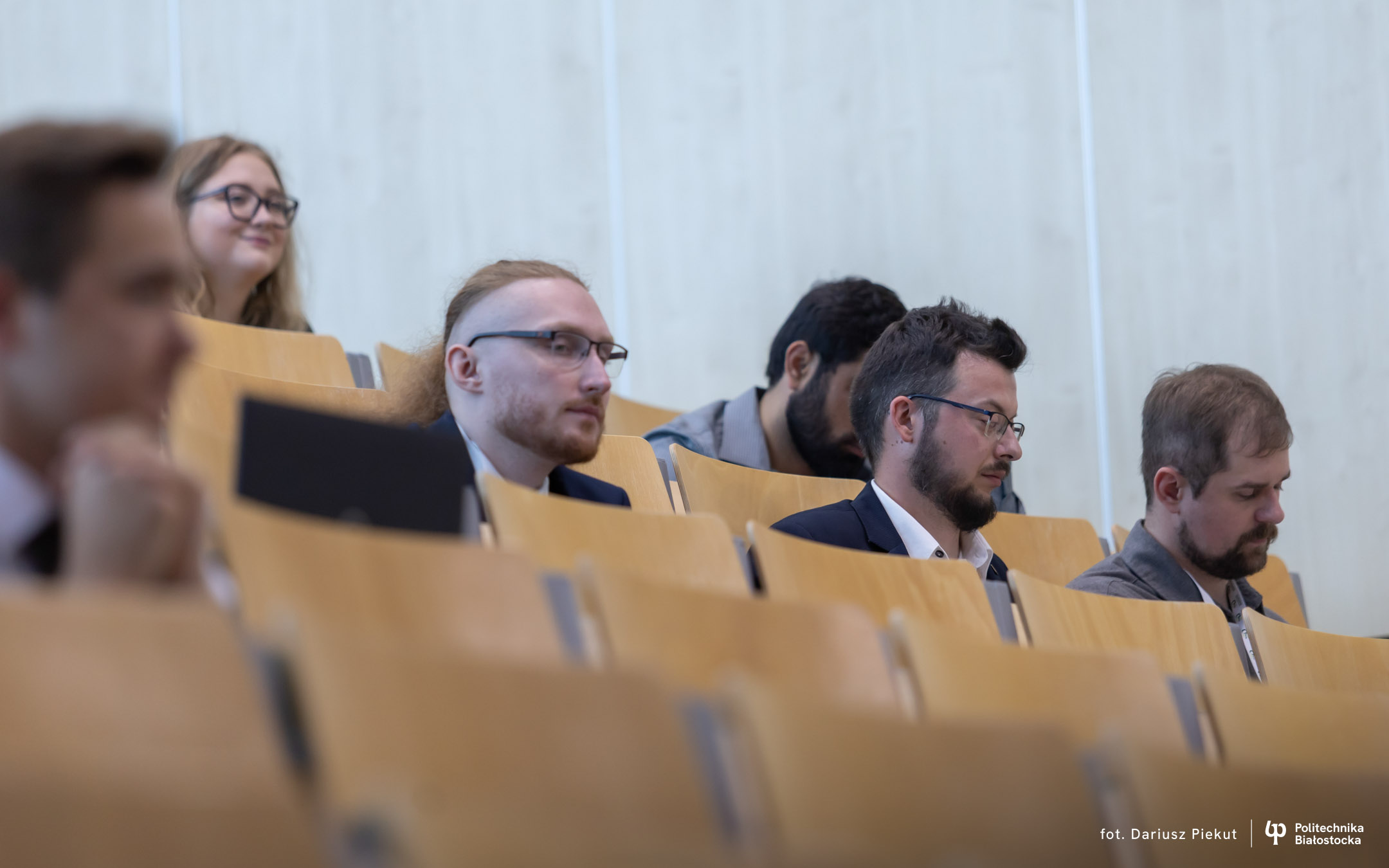
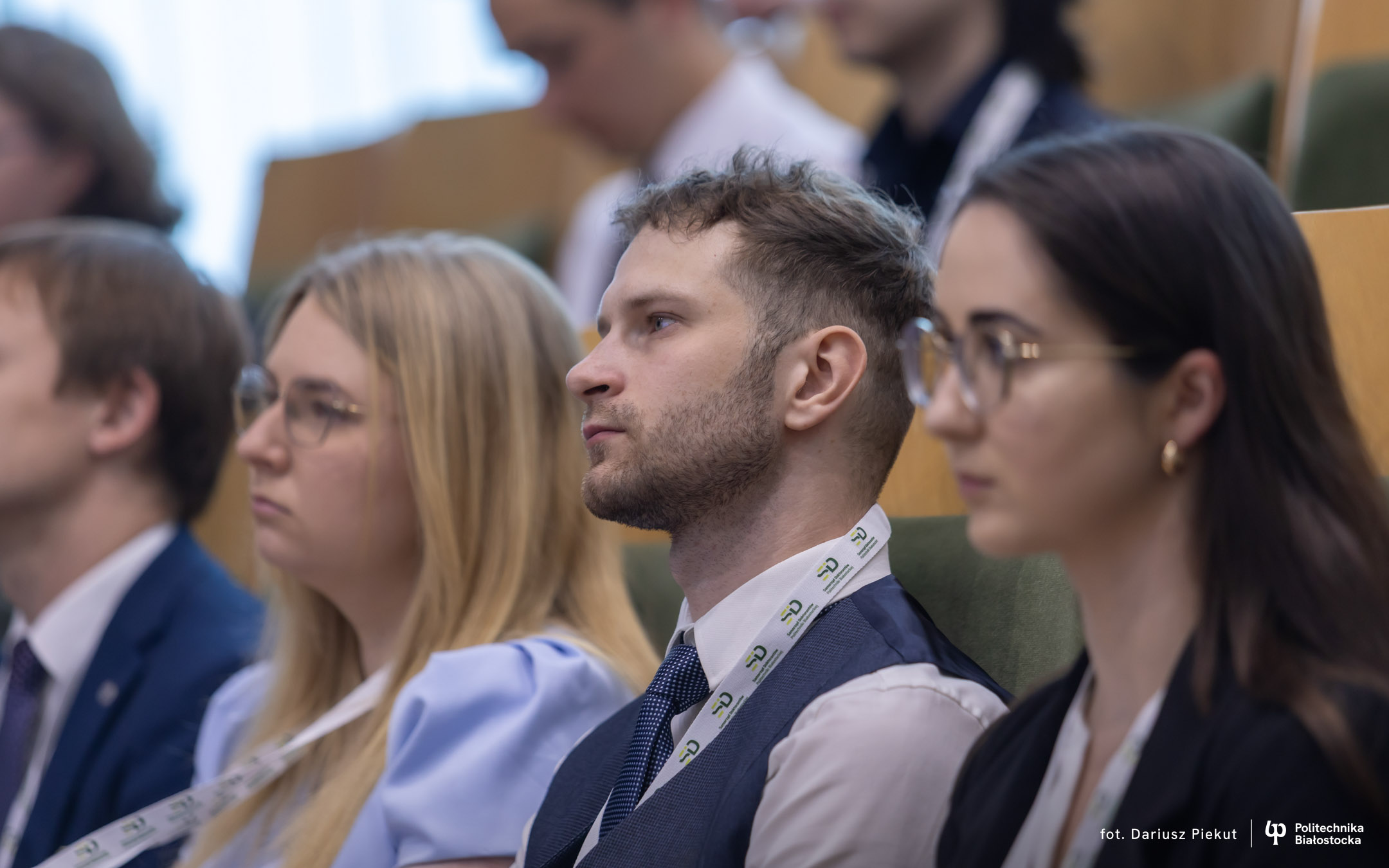
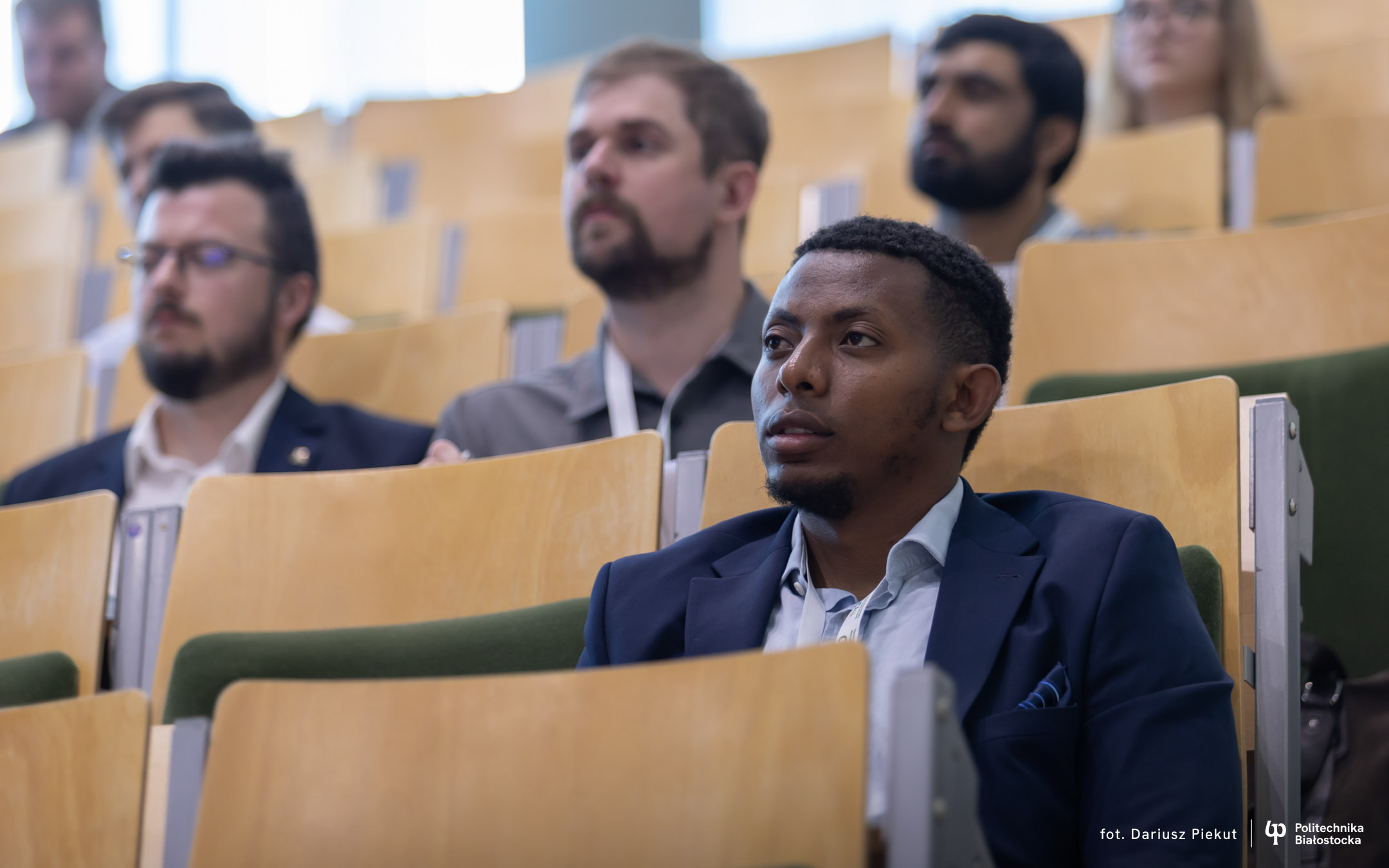
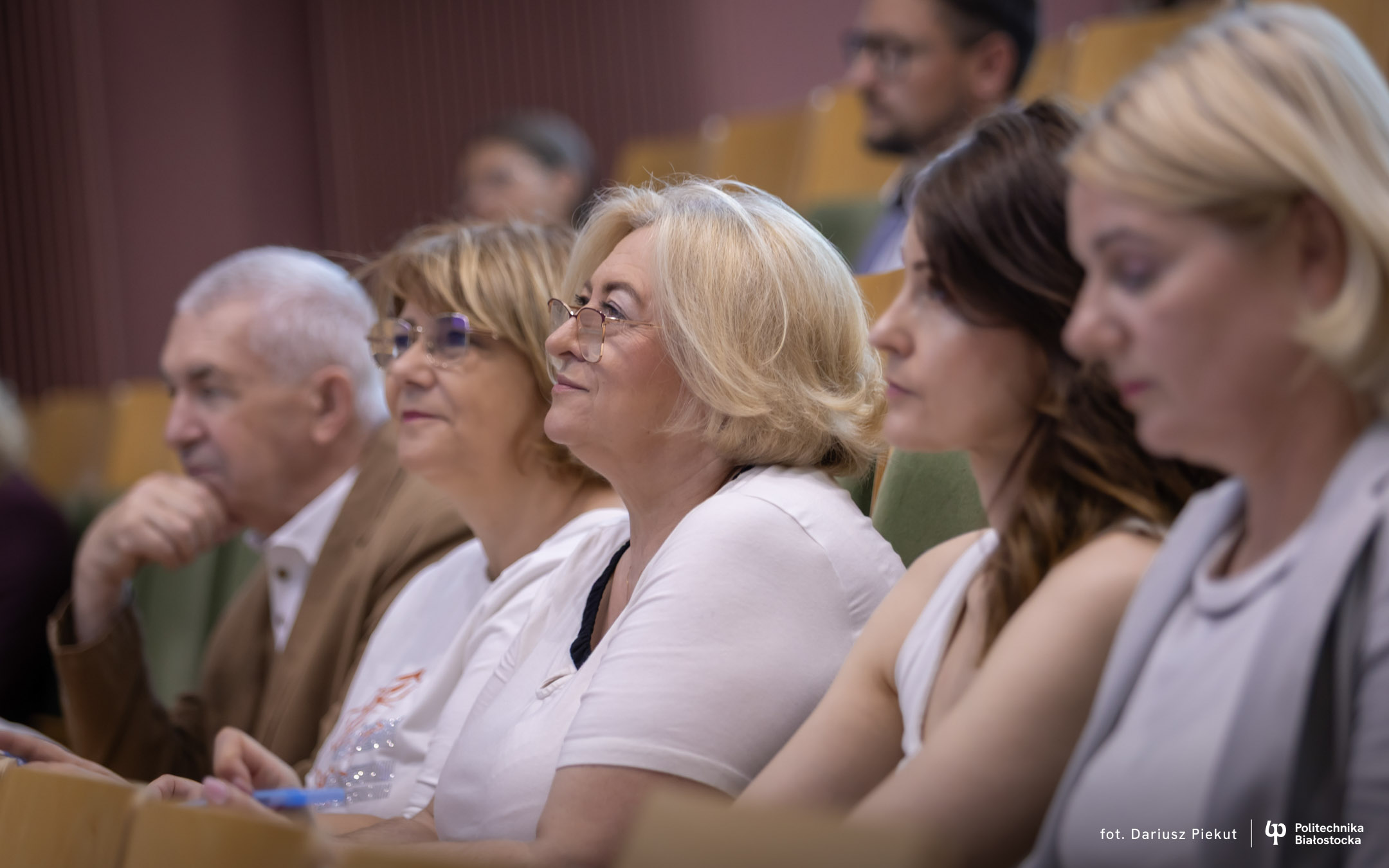
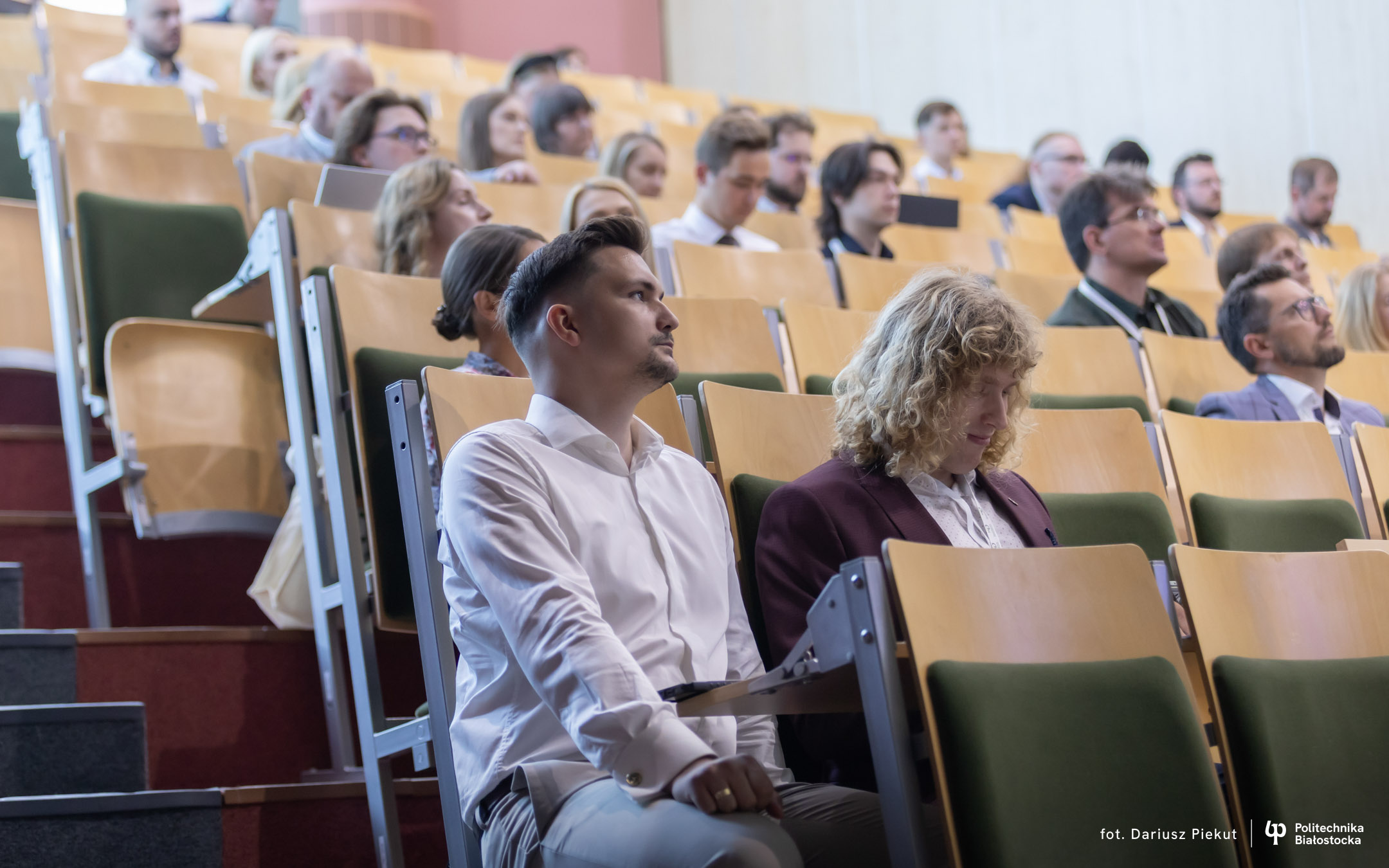
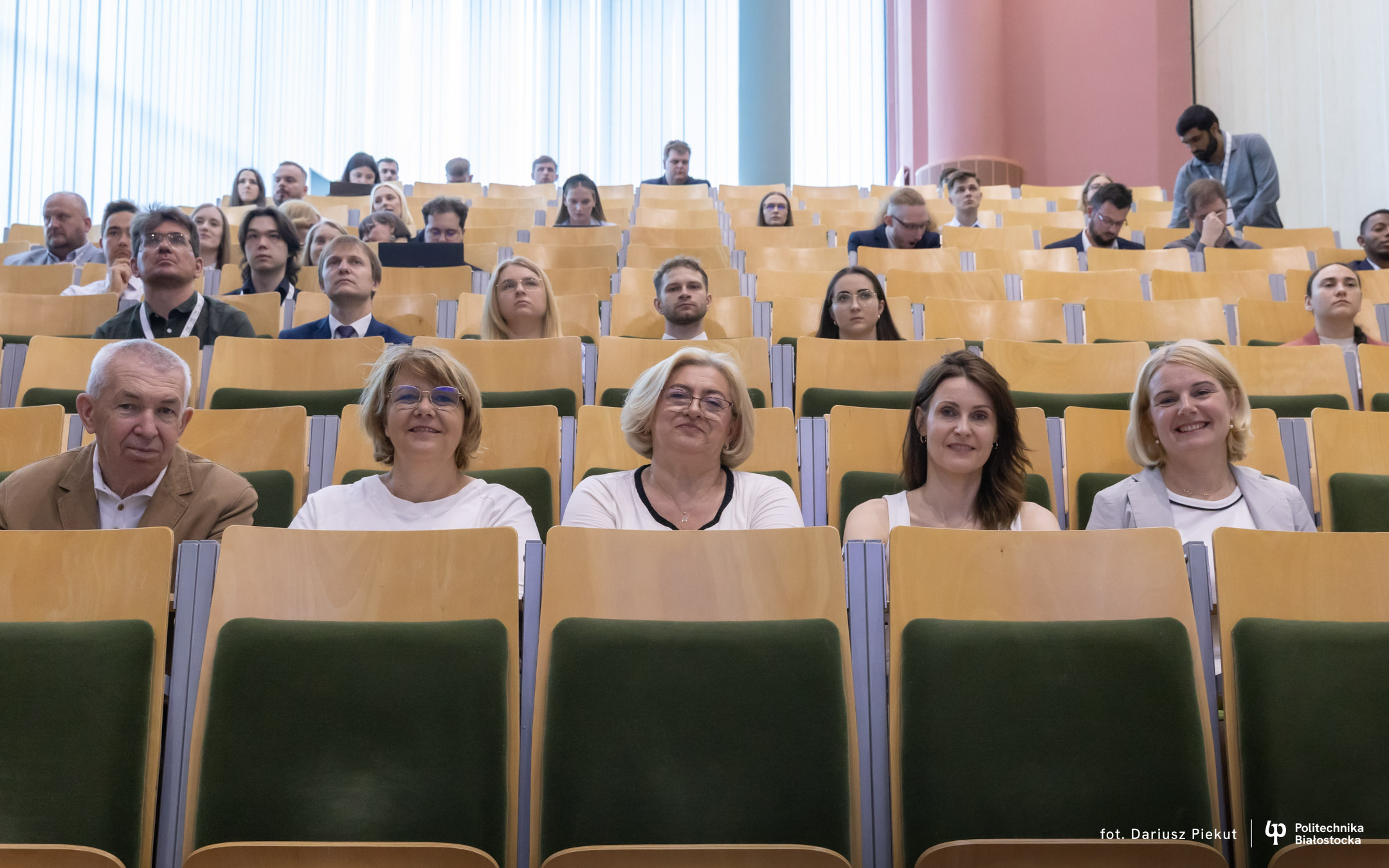
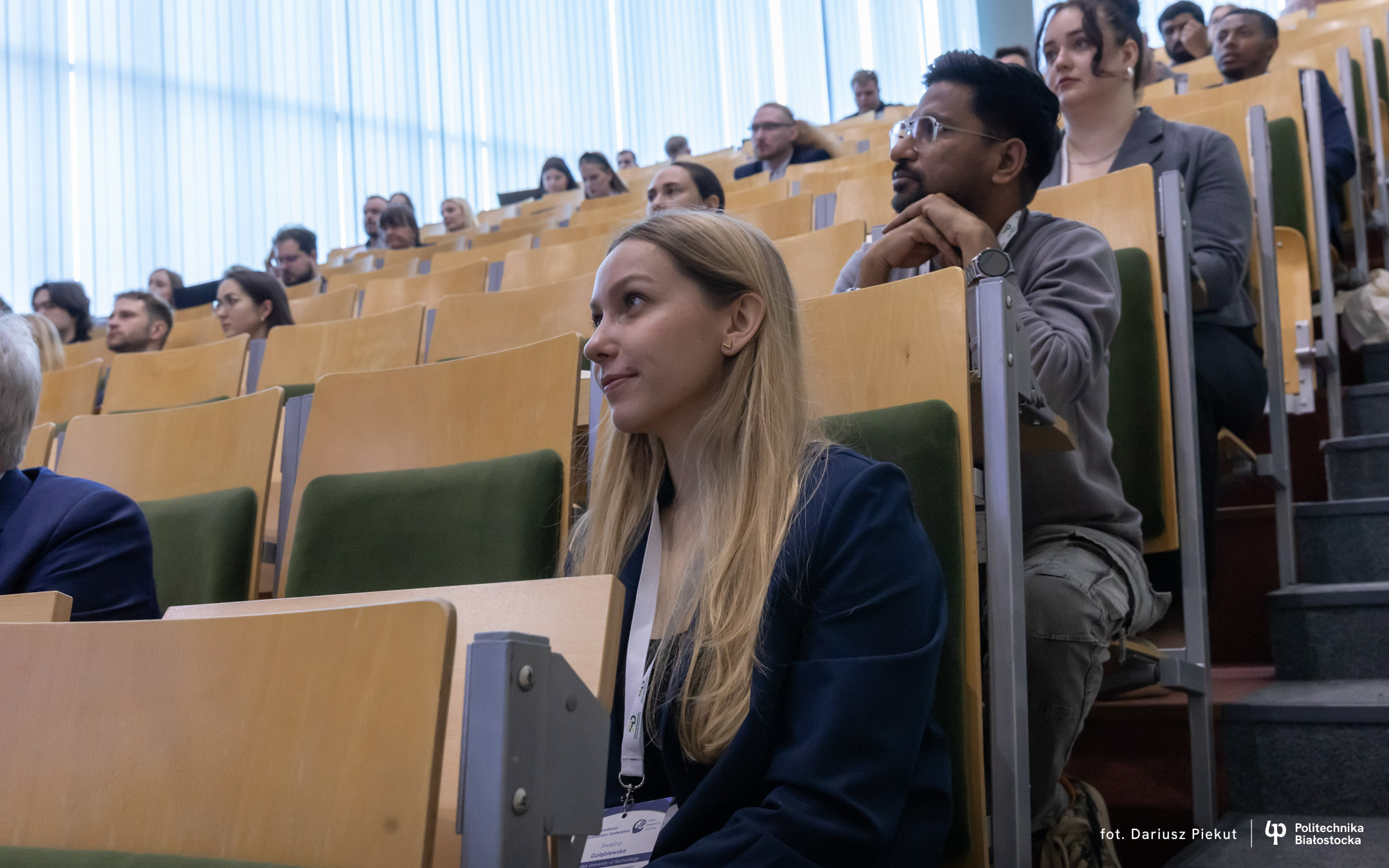
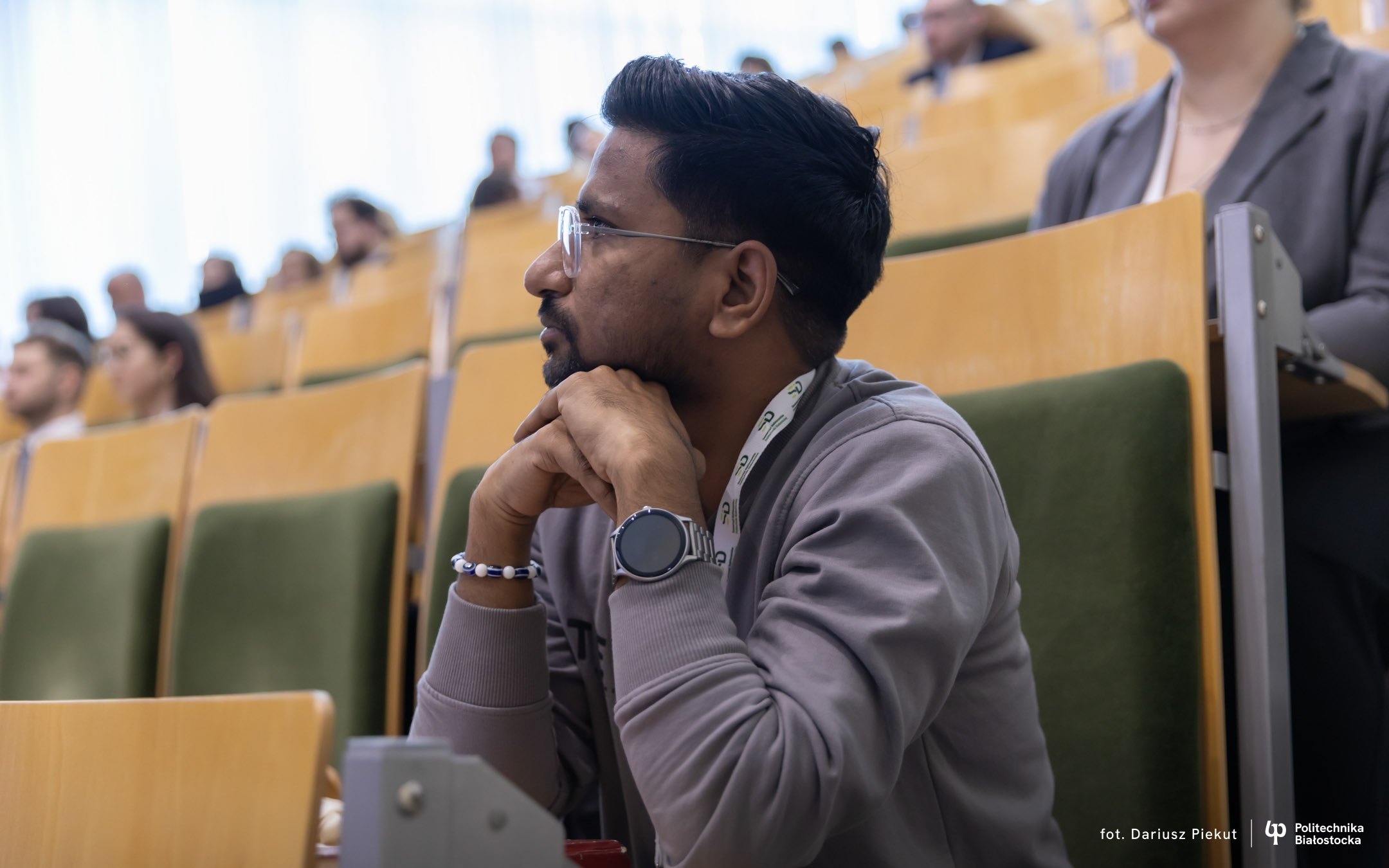
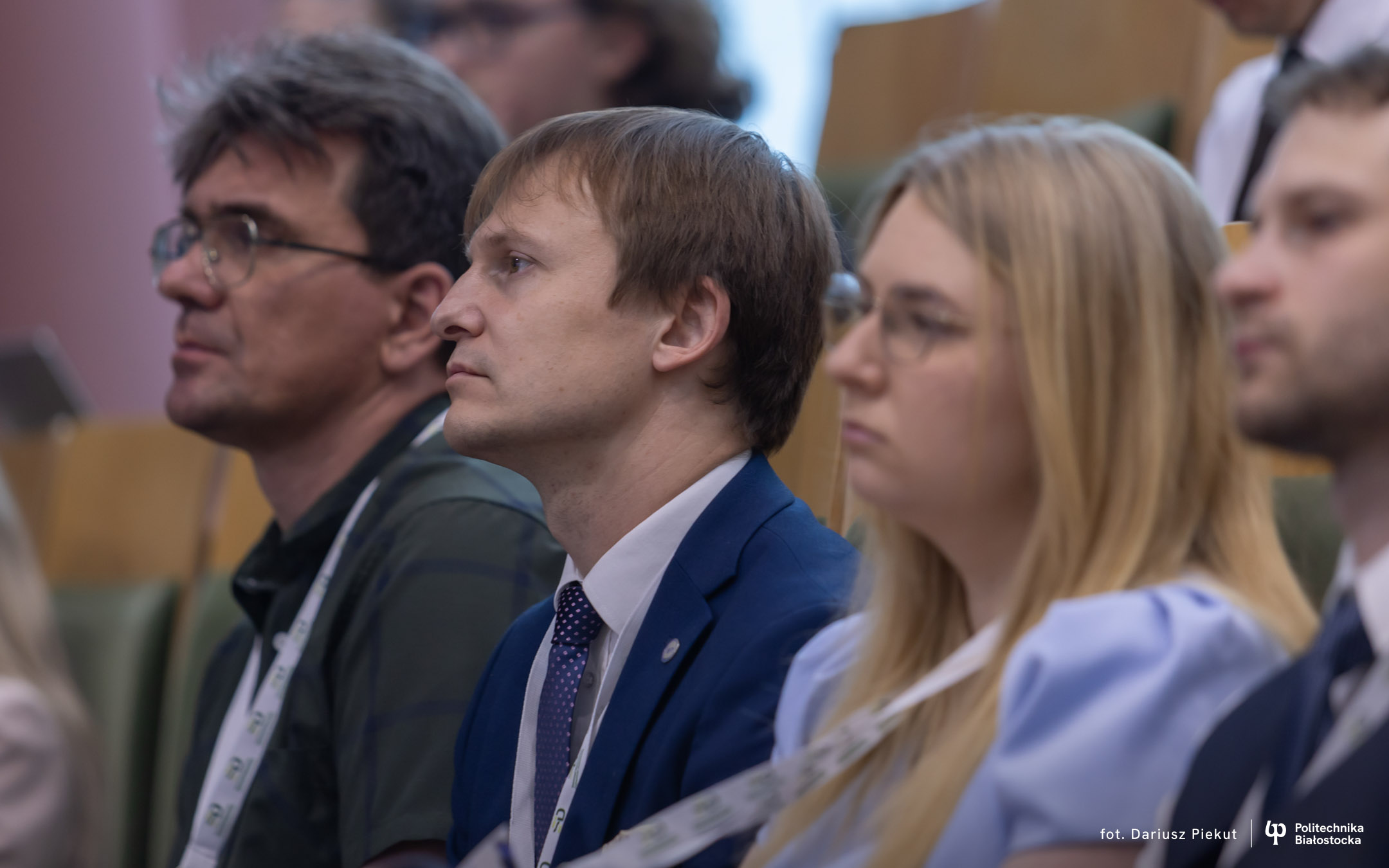
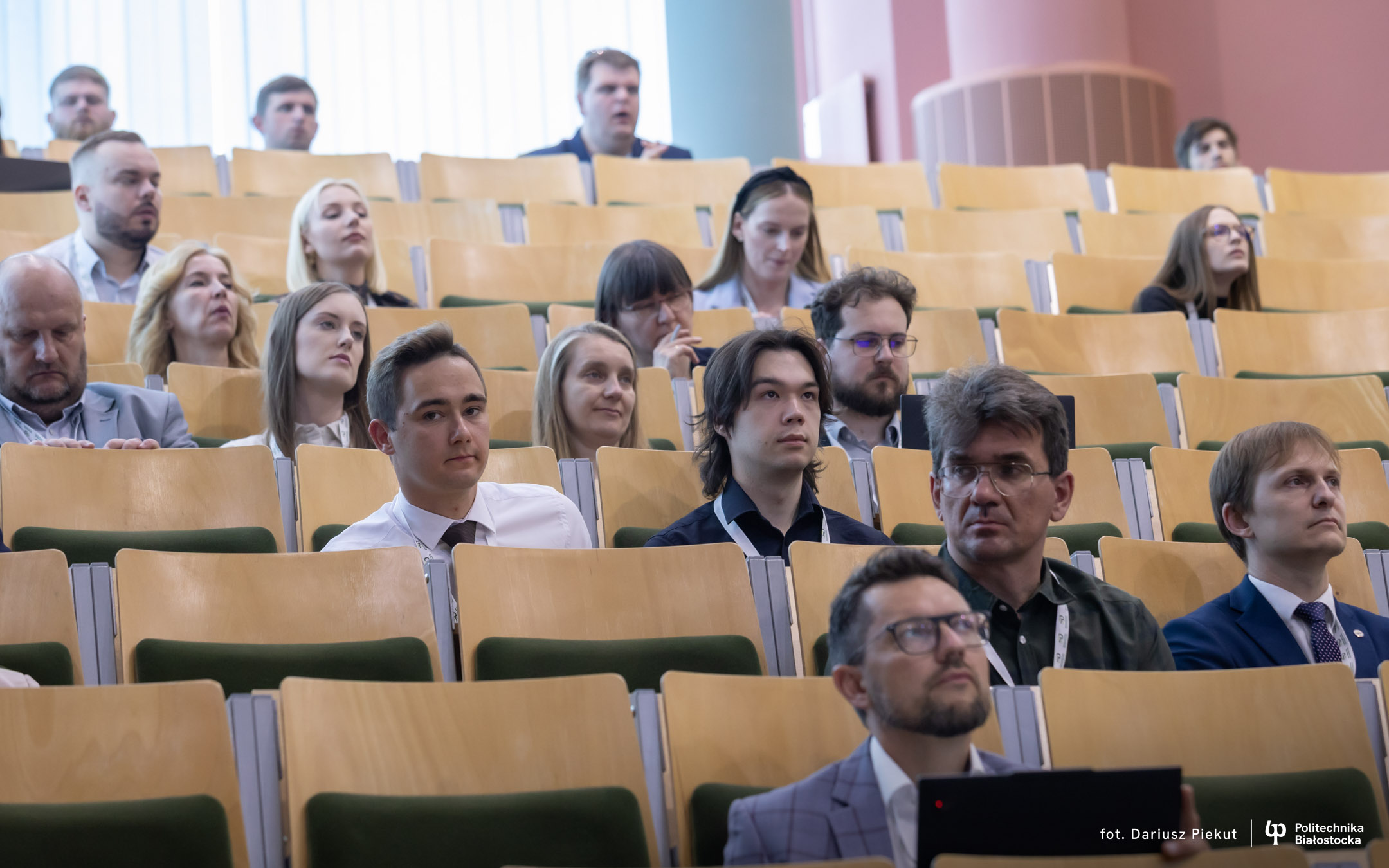
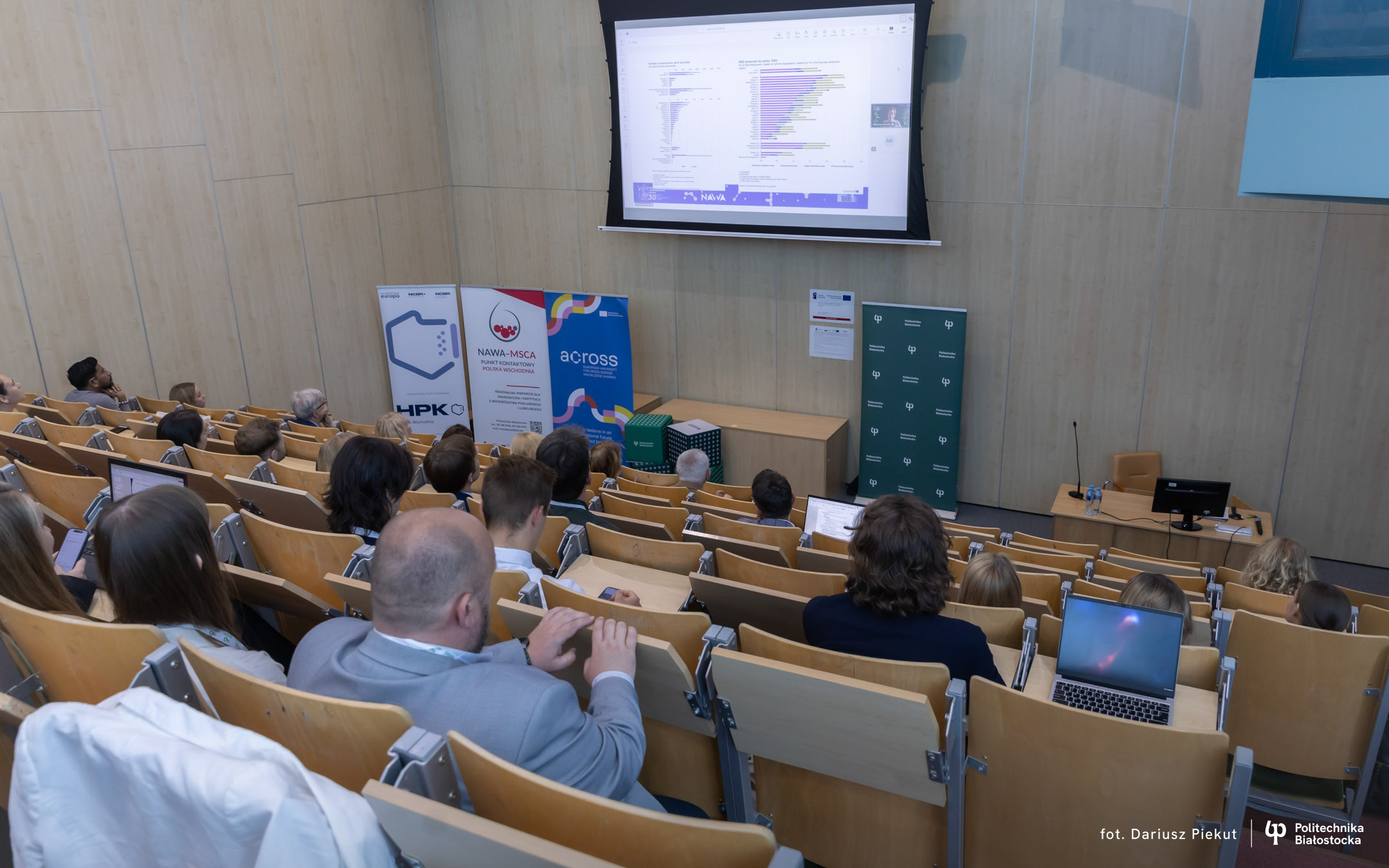
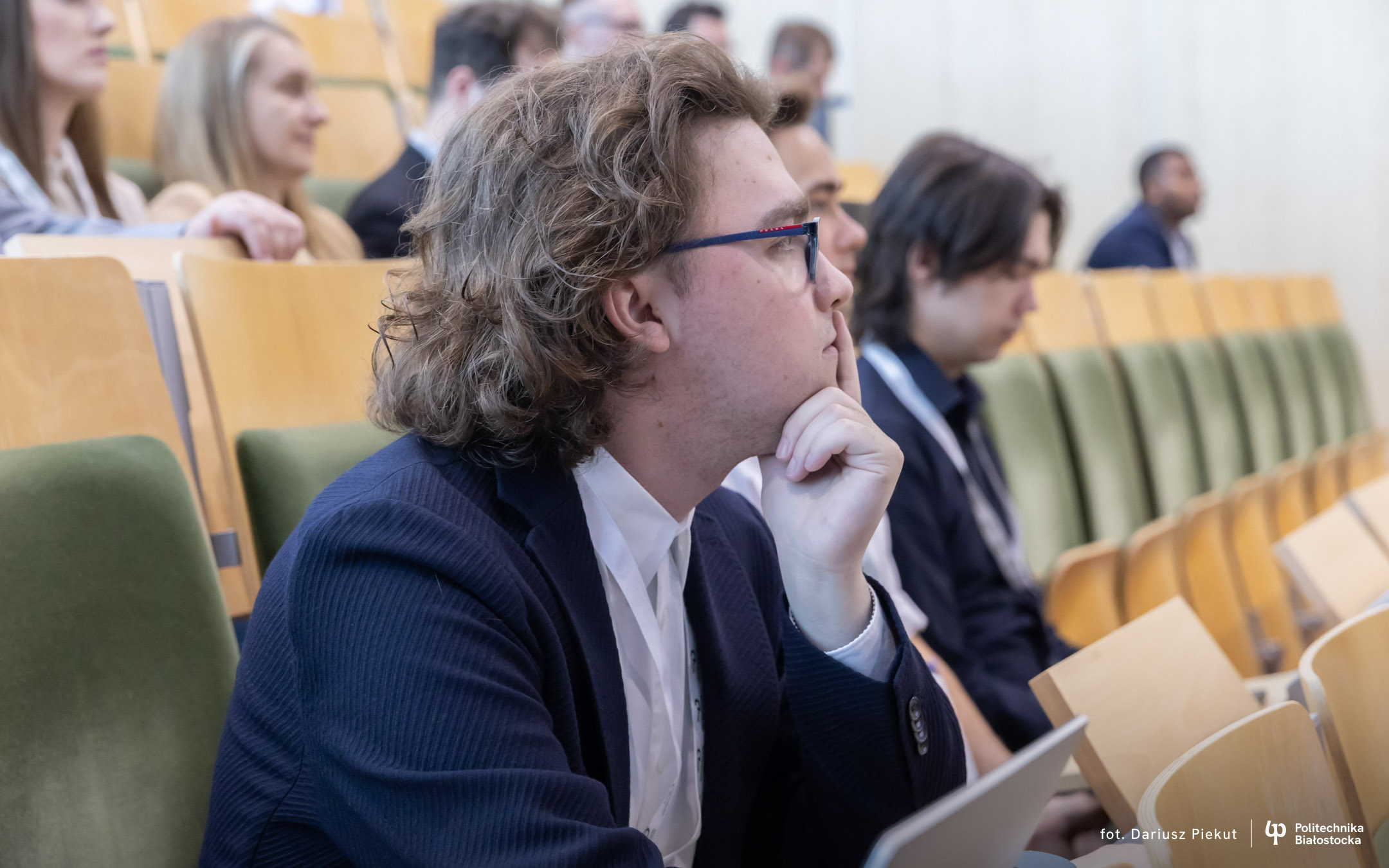
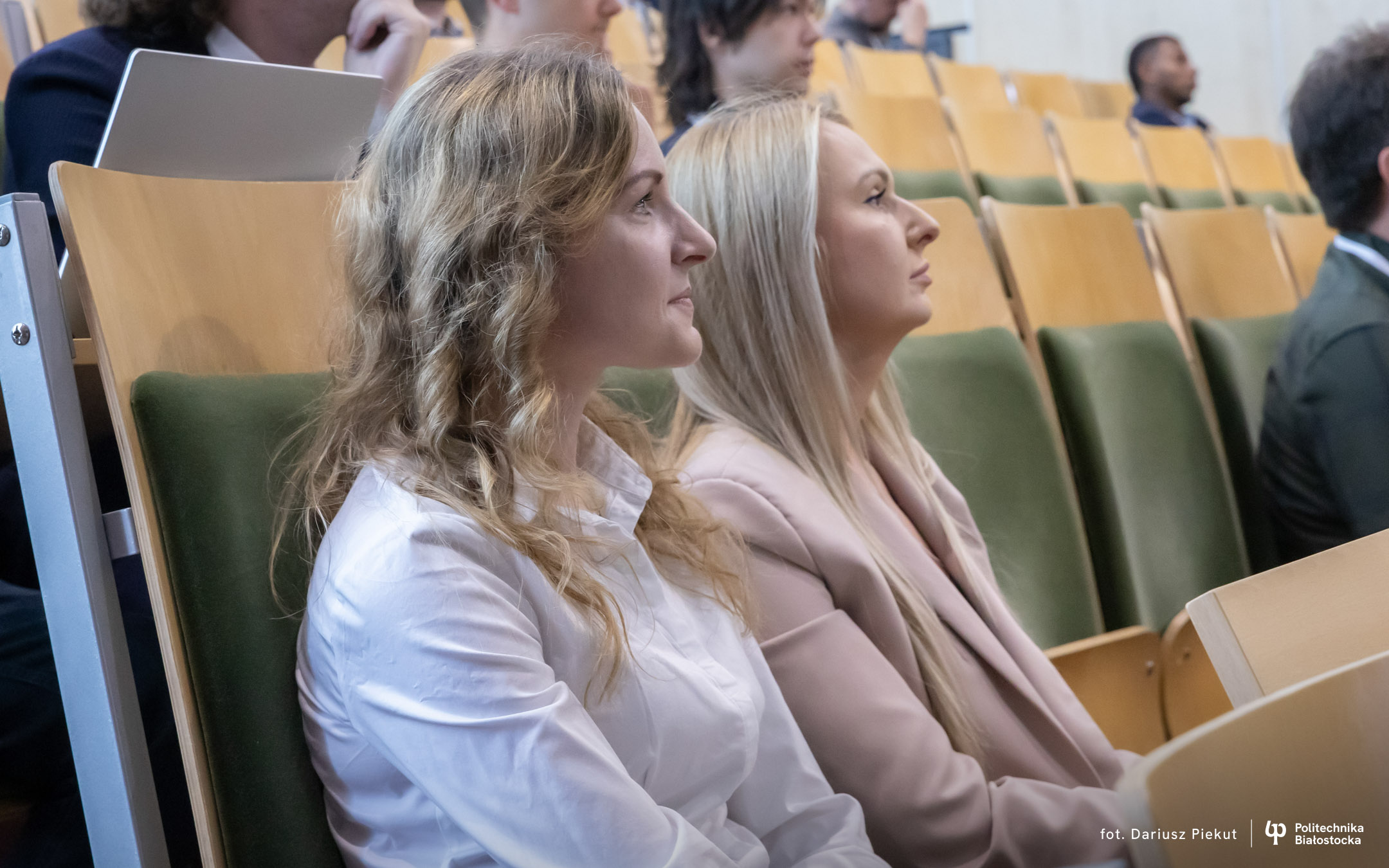
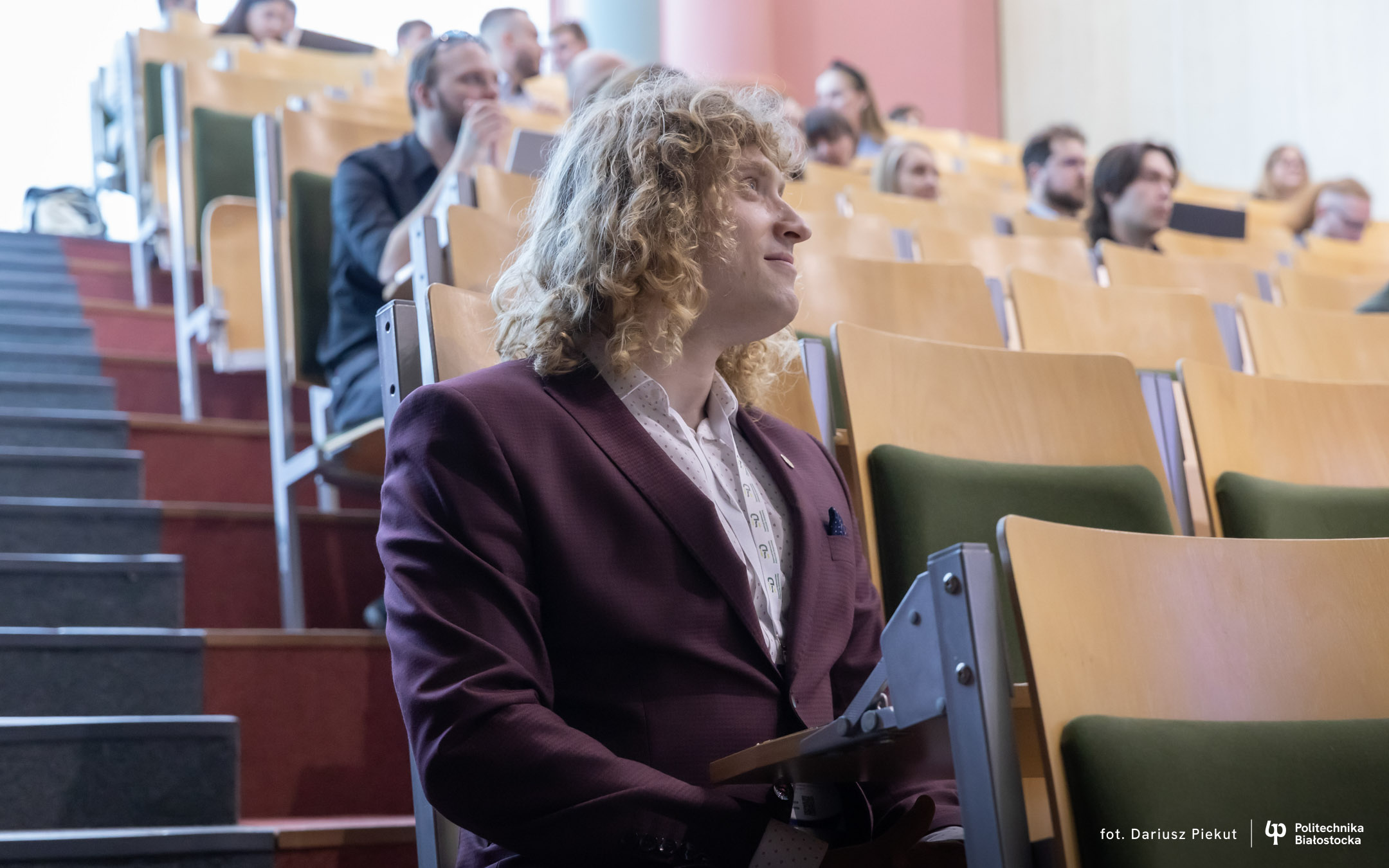
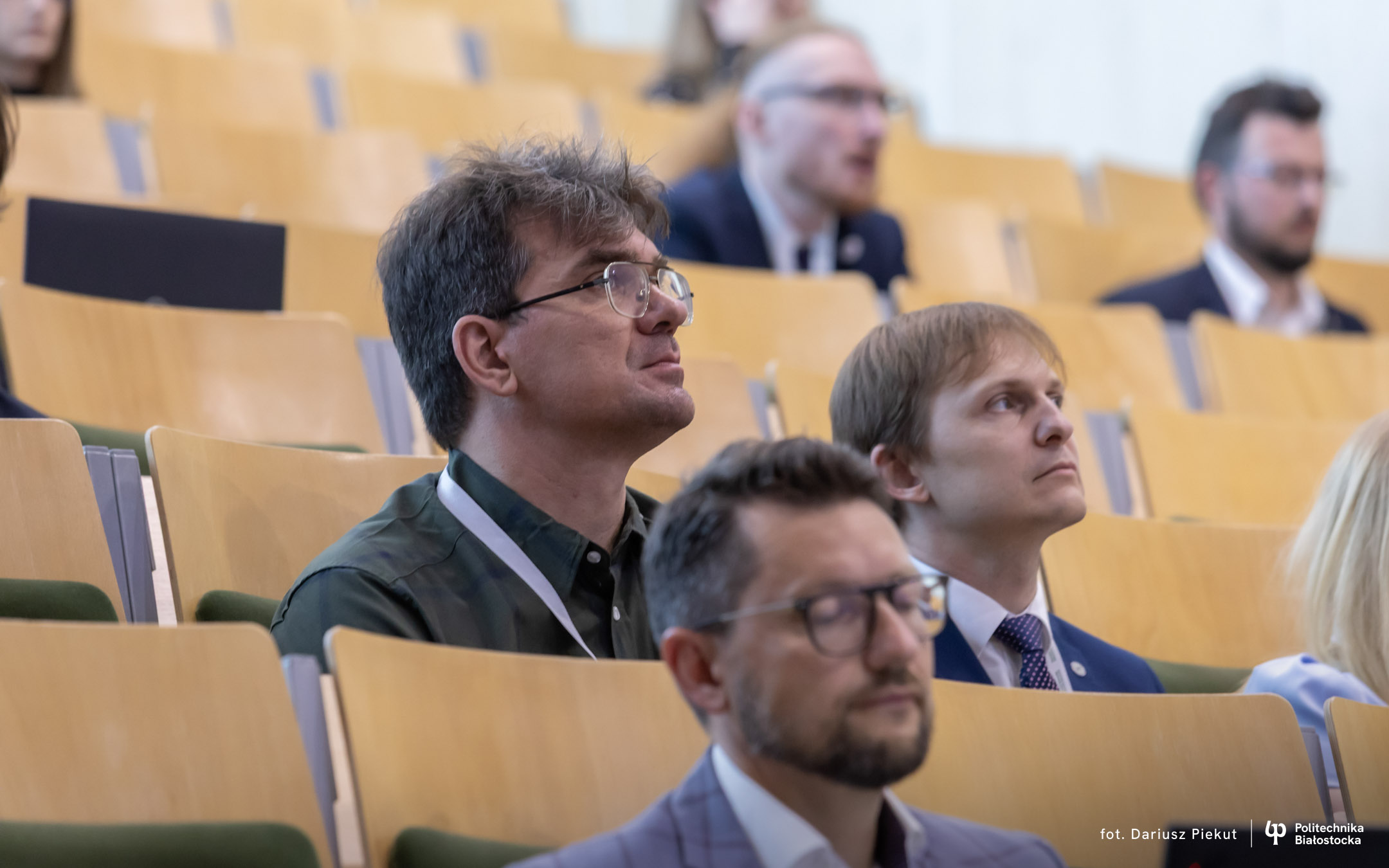
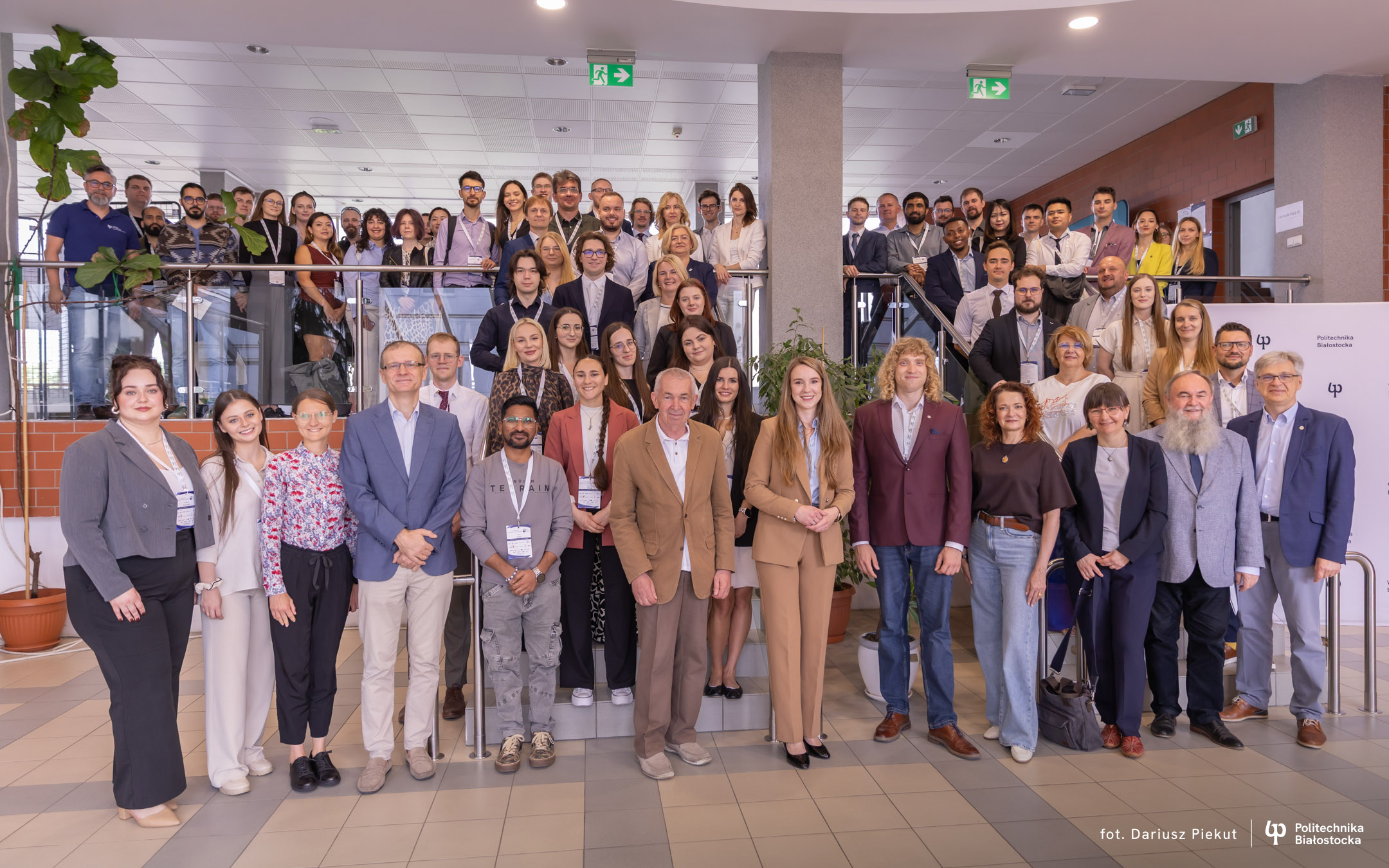
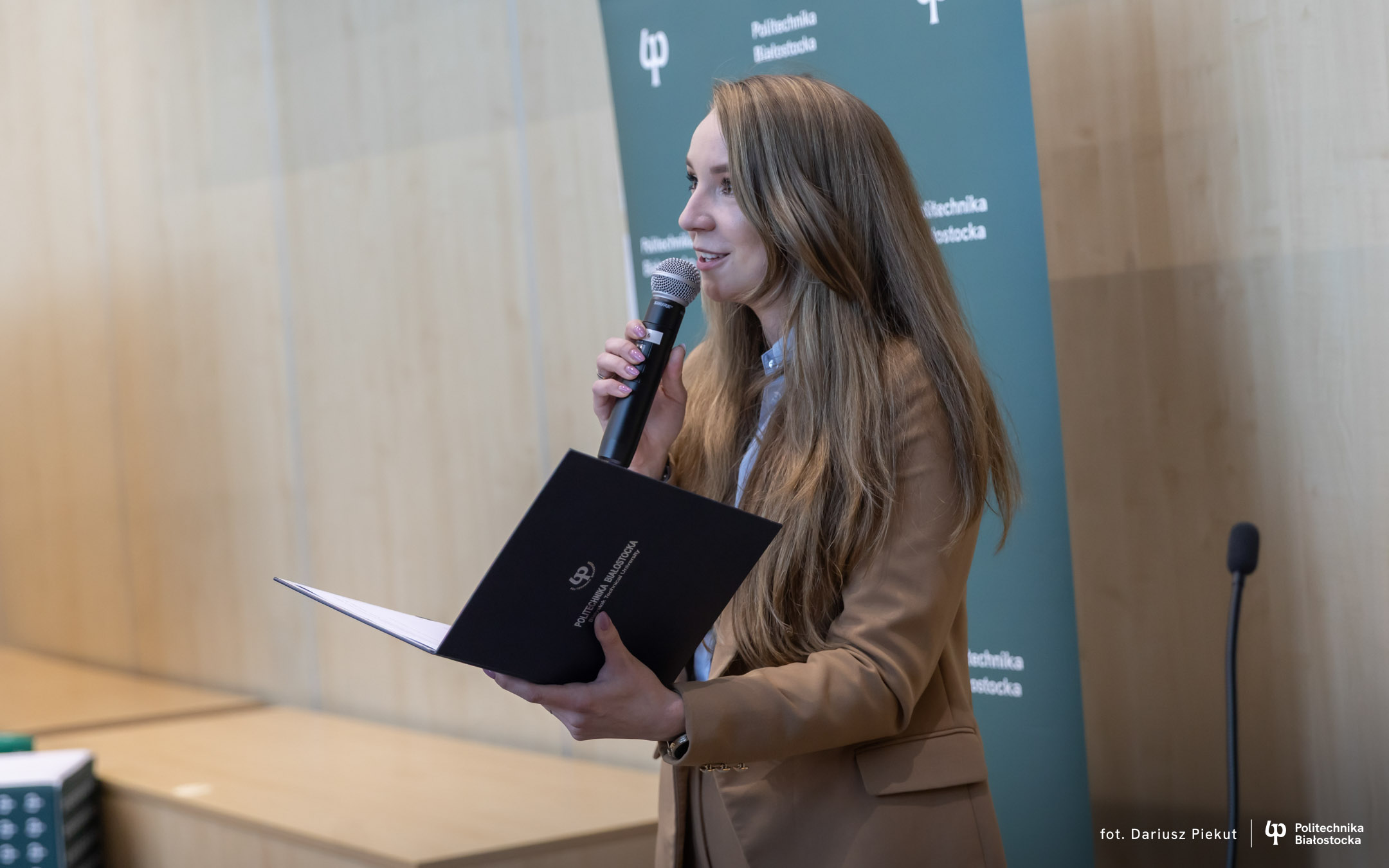
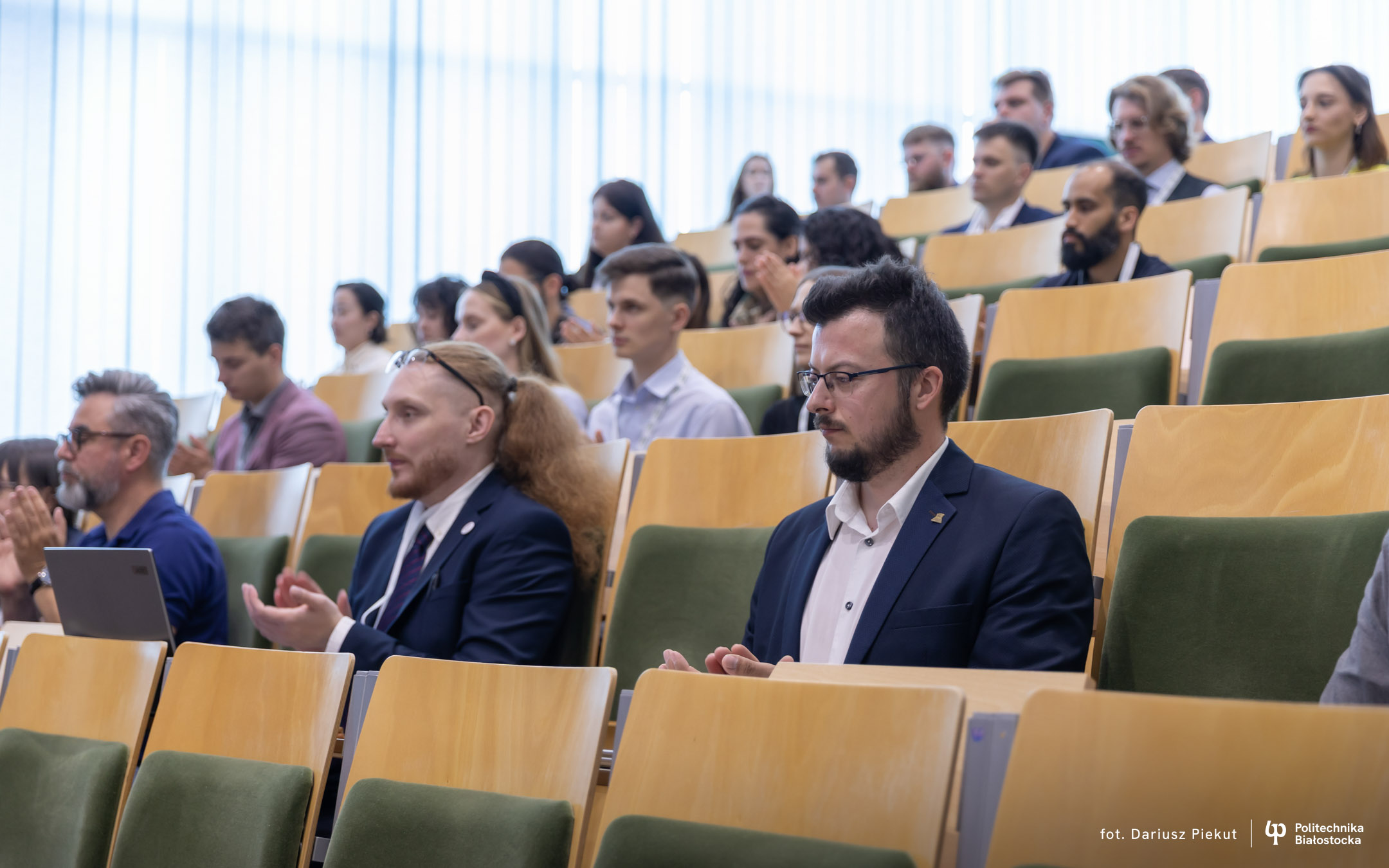
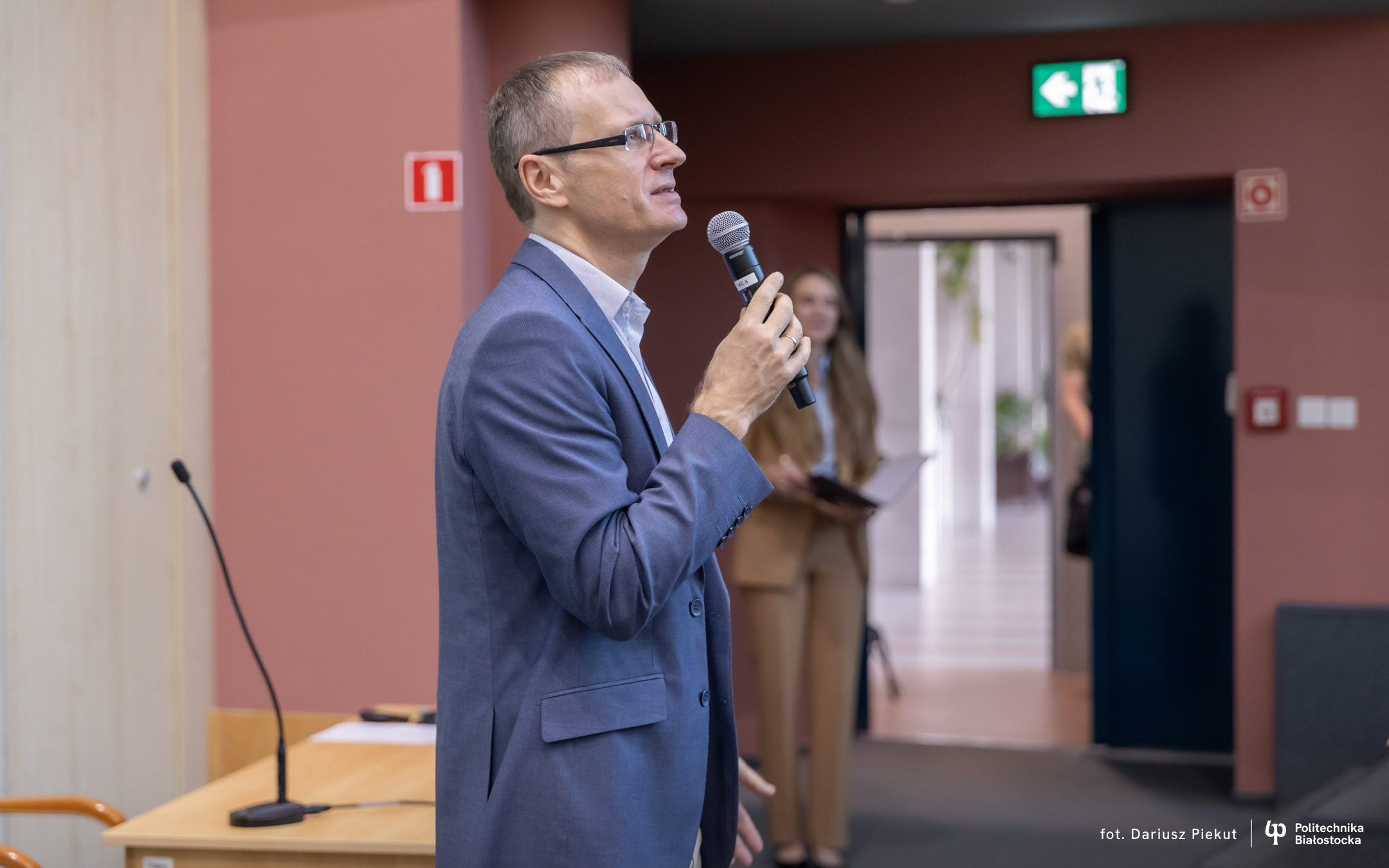
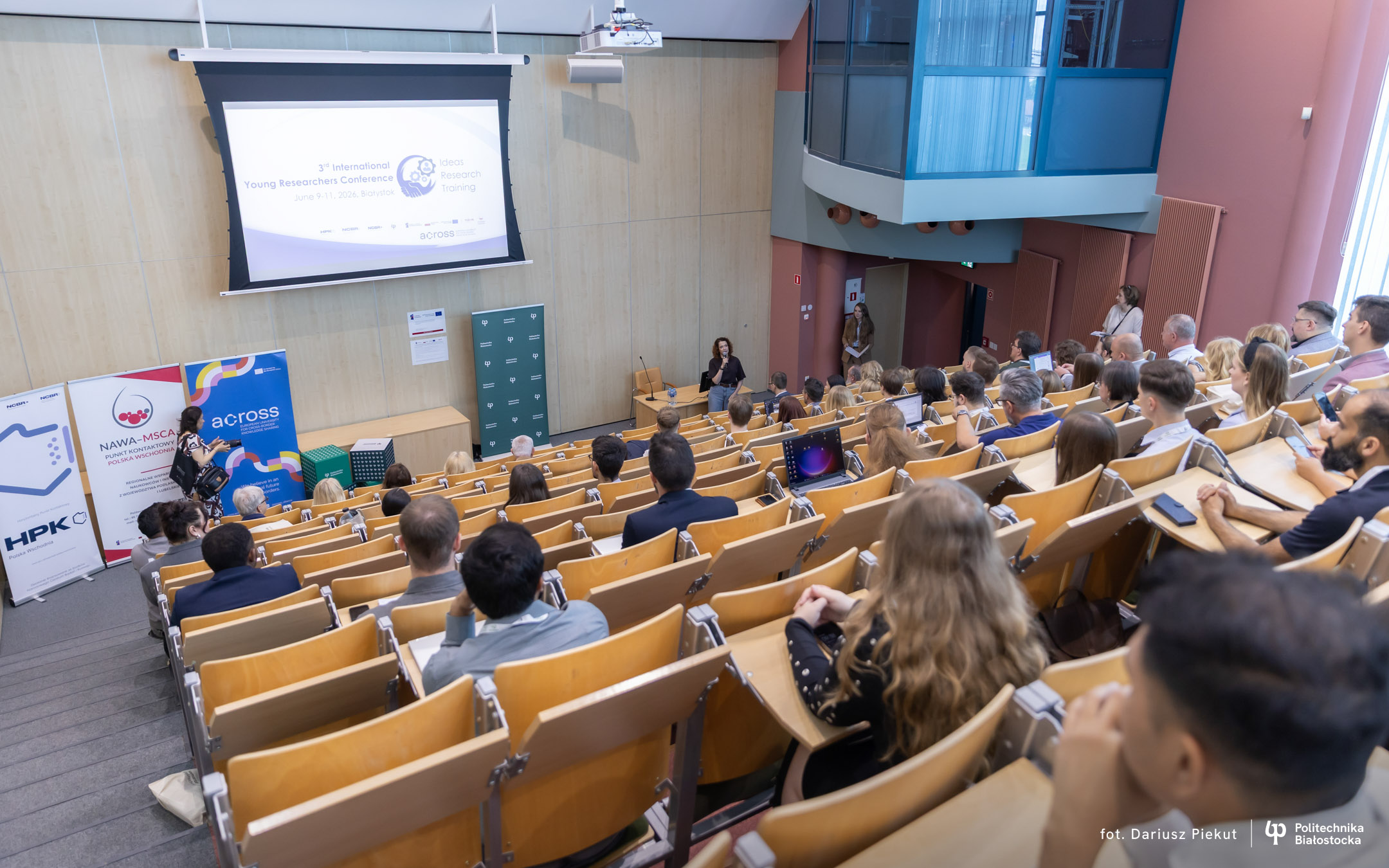
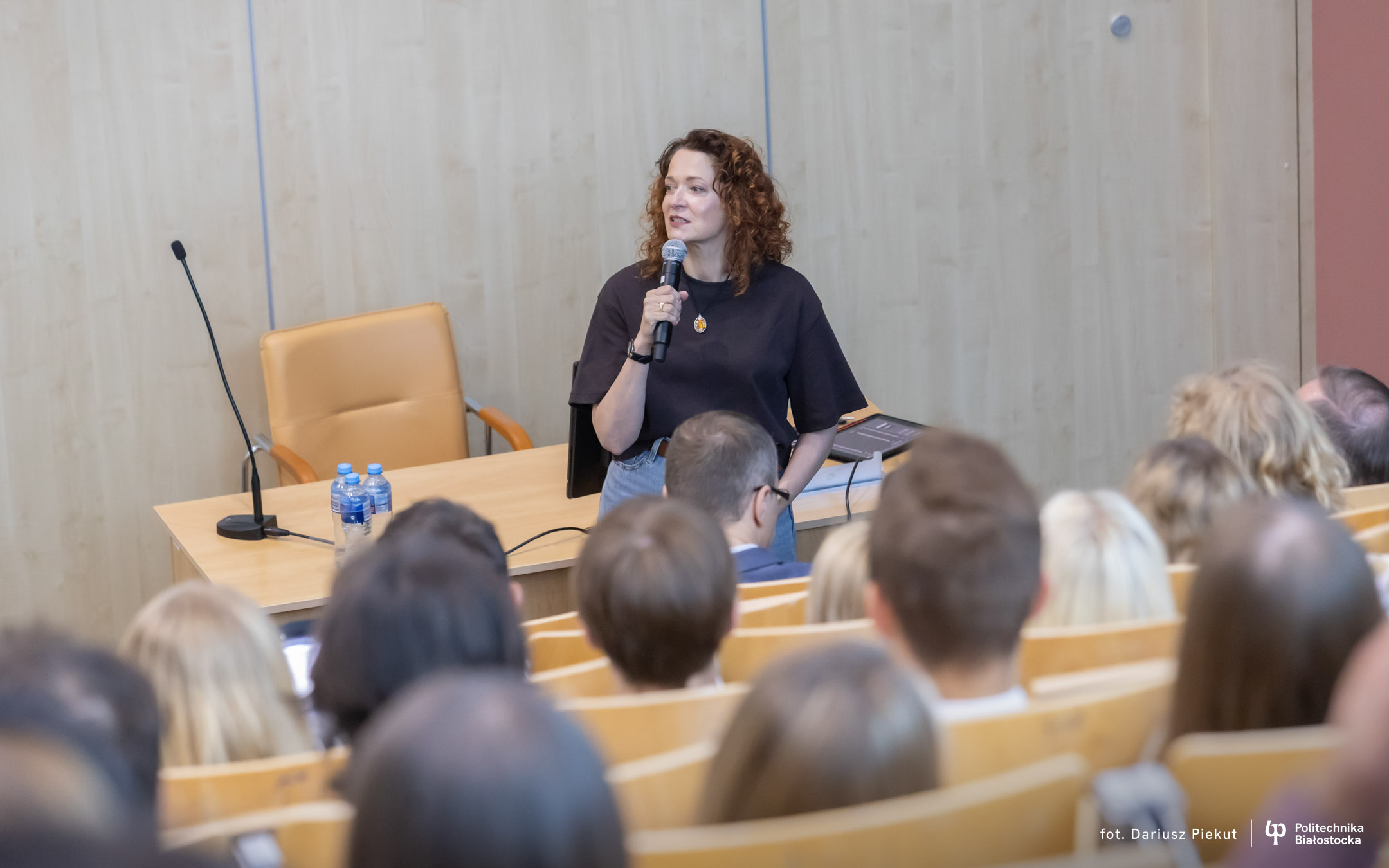
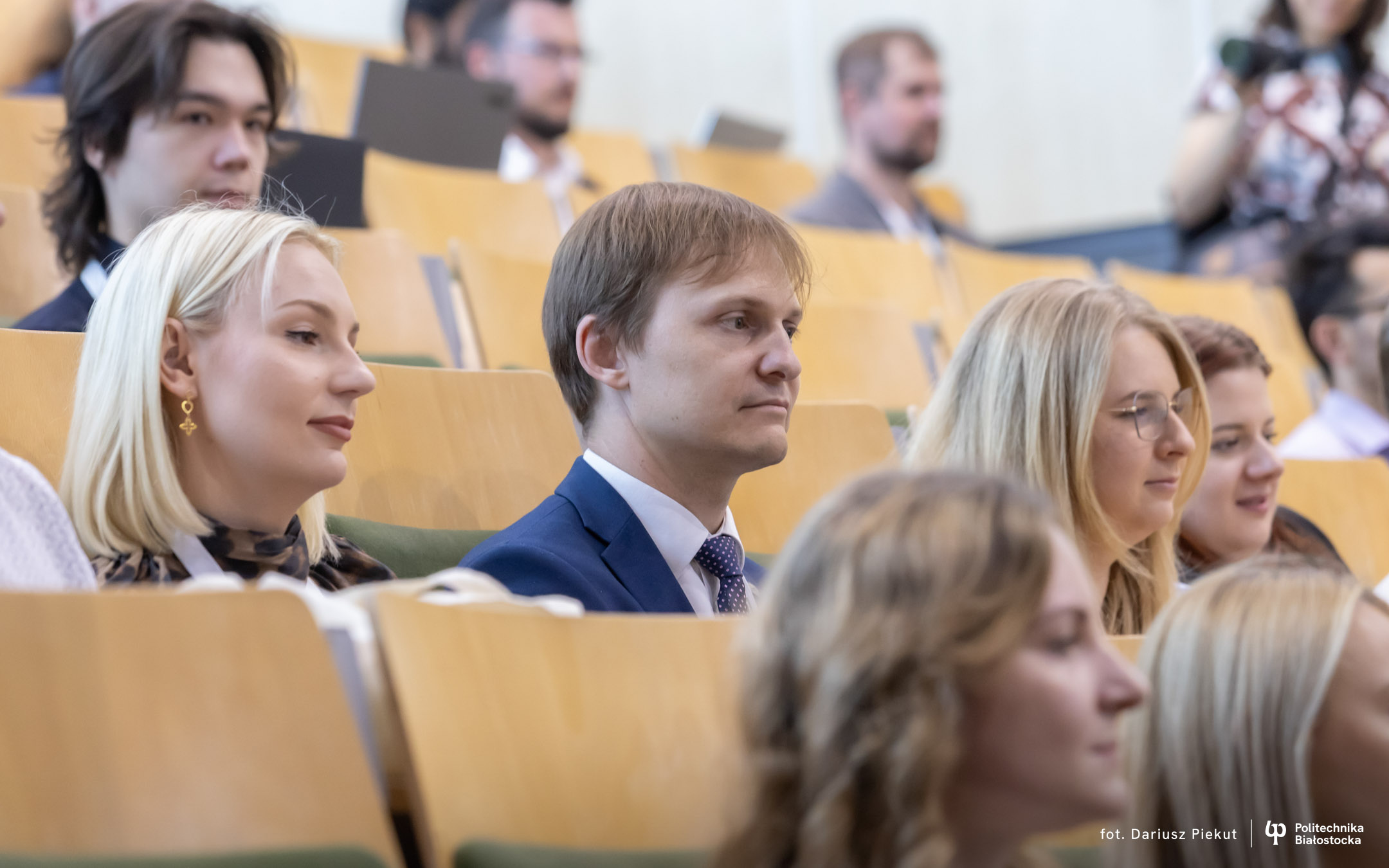
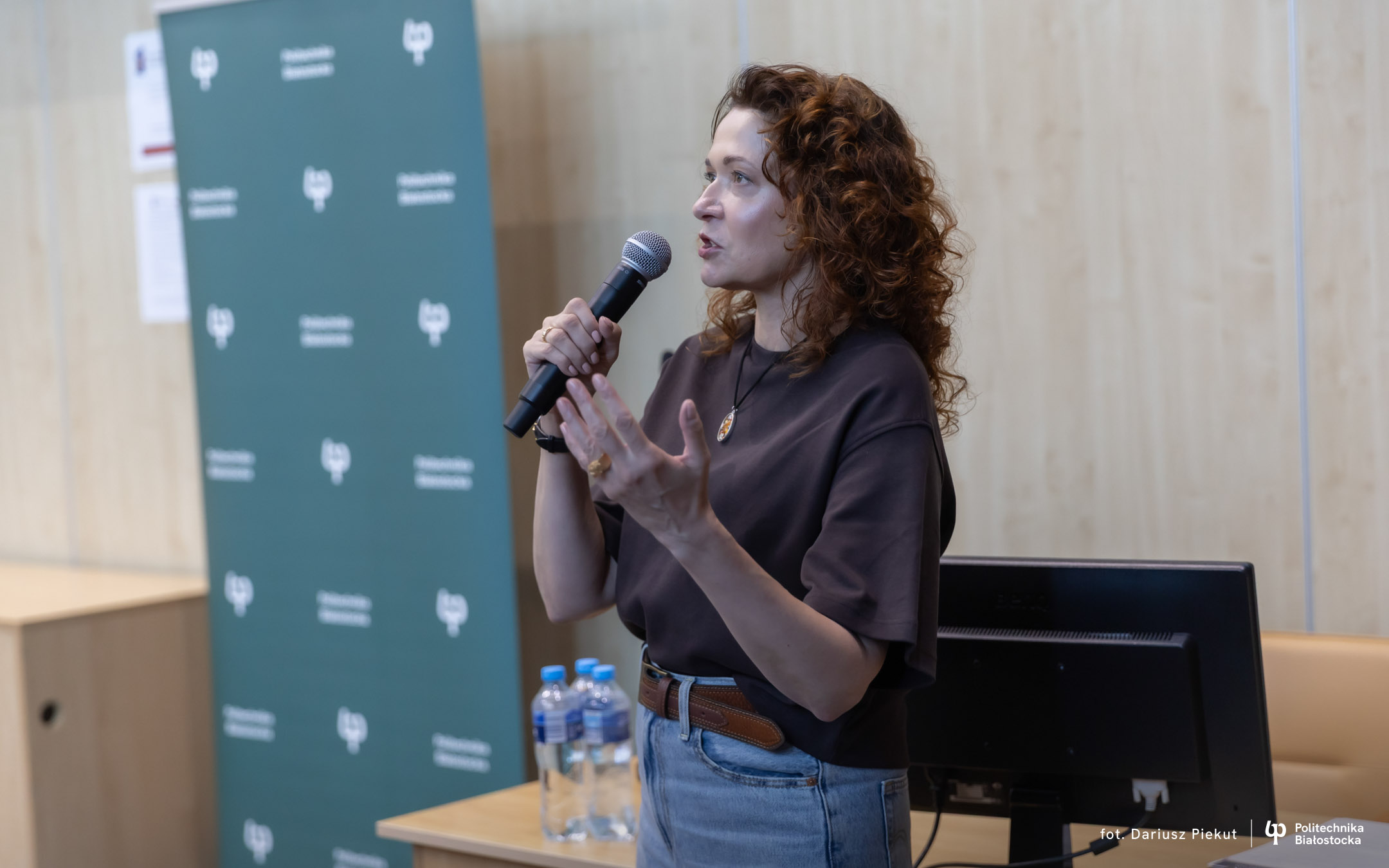
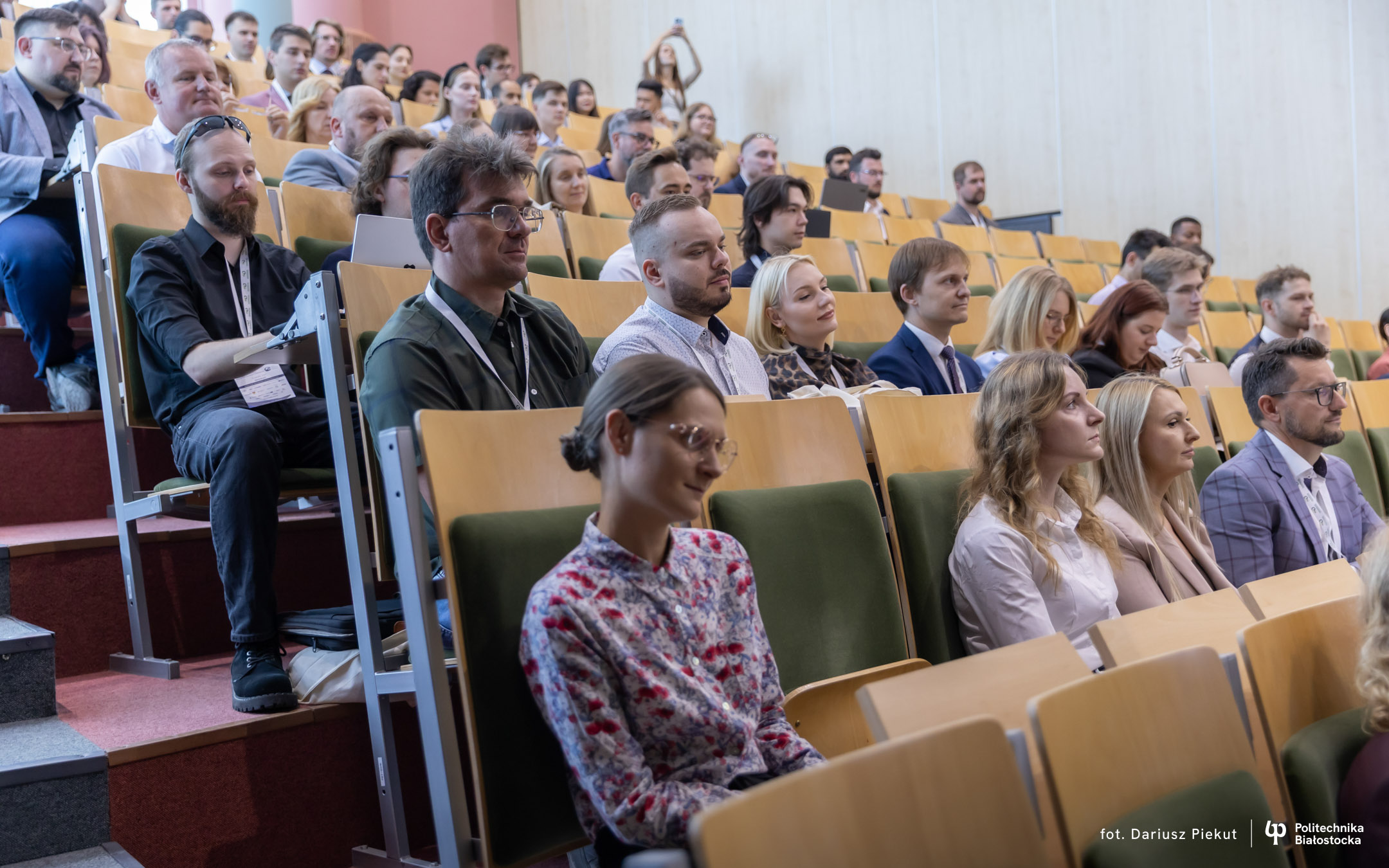
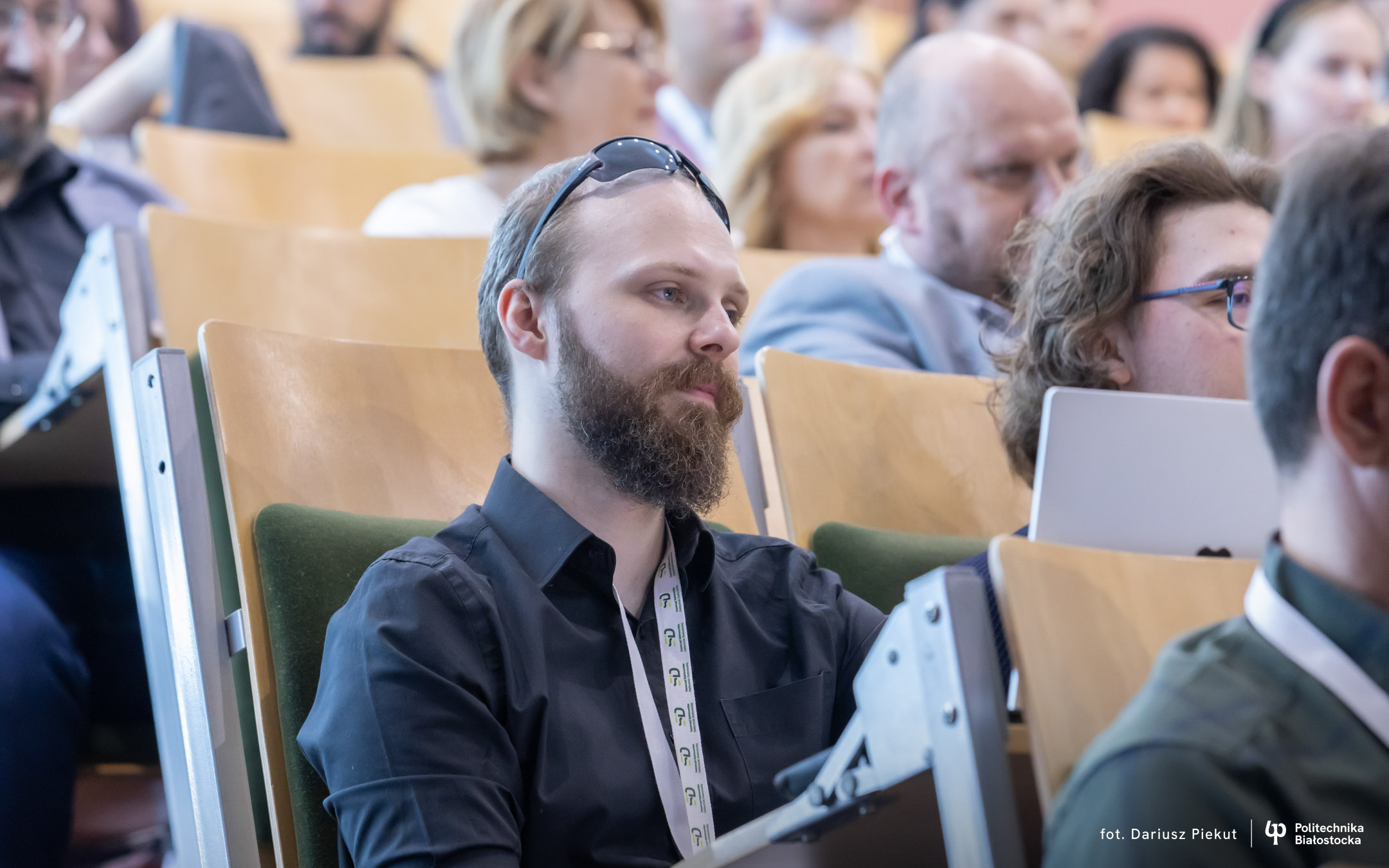
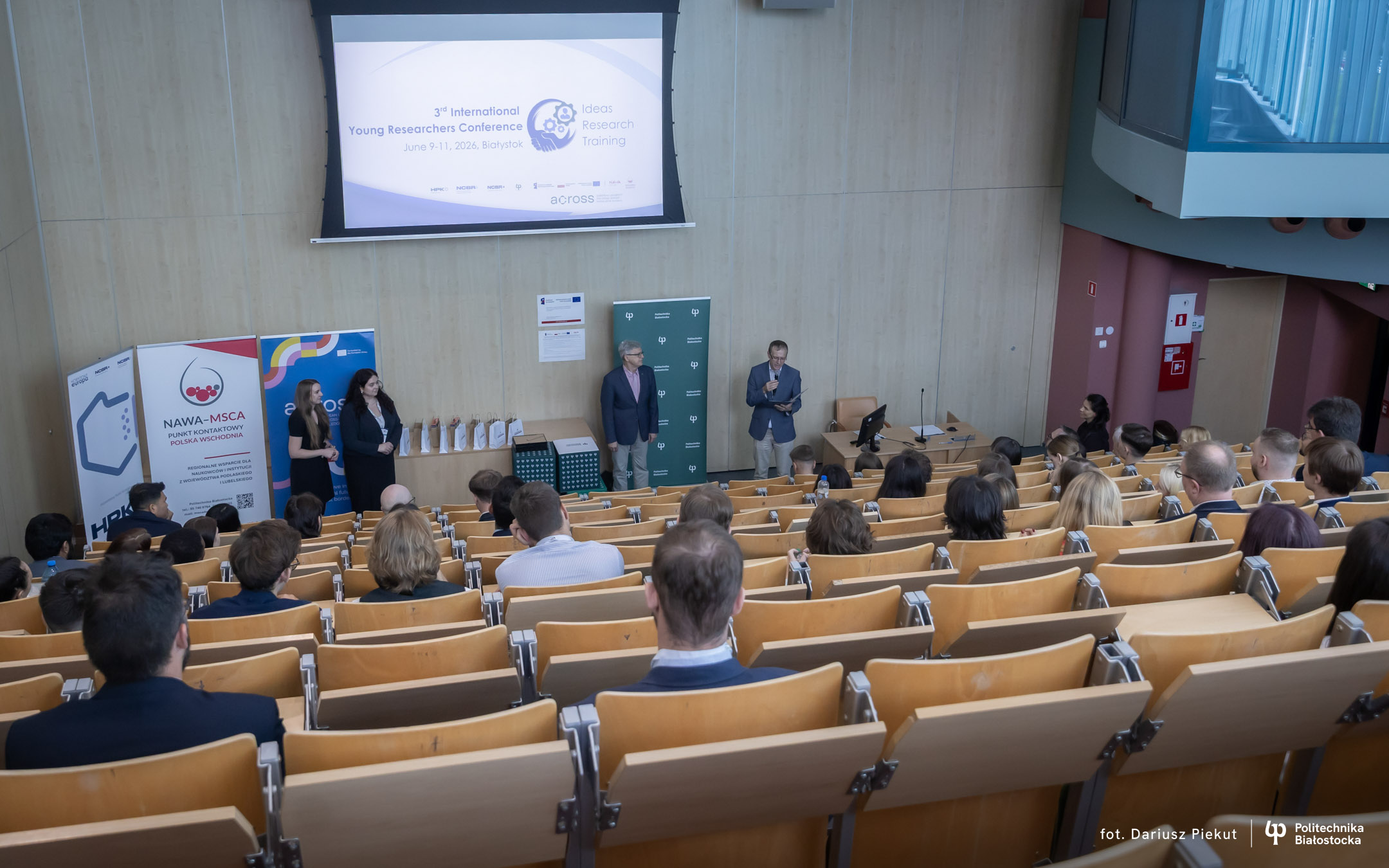
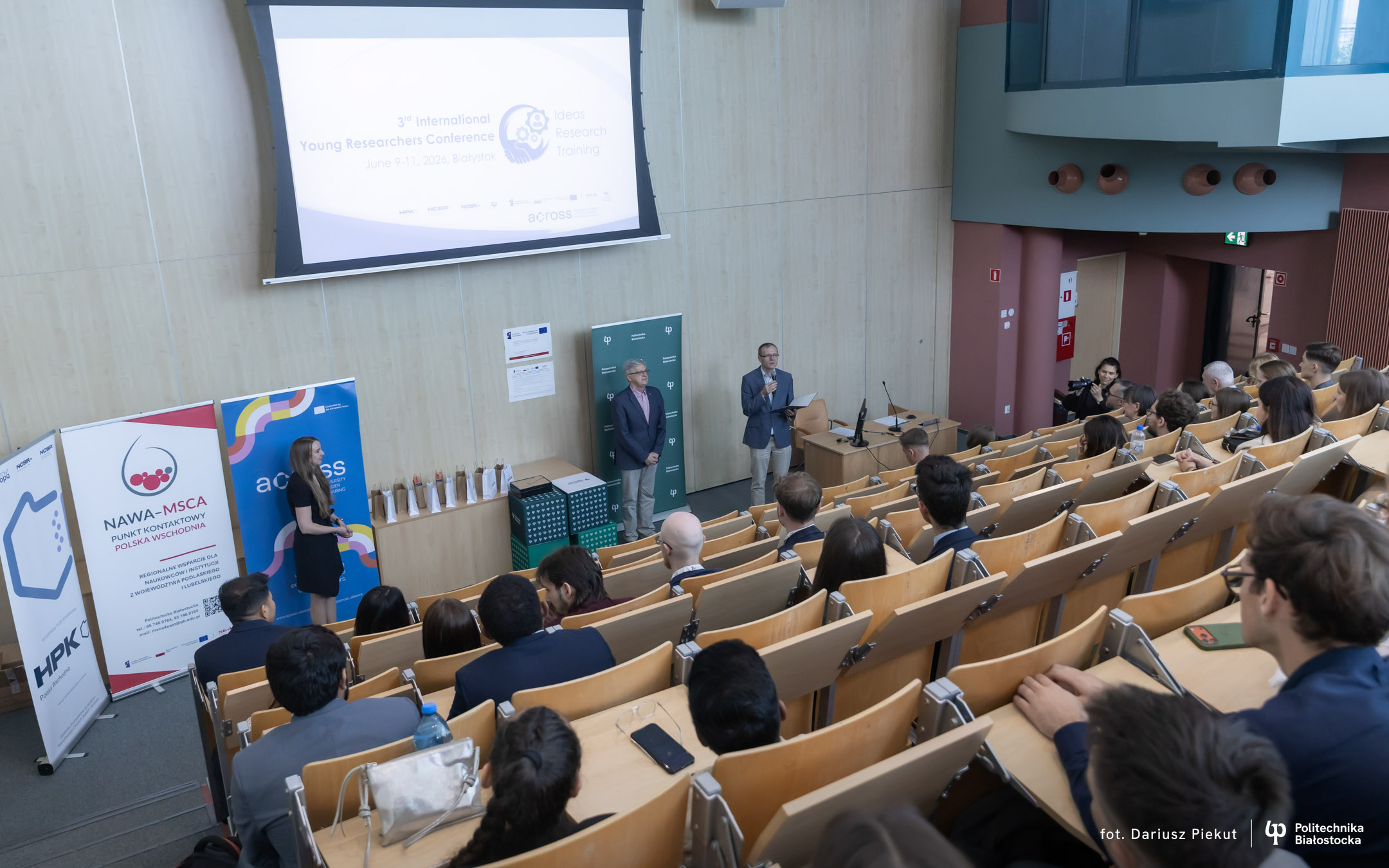
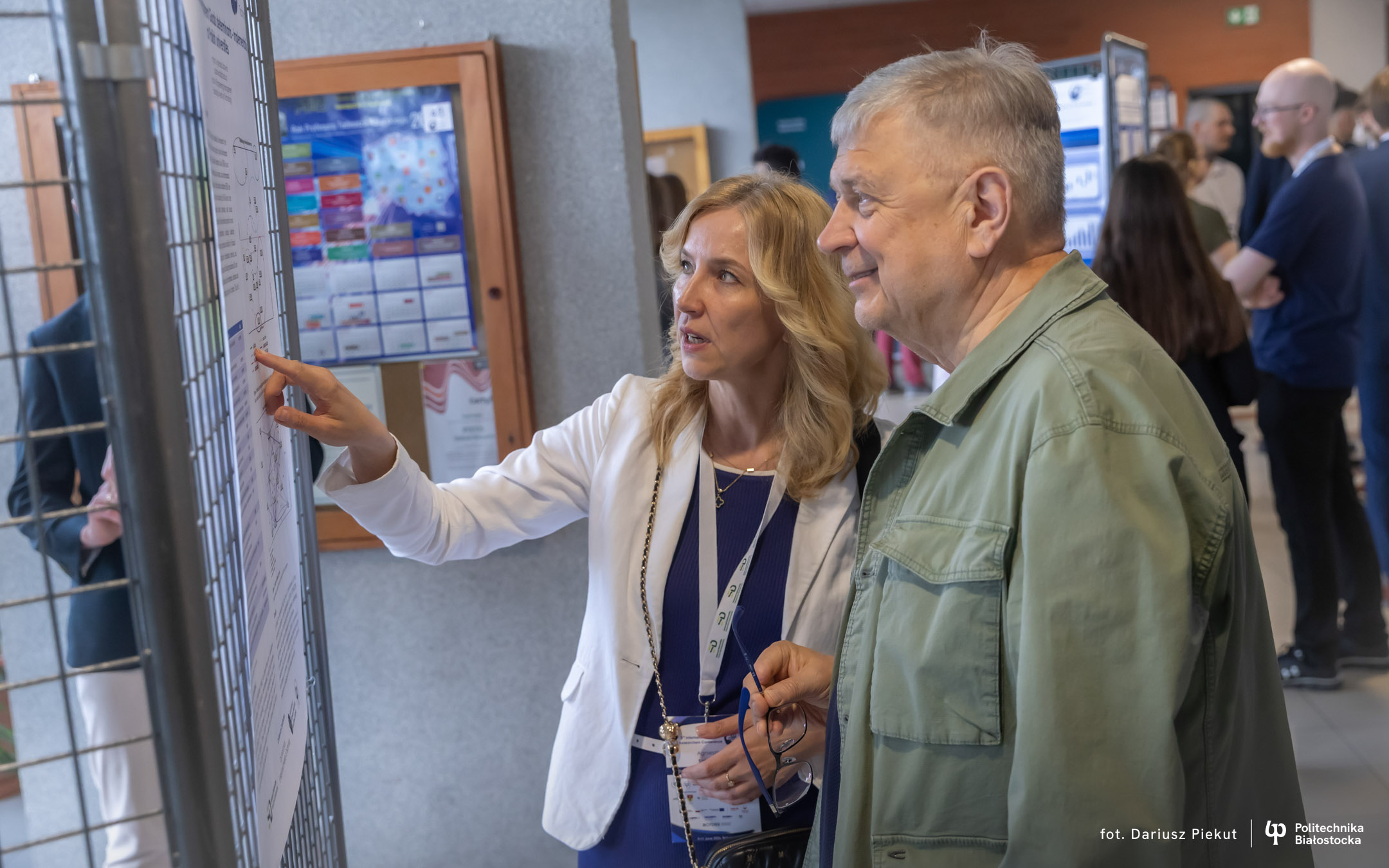
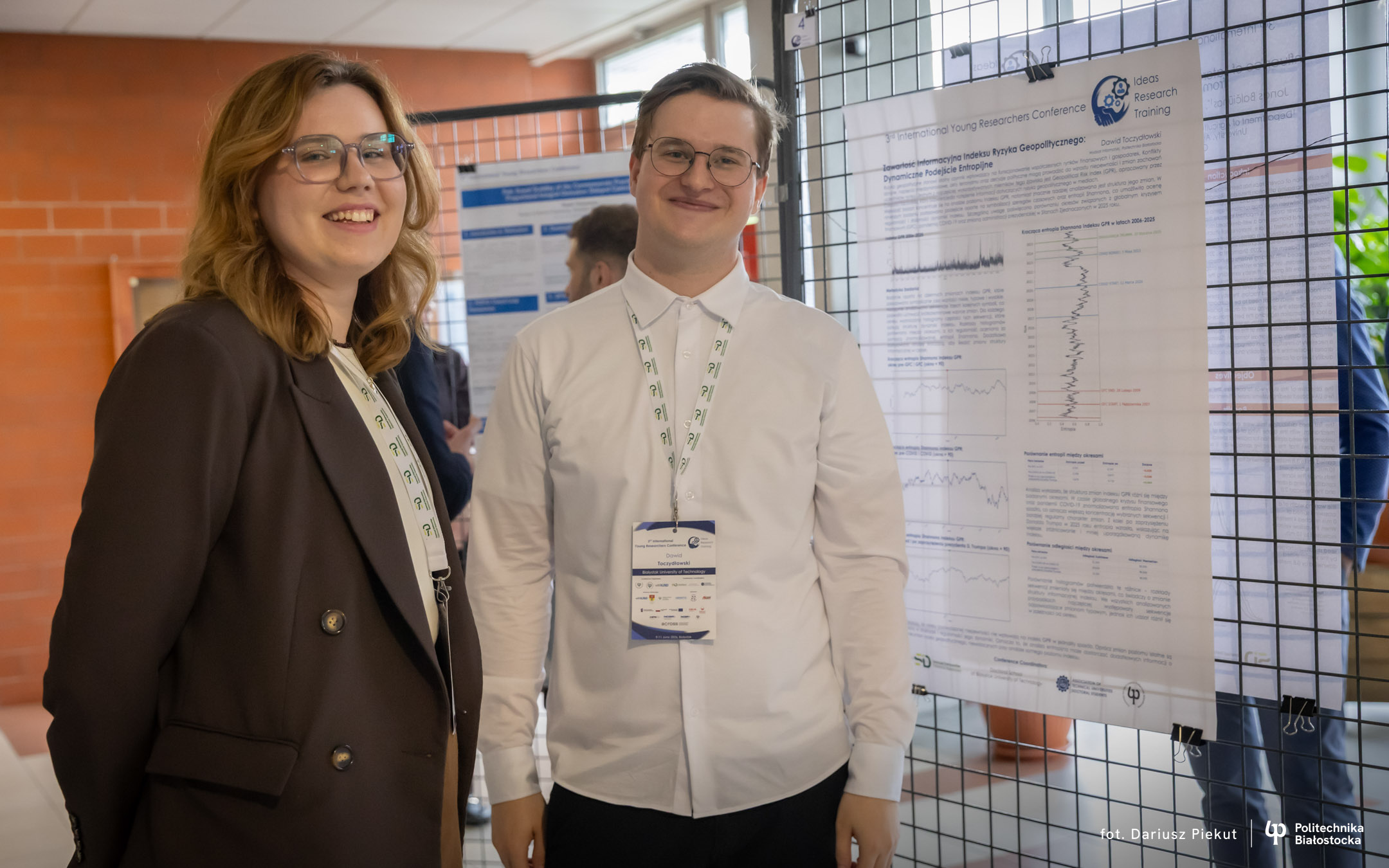
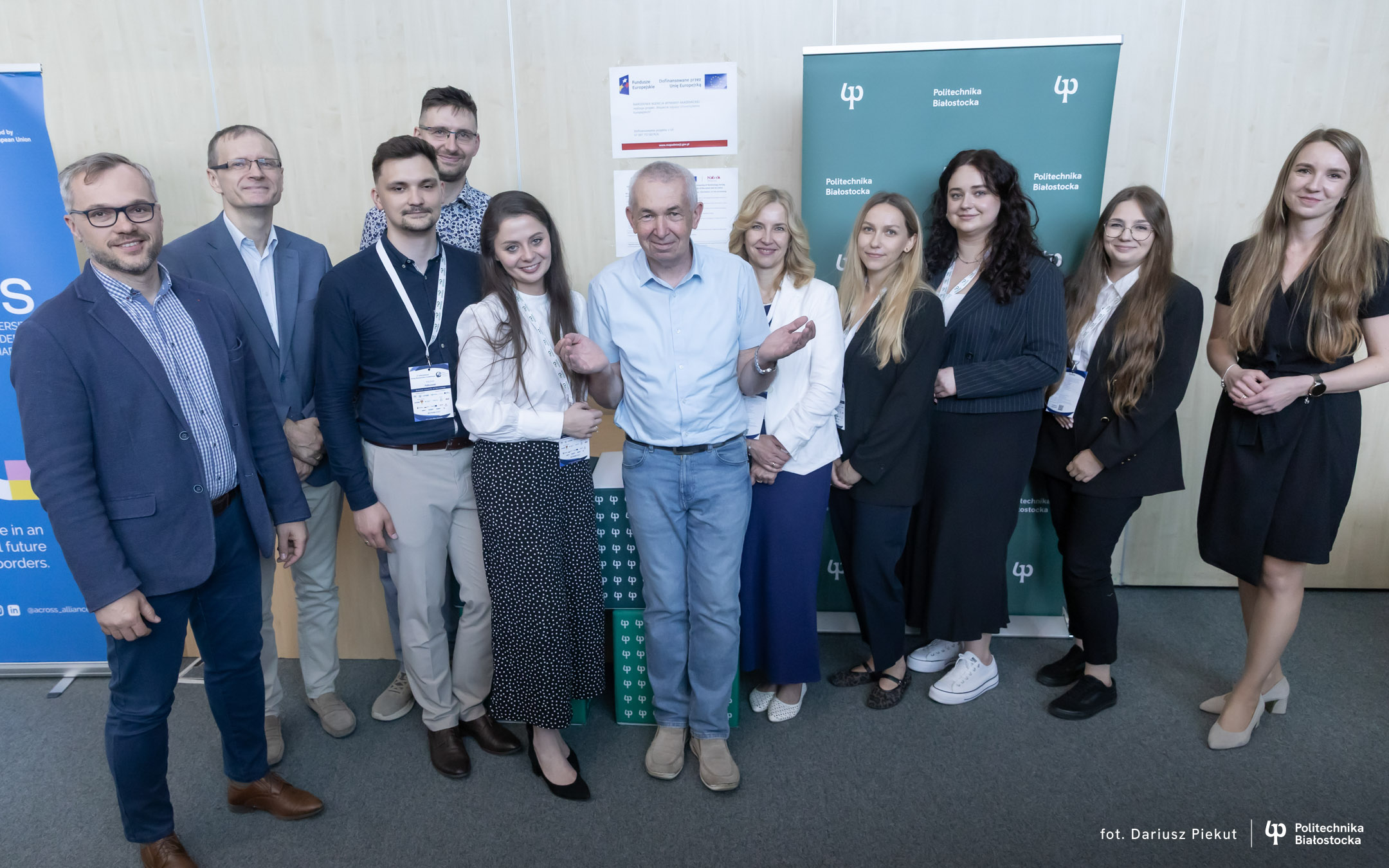
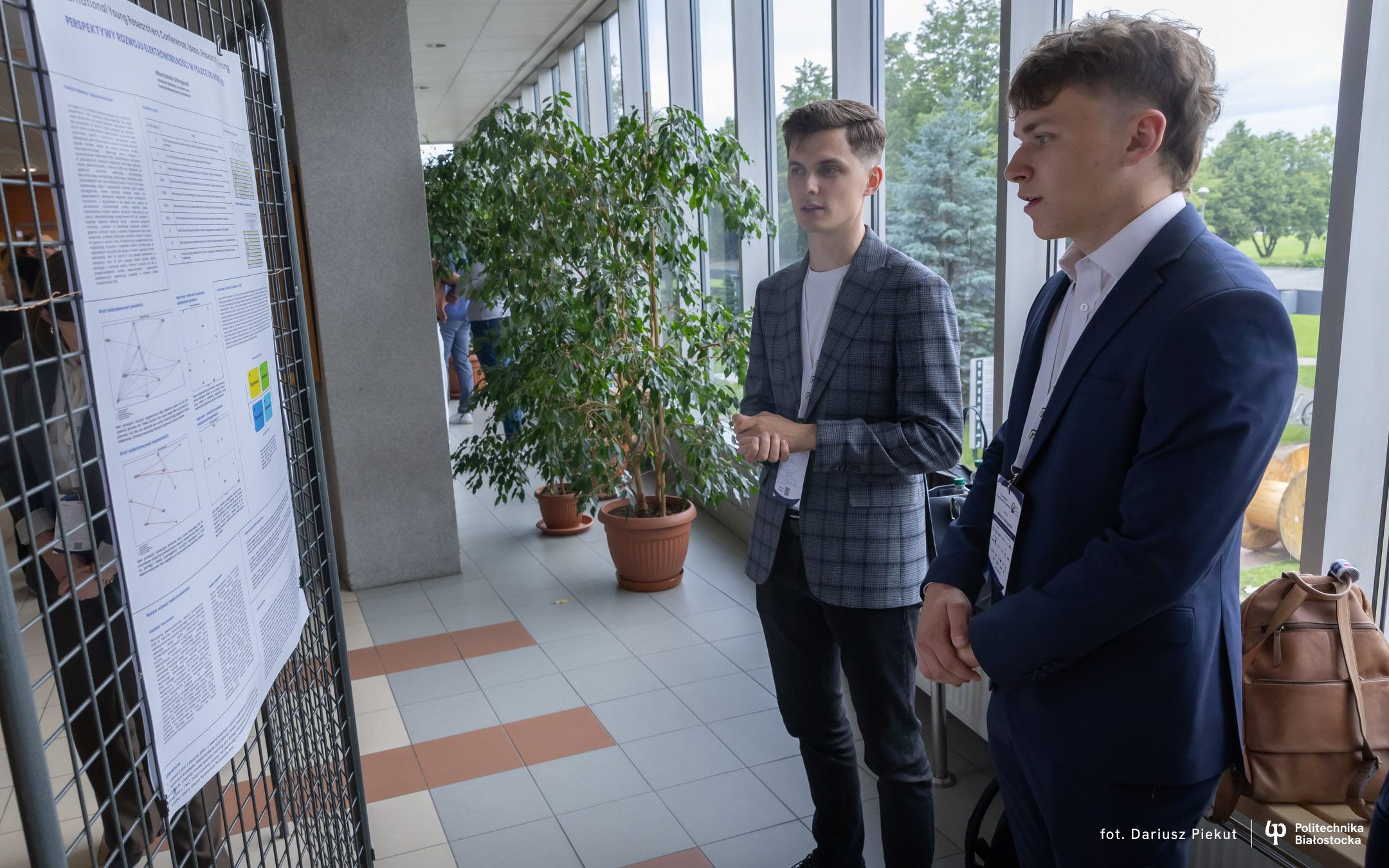
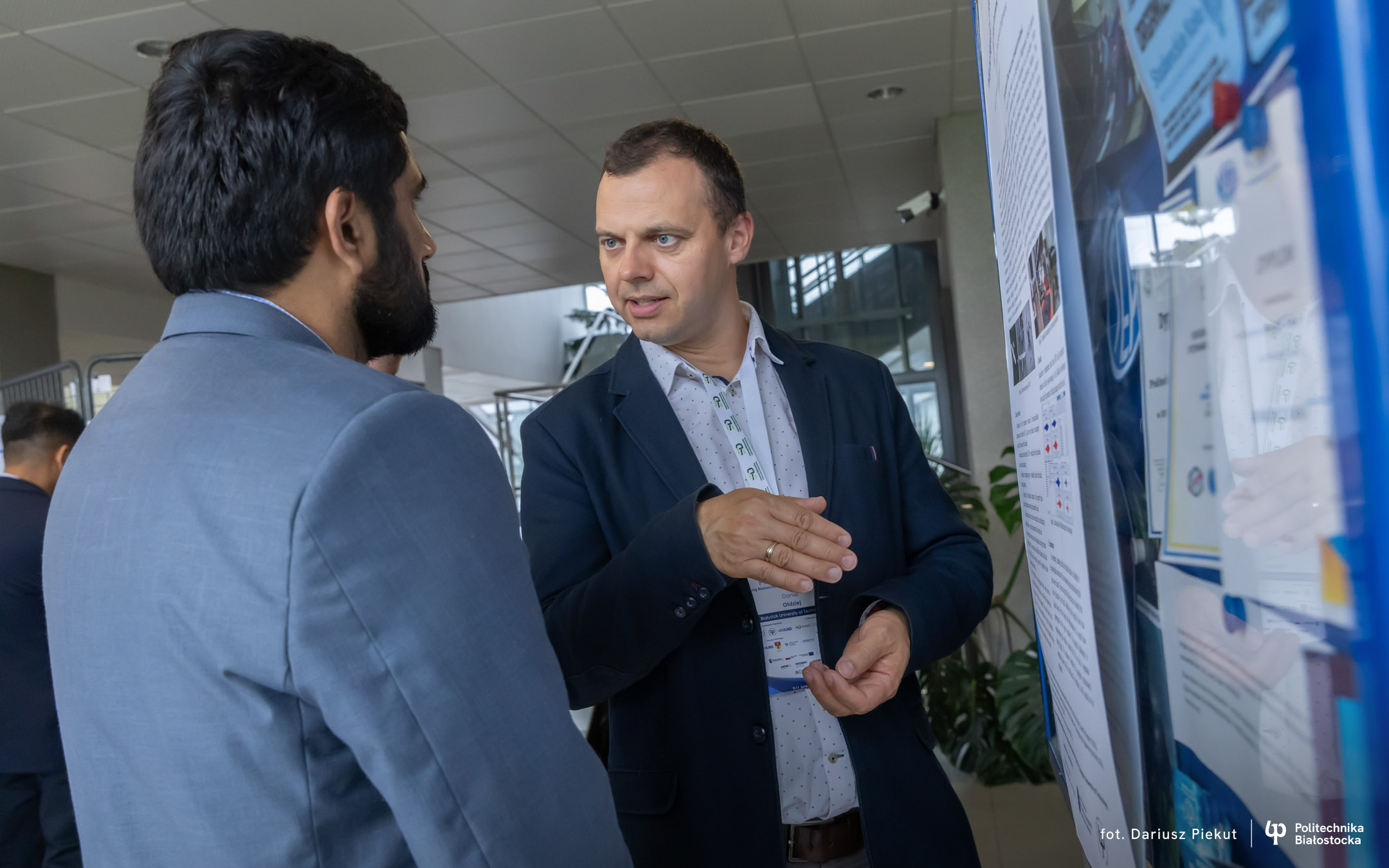
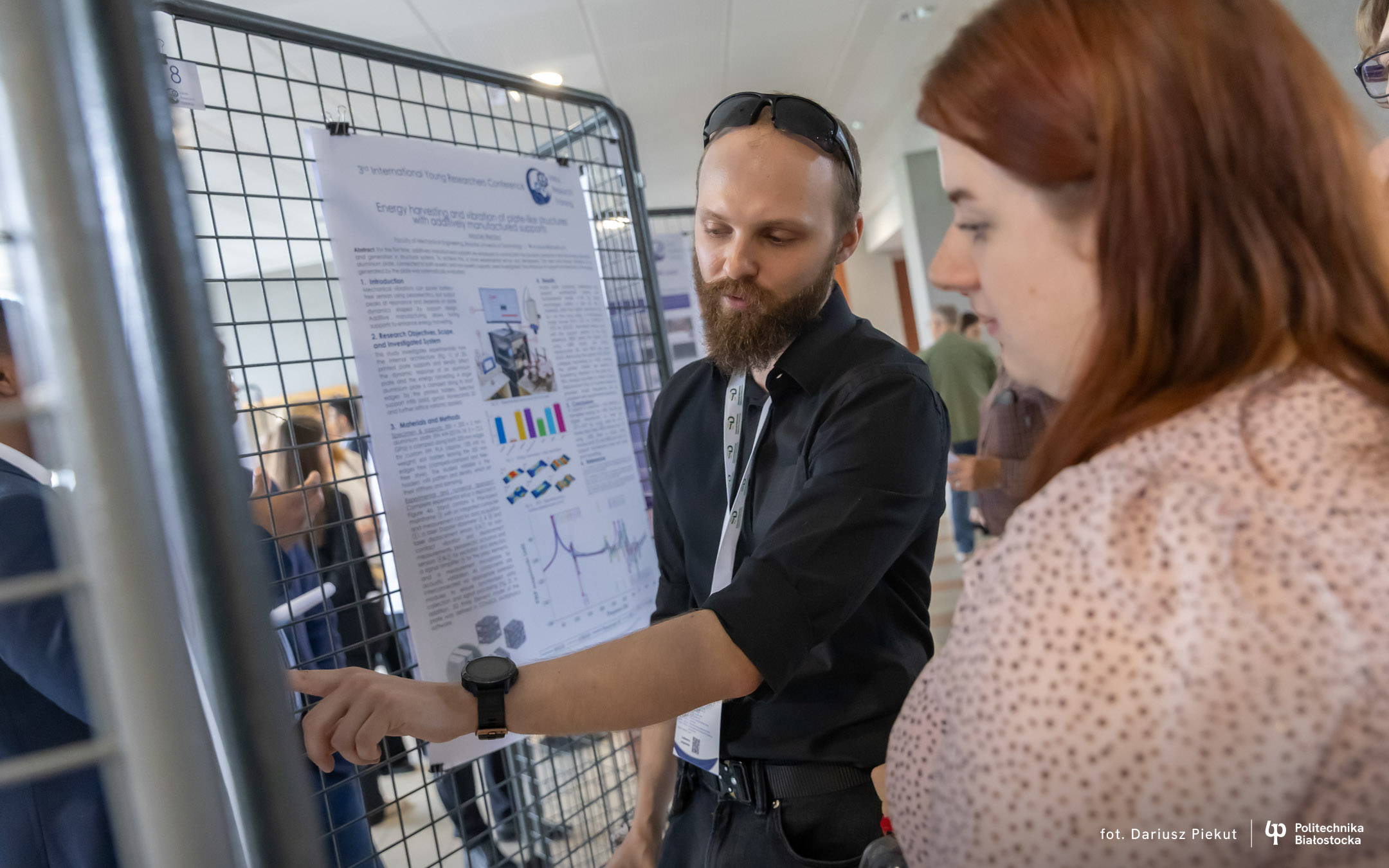
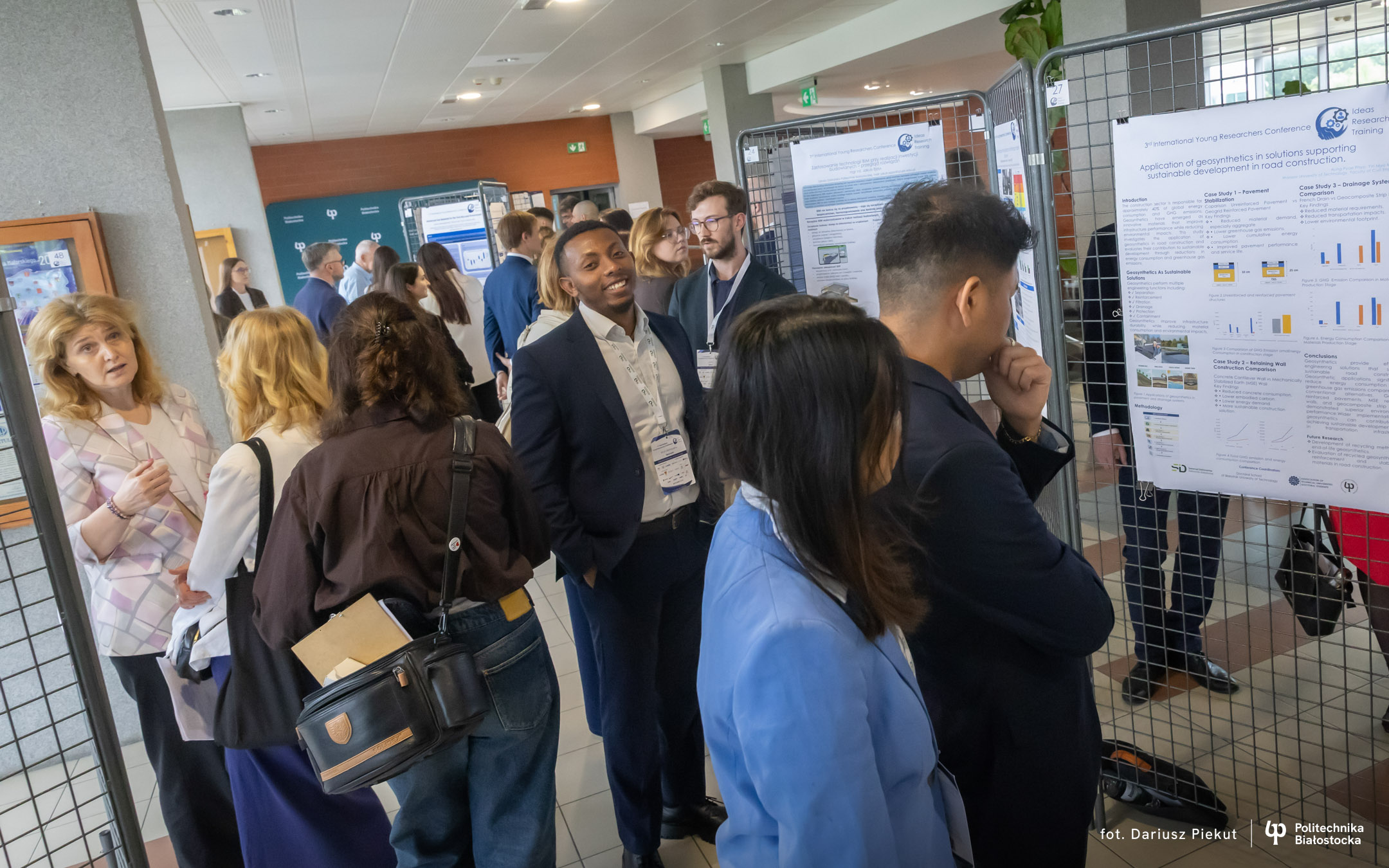
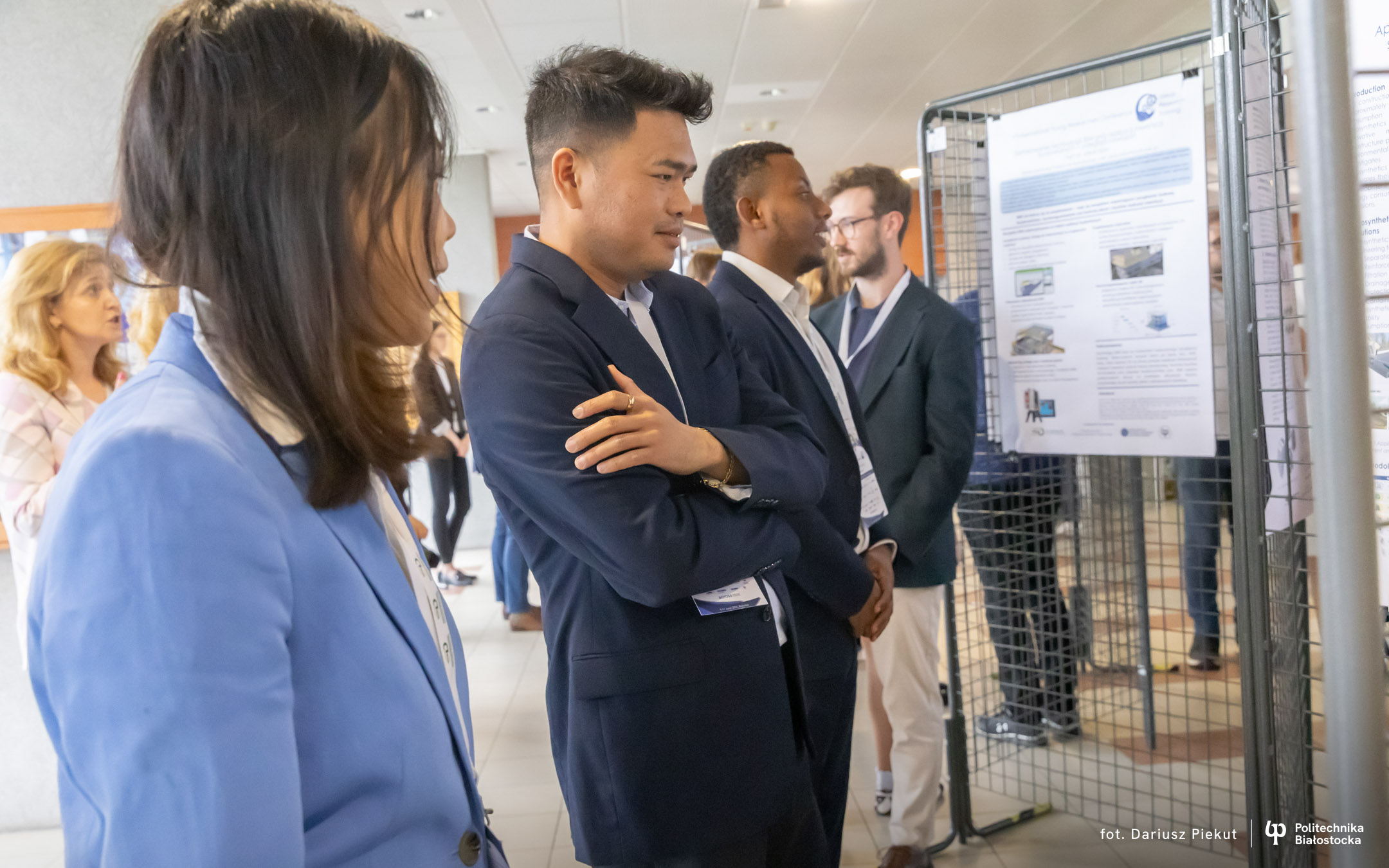
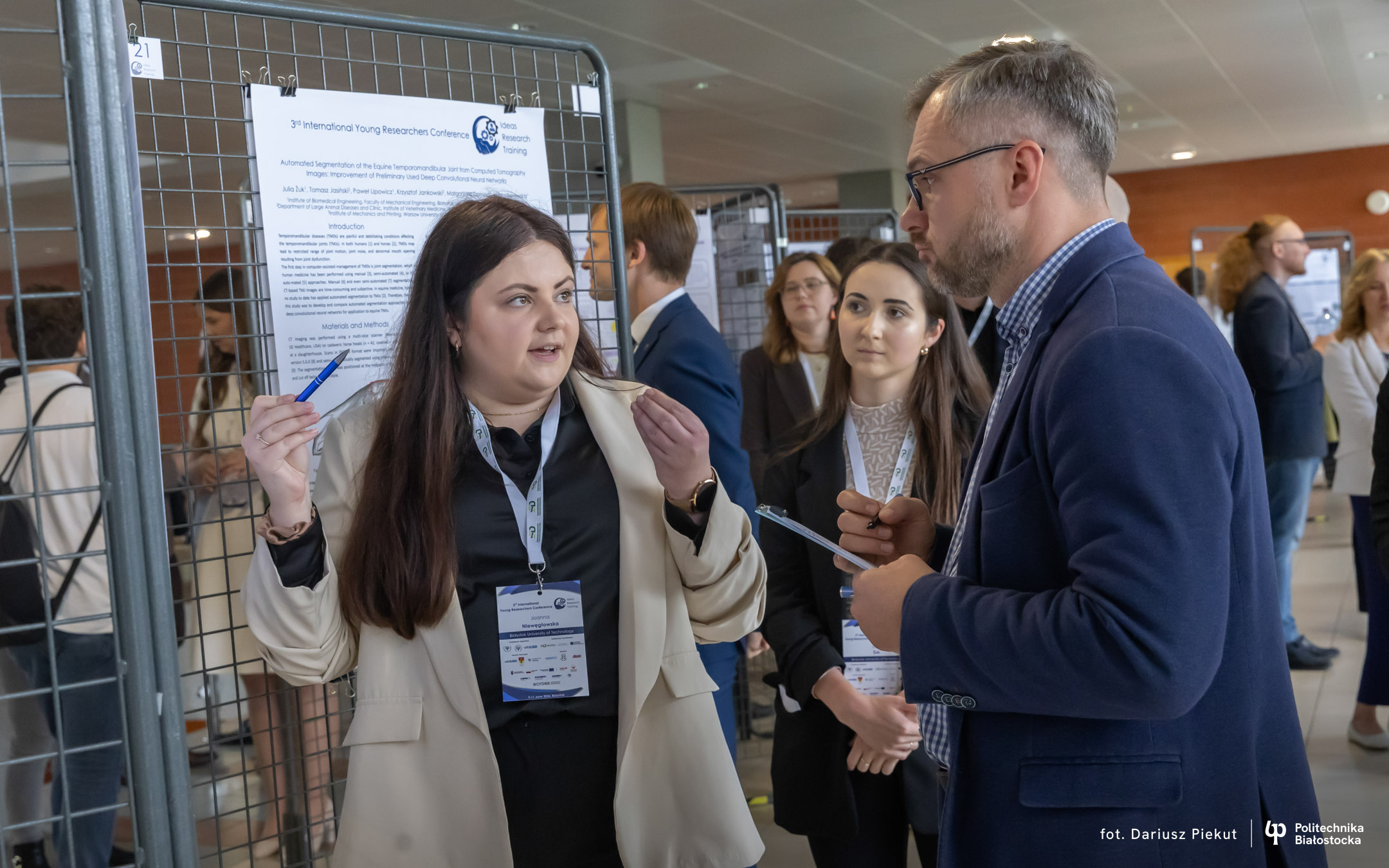
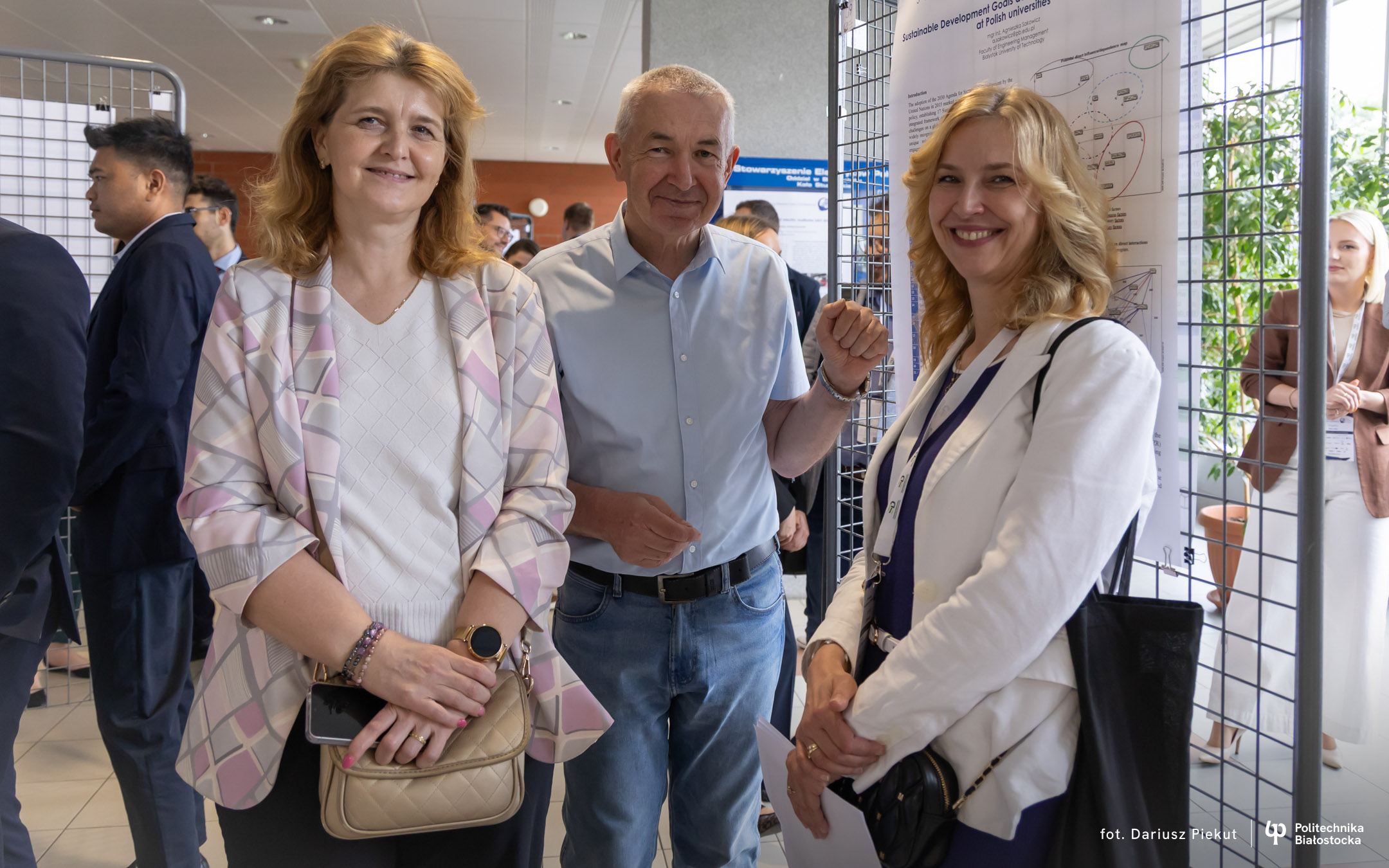
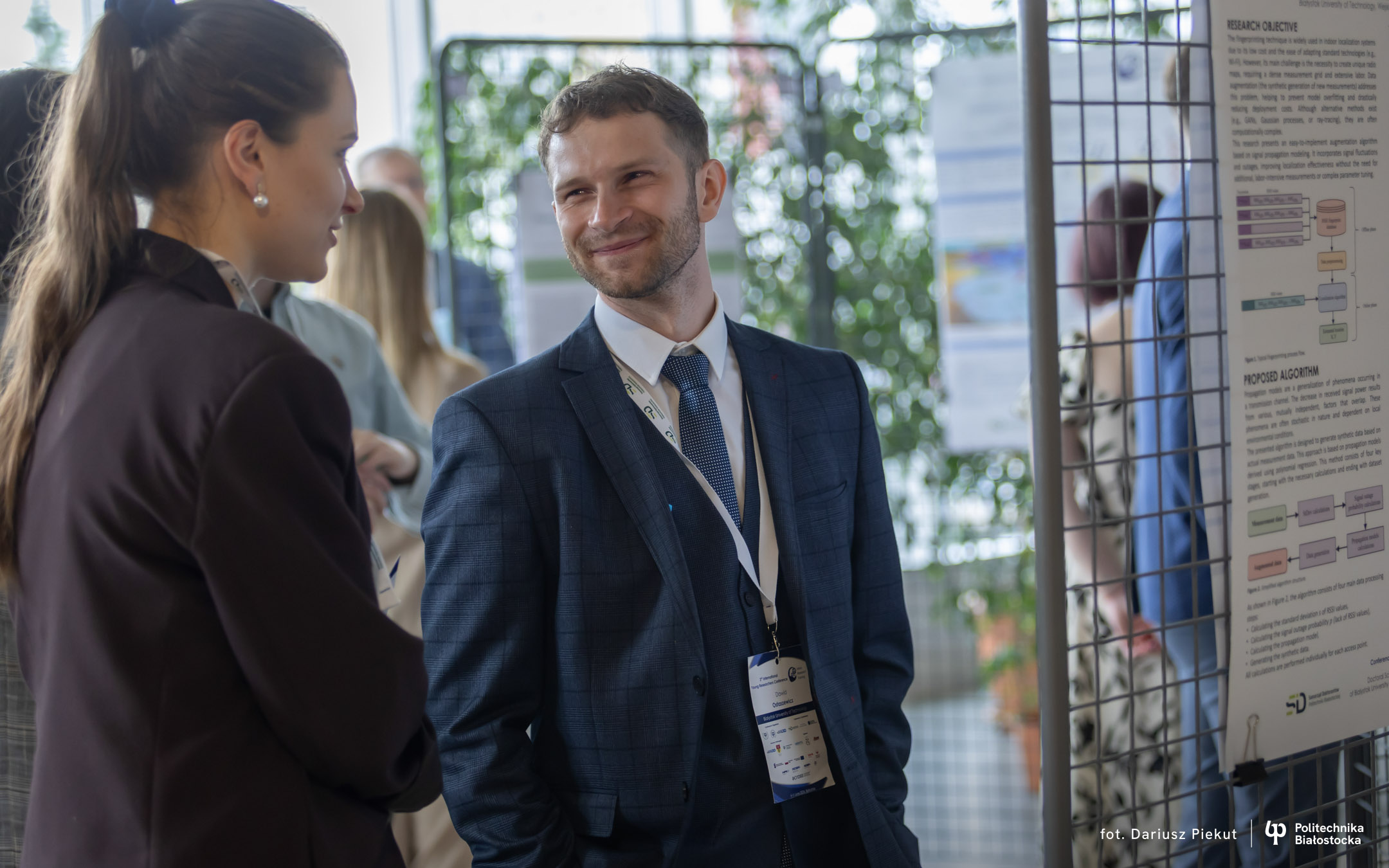
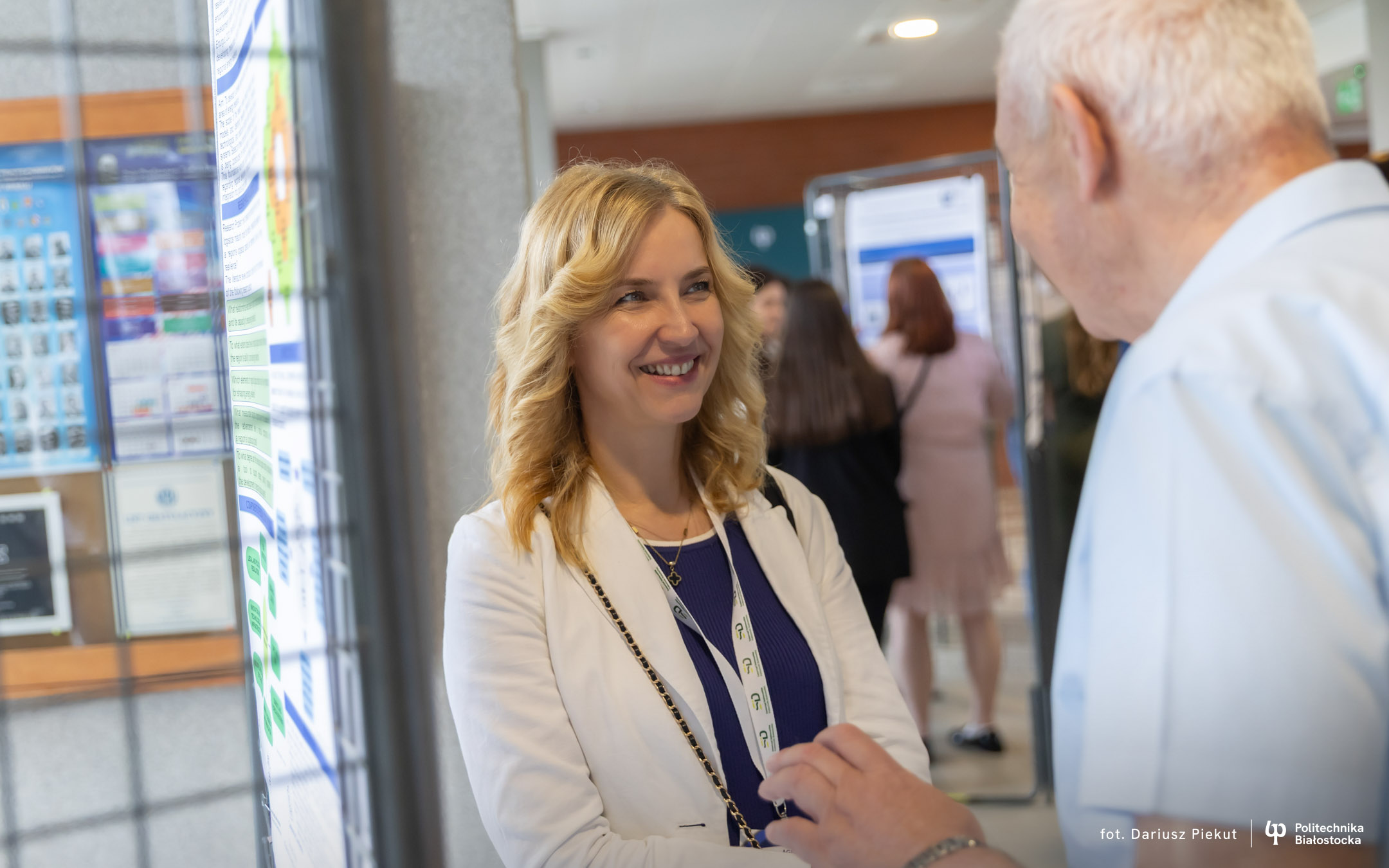
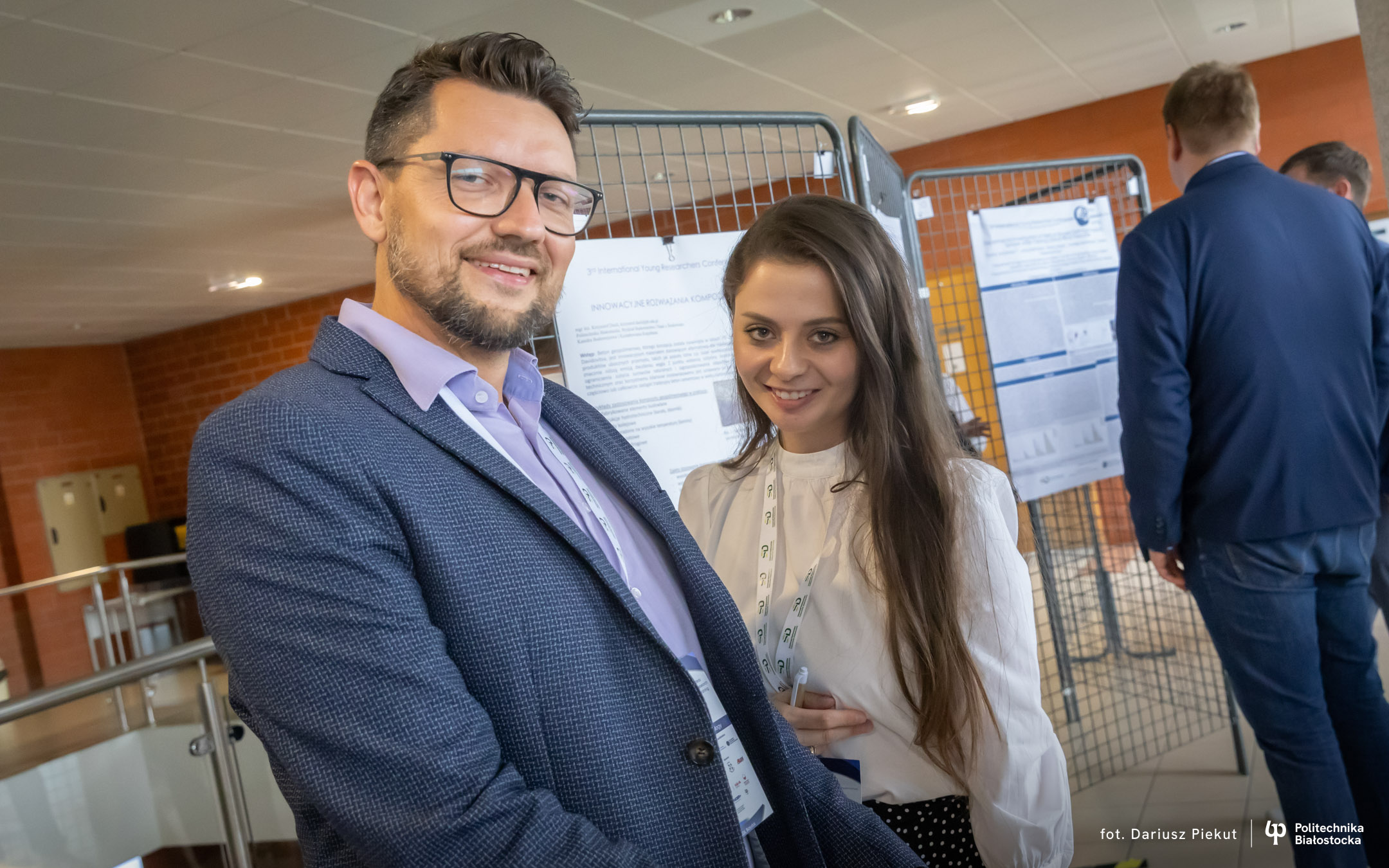
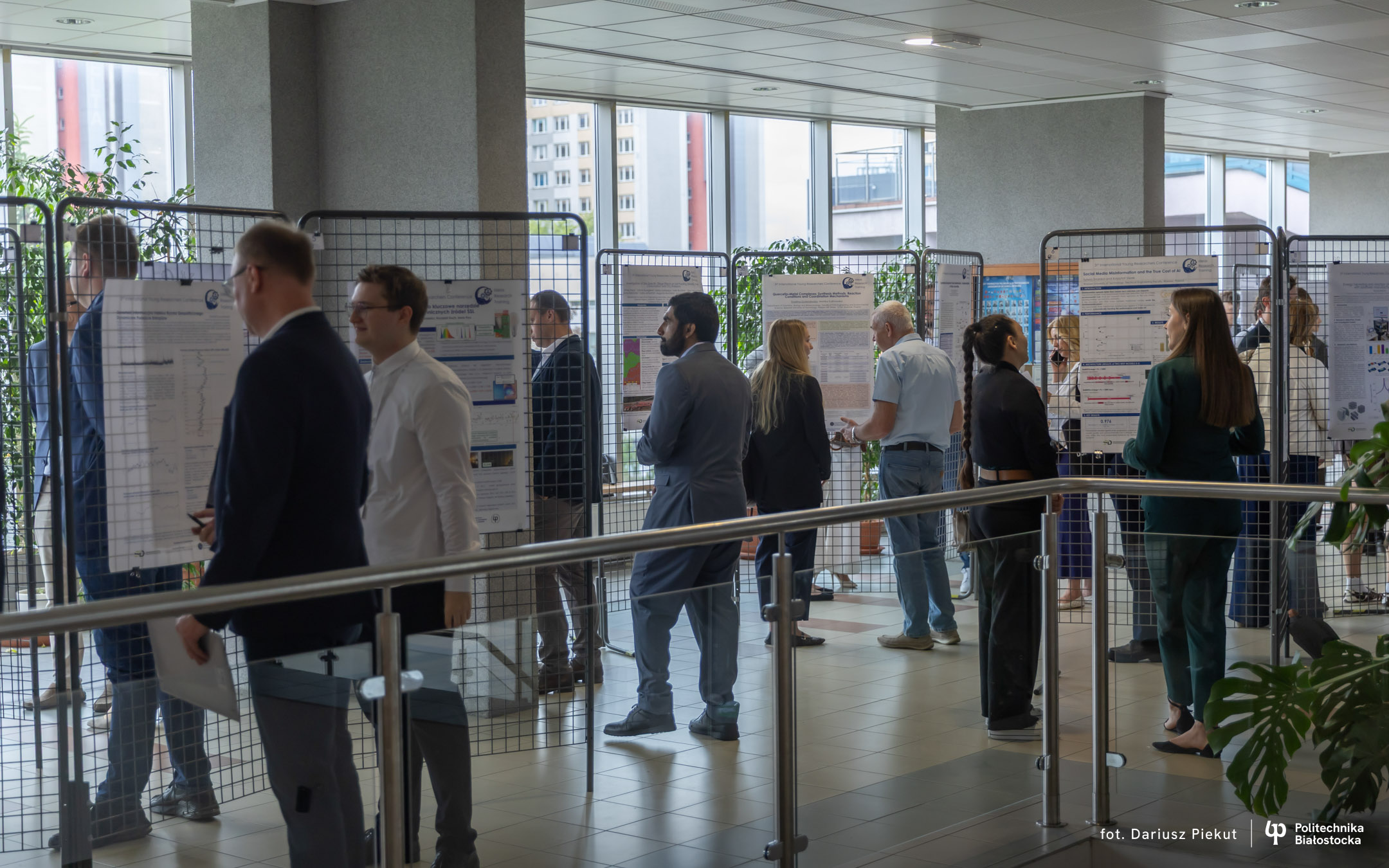
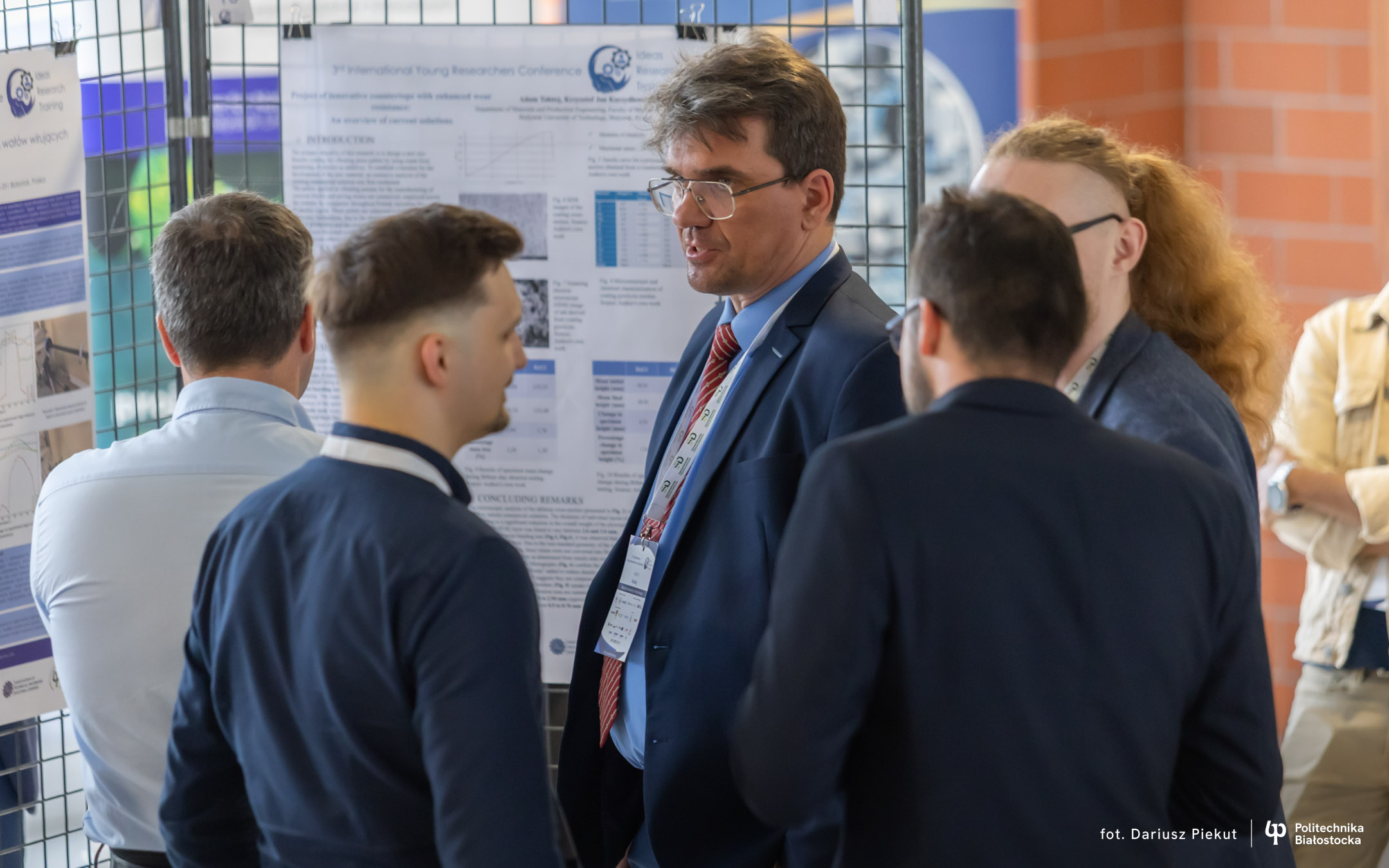
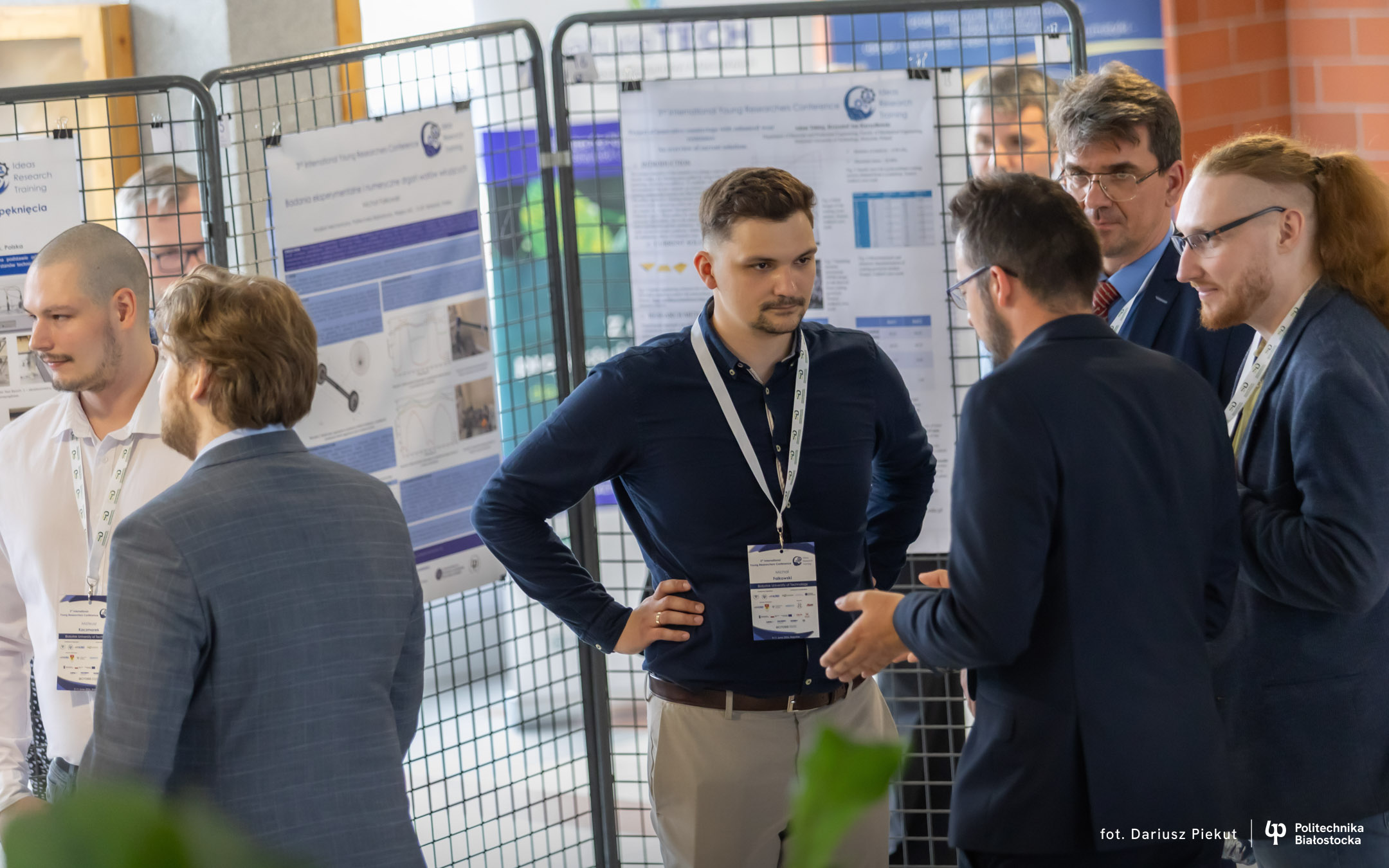
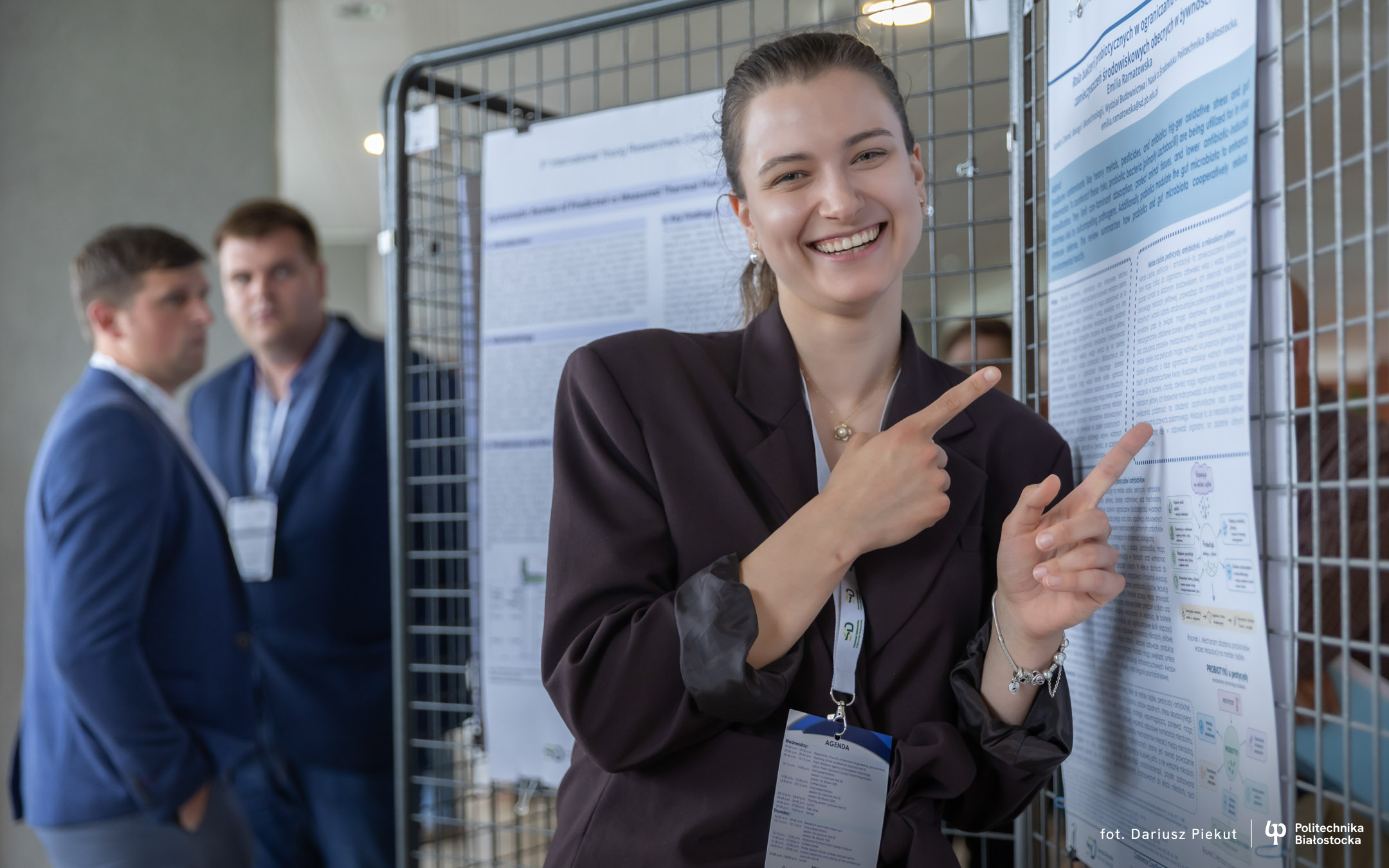
From 9 to 11 June 2026, Białystok University of Technology hosted the 3rd International Young Researchers Conference: Ideas, Research, Training (IRT). The event brought together a record 88 participants from academic institutions in Poland and abroad. Young researchers presented 34 papers and 47 posters showcasing current trends and emerging challenges in contemporary science.
New Experiences and Professional Development for Young Researchers
Educating future researchers is one of the key missions of a modern university. As Assoc. Prof. Marta Kosior-Kazberuk, DSc, PhD, Eng., Rector of Białystok University of Technology, emphasises, this process requires space for open dialogue.
– The Young Researchers Conference provides a forum for open discussion not only about research projects, but also about how to successfully complete a PhD thesis, secure research funding and cope with the challenges that inevitably accompany such unique endeavours as scientific research – said Assoc. Prof. Marta Kosior-Kazberuk, DSc, PhD, Eng., Rector of Białystok University of Technology. – I am delighted that this year’s edition attracted so many participants from Poland and abroad. It is important for young researchers to have an opportunity to present their projects to a broad audience of experts and peers, talk about their achievements and, above all, receive valuable and constructive feedback.
Record Attendance and International Reach
This year’s edition proved to be a breakthrough in organisational terms. Representatives of leading academic institutions from Poland and abroad gathered in Białystok.
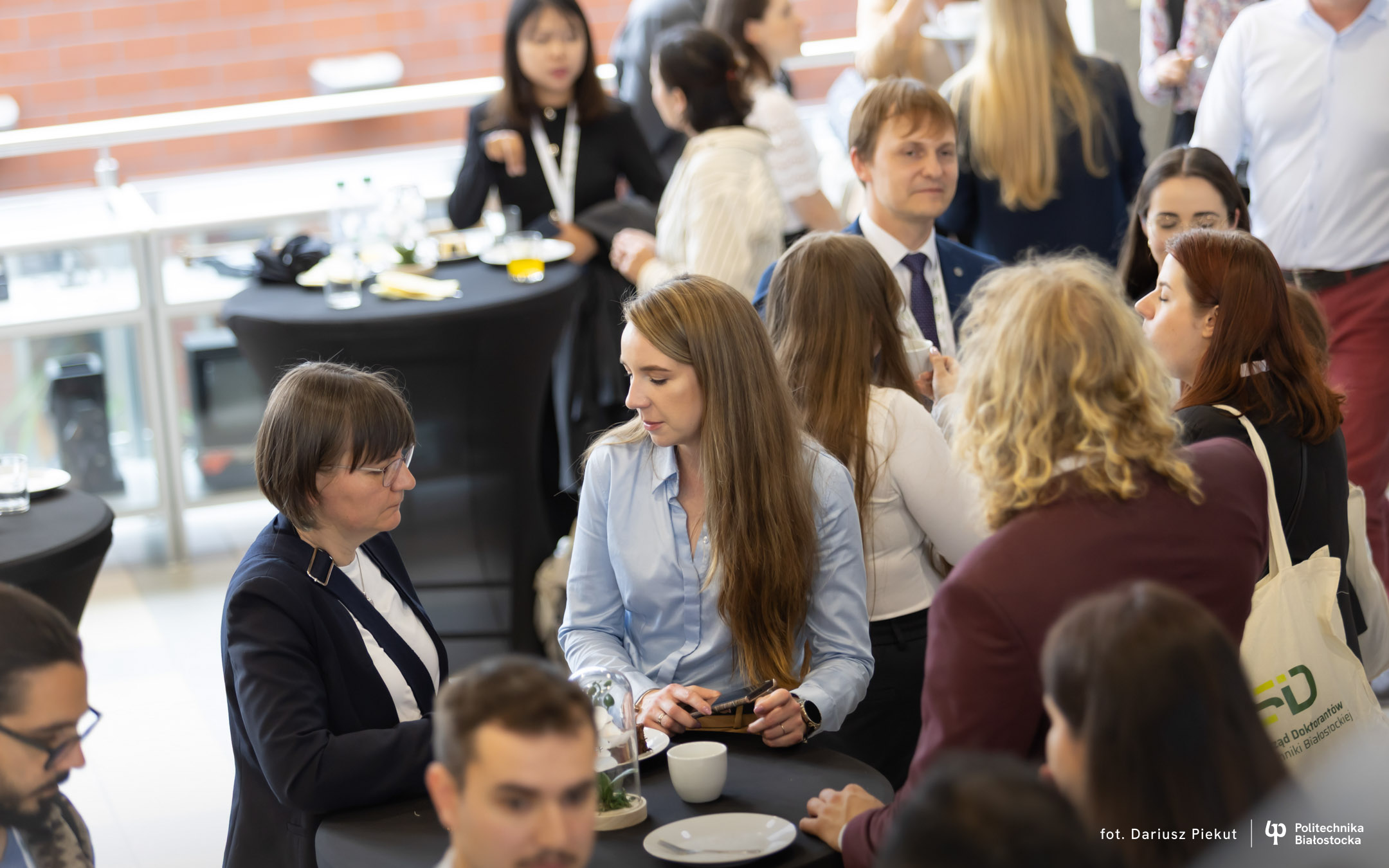
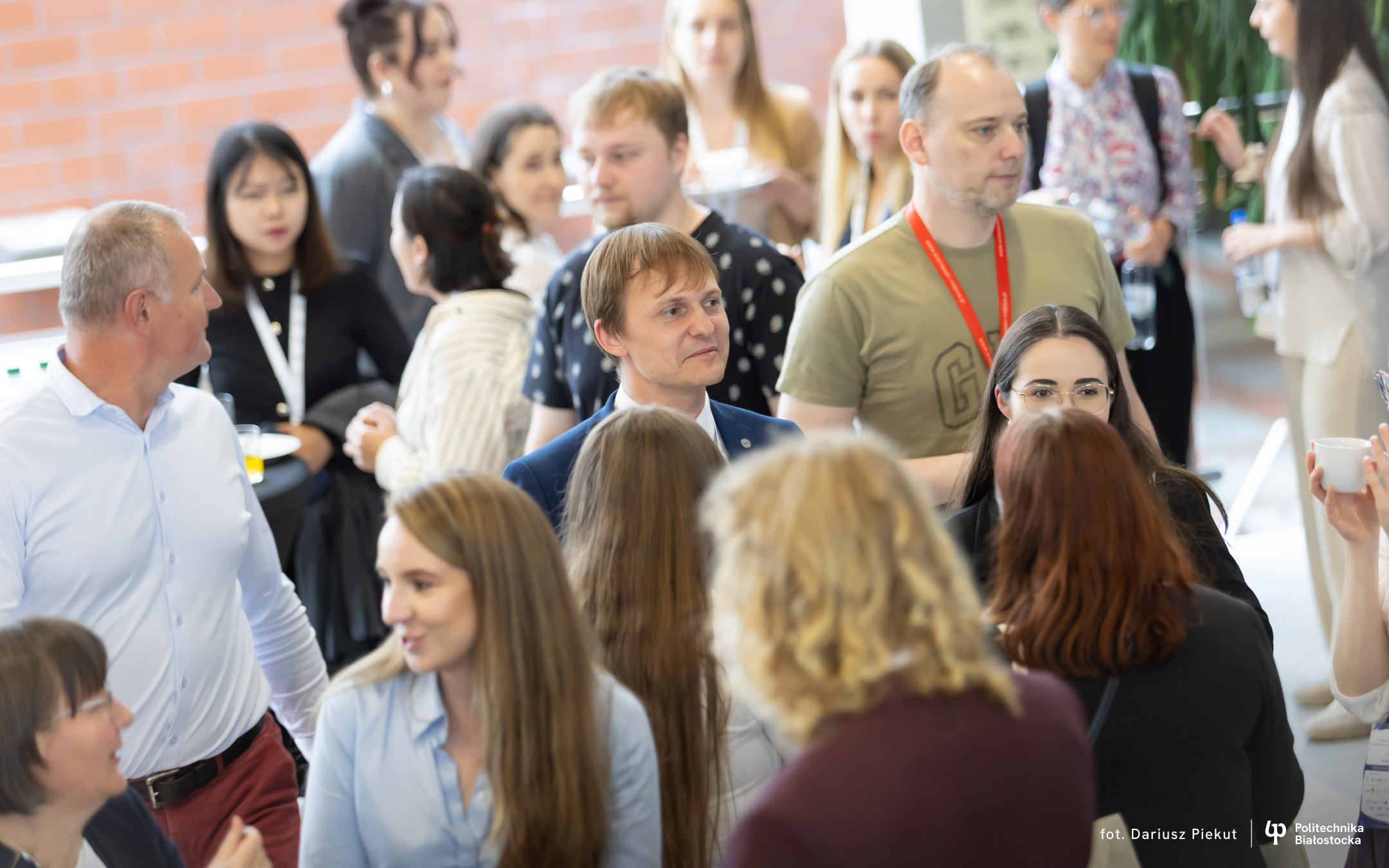
– This year, we welcomed a record number of 88 participants from many leading academic institutions. We are hosting PhD students from, among others, the Military University of Technology in Warsaw, Warsaw University of Technology, Maritime University of Szczecin and Lodz University of Technology. We also have participants from Vytautas Magnus University in Kaunas, the University of Girona in Spain, Chemnitz University of Technology in Germany and the University of Banja Luka in Bosnia and Herzegovina – said Adriana Dowbysz, MSc, Eng., Chair of the IRT Organising Committee.
The conference will result in a peer-reviewed monograph, awarded 20 points in the Polish Ministry of Science and Higher Education evaluation system, to be published by the Białystok University of Technology Press.
Projects That Change the World
Discussions in lecture halls and informal networking sessions focused on sustainable development and modern engineering and technological solutions that have a tangible impact on improving quality of life.
Young researchers from Białystok University of Technology demonstrated that their everyday laboratory work goes far beyond theory.
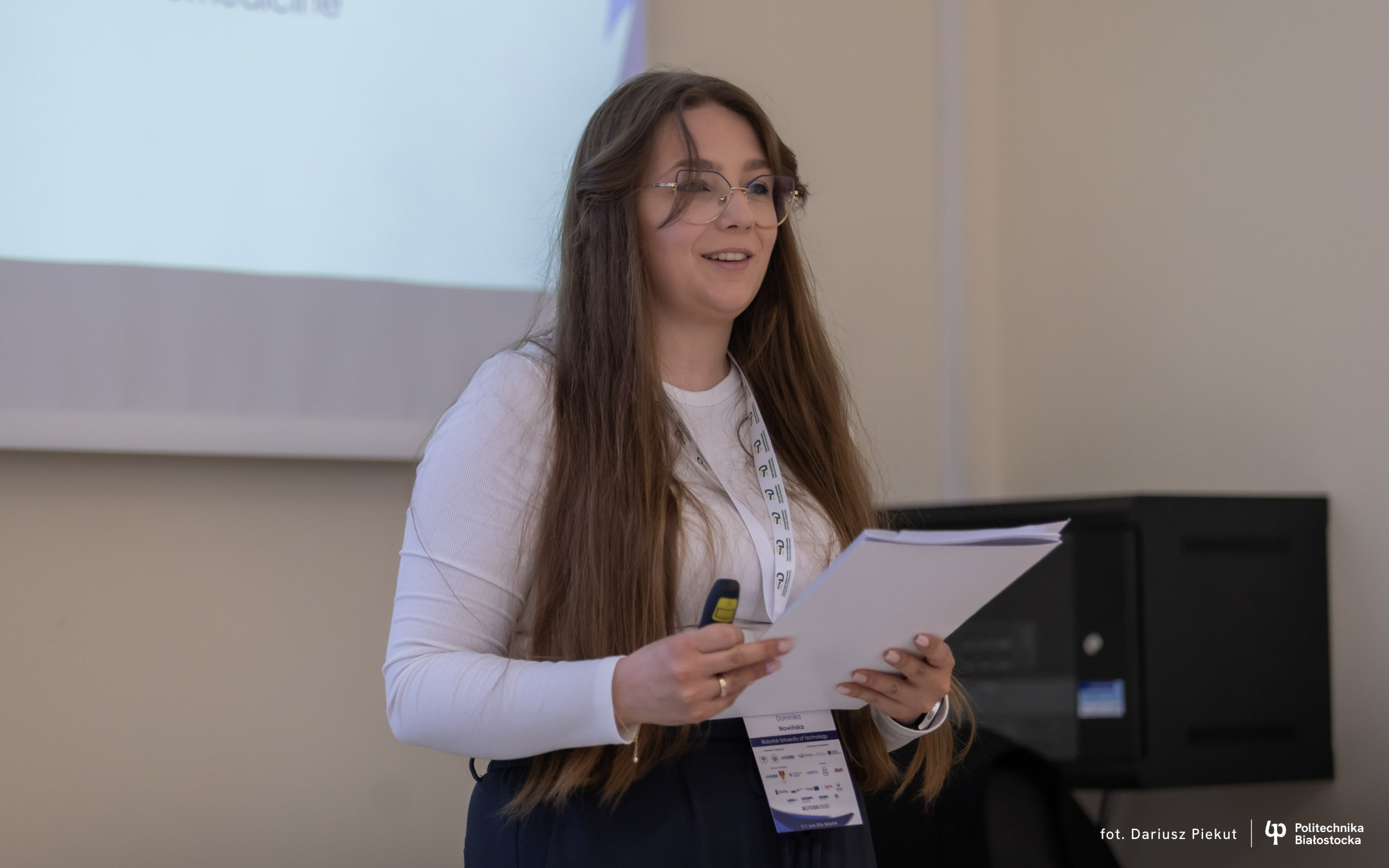
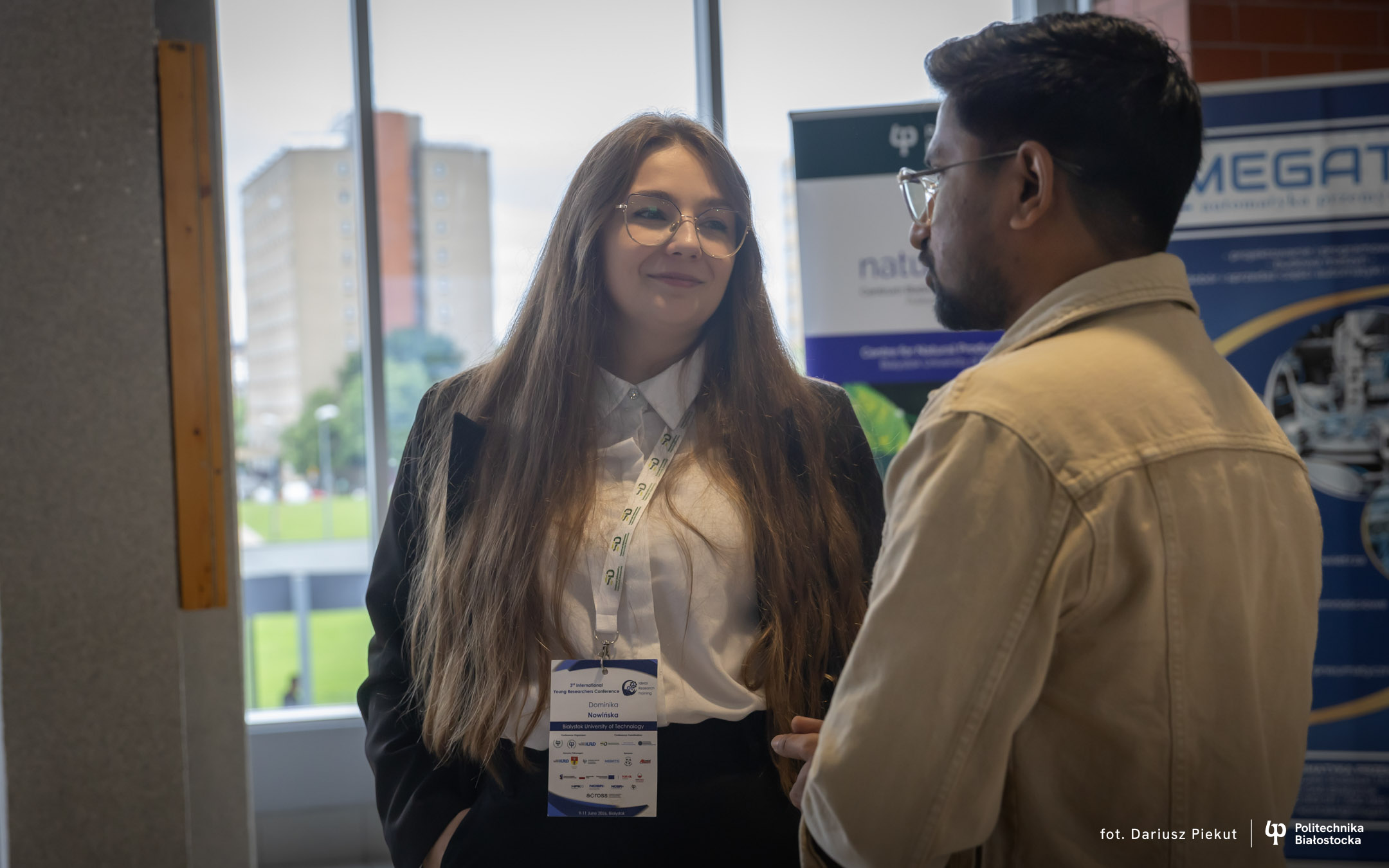
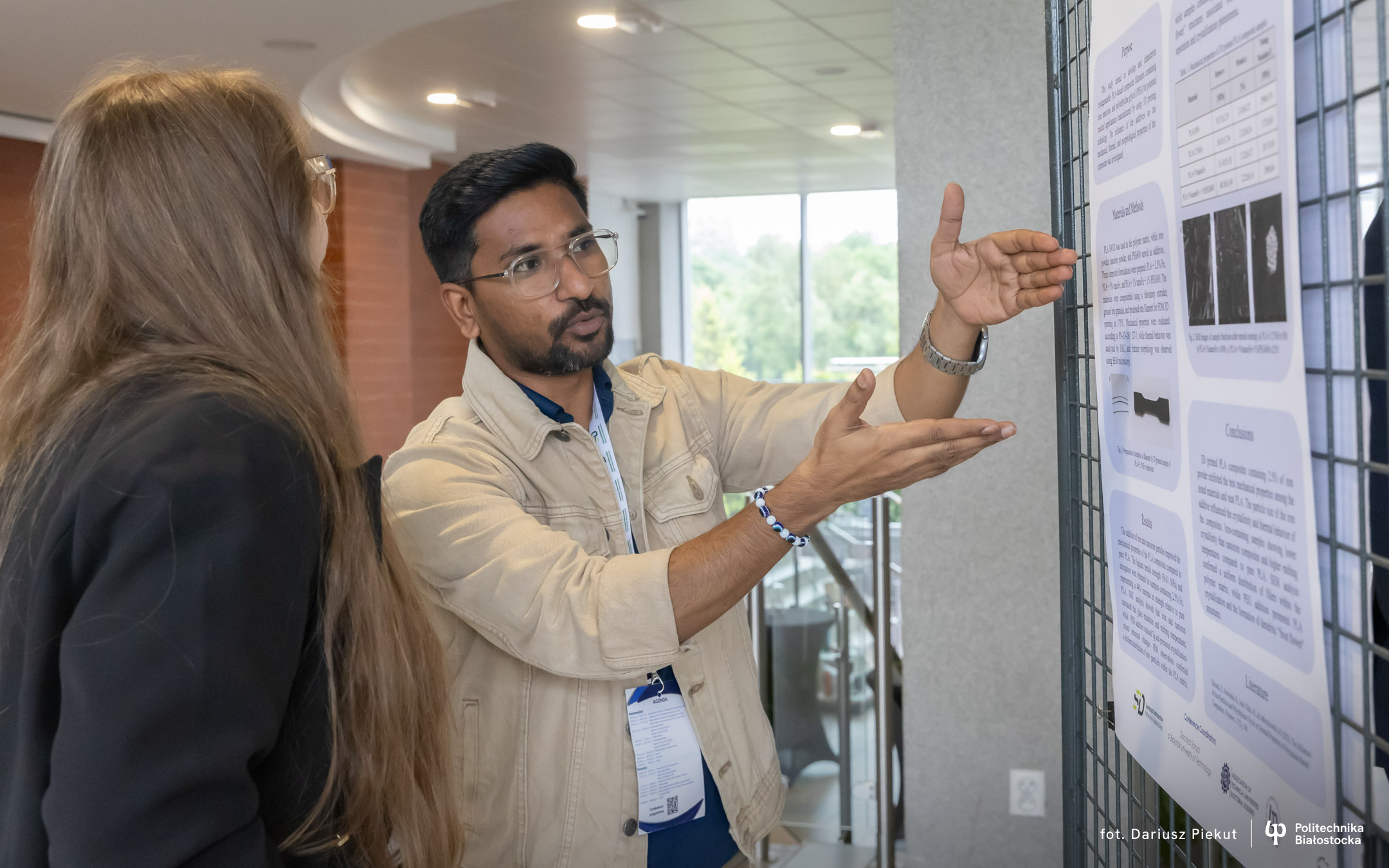
Dominika Nowińska, MSc, Eng., a PhD student at the Faculty of Mechanical Engineering and Chair of the BUT DSSG Council (Bialystok University of Technology Doctoral Student Self-Government Council) at the Doctoral School of Białystok University of Technology, specialises in biomedical engineering.
– In my doctoral research, I am developing a biodegradable material based on polylactide with the addition of metal powders. Such composites have innovative applications, particularly in the medical sector. Consider a bone defect, for example. We can reconstruct damaged tissue by creating a scaffold from such a material. It provides temporary support for cells and enables their regeneration. I believe that biomedical engineers are capable of developing solutions such as this, as well as many others for regenerative medicine, ultimately helping to improve our quality of life – said Dominika.
Meanwhile, Natalia Kowalczyk, MSc, Eng., a PhD student at the Faculty of Civil Engineering and Environmental Sciences at Białystok University of Technology, investigates the interactions between commonly used plant protection products and the environment.
– I study herbicides, which are plant protection products used to control weeds. I examine their interactions with metals present in soil. I would rather spend hours in the laboratory than do anything else because I feel that my research contributes to a better understanding of the world and allows me to make a small contribution to improving the quality of the environment in which we all live – said the young researcher.
Both PhD students agree that access to the well-equipped laboratories of Białystok University of Technology and the supportive community of the Doctoral School are fundamental to their work.
Highs and Lows. What Is the Reality of a Young Researcher?
The conference in Białystok did not shy away from difficult topics. Being a PhD student in Poland involves a unique legal status – doctoral candidates are no longer students, yet they are not formally university employees either – which creates a number of systemic challenges.
Among those discussing the realities faced by young researchers was Adam Kamiński, MSc, Eng., a member of the Doctoral Students’ Council at Wrocław University of Science and Technology and Vice-Chair of the Association of Doctoral Students at Technical Universities.
– The first issue is the relatively low doctoral scholarship. Depending on the university, it amounts to around PLN 3,000 during the first years of doctoral education. Therefore, if a PhD student is planning to start a family, this can be a significant challenge. In fact, it was only a year ago that maternity leave provisions for female doctoral students were introduced.
Adam Kamiński also highlighted the nationwide mental health crisis among doctoral students, which often stems from complex supervisor–doctoral student relationships.
– Unfortunately, many supervisors are not adequately prepared for the role of mentor. These academics are outstanding experts in their fields, but they often struggle with interpersonal skills. Since doctoral students are not university employees, they are not covered by statutory employment protection. In difficult situations, we can rely only on internal university regulations.
At the same time, participants pointed to numerous advantages that offset these challenges, including opportunities for personal development, academic freedom in laboratories, and international mobility through research placements, NCN and NCBR projects, and NAWA programmes. Doctoral students also face challenges of a more personal nature.
– Young researchers sometimes find it difficult to maintain a healthy work-life balance. We want to achieve a great deal and reach our goals quickly, often devoting a significant amount of time to our work. To prevent burnout from occurring too early, we need to learn how to take care of ourselves – noted Adriana Dowbysz.
Białystok as a Model of Doctoral Student Self-Governance
The key to addressing these challenges lies in national networking and in building strong self-governance structures capable of transferring successful local solutions to the national level.
Rafał Ramut, MSc, Eng., Chair of the National Doctoral Students’ Association and a doctoral student at the Doctoral School of Wrocław University of Environmental and Life Sciences, praised the commitment and organisational culture of the doctoral student community at Białystok University of Technology.
– Białystok is a shining example of doctoral student self-governance. Proof of this is the fact that last month we met here for the second open meeting of the Executive Board of the National Doctoral Students’ Association. That is why I would rate cooperation with all three public universities in Białystok ten out of ten. The work of the Doctoral Student Self-Government at Białystok University of Technology is a model example of how doctoral student organisations should operate: responsive to local issues while actively participating in the national doctoral community.
The third edition of the International Young Researchers Conference: Ideas, Research, Training (IRT) demonstrated that despite financial and legal barriers, young Polish science possesses tremendous human potential, passion and modern research infrastructure. Events such as this one at Białystok University of Technology show that the voice of the younger generation of researchers is becoming increasingly strong, united and well organised.
Monika Rokicka
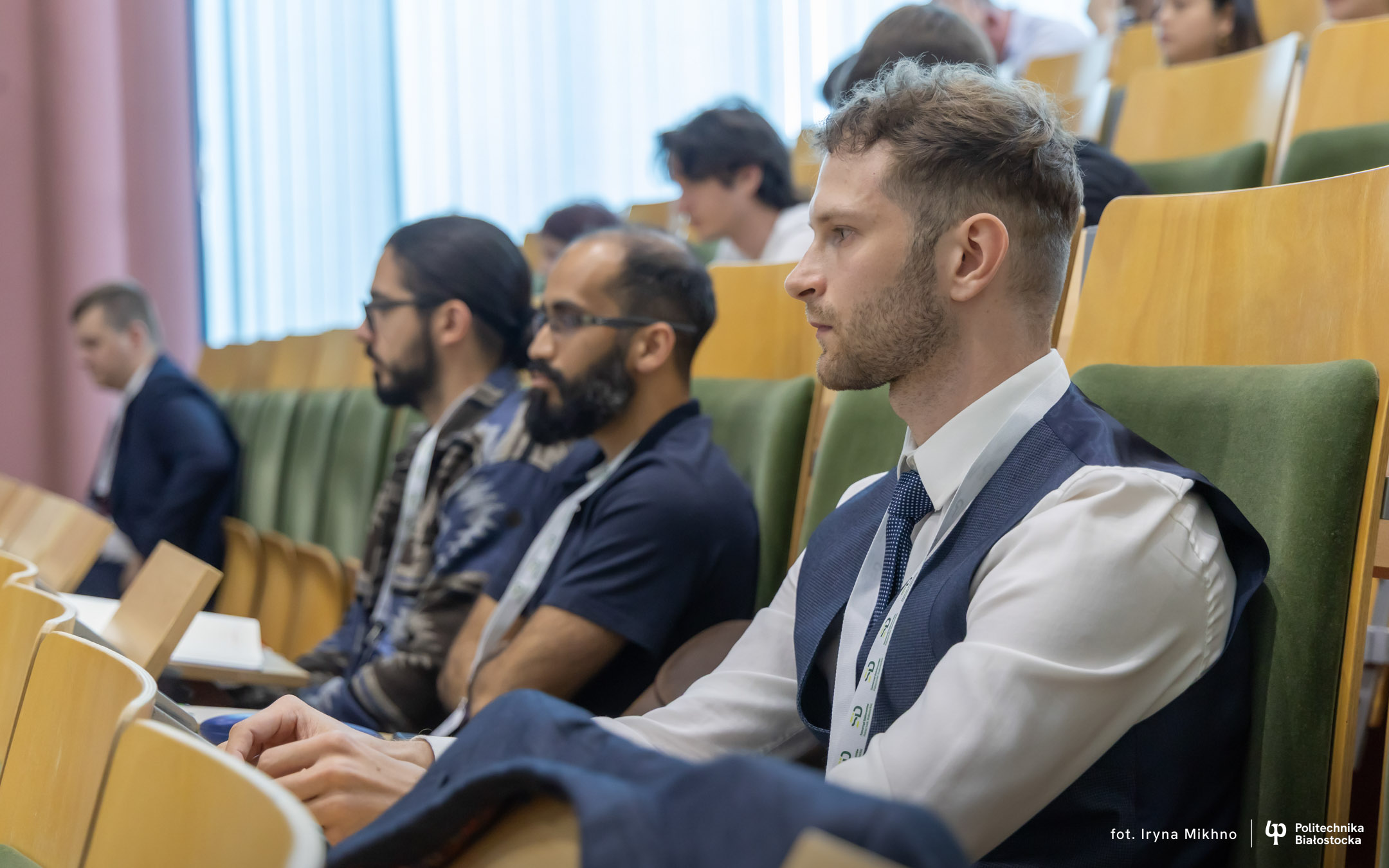
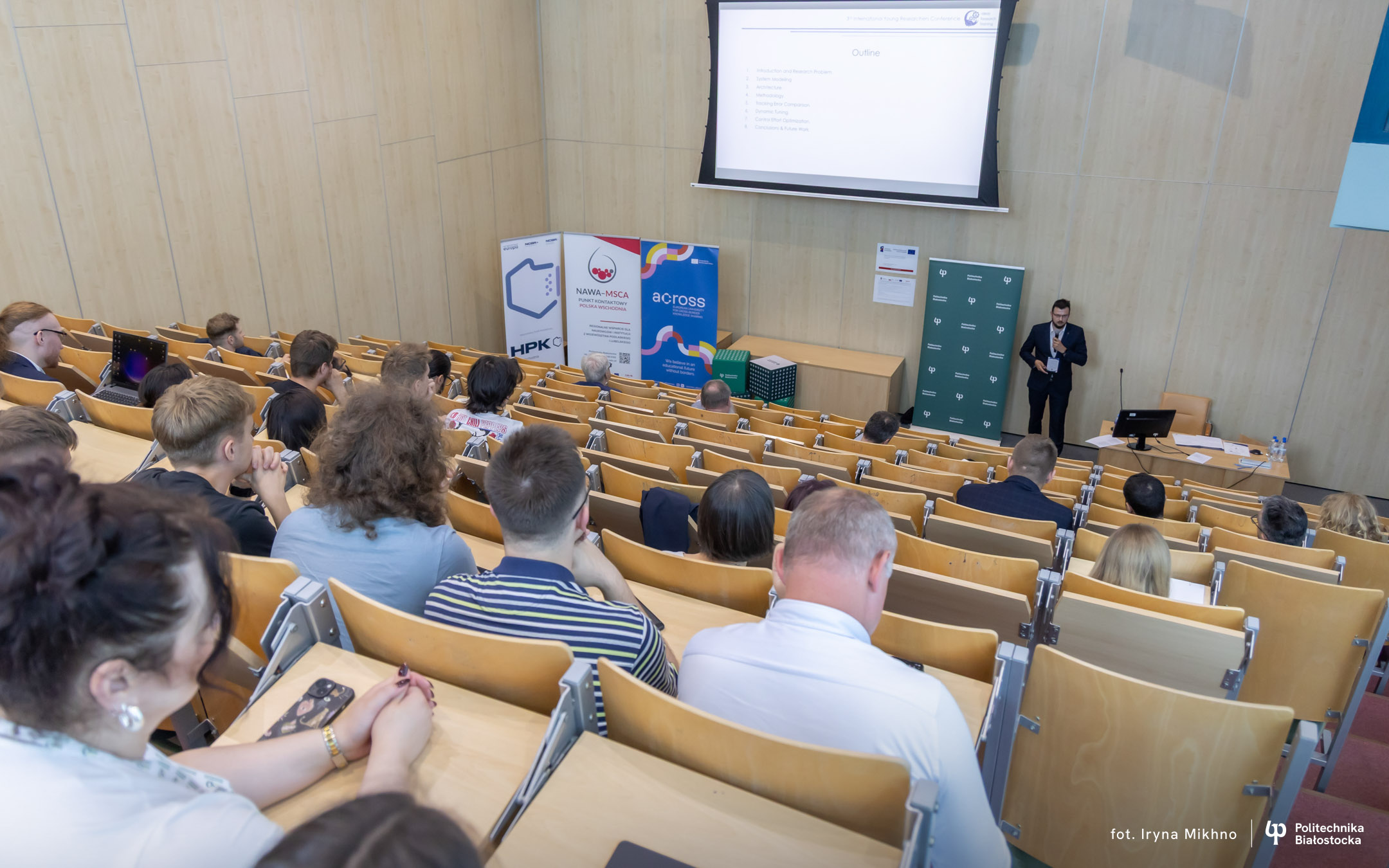
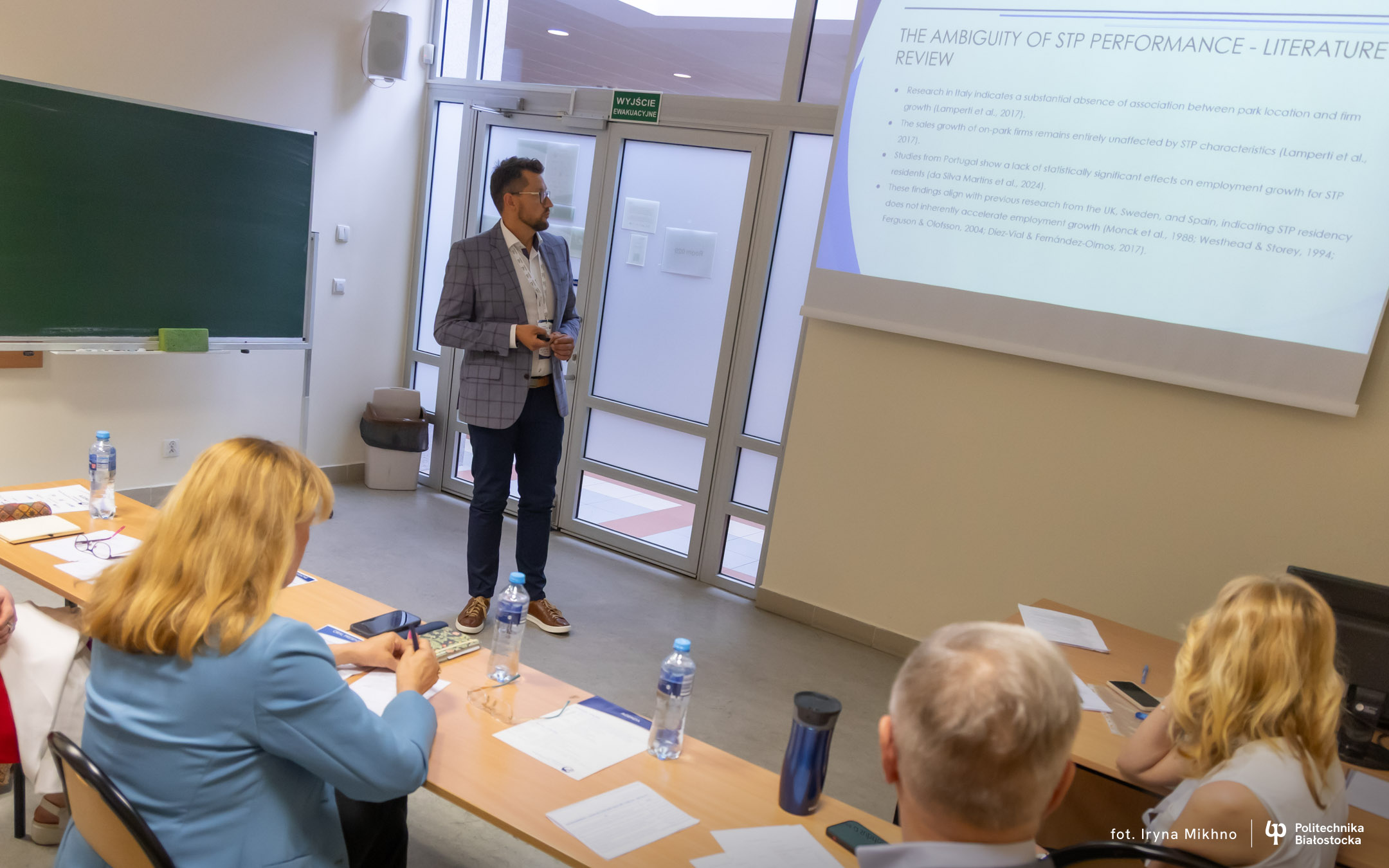
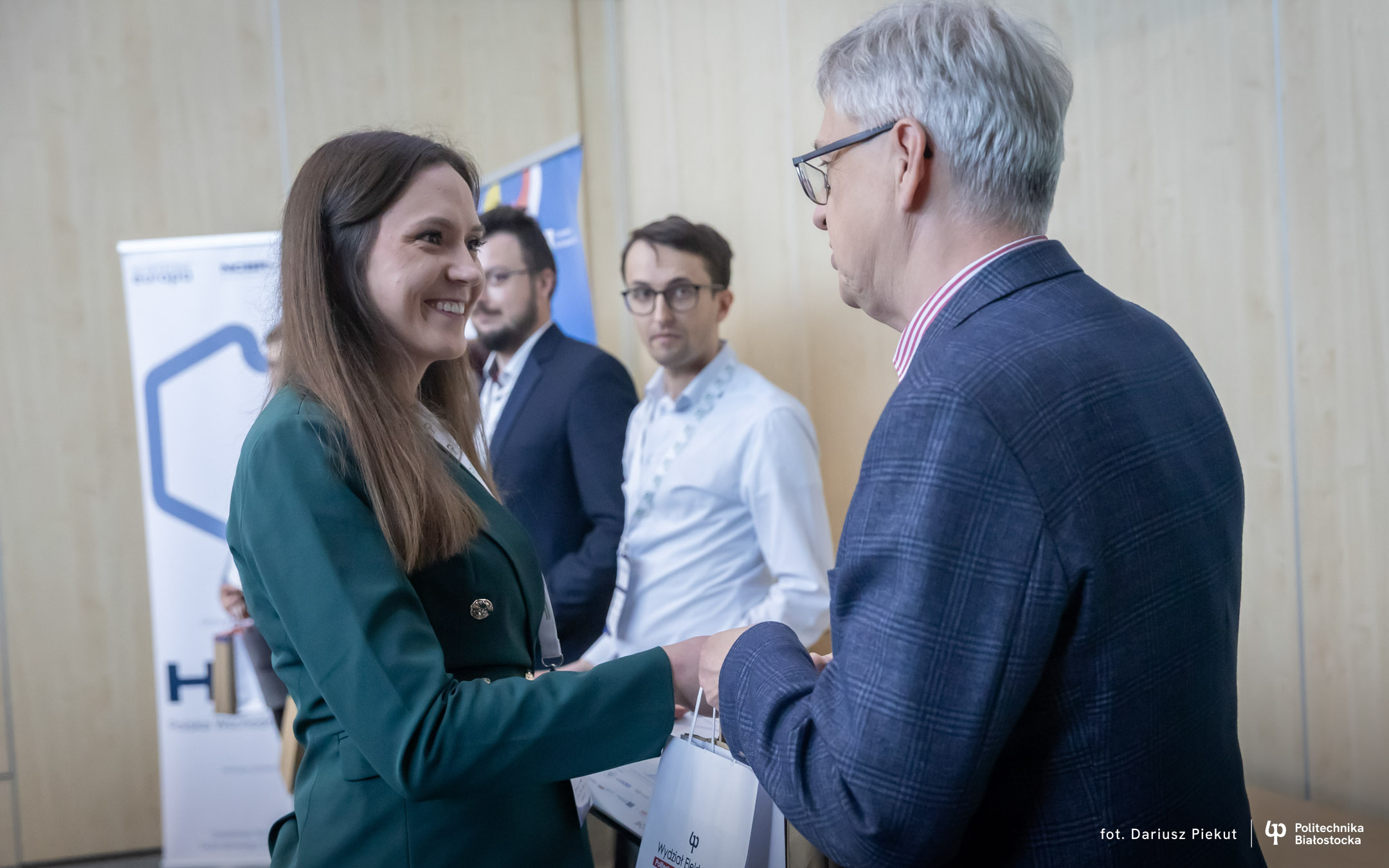
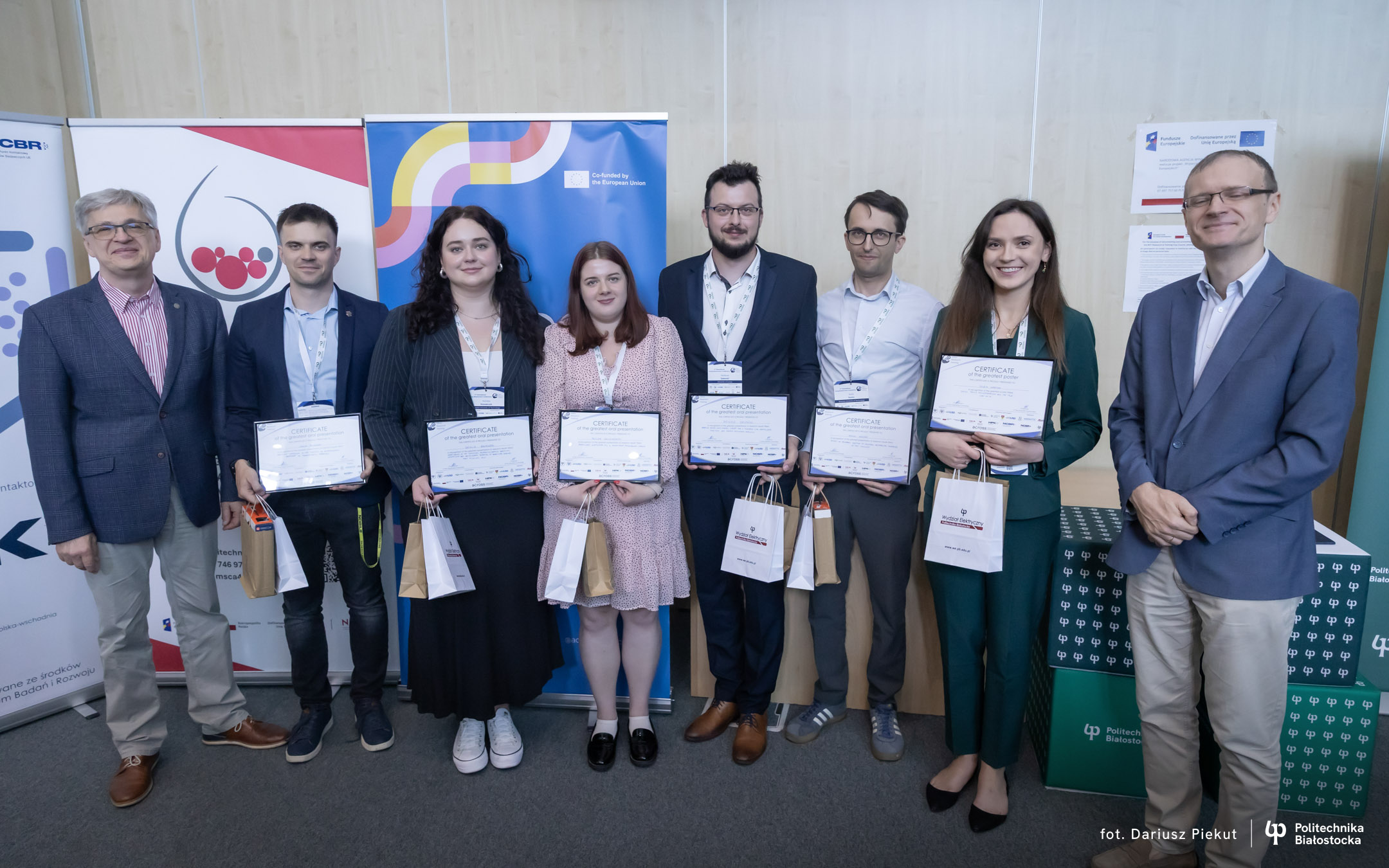
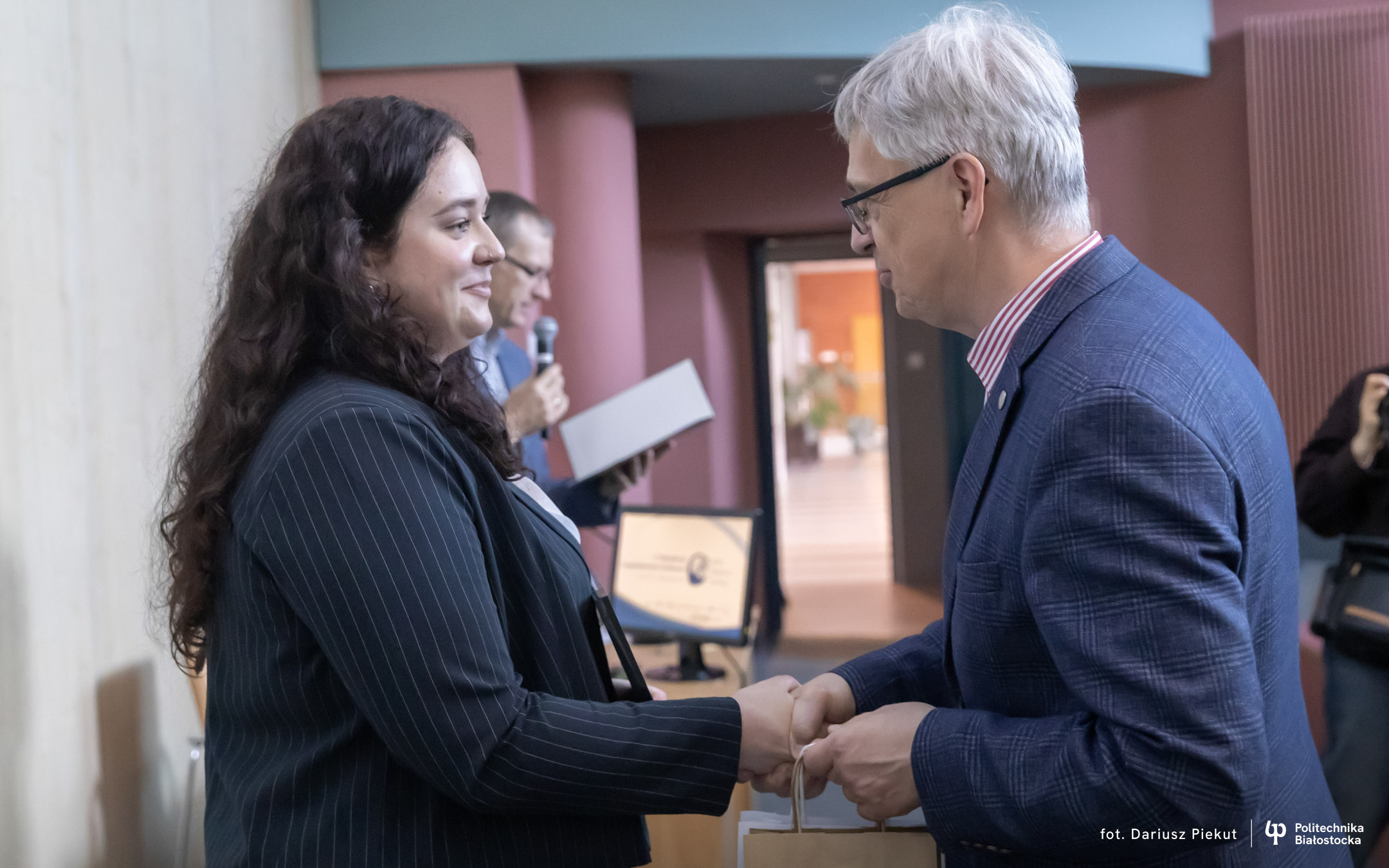
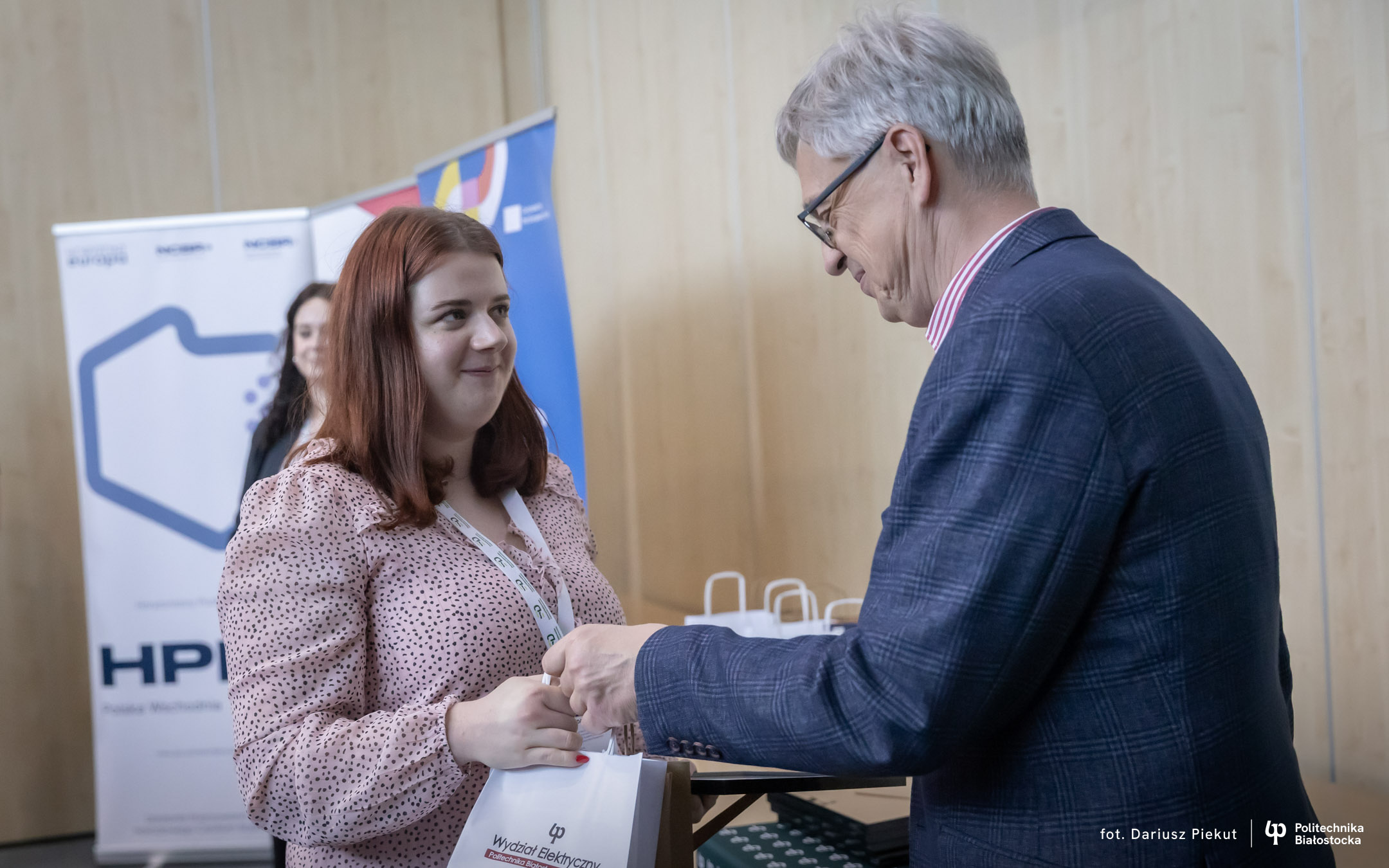
3rd International Young Researchers Conference: Ideas, Research, Training
9–11 June 2026, Białystok University of Technology
Go to IRT 2026 Conference website
Organisers: Białystok University of Technology, Foundation for the Development of Białystok University of Technology, National Doctoral Students’ Association
Co-organisers: BUT DSSG (Bialystok University of Technology Doctoral Student Self-Government), Doctoral School of Białystok University of Technology, Association of Doctoral Students at Technical Universities
Honorary Patronage: Rector of Białystok University of Technology, National Doctoral Students’ Association, President of the City of Białystok
Sponsors: MEGATIC Industrial Automation, Alchem Grupa Sp. z o.o., Mydlarnia Cztery Szpaki
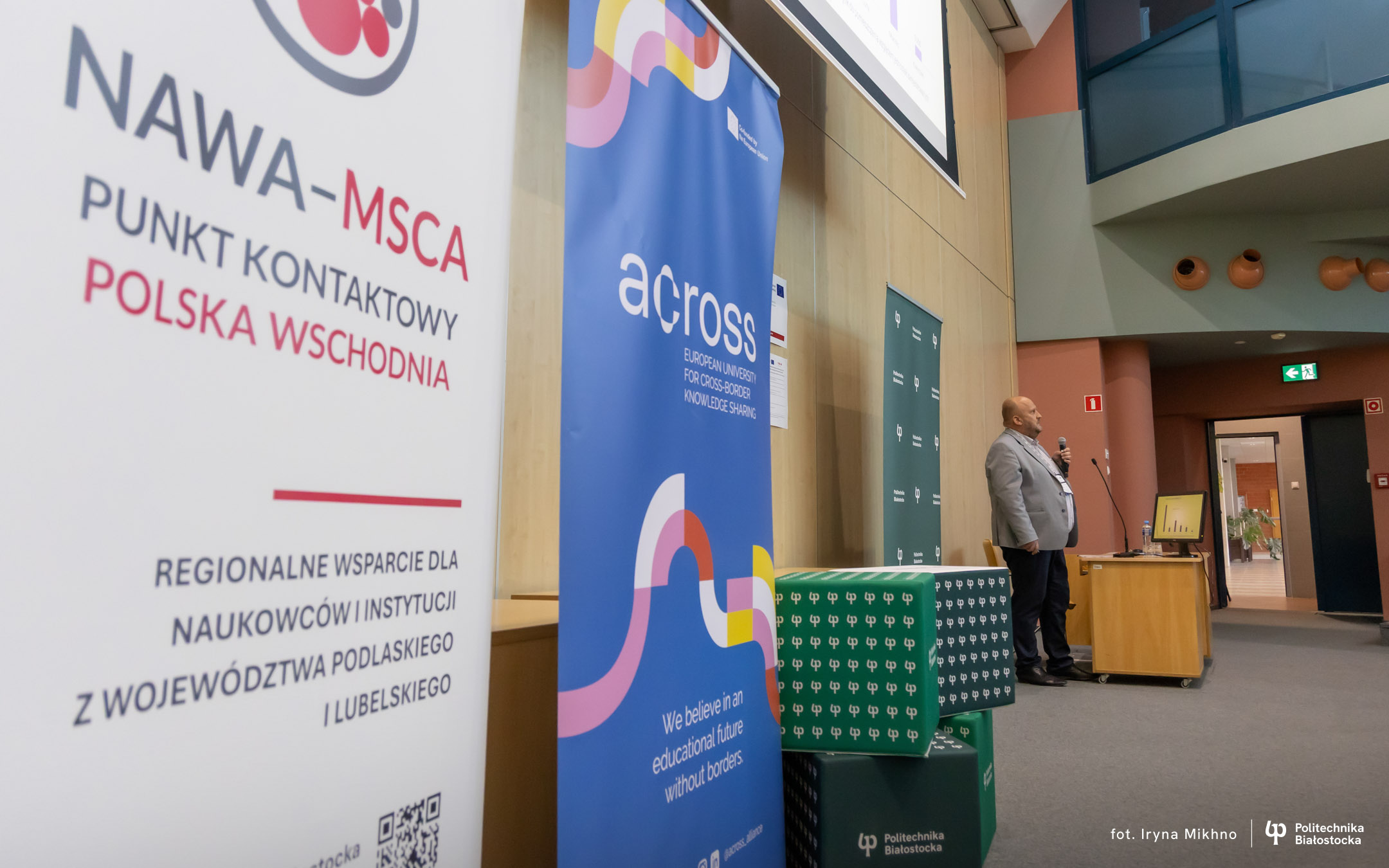
The conference is co-funded by the National Agency for Academic Exchange (NAWA) under the project Across – Cross-Border European University. The project is financed by the European Union under the European Funds for Social Development 2021–2027 programme (FERS) as part of the NAWA project Support for European University Alliances (project no. FERS.01.05-IP.08-0219/23).
