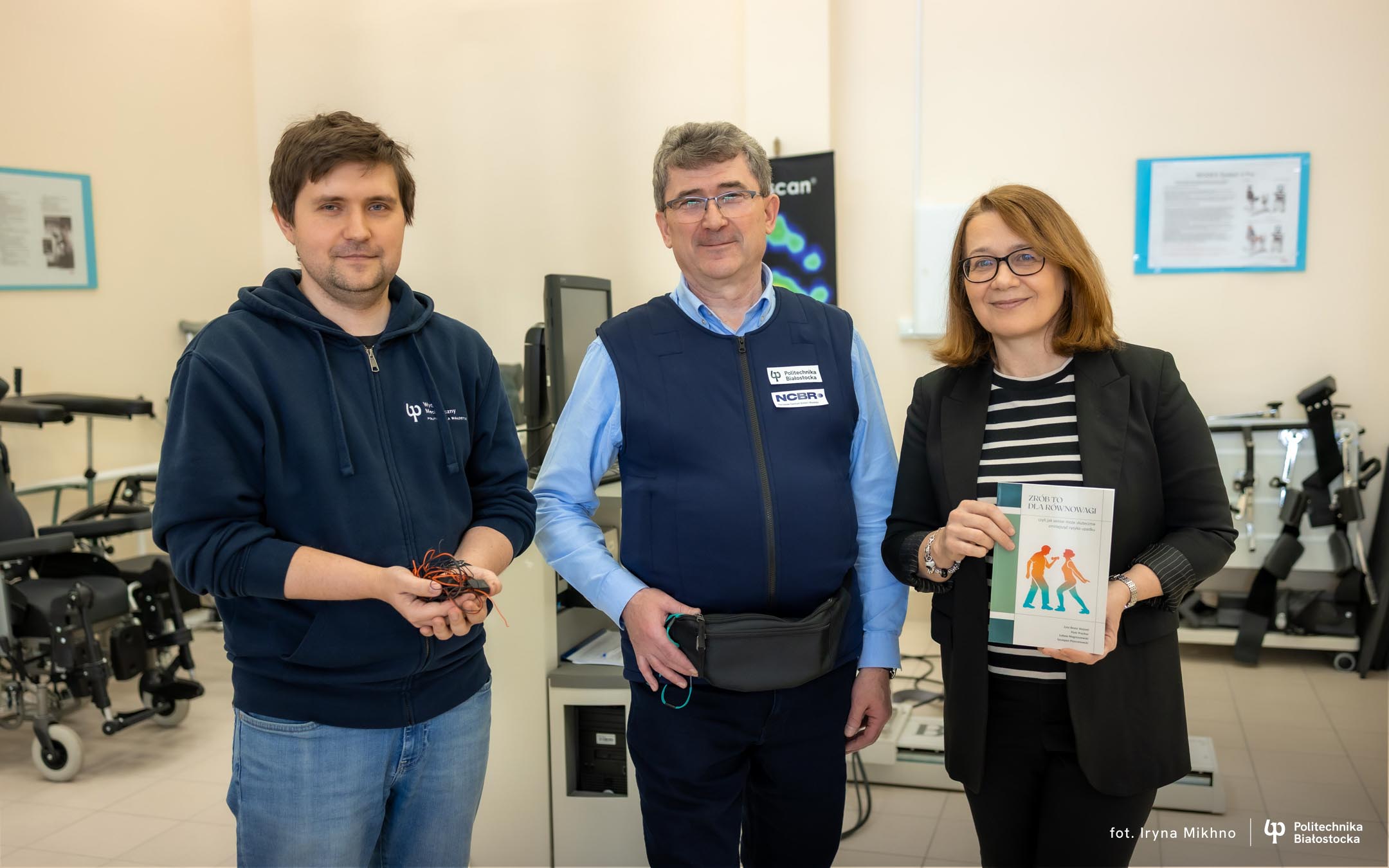
How can we avoid losing balance? When should we pay attention to our body to maintain stability? – in all of this, a unique active vest may help – a mechatronic device that can support people with balance disorders. It also records human motion parameters and helps monitor whether exercises are performed regularly and correctly, supporting musculoskeletal fitness. Where did the idea come from to develop a vest that may be patented and at the same time serve as a support tool for those who need help maintaining their balance?
– The vest responds to the needs of doctors who work daily with older people suffering from balance disorders – explains Assoc. Prof. Szczepan Piszczatowski, DSc, PhD, Eng., from the Department of Biomaterials and Medical Devices Engineering at the Faculty of Mechanical Engineering of Bialystok University of Technology.
The consequences of dizziness or balance disorders may include falls and related injuries or fractures. These often lead to a loss of independence and reliance on others for everyday activities. Sometimes a fall becomes the cause of death.
Both medical professionals and engineers knew one thing.
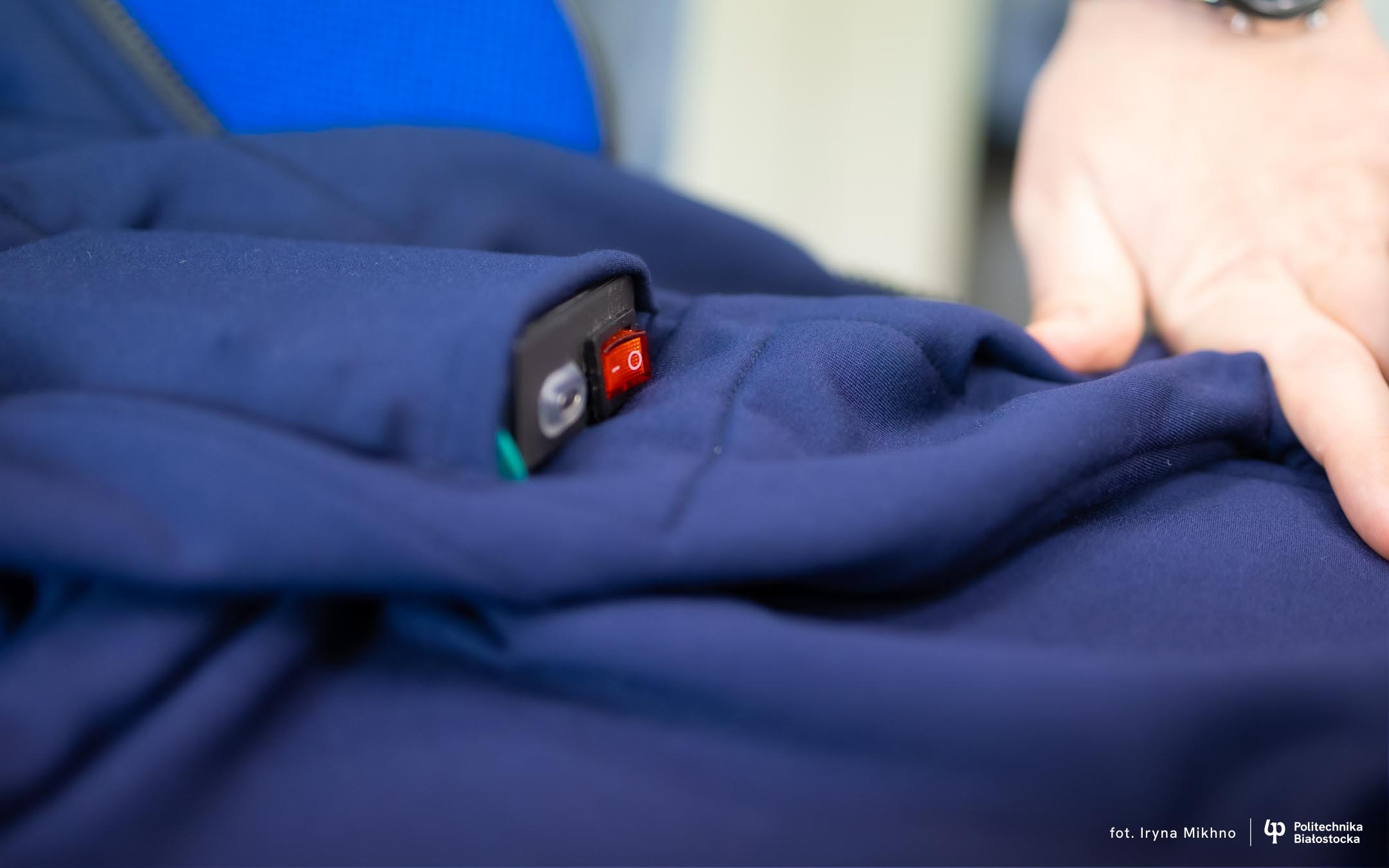
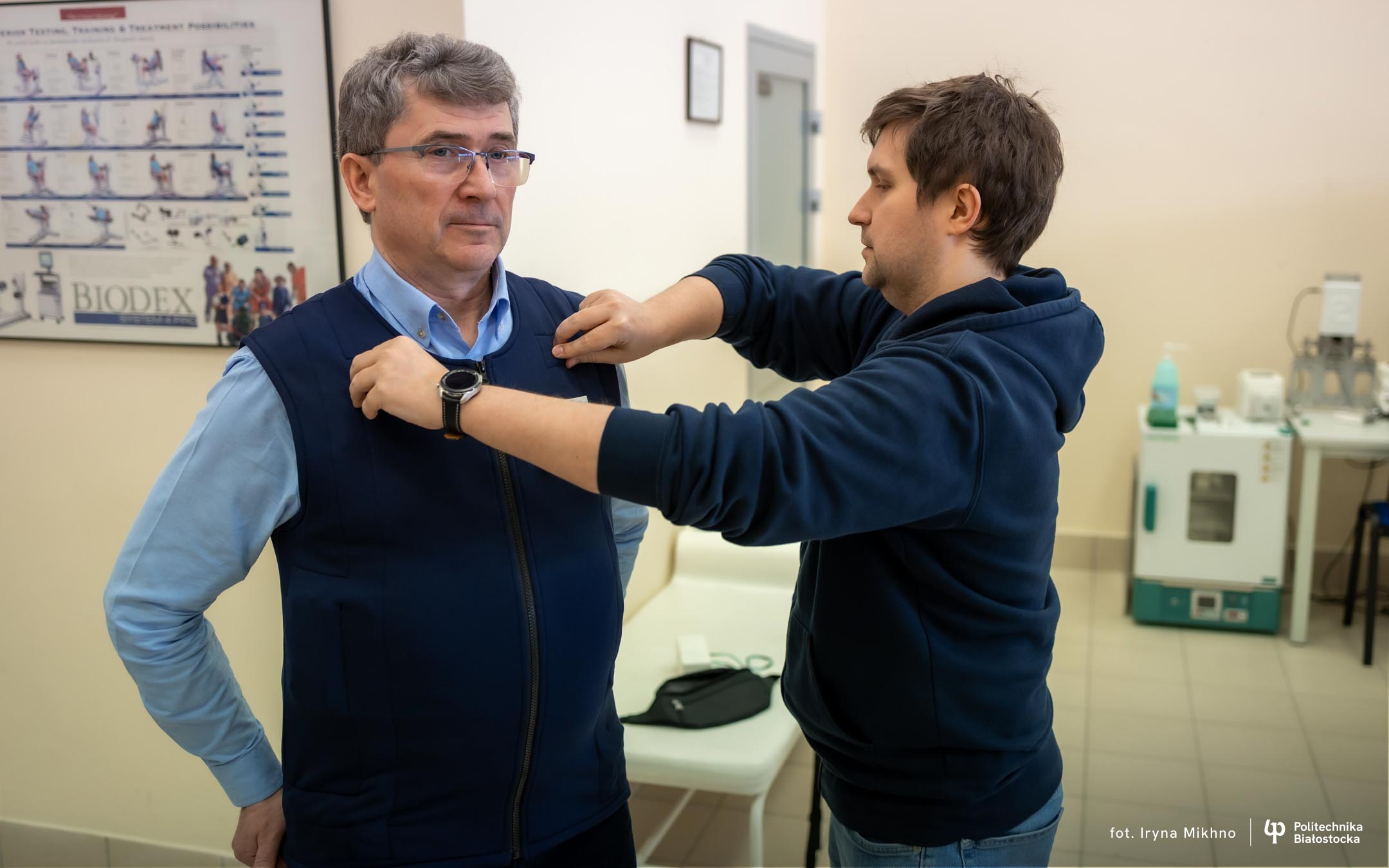
– Our device should be as simple to use as possible, so that it is convenient for older people – emphasises Prof. Piszczatowski. – That is why we decided to create something resembling everyday clothing. Such an item of clothing is a vest. Something that can be put on like any other garment, worn while walking or carrying out everyday activities, and at the same time equipped with a set of sensors capable of recording the user’s movements.
The torso accounts for the largest portion of the human body mass and has a significant impact on maintaining balance.
– The vest allows us to use multiple sensors distributed around the entire torso – explains another practical aspect of using this type of garment, Prof. Piszczatowski.
When the vest operates in active mode, it responds to movements that may compromise the user’s balance.
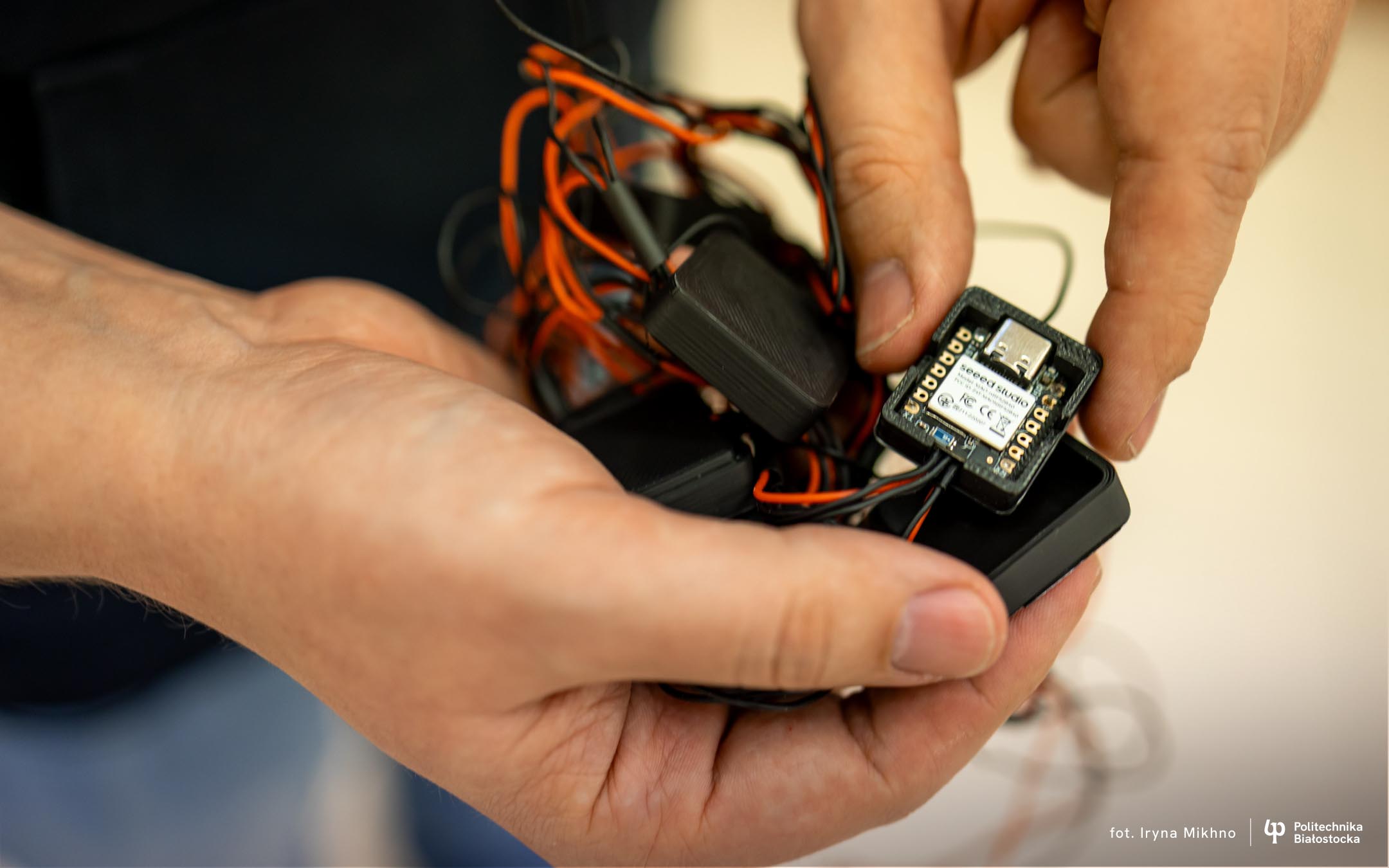
– The algorithm we developed continuously analyses the signals collected by the sensors and, when the user performs movements that may compromise their balance, it activates vibration motors embedded in the vest, signalling to the user that they should adjust their behaviour – explains Prof. Piszczatowski.
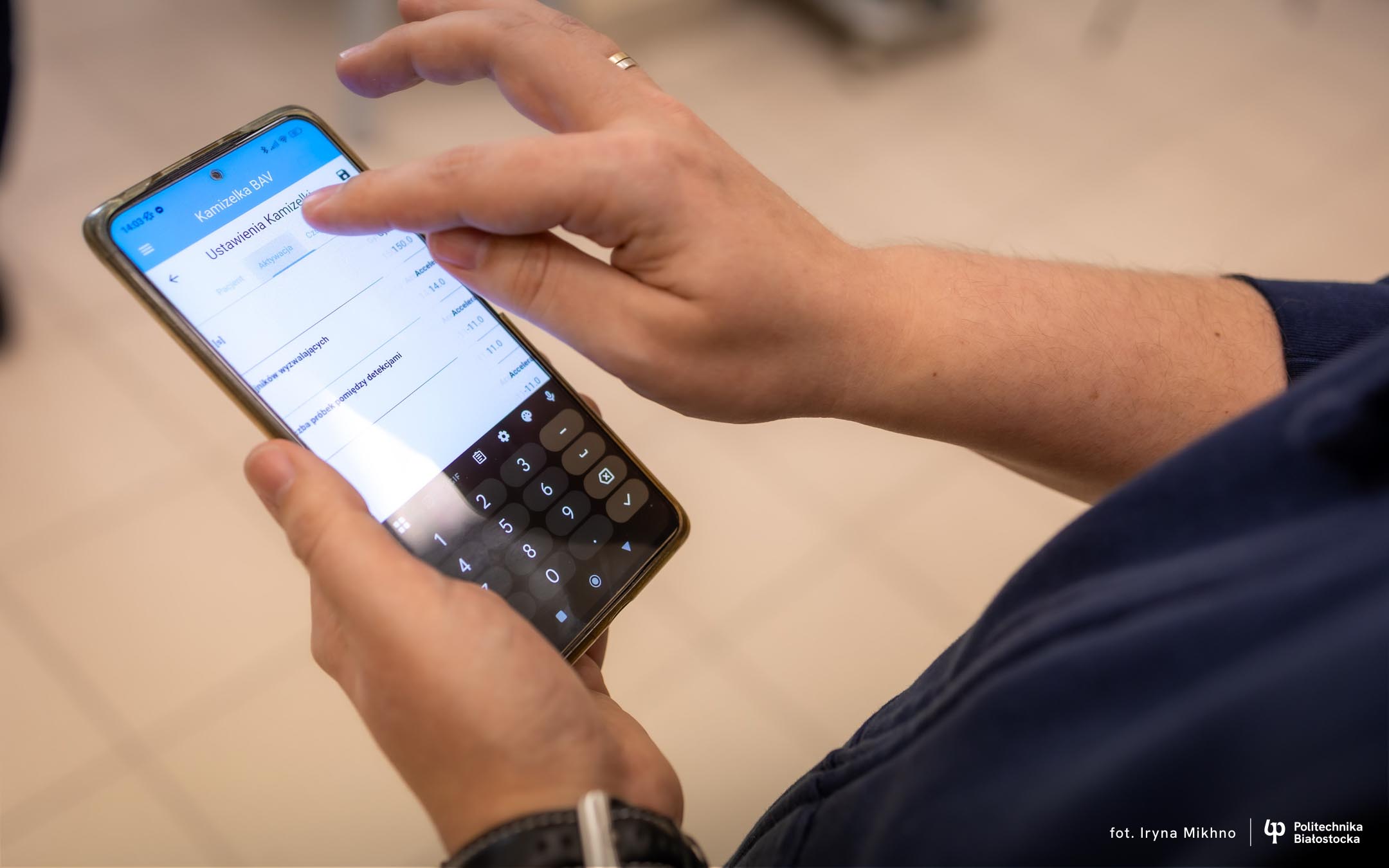
In passive mode, the vest only records and stores kinematic parameters of movement without influencing the user’s behaviour. In this way, it can monitor physical activity, exercise frequency and, in cooperation with a dedicated mobile application, transmit the collected data to a dedicated user server. For the algorithm to analyse the data correctly, studies involving human participants were necessary. Medical professionals provided support in this regard.
– We examined people with balance disorders as well as those without such disorders – explains Prof. Zyta Beata Wojszel, DSc, MD, Head of the Department of Geriatrics at the Faculty of Health Sciences of the Medical University of Białystok. – We assessed various aspects of mobility, muscle strength and the ability to maintain balance.
The studies were conducted in the laboratories of Bialystok University of Technology.
– At the Medical University of Białystok, we currently do not have such facilities – admits Prof. Wojszel. – This collaboration has also provided us with an opportunity for further research development.
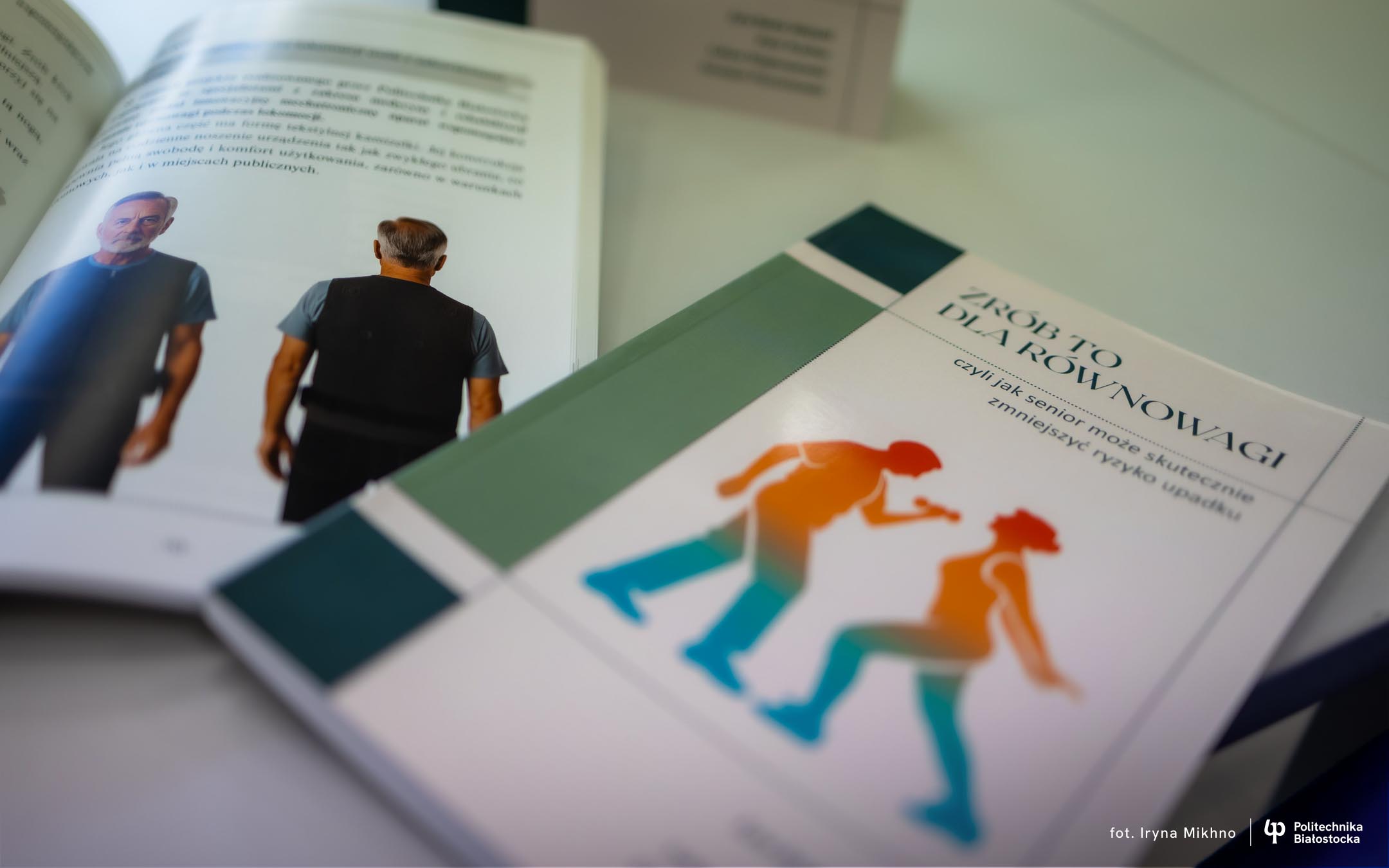
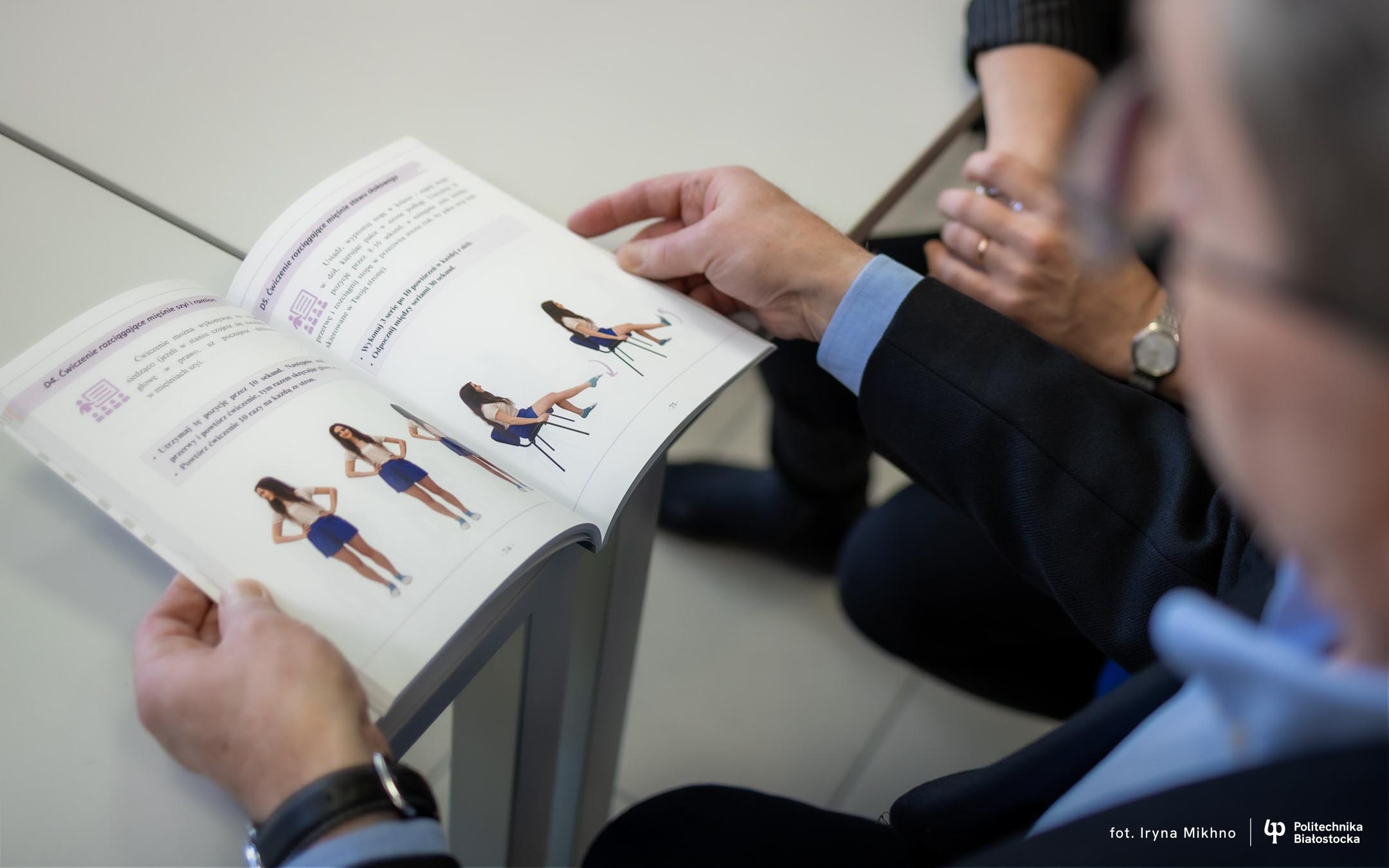
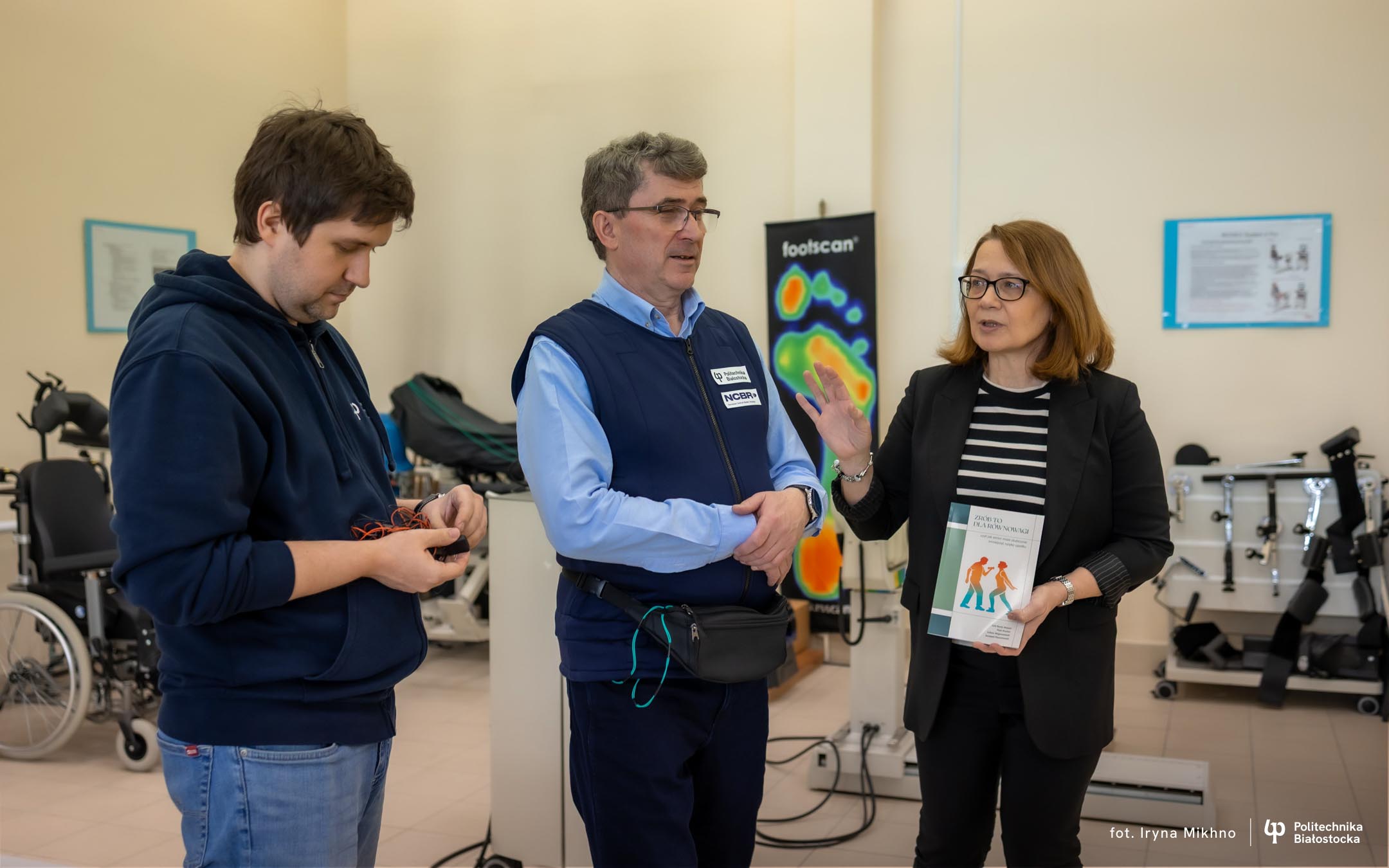
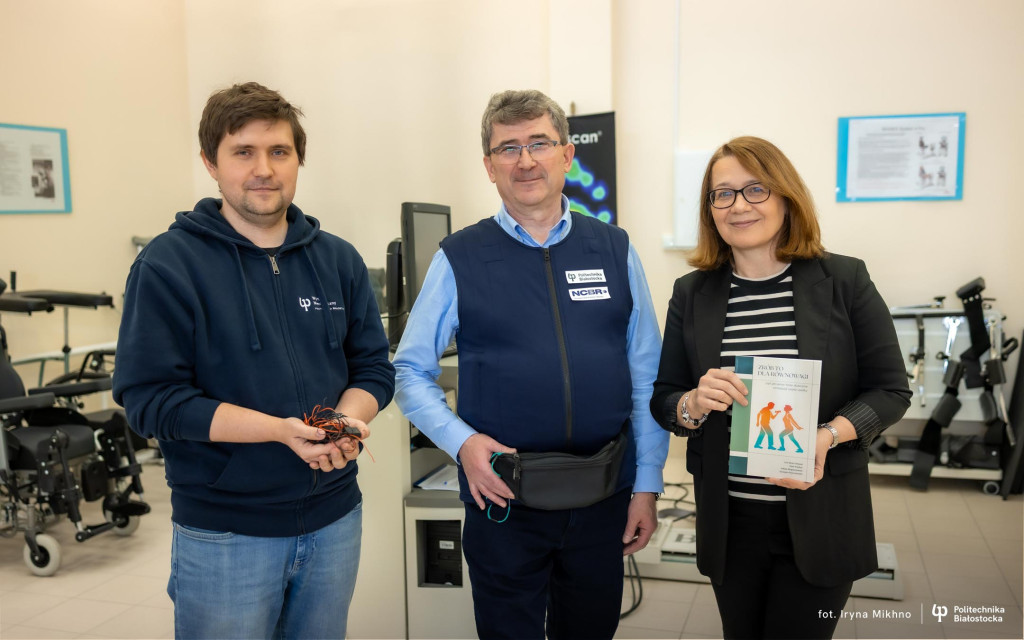
Engineers and medical professionals jointly developed not only the vest, algorithms and a mobile application enabling data transmission and the selection of rehabilitation exercises, but also a guidebook with a set of sample exercises. “Do it for balance, or how a senior can effectively reduce the risk of falling” is an illustrated publication that can already be downloaded free of charge online. However, this is not the end of the work.
– We will continue to improve the vest – declare the researchers unanimously. Therefore, together with the University of the Third Age in Białystok, they invited older people experiencing balance disorders to participate in the project. They will receive 50 vests for home testing, while medical professionals and engineers will analyse the data obtained from the sensors – of course in the context of individual balance support for each participant.
– We want older people diagnosed with balance disorders to use this device in their everyday lives for several weeks – says Prof. Piszczatowski. – In this way, we will be able to monitor how our device affects their behaviour, that is, to assess the effectiveness of the vest.
This means that participants in the tests may feel safer while using the vest. Additionally, they will receive a rehabilitation programme tailored by a physiotherapist. Each participant will receive a guidebook for their use.
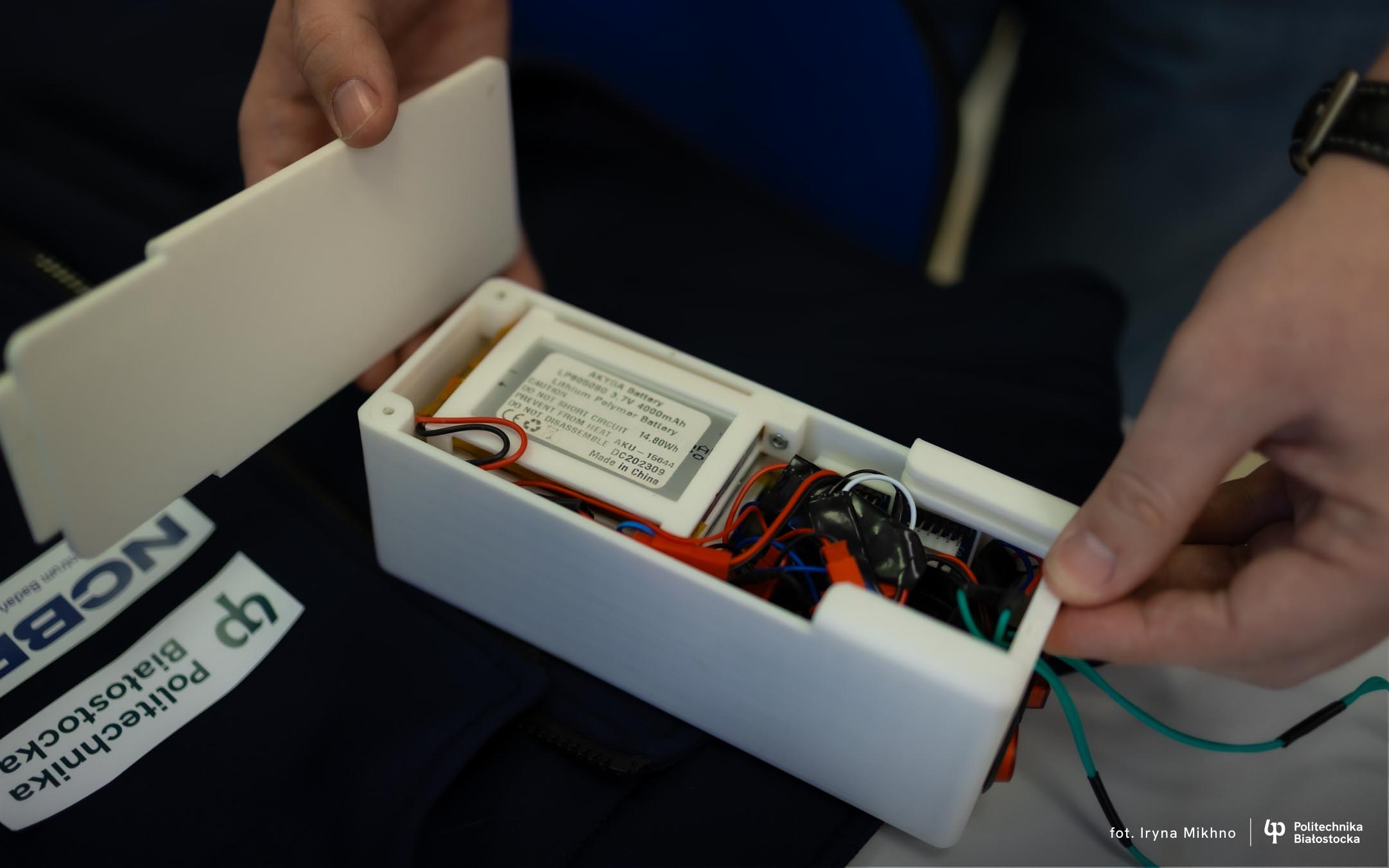
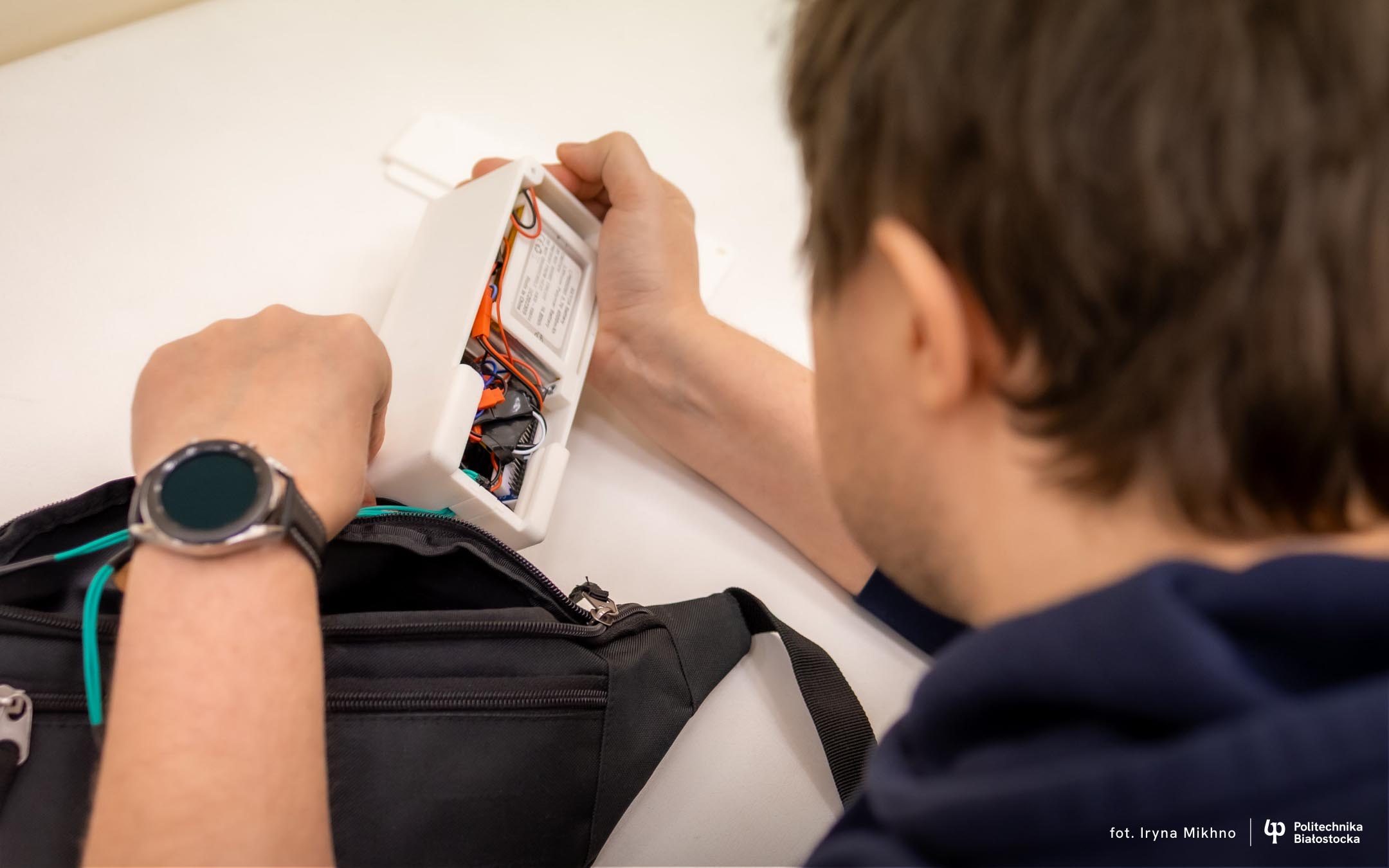
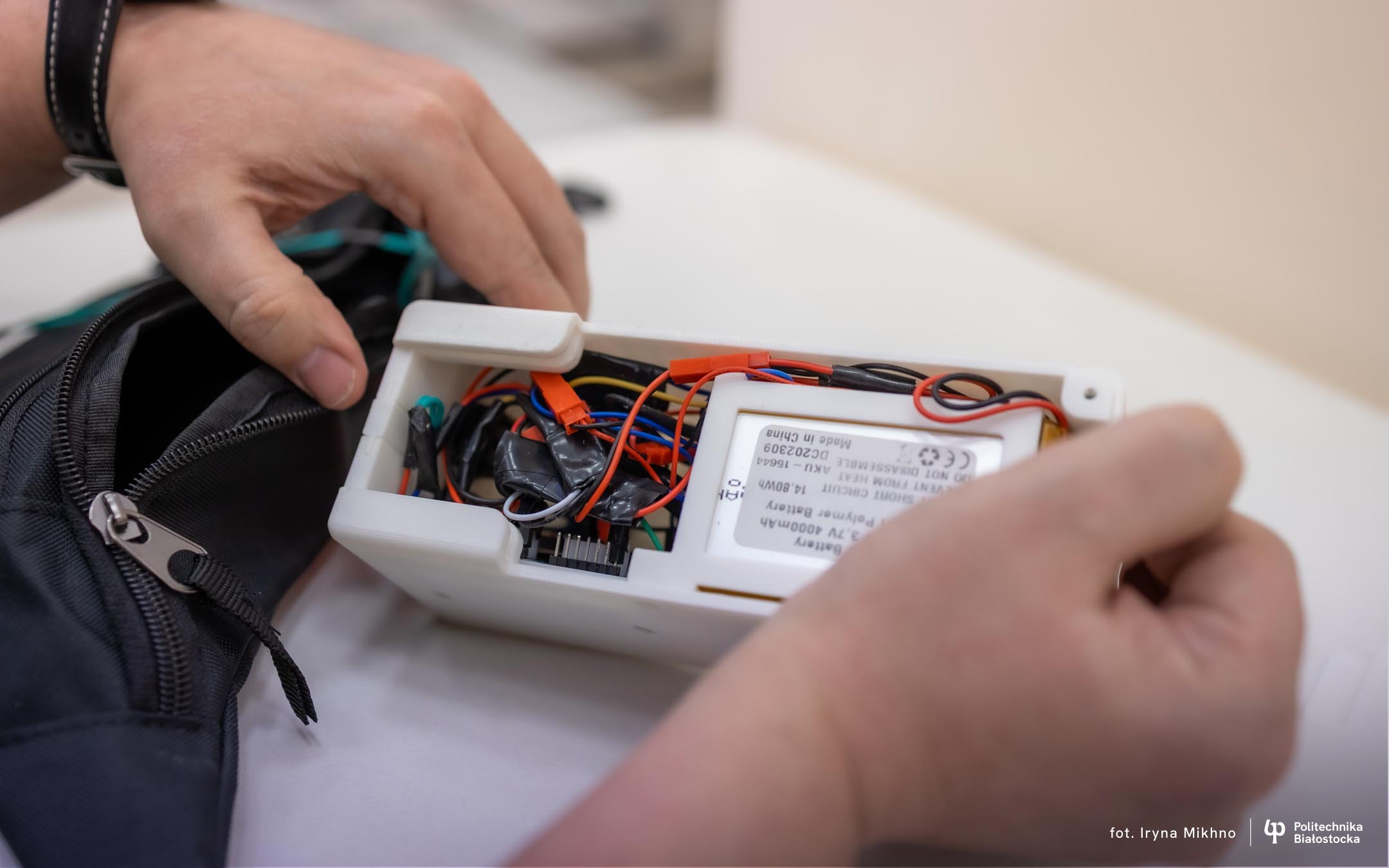
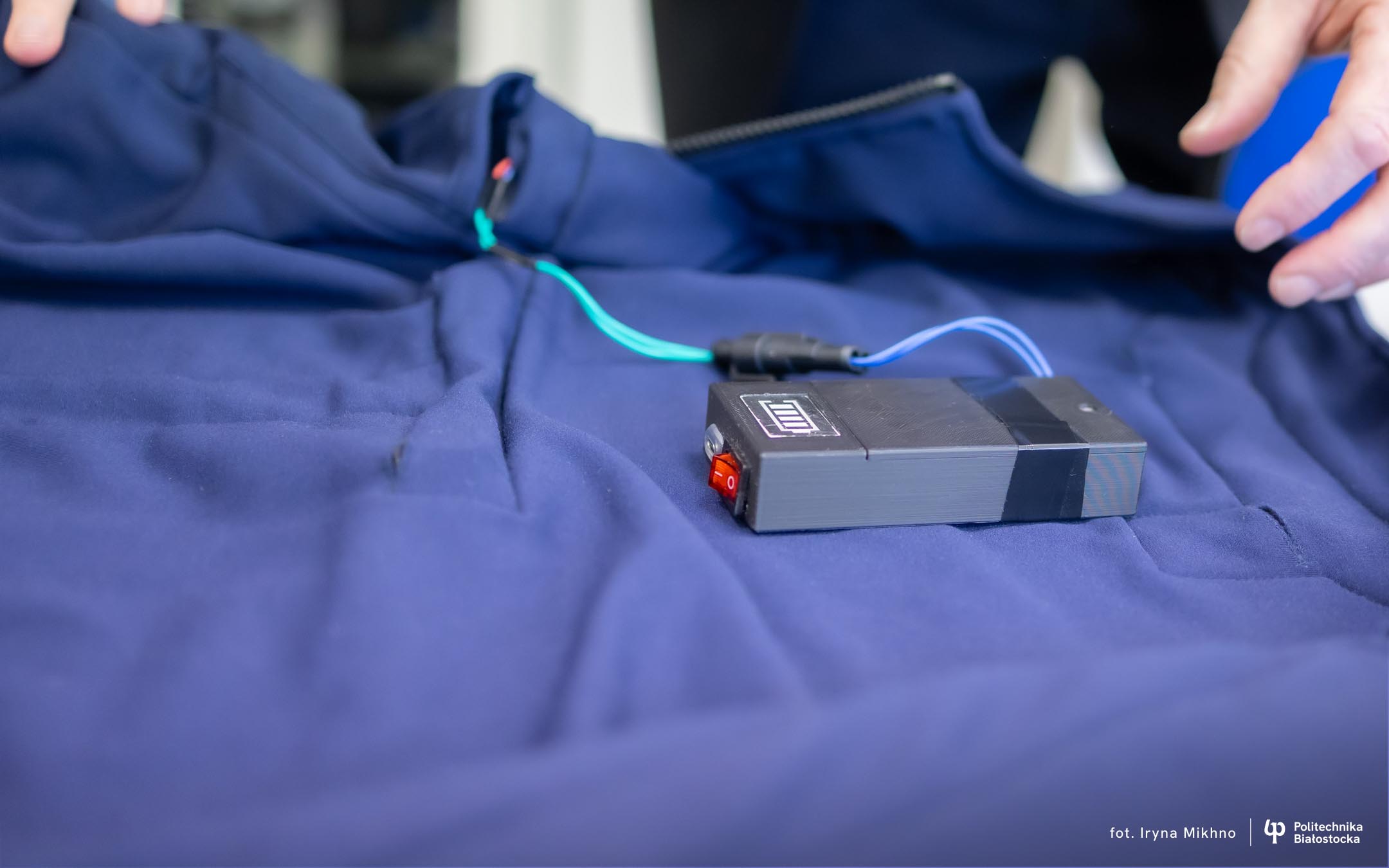
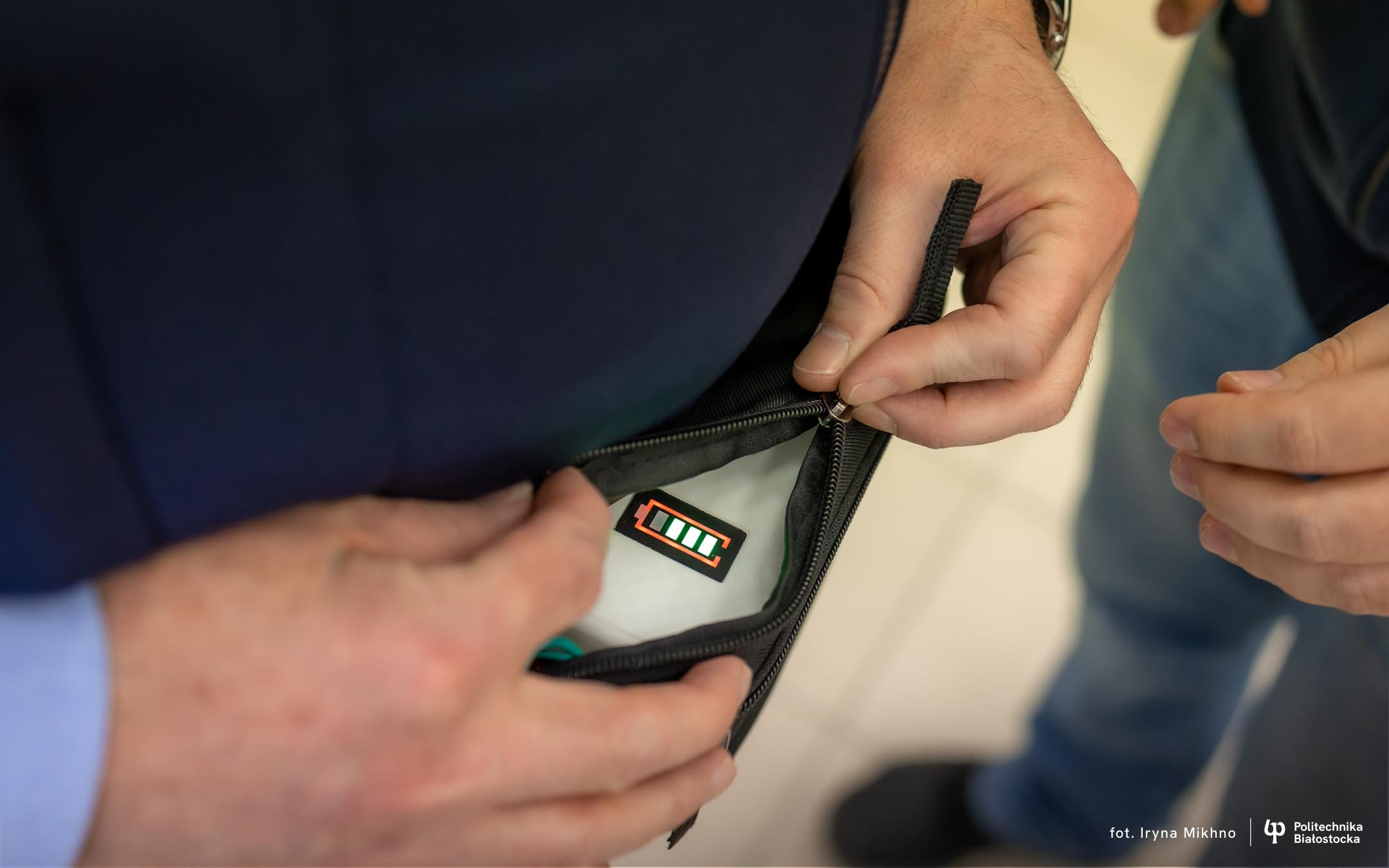
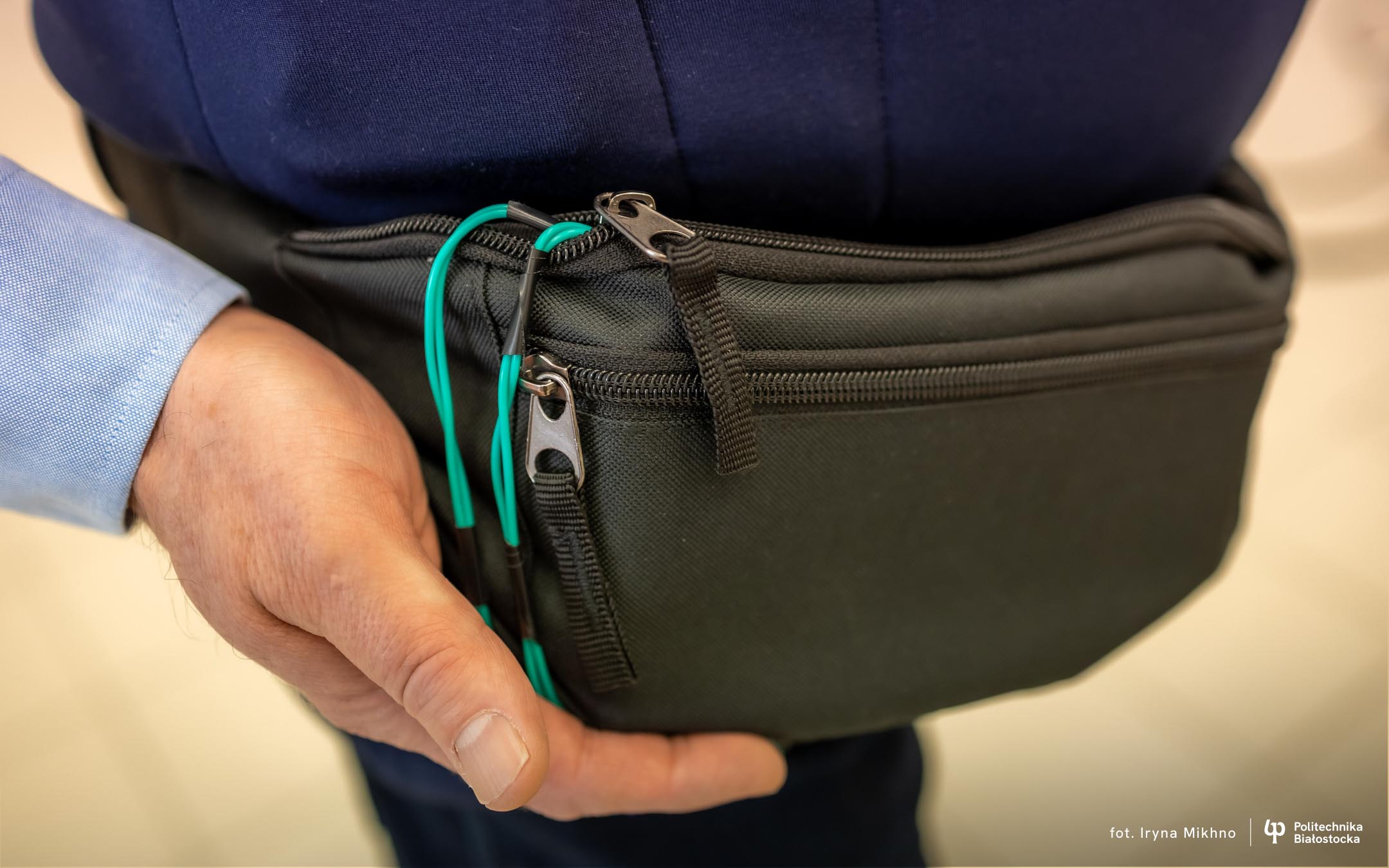
Let us take a closer look at what is inside the vest.
– The vest is equipped with eight sensors – says Piotr Prochor, PhD, Eng., from the Department of Biomaterials and Medical Devices Engineering at the Faculty of Mechanical Engineering of Bialystok University of Technology. – Four are located around the pelvic girdle and four in the shoulder girdle area. In this way, we monitor the entire torso, unlike single gyroscopes used, for example, in smartwatches.
Each vest user first undergoes an examination in the laboratory of Bialystok University of Technology.
– The vest settings are adjusted individually for each user – explains Prochor. – We measure parameters such as velocity and acceleration and define threshold values beyond which the vest will respond.
Interestingly, the placement of the vibration elements and the parameters of the generated stimulus were determined jointly by engineers, doctors and physiotherapists.
– We want to minimise balance disturbances – says Prochor. – The aim is to reduce the number of vibration signals that occur when movements threatening balance are performed. This allows the user to consciously avoid dangerous situations that could lead to a fall.
The active mode of the vest can be activated, for example, when going to the shop or places of worship. It will then signal to the user when predefined threshold parameters are exceeded.
– The user knows that they should stop, stabilise themselves in some way, and that they are doing something that may lead to a loss of balance – explains Prochor.
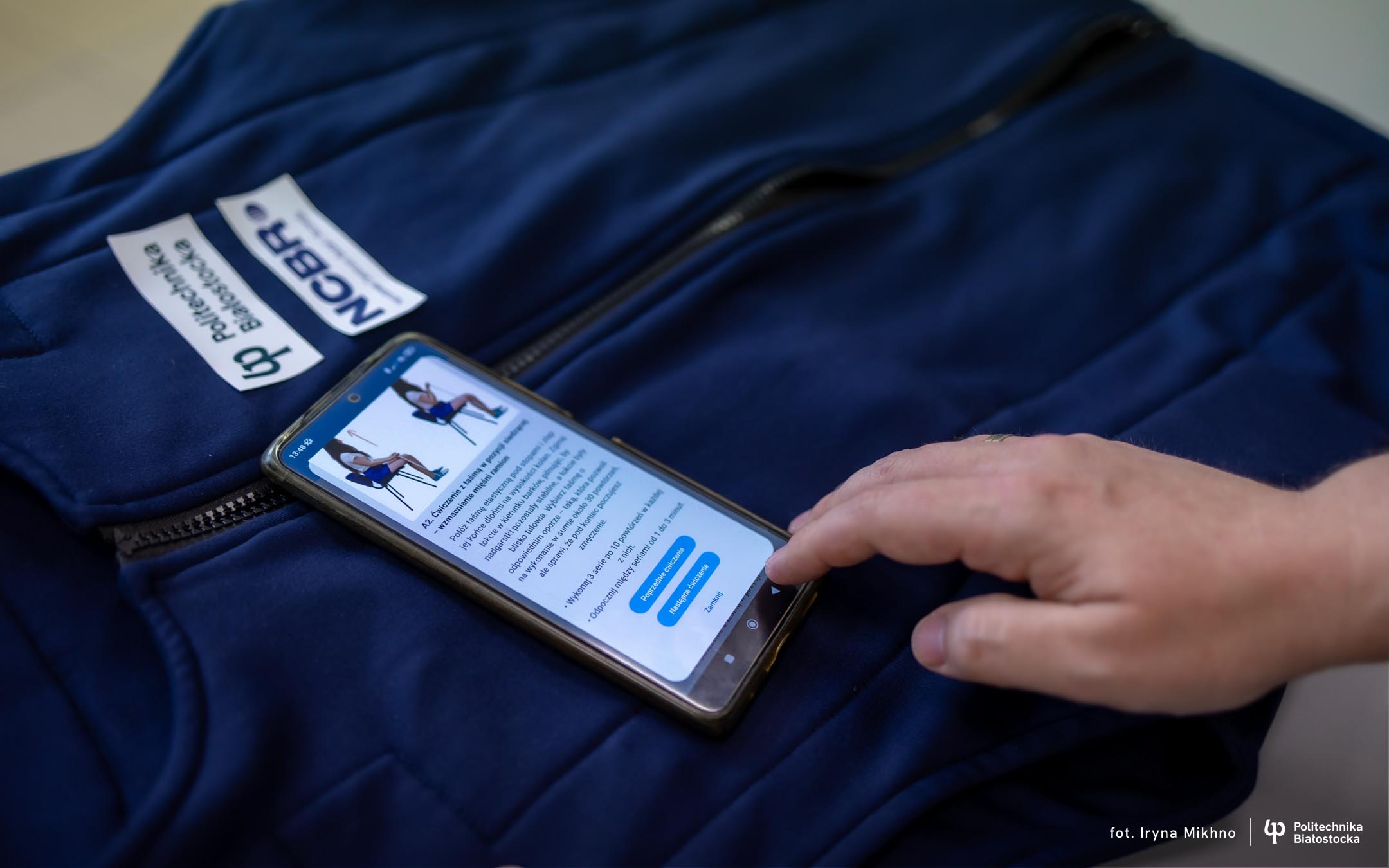
People who do not need to use the vest but want to take care of their health can focus on using all the functionalities of the free application developed alongside it.
– It includes a built-in guide developed as part of the project, as well as access to tests assessing balance problems that can be performed independently – explains Prochor. – After completing a test, the application automatically calculates the score and provides an approximate interpretation of the user’s health condition. The application also allows for the adjustment of exercise sets. If certain exercises are not recommended for the user due to previous injuries or other possible dysfunctions, they can be excluded.
The creators of the vest ensure that participants in the project will receive a set of exercises individually tailored by a physiotherapist. For the vest to function properly, it should fit closely to the body. Therefore, participants will be able to choose from four sizes of the device.
– It must be something like a second skin – smiles Prof. Piszczatowski. – Only a skin that works actively and monitors the user.
In addition to well-established researchers in fields such as biomedical engineering and gerontology, the work on the vest also involved individuals at the beginning of their scientific careers.
– These were doctoral students from the Faculty of Mechanical Engineering of Bialystok University of Technology, students from the Medical University of Białystok, as well as students from the Faculty of Computer Science – lists Prof. Piszczatowski. – Part of the source code of the mobile application was developed as part of a diploma thesis.
One of the doctoral students took part in a photo session for the guidebook, presenting correct postures when performing the exercises recommended for seniors.
One of the elements of the project is cooperation with the University of the Third Age in Białystok.
– Together, we inform participants about risks, safety and health-related issues, and at the same time present the concept of our project, encouraging people with balance problems to take part in the study – says Prof. Piszczatowski. – As part of the project, we now intend to provide 50 prototypes of our device for several weeks of use.
Patent applications for legal protection have already been filed at both national and European levels during the implementation of the project.
– This is to ensure that Bialystok University of Technology will be able to commercialise the project in the future, whether by establishing a spin-off company to manufacture and distribute the device, or by licensing our product to an external company interested in introducing it to the market – explains Prof. Piszczatowski. – Certification of the device, which we plan to carry out towards the end of the project, will also support this goal, ensuring compliance with all relevant standards.
Today, interdisciplinarity is the key to success.
– It all started with my doctoral student, Michał Świętek, PhD, whose doctoral dissertation focused on dizziness – says Prof. Wojszel. – We sought support from researchers at Bialystok University of Technology. We know that muscles need to be strengthened, but older people do not always feel safe while exercising or walking, and they may begin to avoid activity altogether. The vest we have developed is intended to help restore control over correct posture during walking and to respond appropriately to situations that pose a threat when balance is disturbed. We do not assume that this will be a panacea for all problems or for every patient, but there is a chance that for some of them it will improve quality of life and reduce the risk of falls.
The vest project began with participation in the “Things are for people” competition.
– Our aim is for old age to be a form of “successful ageing”, so that we experience ageing successfully rather than pathological ageing burdened with disability and various geriatric problems – concludes Prof. Zyta Beata Wojszel, DSc, MD, Head of the Department of Geriatrics at the Faculty of Health Sciences of the Medical University of Białystok.
The project “Mechatronic device supporting balance during locomotion with a function of recording kinematic gait parameters” is funded by the National Centre for Research and Development under the Accessibility Plus programme.

Author: Jerzy Doroszkiewicz