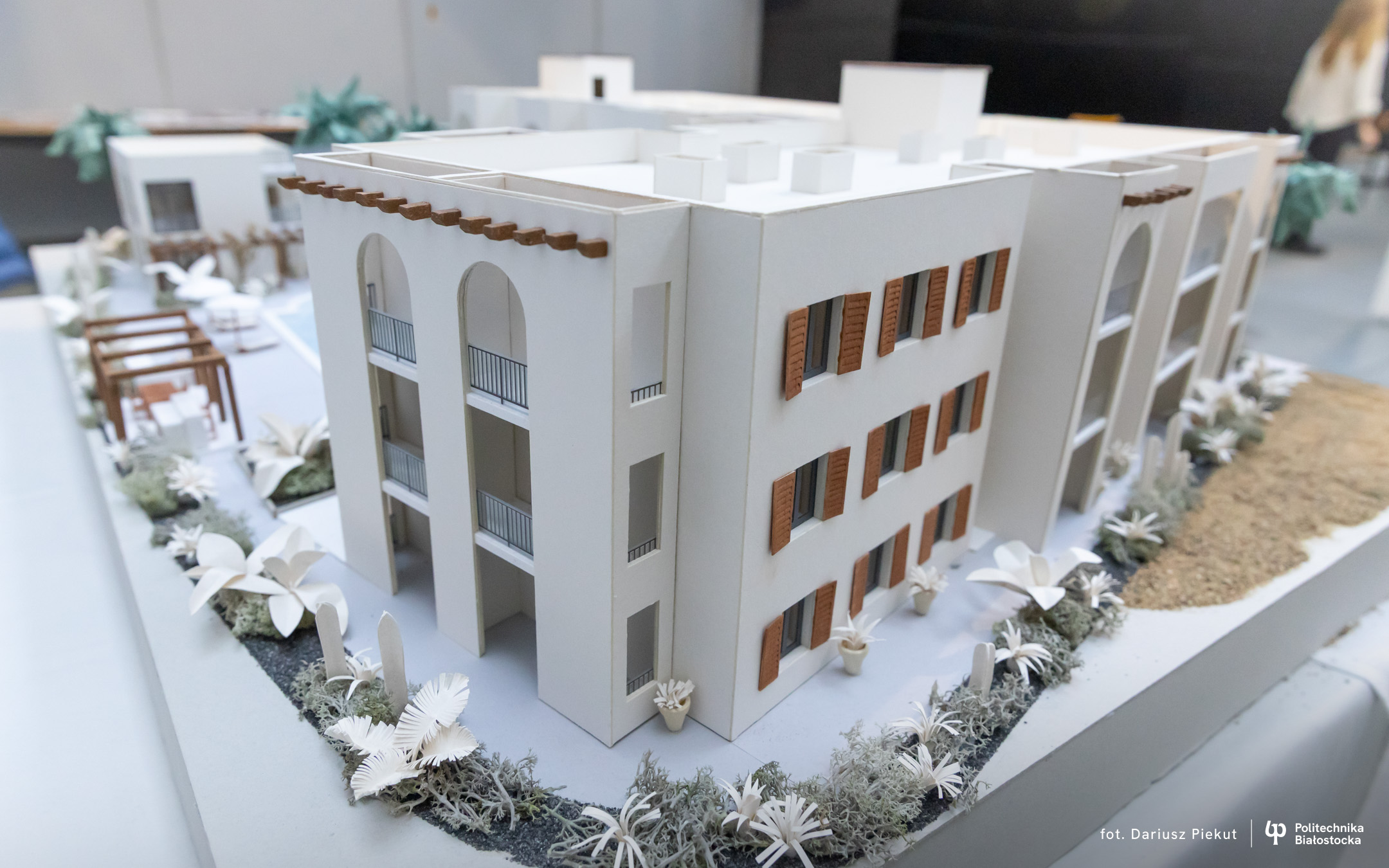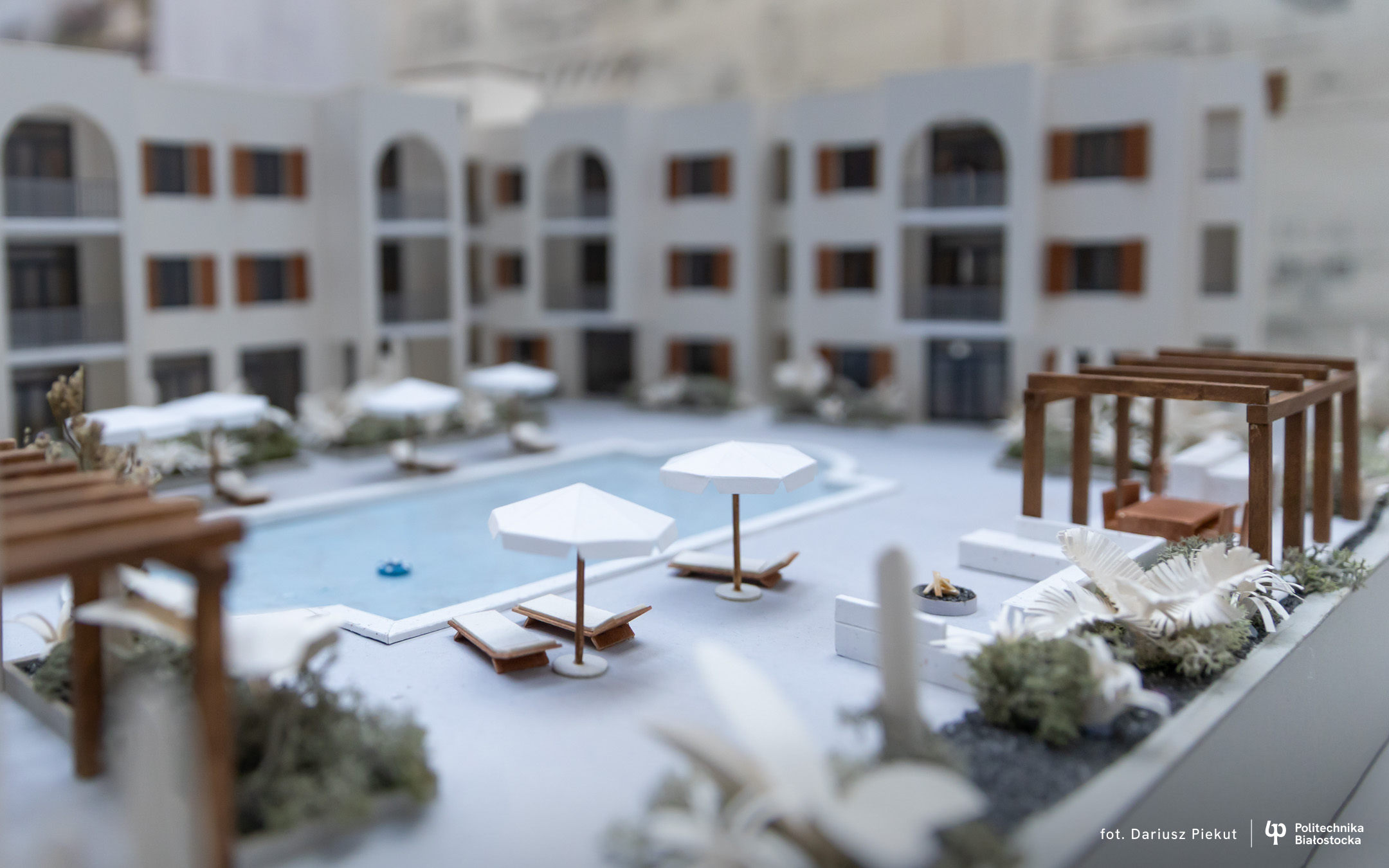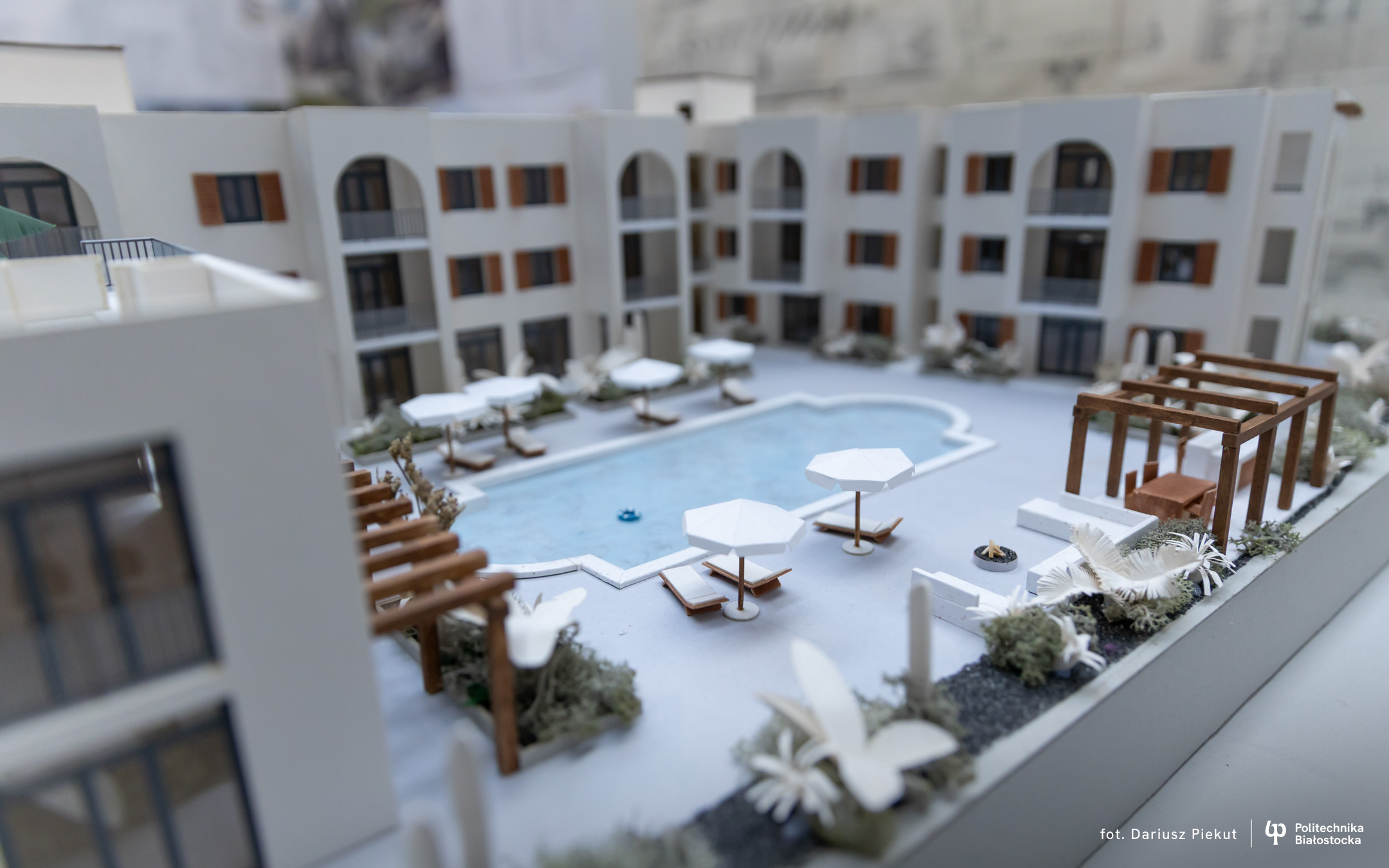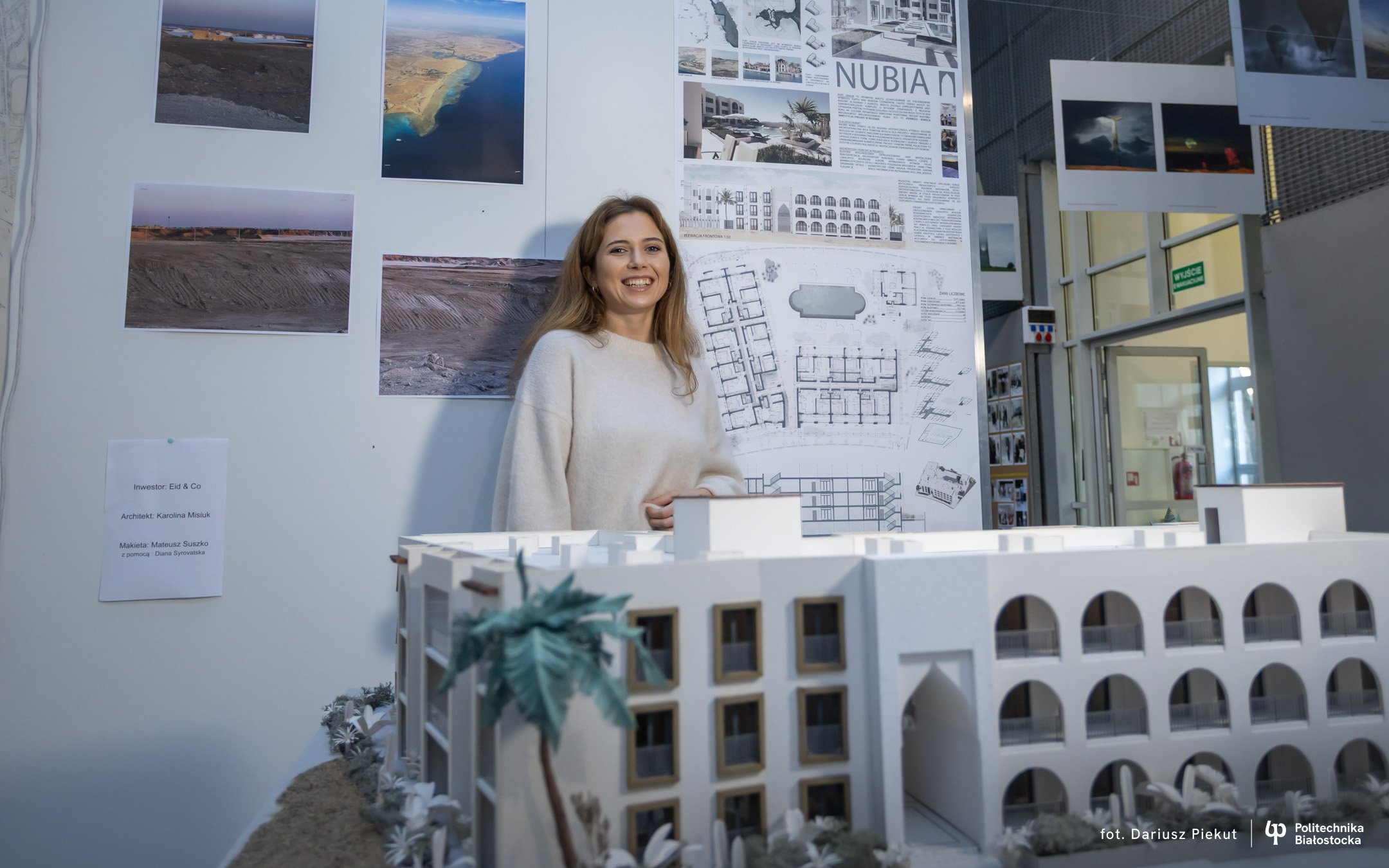
How do you design a building with 40 apartments on a plot located in a desert area, in a private town owned by a wealthy family from Kuwait? Taking into account the local cultural context, transport limitations and contractors? It may not have been a “curse of the scarab”, but the task was far from easy.
An architect from Bialystok University of Technology designed an apartment building in Egypt
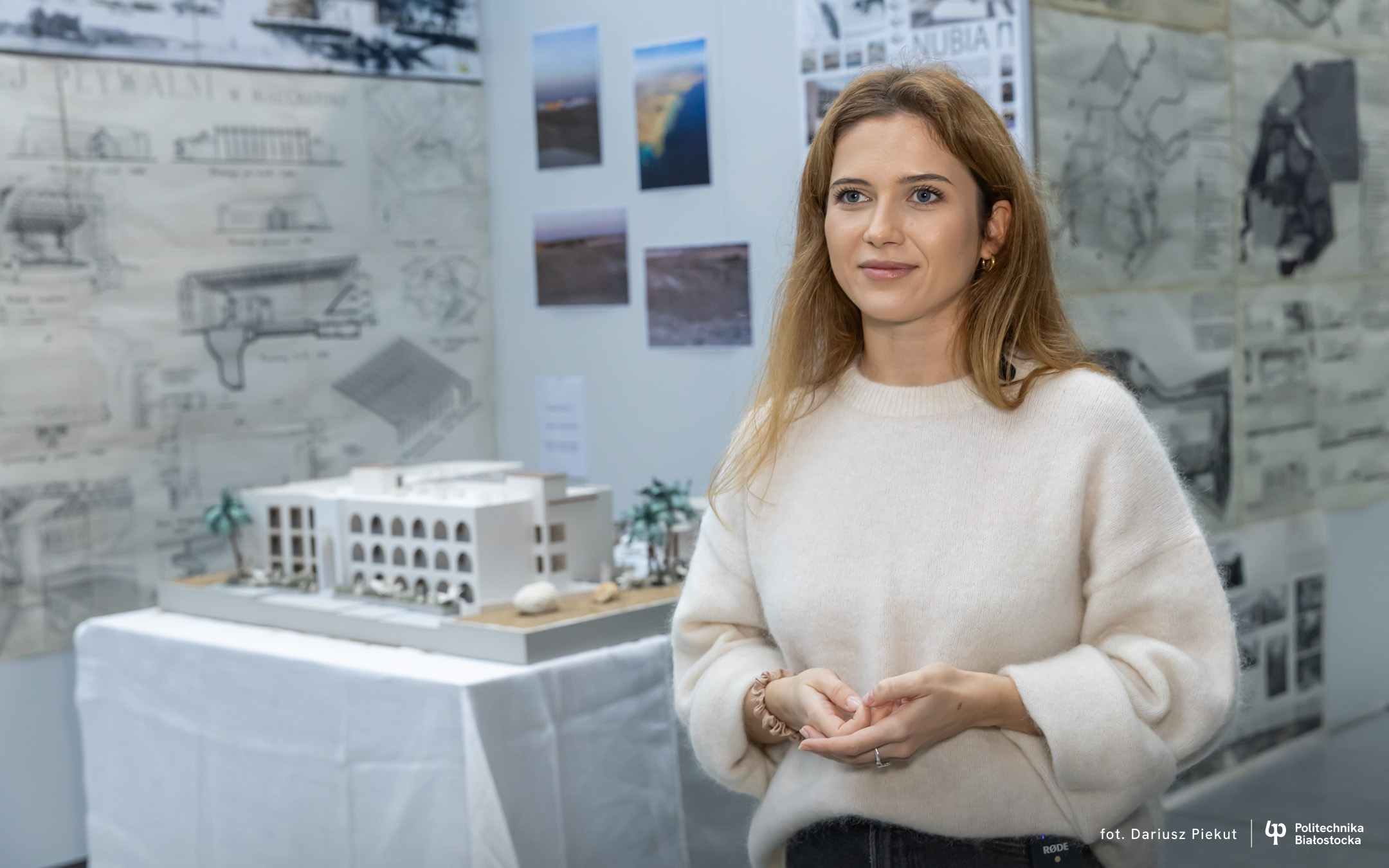
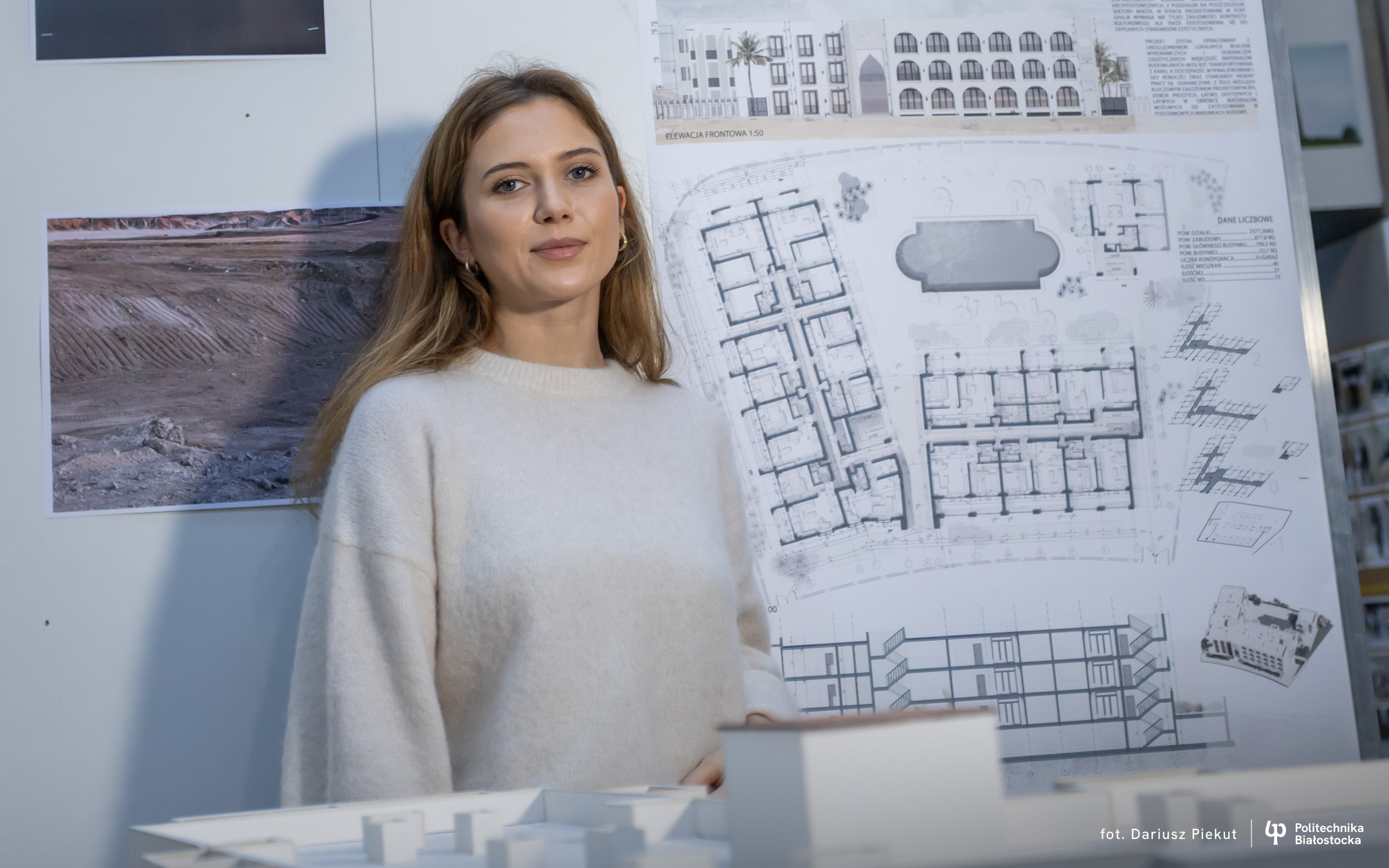
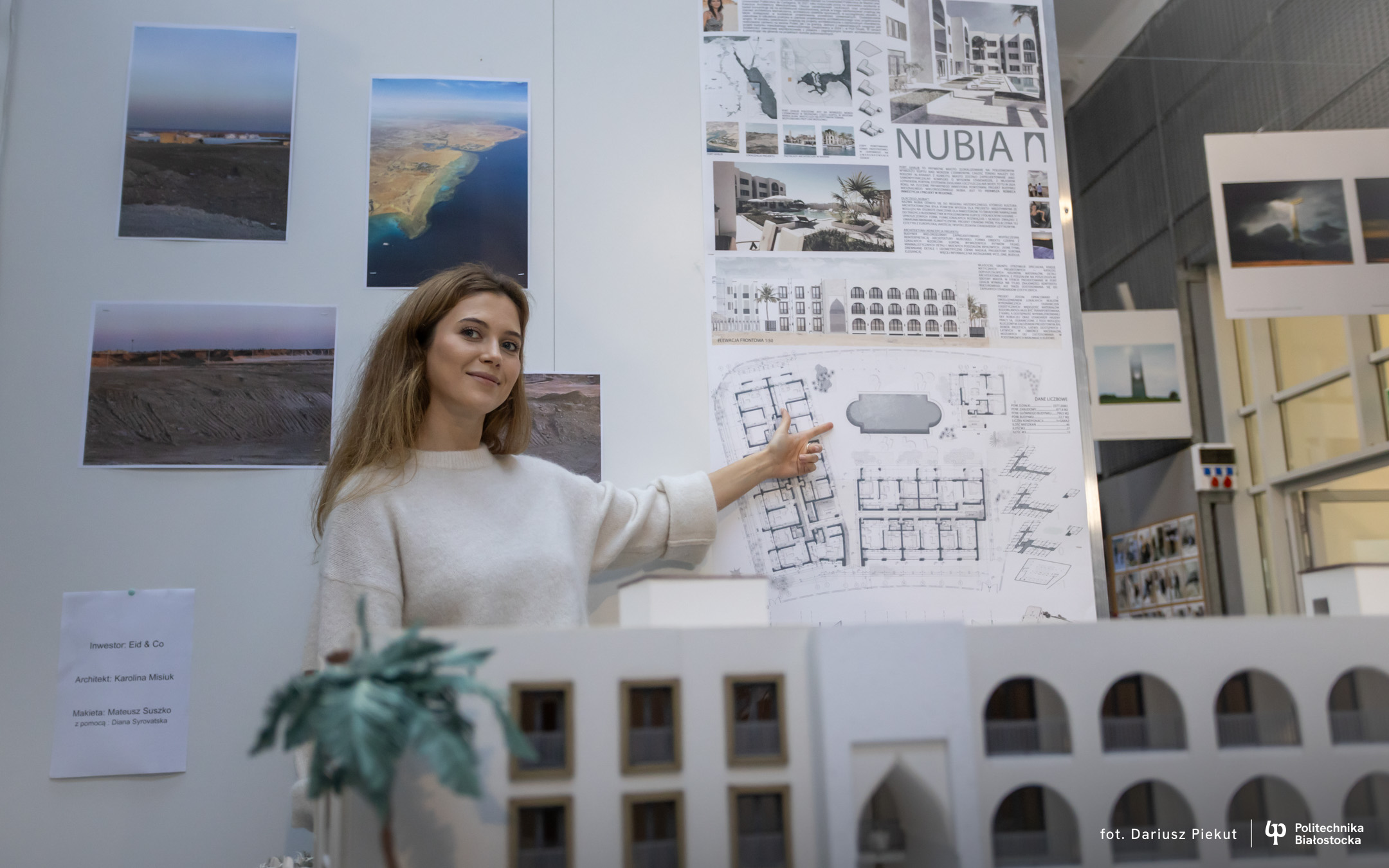
Karolina Misiuk, MSc Eng. Arch. from the Faculty of Architecture at Bialystok University of Technology designed the luxury “Nubia” apartments in Egypt for a Polish-Egyptian couple of investors, with a total usable floor area of approximately 2,700 m2.
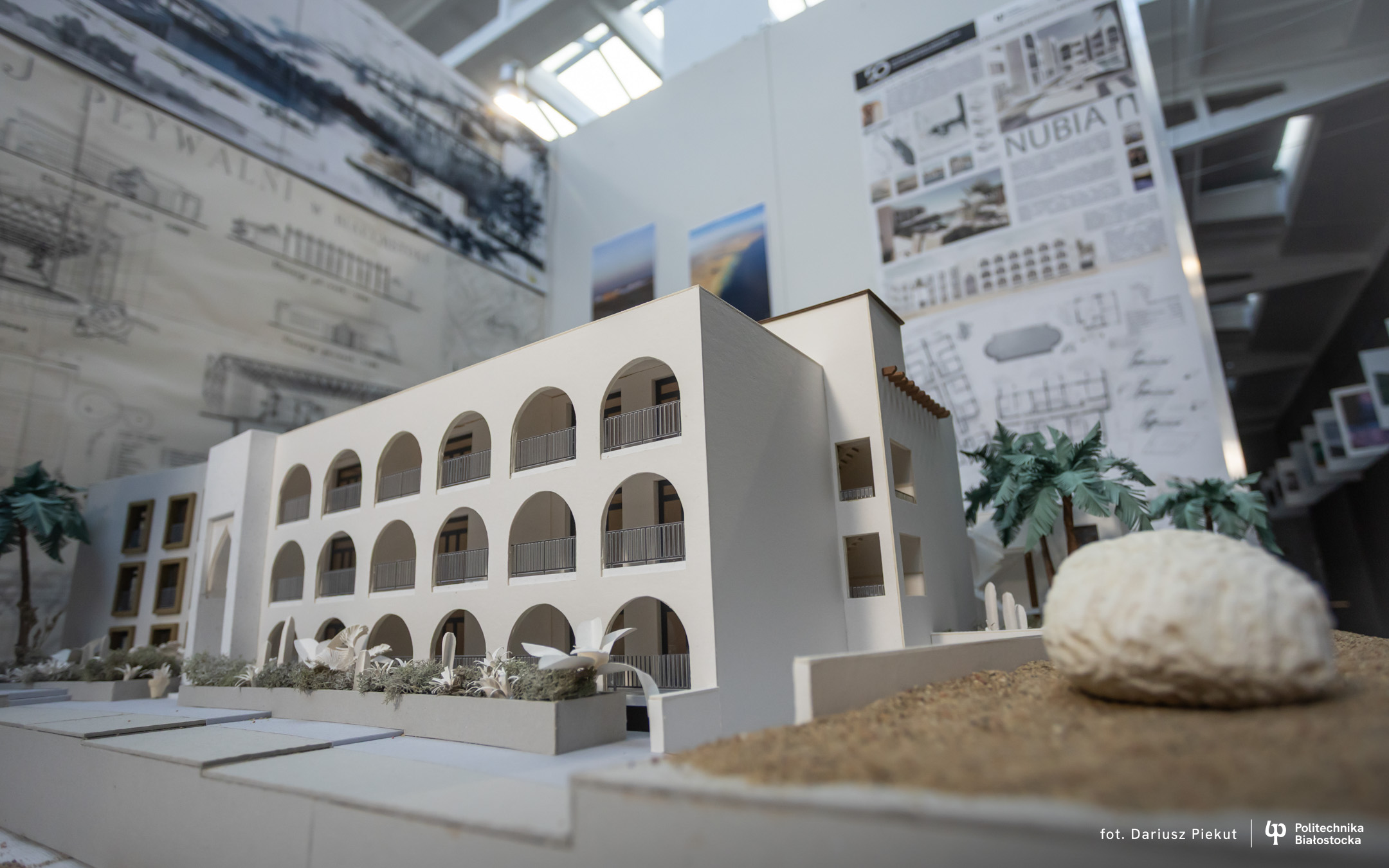
– “Nubia” is a three-storey residential building with 38 apartments for sale and a separate two-unit building – says Karolina Misiuk, an academic teacher in the Architecture degree programme at the Faculty of Architecture of Bialystok University of Technology. – A major challenge was the shape of the plot and the appropriate design of the building mass so that it would meet the investors’ needs and local conditions, which are completely different from what I had previously designed in Poland.
A contemporary interpretation of Nubian architecture
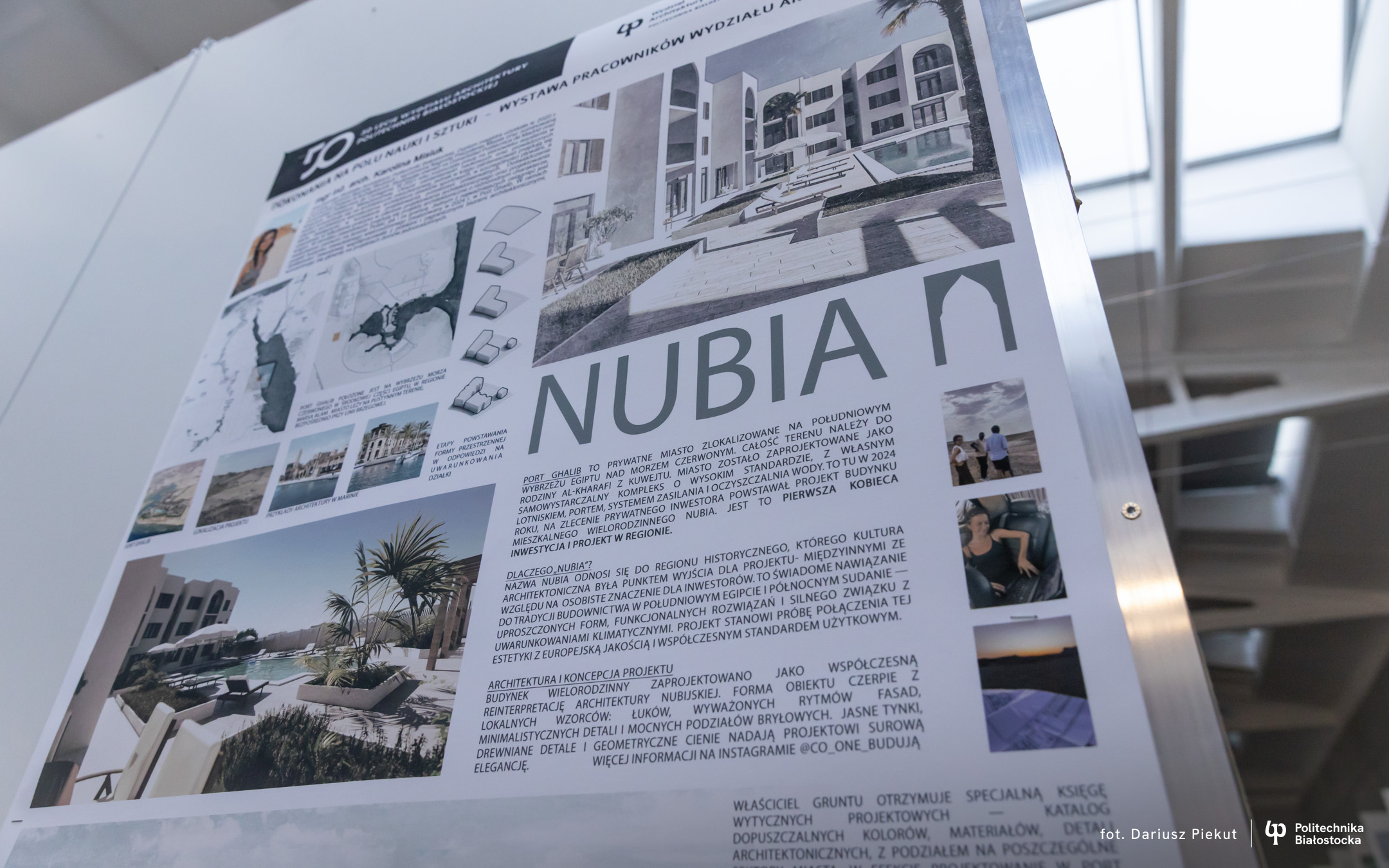
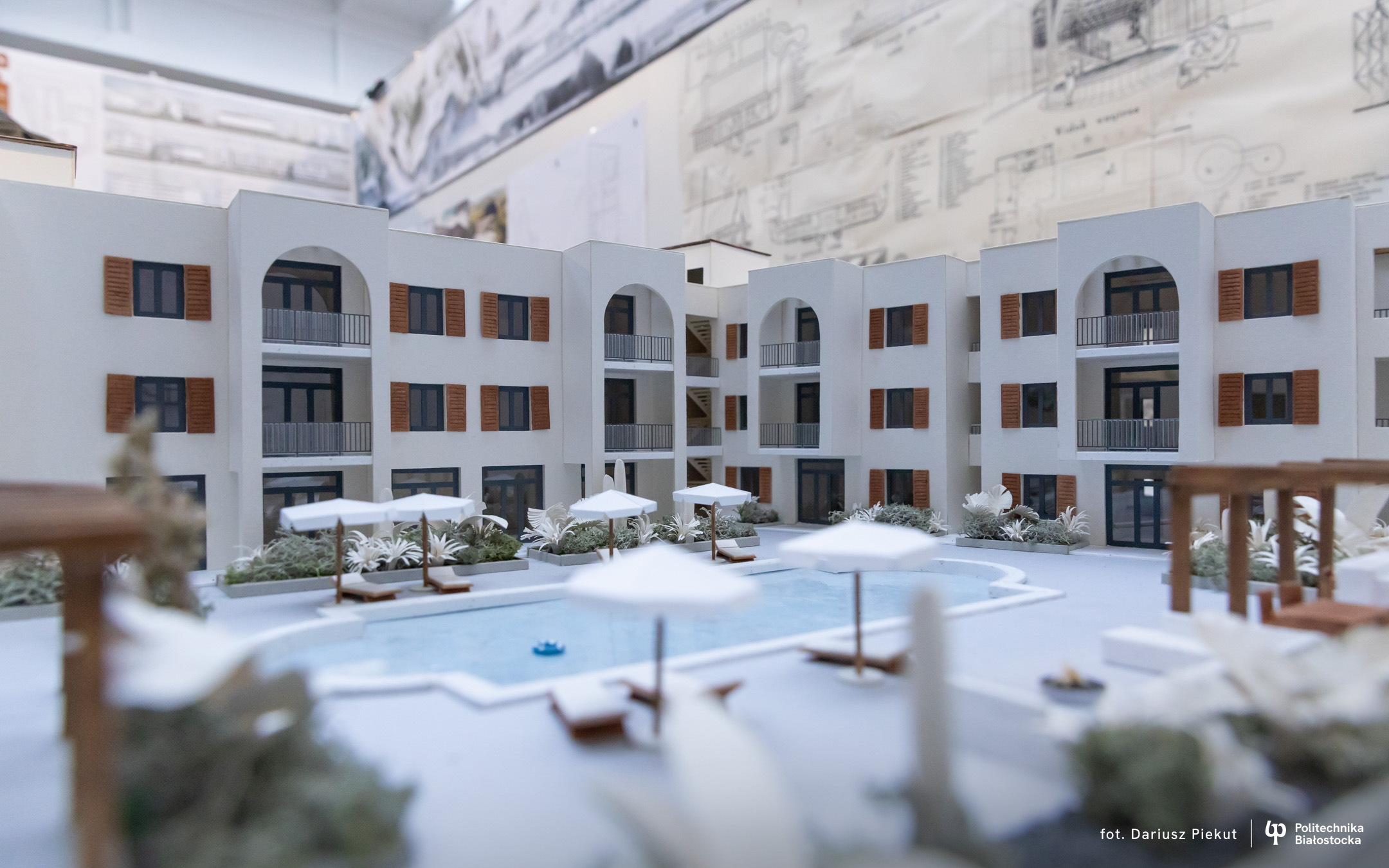
The name of the facility, “Nubia”, refers to the place of origin of the investor – a historical region in north-eastern Africa. A reference to the character of the architecture of that area was the main idea of the project, which was also to be adapted to the climatic conditions and combine functionality with European quality.
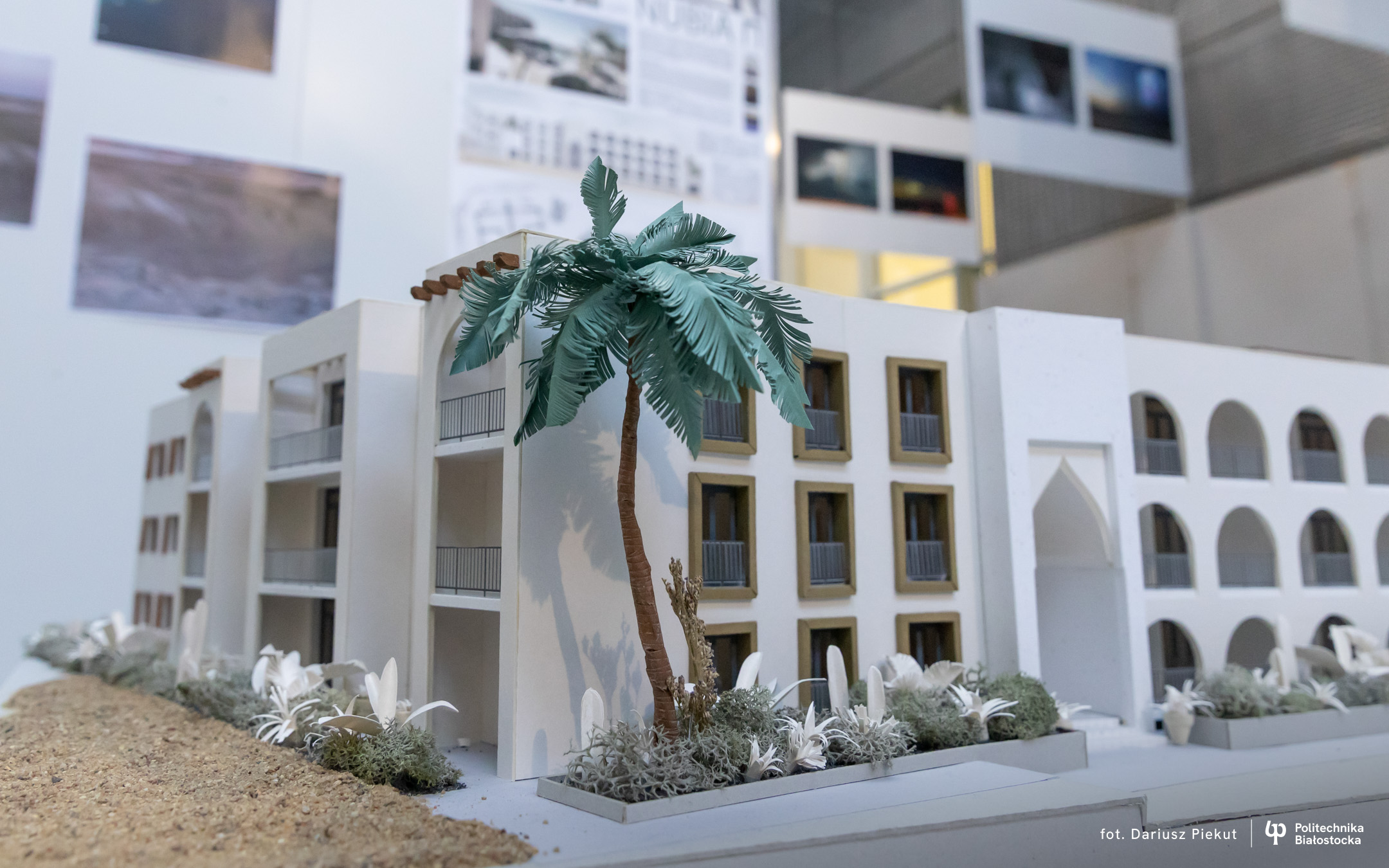
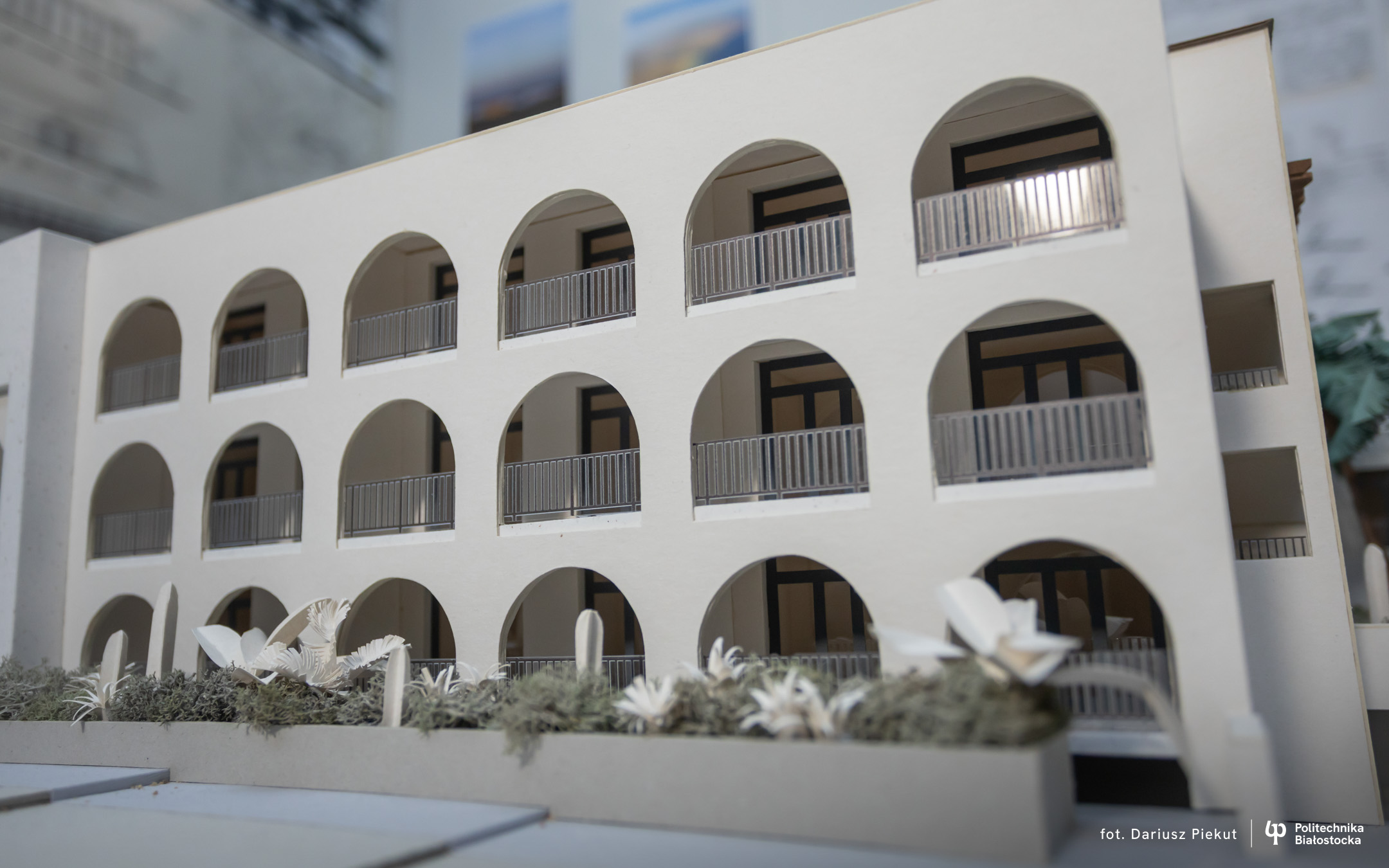
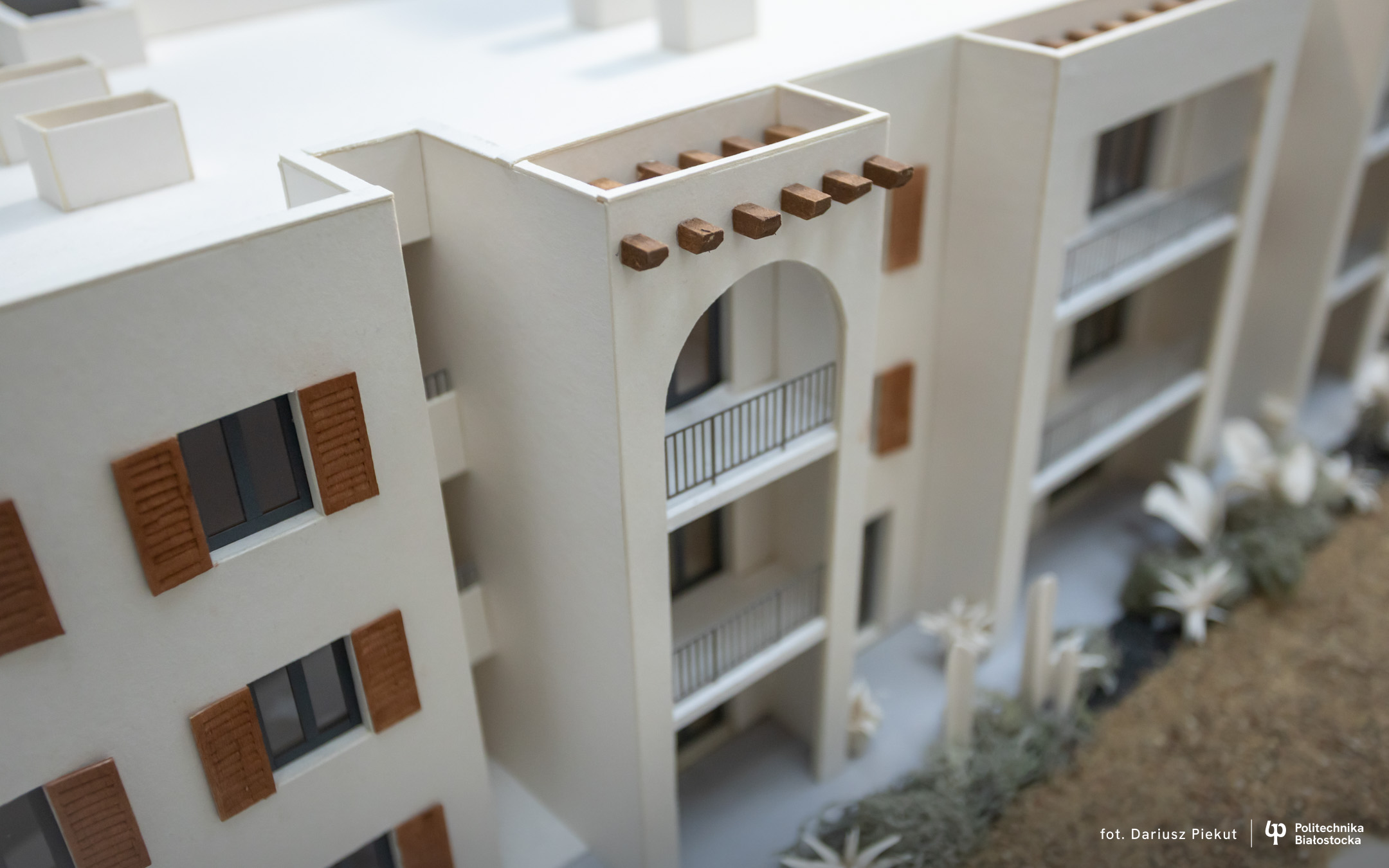
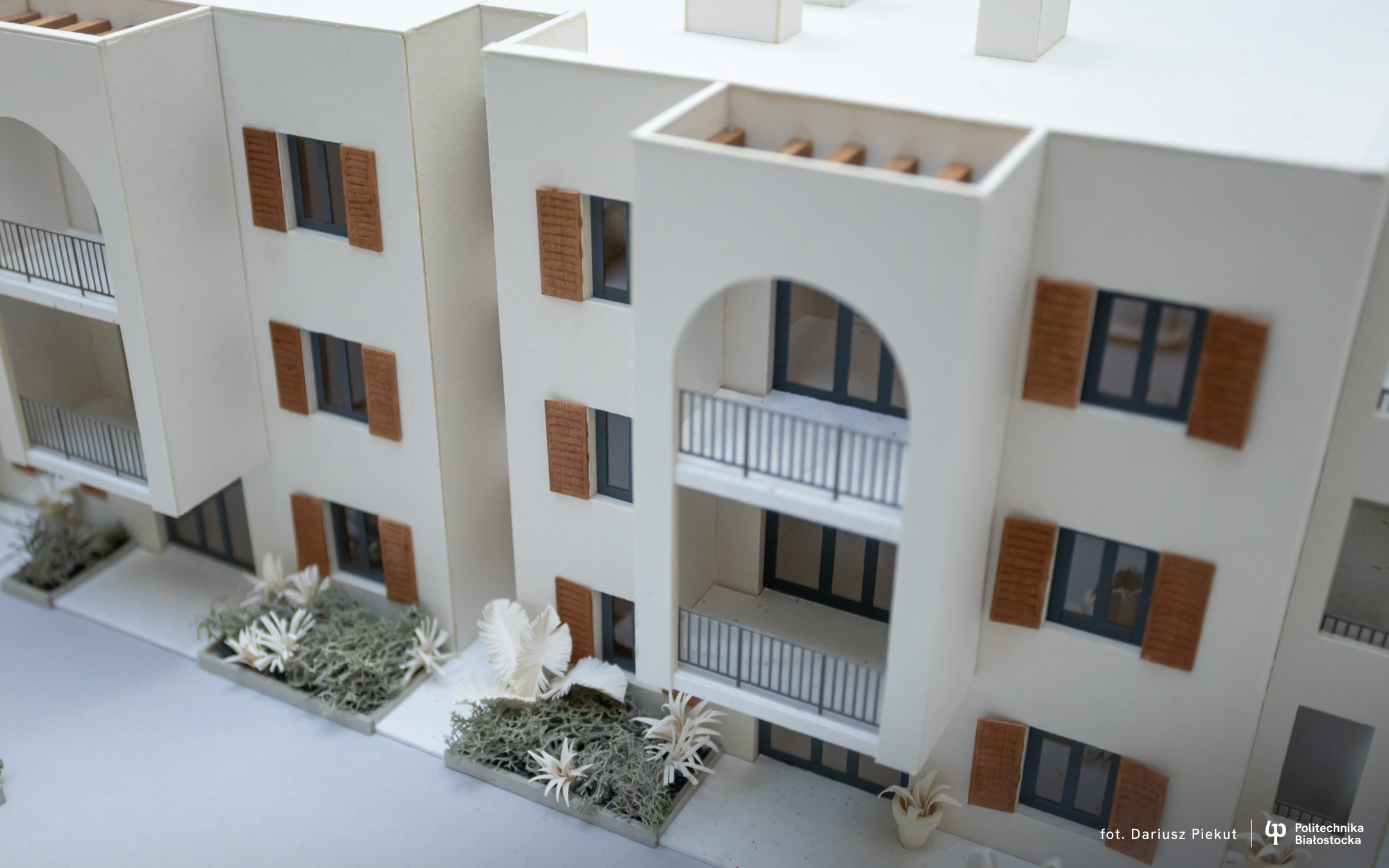
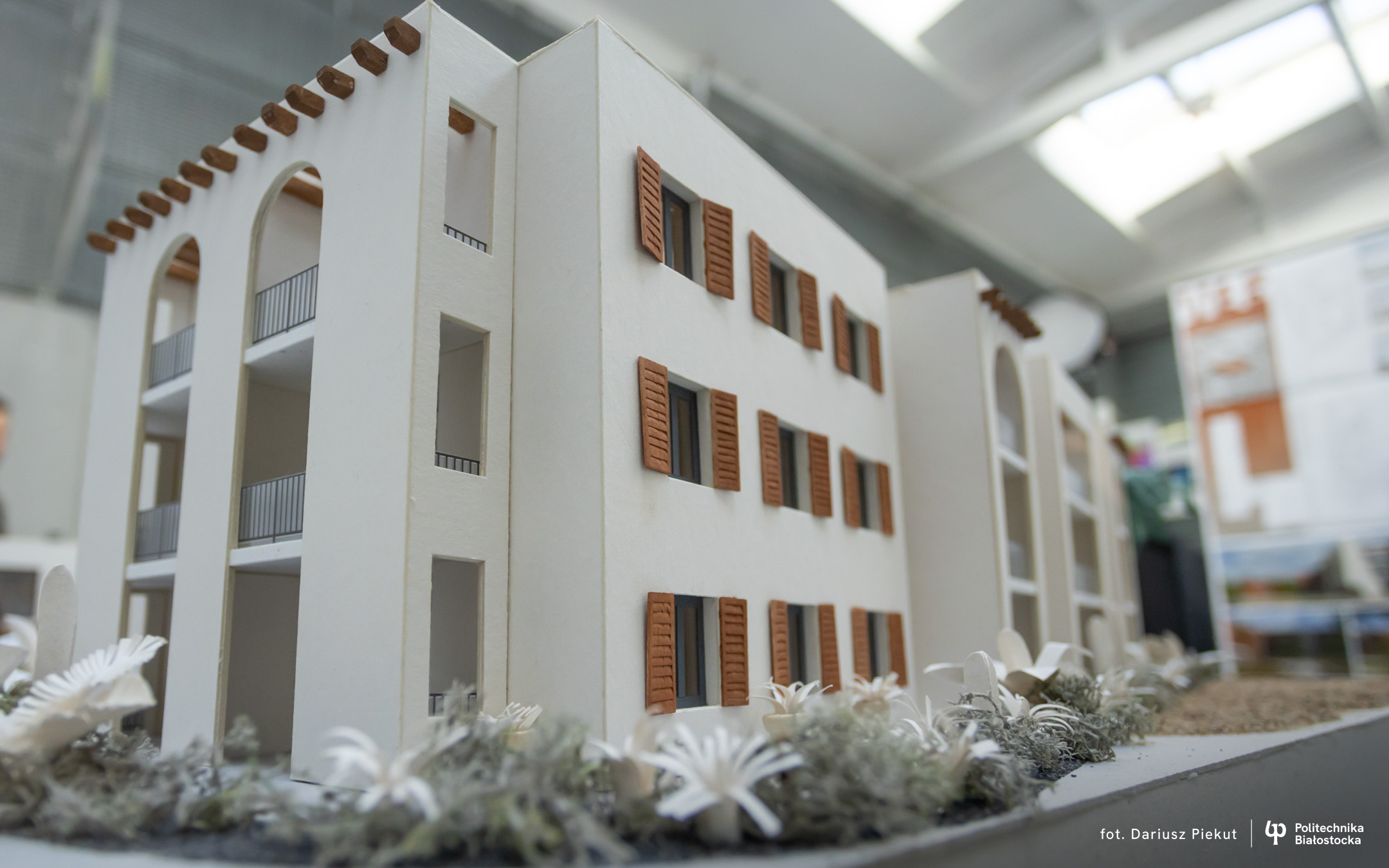
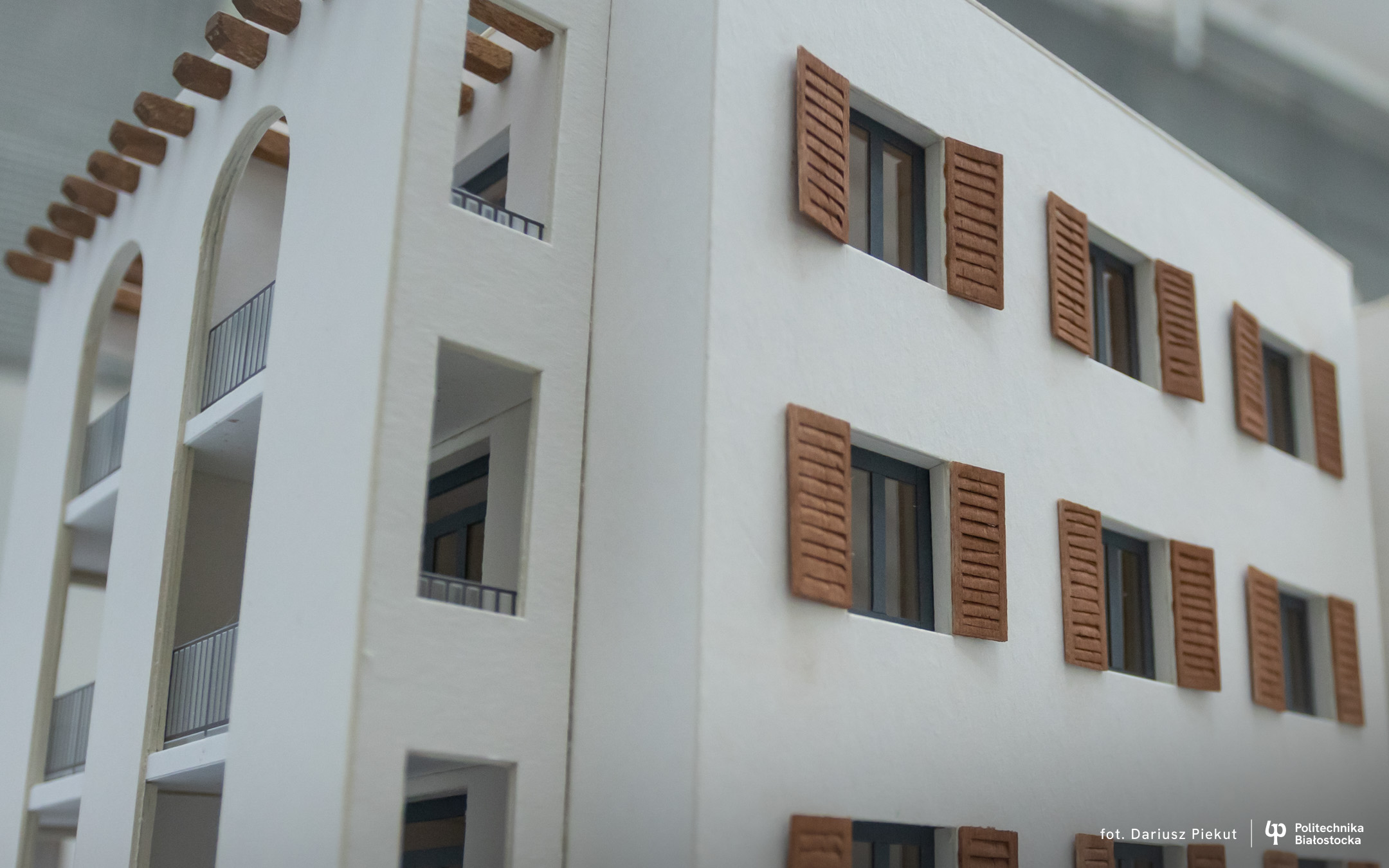
– The Nubian style is characterised by very simple forms, clear divisions, massive walls and small window openings – explains the architect. – The building draws on local materials and patterns, such as a specific rhythm of façades, minimalist details or strong volumetric divisions.
Architectural solutions and water recovery
The investment is located in Port Ghalib – in the Marsa Alam region of Egypt, approximately 200 km south of Hurghada. It is situated a 15-minute walk from the Port Ghalib Marina, on a plot of approximately 3,000 m2, which is currently desert land. Water is a scarce resource here.
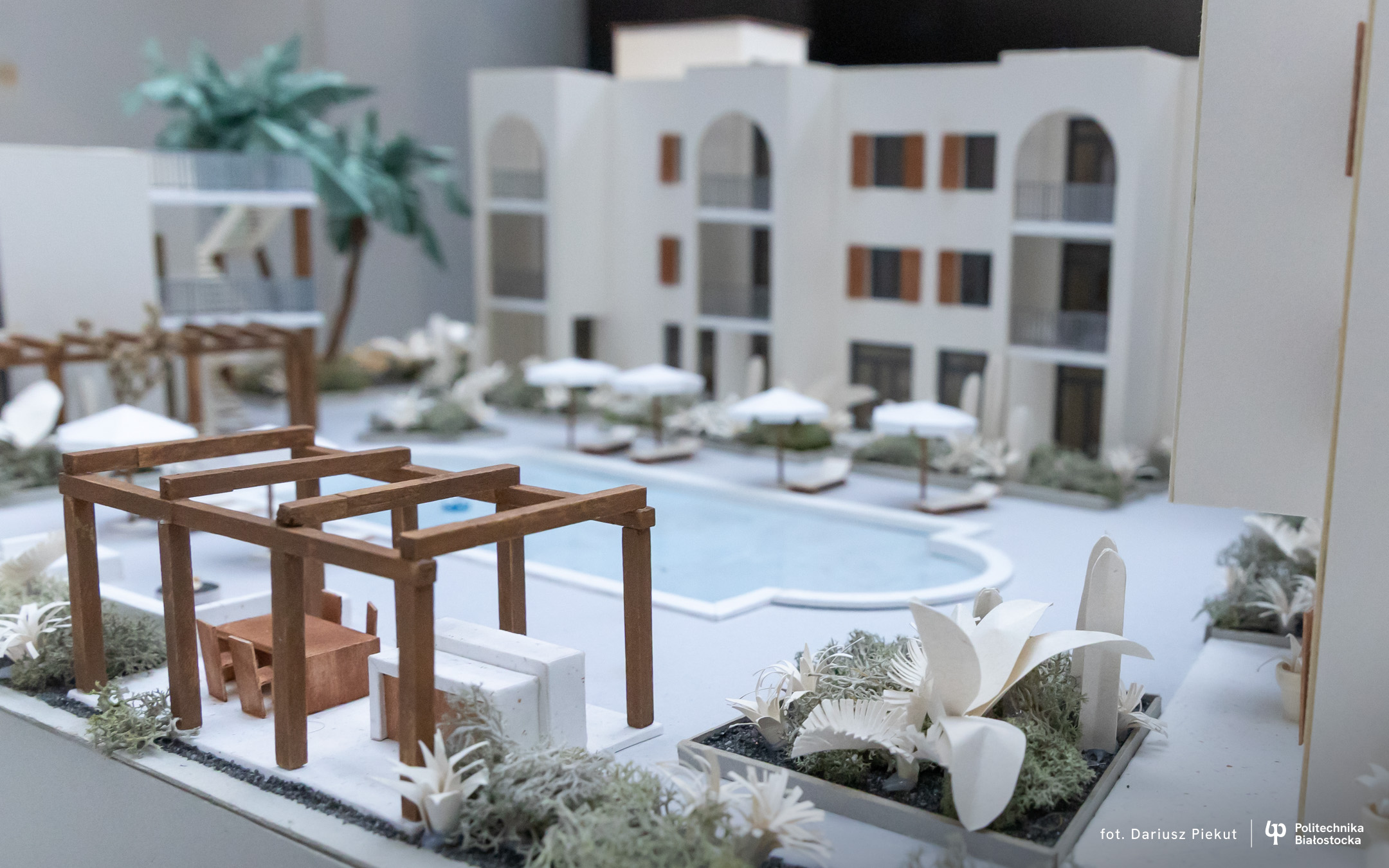
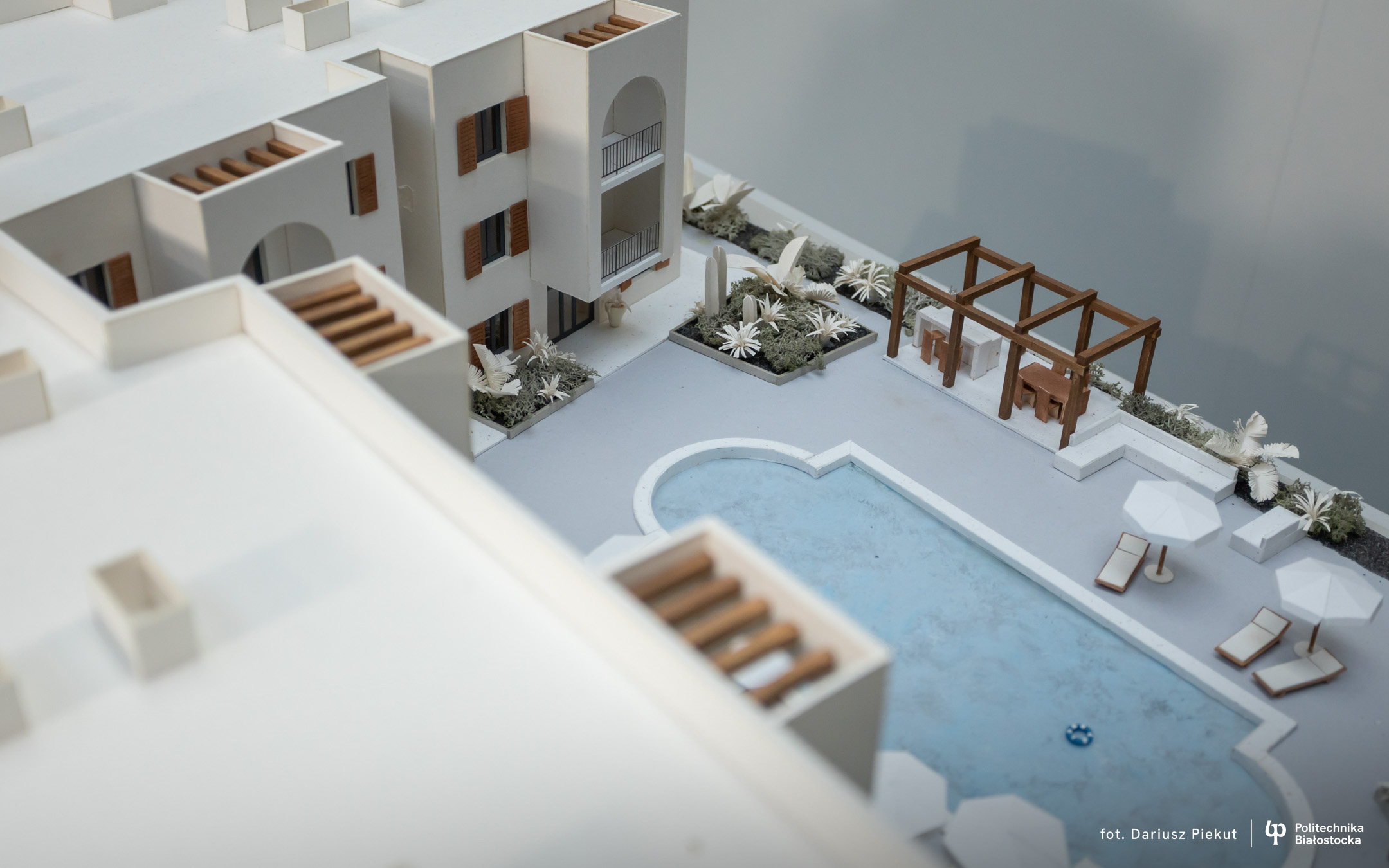
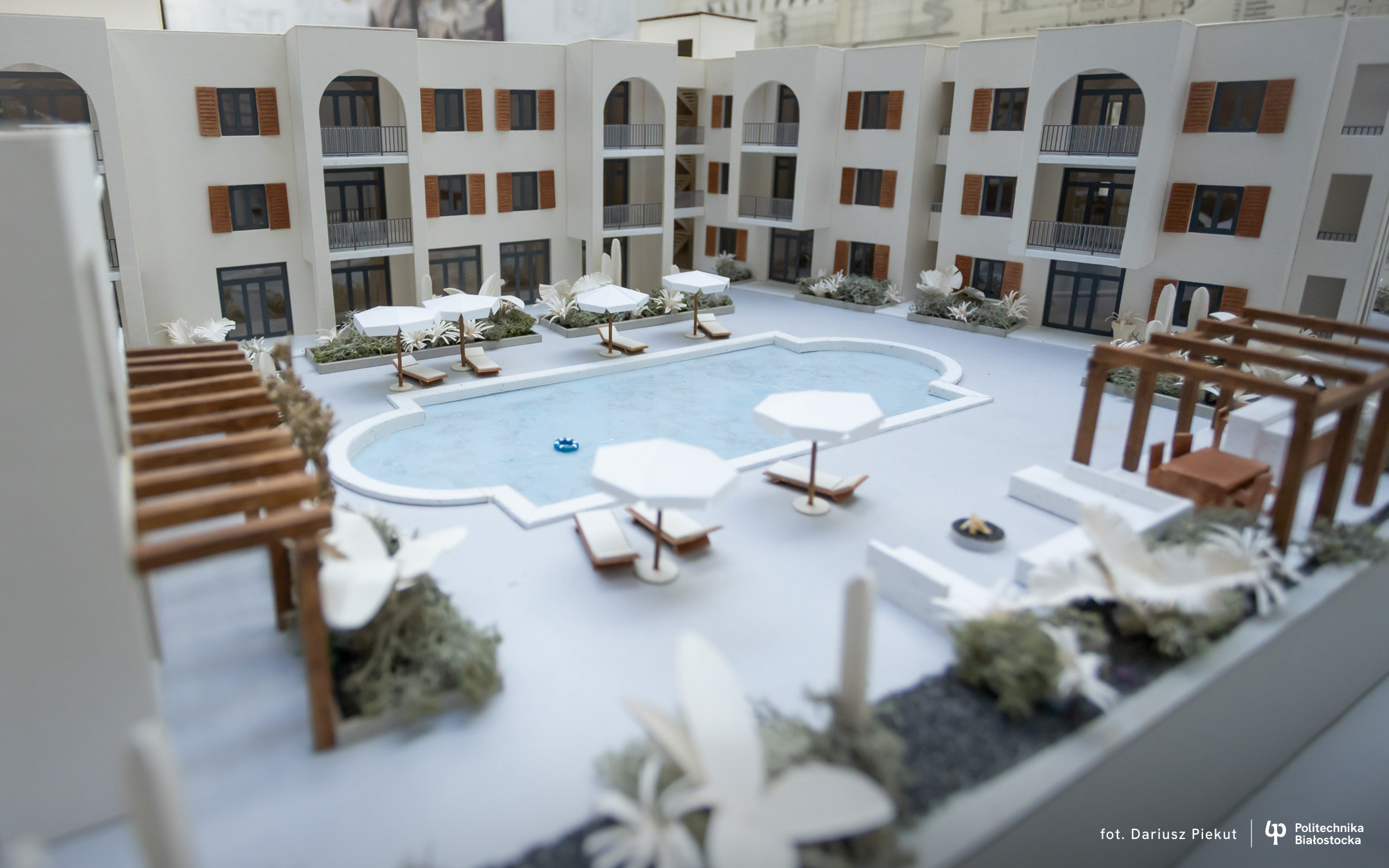
– The building was designed in a corridor layout and, thanks to openings, provides natural ventilation and cooling – says the designer. – For the needs of the communal garden, water recovered from air conditioning units will be collected in special tanks connected to a drip irrigation system, which should be sufficient for watering the plants.
The heat in this location is particularly oppressive. Another inconvenience is the wind.
– Unfavourable northern winds blow in this part of Egypt for half of the year. This had to be taken into account, so one wing was designed to shield the internal courtyard from blowing sand.
The designer also had to adhere to design guidelines, including a catalogue of colours, materials and architectural details imposed by the owner of the town from Kuwait. This therefore required both knowledge of the cultural context and compliance with specific aesthetic standards.
Construction, logistical and cultural challenges
The location of the building in a desert area was not the only difficulty in its design. This was compounded by construction-related and logistical constraints. Egypt lacks skilled construction workers, and most materials have to be transported from Cairo. The designer knew what problems she would face, hence the choice of a specific architectural form and finishing aesthetics.
Cultural differences also added to the challenge. Nevertheless, the project was successfully completed. Nubia is the first female-led investment and architectural project in this region.
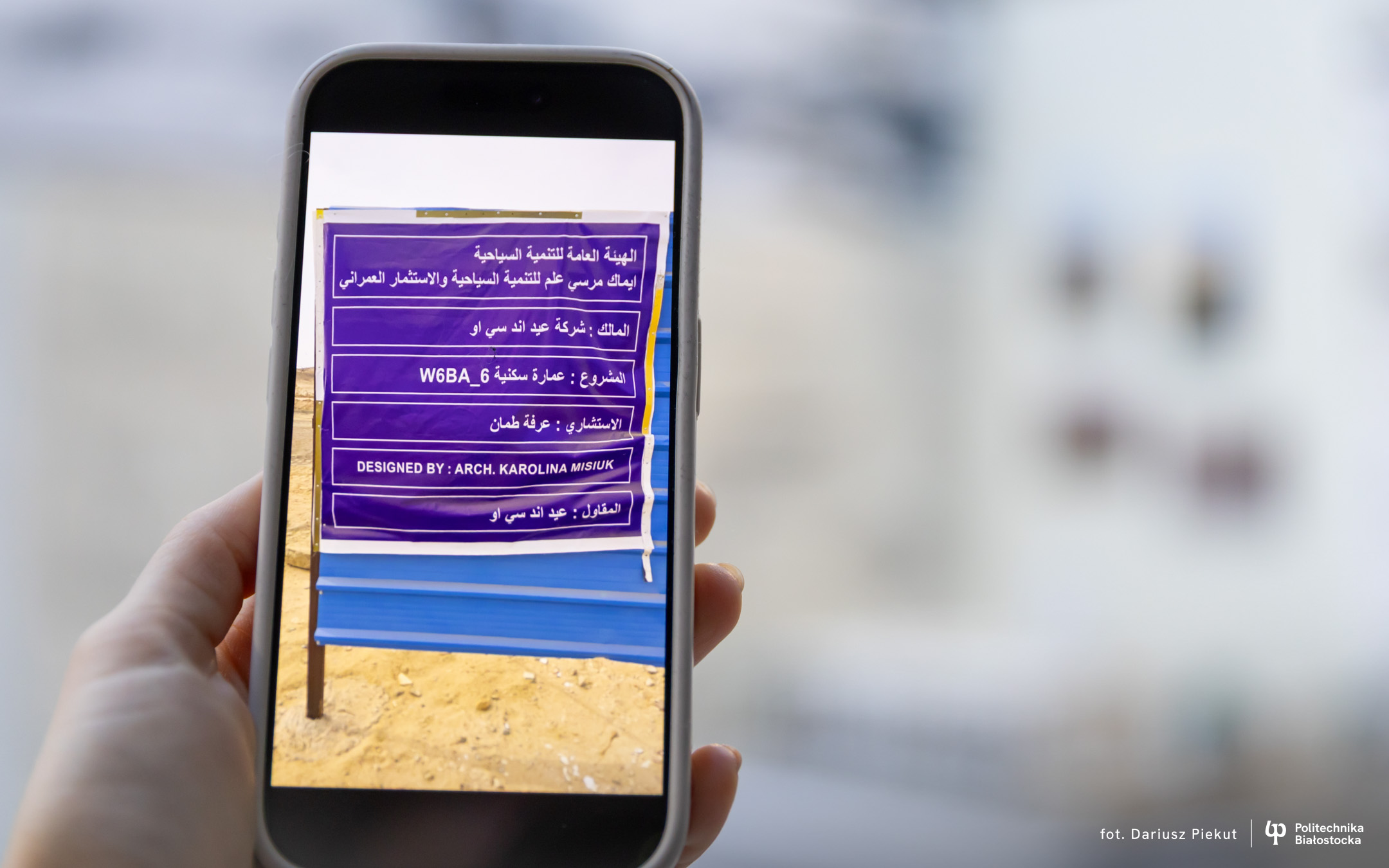
– The project was a major challenge due to the approach of local engineers, architects and officials – says Karolina Misiuk. – For some, it was difficult to accept that a woman could be an architect, and one of the challenges was ensuring that my name was formally included in the project documentation. Dealing with formalities and communication – all of this prolonged the investment implementation process. Fortunately, as the investors live in Port Ghalib on a daily basis, they were able to complete all formal procedures, translate the project into Arabic and ensure that it was designed in an appropriate manner.
Poles invest in apartments in Egypt
Designing “Nubia” took Karolina Misiuk a year, after which construction began and is currently at the foundation stage; the project is expected to take two years to complete.
– I am glad that I did this project – the architect sums up. – I learned a lot in the process, including patience. I gained experience that would have been impossible to acquire in Poland. I got to know a completely different design culture. The success of the investment is evident from the fact that more than half of the apartments have already been sold, all to clients from Poland.
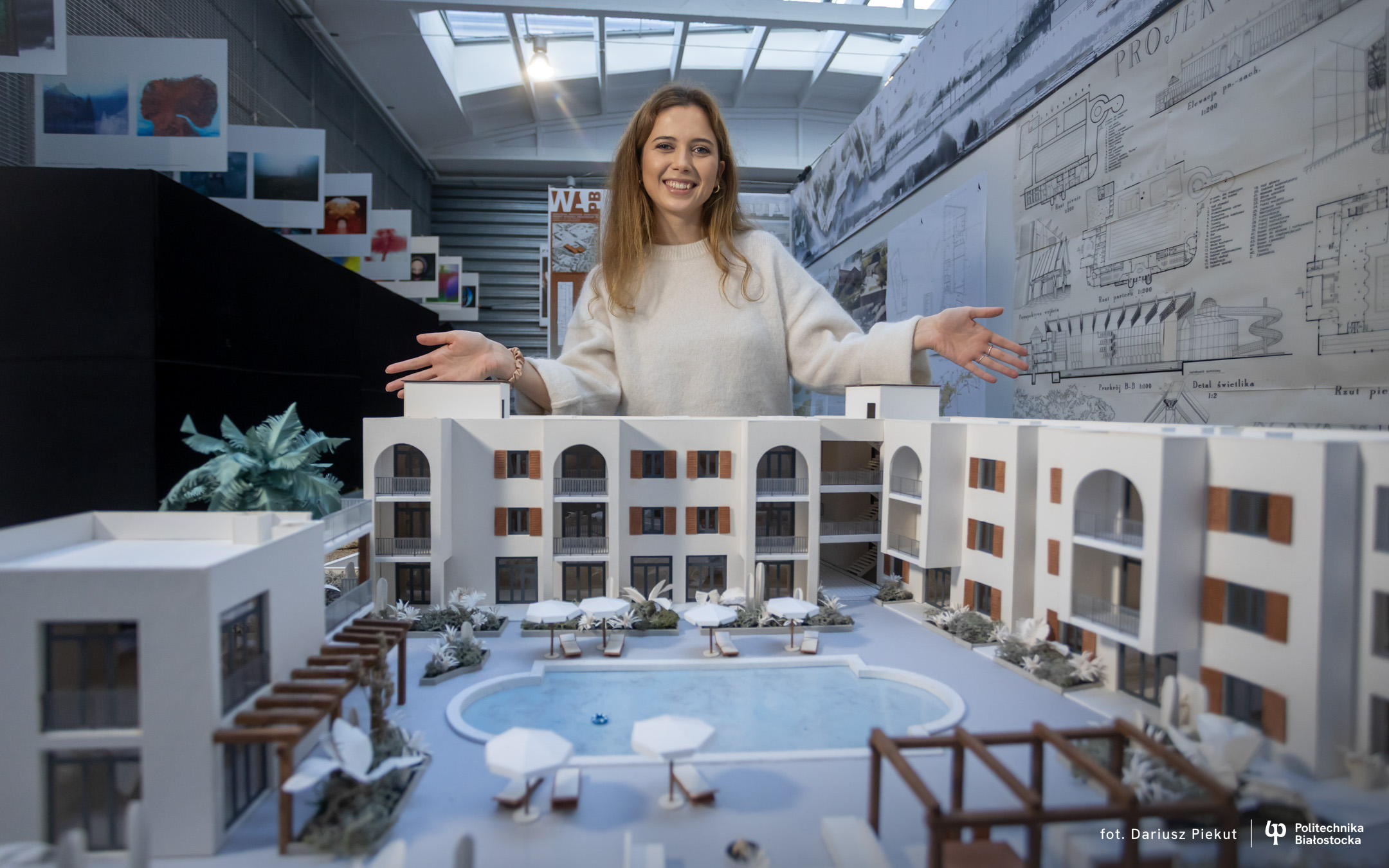
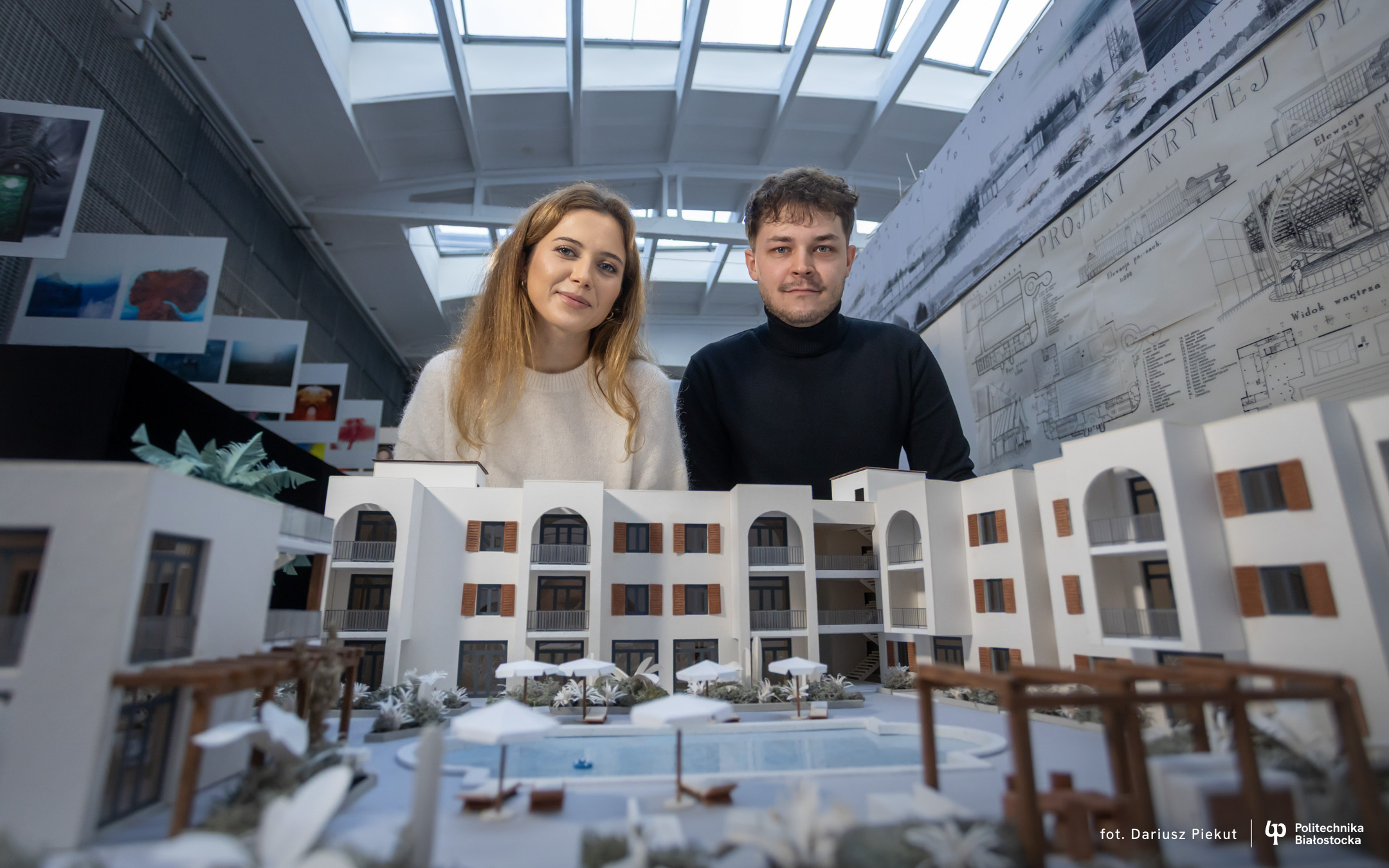
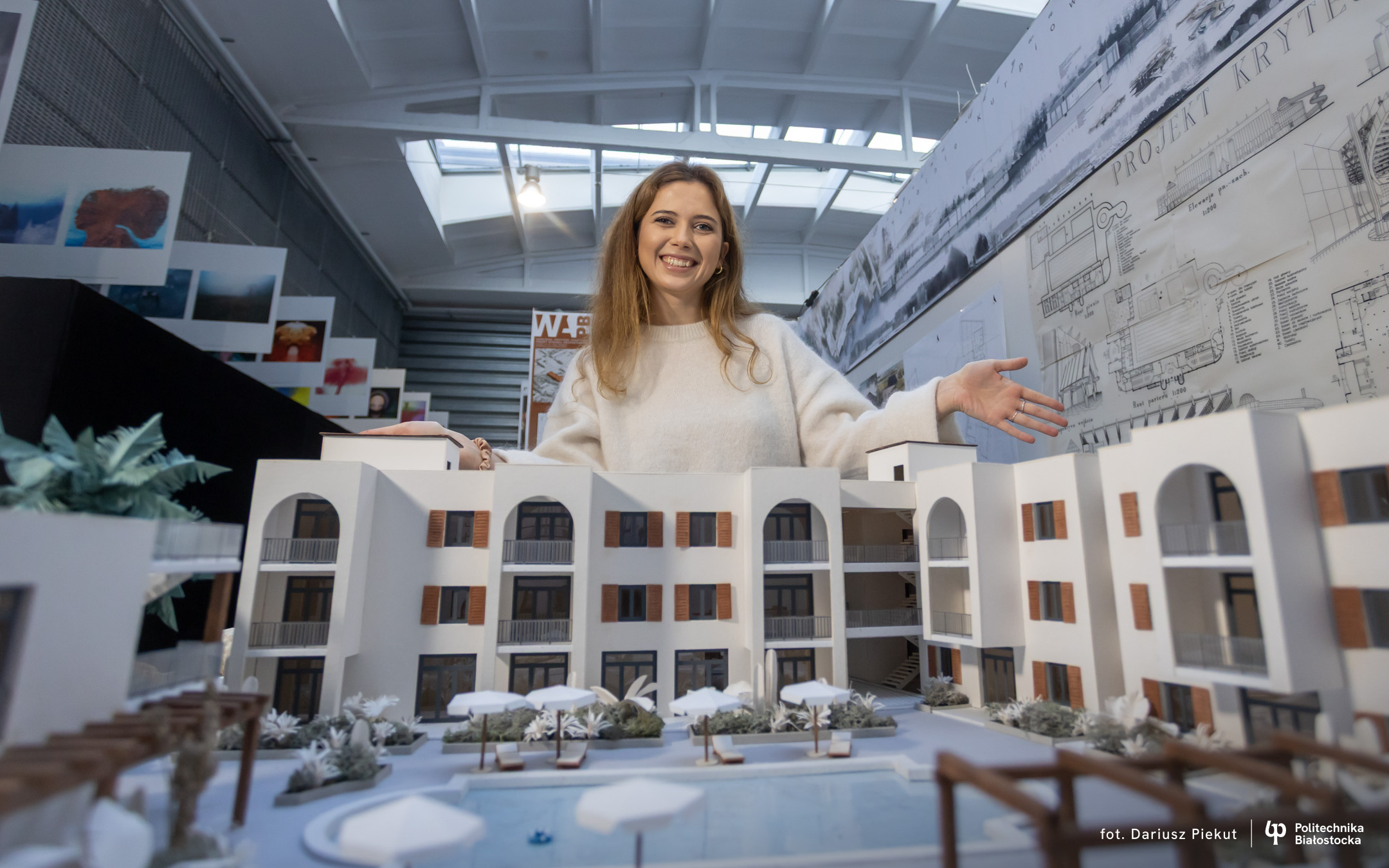
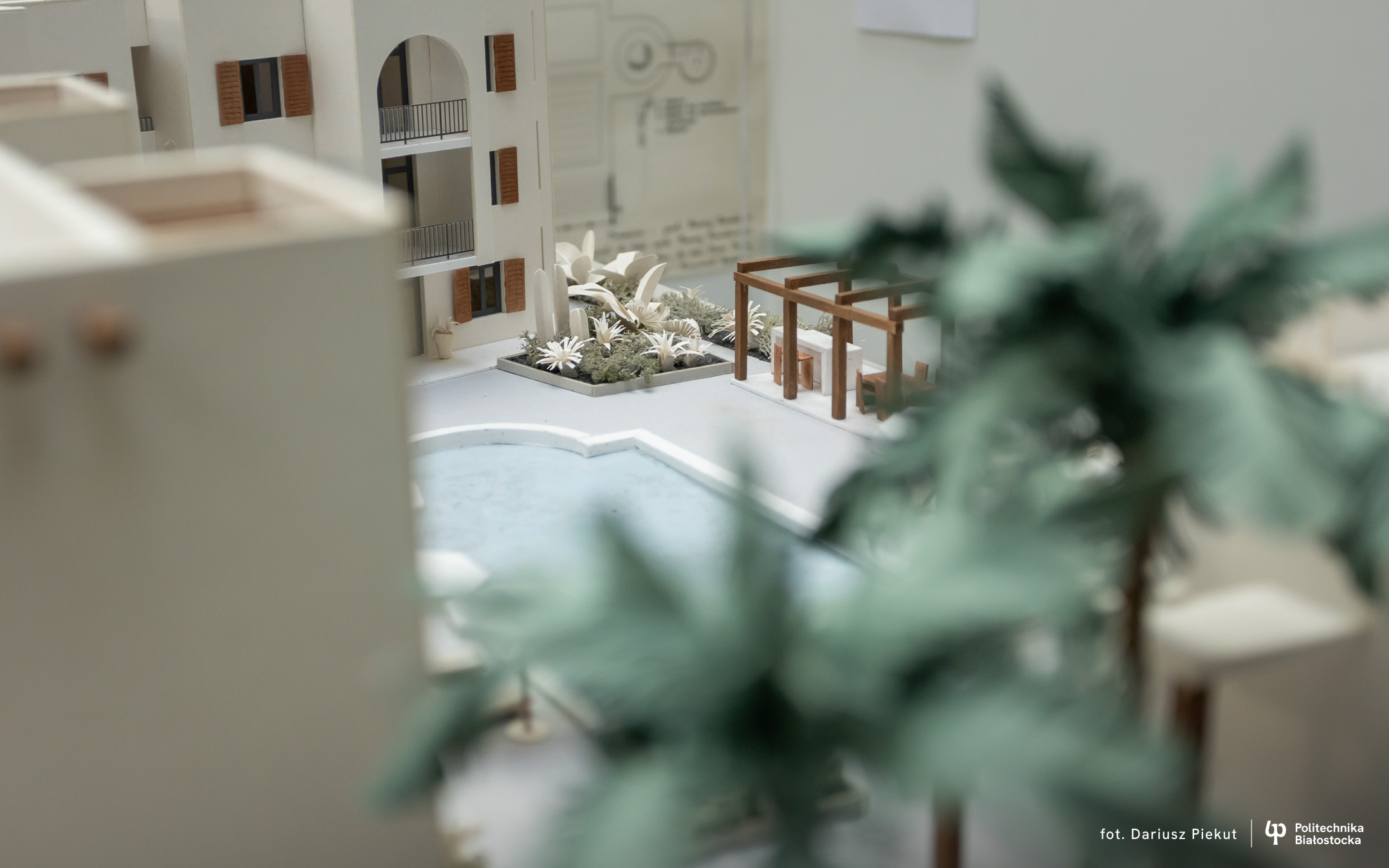
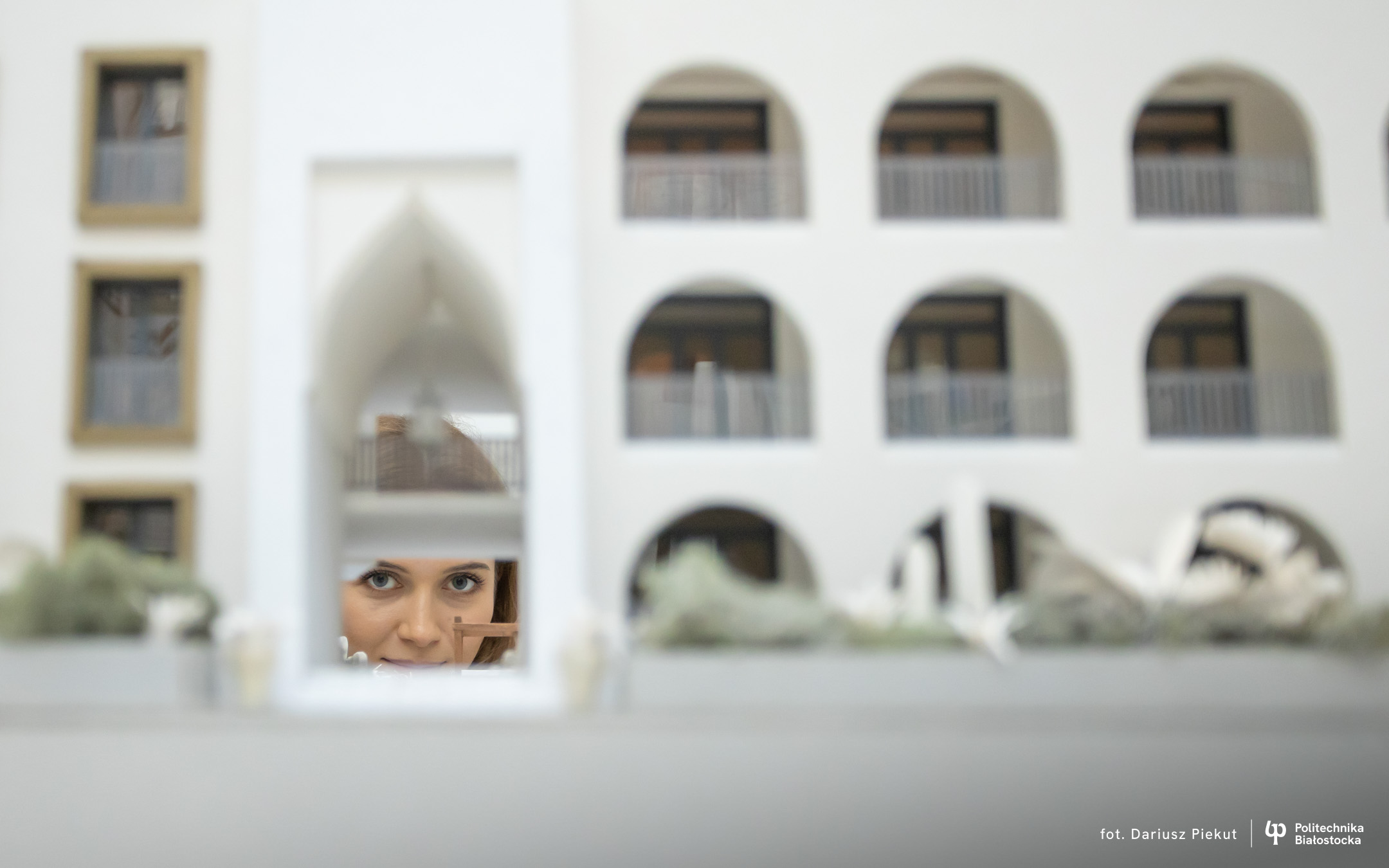
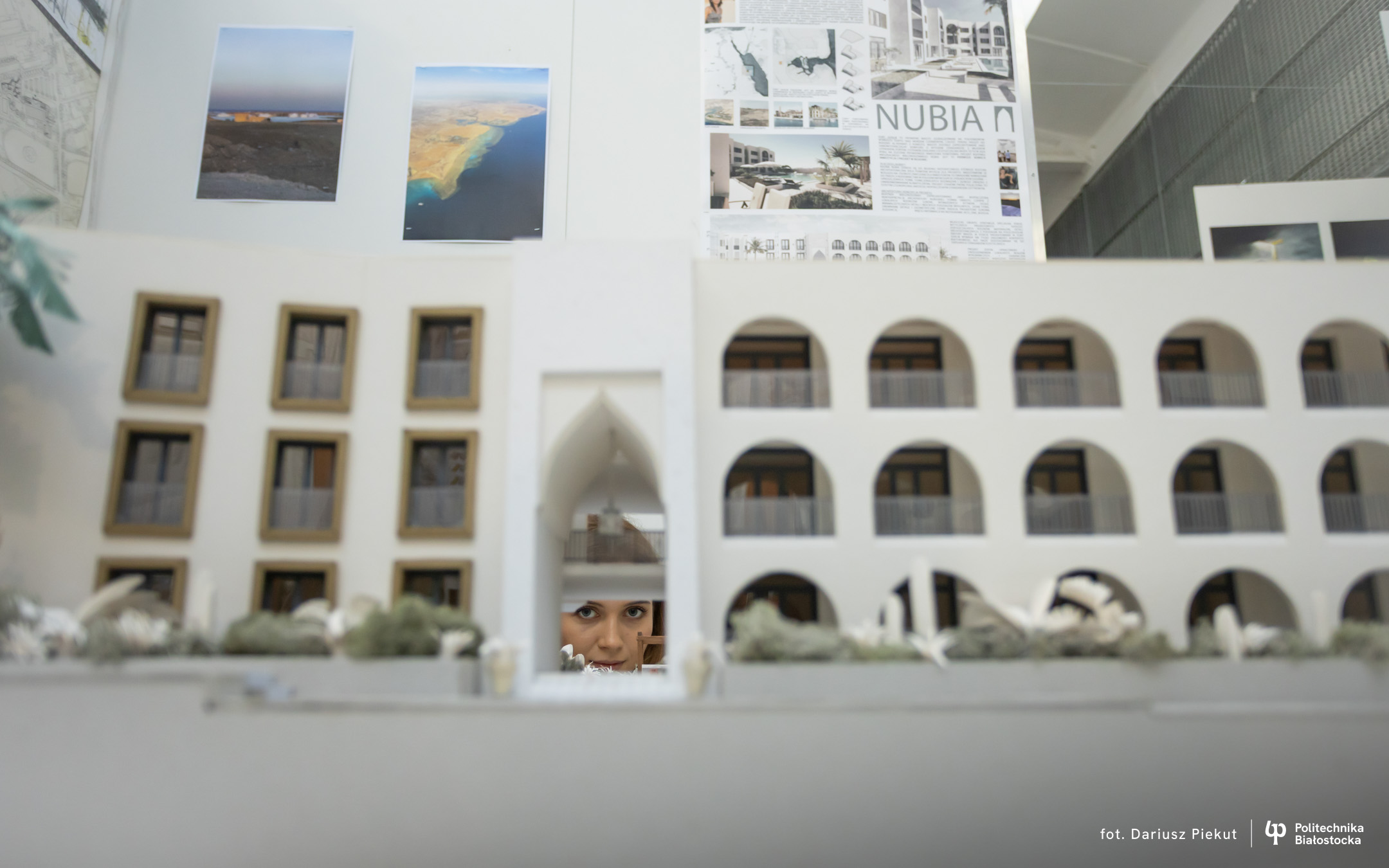
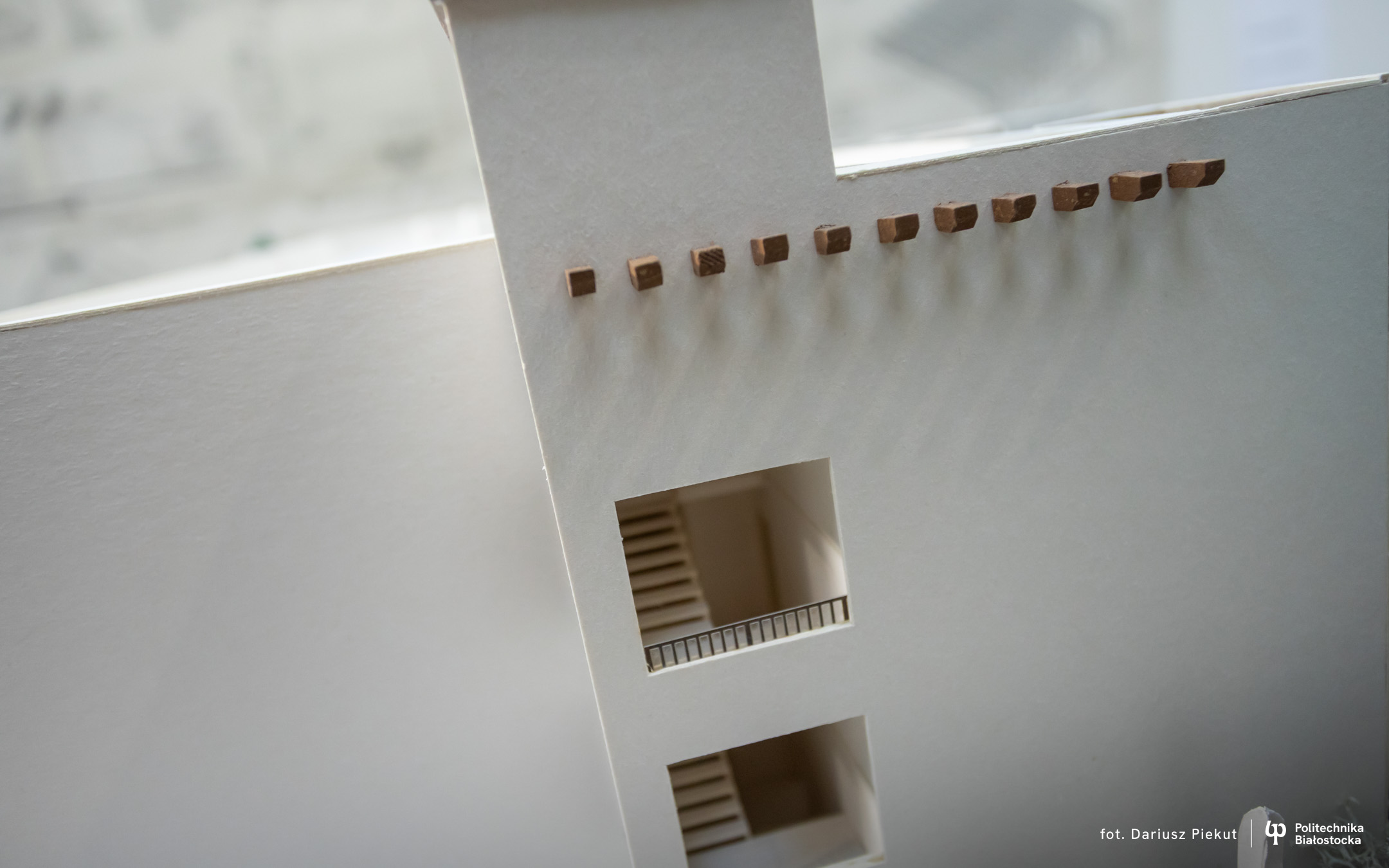
Students of Bialystok University of Technology created models of Nubia
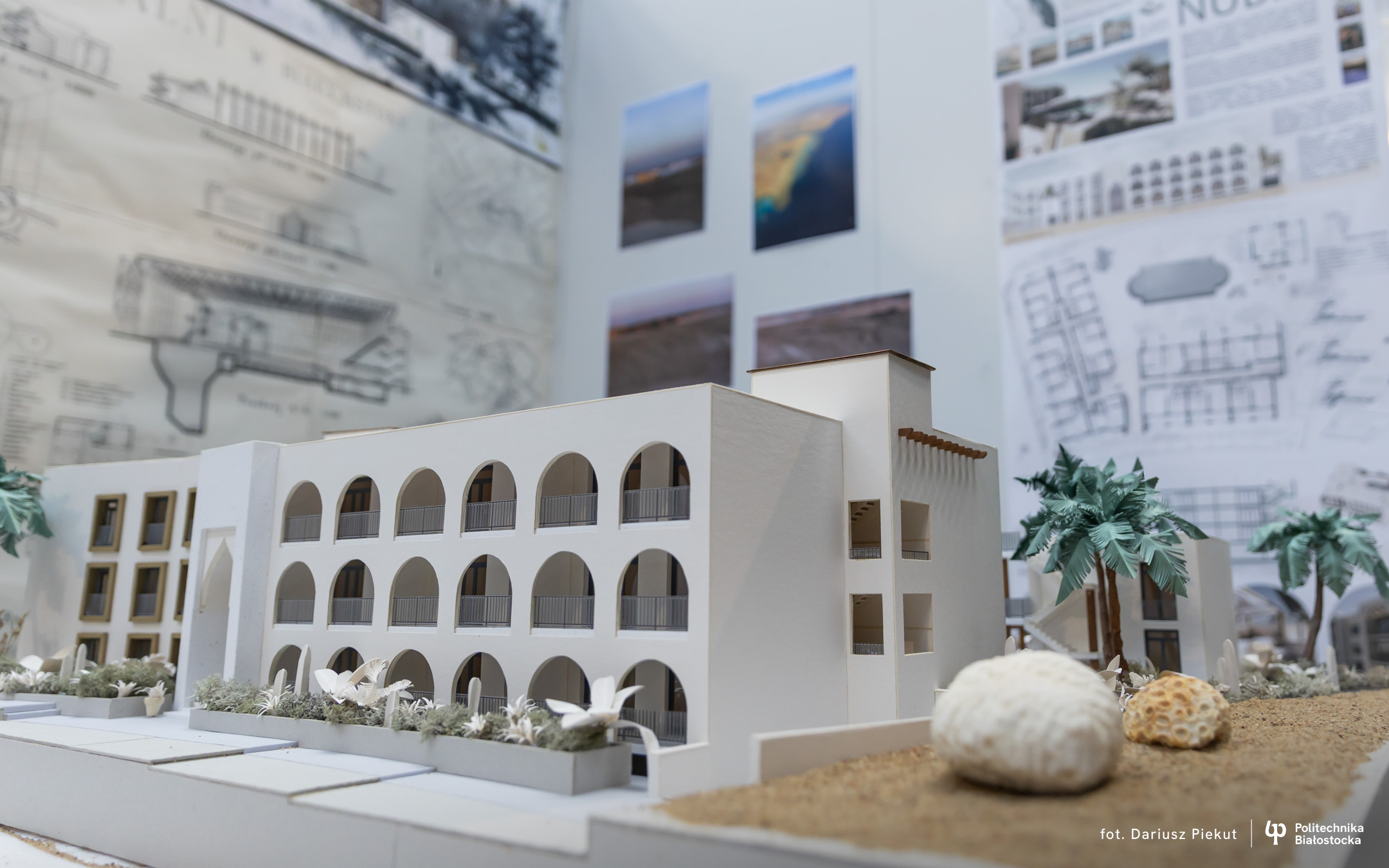
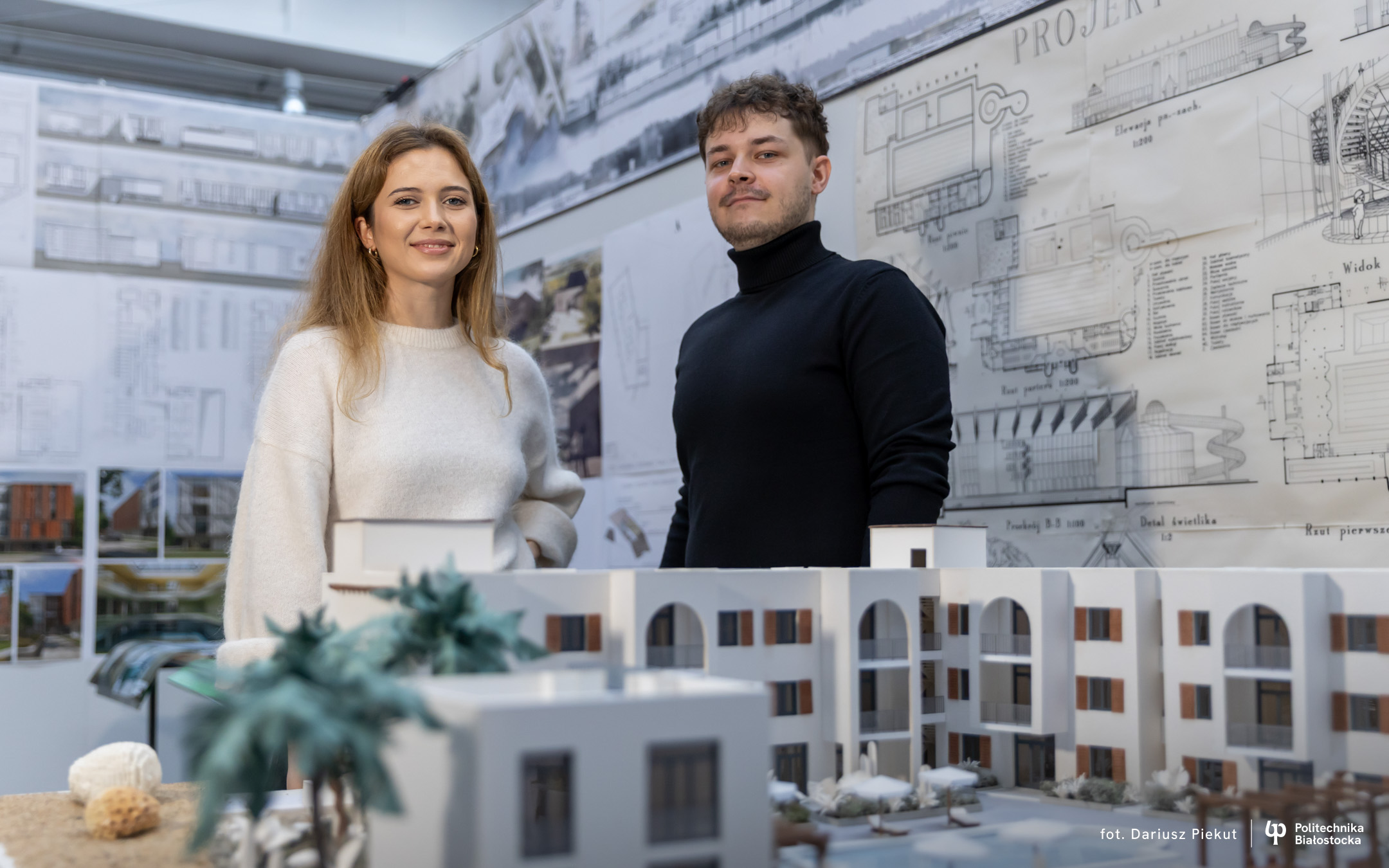
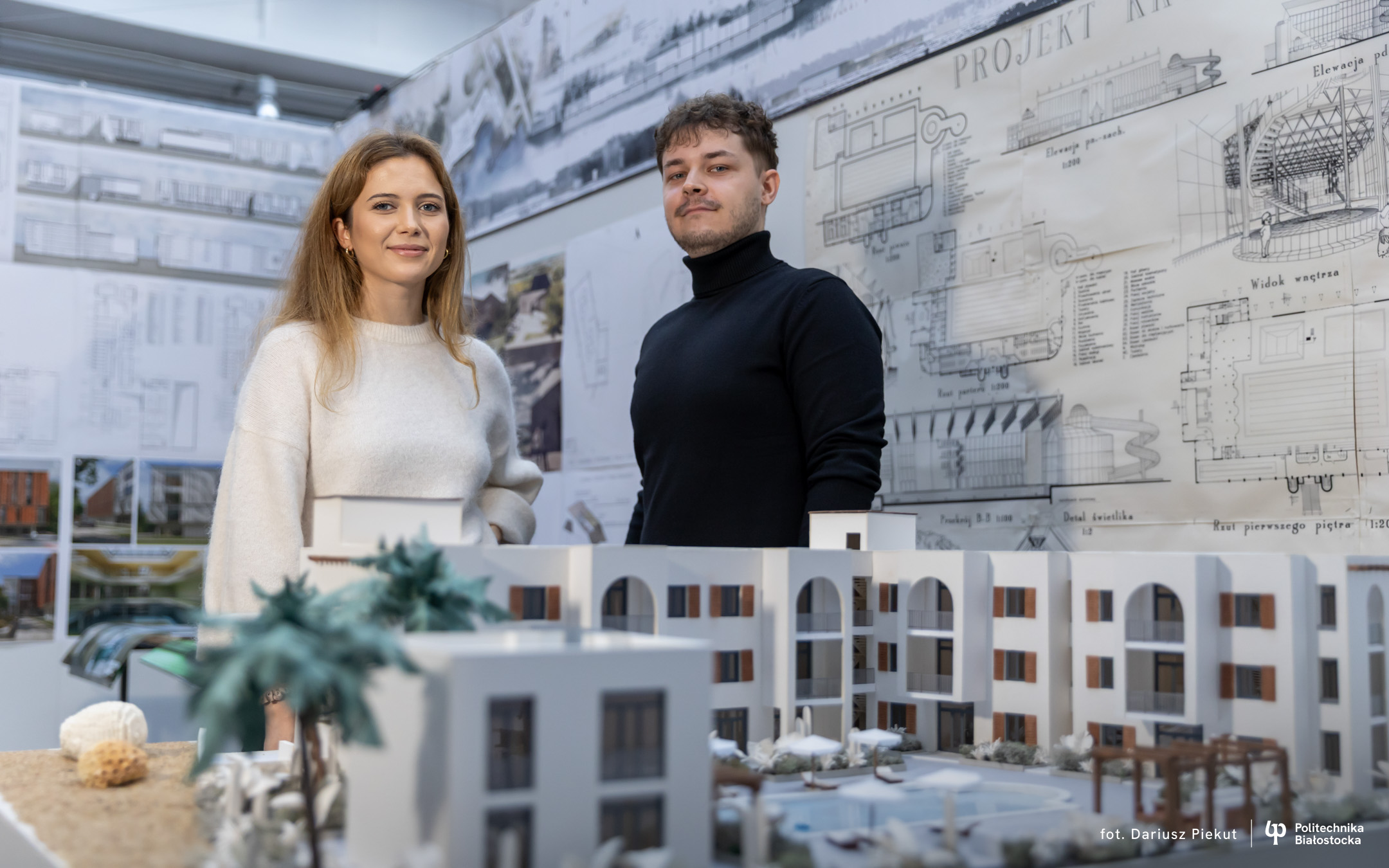
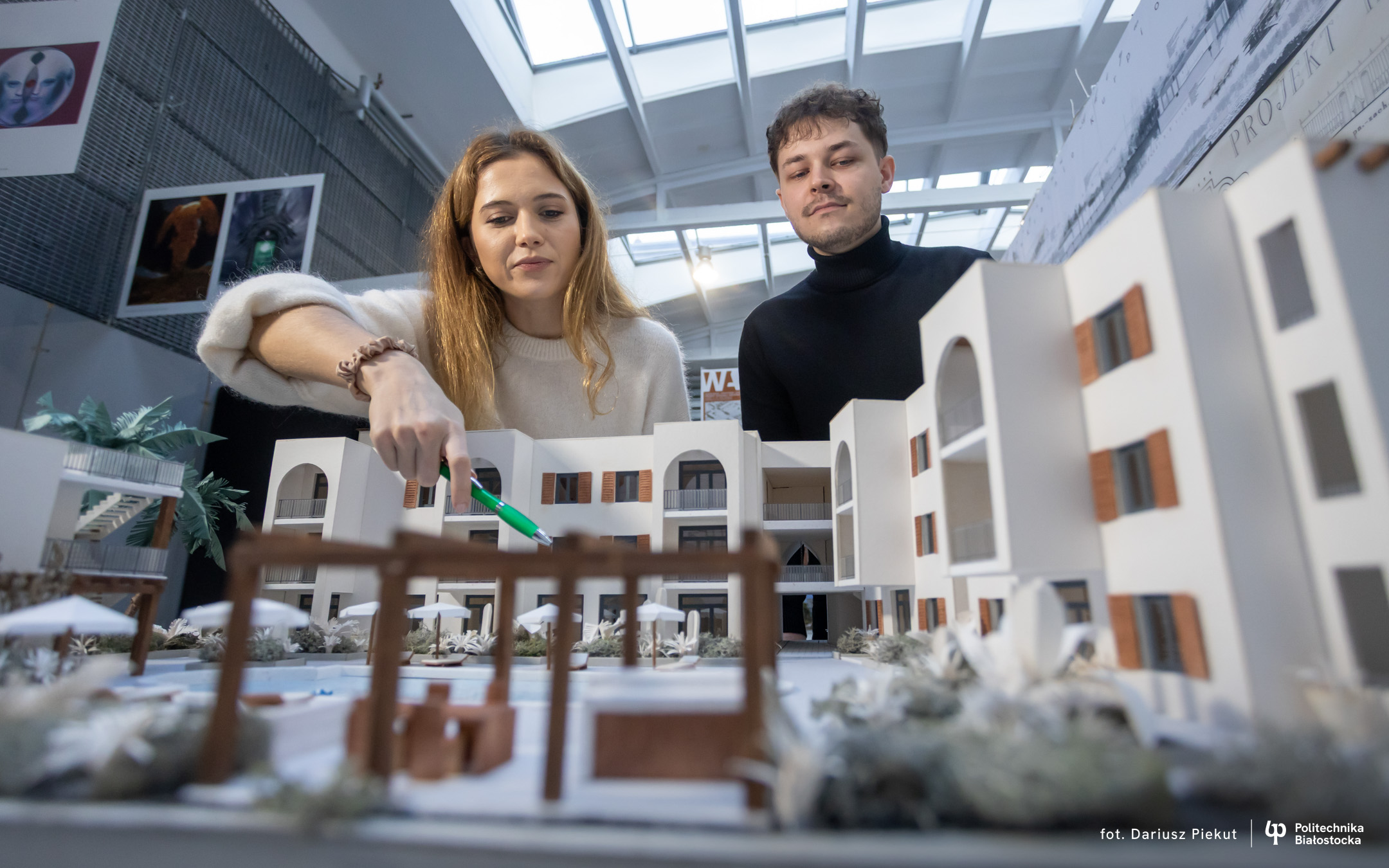
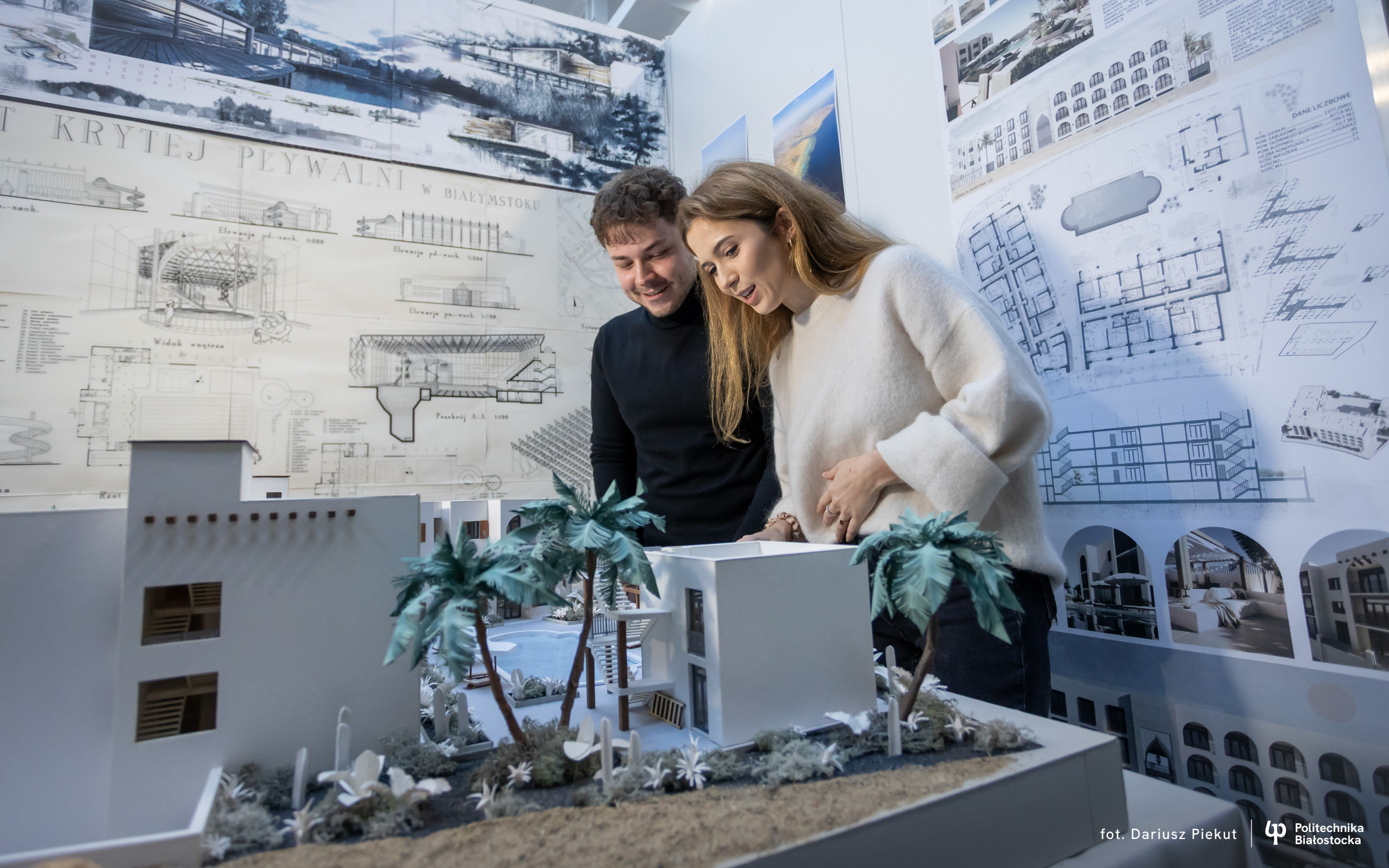
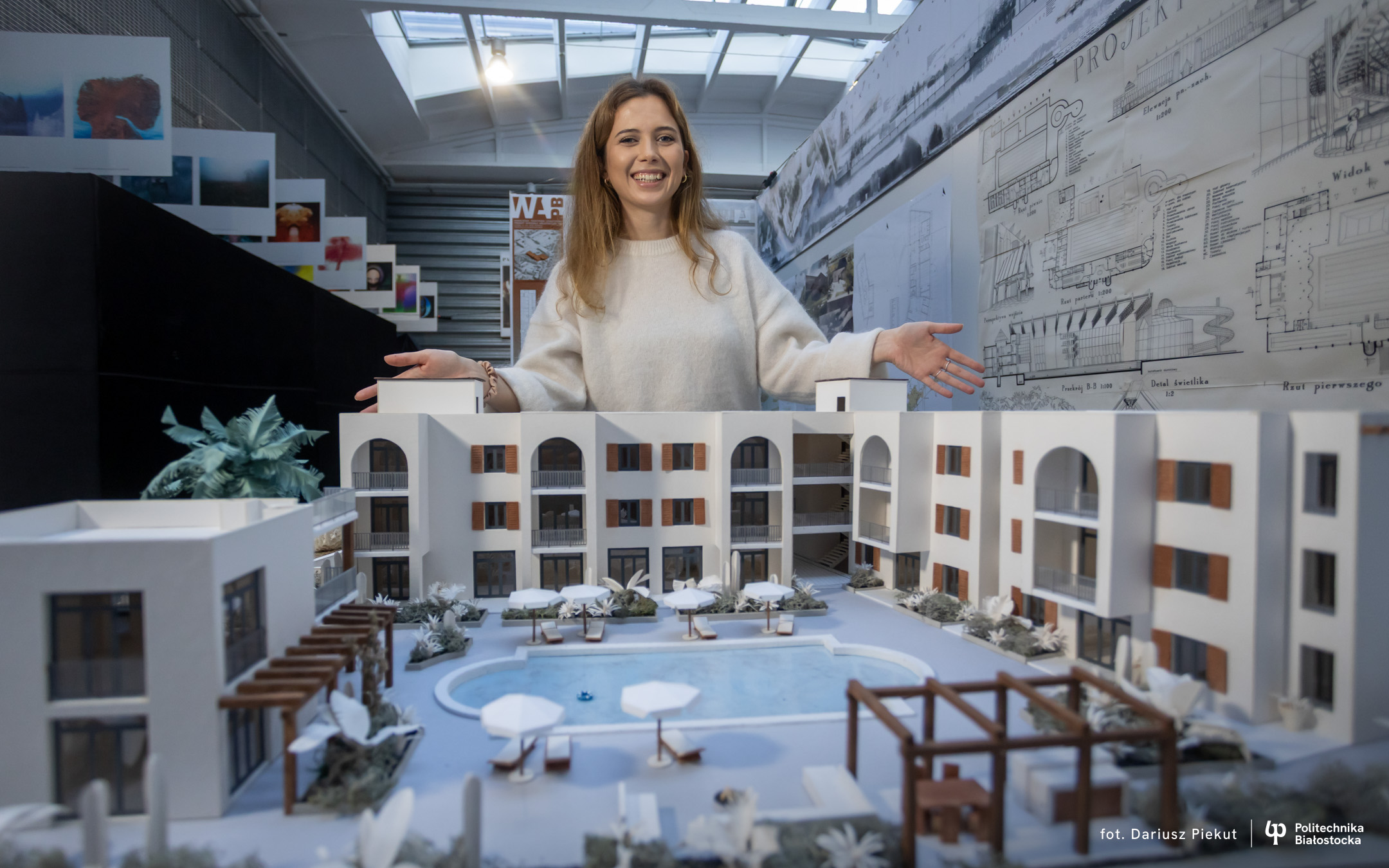
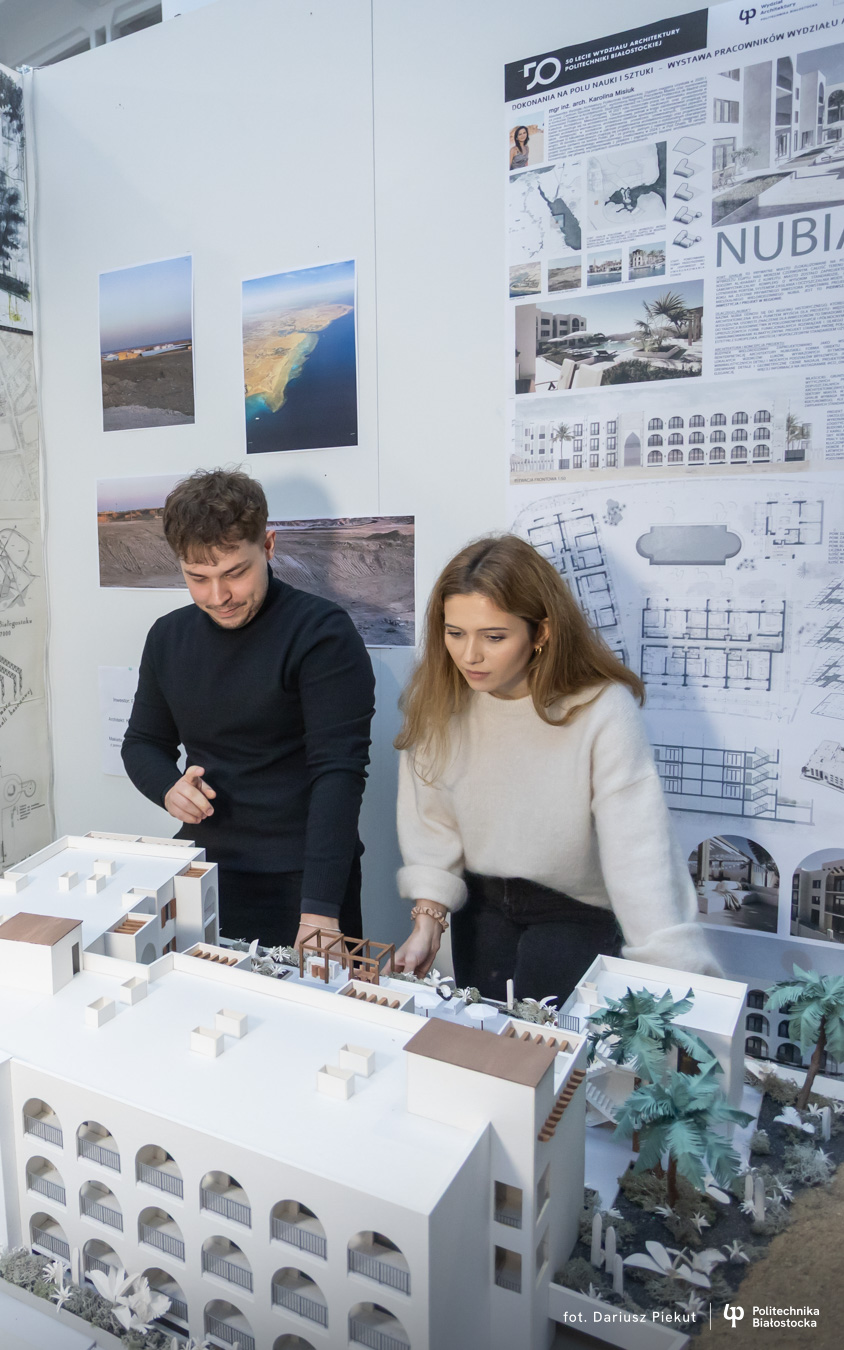
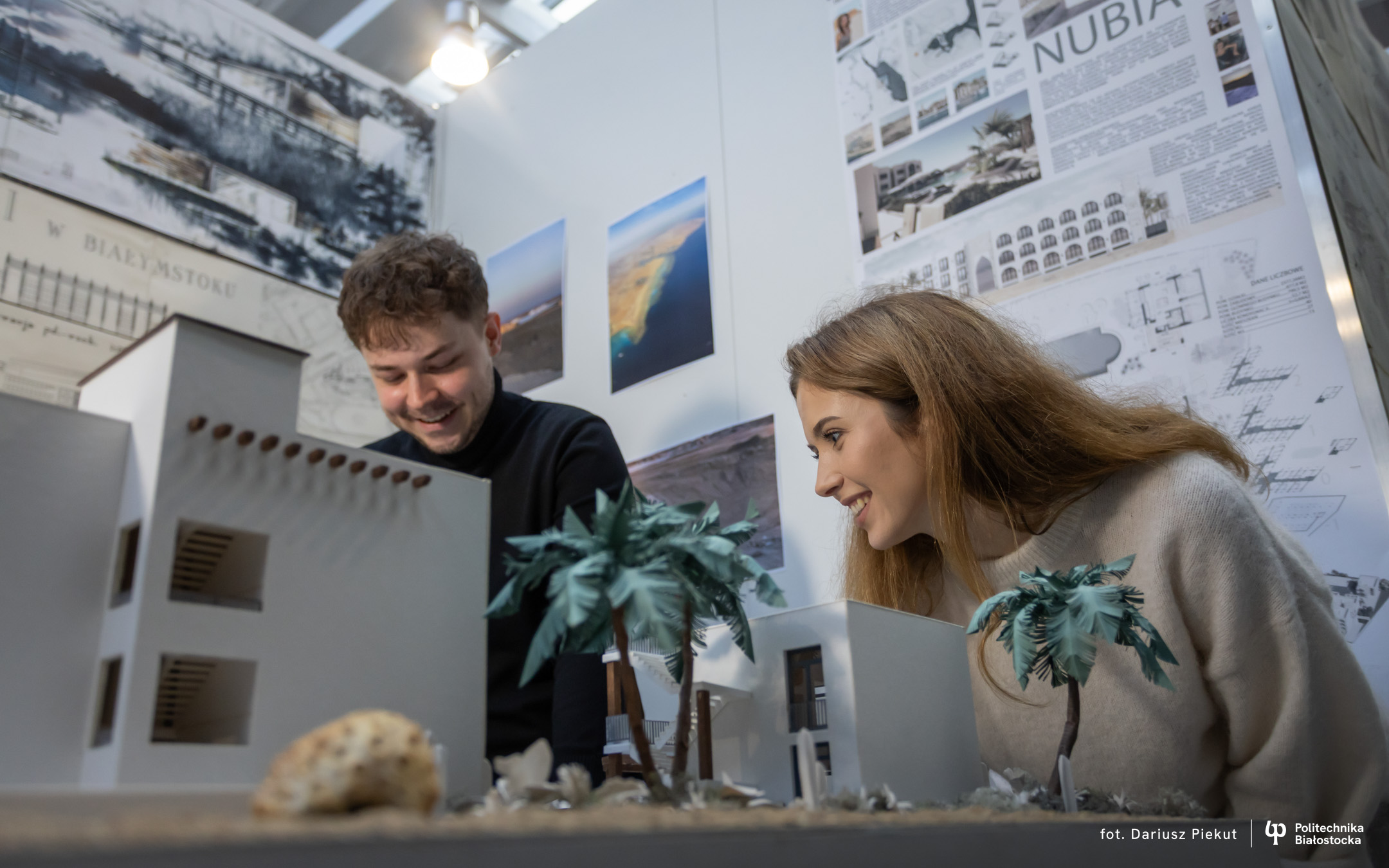
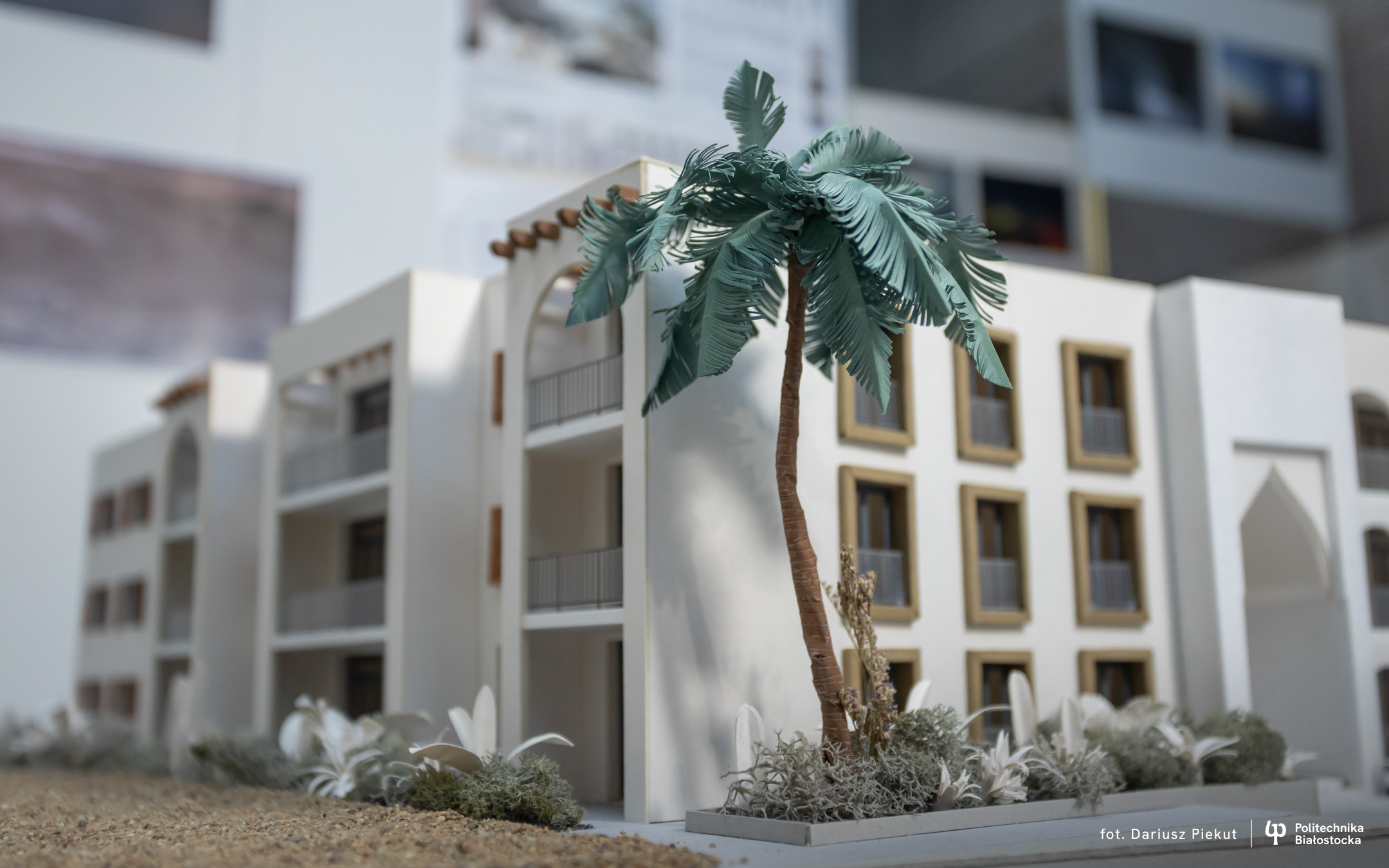
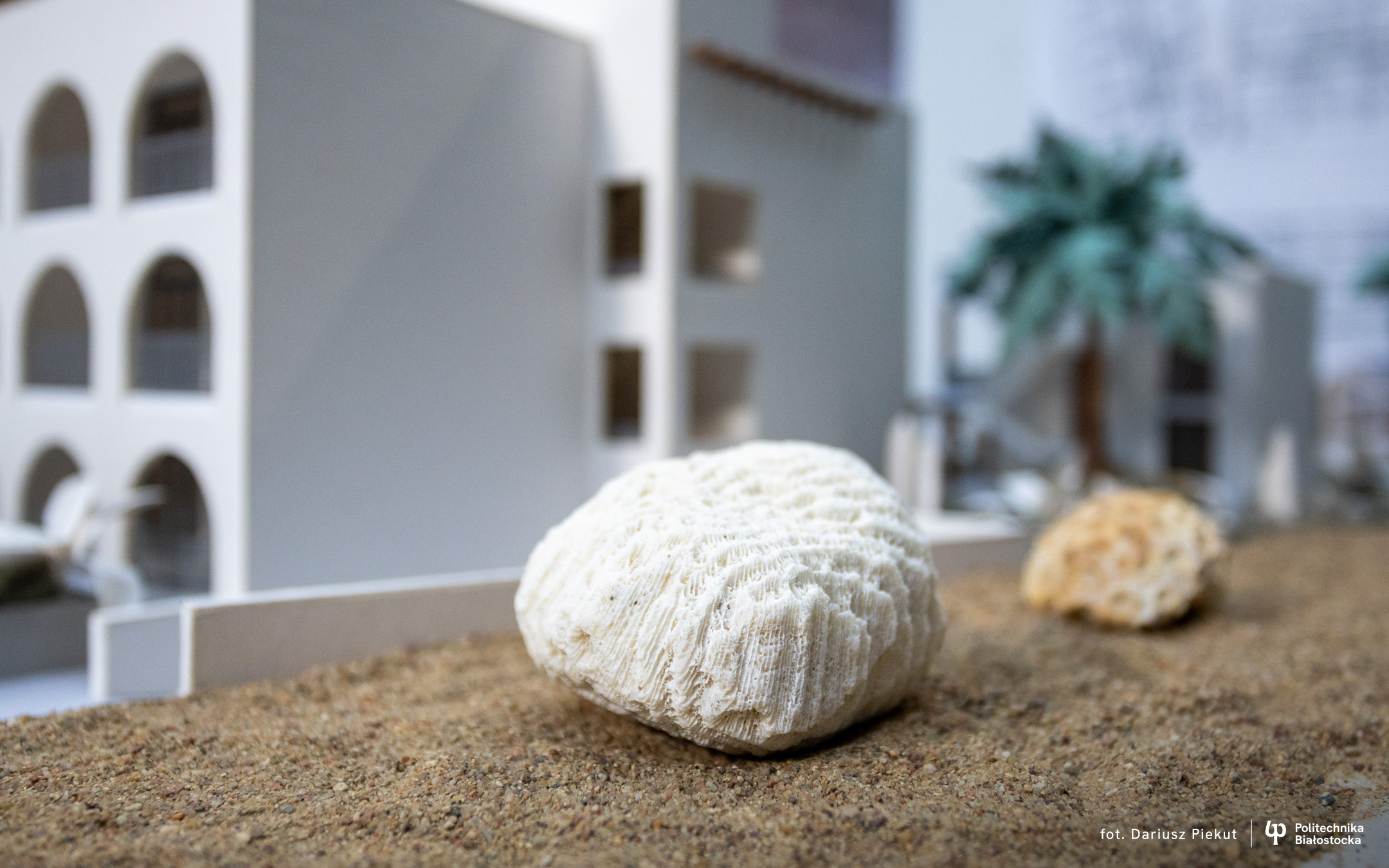
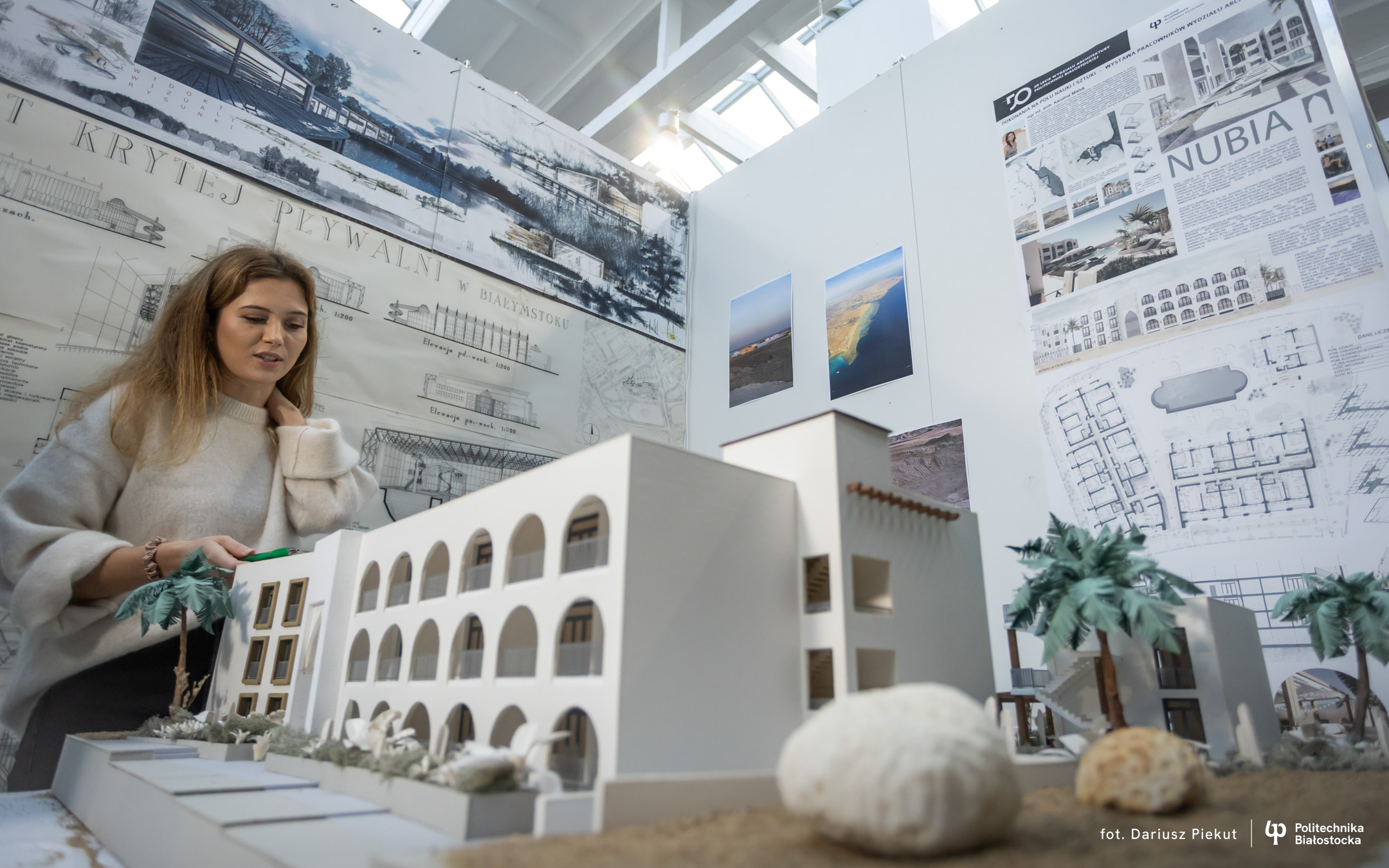
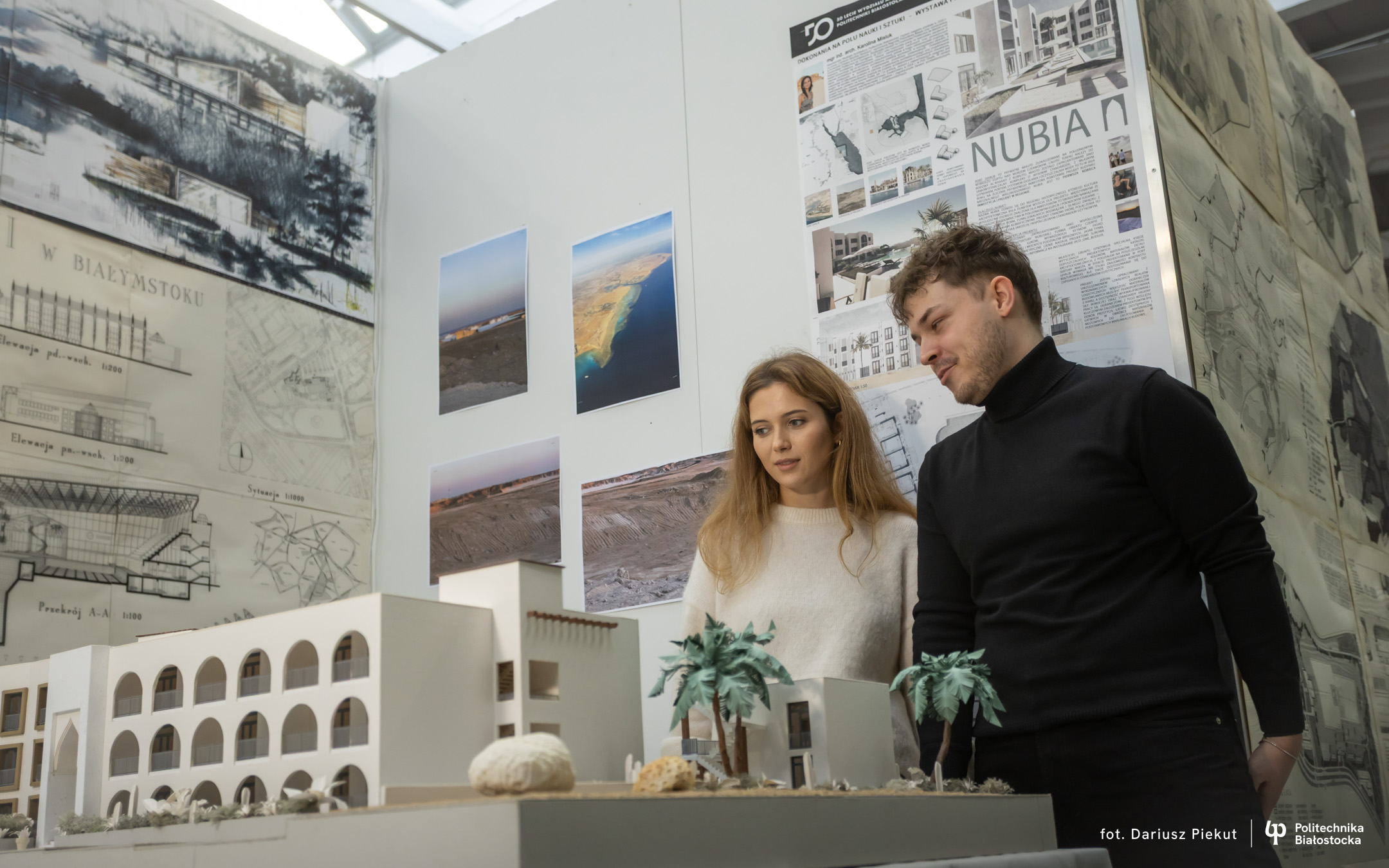
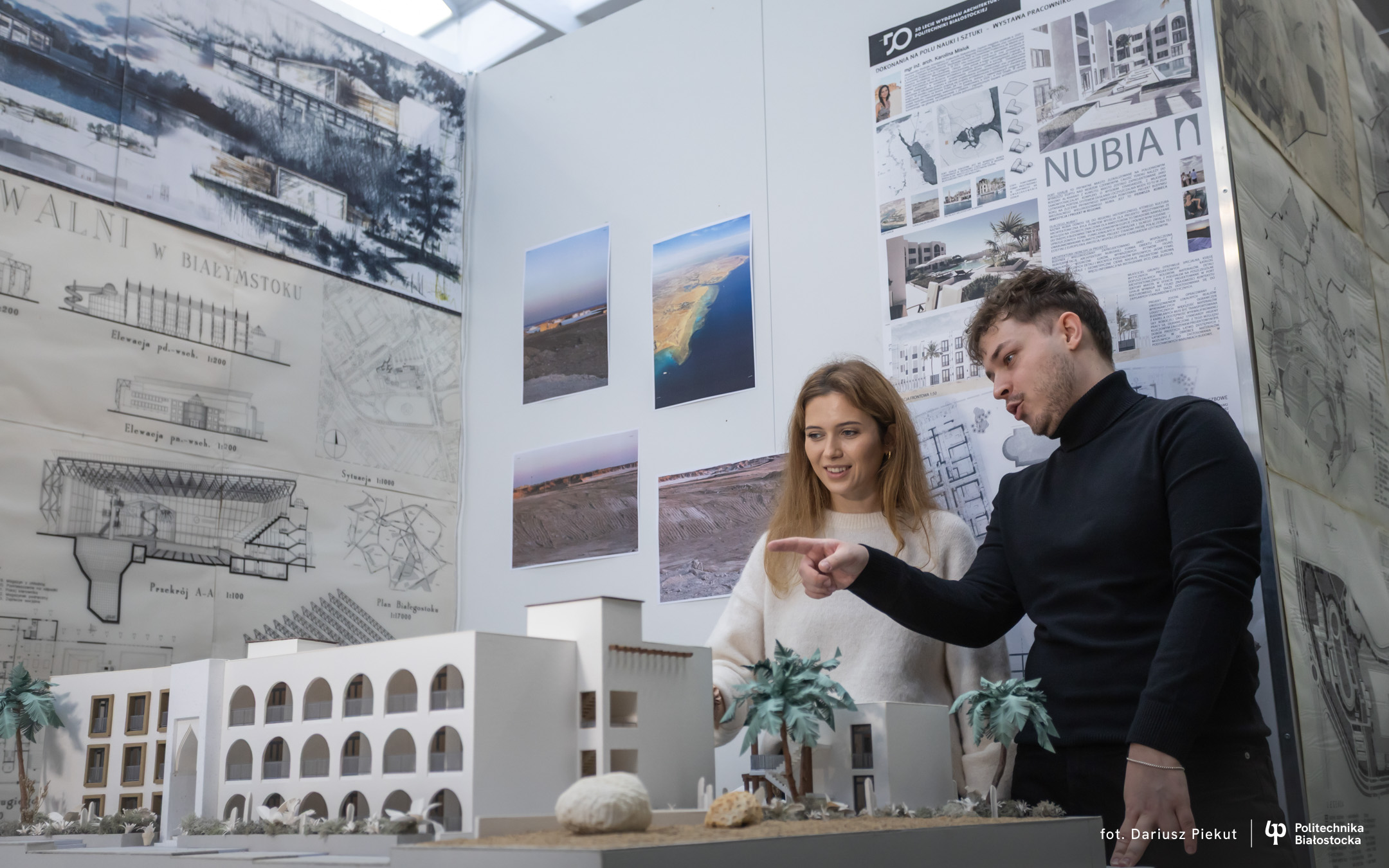
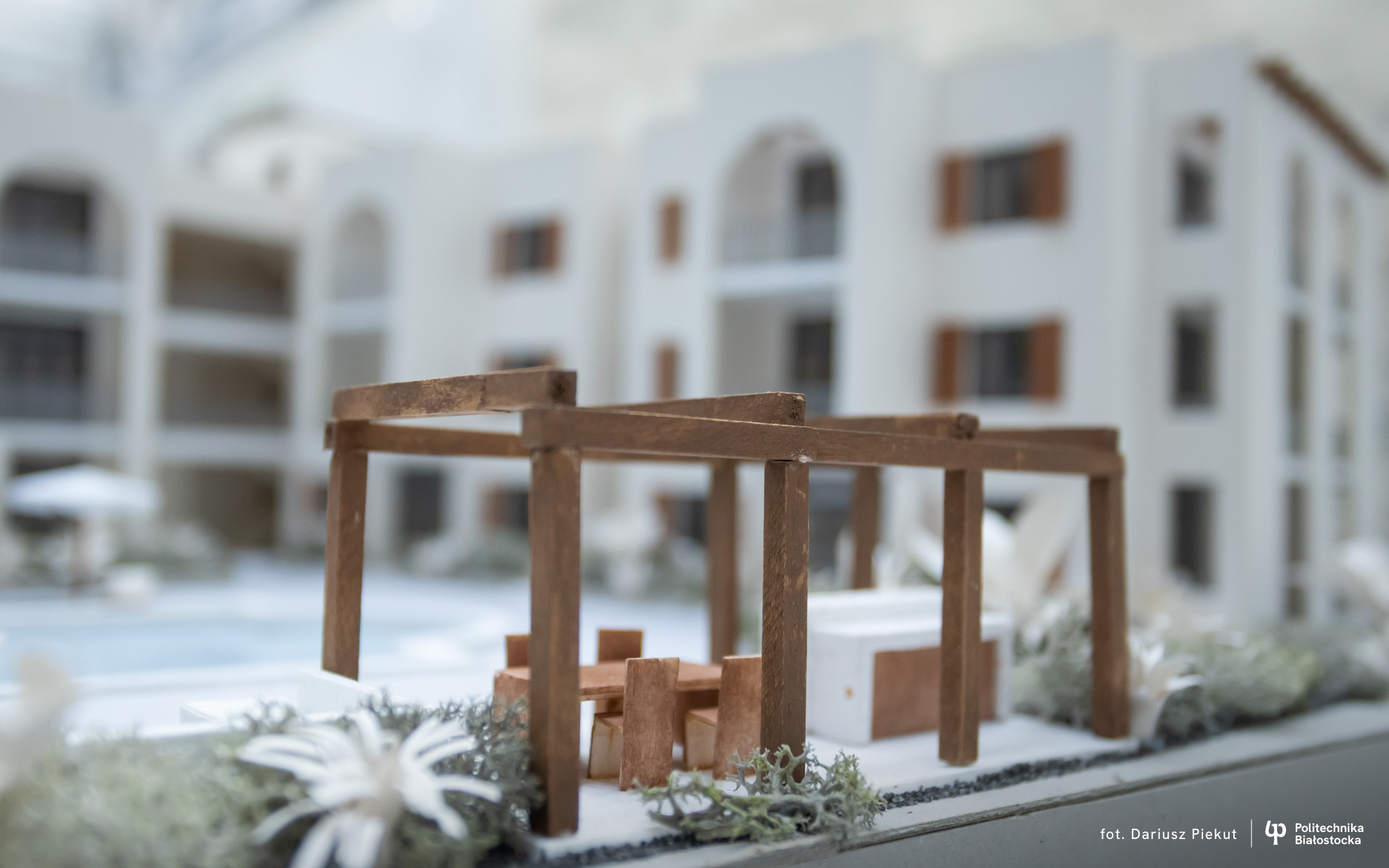
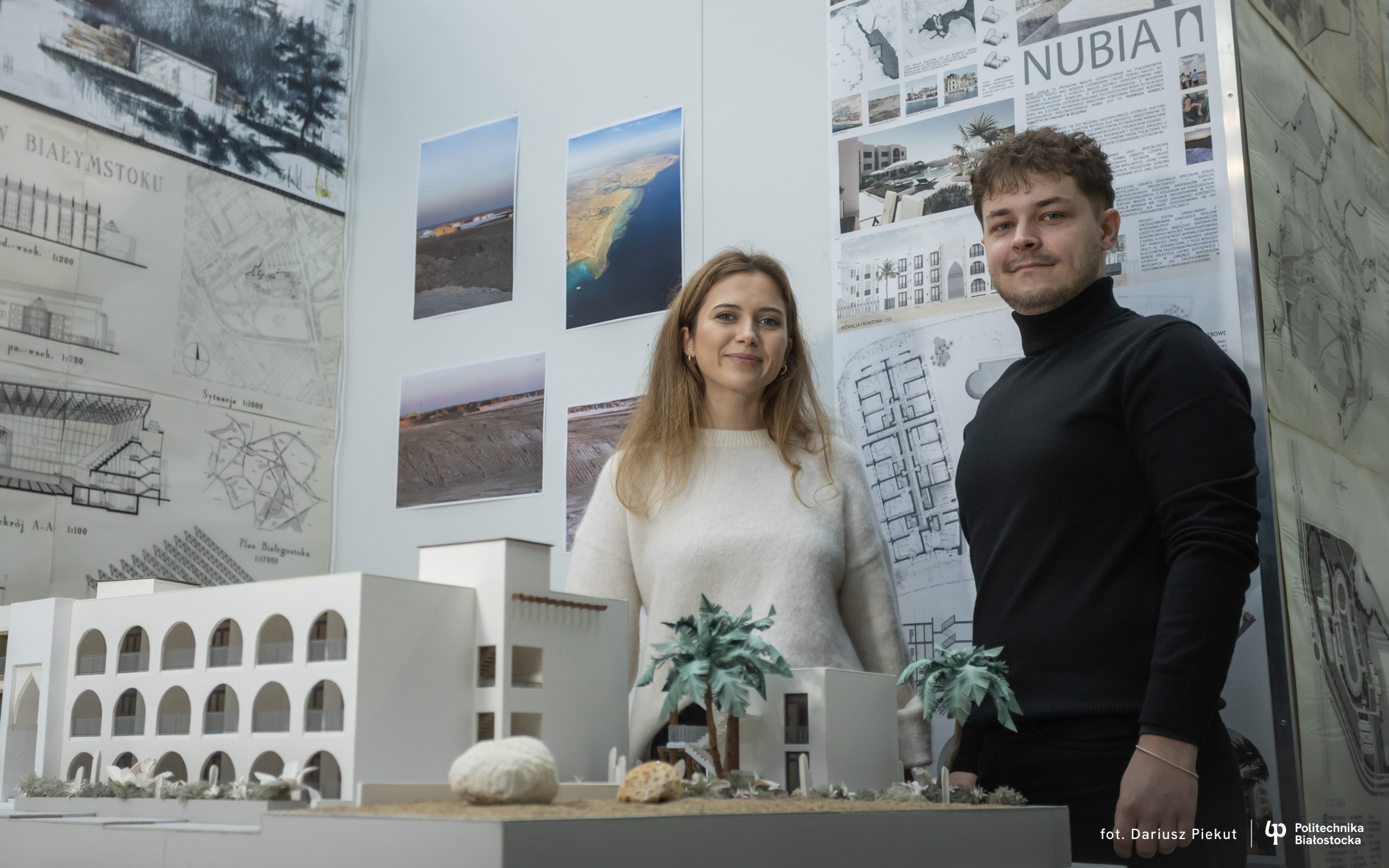
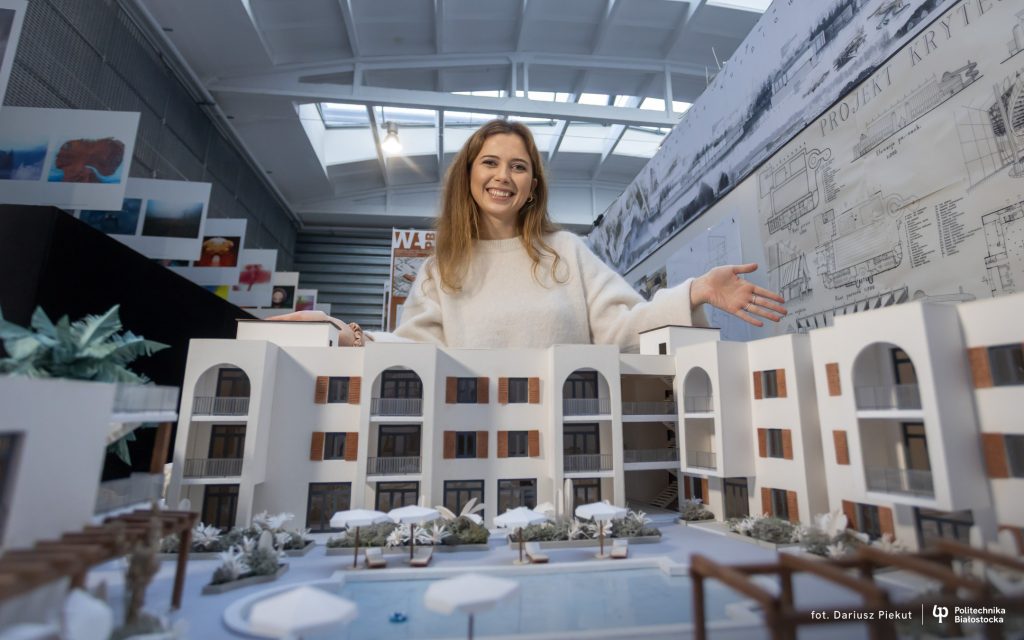
Mateusz Suszko – a student of the Architecture degree programme at the Faculty of Architecture of Bialystok University of Technology – took part in the implementation of the investment, and together with a fellow student, Diana Syrovatska, created a model of the building in Egypt. Karolina Misiuk, MSc, Eng. Arch., taught them in residential design classes.
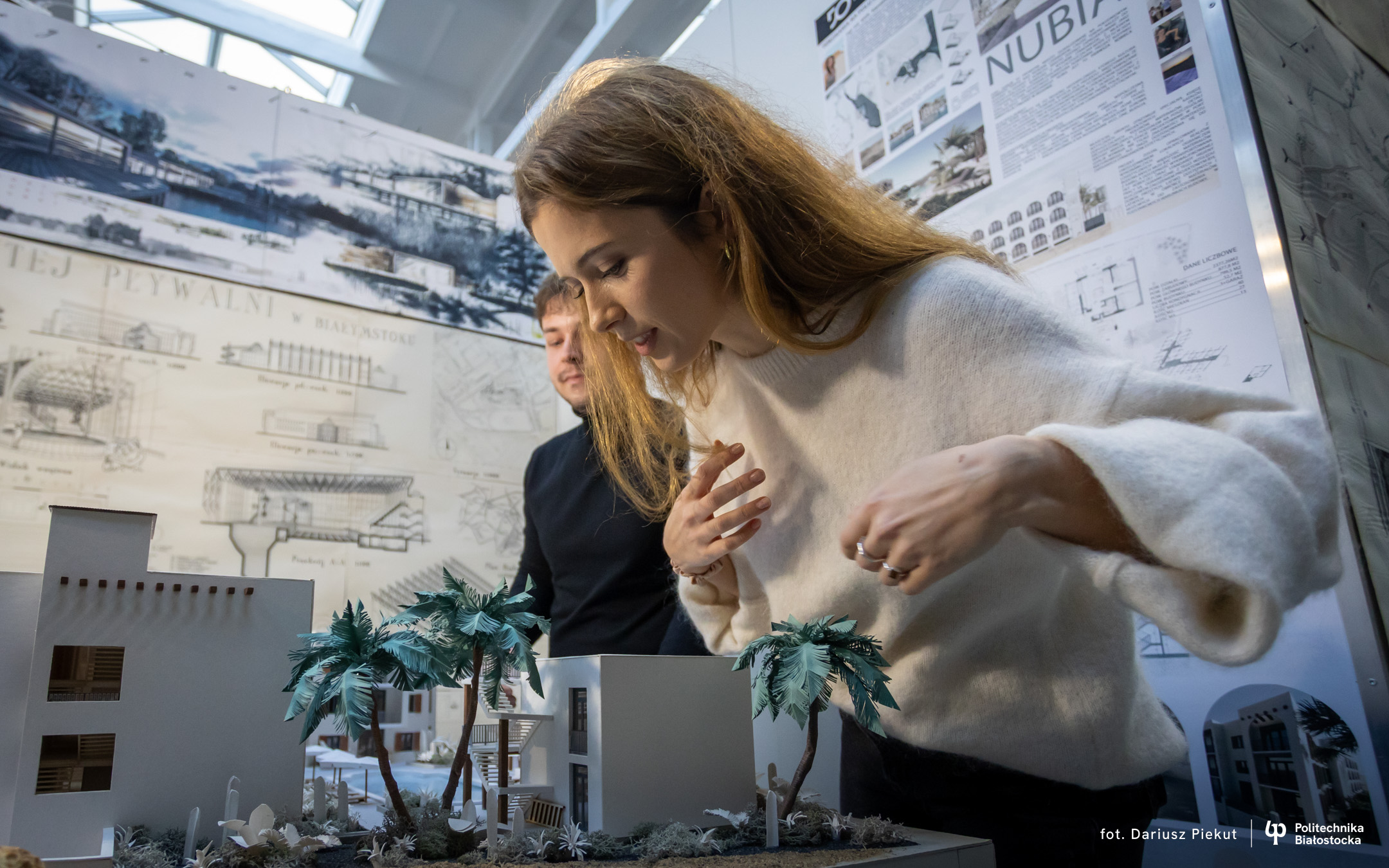
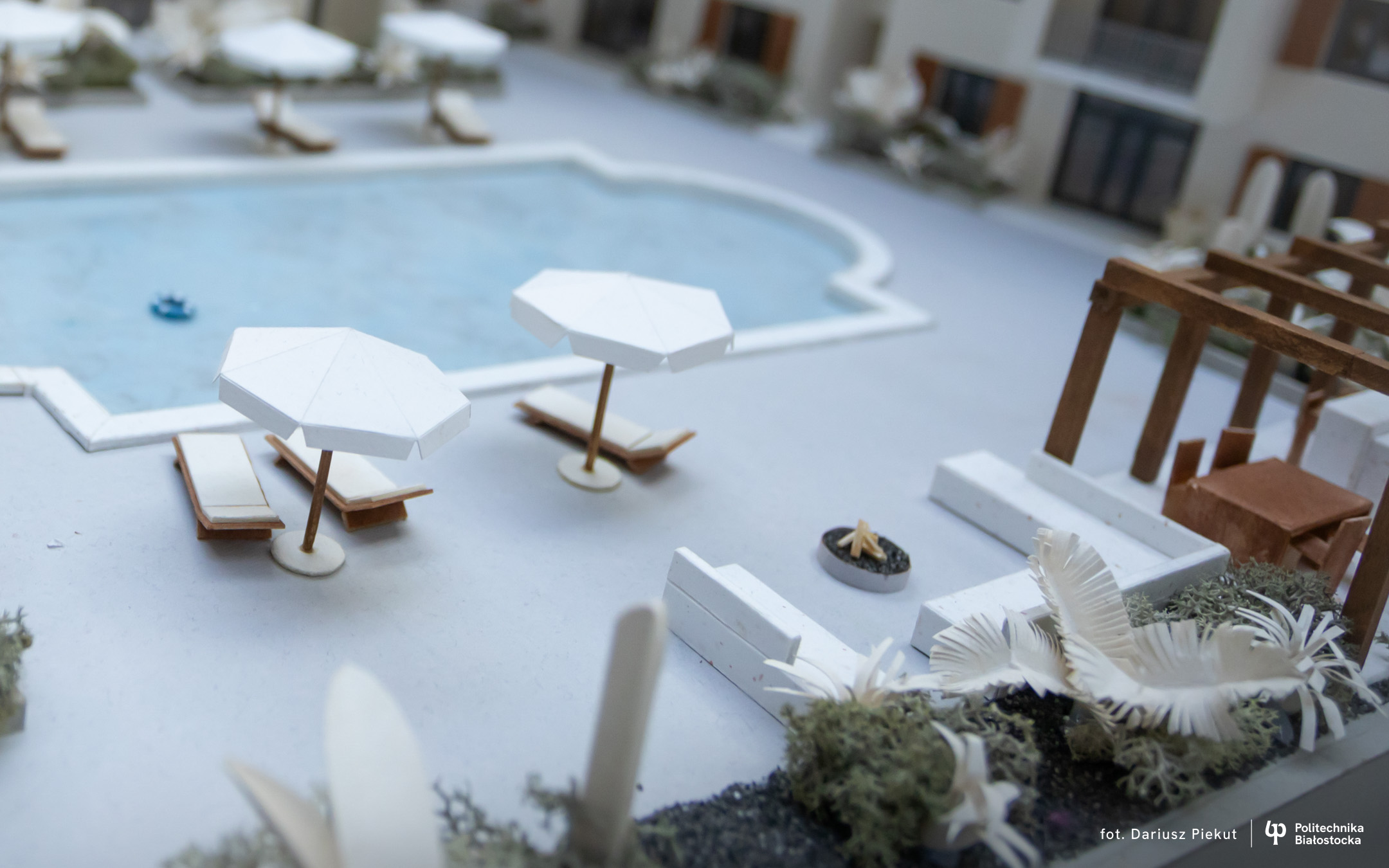
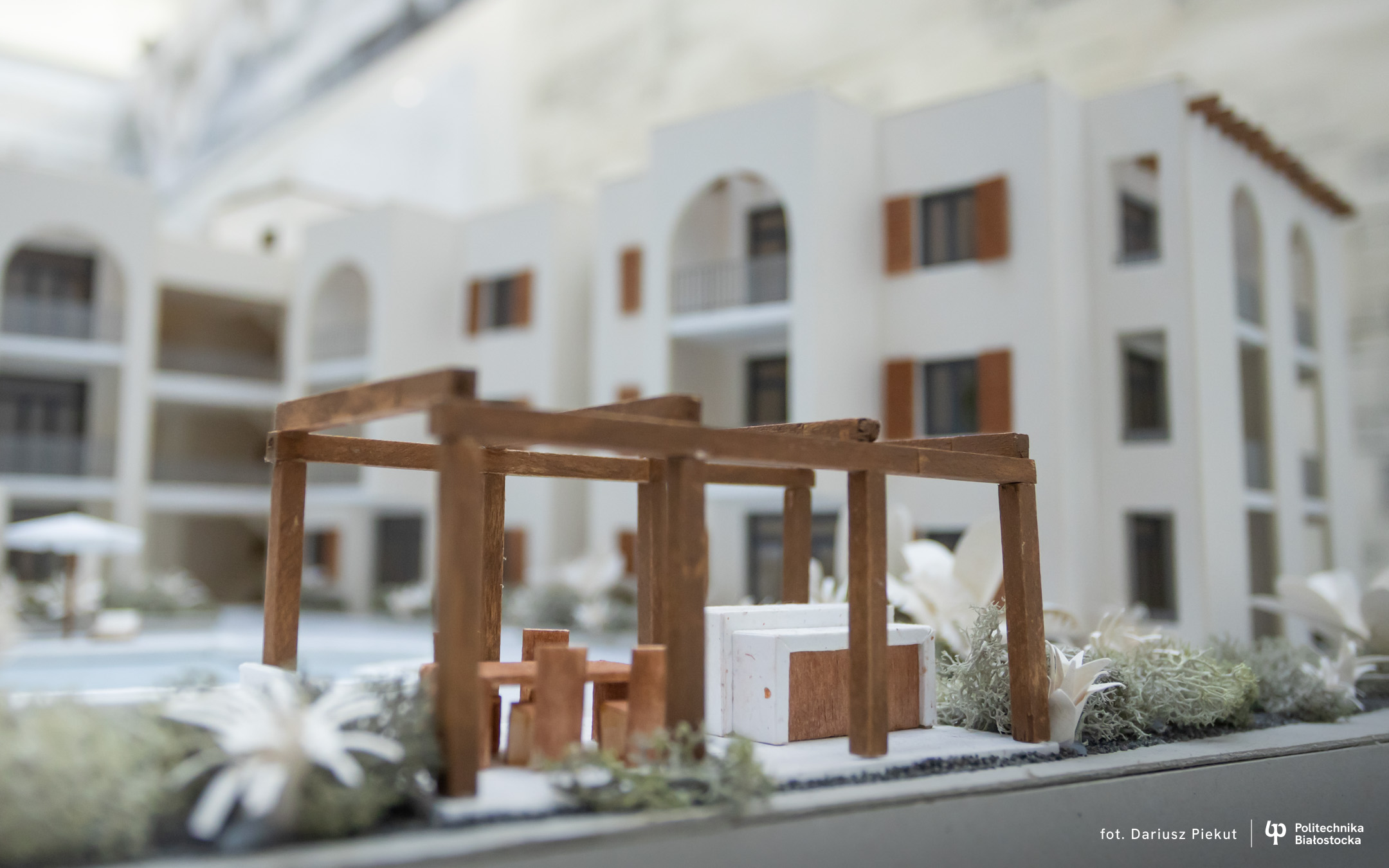
– Creating the model was quite difficult and required a lot of work. The model was made mainly of paper and cardboard elements; I also tried to use recycled materials – says Mateusz Suszko, a student of the Faculty of Architecture at Bialystok University of Technology. – Completing the project took approximately 3.5 months. Thanks to the model, you can see what the investment will look like in reality.
The Faculty of Architecture at Bialystok University of Technology is open to cooperation between academic staff and young people, thanks to which they can develop their skills. The University focuses on practice, which is why students participate in many design tasks and competitions in which they gain experience useful in their future professional work.
The Nubia apartment building project was carried out as a commission from the investors – EID& CO.
Author: Magdalena Grzęda-Zajkowska
Taka a look at the photo gallery: