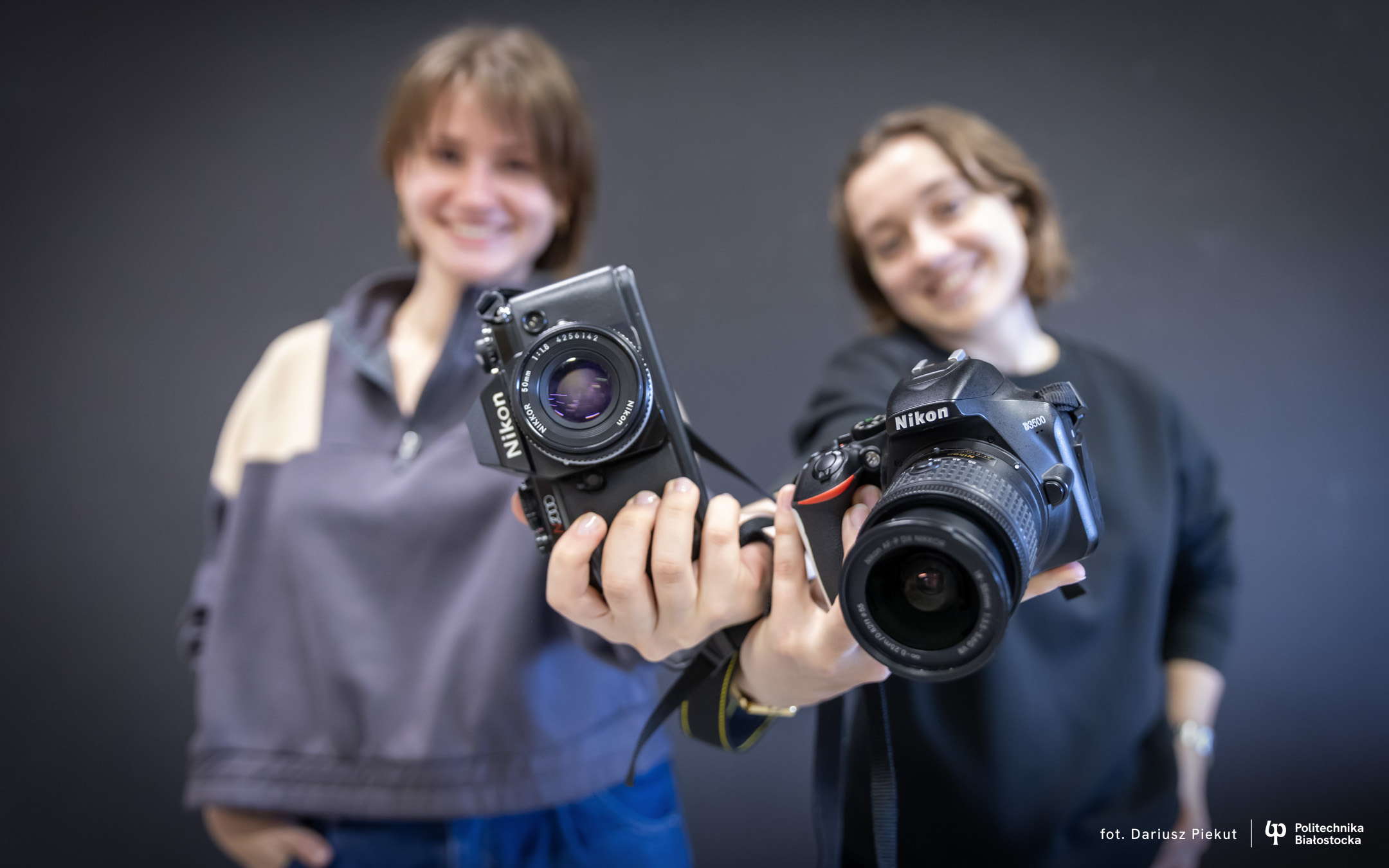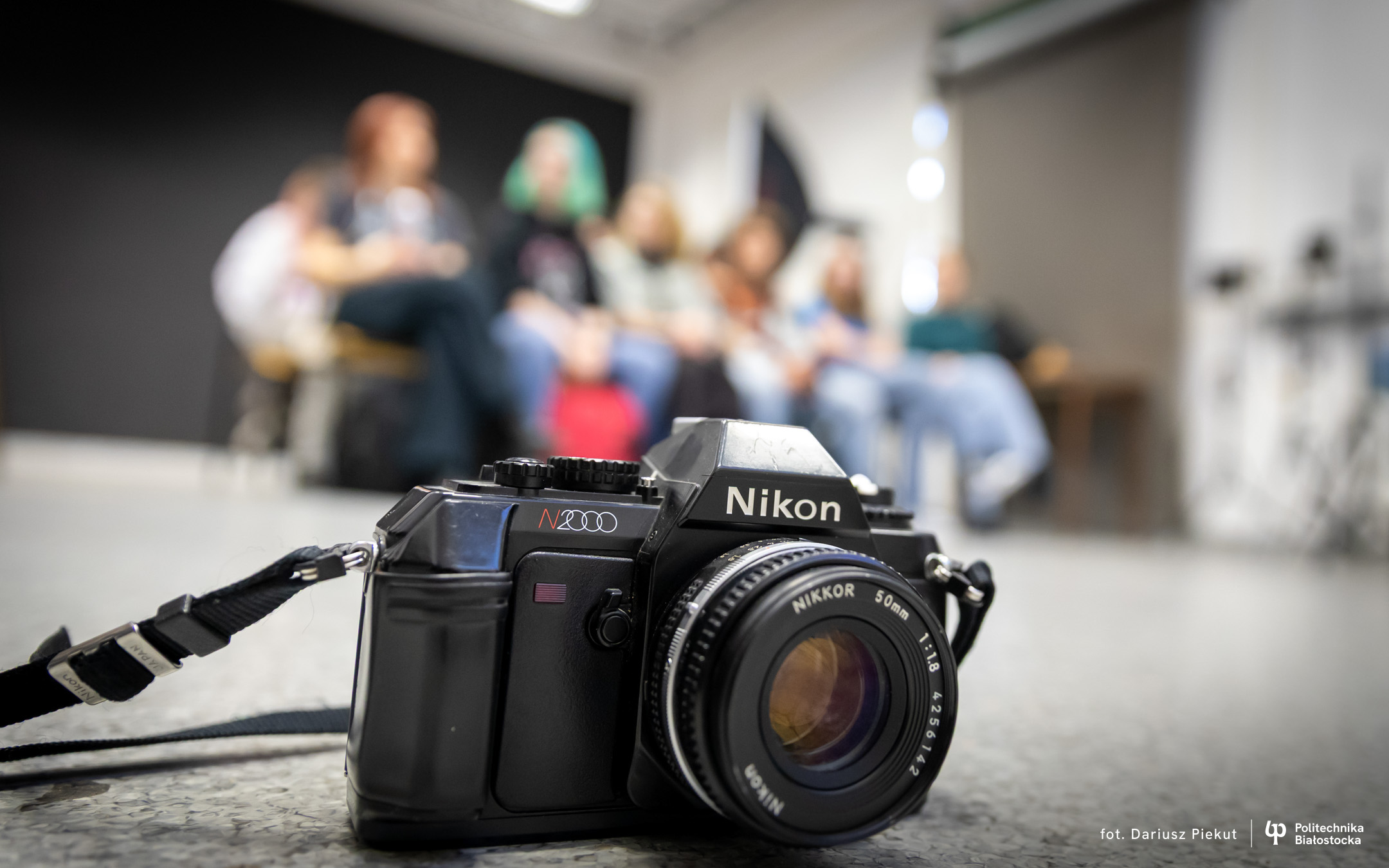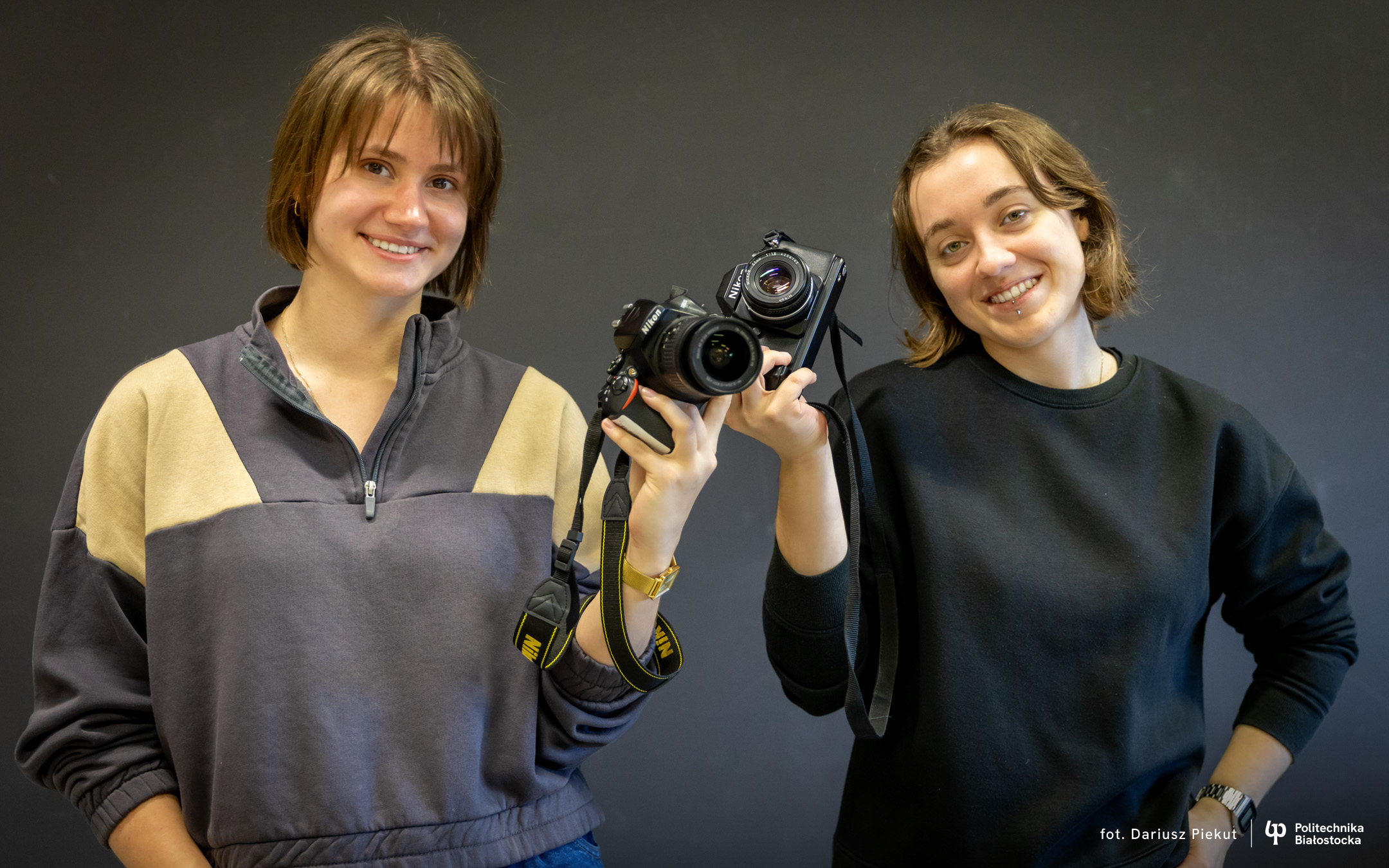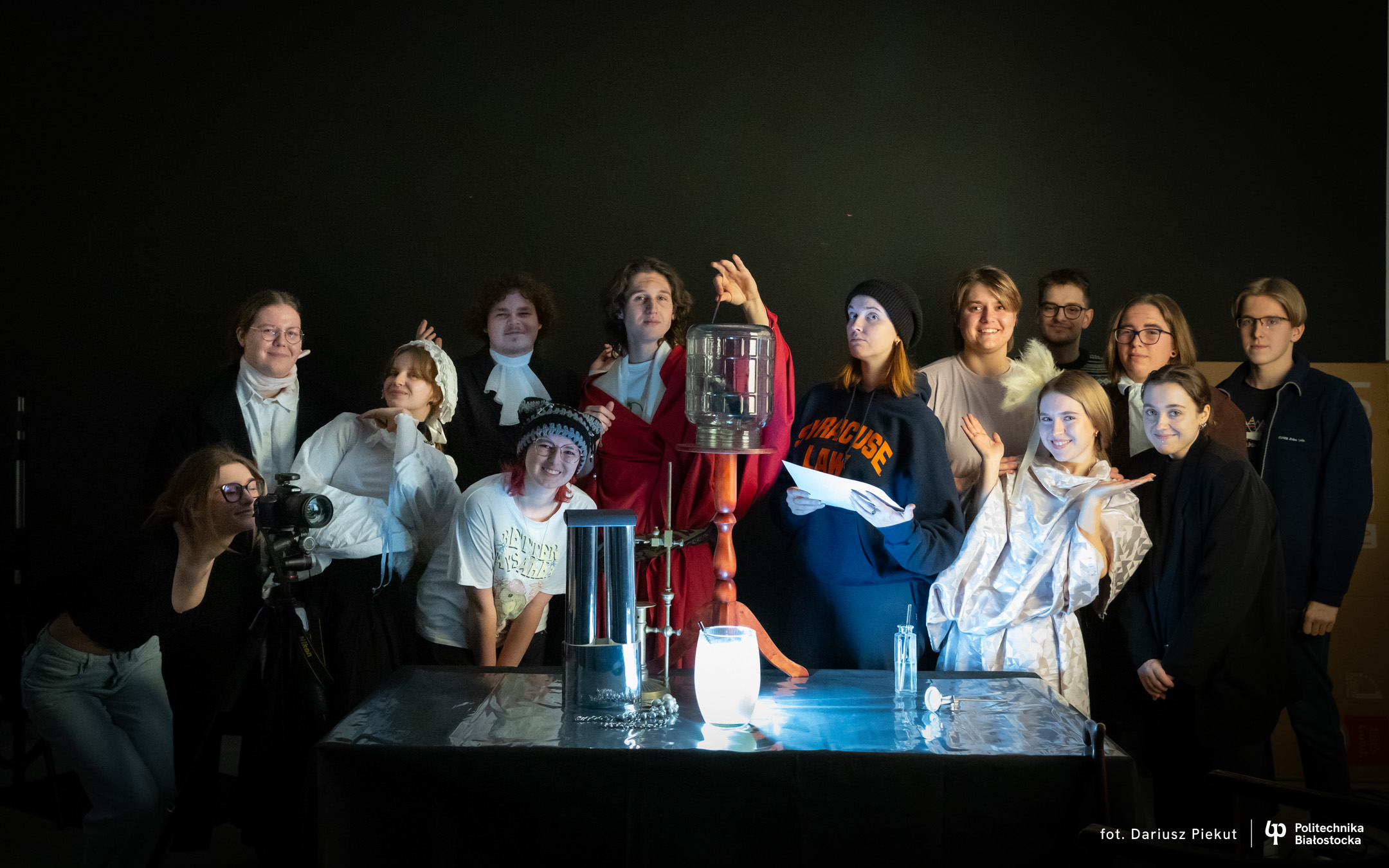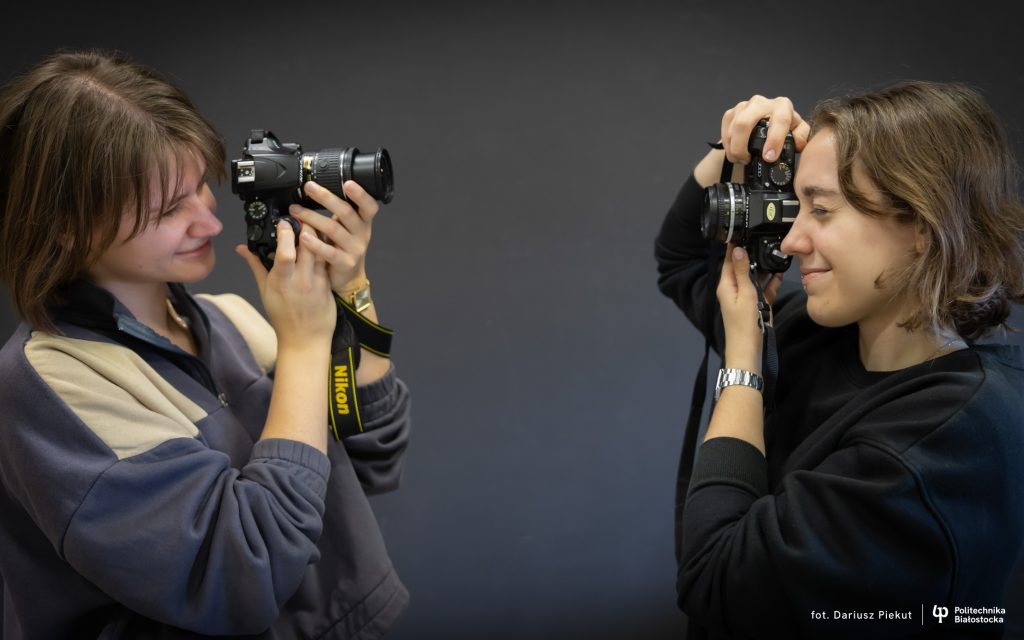
Under the supervision of Katarzyna Zabłocka, MSc, students passionate about photography learn how to work in a photography studio and document architecture, design, and graphic projects.
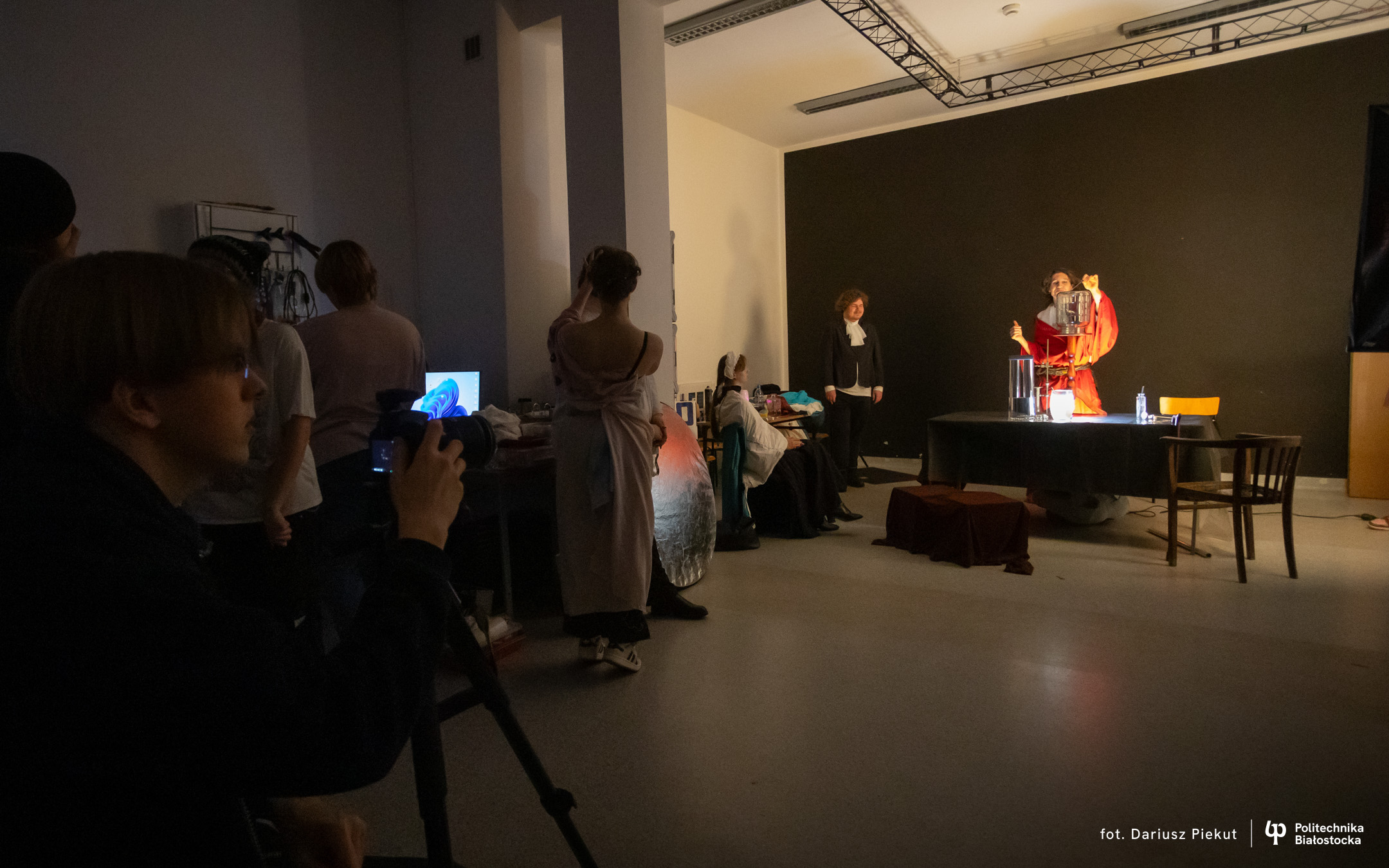
During weekly meetings, members conduct studio and outdoor photo sessions, plan scenography, and work with specialized equipment. Thanks to the interdisciplinary composition of the team, students of graphics, architecture, and interior design all develop their skills.
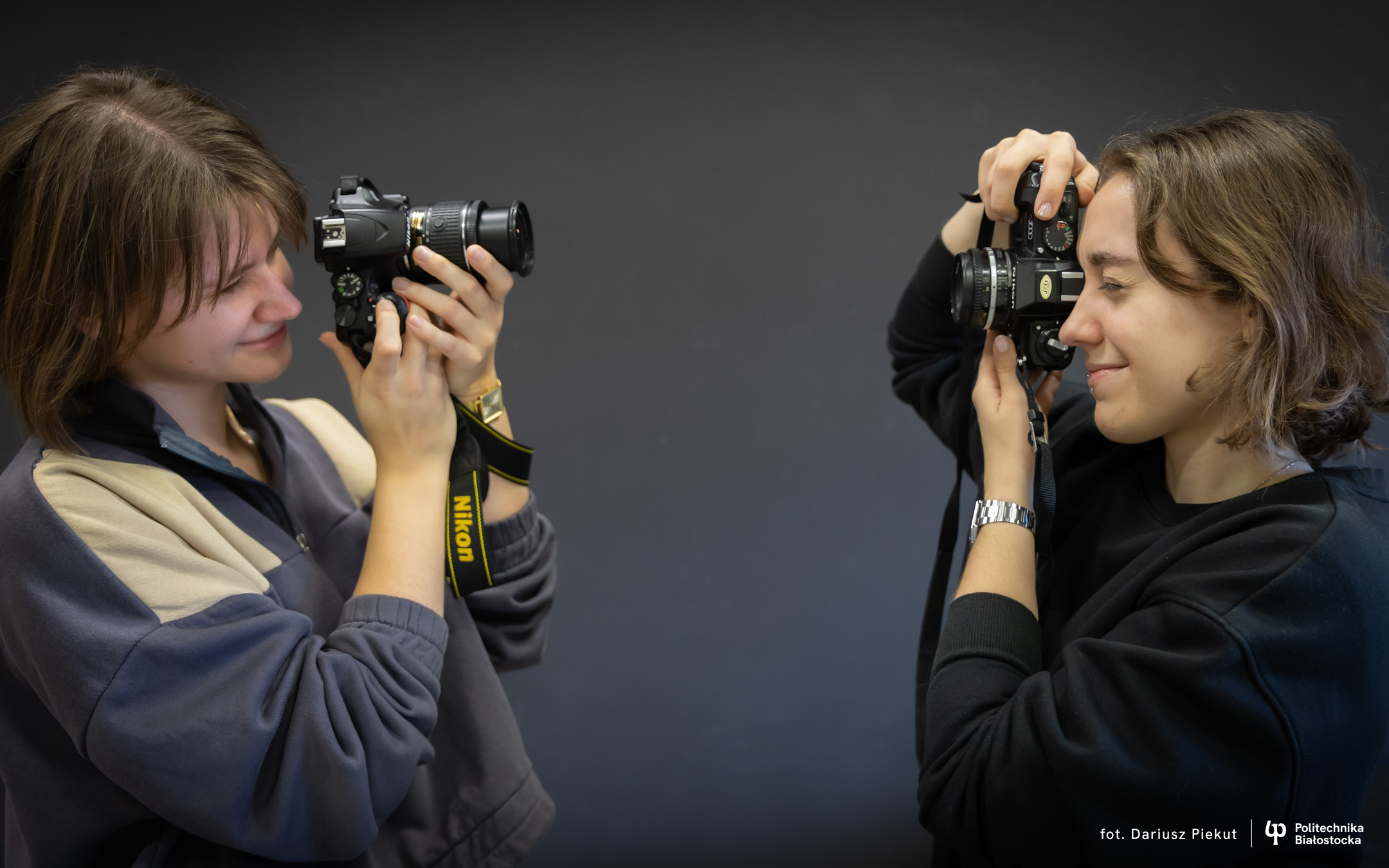
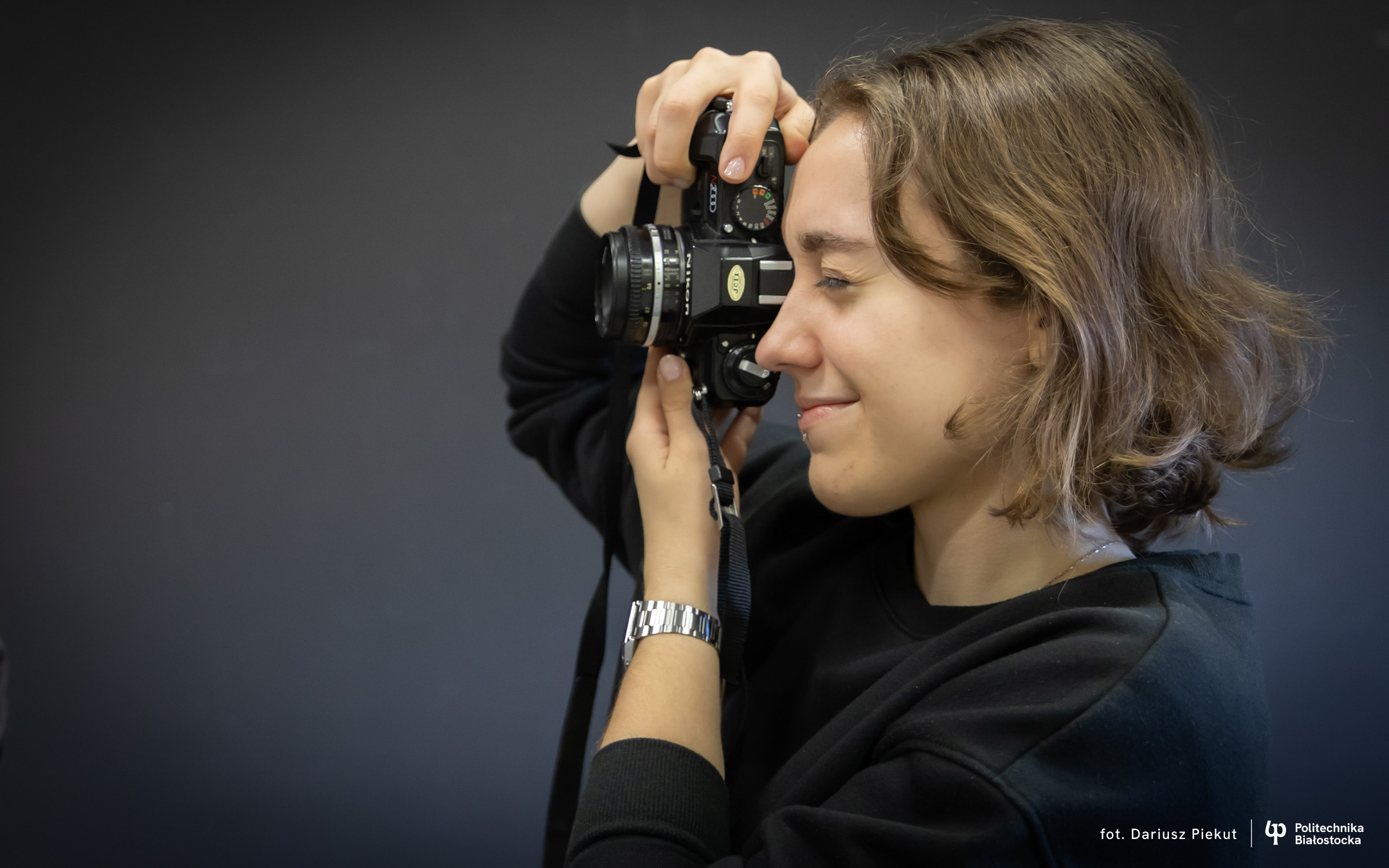
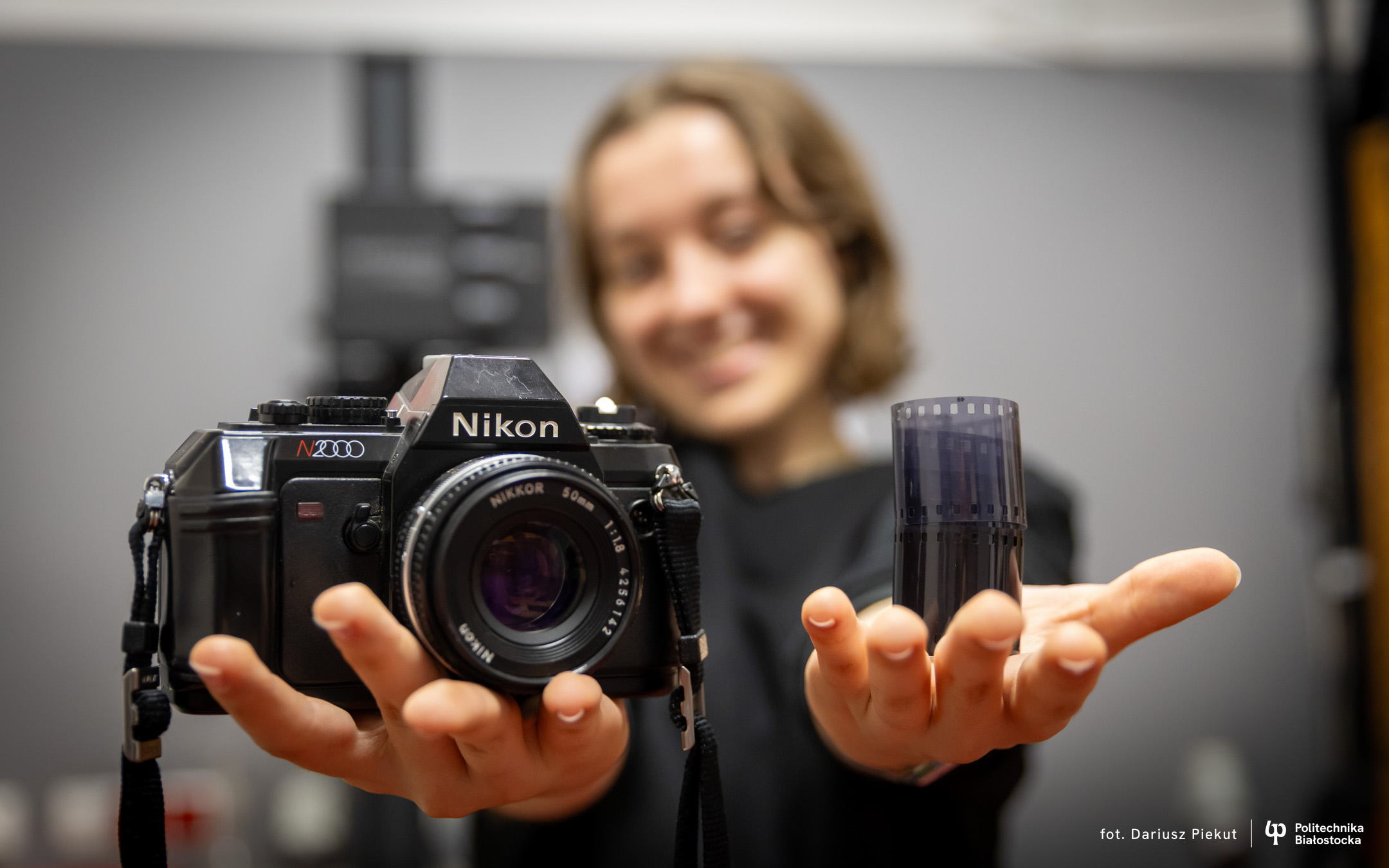
– We focus on photography: digital, analog, LUX photography, and camera obscura -explains Klaudia Kojro, a graphics student at the Faculty of Architecture and chairperson of the association. -During classes, we plan sessions, prepare props, and teach younger members how to handle the equipment. Anyone can join, even if they’ve never held a camera before. Everything is taught on site.
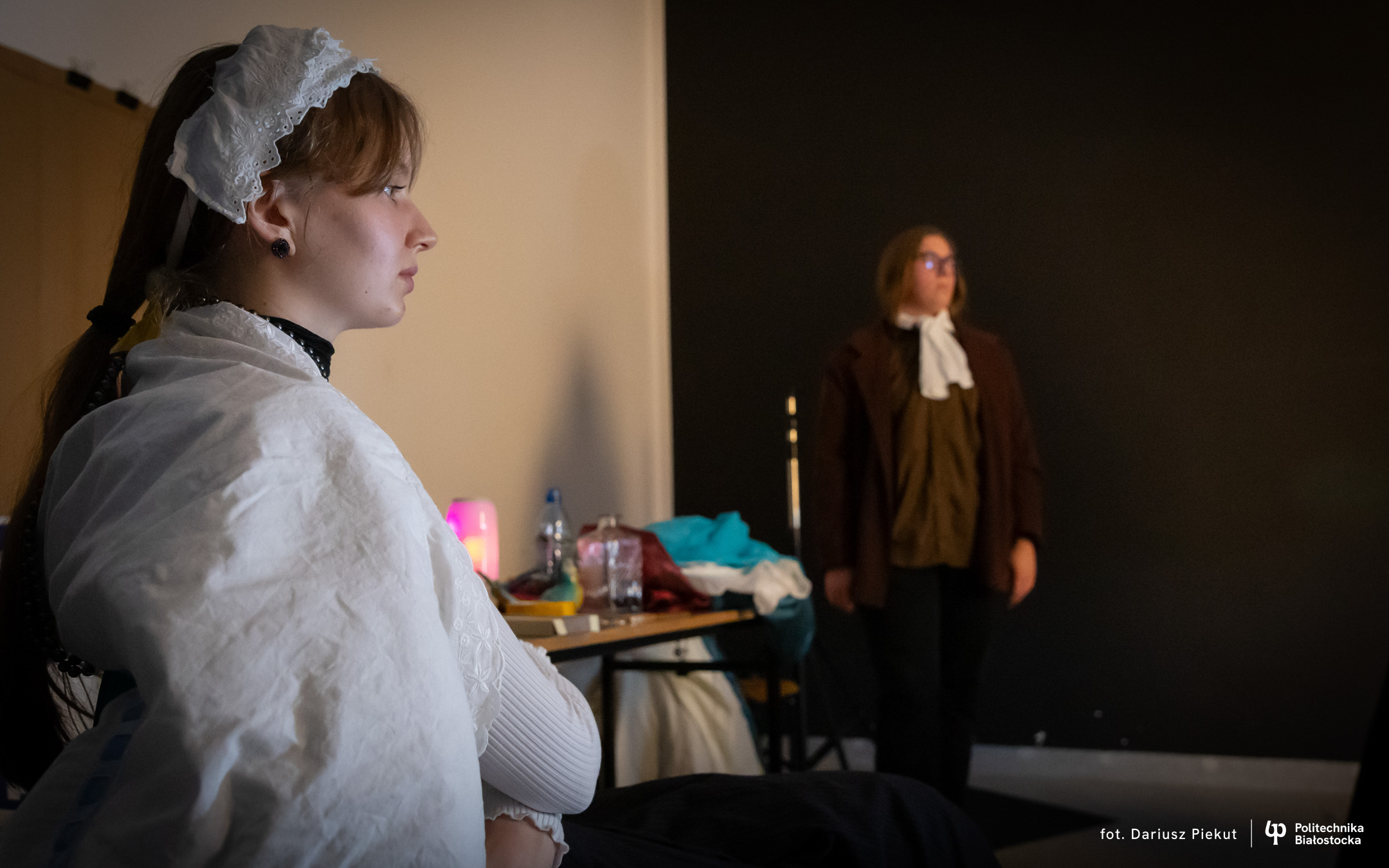
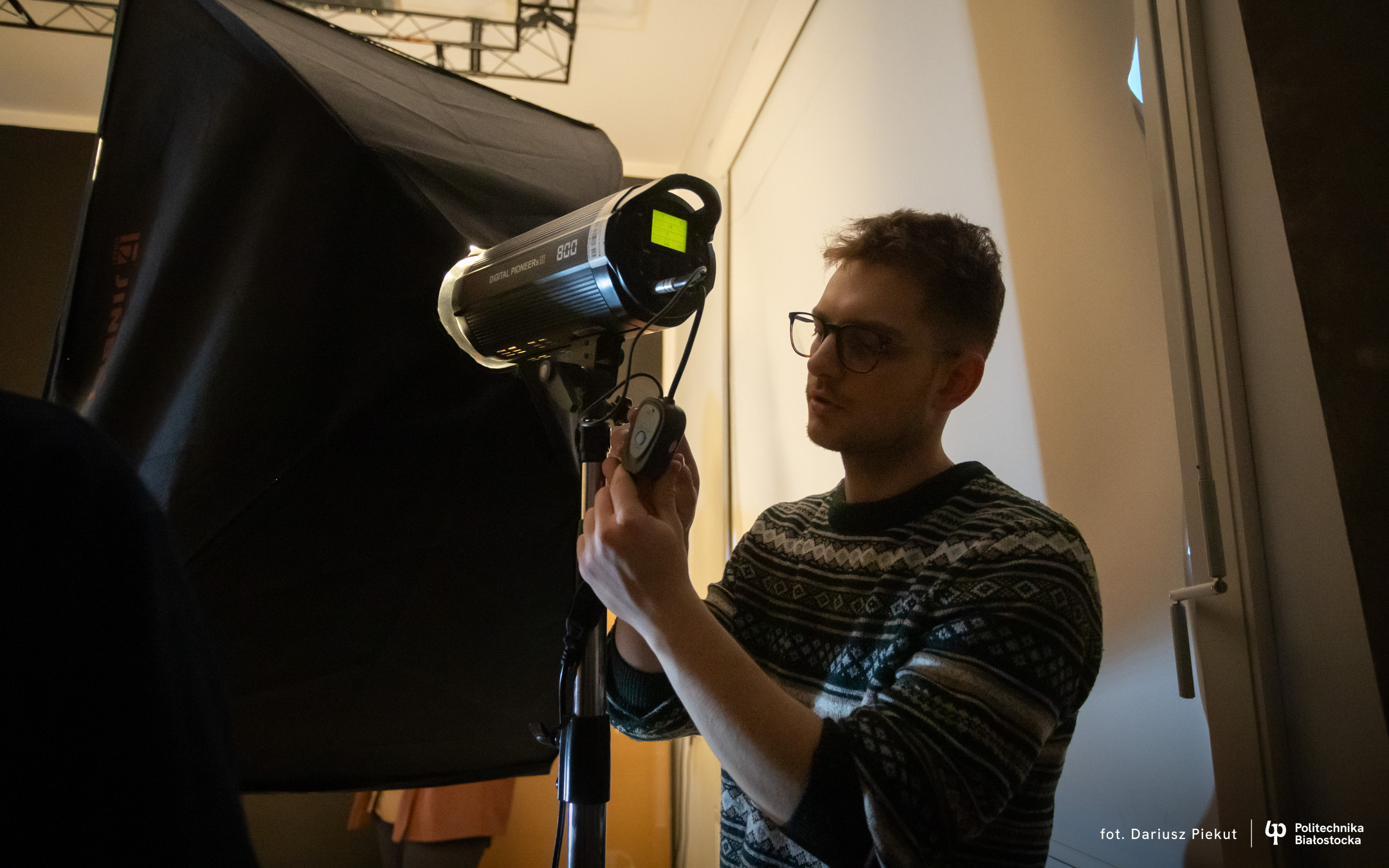
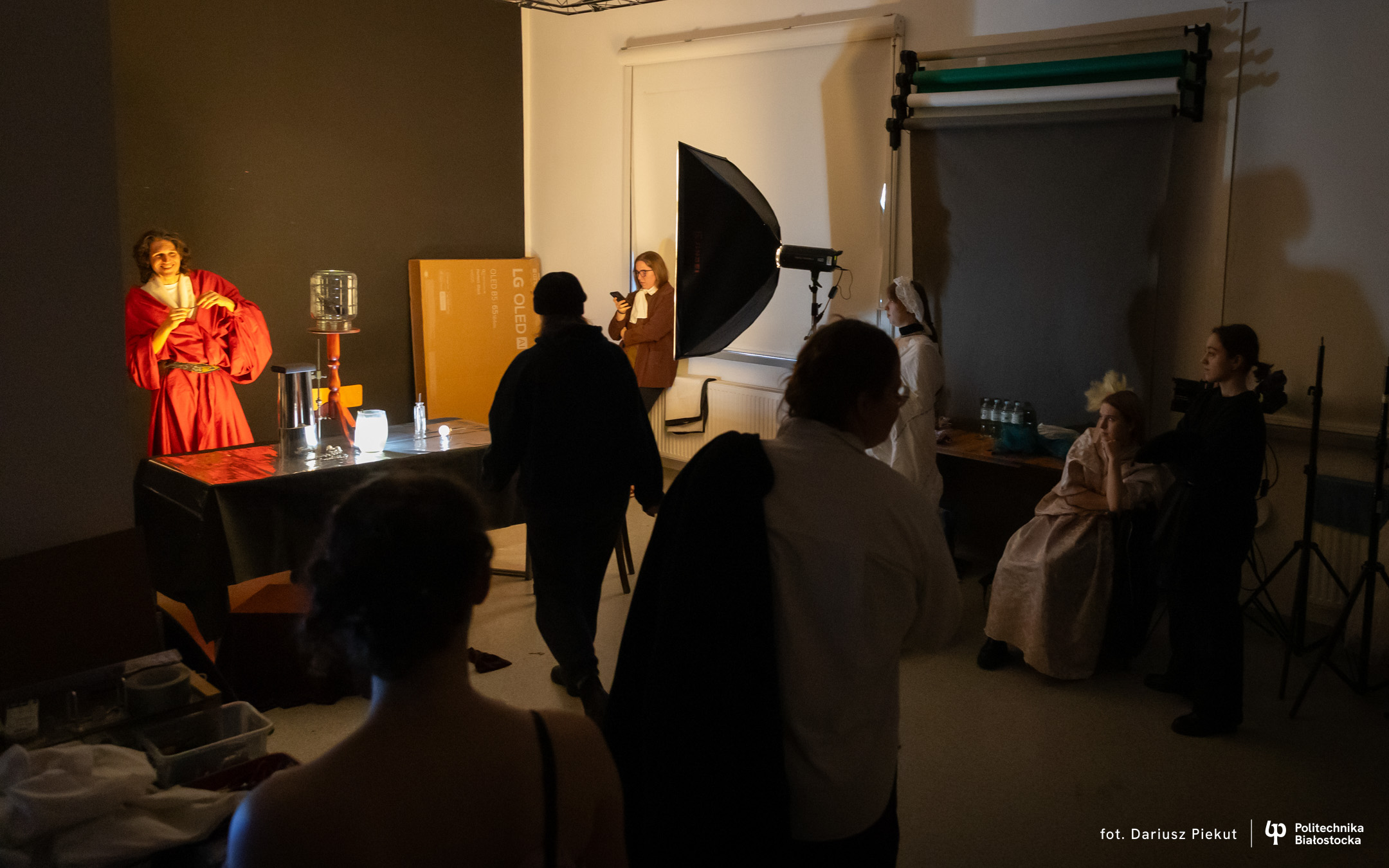
The association has a fully equipped photography studio where students work with both flash and continuous lighting.
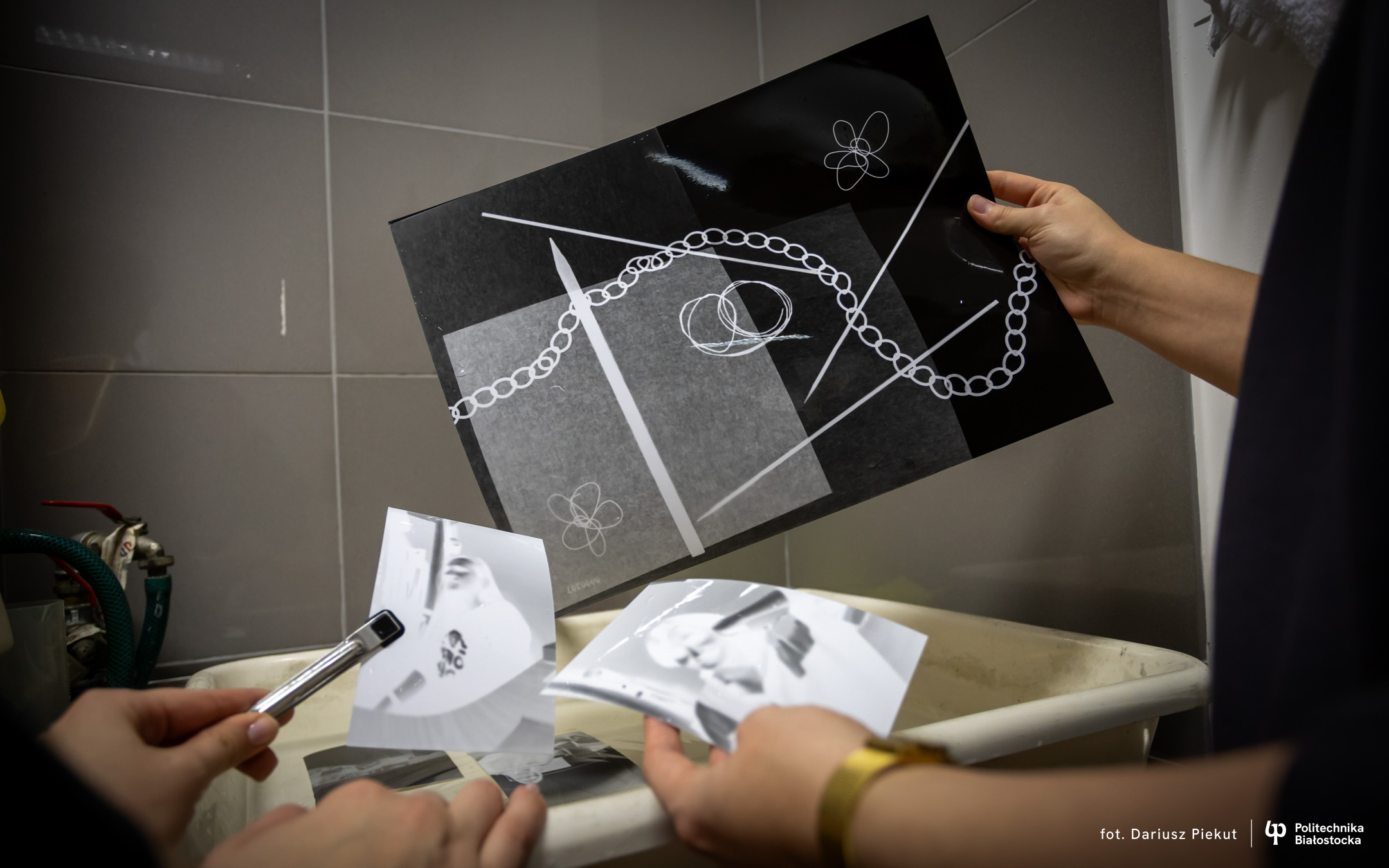
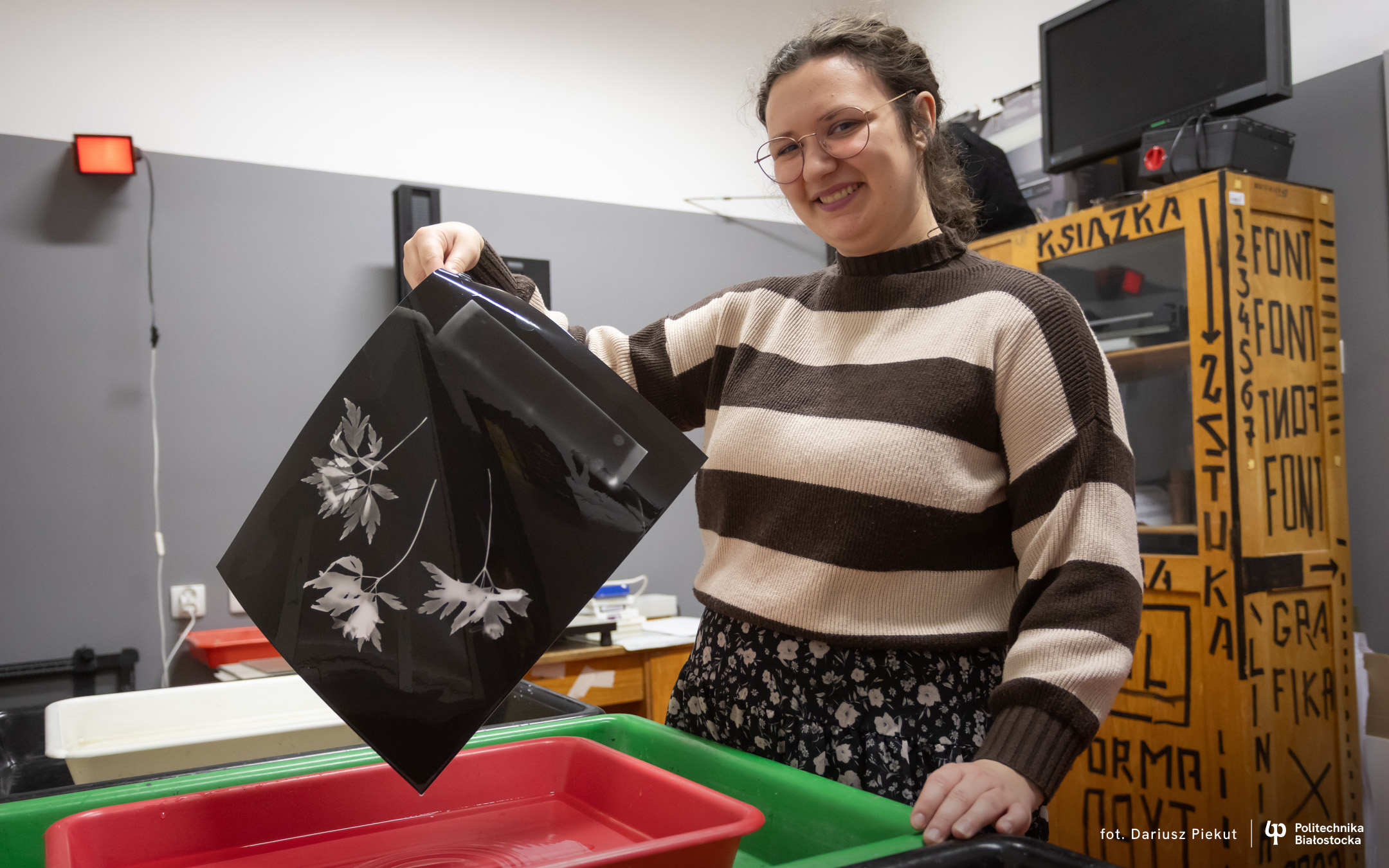
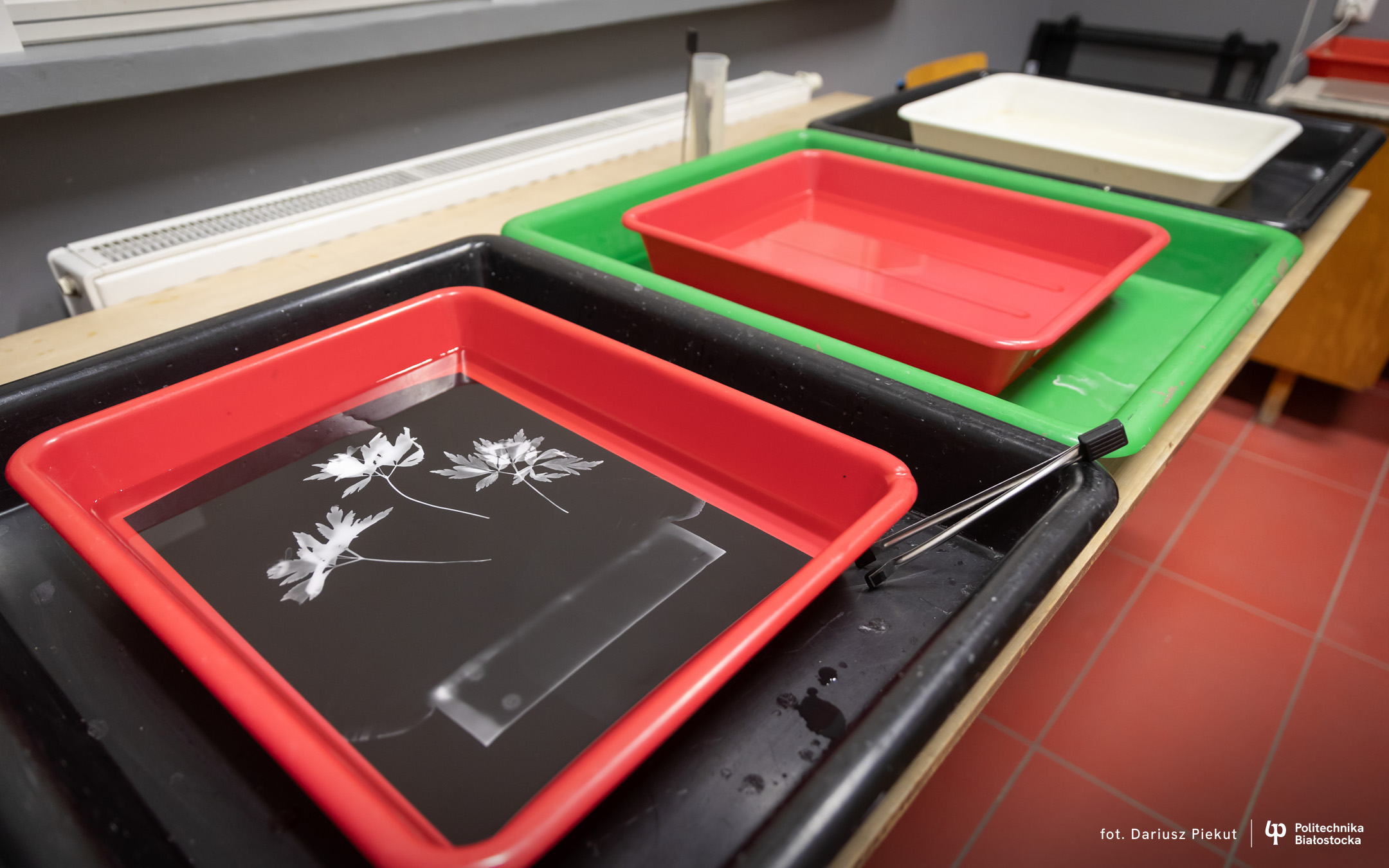
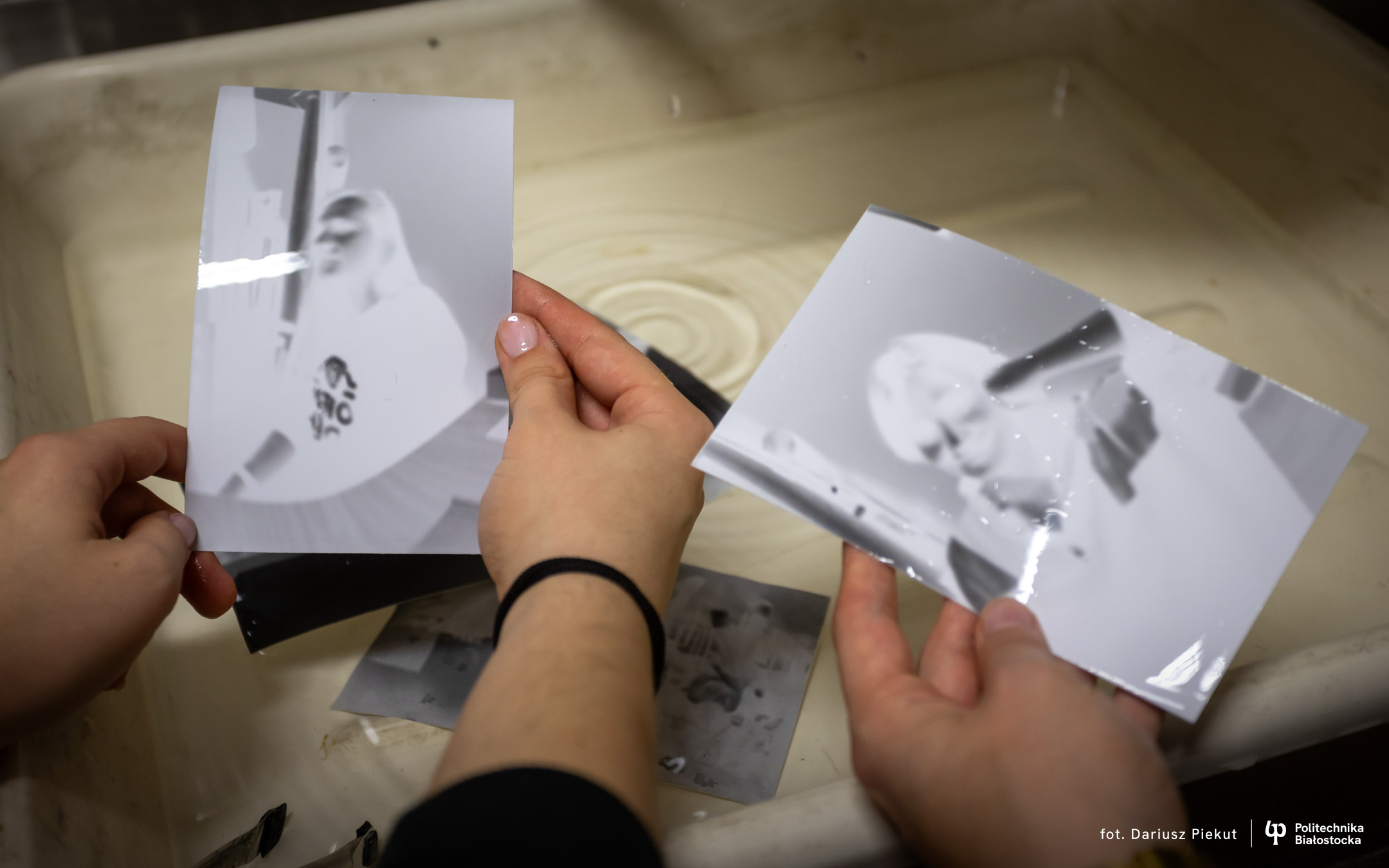
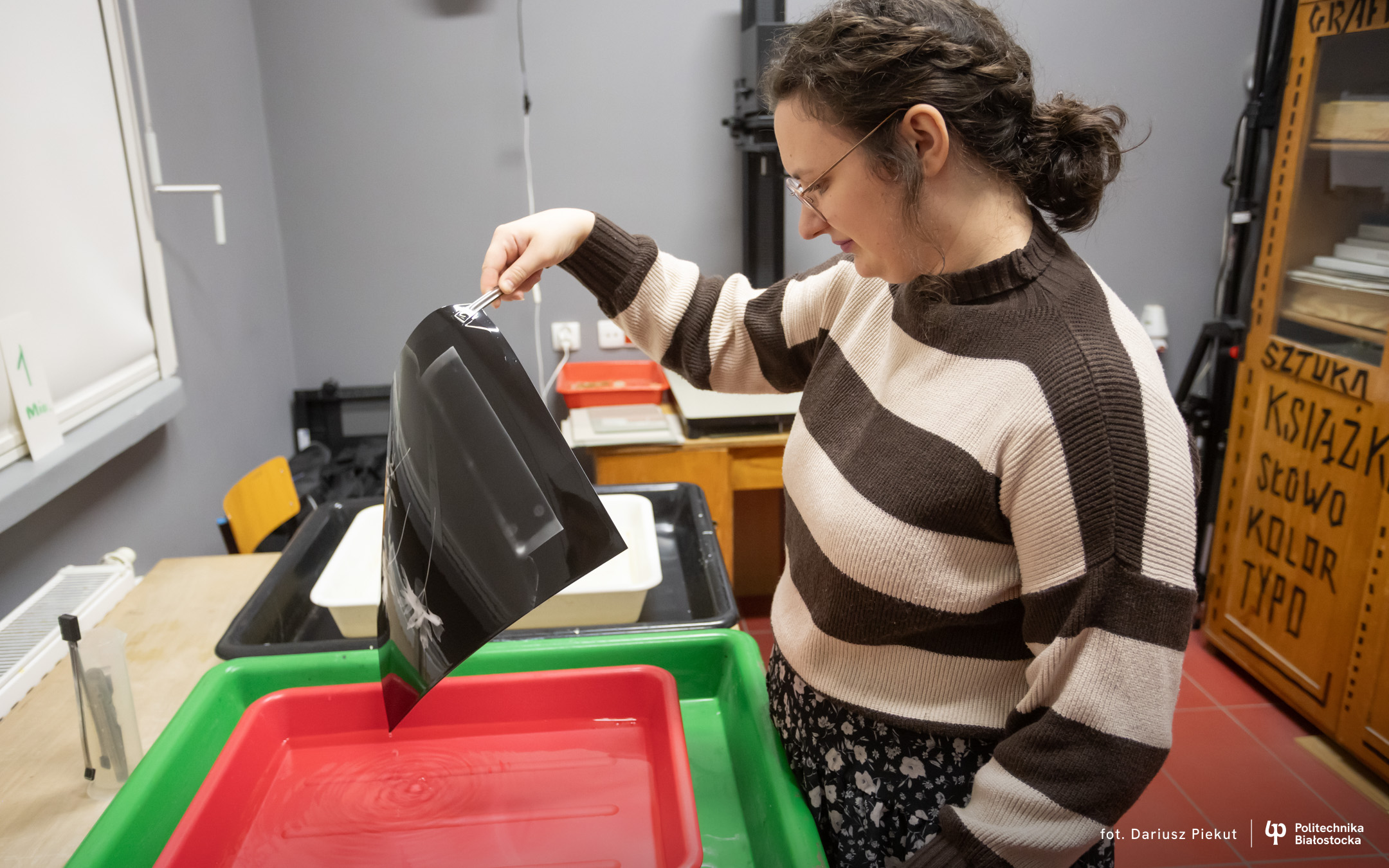
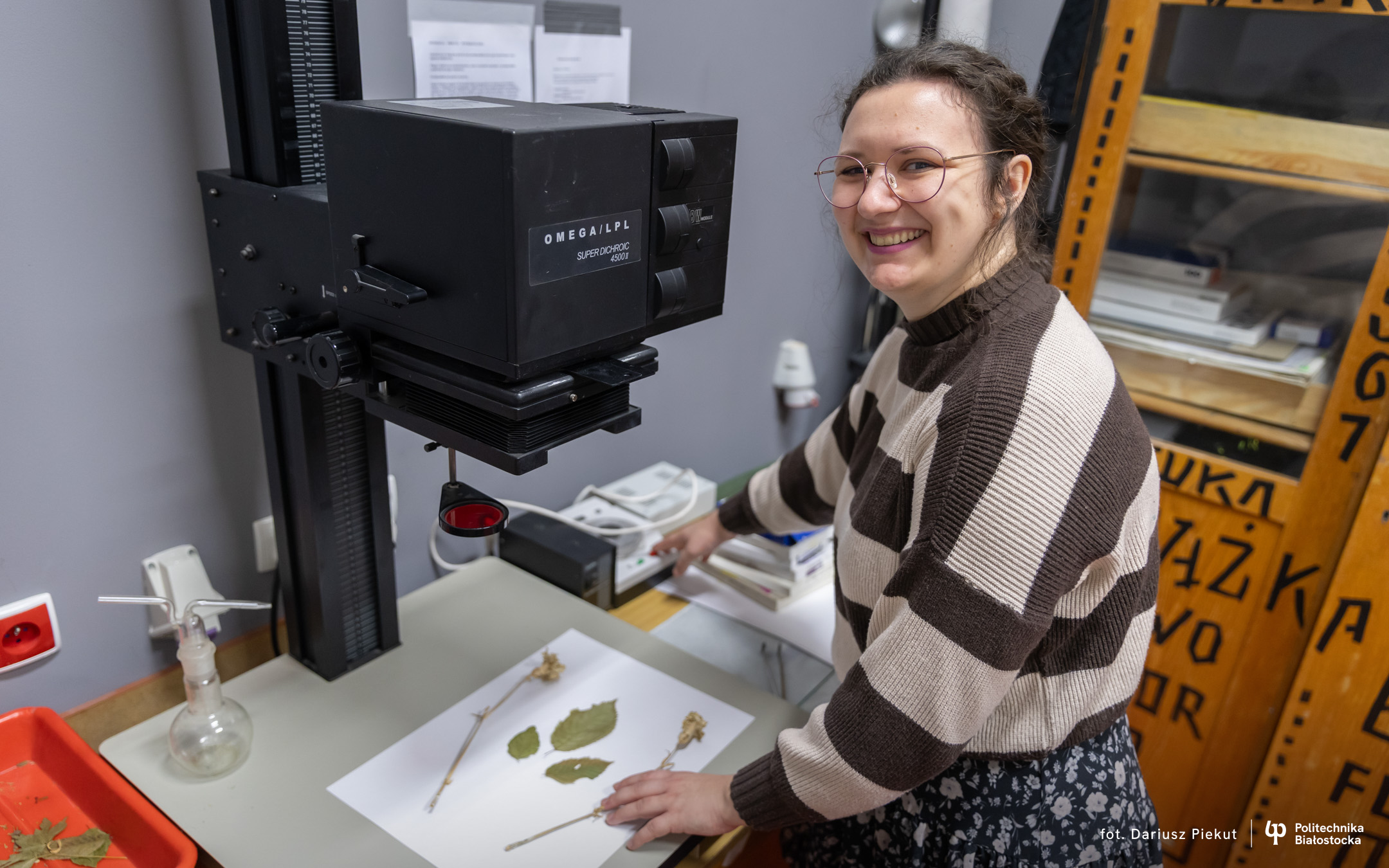
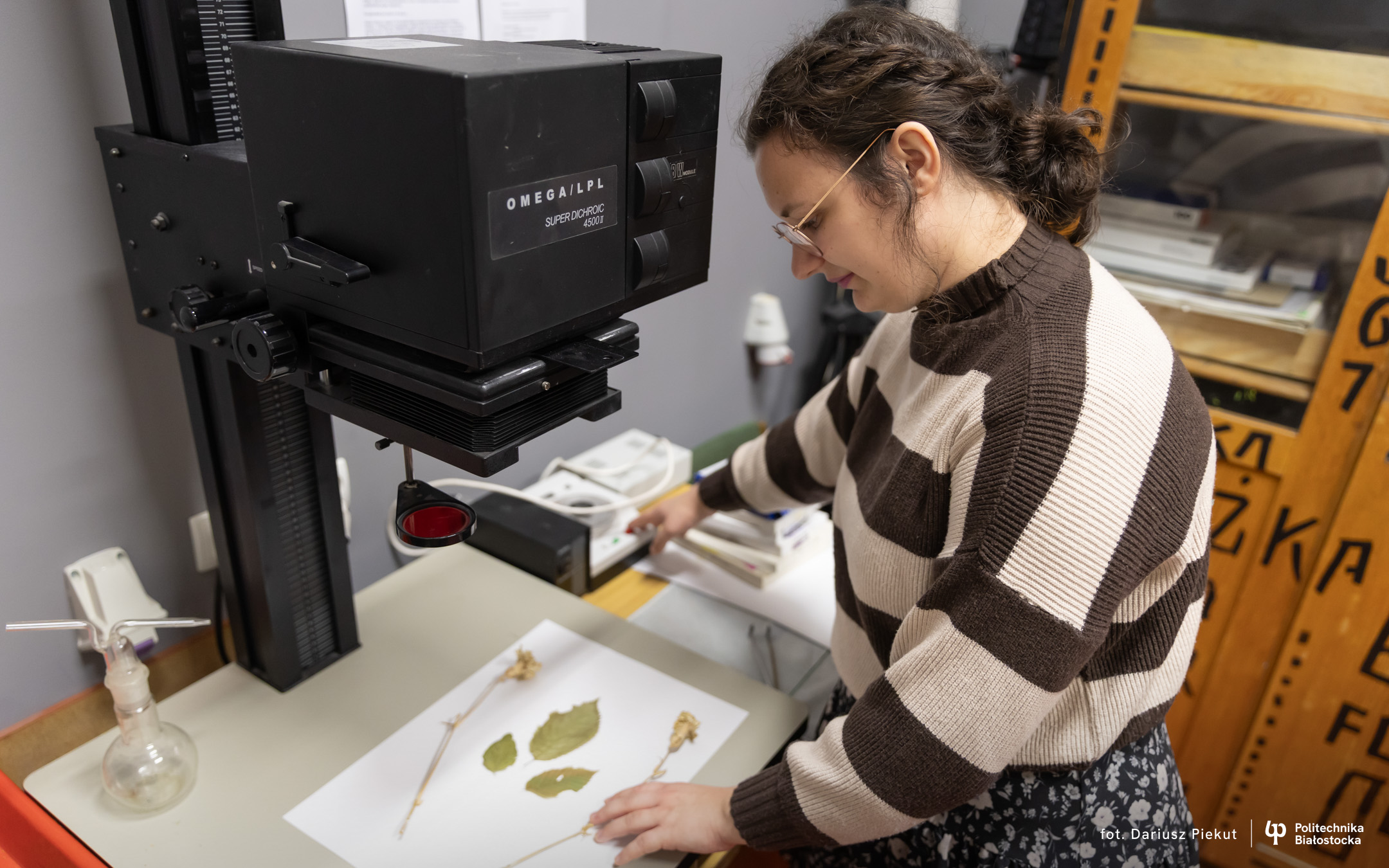
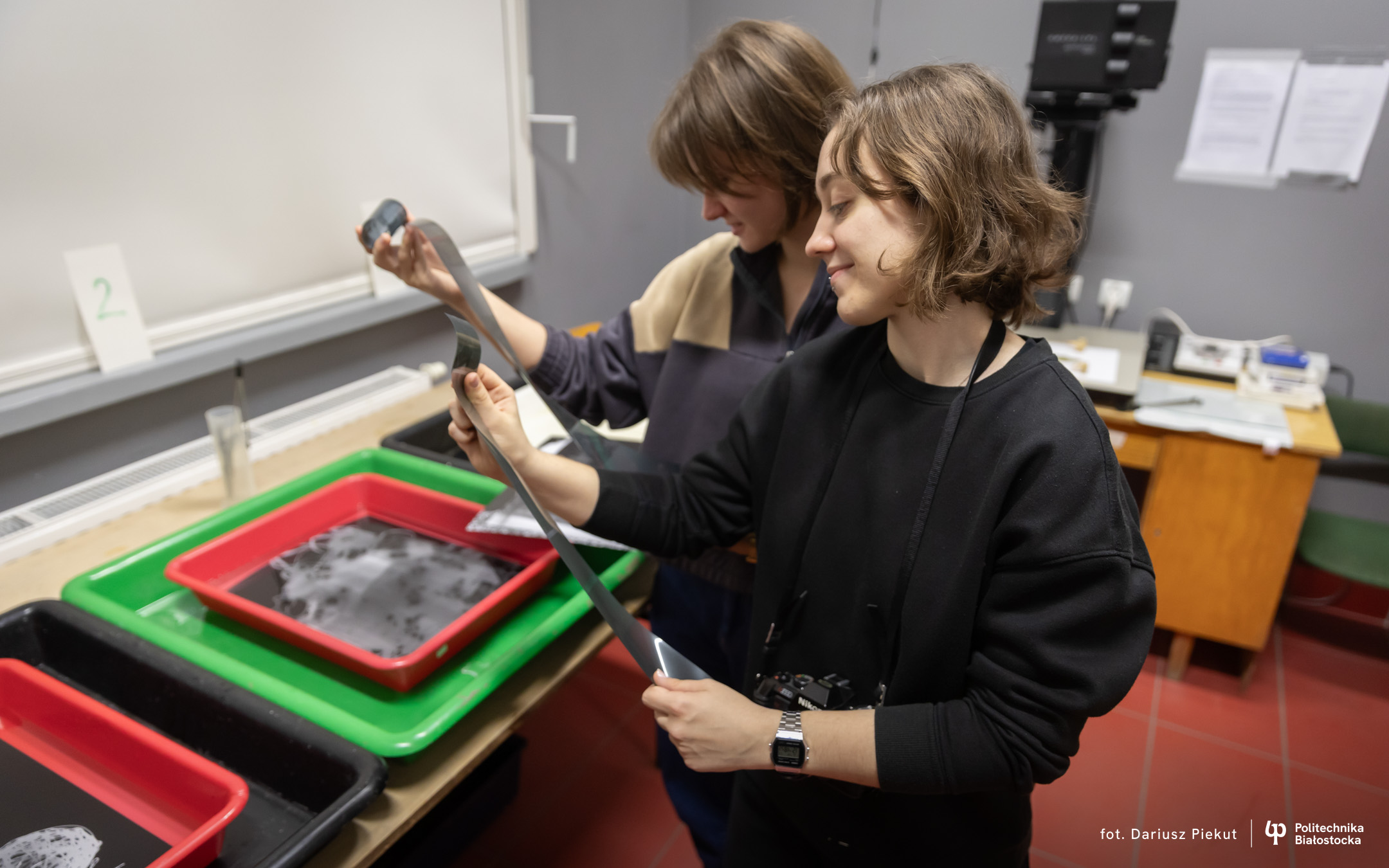
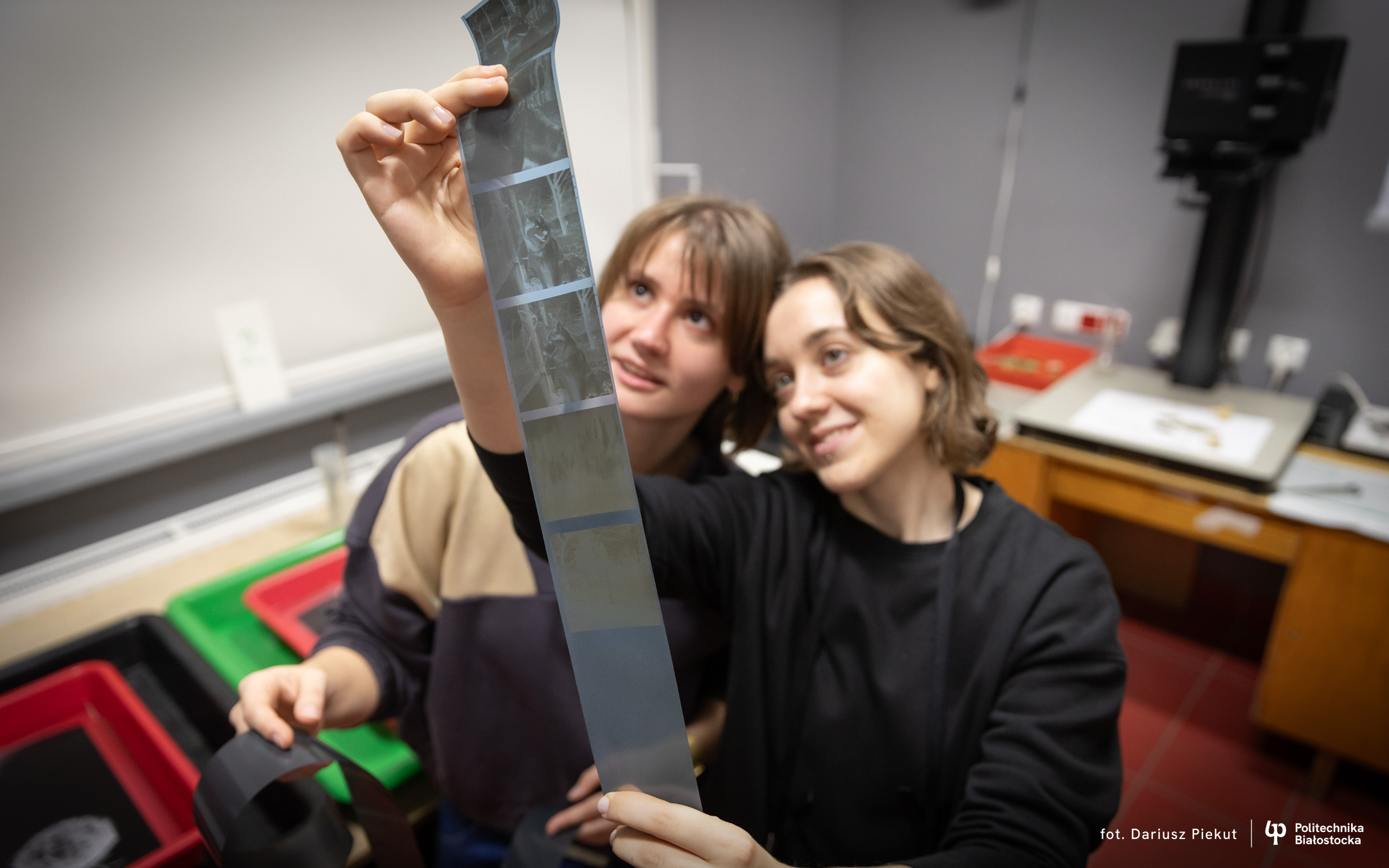
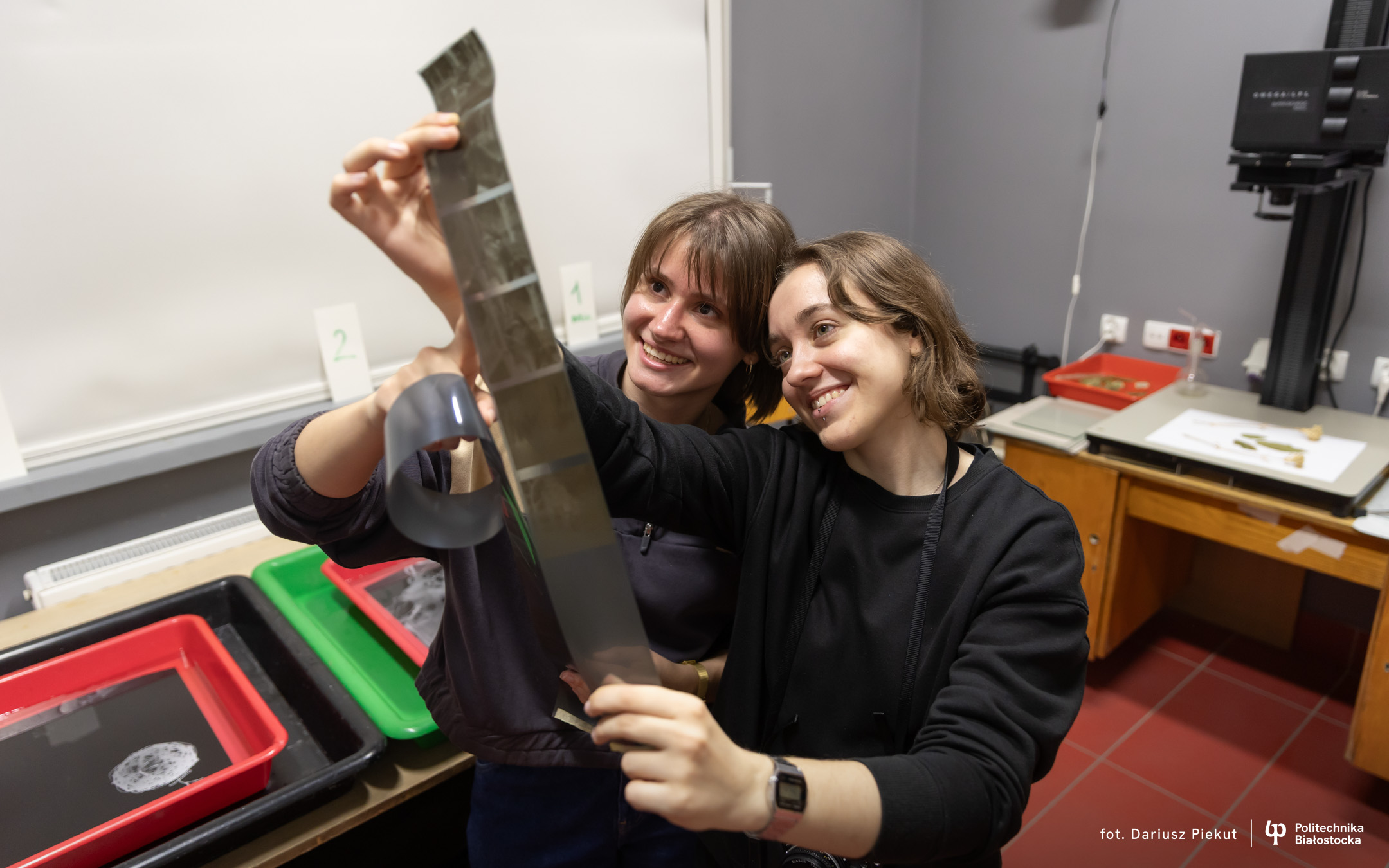
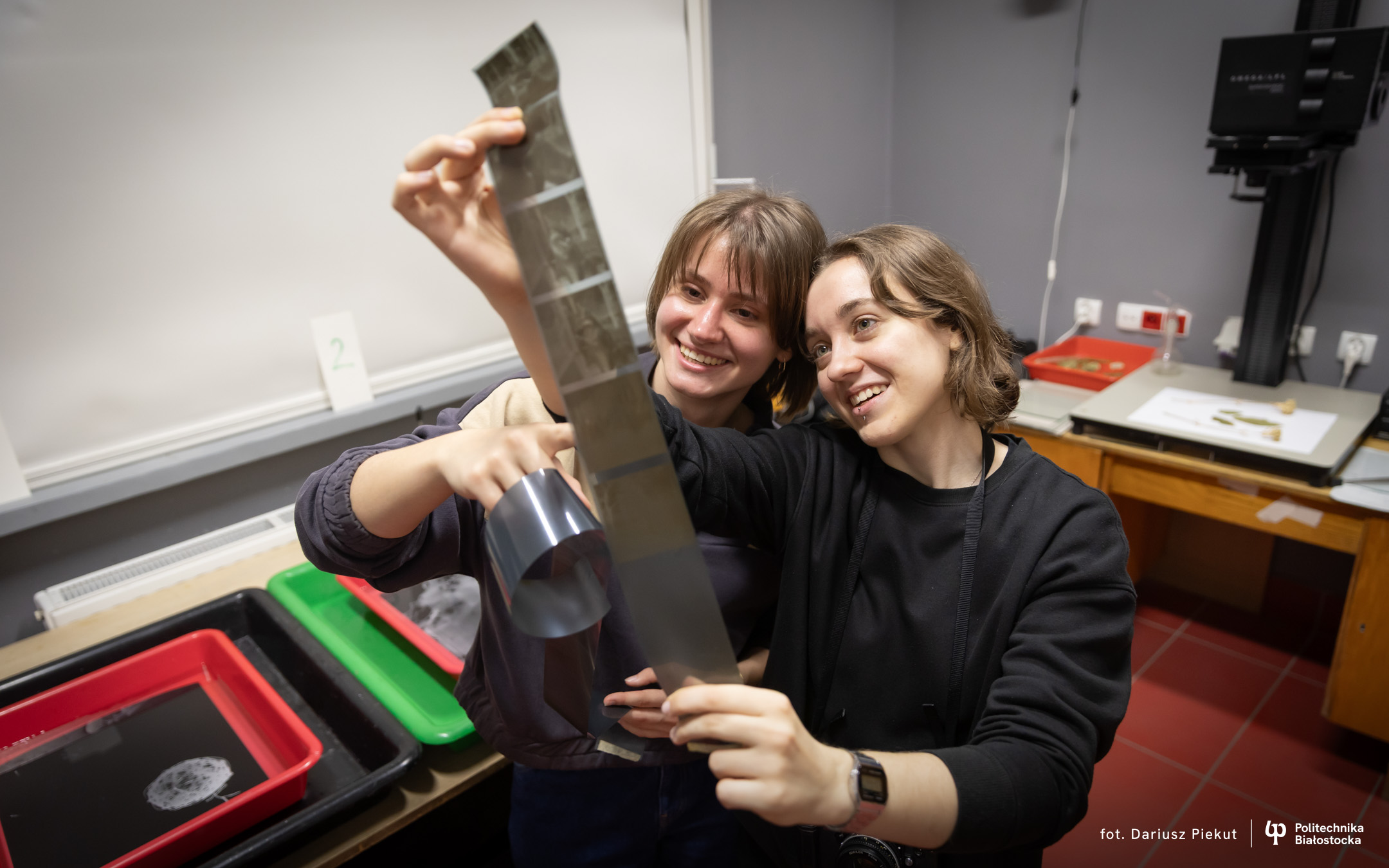
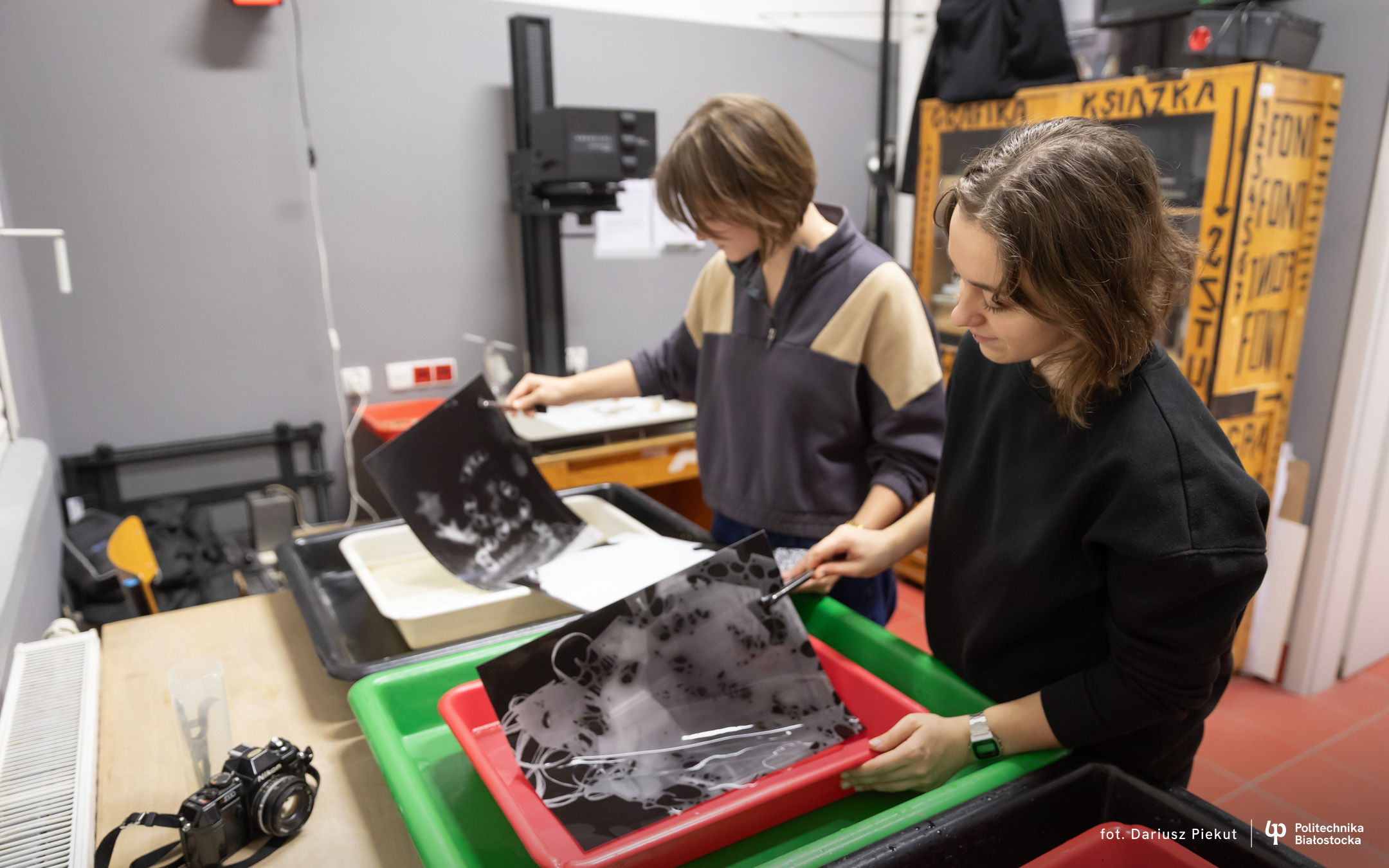
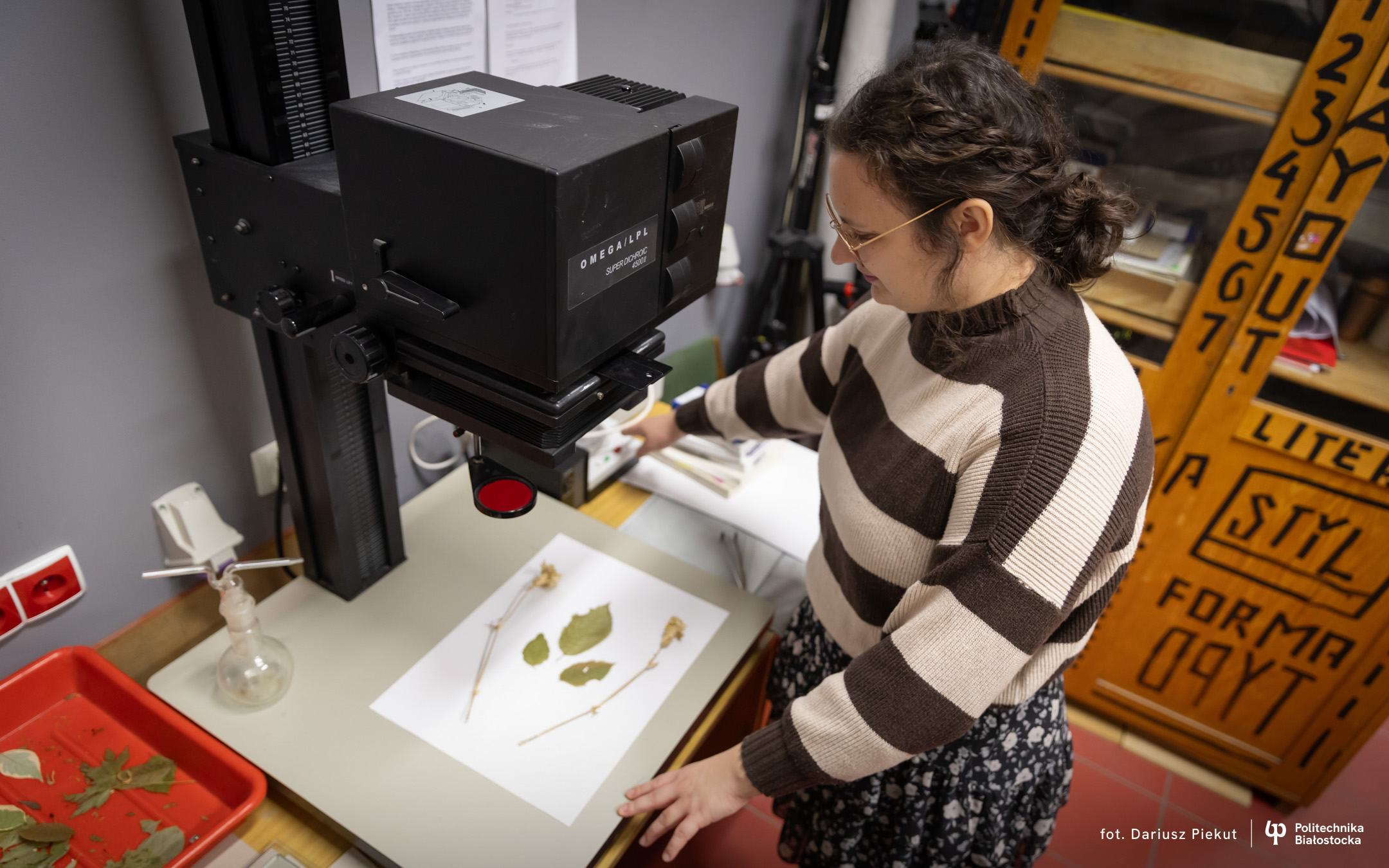
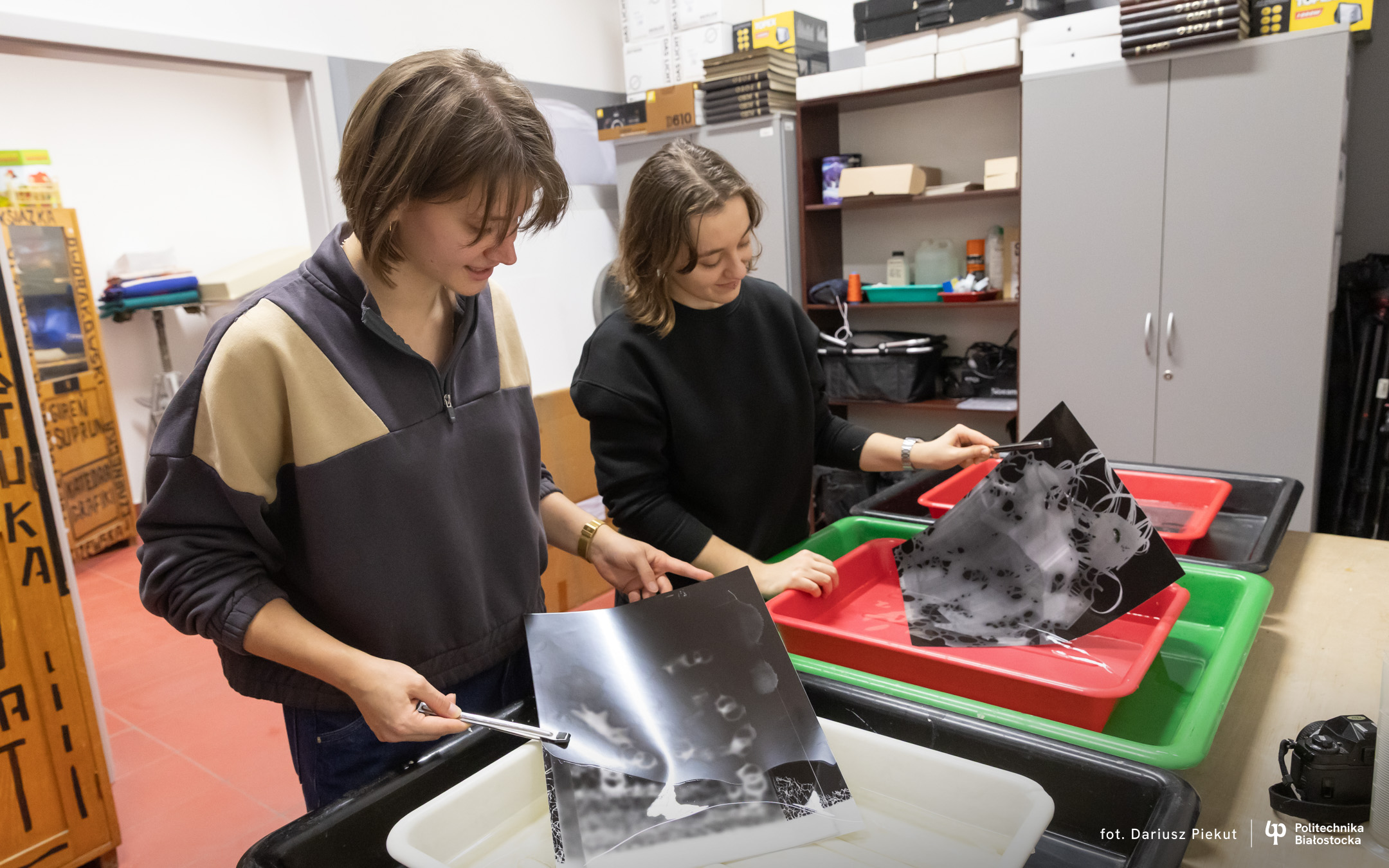
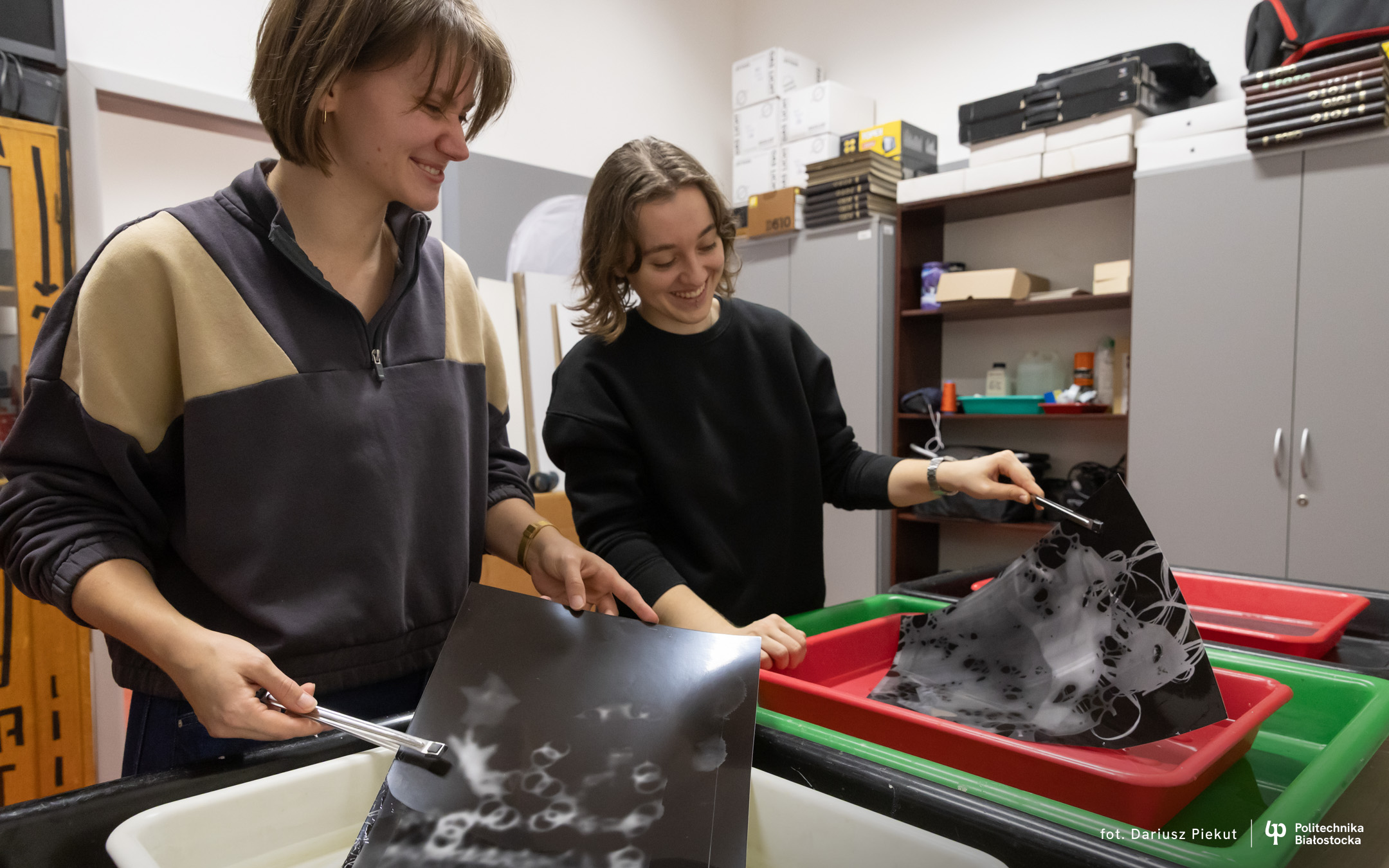
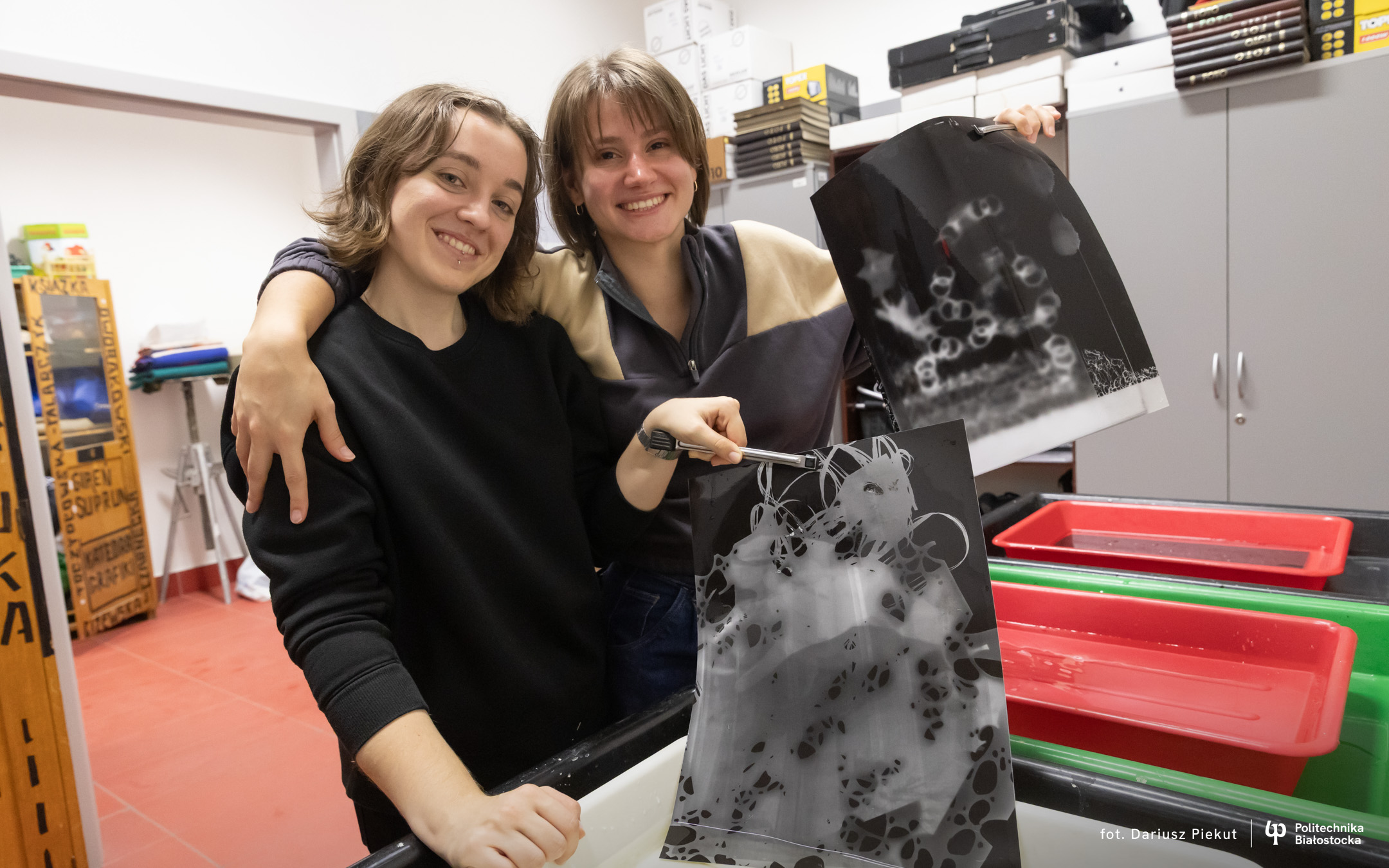
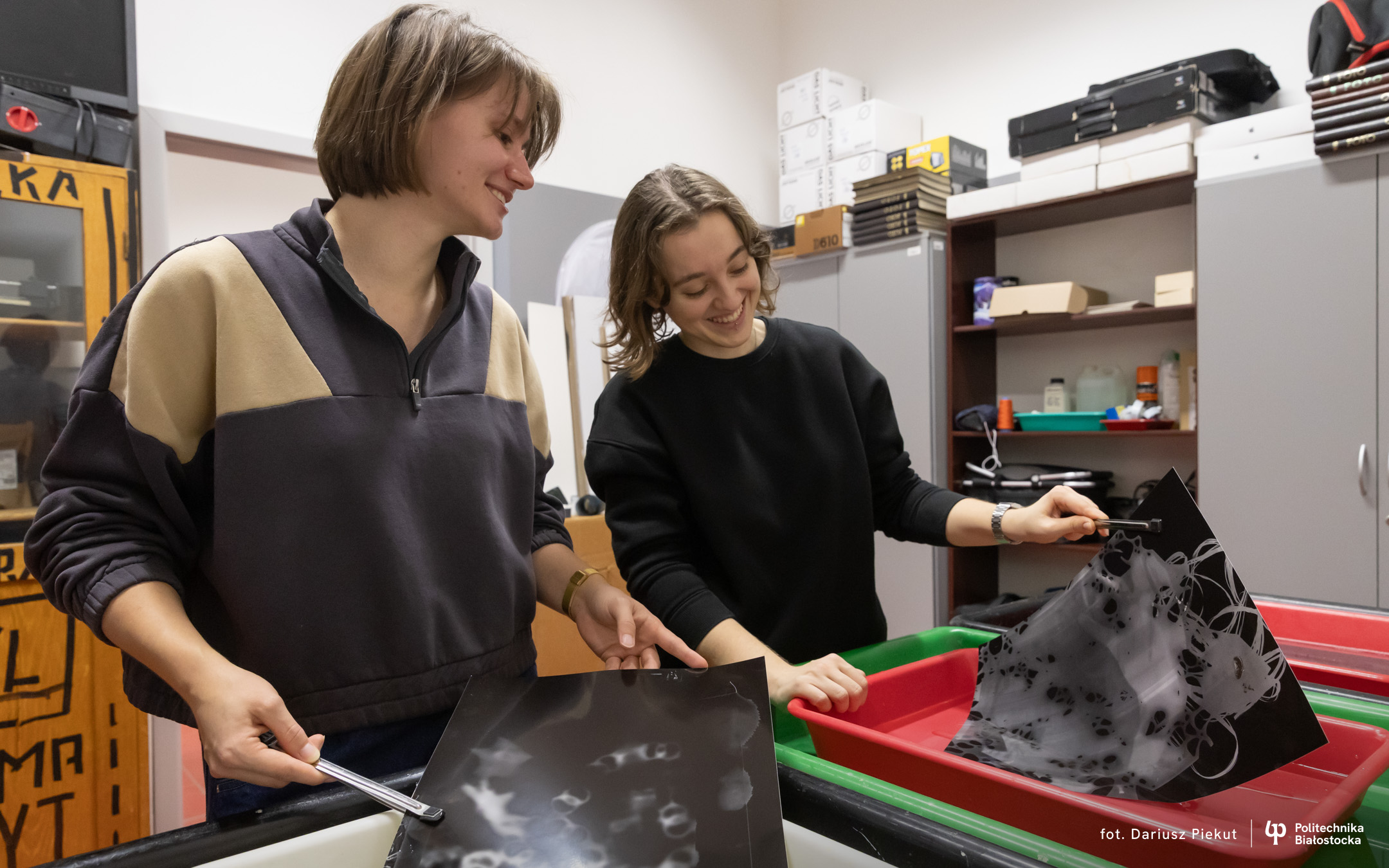
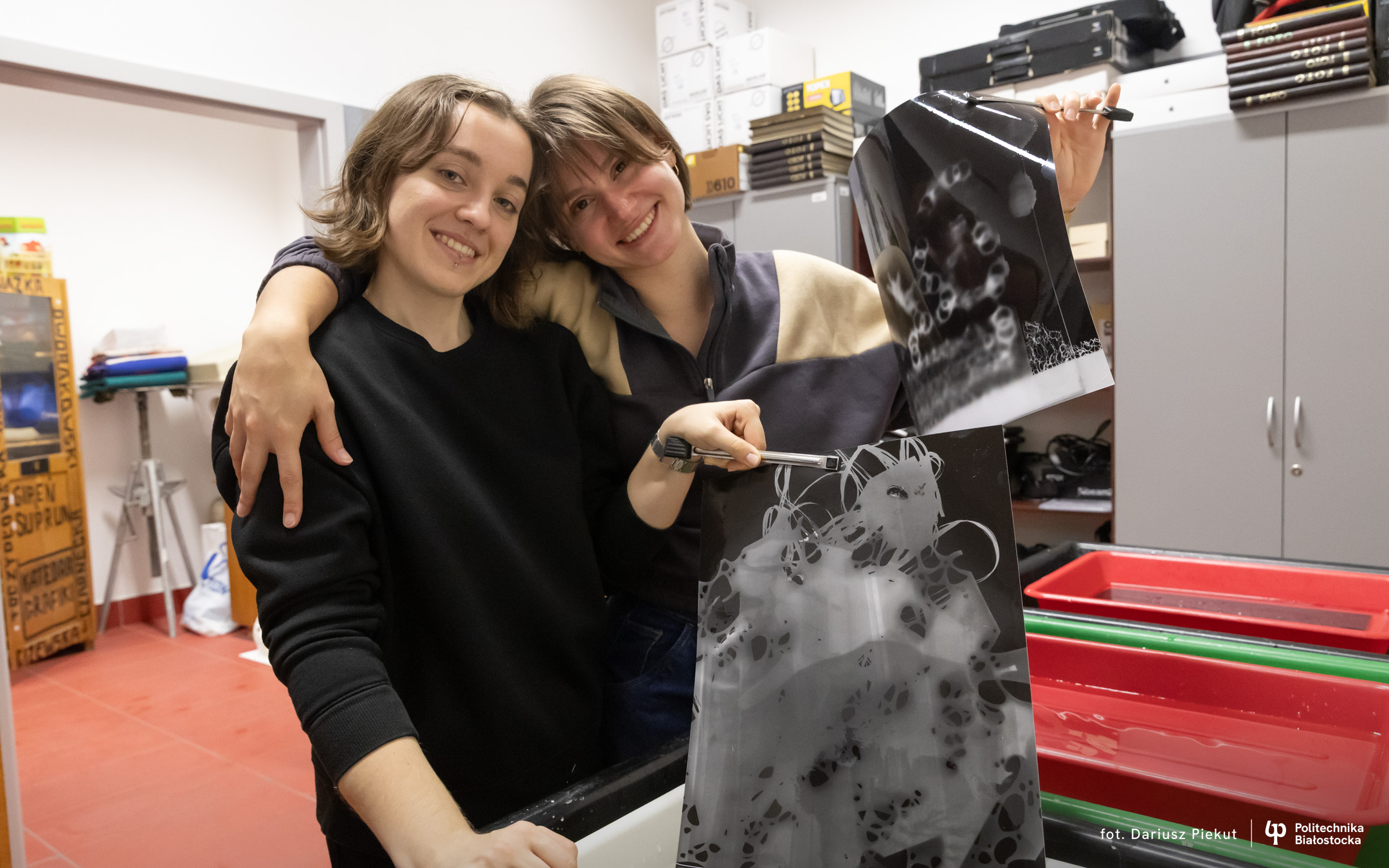
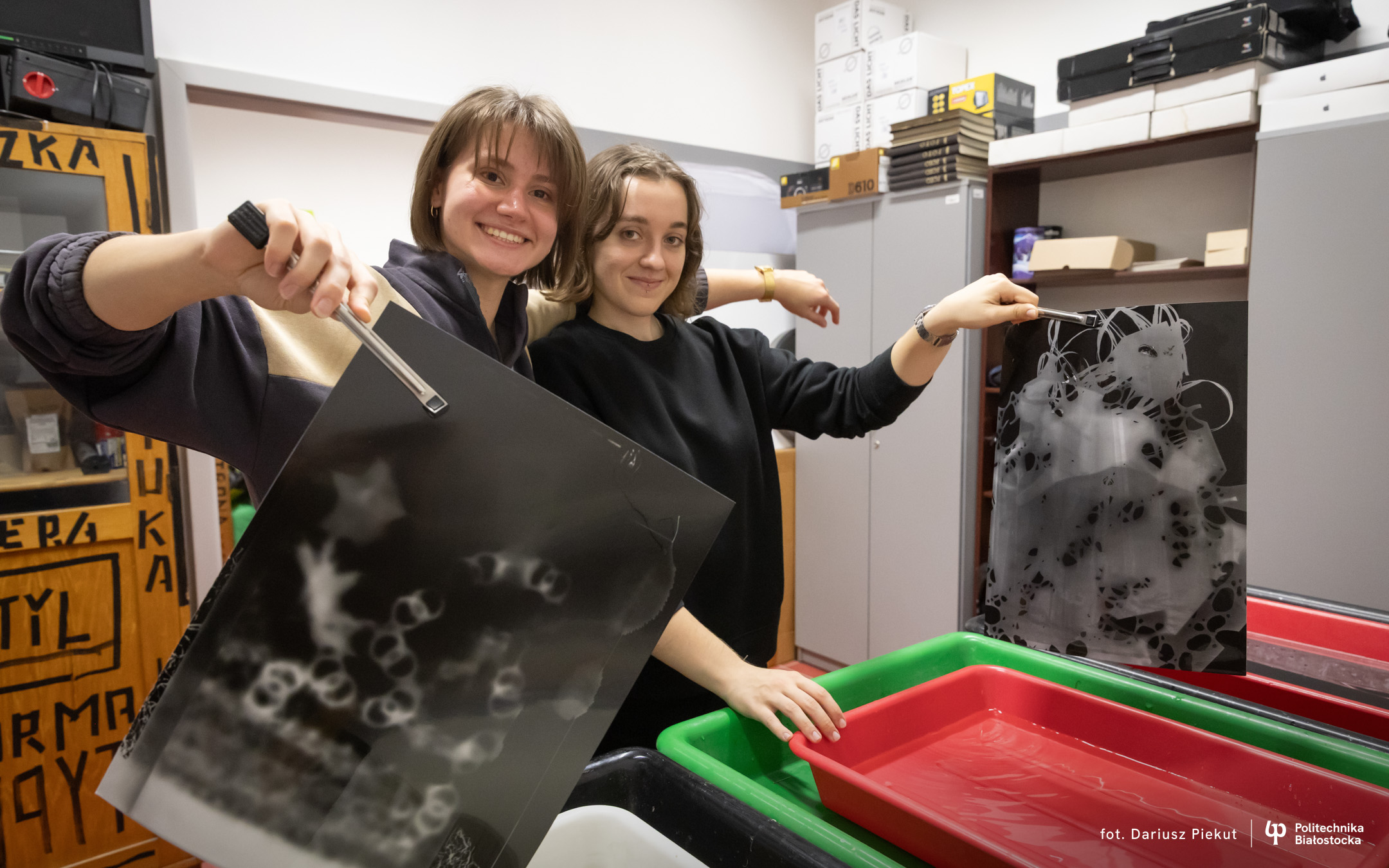
– We learn not only how to operate cameras and lights but also how to work with models and space in the studio -adds Klaudia. -Finished photos are edited digitally or developed in the traditional darkroom. We have our own analog workspace with a complete chemical process.
The association’s activities are not limited to workshops; members actively participate in artistic events.
– We take part in exhibitions -emphasizes Klaudia. -One of the most recent major exhibitions involving our members was Love Your Neighbourhood. We had our own dedicated space there.
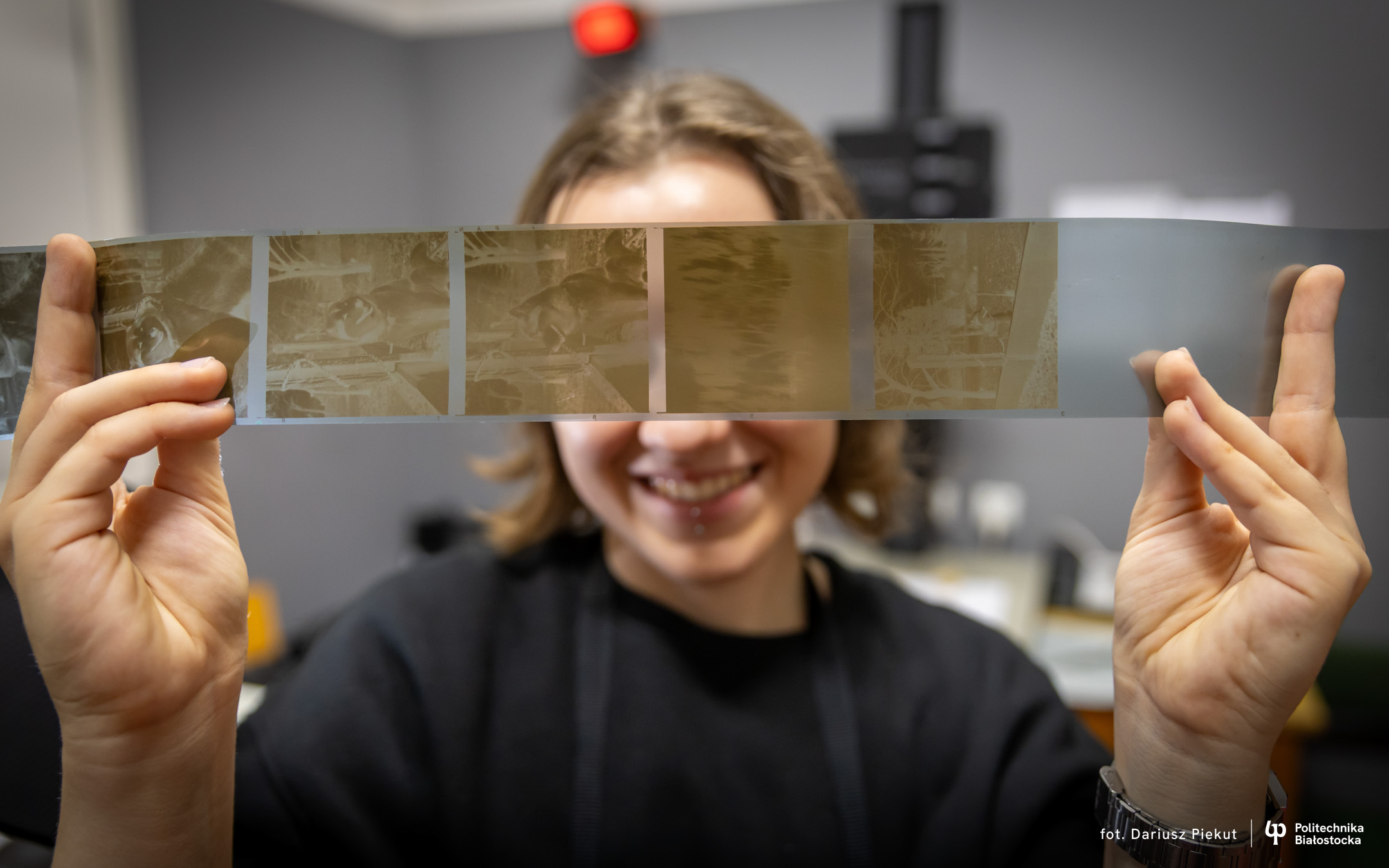
The results of their work can be seen in exhibitions and on the association’s social media. One of the most complex projects was the Problem exhibition, carried out with funding from Bialystok University of Technology. Students combined digital and analog techniques, preparing digital images on film and then developing them on light-sensitive materials.
– The name of the exhibition came from the project itself – Klaudia recalls. -The emulsion would run and behave differently than expected. We had to improvise and find new solutions. It was a technical problem, but one that taught us a lot and ultimately became part of the concept.
Young photographers from “Ciemnia” participate in photography competitions, preparing works together and selecting materials. The association also documents projects of other student associations at the university.
– We have collaborated with the VectoR Student Scientific Association from the Faculty of Computer Science, which asked us to take photos, as well as with the Forma Association from our Faculty – explains Klaudia. -Forma ran a furniture design project with students from Lithuania and needed our documentation for an article.
Students are also developing cooperation with the Zelwerowicz Theatre Academy in Warsaw, Bialystok branch.
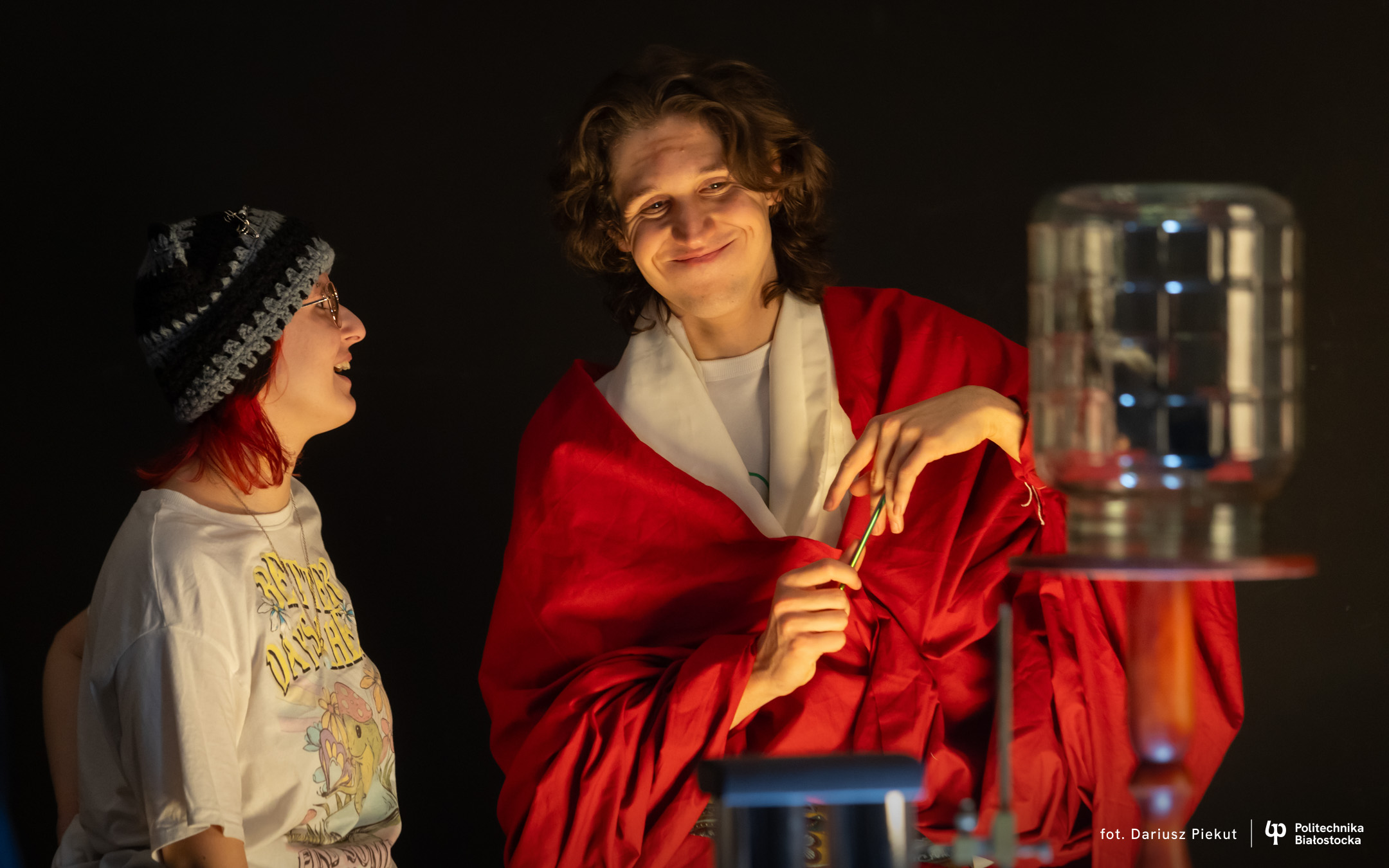
– We photographed puppets and art pieces – Klaudia notes. -Recently, we learned that our photos were included in a calendar and an exhibition. That is very rewarding.
Being a member of the “Ciemnia” Student Scientific Association allows students to showcase the originality of their ideas.
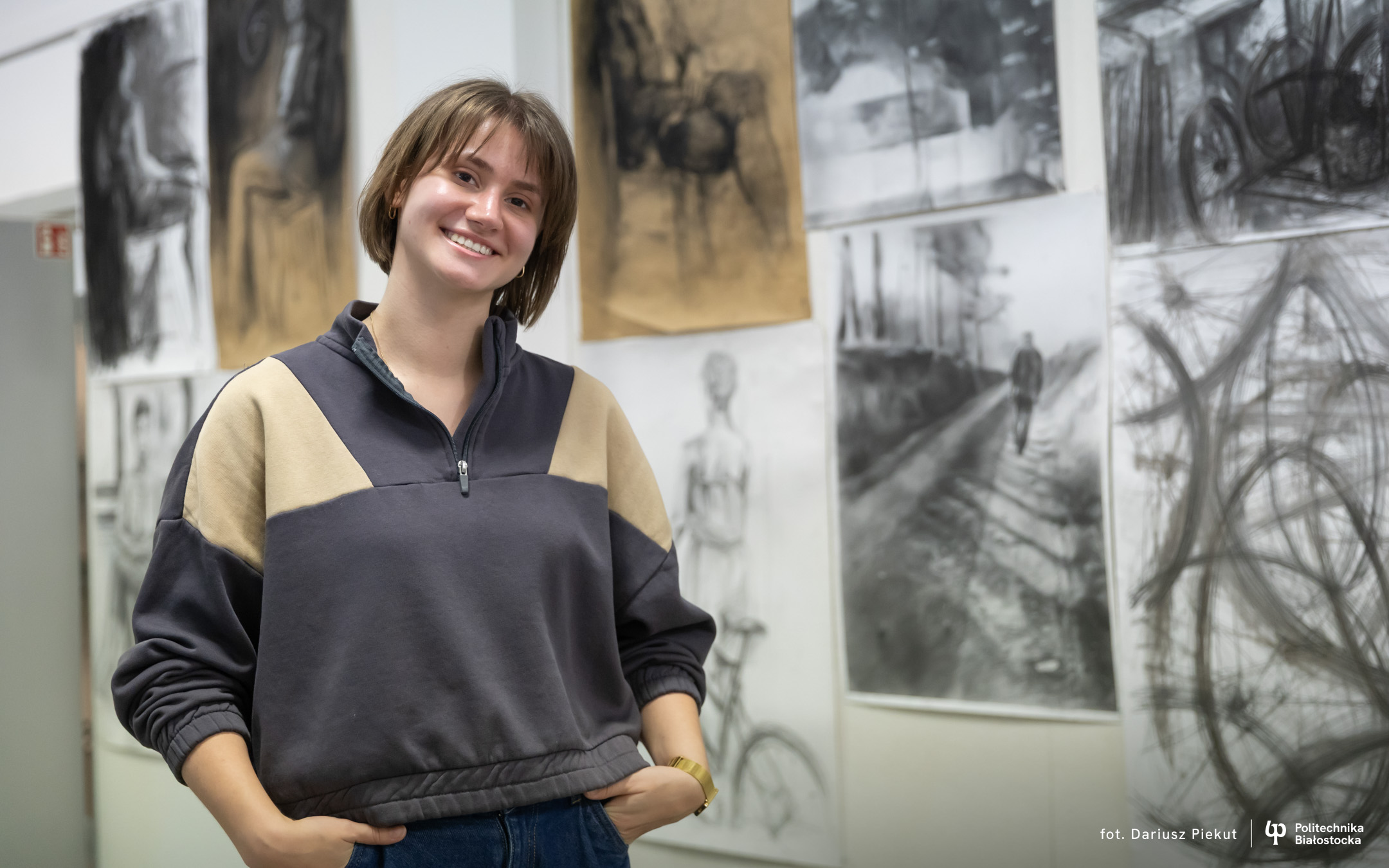
– It’s worth joining ‘Ciemnia’ because you can learn good photography and meet great people -says Zofia Kolenkiewicz, a graphics student at the Faculty of Architecture. -We photograph people, landscapes, objects, and puppets. It’s a really nice space to develop creativity and build a portfolio.
Students from all programmes at Bialystok University of Technology can join “Ciemnia.” Owning a camera is not required. Curiosity, willingness to learn, and readiness to take action are what matter. Thanks to the available equipment and the support of senior members, newcomers quickly gain experience and can participate in exhibitions, documentation projects, and artistic work.
– It’s worth being a ‘Ciemniak’ -Zofia smiles. -We’re great.
The association mainly brings together students of the graphics programme.
Bialystok University of Technology has over 60 student scientific associations, which serve as hubs for technological innovation and projects. They foster students’ creativity, academic interests, and future-ready skills. This is where Mars rovers, racing cars, biodegradable furniture materials, and equipment for people with disabilities are developed.
More information about student scientific associations at Bialystok University of Technology – check here!
Compiled by Katarzyna Kozioł