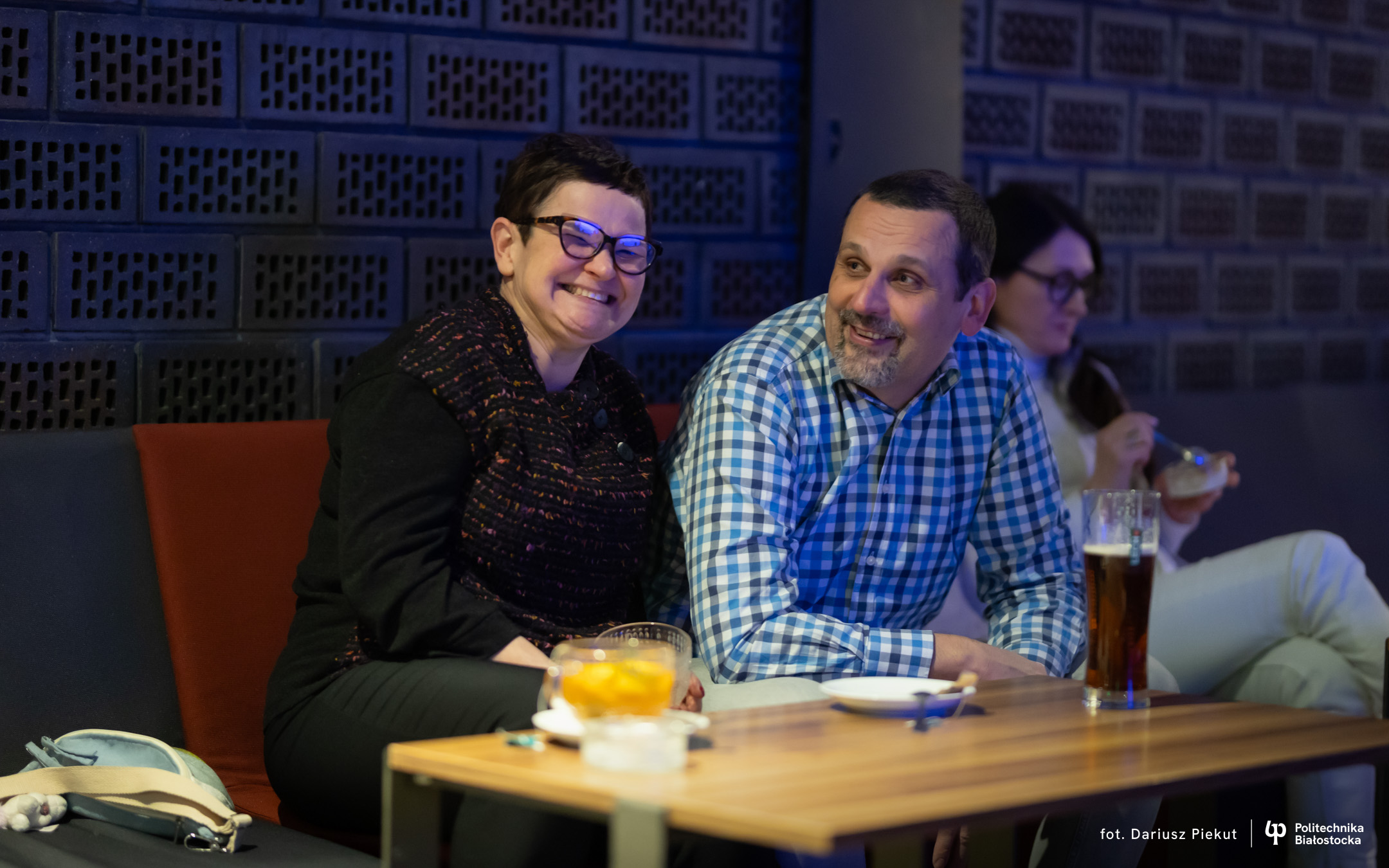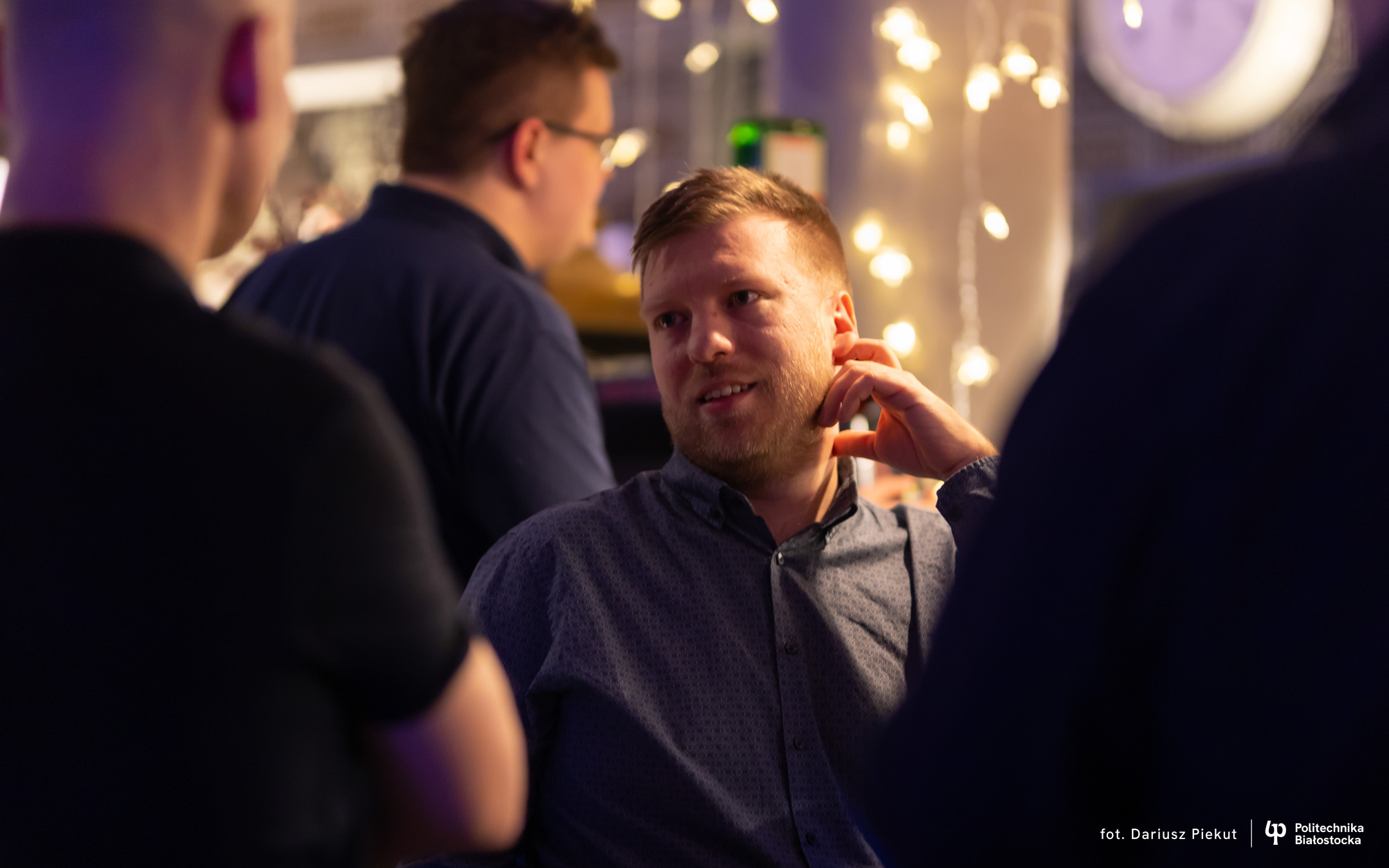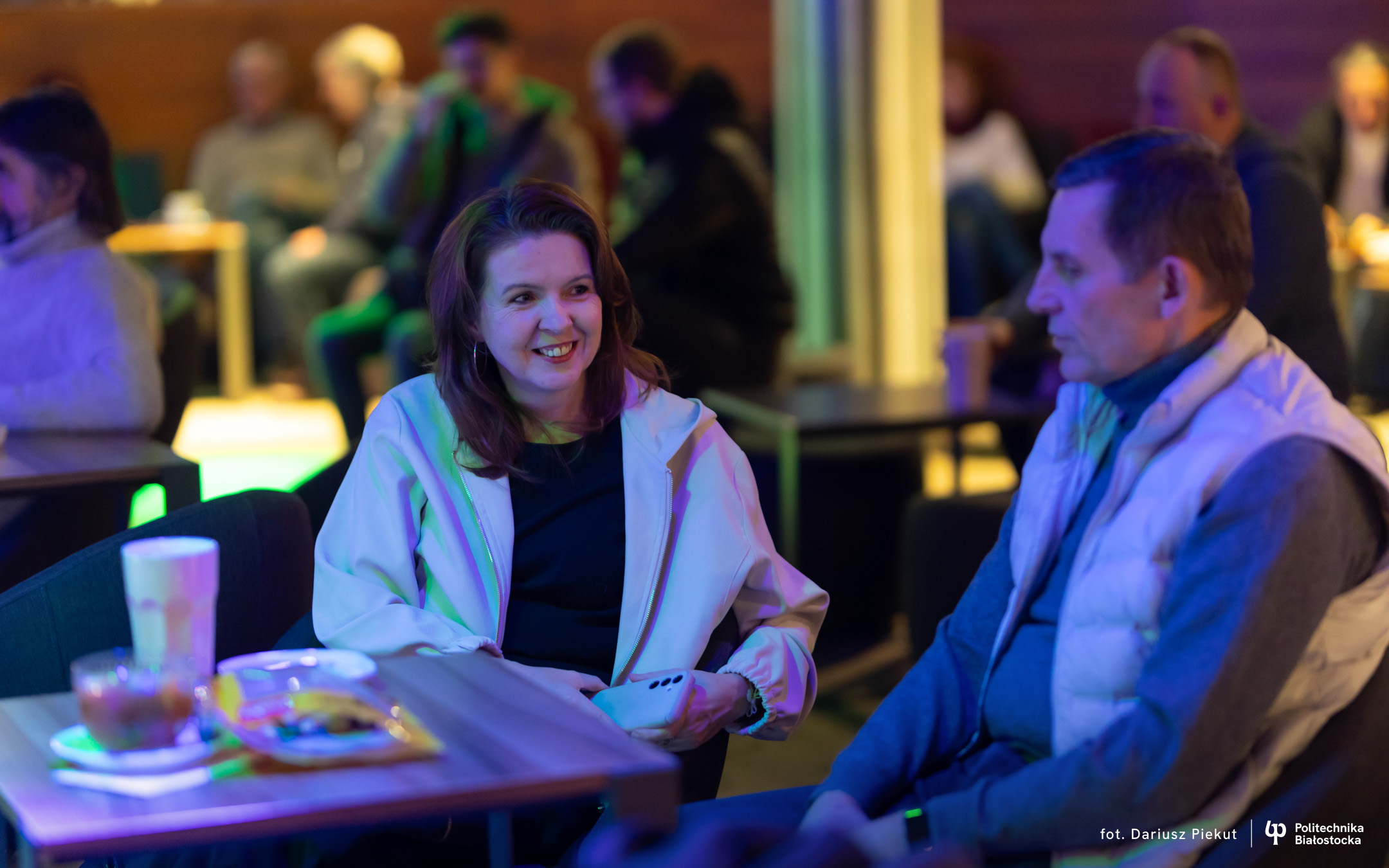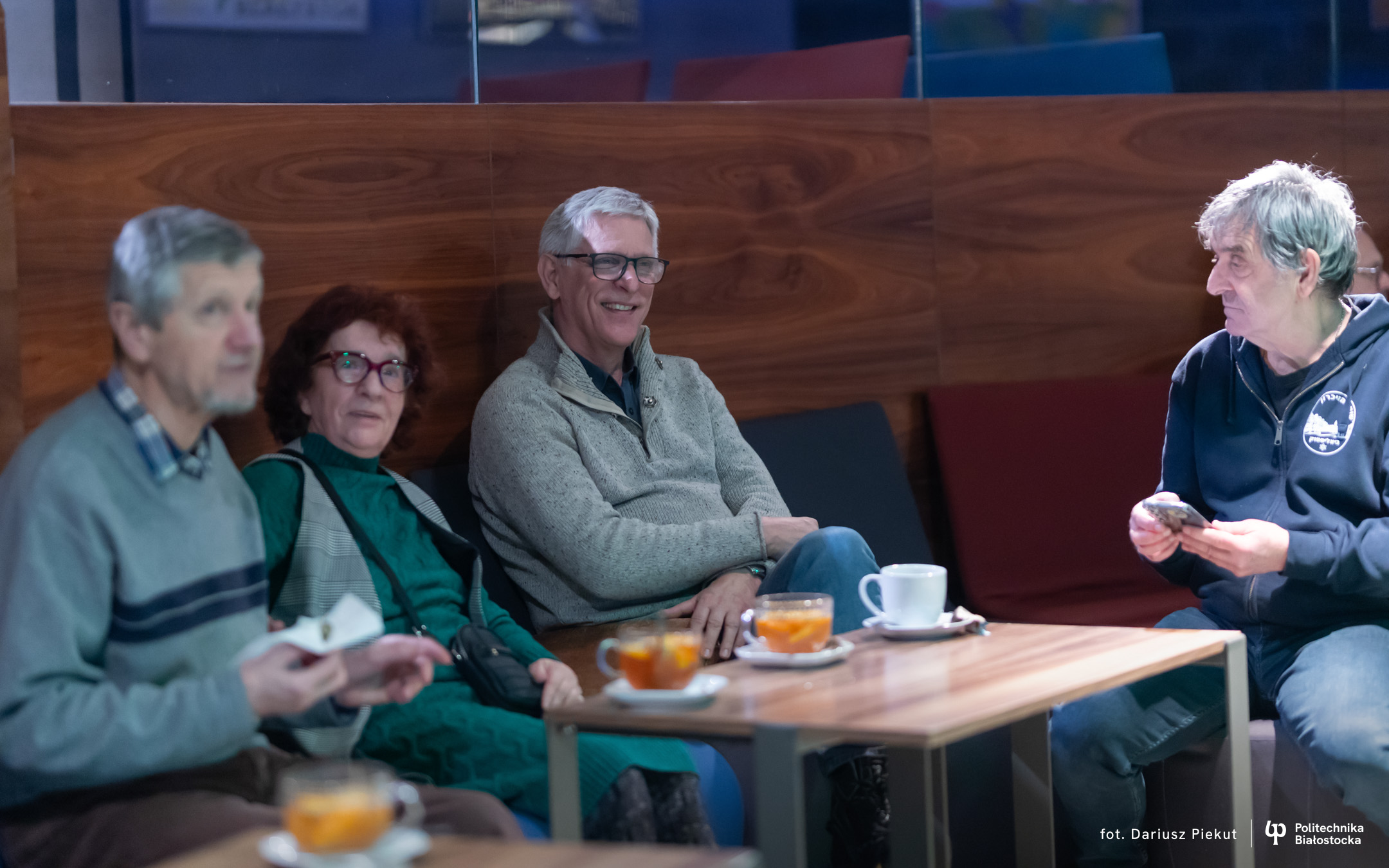
About important topics over coffee
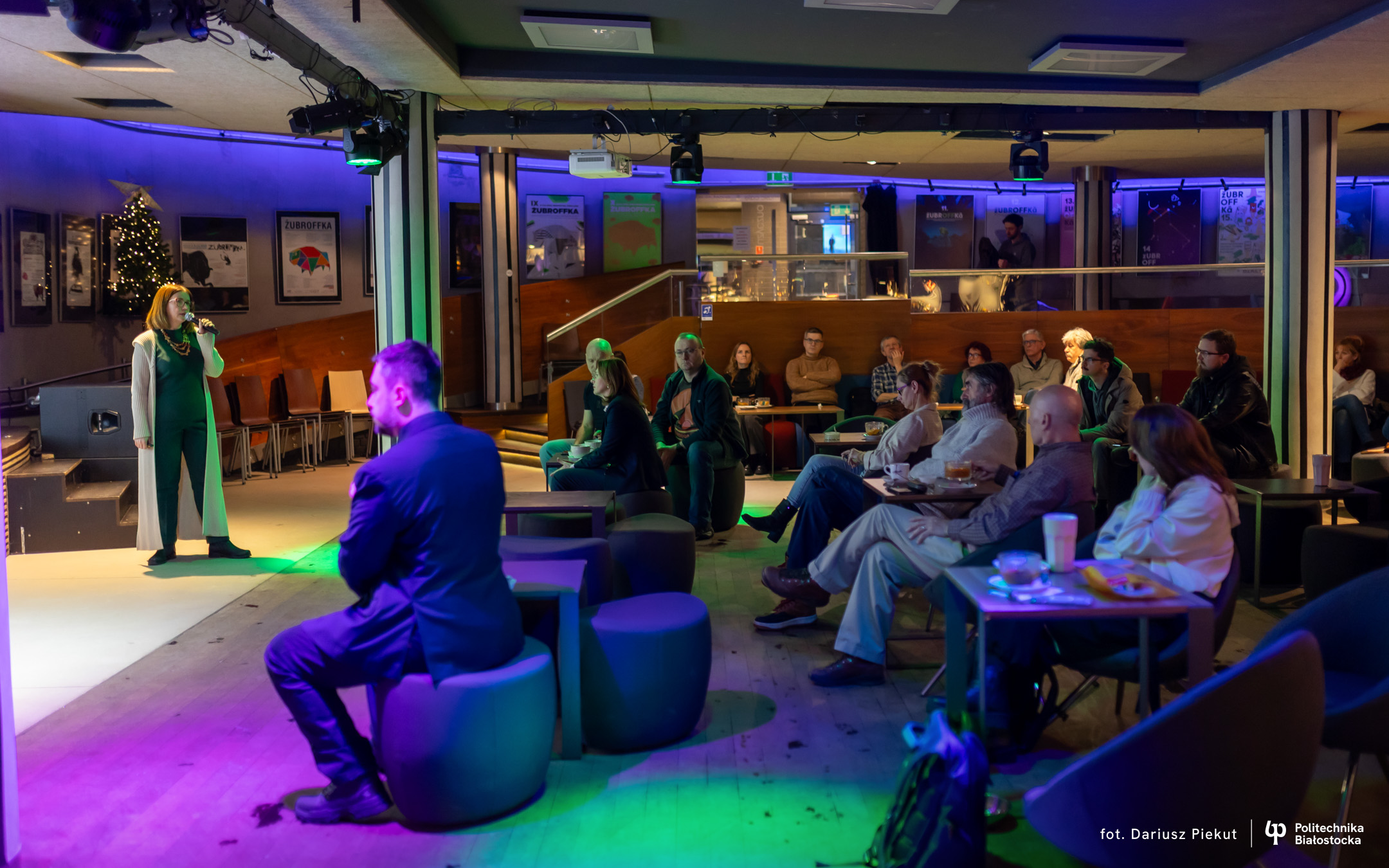
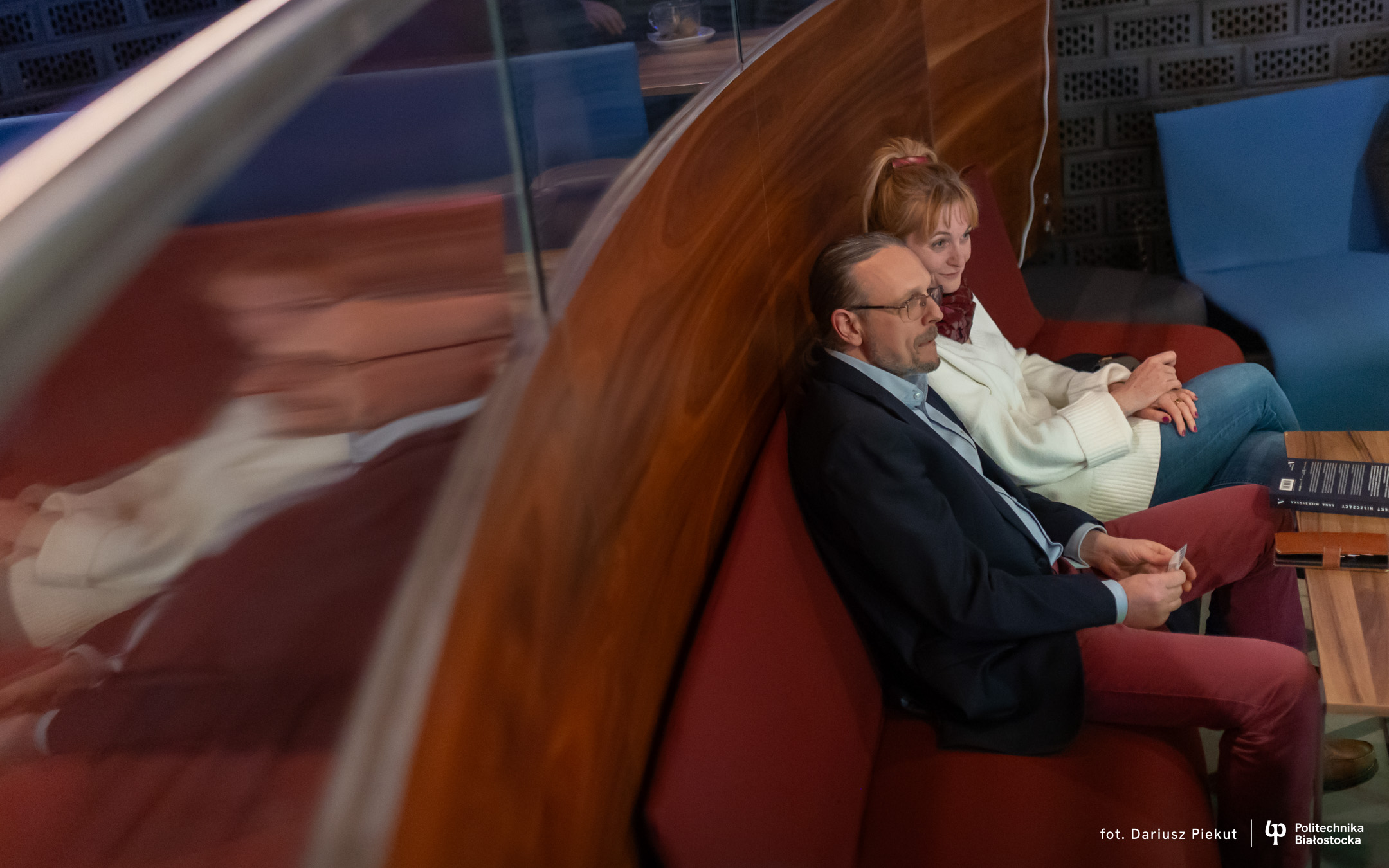
For many students and residents of Bialystok, the Bialystok University of Technology Science Café is already a regular fixture in their calendars. Participants can expect engaging, up-to-date topics that expand knowledge about the world of technology.
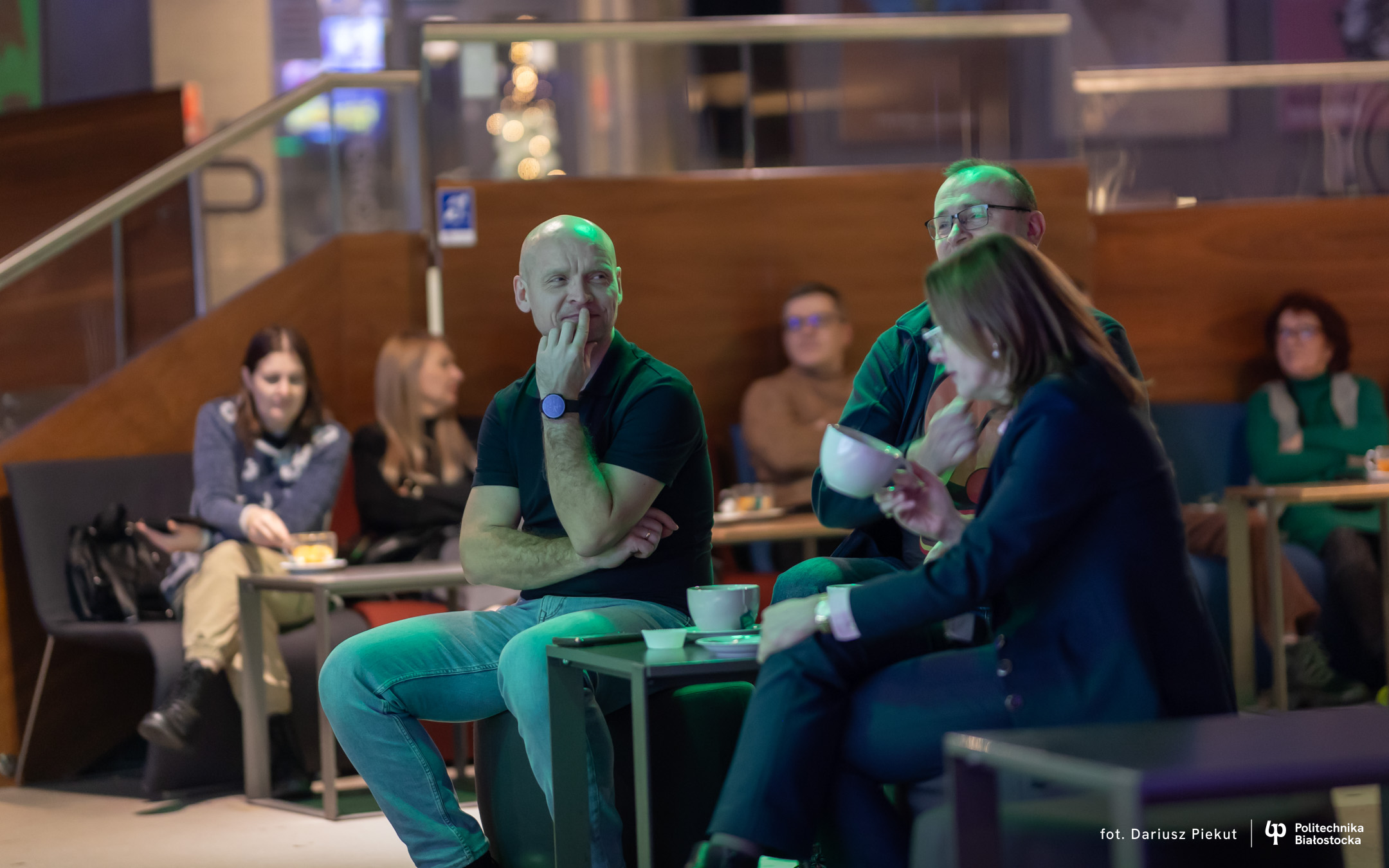
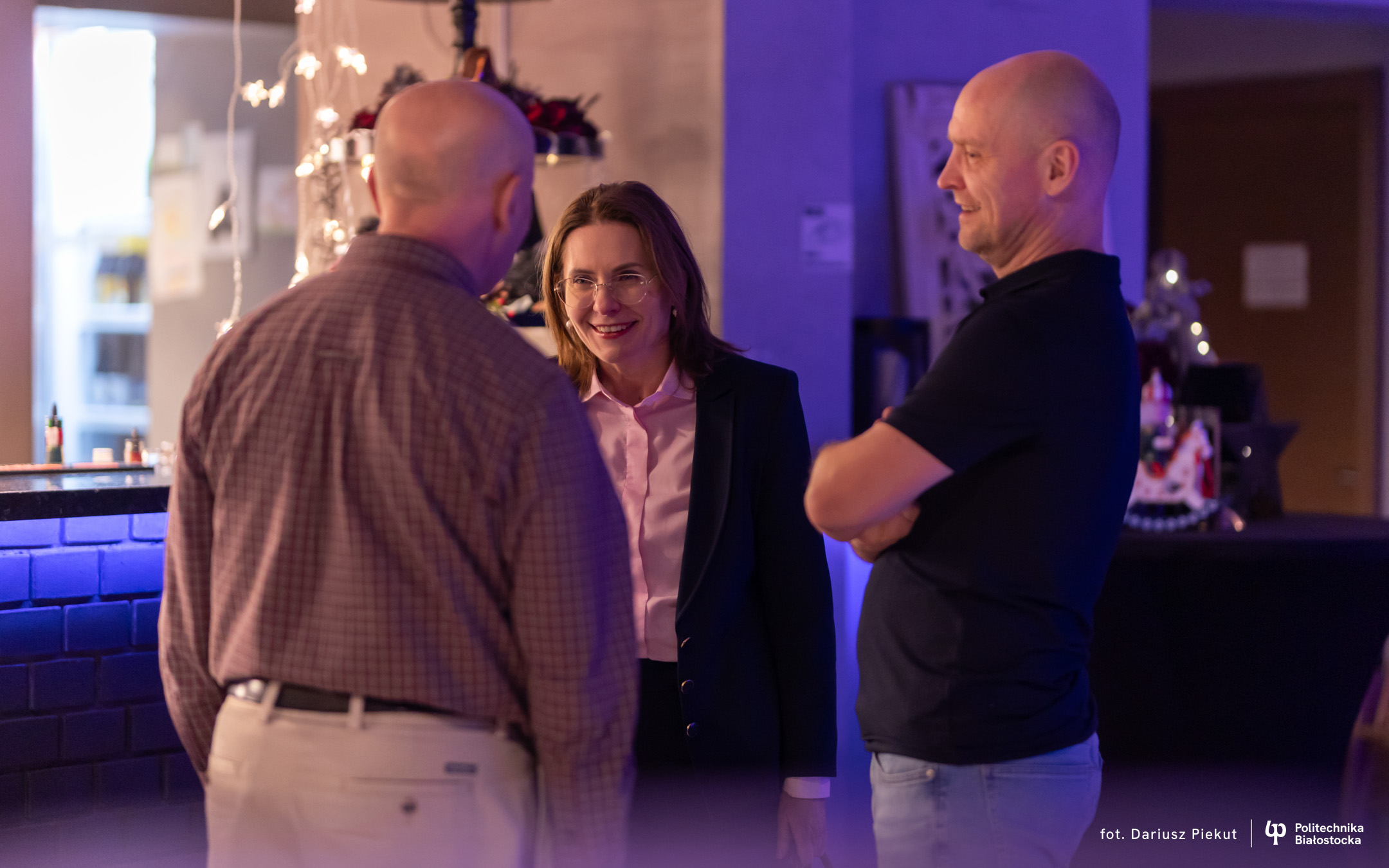
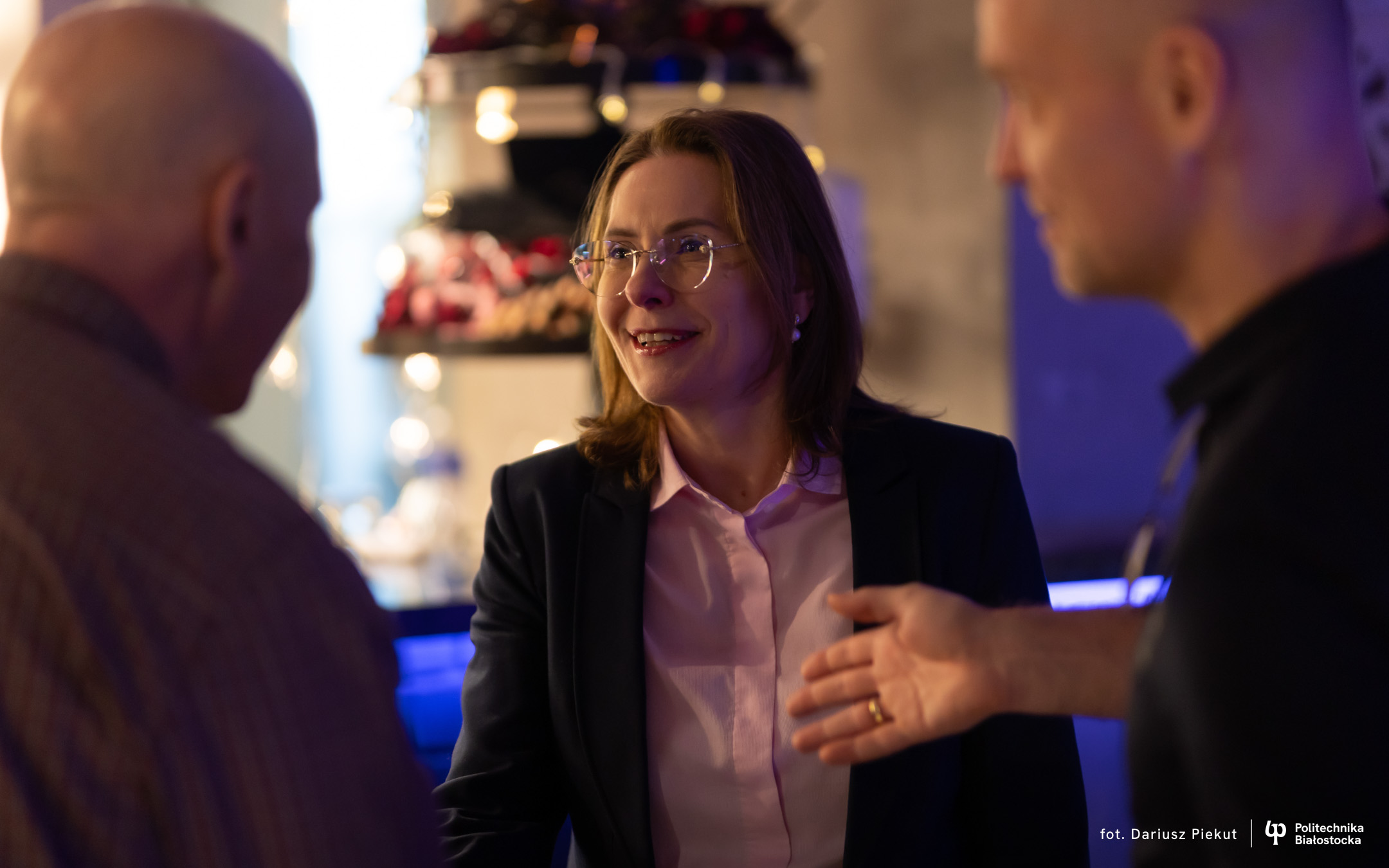
– We want to bring science closer to people – says Assoc. Prof. Dorota Mozyrska, DSc, PhD, Eng., organiser of the series and Dean of the Faculty of Computer Science at Bialystok University of Technology. – Stepping outside the university walls makes knowledge no longer associated with something difficult and inaccessible. Here, over coffee and cookies, we discuss socially and technologically important matters in a way that is understandable for everyone.
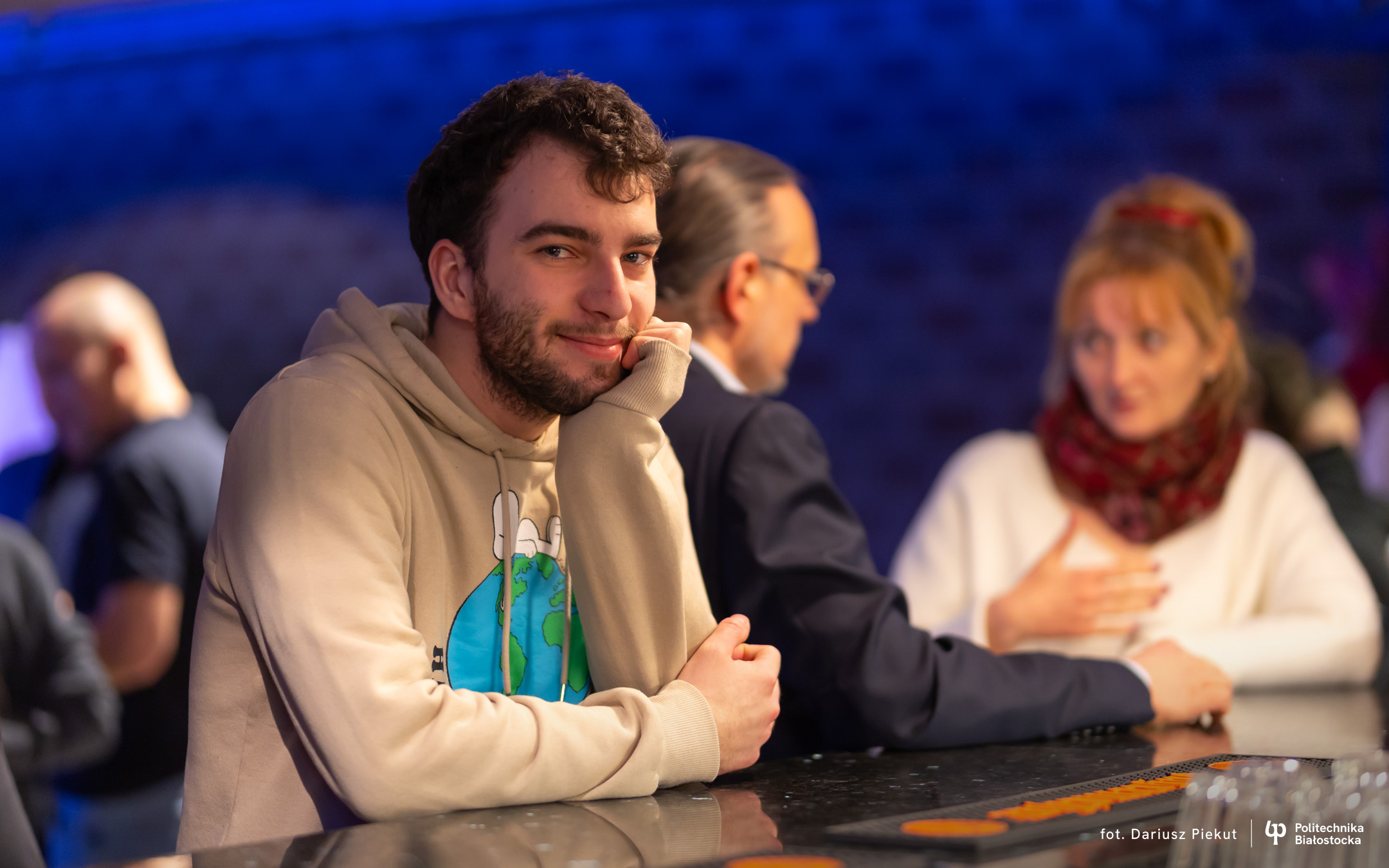
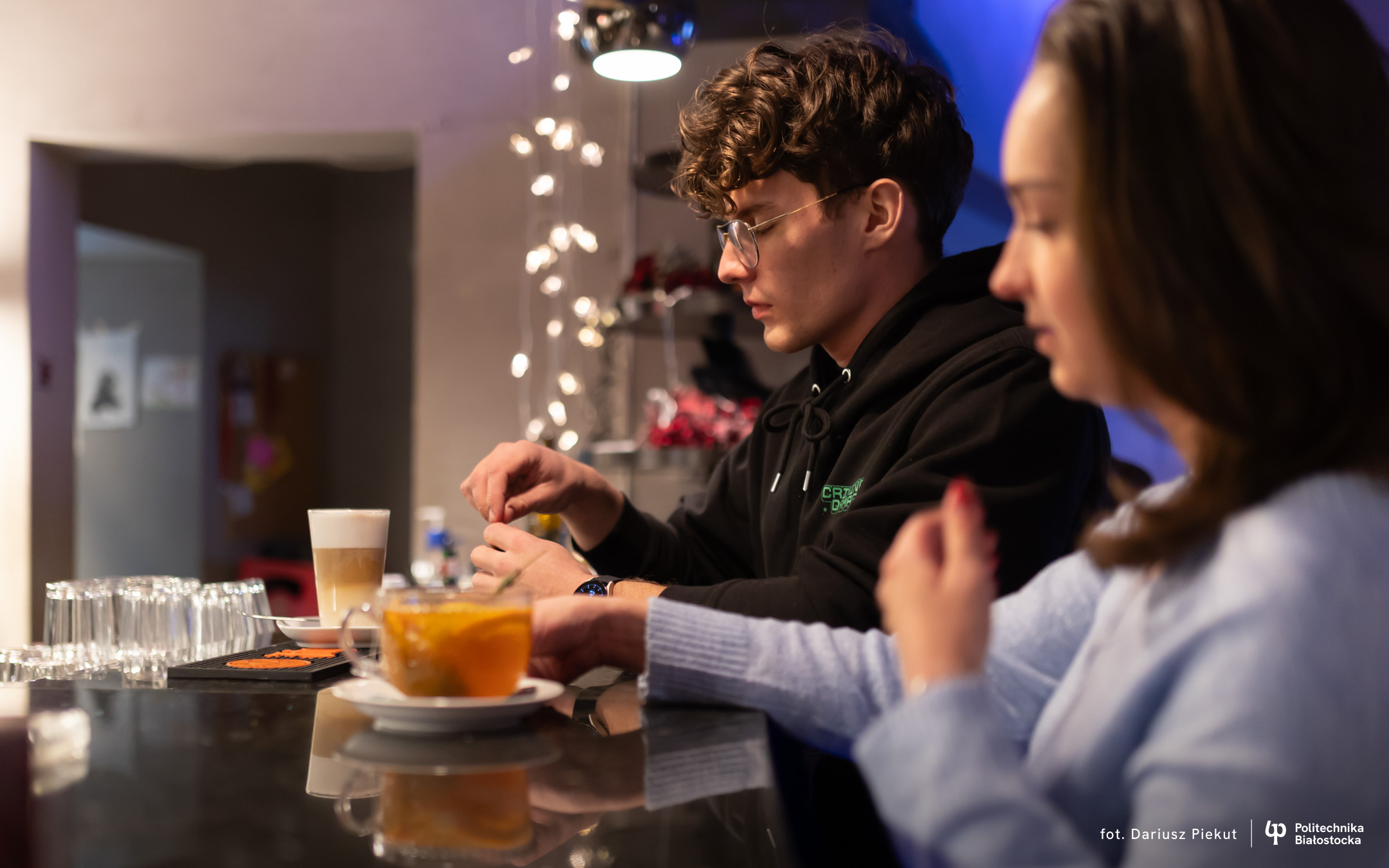
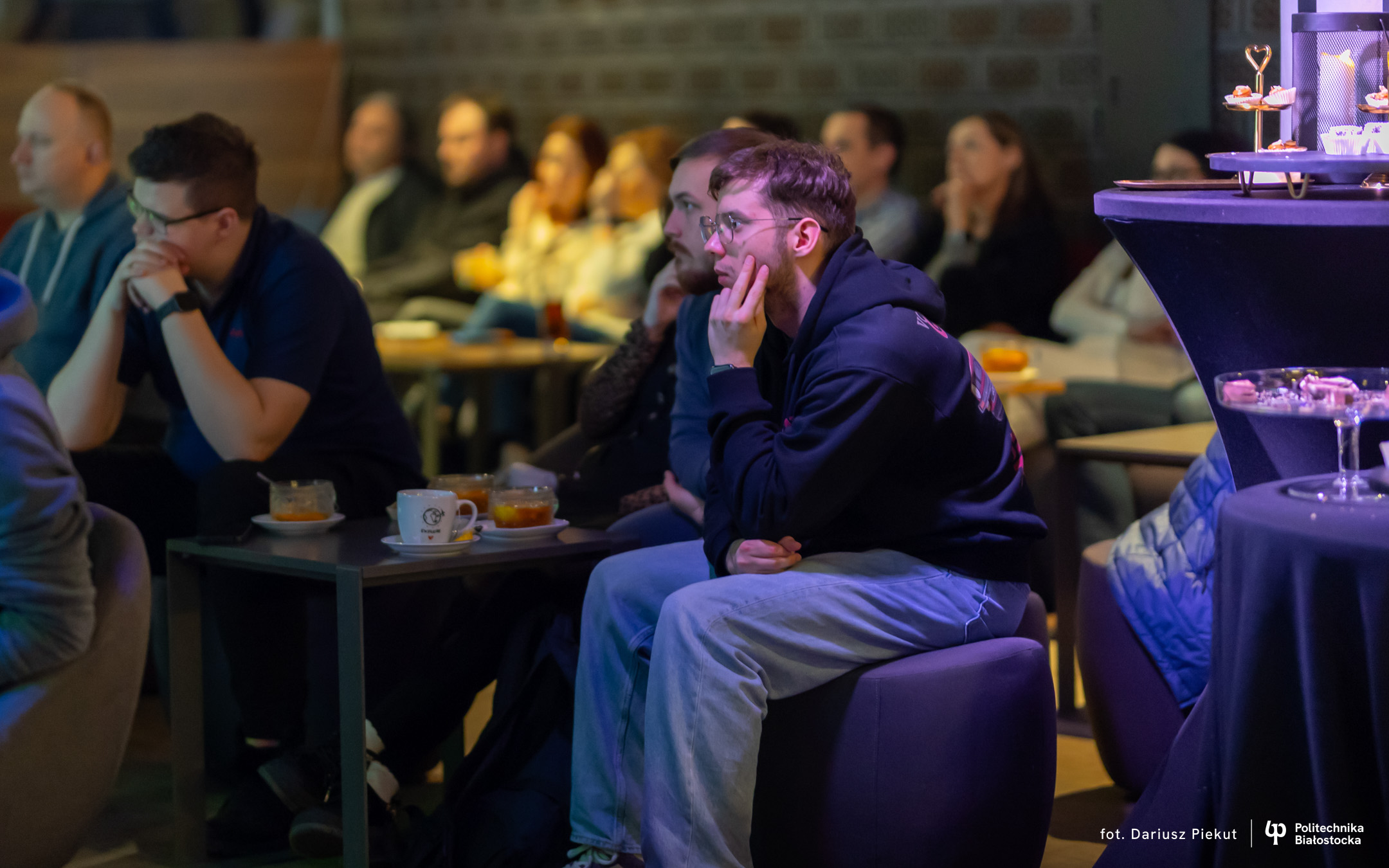
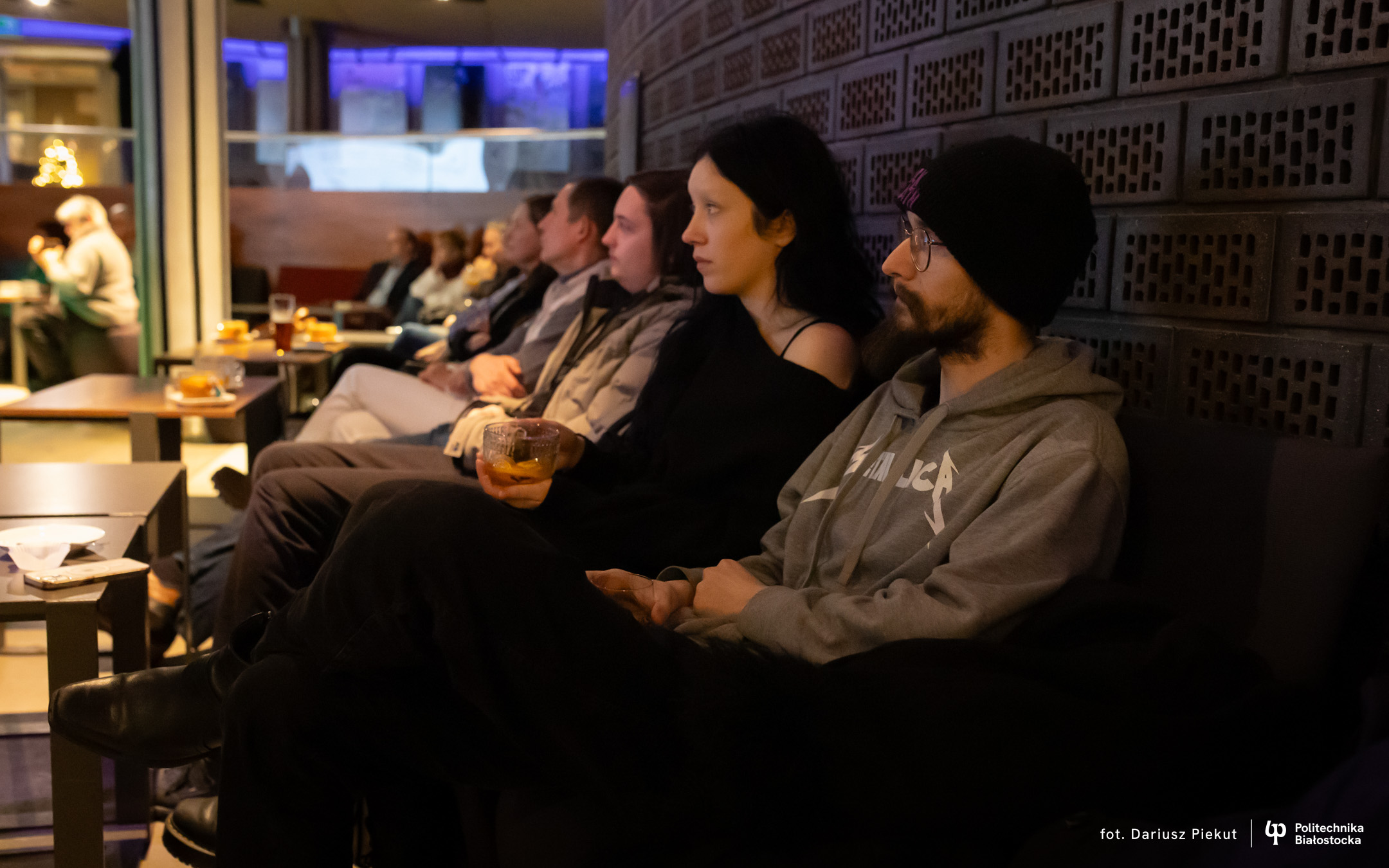
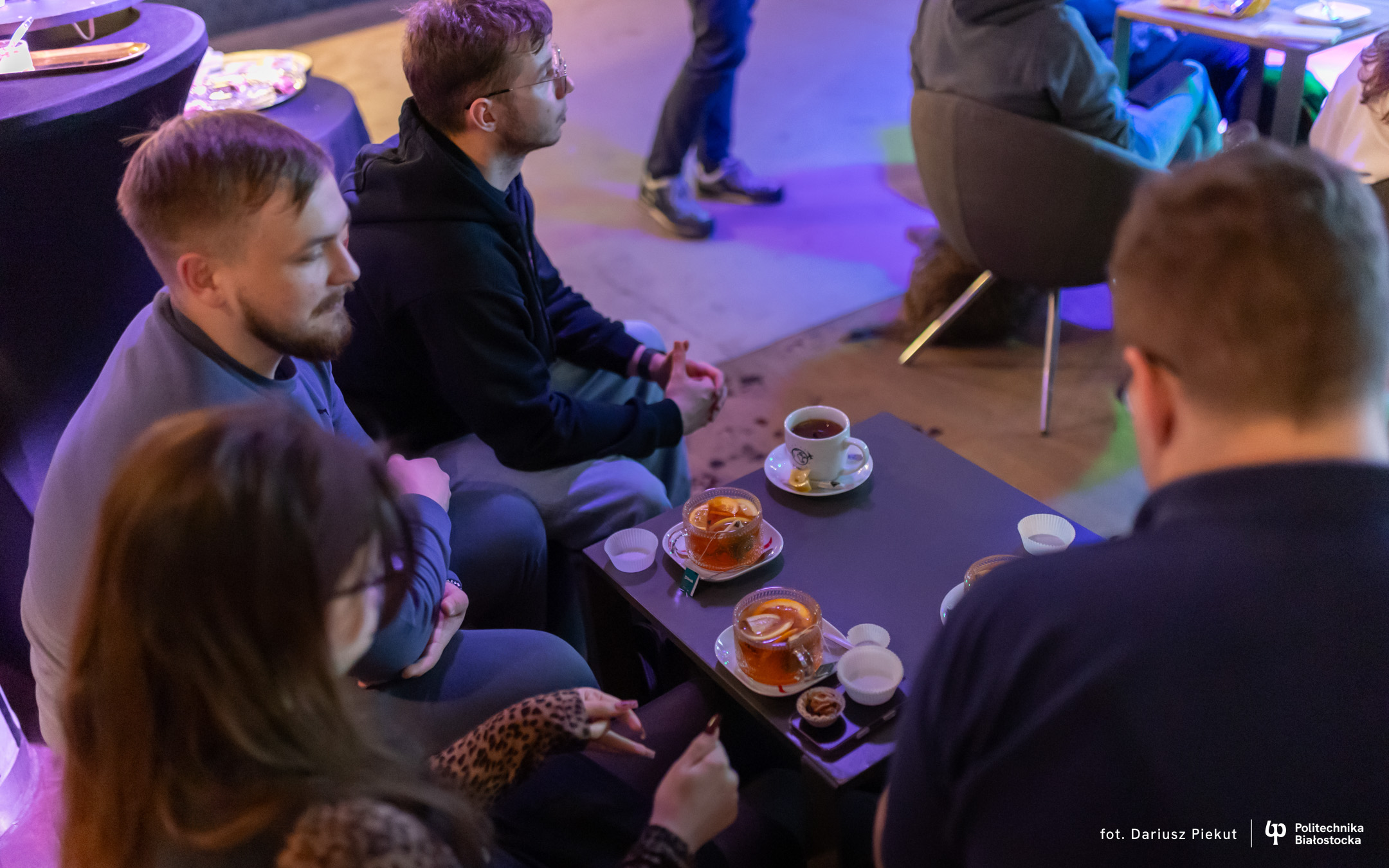
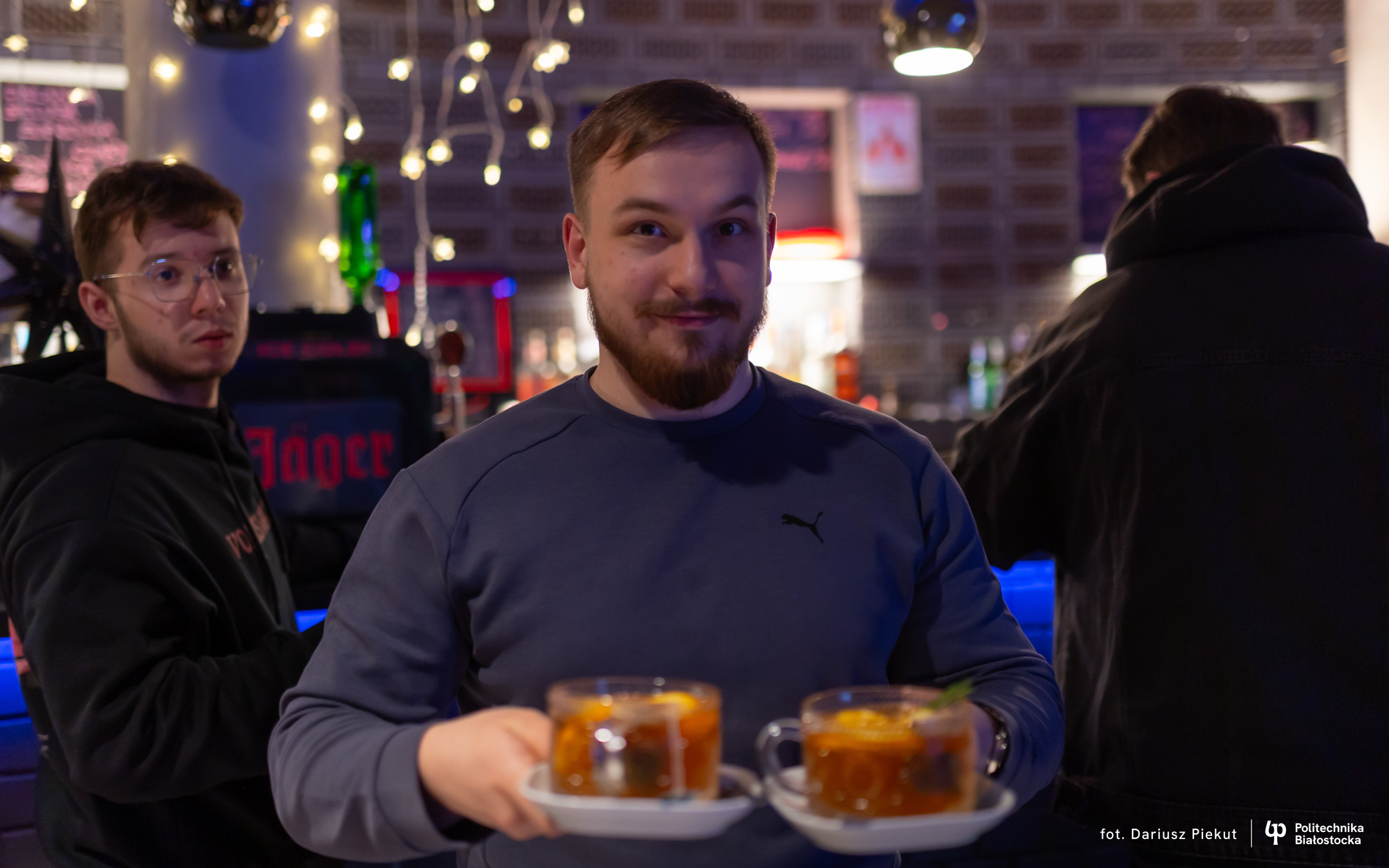
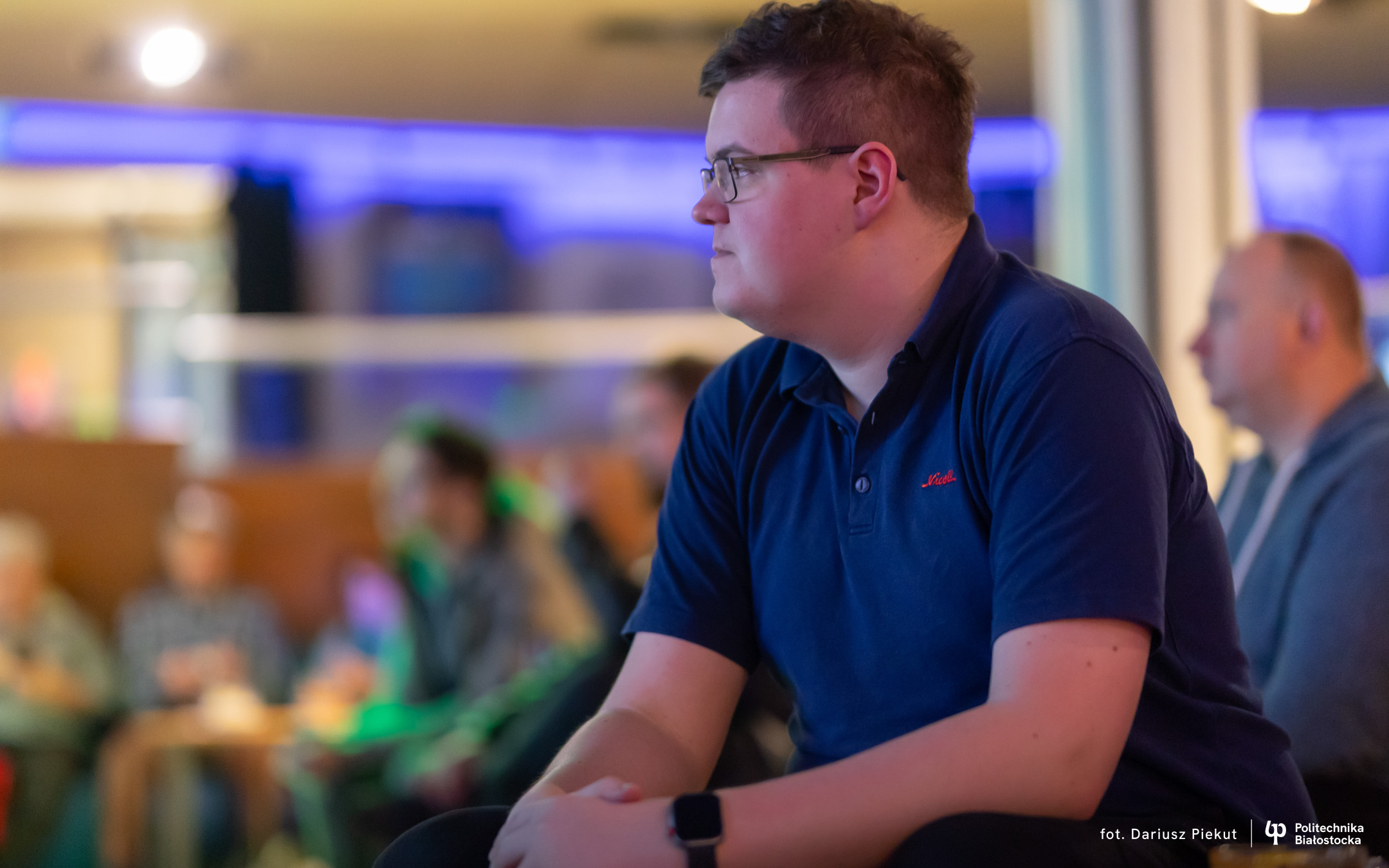
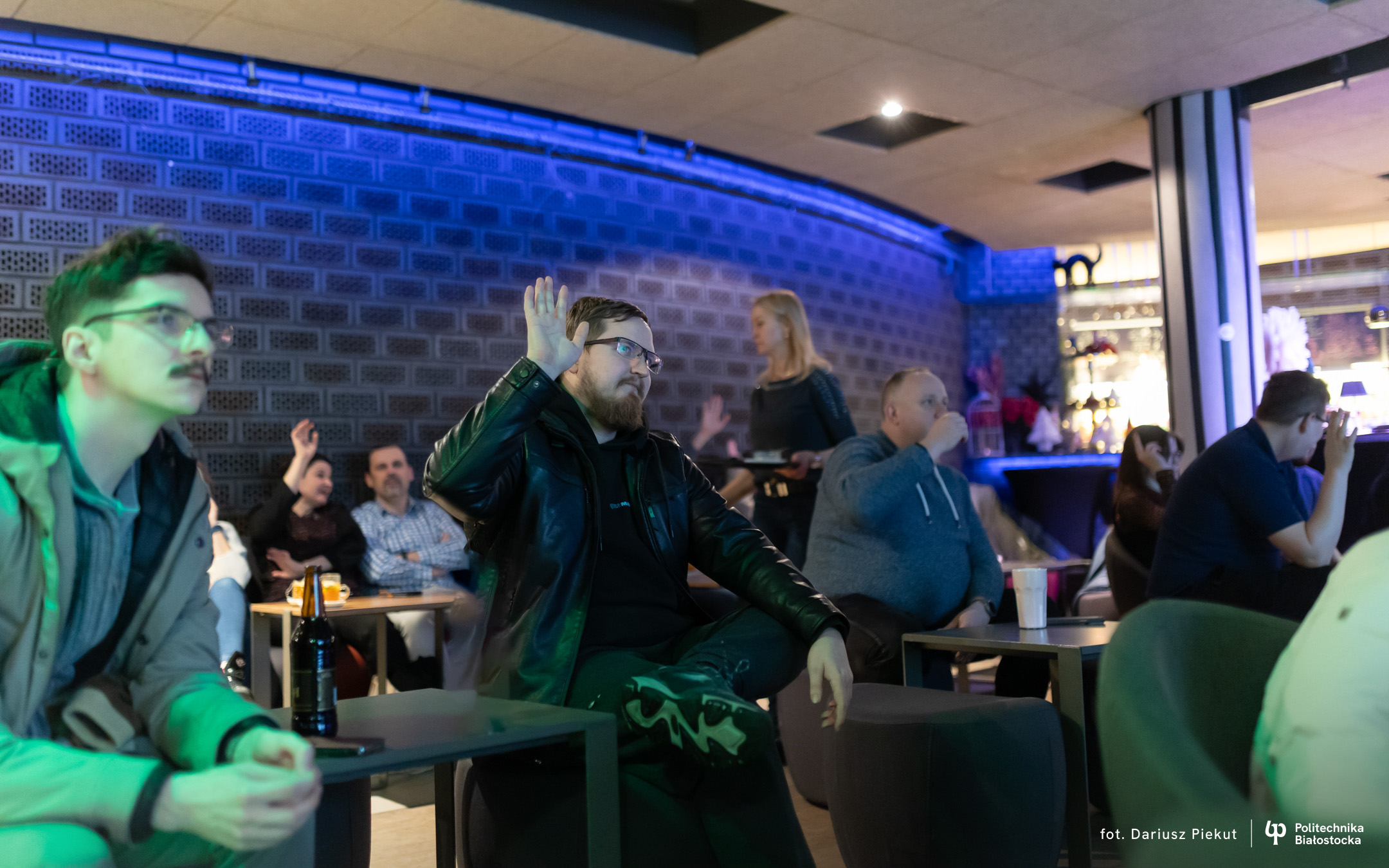
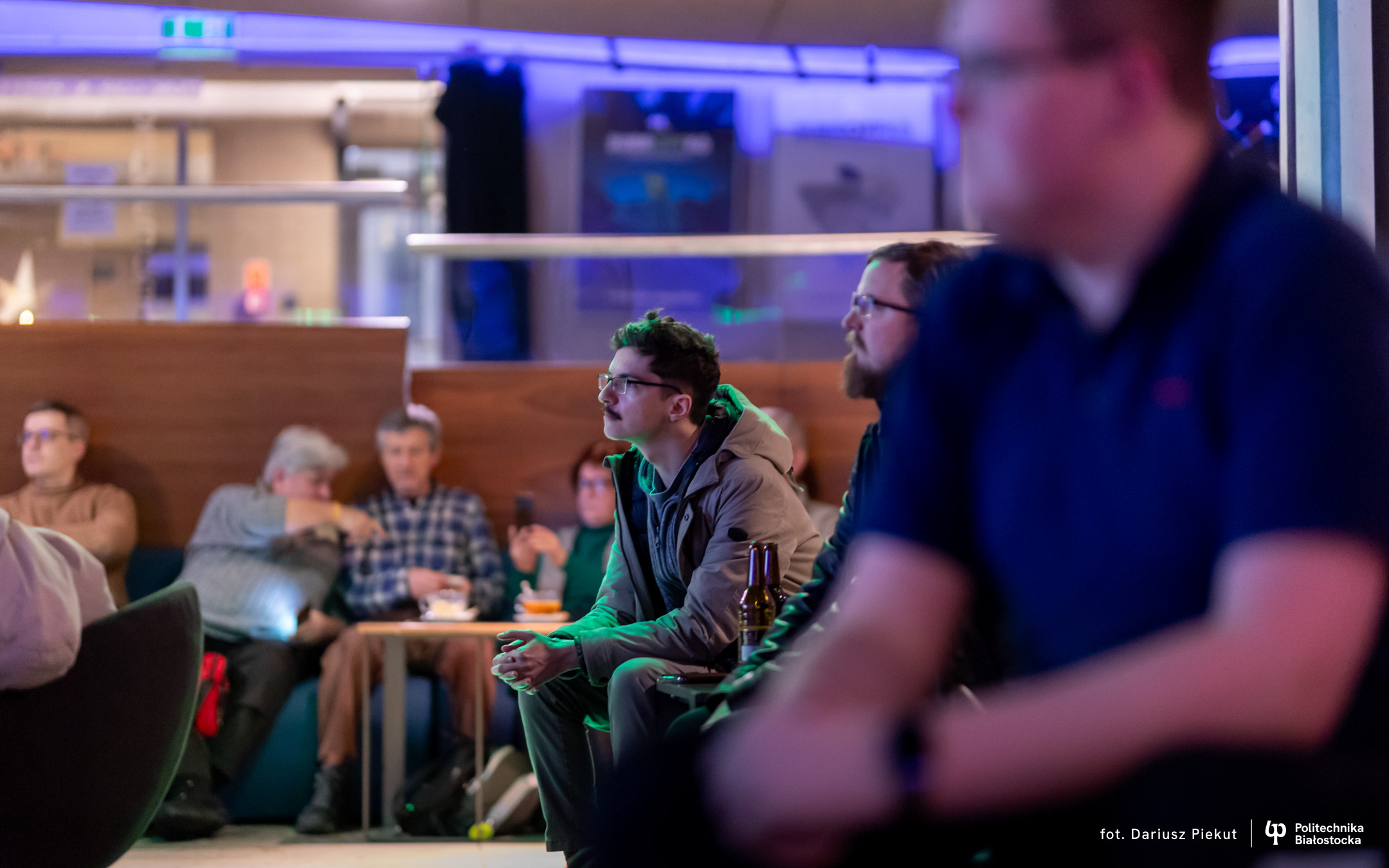
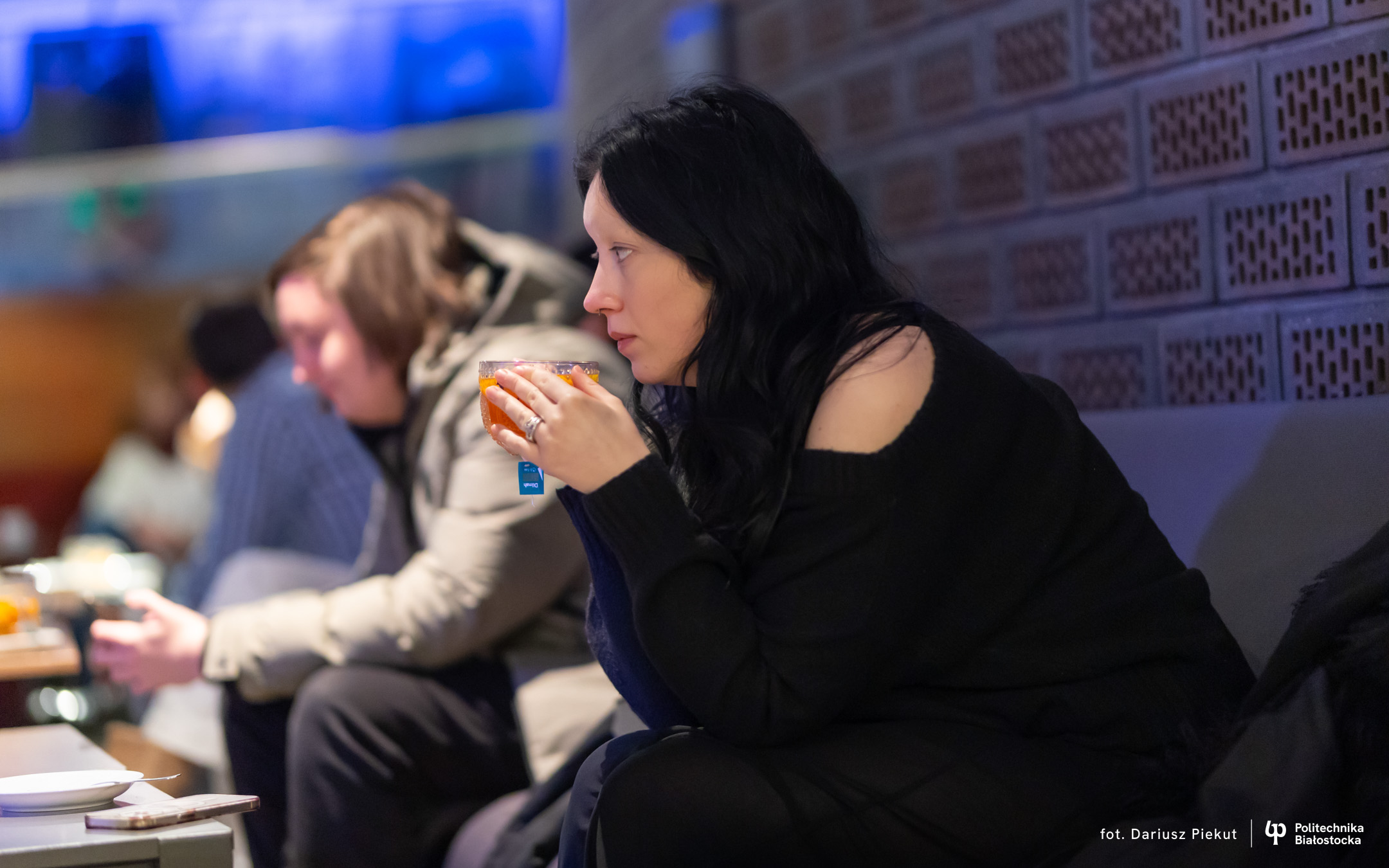
Participants appreciate above all the relaxed nature of the meeting.
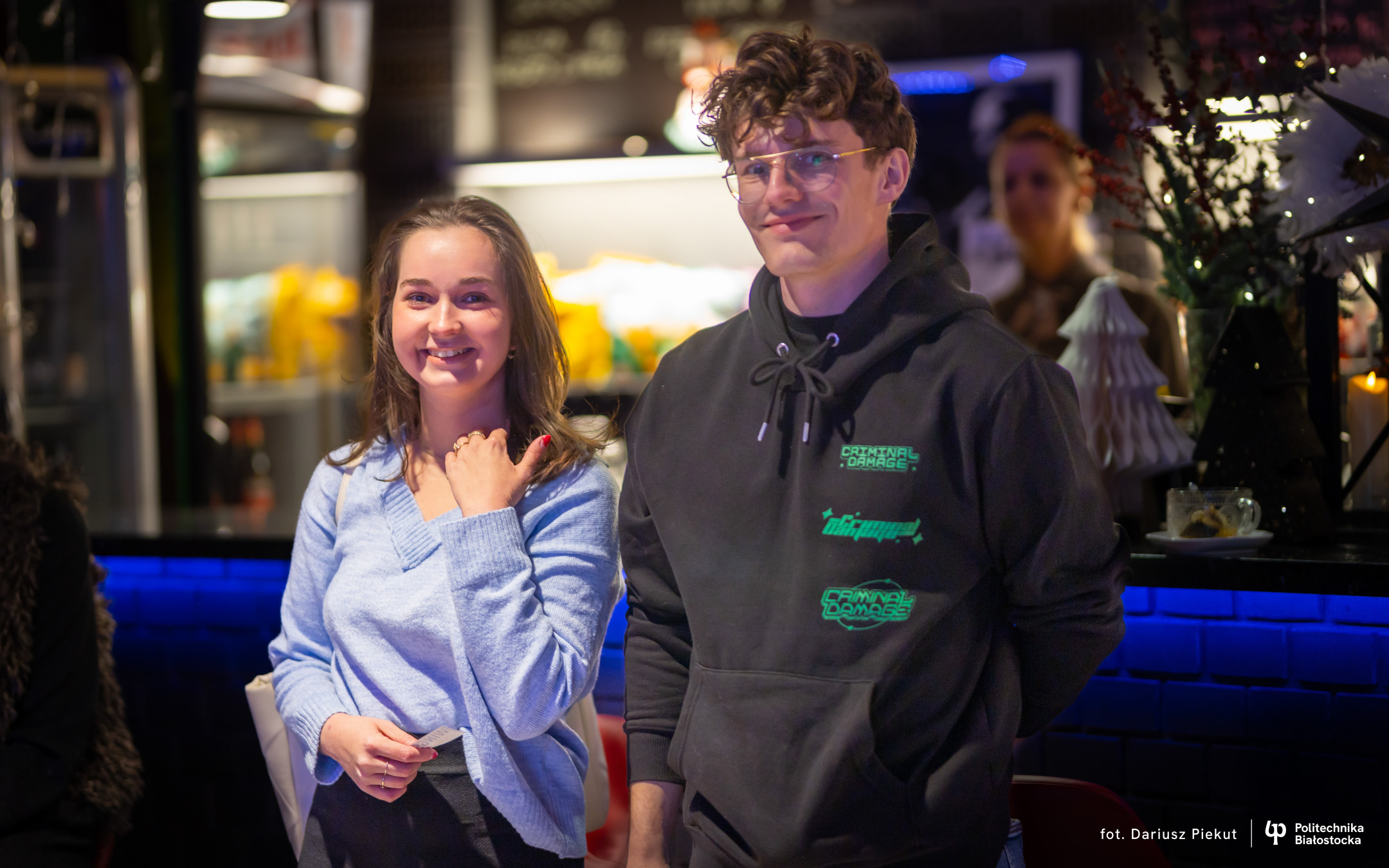
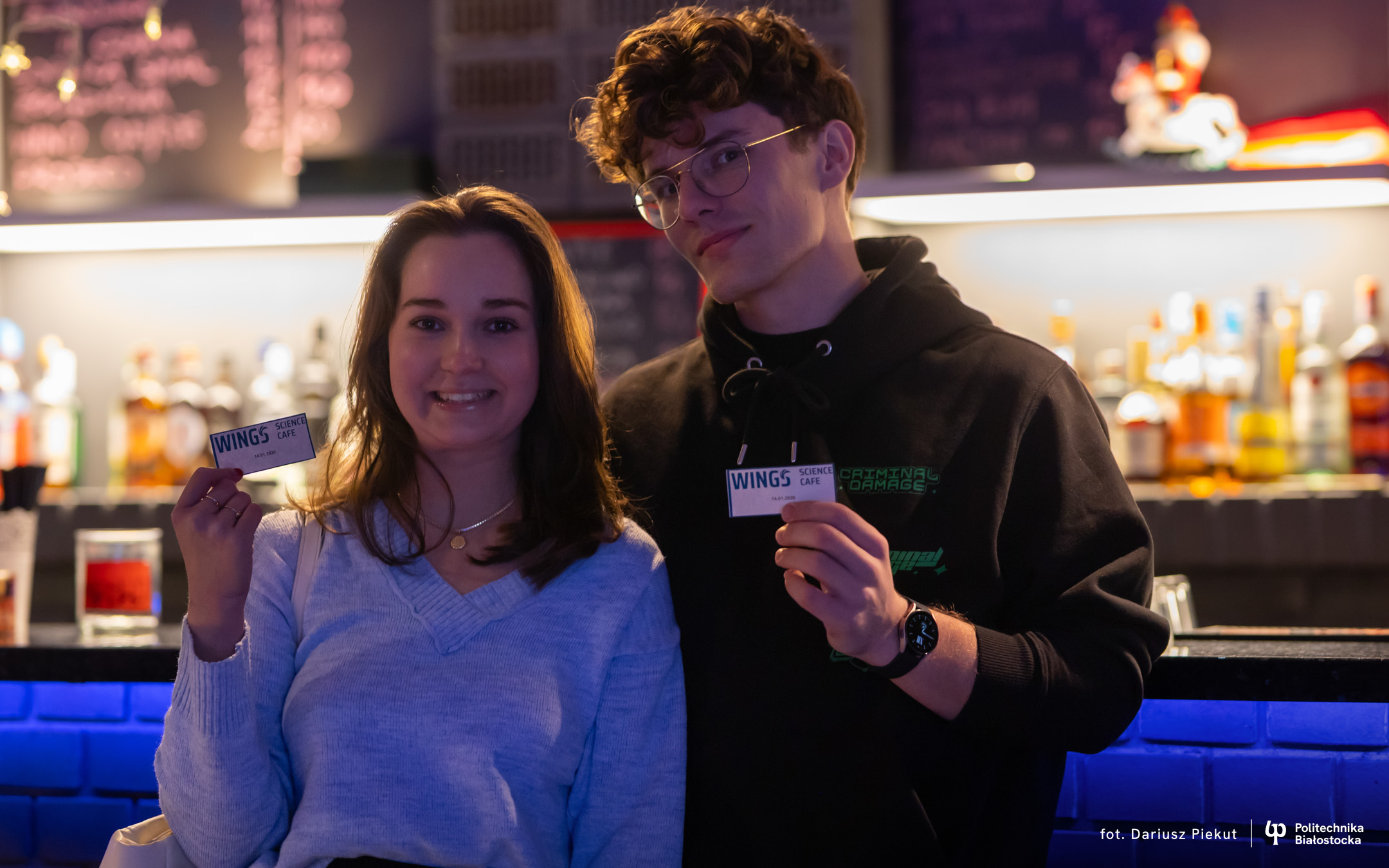
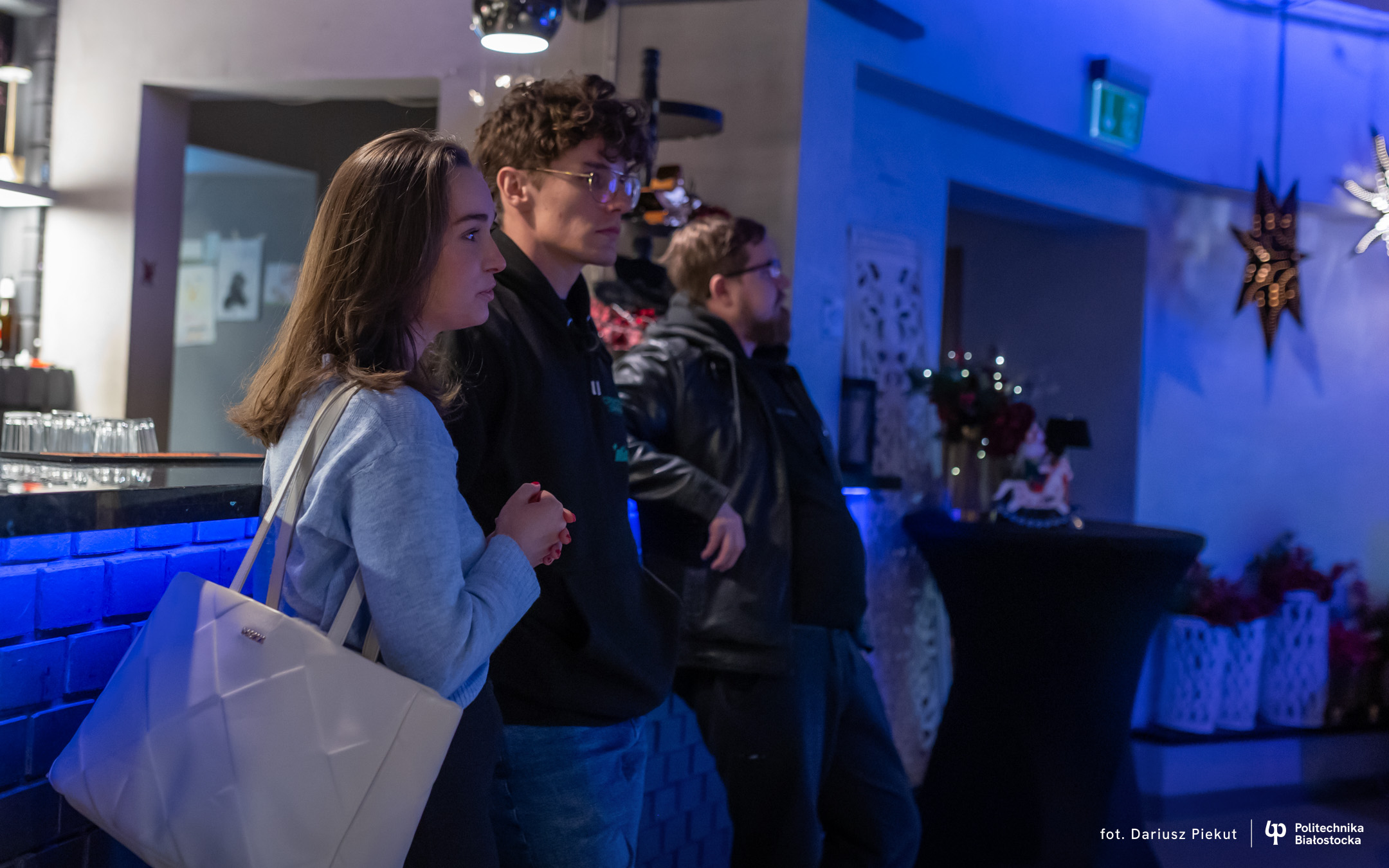
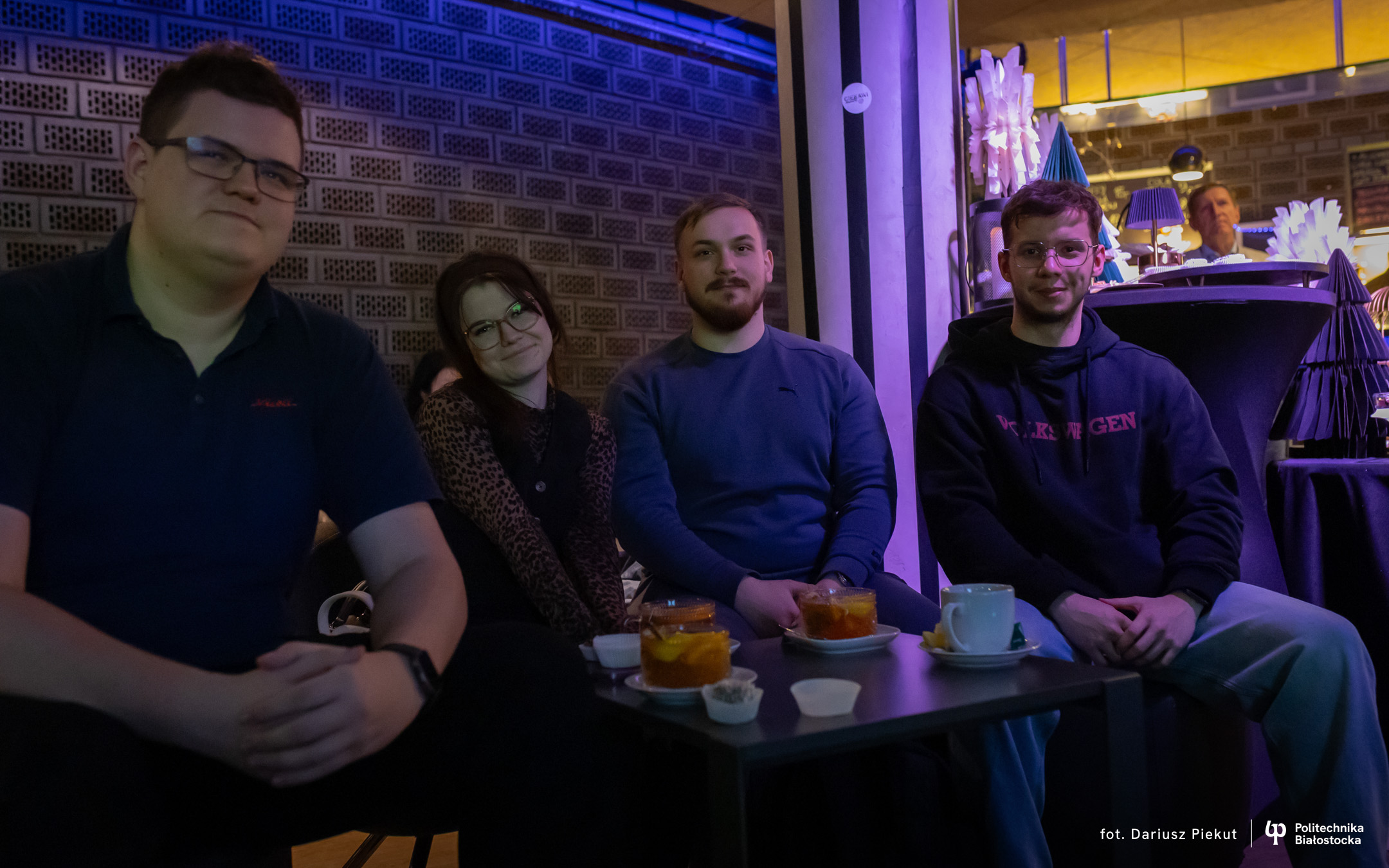
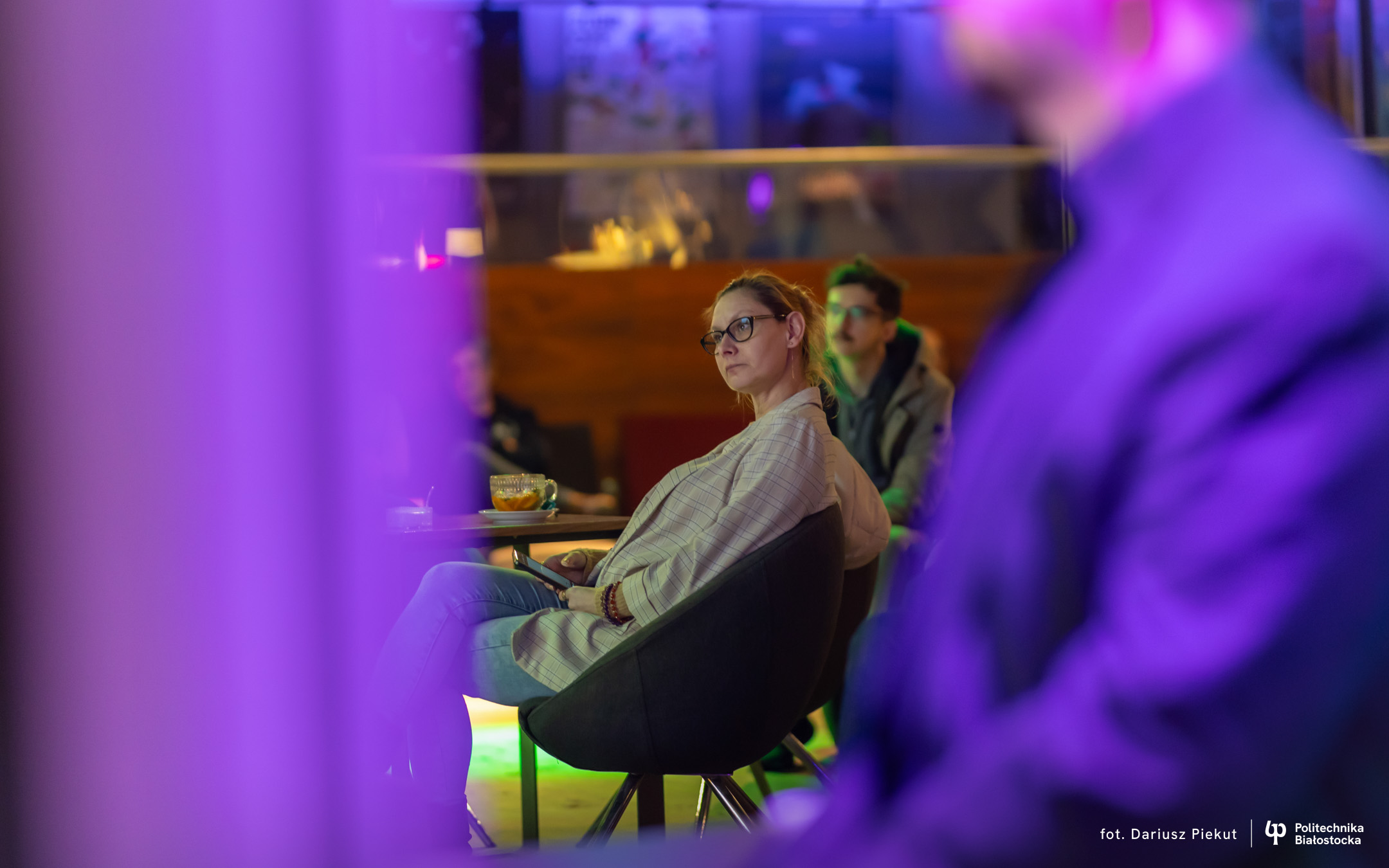
– It’s a great way to spend time in a different way, more effectively than in front of a phone screen – says Karolina Ledniowska, a student of Applied Mathematics at the Faculty of Computer Science, BUT.
Arkadiusz Górski, a student of Biomedical Engineering at the Faculty of Mechanical Engineering, BUT, took away an important lesson from the recent meeting on disinformation.
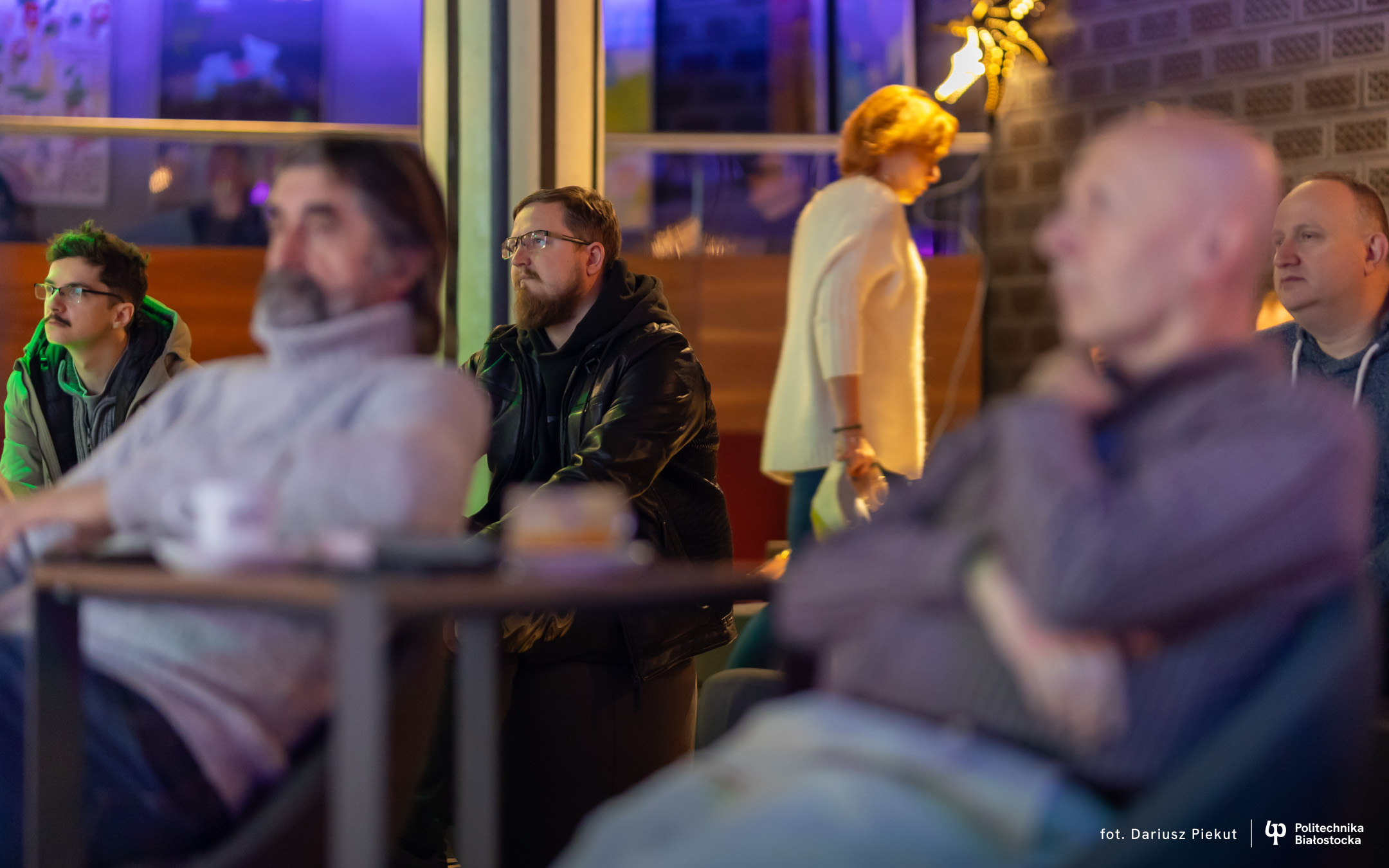
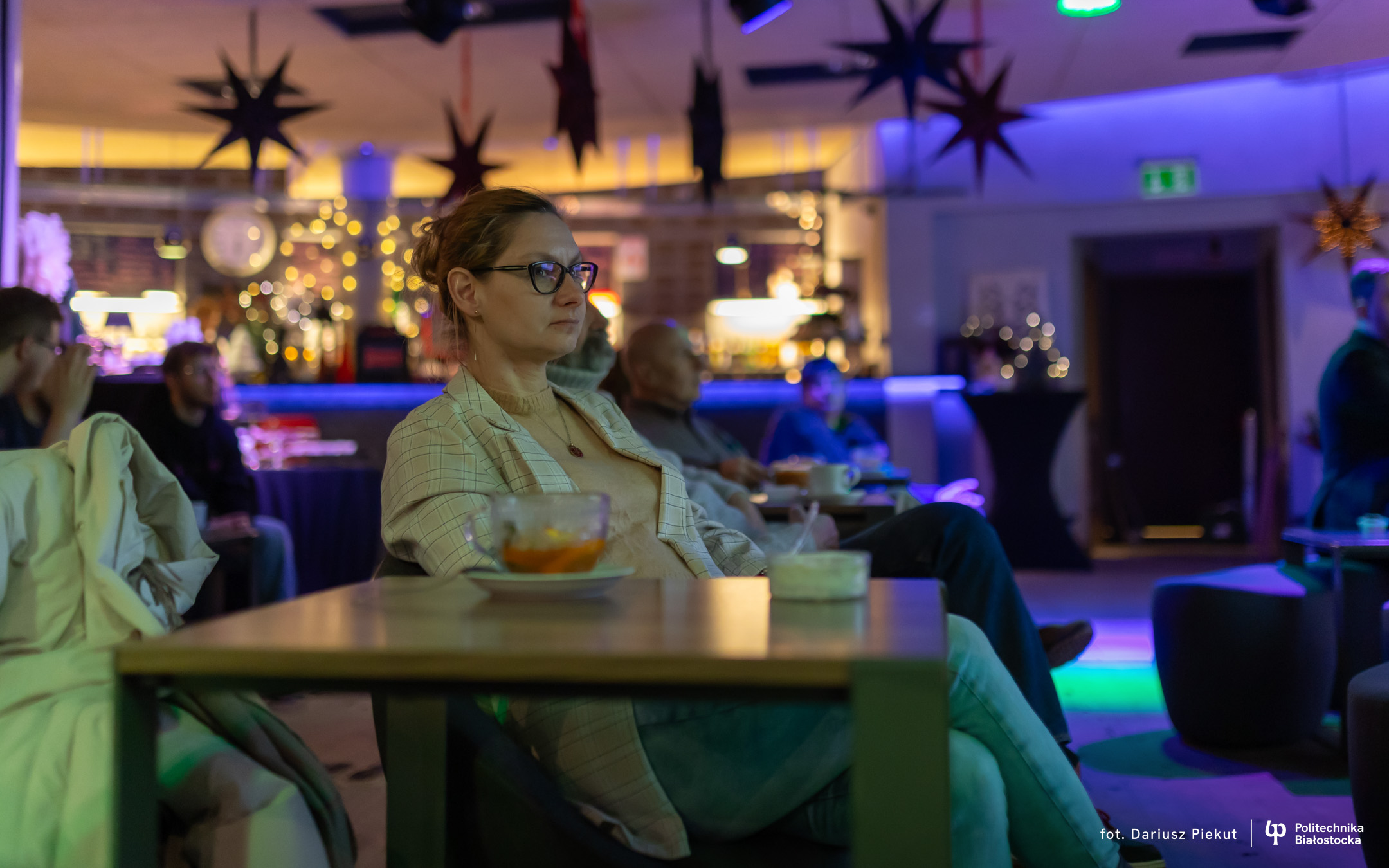
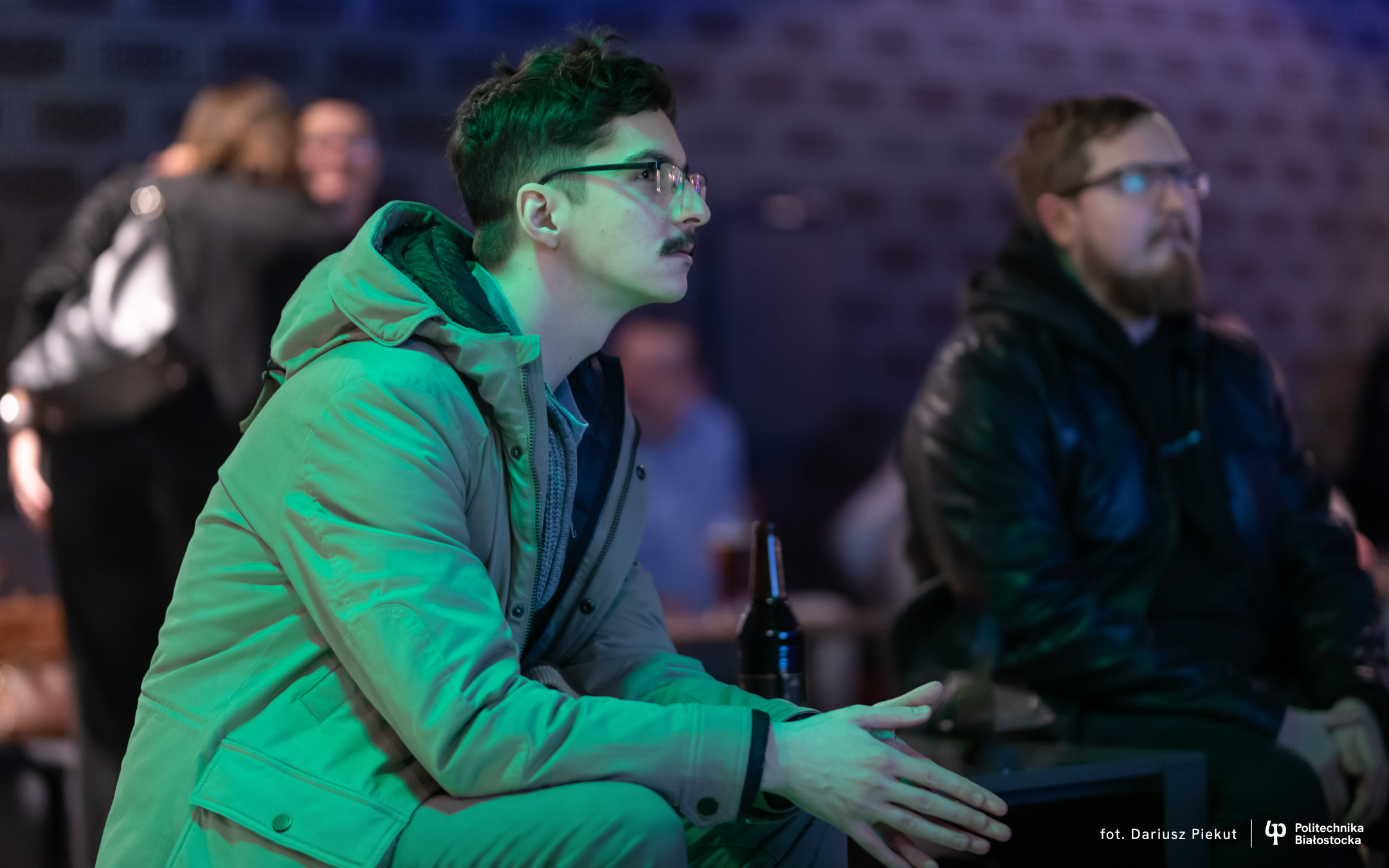
– I realised that the problem is the sheer amount of stimuli. We absorb so much information that we don’t have time to consider what is fake – says Arkadiusz Górski. – Although in the background noise of the café you have to concentrate to catch all the details, a format of a short lecture over coffee is perfect for introducing the topic and conveying key information.
Experts warn: our brain does not seek the truth, but survival
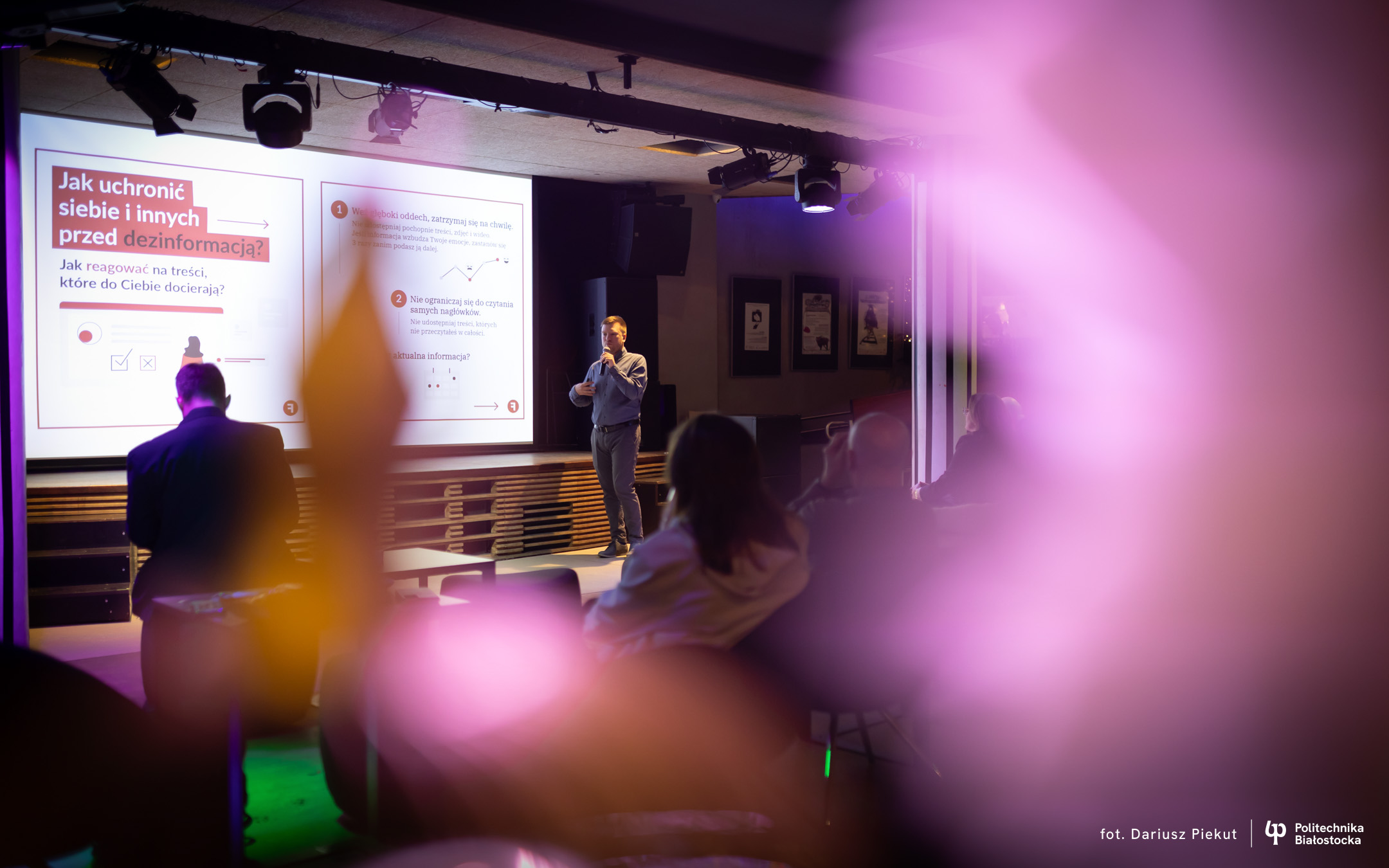
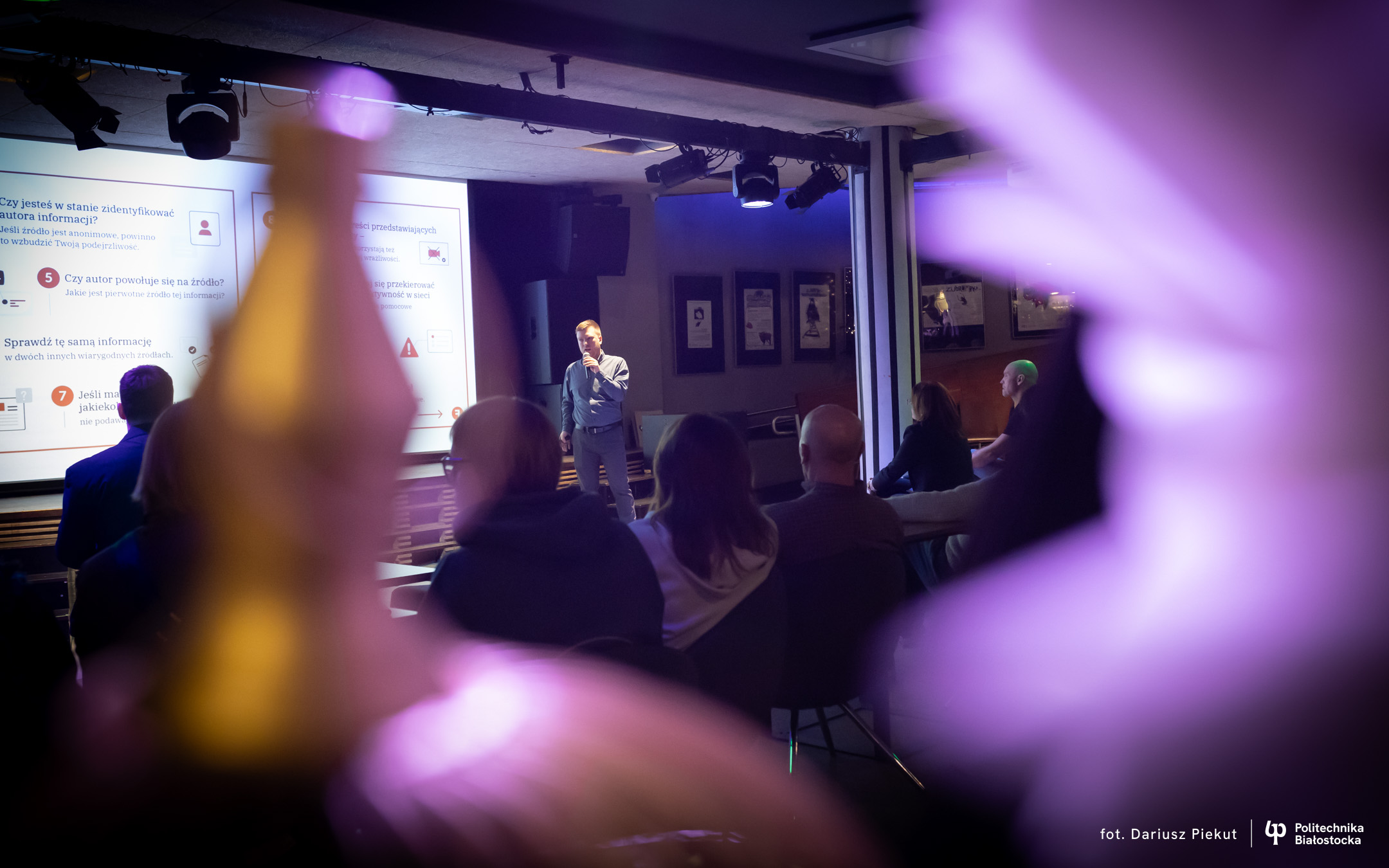
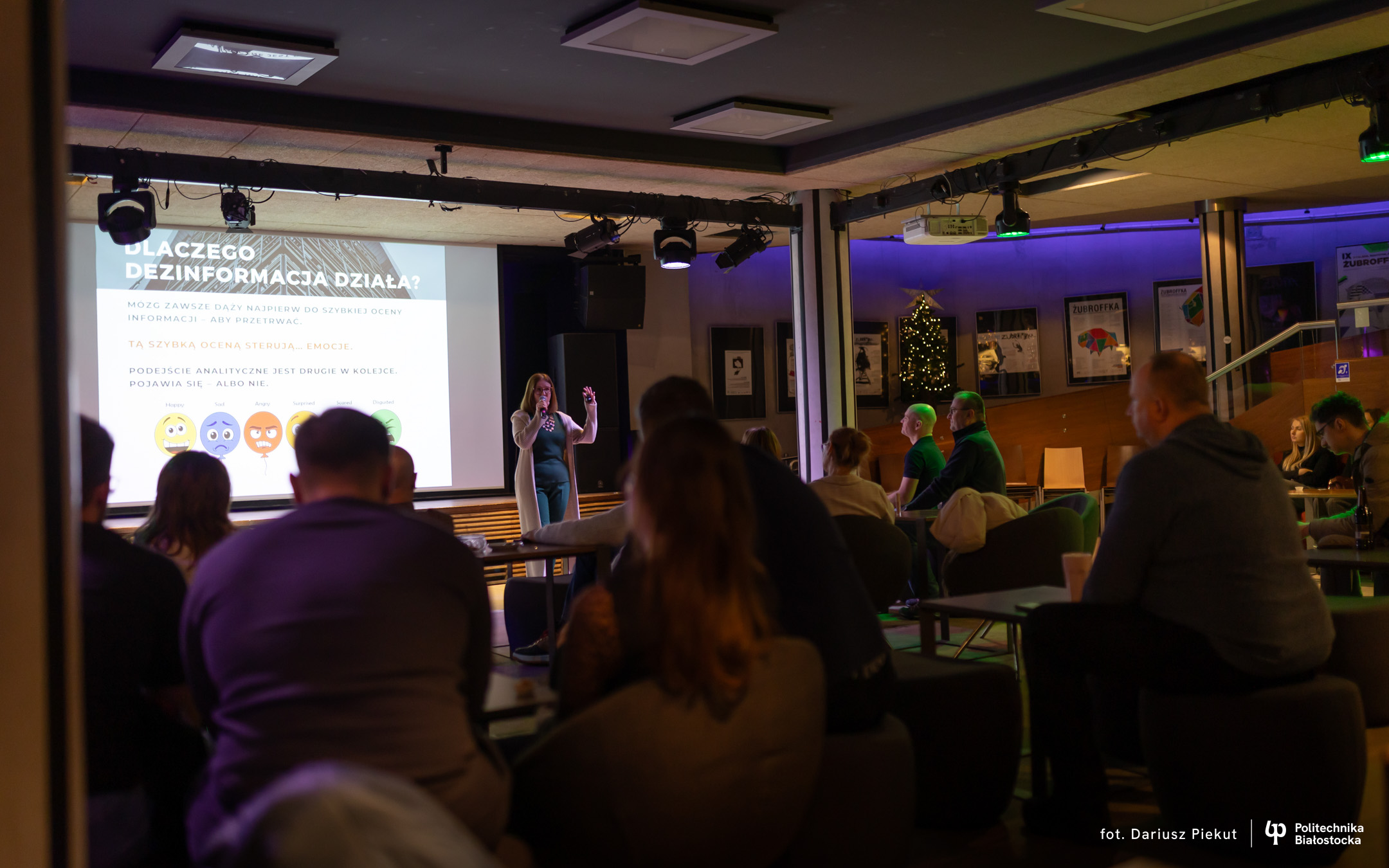
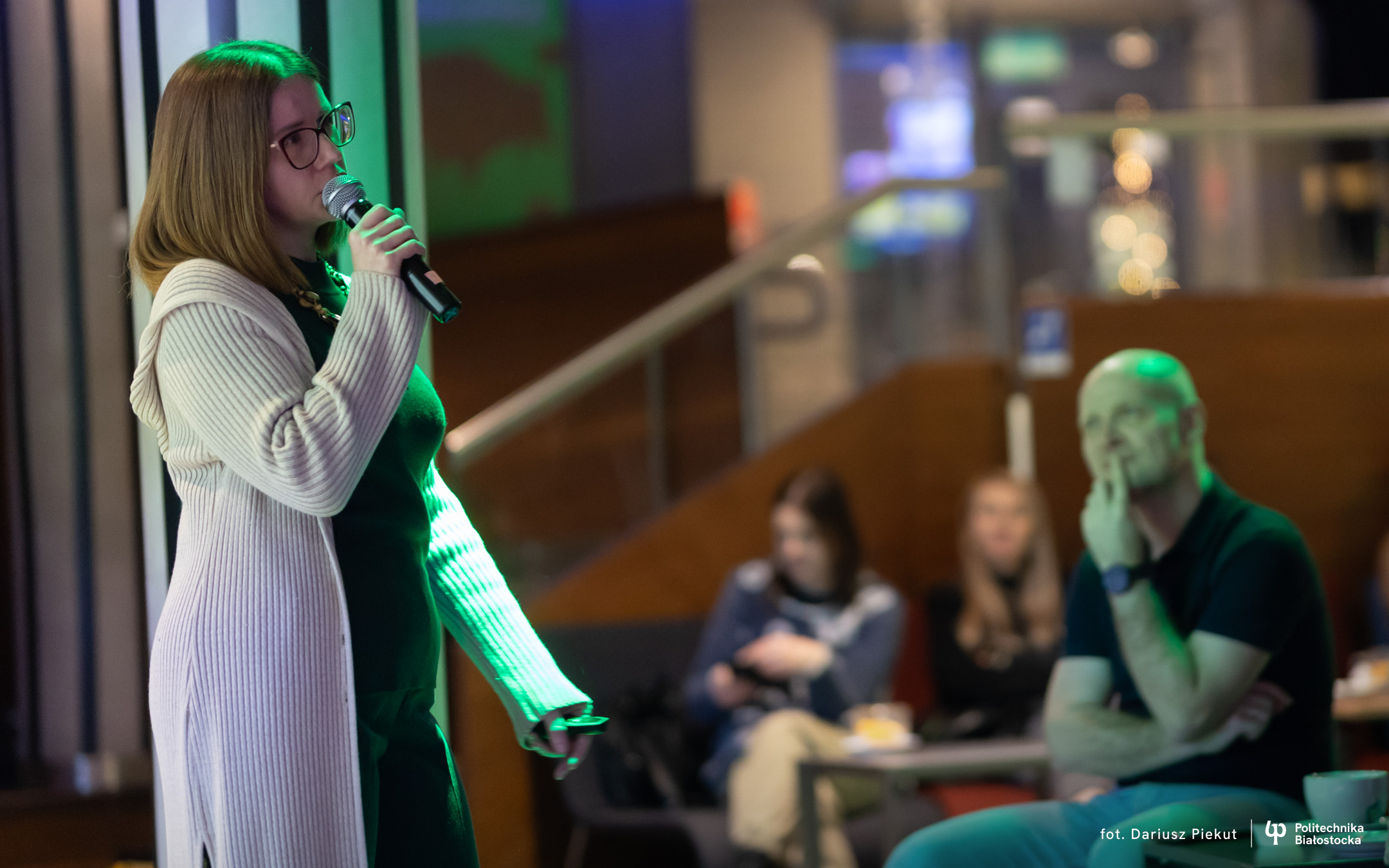
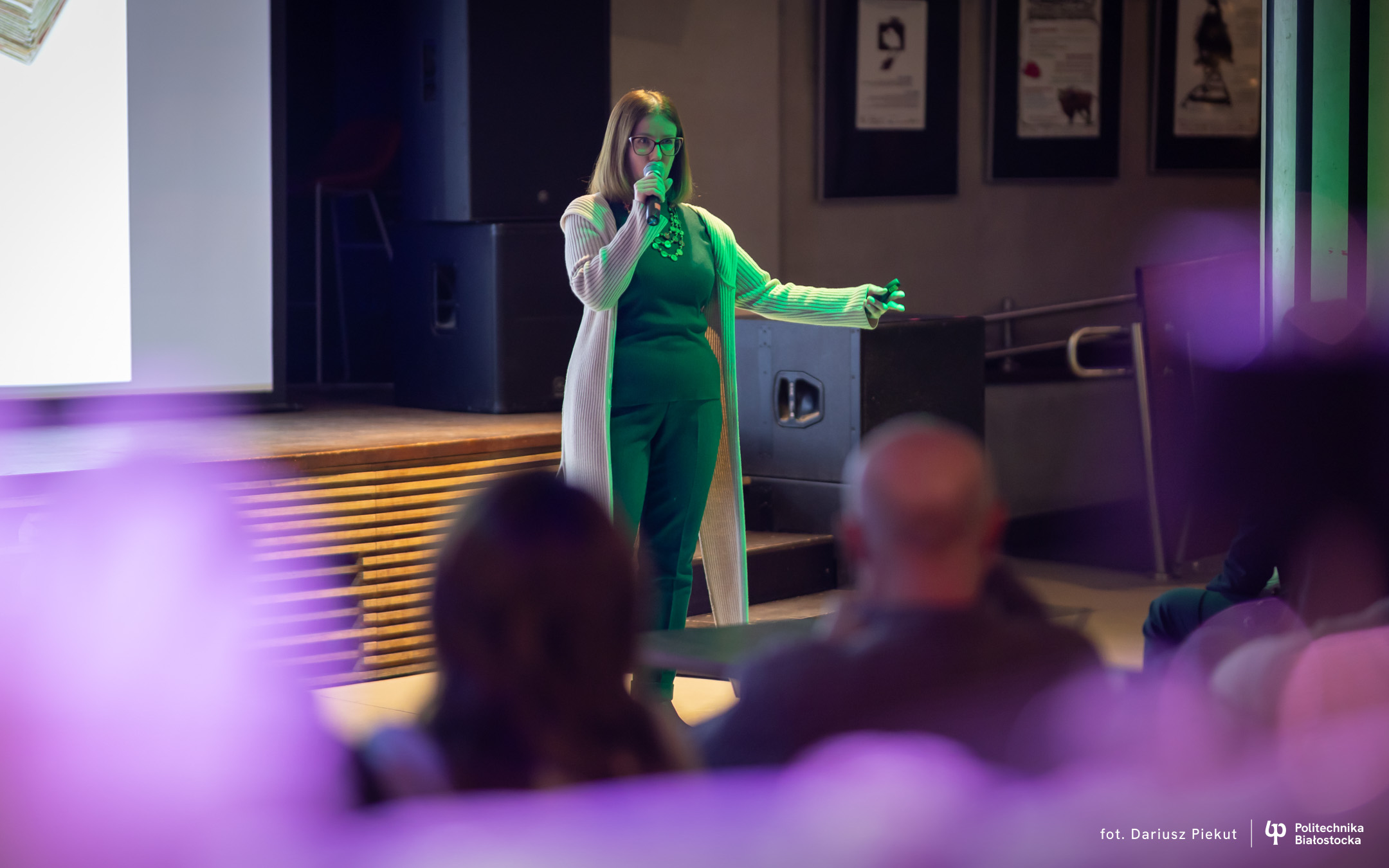
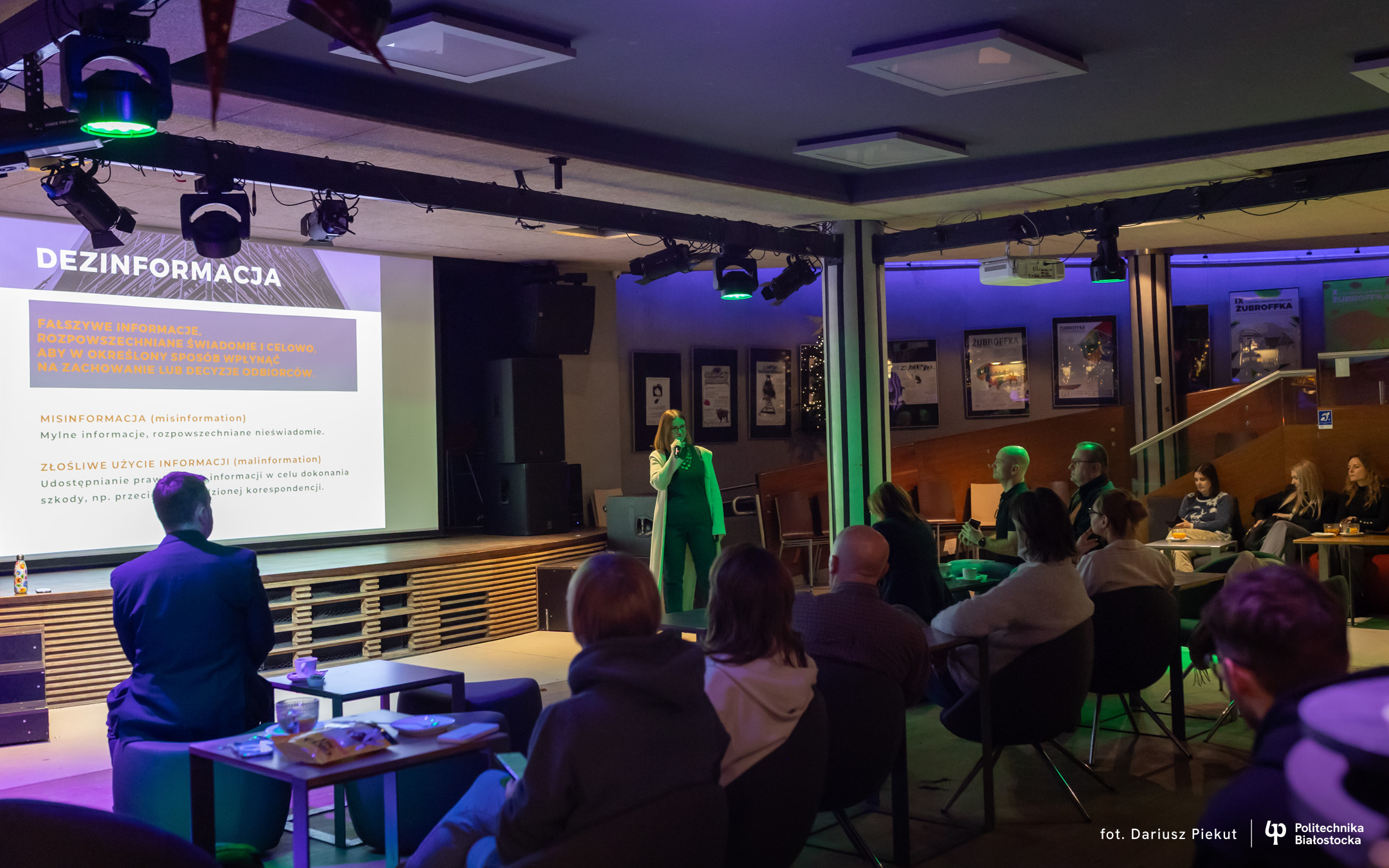
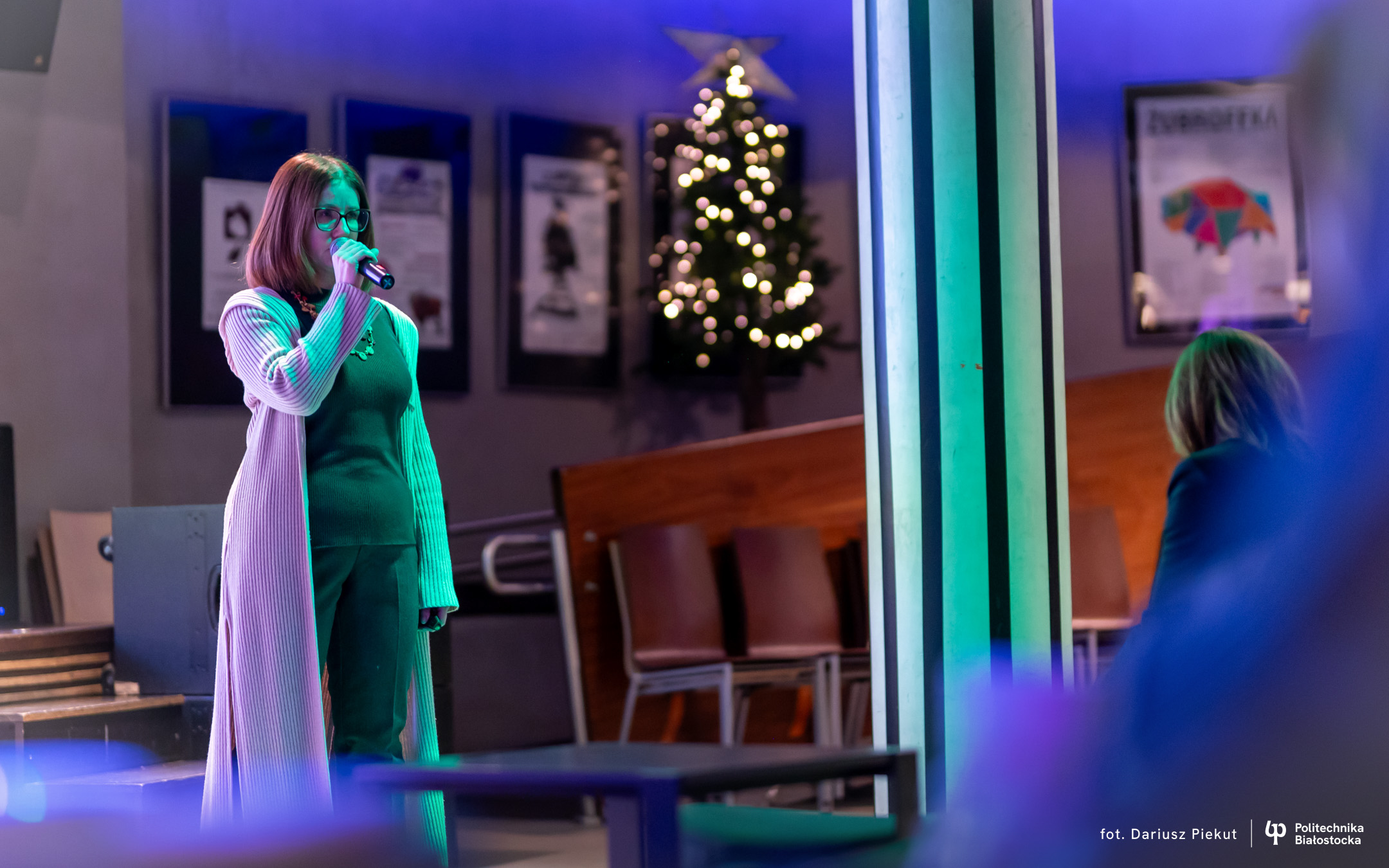
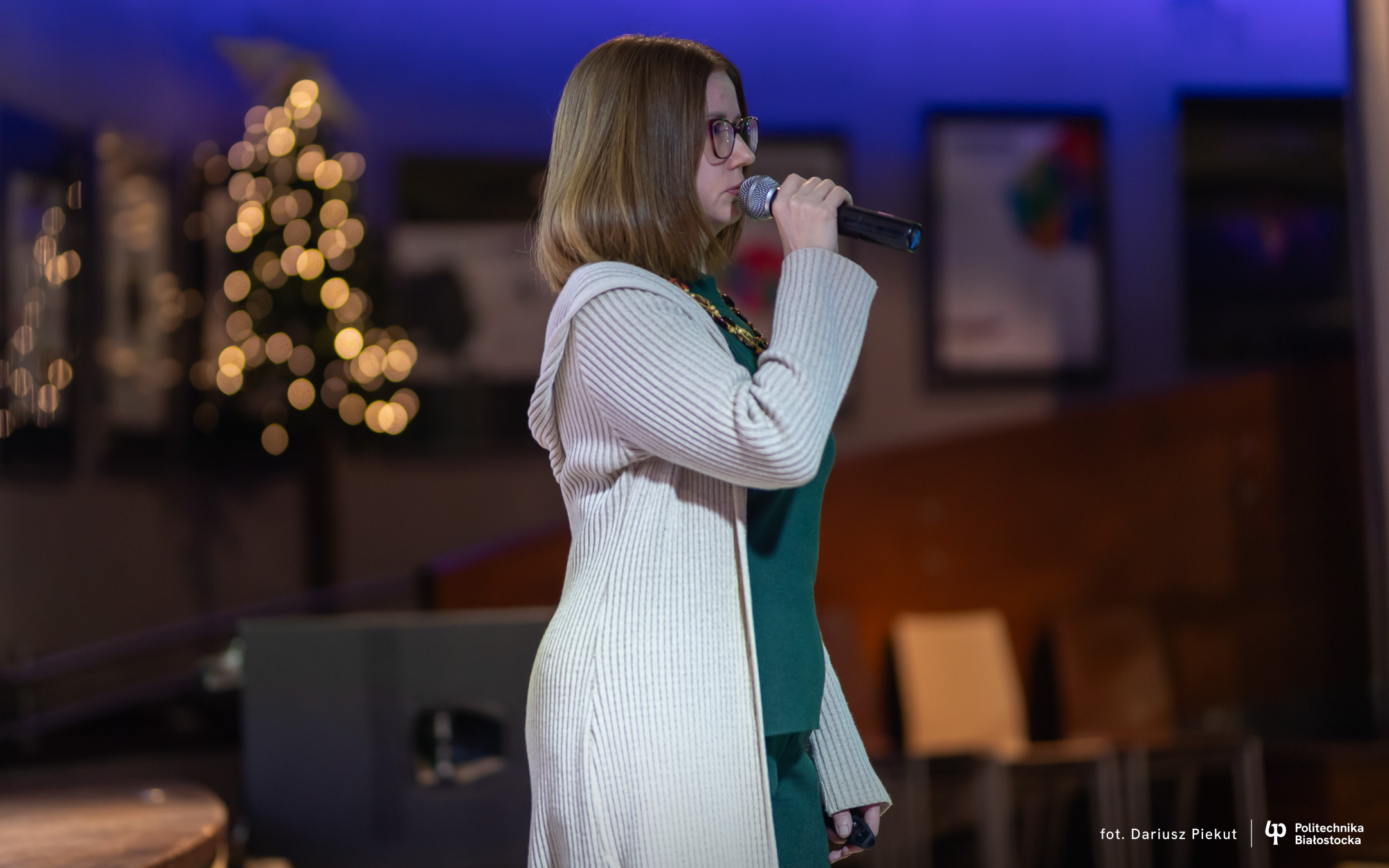
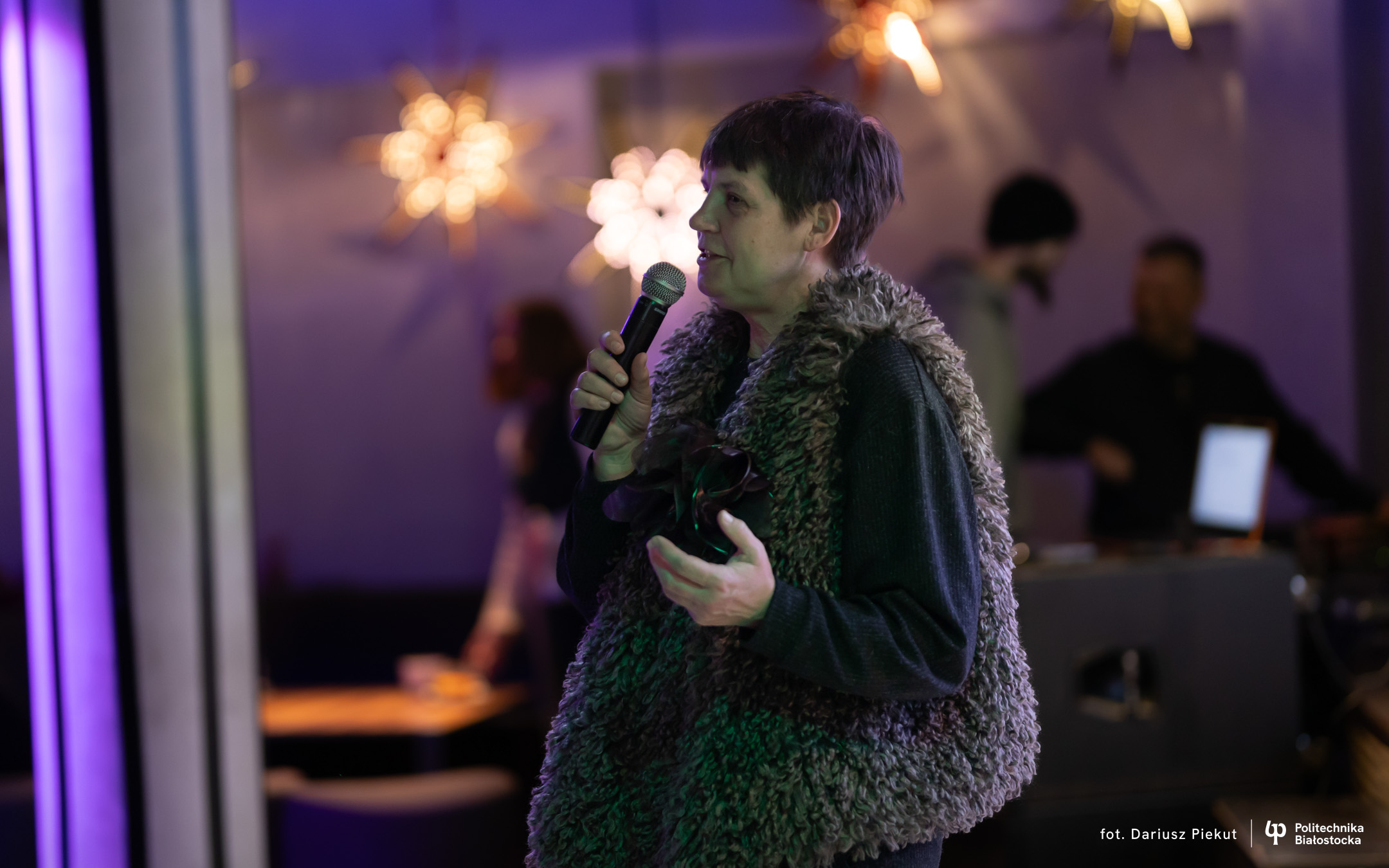
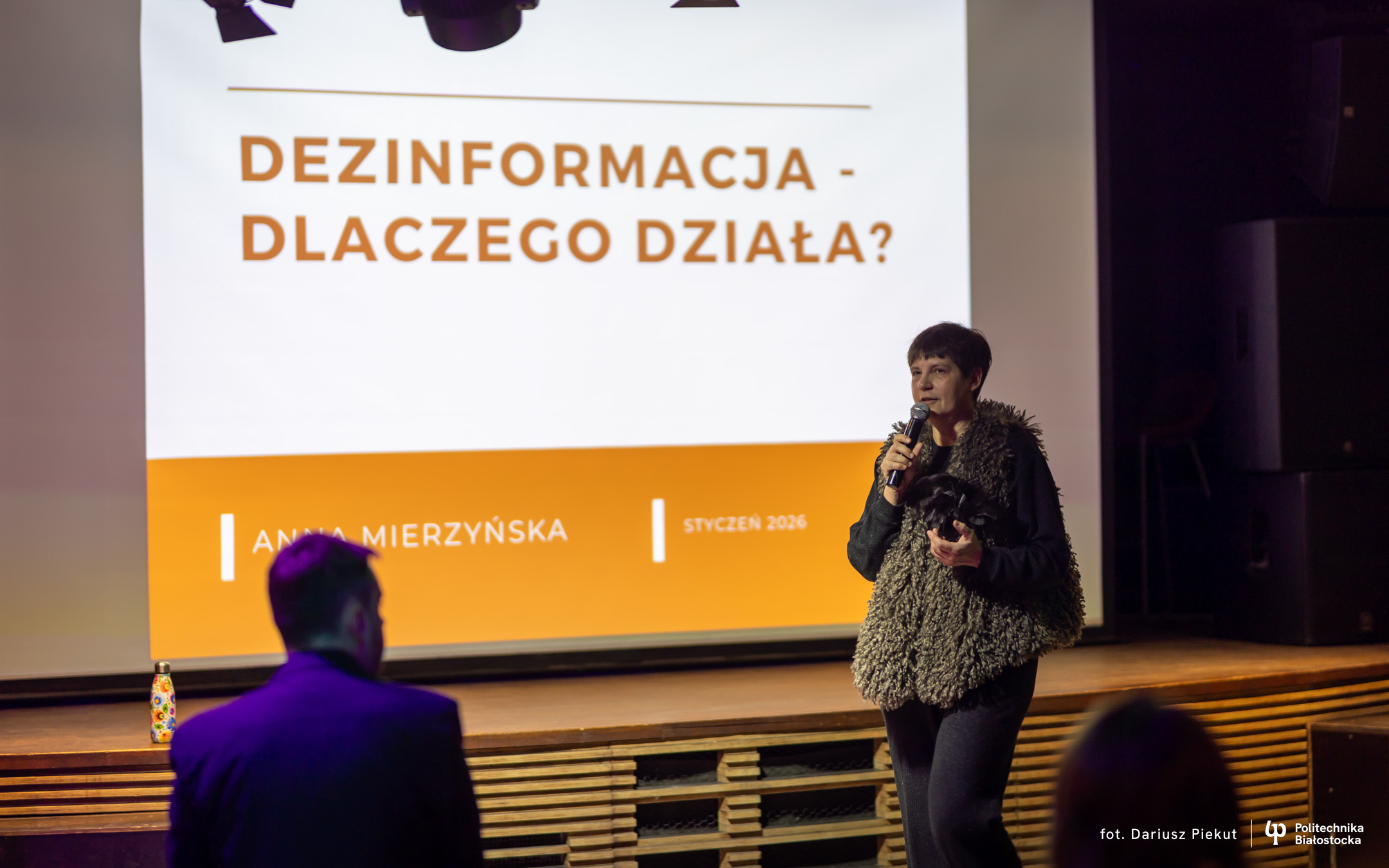
Why do we so easily fall for “fake news”? On 14 January 2026, during the Bialystok University of Technology Science Café, this was explained by Anna Mierzyńska, social media analyst and expert. According to her, disinformation targets our most primal instincts.
– Our brain reacts emotionally because once upon a time, our survival depended on it. Disinformers know this and deliberately amplify emotions to stop us from thinking rationally. This destroys trust in the state, neighbours, and even science – Mierzyńska warned. – As long as we think, we can beat the algorithms – she added hopefully.
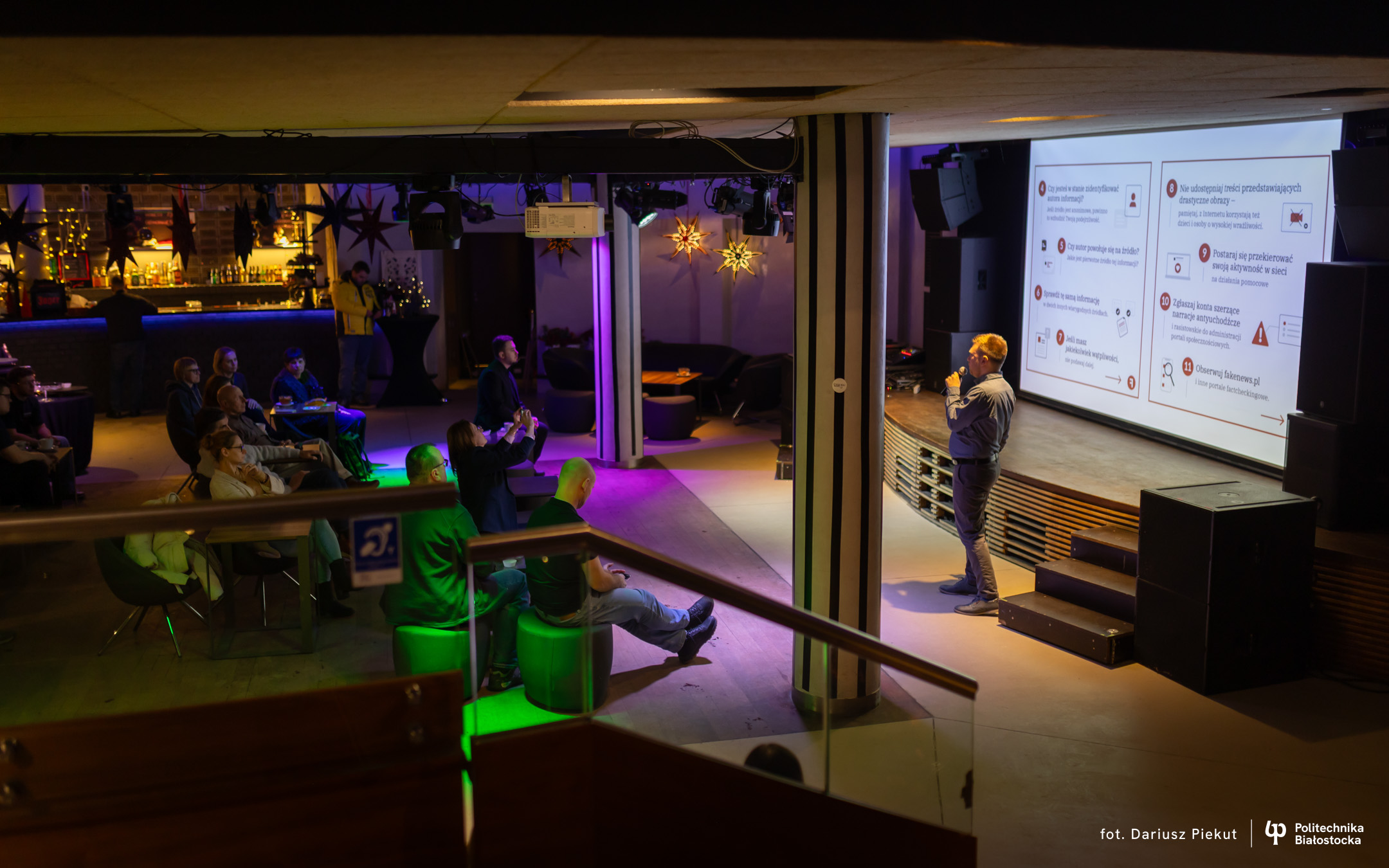
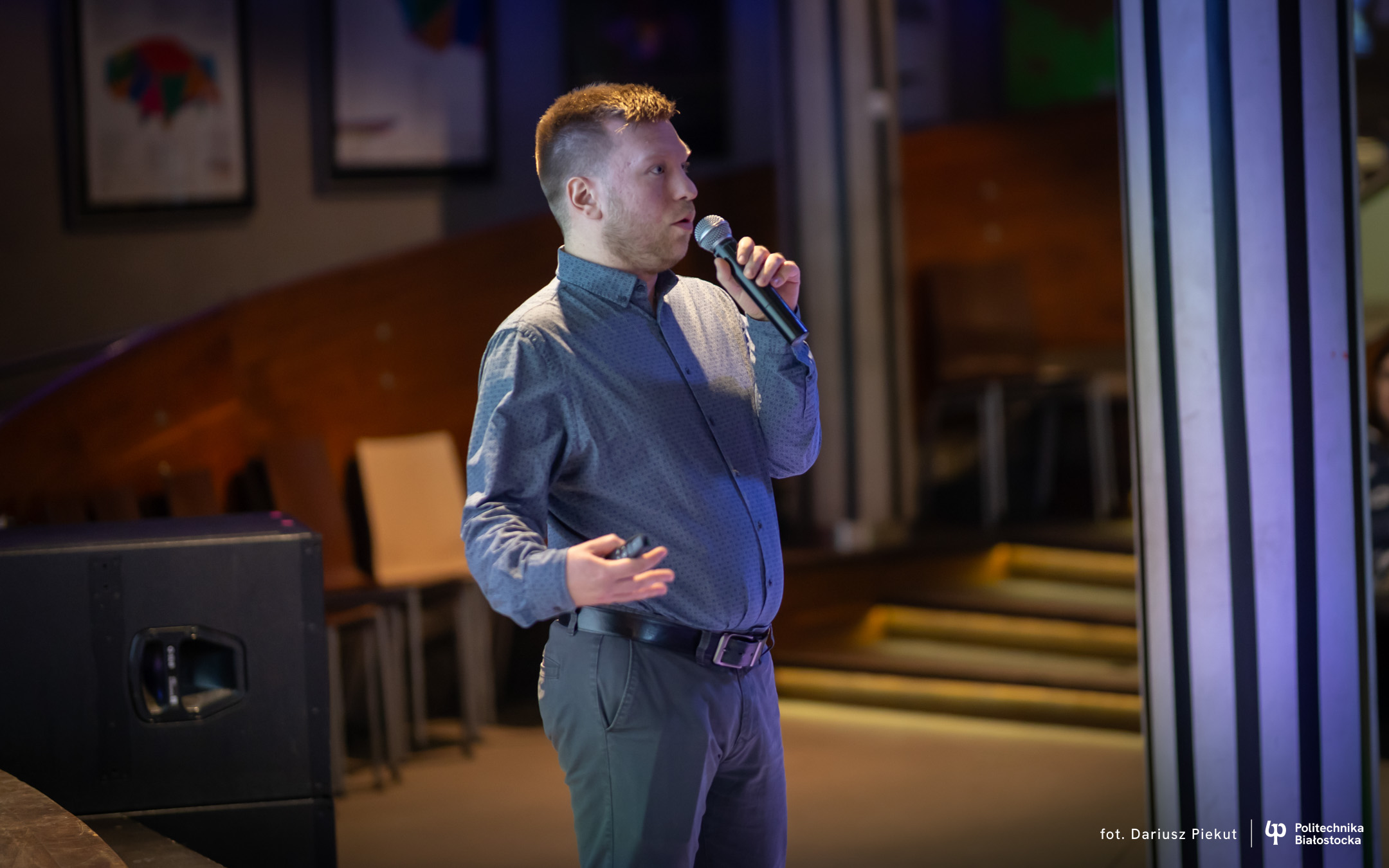
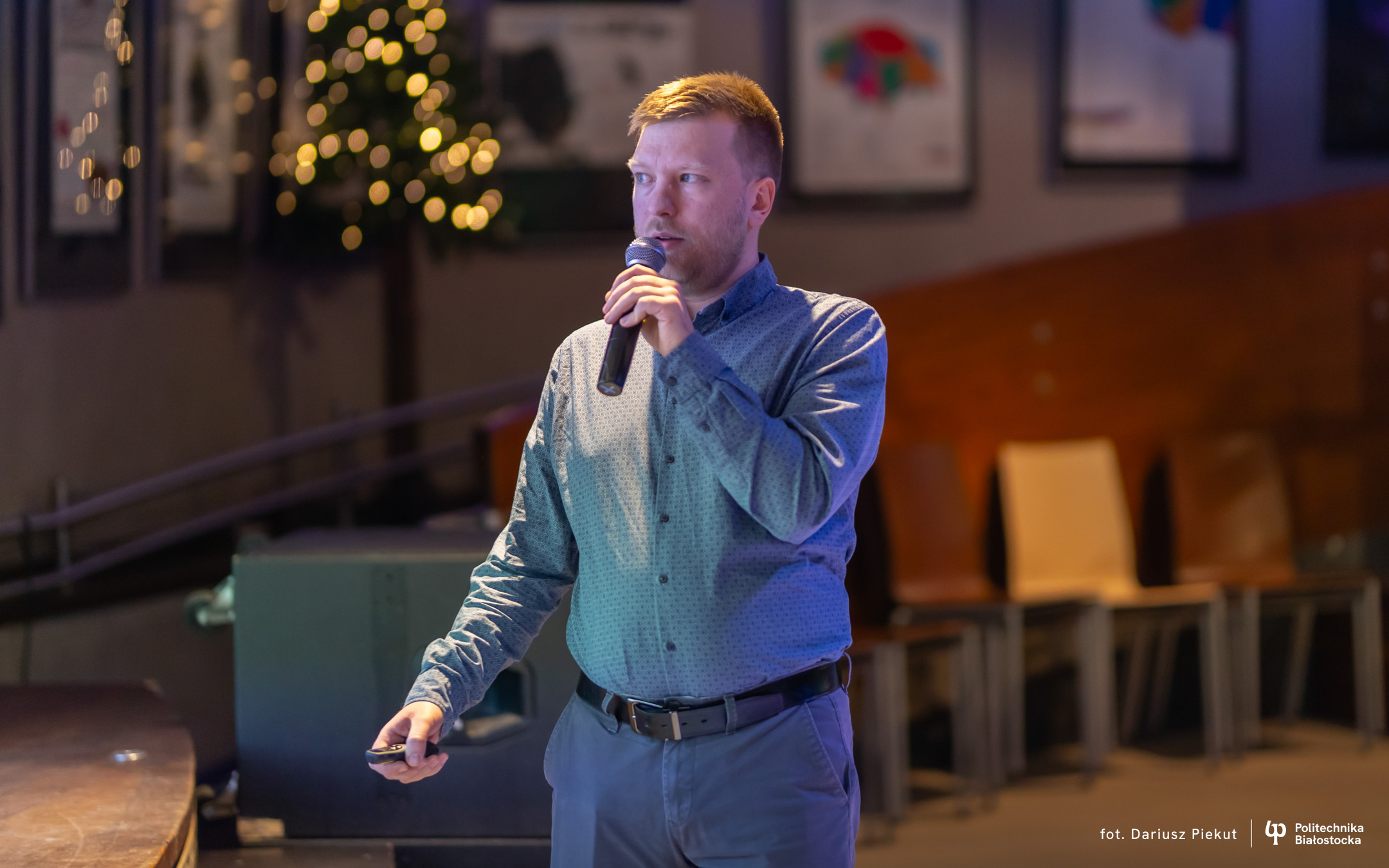
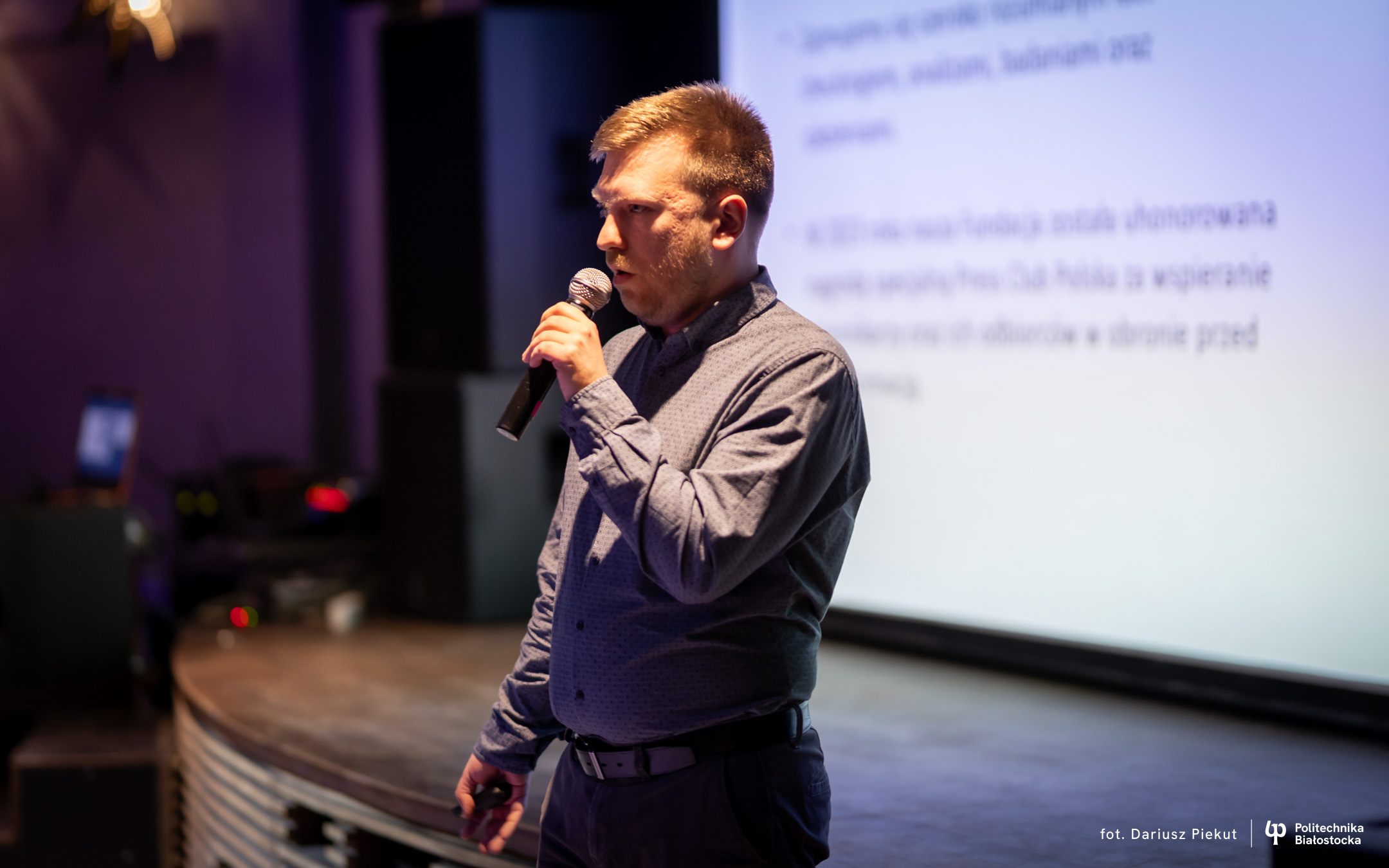
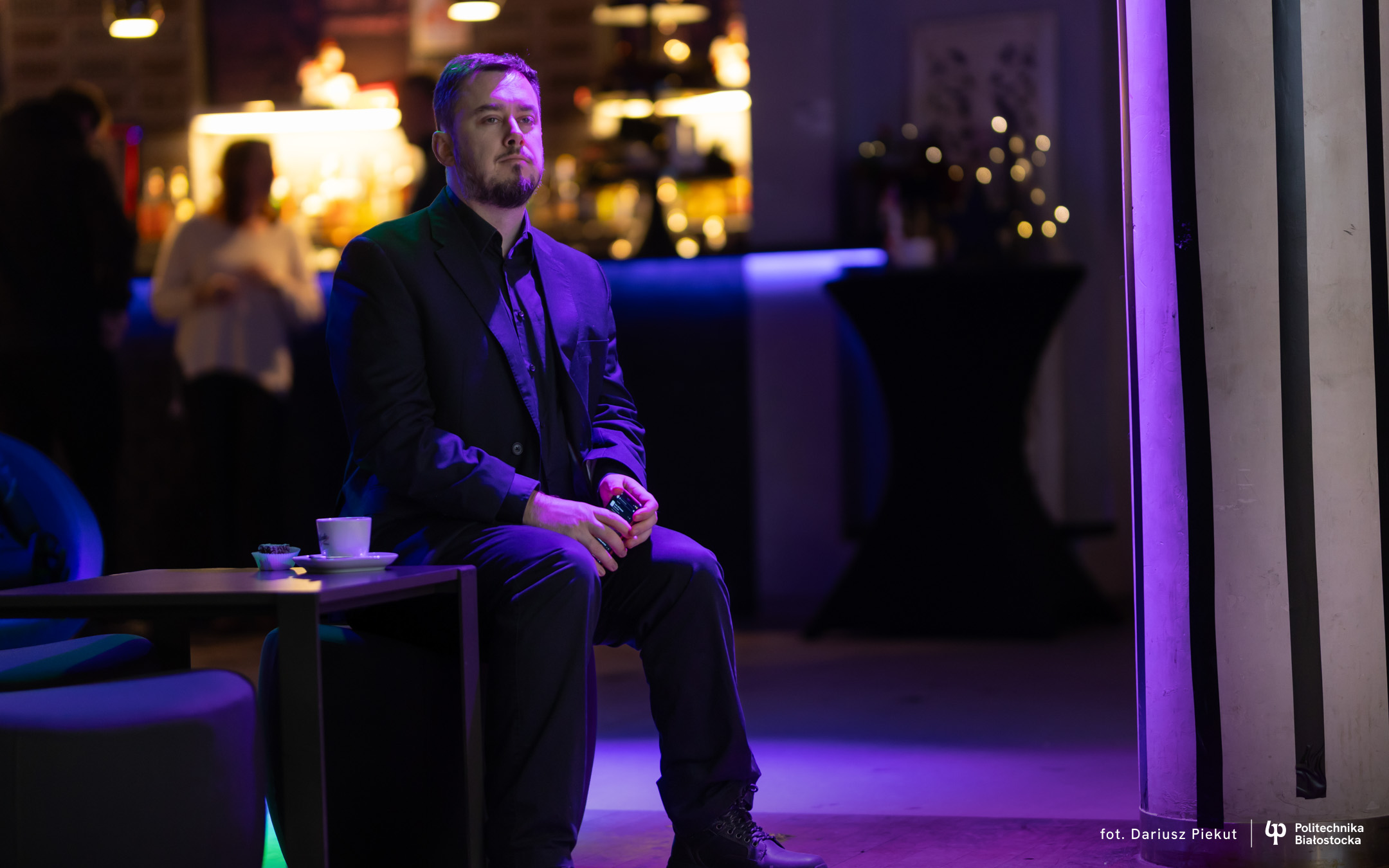
Meanwhile, Mateusz Zadroga, editor-in-chief of fakenews.pl, gave participants a practical tool – a smartphone, but used wisely.
– Each of us can stop the avalanche of lies. It’s enough not to share something we are not sure about – said Zadroga. – If information triggers strong emotions, take a deep breath and check the source on Google. It’s a simple test that can protect your loved ones from manipulation – advised the expert.
He also mentioned the InfoTester.pl project, in which artificial intelligence (chatbot) assists anyone who has questions about the credibility of content encountered online. While AI can be used to create falsehoods, it can also be our best ally in learning and developing critical thinking.
The idea of the Science Café: knowledge and meeting authorities over coffee and cake
Where did the idea come from to discuss complex, often technological issues in a café rather than a university hall? Prof. Dorota Mozyrska, Dean of the Faculty of Computer Science, BUT, and organiser of the series, explains the event’s mission.
– We meet in the welcoming Fama Café, not within university walls, to discuss difficult topics that are not always accessible to a wide audience in an approachable and open way. This is how we bring science closer to people, and that is the most important mission of our university – says Prof. Mozyrska. – We look for interesting speakers, experts in their fields. The topics for future cafés often come from them. Usually, we choose those that seem most relevant at the moment.
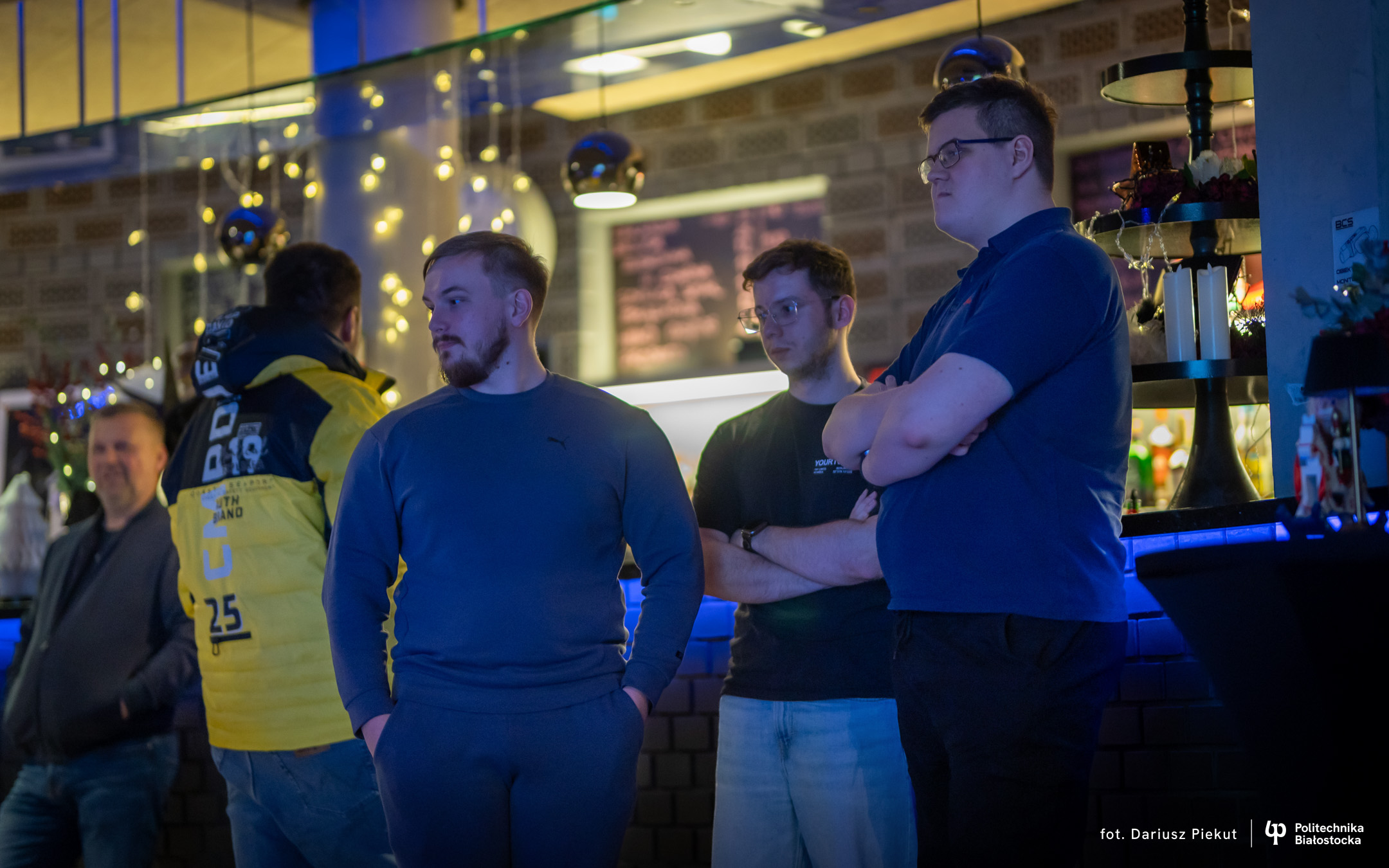
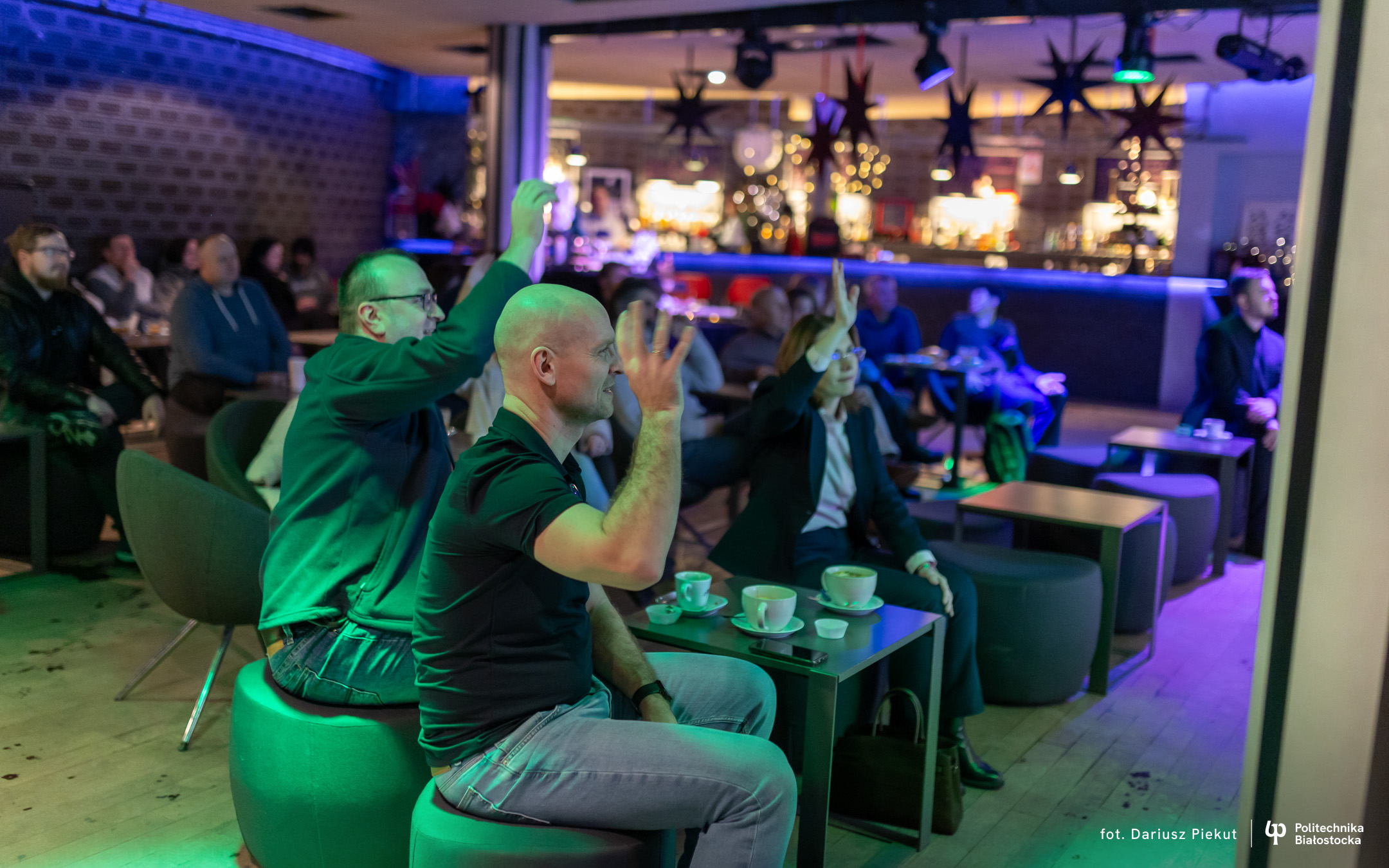
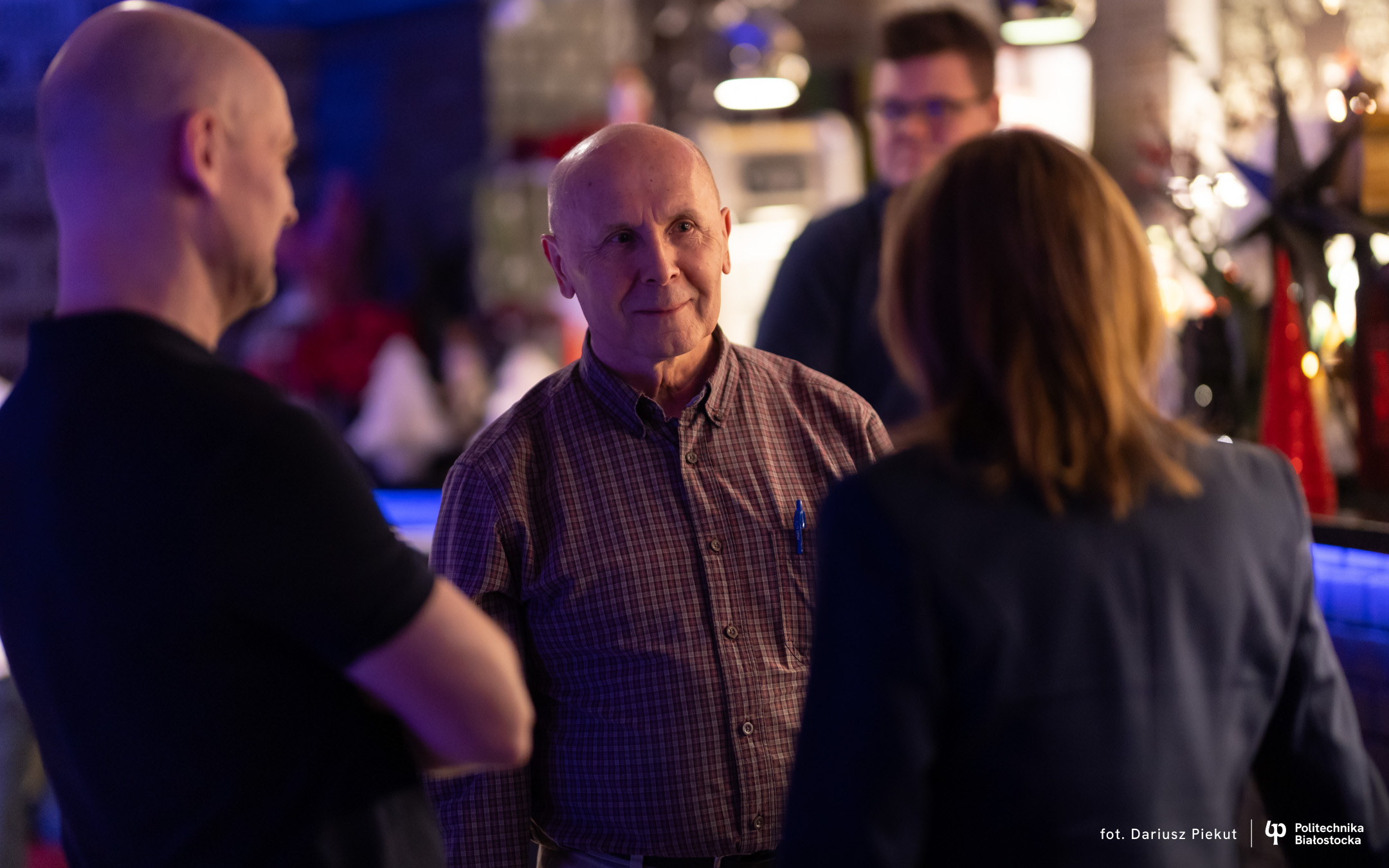
Bialystok University of Technology Science Cafés take place regularly, usually once a month. It is a place for everyone – from youth and students to seniors. Participants share an important trait: openness to knowledge and a desire to understand phenomena occurring in a rapidly changing reality.
During Bialystok University of Technology Science Cafés, we have discussed, among others:
- the birth of the computer – humanity’s most important gadget – and the retro gaming trend (see the report)
- the use of remote sensing tools and GIS systems in forestry – from laser scanning to digital maps and open data (“Digital Forest”)
- modern technologies used in environmental monitoring and protection (“Silicon Forest”)
- cyberattacks faced by both individuals and organizations (“Cyber Threats”)
Don’t miss the next meeting!
If you want to know what the future holds, we have good news. The Bialystok University of Technology Science Café is not slowing down. The next meeting, scheduled for 25 February, will focus on Foresight, a scientific method that facilitates designing and studying the future.
You are welcome to join! Admission is free, and the first 50 guests can enjoy complimentary drinks!
Golden rules for fighting disinformation:
- Emotions are a warning signal. Disinformation usually feeds on emotions to switch off the recipient’s rational thinking. Wait and cool your anger, joy, or sorrow before clicking “share.”
- The 30-second rule (Google Test): before passing information on, enter its headline in a search engine. Are credible, national media reporting it? If the news appears only on a single, unreliable site, it is probably fake.
- Check the “packaging” of information: look at the language. Does the headline scream sensationalism in capital letters? Has the author signed with their name? Remember: fake news is anonymous.
- Don’t be a link in the chain. Your critical approach to online content is the best shield. Breaking the “snowball effect” protects your loved ones and friends from manipulation.
Author: Monika Rokicka
The Bialystok University of Technology Science Café, organised by the Faculty of Computer Science, is part of the “WINGS PB – Support, Integration, Learning, Guarantee of Success with BUT” project, implemented under the European Social Development Funds 2021–2027 programme, co-financed by the European Social Fund Plus.
See the photo gallery from the Bialystok University of Technology Science Café on 14 January 2026.