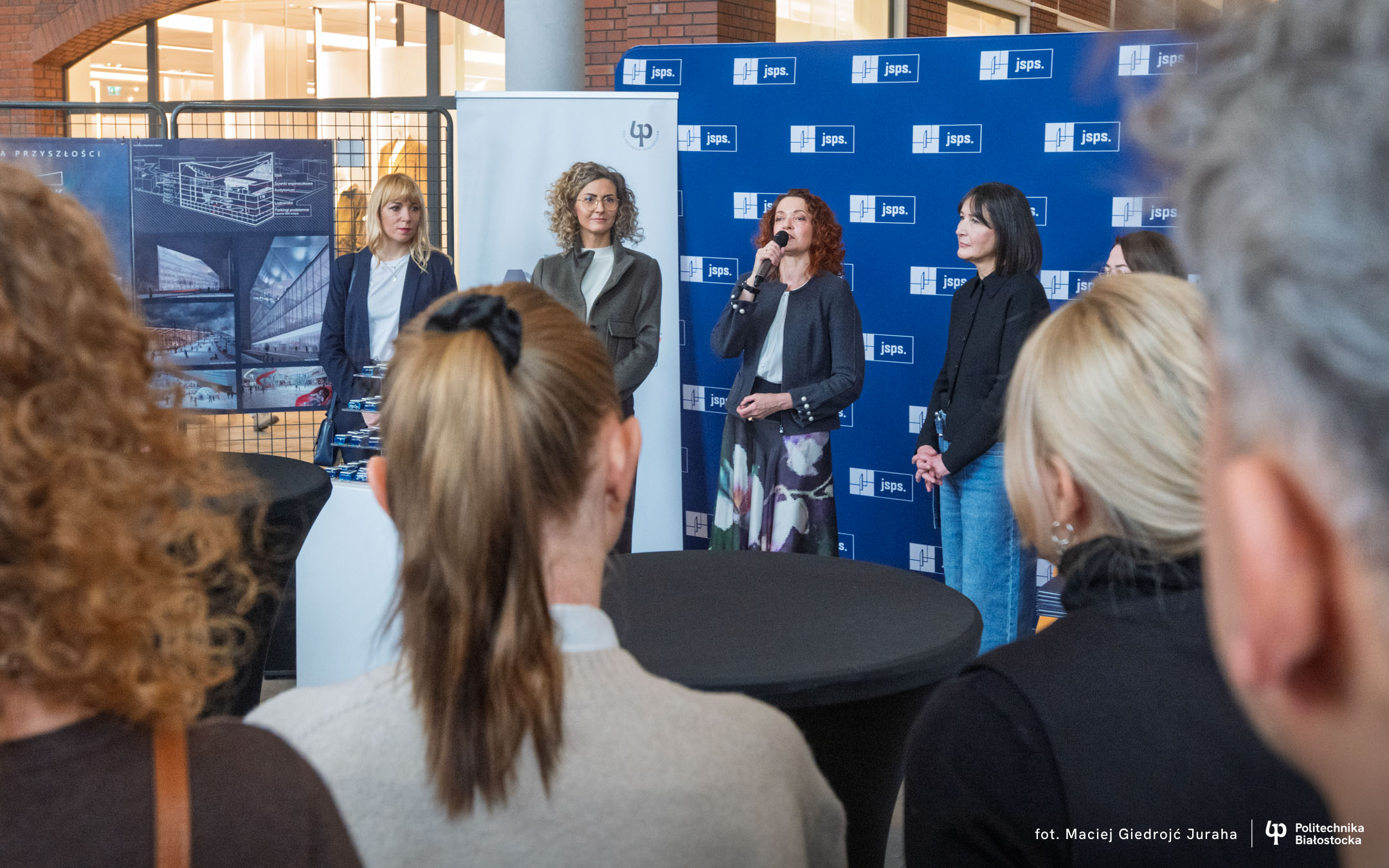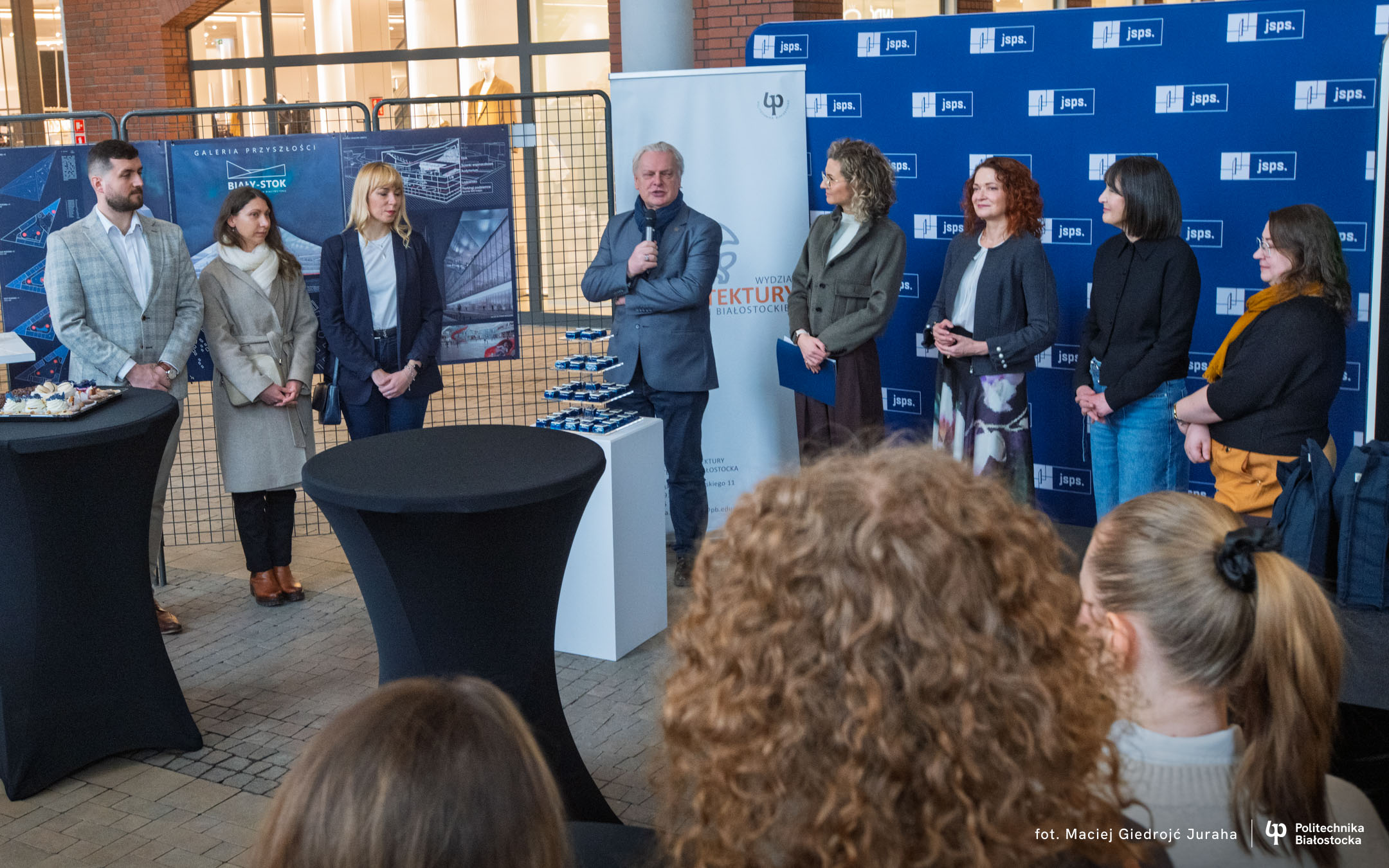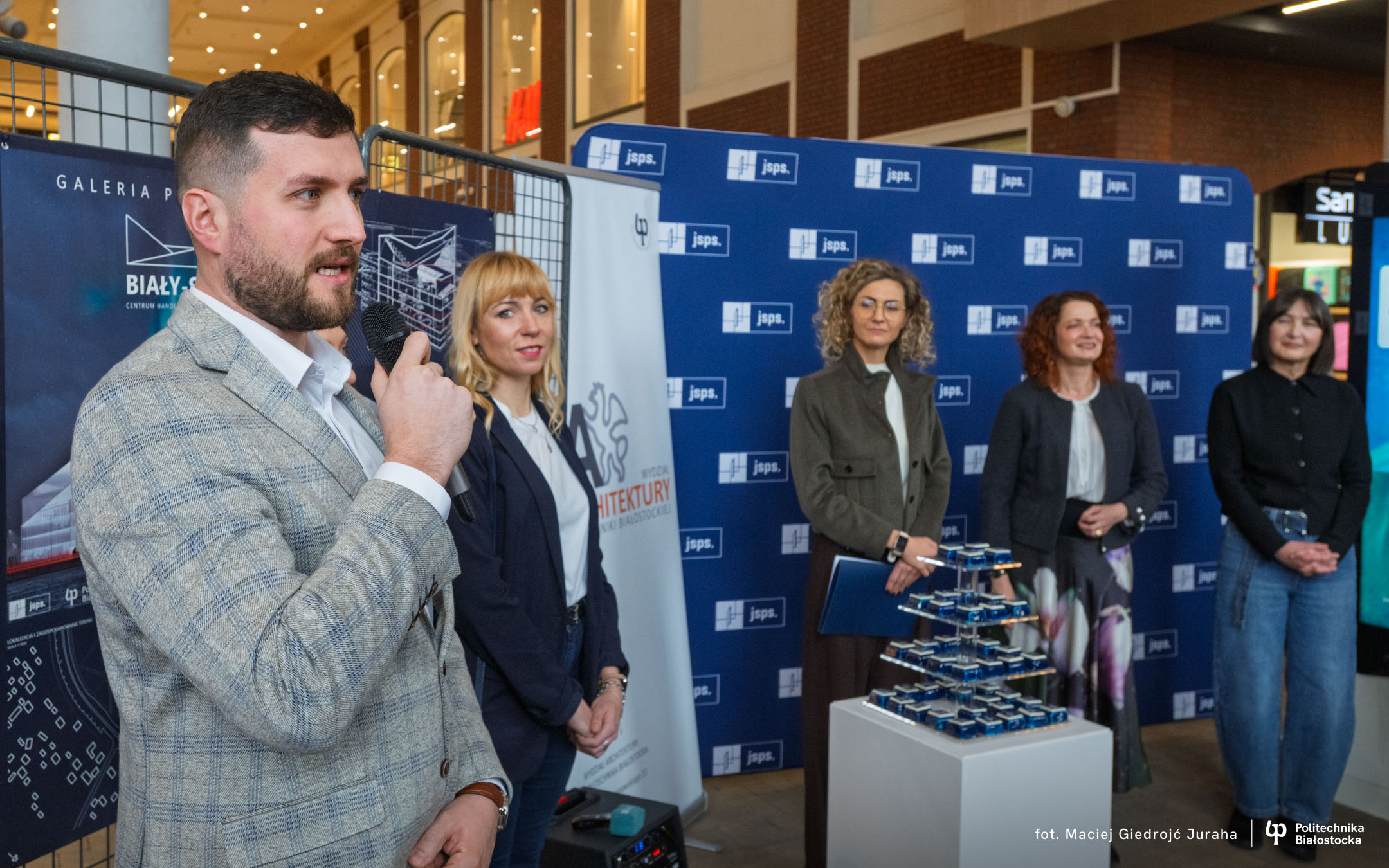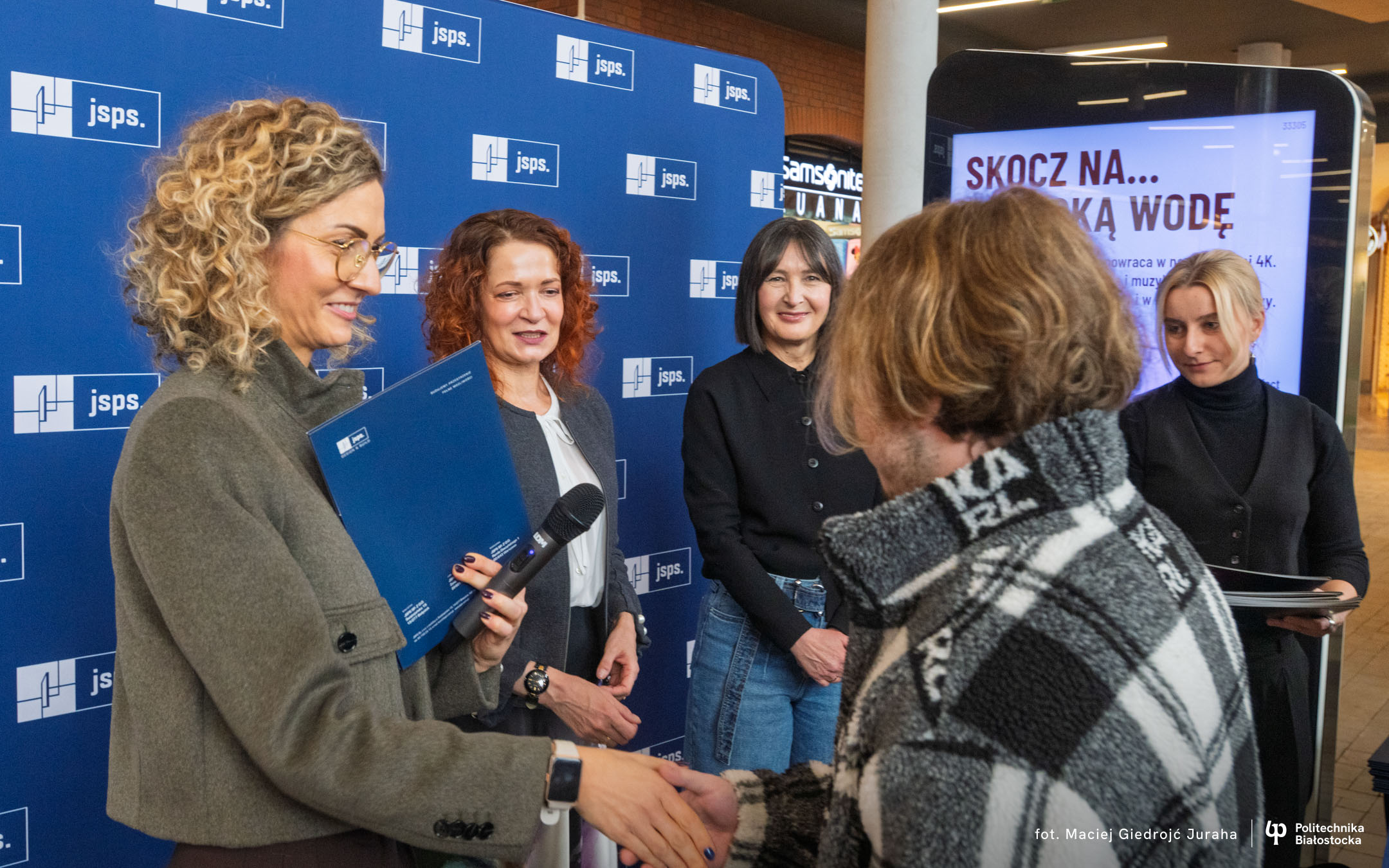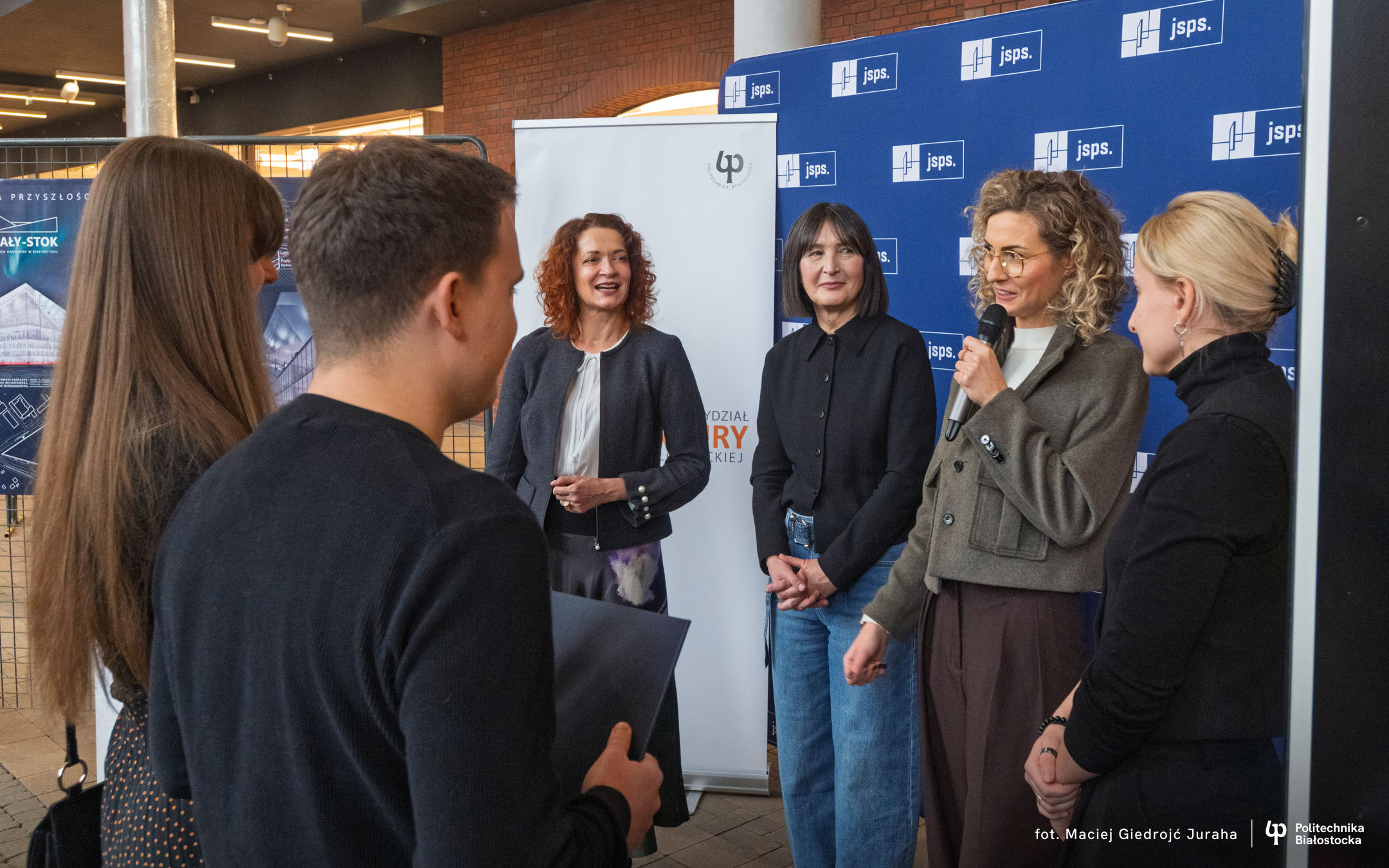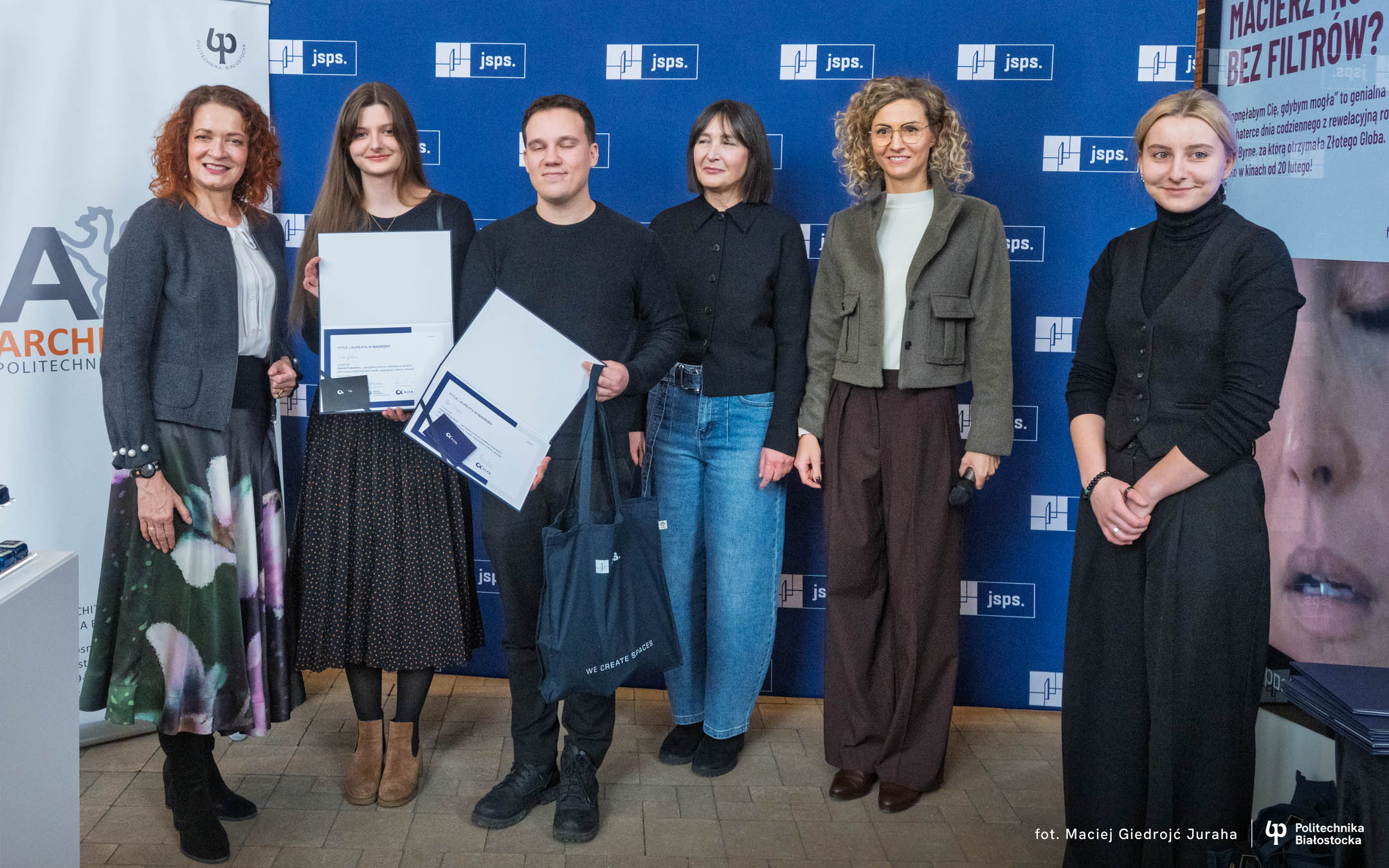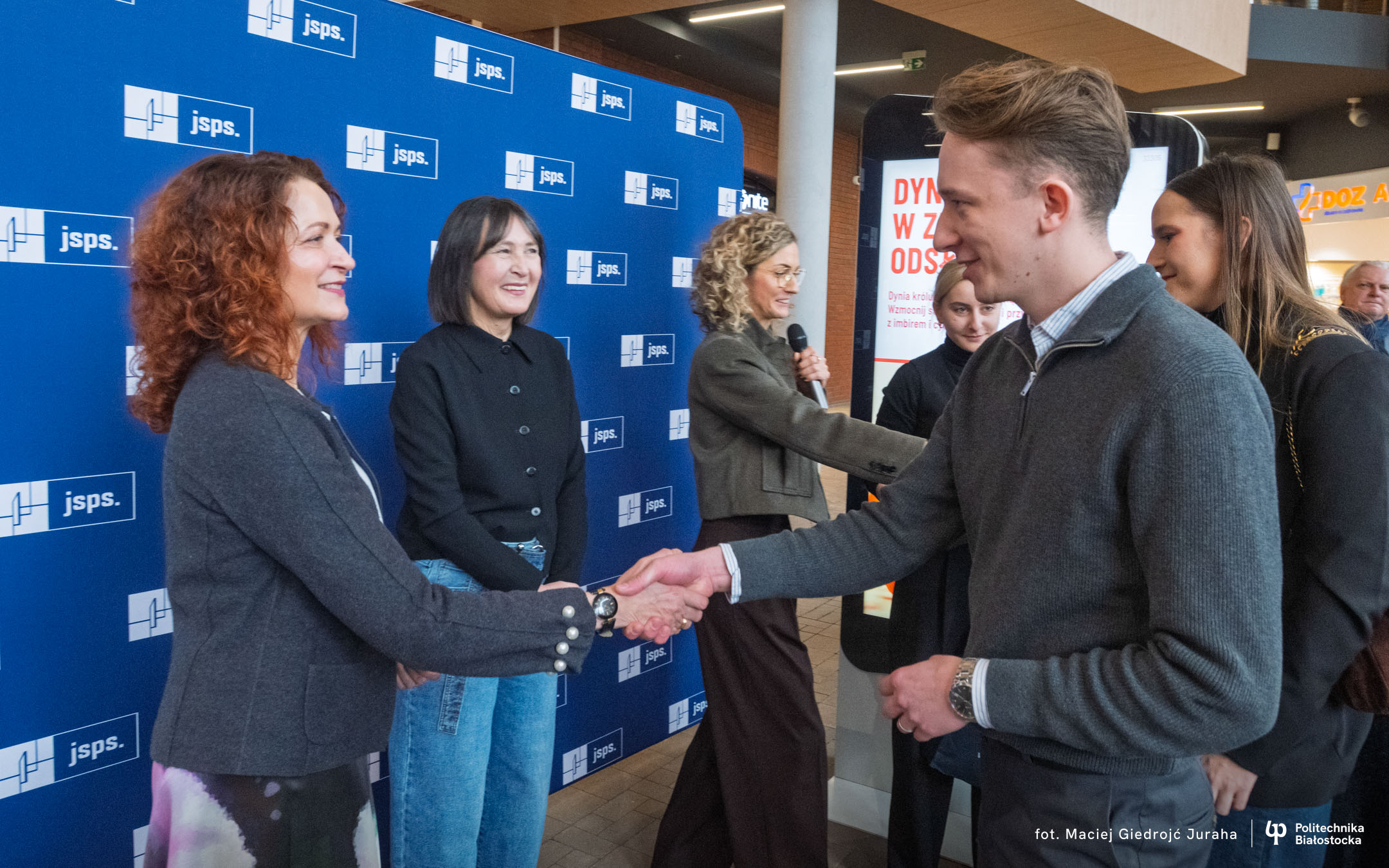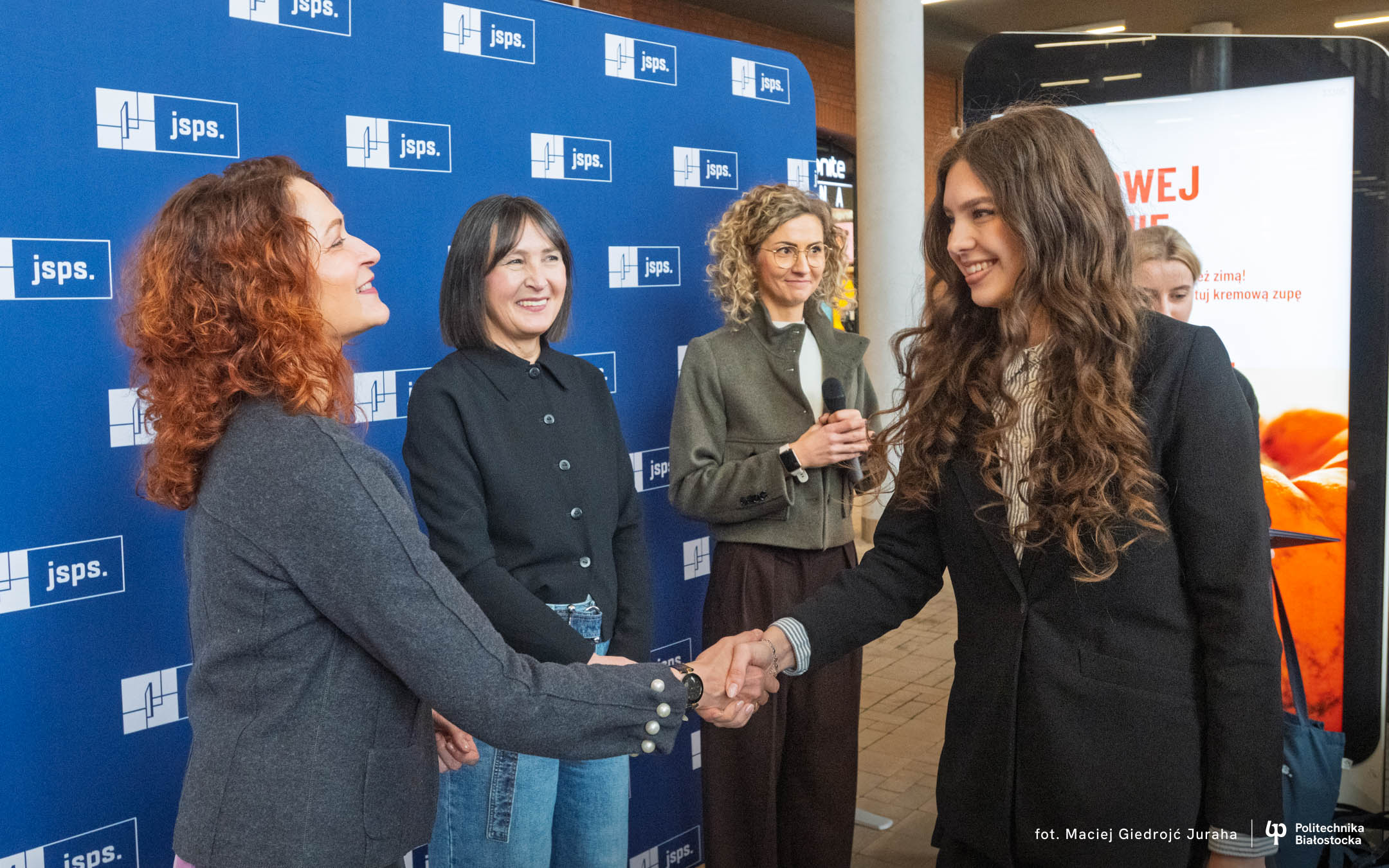
This was the first competition of its kind organised for Master’s students in Architecture at the Faculty of Architecture of Bialystok University of Technology.
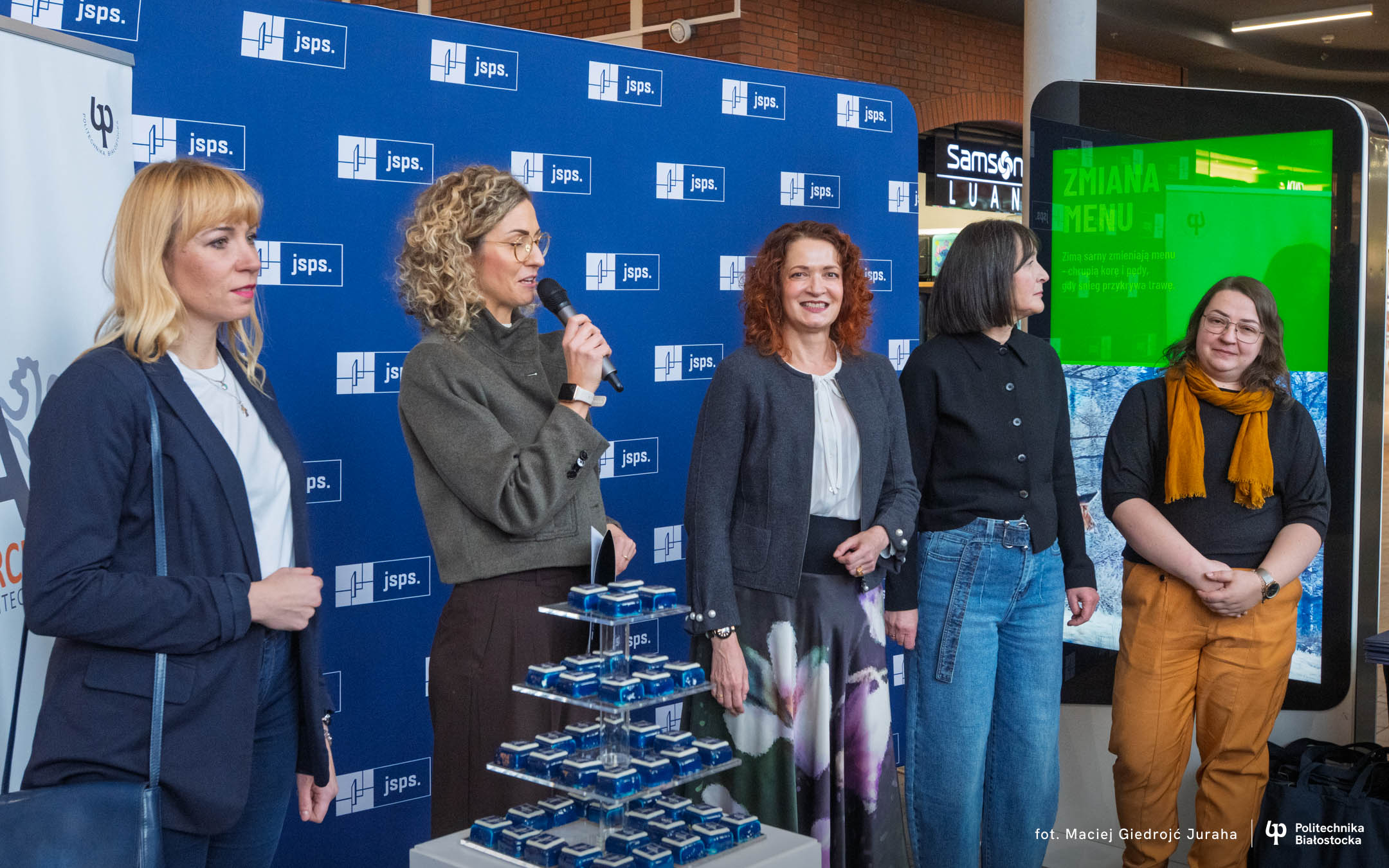
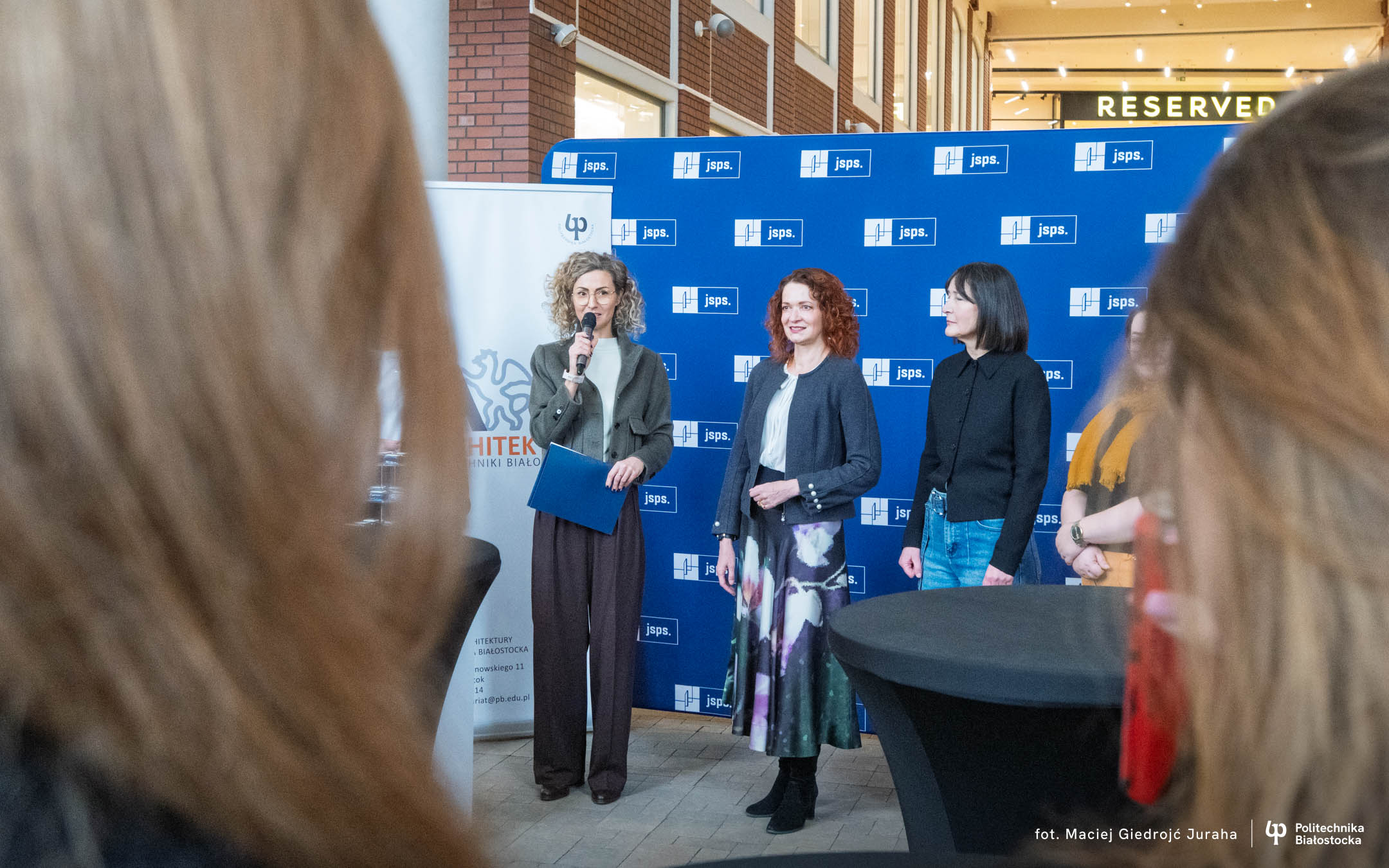
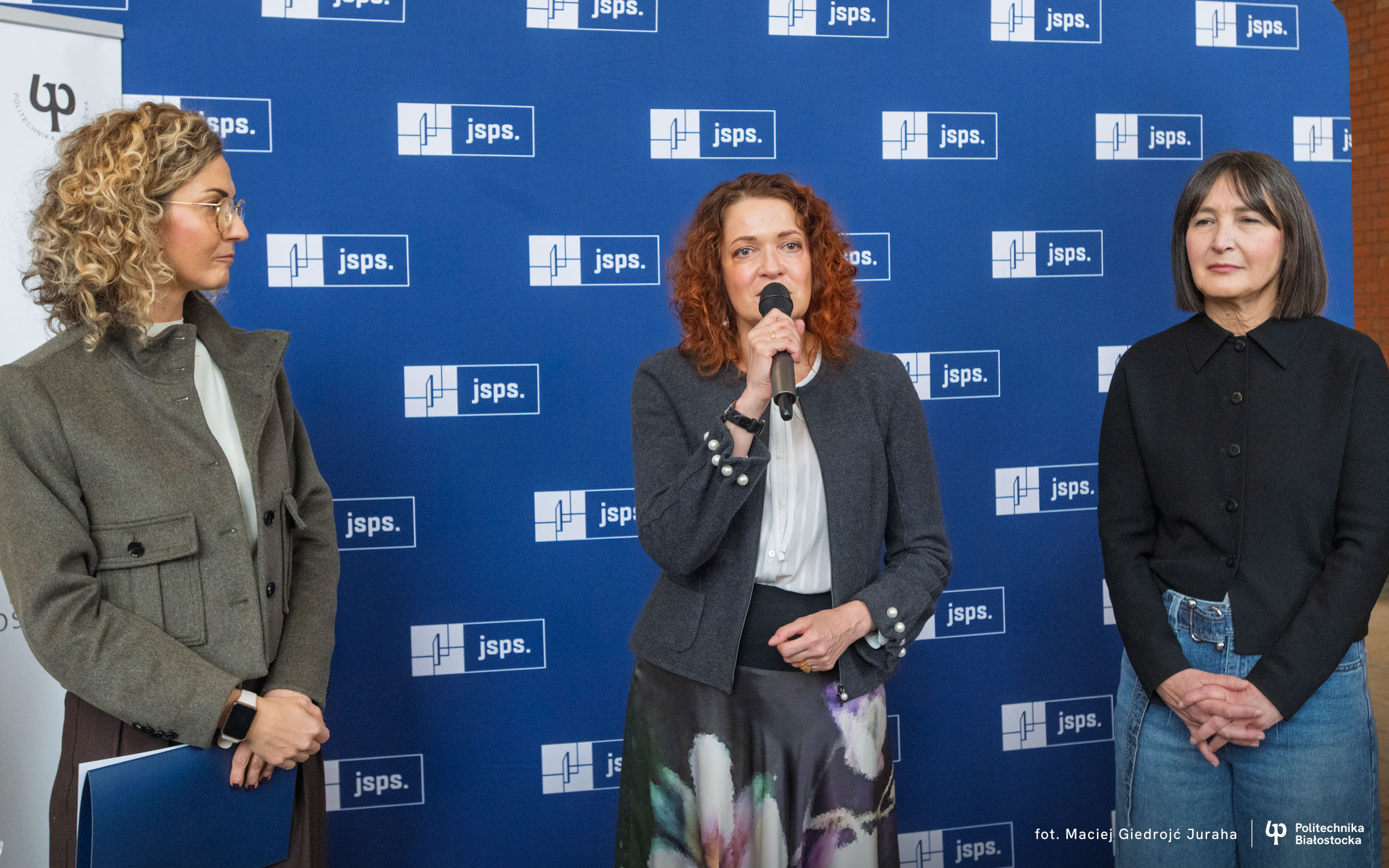
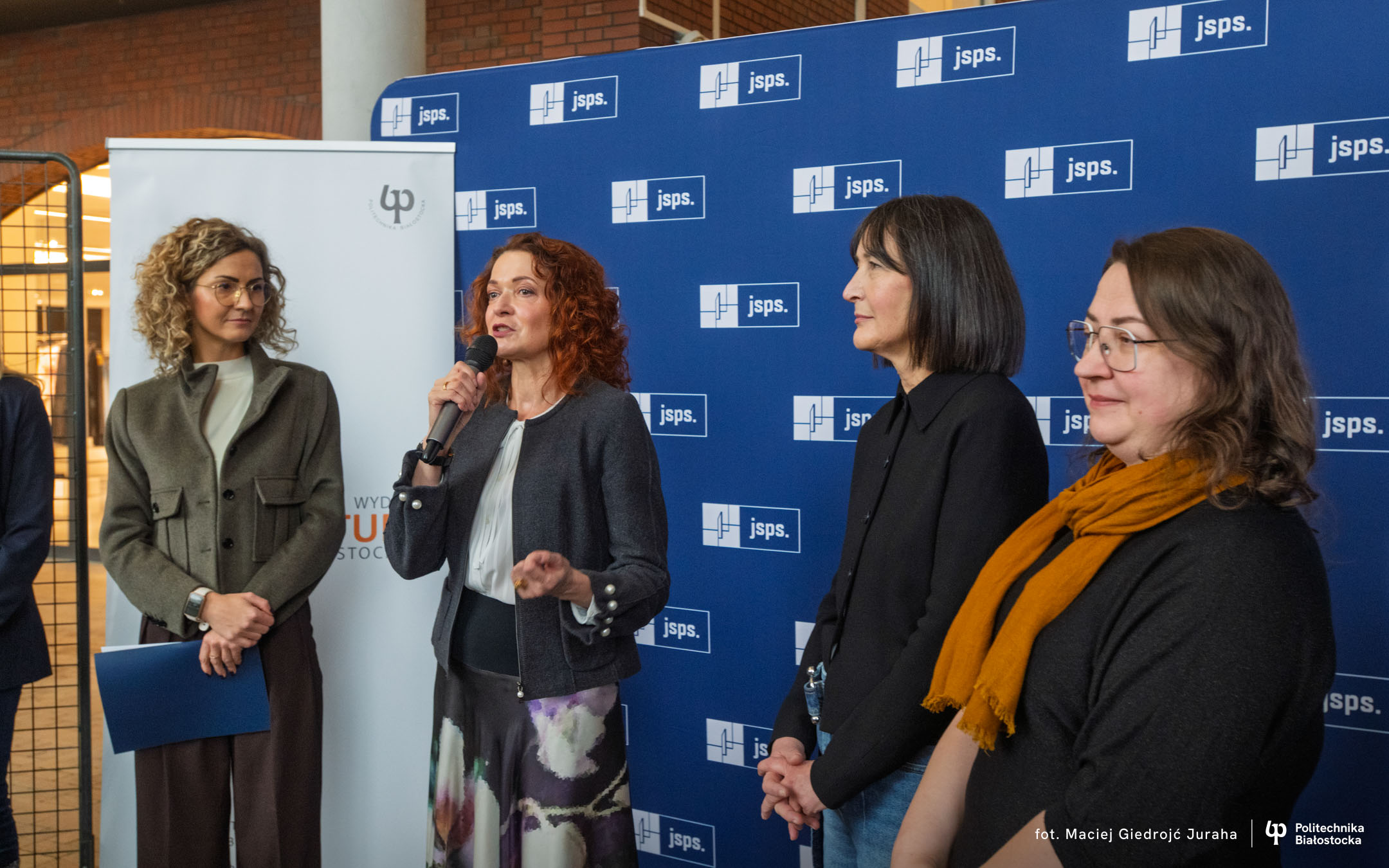
– The Future Shopping Centre competition was brought to Bialystok University of Technology by the architectural and structural engineering company JSPS – an actual industry client – emphasises Assoc. Prof. Marta Kosior-Kazberuk, DSc, PhD, Eng., Rector of Bialystok University of Technology. – A client who comes and tells students – and soon graduates – what they expect from an architect. This is a very important element in educating future architects. It shows how to use one’s vision and creativity in a way that meets the expectations of a real client – and a distinguished one at that, with an extensive portfolio of completed developments and a forward-looking perspective. What should the future of architecture be? What should the future of cities look like?
The company’s collaboration with the largest technical university in north-eastern Poland seems only natural, yet personal ties also played a role.
– I am a graduate of Bialystok University of Technology and the University is close to my heart – says Piotr Szaciło, President of the Management Board of JSPS Sp. z o.o. – We are from here. I believe such a competition is an excellent motivator for students to engage in ambitious projects, to look ahead and to exchange experiences with professionals who have been designing for many years and who know how to integrate even bold ideas into the urban context.
And indeed – the students were able to fully explore their ideas.
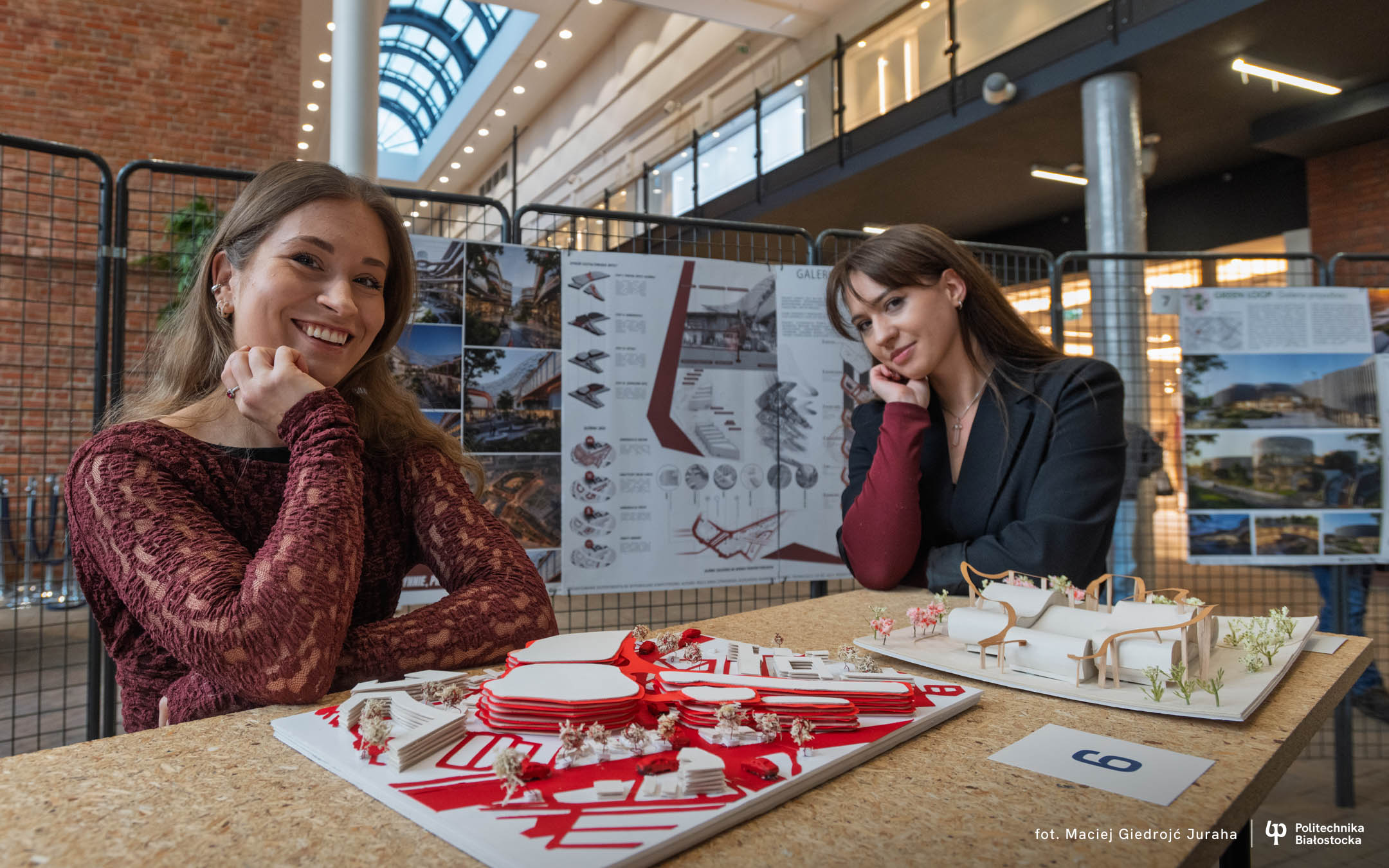
– Our shopping centre is called Biały-stok, referring both to its location and to the overall concept – explains Ewa Niewiarowska. – The main premise of our design is a year-round winter recreation centre.
– At the very top we located a ski slope intended for users of all skill levels – adds Julia Michałowska. – We also proposed a climbing zone with alpine conditions and a broader winter-themed area. Additional attractions include an ice rink and even sleigh rides as a creative way of facilitating movement within the shopping centre.
Such a futuristic vision was made possible by a new course – Experimental Design – as well as by the initiative of a company managed by a graduate of Bialystok University of Technology.
– This course certainly broadened our horizons and meant that our final Master’s project was entirely conceptual – says Ewa Niewiarowska. – We had worked in this team for almost our entire studies, which made collaboration easier. Once again, we were able to swap responsibilities to broaden our perspectives even further and better prepare ourselves for professional practice.
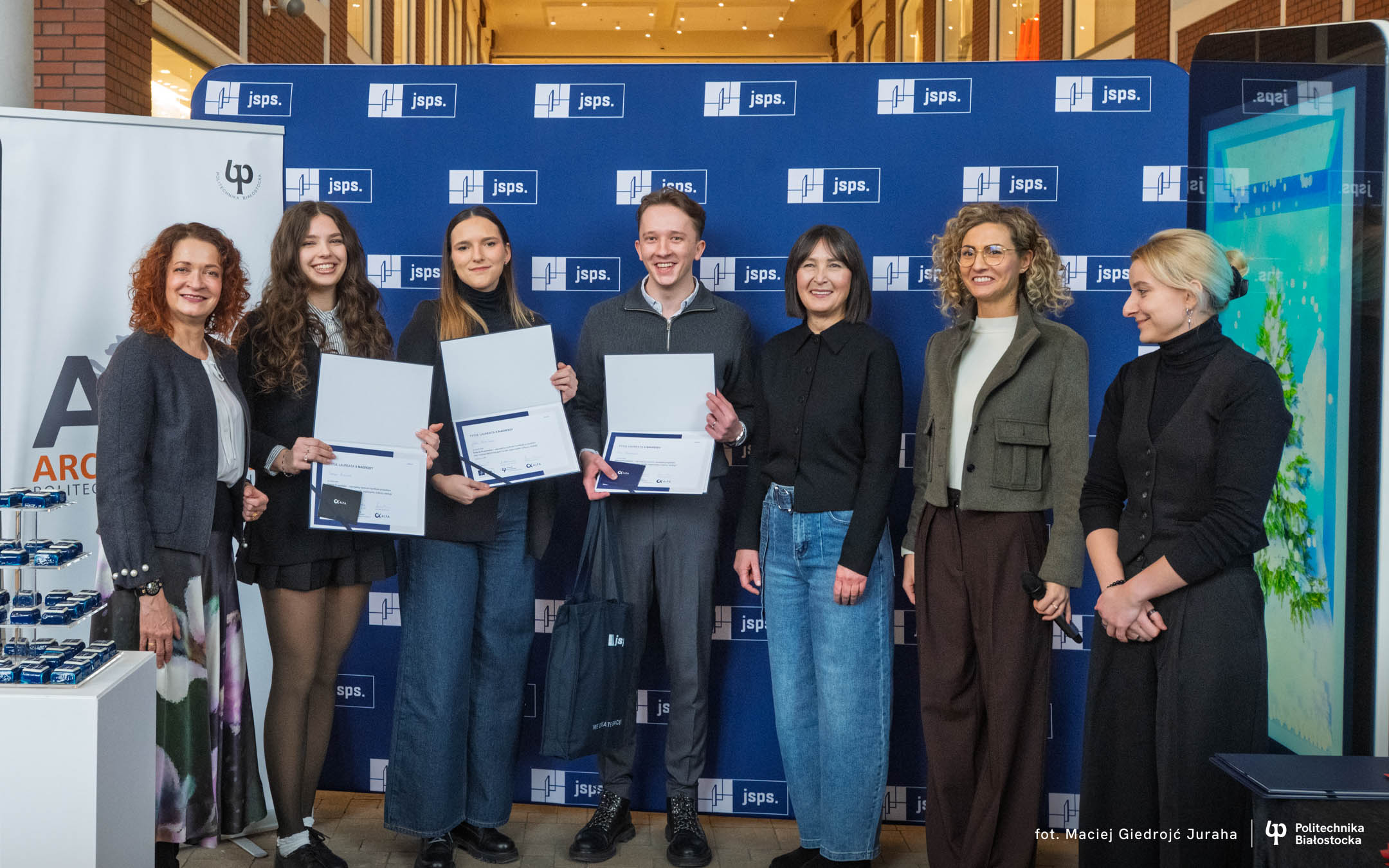
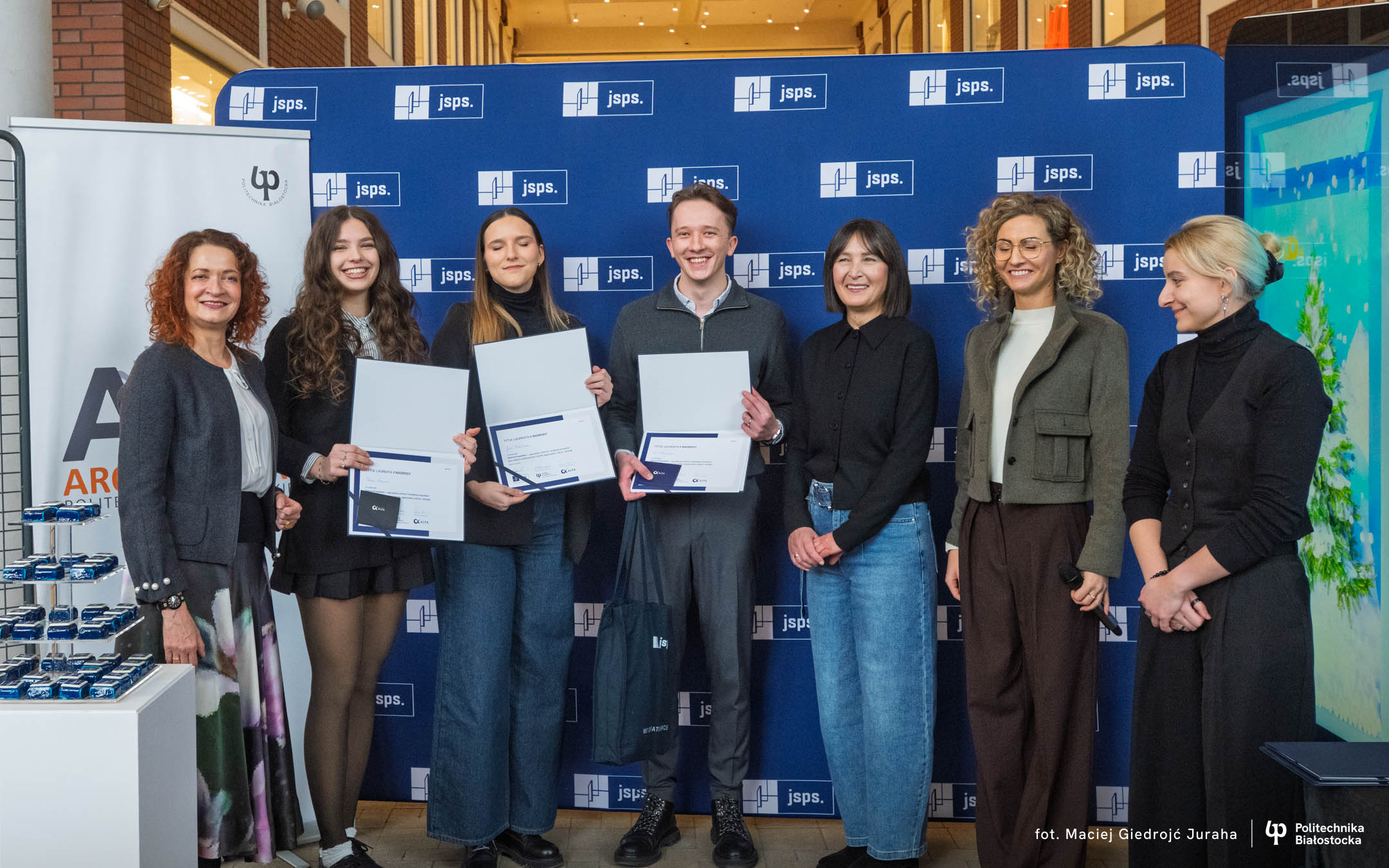
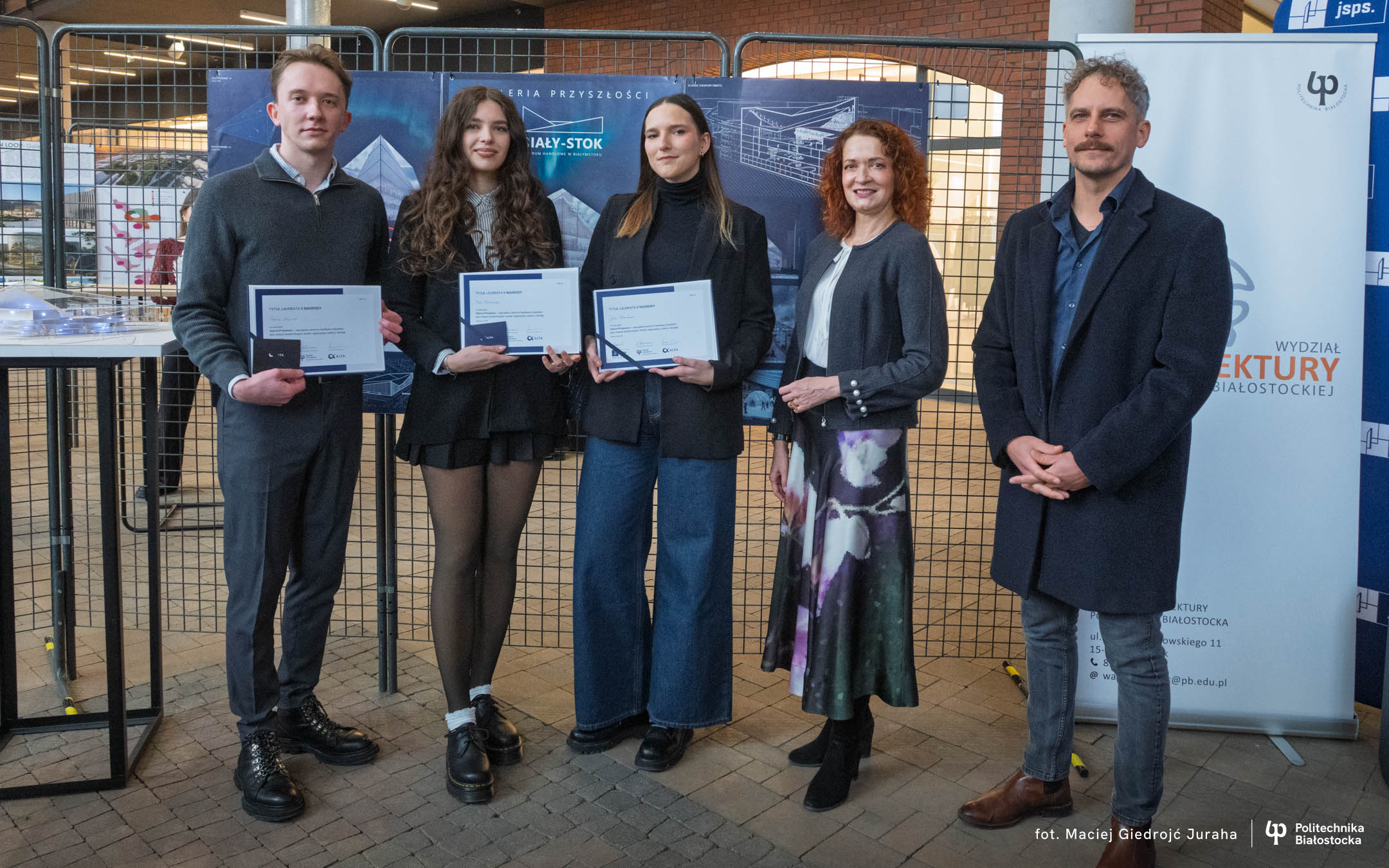
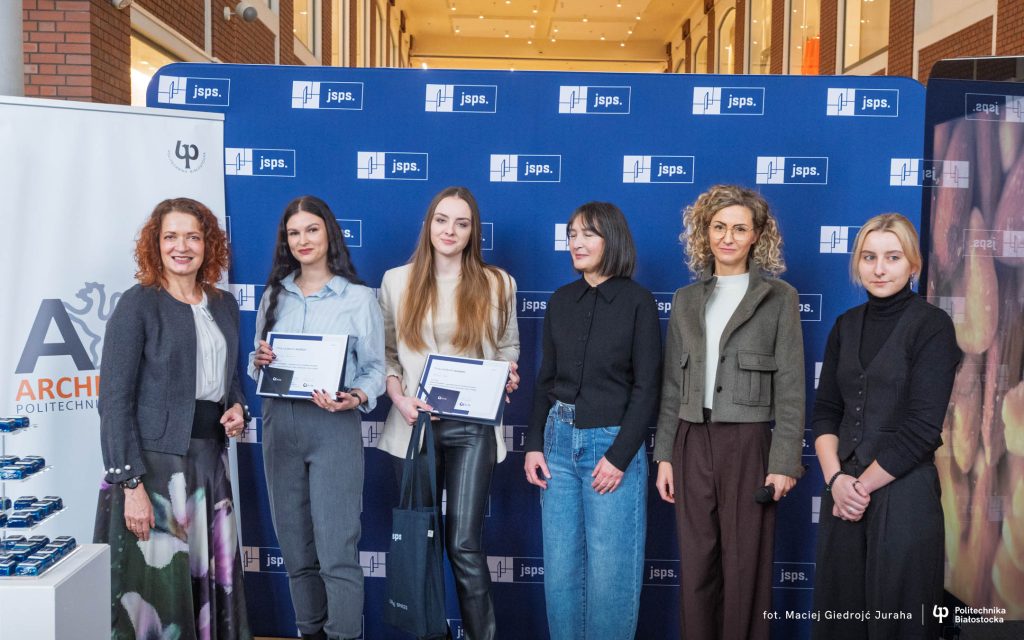
The team of students from the Faculty of Architecture of Bialystok University of Technology – Julia Michałowska, Ewa Niewiarowska and Tomasz Łaszczuk – won second place in the Future Shopping Centre competition and received shopping vouchers for Alfa Centrum with a total value of PLN 2,000.
The proposed shopping centre was designed not merely as a retail facility but above all as a multifunctional, mixed-use development capable of combining commercial, leisure and educational functions.
– We expected strong submissions, but we received projects that positively surprised us both in terms of creativity and quality of execution – says Anna Suska, senior architect at JSPS. – There is a clear difference between academic requirements and the realities of the construction market. In evaluating the projects, we looked not only at creativity but also at the practical feasibility of integrating these ideas into Bialystok’s urban context. We also paid attention to the students’ professional attitudes – the way they approached design and how realistically their ideas could be implemented, whether in the near or more distant future.
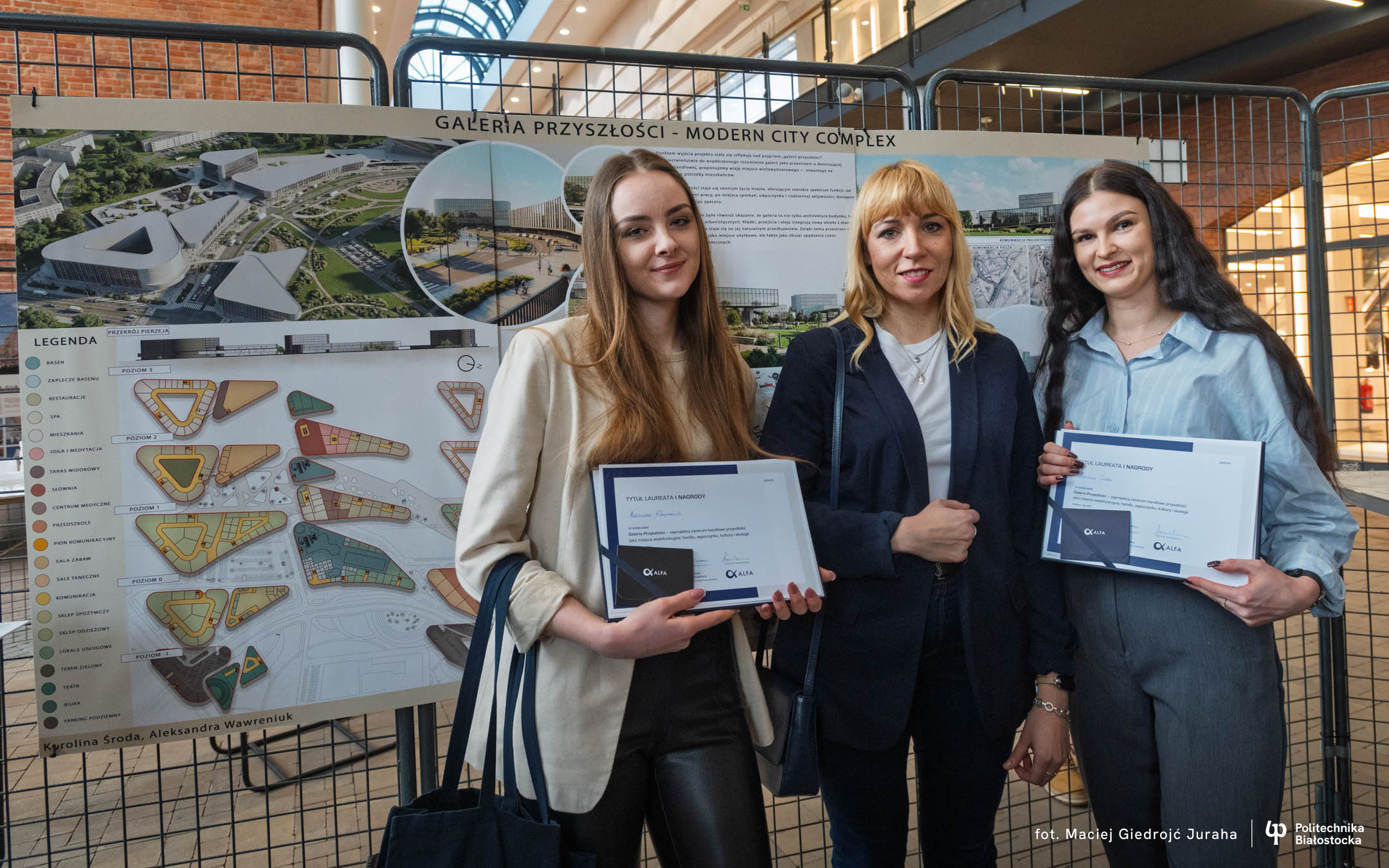
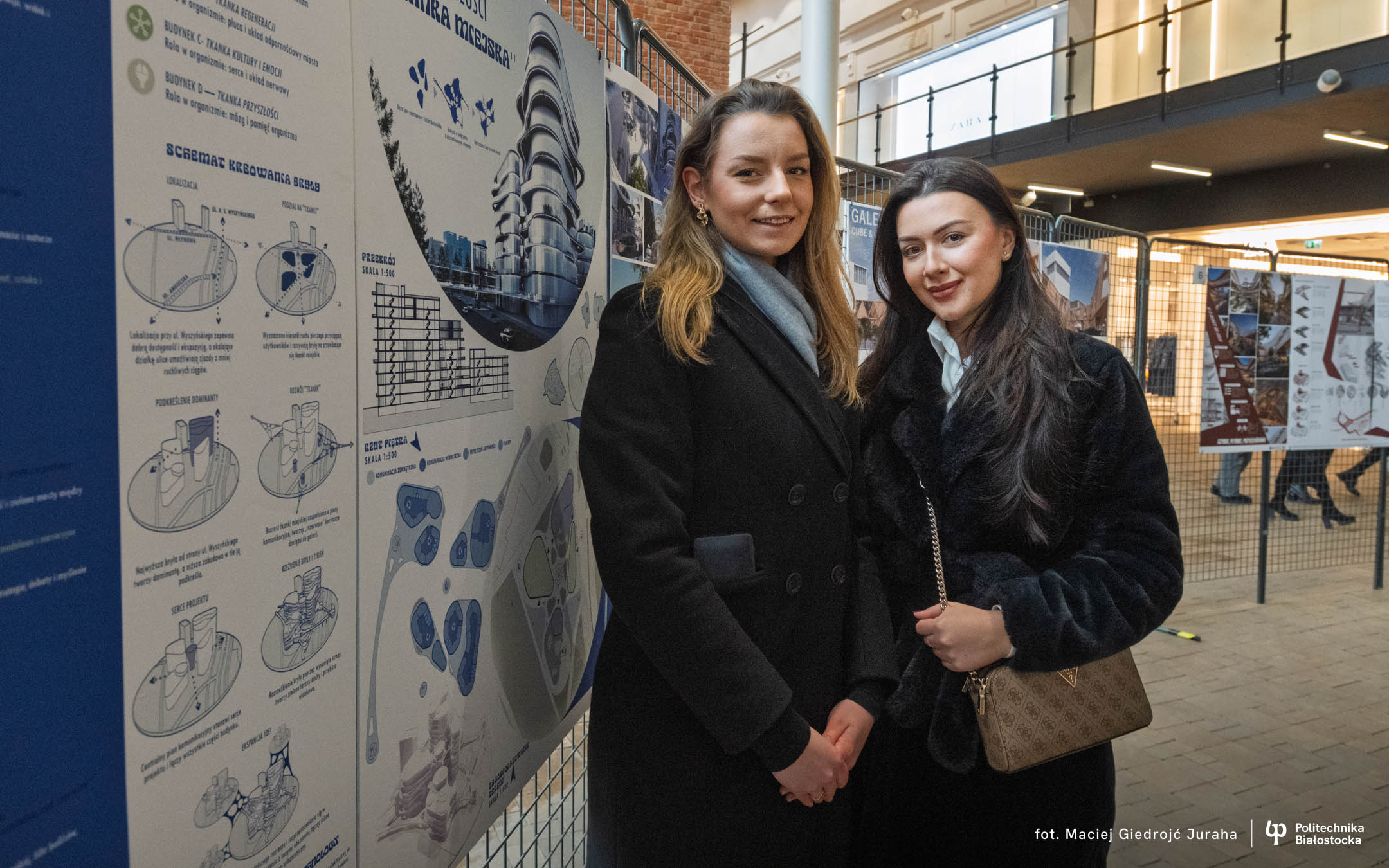
The most mature project, successfully combining futurism with the realities of Bialystok, was prepared by architecture students Karolina Środa and Aleksandra Wawreniuk.
– We began by selecting the plots – explains Aleksandra. – In fact, we incorporated nearly all available plots because we wanted to create a complex rather than a single building. We designed a 15-minute city that can be encircled or accessed via a roof connecting all the buildings. The development was divided into three zones. The first includes residential buildings with a kindergarten, the second is a leisure-focused zone with a swimming pool and gym facilities, and the third also includes residential functions.
Experimental design, therefore, but with a strong awareness of social needs.
– On the one hand, we can let our imagination run free, but on the other hand, from a structural and construction perspective, such ideas can be challenging – notes Karolina Środa. – Fortunately, our task was to present a concept, and we decided to move away from conventional design approaches and undertake a large-scale architectural experiment. That is why we chose to develop several plots and create something that could genuinely become a shopping centre of the future – a project that goes beyond standard solutions and looks ahead. When we began our Master’s studies, we did not expect that in our final year we would be able to experiment with architecture to such an extent and translate our imagination so freely into design. Previously, we had always focused primarily on technical correctness.
Experimental Design is something of a highlight of the Master’s programme in Architecture.
– It is a course that encourages a more open and exploratory approach to design – says DSc, PhD, Eng. Adam Jakimowicz, Associate Dean for Development and Cooperation at the Faculty of Architecture of Bialystok University of Technology. – It allows students to further develop the concepts and theoretical foundations behind their projects. We encourage them to formulate working manifestos that serve as the basis for their design development. As this project is completed in the final semester of the Master’s programme, students have the opportunity to adopt a more independent and experimental design mindset at the culmination of their studies.
Most of them are already professionally active.
– Master’s studies do not prevent students from working – says Karolina Środa. – It may be slightly more demanding, but it is entirely possible to combine the two.
– I currently work remotely, so the Master’s programme was an ideal combination with employment, and I would definitely recommend it – adds Aleksandra Wawreniuk. – Like Karolina, I also work on-site, which does not prevent me from completing even highly futuristic design projects.
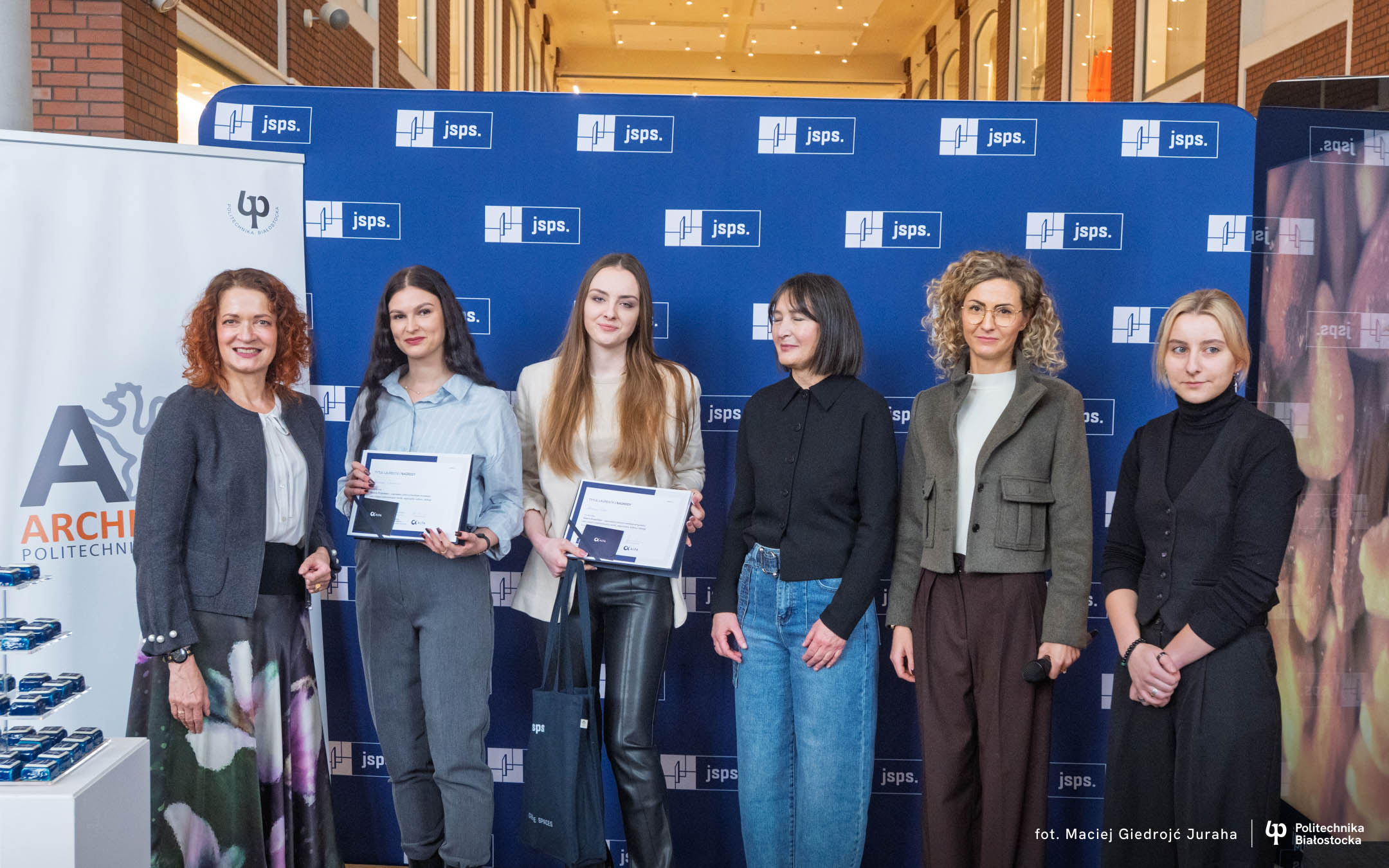
For winning first place in the Future Shopping Centre competition, Karolina Środa and Aleksandra Wawreniuk received shopping vouchers for Alfa Centrum worth PLN 2,000 each.
– The Future Shopping Centre competition, carried out as part of the Experimental Design course at the Faculty of Architecture of Bialystok University of Technology, is an excellent complement to and extension of the Architecture study programme – concludes the Rector of Bialystok University of Technology. – It is important for students to be equipped with tools for designing the future, to look ahead with their ideas and concepts, to begin building their professional careers already during their studies, and to help shape the future appearance of our city and our country. And judging by the achievements of our Architecture graduates, they will also go on to succeed internationally.
Future Shopping Centre competition – results
Karolina Środa, Aleksandra Wawreniuk – Modern City Kompleks – 1st place
Julia Michałowska, Ewa Niewiarowska and Tomasz Łaszczuk – Biały-stok – 2nd place
Filip Gałecki, Maja Orlicka – 25/7 – 3rd place
Equal distinctions:
Aksel Pawluczuk, Tomasz Masłowski – Split
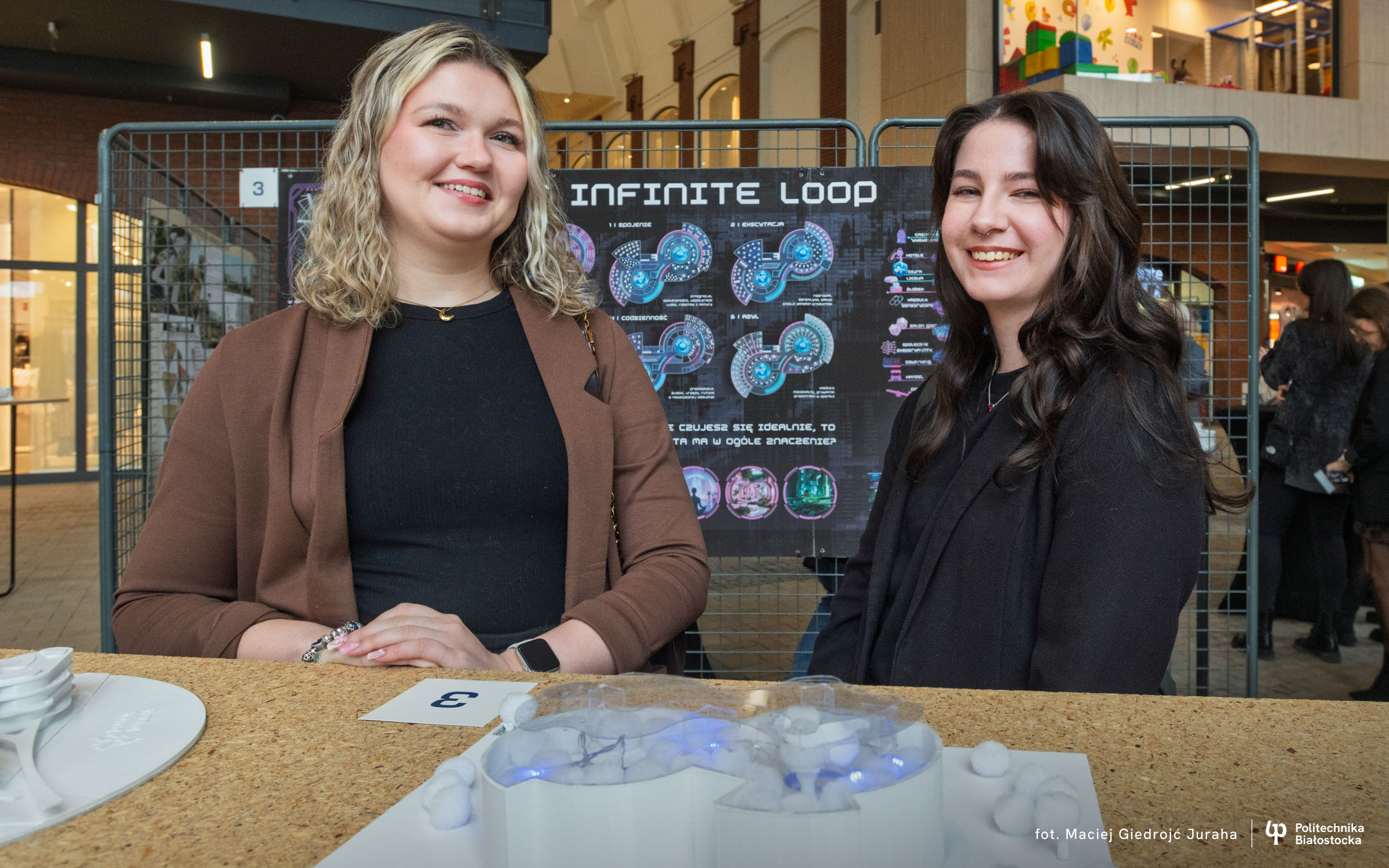
Patrycja Czech, Małgorzata Rzepniewska – Infinity Loop
Michał Brajczewski, Kamila Borowska – Młynova Future
Magdalena Trzaska, Julia Roszko – Urban Fabric
Julia Jakubowska, Klaudia Kuliś – Rollercoaster
Małgorzata Chojnicka, Anna Niewęgłowska – Cube&Connect
Weronika Nieszała, Aleksandra Kamińska, Anna Rzepka – Falla – Current of Tomorrow
Paula Szpakowska, Aleksandra Wawreniuk – Hot Wheels
Jakub Brojek, Anita Cieślak – GP Experience Centre
Weronika Nieszała, Anna Rzepka – Eternal Spring Shopping Centre
Wiktoria Twardowska, Aleksandra Żmiejko – Green Loop
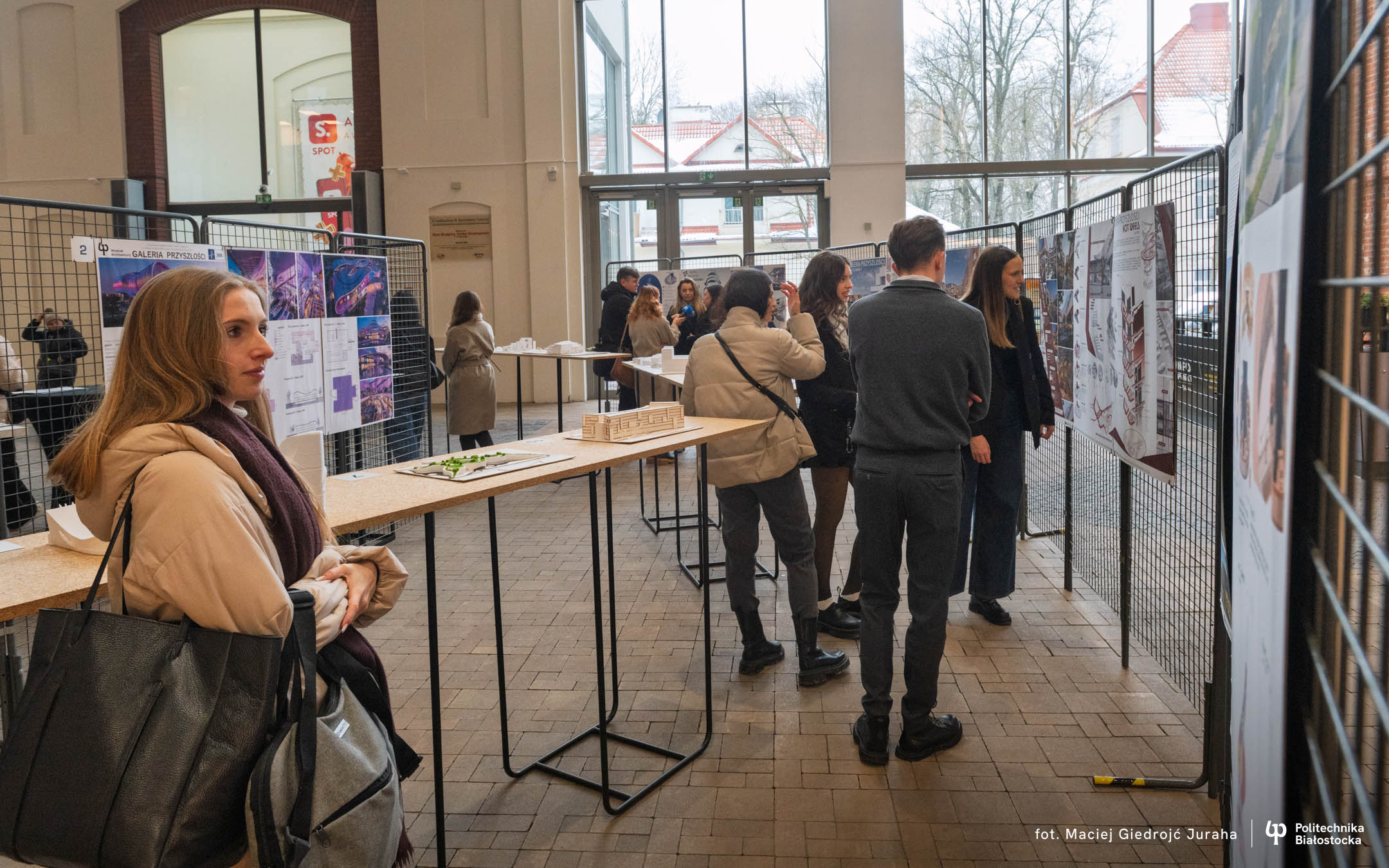
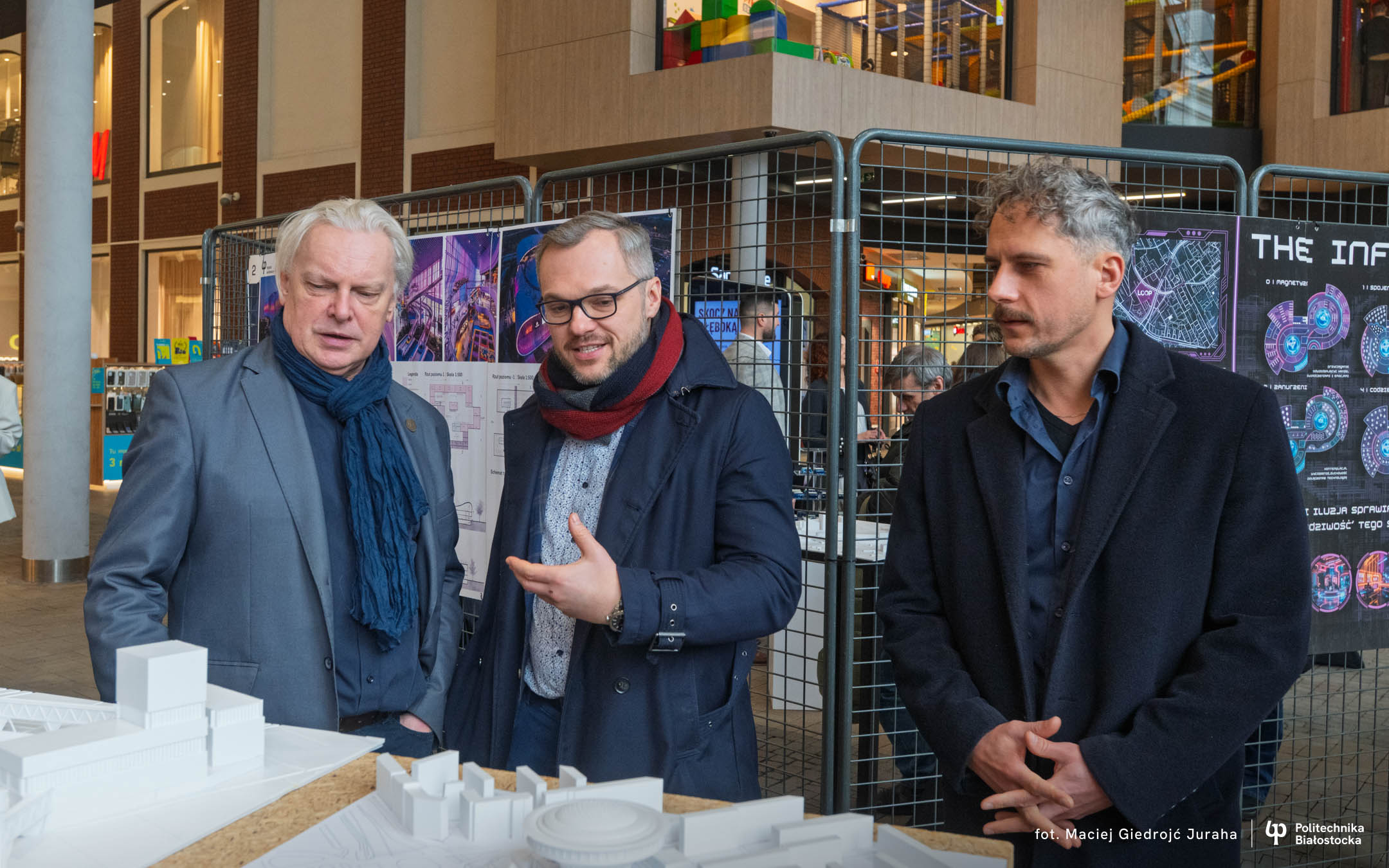
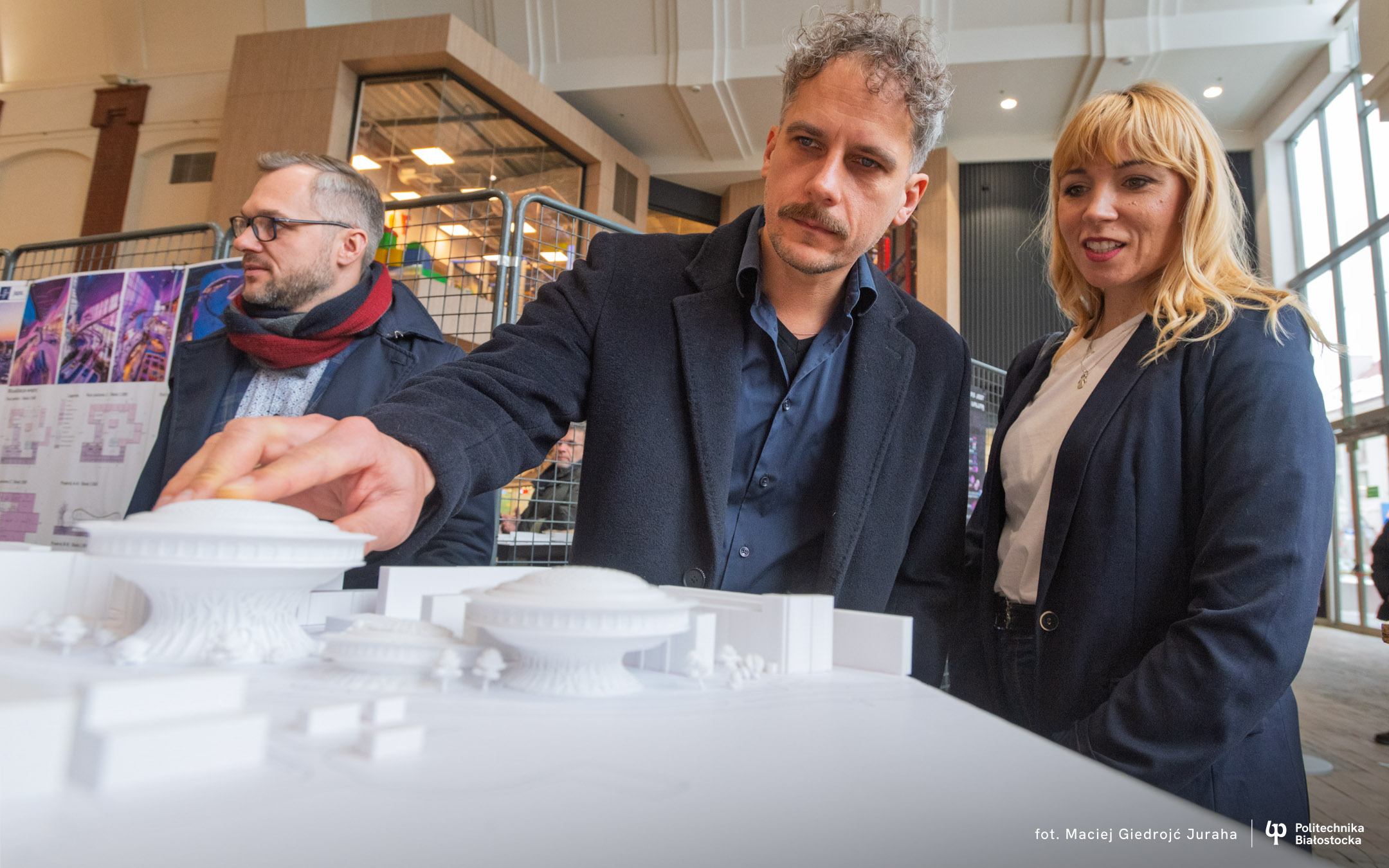
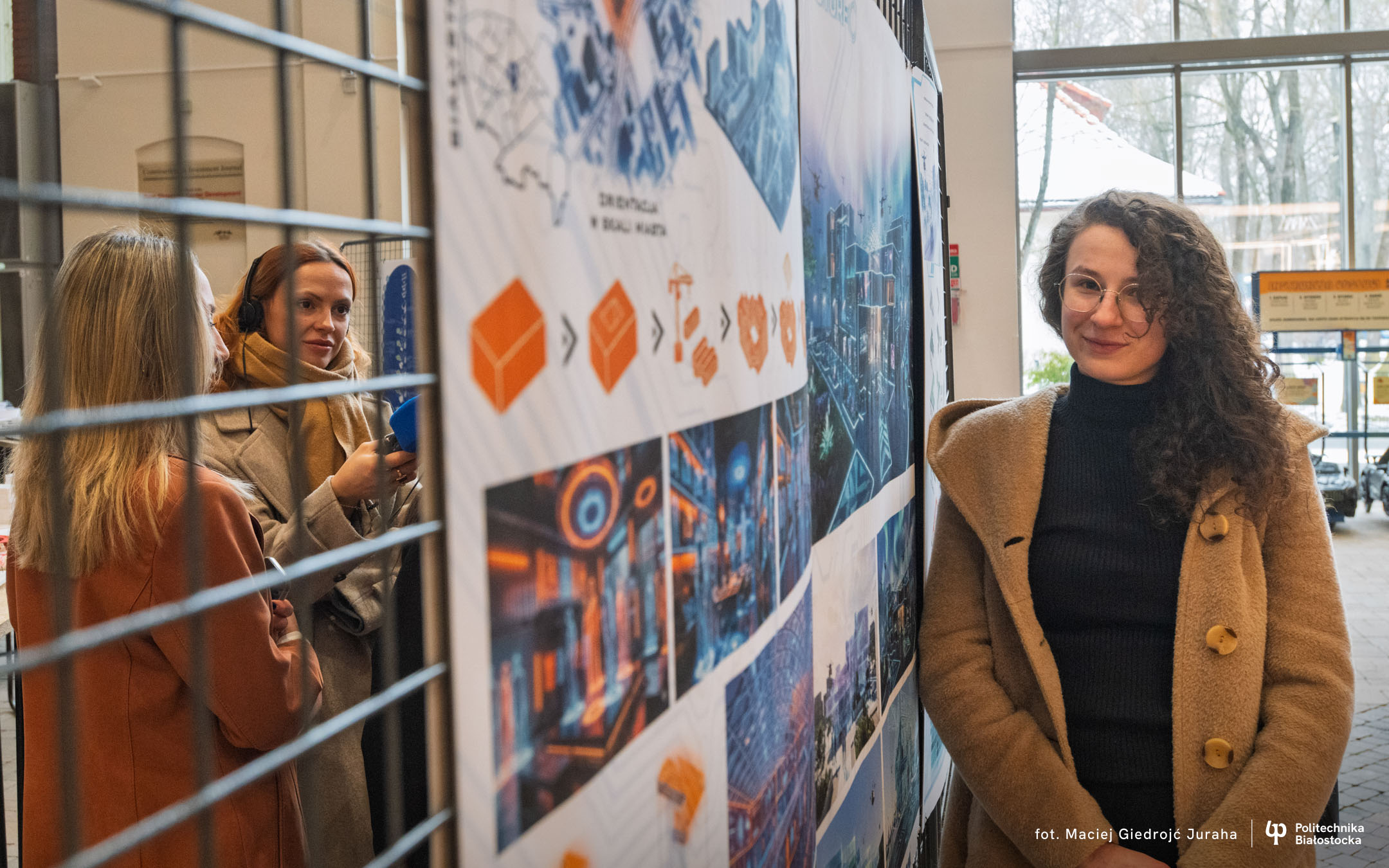
All projects can be viewed at the exhibition at Alfa Centrum until 26 February.
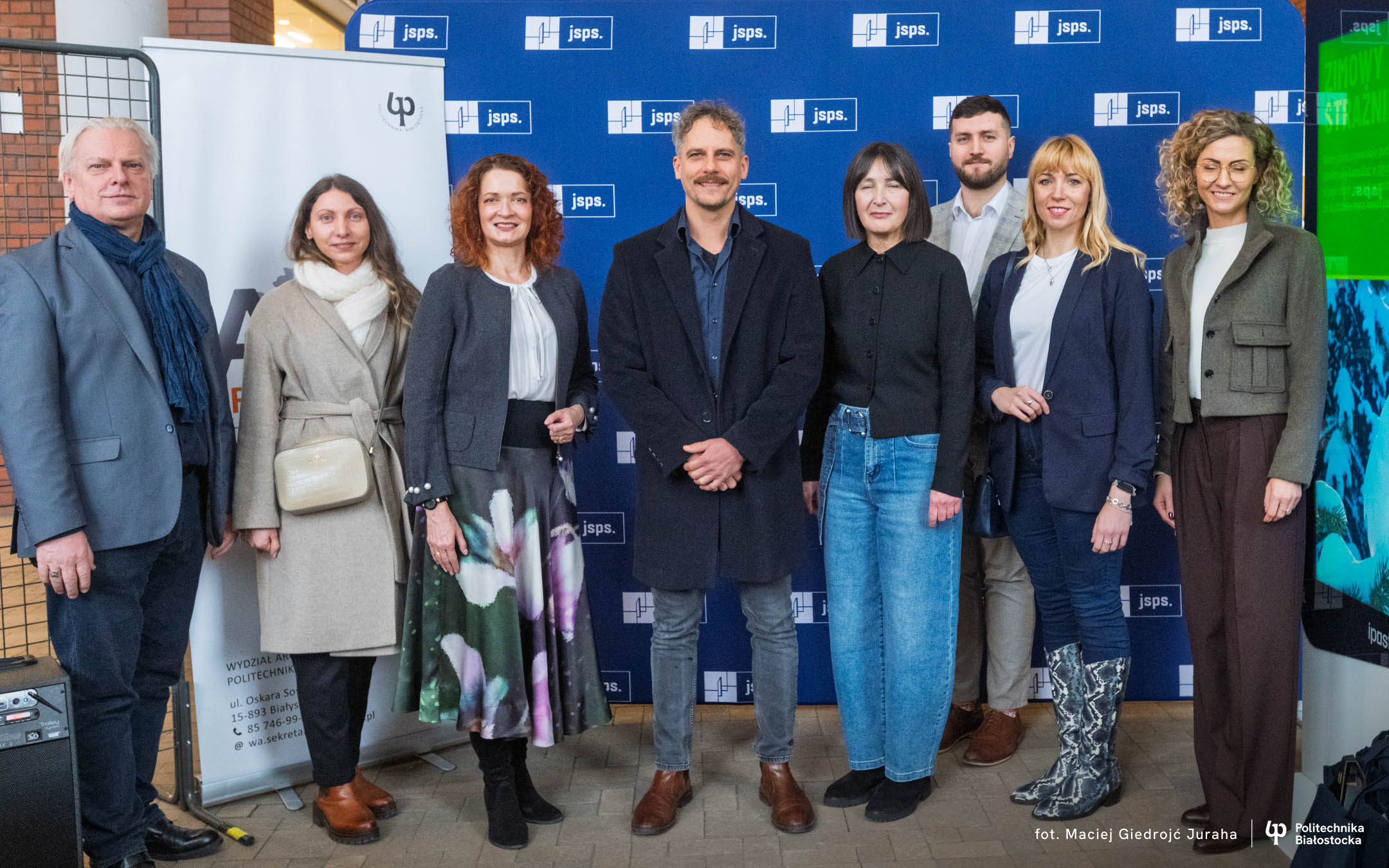
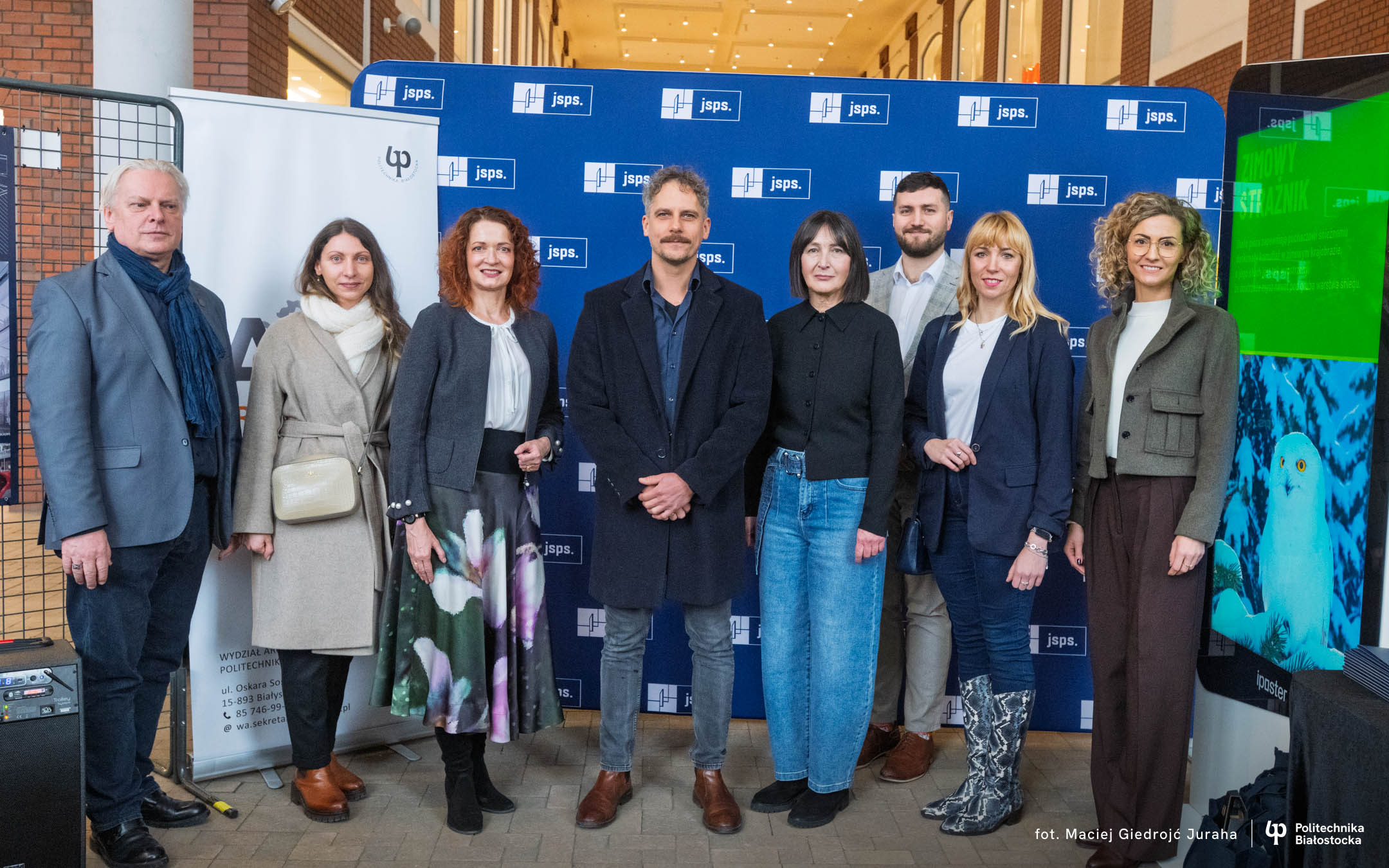
Composition of the Committee:
- Associate Dean for Development and Cooperation of the Faculty of Architecture of Bialystok University of Technology, DSc, PhD, Eng. Adam Jakimowicz
- DSc, PhD, Eng. Bartosz Śliwecki, Faculty of Architecture of Bialystok University of Technology
- Alicja Kasprzyk-Siemienkiewicz (Alfa Centrum – prize partner)
- Anna Suska – senior architect
- Agnieszka Skorulska – architect
Author: Jerzy Doroszkiewicz