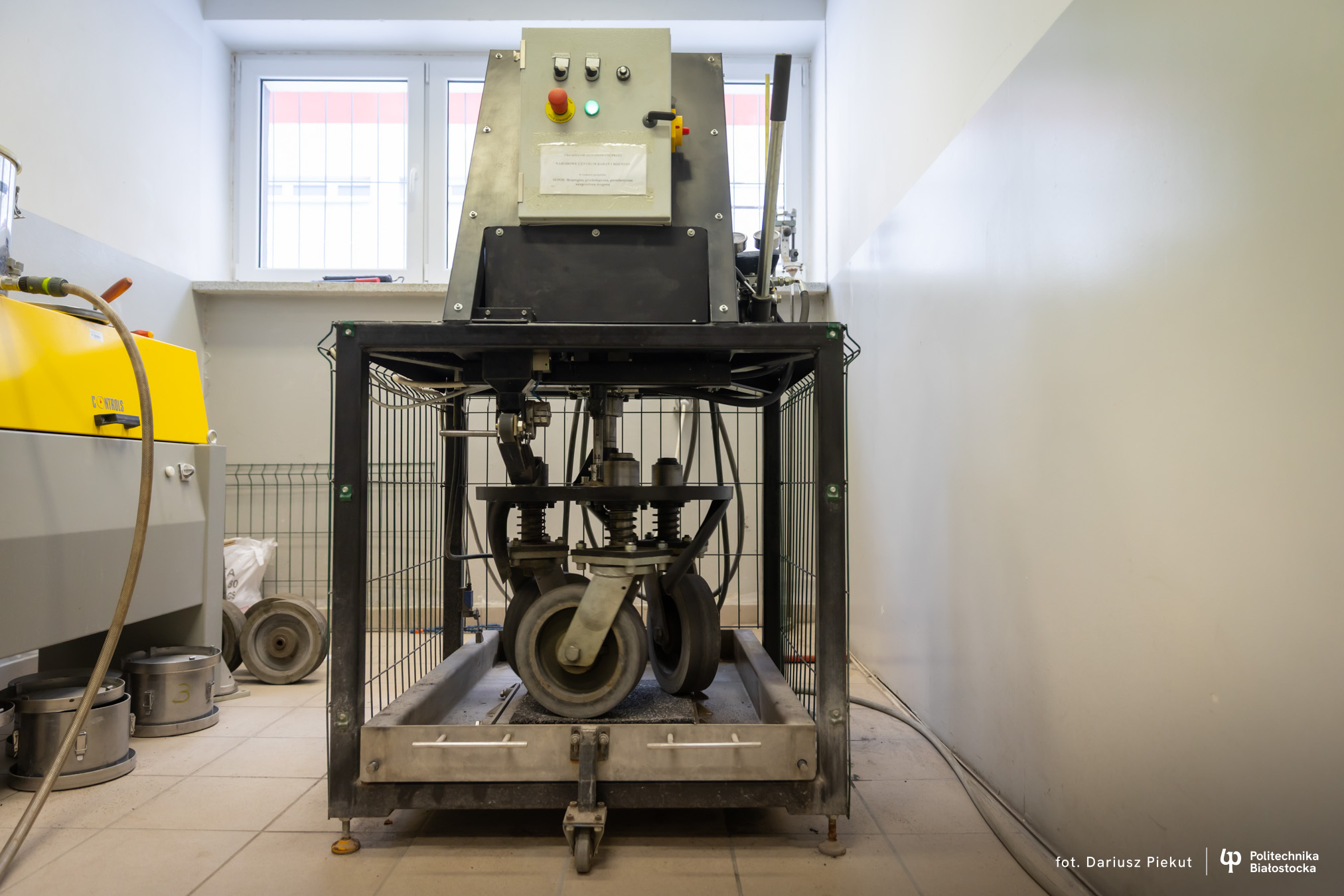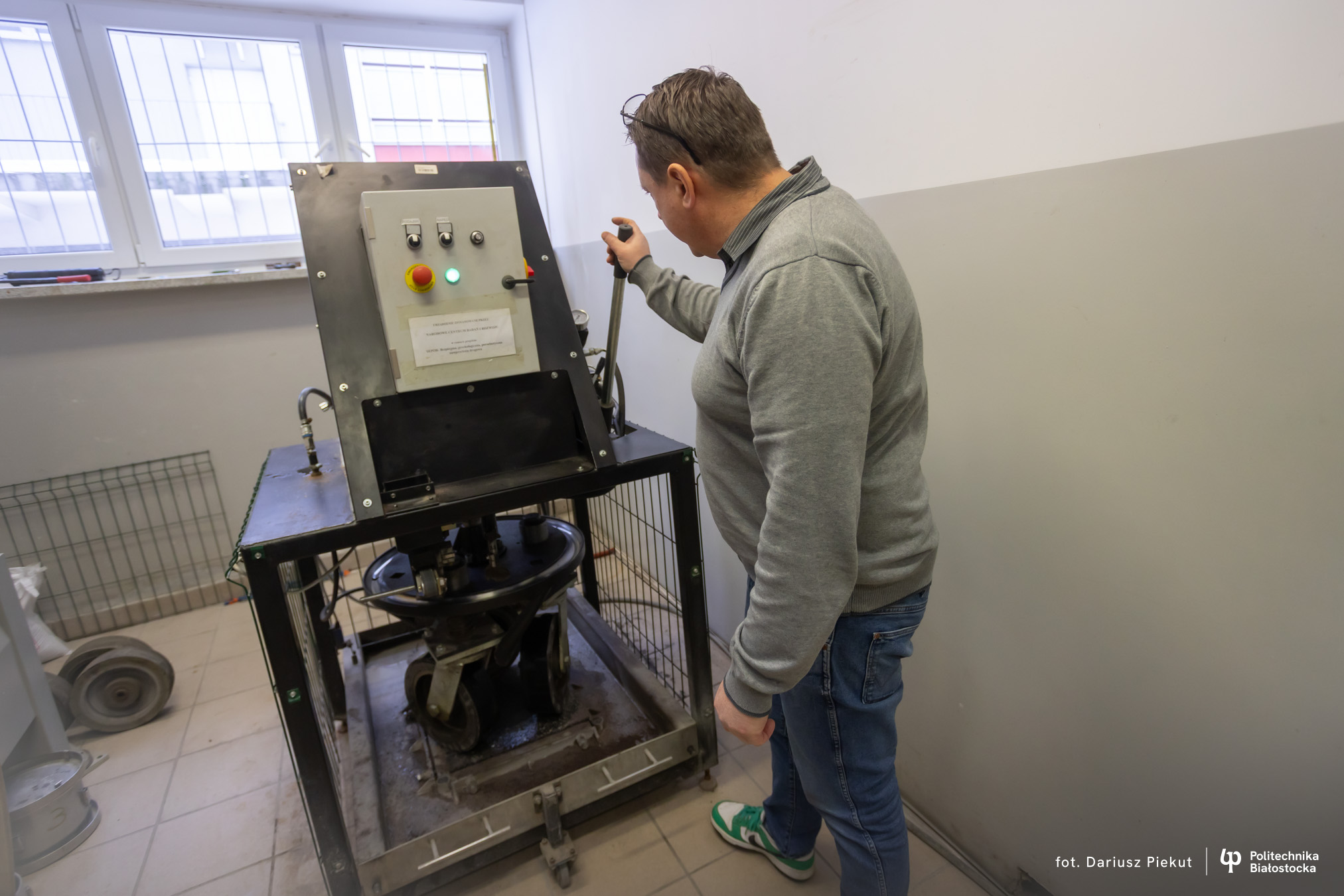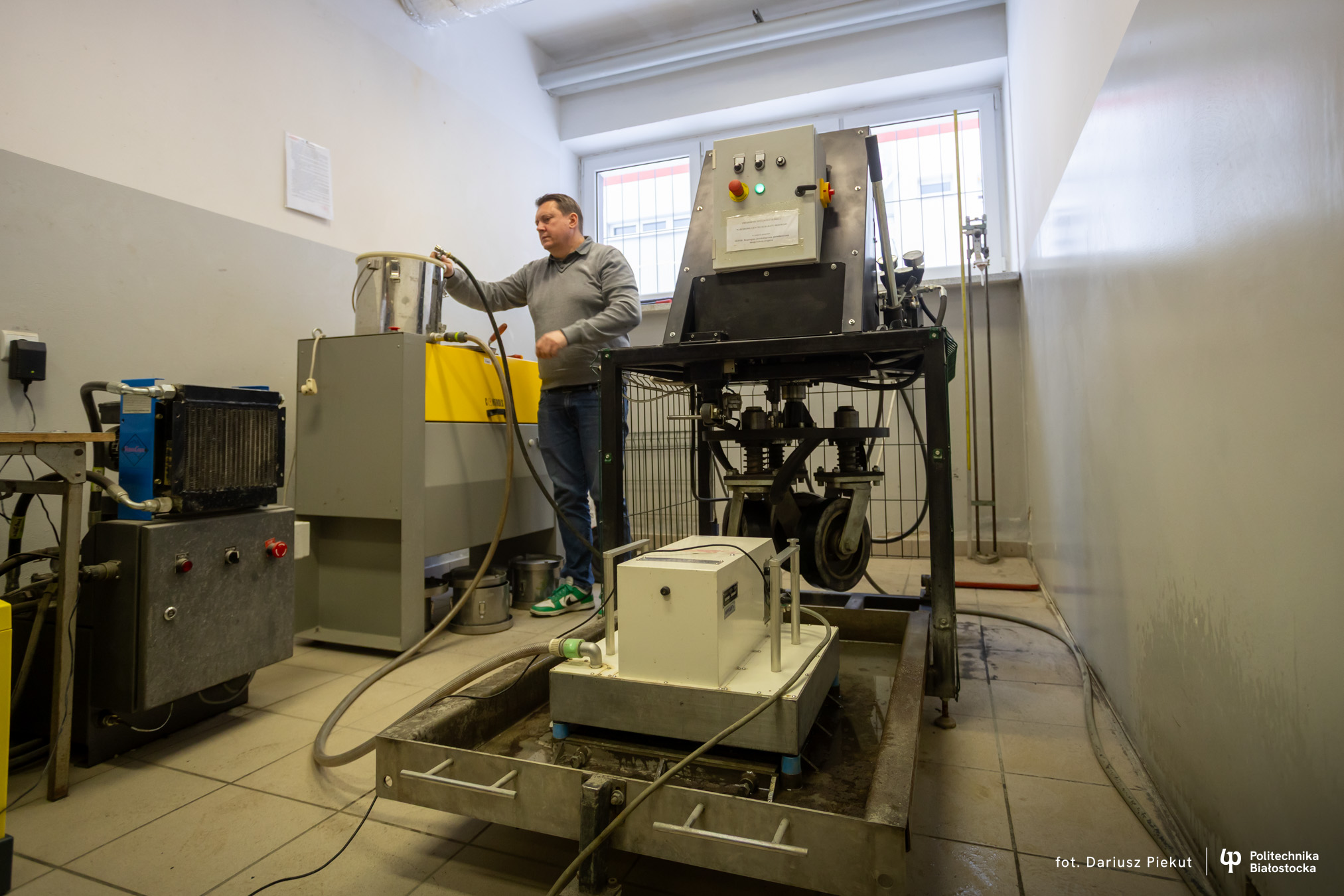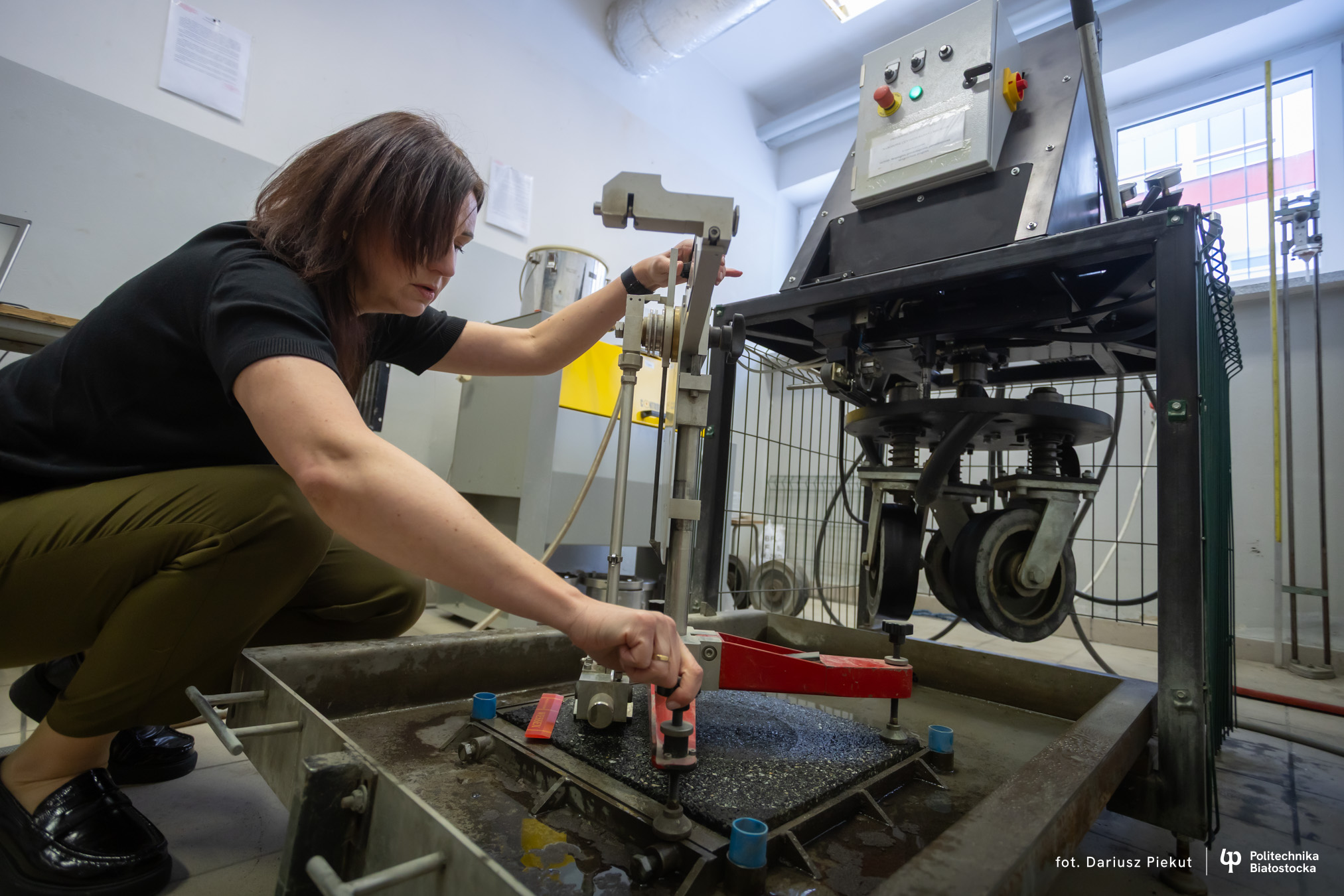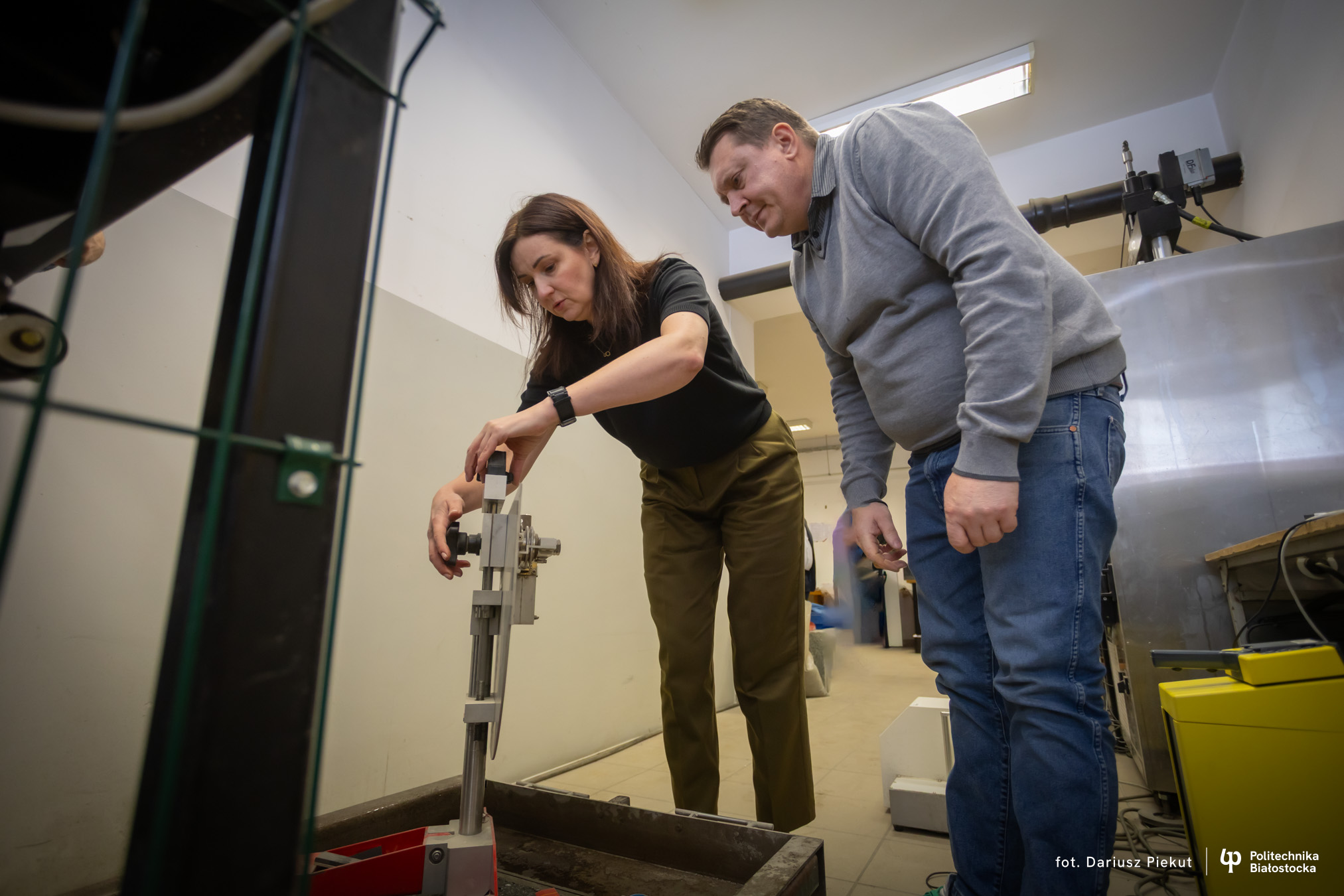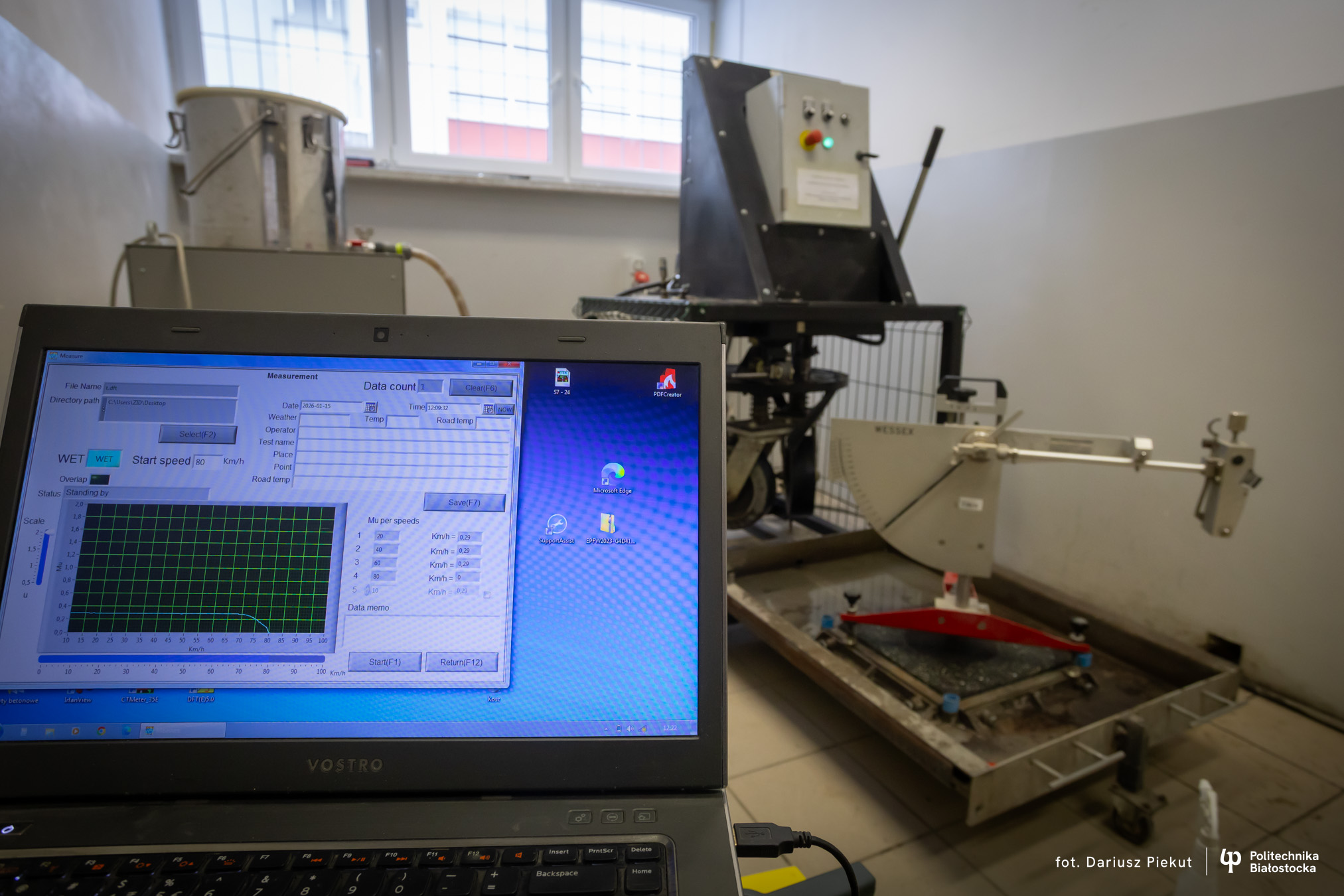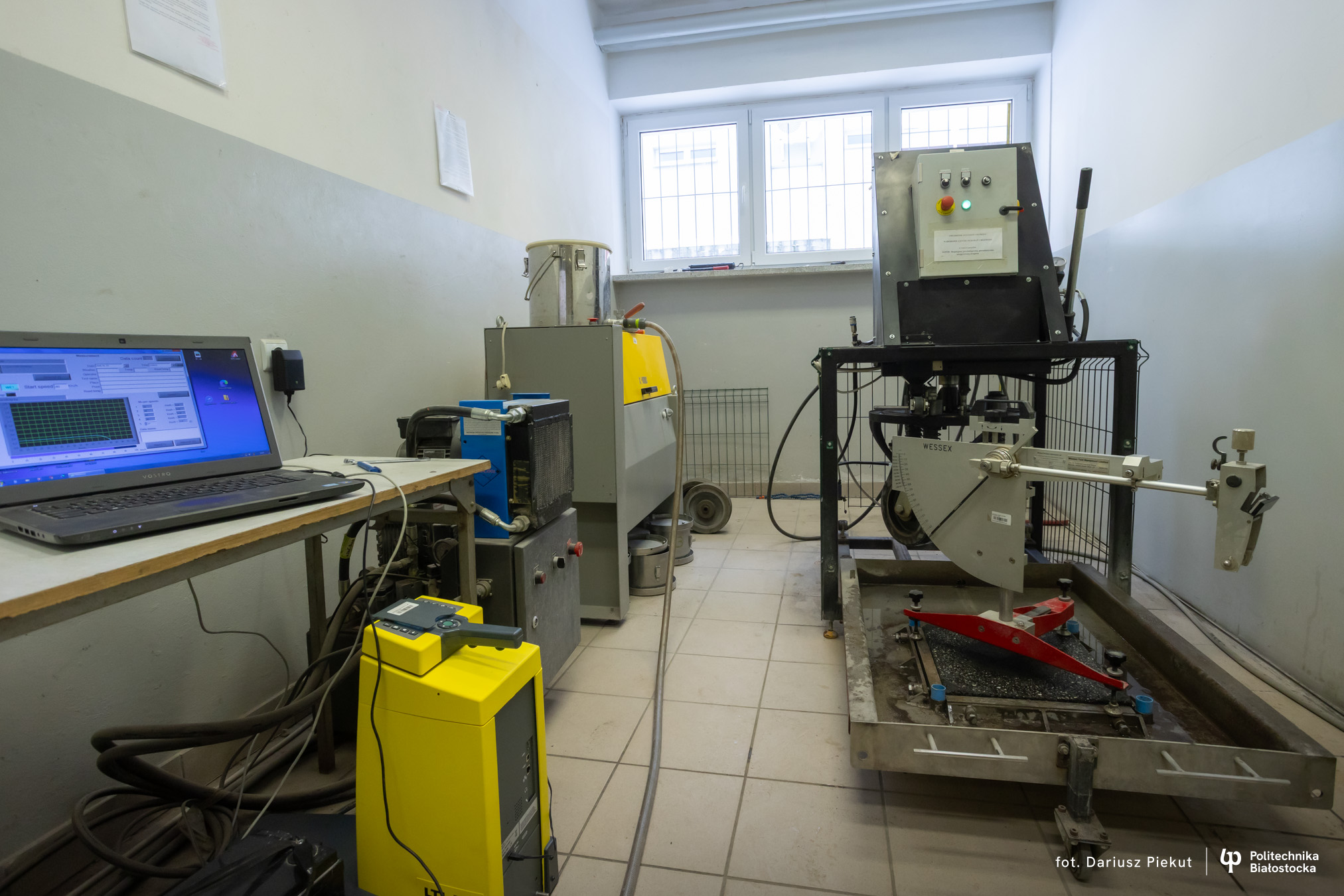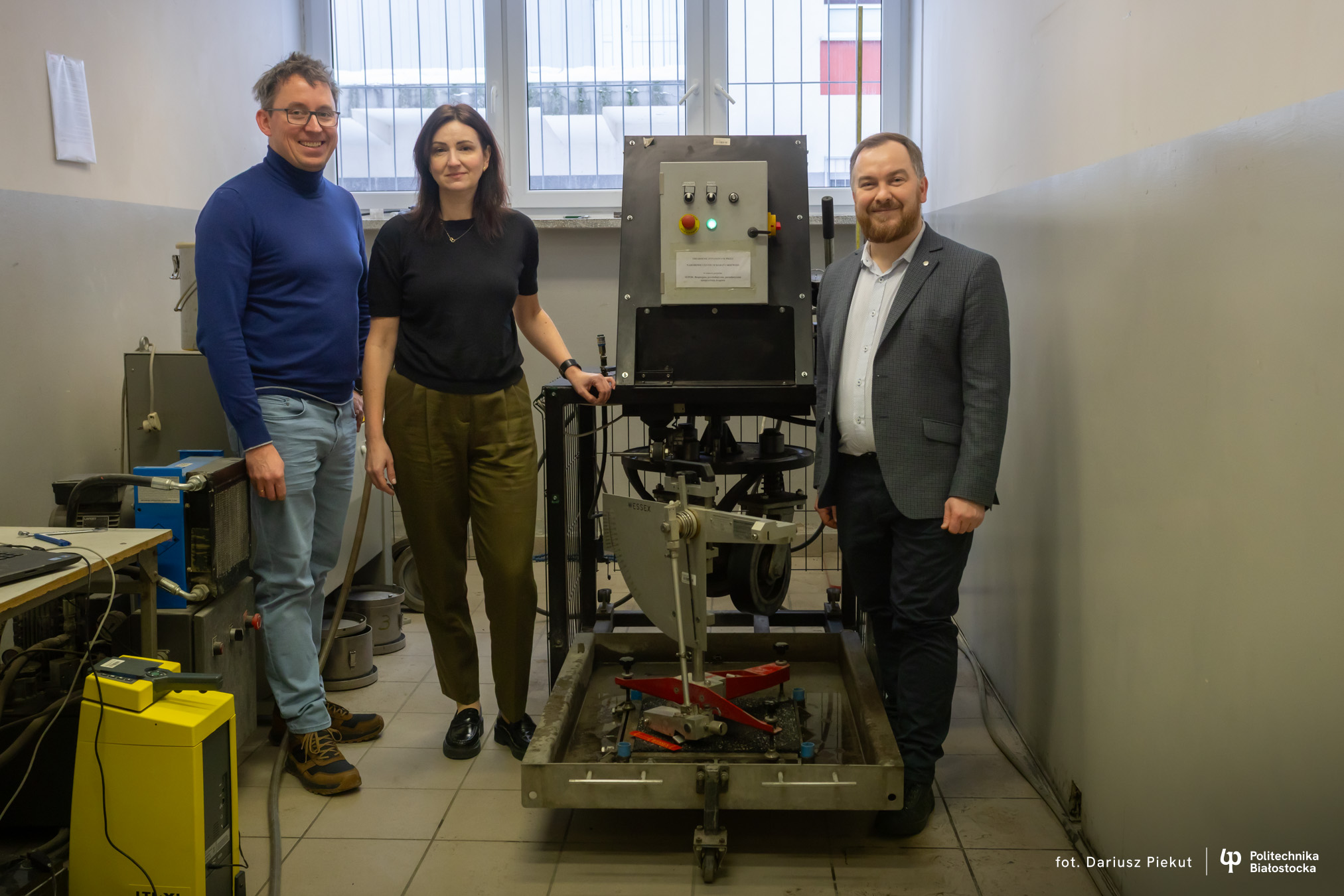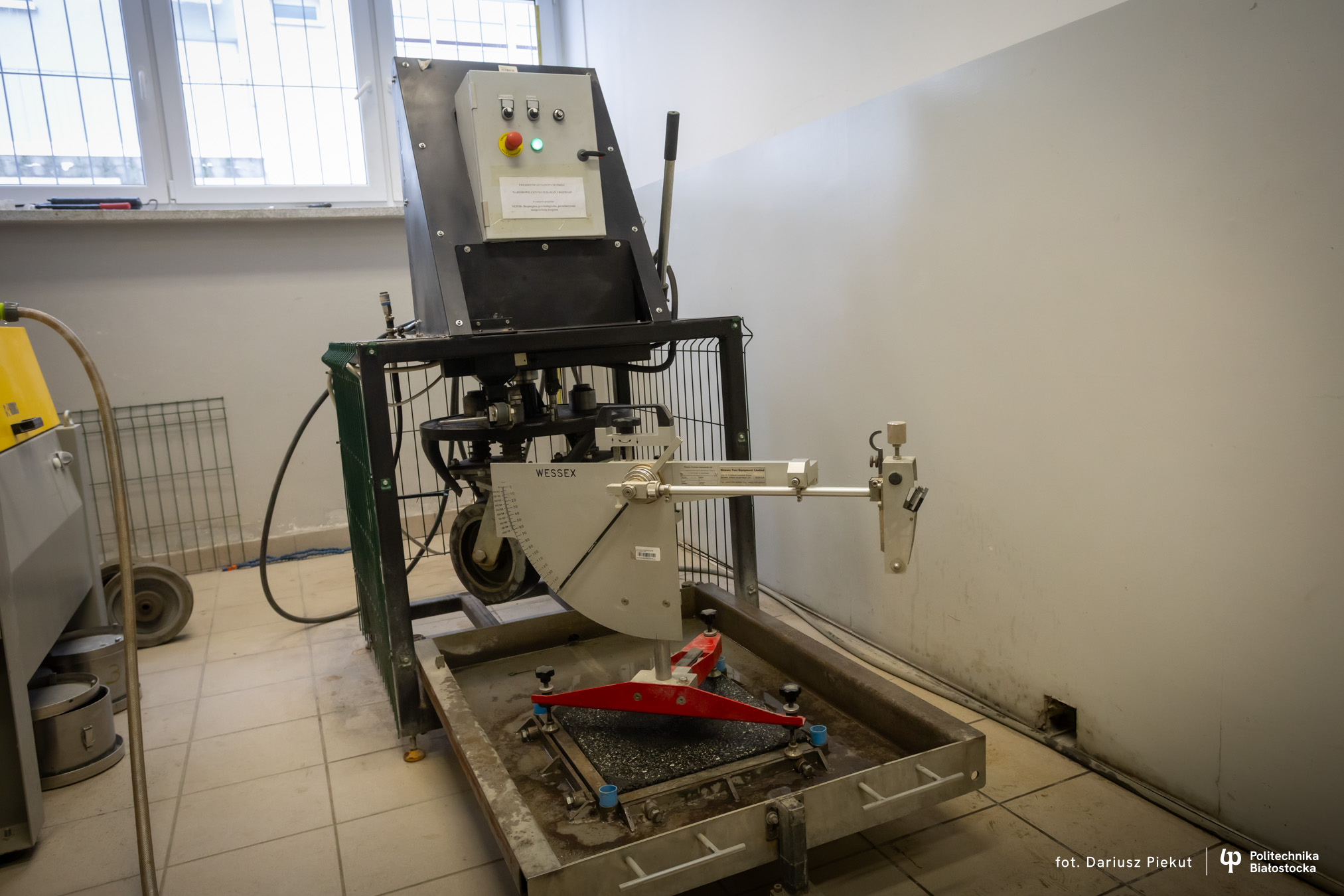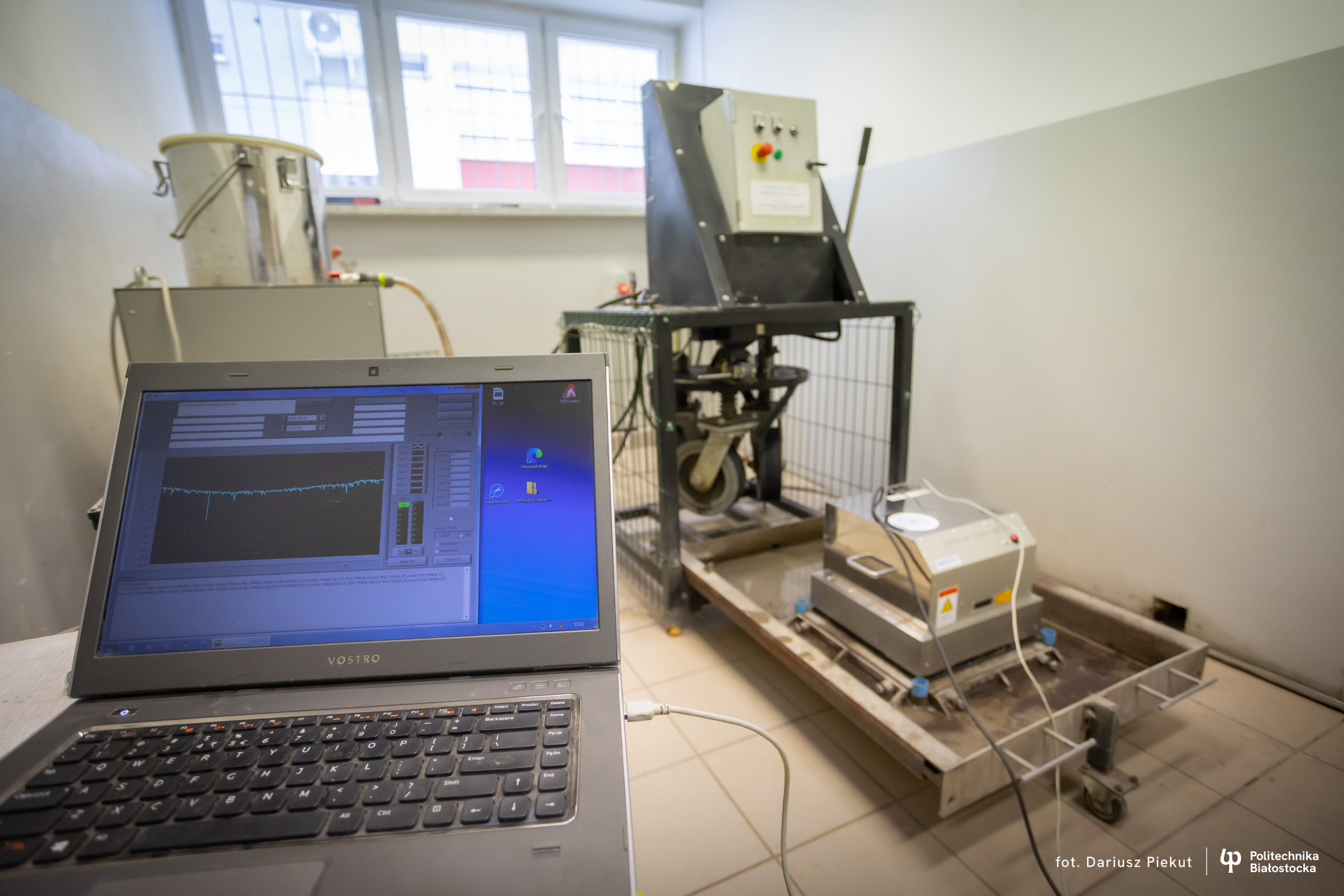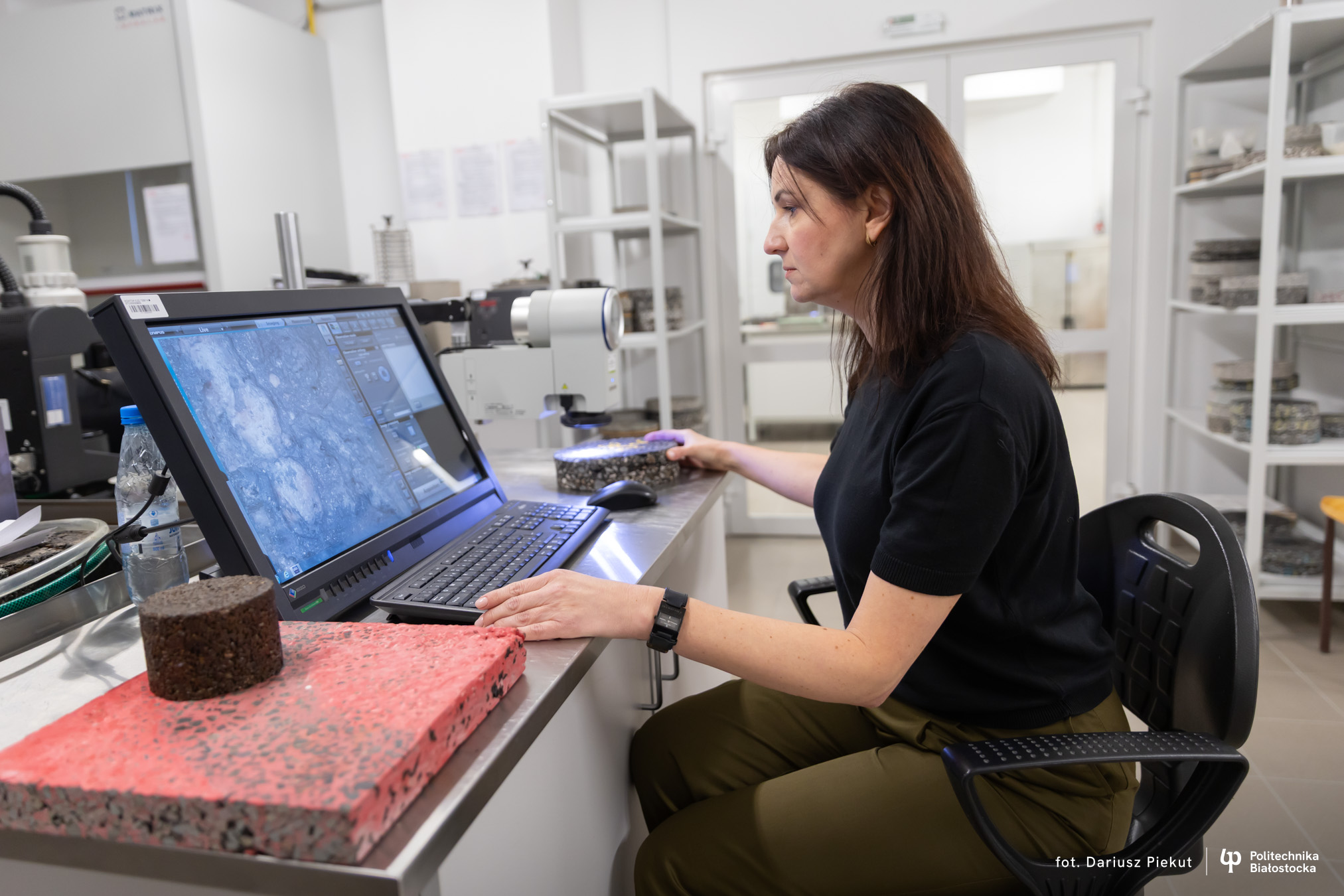
The Device for Testing the Surface Wear of the Upper Layers of Road Pavements is a unique patent of Bialystok University of Technology and Gdańsk University of Technology for designing roads that will be safe for every driver!
Bialystok University of Technology has obtained a patent for a Device for Simulating the Surface Wear of the Upper Layers of Road Pavements. It makes it possible, prior to laying the pavement, to estimate its skid resistance properties during its service life.
And to think that it all started with the the polishing resistance of aggregates and an old concrete mixer.
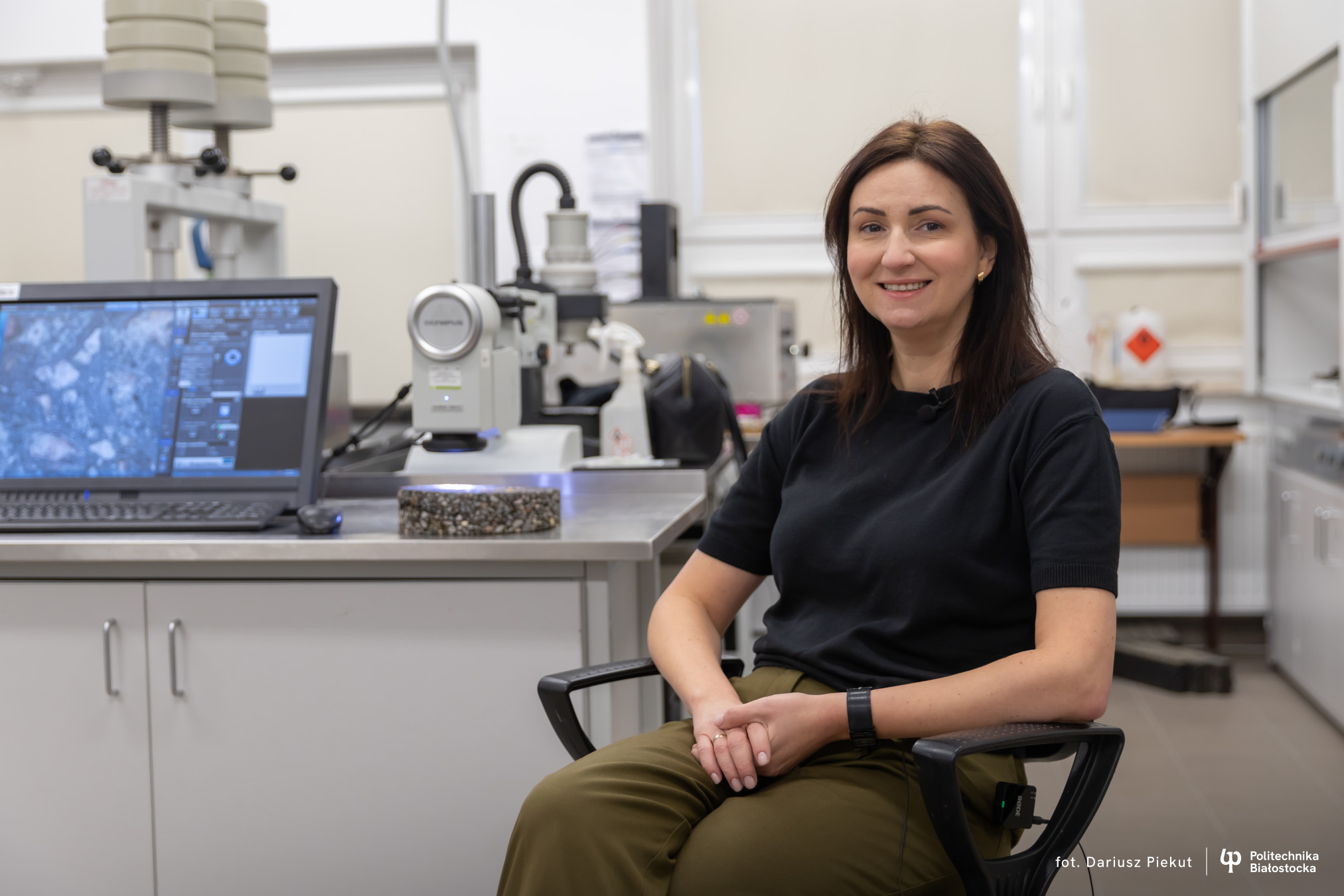
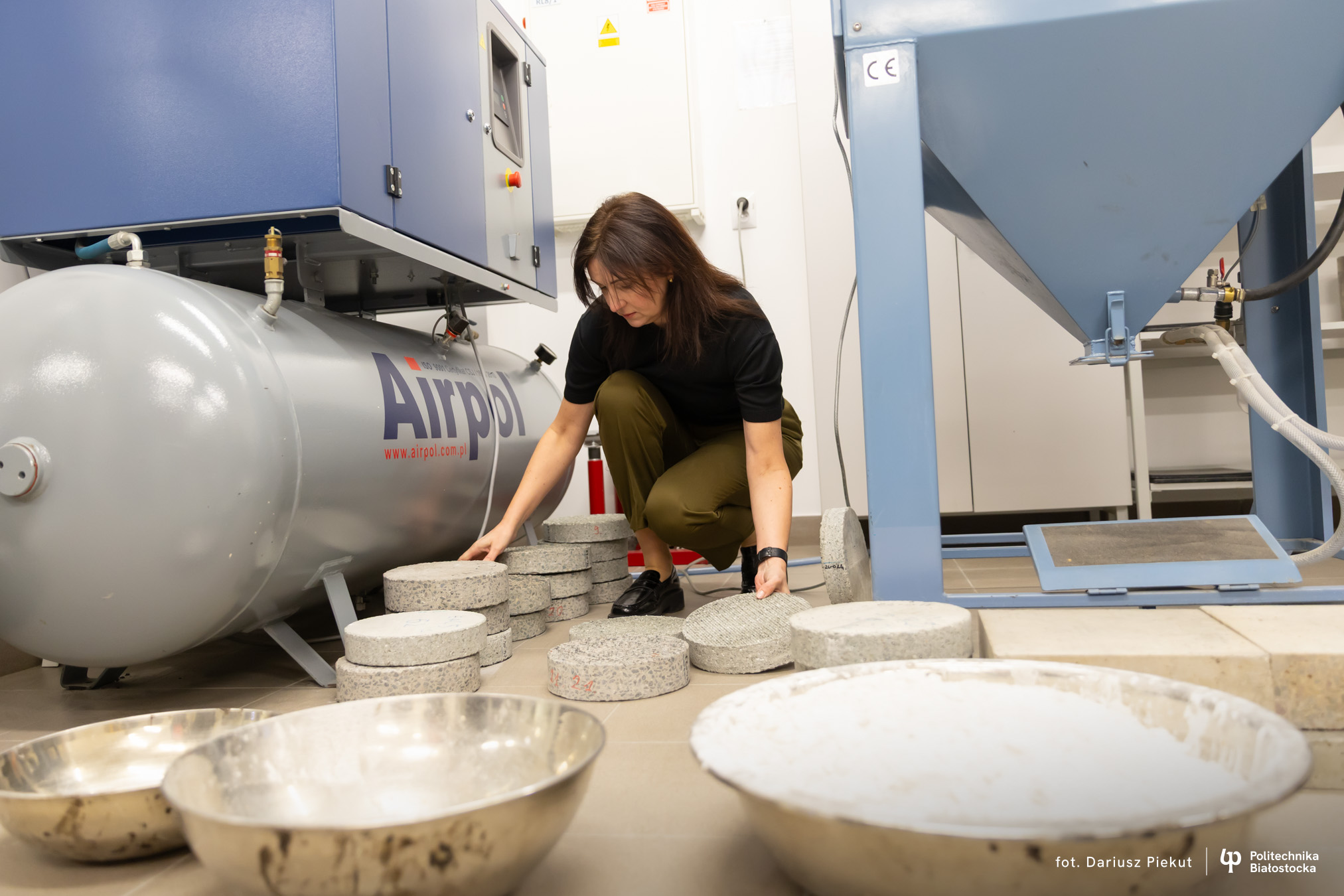
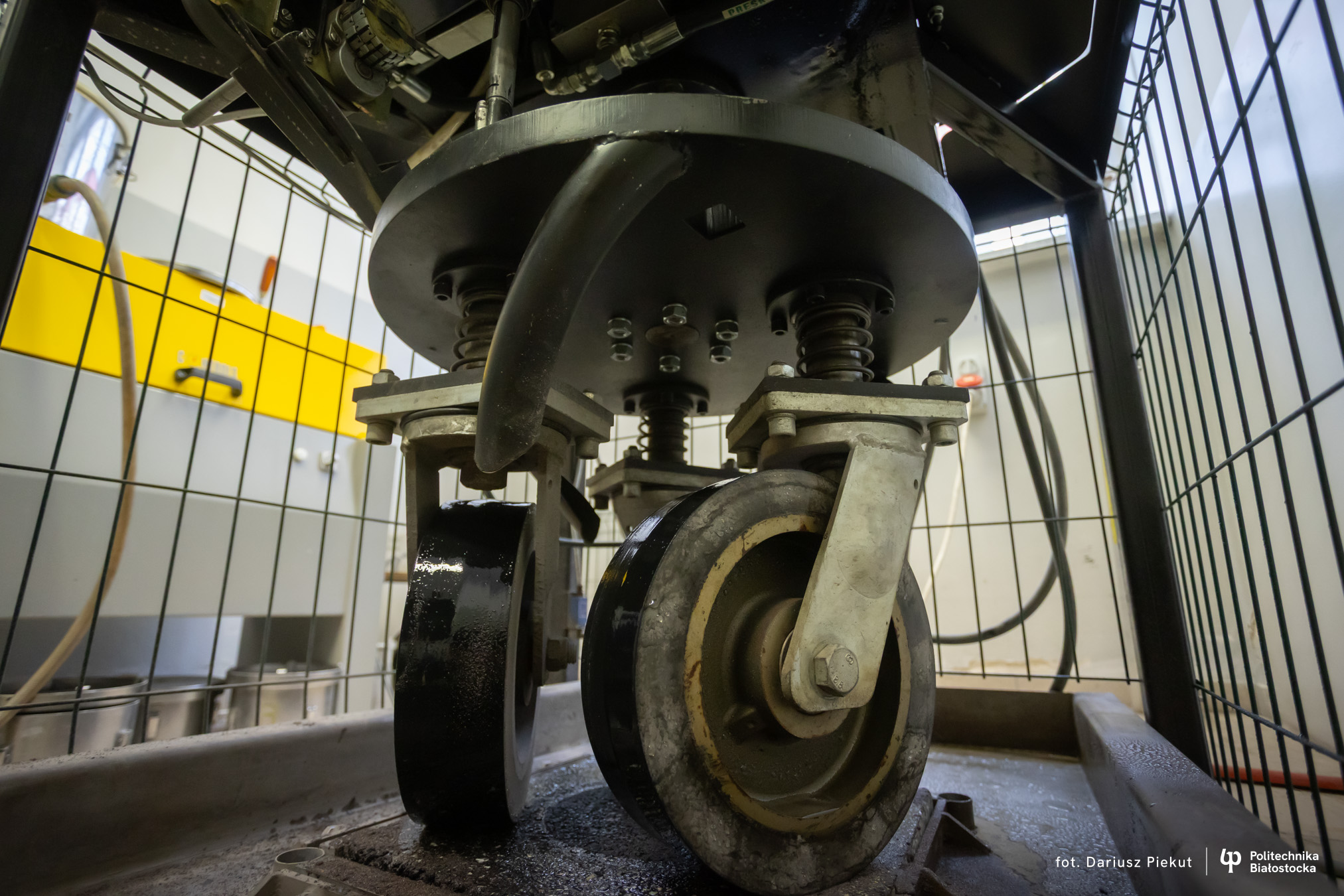
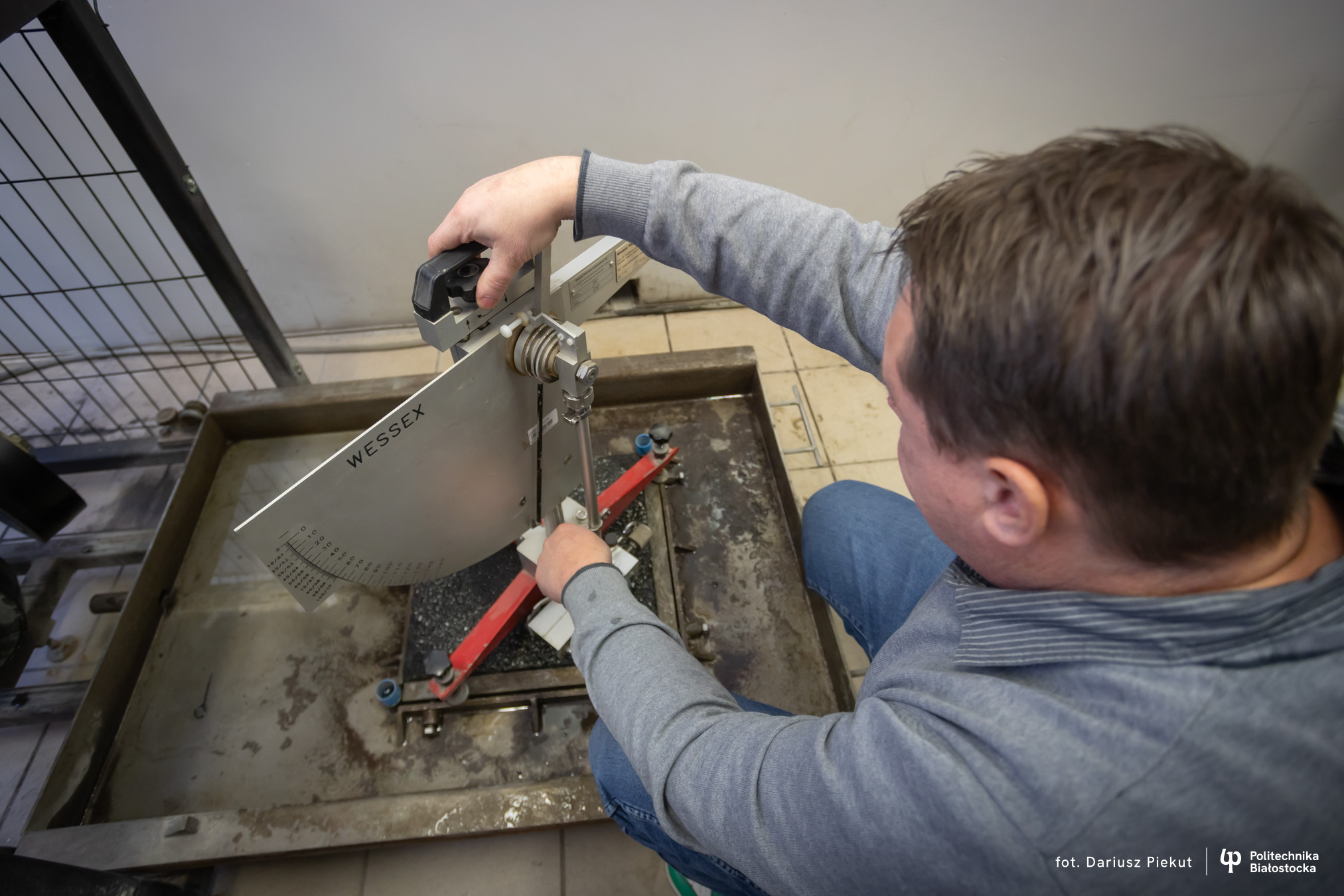
– The road that led us to construct a device for simulating the surface wear of the upper layers of pavements began more than 20 years ago – emphasises Marta Wasilewska, PhD, Eng., Assistant Professor at the Department of Geotechnics, Roads and Geodesy, Faculty of Civil Engineering and Environmental Sciences, Bialystok University of Technology. – It began with research into the resistance to polishing of coarse aggregates used in wearing courses, which affect the skid resistance properties of road pavements. But we realised that it is not enough to limit ourselves solely to aggregate control. At the stage of designing the upper layer, these measures are insufficient to estimate the skid resistance properties of the pavement under real traffic conditions. Therefore, we constructed a device that made it possible to assess the effect of aggregates with a specific polishability on the skid resistance properties of a mineral–asphalt mixture layer. We used elements of an old concrete mixer and tyres purchased from a scrapyard. Three tyres rolled over the samples, and water and abrasive material were applied to their surfaces. The degree of wear was determined on the basis of friction measurements using the British Pendulum Tester.
Although this prototype looked very primitive, it produced promising results when comparing friction coefficient values obtained under real traffic conditions and in the laboratory.
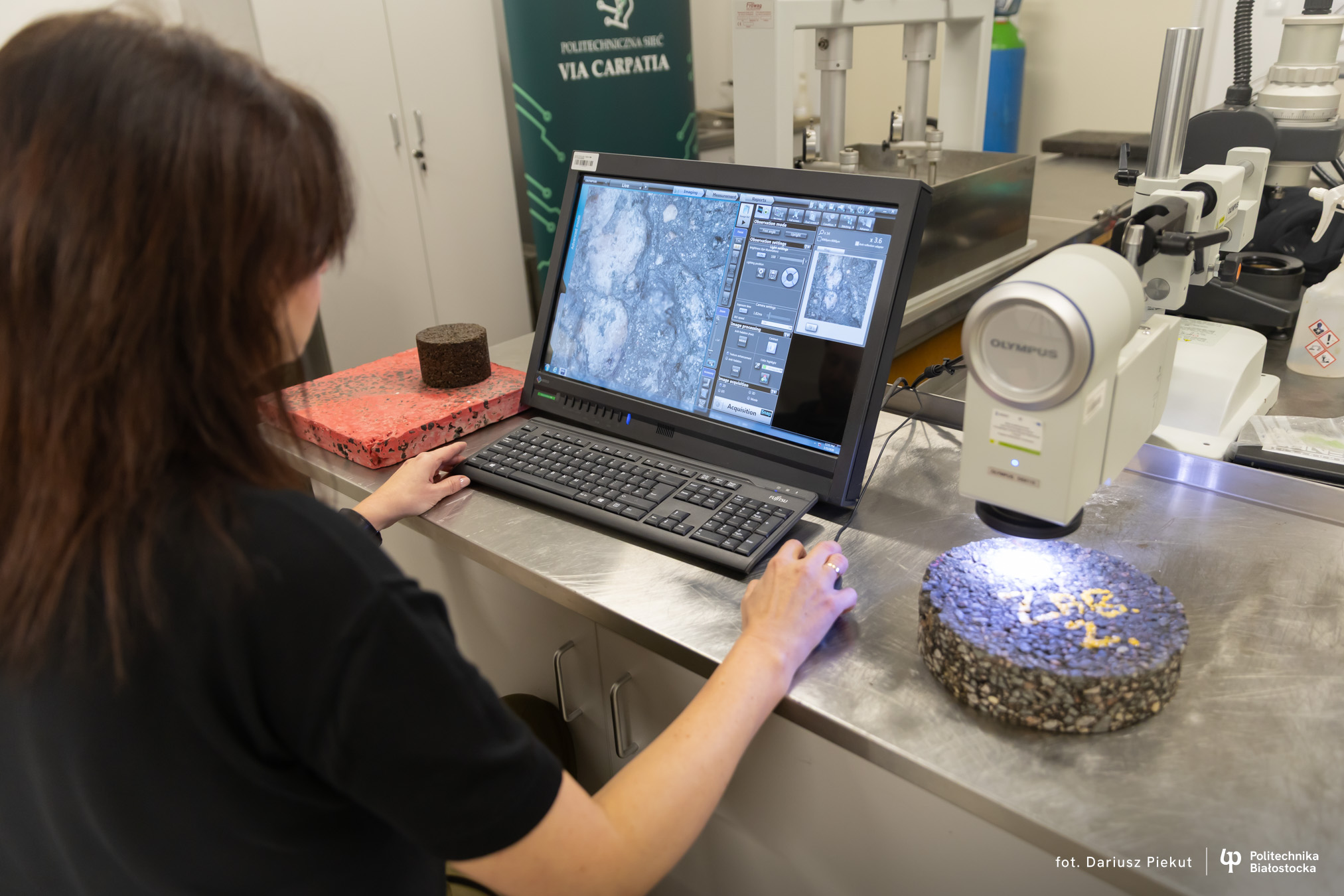
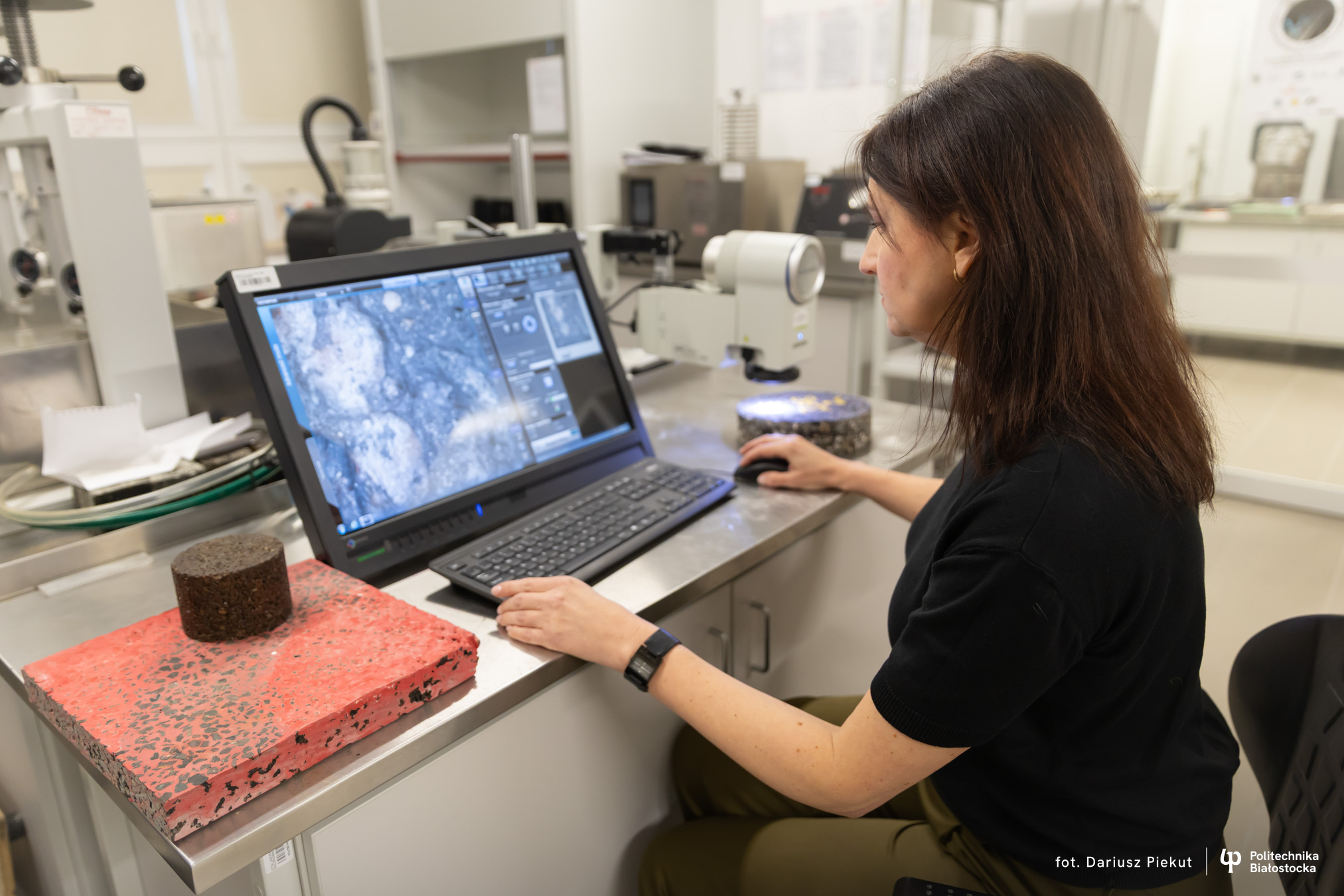
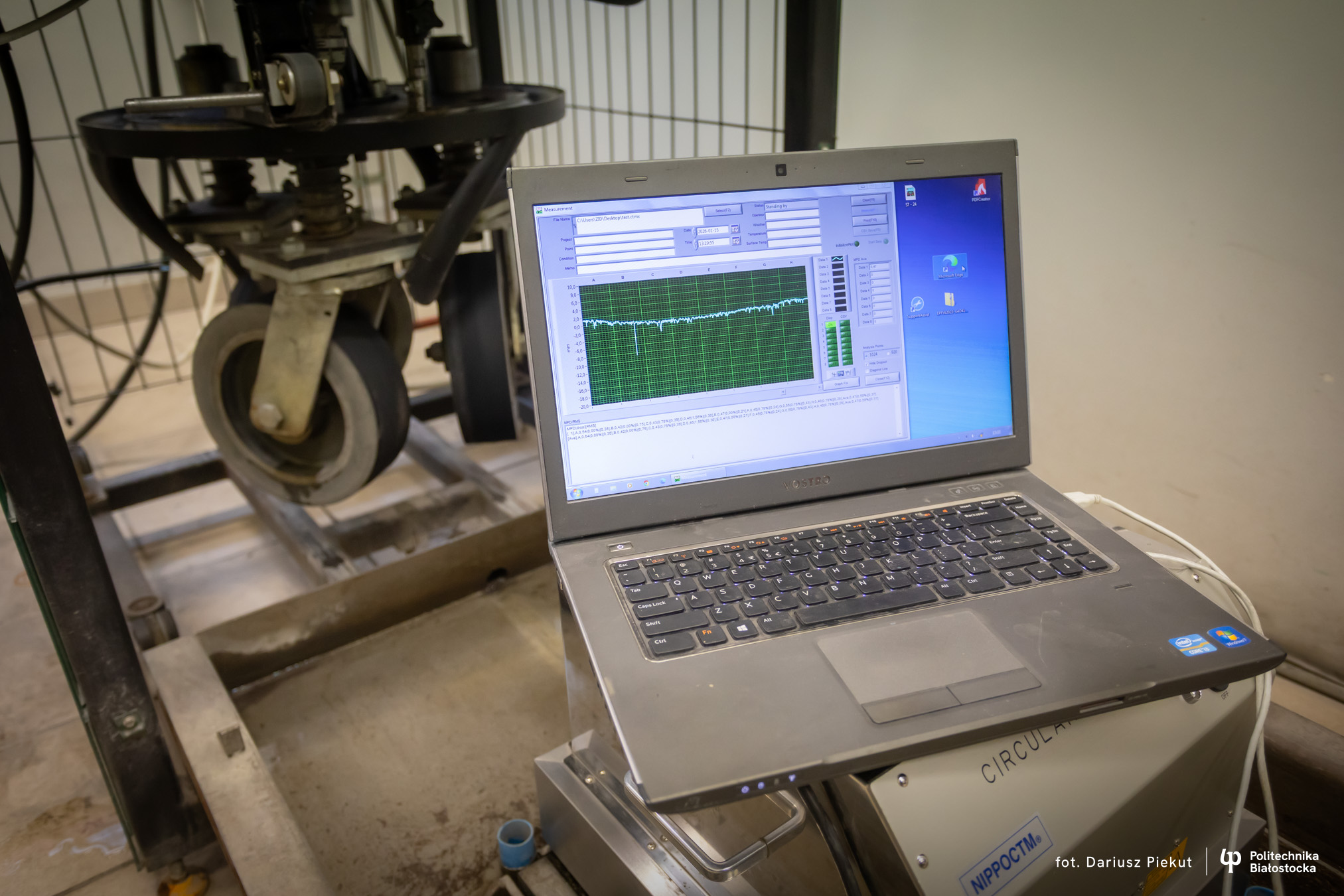
– Road engineers make a significant contribution to grip, that is, to generating the friction force occurring at the tyre–pavement interface – reminds Marta Wasilewska, PhD, Eng. – We must design the upper pavement layer in such a way as to minimise the risk of aquaplaning while maintaining the permitted speed. In 2012, we acquired a stationary CTM device for assessing macrotexture and a DFT device for skid resistance, which enabled us to conduct tests on pavements both in laboratory conditions and under real road conditions. In 2015, we purchased a Wehner/Schulze device, used for laboratory assessment of pavement skid resistance and also enabling simulation of surface polishing. We also purchased an optical microscope to observe changes on sample surfaces. We had very good tools at our disposal, thanks to which we gained knowledge and experience both in the laboratory and in the field. It would seem that we had some of the best equipment in Europe at our disposal, and yet we built a new patented test rig for simulating surface wear.
Skid resistance properties are defined as the ability to generate friction force at the tyre–pavement interface under conditions of relative slip, in accordance with a standardised method. There are many devices that allow their control under real road conditions. But how, at the stage of selecting materials and technology in the laboratory, can we develop the asphalt mix composition, choose a concrete pavement texturing technique, in order to meet the required level of skid resistance under real conditions and guarantee safety for road users? After all, the impact of traffic changes the surface texture of the pavement in the wheel paths. It is there that the friction coefficient – a measure of skid resistance – is determined. To assess the potential of a given upper layer technology in the laboratory, the first step is to simulate the phenomena occurring under the influence of traffic, contaminants and water. And this is precisely the purpose of the unique Bialystok University of Technology test rig for examining the surface wear of pavement layers.
– Inventions have one mother – necessity – emphasises Marta Wasilewska, PhD, Eng. – The idea for a new device emerged during the implementation of the SEPOR project carried out in cooperation with Gdańsk University of Technology and financed by the National Centre for Research and Development. We had to have a device that would enable us to test various compositions of poroelastic pavements developed by Gdańsk University of Technology. Initially, we thought this would be possible using the Wehner/Schulze device. Scientists’ expectations and ideas versus reality – in our work, that is often the most interesting part (she smiles). It turned out that testing poroelastic samples in the Wehner/Schulze device was not possible. And the project milestones were looming. Time pressure. We had to select those poroelastic pavement compositions that should be incorporated into large-scale test sections. The team’s decision – we build a new test rig.
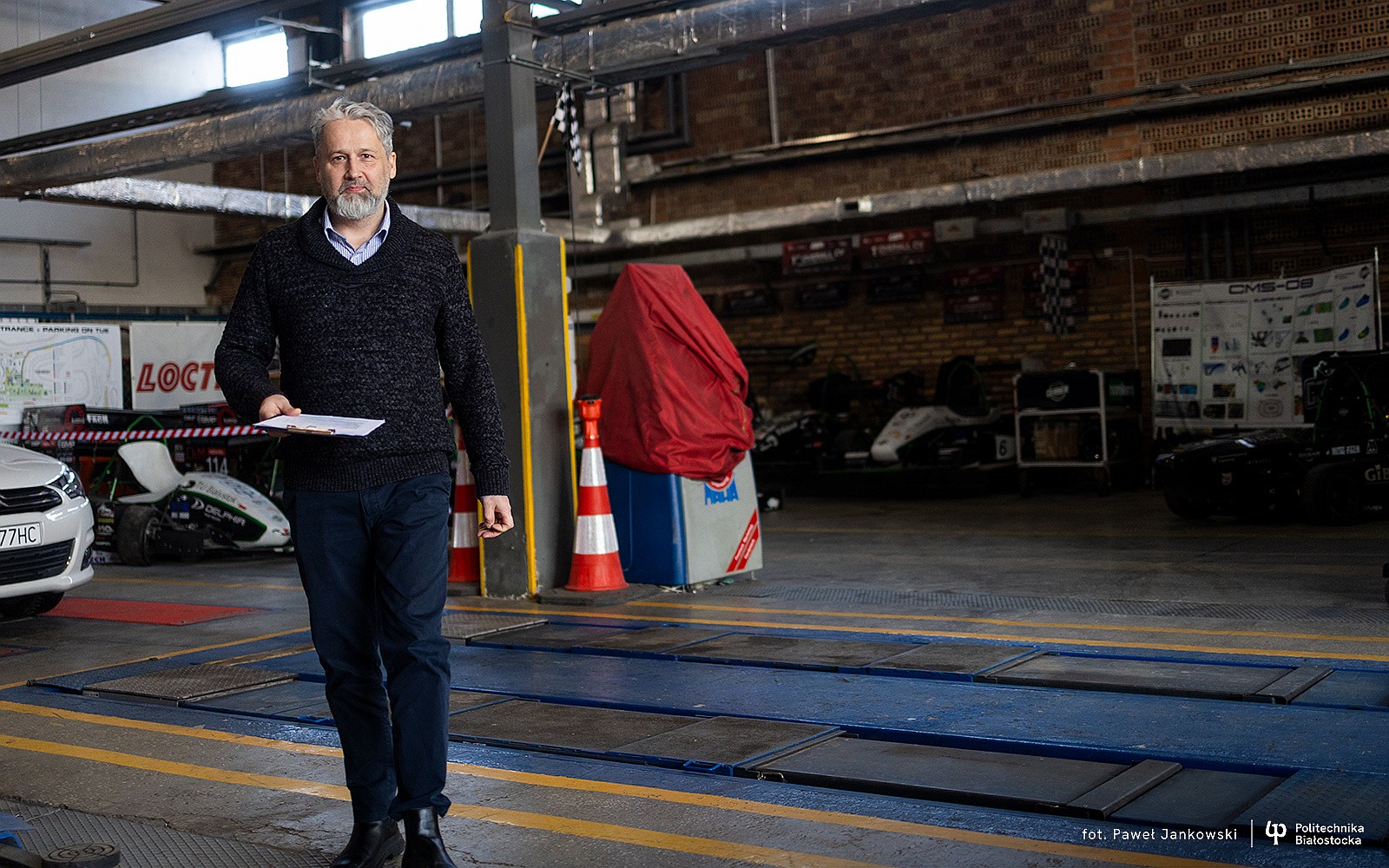
Road engineers knew exactly what they wanted to achieve in order to transform a prototype constructed from parts of an old concrete mixer into a device worthy of a patent of the Republic of Poland. To realise their idea, they drew on the expertise of a design engineer and author of several patents – Assoc. Prof. Jarosław Szusta, DSc, PhD, Eng., from the Department of Construction and Operation of Machinery, Faculty of Mechanical Engineering, Bialystok University of Technology.
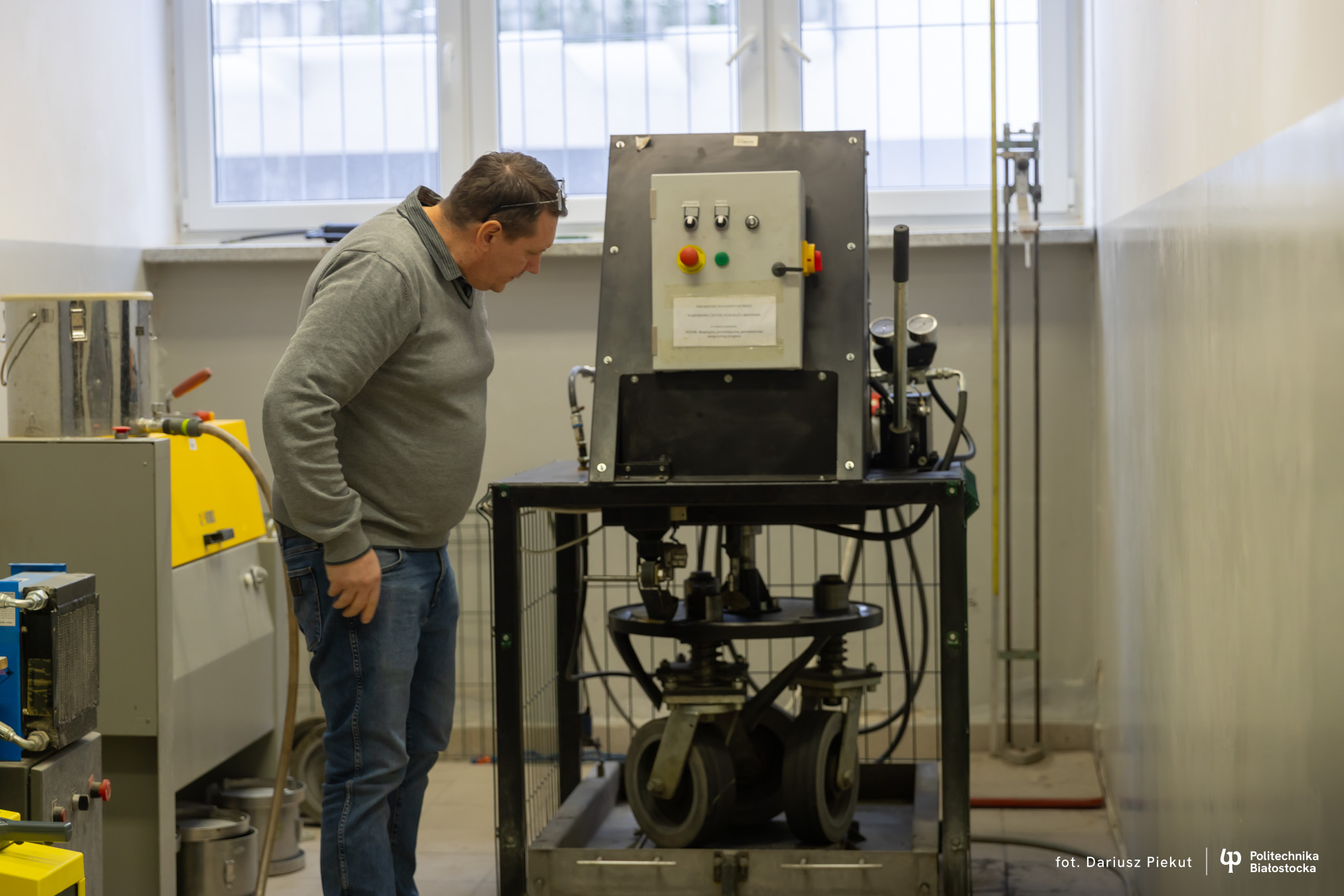
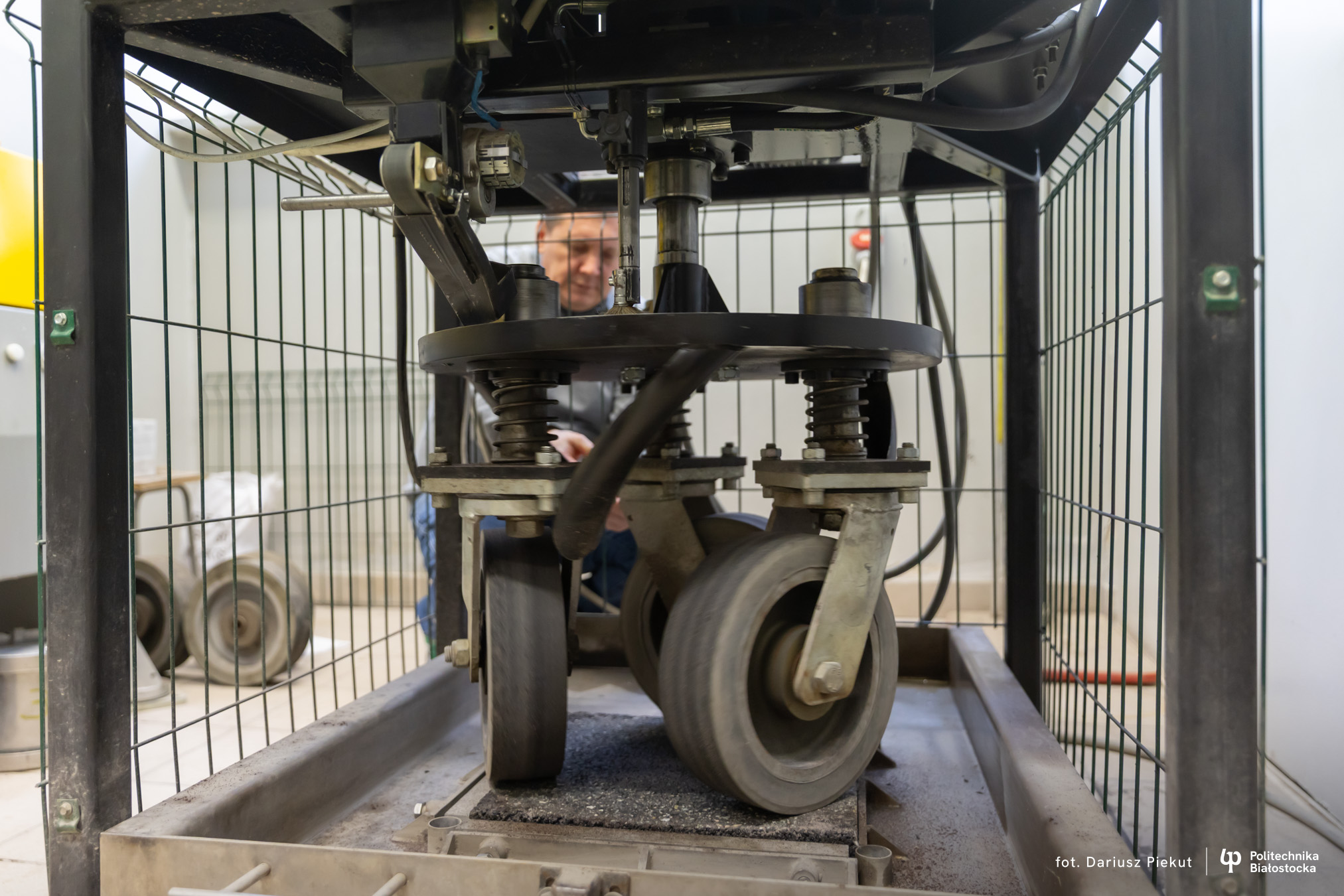
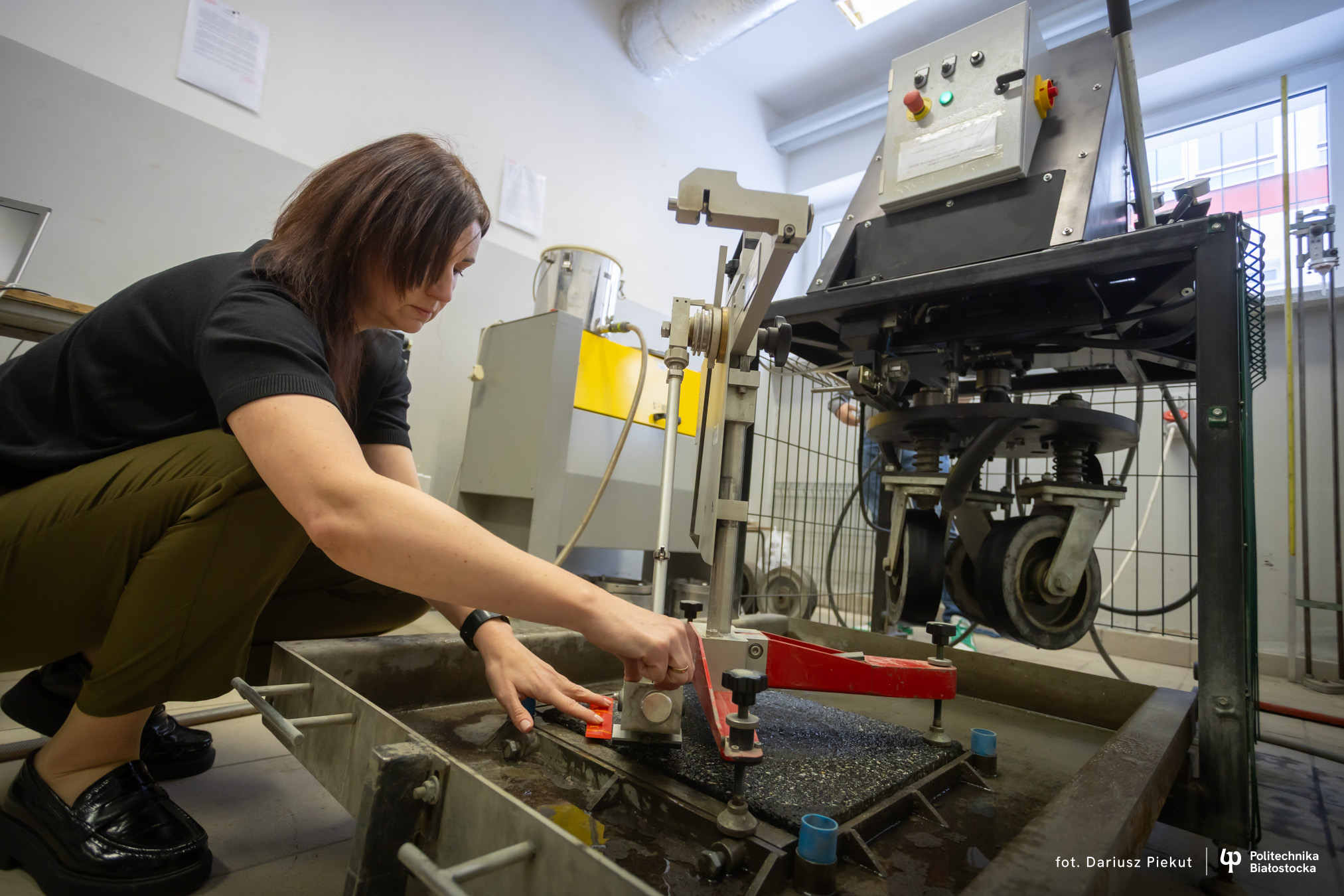
– The design team consisting of engineers from the Faculty of Mechanical Engineering and the Faculty of Civil Engineering and Environmental Sciences developed a unique solution for a test rig for examining the top layer used in road pavements – says Prof. Szusta. – The compact structure allows smooth control of the applied load. This makes it possible to simulate pavement wear conditions similar to real road conditions, where wear differs under passenger cars and heavy goods vehicles.
Different tyres of passenger cars and large dump trucks required the designers from Bialystok University of Technology to devise a way of simulating the movement of such diverse vehicles under laboratory conditions.
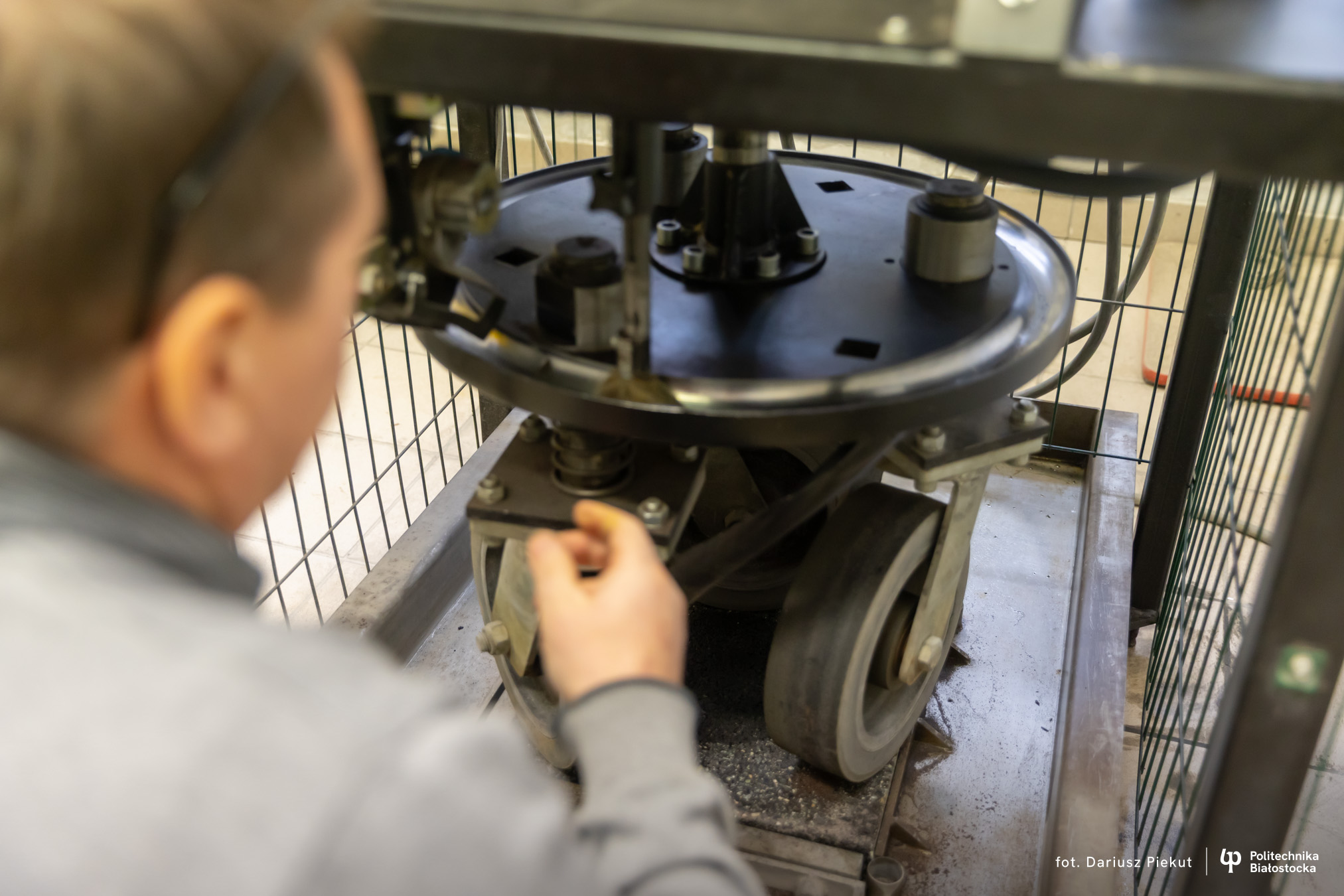
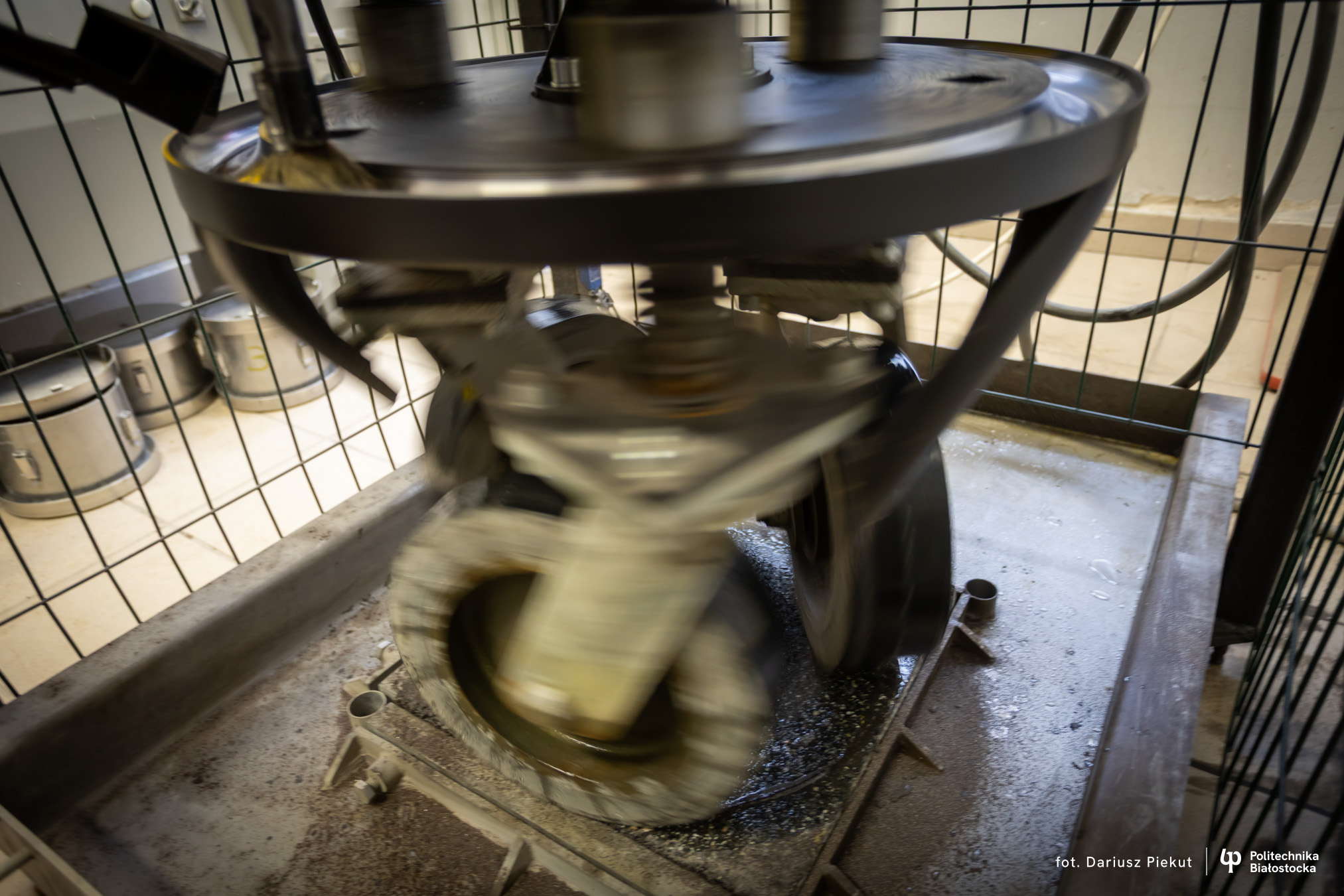
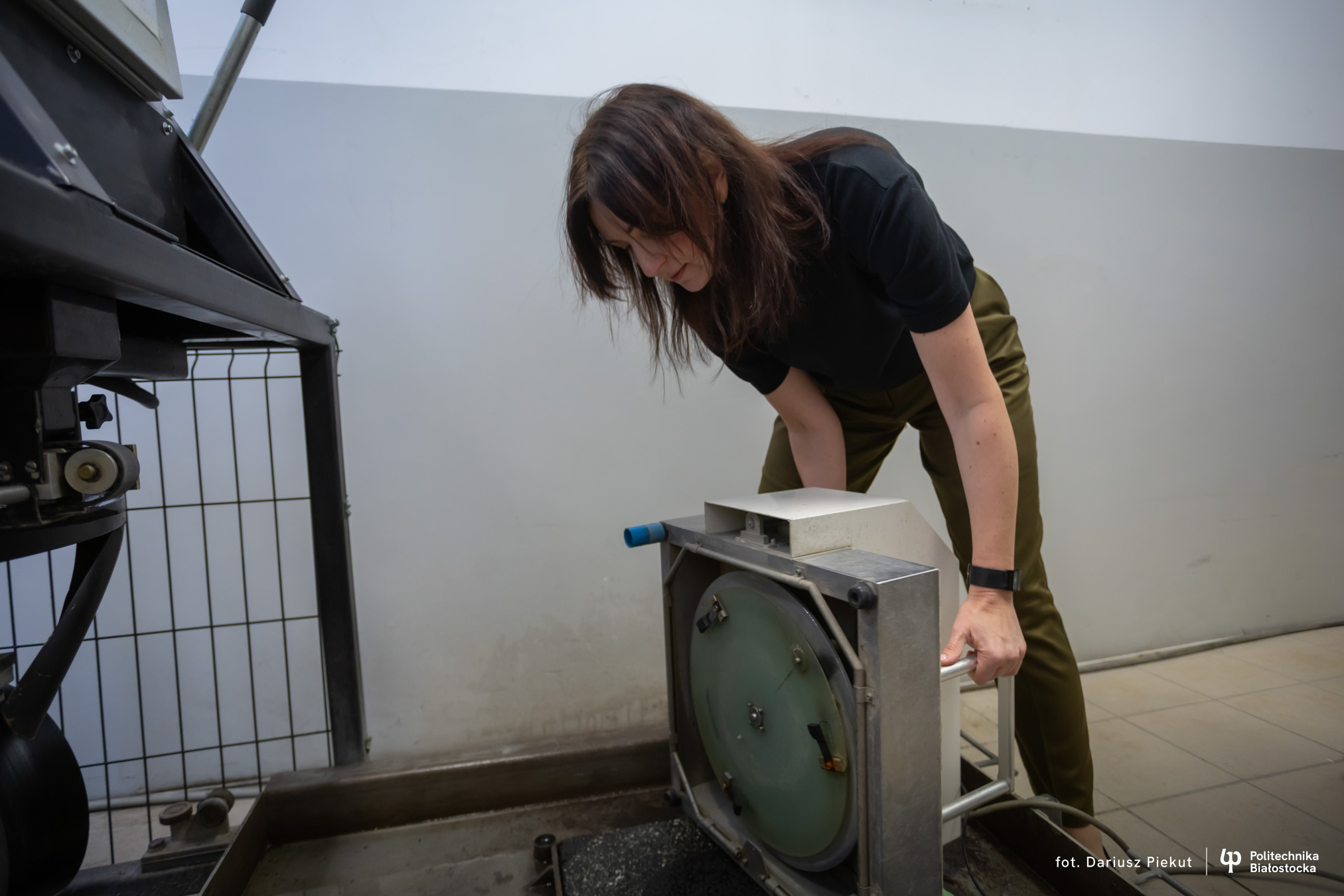
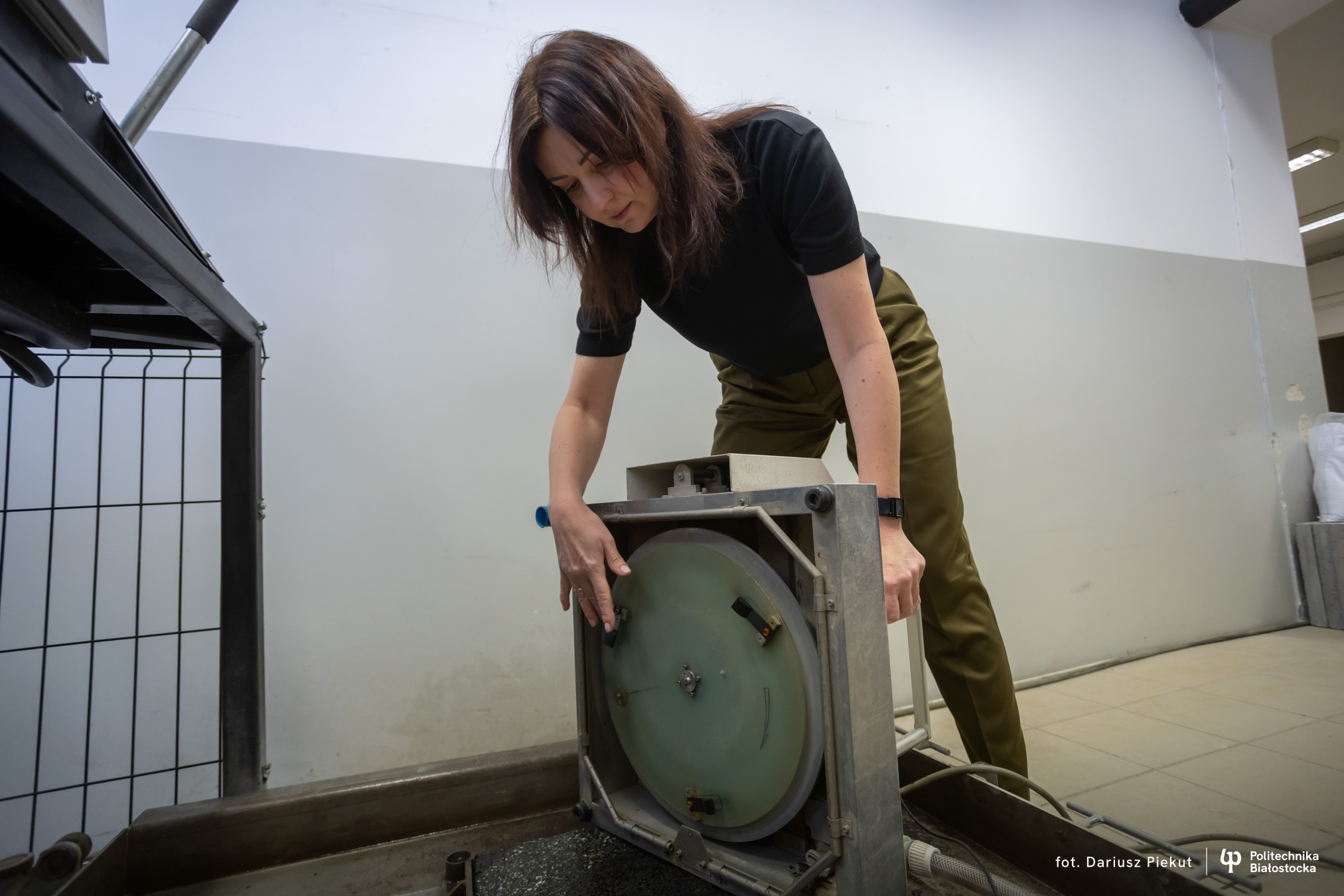
– Thanks to the innovative circular plane design applied in the rig’s construction, we are able, during a single rotation, to produce a wider wheel path – reveals Prof. Szusta. – Simply put, we arranged the rolling wheels in such a configuration that their track is significantly wider than in the case of a single pass.
The number of vehicles travelling over a pavement also directly affects its wear.
– By means of the number of rotations, we can simulate the number of passing vehicles or the length of distance travelled – emphasises Prof. Szusta. – It should also be remembered that when turning, wheels move differently on the same road, as slip occurs and additional pavement wear takes place.
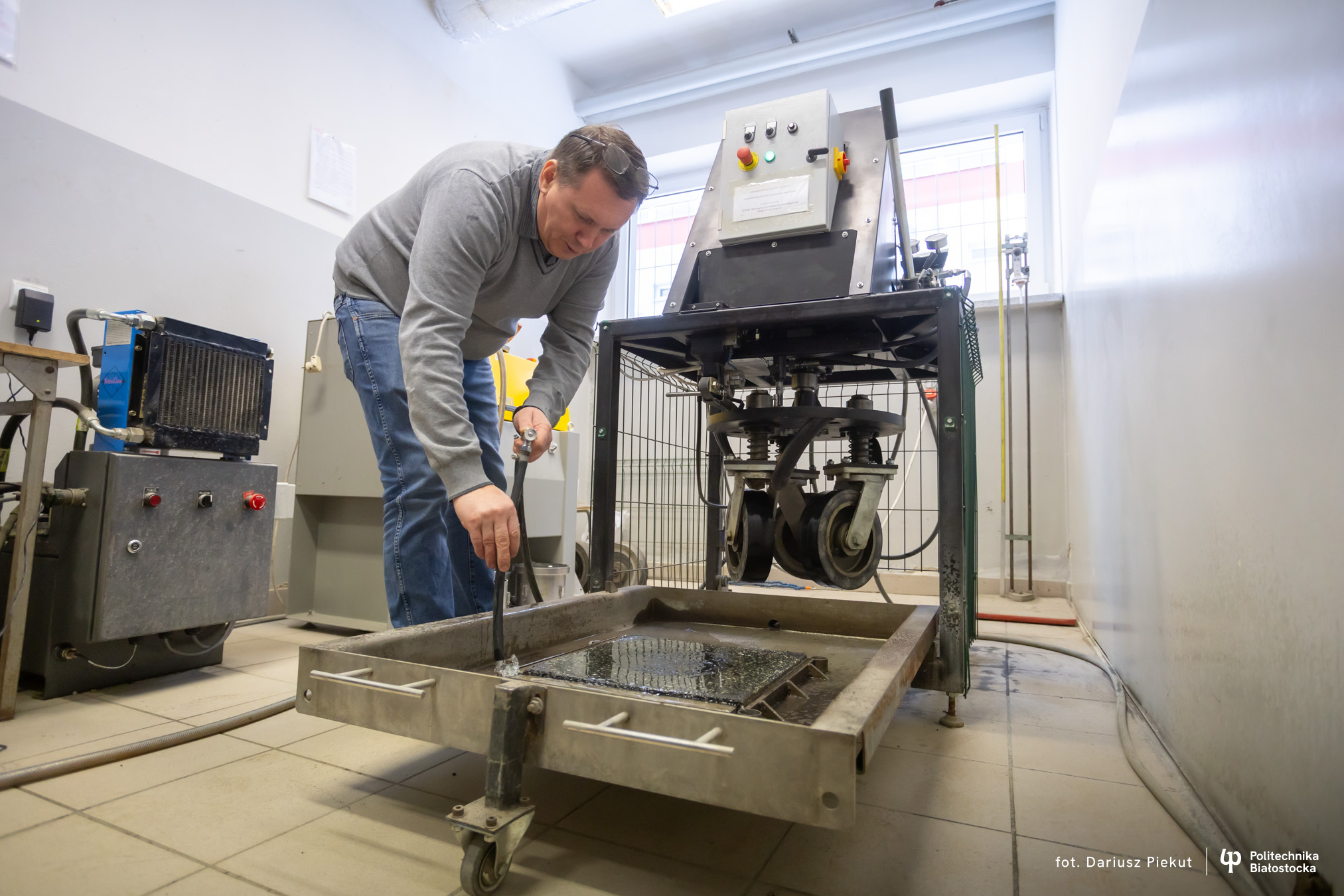
Therefore, the mechanical engineers from Bialystok University of Technology had to design the entire patented device from scratch, starting with the frame, through the kinematic systems enabling rotational movement of the wheel assembly, the actuator system generating the load applied by the wheels to the pavement, to the appropriate wheel suspension and damping. The designers also selected a drive allowing smooth speed control of the working wheels, a control system, an aggregate feeding system, a uniquely designed drawer extension mechanism for mounting and replacing samples, and a mechanism locking the sample during testing to ensure stability and safe laboratory testing.
– It was the first time we had designed such a rig – recalls Prof. Szusta. – We have here the full spectrum of activities performed by designers – from idea and concept to the final product. Engineers from the Faculty of Mechanical Engineering also supervised the manufacture of this structure at the Institute of Innovation and Technology of Bialystok University of Technology. It was a typical engineering task focused on a specific objective.
How is such a test carried out?
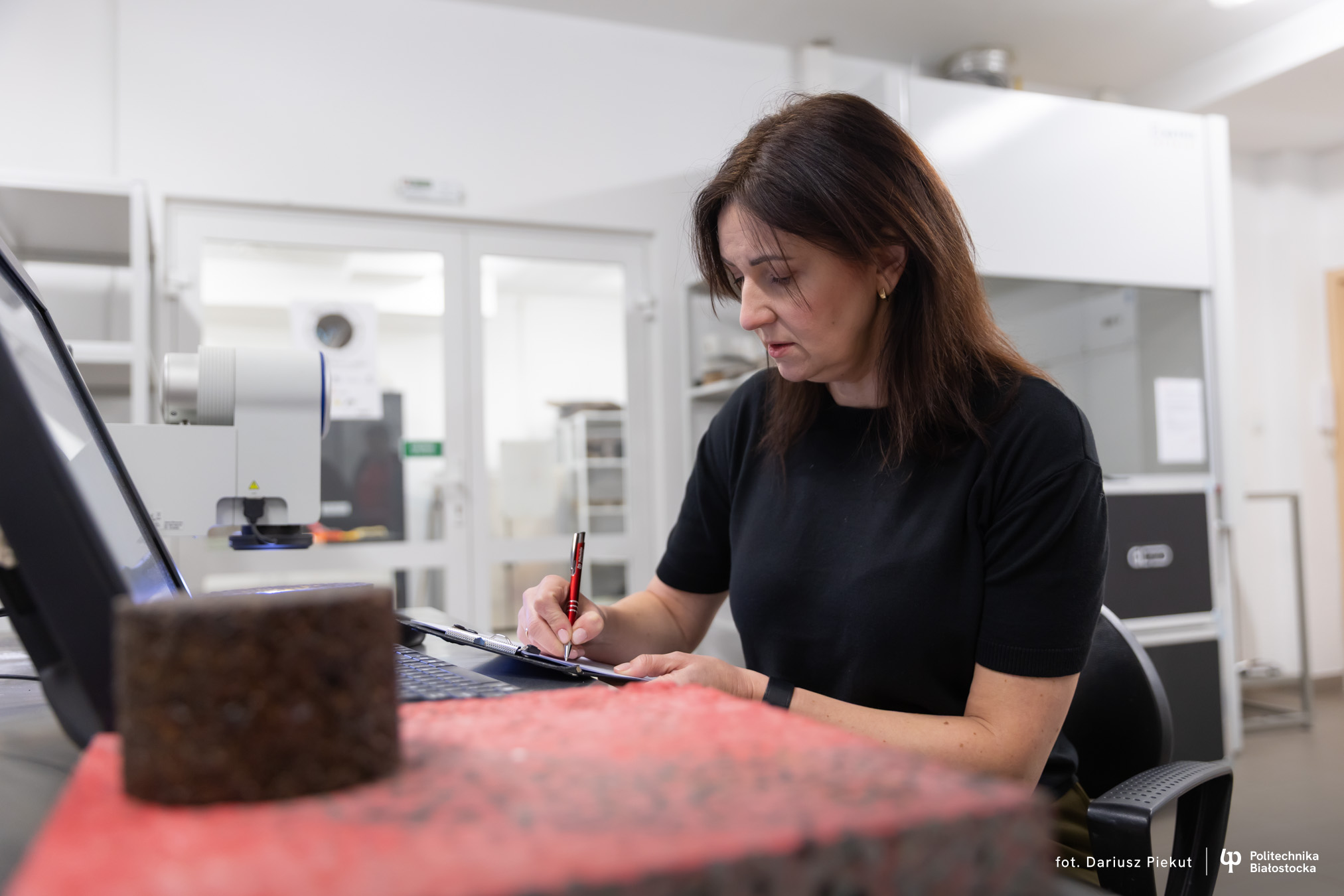
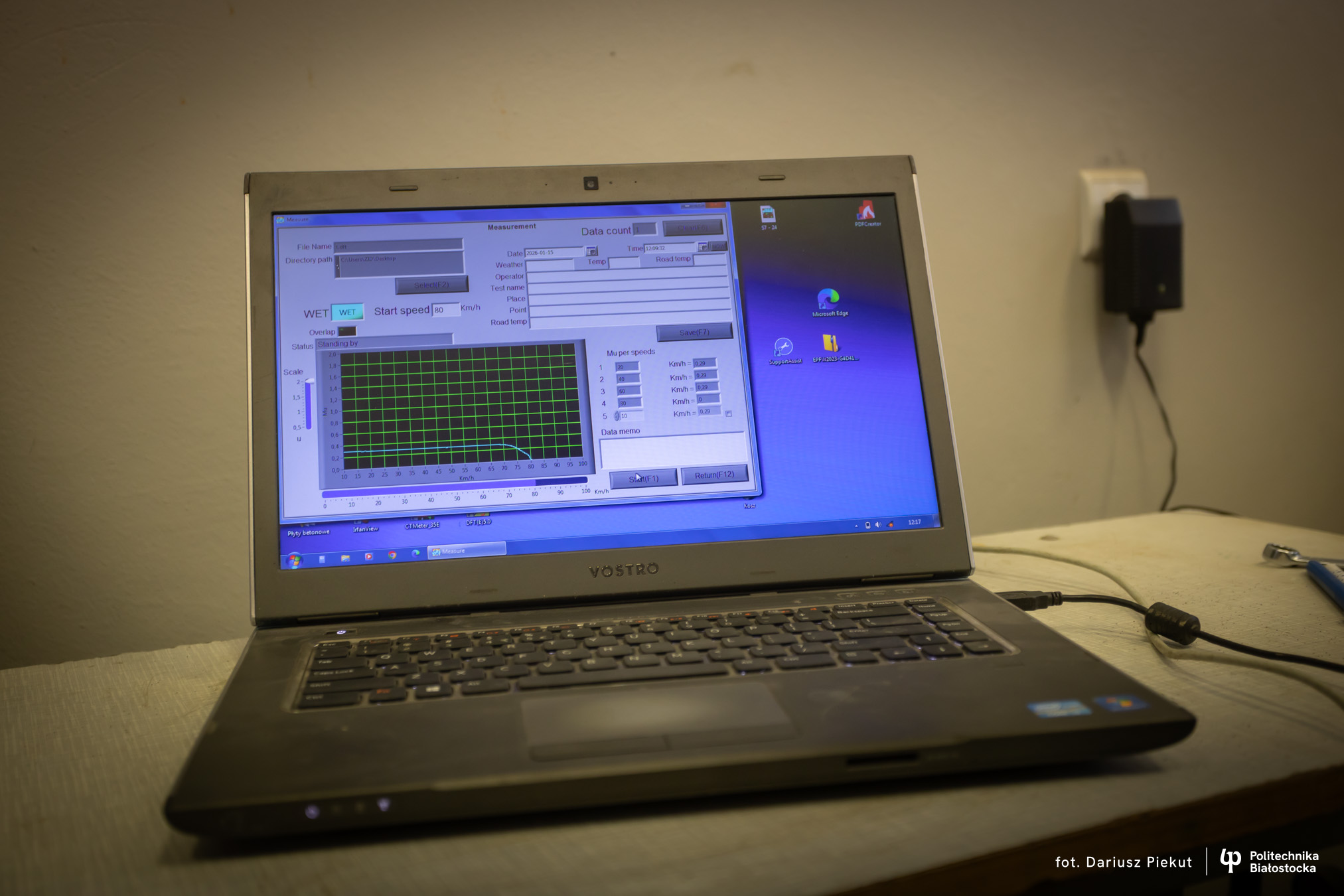
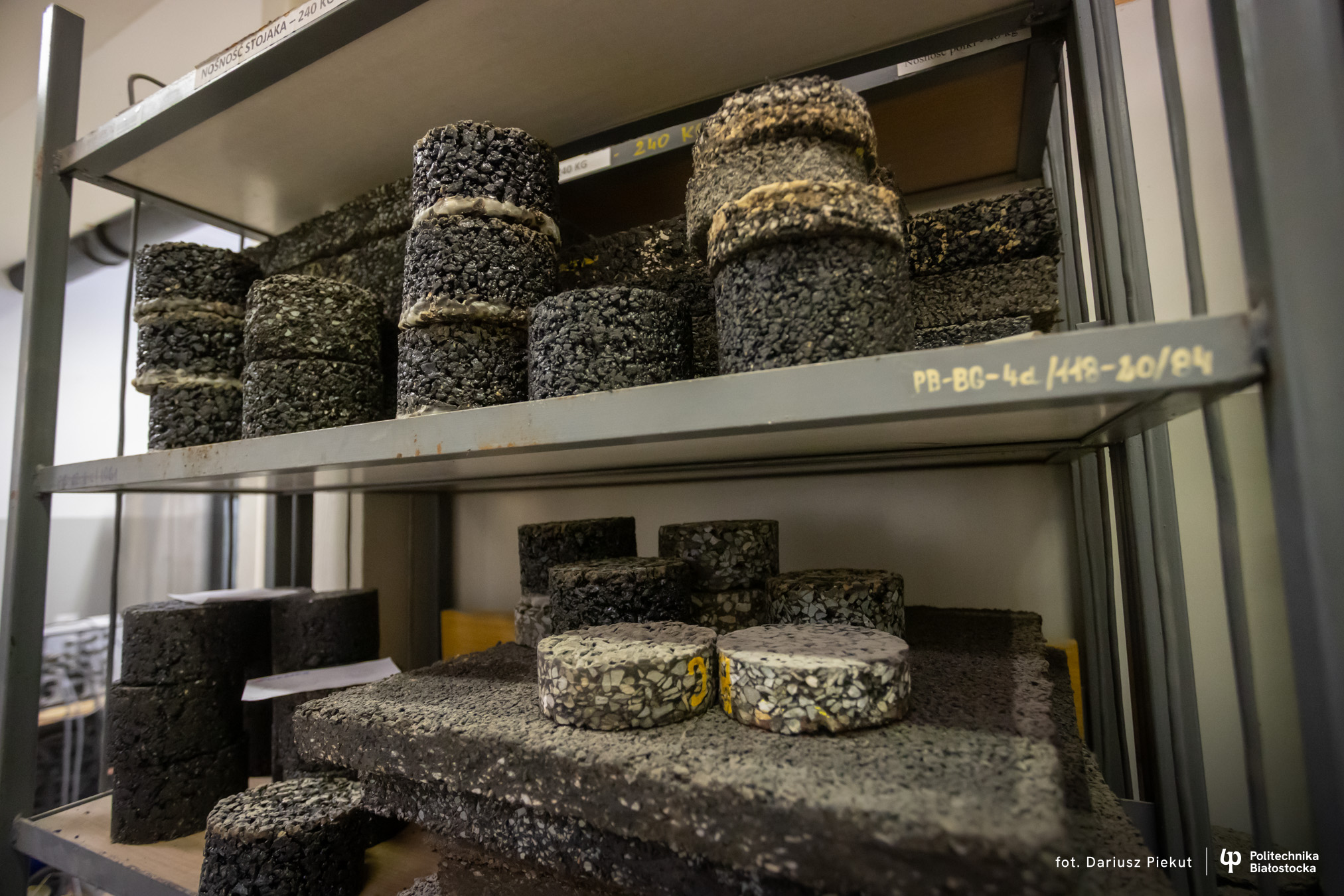
– In the case of testing pavements with a mineral–asphalt wearing course, coarse abrasive simulates abrasion, while dust simulates polishing – explains Marta Wasilewska, PhD, Eng. – We have these two phases separated. First, for three hours, abrasion is simulated. During these three hours, we monitor the friction coefficient every hour. We observe whether the friction coefficient decreases or remains at a fairly constant level, how it varies, and what the spread of results is. After the third hour, we change the abrasive to corundum powder, add water, and polishing then occurs. At the same time, the samples are monitored under an optical microscope, allowing us to verify what processes and phenomena occur on the protruding aggregate grains.
What distinguishes our device is the fact that the wheel path where changes in the texture of the tested pavements have occurred – just as in wheel paths on a road – is sufficiently wide to allow texture assessment using laser profilometers and skid resistance assessment using the British Pendulum Tester and DFT. Samples can also be cut out and their friction coefficient level checked in the Wehner/Schulze device. The use of these devices to control the degree of surface texture wear gives us extensive possibilities.
The patented device has great potential, as it can be used not only to assess skid resistance properties.
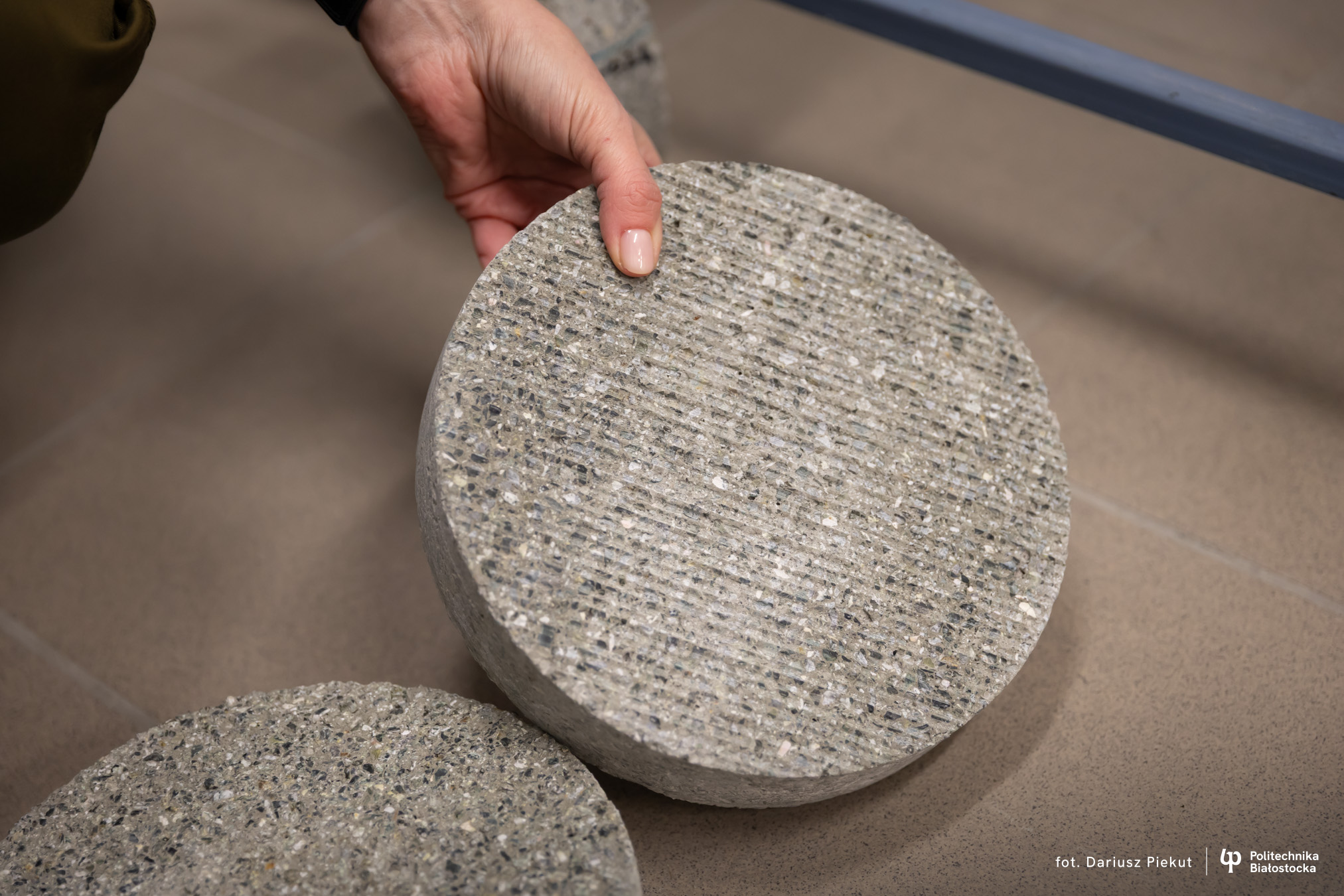
– Our students have already completed several diploma theses using this device – emphasises Marta Wasilewska, PhD, Eng. – It was used during a grant project of the student scientific association Drogowiec, where the skid resistance properties of coloured composite pavements were tested. Currently, in cooperation with Strabag, research is being conducted on the effective texturing of concrete pavements.
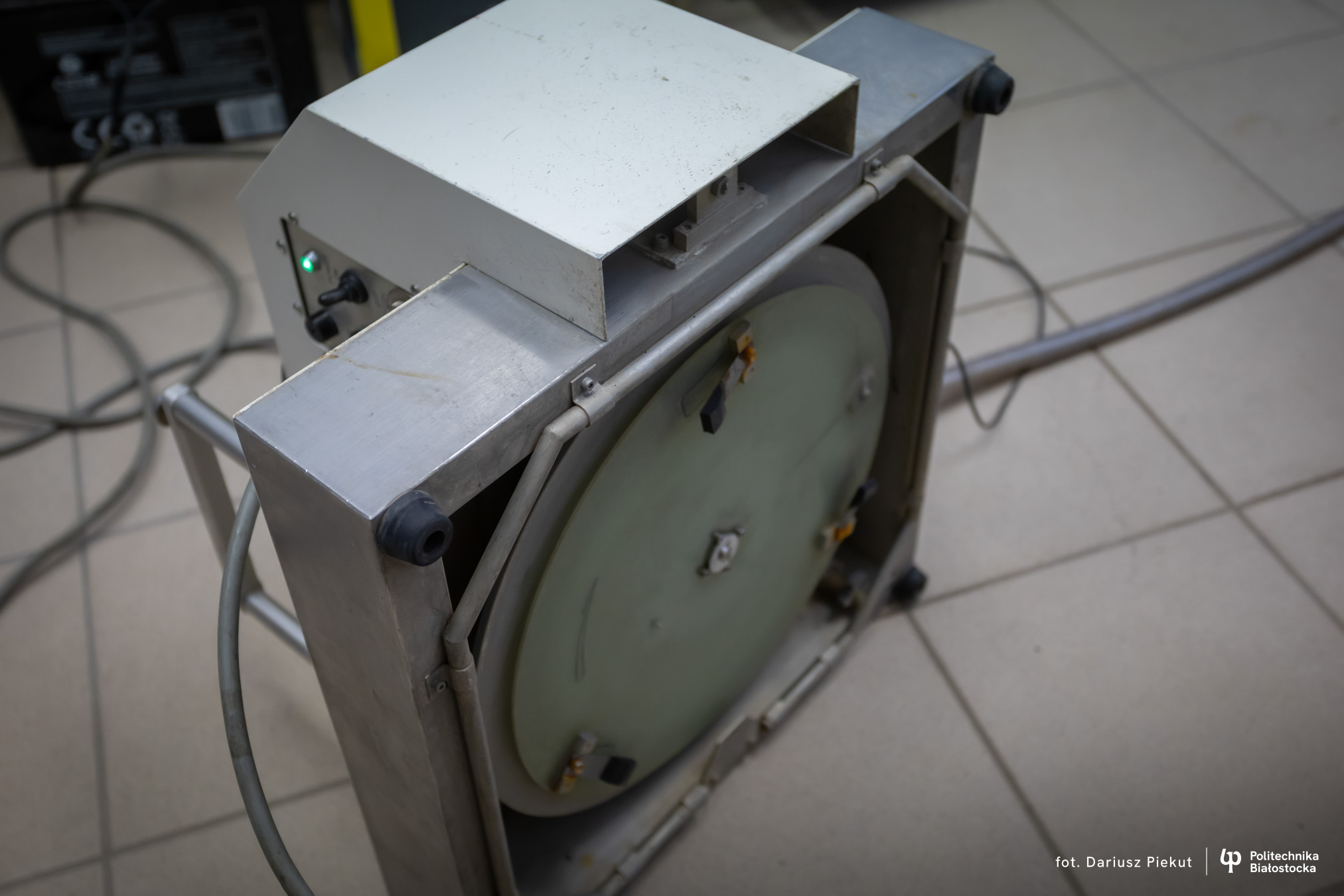
The frame constructed by the mechanical engineers from Bialystok University of Technology inspired yet another idea for using the patented device. Dominik Grzyb, MSc Eng., a doctoral candidate of Prof. Władysław Gardziejczyk, Director of the Institute of Civil Engineering, noticed that the device could also be used to assess pavement brightness, that is, its ability to reflect light. It reflects laboratory wear of mineral–asphalt surfaces much better than the glass bead blasting method recommended in the Technical Guidelines WT-2 for assessing brightness.
– We established cooperation with Prof. Maciej Zajkowski from the Department of Photonics, Electronics and Lighting Technology at the Faculty of Electrical Engineering, Bialystok University of Technology in order to assess the average luminance coefficient of pavements – says Marta Wasilewska, PhD, Eng. – This parameter is very important when designing lighting fixtures. Electrical engineers designing road lighting should be aware that there are different types of pavements, different aggregates incorporated into them, and different textures, which affect differences in light reflection and scattering.
As we can see, a patent is only one stage in the development of Polish and global road engineering. And it all began at Bialystok University of Technology.
Patent No. Pat.248486 for the Device for Testing the Surface Wear of the Upper Layers of Road Pavements was developed through cooperation between the Faculty of Civil Engineering and Environmental Sciences and the Faculty of Mechanical Engineering of Bialystok University of Technology, as well as the Faculty of Mechanical Engineering and Ship Technology and the Faculty of Civil and Environmental Engineering of Gdańsk University of Technology.
Author: Jerzy Doroszkiewicz
Marta Wasilewska, PhD, Eng. – Assistant Professor at the Department of Geotechnics, Roads and Geodesy, Faculty of Civil Engineering and Environmental Sciences, Bialystok University of Technology
- specialist in road materials and pavements, technical and operational characteristics of pavements, in particular skid resistance properties;
- principal investigator and researcher in 10 research projects;
- author and co-author of over 70 scientific publications and numerous expert reports and opinions for industry;
- participant in international comparative studies of friction measurement devices, including the International Friction Workshop at Pennsylvania State University (2013), the Friction Workshop Statens Vegvesen in Norway (2018), and the European Pavement Friction Workshop at Gustave Eiffel University in France (2017, 2019, 2023, 2025);
- scientific supervision: Test track project for calibration of road pavement diagnostic devices on behalf of the General Directorate for National Roads and Motorways (2018–2022); Construction of an experimental section of the A2 motorway with a two-layer concrete pavement with reduced CO₂ emissions on behalf of Strabag (2025);
- academic supervisor of the student scientific association DROGOWIEC;
- supervisor of over 100 master’s and engineering diploma theses;
Assoc. Prof. Jarosław Szusta, DSc, PhD, Eng., employee of the Faculty of Mechanical Engineering, Bialystok University of Technology
- specialist in the design, prototyping and testing of machines and mechanical devices, with particular emphasis on modern manufacturing methods and modelling of engineering processes;
- principal investigator and researcher in numerous research and development projects carried out in cooperation with scientific institutions and industry (over 40 R&D projects);
- author and co-author of numerous scientific publications in the field of machine construction, mechanics, mechanical engineering and manufacturing technology, as well as co-creator of solutions protected by industrial property rights (28 patents, 3 utility models, 1 European patent, and over 10 applications in the last calendar year);
- actively cooperates scientifically with national and international centres, participating in international research teams (Lublin University of Technology, Rzeszów University of Technology, Warsaw University of Technology, Pamukkale University, Turkey, New Mexico, USA);
- involved in the activities of student scientific associations of the Faculty of Mechanical Engineering, supporting the development of students’ practical and design competences – supervisor of research projects carried out by the Cerber student scientific association financed by the Minister of Science and Higher Education;
- supervisor of numerous engineering and master’s diploma theses, as well as implementation-oriented doctoral dissertations related to prototyping, machine testing and industrial applications of modern technologies (supervision of over 90 diploma theses, supervisor of 3 implementation doctorates).