The research capacity of Bialystok University of Technology and its long-standing cooperation with industry constitute an important element of the SAFE programme’s implementation. The programme strengthens security and development in the eastern regions of the European Union.
Under the SAFE programme, Poland will receive support, while the Podlaskie Voivodeship – as a border region – stands at the centre of initiatives linking security, science and industry, with Bialystok University of Technology playing a significant role.
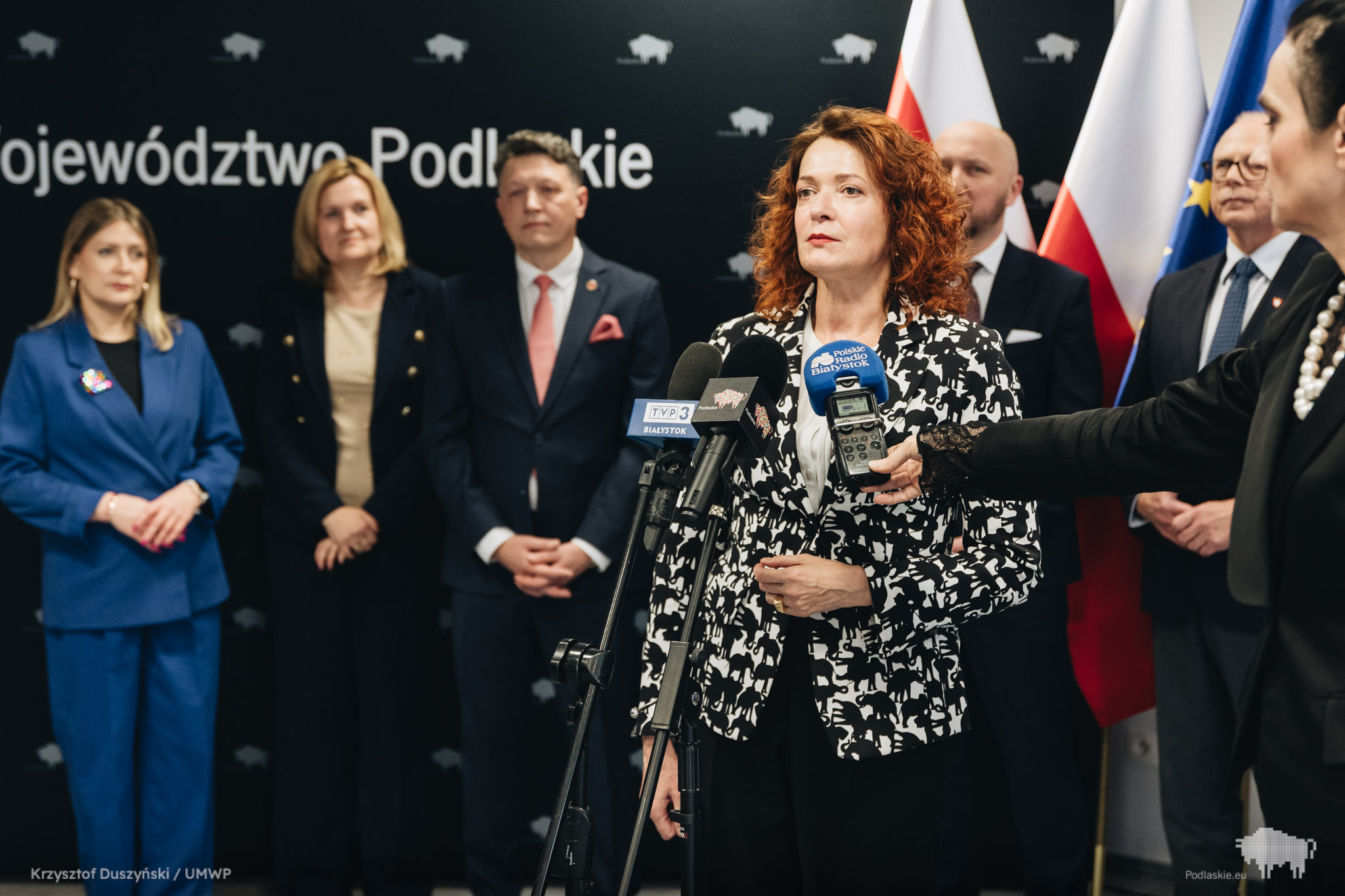
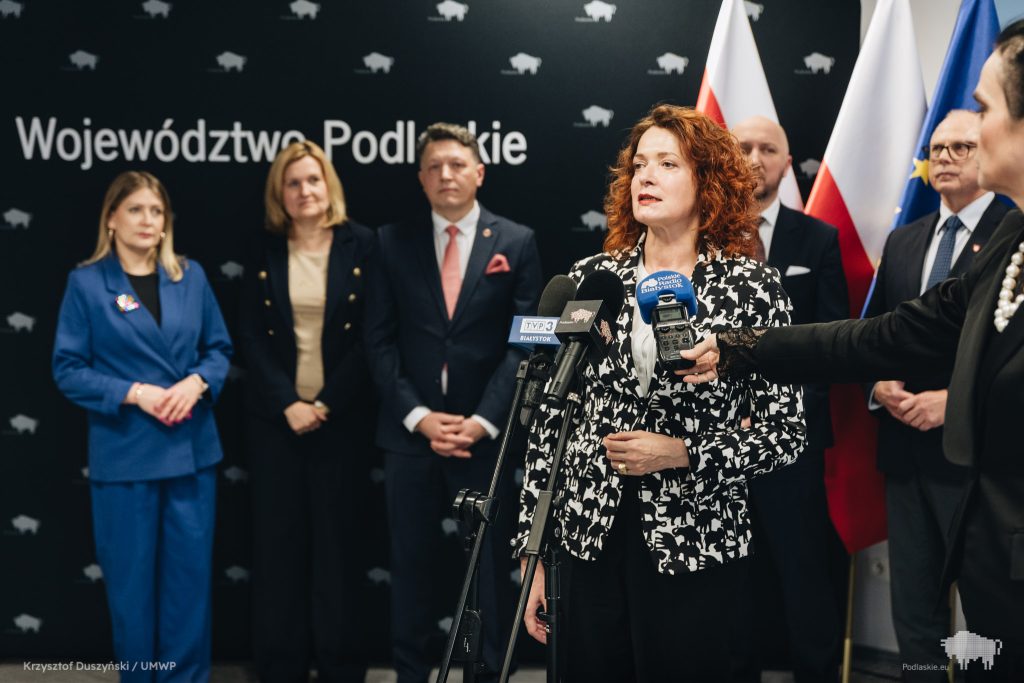
– I am pleased that universities have a place within the SAFE programme – says Assoc. Prof. Marta Kosior-Kazberuk, DSc, PhD, Eng., Rector of Bialystok University of Technology. – It is essential that the potential created using public funds is harnessed for the public good. The best outcomes are achieved through close cooperation, as this is when genuine synergy emerges.
For many years, Bialystok University of Technology has been carrying out projects in partnership with companies and business-support institutions, both from the region and beyond. The University develops, among others, research in the fields of cybersecurity and defence, dual-use projects, and takes part in national and international initiatives such as the “Jastrząb” project.
– We have very positive experience of working with industry and institutional partners – notes Assoc. Prof. Marta Kosior-Kazberuk, DSc, PhD, Eng. – We value the structured, system-based approach to cooperation offered by clusters. We also demonstrate the University’s potential as an institution capable of responding flexibly to current challenges and needs.
The changing geopolitical situation is also shaping industrial development paths, including the growing interest in the defence sector.
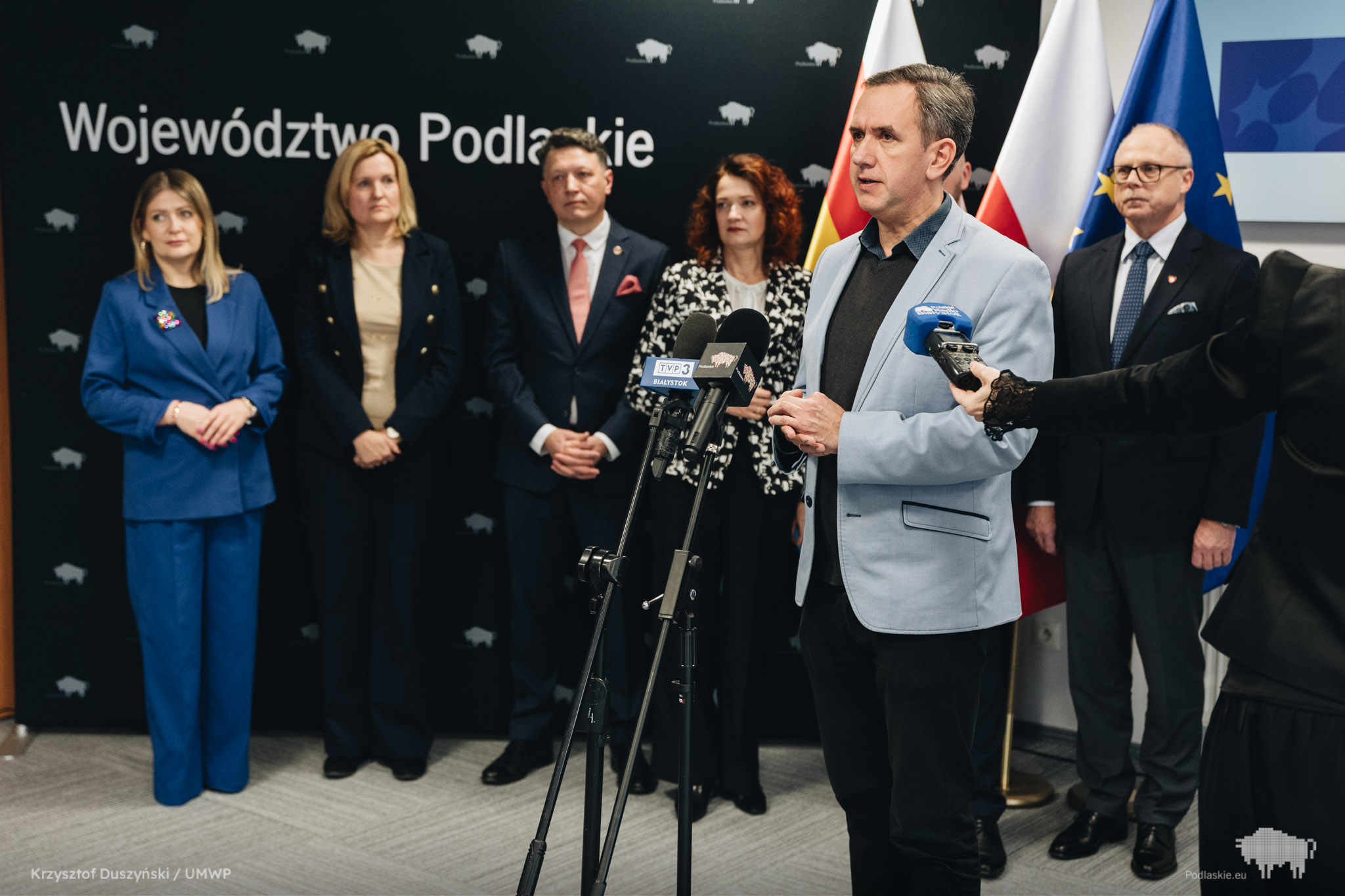
– The war in Ukraine has resulted in civilian-sector companies, previously not involved in defence, increasingly expanding their operations in this area – emphasises Sebastian Rynkiewicz, President of the Evoluma Industrial Cluster. – This direction requires a strong research and development base and close collaboration with universities.
In the region, initiatives related to the so-called Eastern Shield are already underway, with additional funds allocated to counter-drone projects and infrastructure protection systems.
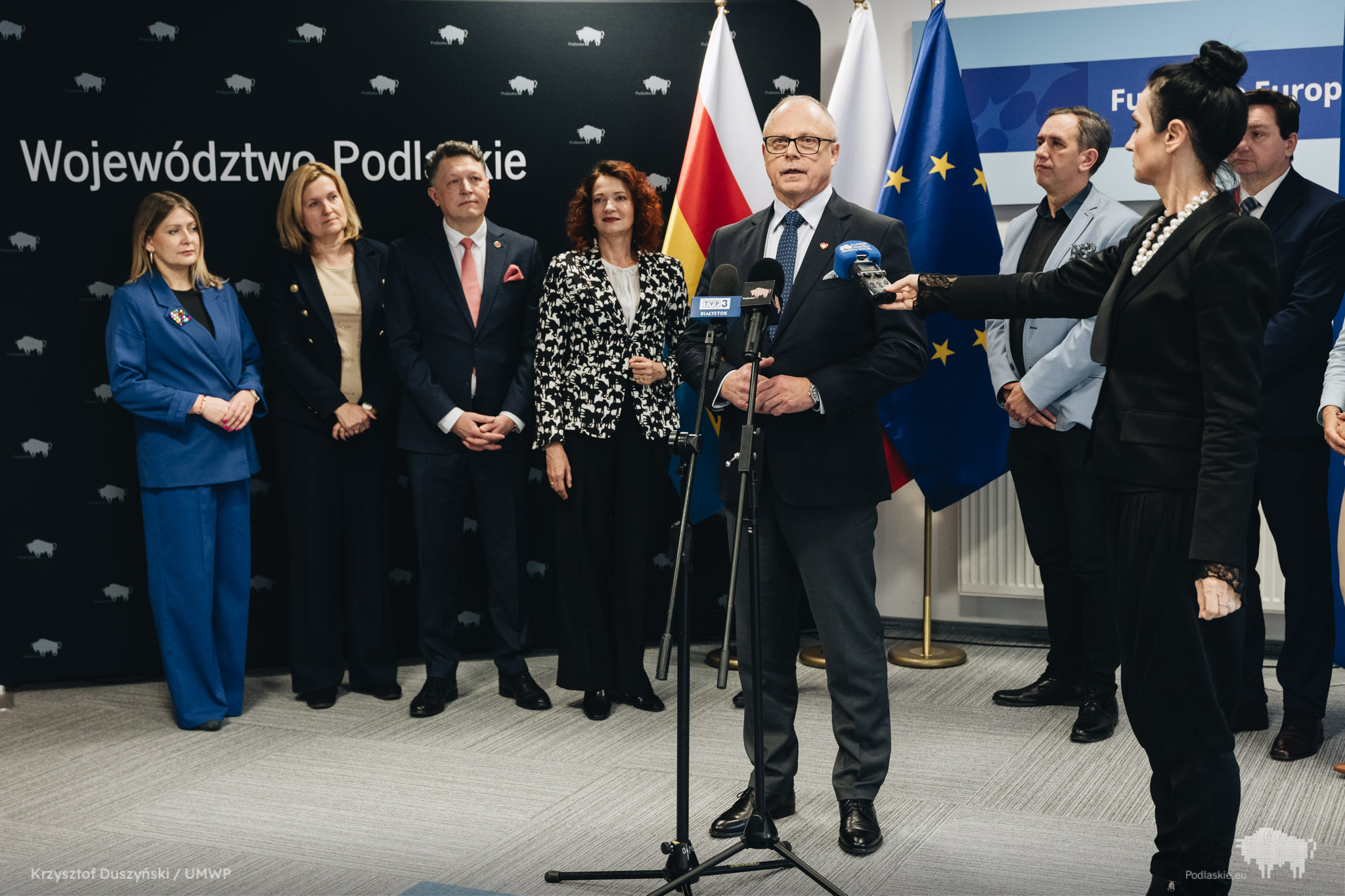
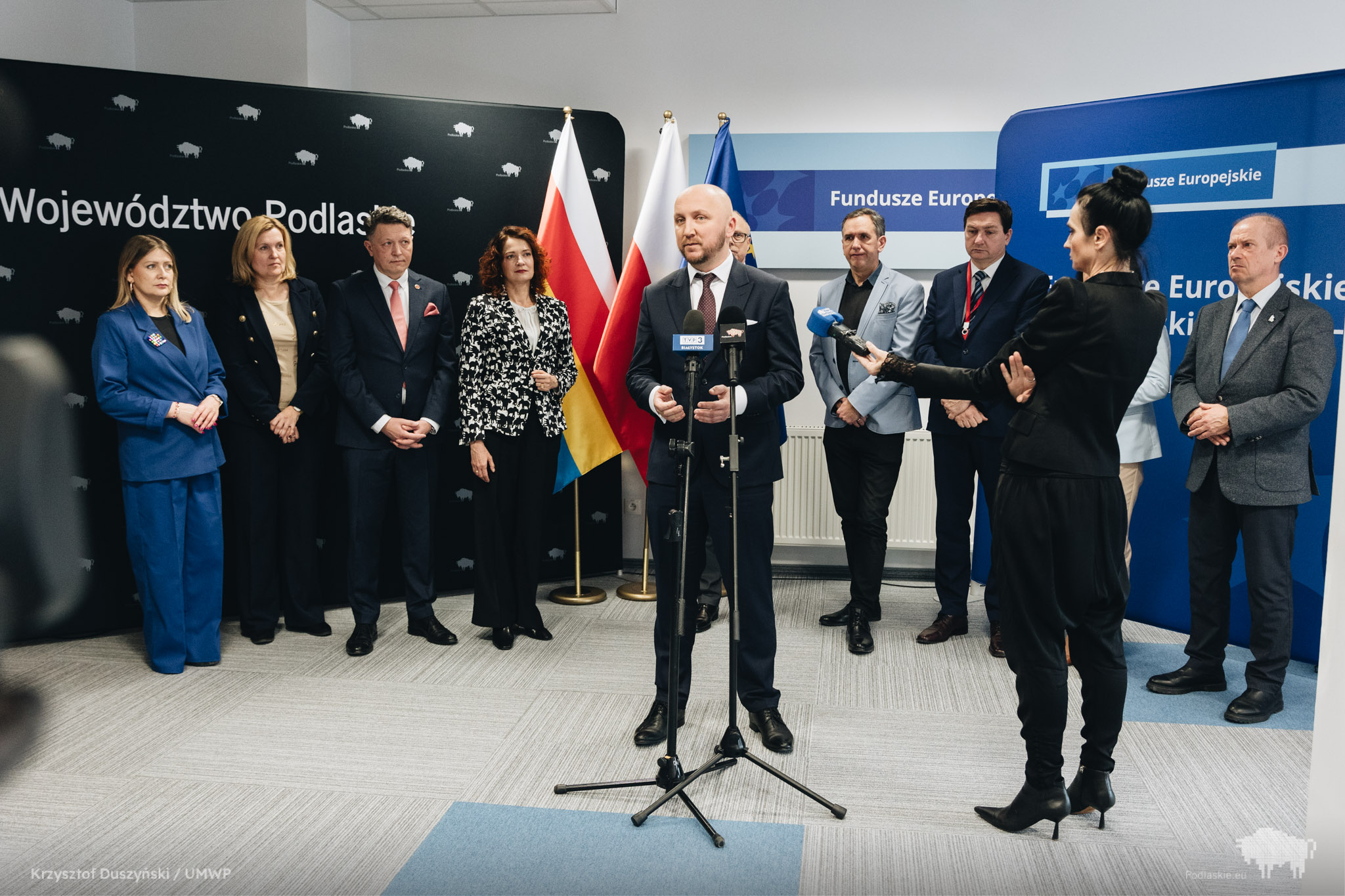
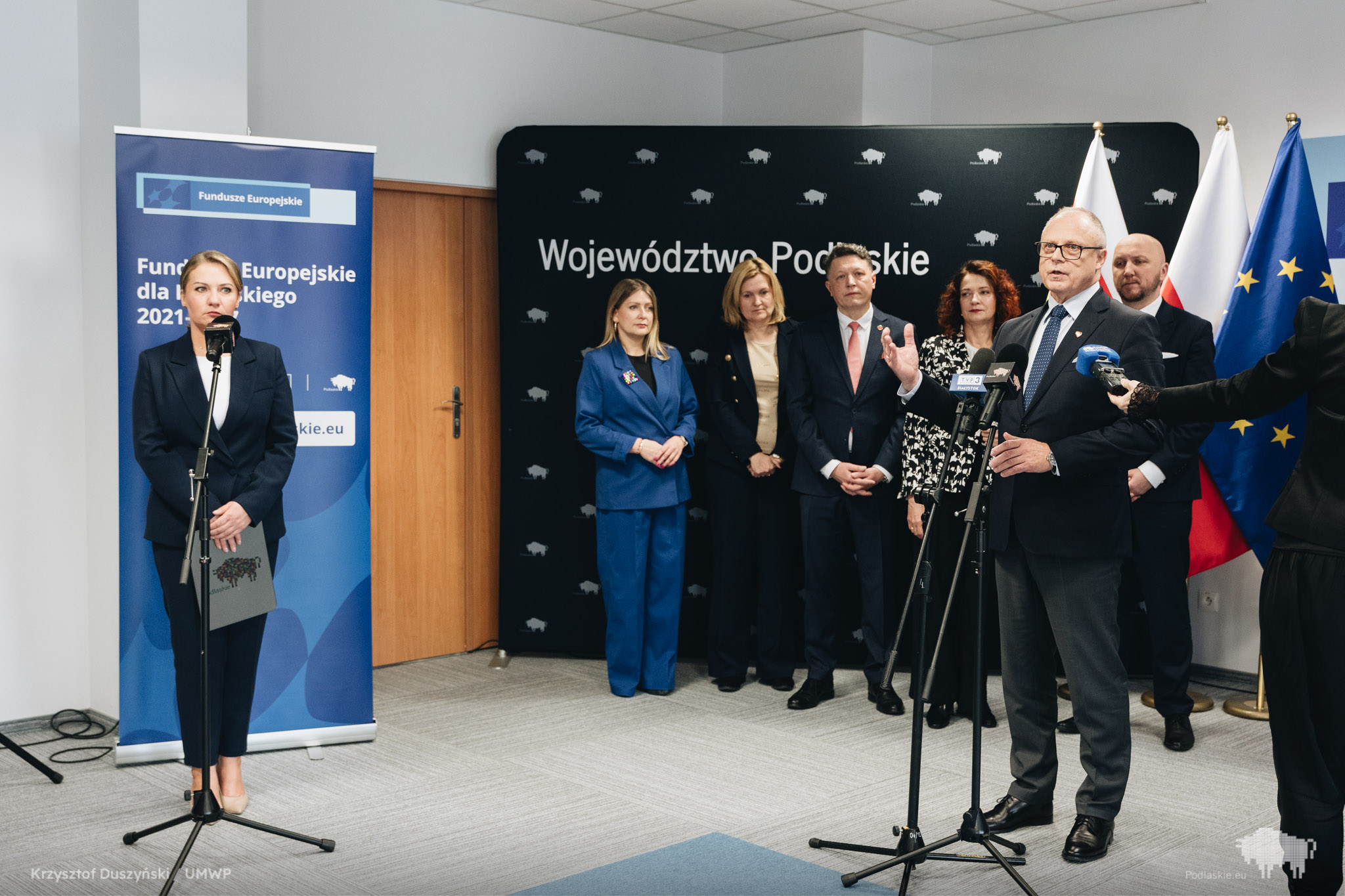
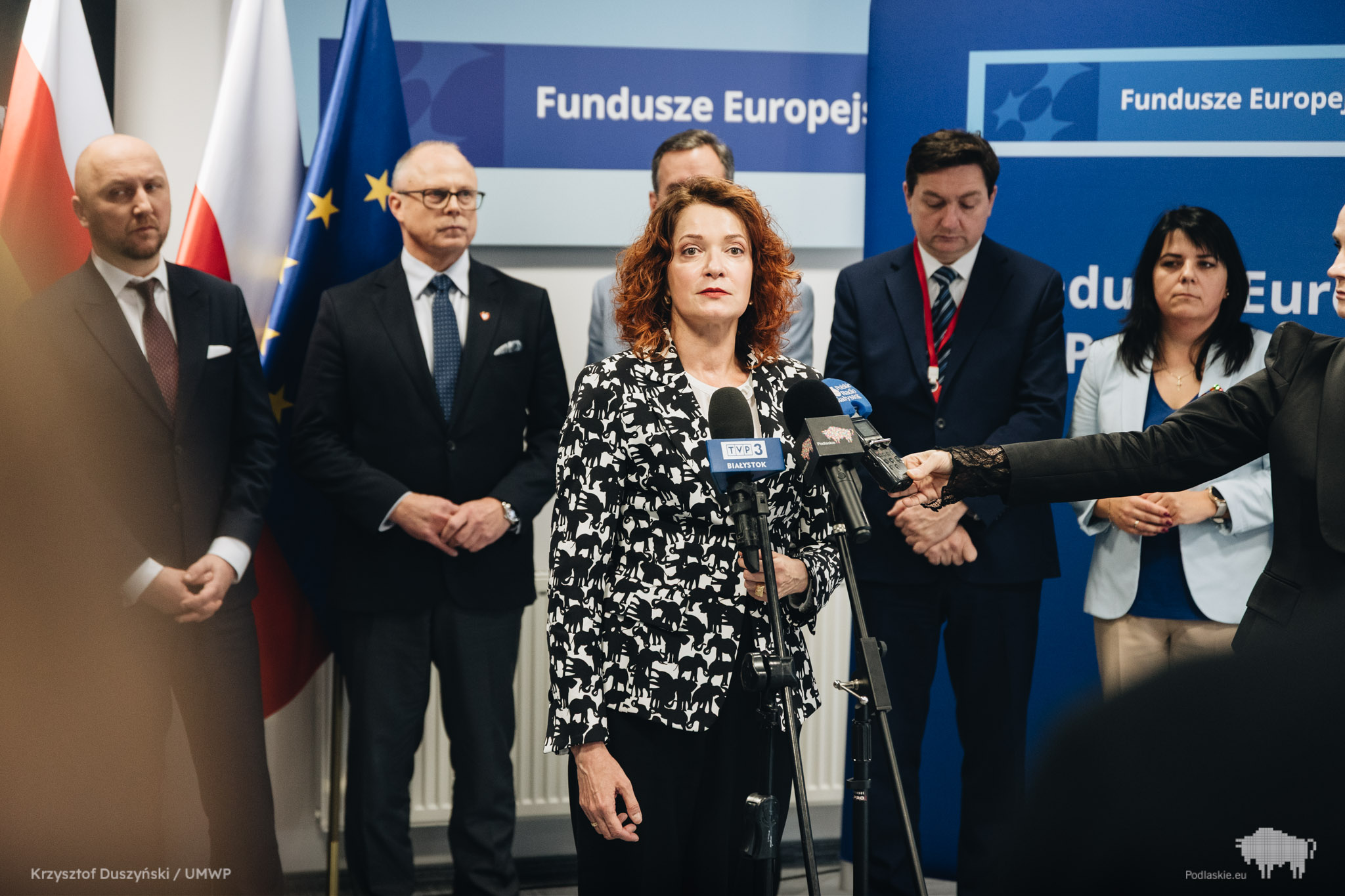
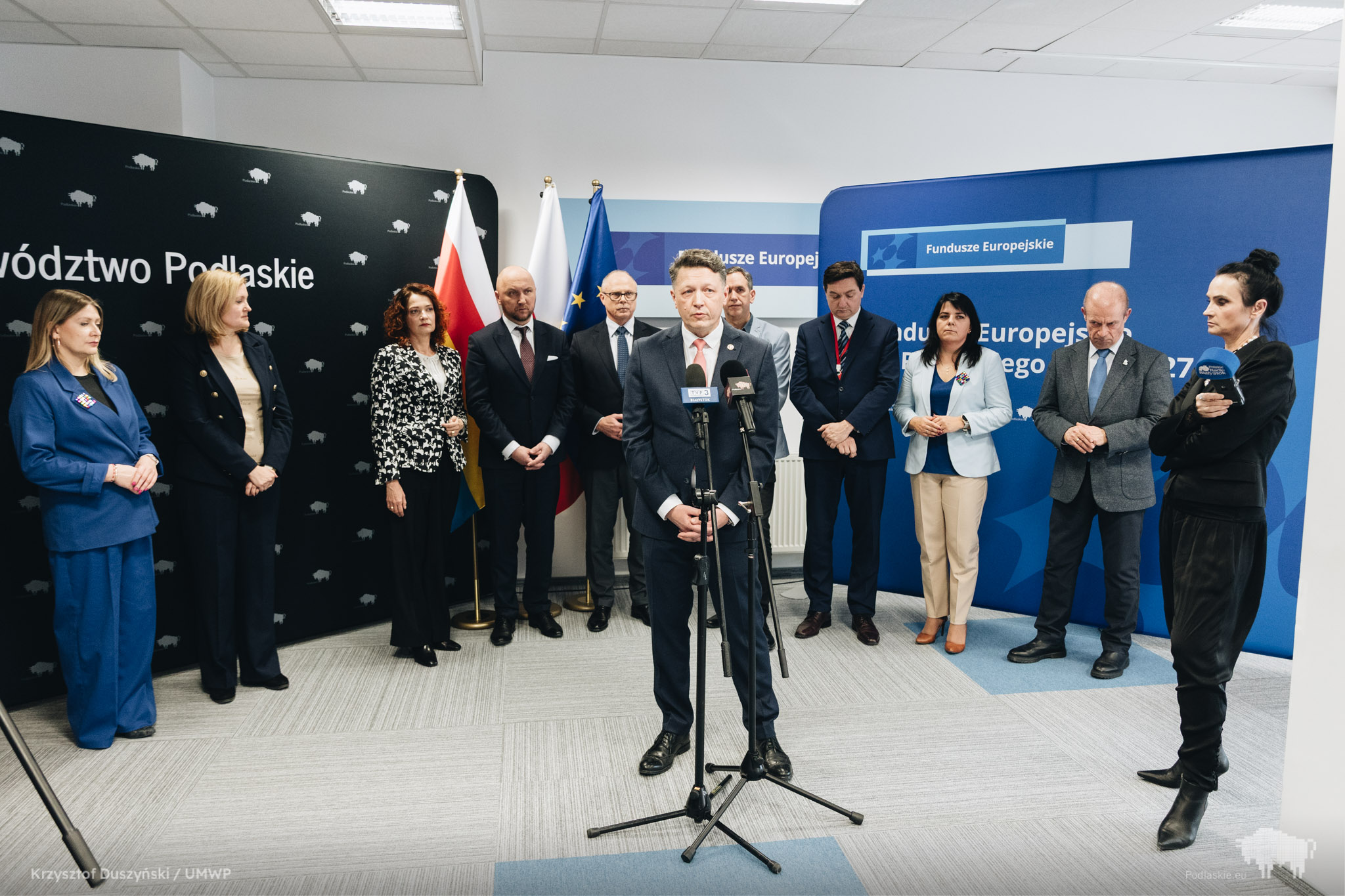
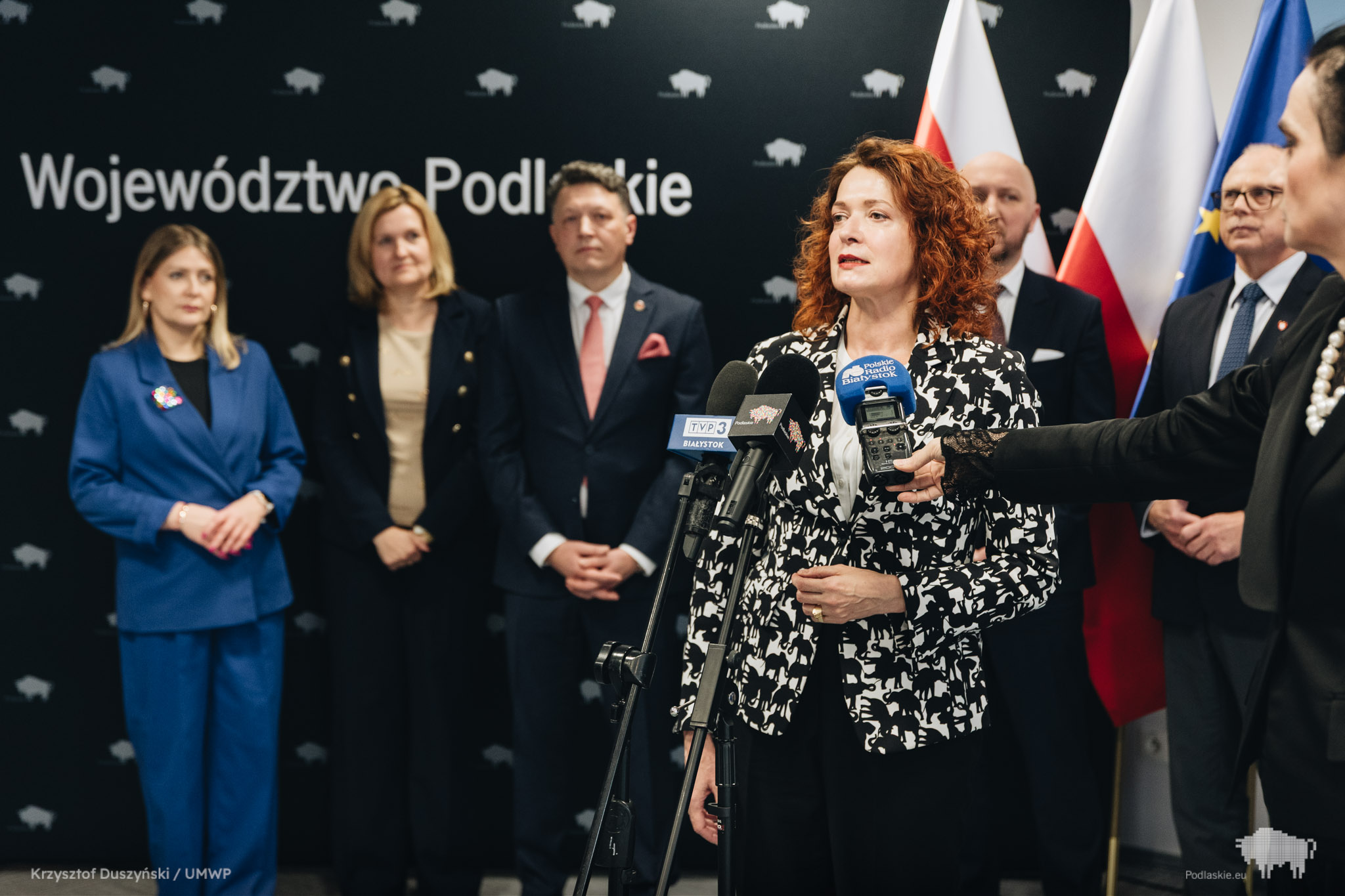
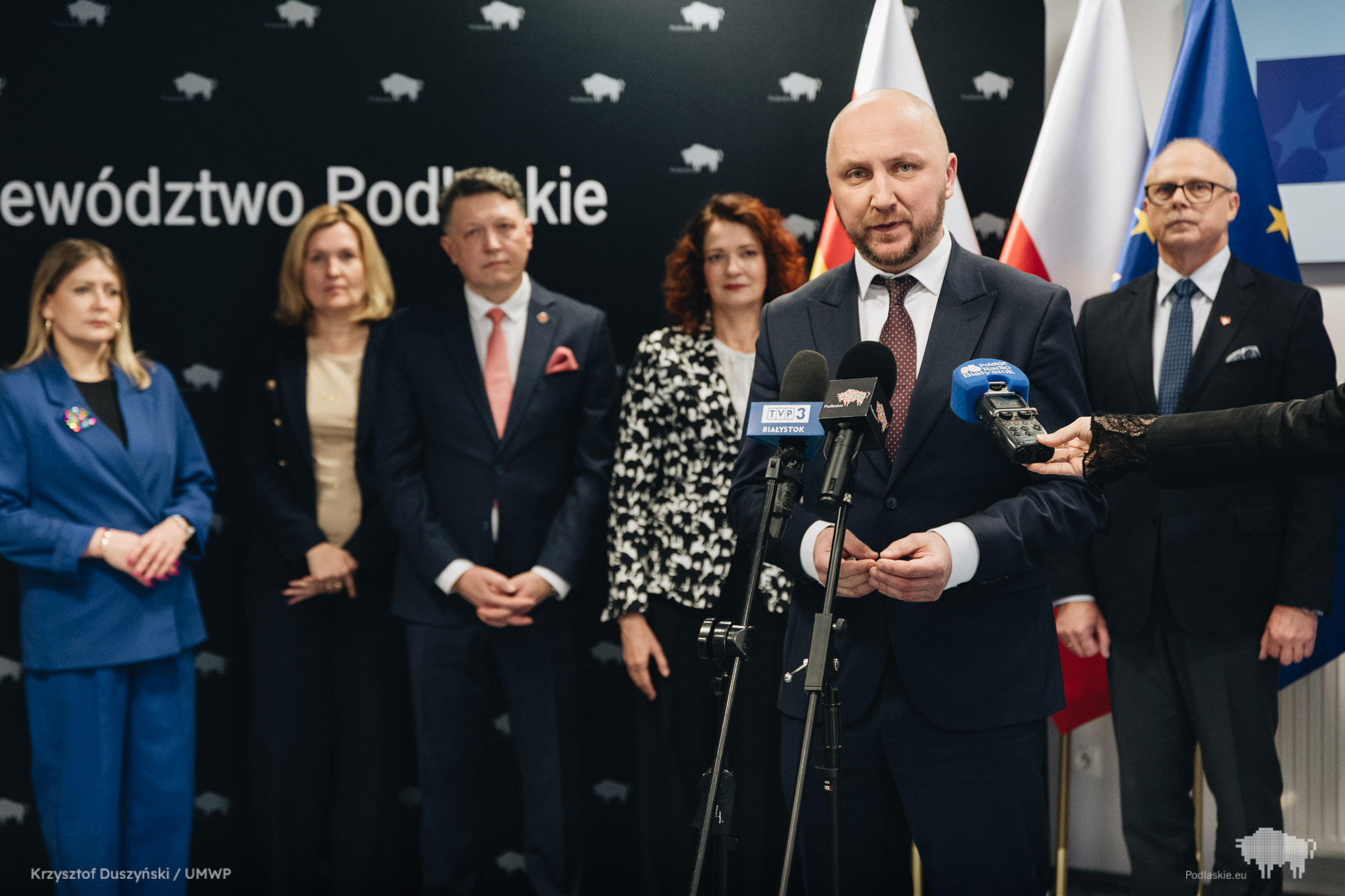
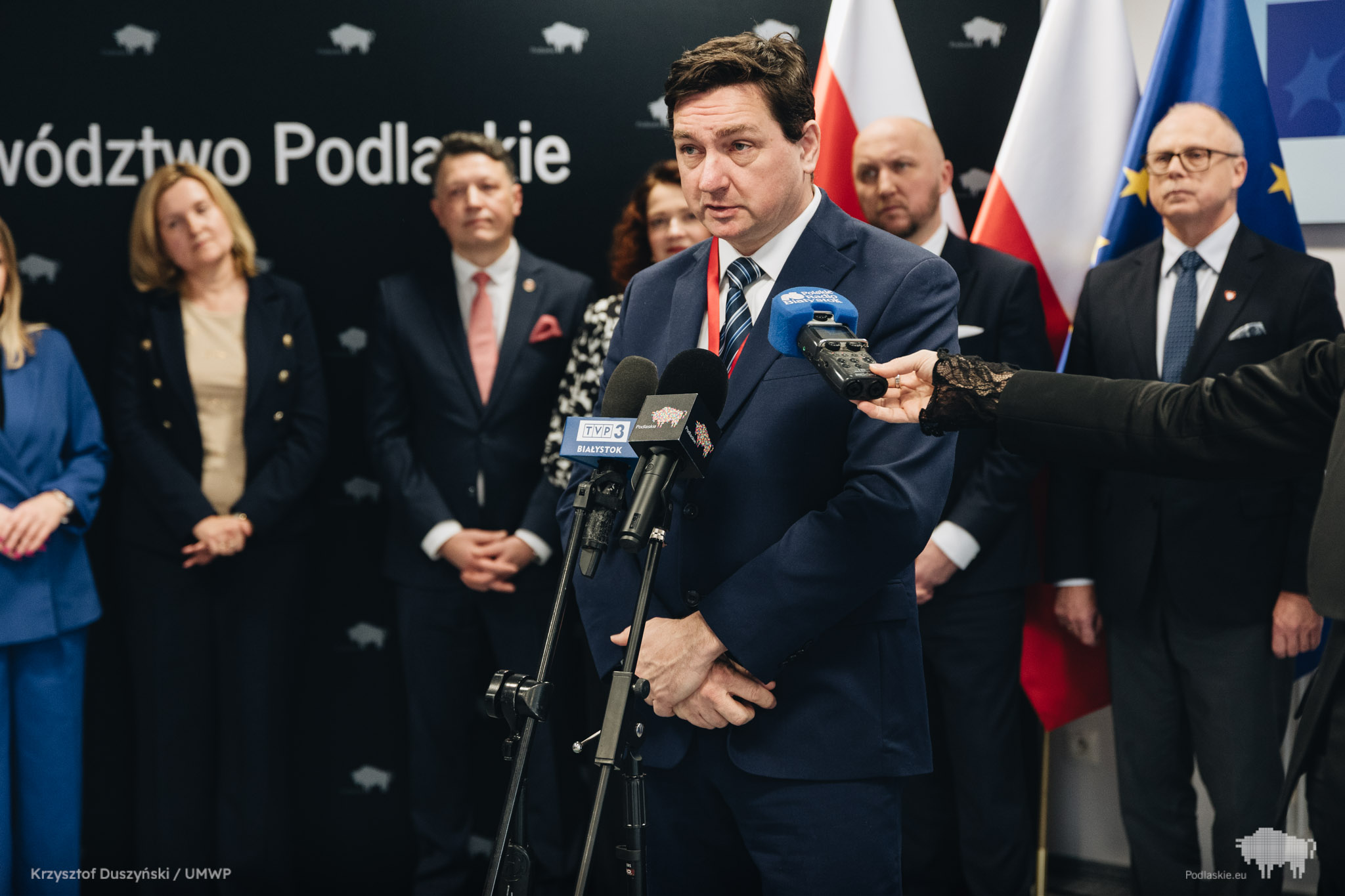
– The current geopolitical situation presents challenges for the region, but at the same time opens up new development opportunities – observes Łukasz Prokorym, Marshal of the Podlaskie Voivodeship. – Our objective is to turn our border location into a lasting economic advantage. The role of higher education institutions and the potential of the National Key Clusters are invaluable in this process.
The European Union has approved 139 projects submitted by Poland under the SAFE mechanism, with a total value of nearly EUR 44 billion. The funds will be directed to the Warmińsko-Mazurskie, Lubelskie, Podlaskie and Podkarpackie voivodeships – regions directly bordering Russia, Belarus and Ukraine.
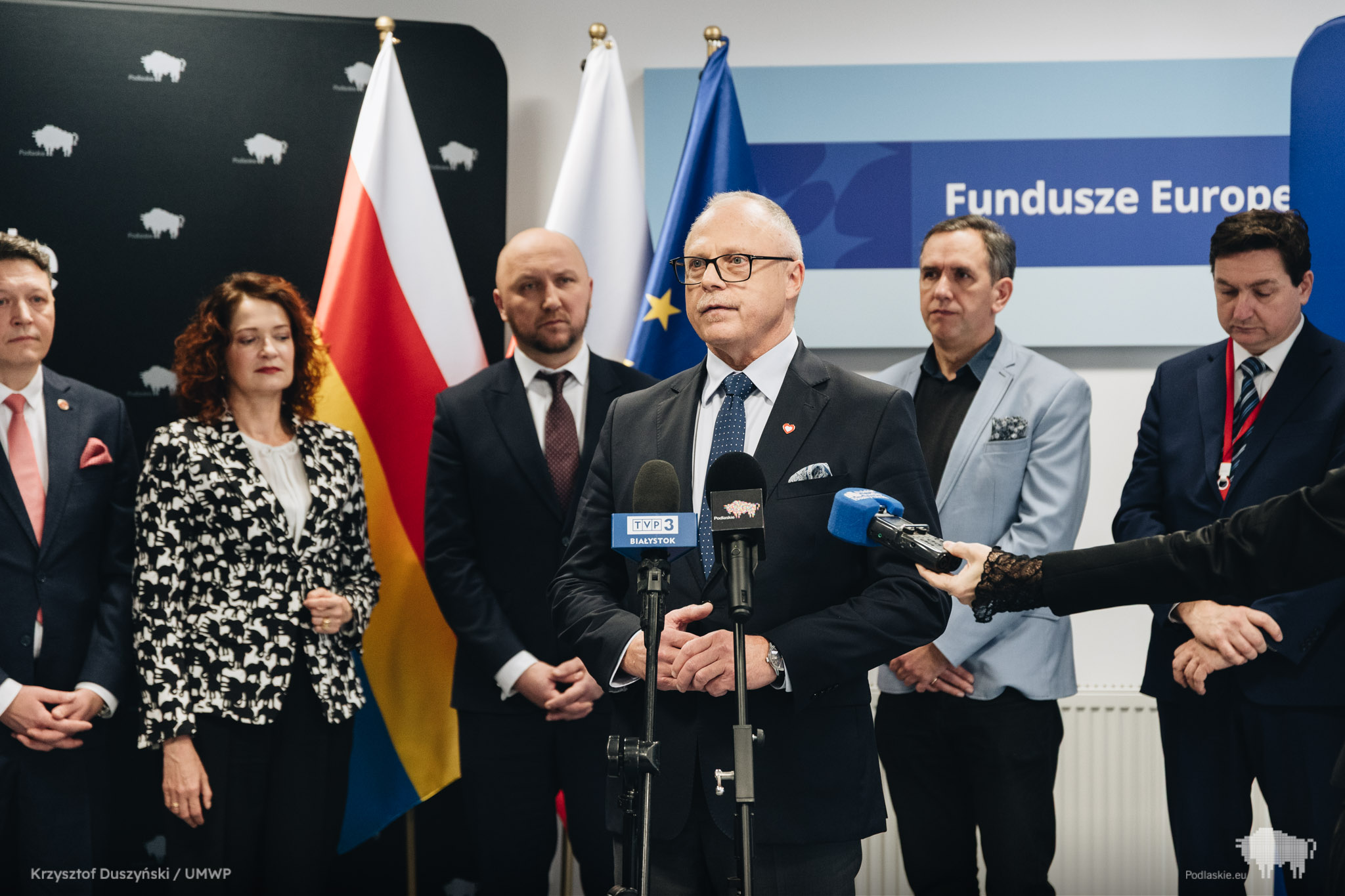
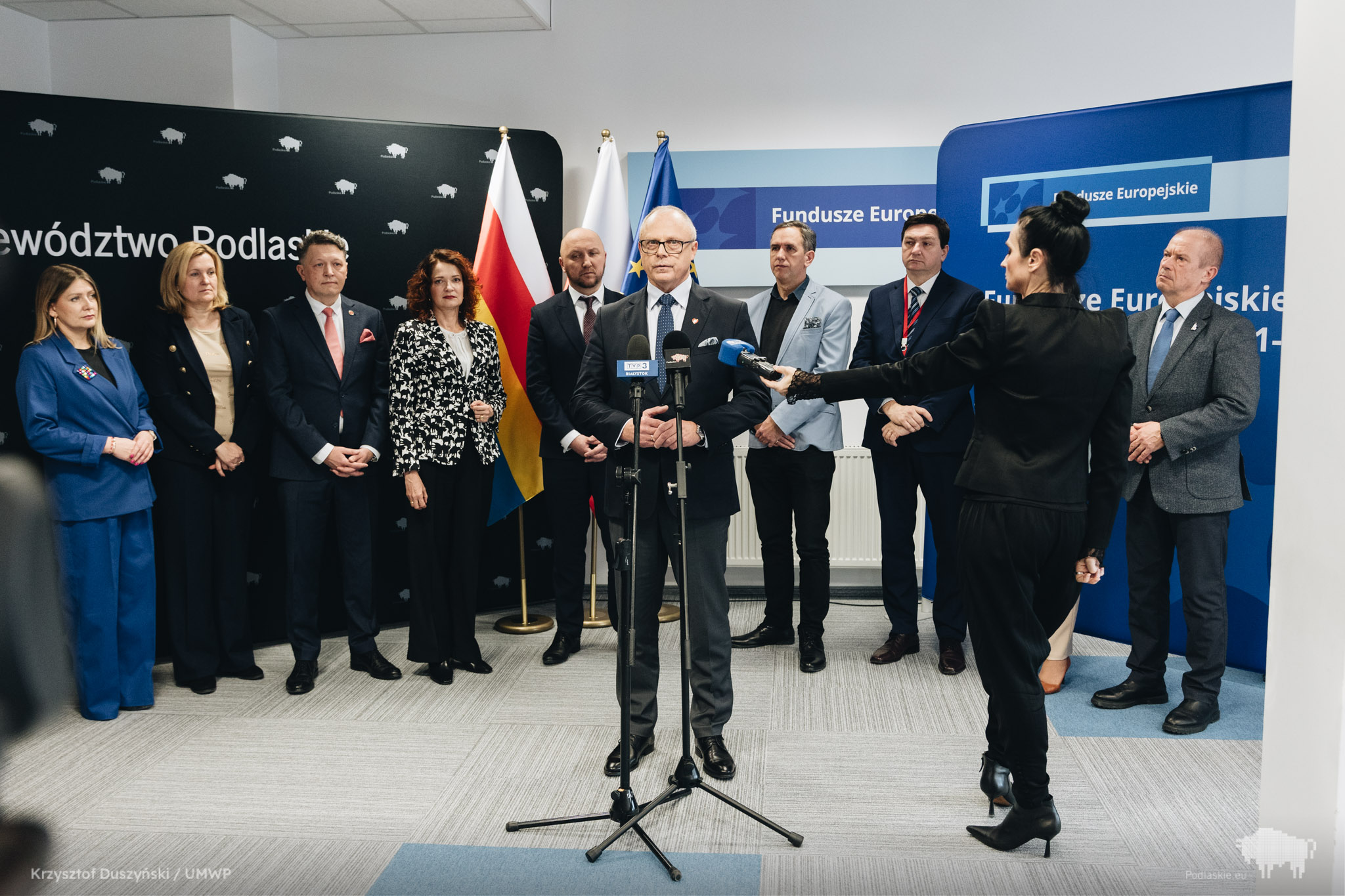
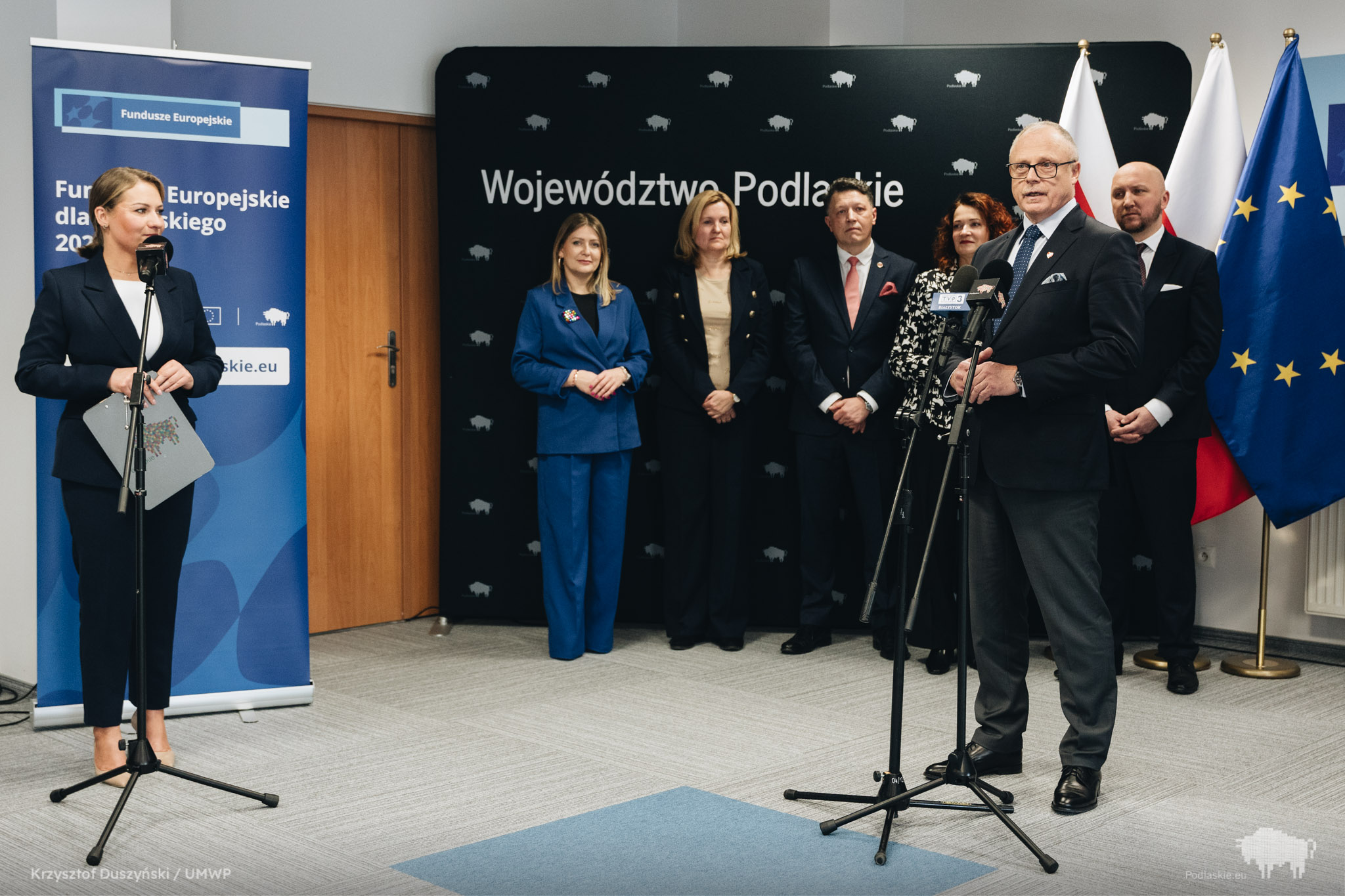
– These investments strengthen security while also delivering tangible economic benefits. According to the assumptions, as much as 80 per cent of these funds is expected to remain within the Polish economy – stresses MEP Jacek Protas.
The SAFE programme forms part of a broader strategy that views the Podlaskie Voivodeship as a pillar of European Union security. The region is involved in initiatives such as the Pact for the Eastern Regions of the EU, the Coalition for e-Security, and activities supporting Industry 4.0, all aimed at enhancing the competitiveness and innovativeness of the European economy.
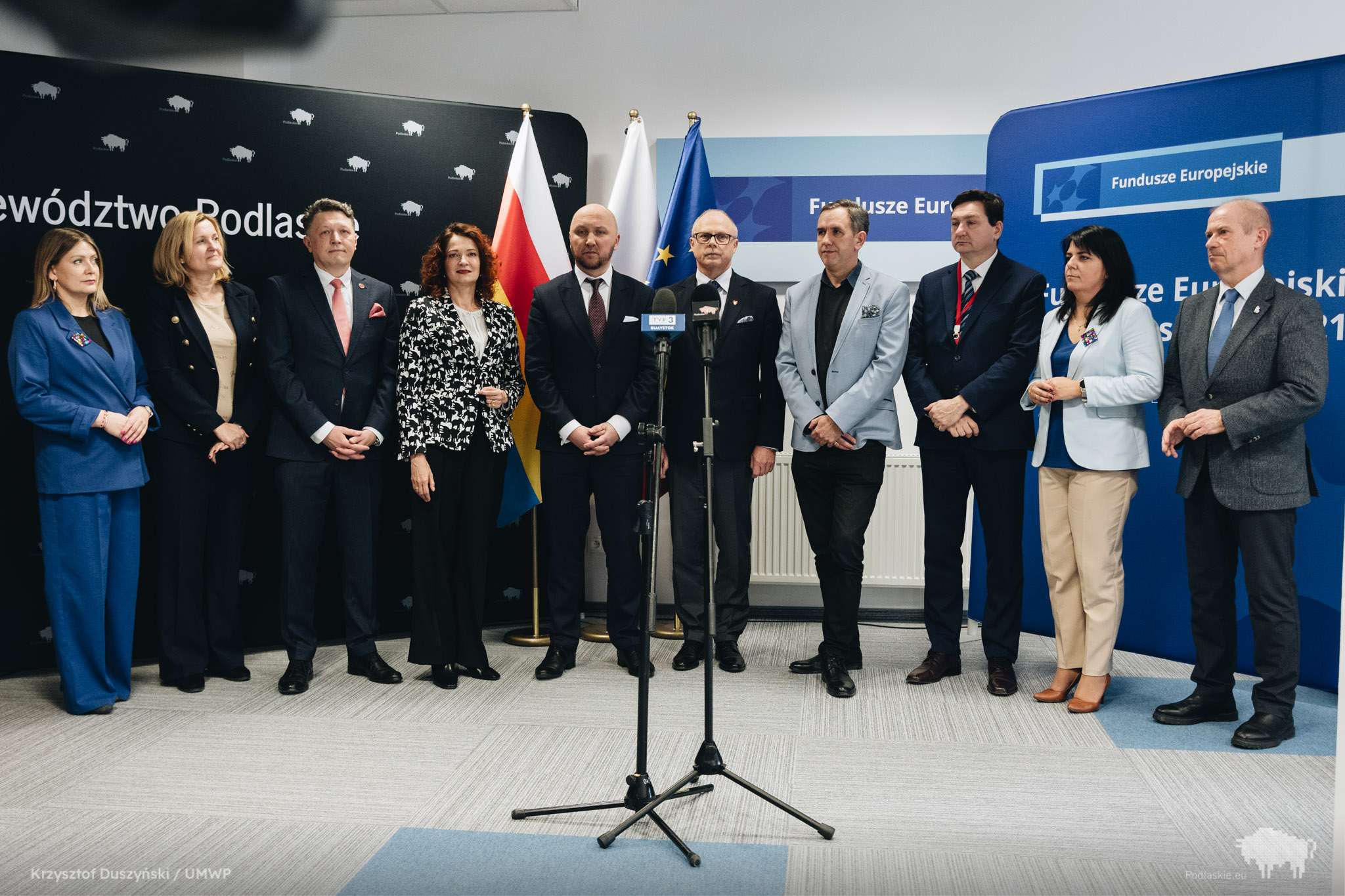
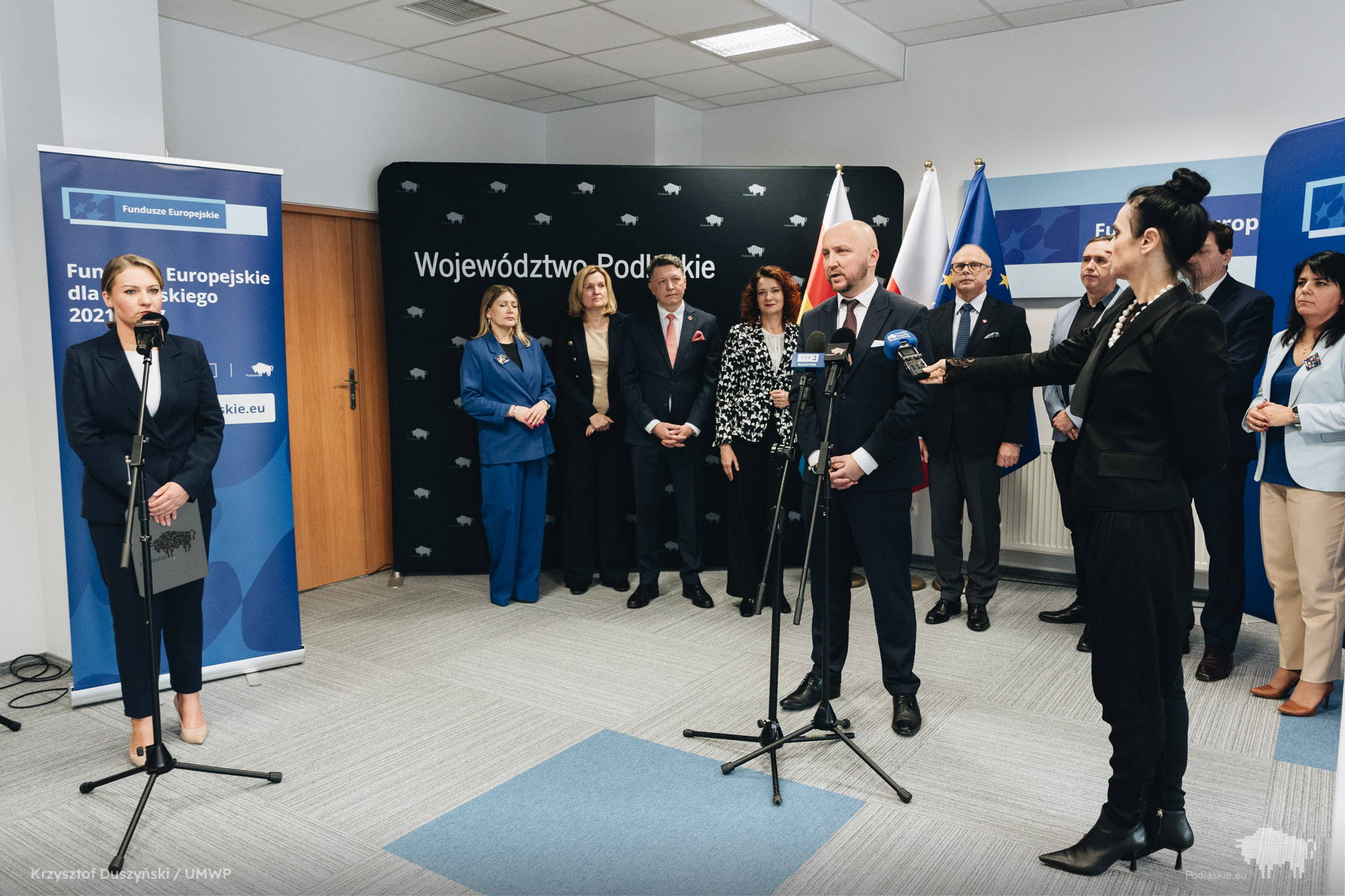
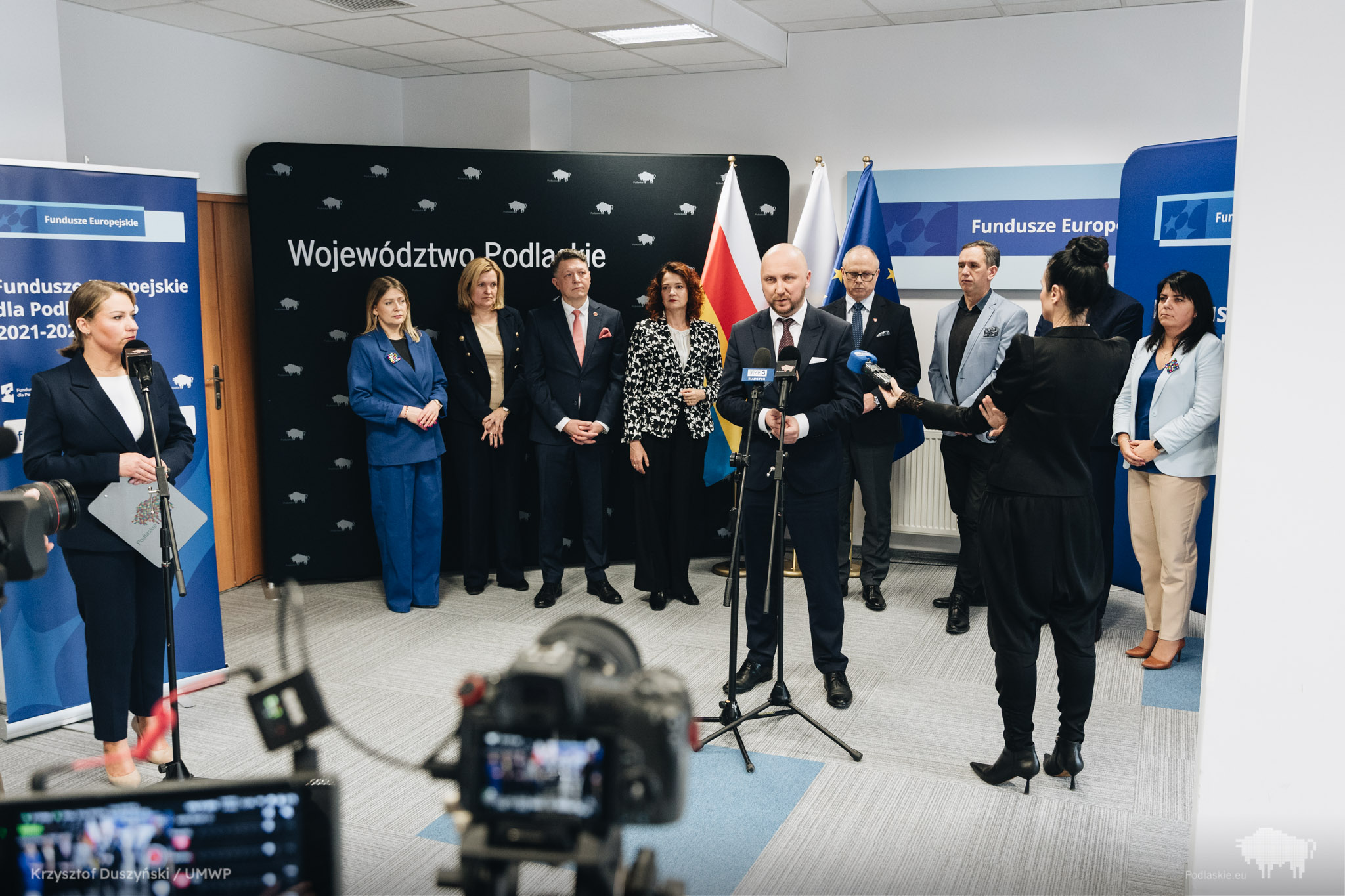
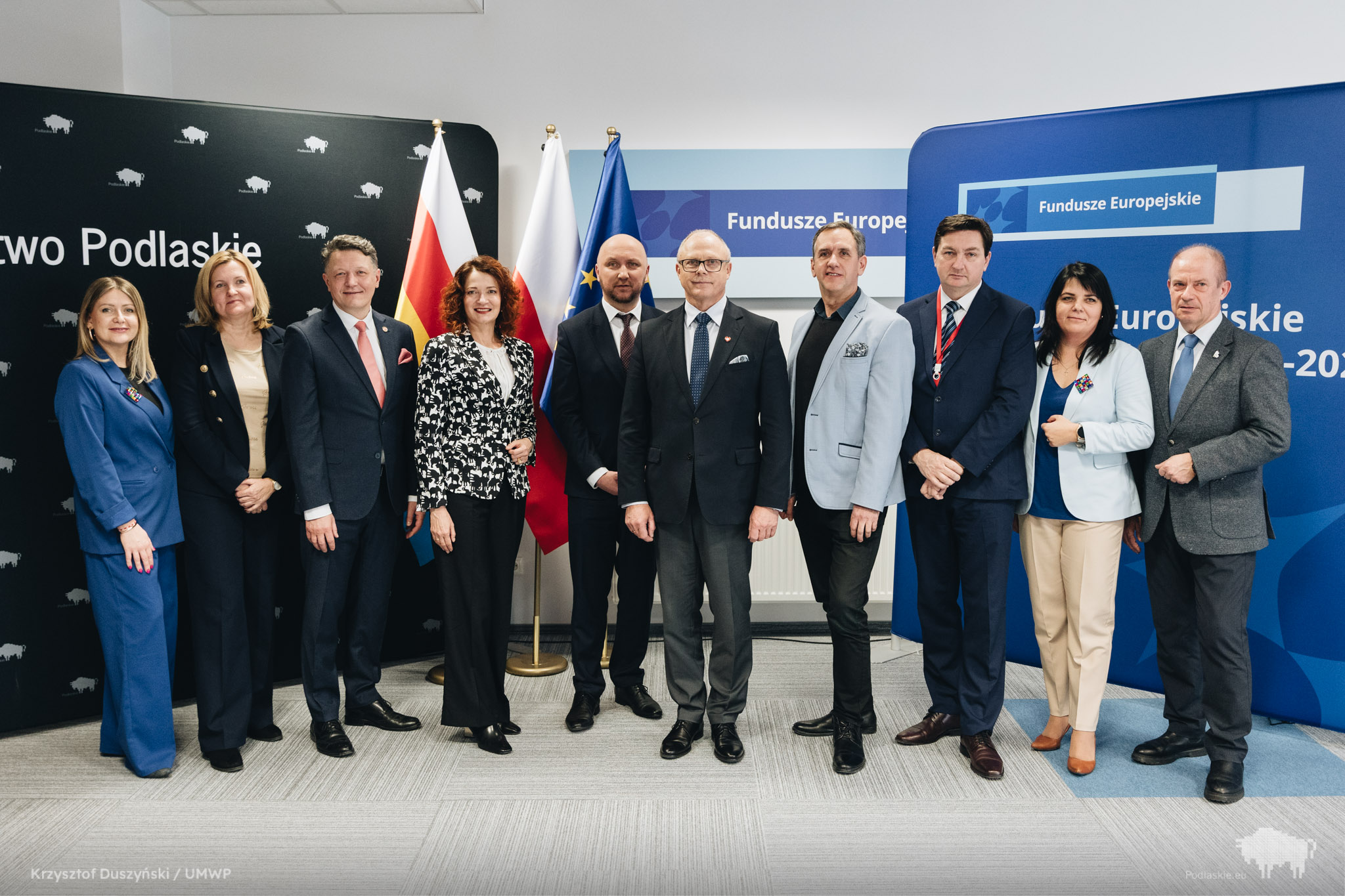
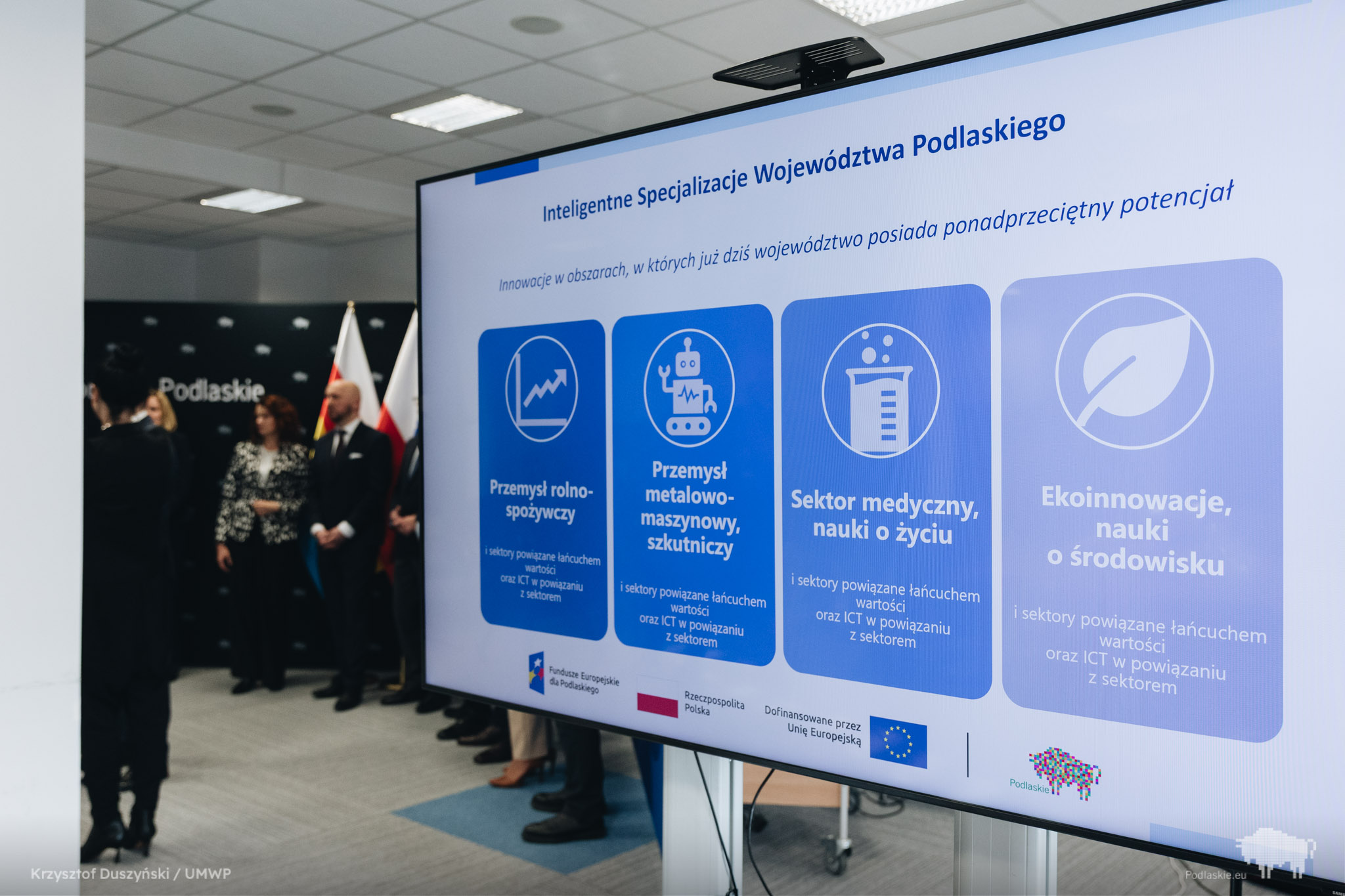
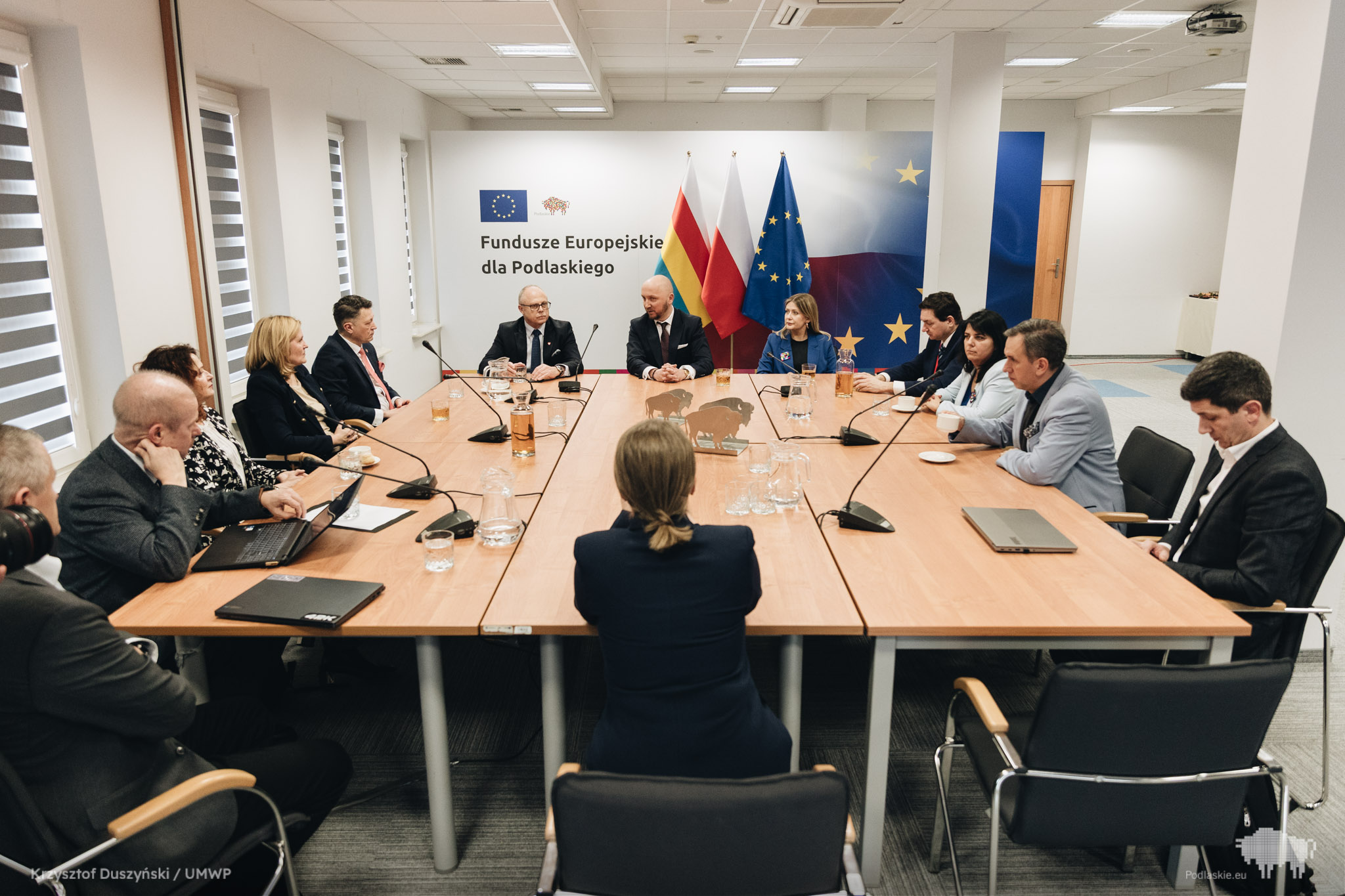
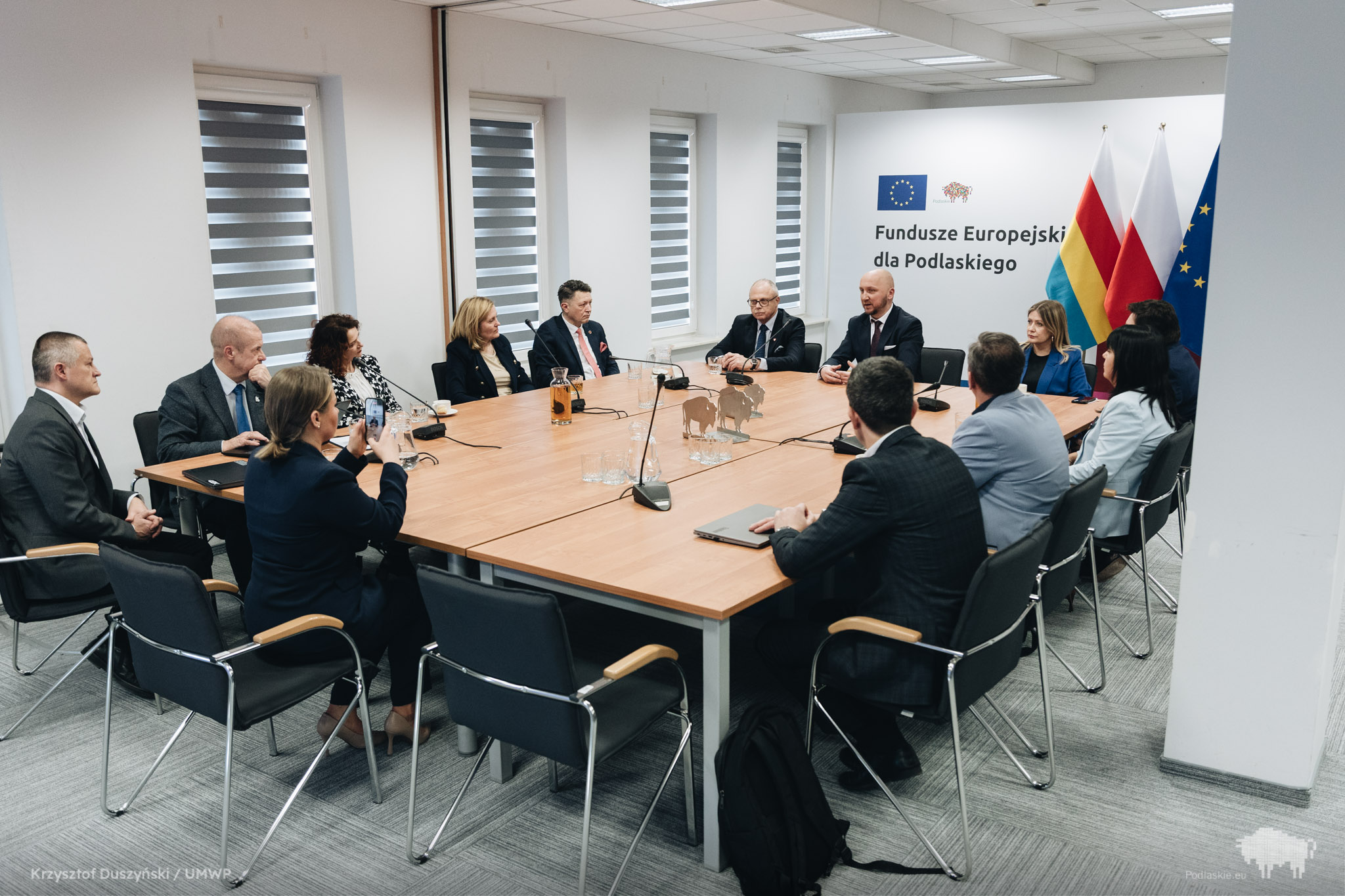
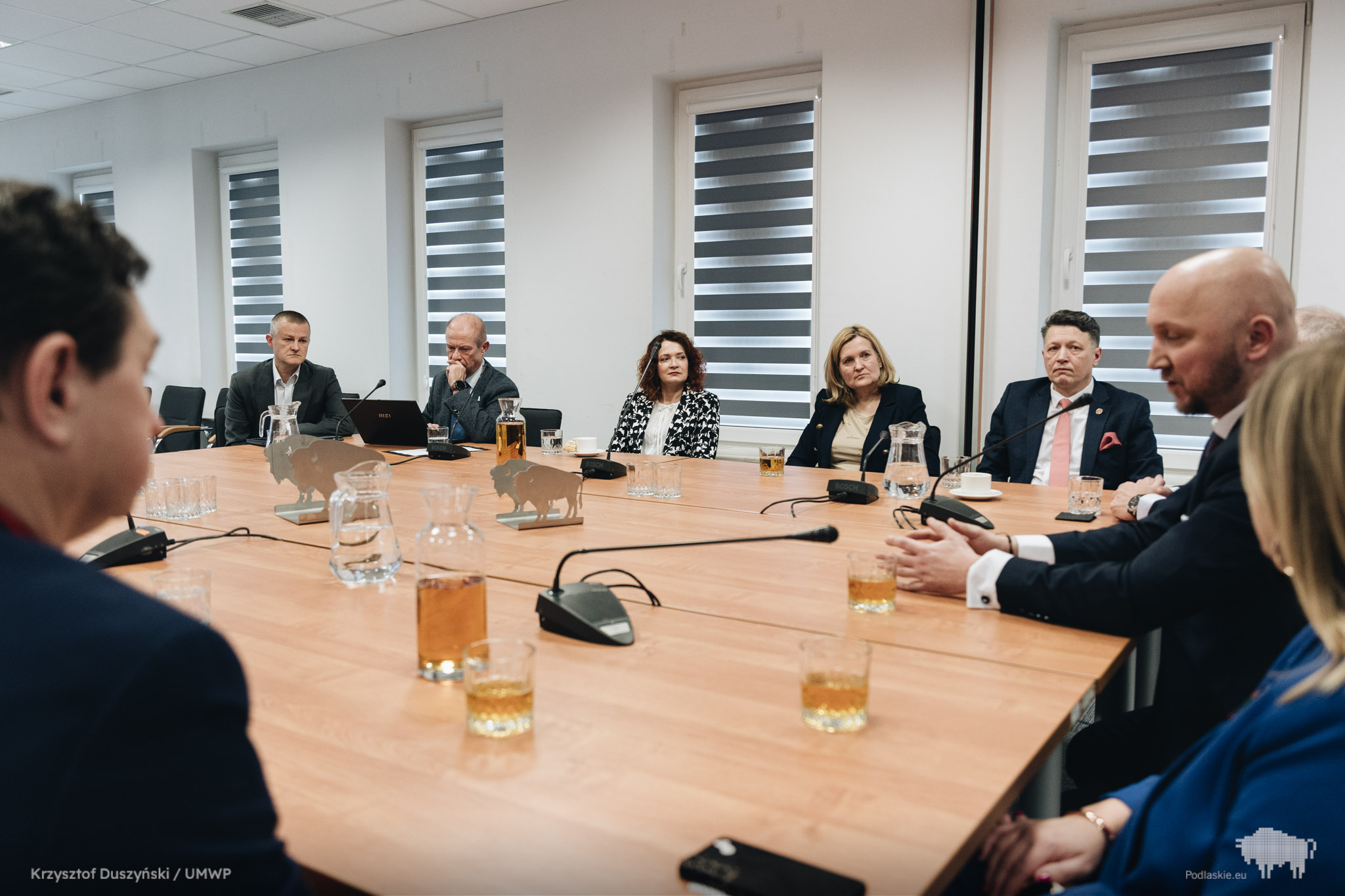
These issues were discussed during the conference “Strong Podlaskie as a Pillar of EU Security”, held on 30 January 2026. The event brought together representatives of European institutions, local and regional authorities, higher education institutions and the business community, who jointly analysed the role of the region, science and industry in the implementation of the SAFE programme.
Katarzyna Kozioł