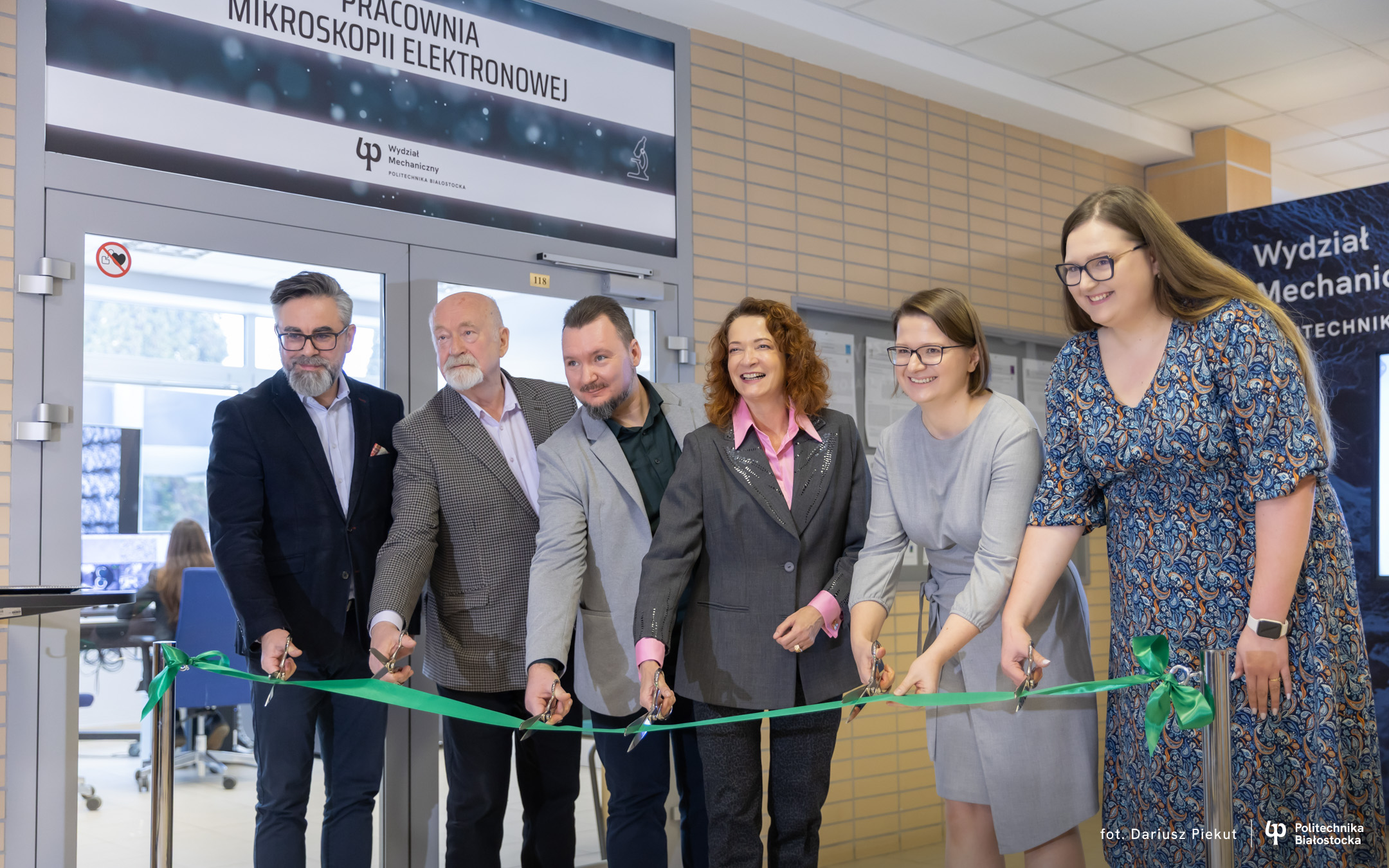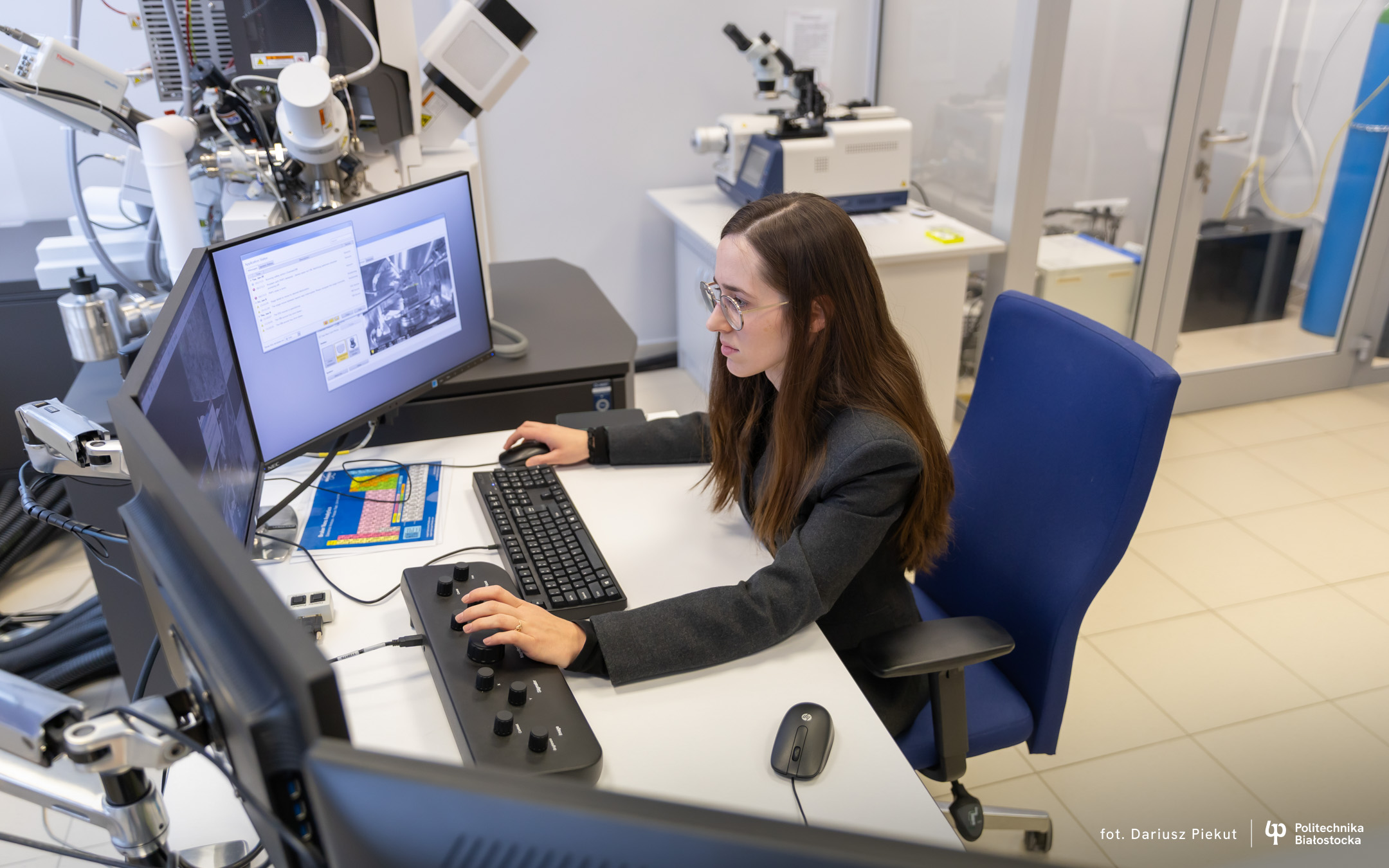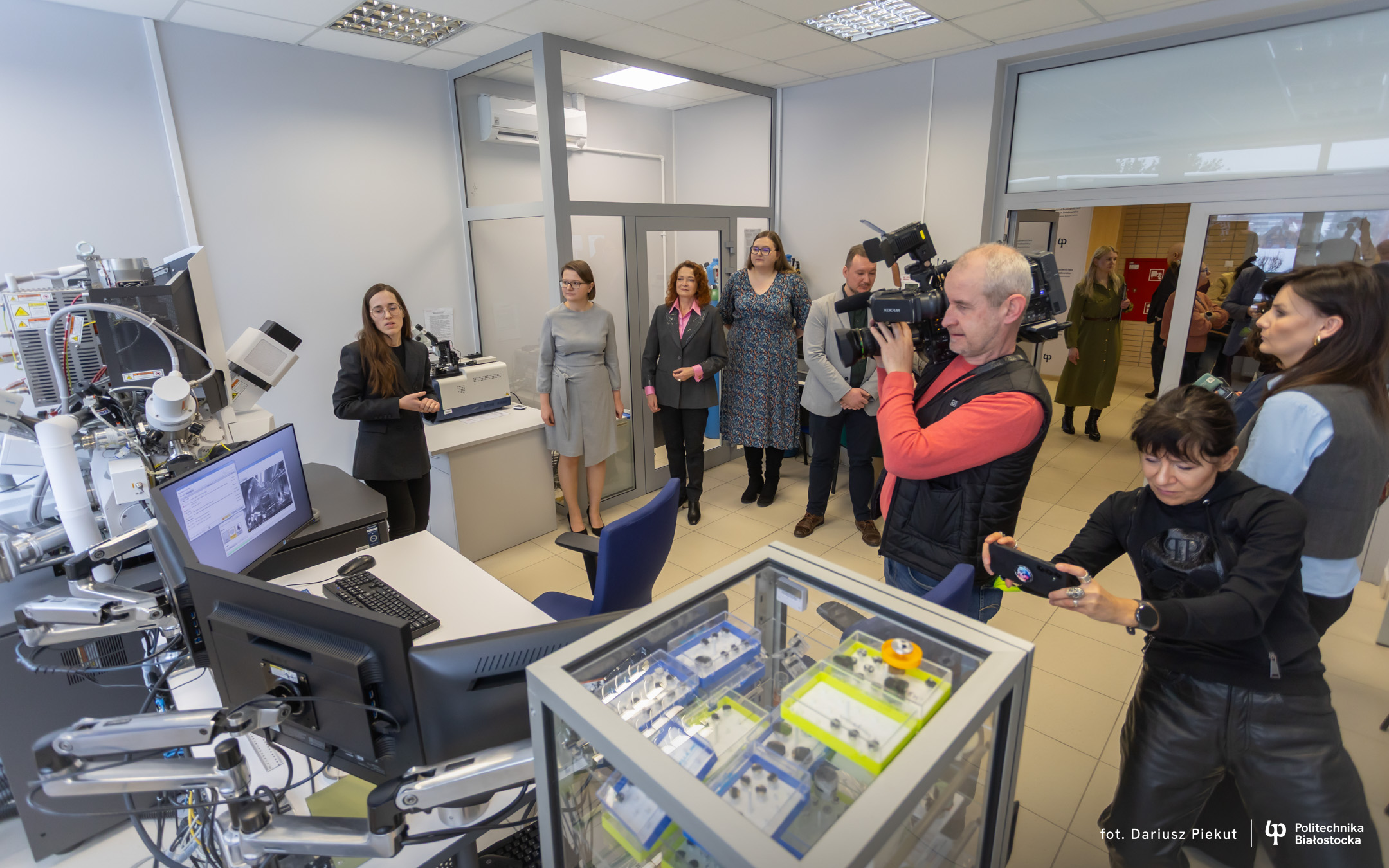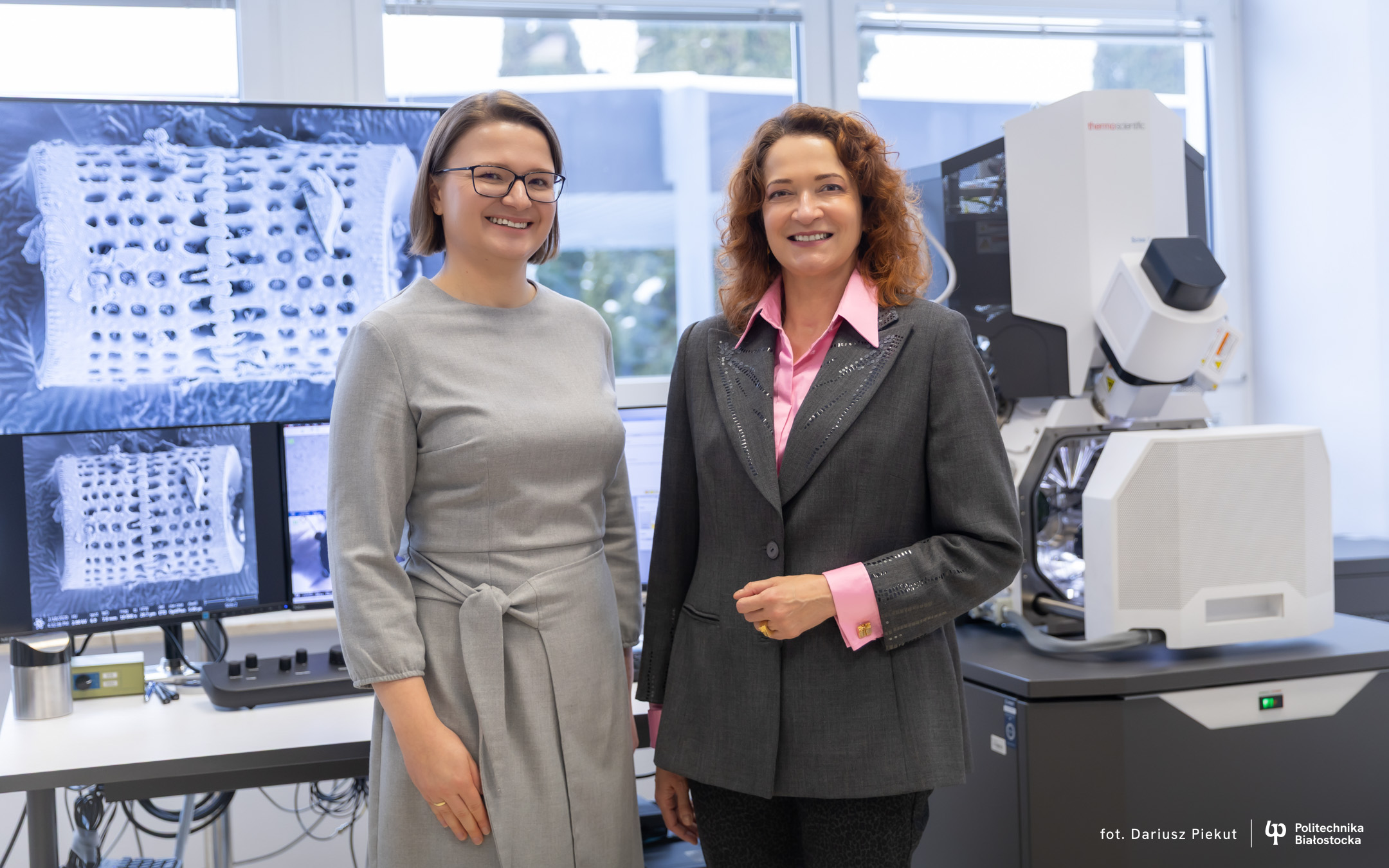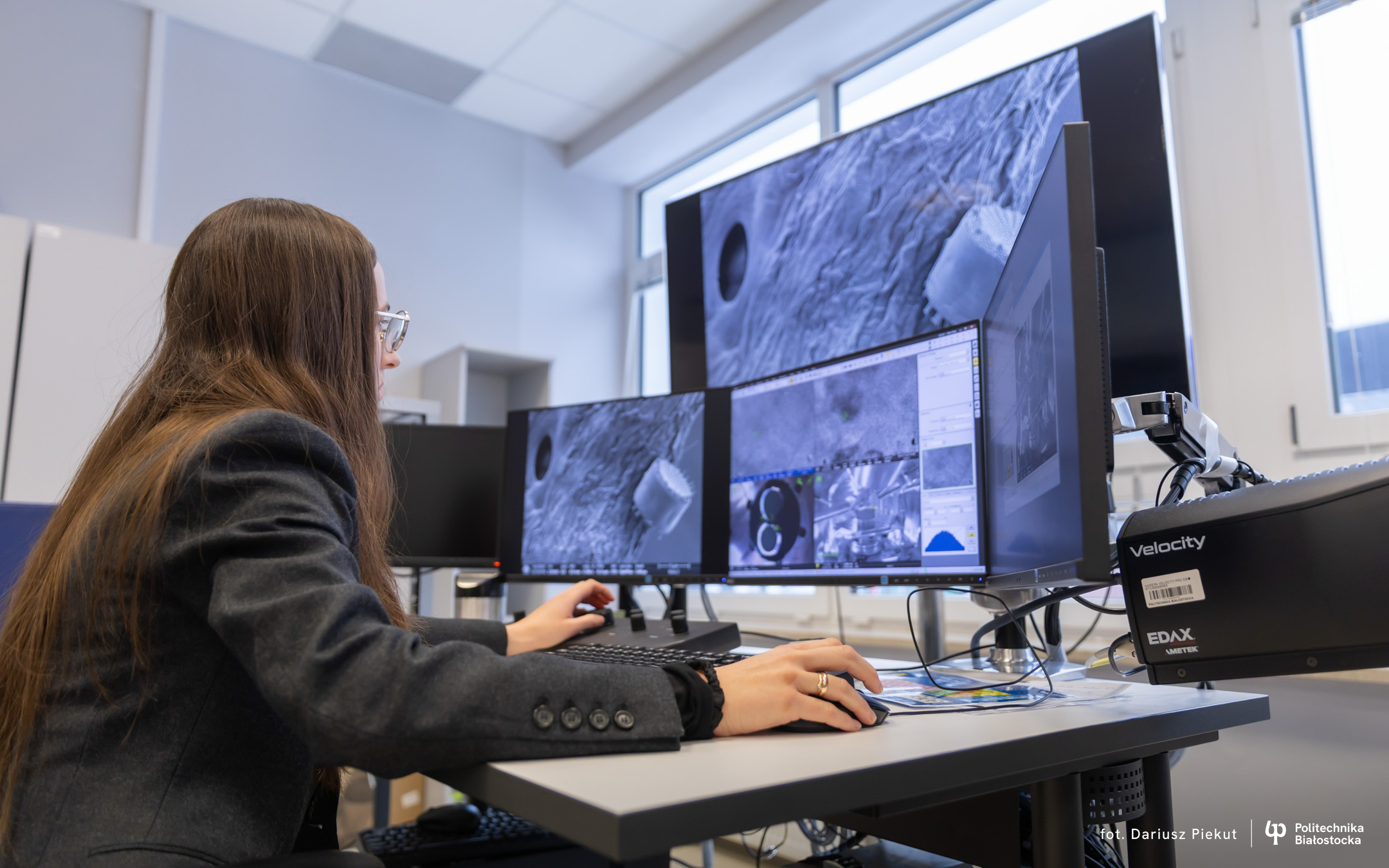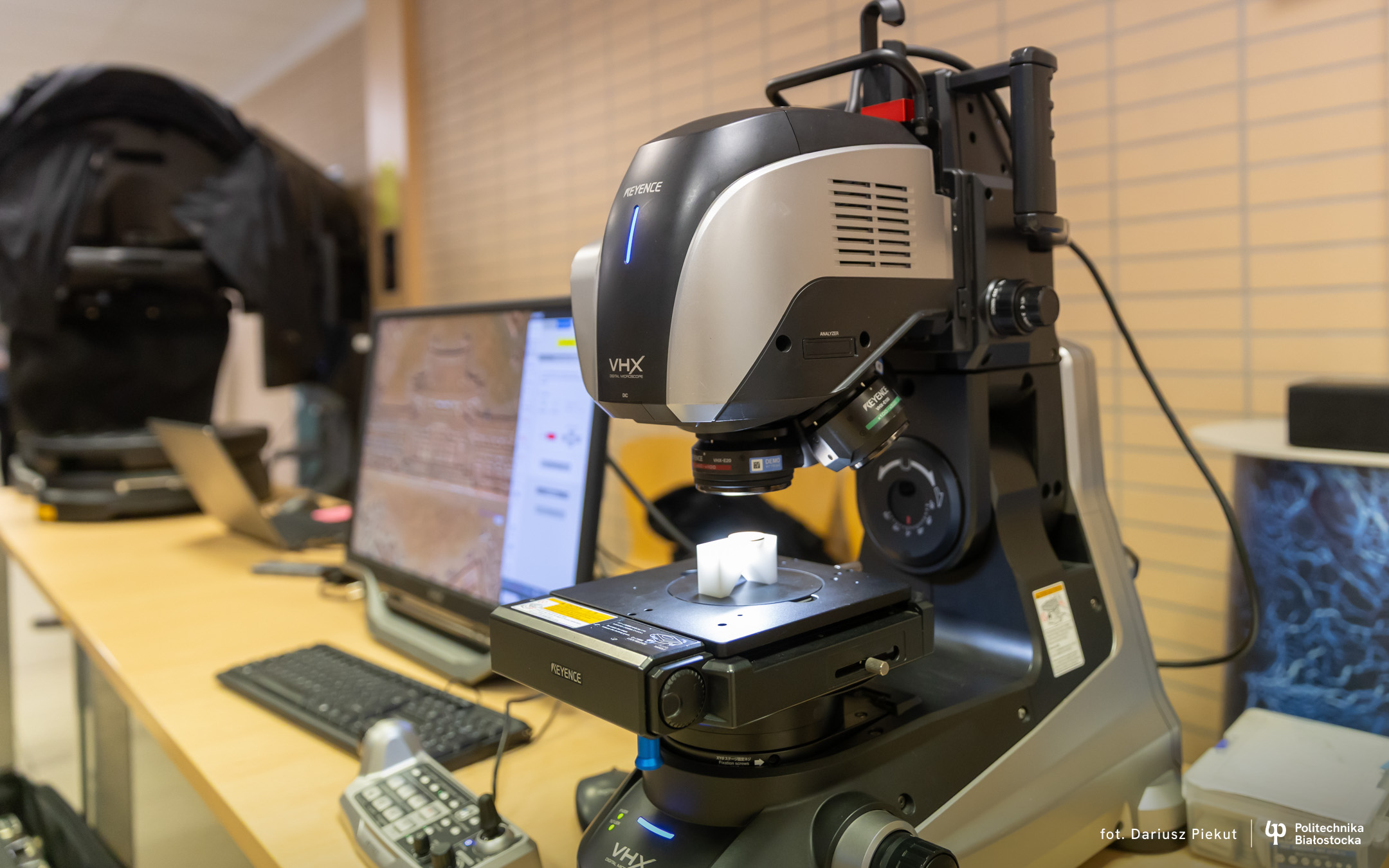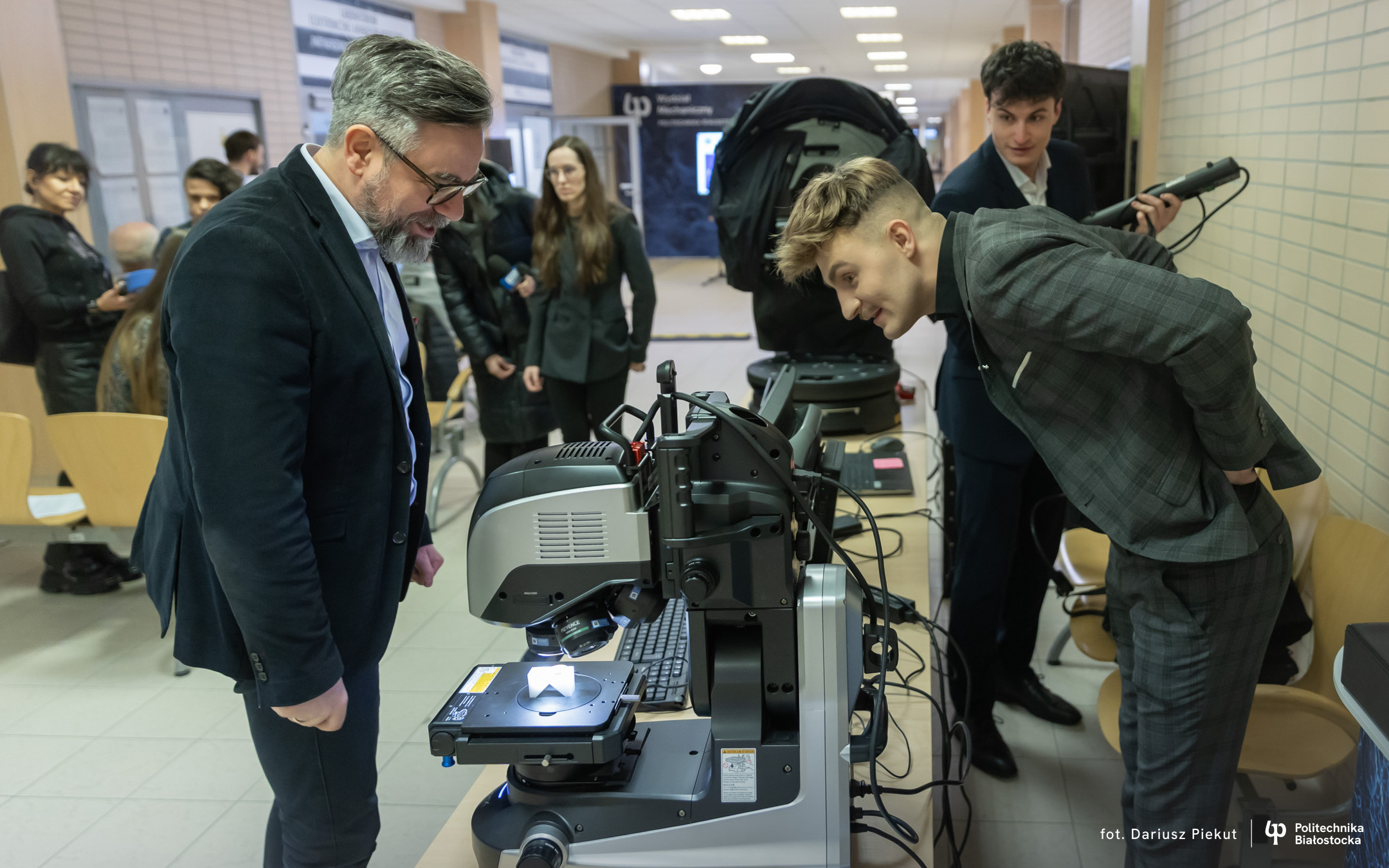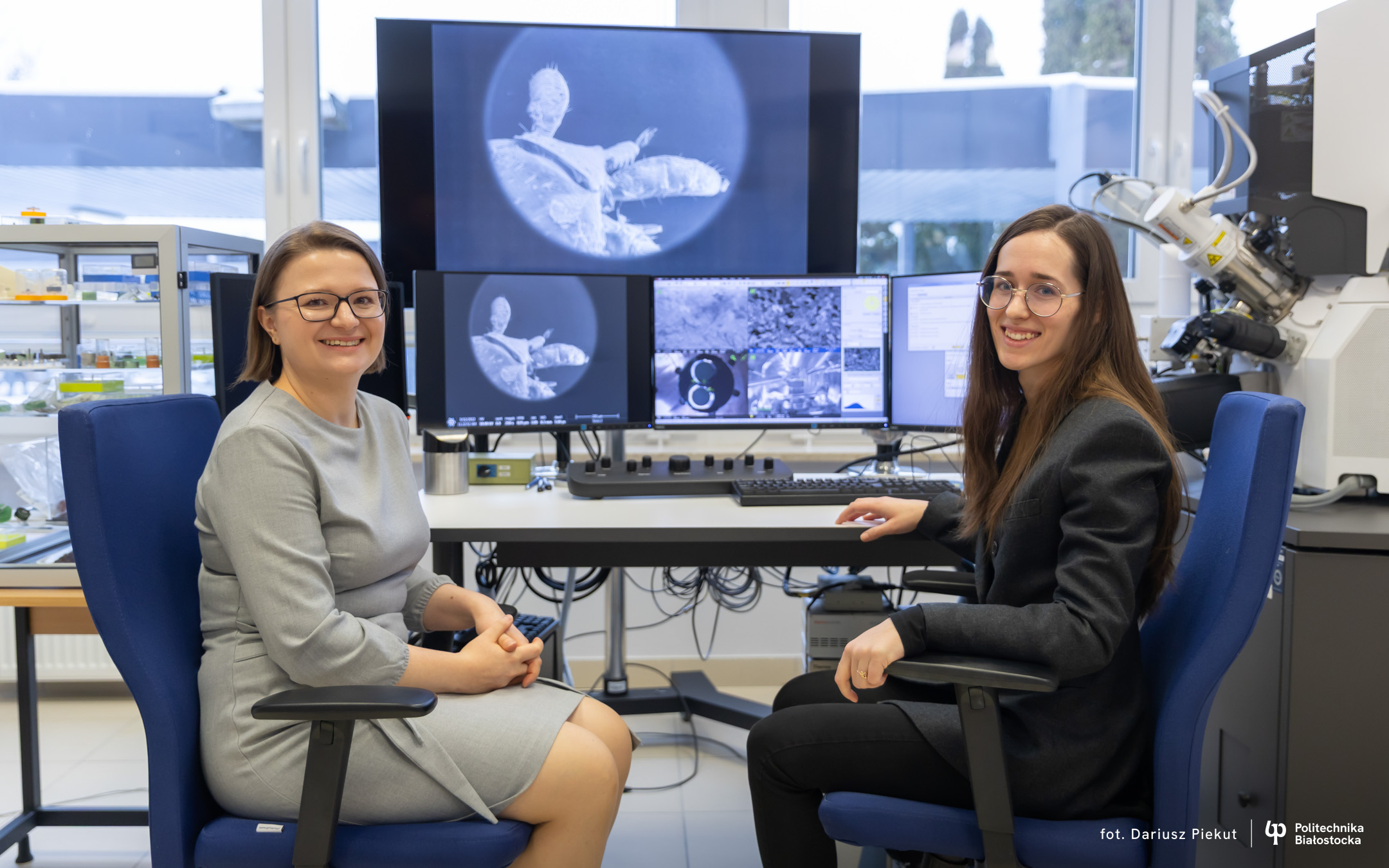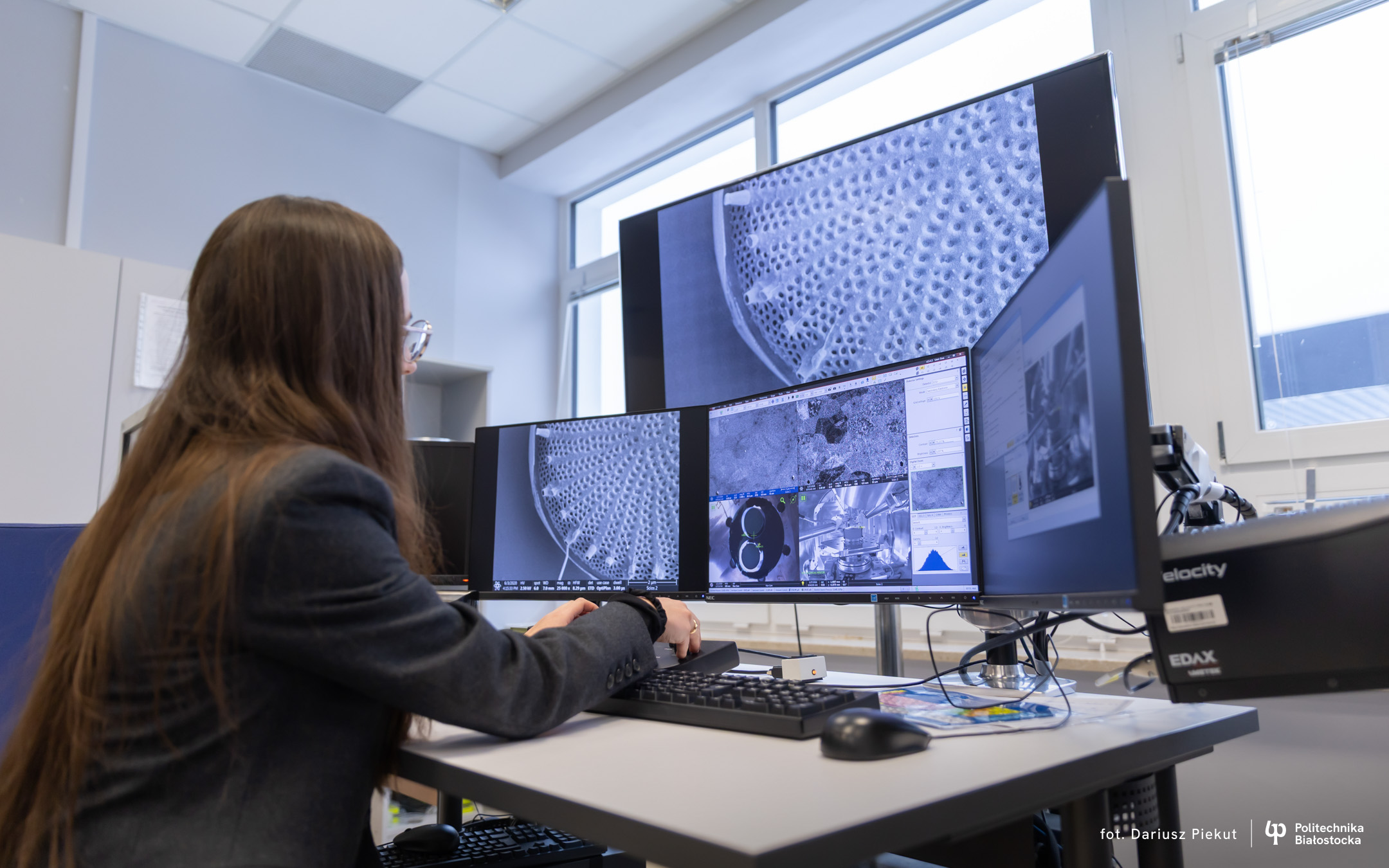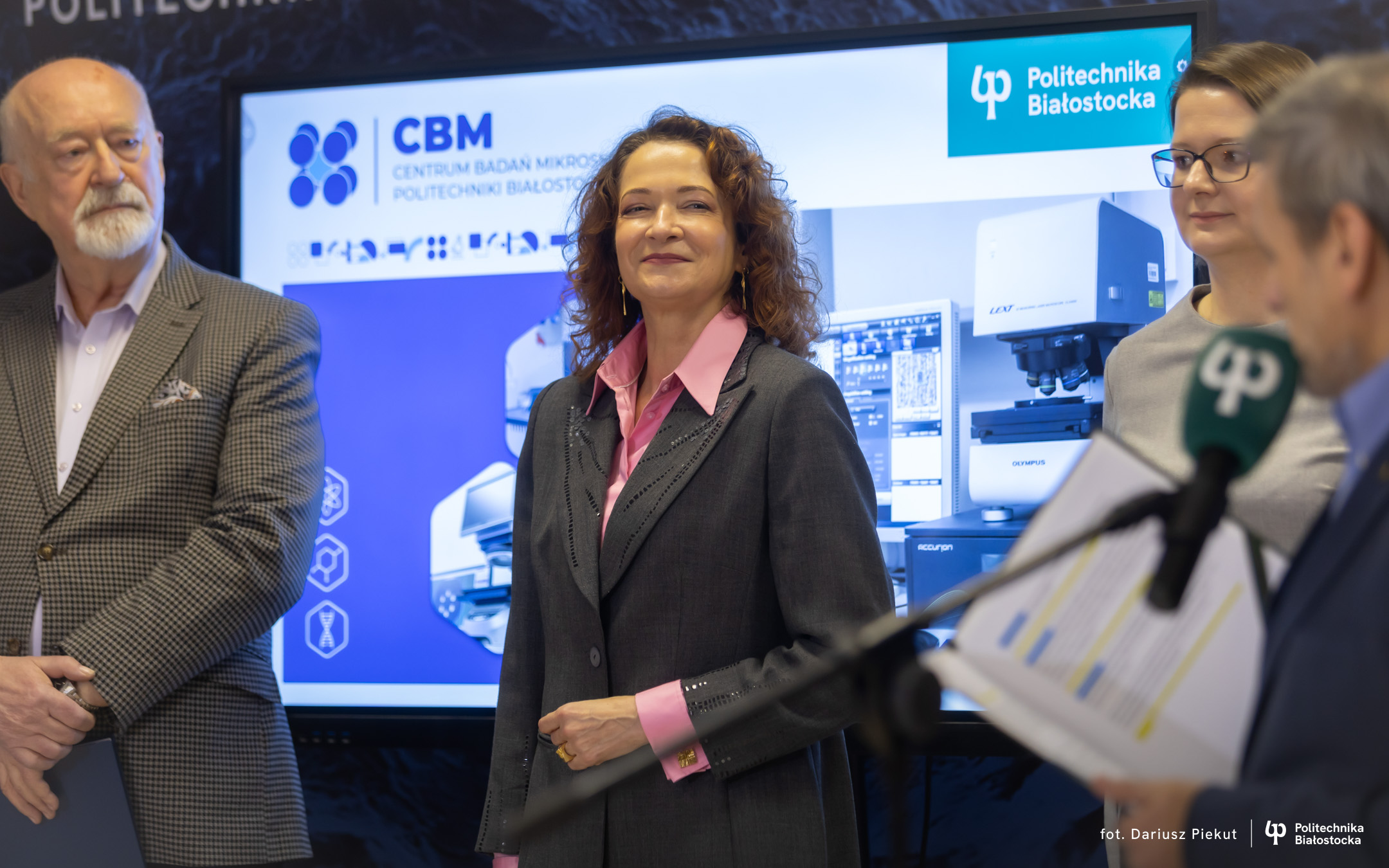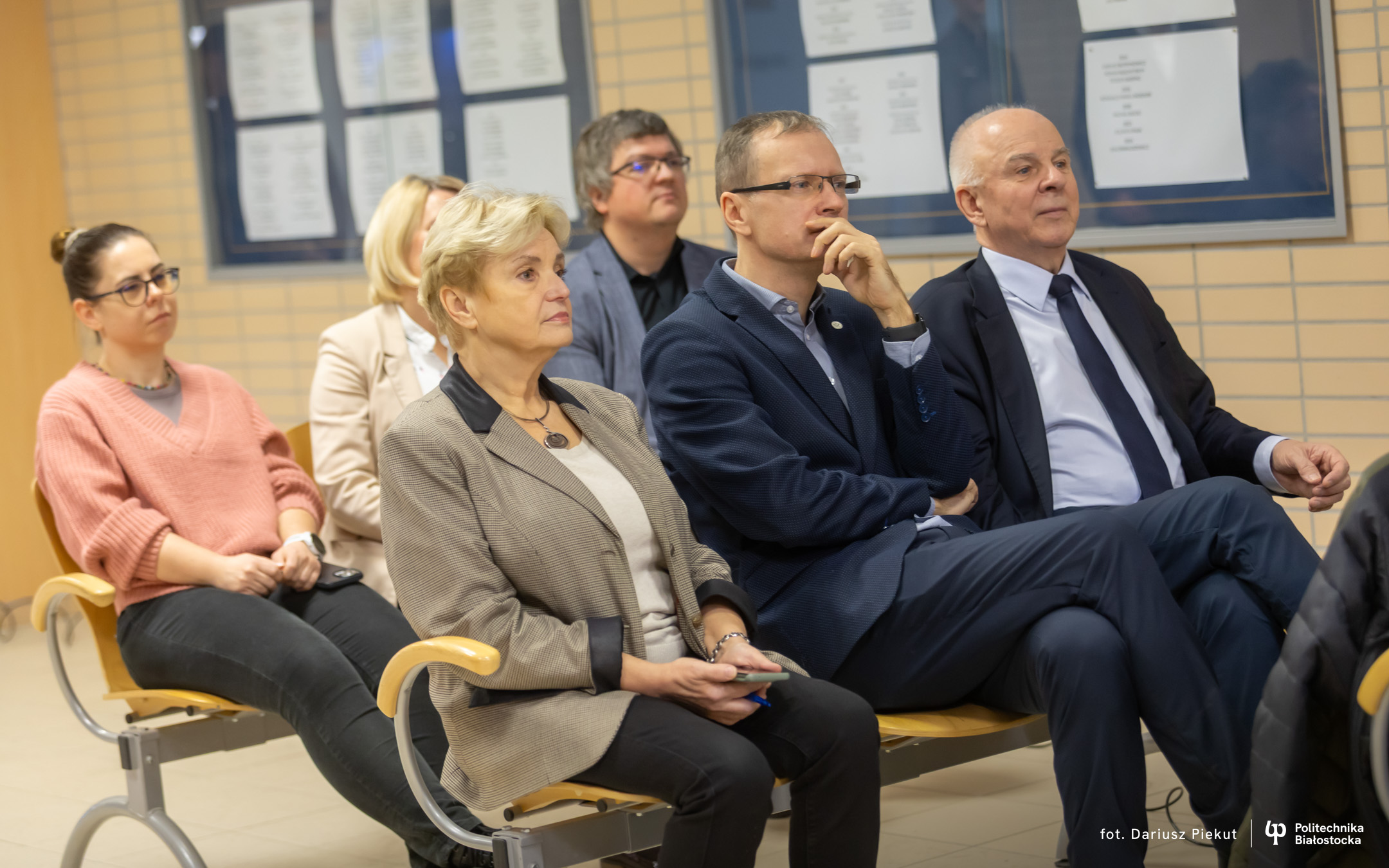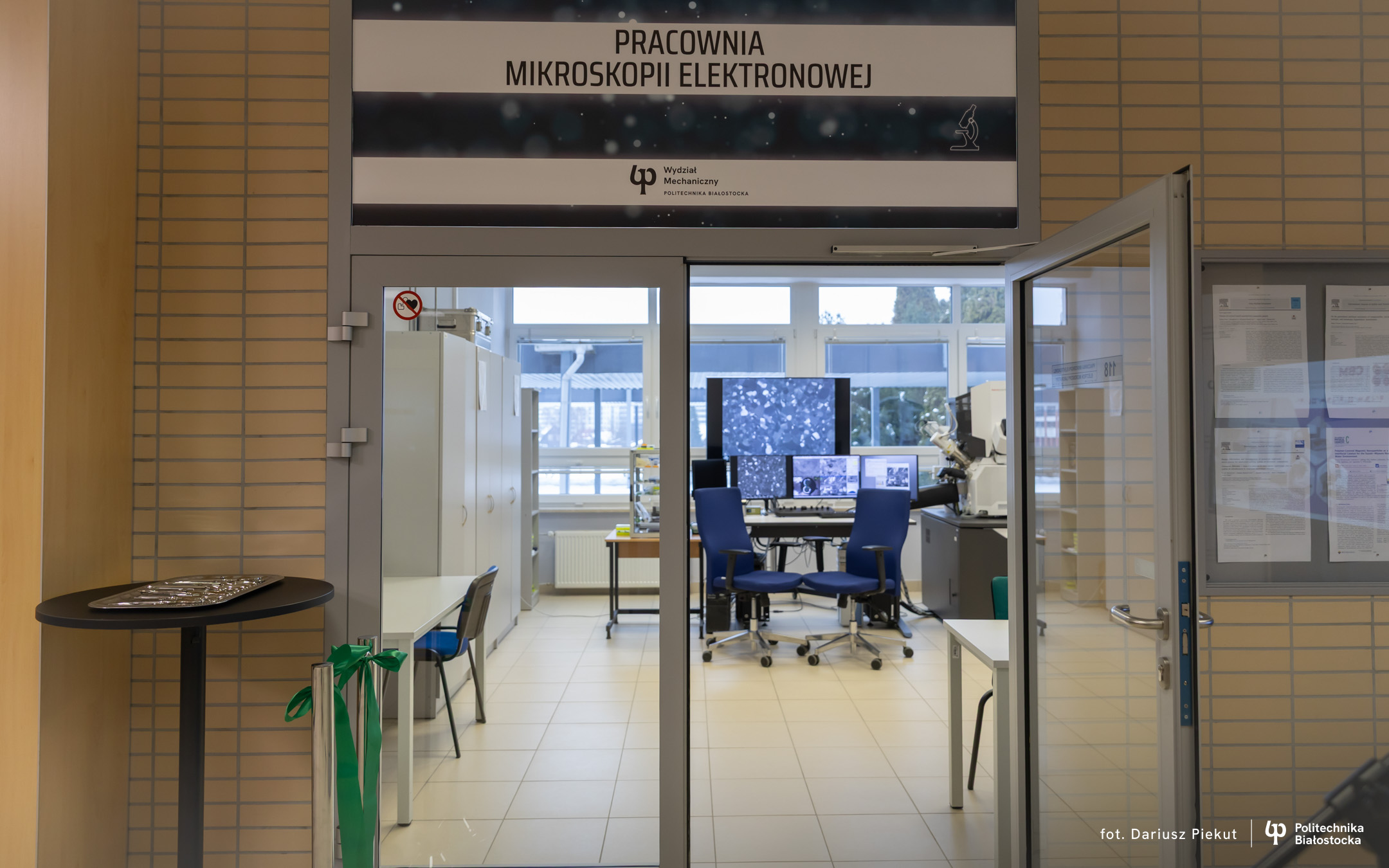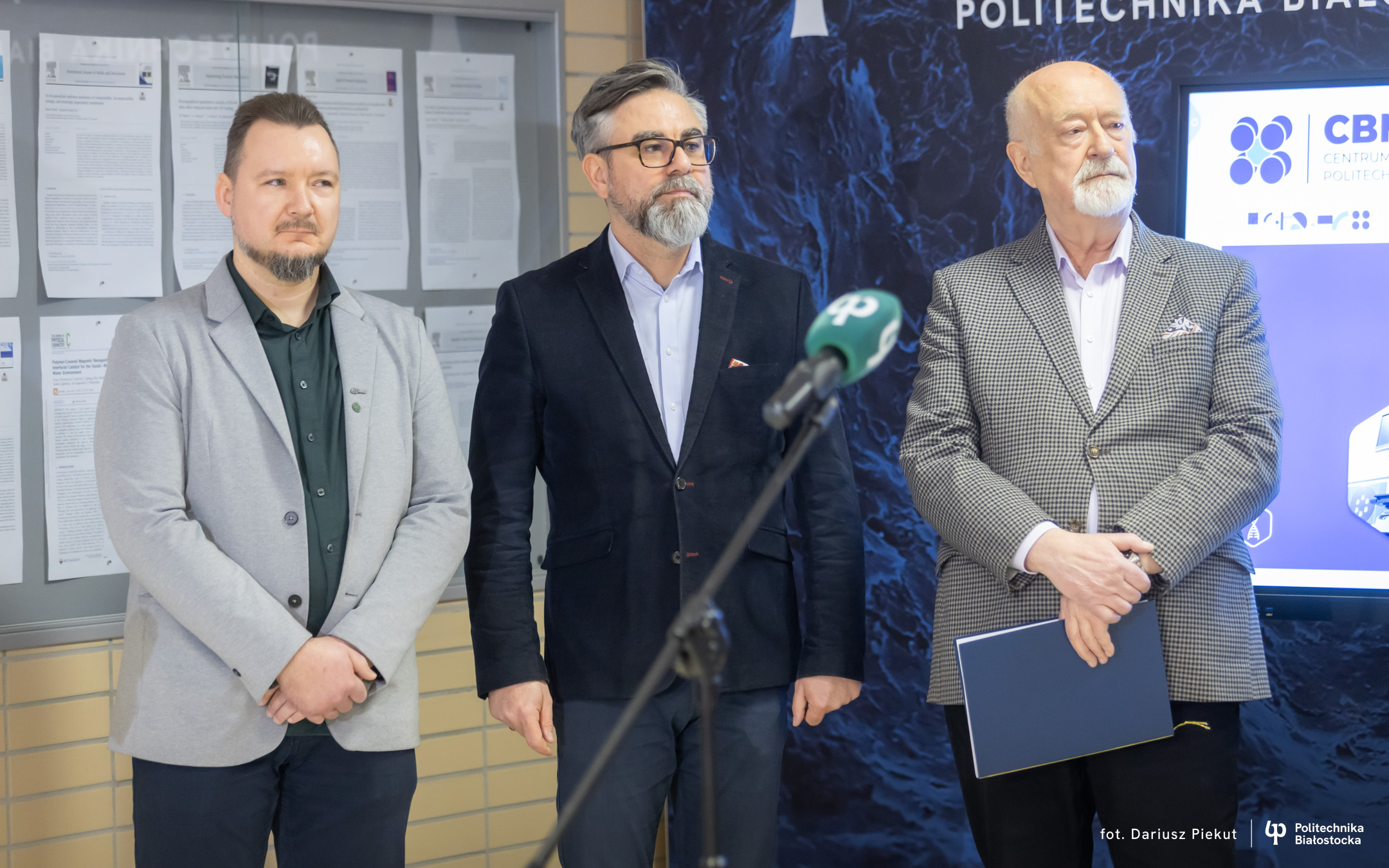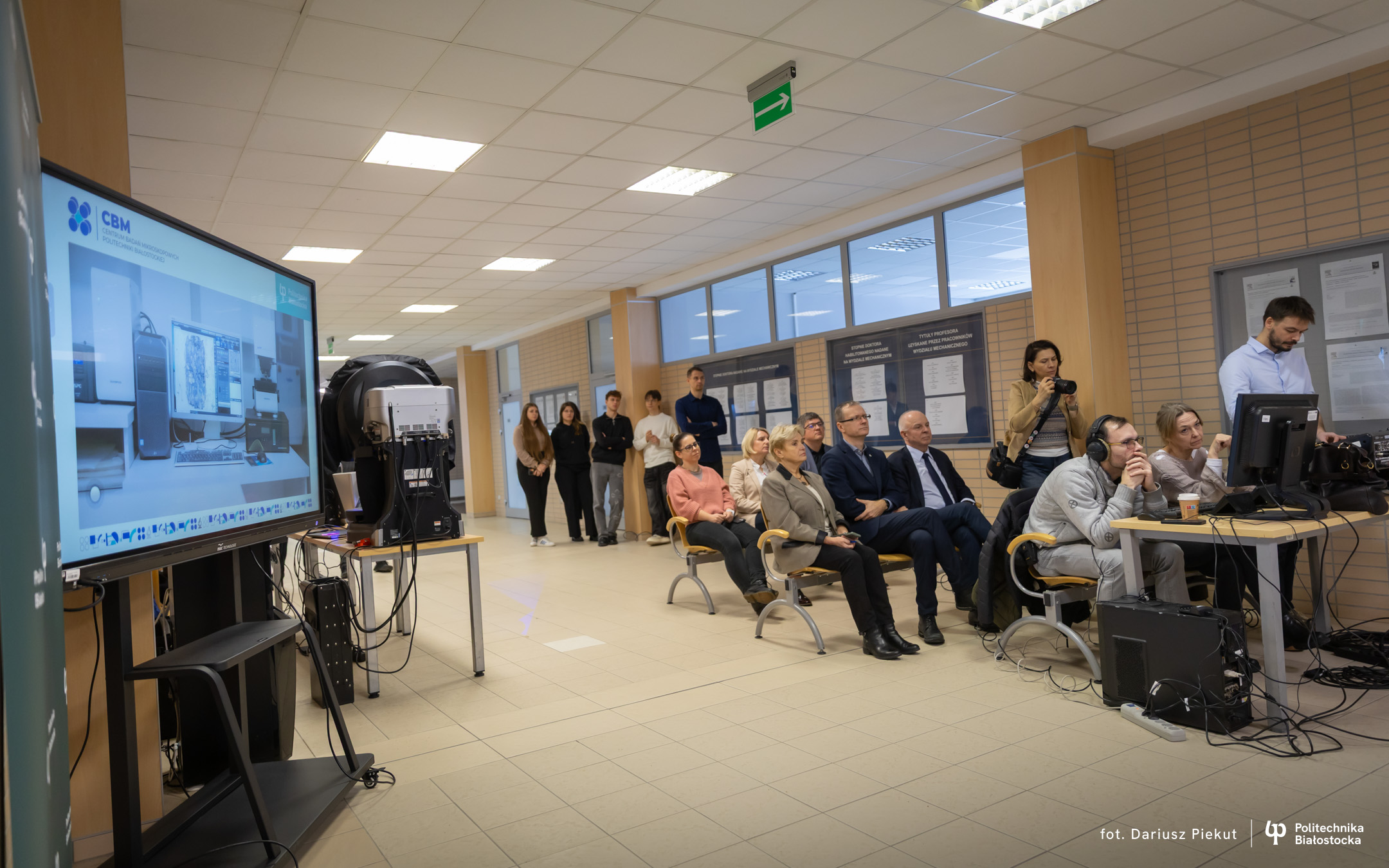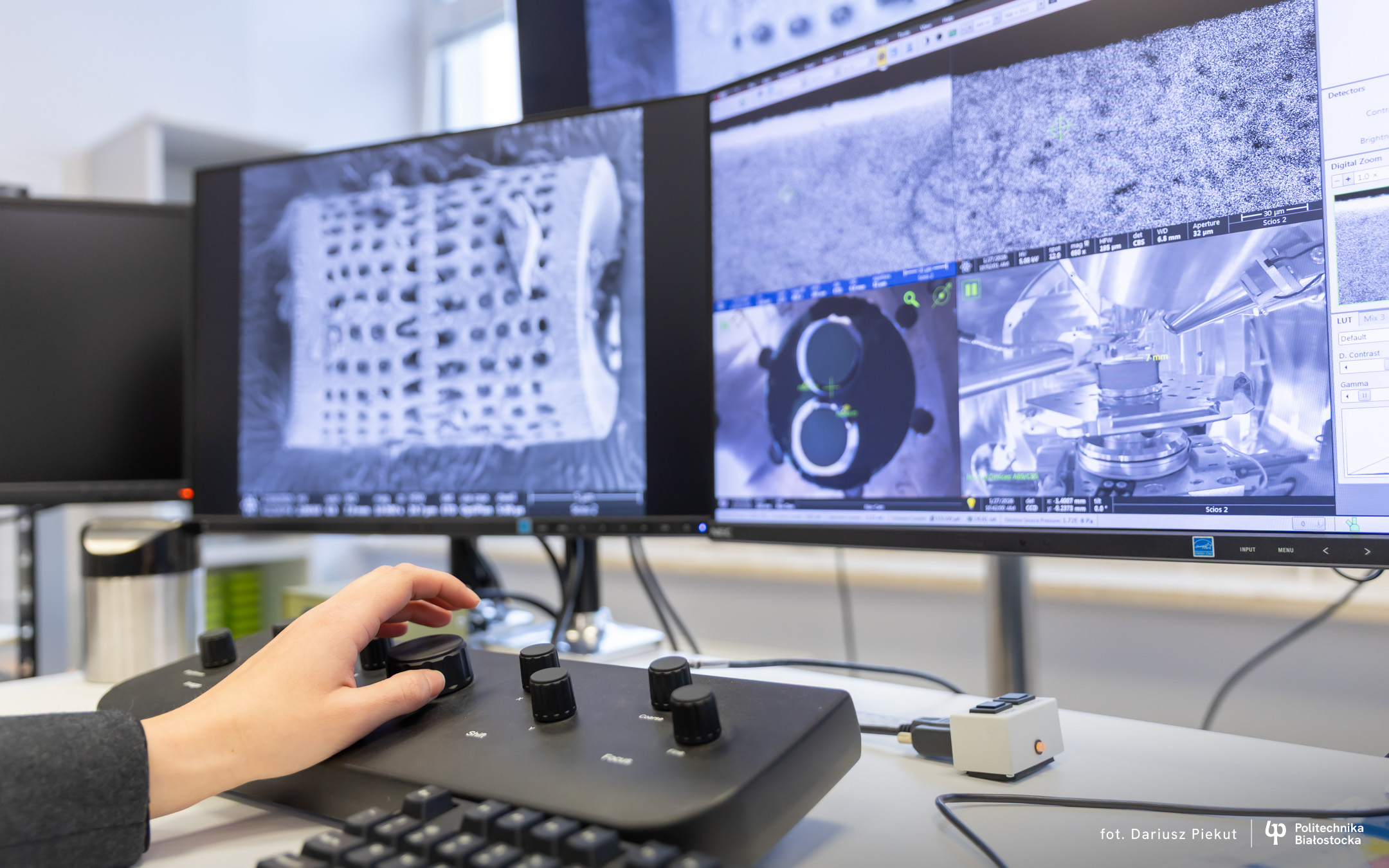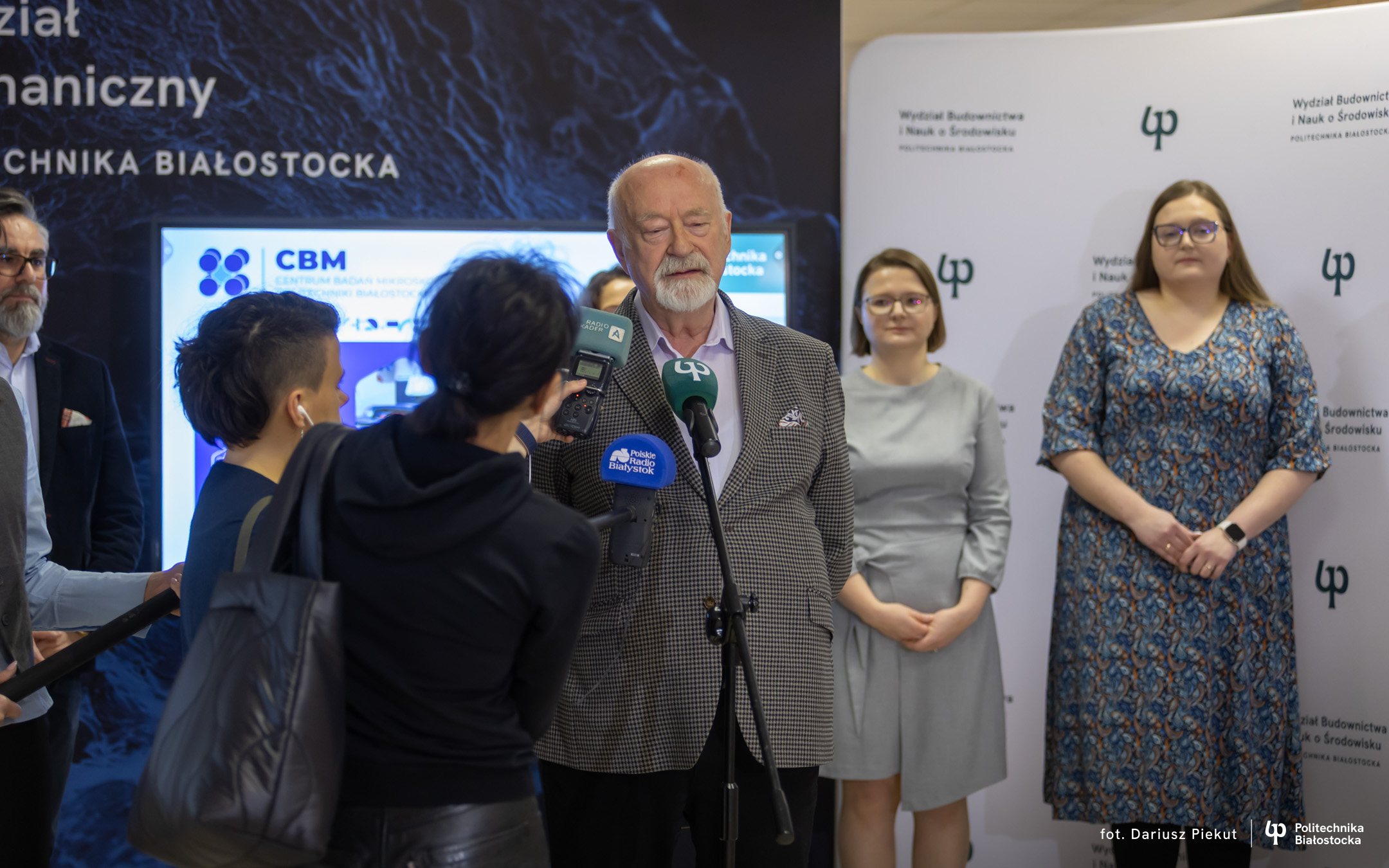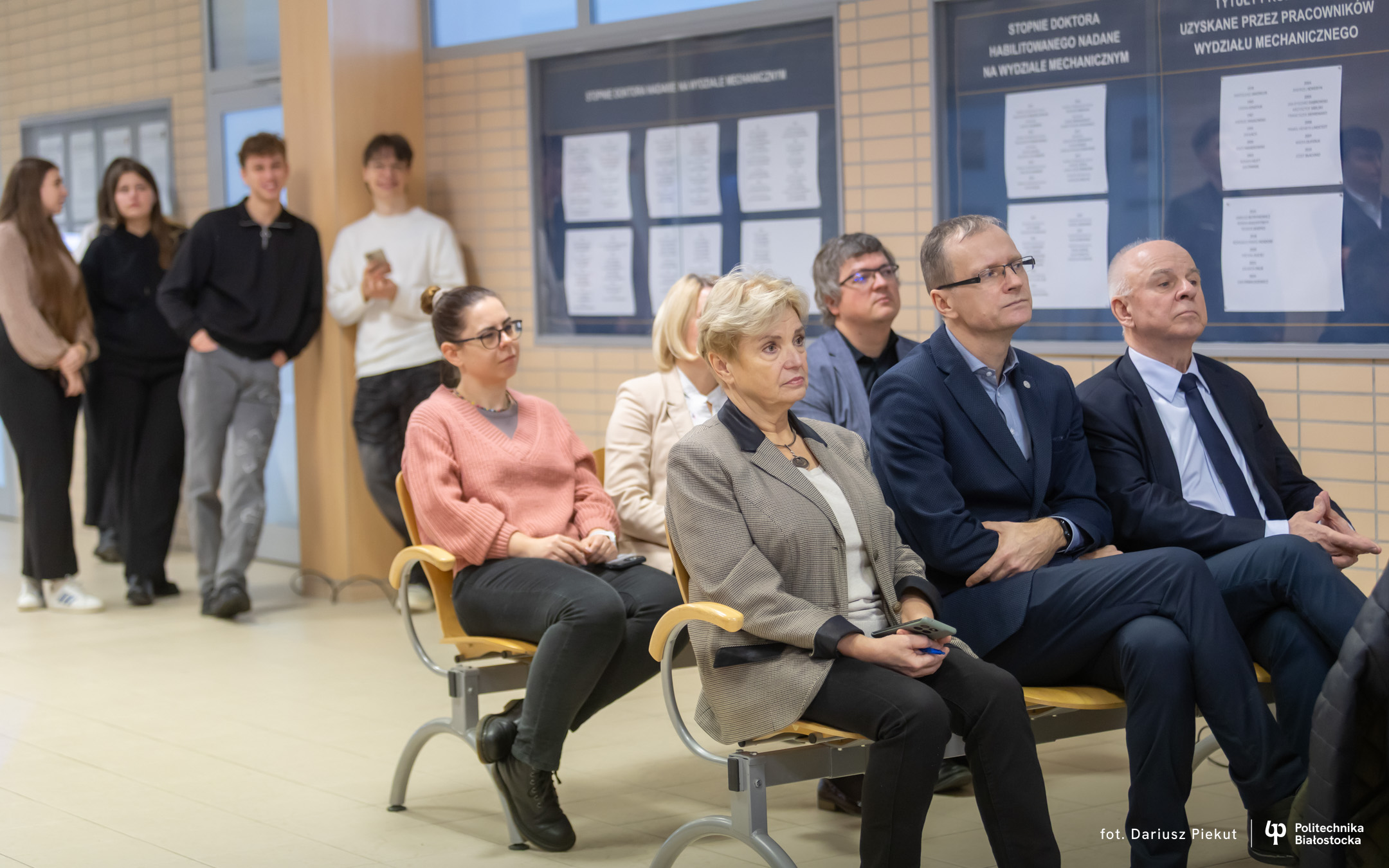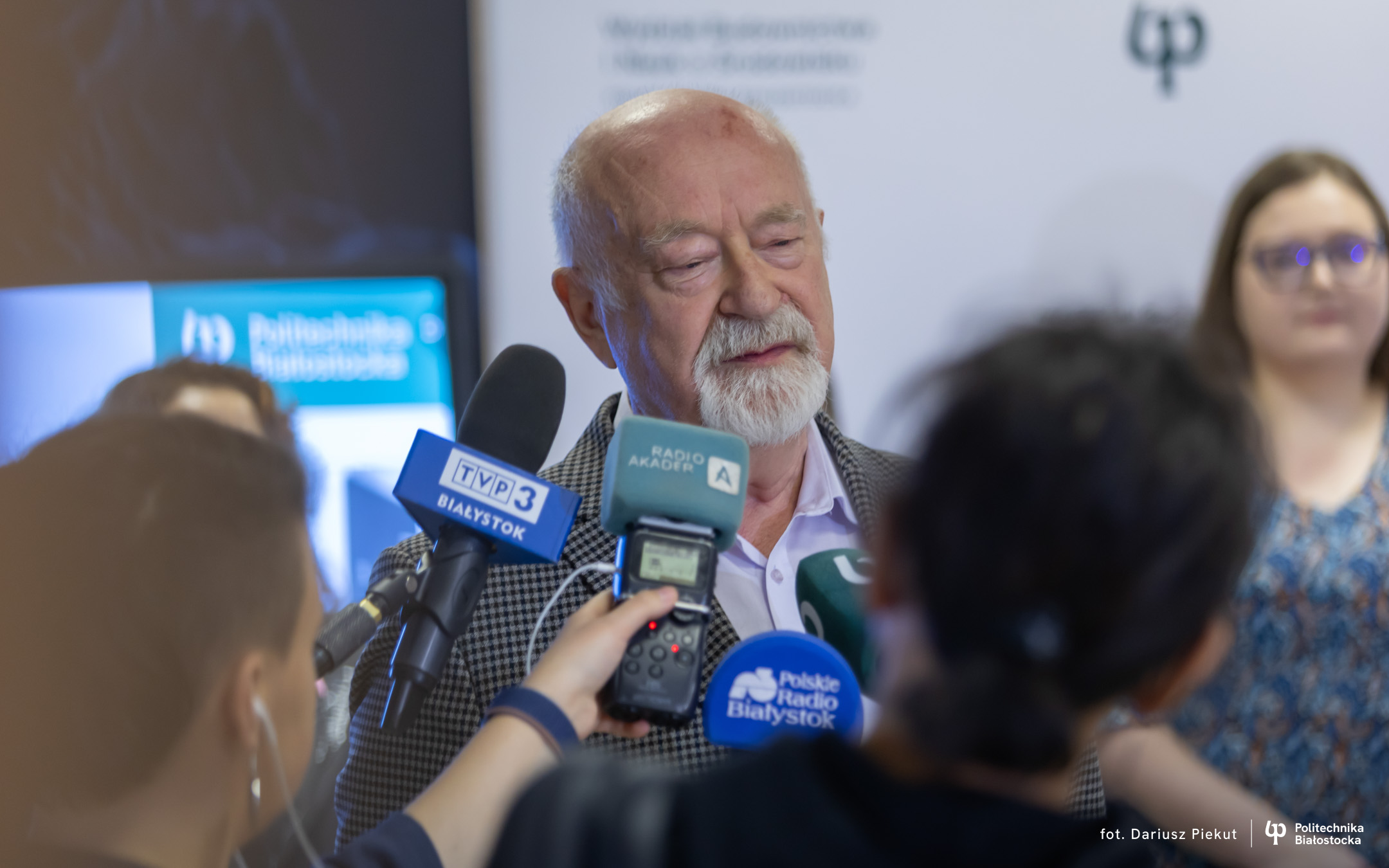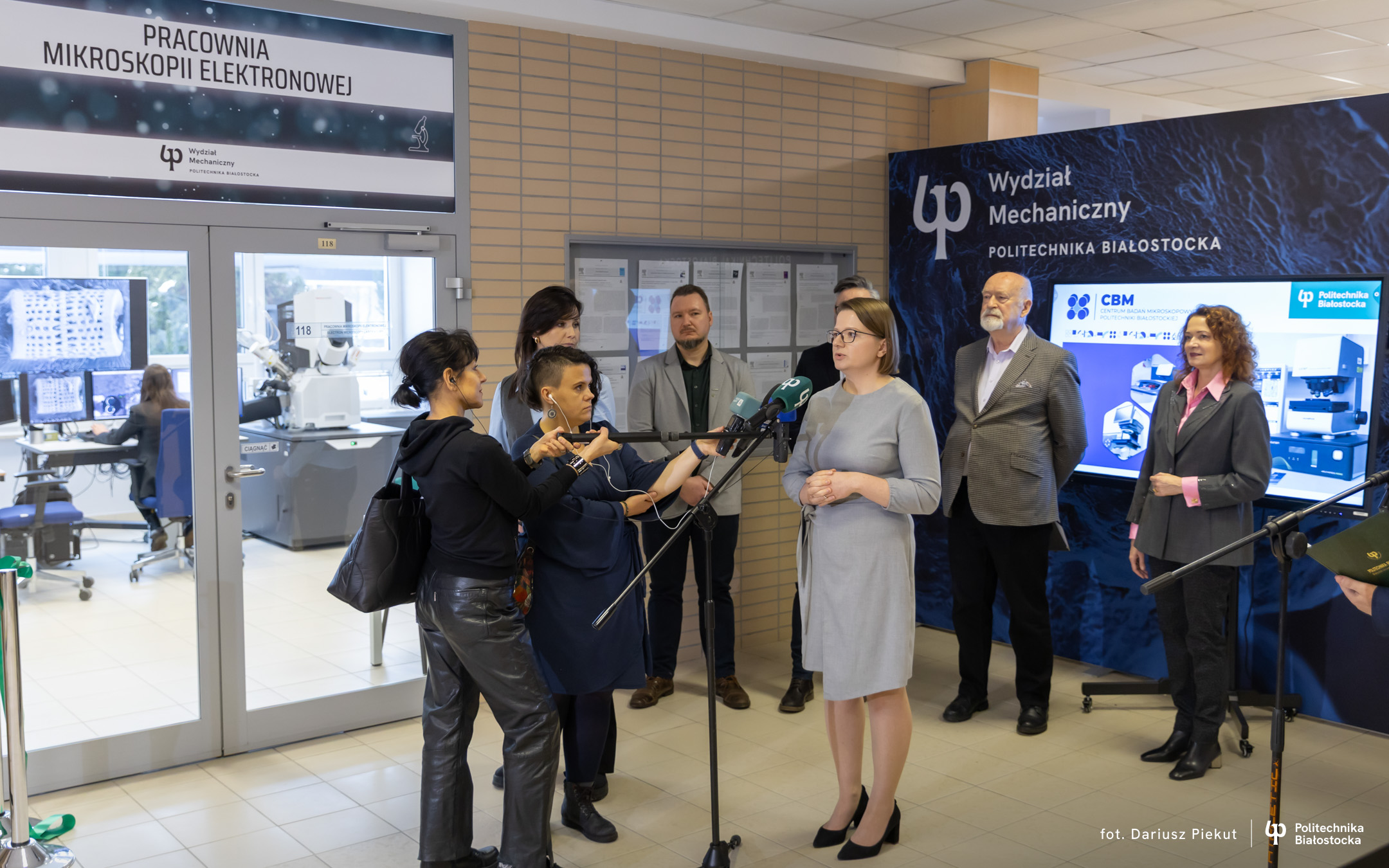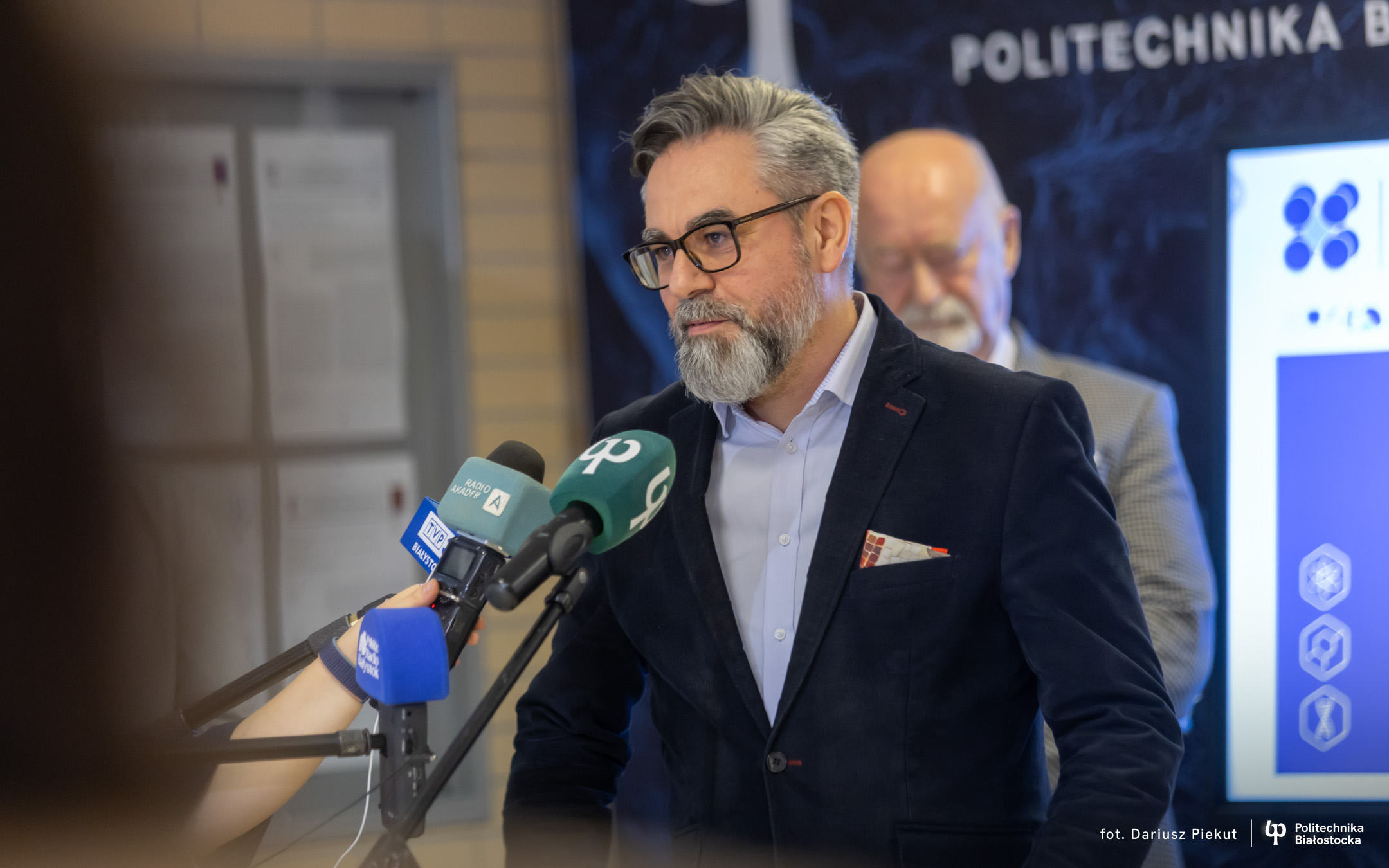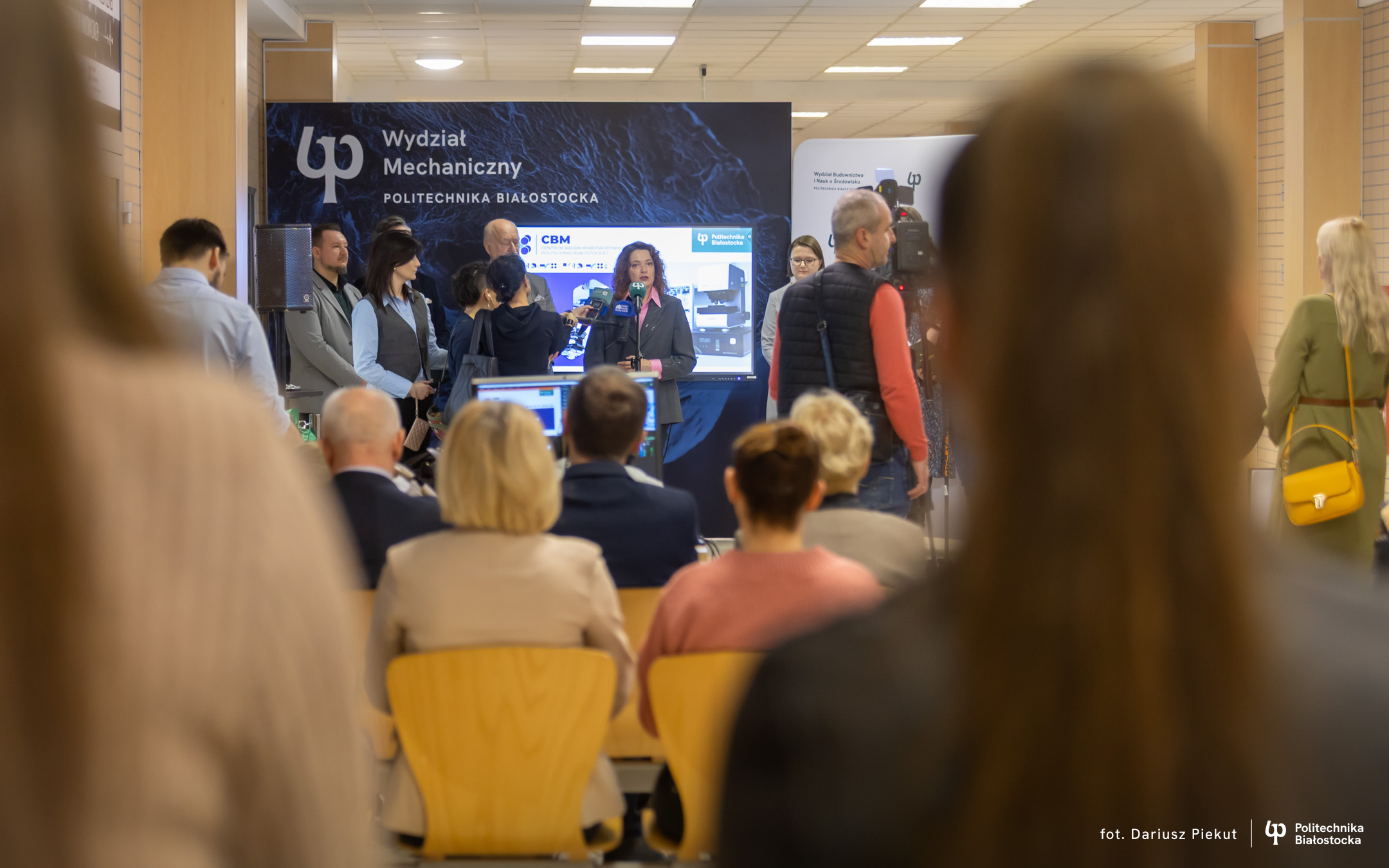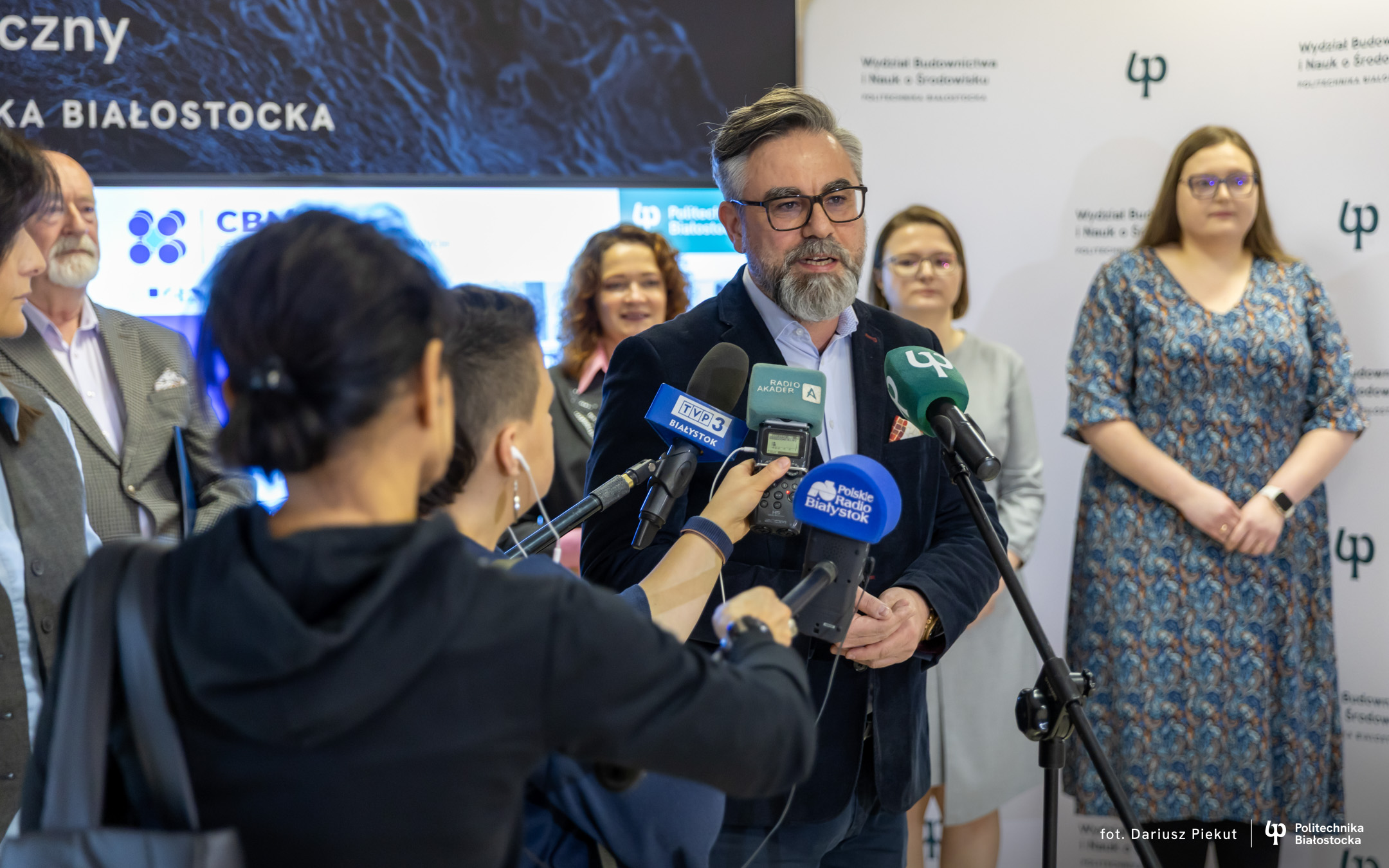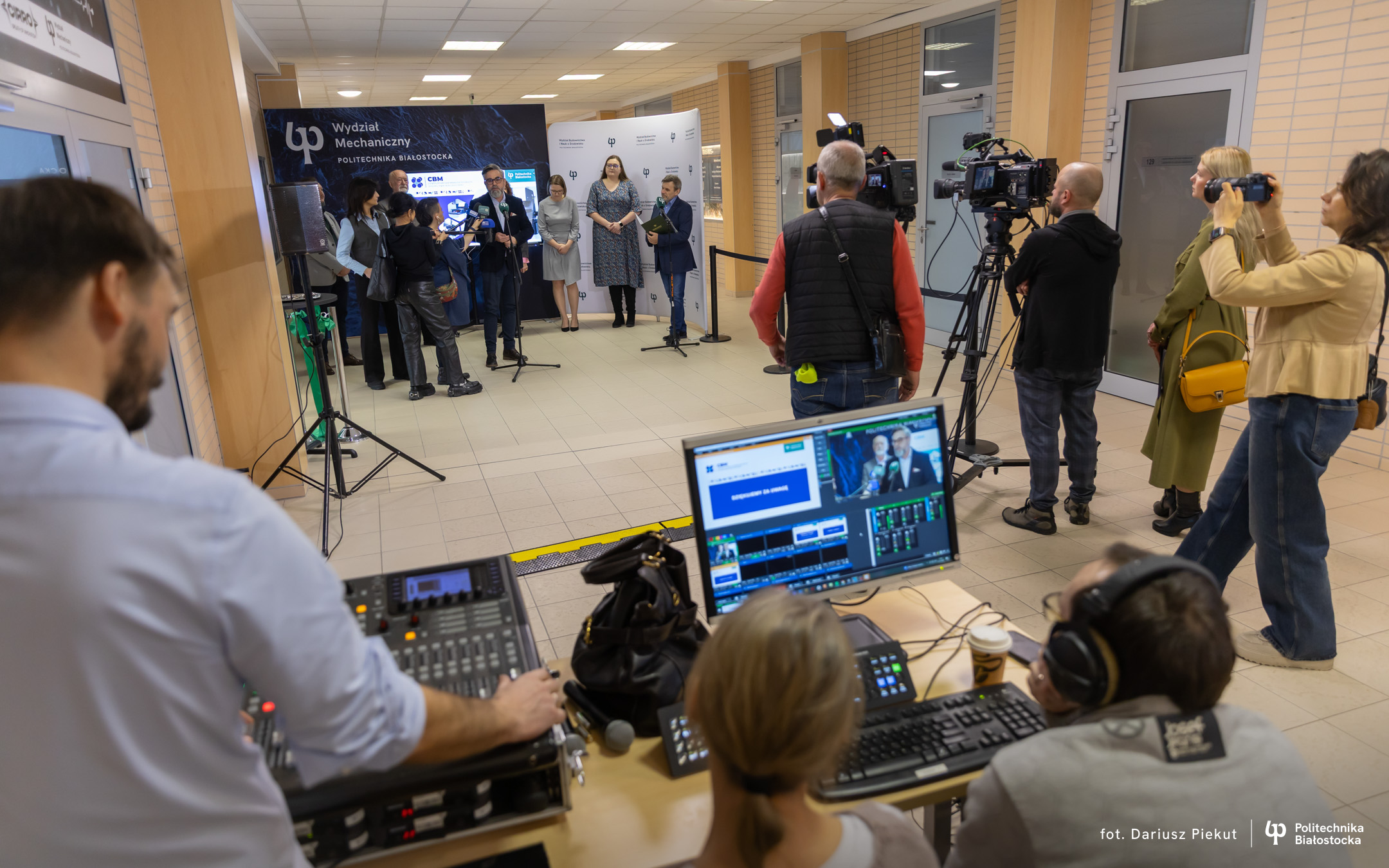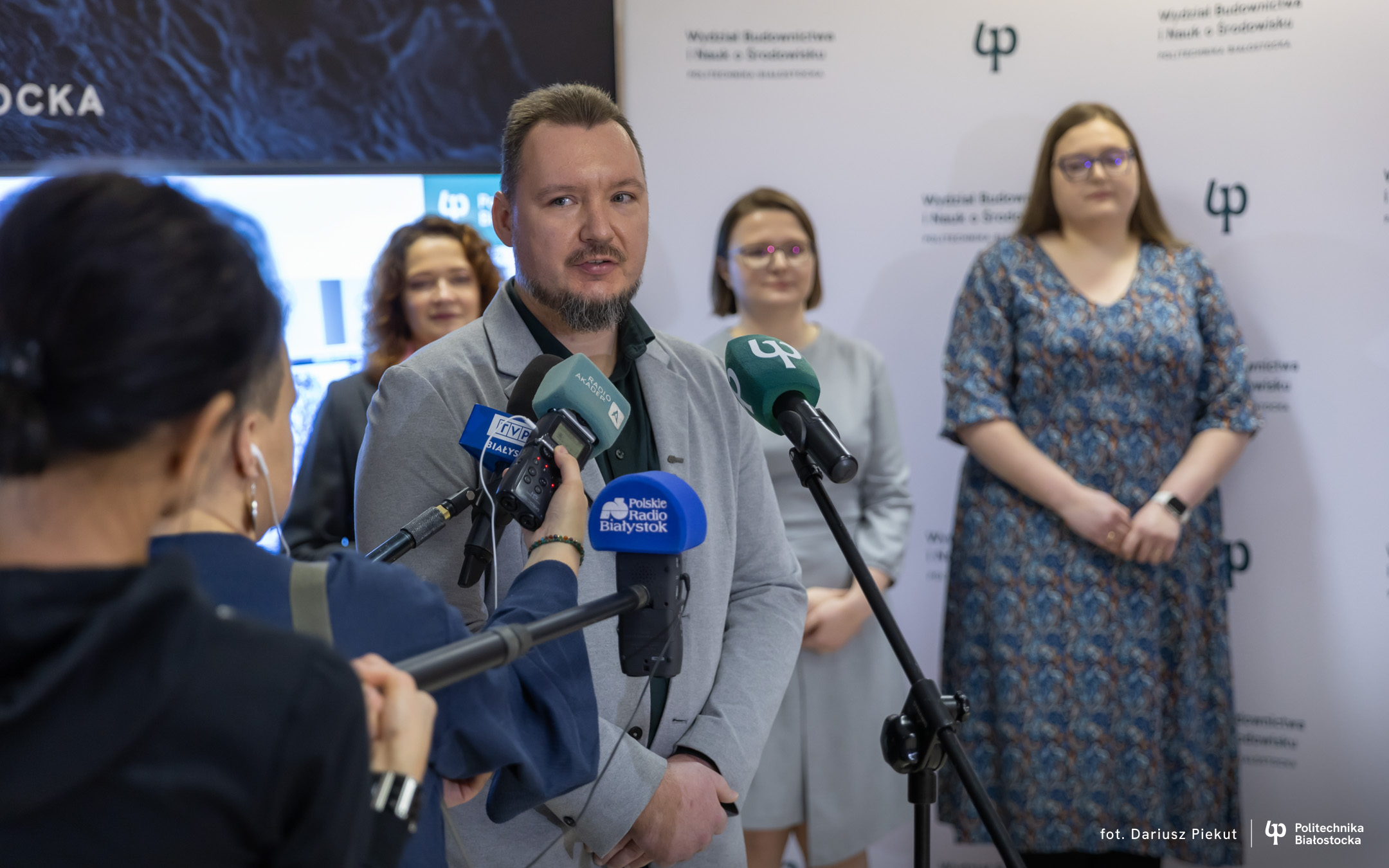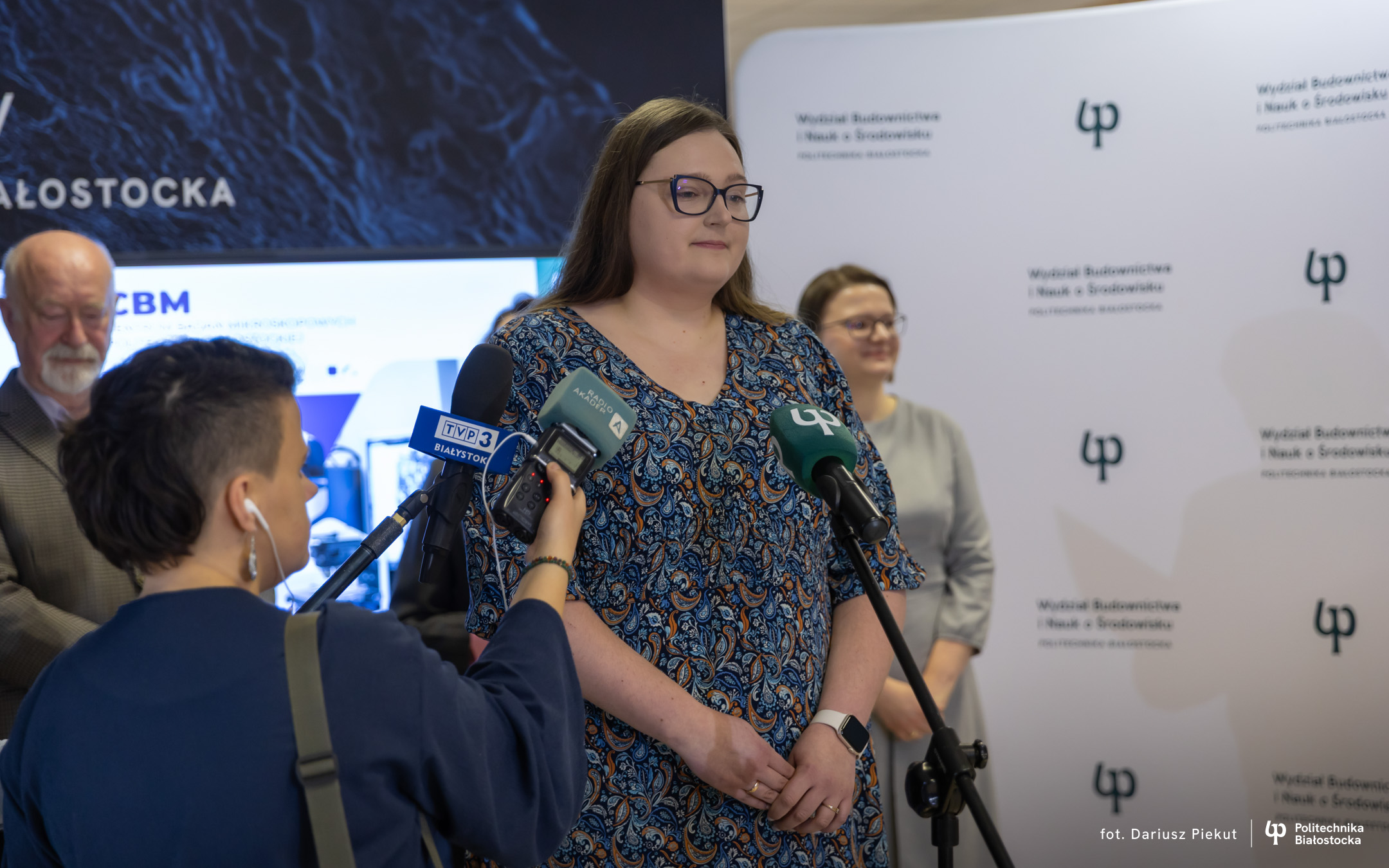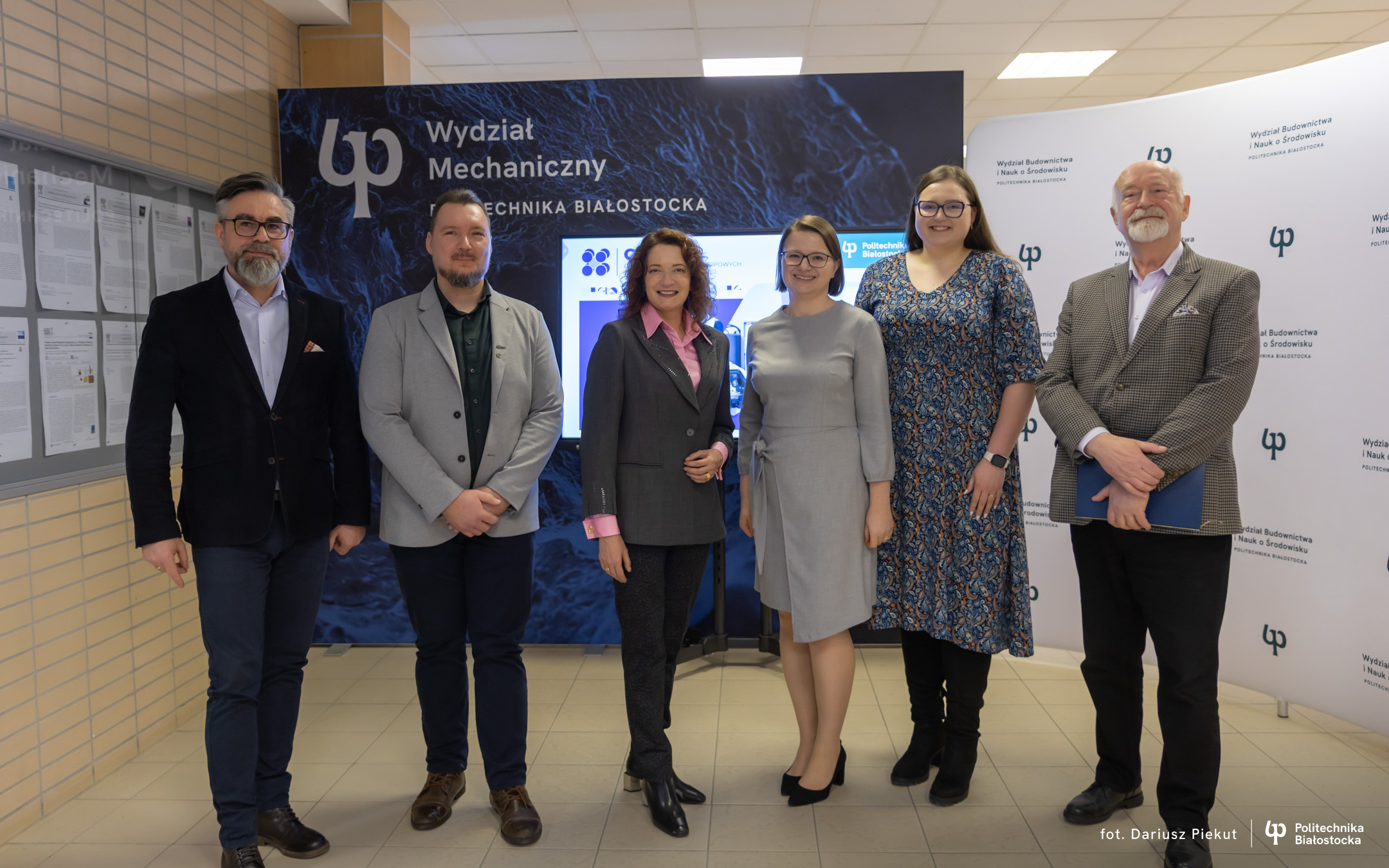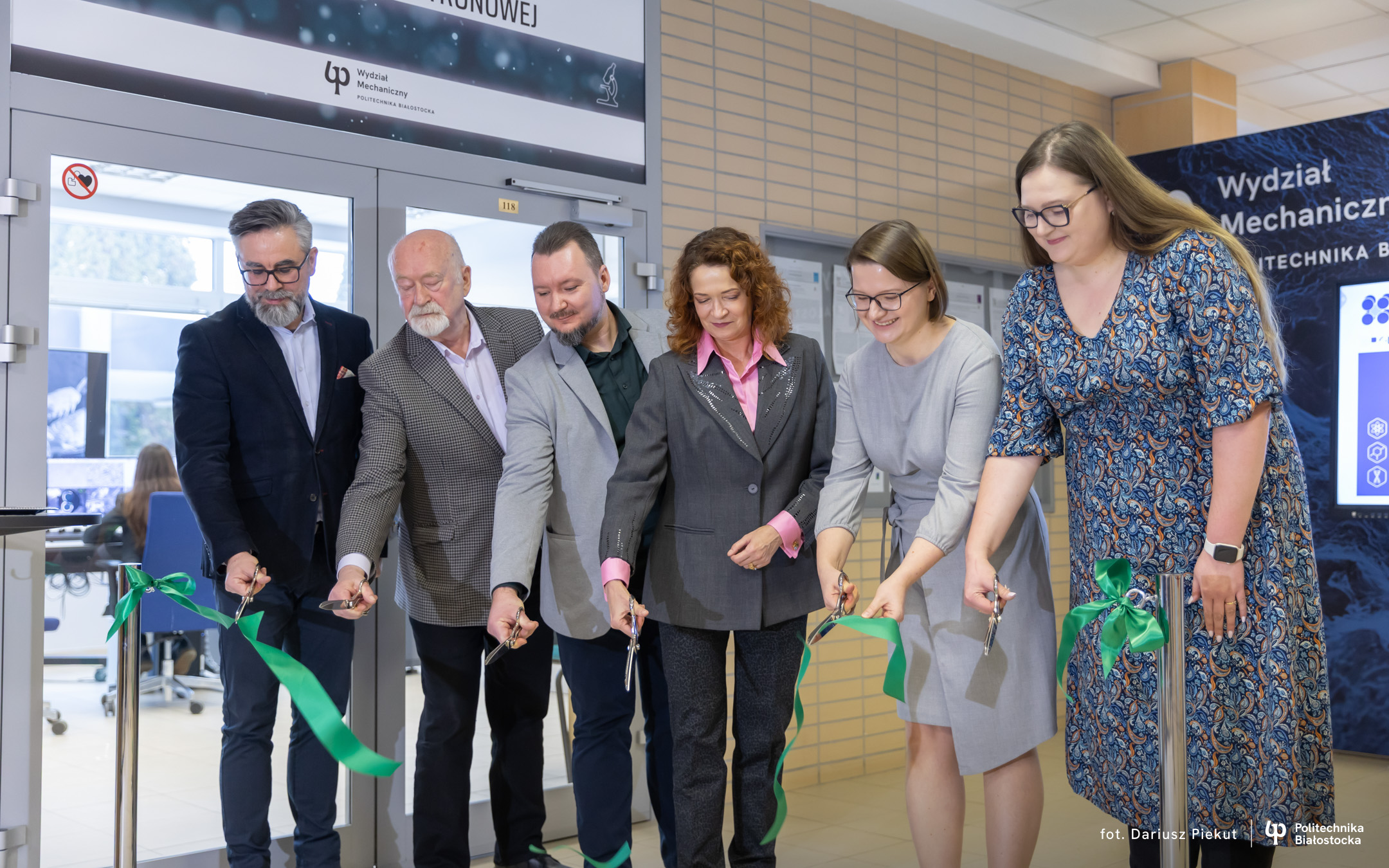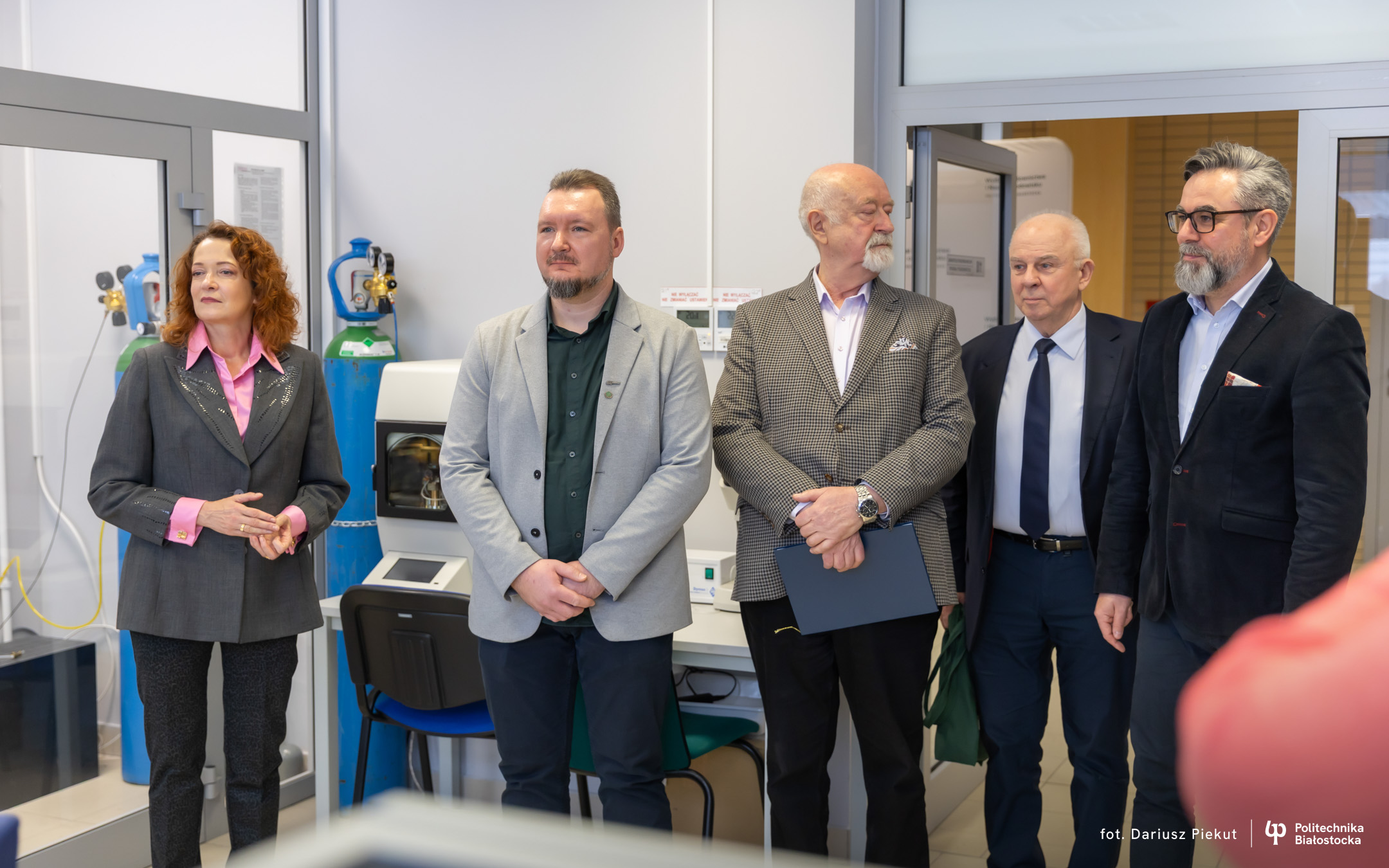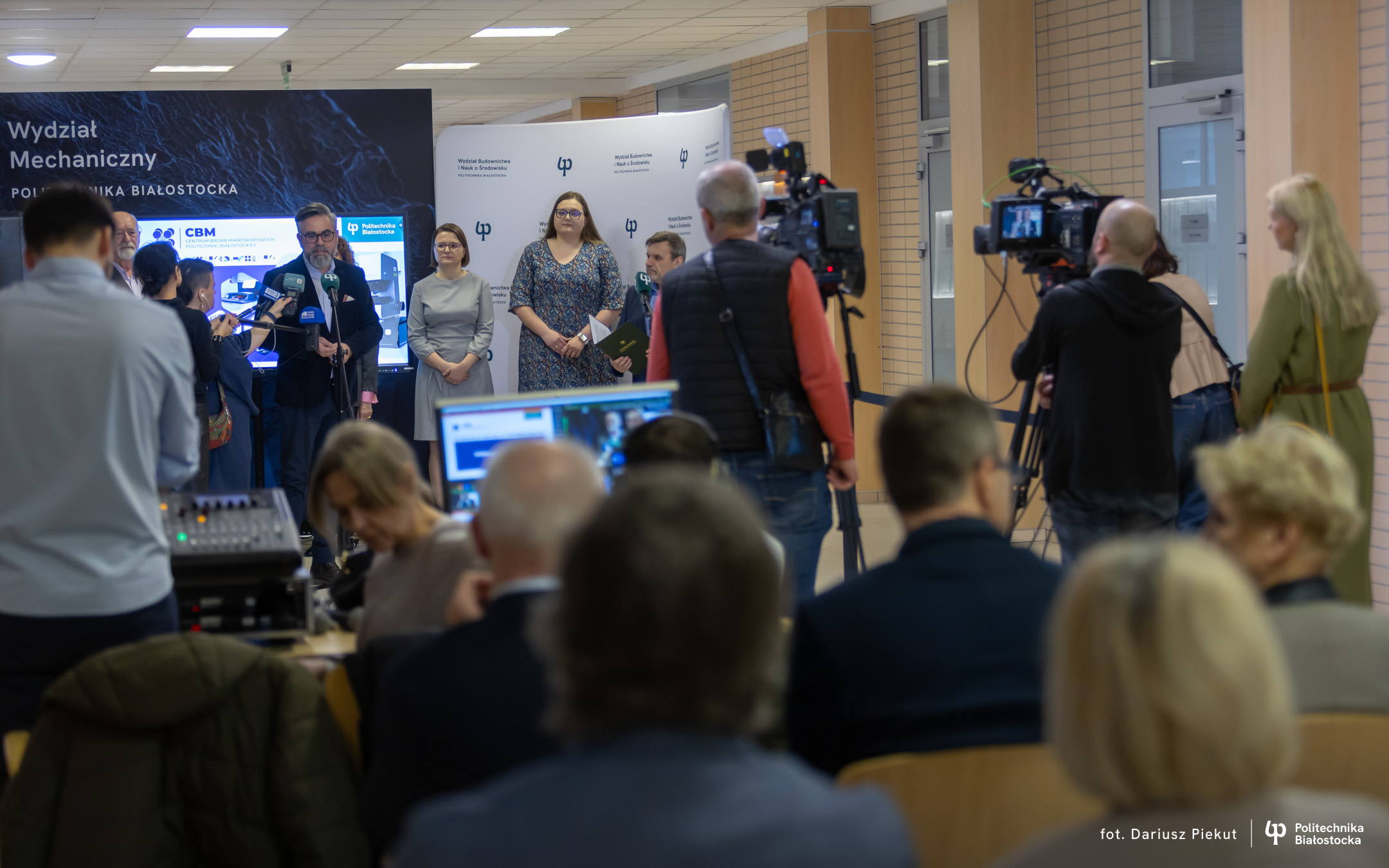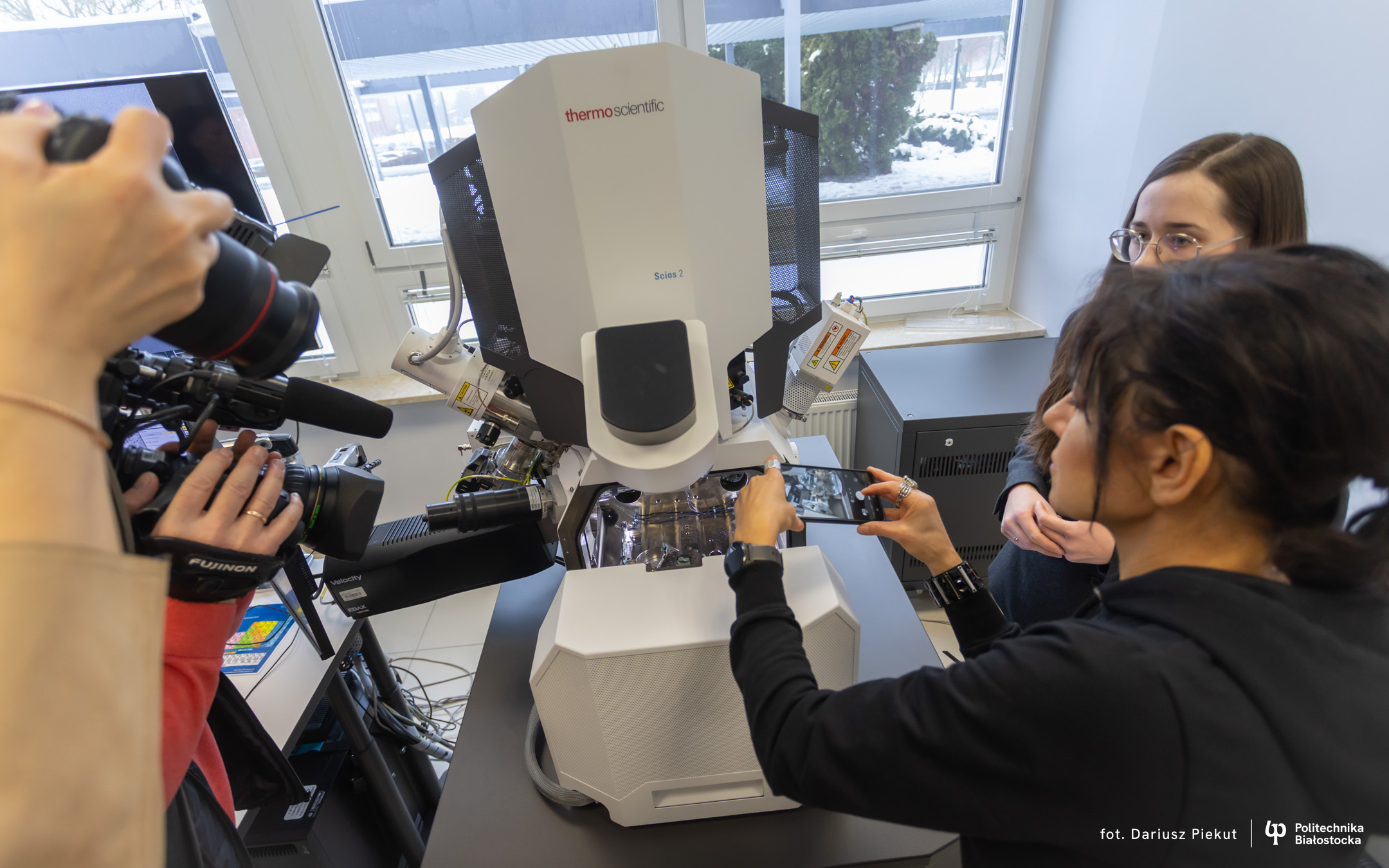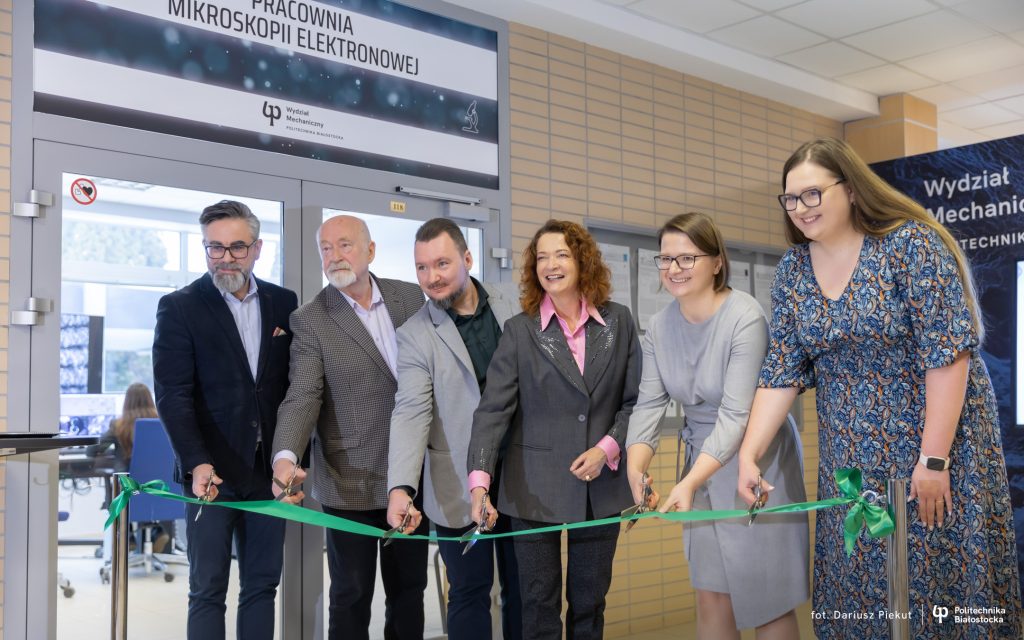
Whether it is obtaining a patent for dental fillings for children using diatom frustules, or examining the porosity of an innovative surface before submitting an application to the Patent Office of the Republic of Poland, such undertakings require both the scientific expertise of researchers from Bialystok University of Technology and well-equipped laboratories – including electron microscopes. The Microscopy Research Centre facilitates the selection of appropriate equipment and research methods for scientists, doctoral students, students and the wider socio-economic community, depending on specific needs and research interests.
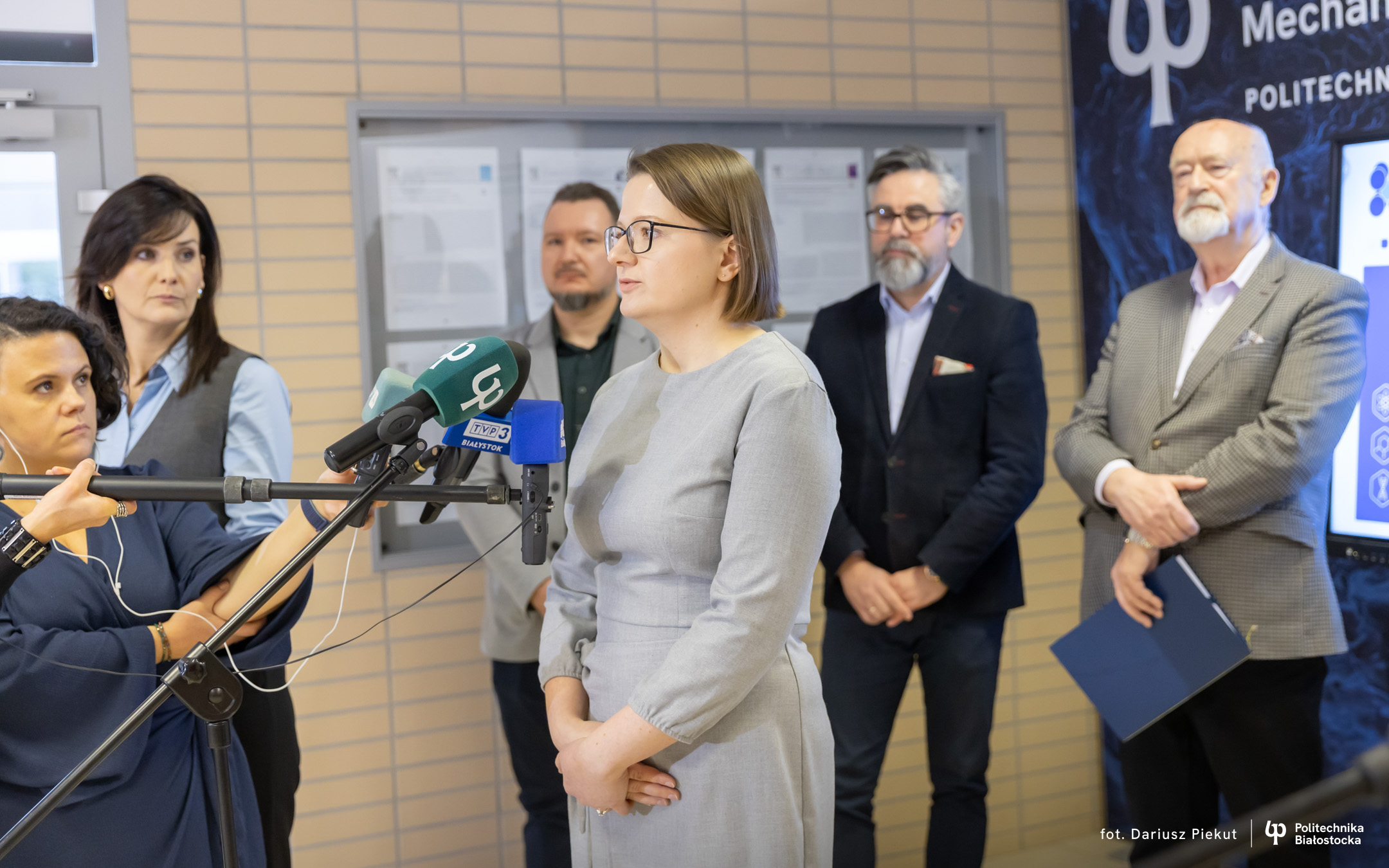
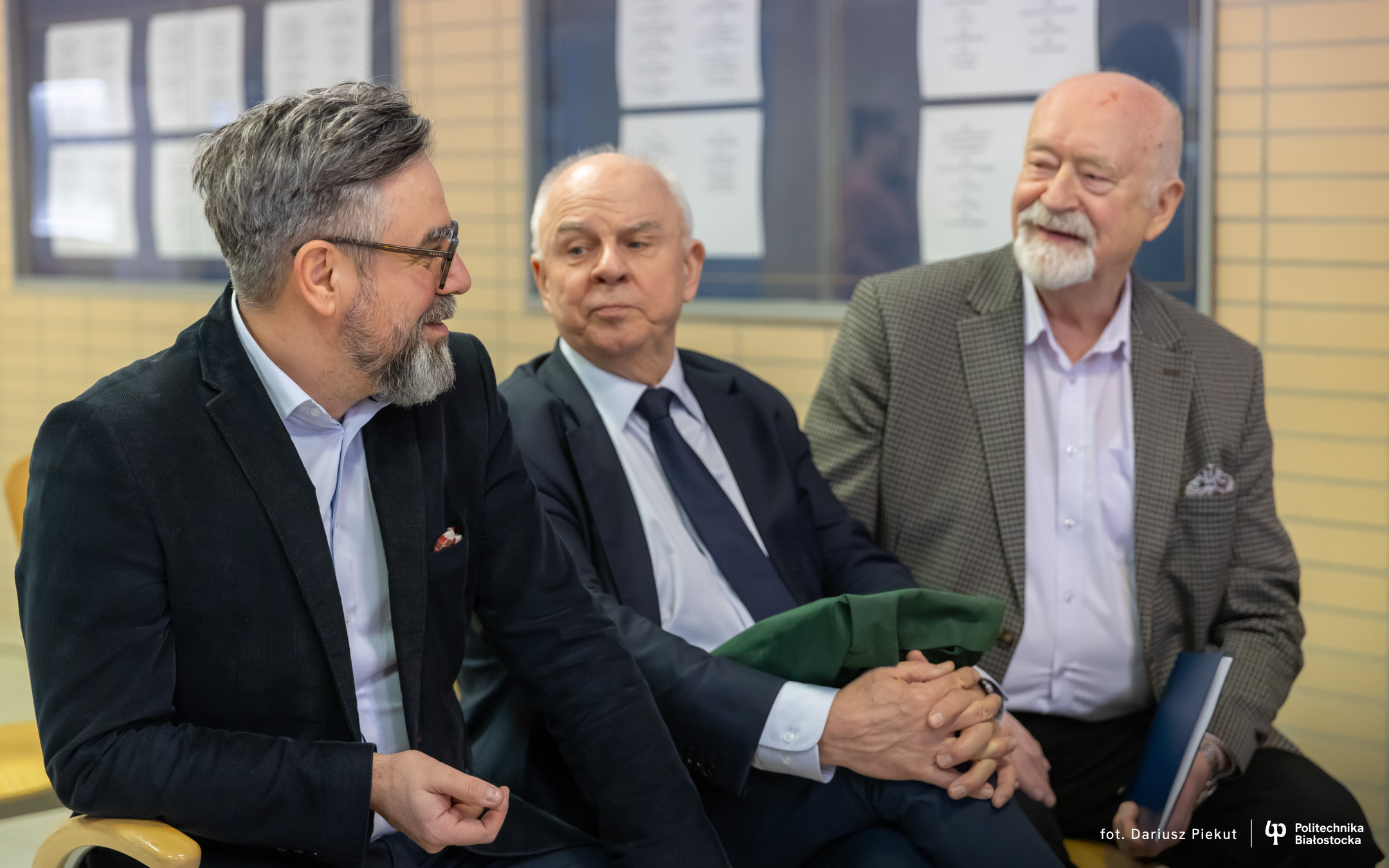
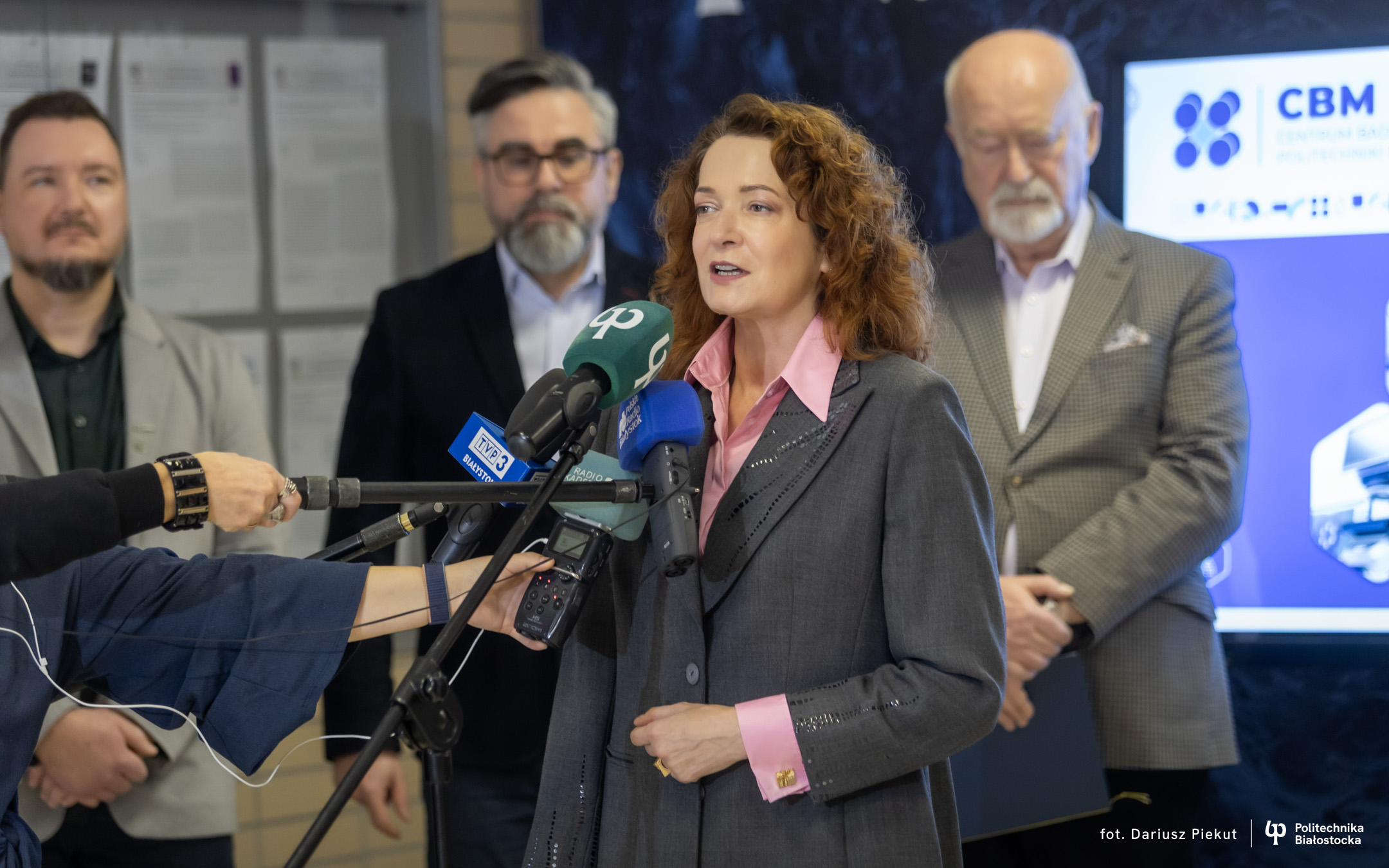
– I am a civil engineer, and my scientific activity focuses primarily on concrete technology and the durability of concrete structures – recalls Assoc. Prof. Marta Kosior-Kazberuk, DSc, PhD, Eng, Rector of Bialystok University of Technology. – While preparing both my doctoral dissertation and my postdoctoral monograph, I made extensive use of research conducted with a scanning electron microscope as well as an optical microscope. In recent years, the University’s faculties have significantly expanded their infrastructure with new microscopy equipment and peripheral devices. It is therefore a natural step to integrate these activities in order to fully utilise our potential in scientific research, education, and the broad application of microscopy in cooperation with industry, including R&D projects and expert reports. This will make us even more useful for the region and will naturally strengthen cooperation with other universities.
Microscopy equipment and the accompanying infrastructure forming the University’s research base are located at the Faculty of Civil Engineering and Environmental Sciences and the Faculty of Mechanical Engineering of Bialystok University of Technology.
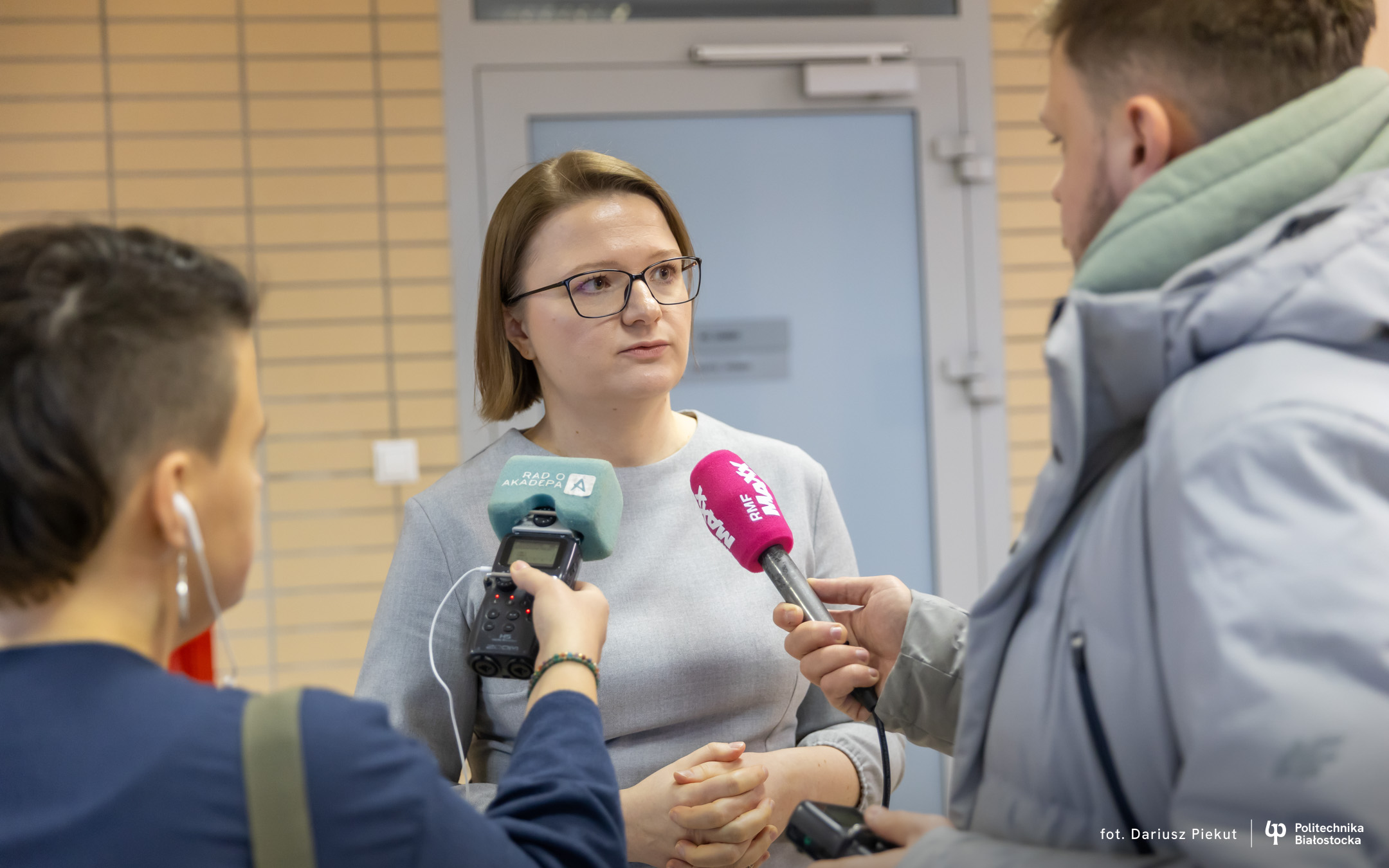
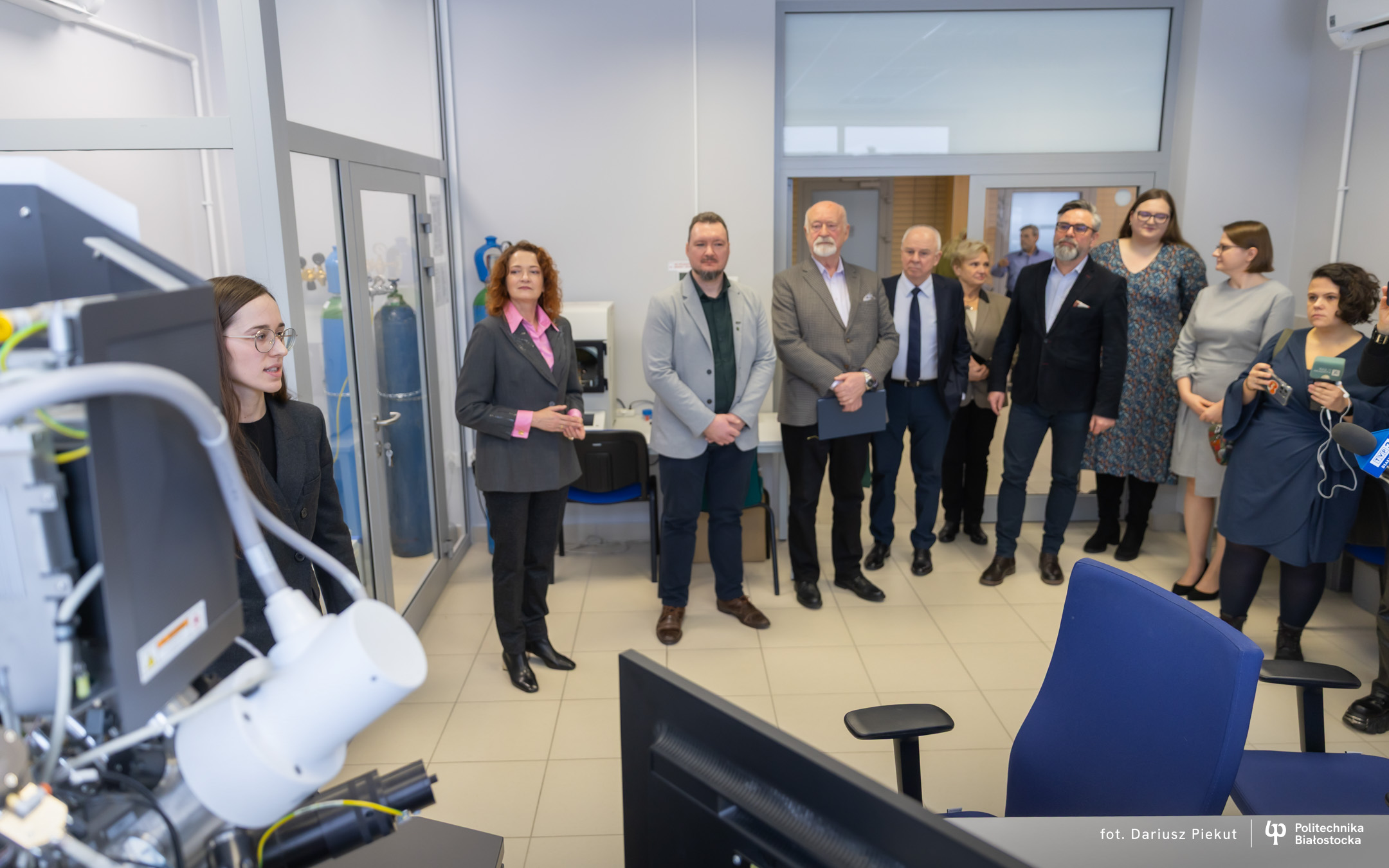
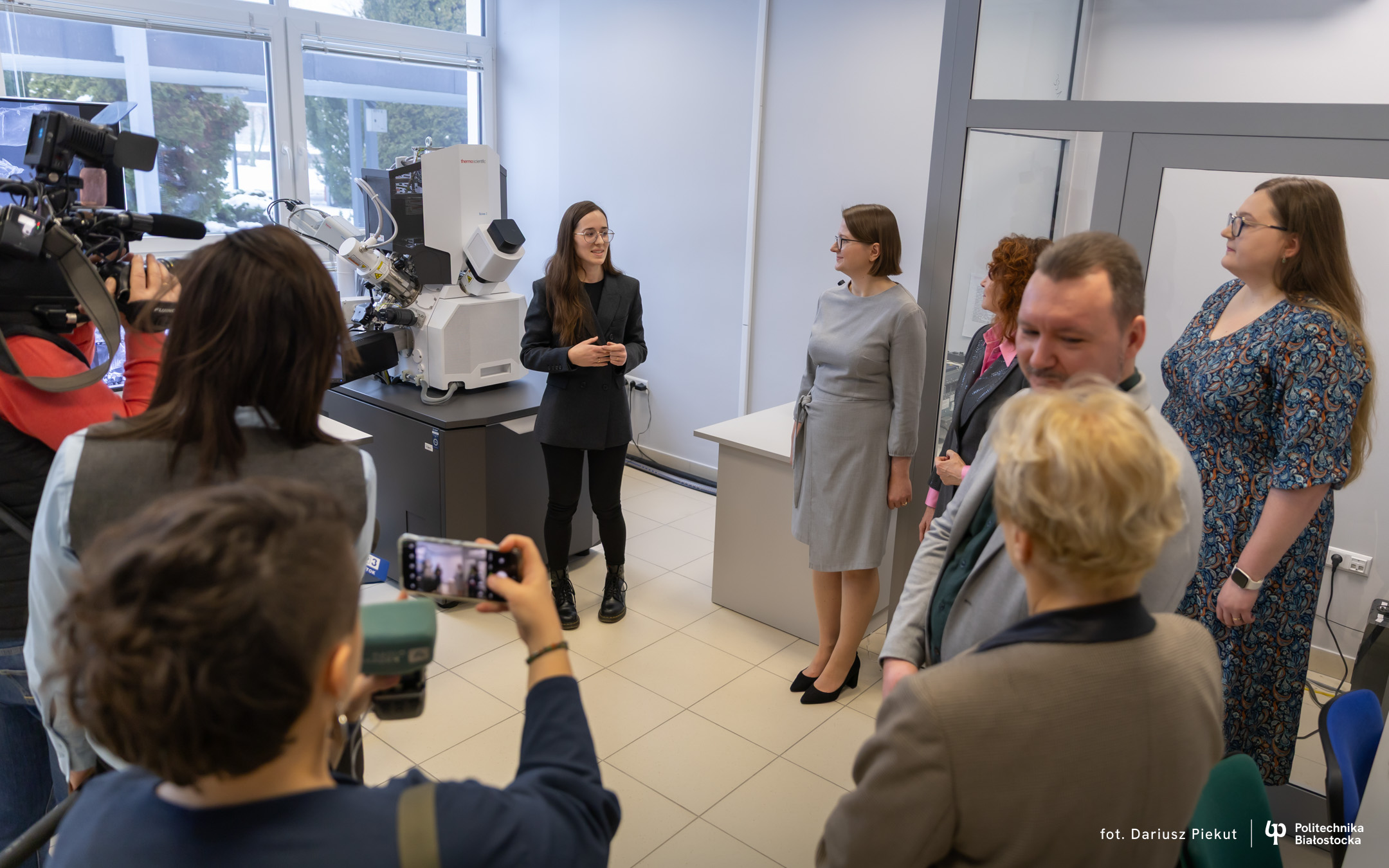
– The Microscopy Research Centre brings together research infrastructure located across eight departments and divisions within these faculties – explains Assoc. Prof. Magdalena Łępicka, DSc, PhD, Eng, Director of the Microscopy Research Centre. – Its mission includes information and training activities, as well as the consolidation of shared resources to ensure a high level of interdisciplinarity in the research conducted. Today, interdisciplinarity and the combination of engineering and materials competences are crucial for success, whether in grant applications or publishing in high-impact scientific journals. In a dispersed model, users must independently locate a laboratory, establish cooperation terms, learn how to prepare samples, conduct the research and often interpret the results themselves. Within the Centre, we can provide comprehensive support and recommend appropriate microscopy techniques tailored to specific research objectives.
Modern materials and advanced technologies are key to international success.
– Today, the design of materials often begins at the atomic scale – notes Prof. Michał Kuciej, DSc, PhD, Eng, Dean of the Faculty of Mechanical Engineering. – As humanity, we are capable of observing the most distant regions of the universe, but could the Hubble Space Telescope have been built without the materials it is made of, and indirectly without advanced microscopy techniques such as those available at Bialystok University of Technology? I am very pleased that the Faculty of Mechanical Engineering is part of this initiative.
Specialised scanning electron microscopes require continuous maintenance and regular replacement of components such as electron guns. The establishment of the Microscopy Research Centre therefore enables coordinated investment planning.
– All of this is aimed at maintaining research capabilities at the highest level – adds Prof. Michał Bołtryk, DSc, PhD, Eng, Dean of the Faculty of Civil Engineering and Environmental Sciences. – Together, we will seek funding for new microscopes and for software upgrades for our existing equipment.
Thanks to electron microscopy and the innovative ideas of Prof. Michał Bołtryk, Bialystok University of Technology has, for example, obtained a patent for new road surfaces incorporating a geopolymer concrete layer. These solutions are more durable, resistant to temperature fluctuations, reduce maintenance costs, leave a smaller carbon footprint and can even lower electricity consumption.
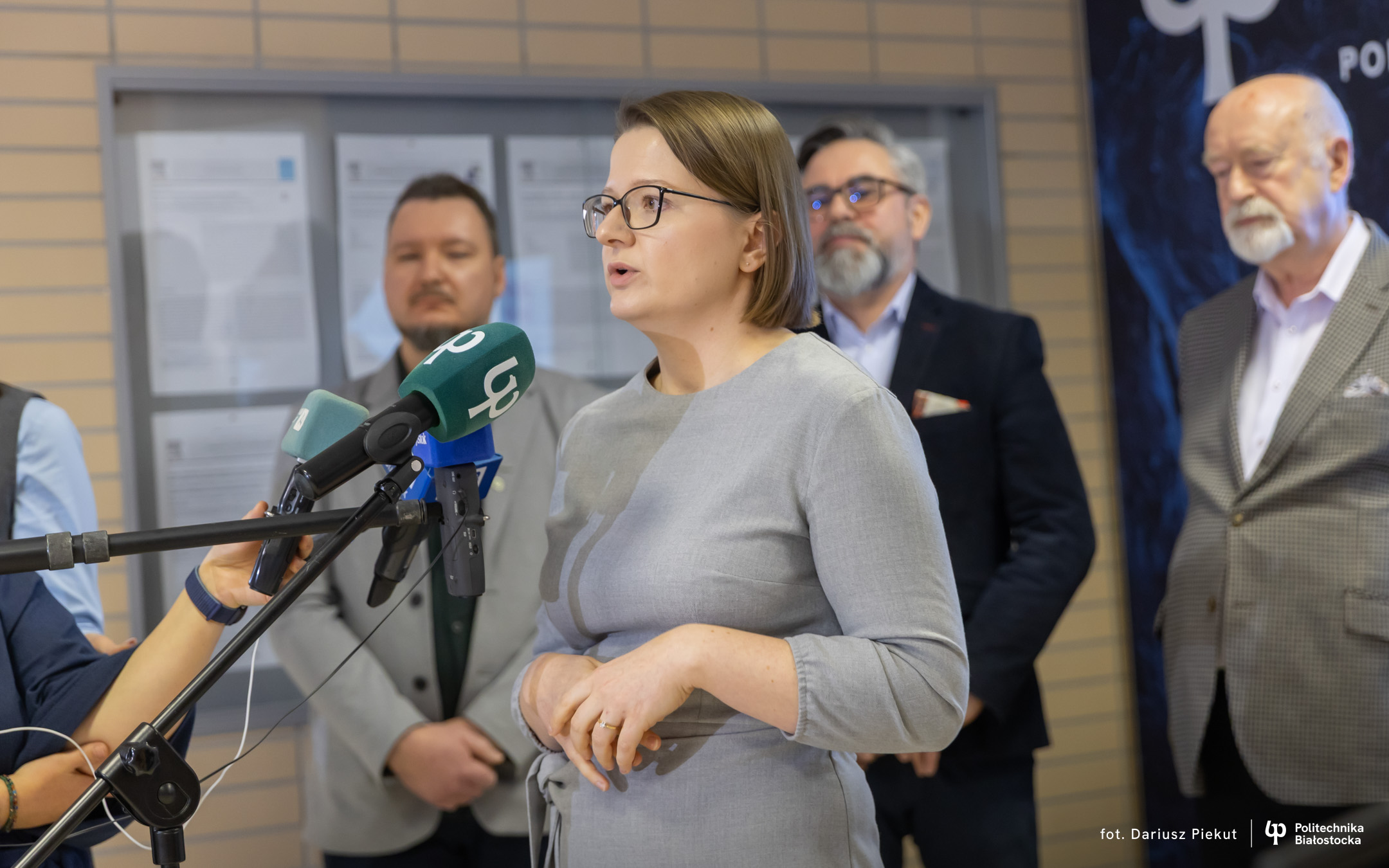
– A dynamically developing technology market and the implementation of new solutions require continuously expanding competences in materials research – confirms Krzysztof Miastkowski, PhD, Eng, Head of the R&D Laboratory at SaMASZ Sp. z o.o. – The Microscopy Research Centre will undoubtedly support regional entrepreneurs in implementing new materials, optimising structural technologies and researching modern, environmentally friendly alternatives to currently used materials. Environmental responsibility is increasingly important for businesses, and many companies now prioritise bio-based materials.
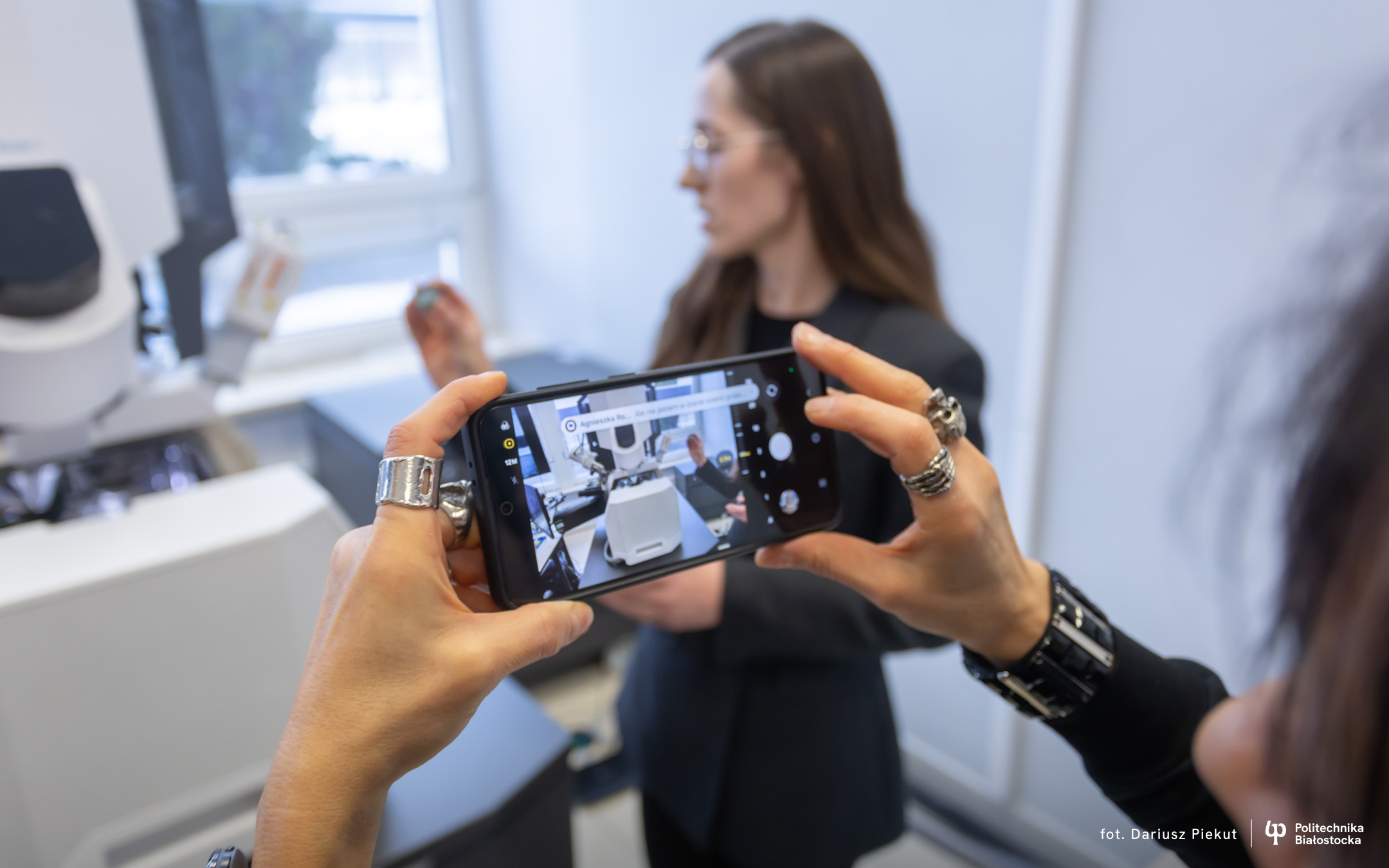
Magdalena Rodziewicz-Weremczuk, MSc, Eng, a fourth-year doctoral student at the Doctoral School of Bialystok University of Technology in the discipline of mechanical engineering, participated already during her Master’s studies in research that resulted in a patent for a glass-ionomer cement composition with a bioactive substance for dental applications. In practice, this involves the use of diatom frustules in dental fillings, particularly for children, while simultaneously controlling the release of an antibiotic that combats tooth decay.
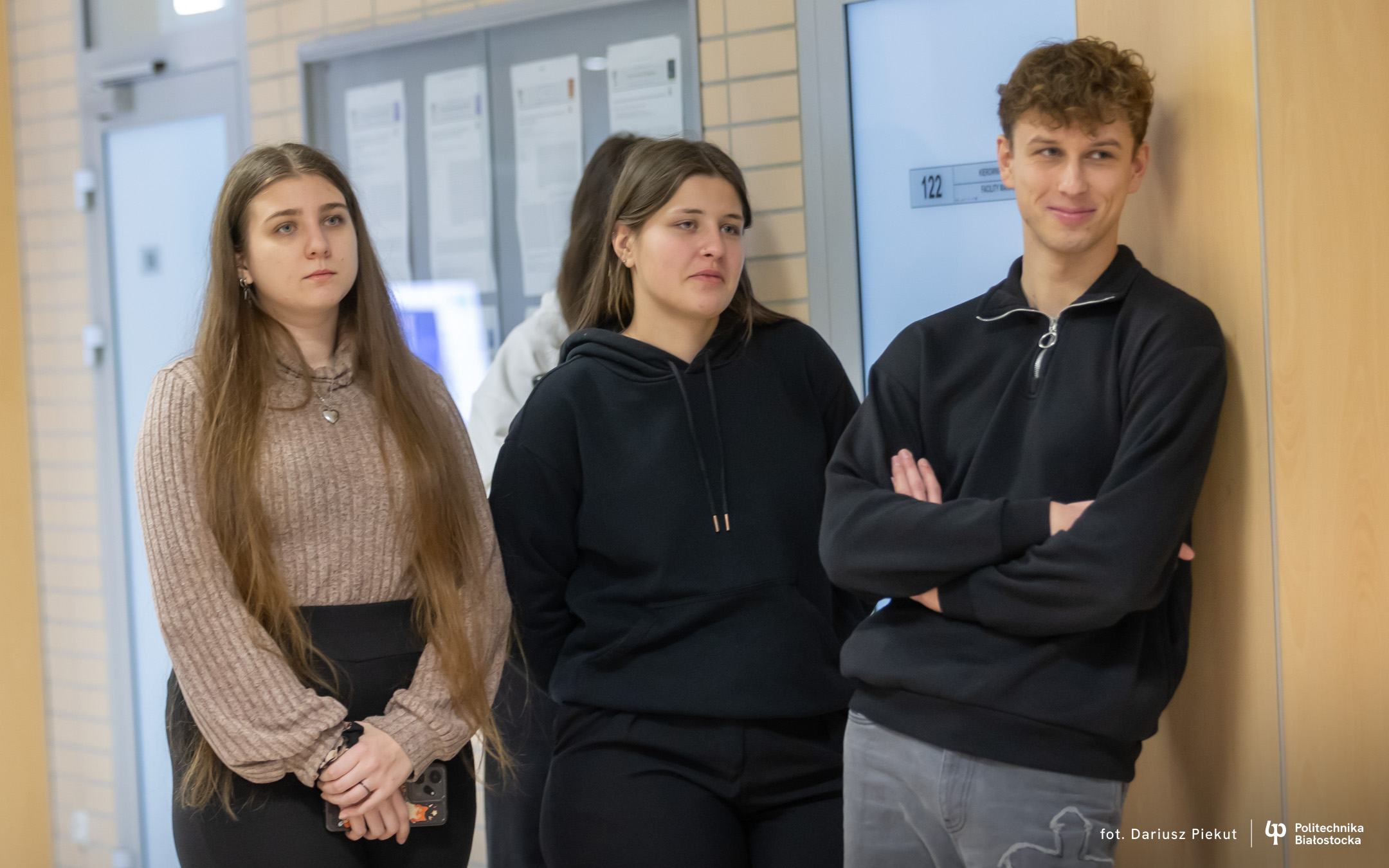
– On behalf of doctoral students and students, I can say that access to modern microscopy techniques is crucial for the development of young researchers – she emphasises. – Modern microscopy not only allows us to better understand materials and processes, but also teaches patience, responsibility and critical thinking. For doctoral students and students, access to equipment is essential, but equally important are training opportunities, support in sample preparation and consultations with experienced researchers regarding data analysis. All of this translates into higher-quality publications, more competitive research projects and better preparation for careers in academia and industry.
The Microscopy Research Centre of Bialystok University of Technology conducts information and advisory activities aimed at maximising the University’s potential in microscopic observation and sample preparation, in particular through:
- raising awareness of the University’s research capabilities related to microscopy and sample preparation,
- identifying stakeholders’ needs in the field of advanced microscopy techniques and preparation methods,
- providing advice on the selection of research techniques and the feasibility of conducting specific analyses at the University, including methodological and interpretative consultations within the Centre’s competences.
Author: Jerzy Doroszkiewicz
Summary
The Microscopy Research Centre of Bialystok University of Technology offers comprehensive support for research at the micro and nano scale, facilitating access to advanced electron and optical microscopy for scientists and students.
By emphasising interdisciplinarity and combining engineering and materials competences, the Centre fosters innovation in areas such as civil engineering, medicine and environmental protection. Centralised infrastructure streamlines cooperation with industry, enabling professional expertise and support in the development of modern technologies.
The Centre also plays a key role in nurturing young talent, providing doctoral students with the tools necessary to carry out ambitious research projects and obtain prestigious patents. Concentrating research potential in one place strengthens the University’s international competitiveness and supports more effective acquisition of funding for infrastructure development.
Key strengths of the Microscopy Research Centre of Bialystok University of Technology:
- Comprehensive research support
- High interdisciplinarity
- Support for innovation and patents
- Cooperation with industry
- Staff development and educational facilities
- Effective infrastructure management
- Nano-scale research