Annually, the food industry “produces” approximately 5–7 million tons of apple pomace! A major challenge is therefore its rational management in line with the idea of sustainable development and the 3R strategy (Reduce, Reuse, Recycle).
Scientists at Bialystok University of Technology noticed the potential to extract valuable bioactive substances with antioxidant, immunomodulatory, chemopreventive, antimicrobial, or prebiotic properties, which can be used as additives for functional foods, dietary supplements, or medicines.
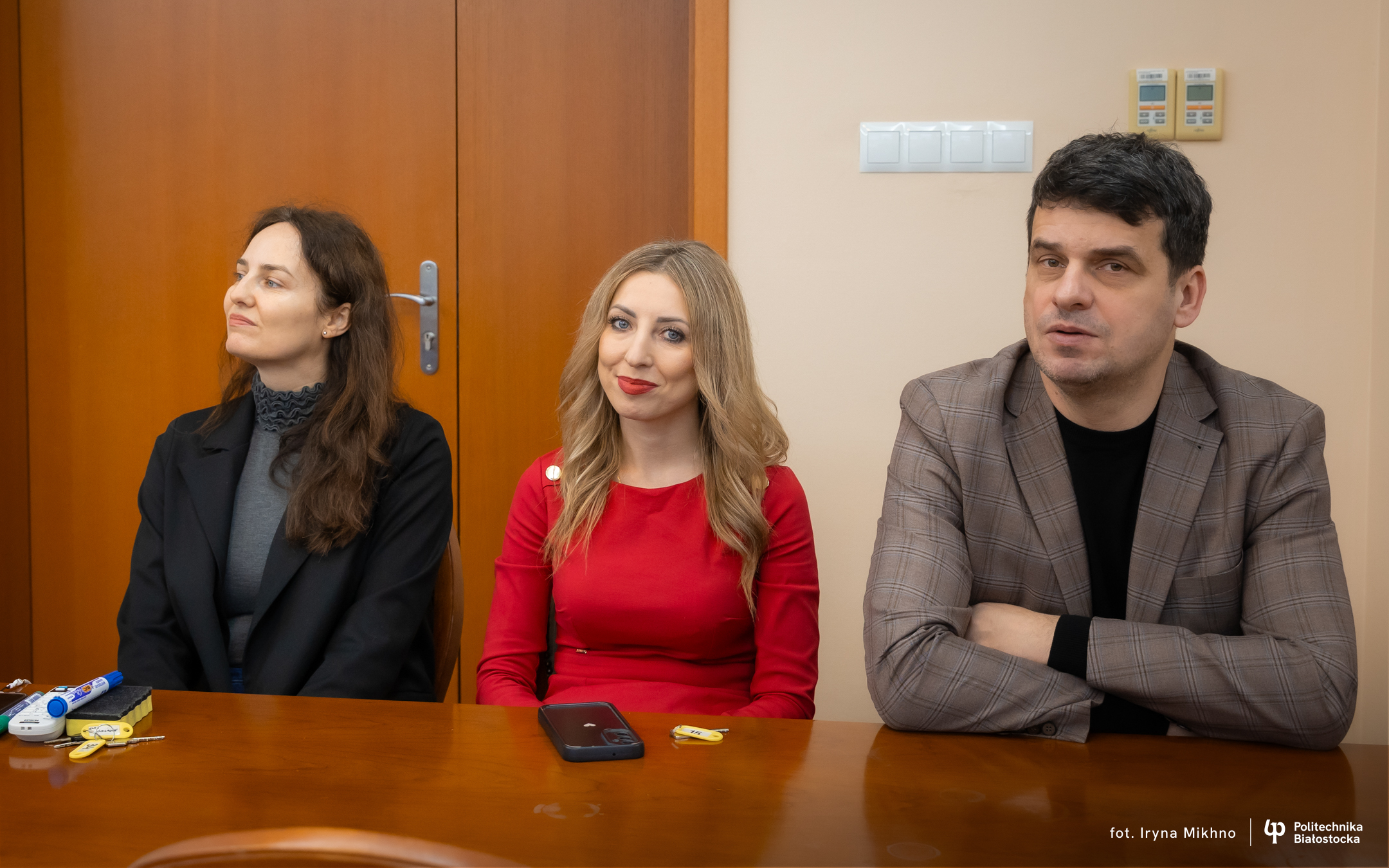
Thanks to the National Science Centre grant, they are conducting innovative “Research on the comprehensive use of phenol-rich agro-food processing waste for obtaining nano-formulations with high bioactivity and bioavailability.” The work carried out at Bialystok University of Technology (leader) and at the Prof. Wacław Dąbrowski Institute of Agricultural and Food Biotechnology – National Research Institute, is headed by Assoc. Prof. Monika Kalinowska, DSc, PhD.
University focuses on young talent
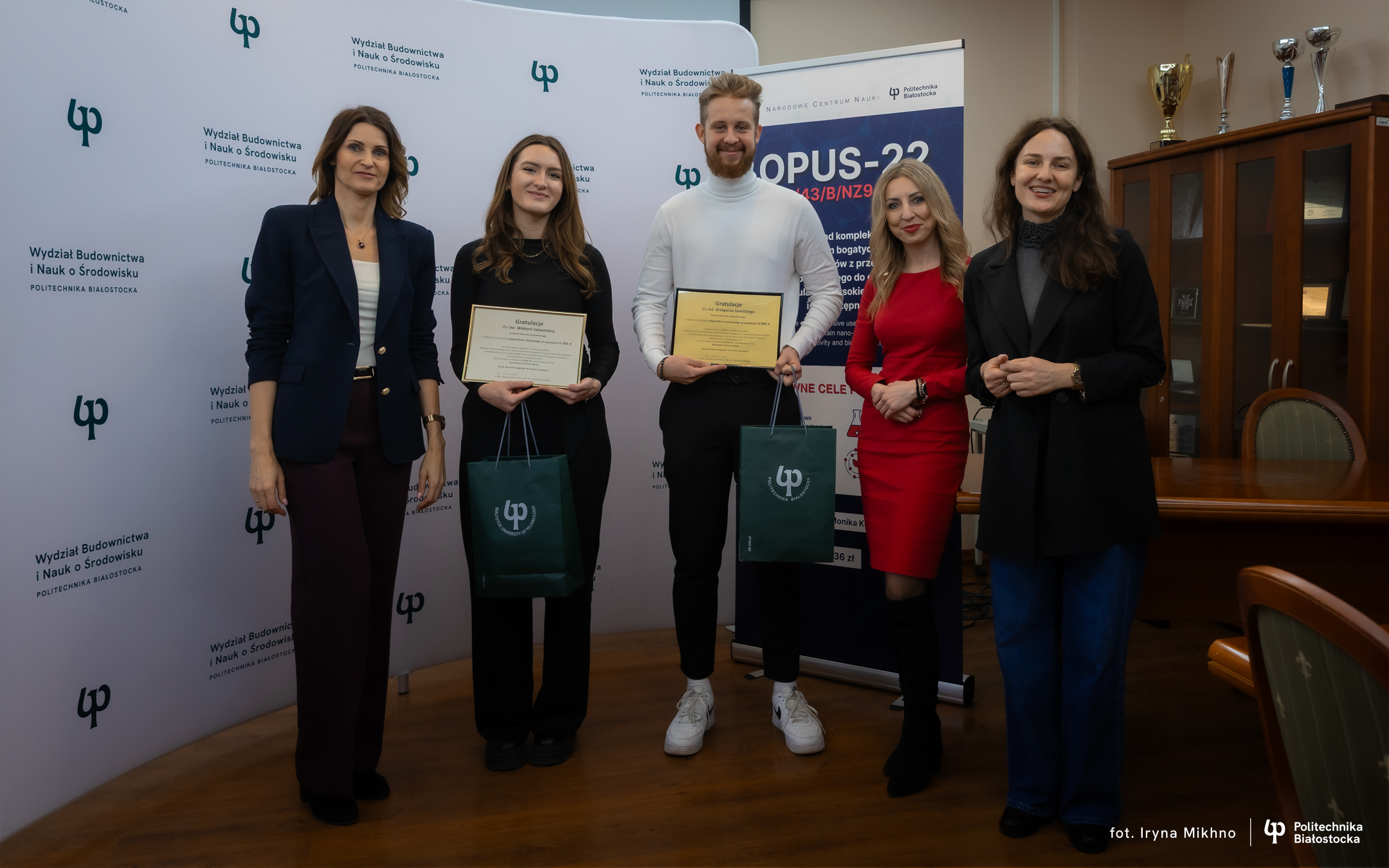
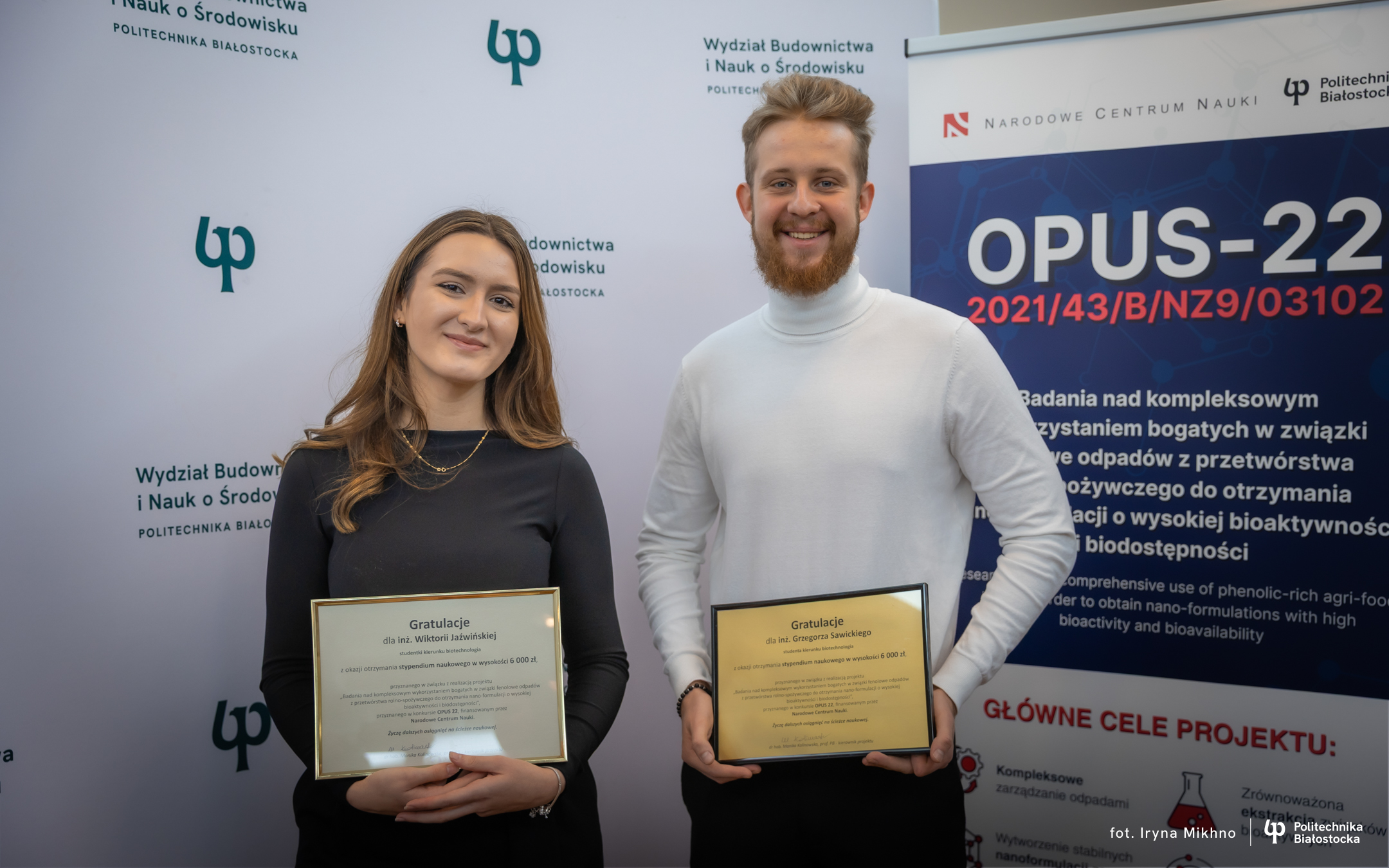
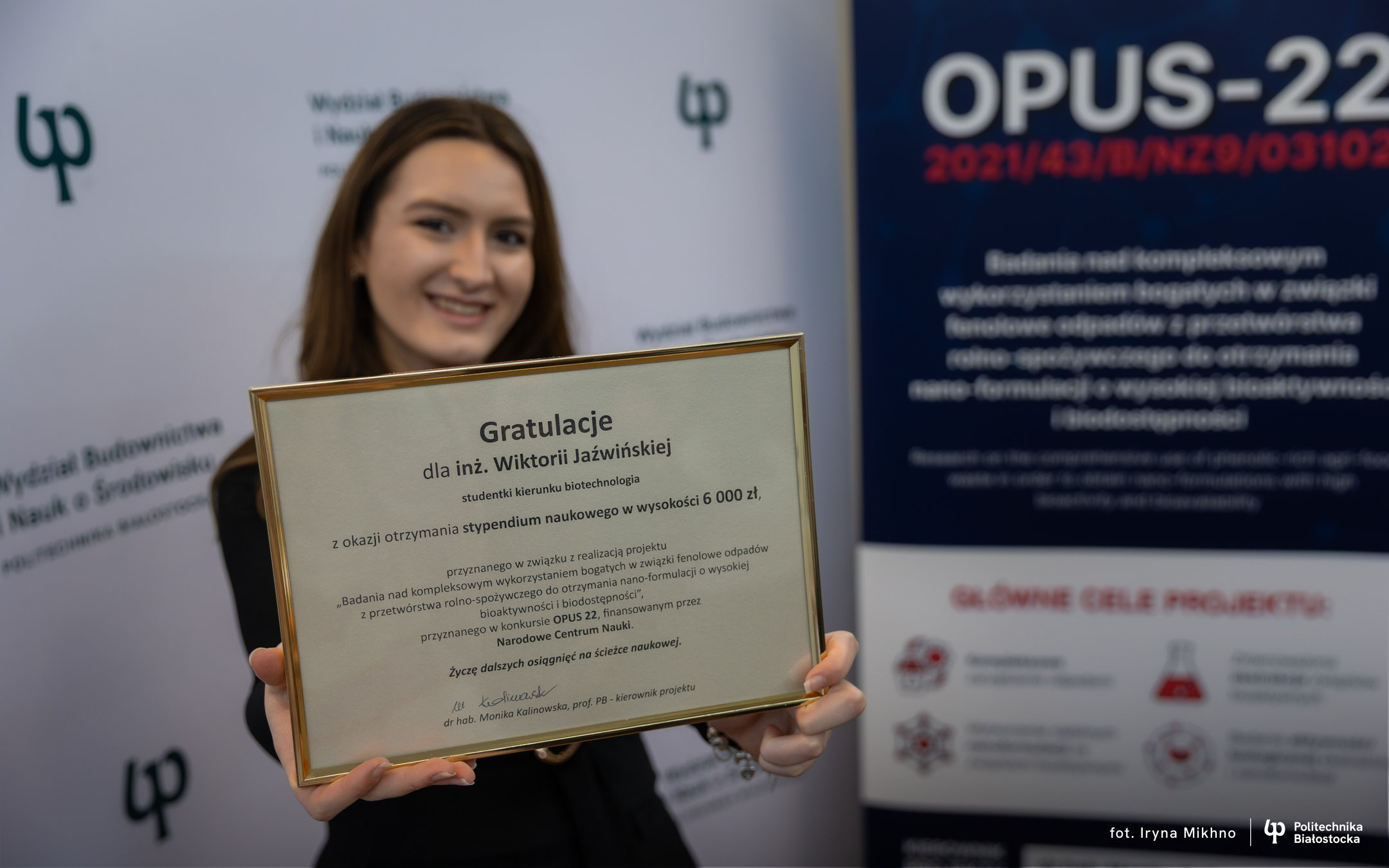
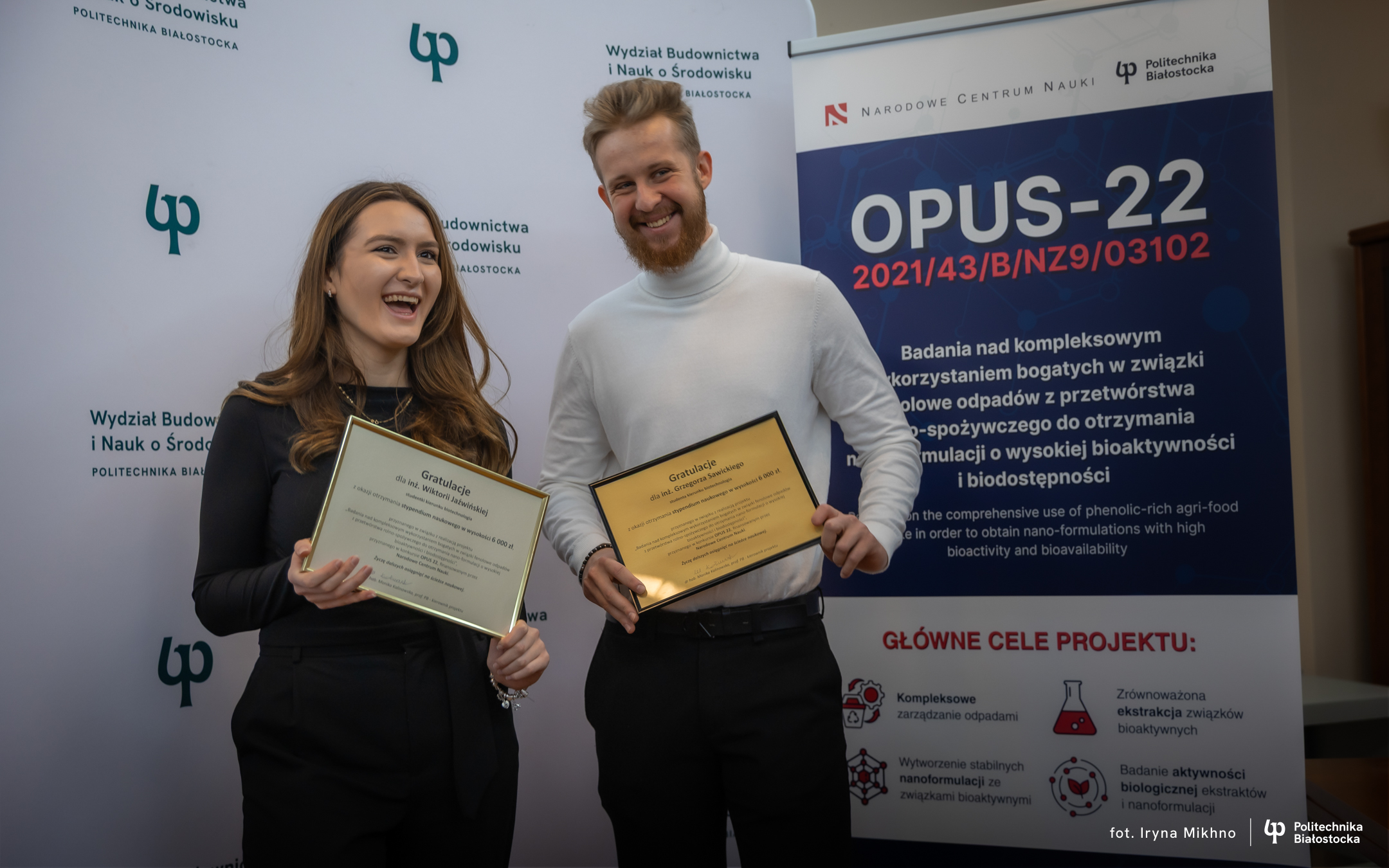
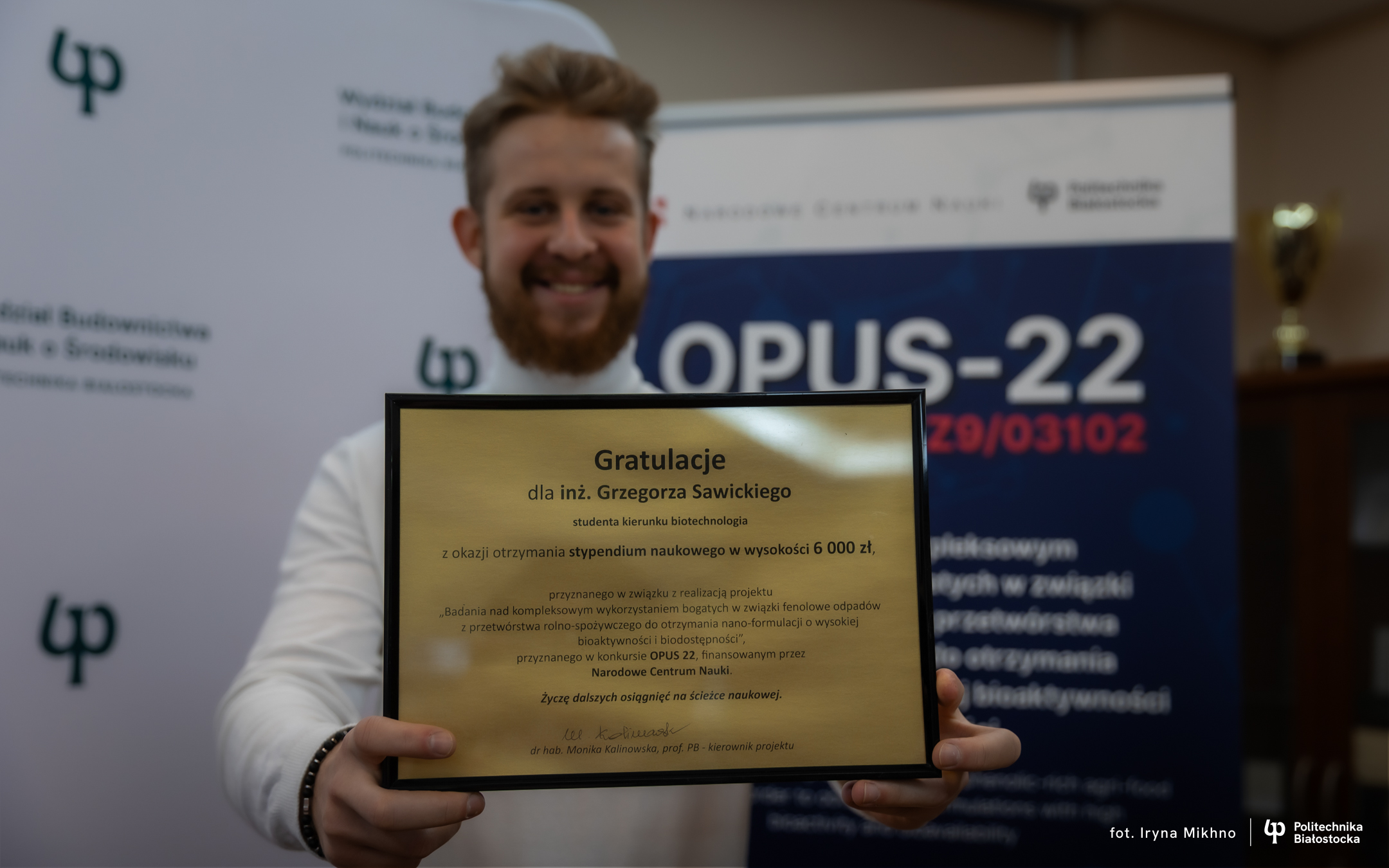
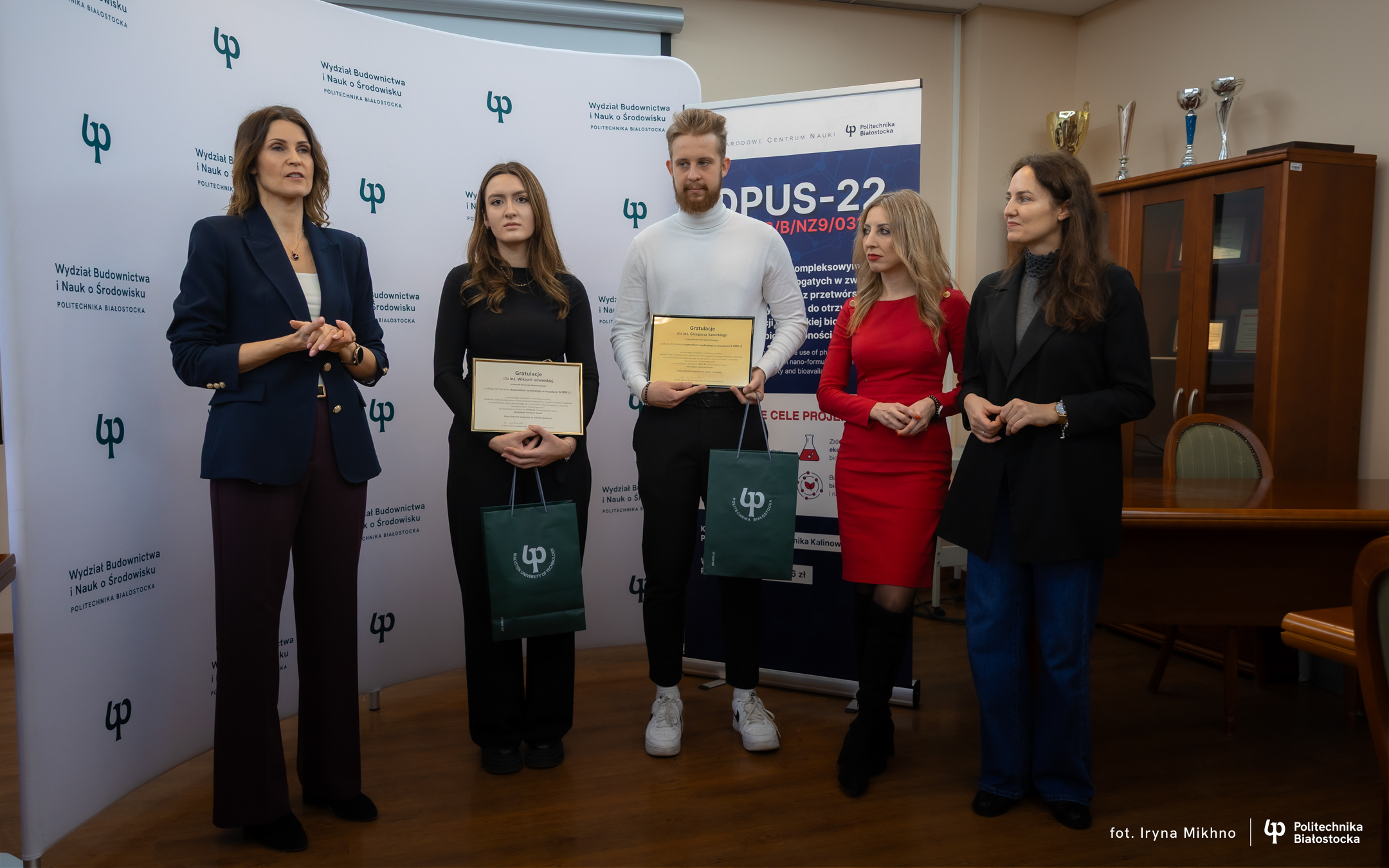
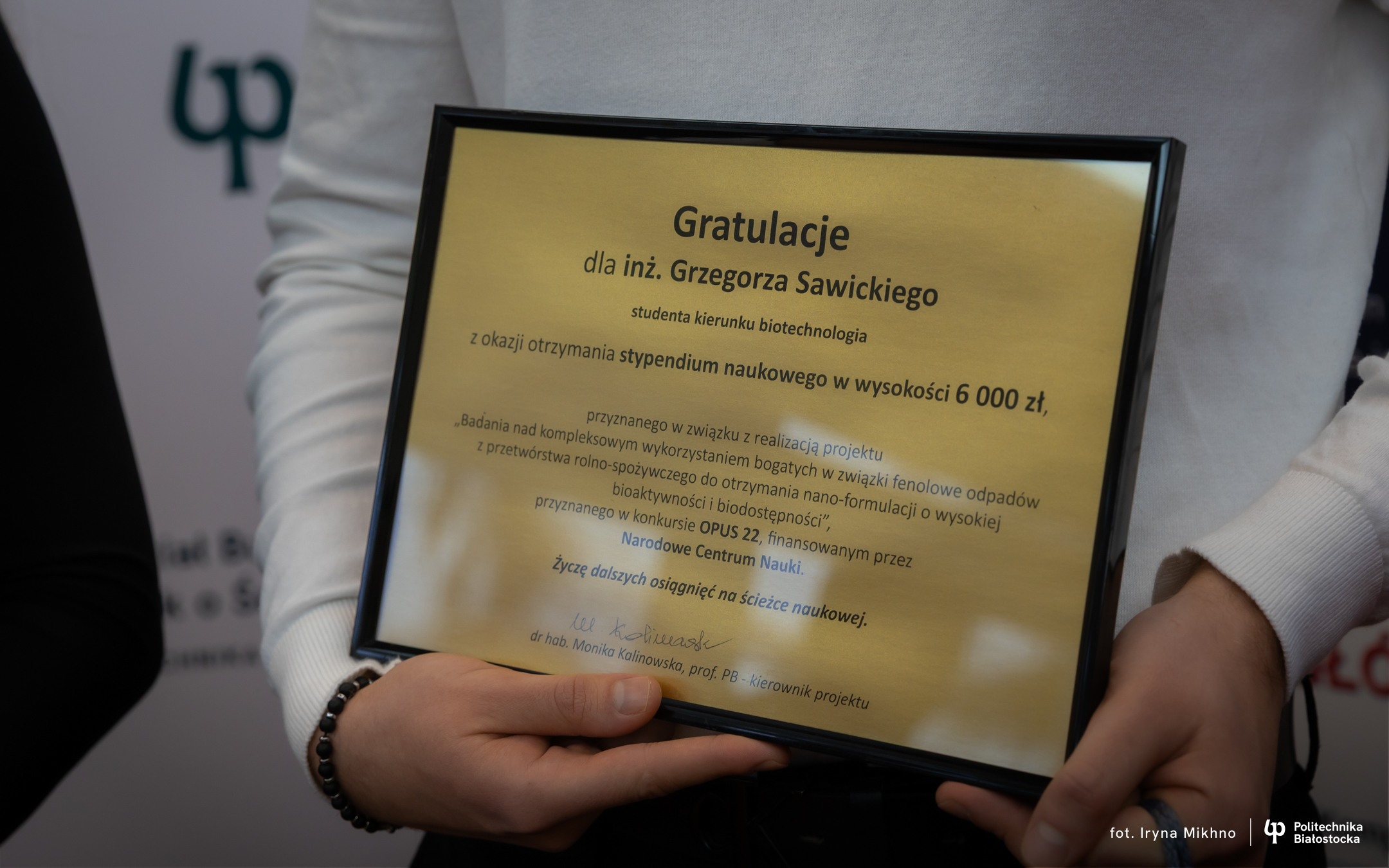
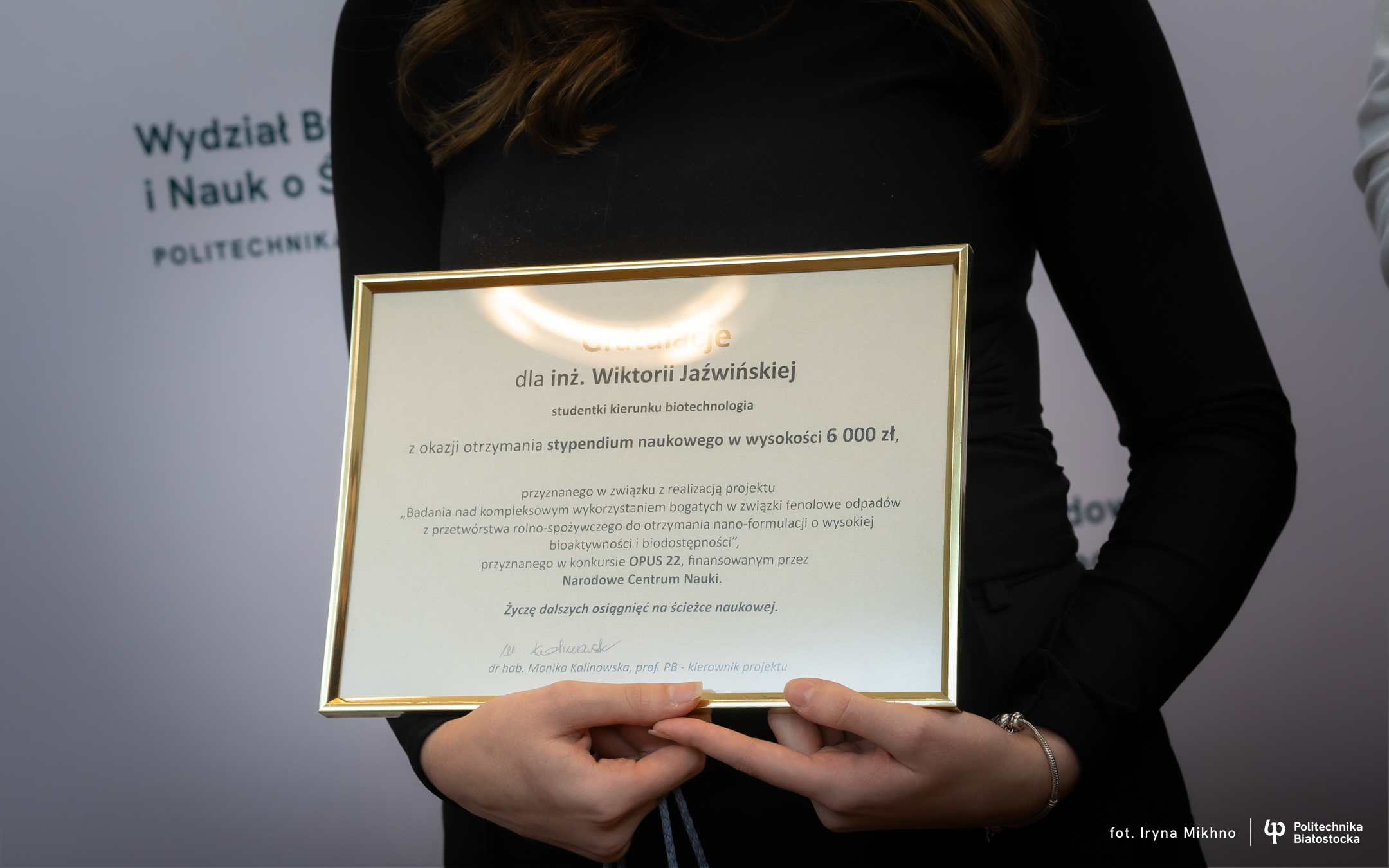
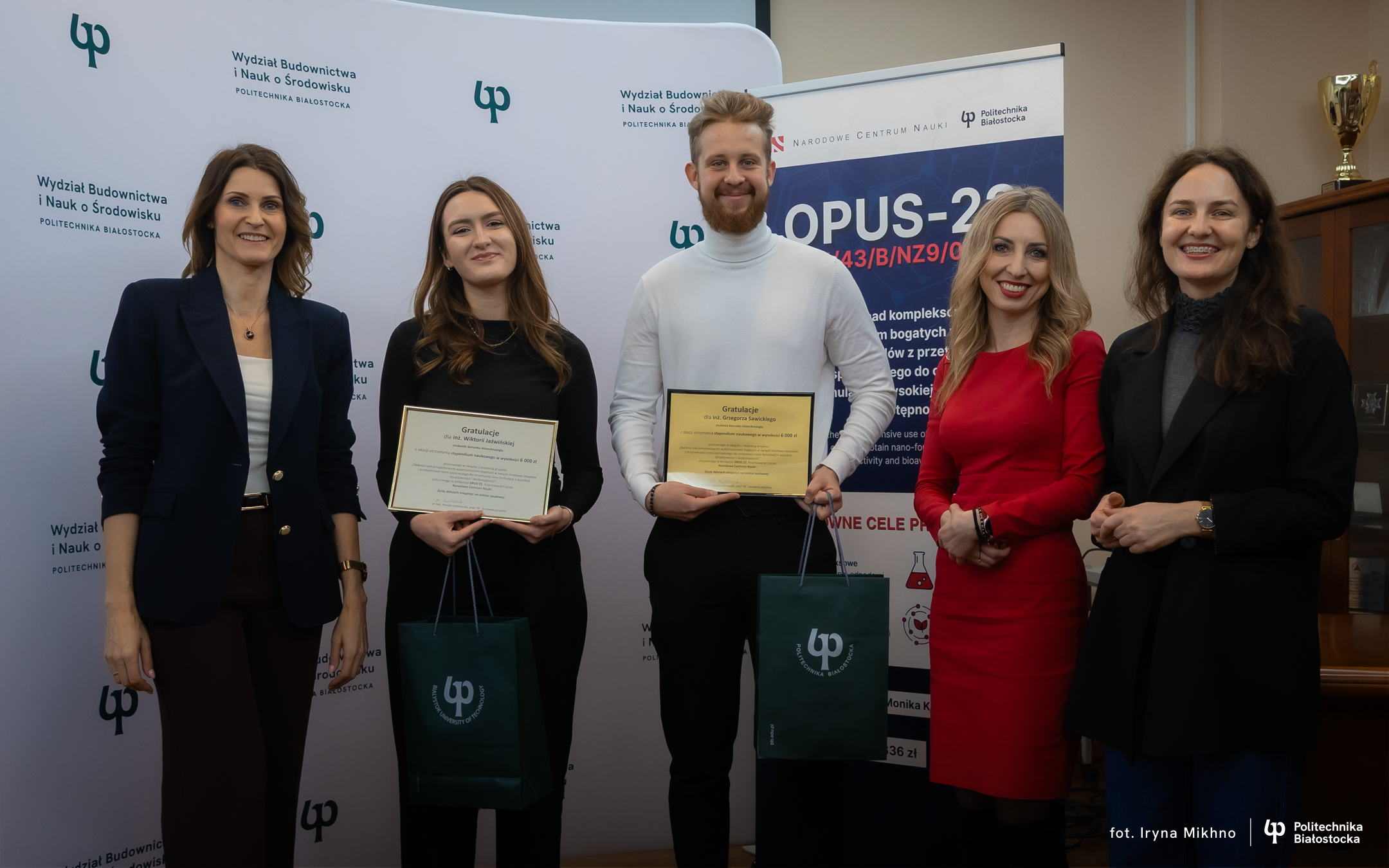
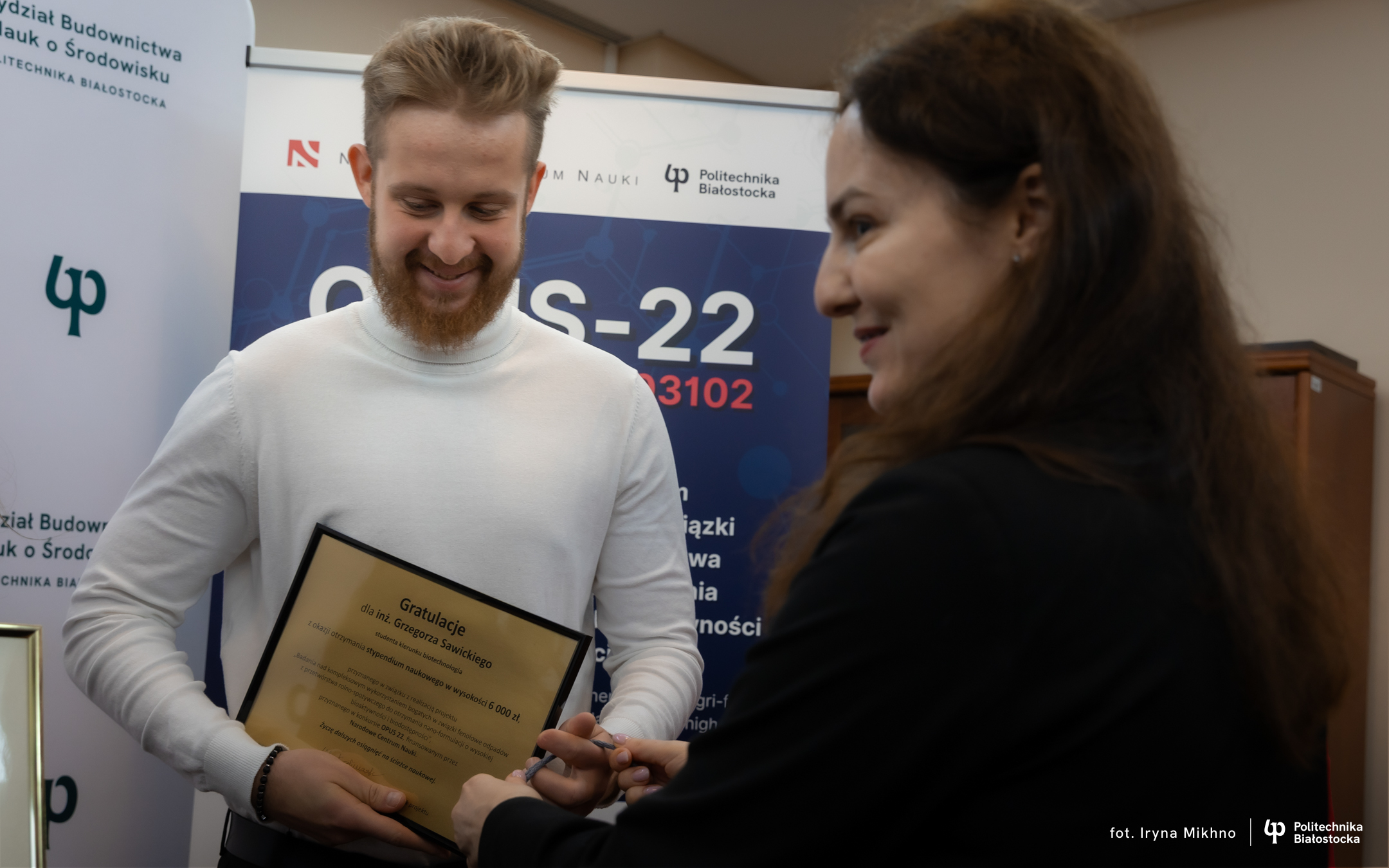
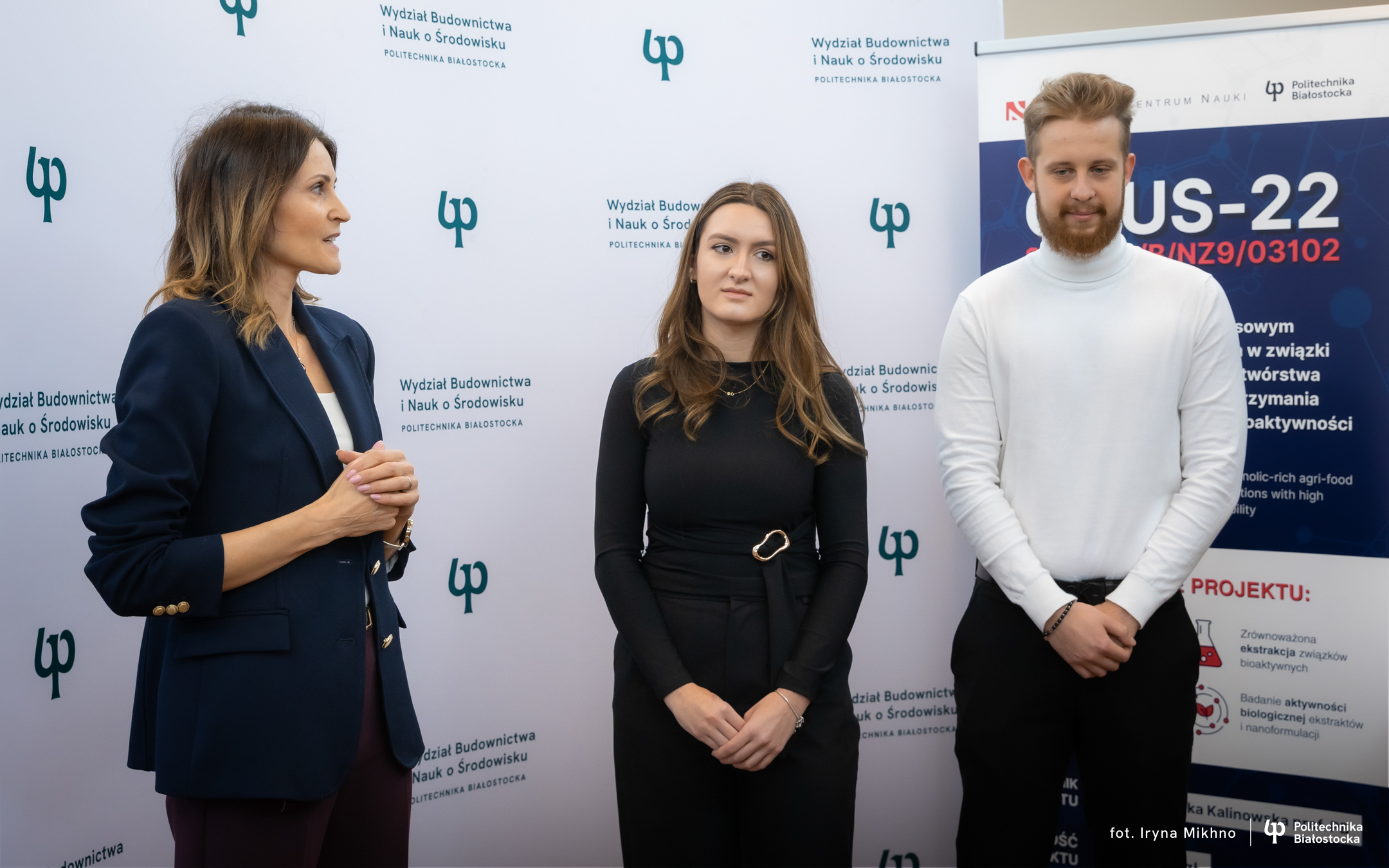
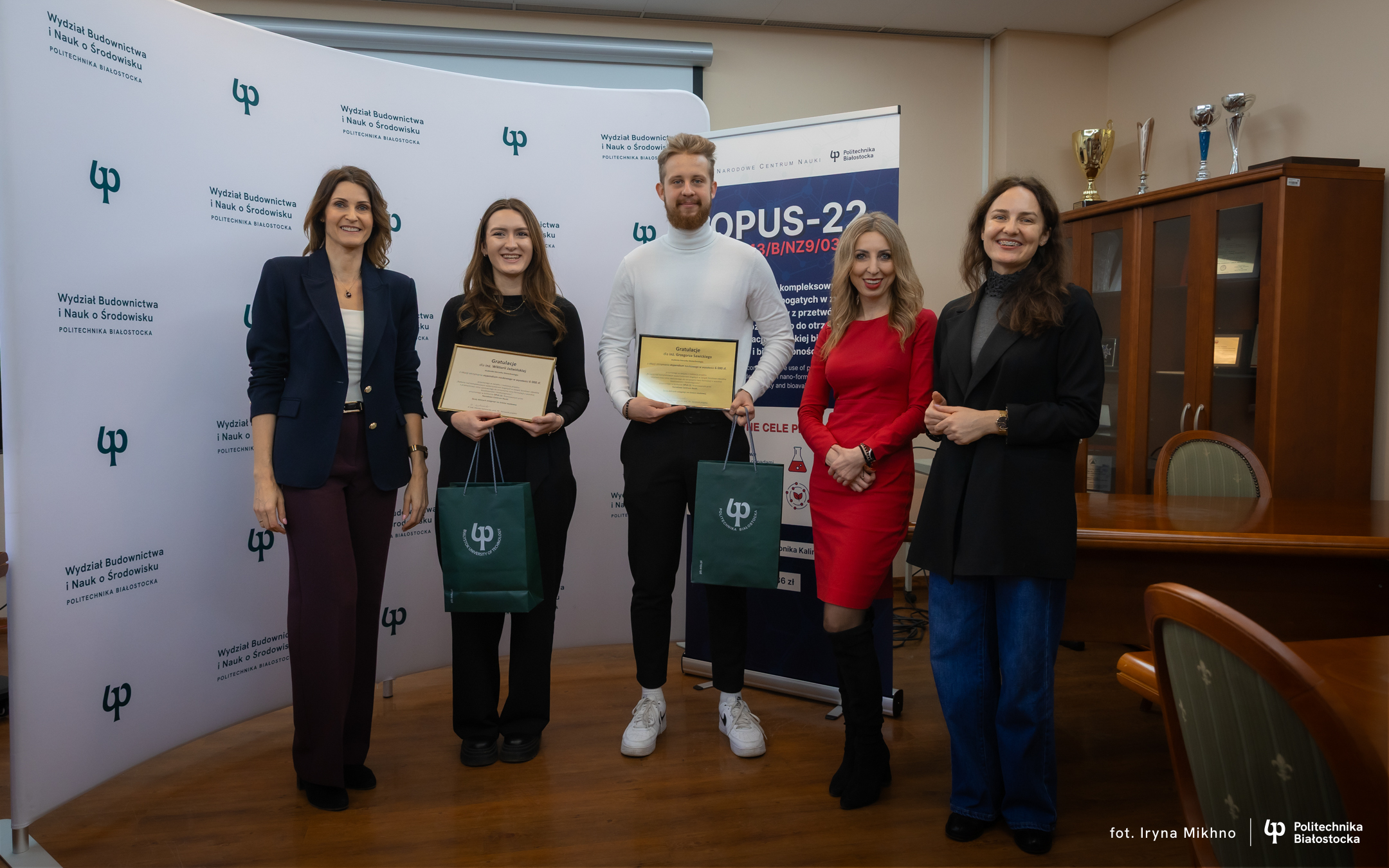
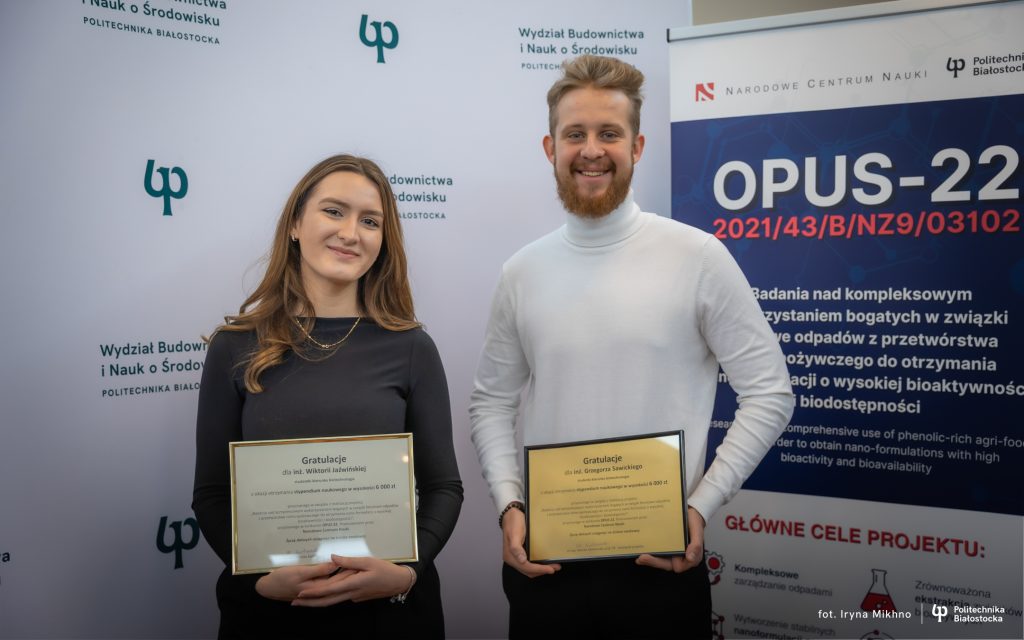
Students of biotechnology joined the team of scientists from the Department of Chemistry, Biology, and Biotechnology involved in the project: Wiktoria Jaźwińska, Eng. and Grzegorz Sawicki, Eng. They are the winners of a scholarship competition announced as part of the project.
For young researchers, this is not only financial support (the scholarship amounts to PLN 6,000), but above all a chance to participate in a real race for innovation.
Assoc. Prof. Monika Kalinowska, DSc, PhD, emphasizes that the scholarship recipients become full members of the team.
– Scholarship winners commit to collaboration and to carrying out a specific part of the project – Assoc. Prof. Monika Kalinowska, DSc, PhD, points out. – From the very beginning, the project was designed in such a way as to involve students in the work. Young people thus gain enormous research competences, learn reporting, teamwork, and see firsthand how scientific work is managed in a project with an international scope, as the grant is implemented in collaboration with Prof. Waldemar Priebe from The University of Texas MD Anderson Cancer Center, Houston, USA. This is capital that will pay off in their future professional development.
Investment in future competences
Young scholarship recipients willingly take on this new challenge. Even more so as the scope of their activities in the project aligns with their passions and their master’s theses, providing a unique opportunity to conduct experiments at the highest level.
Wiktoria Jaźwińska, Eng., focuses on the chemical details of plant structures.
– The project is about giving a “second life” to bio-waste, such as apple pomace – says the biotechnology student at the Faculty of Civil Engineering and Environmental Sciences of Bialystok University of Technology. – My main area of interest is chlorogenic acid present in apple pomace, which has high biological activity. I am creating nanoliposomal combinations with chlorogenic acid to increase its stability, bioavailability, and practical applications. I use spectroscopic methods to study the structure of these compounds and examine their potential in fighting microorganisms. It is demanding work, but I hope it will open the door to my dream laboratory career.
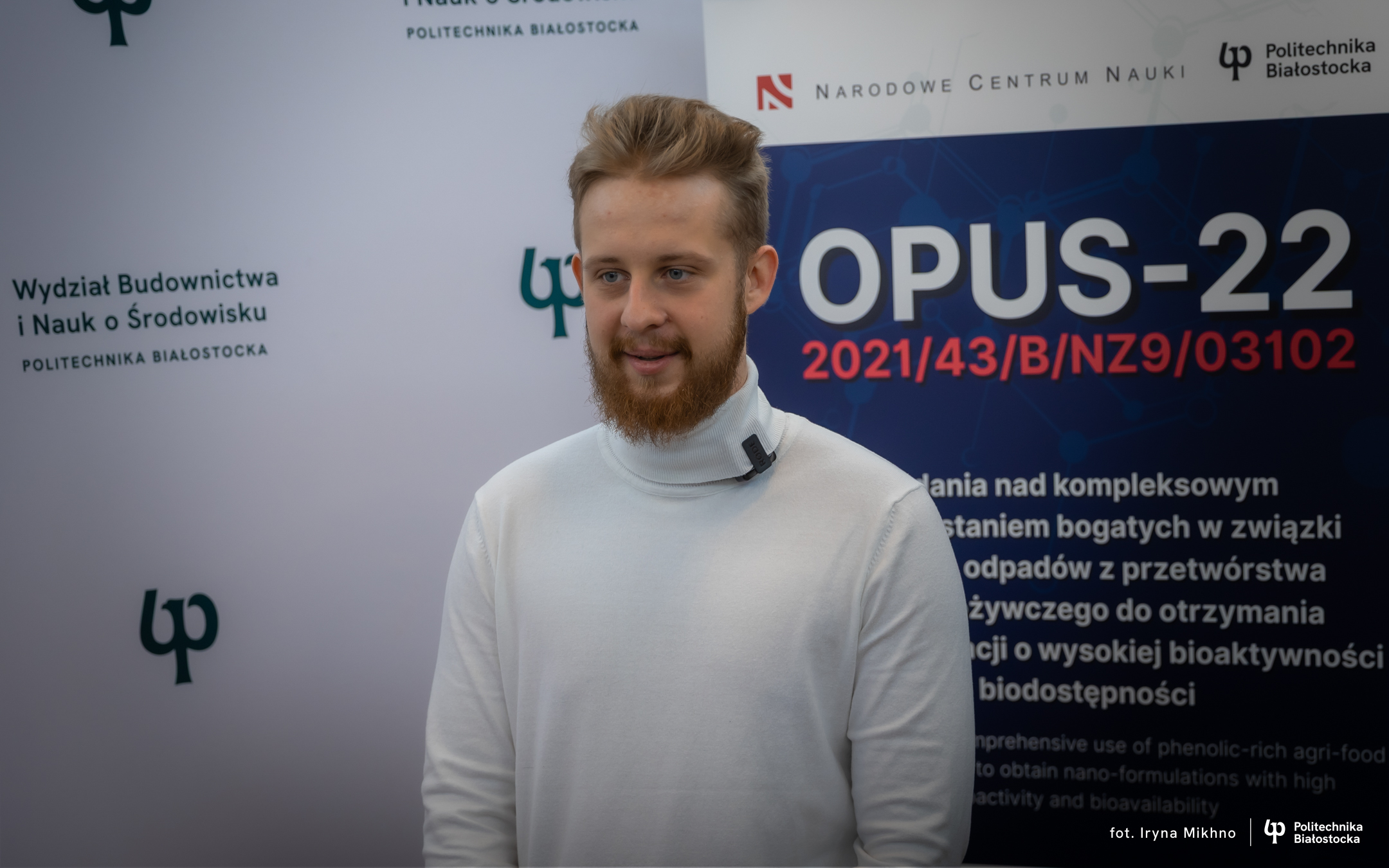
Grzegorz Sawicki, Eng., has always known that science is his calling.
– I chose biotechnology because it is a fascinating, interdisciplinary field combining biology, chemistry, physics, mathematics, and modern technologies – says Grzegorz. – In the project, I am creating nanoformulations of plant extracts. In my case, they take the form of a hydrogel designed to effectively support wound healing. I want to use the skills acquired during my studies and achieve results that will genuinely help patients.
Waste as a starting point for innovation
The aim of the project “Research on the comprehensive use of phenol-rich agro-food processing waste for obtaining nano-formulations with high bioactivity and bioavailability” is to create substances of the future from by-products of the food industry. The initiative was recognized in the OPUS 22 competition announced by the National Science Centre.
– The idea of the project is to manage bio-waste, whose amount increases every year – explains Assoc. Prof. Monika Kalinowska, DSc, PhD. – Using advanced “green” extraction methods, we aim to extract substances that can be used in biotechnology, medicine, pharmacy, the food industry, or materials science. Since these valuable compounds are often poorly absorbed by our bodies, we process them into nanoform. Small sizes increase their bioavailability and effectiveness.
The project “Research on the comprehensive use of phenol-rich agro-food processing waste for obtaining nano-formulations with high bioactivity and bioavailability” is included in the list of national smart specializations in the areas of Agro-Food Bioeconomy, Forest-Wood and Environmental sectors, specifically: biotechnological and chemical processes, bioproducts, and specialty chemical products.
The project implementation will continue until June 2027.
Biotechnology is one of nine first- and second-cycle study programmes offered by the Faculty of Civil Engineering and Environmental Sciences of Bialystok University of Technology. Learn how to use natural products and living organisms in industry and science and join biotechnology students at Bialystok University of Technology.
Author: Monika Rokicka
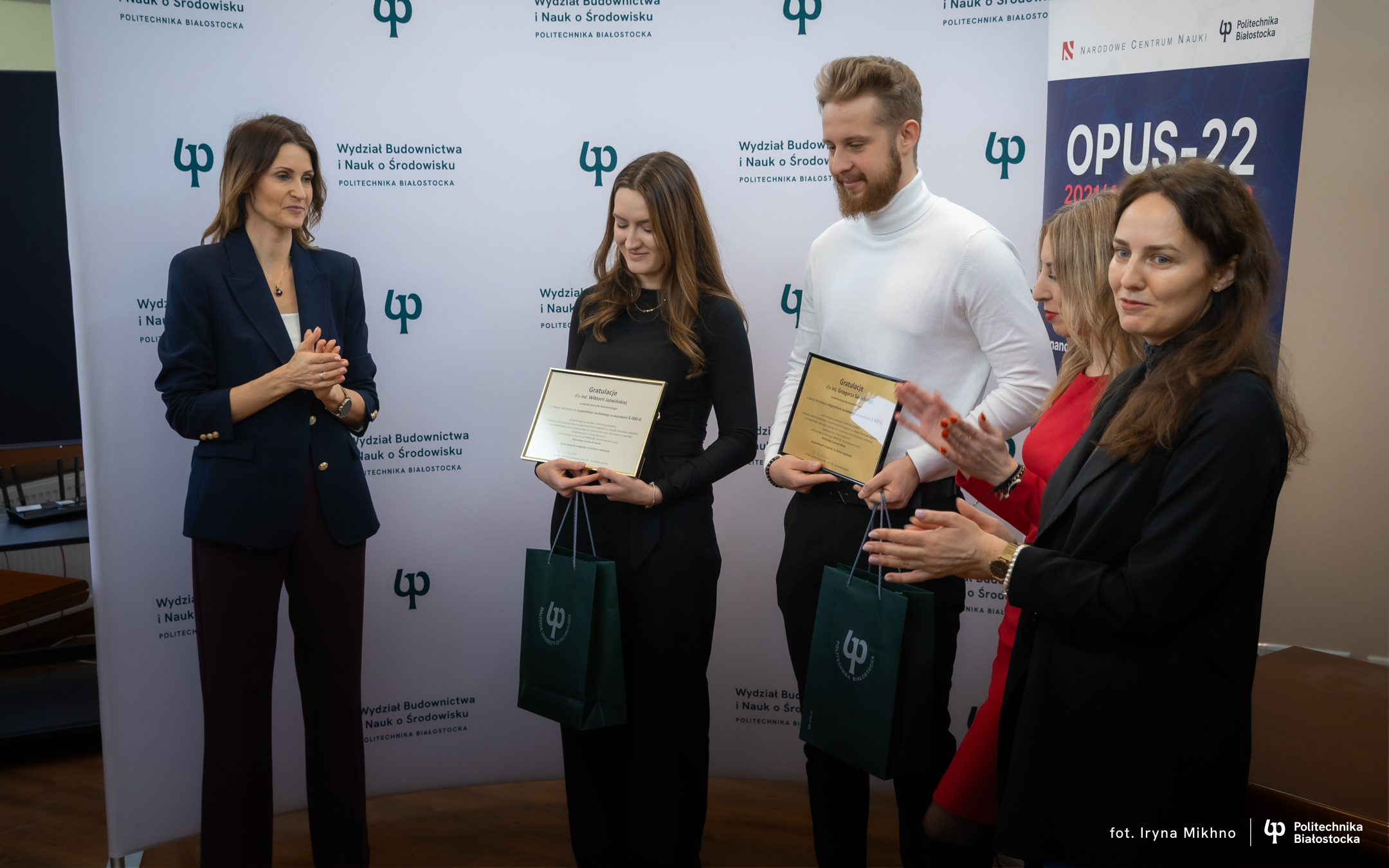
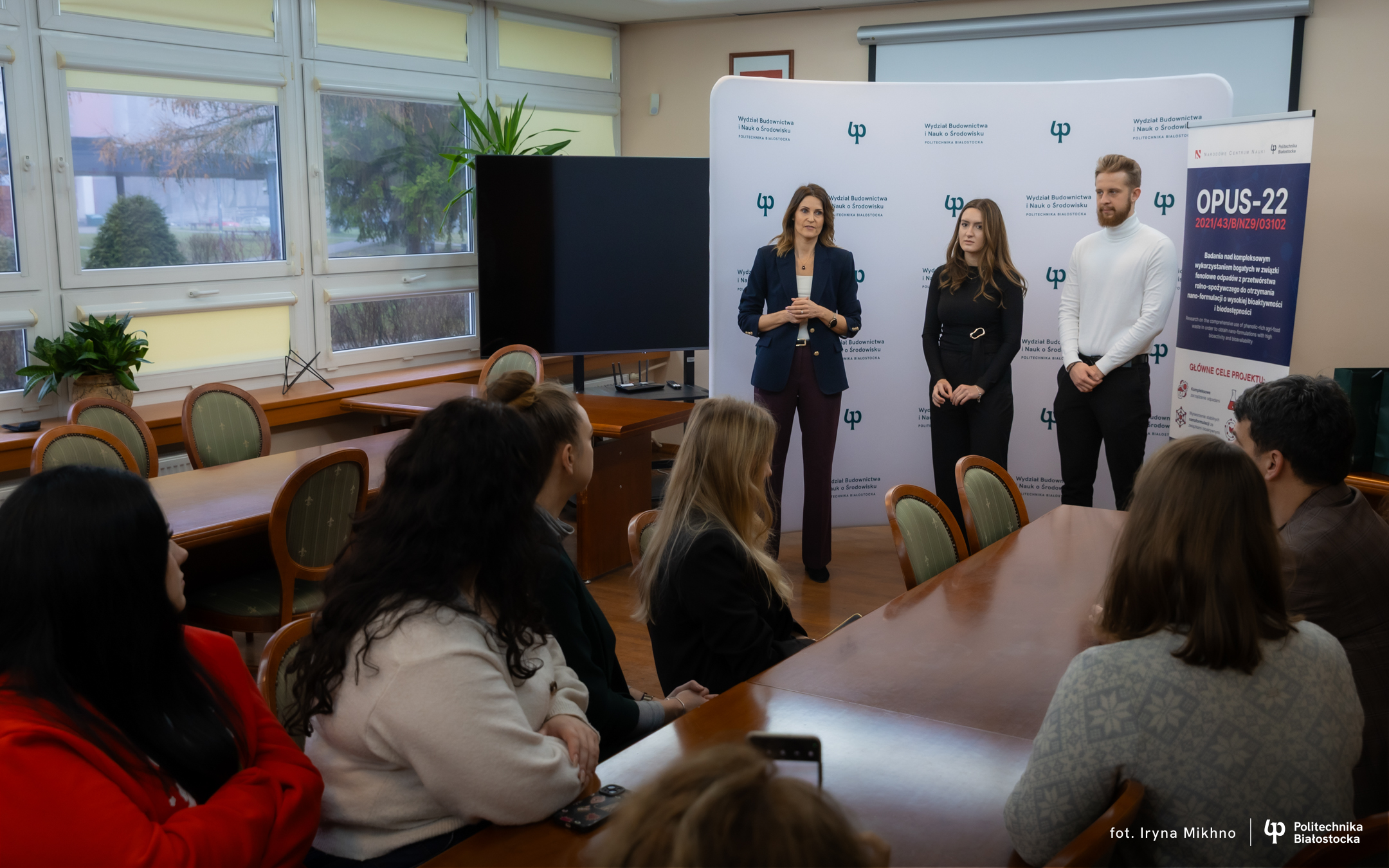
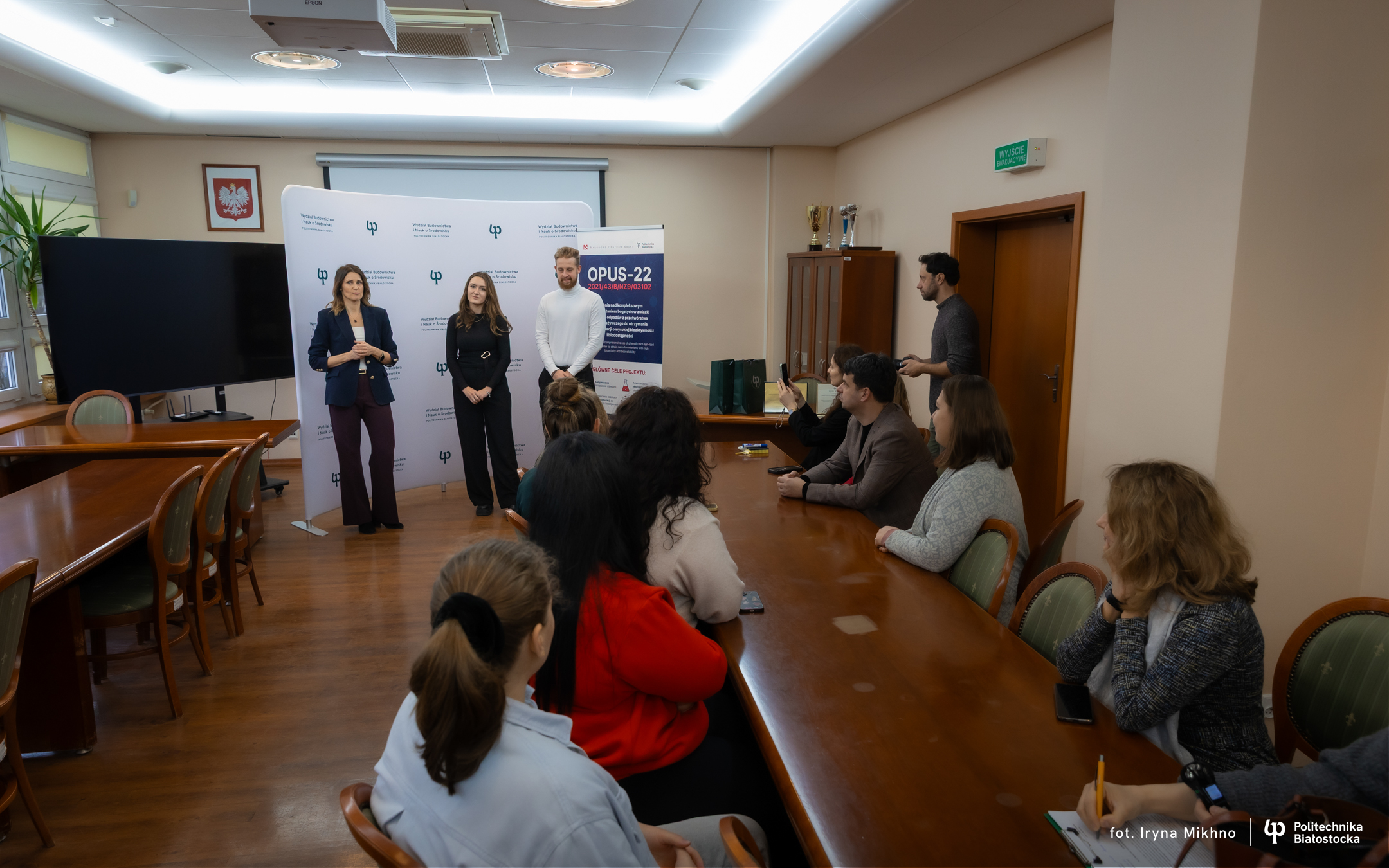
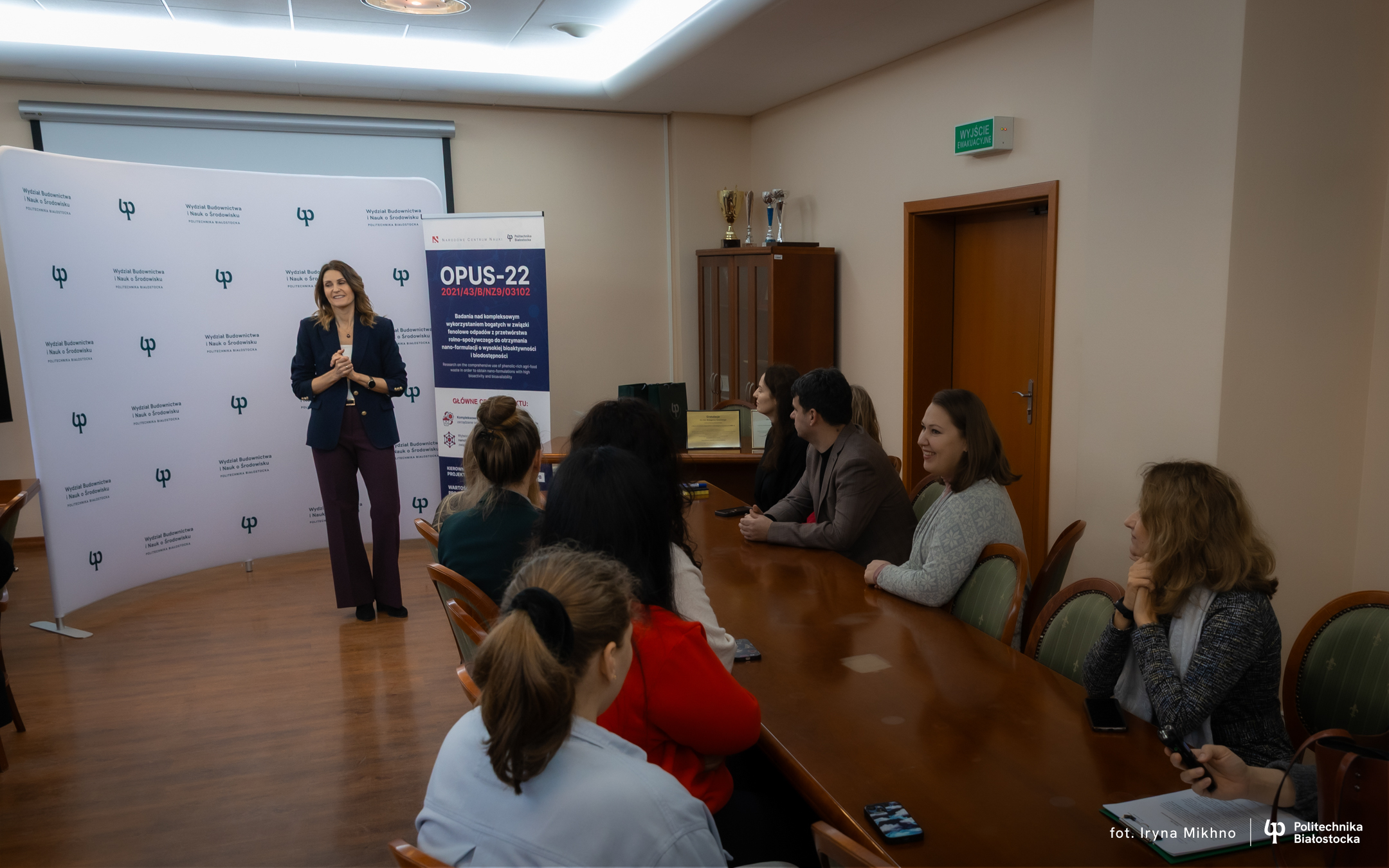
See photos from the scholarship award ceremony in the NCN OPUS 22 project. Wiktoria Jaźwińska, Eng. and Grzegorz Sawicki, Eng. received their scholarships on December 19, 2025.