Artificial intelligence – a teacher’s and student’s assistant
The team of experts working on the MAESTRO-AI project aims to publish two handbooks on the application of artificial intelligence in teaching higher mathematics and the basics of programming.
– We are pioneers in these activities, which still raise concerns and controversies in various circles. We are strengthening the role of academic teachers – our maestros – by providing them with ready-to-use tools. In this way, they will be able to introduce artificial intelligence as a useful assistant into their teaching practice – says Assoc. Prof. Dorota Mozyrska, DSc, PhD, Eng., Dean of the Faculty of Computer Science of Bialystok University of Technology and project coordinator. – Artificial intelligence in education is an inevitable path if we want to adapt to the current generation of students and equip them with modern competences.
Artificial intelligence is a breakthrough technology. It enables task automation and reduces the time required to complete them. AI tools are already widely used by students, who also expect modern technology to play a greater role in the teaching process. The MAESTRO-AI project helps academic teachers test and implement AI tools in education.
– Progress in artificial intelligence is tremendous. We can see that students are already using it in their learning – says Nikos Pappas from the Technical University of Crete in Greece, a partner university in the MAESTRO-AI project. – We want to find the right way to apply AI tools that will benefit both teachers and students. Research conducted among Greek students has shown that using AI services during classes has a positive effect on their engagement. Students feel more comfortable asking questions to a chat than to a teacher, which enhances their curiosity and learning effectiveness.
From passive use to active learning
How can artificial intelligence become a support tool rather than a source of mindless copying?
– By training teachers to use artificial intelligence, we ensure that students will also begin to use it appropriately – stresses Nuno Rafael Bastos from the Polytechnic Institute of Viseu in Portugal. – At present, students use AI passively, to copy assignments or cheat in exams. That is only a fraction of the tool’s potential. Therefore, the idea behind the project is to teach teachers how to use AI properly so that they can pass this knowledge on to students. Both sides will benefit, and the ultimate result will be a higher quality of education.
First conclusions from experimental classes at the Faculty of Computer Science of Bialystok University of Technology
Experimental groups were formed in the Applied Mathematics and Computer Science study programmes at Bialystok University of Technology. First-year students participated in classes in the computer laboratories of the Faculty of Computer Science, where they had access to a free version of ChatGPT.
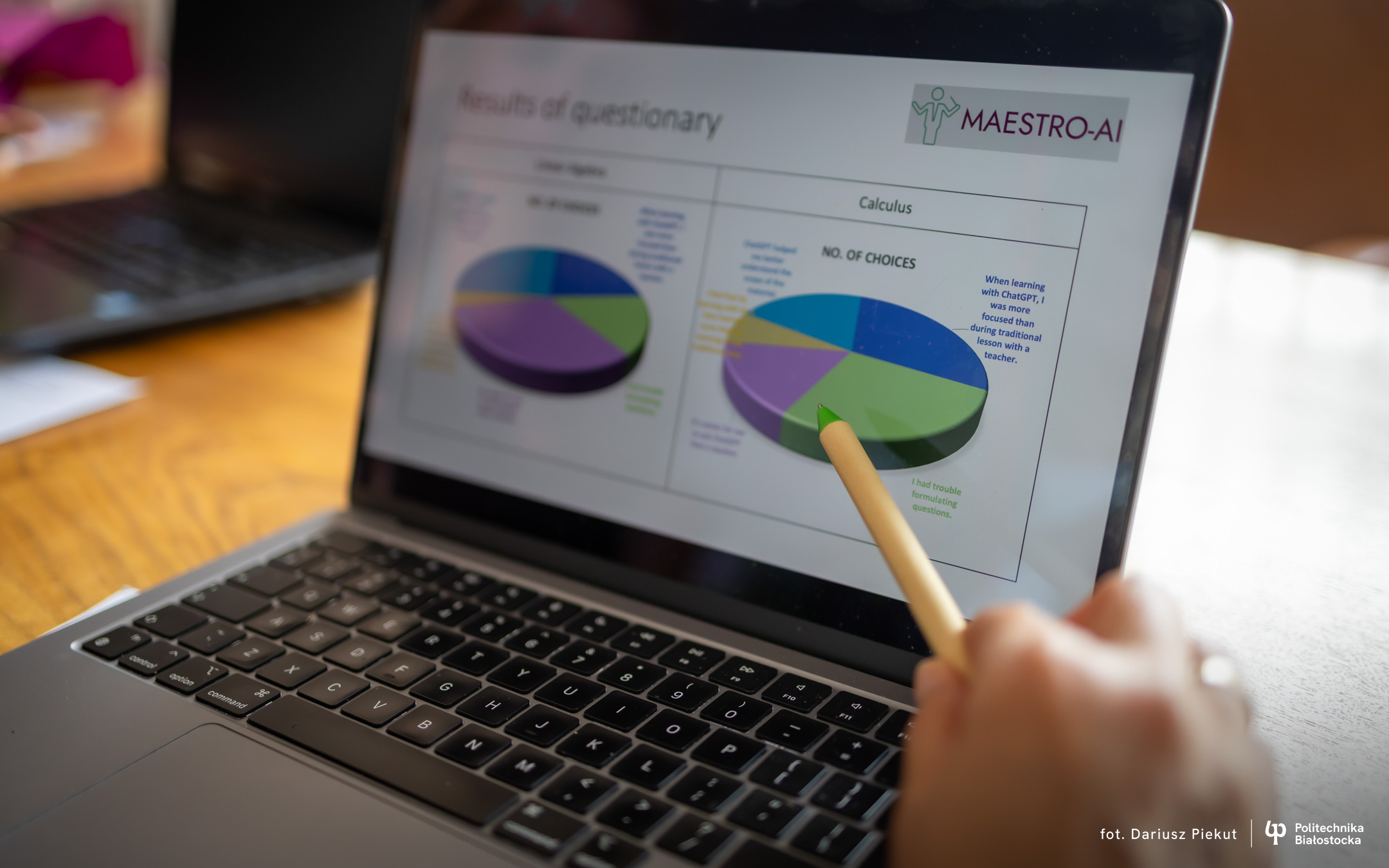
– In the linear algebra and mathematical analysis classes, we proposed a storytelling method using ChatGPT. The chat quickly and effectively combined storytelling with presenting topics such as complex numbers and series: Cauchy’s and d’Alembert’s – explains Marzena Filipowicz-Chomko, PhD from the Department of Theoretical Computer Science at the Faculty of Computer Science of Bialystok University of Technology. – Interestingly, in the final surveys, students preferred the classical model of learning. They are cautious about introducing artificial intelligence in mathematics classes, fearing that they might learn incorrectly or lose control over the information suggested by AI. From a teacher’s point of view, I think their attitude is good – it shows critical thinking.
Computer science students, however, perceive AI tools differently.
– Our students eagerly use ChatGPT or Microsoft Copilot because these tools really prove useful in software development. Unfortunately, they sometimes do it unreflectively, accepting unnecessary fragments of code on the principle that “if it works, it’s fine” – says Anna Łupińska-Dubicka, PhD, Eng. from the Department of Software Engineering at the Faculty of Computer Science of Bialystok University of Technology. – Therefore, in the context of generative AI and teaching the basics of programming, it is crucial to train students in creating proper prompts – that is, asking the right questions and giving precise instructions.
The MAESTRO-AI project involves a team of specialists from the Faculty of Computer Science of Bialystok University of Technology: Assoc. Prof. Dorota Mozyrska, DSc, PhD, Eng.; Assoc. Prof. Ireneusz Mrozek, DSc, PhD; Anna Łupińska-Dubicka, PhD, Eng.; Paweł Tadejko PhD, Eng.; Marzena Filipowicz-Chomko, PhD; and Joanna Panasiuk, MSc.
A new role for the teacher: from leader to mentor
Artificial intelligence is entering universities – that is a fact. The changes brought about by technological development are met by some with enthusiasm, by others with caution and concern about maintaining academic standards.
– Participation in the project helped me overcome my own fears about the development of artificial intelligence – that it might replace proven methods, threaten the quality of education, or even replace teachers – says Assoc. Prof. Ewa Girejko, DSc, PhD, from the Department of Mathematics at the Faculty of Computer Science of Bialystok University of Technology. – I now see AI as a tool that facilitates the teacher’s work. For students, lessons with a chat make it easier to understand material, reduce anxiety about asking additional questions, and improve concentration. The teacher’s role is changing – from leader to mentor, verifier, and advisor – but we are still very much needed, if only to minimise the risk of learning incorrect information and to support students in formulating proper questions for artificial intelligence.
International partnership for innovation
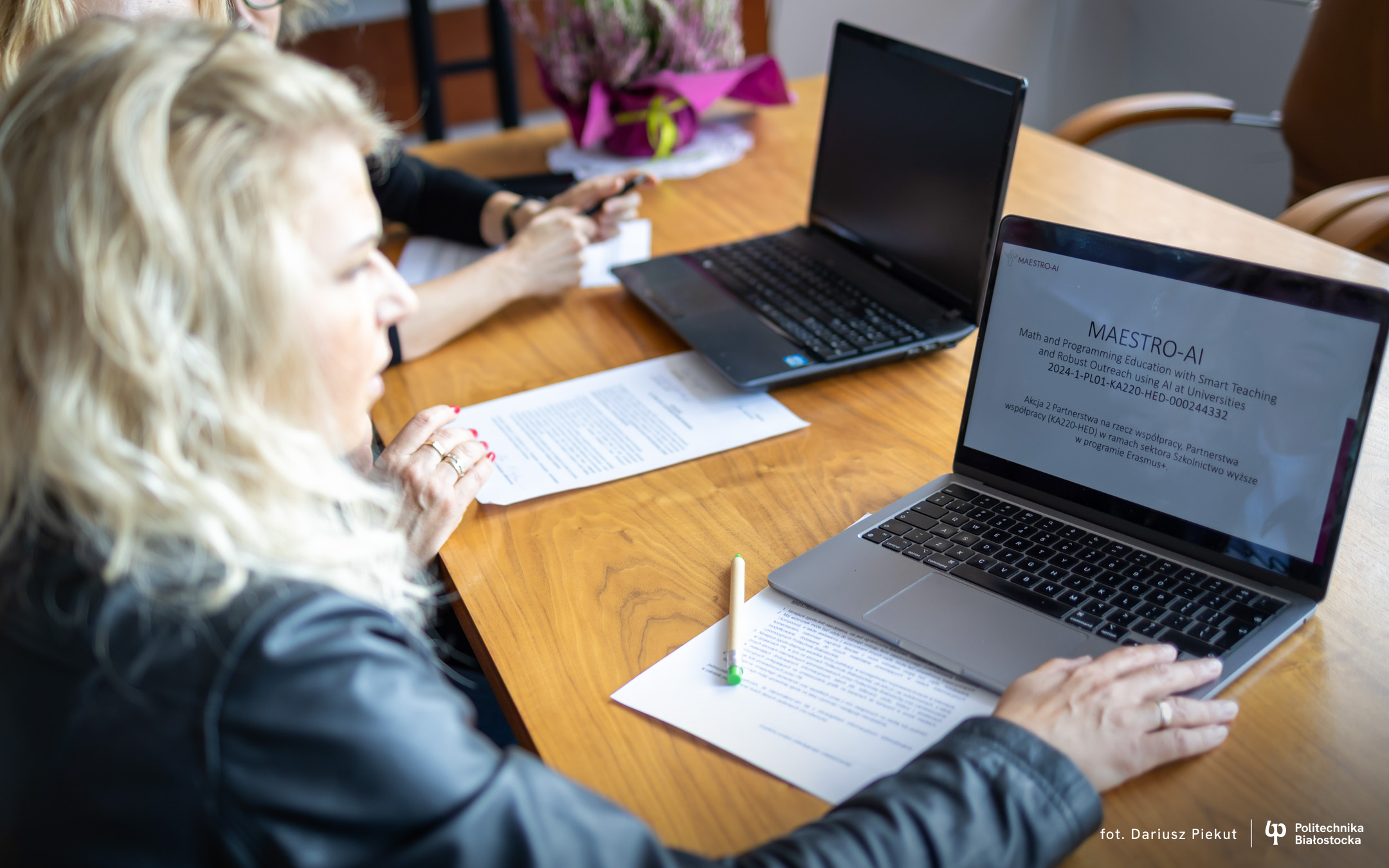
The project “MAESTRO-AI – Math and Programming Education with Smart Teaching and Robust Outreach using AI at Universities” aims to promote innovative learning and teaching methods at universities in the age of artificial intelligence. Its goal is to improve the quality of education, particularly in mathematics and programming, by developing AI-based solutions that support teaching and student progress monitoring, as well as by creating new methods to engage students.
The project is led by the Faculty of Computer Science of Bialystok University of Technology. Partners include: the Technical University of Crete (Greece), West University of Timişoara (Romania), and the Polytechnic Institute of Viseu (Portugal).
– This is another project implemented by Bialystok University of Technology under Action 2 of the Higher Education sector – Partnerships for Cooperation. Such initiatives contribute to the internationalisation of our university, the development of new teaching methods and tools, and the building of international networks among staff members, which is also valuable for strengthening scientific cooperation – emphasises Assoc. Prof. Dorota Anna Krawczyk, DSc, PhD, Eng., Vice-Rector for International Cooperation at Bialystok University of Technology.
The MAESTRO-AI project has received EUR 250,000 in funding from the Polish National Agency for the Erasmus+ Programme and the European Solidarity Corps. Project duration: 1 September 2024 – 31 January 2027 (29 months).
The project’s objectives include creating handbooks for teachers that will provide ready-to-use proposals for applying artificial intelligence tools in teaching higher mathematics and programming fundamentals.
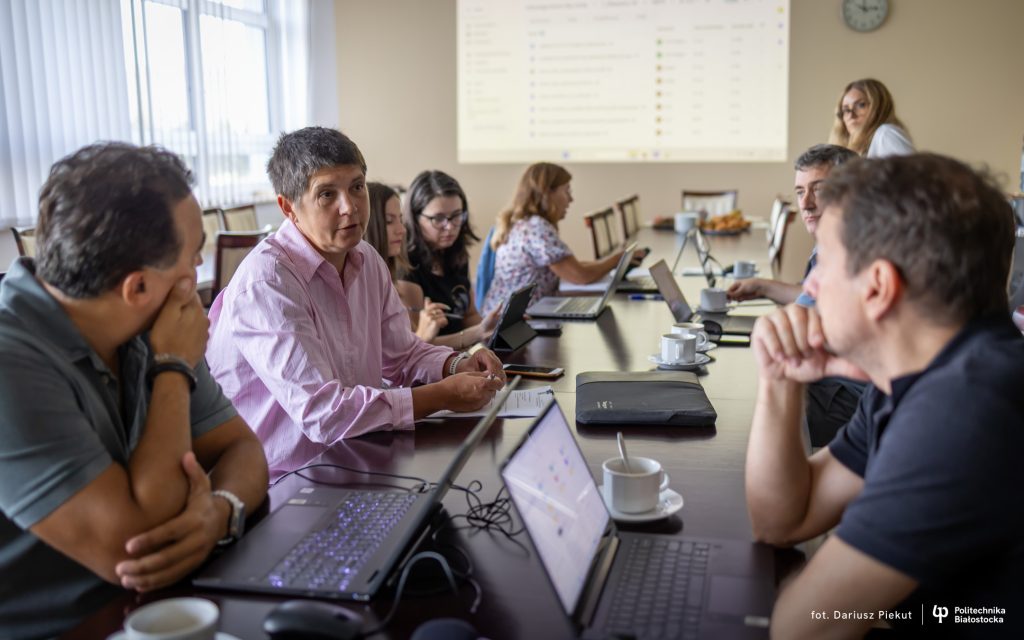
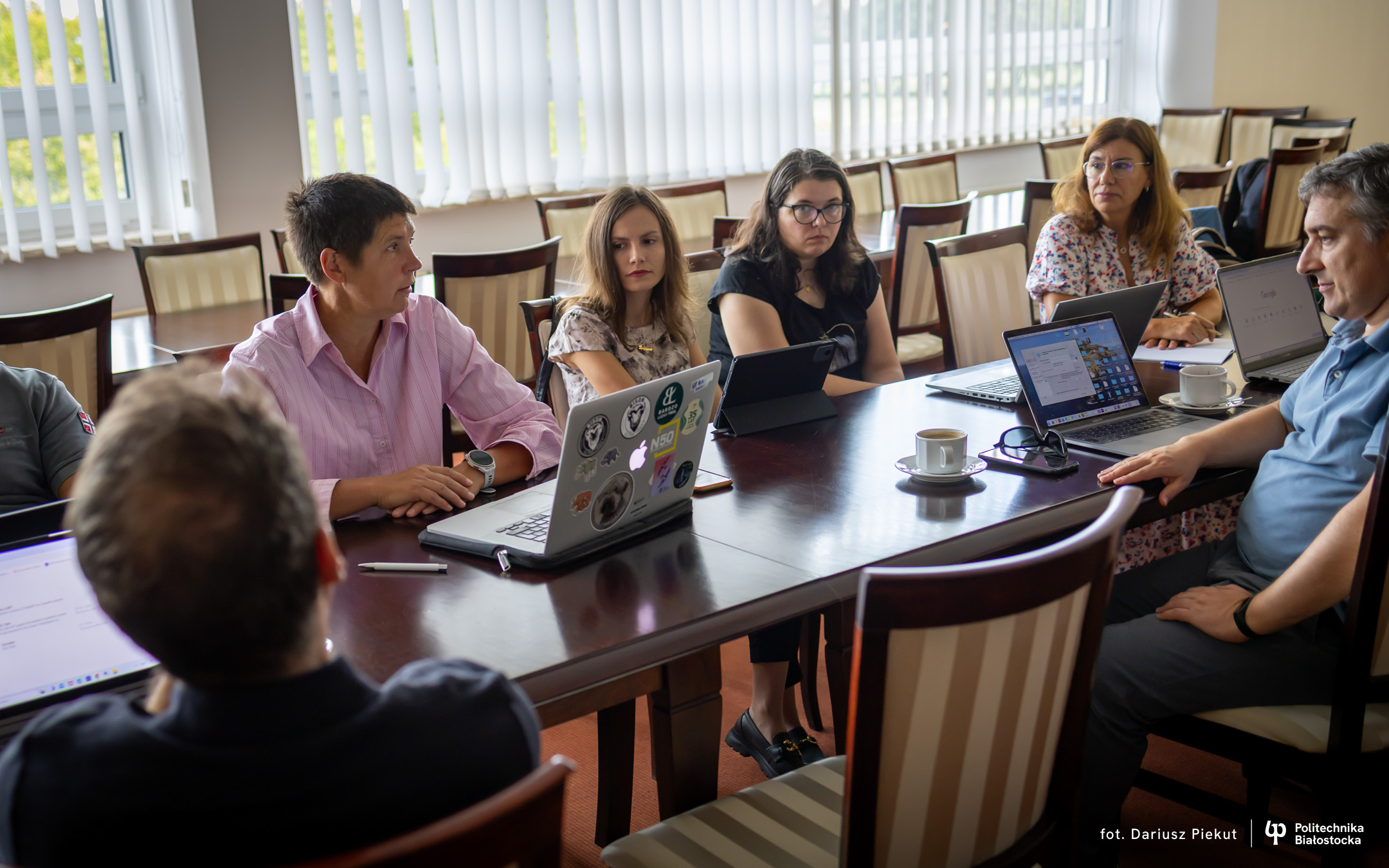
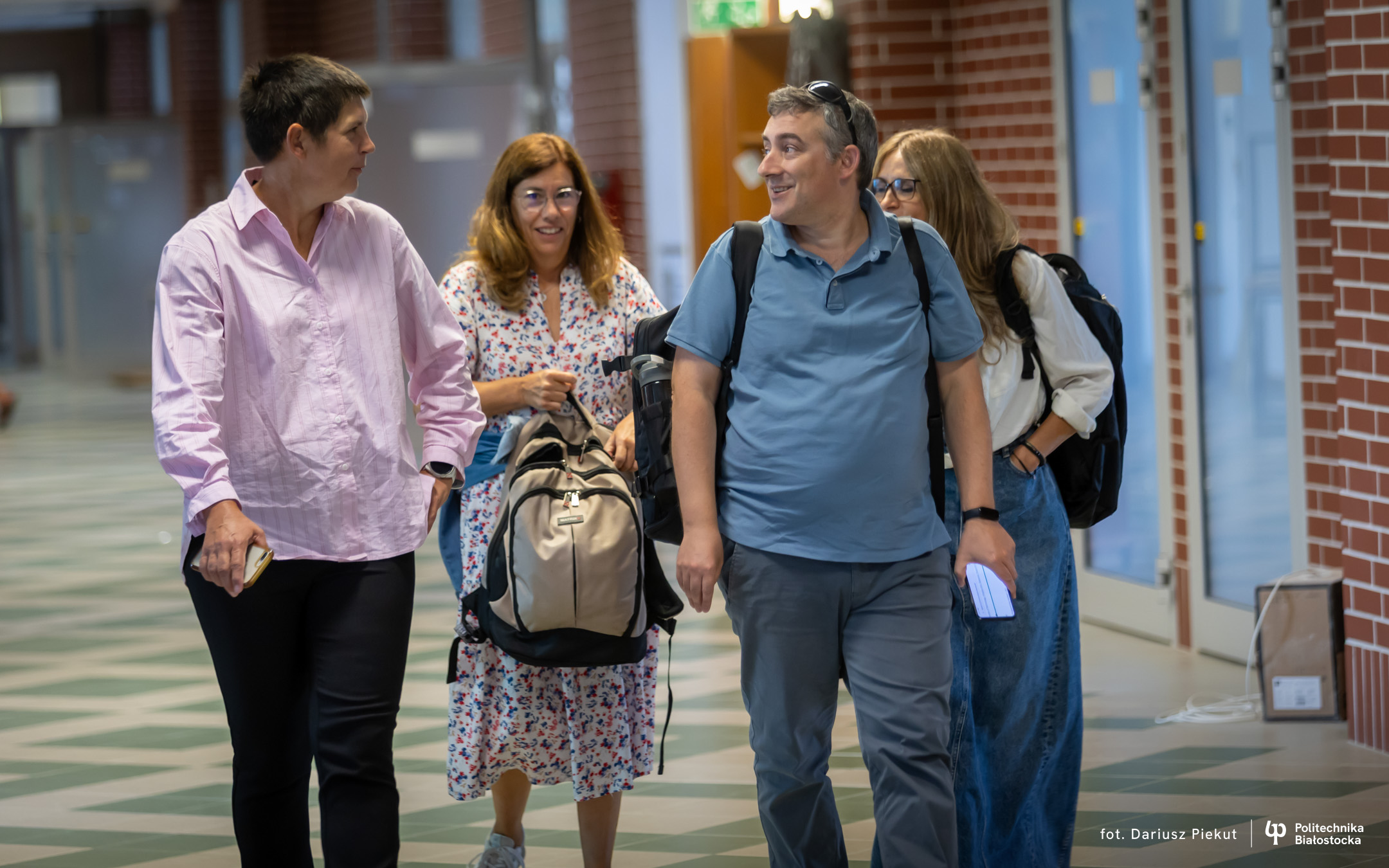
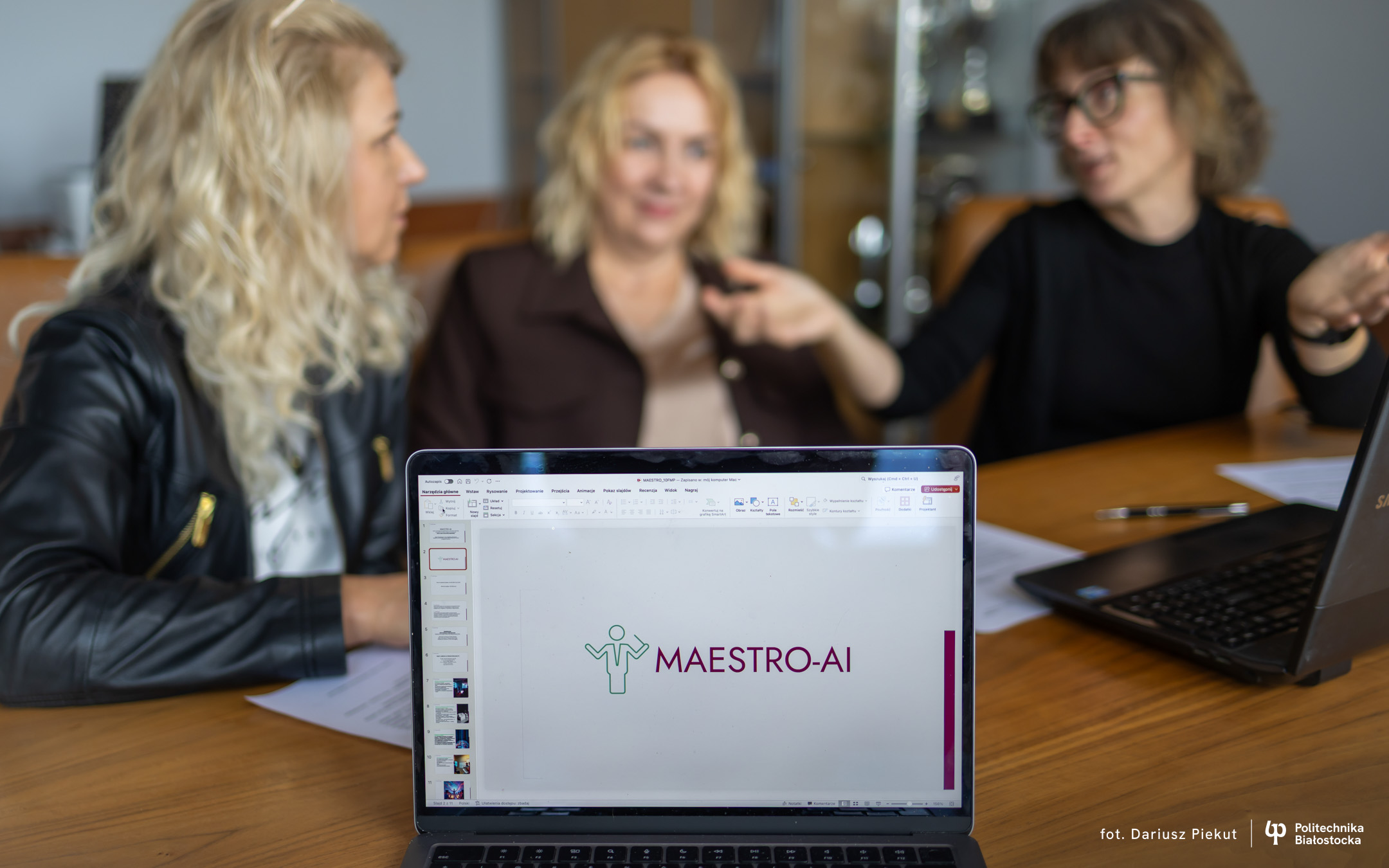
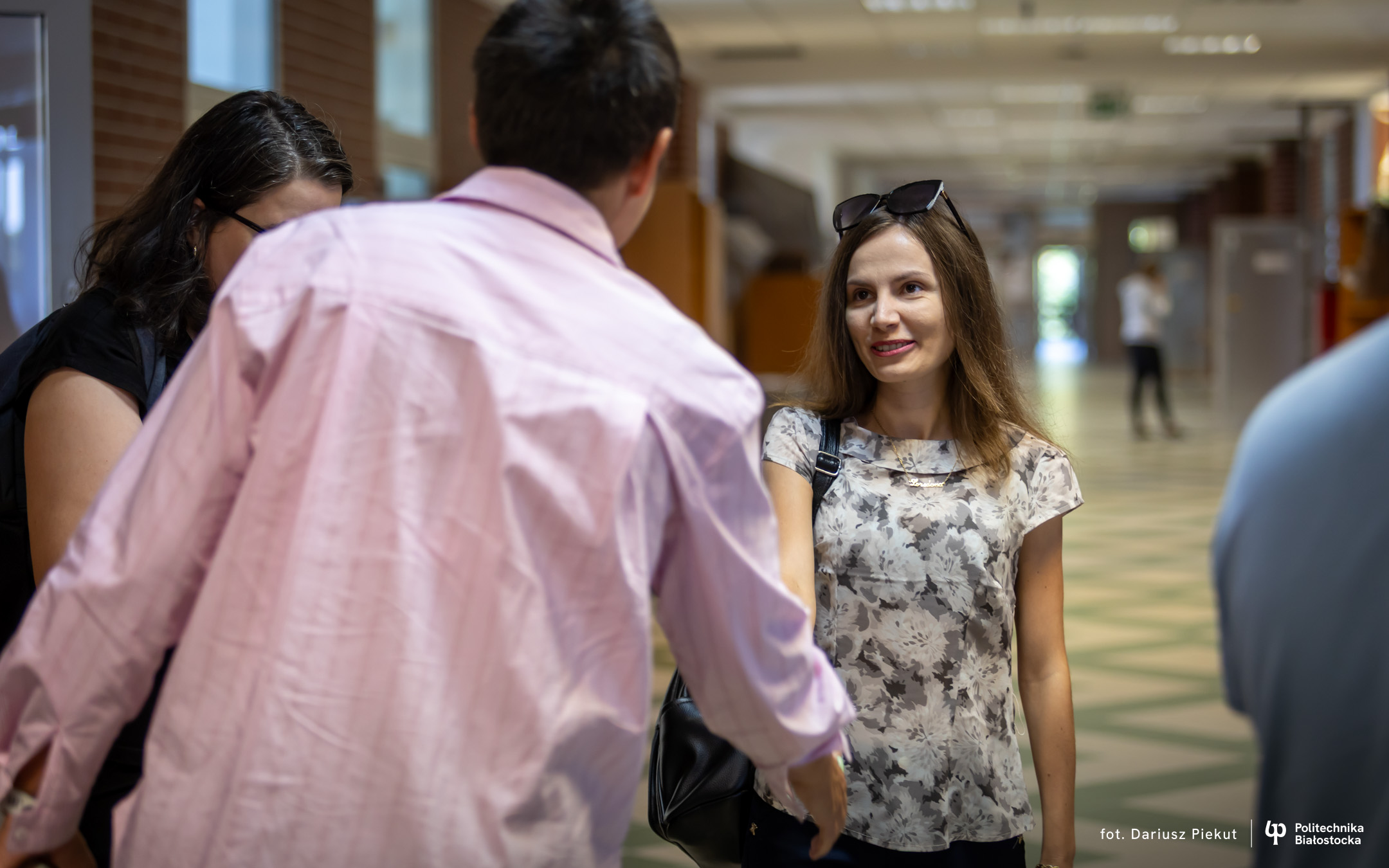
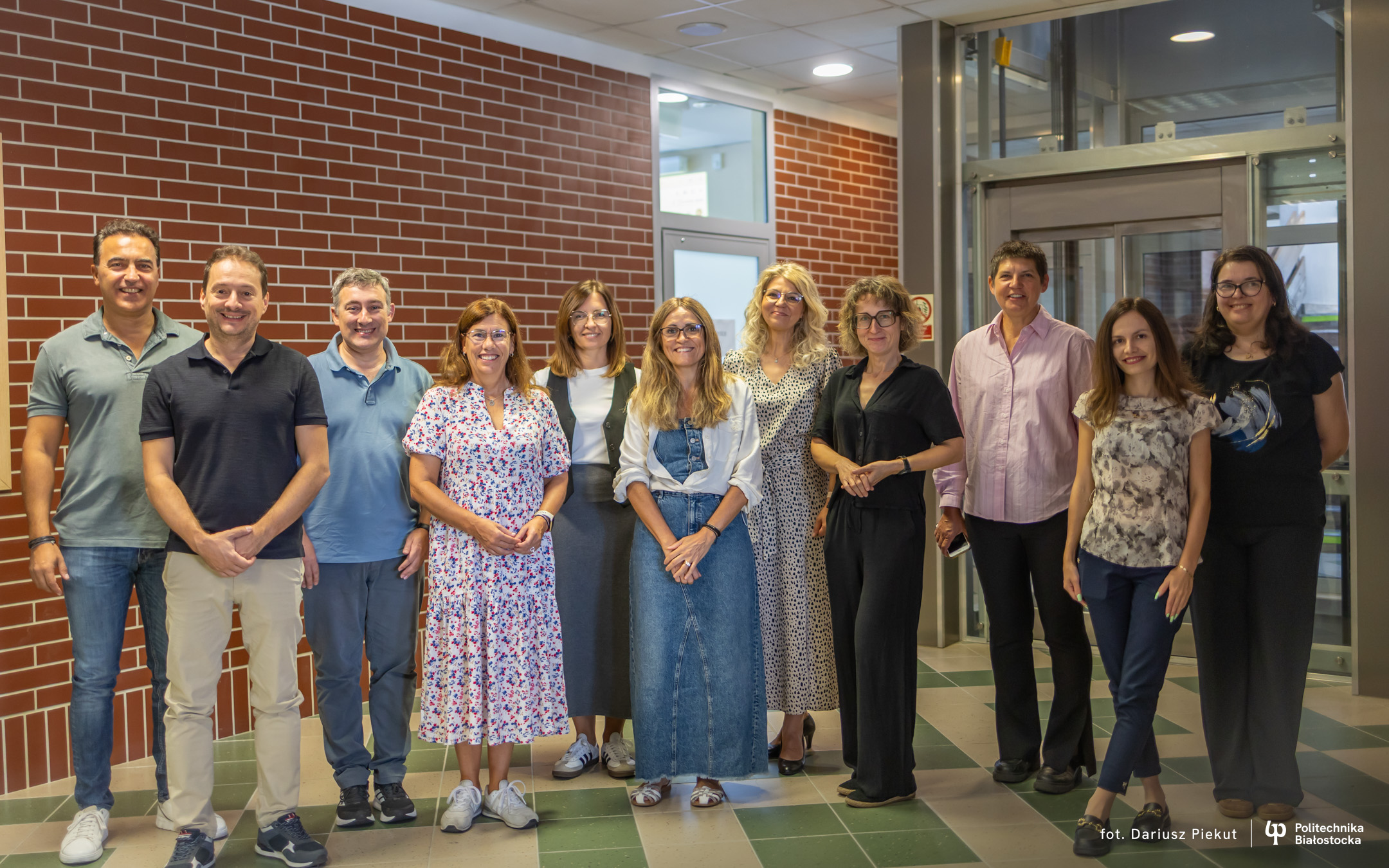
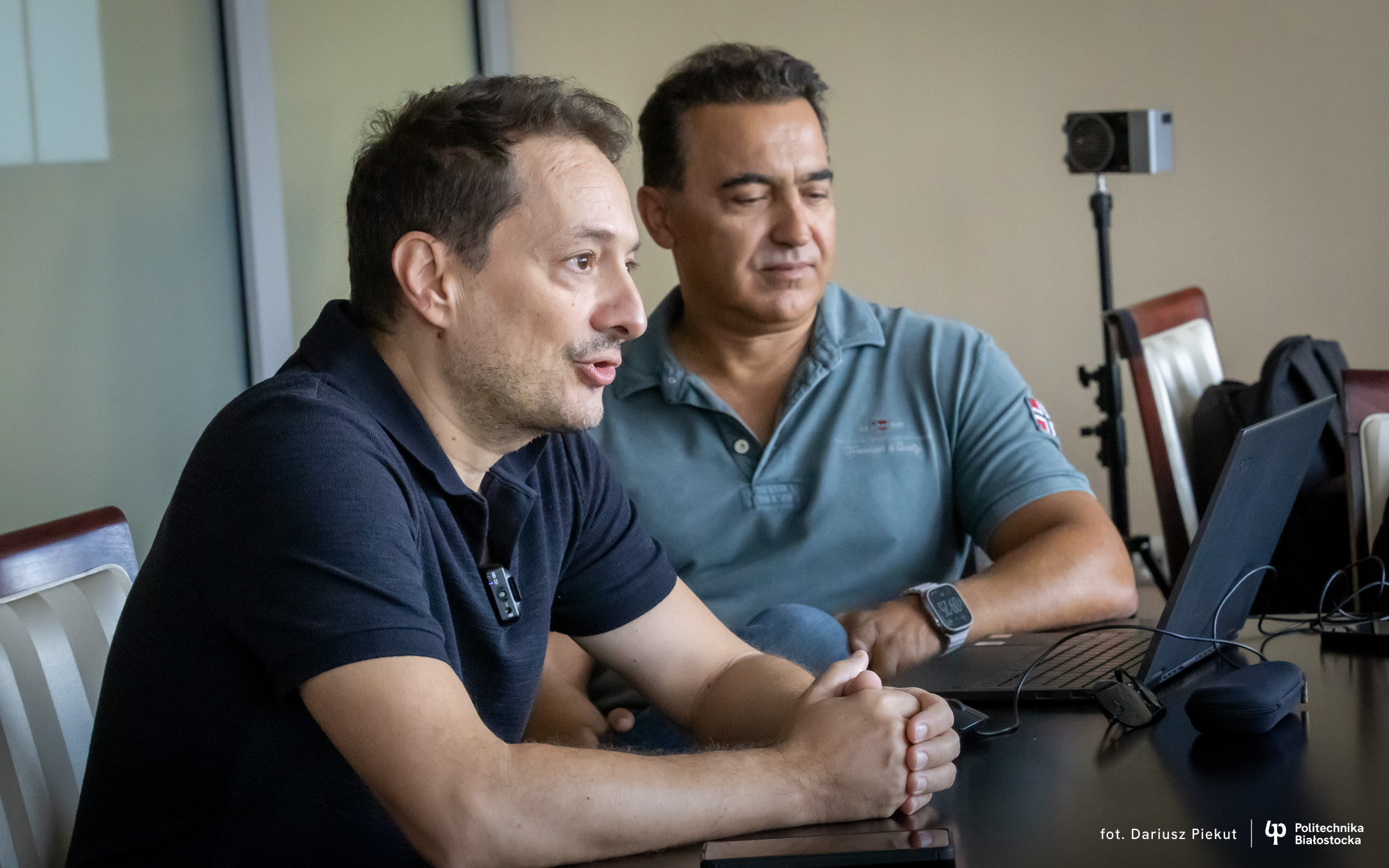
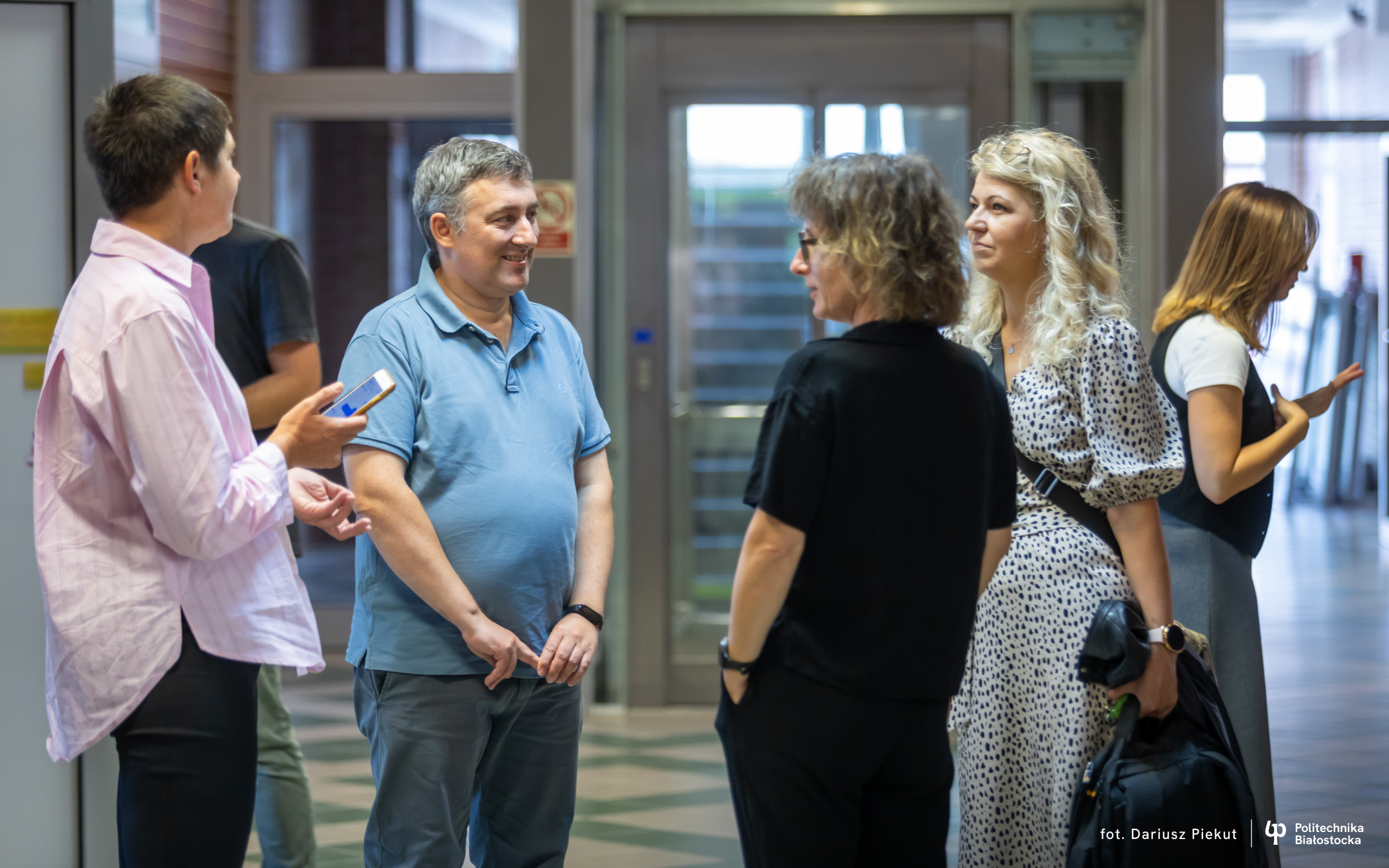
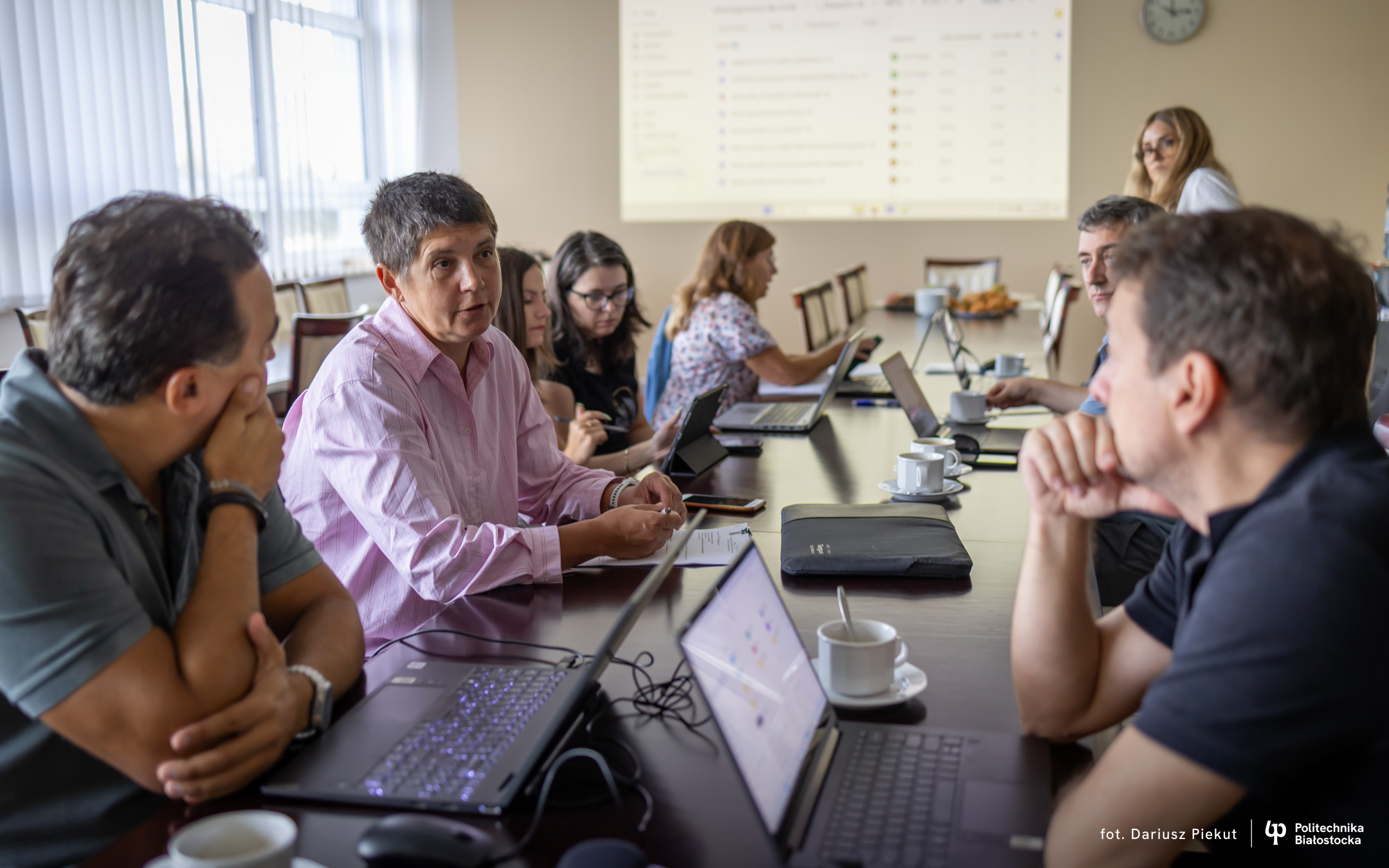
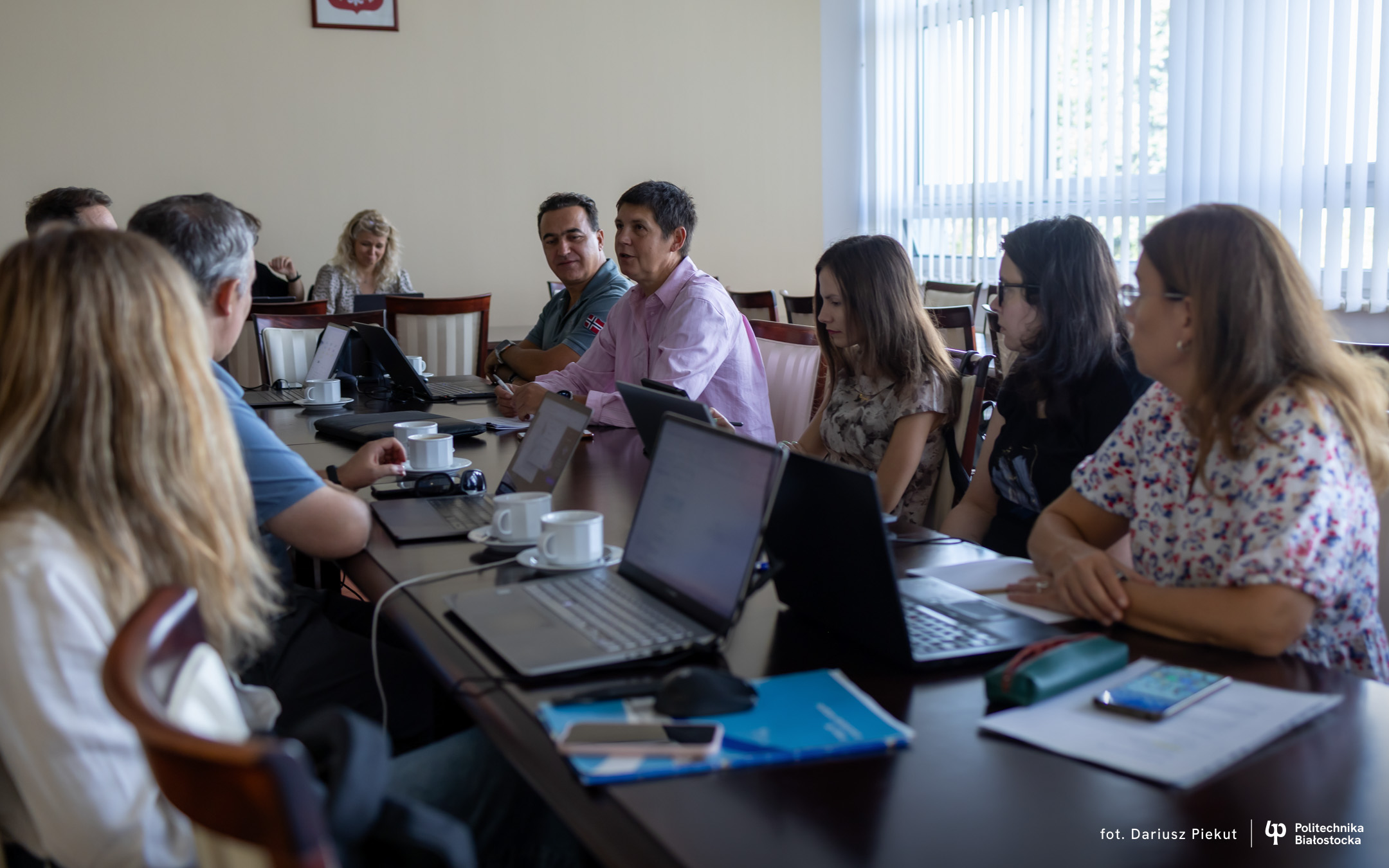
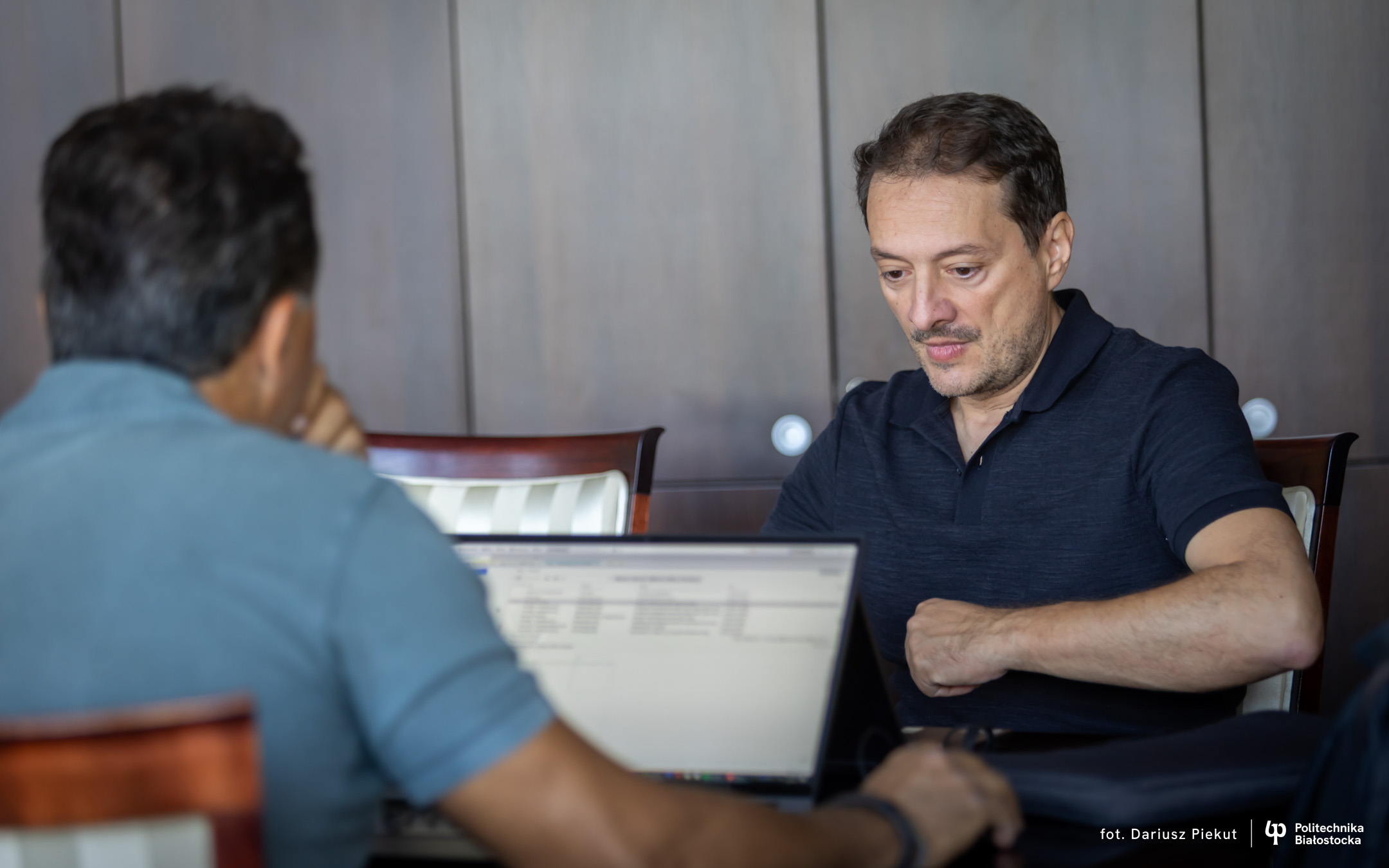
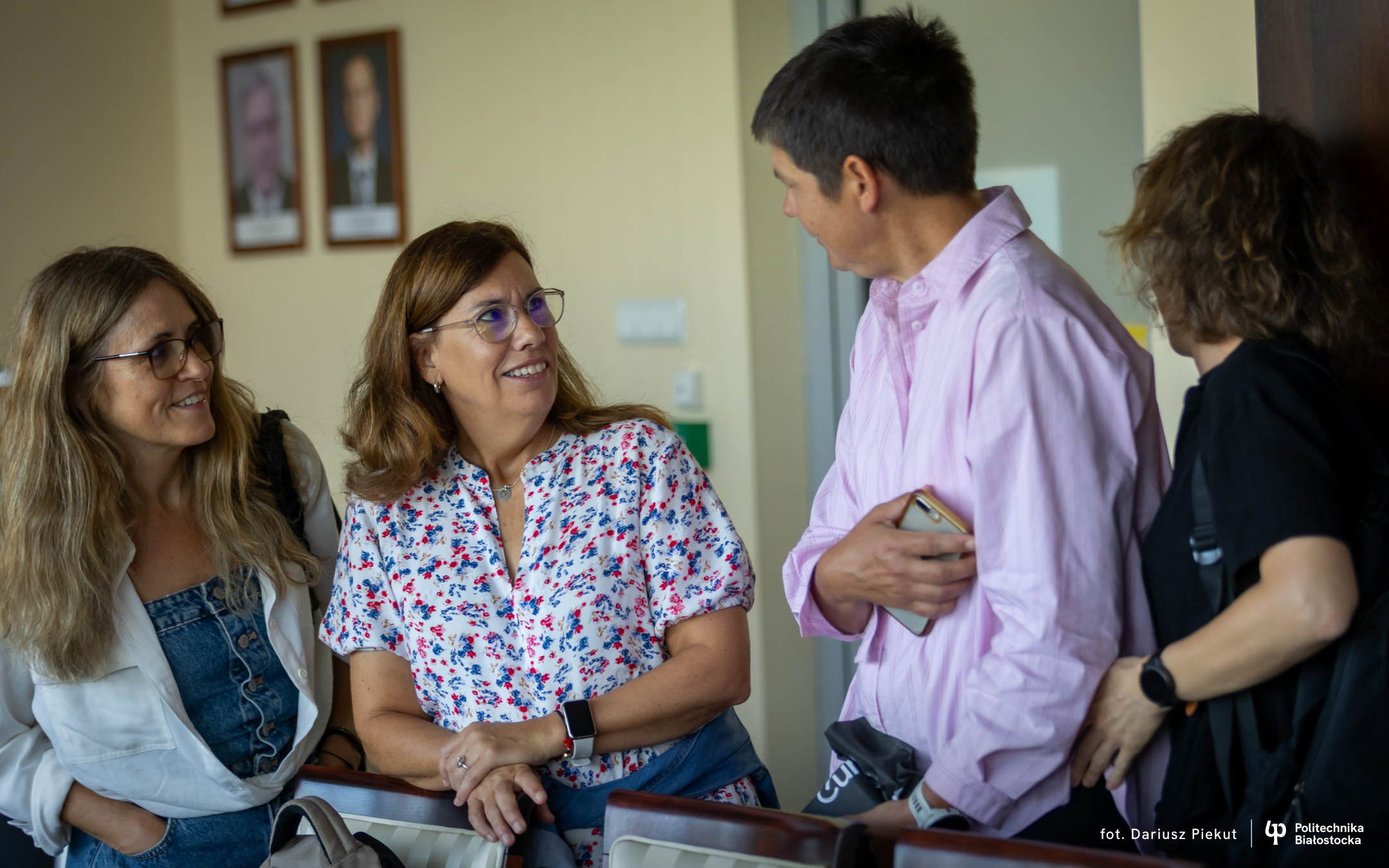
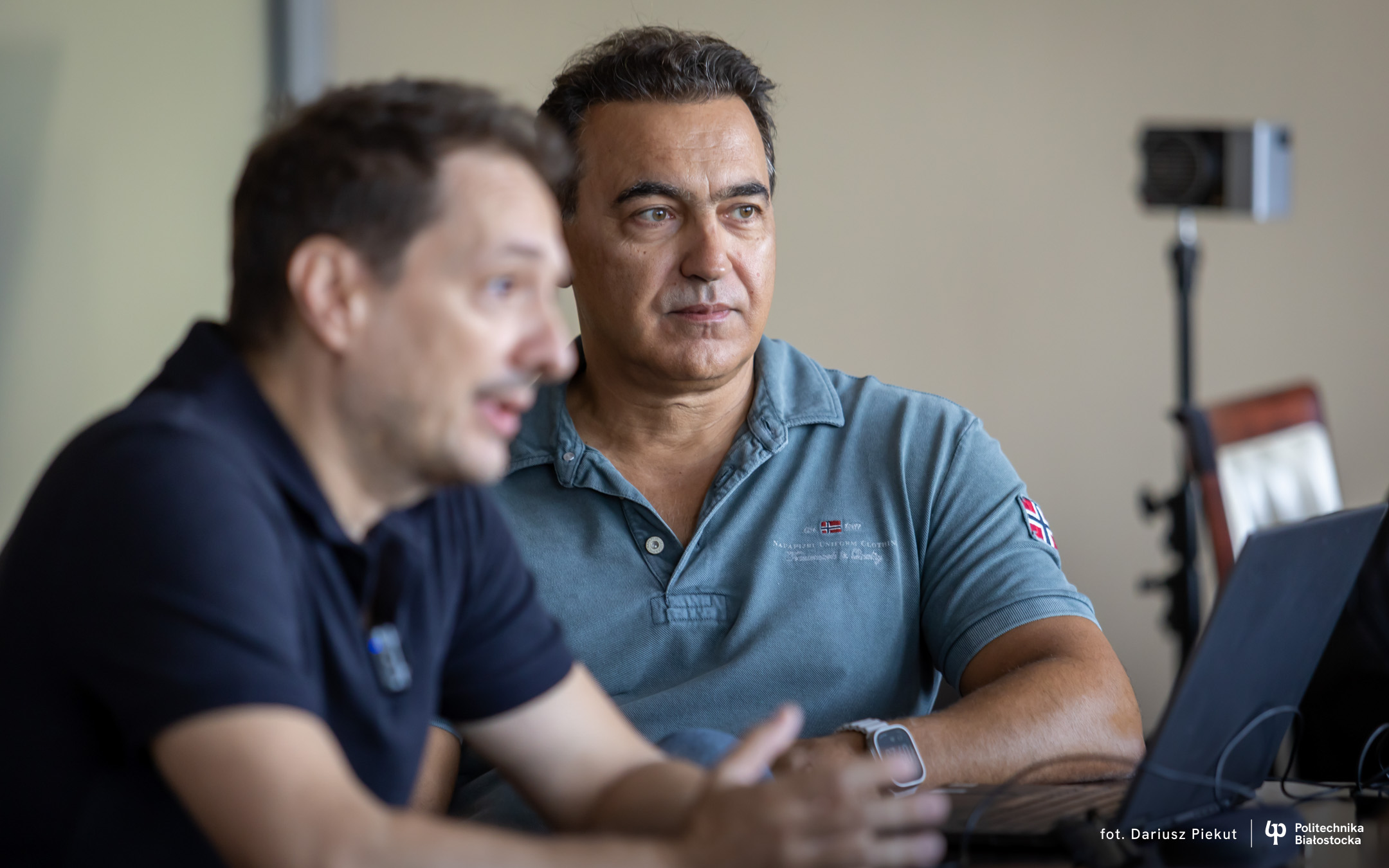
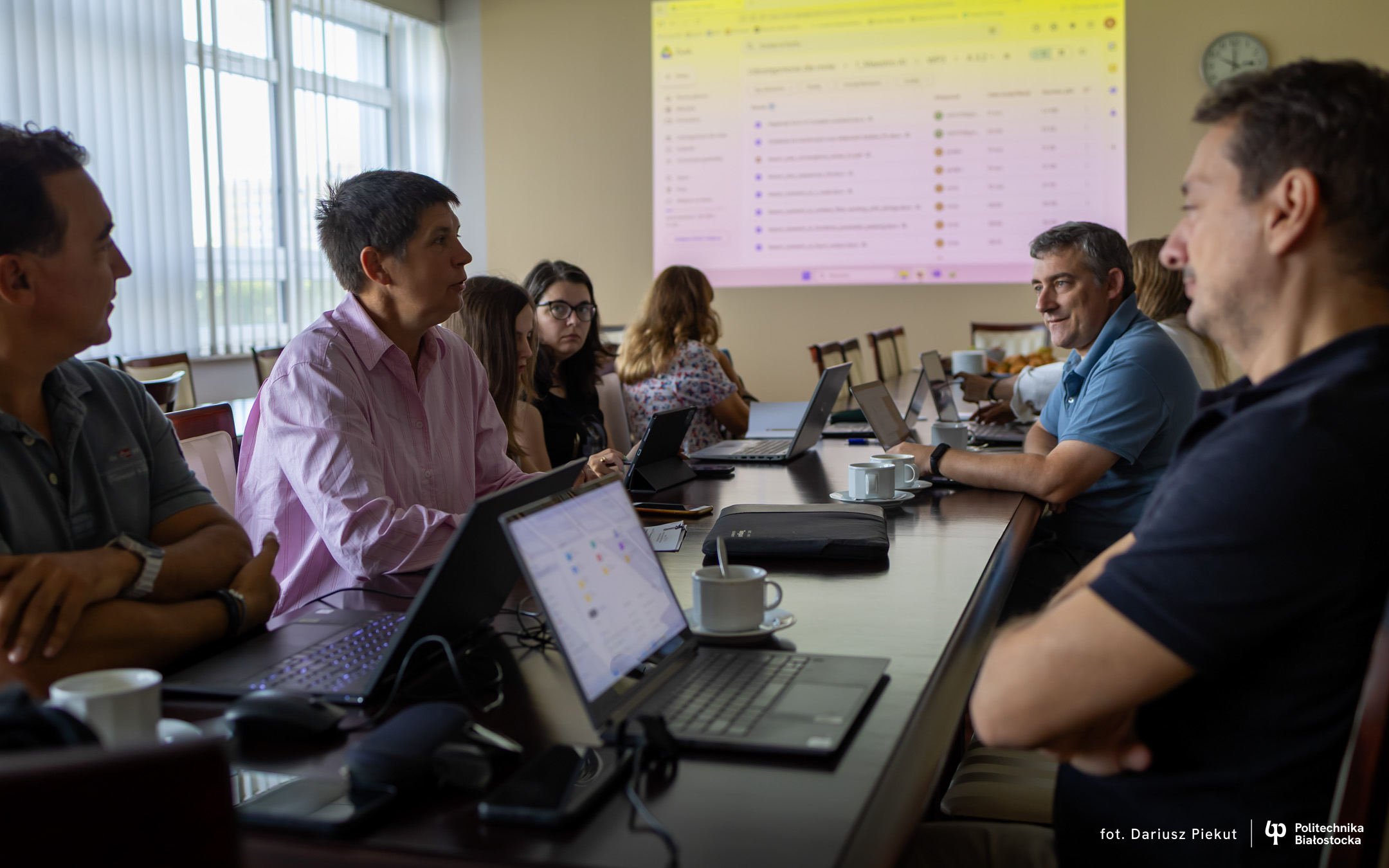
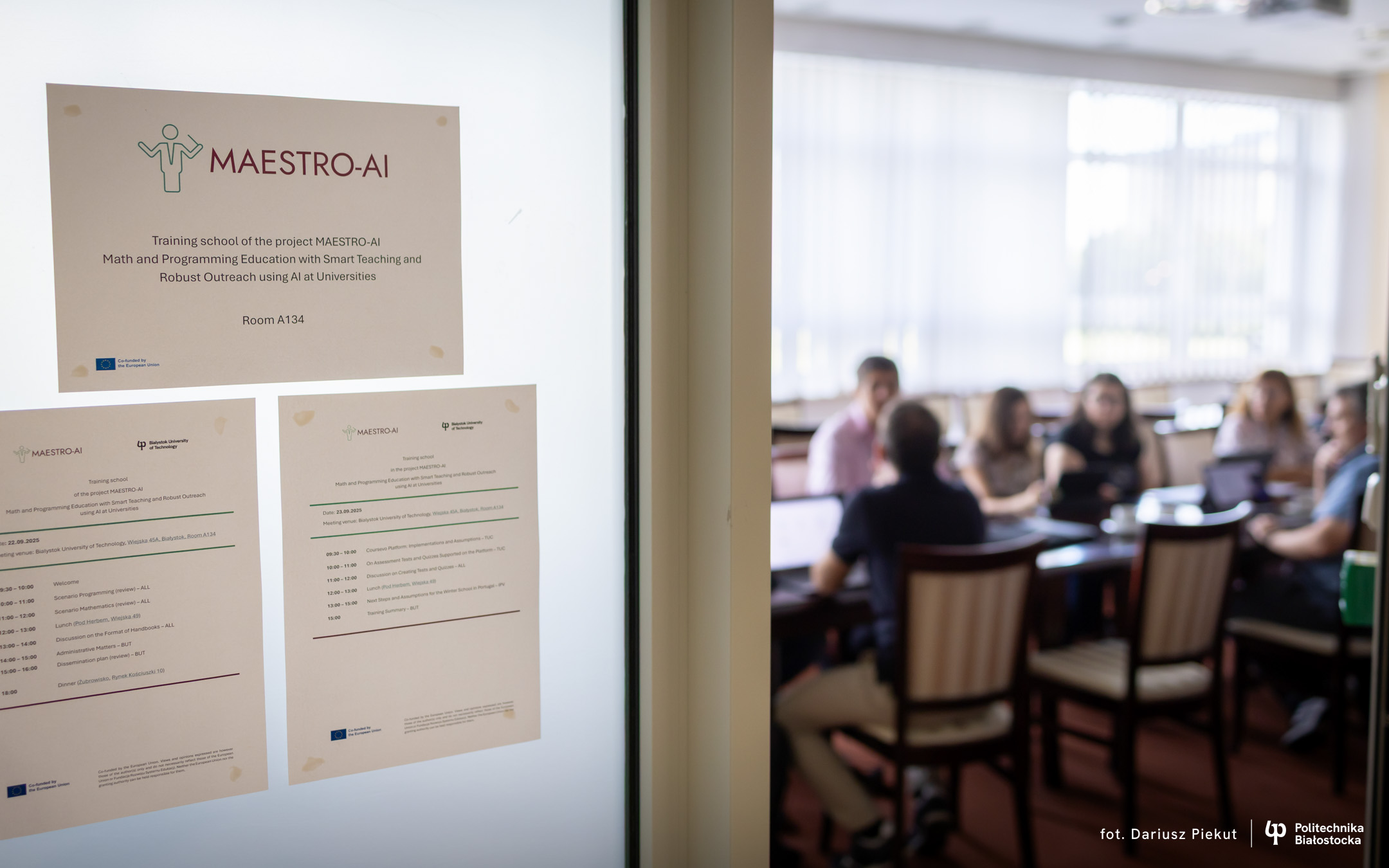
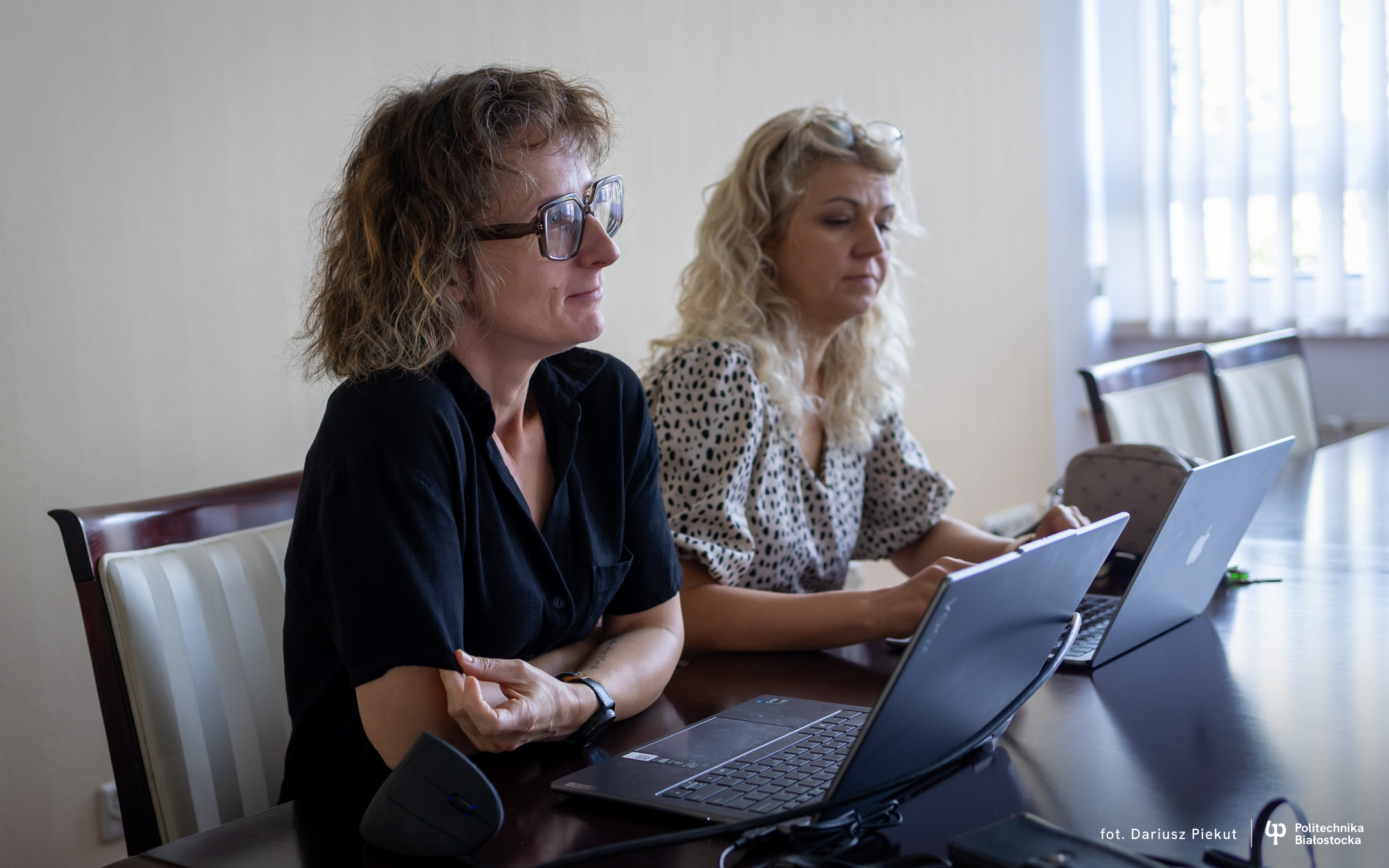
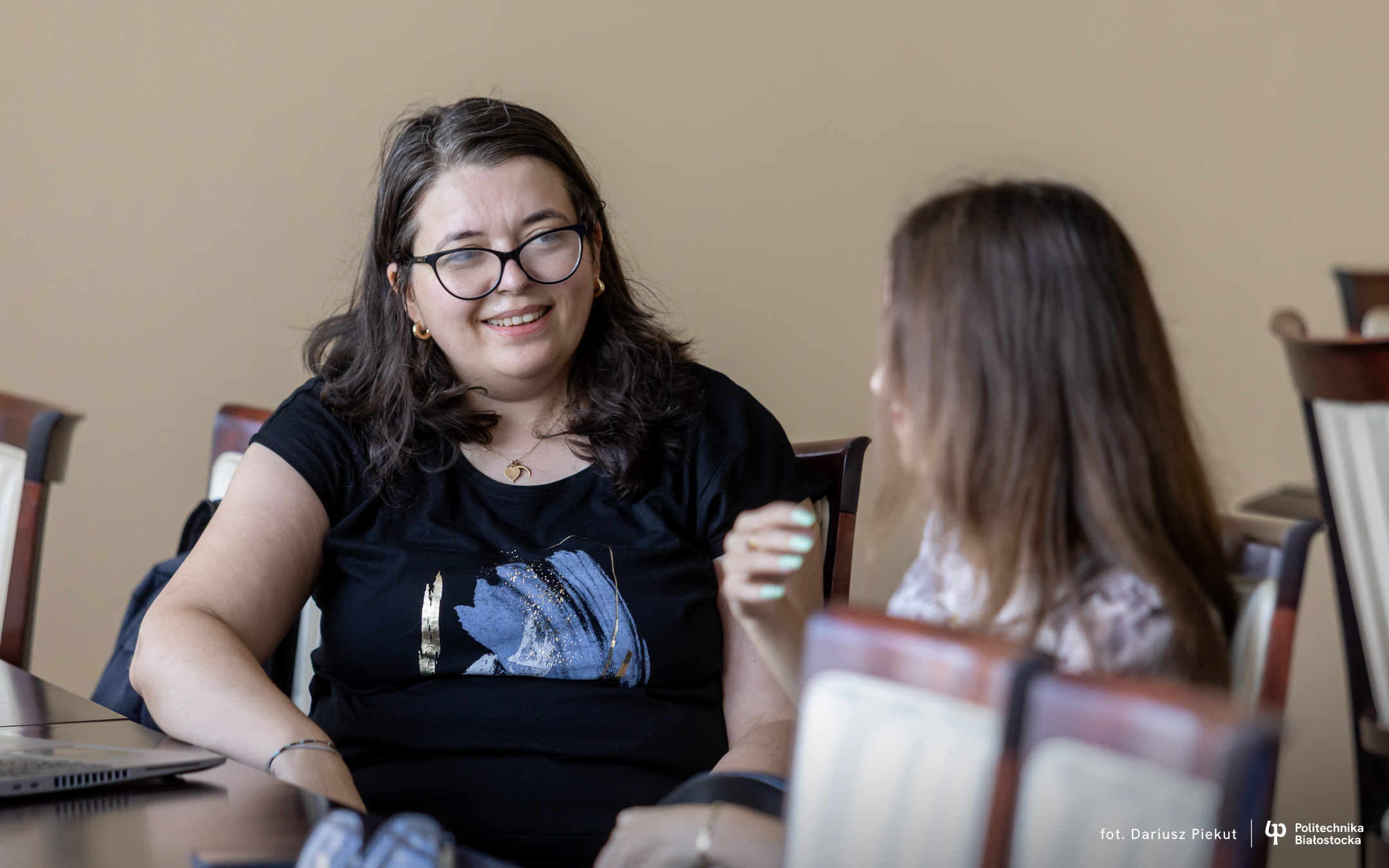
On 22–23 September 2025, the international project team met at the Faculty of Computer Science of Bialystok University of Technology to summarise the progress so far and discuss the results of the first experimental classes with students.
(mr, jd)
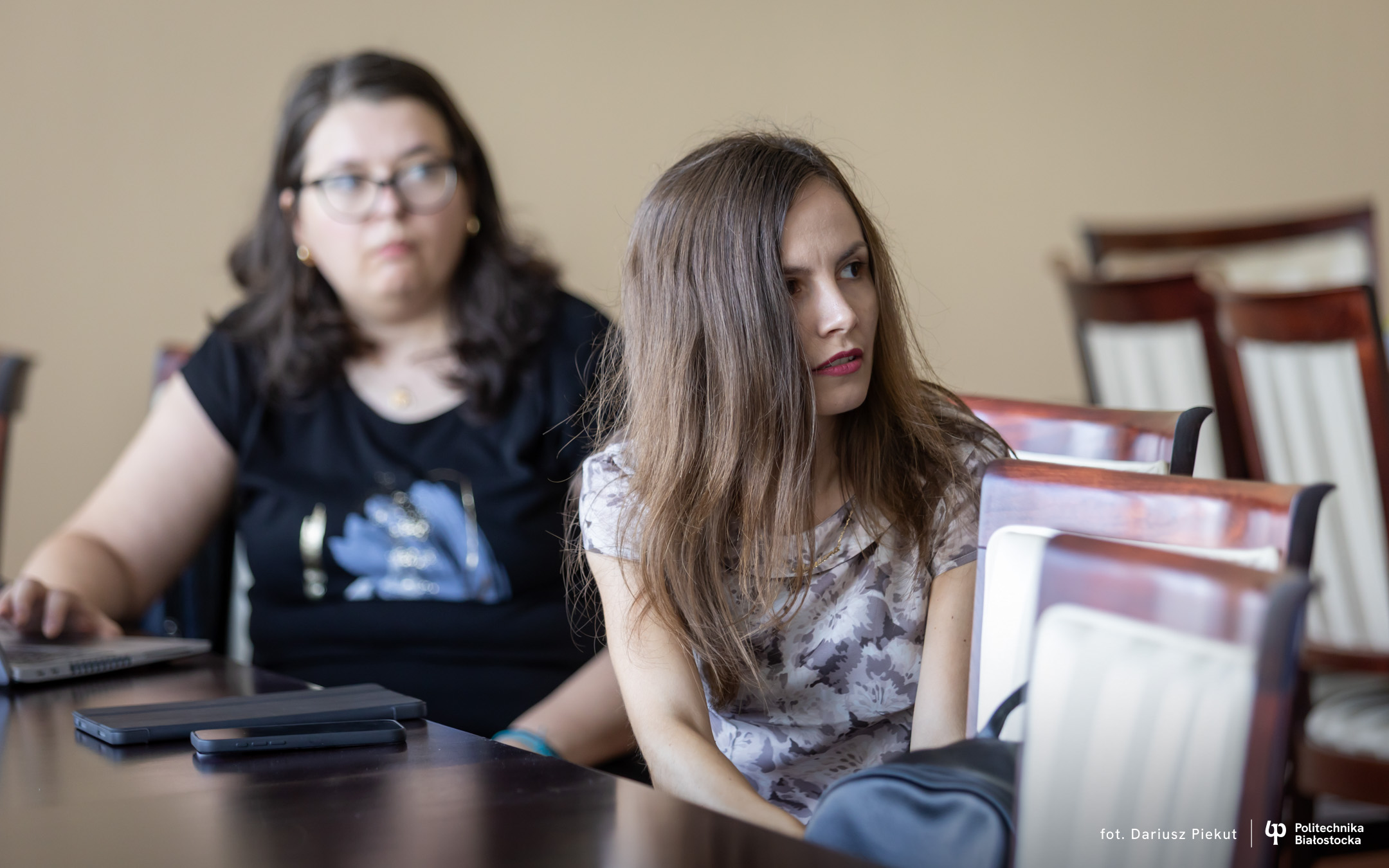
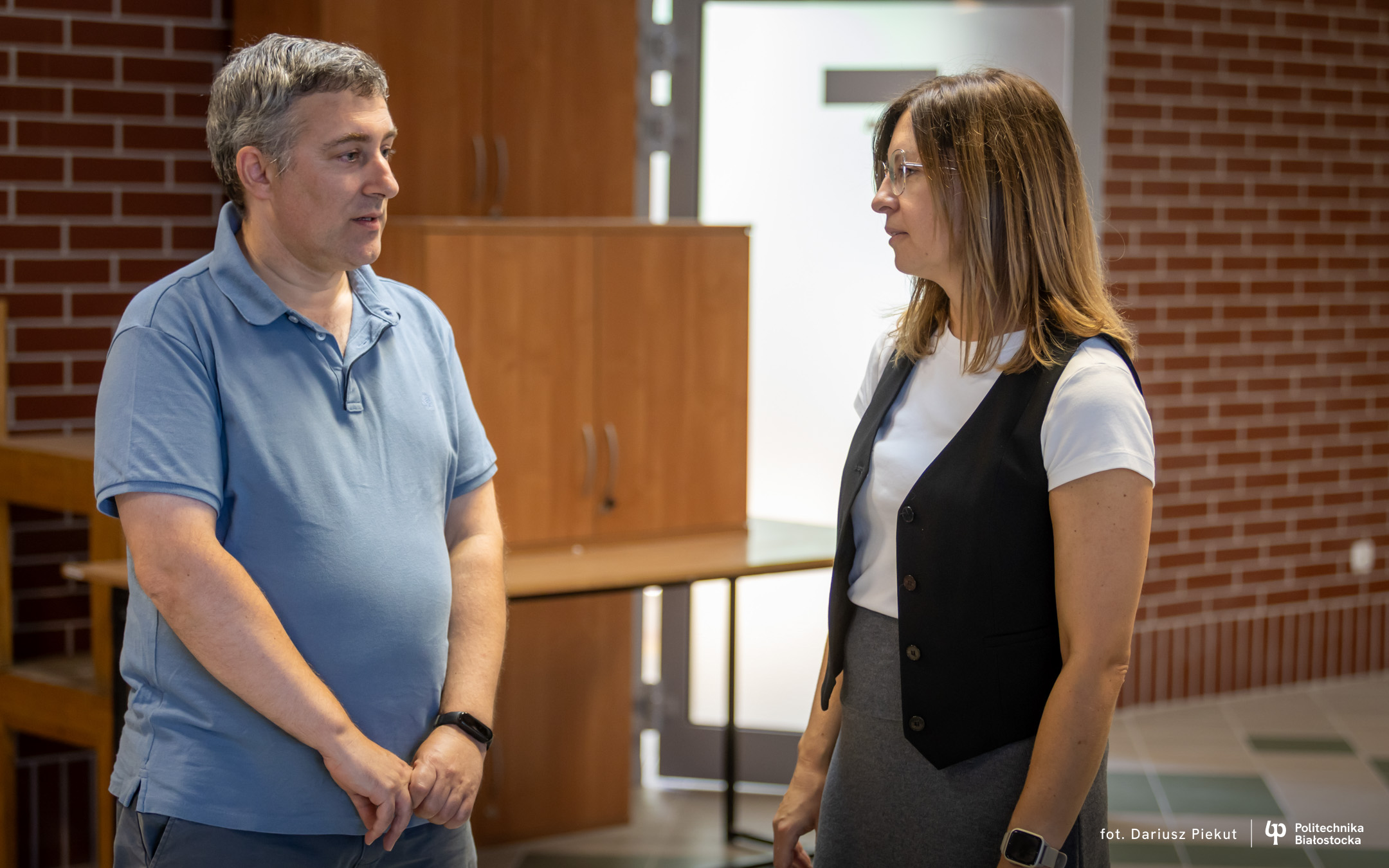
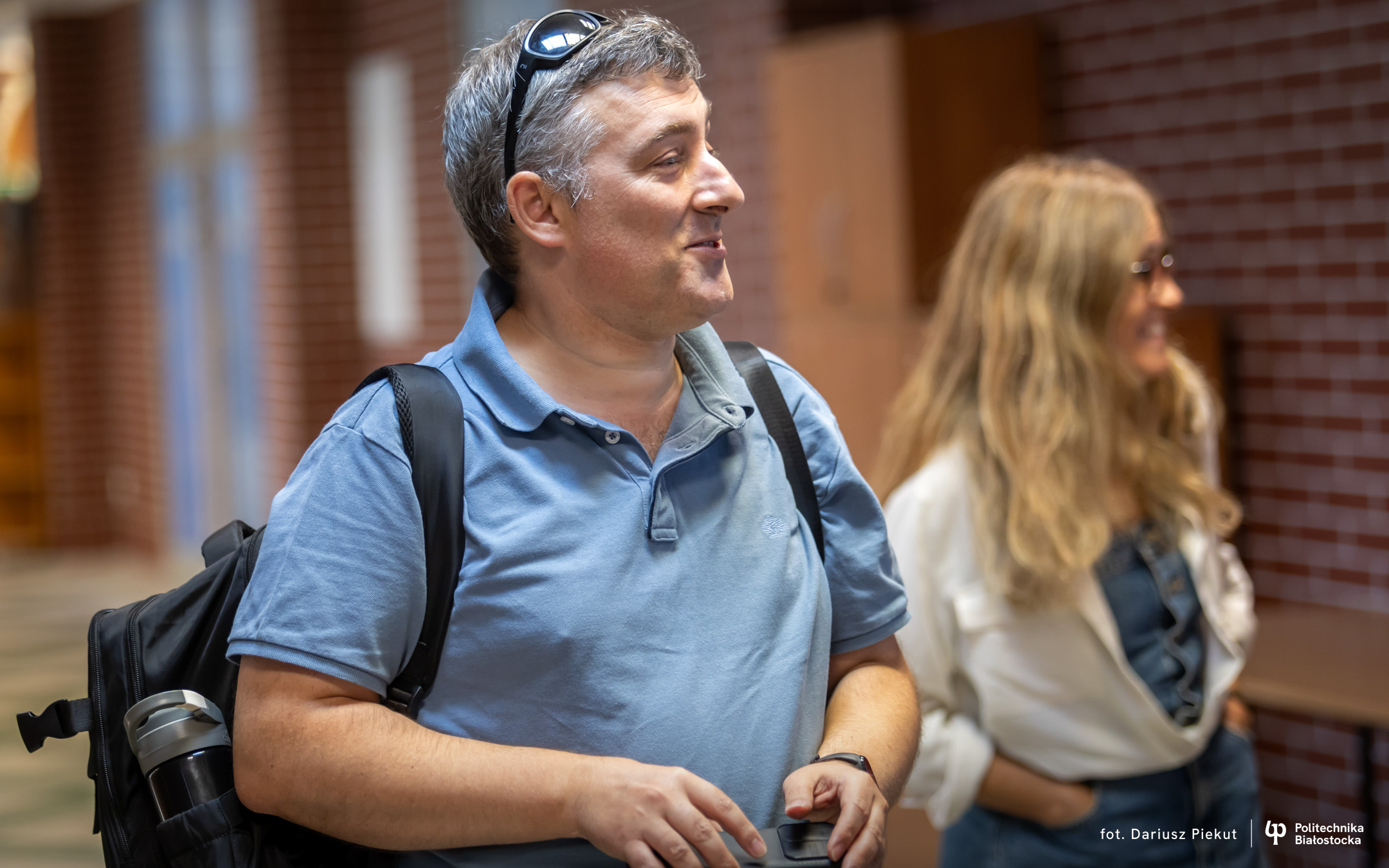
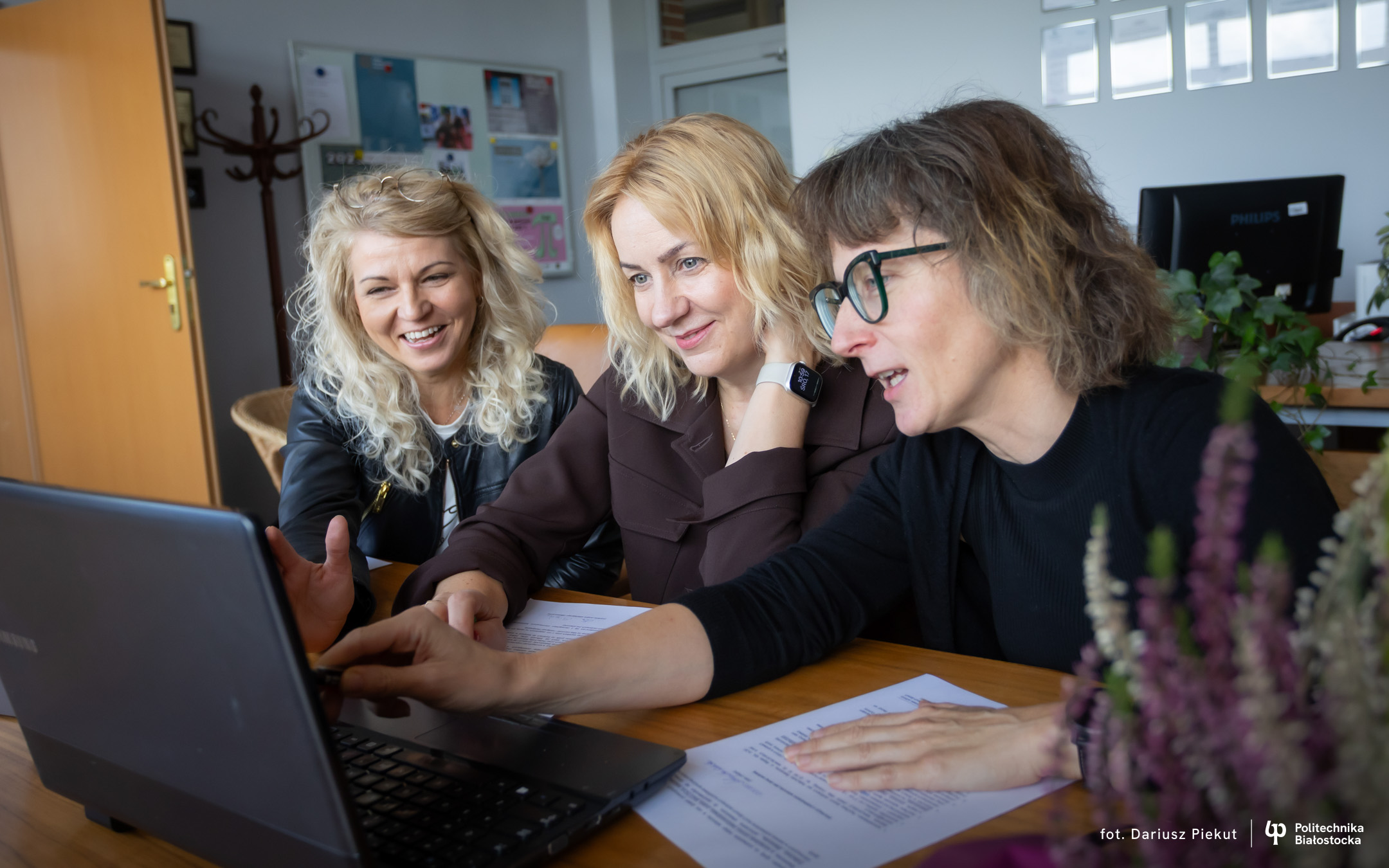
See the photo gallery from the MAESTRO-AI project meeting at the Faculty of Computer Science of Bialystok University of Technology, held on 22 September 2025.

Co-funded by the European Union. The views and opinions expressed are those of the author(s) only and do not necessarily reflect those of the European Union or the Foundation for the Development of the Education System. Neither the European Union nor the Foundation can be held responsible for them.