Discover Bialystok
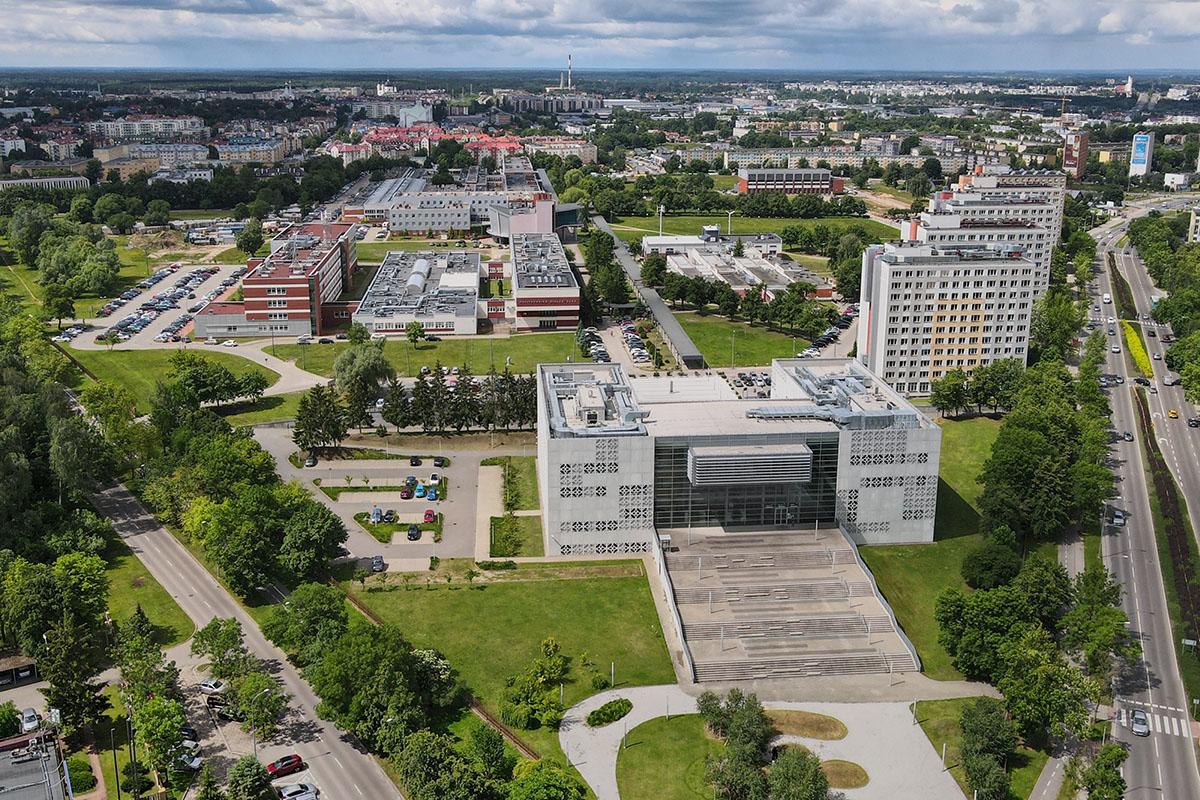
Bialystok is the largest city in north-eastern Poland and the capital of the Podlaskie Voivodeship. With around 290,000 inhabitants, it is the tenth-largest city in Poland. It is an important centre of education, culture, business and technology in this part of the country.
However, Bialystok is very different from Poland’s biggest cities such as Warsaw or Krakow. Despite its size, the city has a calm and friendly atmosphere. The city centre is relatively compact, while parks, forests and other green areas are never far away. This combination makes Bialystok a comfortable place to live, study and visit.
Bialystok is also located close to Poland’s eastern border. Its geographical position has played an important role in the history and culture of the city. For centuries, people of different cultures, religions and nationalities have lived in this region, creating the multicultural character that remains an important part of Bialystok’s identity today.
A city surrounded by nature
One of the most characteristic features of Bialystok is its connection with nature. Forests cover around 18% of the city’s administrative area, making Bialystok one of the more forested large cities in Poland.
There are also many parks and green spaces where residents can walk, cycle, meet friends or simply relax. One of the best-known is Planty Park, situated next to the Branicki Palace. Together, the park and palace gardens create one of the most pleasant areas in the city centre.
Nature is important not only inside Bialystok but also in the surrounding region. The Podlaskie Voivodeship is known for its forests, rivers, wetlands and national parks. This makes Bialystok a good starting point for discovering the natural beauty of north-eastern Poland.
The green character of Bialystok is one of the things that distinguishes it from many other large Polish cities.
A multicultural city
The history of Bialystok has been strongly influenced by its location between different parts of Europe. Throughout its history, the city and the surrounding region have been home to communities representing different cultures, religions and nationalities. This diversity helped shape the character of modern Bialystok.
One particularly interesting connection between Bialystok and the rest of the world is Ludwik Zamenhof, the creator of Esperanto, who was born in Bialystok. Growing up in a multilingual environment inspired his idea of creating an international language that could help people from different countries communicate with each other.
Today, visitors can learn more about this part of the city’s history at the Ludwik Zamenhof Centre.
Bialystok’s multicultural heritage can also be seen in the wider region, where different architectural styles, religious buildings, traditions and cuisines exist close to one another.
What can you see in Bialystok?
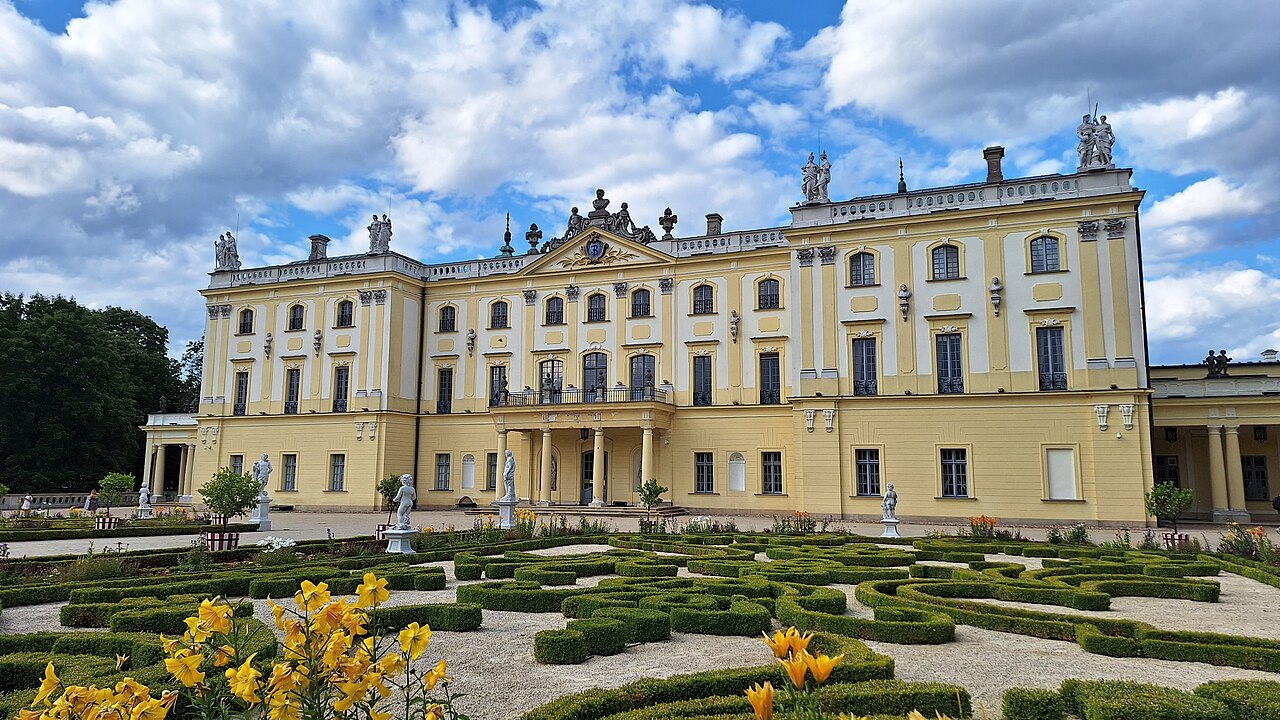
Perhaps the most recognisable landmark of Bialystok is the Branicki Palace. The impressive Baroque residence and its gardens are among the symbols of the city. Because of its architecture and gardens, the palace complex is sometimes associated with the idea of Bialystok as the “Versailles of Podlasie.”
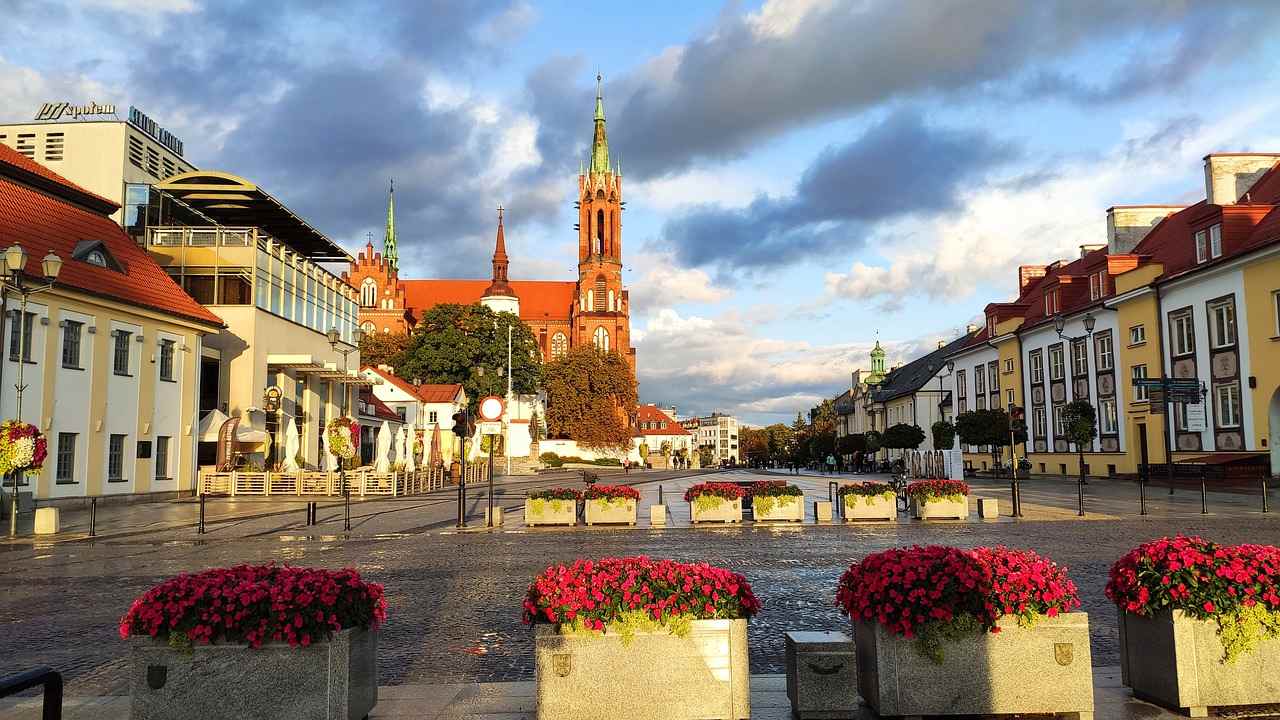
Another important place is Kosciuszko Square, located in the heart of the city. It is surrounded by cafés, restaurants and historic buildings and is one of the main meeting points for residents.
Visitors can also see the Bialystok Cathedral, walk through Planty Park or visit the modern Podlasie Opera and Philharmonic. The Opera has become one of the landmarks of contemporary Bialystok and represents the importance of culture in the city. The official city portal also lists the Opera and Philharmonic among modern symbols of Bialystok.
The city is also known for its colourful murals, which can be found on buildings in different parts of Bialystok. They add a modern artistic element to the city and have become another characteristic feature of its urban landscape.
Bialystok – a city of students
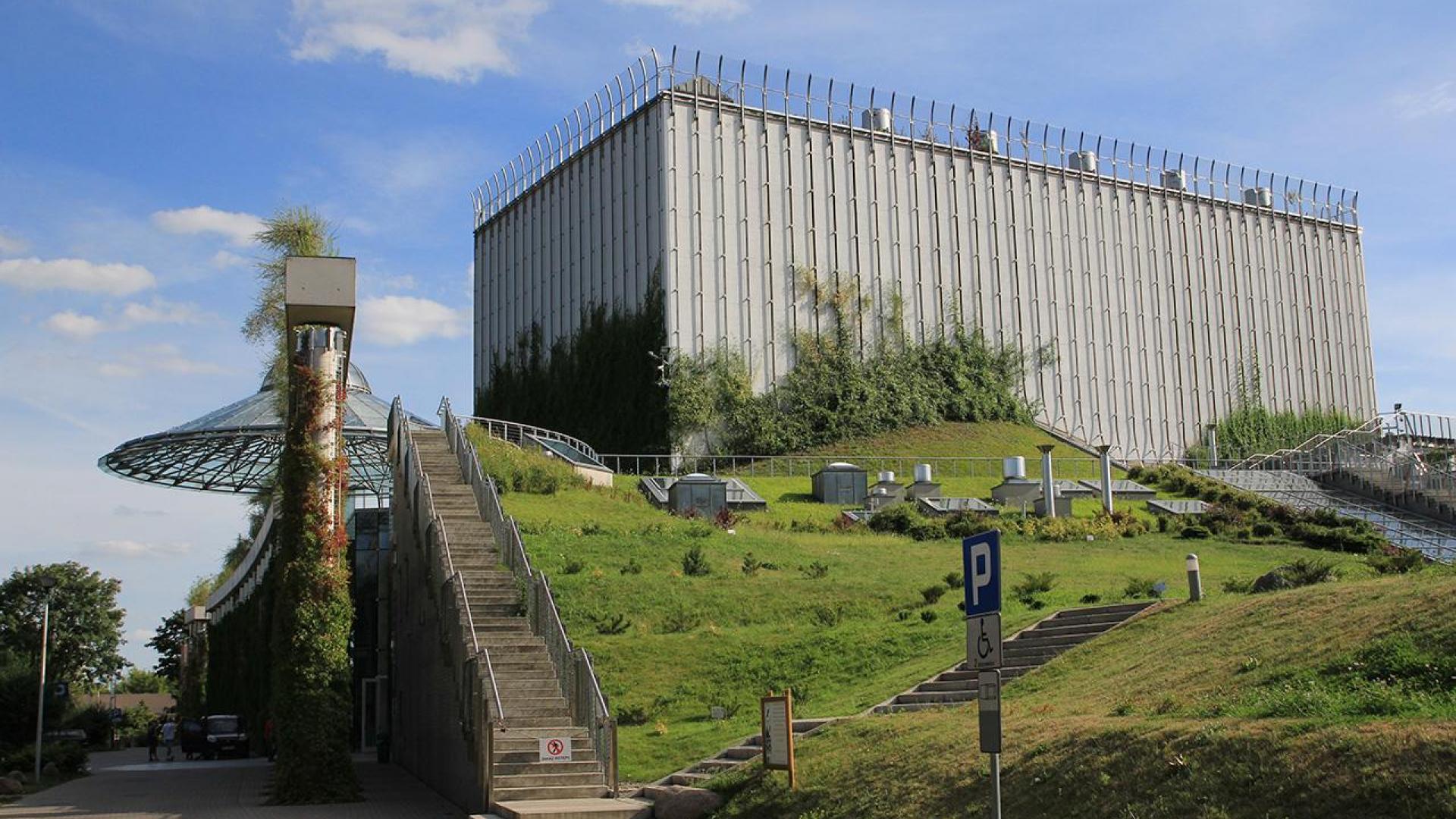
Education is an important part of life in Bialystok. The city is a major academic centre in north-eastern Poland, with thousands of students studying at local universities. According to the official city portal, there are 11 higher education institutions and around 25,000 students in Bialystok.
Among the most important universities are Bialystok University of Technology, the Medical University of Bialystok and the University of Bialystok.
Bialystok University of Technology is the largest technical university in north-eastern Poland. Its presence makes engineering, technology and innovation an important part of the city’s academic environment.
Bialystok also has the Bialystok Science and Technology Park, which supports cooperation between science and business and provides space for technology companies and start-ups.
Thanks to its universities, Bialystok combines the atmosphere of a regional capital with the energy of a student city.