A city where industry, culture and innovation meet.
Discover Duisburg
Duisburg is a large city in western Germany, located in the state of North Rhine-Westphalia. With around 500,000 inhabitants, it is one of the largest cities in the Ruhr region and an important part of the Rhine-Ruhr metropolitan area. The city is located where the Ruhr River meets the Rhine, a location which has strongly influenced its development throughout history.
For many years, Duisburg was mainly associated with coal, steel and heavy industry. During the Industrial Revolution, its location close to the Ruhr coalfields and major waterways helped Duisburg develop into one of Germany’s most important industrial centres. Industry is still an important part of the city today, but modern Duisburg is much more than factories and steelworks.
Today, former industrial areas have been transformed into parks, cultural spaces and tourist attractions. At the same time, Duisburg remains an important centre of transport, logistics, education and international trade. This combination of industrial history and modern development gives the city its unique character.
A city shaped by industry ⚙️
Industry has played an enormous role in the history of Duisburg. During the 19th century, the development of coal mining as well as iron and steel production transformed the city into an important industrial centre. Its position on the Rhine and close to the resources of the Ruhr region made Duisburg particularly attractive for industry.
Even today, visitors can easily see how strongly industry has influenced the appearance of the city. However, some former industrial facilities have found completely new purposes.
The best example is Landschaftspark Duisburg-Nord. Instead of completely removing the former industrial structures, the area has been transformed into a public space while preserving its industrial character.
The result is one of the most unusual attractions in the region. Old industrial architecture has become part of a place used for recreation, culture and tourism. It shows how Duisburg has managed to preserve an important part of its past while adapting to the future.
Europe’s largest inland port ⚓
One of the most important features of Duisburg is its port. Located around the Rhine and Ruhr rivers, the Port of Duisburg is the largest inland port in Europe and has made the city an important centre of European transport and logistics.
Duisburg’s location allows different forms of transport to connect with each other. Goods can be transported by ships, trains and trucks, connecting the city with destinations across Germany, Europe and beyond.
The connection between Duisburg and international trade is therefore not something new. The city developed as a trading centre during the Middle Ages and became a member of the Hanseatic League in 1407. Centuries later, transport and trade are still fundamental parts of its economy.
The harbour is therefore a good example of how Duisburg’s geographical location has influenced both its history and its modern identity.
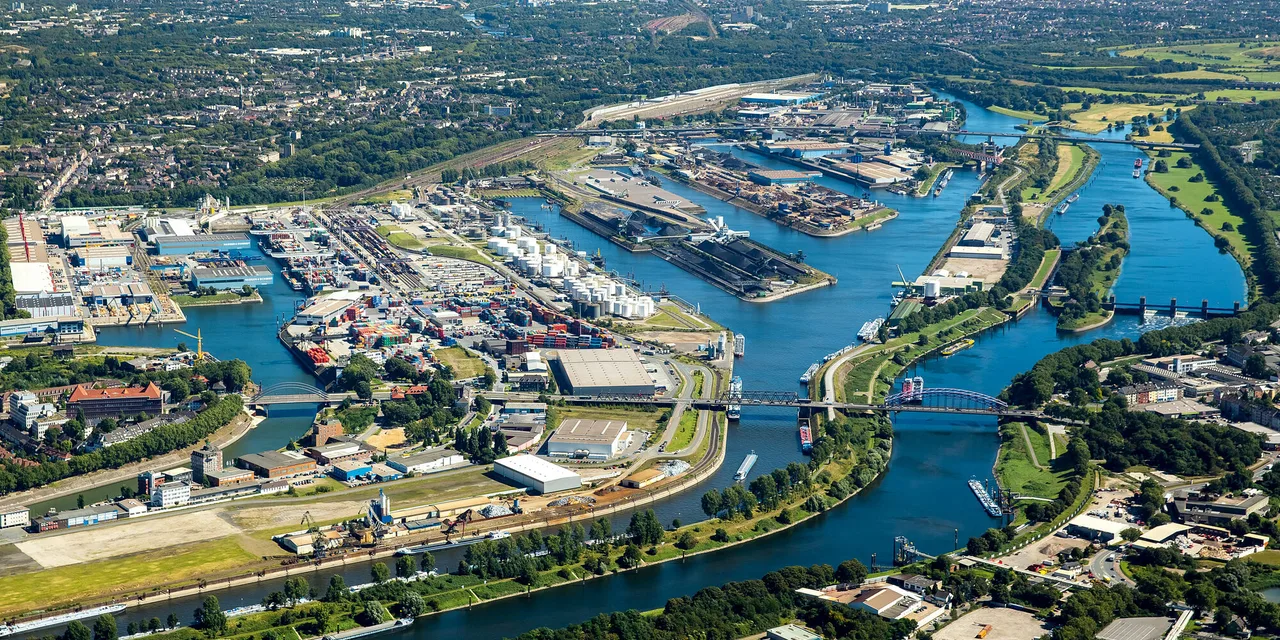
From industrial areas to green spaces 🌳
At first, Duisburg might seem like a purely industrial city. However, this image does not tell the whole story.
One of the most interesting examples of Duisburg’s transformation is the previously mentioned Landschaftspark Duisburg-Nord, where old industrial infrastructure has been incorporated into a completely new environment. Former industrial structures now form part of the city’s recreational and cultural landscape. Duisburg’s industrial heritage has become such an important part of its modern identity that several sites in the city form part of the Ruhr region’s Route of Industrial Culture.
Another unusual landmark is Tiger & Turtle – Magic Mountain. From a distance, the structure resembles a roller coaster, but it is actually a walkable work of art. Its unusual design combines Duisburg’s industrial surroundings with modern art.
Places like these demonstrate an important idea behind modern Duisburg: instead of completely separating the city from its industrial past, Duisburg has found ways to give former industrial spaces a new life.
What can you see in Duisburg? 🏙️
Duisburg offers a mixture of industrial heritage, modern architecture and historical places.
One of the most interesting areas is the Inner Harbour, or Innenhafen. The former harbour area has been transformed over time and today combines its industrial past with offices, restaurants and cultural institutions.
Visitors interested in history can explore Duisburg’s old city centre and the Salvatorkirche, one of the city’s historic landmarks. Construction of the Gothic church was already underway in the early 14th century. Nearby are the historic city hall and remains connected with Duisburg’s medieval history.
For something completely different, visitors can explore Landschaftspark Duisburg-Nord or see Tiger & Turtle. Together, these attractions show the different sides of the city, from medieval history to heavy industry and contemporary art.
Duisburg also has a zoo, which opened in 1934 and remains another well-known attraction in the city.
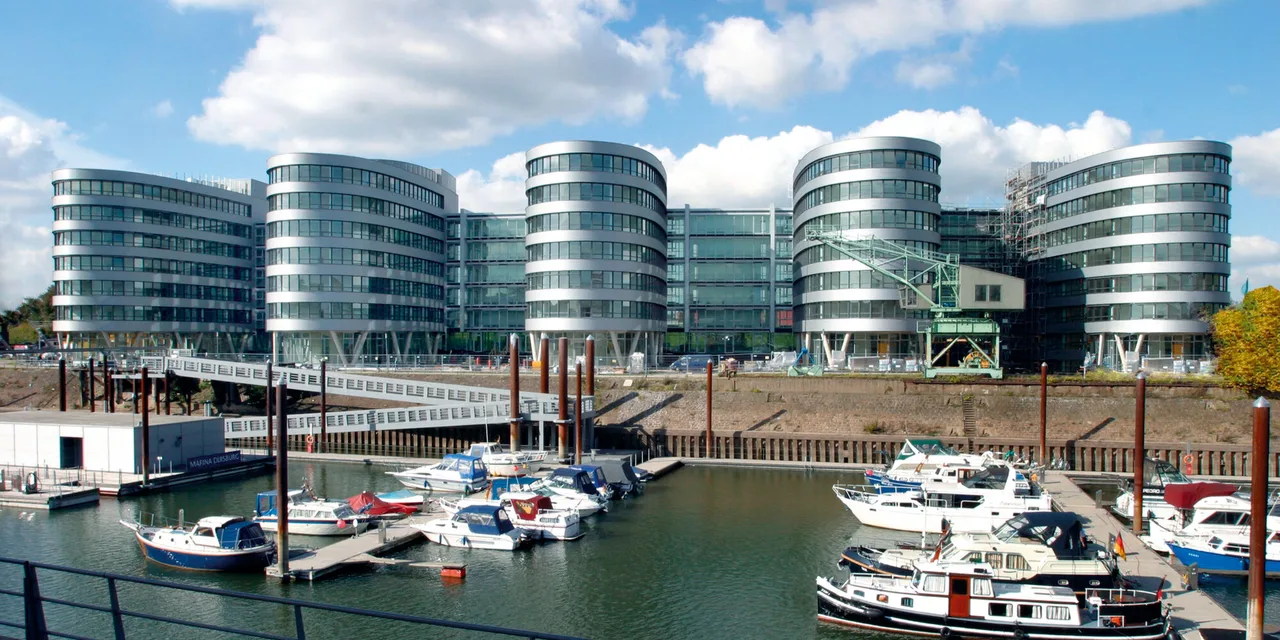 Inner Harbour
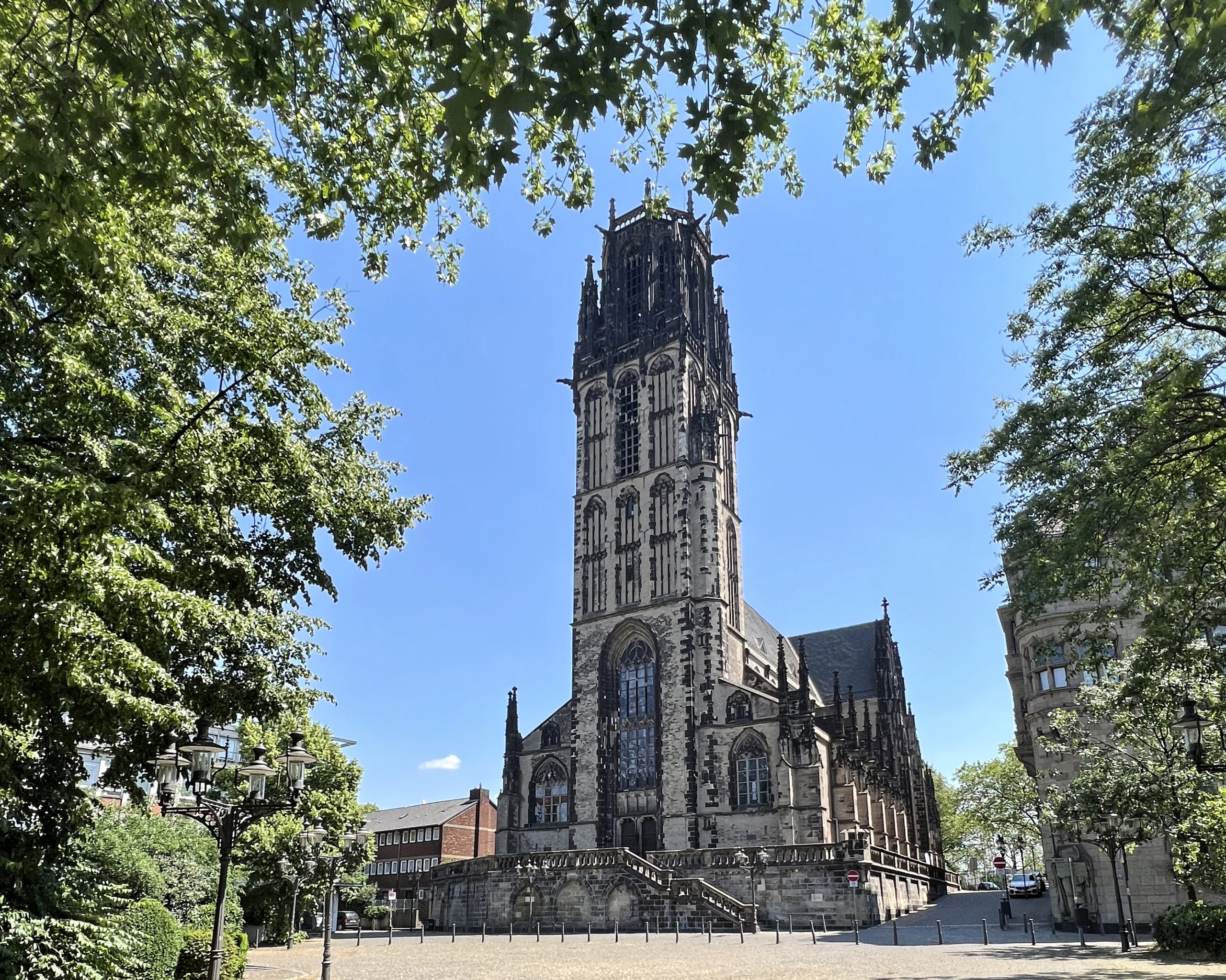 Salvatorkirche
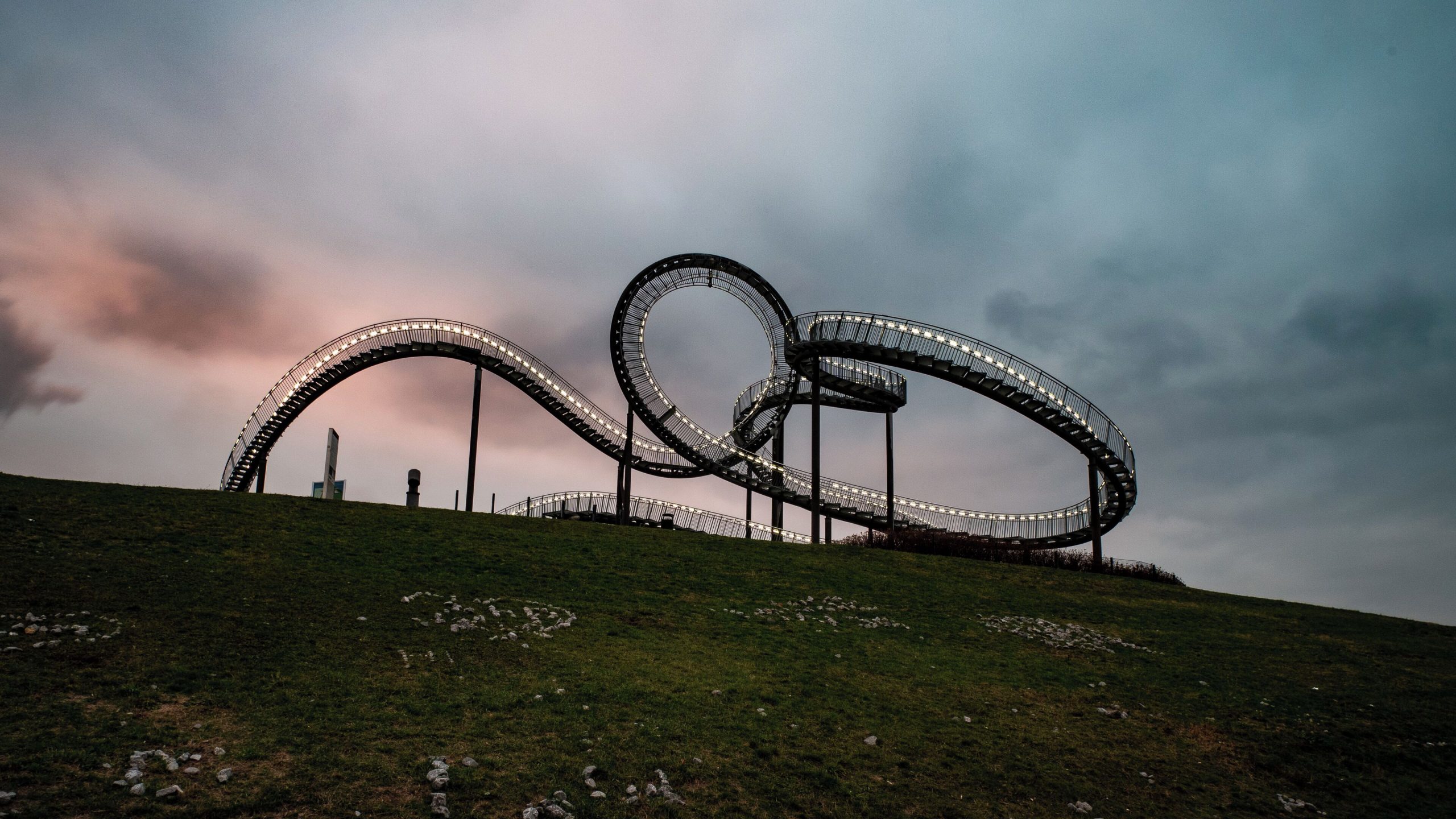 Tiger & Turtle


