A small town surrounded by nature, history and the beautiful Nahe Valley.
Discover Kirn
Kirn is a small town in the German state of Rhineland-Palatinate. It is located in the district of Bad Kreuznach and has around 8,500 inhabitants. Although it is much smaller than cities such as Duisburg or Halle, Kirn is an important local centre for the surrounding region. The town provides services and facilities for an area with approximately 35,000 people.
Kirn is situated in the valleys of the Nahe and Hahnenbach rivers, on the southern edge of the Hunsrück region. The surrounding landscape, with its wooded hills, valleys and distinctive rock formations, gives Kirn a completely different atmosphere from Germany’s large industrial cities.
This combination of nature, history and small-town life is one of the things that makes Kirn interesting. Visitors can explore the town centre, discover historical sites and quickly reach the forests and hills surrounding the town.
A town surrounded by nature
Nature is one of Kirn’s most characteristic features. The town lies in the Nahe Valley, while the Hahnenbach flows through the centre before joining the Nahe nearby. Kirn is surrounded by steep, largely forested hills, creating an attractive landscape around the town.
The region is also characterised by impressive quartzite rock formations. Some of these rocks rise up to around 30 metres above the treetops and are sometimes referred to as the“Kirner Dolomiten.” Among the notable formations are the Kallenfels and the rocks north of the town.
These surroundings make Kirn a good place for people who enjoy outdoor activities. The town and the surrounding countryside offer opportunities for walking, hiking, cycling and spending time in nature.
Unlike a large city, visitors do not have to travel far to leave the urban environment behind. Forests, hills, rivers and walking routes can all be found close to Kirn.
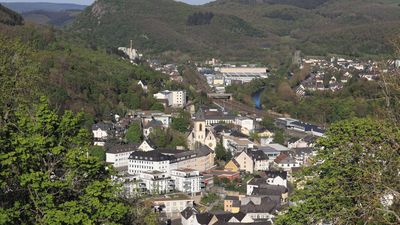
A town with a long history 🏰
Kirn has a long history that developed partly because of its location along old transport and trading routes. The area grew from an early settlement at an important geographical point in the Nahe Valley.
This long history can still be noticed in the appearance of the town. Kirn has worked to preserve and improve its historic centre, while at the same time adapting it to modern everyday life.
One of the most characteristic historic places associated with Kirn is the Kyrburg, situated above the town. Its elevated position makes the site an important part of Kirn’s landscape and gives visitors a view over the town and the surrounding Nahe Valley.
The nearby Kallenfels area with its castle ruins is another reminder of the region’s history. Together, these sites connect modern Kirn with the much older history of the Nahe region.
Life by the Nahe River 🌊
Rivers are an important part of Kirn’s geography and identity.
Kirn is situated in the Nahe Valley, while the smaller Hahnenbach runs through the town and joins the Nahe nearby. The valleys created by these waterways have strongly influenced both the natural landscape and the development of settlements in the area.
The combination of rivers, hills, forests and rock formations creates a landscape very different from Germany’s largest metropolitan areas.
For visitors arriving from large cities, Kirn can therefore offer a quieter experience. Instead of skyscrapers, large industrial complexes and busy city centres, Kirn is characterised by a compact town centre and the natural landscape surrounding it.
This relationship between the town and nature is one of Kirn’s strongest characteristics.
A small but important regional centre 🏘️
Kirn may only have around 8,500 inhabitants, but the town plays a larger role in its surrounding region.
The official town website describes Kirn as a regional centre serving approximately 35,000 people in the upper Nahe area. The town provides shops, services, healthcare and educational facilities for both local residents and people living in nearby communities.
Education is also important to the town. Kirn offers various types of schools, as well as a music school, public library and adult education opportunities.
This makes Kirn a good example of the importance of smaller towns. While large cities often attract the greatest attention, towns such as Kirn provide essential services and create connections between smaller villages and larger urban areas.
What can you see in Kirn?
One of the best ways to experience Kirn is simply to explore the town and its surroundings.
The Kyrburg is one of the characteristic historical sites overlooking Kirn and provides a connection with the town’s past. The location above the town also makes it a natural viewpoint over the surrounding landscape.
The Kallenfels area combines history and nature, with castle ruins and impressive rock formations forming part of the landscape around Kirn.
Visitors can also explore the town centre and walk along the Hahnenbach before discovering the natural landscape of the Nahe Valley.
Rather than having one enormous world-famous attraction, Kirn’s appeal comes from the combination of its historic town, surrounding landscape and peaceful atmosphere.
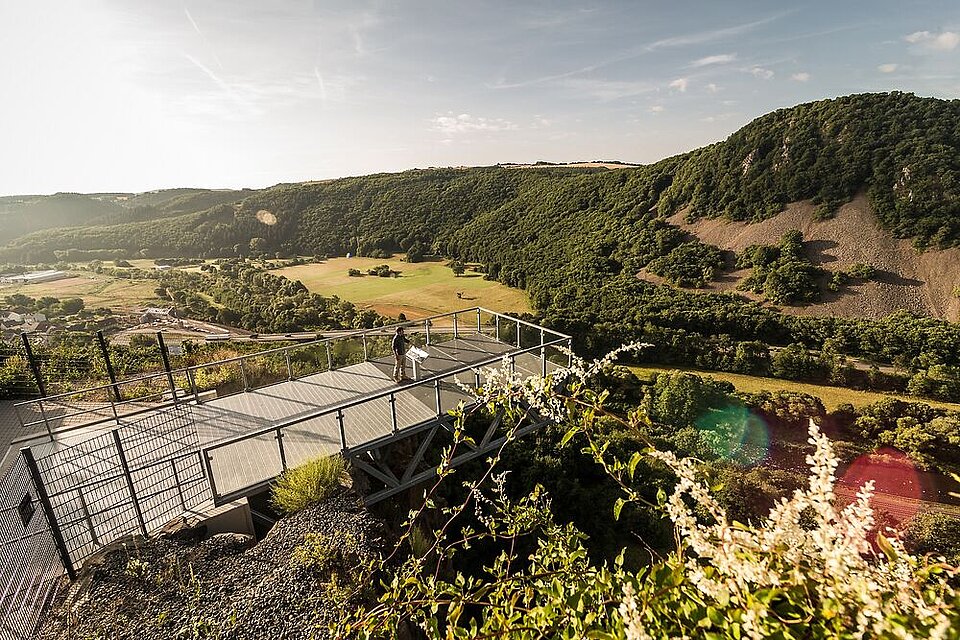 Nahe Valley
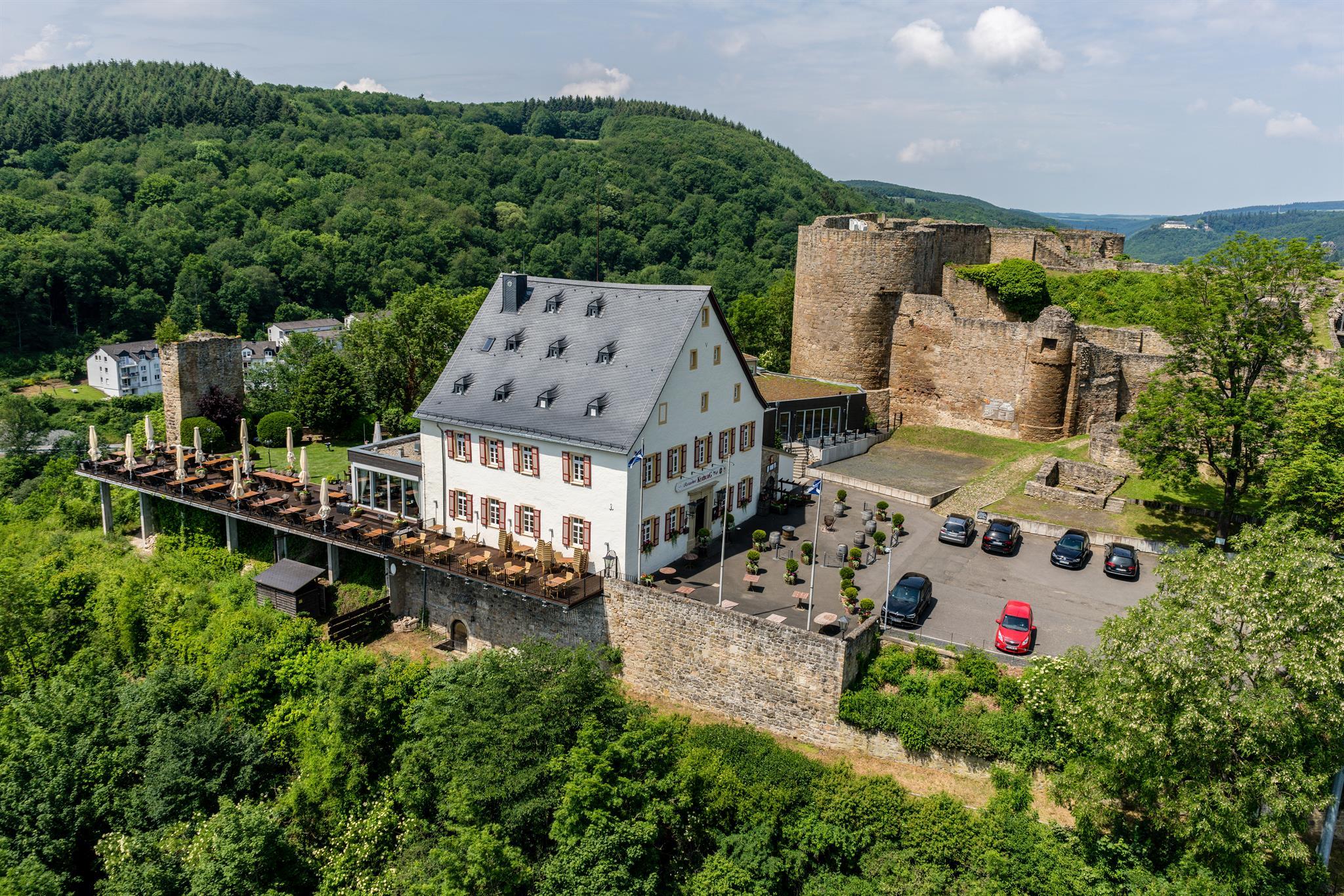 Kyrburg
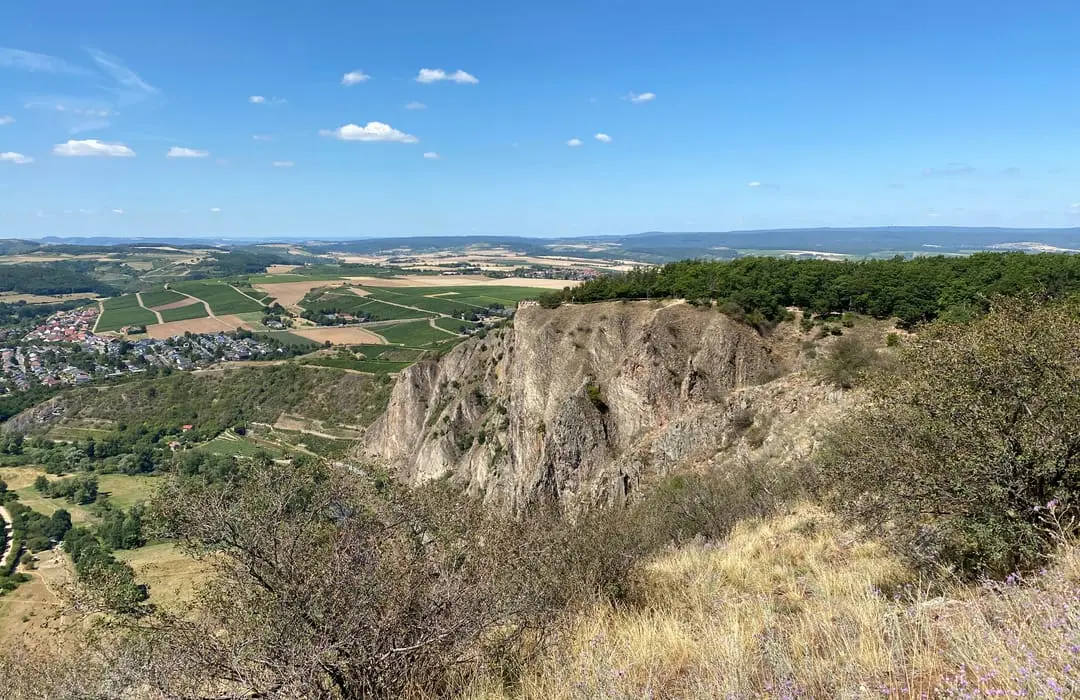
Kallenfels
Kirn and the region 🗺️
Kirn is located in western Germany in the state of Rhineland-Palatinate, around 35 kilometres southwest of Bad Kreuznach and approximately 15 kilometres northeast of Idar-Oberstein.
Its location makes Kirn closely connected with the wider Nahe and Hunsrück regions.
The surrounding landscape has traditionally influenced life in the town. Valleys provide natural routes between settlements, while the hills and forests define the appearance of the area.
For international visitors, Kirn can therefore show a very different side of Germany from major cities such as Berlin, Cologne or Duisburg. It represents Germany’s smaller regional towns, where nature, local history and everyday life are closely connected.


